Preparation is the key to success in any interview. In this post, we’ll explore crucial Patrol Coordination interview questions and equip you with strategies to craft impactful answers. Whether you’re a beginner or a pro, these tips will elevate your preparation.
Questions Asked in Patrol Coordination Interview
Q 1. Describe your experience in developing and implementing patrol routes.
Developing and implementing effective patrol routes requires a deep understanding of the area, anticipated crime patterns, and resource availability. My approach involves a multi-step process. First, I conduct a thorough analysis of crime statistics and incident reports to identify high-risk areas and times. This data informs the initial route design. Second, I use geographic information system (GIS) software to map these high-risk zones and create efficient routes that maximize coverage while minimizing travel time. Third, I consider factors like traffic patterns, road closures, and geographical constraints to refine the routes. Finally, I conduct a trial run, gathering feedback from patrol officers to identify areas for improvement and adjust the routes as needed. For example, in a previous role, we observed a spike in robberies in a particular neighborhood after sunset. By adjusting patrol routes to increase nighttime presence in that area, we saw a significant decrease in reported incidents within a month.
I also factor in the availability of resources, ensuring patrol routes can be realistically covered by the available personnel and vehicles. This might involve dividing larger areas into smaller, manageable sections for individual patrol units.
Q 2. How do you prioritize patrol assignments based on risk assessment?
Prioritizing patrol assignments based on risk assessment is crucial for efficient and effective policing. My process starts with collecting data on various crime types, locations, and times. This data is analyzed to identify high-risk areas and times of day. For instance, using a weighted system, we might assign a higher weight to areas experiencing recent burglaries, a moderate weight to areas with high foot traffic and a history of petty theft, and a low weight to areas with minimal incidents. This weighted system allows for objective prioritization, which improves resource allocation. After this, I consider additional factors: community concerns, specific events (e.g., protests, concerts), and intelligence information. These can dynamically alter priorities, perhaps sending additional officers to an area based on reported suspicious activity or an impending community event. Essentially, it’s a dynamic balancing act between data-driven analysis and real-time situational awareness.
Q 3. Explain your process for managing and tracking patrol officer performance.
Managing and tracking patrol officer performance is vital for maintaining efficiency and accountability. I use a combination of quantitative and qualitative measures. Quantitative measures include metrics such as response times to calls, number of arrests made, citations issued, and the number of reports filed. These provide concrete data for evaluation. I also incorporate qualitative measures such as peer and supervisor reviews, focusing on areas like professionalism, decision-making, and problem-solving skills. Regular performance reviews provide a forum for feedback and improvement. We utilize specialized software to track these metrics and provide real-time dashboards showing individual officer performance and overall team performance. This allows for timely interventions if needed. For example, if an officer consistently demonstrates slow response times, we can investigate possible causes like lack of training or resource deficiencies.
Q 4. What technologies or software have you used for patrol coordination?
Throughout my career, I’ve utilized various technologies and software for patrol coordination. This includes Computer-Aided Dispatch (CAD) systems for managing calls and assigning units, Geographic Information Systems (GIS) software for mapping crime hotspots and optimizing patrol routes, and mobile data terminals (MDTs) in patrol vehicles for real-time communication and data access. We also use fleet management software to track vehicle locations and ensure optimal deployment. In recent years, I have experience working with predictive policing software that analyzes historical crime data to identify potential future crime patterns. This allows for proactive deployment of resources to areas with a high likelihood of future incidents. For example, if the software predicts a surge in shoplifting incidents in a particular mall during specific hours, we can deploy more officers to that location proactively.
Q 5. How do you handle unexpected events or emergencies during a patrol shift?
Handling unexpected events and emergencies is a critical aspect of patrol coordination. Our protocols dictate immediate escalation to dispatch upon encountering any unforeseen circumstance. Clear and concise communication is key. When an emergency arises, I prioritize the safety of officers and the public. This involves swiftly assessing the situation, deploying available resources appropriately, and coordinating with other emergency services as needed. The CAD system provides a centralized location for tracking the situation, coordinating responses, and providing real-time updates to all involved parties. Post-incident, a thorough debriefing is crucial to identify lessons learned and improve future response strategies. For example, if a major accident causes significant traffic congestion, we would immediately re-route patrols and notify other responding agencies to ensure efficient response and minimize further disruption.
Q 6. Describe your experience with incident reporting and documentation.
Effective incident reporting and documentation are essential for accountability and continuous improvement. Our department utilizes a standardized reporting system to ensure consistency and completeness in documenting incidents. This system includes specific fields for documenting details such as date, time, location, involved parties, witness information, evidence collected, and actions taken. All reports are digitally stored and accessible to authorized personnel. Regular audits ensure accuracy and compliance. This data is crucial not only for legal purposes but also for identifying trends, evaluating officer performance, and making data-driven decisions about resource allocation and crime prevention strategies. Incomplete or inaccurate documentation can significantly impact investigations and lead to missed opportunities for crime prevention.
Q 7. How do you ensure effective communication between patrol officers and dispatch?
Maintaining effective communication between patrol officers and dispatch is paramount for efficient operation. We utilize a multi-faceted approach, including two-way radios, mobile data terminals (MDTs), and CAD systems. Regular training ensures all personnel are proficient in the use of these communication tools. Clear and concise communication protocols are established and regularly reviewed. This includes standard operating procedures for reporting incidents, requesting backup, and coordinating actions. This is further enhanced with daily briefings where dispatch updates officers on significant events, and officers report on their patrol status. The goal is to minimize communication barriers and ensure a rapid and effective response to all events. This proactive communication helps prevent miscommunication and improves overall response time and efficiency.
Q 8. How do you maintain officer safety and security during patrols?
Officer safety is paramount in patrol coordination. It’s not just about procedures; it’s a mindset. We achieve this through a multi-layered approach.
- Comprehensive Training: Officers receive regular training in defensive tactics, de-escalation techniques, and situational awareness. This includes recognizing potential threats and responding appropriately.
- Equipment and Technology: Providing officers with body cameras, high-visibility vests, reliable communication systems, and non-lethal weapons ensures they can handle situations safely and effectively. For instance, tasers and pepper spray provide less-lethal options for de-escalation.
- Safe Driving Practices: Rigorous driver training and adherence to defensive driving techniques are crucial to minimize risks associated with vehicle operation, especially in high-stress situations. Regular vehicle maintenance is also essential.
- Buddy System: Patrols are often conducted in pairs, providing mutual support and backup in potentially dangerous situations. This creates a sense of security and allows for immediate assistance if needed.
- Regular Check-ins: Consistent communication through radio or other means maintains contact and ensures officers are accounted for and safe. This helps in rapid response in case of emergencies.
- Post-Incident Debriefing: After any incident, critical review sessions take place, allowing officers to reflect on their actions and identify areas for improvement in safety protocols. Learning from past experiences is key.
Q 9. What strategies do you use to optimize patrol routes for efficiency and coverage?
Optimizing patrol routes is about maximizing efficiency and coverage while minimizing response times. This involves a strategic blend of technology and experience.
- Crime Mapping and Data Analysis: We use crime statistics and incident reports to identify high-risk areas. This allows us to allocate more patrols to those locations. We utilize Geographic Information Systems (GIS) software to visualize this data and create effective routes.
- Beat Management: Dividing the patrol area into manageable beats allows for better resource allocation and focused patrols. This ensures that all areas receive adequate attention.
- Patrol Route Planning Software: Specialized software can optimize routes based on various factors, including distance, travel time, and crime hotspots. This ensures efficient coverage while minimizing travel time.
- Community Feedback: We actively solicit feedback from residents to identify areas needing increased attention or to address specific concerns. This citizen input is crucial for effective patrol planning.
- Random Patrols: While data-driven approaches are important, we also incorporate random patrols to deter crime and enhance overall security. Predictability can make areas more vulnerable to crime.
- Adaptive Routing: We adapt patrol routes in real-time based on incoming calls, incidents, or unexpected situations. Flexibility is key in dynamic environments.
Q 10. How do you handle conflicts or disputes between patrol officers or with the public?
Conflict resolution is a crucial skill for patrol officers. Our approach is based on de-escalation, mediation, and, if necessary, appropriate enforcement.
- De-escalation Techniques: Officers are trained to use calm and respectful communication to diffuse tense situations. This includes active listening, empathy, and clear communication.
- Mediation: Where possible, officers act as mediators to help resolve disputes between individuals or groups peacefully. This often involves helping parties understand each other’s perspectives.
- Fair and Impartial Enforcement: If de-escalation and mediation fail, officers must enforce the law fairly and impartially, ensuring due process for all involved. This involves strict adherence to policy and procedure.
- Documentation: Thorough documentation of all incidents, including interactions with the public and other officers, is crucial. This helps to maintain accountability and ensure transparency.
- Internal Review Process: Any complaints or disputes between officers are addressed through a fair and impartial internal review process to ensure accountability and transparency. This can involve mediation, disciplinary action, or training.
For example, in a situation involving a public dispute, officers might separate the parties, actively listen to their concerns, and try to find common ground before resorting to formal enforcement measures. We prioritize peaceful resolutions whenever possible.
Q 11. Describe your experience in training and supervising patrol officers.
My experience in training and supervising patrol officers spans over ten years. I’ve developed and implemented comprehensive training programs that go beyond the basics.
- Field Training Officer (FTO) Program: I’ve managed and mentored FTOs who guide new recruits through practical training and on-the-job learning. This ensures a smooth transition from the academy to real-world patrol duties.
- Specialized Training: I’ve arranged and facilitated training on specific topics such as crisis intervention, cultural sensitivity, and advanced defensive tactics. This addresses the diverse challenges faced by patrol officers.
- Performance Evaluations: I conduct regular performance evaluations, providing constructive feedback and identifying areas for improvement. This ensures officers maintain their skills and adapt to evolving needs.
- Mentorship and Support: I foster a supportive environment where officers feel comfortable seeking guidance and addressing concerns. This builds a strong and effective team.
- Continuing Professional Development (CPD): I encourage and facilitate CPD opportunities, such as attending conferences and workshops. This ensures officers stay up-to-date with best practices and emerging trends.
For instance, I once developed a specialized training module on de-escalation techniques that included role-playing scenarios and conflict-resolution strategies, significantly reducing the number of use-of-force incidents.
Q 12. How familiar are you with relevant laws and regulations related to security patrols?
I possess extensive knowledge of all relevant laws and regulations pertaining to security patrols. This includes local, state, and federal laws, as well as agency-specific policies and procedures.
- Use of Force: I’m proficient in the legal aspects of use-of-force situations, ensuring officers understand and adhere to legal standards. This involves understanding the concepts of reasonable force and proportionality.
- Search and Seizure: I have a thorough understanding of Fourth Amendment rights and the legal requirements for conducting searches and seizures. This ensures officers comply with the law and respect individual rights.
- Arrest Procedures: I’m knowledgeable about the legal requirements for making arrests, including Miranda rights and proper booking procedures. This involves adhering to legal processes to ensure the rights of the arrested are protected.
- Evidence Handling: I understand the importance of proper evidence handling and chain of custody to ensure admissibility in court. This includes the proper procedures for collecting, preserving, and documenting evidence.
- Reporting and Documentation: I’m familiar with all requirements for accurate and complete reporting and documentation of patrol activities. This helps maintain accountability and transparency.
Staying updated on legal changes is critical. I regularly review relevant legal updates and incorporate any necessary changes into our training and operational procedures.
Q 13. How do you measure the effectiveness of your patrol strategies?
Measuring the effectiveness of patrol strategies requires a multifaceted approach that goes beyond simple metrics.
- Crime Statistics: We analyze crime rates, types of crimes, and trends to assess the impact of our strategies. Reductions in crime rates in specific areas indicate effective patrol strategies.
- Response Times: We monitor response times to calls for service to ensure efficiency and effectiveness. Decreased response times show improved patrol route optimization.
- Officer Safety Metrics: We track officer injuries and incidents to measure the success of our safety protocols. Low injury rates indicate effective training and safety measures.
- Citizen Satisfaction Surveys: Surveys gauge public perception of patrol activities and identify areas for improvement. High satisfaction levels indicate effective community engagement.
- Data Analysis and Reporting: We use data analysis tools to identify patterns, trends, and anomalies in crime data, and patrol activity to refine strategies. This iterative approach ensures ongoing improvement.
For example, if we implement a new patrol route and observe a significant decrease in burglaries in a particular area, it indicates the effectiveness of that strategy. We also use statistical analysis to determine if these reductions are statistically significant.
Q 14. Describe a time you had to adapt patrol plans due to unforeseen circumstances.
During a large-scale public event, unforeseen circumstances forced a significant adaptation to our patrol plans.
Initially, our plan involved static patrols at designated points around the event. However, an unexpectedly large crowd surge in one area overwhelmed our initial deployment. To address this, I immediately:
- Re-allocated Resources: I quickly redirected officers from less crowded areas to reinforce the overwhelmed sector. This prioritized crowd control and public safety.
- Coordinated with Emergency Services: I worked closely with local police and emergency medical services to coordinate a response, sharing real-time information and resources.
- Implemented Dynamic Routing: Instead of static positions, I switched to a dynamic patrol strategy, using real-time crowd movement data to guide officer deployment. This allowed for a more adaptable and efficient response.
- Communicated Changes Effectively: I ensured clear communication with all officers, keeping them informed of changes to patrol routes and responsibilities. This helped maintain order and coordination.
By adapting our plans swiftly and effectively, we successfully managed the crowd surge, prevented any serious incidents, and ensured the safety of the public and our officers. This highlighted the importance of adaptability and strong communication in patrol coordination.
Q 15. How do you utilize technology to improve patrol efficiency (GPS, mobile apps, etc.)?
Technology plays a crucial role in optimizing patrol efficiency. We leverage several tools to enhance situational awareness, improve response times, and streamline reporting. GPS tracking systems, integrated into patrol vehicles and officers’ mobile devices, provide real-time location data. This allows for dynamic patrol route optimization, ensuring optimal coverage and rapid response to incidents. Mobile apps further enhance this capability. For example, we use an app that allows officers to digitally record incidents, submit reports, and access real-time crime data directly in the field, eliminating paperwork delays and improving data accuracy. Imagine a situation where a large protest is occurring: real-time location data enables dispatch to send the closest officers swiftly, optimizing resource allocation and minimizing response time.
Furthermore, these apps often incorporate features like automated dispatch notifications, providing immediate alerts about new incidents or changes in patrol assignments. This ensures officers are always informed and ready to react to evolving situations. Data analysis from these systems also helps identify patrol patterns and areas needing increased coverage, leading to proactive crime prevention strategies.
Career Expert Tips:
- Ace those interviews! Prepare effectively by reviewing the Top 50 Most Common Interview Questions on ResumeGemini.
- Navigate your job search with confidence! Explore a wide range of Career Tips on ResumeGemini. Learn about common challenges and recommendations to overcome them.
- Craft the perfect resume! Master the Art of Resume Writing with ResumeGemini’s guide. Showcase your unique qualifications and achievements effectively.
- Don’t miss out on holiday savings! Build your dream resume with ResumeGemini’s ATS optimized templates.
Q 16. How do you ensure compliance with company policies and procedures during patrols?
Ensuring compliance with company policies and procedures is paramount. We achieve this through a multi-pronged approach. Firstly, comprehensive training is provided to all patrol officers, covering all relevant policies and procedures, including those related to use of force, data privacy, and reporting protocols. This training includes both classroom sessions and practical field exercises. Secondly, regular audits and performance reviews are conducted to assess adherence to these policies. We review incident reports, body camera footage (where applicable), and GPS tracking data to identify any potential non-compliance. Any deviations are addressed immediately through coaching, retraining, or disciplinary measures, depending on the severity of the infraction. Thirdly, we establish a clear and accessible reporting mechanism for officers to raise any concerns or ambiguities regarding policies, fostering a culture of transparency and compliance.
For instance, we might find through a review of GPS data that an officer consistently deviates from their assigned patrol route. This would trigger an investigation to ascertain the reason, ensuring compliance with expected patrol patterns and efficiency protocols. Any retraining needed is promptly delivered to ensure future adherence to company procedures.
Q 17. How do you manage payroll and scheduling for patrol officers?
Managing payroll and scheduling for patrol officers involves utilizing dedicated payroll software and sophisticated scheduling systems. Payroll is processed automatically, integrating time-tracking data from the officers’ mobile apps and GPS devices. This ensures accurate calculation of hours worked, overtime, and other compensations. The scheduling system optimizes staffing levels across different shifts and days, considering peak hours, special events, and officer availability. The system also takes into account various factors like officer qualifications, seniority, and training requirements to create balanced and efficient schedules. We also consider factors like fatigue management to ensure officer safety and prevent burnout.
For example, our scheduling system will automatically adjust staffing for a major city event, ensuring we have adequate coverage while taking officer preferences into account where possible. This automated system significantly reduces manual workload and minimizes the potential for scheduling errors or disputes.
Q 18. What metrics do you use to monitor patrol performance?
We monitor patrol performance using a range of key performance indicators (KPIs). These include response times to incidents, the number of incidents handled, crime statistics within assigned patrol areas, officer compliance with procedures, and citizen satisfaction feedback. Response times are tracked using real-time data from GPS and dispatch systems. Crime statistics are analyzed to evaluate the effectiveness of patrols in deterring crime and maintaining public safety. Citizen satisfaction is measured through surveys and feedback mechanisms.
For example, a significant increase in response times in a particular area might indicate a need for increased staffing or route optimization. Similarly, consistently low citizen satisfaction scores might highlight a need for additional training in communication or de-escalation techniques.
Q 19. Explain your experience with performance management of patrol officers.
Performance management is a continuous process. It starts with clear expectations, defined through training and performance objectives. Regular feedback sessions are conducted with patrol officers, providing both positive reinforcement and constructive criticism. These sessions utilize data from the KPIs mentioned earlier, as well as observations from supervisors and peer reviews. Performance issues are addressed promptly through coaching, mentoring, and retraining, with clear documentation of the process. Serious or persistent performance problems may lead to disciplinary action, following established company procedures.
For example, an officer consistently receiving low marks in their citizen satisfaction surveys might be provided with training in communication and de-escalation techniques. Their performance is then monitored to assess the effectiveness of the training. This approach focuses on improving performance and providing support rather than simply applying punishment.
Q 20. Describe your approach to resource allocation for patrols.
Resource allocation for patrols requires a strategic approach, balancing available resources with operational needs. This involves careful analysis of crime statistics, identifying high-risk areas and times of day. We allocate patrol officers and vehicles based on these risk assessments, ensuring adequate coverage where it’s needed most. This is done dynamically, adjusting allocations based on real-time crime patterns and unforeseen events, such as major incidents or protests. We also factor in officer availability, skills, and experience when allocating resources.
Consider a scenario where crime rates surge in a particular neighborhood during evening hours. Our resource allocation strategy will immediately prioritize that area by assigning additional patrols during those times, shifting resources from areas with lower crime activity. This demonstrates a dynamic and proactive approach to resource management.
Q 21. How do you ensure adequate coverage during peak hours or special events?
Ensuring adequate coverage during peak hours or special events requires proactive planning and coordination. We utilize historical data and forecasts to predict demand and adjust staffing levels accordingly. This involves adjusting patrol schedules, potentially bringing in additional officers or utilizing overtime to meet the increased need for personnel. Detailed event plans are developed for major events, coordinating with other agencies and stakeholders to ensure a comprehensive security approach. Communication protocols are refined to allow for immediate response to changes in circumstances. Real-time monitoring of officer locations and incident reports is crucial to quickly identify and address any shortfalls in coverage.
For example, during a large music festival, we’ll collaborate with event organizers and local authorities to map out patrol routes and establish communication channels. We’ll deploy additional officers well in advance of the event, tailoring their assignments to focus on specific needs such as crowd control or managing traffic flow. Regular updates and communications throughout the event will allow us to manage resources dynamically, ensuring adequate police presence throughout.
Q 22. How do you handle complaints or negative feedback from clients or the public?
Handling complaints and negative feedback is crucial for maintaining positive client and public relations. My approach involves a structured, empathetic process. First, I actively listen to understand the concerns fully, without interruption. I then acknowledge their feelings and validate their experience, showing empathy and respect. Next, I thoroughly investigate the complaint, gathering all relevant information from the involved patrol officers and any available evidence like reports or security footage. Depending on the nature of the complaint, I may offer immediate apologies for any shortcomings in service. Finally, I communicate the investigation’s findings and the corrective actions taken, keeping the complainant informed throughout the process. For example, if a complaint involves an officer’s unprofessional conduct, I’ll review body camera footage, interview witnesses, and potentially issue disciplinary action, ensuring transparency and accountability. A follow-up is essential to gauge satisfaction with the resolution. This approach fosters trust and demonstrates a commitment to continuous improvement.
Q 23. Describe your experience with creating patrol schedules and assigning shifts.
Creating efficient and effective patrol schedules requires careful consideration of various factors. My experience involves using specialized scheduling software, taking into account personnel availability, skill sets, and predicted demand based on historical crime data and anticipated events. I prioritize ensuring adequate coverage across all assigned zones, considering factors such as peak crime times and geographical challenges. For example, during a large public event, I’d allocate more officers to the event area and adjust schedules accordingly. Shift assignments are made based on seniority, officer preferences (when feasible), and operational needs. For example, experienced officers might be assigned to high-risk areas or complex situations. Regular review and adjustments are crucial to maintain optimal coverage and address unexpected circumstances. I always maintain clear communication with officers about their schedules and any changes, using both written and verbal means.
Q 24. How do you maintain accurate records of patrol activities and incidents?
Maintaining accurate records is critical for accountability, performance evaluation, and incident analysis. We utilize a comprehensive digital system, integrated with GPS tracking for patrol vehicles and mobile reporting apps for officers. This allows for real-time tracking of patrol activities and immediate incident reporting. Officers are trained to meticulously document all events, including details of incidents, interactions with the public, and any actions taken. The system automatically timestamps entries, ensuring accuracy. Regular audits are conducted to maintain data integrity and identify any inconsistencies. This data is crucial for producing reports, analyzing trends, and identifying areas needing improvement. For example, we use the data to identify crime hotspots, optimize patrol routes, and measure response times, all contributing to improved patrol efficiency and effectiveness.
Q 25. What is your experience with different patrol methods (foot, vehicle, etc.)?
I have extensive experience with various patrol methods, including foot patrols, vehicle patrols, and bicycle patrols, each suited to different contexts. Foot patrols are ideal for community engagement and addressing issues in high-density areas. They provide greater visibility and allow for more direct interaction with the public. Vehicle patrols are essential for covering larger areas quickly, responding to emergencies, and conducting proactive crime prevention. Bicycle patrols offer a balance between speed and accessibility, ideal for areas that are difficult for vehicles to navigate. My experience includes selecting the appropriate patrol method based on factors like geographical considerations, crime trends, and community needs. For example, in a densely populated urban area, foot patrols may be more effective, whereas in a sprawling suburban area, vehicle patrols are more practical. Effective coordination between different patrol methods is key to maximizing overall effectiveness.
Q 26. How do you communicate effectively with patrol officers in stressful situations?
Effective communication during stressful situations is paramount. My approach emphasizes clear, concise instructions, delivered calmly and with empathy. I utilize a variety of communication methods, including radios, mobile phones, and direct face-to-face communication, selecting the most appropriate method for the specific situation. Before an incident, I establish clear communication protocols and ensure officers understand their roles and responsibilities. During a crisis, I prioritize providing officers with accurate, timely information and maintaining open communication channels, allowing for feedback and updates. Using clear, simple language, avoiding jargon, and actively listening are crucial in ensuring that messages are understood and acted upon correctly. For example, in a hostage situation, maintaining clear communication with officers on the ground, negotiators, and command staff is vital for a successful resolution.
Q 27. Explain your understanding of key performance indicators (KPIs) for patrol operations.
Key Performance Indicators (KPIs) are crucial for measuring the effectiveness of patrol operations. These metrics provide data-driven insights for improving strategies and resource allocation. Common KPIs include response times to calls for service, crime clearance rates, reduction in specific types of crime, citizen satisfaction scores, and officer safety incidents. We also track the number of proactive patrols conducted, community engagement events attended, and the number of arrests made. By analyzing these KPIs, we can identify areas needing attention, evaluate the impact of different strategies, and justify resource requests. For example, if response times are consistently exceeding targets, we might analyze patrol routes, resource allocation, or staffing levels to find solutions. Regular KPI reporting and analysis are critical for continuous improvement and ensuring accountability in patrol operations. We use data visualization tools to make the KPI data easily accessible and understandable to all stakeholders.
Key Topics to Learn for Patrol Coordination Interview
- Resource Allocation and Deployment: Understanding optimal patrol routes, shift scheduling, and efficient deployment of personnel based on crime data and risk assessment.
- Communication and Collaboration: Effective communication strategies within the patrol team, with dispatch, and other agencies. Practical application: Scenario-based questions on handling urgent situations requiring inter-agency coordination.
- Incident Response and Management: Strategies for responding to various incidents, escalating critical situations, and coordinating resources effectively during emergencies.
- Data Analysis and Reporting: Interpreting crime statistics, identifying patterns, and using data to inform patrol strategies. Practical application: Analyzing a sample crime report to determine patrol adjustments.
- Legal and Ethical Considerations: Understanding relevant laws, regulations, and ethical guidelines governing police procedures and patrol operations. Practical application: Scenario-based questions assessing ethical decision-making in patrol situations.
- Technology and Equipment Proficiency: Familiarity with various technologies used in modern patrol operations, including GPS tracking, communication systems, and mobile data terminals.
- Community Engagement and Public Relations: Strategies for fostering positive relationships with the community and building trust through proactive policing and community outreach.
- Risk Assessment and Prevention: Identifying potential threats, vulnerabilities, and high-risk areas, and developing strategies to mitigate risks and prevent crime.
- Supervisory Skills (if applicable): Demonstrating understanding of team leadership, delegation, performance management, and motivating team members.
Next Steps
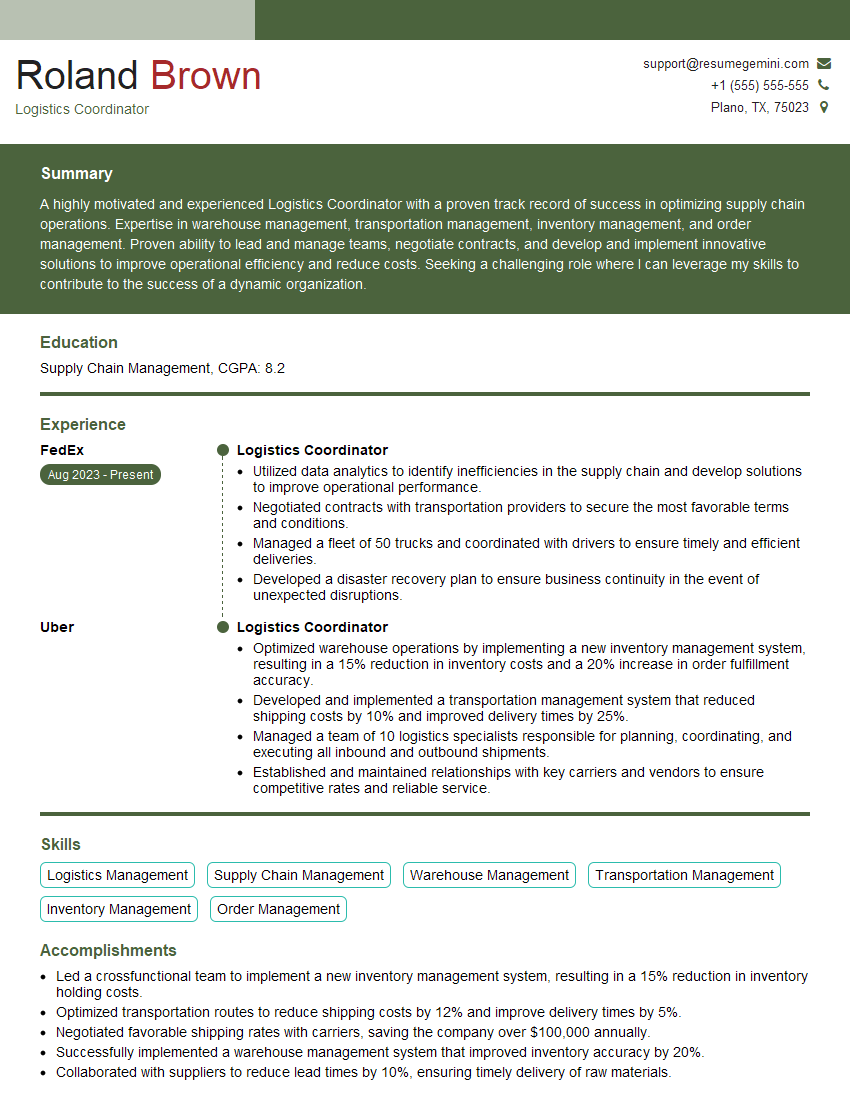
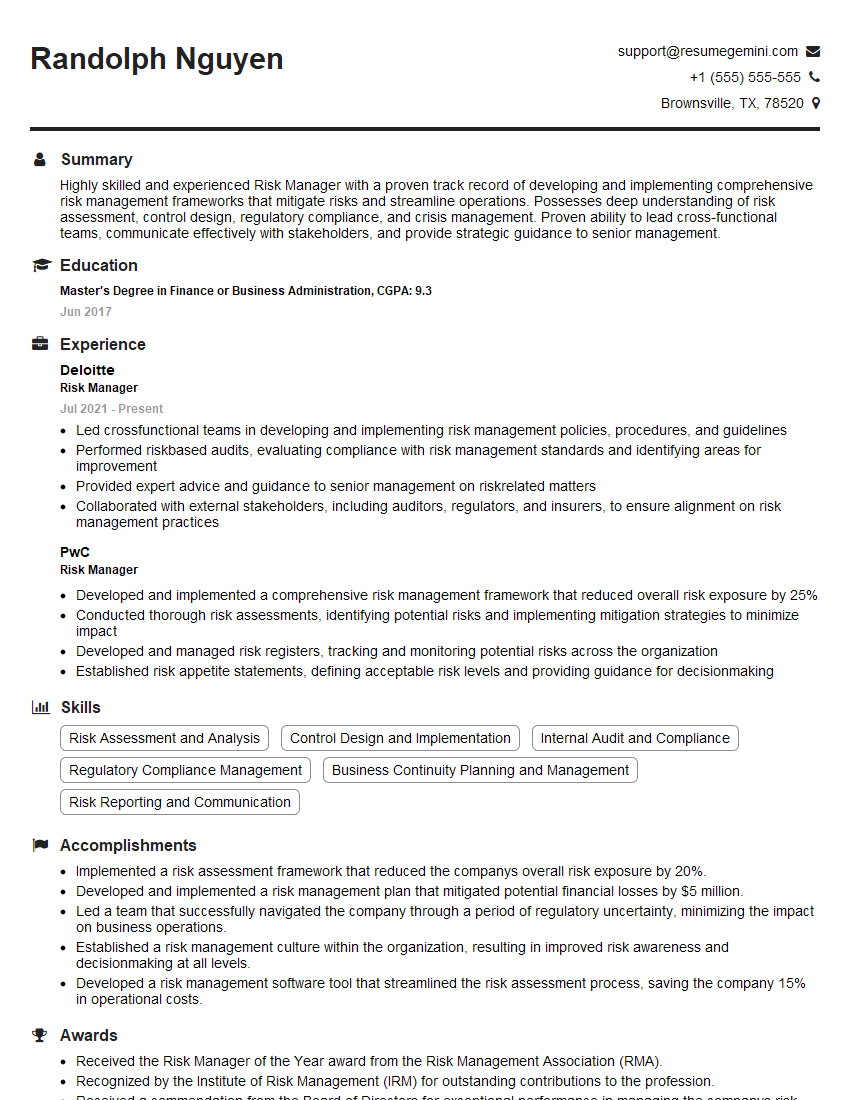
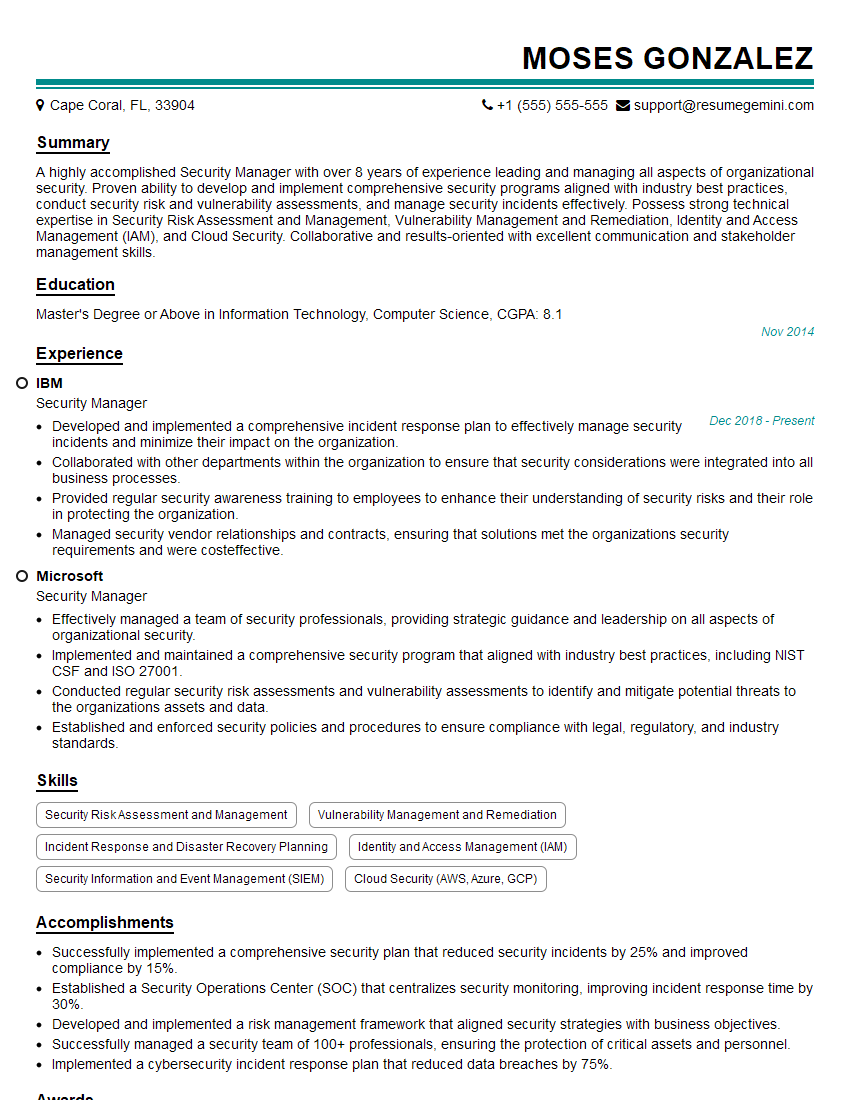
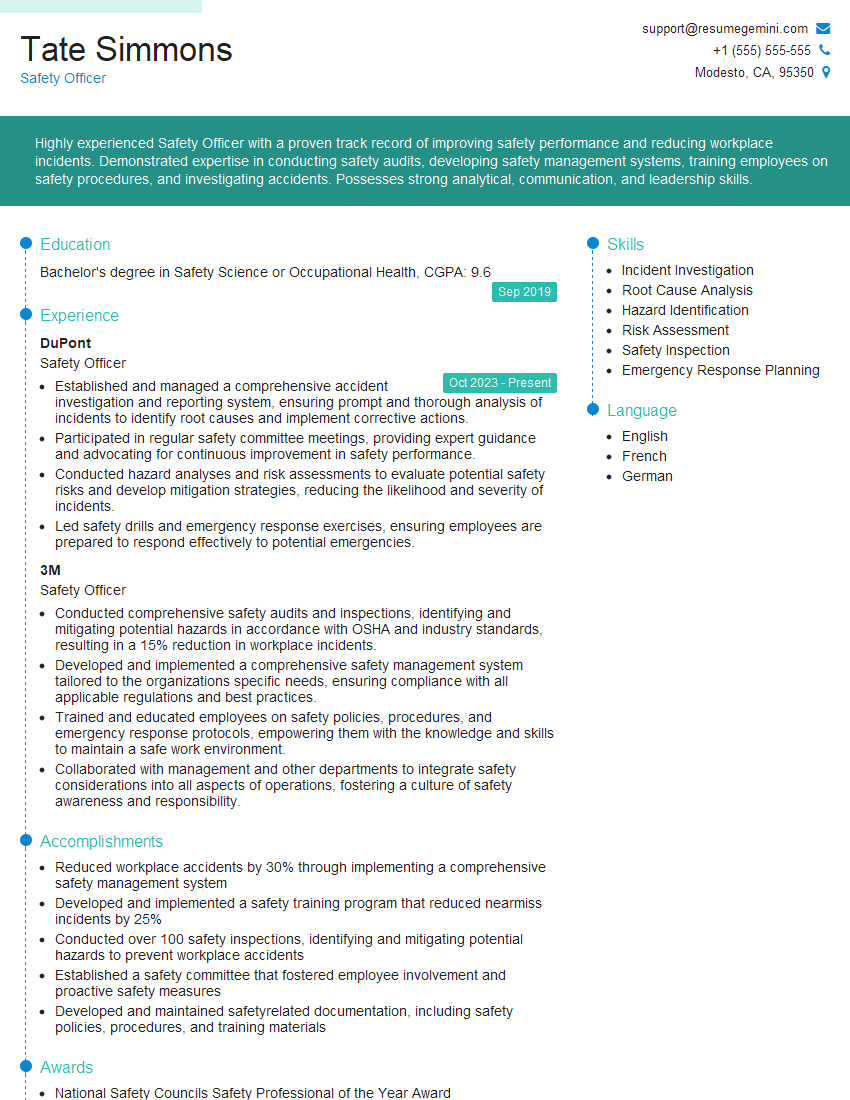
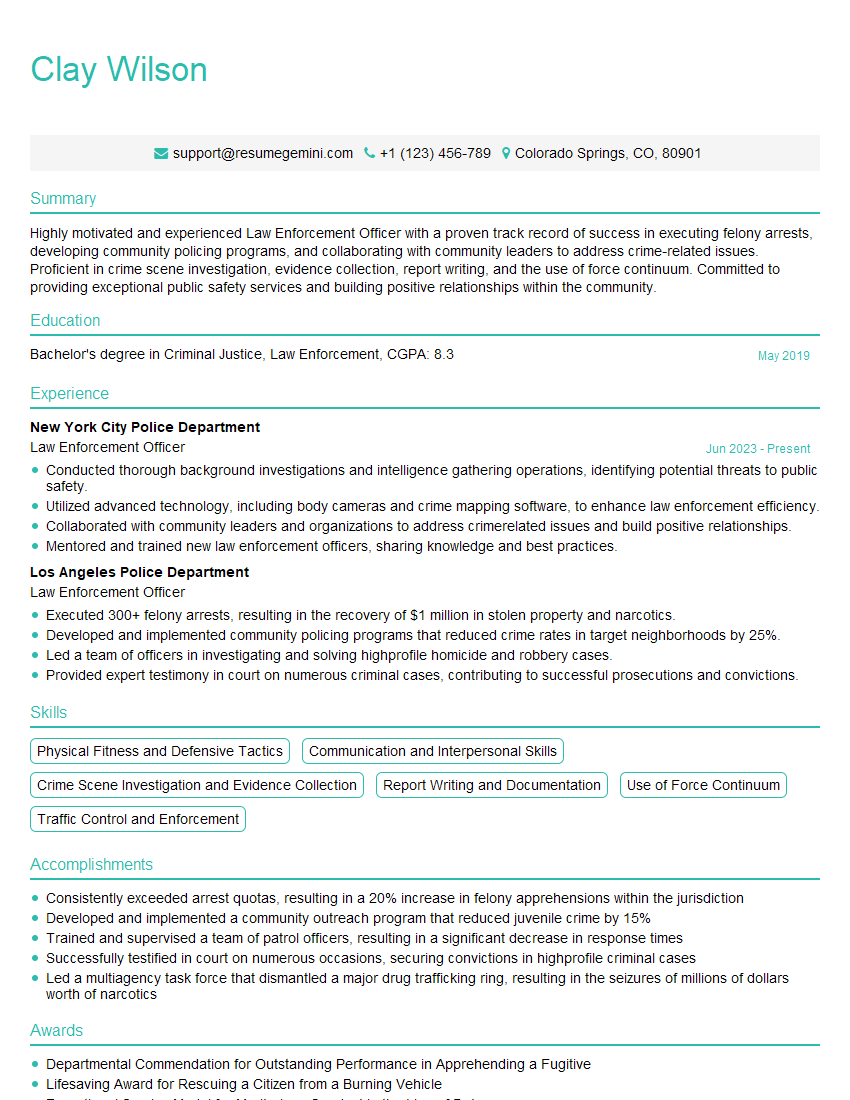
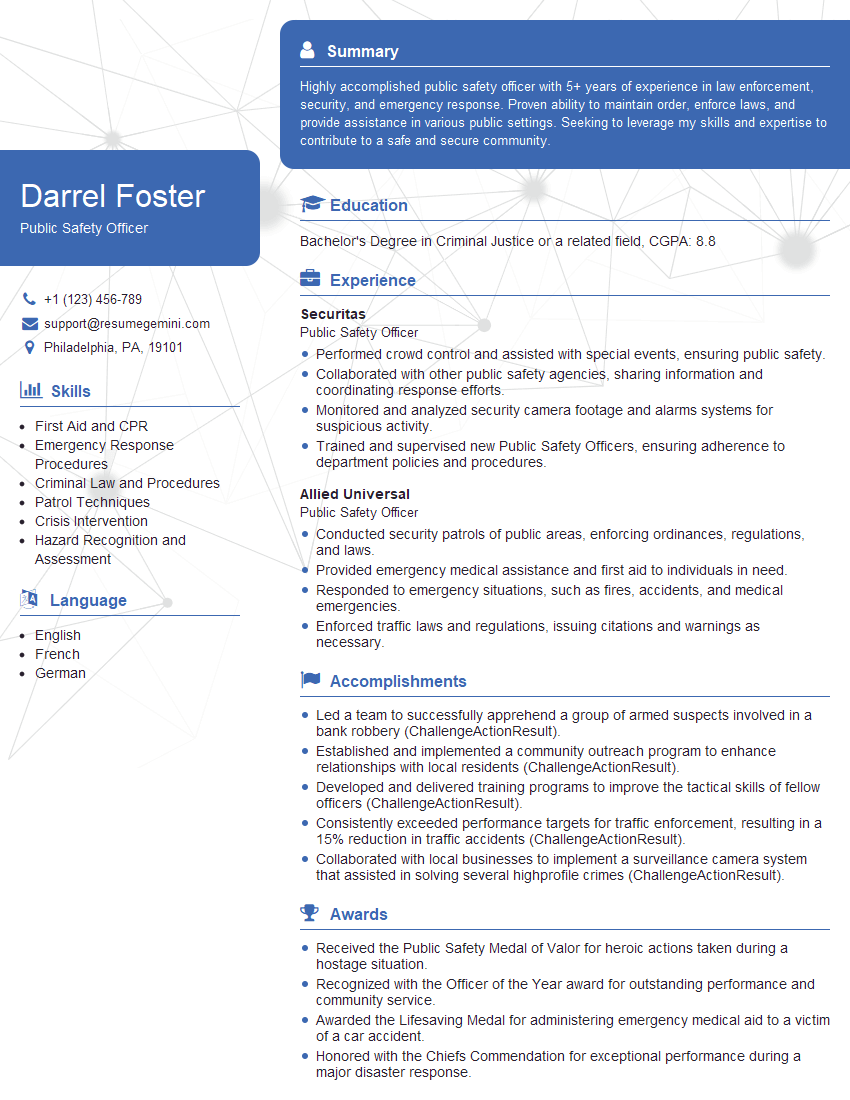
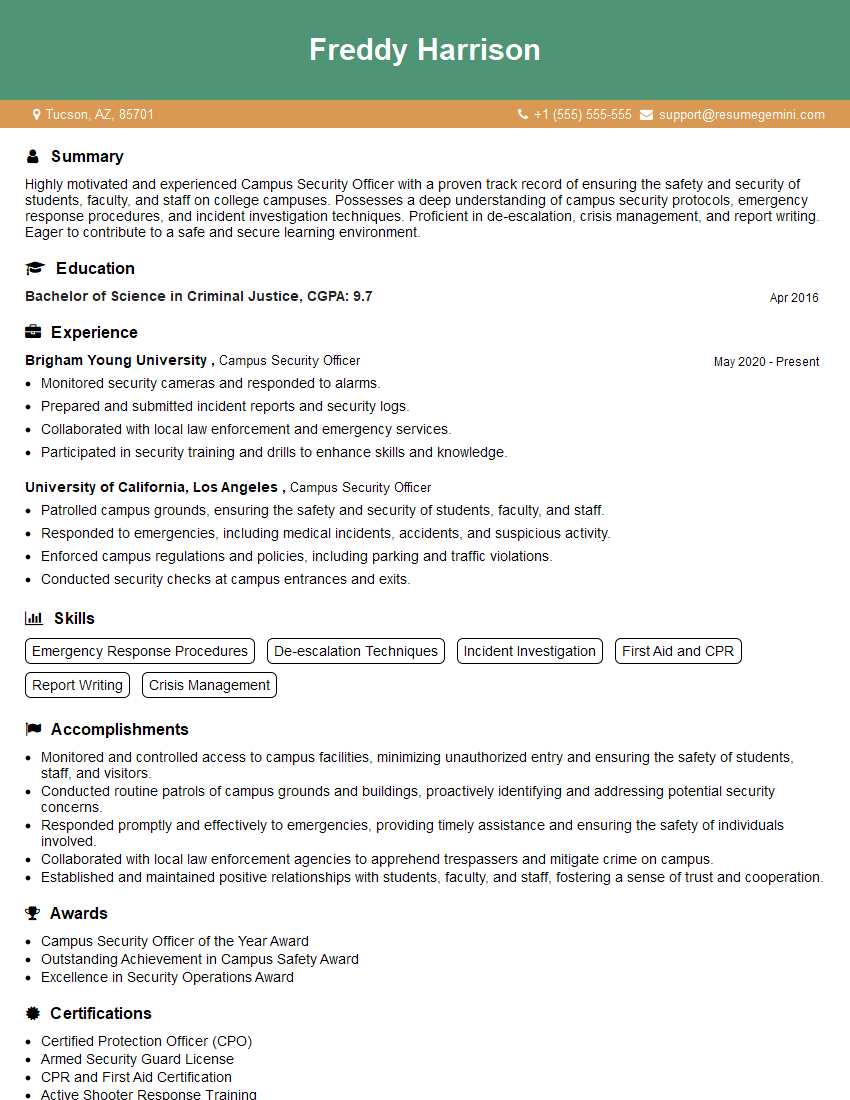
Mastering Patrol Coordination opens doors to leadership roles and advanced opportunities within law enforcement. A strong understanding of these key concepts will significantly enhance your interview performance and career trajectory. To maximize your job prospects, it’s crucial to have an ATS-friendly resume that highlights your skills and experience effectively. ResumeGemini is a trusted resource for building professional resumes that stand out. We provide examples of resumes tailored to Patrol Coordination to help you craft a compelling application that showcases your qualifications.

Explore more articles
Users Rating of Our Blogs
Share Your Experience
We value your feedback! Please rate our content and share your thoughts (optional).
What Readers Say About Our Blog
Very informative content, great job.
good