Preparation is the key to success in any interview. In this post, we’ll explore crucial Peacekeeping Operations interview questions and equip you with strategies to craft impactful answers. Whether you’re a beginner or a pro, these tips will elevate your preparation.
Questions Asked in Peacekeeping Operations Interview
Q 1. Describe the key principles of UN peacekeeping operations.
UN peacekeeping operations are guided by several core principles, ensuring their legitimacy and effectiveness. These principles, enshrined in the UN Charter, prioritize impartiality, consent of the parties, and the non-use of force except in self-defense and defense of the mandate.
- Impartiality: Peacekeepers must remain neutral between the conflicting parties, avoiding taking sides. This is crucial for building trust and fostering a conducive environment for peace. For example, peacekeepers should provide assistance to all communities in need, irrespective of their affiliation.
- Consent of the parties: A peacekeeping operation cannot be deployed without the explicit consent of the host state. This consent is vital for the operation’s success, as it allows for cooperation and avoids exacerbating the conflict. A lack of consent can severely hamper operations, leading to resistance and hindering the peacekeepers’ mandate.
- Non-use of force except in self-defense and defense of the mandate: Peacekeepers are primarily mandated to maintain peace, not to engage in combat. While they may have the capacity to use force, it is strictly limited to self-defense or the protection of civilians under their mandate. This principle is delicate, requiring careful assessment of the situation to ensure that the use of force is proportionate and necessary.
These three principles, alongside others such as respect for human rights, are essential for maintaining the credibility and effectiveness of UN peacekeeping.
Q 2. Explain the difference between Chapter VI and Chapter VII peacekeeping mandates.
UN peacekeeping mandates are categorized under Chapters VI and VII of the UN Charter, reflecting different approaches and powers granted to peacekeepers.
- Chapter VI mandates deal with peaceful settlement of disputes. These operations are primarily consent-based and focus on observation, mediation, and conflict prevention. They rely heavily on diplomacy and negotiation, with limited or no use of force. An example would be a UN observer mission monitoring a ceasefire agreement, facilitating dialogue between warring parties.
- Chapter VII mandates involve situations where there is a threat to international peace and security. These operations are authorized by the Security Council and can employ more forceful measures, including the use of force to protect civilians, disarm warring factions, or enforce sanctions. For example, a peacekeeping mission with a robust mandate might include deploying troops with robust capabilities to protect civilians from ongoing violence, even if there is not complete consent from all the parties.
The key difference lies in the authorization and scope of action. Chapter VI missions focus on peacemaking and facilitation, while Chapter VII missions can involve more robust peacekeeping and even peace enforcement, authorized under the Security Council’s authority to maintain international peace and security.
Q 3. What are the main challenges faced by peacekeepers in conflict zones?
Peacekeepers face numerous challenges in conflict zones, including:
- Security risks: Peacekeepers are frequently exposed to violence, attacks from armed groups, and ambushes. The unpredictable nature of conflict and the presence of hostile actors pose a constant threat to their safety and mission effectiveness.
- Logistical challenges: Operating in remote and often damaged infrastructure presents significant logistical hurdles, including the delivery of supplies, troop deployment, and communication difficulties. This can hinder operations and impact support for the local population.
- Complex political dynamics: Navigating the intricate web of political actors, alliances, and rivalries is crucial but extremely difficult. Peacekeepers must understand the nuances of local politics to avoid unintended consequences or being drawn into internal conflicts.
- Protection of civilians (POC): Balancing the need for impartiality with the imperative to protect civilians is a constant challenge. Peacekeepers must find innovative and effective ways to safeguard civilian populations without becoming embroiled in armed conflicts.
- Resource constraints: Peacekeeping missions often face budgetary limitations and resource shortages, hampering their ability to achieve their objectives effectively. Insufficient personnel, equipment, and funding can negatively affect mission outcomes.
Successfully addressing these challenges requires careful planning, adaptability, strong coordination with local actors, and consistent support from the international community.
Q 4. How do you assess the security situation in a volatile environment?
Assessing security in a volatile environment requires a multi-faceted approach involving intelligence gathering, analysis, and risk assessment. It’s akin to assembling a puzzle using different pieces of information.
- Intelligence gathering: Collect information from various sources – local communities, NGOs, government officials, other UN agencies, and open-source data. This provides a comprehensive picture of the situation on the ground.
- Threat assessment: Identify key threats, their capabilities, and potential targets. This requires understanding the actors involved – armed groups, criminal elements, or even rival communities. It is crucial to determine the level of their activity and intent.
- Risk analysis: Analyze the identified threats against the existing security measures and vulnerabilities. This allows identifying the most pressing risks and prioritizing security responses. Consider potential triggers for escalation, like specific events or movements of actors.
- Mapping vulnerabilities: Pinpoint geographical areas or infrastructure most vulnerable to attack. This helps in allocating resources effectively, deploying security assets to the right locations, and designing appropriate security measures.
- Continuous monitoring: The security situation is dynamic and requires constant evaluation and adaptation. Regularly reassess the threats, vulnerabilities, and response strategies. This ensures that the mission stays ahead of evolving circumstances.
This structured approach helps form a clear understanding of the security situation, informing decisions on resource allocation, troop deployment, and overall mission strategy.
Q 5. What strategies can be employed to build trust with local communities?
Building trust with local communities is paramount for the success of any peacekeeping operation. It’s a gradual process that requires patience, empathy, and consistent engagement. Think of it as building a bridge – one brick at a time.
- Community engagement: Engage with local leaders, community representatives, and individuals through regular dialogues and meetings. This facilitates understanding local needs and concerns.
- Protection of civilians: Demonstrating a genuine commitment to the safety and well-being of civilians is crucial. Effective POC measures build confidence and trust.
- Transparency and accountability: Maintaining transparency in operations and holding peacekeepers accountable for their actions reinforces trust. Addressing grievances promptly and fairly contributes to this.
- Quick Impact Projects (QIPs): Implementing small-scale development projects that address immediate needs (e.g., water, sanitation, infrastructure repairs) can quickly demonstrate the positive impact of the peacekeeping mission.
- Cultural sensitivity: Understanding and respecting local customs, traditions, and beliefs is essential. This shows respect and helps foster positive relationships.
Building trust requires a long-term commitment, consistent actions, and a genuine effort to understand and address the needs of the community. It’s an ongoing process, not a one-time event.
Q 6. Explain your understanding of the Protection of Civilians (POC) mandate.
The Protection of Civilians (POC) mandate is a critical aspect of many UN peacekeeping operations. It entails the responsibility of peacekeepers to protect civilians from violence, regardless of the source of the threat. This is a challenging mandate requiring careful consideration of numerous variables.
It involves:
- Prevention: Proactive measures to prevent violence against civilians, such as early warning systems, conflict mediation, and community engagement to address root causes of conflict.
- Response: Responding effectively to threats of violence against civilians, including swift intervention in cases of attacks or imminent danger.
- Accountability: Investigating alleged human rights violations and ensuring that perpetrators are held accountable. This includes documenting incidents, gathering evidence, and reporting to relevant authorities.
POC necessitates a delicate balance between impartiality and the need to act decisively when civilian lives are at risk. This often involves difficult decisions, requiring risk assessment and coordination with other stakeholders. The specific implementation of the POC mandate will differ greatly depending on the context and the specific mandate of the mission.
Q 7. Describe your experience in conflict resolution and negotiation.
My experience in conflict resolution and negotiation spans several years, including work with diverse stakeholders in various conflict zones. I have employed a variety of approaches, adapting my strategies to specific contexts.
My approach often involves:
- Active listening: Understanding the perspectives, needs, and concerns of all parties is the foundation of effective negotiation. This allows building a common ground, even when interests seem incompatible.
- Facilitation and mediation: Creating a safe and conducive environment for dialogue, helping parties communicate effectively, and exploring mutually acceptable solutions.
- Conflict analysis: Identifying the root causes of conflict, the interests of various stakeholders, and the power dynamics at play. This informs the development of appropriate strategies and prevents addressing only symptoms, not the root causes.
- Building consensus: Developing creative solutions that meet the needs of all parties, as far as possible. This requires flexibility and a willingness to compromise.
- Capacity building: Supporting local actors in developing their own conflict resolution mechanisms. This ensures sustainability and long-term peacebuilding.
(Note: Due to confidentiality concerns surrounding past assignments, specific examples cannot be disclosed. However, I can provide more detailed insights into specific methodologies and approaches used in general terms if requested.)
Q 8. How would you handle a situation involving a breach of the peace by peacekeeping personnel?
A breach of the peace by peacekeeping personnel is a serious matter, undermining the mission’s credibility and potentially escalating the conflict. My approach would involve a swift, impartial, and transparent investigation. This would begin with immediate isolation of the personnel involved to prevent further incidents.
- Initial Assessment: Secure the scene, gather initial witness statements, and collect any evidence. This includes reviewing body cameras, communication logs, and any other relevant data.
- Formal Investigation: Initiate a formal investigation led by a designated impartial body, ideally with representation from the contributing country and the mission leadership. This ensures accountability and avoids potential biases.
- Disciplinary Action: Depending on the severity of the breach, disciplinary actions would range from a reprimand to dismissal, potentially involving legal proceedings both within the mission and in the contributing nation’s judicial system.
- Transparency and Communication: Keeping the host nation informed throughout the process is crucial for maintaining trust and cooperation. Public statements, when appropriate, should clearly outline the steps taken and actions planned. Transparency strengthens the mission’s legitimacy.
- Remedial Measures: Following the investigation, implementing appropriate remedial measures is vital. This could involve retraining personnel on rules of engagement, conducting sensitivity training, or reviewing mission protocols to prevent future breaches.
For instance, if a peacekeeper fired their weapon without authorization, the investigation would meticulously examine the circumstances. Was it self-defense, a mistaken identity, or a deliberate act? The evidence would dictate the subsequent disciplinary actions.
Q 9. What is your approach to managing cultural sensitivity in a peacekeeping context?
Cultural sensitivity is paramount in peacekeeping. A failure to understand and respect local customs can severely hinder a mission’s success and even lead to unintended escalation. My approach centers around proactive learning and respectful engagement.
- Pre-Deployment Training: Comprehensive training on the host nation’s culture, history, religion, and social norms is essential. This should go beyond simple briefing sessions and involve interactive workshops and cultural immersion experiences.
- Community Engagement: Regular interaction with community leaders and representatives is vital. This provides an opportunity to understand local perspectives, build trust, and address potential misunderstandings. Active listening and empathy are crucial.
- Language Proficiency: Peacekeepers should strive for at least basic proficiency in the local languages. This shows respect and improves communication, reducing the reliance on interpreters, which can sometimes distort meaning.
- Cultural Advisors: Utilizing cultural advisors and interpreters fluent in local languages, dialects, and cultures ensures that nuances are understood and avoid misinterpretations.
- Adaptation and Flexibility: It’s important to be flexible and adapt approaches as needed. What works in one community may not work in another. Regular evaluation and feedback mechanisms are crucial.
Imagine trying to negotiate a cease-fire with a community that observes a different concept of time or has a unique approach to conflict resolution. Understanding these cultural nuances is key to achieving effective engagement.
Q 10. How would you address allegations of human rights violations by peacekeepers?
Allegations of human rights violations by peacekeepers are extremely serious and must be treated with utmost gravity. My approach prioritizes thorough investigation, impartial justice, and accountability.
- Immediate Action: Suspend the individuals involved pending investigation. Secure evidence and witnesses to prevent tampering.
- Independent Investigation: An independent investigation is crucial, potentially involving an external body or a UN-mandated human rights office. This ensures objectivity and builds confidence in the process.
- Victim Support: Provide support and protection to victims and witnesses, including medical, psychological, and legal assistance.
- Transparency and Accountability: The investigation’s findings must be made public (within the constraints of protecting victims and witnesses), and appropriate disciplinary measures must be taken against those found responsible. This shows that the UN is committed to upholding the highest standards of conduct.
- Remedial Action: Beyond disciplinary actions, consider measures to prevent future violations such as revising training, enhancing oversight mechanisms, and increasing accountability.
For example, if allegations of sexual exploitation and abuse surface, a swift and comprehensive investigation, including forensic evidence gathering and victim testimonies, would be essential. The process would aim to secure justice for the victims while ensuring that those responsible are held accountable and measures are put in place to prevent recurrence.
Q 11. Explain your knowledge of DDR processes and their importance in post-conflict settings.
Disarmament, Demobilization, and Reintegration (DDR) processes are vital for establishing lasting peace after conflict. DDR involves systematically disarming combatants, demobilizing their forces, and reintegrating them back into civilian society.
- Disarmament: The collection and secure disposal or destruction of weapons and ammunition from former combatants. This often involves careful planning, logistical arrangements, and community engagement to ensure the safety and security of the process.
- Demobilization: The formal process of disbanding armed groups and registering former combatants. It frequently involves providing basic necessities such as food, shelter, and medical care during the transition period.
- Reintegration: Helping former combatants reintegrate into civilian life through education, vocational training, job placement, and psychosocial support. This is critical for preventing the resurgence of conflict and promoting social cohesion.
The importance of DDR lies in its capacity to break the cycle of violence, reduce recidivism, and promote sustainable peace. A successful DDR program contributes to the security and stability of post-conflict societies by addressing the root causes of conflict and offering alternatives to armed struggle. Failure to implement effective DDR can lead to the re-emergence of armed groups and prolonged instability.
Q 12. What are the ethical considerations involved in peacekeeping operations?
Ethical considerations in peacekeeping operations are complex and multifaceted. They involve navigating a delicate balance between maintaining impartiality, protecting civilians, and upholding human rights while operating under challenging circumstances.
- Impartiality: Peacekeepers must remain neutral between warring parties and avoid taking sides. This can be extremely difficult in situations where one side is clearly violating human rights, but impartiality is crucial for maintaining credibility and trust. This doesn’t mean inaction, but rather the requirement to act according to the UN’s mandate and international law.
- Protection of Civilians: The primary responsibility of peacekeepers is to protect civilians from violence. This requires making difficult decisions regarding the use of force, always within the bounds of international humanitarian law and the mission’s mandate.
- Human Rights: Peacekeepers must respect and uphold human rights standards, ensuring that their actions do not violate the rights of civilians. This includes the prevention of sexual exploitation and abuse, upholding the rights of children, and respecting cultural differences.
- Accountability: Peacekeeping operations must be accountable for their actions. Mechanisms for investigating allegations of misconduct and violations are crucial for maintaining transparency and building trust. This includes both individual accountability for peacekeepers and institutional accountability for the UN itself.
Imagine a situation where a peacekeeper witnesses a gross human rights violation. The ethical dilemma lies in determining the appropriate response while maintaining impartiality and avoiding actions that could escalate the conflict.
Q 13. Describe your experience with logistics and supply chain management in challenging environments.
My experience encompasses logistics and supply chain management in numerous challenging environments. Successful peacekeeping missions rely heavily on effective logistics, and I have extensive experience in planning, procuring, transporting, and distributing essential supplies in complex and often dangerous settings.
- Needs Assessment: A thorough assessment of the mission’s needs is crucial, ensuring that adequate resources are available to support all operational aspects. This is especially important for remote or conflict-affected areas.
- Procurement and Contracting: Negotiating contracts with suppliers, ensuring cost-effectiveness, and managing procurement procedures efficiently is essential. This often involves navigating diverse regulatory frameworks and logistical challenges.
- Transportation and Distribution: Effectively transporting supplies to their intended destinations can present significant logistical hurdles. This includes managing transportation networks, utilizing various modes of transport, and ensuring security along supply routes.
- Inventory Management: Maintaining accurate records of supplies, ensuring efficient inventory management, and preventing loss or waste is essential for maximizing resources and minimizing costs.
- Risk Management: Addressing potential risks and challenges such as security threats, natural disasters, and logistical constraints is paramount to ensure a reliable and resilient supply chain.
For example, in a remote area with limited infrastructure, I might employ a combination of air and ground transportation to ensure timely delivery of essential medical supplies. This would require careful planning, coordination with local authorities, and mitigation of security risks along the transport routes.
Q 14. How do you ensure the effective coordination of different actors in a peacekeeping mission?
Effective coordination among different actors in a peacekeeping mission is crucial for its success. This includes various UN agencies, governmental and non-governmental organizations (NGOs), military components, and the host nation.
- Joint Planning and Coordination Mechanisms: Establishing clear lines of communication and decision-making is essential. Regular meetings, coordination mechanisms, and shared information platforms facilitate collaboration among different actors.
- Clear Roles and Responsibilities: Defining roles and responsibilities of each stakeholder ensures clarity, prevents duplication of efforts, and promotes accountability.
- Information Sharing: Establishing effective mechanisms for information sharing ensures that all actors have access to relevant data for informed decision-making. This might involve the use of common operating pictures and shared databases.
- Conflict Resolution Mechanisms: Developing strategies and procedures to address potential conflicts or disagreements among participating actors is essential. This could involve conflict mediation and negotiation processes.
- Capacity Building: Strengthening the capacity of local partners and institutions is critical. This ensures local ownership and sustainability of peacebuilding efforts beyond the peacekeeping mission’s duration.
A well-coordinated approach could involve regular meetings with the host nation’s government, UN agencies, and NGOs to discuss joint strategies for delivering humanitarian aid or supporting community development projects. This ensures a synergistic approach maximizing impact.
Q 15. What are the key performance indicators for a successful peacekeeping operation?
The success of a peacekeeping operation isn’t simply measured by the absence of violence, but by a multitude of factors contributing to lasting peace. Key Performance Indicators (KPIs) for a successful mission can be grouped into several categories:
- Security: This includes the reduction in violence, the level of civilian protection achieved, and the disarmament, demobilization, and reintegration (DDR) progress. A successful mission will show a significant decrease in violent incidents, fewer civilian casualties, and demonstrable progress in disarming combatants and reintegrating them into society. For example, a successful KPI would be a measurable decrease in reported violent crimes against civilians by a certain percentage within a defined period.
- Political Progress: This focuses on progress towards reconciliation, the establishment of inclusive governance structures, and the implementation of peace agreements. Indicators could involve the successful holding of elections, the establishment of transitional justice mechanisms, and the level of participation of women and marginalized groups in political processes. A successful KPI might be the successful negotiation and implementation of a power-sharing agreement between warring factions.
- Humanitarian Needs: This encompasses improvements in access to essential services such as food, water, shelter, and healthcare. A successful mission shows a decrease in humanitarian emergencies, increased access to aid, and a notable improvement in the overall well-being of the affected population. For instance, a successful KPI could be an increase in the number of people receiving food aid or access to clean drinking water.
- Sustainability: This relates to the ability of the local institutions and communities to sustain peace after the peacekeeping mission concludes. Indicators here include the strengthening of local security forces, the capacity of local governance structures, and the resilience of the peace process to external shocks. A strong KPI would be the successful transfer of security responsibilities from the peacekeeping force to the national army, demonstrating local capacity for maintaining order.
- Protection of Civilians: This is paramount and includes the number of civilian casualties, the effectiveness of protection measures implemented, and access to justice and accountability for perpetrators of violence. A significant reduction in civilian deaths and injuries, coupled with robust mechanisms to address grievances and pursue justice, is crucial.
These KPIs should be measurable, specific, achievable, relevant, and time-bound (SMART) to allow for accurate assessment of the mission’s progress and impact.
Career Expert Tips:
- Ace those interviews! Prepare effectively by reviewing the Top 50 Most Common Interview Questions on ResumeGemini.
- Navigate your job search with confidence! Explore a wide range of Career Tips on ResumeGemini. Learn about common challenges and recommendations to overcome them.
- Craft the perfect resume! Master the Art of Resume Writing with ResumeGemini’s guide. Showcase your unique qualifications and achievements effectively.
- Don’t miss out on holiday savings! Build your dream resume with ResumeGemini’s ATS optimized templates.
Q 16. How would you assess the effectiveness of a peacekeeping mission?
Assessing the effectiveness of a peacekeeping mission requires a holistic approach that goes beyond simply observing the absence of conflict. A robust assessment would involve:
- Quantitative Data Analysis: Analyzing statistical data on violence, civilian casualties, humanitarian indicators, and economic development. This would involve looking at trends over time and comparing them to baseline data or data from similar missions.
- Qualitative Data Collection: Conducting surveys, focus groups, and interviews with various stakeholders, including civilians, government officials, armed groups, and peacekeepers themselves, to understand the perceptions and experiences of the mission’s impact. This provides valuable insights into the human element of the mission’s success or failure.
- Impact Assessment: Evaluating the long-term effects of the mission on peacebuilding, governance, security, and human rights. This necessitates assessing the sustainability of the peace achieved and the capacity of local institutions to maintain order after the mission’s withdrawal. This often involves long-term monitoring and evaluation.
- Comparative Analysis: Comparing the performance of the mission with other similar missions to identify best practices and lessons learned. This approach helps to improve the effectiveness of future peacekeeping deployments.
- Mandate Compliance: Evaluating the extent to which the mission has fulfilled its mandate as defined by the UN Security Council. This ensures that the mission’s activities are aligned with its objectives and international law.
For example, a mission might succeed in reducing violence but fail to address underlying causes of conflict, leading to a relapse into violence after the peacekeeping force withdraws. A comprehensive assessment would identify this shortcoming, highlighting the need for a more integrated approach to peacebuilding in the future.
Q 17. Describe your experience with gender mainstreaming in peacekeeping.
Gender mainstreaming in peacekeeping is crucial for ensuring that the needs and rights of women and girls are addressed throughout the entire mission lifecycle. My experience has involved actively promoting women’s participation in all aspects of peacekeeping, from military and police components to civilian staff and leadership roles. This includes:
- Promoting women’s representation in peacekeeping forces: Advocating for the recruitment and deployment of women peacekeepers in line with UN Security Council Resolution 1325, which emphasizes the importance of women’s participation in preventing and resolving conflicts. I have worked on initiatives to increase the number of female peacekeepers and enhance their roles within peacekeeping missions.
- Integrating a gender perspective into all aspects of mission planning and implementation: This means ensuring that the mission’s strategies and operations consider the specific needs and vulnerabilities of women and girls. It involves analyzing the gendered dimensions of conflict, implementing protection measures targeted at women and girls, and ensuring that their voices are heard in peace negotiations and post-conflict reconstruction.
- Addressing gender-based violence (GBV): Implementing programs to prevent and respond to GBV, including providing support services to survivors, prosecuting perpetrators, and raising awareness about the issue within communities. In my experience, this includes working closely with local NGOs and international organizations to strengthen GBV response mechanisms.
- Promoting women’s leadership and participation in peace processes: Facilitating the participation of women in peace negotiations, conflict resolution processes, and post-conflict governance. It’s about empowering women to take leadership roles in peacebuilding initiatives at all levels.
I firmly believe that peacebuilding initiatives are far more successful when they incorporate the perspectives and experiences of women, acknowledging the disproportionate impact conflict has on them. Integrating a gender perspective is not merely a matter of compliance; it is about improving the effectiveness and sustainability of peacekeeping operations.
Q 18. How would you handle a situation involving conflicting mandates from different stakeholders?
Conflicting mandates from different stakeholders are a common challenge in peacekeeping. Handling this requires careful diplomacy, clear communication, and a strong understanding of the context. My approach would involve:
- Identifying and Analyzing Conflicting Interests: First, I would thoroughly analyze the mandates to understand the source and nature of the conflict. This includes identifying the different stakeholders involved, their priorities, and the reasoning behind their demands.
- Prioritizing Mandates: In cases of irreconcilable differences, I would prioritize the mandates based on the UN Charter, Security Council resolutions, and the overall goals of the peacekeeping operation. The primary mandate is always the protection of civilians, and any actions taken need to align with this core principle.
- Mediation and Negotiation: I would actively engage in mediation and negotiation with all stakeholders to find common ground and bridge the gaps between conflicting mandates. This would involve transparent communication, active listening, and a commitment to finding mutually acceptable solutions. I would focus on the shared goals, reminding stakeholders of their common interest in peace.
- Escalation, if Necessary: If mediation efforts fail, I would escalate the matter to higher authorities within the UN, including the Security Council, to seek clarification and guidance. Openly reporting conflicting mandates is critical.
- Prioritizing Security and Civilian Protection: Throughout the process, my focus would remain on the protection of civilians and maintaining security. This often requires making difficult decisions that involve prioritizing one mandate over another, while always ensuring that all actions remain within the framework of international law and the UN Charter.
For instance, if a mandate from one nation focuses primarily on counterterrorism while another emphasizes humanitarian aid, carefully balancing these competing objectives requires strong communication and a clear prioritization strategy, with civilian protection at the forefront. It’s about working creatively and diplomatically to find solutions that satisfy the various stakeholders’ interests while upholding the core mission of the peacekeeping operation.
Q 19. Explain your understanding of the role of the UN Security Council in peacekeeping.
The UN Security Council plays a crucial role in peacekeeping operations, serving as the primary decision-making body for authorizing, establishing, and overseeing these missions. Its functions include:
- Authorizing Peacekeeping Operations: The Security Council has the sole authority to establish peacekeeping missions through resolutions, defining the mission’s mandate, scope, and duration. These resolutions are legally binding under Chapter VII of the UN Charter.
- Defining Mandates: The Council outlines the specific tasks and responsibilities of the mission, which can range from monitoring ceasefires and supporting peace processes to protecting civilians and assisting with disarmament. The mandates can be tailored to the specific needs of each conflict situation.
- Providing Resources and Funding: The Council doesn’t directly fund missions, but it plays a critical role in authorizing the allocation of resources and encouraging member states to contribute troops, police, and financial support. Securing funding and resources is essential for the mission’s operational effectiveness.
- Reviewing and Monitoring Progress: The Council regularly reviews the progress of peacekeeping missions through reports submitted by the Secretary-General and through debates and discussions. This oversight helps ensure accountability and adapt strategies as needed.
- Authorizing Sanctions and Other Measures: In some cases, the Security Council may impose sanctions or other measures to support peacekeeping efforts. These can include arms embargos, travel bans, or asset freezes targeted at individuals or groups obstructing peace.
Essentially, the Security Council acts as the ultimate authority, providing the legal basis and oversight for all UN peacekeeping operations. Its decisions are fundamental to the success and legitimacy of these missions.
Q 20. What are the different types of peacekeeping operations?
Peacekeeping operations are categorized into different types based on their mandates and the nature of their deployment. The main categories are:
- Traditional Peacekeeping: This involves deploying lightly armed UN peacekeepers to monitor ceasefires, observe troop withdrawals, and promote dialogue between warring parties. It is characterized by consent of all parties, impartiality, and non-use of force except in self-defense. Classic examples include UN peacekeeping missions in Cyprus and the Congo in their early phases.
- Chapter VI and a Half Peacekeeping: This type of operation falls between traditional peacekeeping and peace enforcement. While still relying on consent, it involves a more robust mandate with the potential for the use of force to protect civilians or support the implementation of a peace agreement. These missions often involve a larger number of troops and greater capabilities.
- Peace Enforcement: These missions involve the use of force to restore peace and security, even without the consent of all parties involved. They often require robust military capabilities and are deployed in situations of significant violence. Examples include interventions in Somalia and some aspects of the Bosnia conflict.
- Multidimensional Peacekeeping: This comprehensive approach combines military, police, and civilian elements, addressing security, governance, humanitarian, and human rights issues simultaneously. These missions typically integrate various UN agencies, departments, and programs.
- Post-Conflict Peacebuilding: This focuses on long-term stabilization and recovery after a conflict. It involves assisting with the establishment of democratic institutions, promoting economic development, strengthening the rule of law, and promoting reconciliation. This is often the follow-on phase after a peacekeeping mission has achieved its primary security goals.
The specific type of peacekeeping operation deployed depends heavily on the context of the conflict, the goals of the mission, and the consent and cooperation of the parties involved.
Q 21. How would you address the issue of child soldiers in a conflict zone?
Addressing the issue of child soldiers requires a multi-faceted strategy that combines military, humanitarian, and developmental approaches. My approach would involve:
- Disarmament, Demobilization, and Reintegration (DDR): Working closely with the relevant armed groups and national authorities to implement effective DDR programs. This involves safely disarming child soldiers, providing them with psychosocial support, and helping them reintegrate into their communities. This will require establishing safe spaces for children to leave armed groups.
- Protection of Children: Implementing measures to protect children from recruitment and re-recruitment, including identifying and relocating children at risk. This includes working with community leaders to promote awareness and prevent recruitment.
- Prosecution of Perpetrators: Pursuing legal action against individuals and groups responsible for recruiting and using child soldiers. This involves working with national judicial systems or international tribunals, depending on the context. Establishing clear legal frameworks and ensuring accountability is essential.
- Education and Awareness: Implementing educational programs aimed at raising awareness about the rights of children and the dangers of armed conflict. This involves working with schools, community leaders, and parents to promote education about child soldiers and their rights.
- Rehabilitation and Support: Providing psychosocial support, education, vocational training, and other essential services to help former child soldiers reintegrate into society. This often involves collaborating with NGOs and other organizations to offer specialized care and support.
- Community Engagement: Working closely with communities to address the underlying causes of child soldier recruitment, such as poverty, lack of education, and social exclusion. This requires community-based projects focused on economic development, education, and social inclusion.
Addressing the root causes and providing holistic support are crucial for preventing re-recruitment and ensuring that children can rebuild their lives after the trauma of war. International cooperation and coordination among UN agencies, NGOs, and national authorities are vital for the success of such initiatives.
Q 22. Describe your experience in working with international organizations.
My experience with international organizations spans over fifteen years, primarily focused on peacekeeping operations with the United Nations. I’ve worked in various capacities, from field operations officer in conflict zones to strategic planning roles at UN headquarters. This involved collaborations with diverse teams, including military personnel, police officers, civilian experts, and representatives from various UN agencies, NGOs, and national governments. For example, during my deployment to South Sudan, I coordinated logistical support and security for a large-scale humanitarian aid operation, working closely with the World Food Programme and local communities. In another instance, I participated in the development of a comprehensive peacebuilding strategy for a post-conflict region in the Sahel, collaborating with the UN Development Programme and local civil society organizations. This experience has instilled in me a deep understanding of the complexities of multilateral cooperation and the importance of building strong, effective partnerships to achieve common goals.
Q 23. How do you ensure accountability and transparency in peacekeeping operations?
Accountability and transparency are cornerstones of effective peacekeeping. We ensure this through several key mechanisms. First, robust monitoring and evaluation systems are crucial. This involves regular reporting to the UN Security Council, independent audits, and on-the-ground assessments to track progress and identify challenges. Second, strong communication strategies are essential for keeping stakeholders informed. This includes regular briefings for the host government, the Security Council, and the media, as well as engaging directly with local communities to address their concerns and ensure their participation. Third, clear chains of command and well-defined mandates help to prevent abuses of power. This involves establishing clear lines of responsibility, providing thorough training on human rights, and implementing effective complaint mechanisms. Finally, independent investigations of allegations of misconduct are critical to holding individuals accountable for their actions. Consider the example of the UN’s investigation into sexual exploitation and abuse by peacekeepers; such probes, while difficult, demonstrate a commitment to transparency and accountability.
Q 24. What is your understanding of the role of technology in peacekeeping?
Technology plays a transformative role in modern peacekeeping. It enhances situational awareness, improves communication, and strengthens protection of civilians. For example, drones and satellite imagery provide real-time intelligence on troop movements and potential threats, enabling quicker response to emerging conflicts. Mobile communication technologies facilitate coordination among peacekeeping forces, government agencies, and humanitarian organizations. Geographic Information Systems (GIS) help to map conflict zones, identify vulnerable populations, and plan logistical support. Furthermore, technology is increasingly used to track and prevent human rights abuses, such as using biometric data for identification and monitoring of armed groups. However, the ethical implications of data collection and usage need careful consideration, ensuring privacy and avoiding potential biases. In my experience, successful integration of technology requires appropriate training and capacity building for local personnel and close coordination between technical and operational teams. Failing to adequately address the digital divide can actually exacerbate inequalities.
Q 25. Explain your understanding of the concept of ‘smart sanctions’ and their application.
Smart sanctions are targeted measures designed to exert pressure on specific individuals, groups, or entities within a conflict zone, without causing widespread harm to the civilian population. Unlike comprehensive sanctions, which can severely impact the entire economy, smart sanctions focus on key actors driving the conflict, such as arms dealers, financial networks, or political leaders. They can include asset freezes, travel bans, and arms embargoes. The effectiveness of smart sanctions depends on robust intelligence gathering, accurate identification of targets, and effective enforcement mechanisms. For instance, sanctions targeting specific individuals involved in financing terrorist groups can disrupt their activities without crippling the overall economy. However, smart sanctions can be difficult to implement effectively. They may be circumvented through illicit financial flows, and there’s a risk of unintended consequences if not carefully designed and implemented. Constant monitoring and evaluation are critical to gauge their effectiveness and adapt strategies as needed.
Q 26. How do you manage stress and maintain well-being in high-pressure environments?
Maintaining well-being in high-pressure environments is paramount. It’s crucial for both operational effectiveness and personal health. My approach involves a multi-faceted strategy. Firstly, I prioritize self-care: maintaining a healthy diet, regular exercise, and sufficient sleep. Secondly, I build and maintain strong support networks, both within my professional team and with family and friends back home. Open communication about challenges and stresses is essential. Thirdly, I actively seek opportunities for stress reduction, such as mindfulness practices or engaging in hobbies. Finally, the UN provides resources such as psychological counseling and stress management training. The high-pressure environment of peacekeeping can lead to burnout and psychological trauma, so proactive strategies for mental well-being are non-negotiable.
Q 27. How would you contribute to building sustainable peace in a post-conflict society?
Building sustainable peace requires a holistic approach, going beyond merely ending the violence. It involves addressing the root causes of conflict, promoting reconciliation, strengthening governance, and fostering economic development. My approach would focus on several key areas. First, supporting transitional justice mechanisms, such as truth commissions and reconciliation processes, to address past grievances and build trust. Second, promoting inclusive governance structures that ensure equitable representation and participation of all segments of society. Third, investing in economic opportunities to alleviate poverty and create jobs, reducing the incentives for conflict. Fourth, supporting the development of strong civil society organizations to strengthen democratic participation and hold leaders accountable. Fifth, promoting education and awareness about peacebuilding principles and human rights. In my experience, success requires close collaboration with local communities, incorporating their perspectives and expertise into the design and implementation of peacebuilding initiatives. A sustainable peace isn’t built overnight but through a sustained commitment to these core principles.
Key Topics to Learn for Peacekeeping Operations Interview
- Mandates and Principles of Peacekeeping: Understand the core principles guiding UN peacekeeping missions, including consent, impartiality, and the use of force.
- Types of Peacekeeping Operations: Familiarize yourself with the different types of missions (observation, peacekeeping, peace enforcement) and their unique challenges.
- Conflict Resolution and Mediation: Explore theoretical frameworks and practical strategies for conflict resolution, negotiation, and mediation in diverse contexts.
- Protection of Civilians: Learn about strategies and best practices for protecting vulnerable populations in conflict zones, including women, children, and other marginalized groups.
- Human Rights and International Humanitarian Law (IHL): Gain a solid understanding of relevant international laws and their application in peacekeeping environments. This includes understanding the responsibilities and limitations of peacekeepers.
- Security Sector Reform (SSR): Understand the role of peacekeeping operations in supporting SSR processes, including police and military reform.
- Peacebuilding and Post-Conflict Reconstruction: Explore the transition from peacekeeping to peacebuilding and the challenges of post-conflict recovery.
- Logistics and Operational Planning: Understand the logistical complexities of deploying and sustaining peacekeeping missions, including resource management and planning.
- Cross-Cultural Communication and Collaboration: Develop an understanding of effective communication and collaboration strategies in diverse and challenging environments.
- Ethical Considerations and Challenges: Reflect on the ethical dilemmas faced by peacekeepers and explore strategies for navigating complex moral situations.
Next Steps
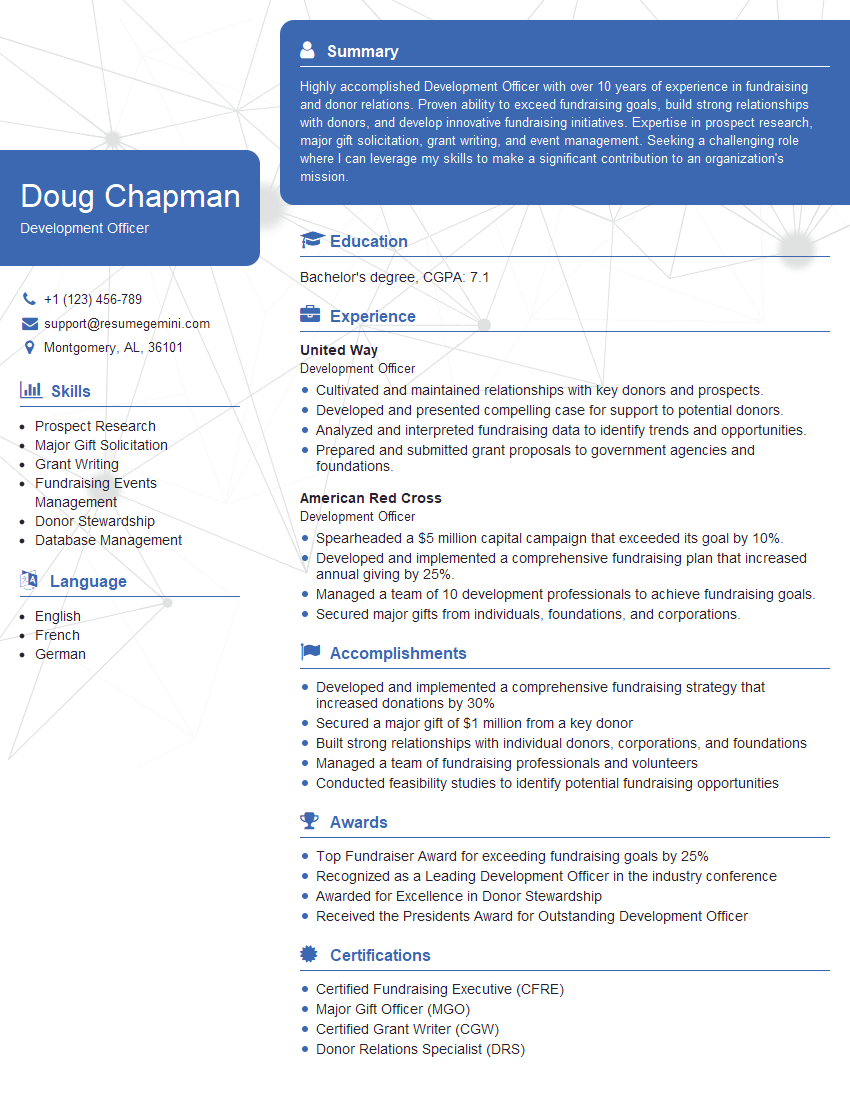
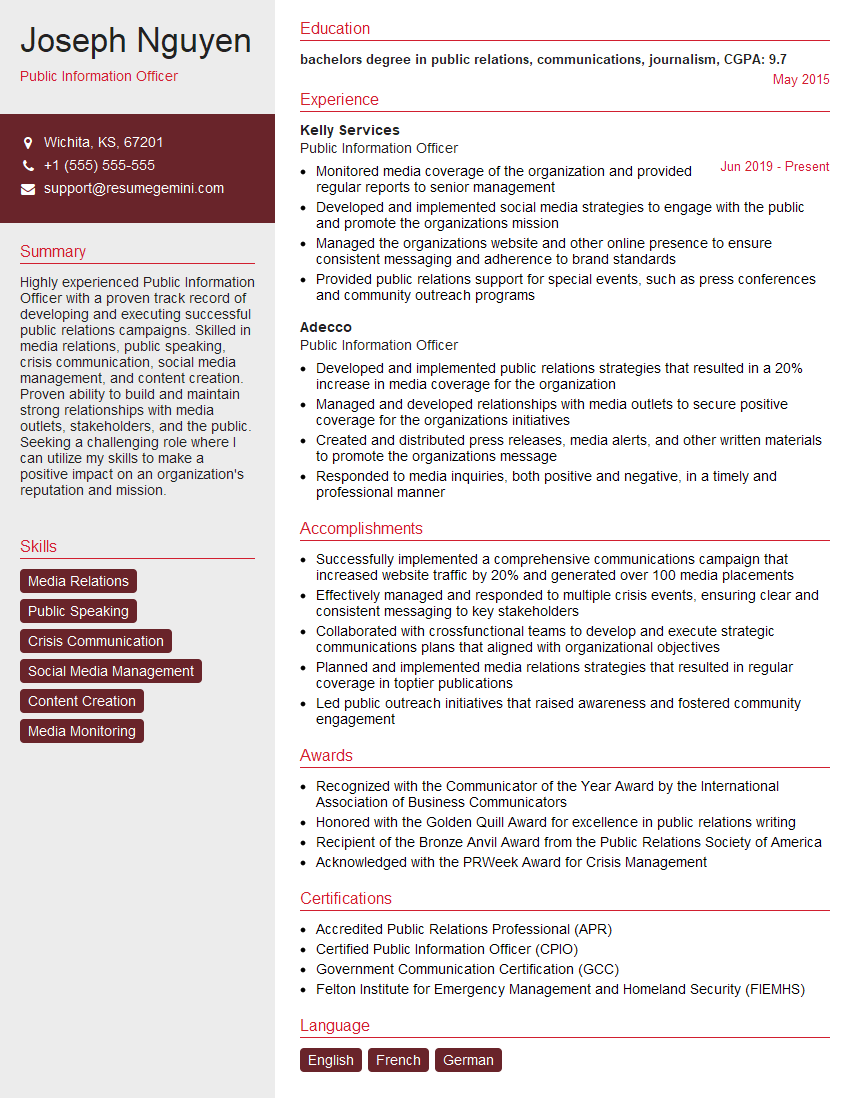
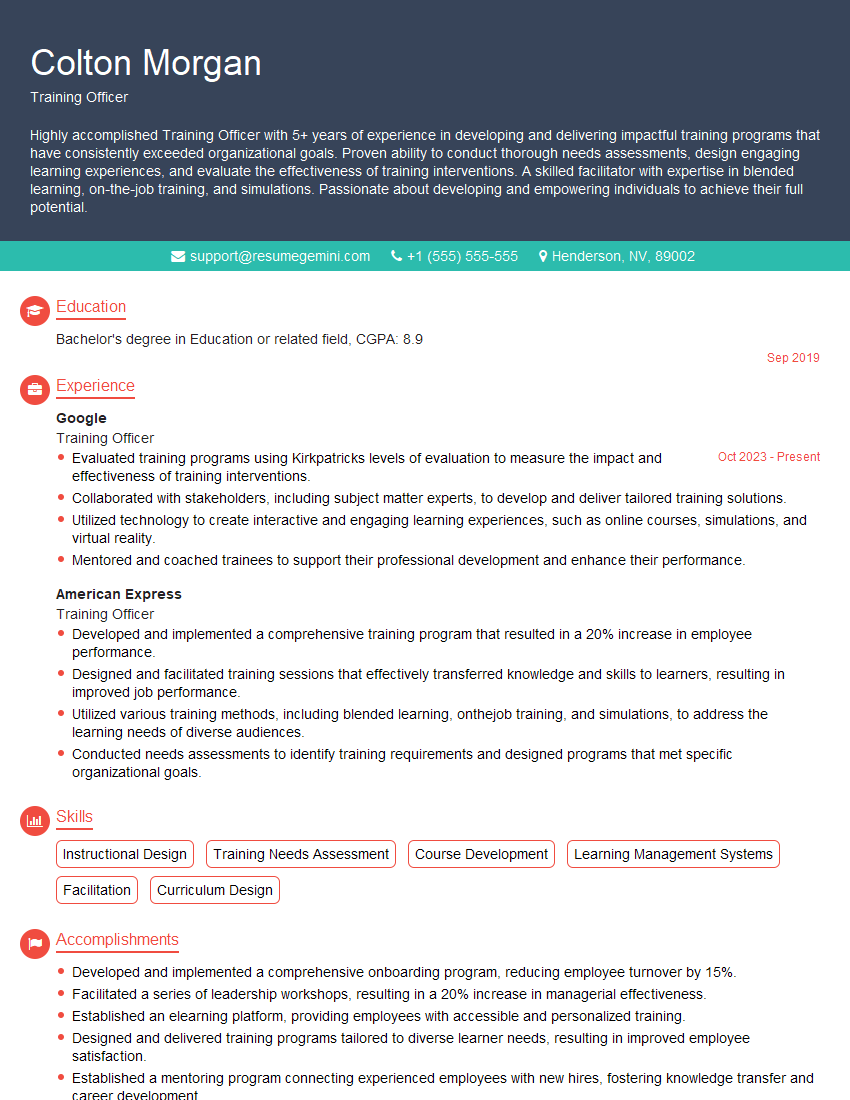
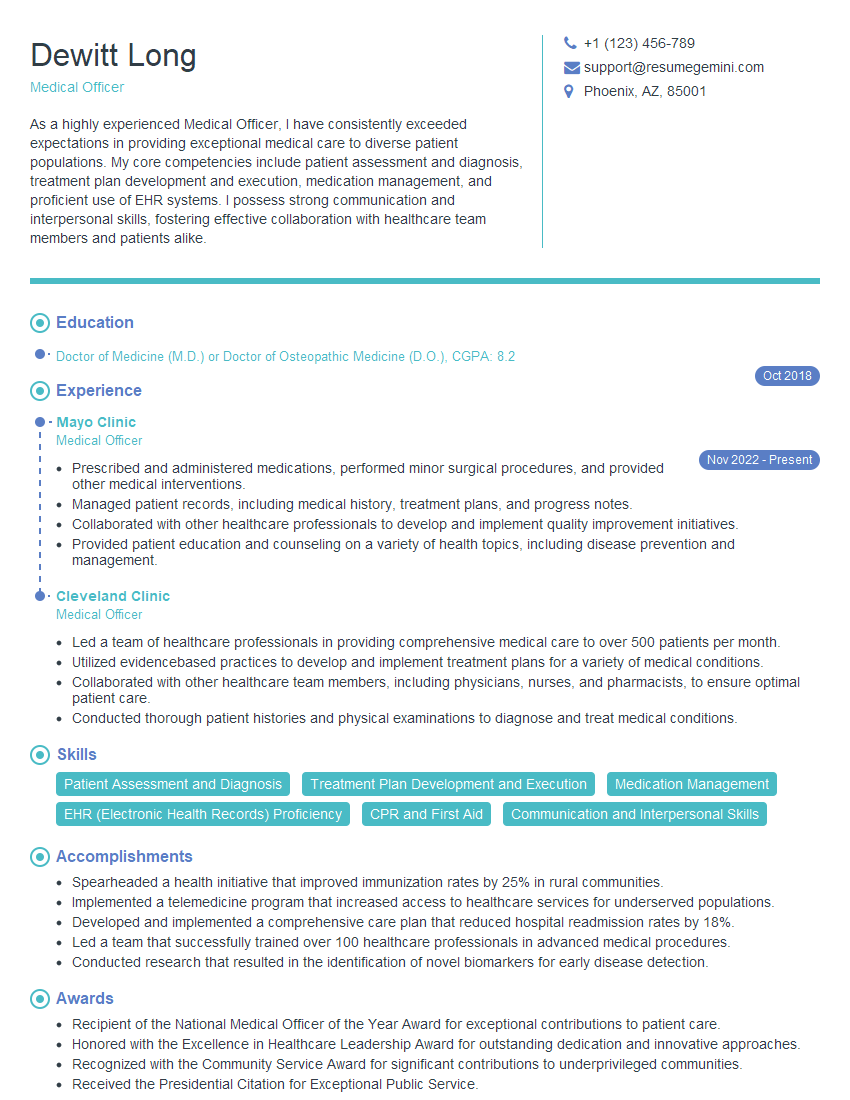
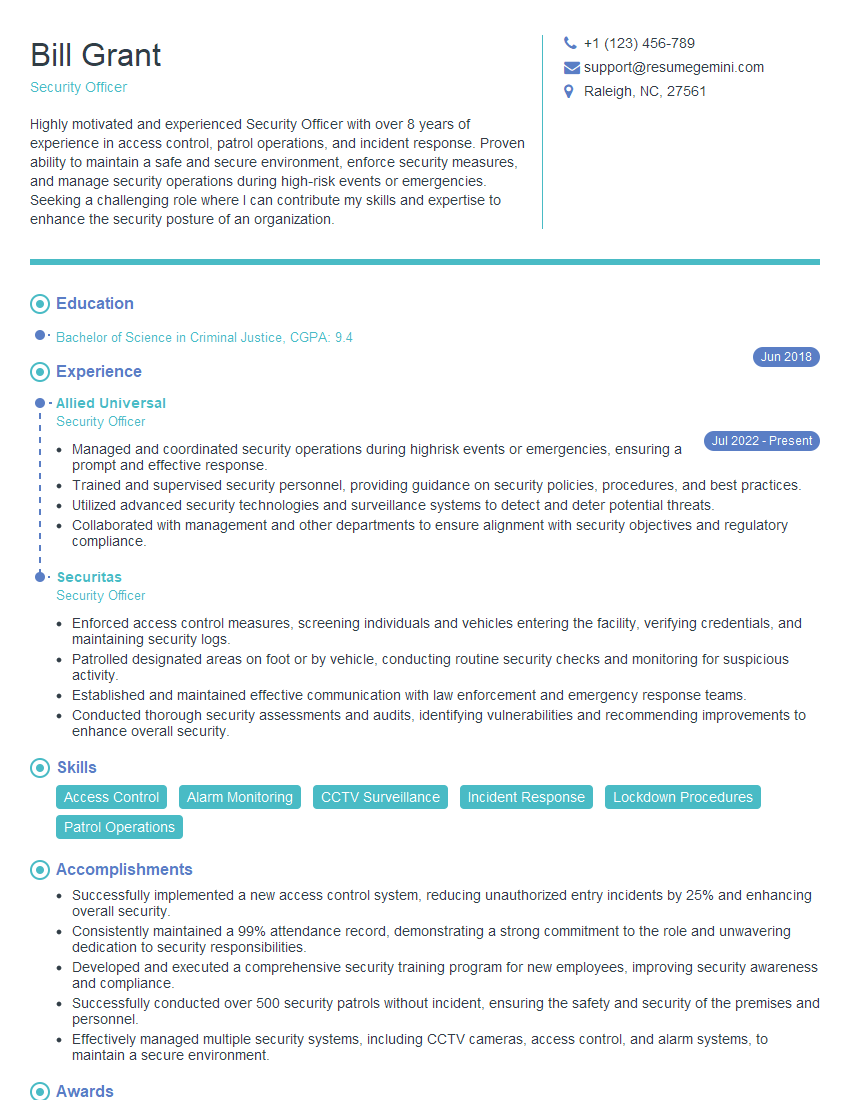
Mastering Peacekeeping Operations knowledge significantly enhances your career prospects in international affairs, humanitarian work, and defense. A strong understanding of these concepts demonstrates your commitment and preparedness for a challenging yet rewarding career. To maximize your chances of landing your dream role, creating an ATS-friendly resume is crucial. This ensures your application gets noticed by recruiters. We highly recommend using ResumeGemini to build a professional and impactful resume. ResumeGemini provides a user-friendly platform and offers examples of resumes specifically tailored to Peacekeeping Operations to help you present your skills and experience effectively.
Explore more articles
Users Rating of Our Blogs
Share Your Experience
We value your feedback! Please rate our content and share your thoughts (optional).
What Readers Say About Our Blog
good