Are you ready to stand out in your next interview? Understanding and preparing for Performance Technique and Stage Presence interview questions is a game-changer. In this blog, we’ve compiled key questions and expert advice to help you showcase your skills with confidence and precision. Let’s get started on your journey to acing the interview.
Questions Asked in Performance Technique and Stage Presence Interview
Q 1. Describe your approach to teaching effective vocal projection.
Effective vocal projection isn’t just about shouting; it’s about controlled breath support, precise articulation, and resonant tone. My approach is multi-faceted, starting with breathwork exercises to build lung capacity and control. We practice diaphragmatic breathing, which involves engaging the diaphragm muscle for a fuller, more powerful sound. Next, we focus on articulation, ensuring clear pronunciation of consonants and vowels. This involves tongue and lip exercises, along with mindful awareness of mouth positioning. Finally, we explore resonance, learning to utilize the natural resonating chambers in the body – the chest, head, and mask – to amplify the voice naturally, rather than forcing volume.
For example, I might have a client practice humming scales while feeling the vibrations in their chest, then gradually moving the resonance to the head and mask. We’ll also incorporate vocal warm-ups, similar to those used by singers, to prepare the vocal cords for sustained projection. This holistic approach ensures not only volume but also clarity and stamina, vital for any presentation or performance.
Q 2. How do you assess and improve a client’s body language for optimal stage presence?
Assessing body language involves careful observation of posture, gestures, facial expressions, and movement. I often record clients during practice sessions to analyze their nonverbal cues objectively. We then identify areas for improvement. For instance, slumped posture can project insecurity, while rigid posture can appear stiff and unnatural. Overly fidgeting can be distracting, while lack of movement can make a presentation monotonous.
To improve body language, we work on conscious posture adjustments, incorporating mindfulness techniques. We explore purposeful gestures that enhance the spoken word, avoiding distracting or repetitive mannerisms. Facial expressions are carefully cultivated to match the emotional tone of the presentation. Movement on stage is choreographed to reinforce key points and maintain audience engagement. Ultimately, the goal is to create a natural and confident presence, where body language complements the verbal message seamlessly.
Q 3. Explain your method for helping individuals manage performance anxiety.
Performance anxiety is a common challenge. My method is based on a combination of cognitive-behavioral techniques and practical rehearsal strategies. First, we identify the root causes of anxiety. This involves open discussion, exploring fears and negative thought patterns. We then challenge these negative thoughts with realistic and positive affirmations. We practice relaxation techniques, such as deep breathing and progressive muscle relaxation, to manage physiological symptoms of anxiety. Finally, we implement systematic desensitization, gradually exposing the client to performance situations in a controlled environment, building confidence step by step.
For example, we might start with practicing in front of a mirror, then a small group of trusted friends, and gradually work towards larger audiences. The goal is to create a positive feedback loop, where successful experiences reinforce self-belief and reduce anxiety.
Q 4. What techniques do you use to enhance storytelling in presentations?
Enhancing storytelling involves incorporating narrative elements into presentations, making them more engaging and memorable. We begin by structuring the presentation around a clear narrative arc: a beginning, rising action, climax, falling action, and resolution. This helps to create a compelling storyline. We then work on incorporating vivid imagery, sensory details, and emotional resonance into the language. This helps the audience connect with the story on an emotional level.
Techniques like using metaphors, anecdotes, and personal experiences add depth and authenticity to the narrative. We practice vocal inflection, pacing, and pauses to create dramatic effect and maintain audience interest. Visual aids, if used, should complement the narrative rather than distract from it. The ultimate aim is to transform information into a compelling story that captivates the audience and leaves a lasting impression.
Q 5. How do you tailor your coaching style to meet the individual needs of your clients?
My coaching style is highly adaptable. I believe in meeting each client where they are, recognizing that individuals learn and progress at different paces. The first step involves a thorough assessment of the client’s strengths, weaknesses, goals, and learning style. This may involve questionnaires, observations, and discussions. Based on this assessment, I tailor my coaching approach, utilizing a combination of techniques. Some clients benefit from structured exercises and drills, while others prefer a more intuitive, less prescriptive approach.
For example, a client who is naturally introverted might benefit from more gradual exposure to public speaking, while an extrovert might thrive in a more high-energy, improvisational environment. Regular feedback and adjustments ensure the coaching remains aligned with the client’s evolving needs and progress. Open communication and a collaborative spirit are essential to build trust and foster a supportive learning environment.
Q 6. Describe a time you helped a client overcome a specific performance challenge.
I once worked with a young executive who struggled with crippling stage fright when presenting to the board. Their fear stemmed from a past negative experience. We started with relaxation techniques and gradually worked on building confidence. We focused on restructuring their internal narrative, replacing negative thoughts with positive affirmations. We practiced their presentation repeatedly, working on both the content and delivery, gradually increasing the size and formality of the practice audiences. Finally, we employed visualization techniques, where they mentally rehearsed the presentation, imagining a successful outcome.
Through consistent effort and personalized support, this client transformed their fear into confidence. They delivered their presentation successfully to the board, receiving positive feedback and gaining a significant boost to their self-esteem. This success highlights the importance of a holistic approach that addresses both the technical and emotional aspects of performance.
Q 7. What are the key components of effective nonverbal communication?
Effective nonverbal communication is multifaceted, encompassing posture, gestures, facial expressions, eye contact, and proxemics (use of space). Posture communicates confidence or insecurity; open posture conveys approachability, while closed posture can signal defensiveness. Gestures should be purposeful and natural, avoiding distracting mannerisms. Facial expressions should align with the message, conveying sincerity and authenticity. Maintaining appropriate eye contact connects with the audience and builds rapport. Finally, proxemics involves managing personal space effectively, adjusting distance to suit the context and create the desired level of intimacy or formality.
A simple example: Maintaining good eye contact while speaking with a confident and open posture conveys credibility and engagement, whereas avoiding eye contact and exhibiting nervous fidgeting might communicate anxiety or lack of confidence. Mastering these elements is crucial for clear and impactful communication in any context.
Q 8. How do you help clients develop a commanding yet approachable stage presence?
Developing a commanding yet approachable stage presence is a delicate balance. It’s about projecting confidence and authority without alienating the audience. I help clients achieve this through a multi-faceted approach focusing on posture, vocal delivery, and audience connection.
- Posture and Movement: We work on establishing a strong, grounded posture that radiates confidence but avoids rigidity. This involves exercises to improve balance, alignment, and mindful movement on stage. For instance, we might practice shifting weight subtly to emphasize points, or using gestures that feel natural and expressive, rather than forced or theatrical.
- Vocal Delivery: A clear, resonant voice is crucial. We focus on breath control, articulation, and vocal projection techniques. We also work on modulating tone and pace to create interest and emotional impact. Imagine a speaker who drones on monotonously versus one who uses variation to highlight key ideas; the latter is significantly more engaging.
- Audience Connection: This involves making eye contact, smiling genuinely, and using inclusive language. We practice techniques like storytelling and incorporating audience participation to foster a sense of connection and shared experience. For example, a simple question to the audience can instantly break down the barrier between performer and spectator.
Ultimately, the goal is to help the client find their authentic voice and presence, building confidence through consistent practice and positive reinforcement.
Q 9. Explain the importance of audience engagement in a performance setting.
Audience engagement is paramount to a successful performance. It’s not just about delivering information; it’s about creating a shared experience that resonates with the audience on an emotional level. Without engagement, even the most technically proficient performance can fall flat.
- Increased Retention: An engaged audience is more likely to remember the message. Think of a captivating storyteller versus a monotone lecturer; the former leaves a lasting impression.
- Enhanced Emotional Connection: Engagement fosters a sense of community and shared purpose, making the performance more meaningful. A speaker who connects with their audience emotionally builds trust and rapport.
- Improved Feedback: An engaged audience provides valuable feedback, whether through laughter, applause, or questions, allowing the performer to adjust their approach in real time.
- Greater Impact: A performance that resonates with the audience is more likely to achieve its intended purpose, be it to inform, persuade, or entertain.
In essence, audience engagement transforms a one-way communication into a dynamic, interactive experience that amplifies the impact of the performance.
Q 10. What strategies do you employ to help clients connect with their audience on an emotional level?
Connecting with an audience on an emotional level requires vulnerability and authenticity. I use several strategies to help clients achieve this:
- Storytelling: Sharing personal anecdotes or relatable stories can create an immediate connection. The power of narrative allows the audience to see themselves in the performer’s experience, fostering empathy and understanding.
- Emotional Vocal Delivery: Modulating tone, pace, and volume to match the emotion of the content. A powerful, heartfelt delivery can transmit emotions effectively.
- Use of Visual Aids: Images, videos, or props can evoke emotions and enhance the narrative. A visual element can often convey an emotion more powerfully than words alone.
- Body Language: Non-verbal cues such as facial expressions, gestures, and posture contribute significantly to emotional conveyance. A genuine smile, for instance, can convey warmth and trust.
- Vulnerability and Authenticity: Showing genuine emotion and being true to oneself is incredibly powerful. Sharing personal struggles or insights can create a deep connection with the audience.
The key is to be genuine and authentic. Forced emotionality is easily detectable and can be detrimental. The most effective emotional connections are built on trust and sincerity.
Q 11. How do you incorporate improvisation techniques into your performance training?
Improvisation is a powerful tool for developing spontaneity, adaptability, and audience connection. I incorporate improvisation exercises into my training to help clients think on their feet, respond creatively to unexpected situations, and build confidence in their performance abilities.
- ‘Yes, and…’ exercises: This classic improv technique helps clients build on each other’s ideas rather than shutting them down, fostering collaborative creativity and quick thinking on stage.
- Character work: Clients create and inhabit different characters to explore different aspects of their personality and improve their ability to embody various emotions and roles.
- Scenario-based improvisation: Clients are presented with unexpected situations and asked to improvise their response, improving their ability to handle curveballs during a performance.
- Audience interaction exercises: Improv games incorporating audience suggestions help clients build comfort in responding to unpredictable input and building rapport.
Improvisation not only enhances performance skills but also cultivates resilience, adaptability, and the ability to connect authentically with an audience, essential qualities for any successful performer.
Q 12. Discuss the role of breathwork in enhancing vocal performance.
Breathwork is fundamental to vocal performance. Proper breath support provides the foundation for clear articulation, resonant tone, and controlled projection. Without sufficient breath control, vocal fatigue, strain, and a lack of vocal power can result.
- Diaphragmatic Breathing: We focus on deep, diaphragmatic breathing, using the diaphragm muscle to support the breath, enabling greater lung capacity and control.
- Breath Control Exercises: We practice various exercises to improve breath support, including sustained vowel sounds, controlled inhalation and exhalation, and breath-holding techniques to build stamina.
- Breath Management during Performance: We work on seamlessly integrating breath management into the performance, ensuring consistent vocal power and clarity without noticeable pauses or gasps for air.
Think of a singer holding a sustained note; without proper breath support, the note will waver and lose power. Breath control is the silent powerhouse behind a strong and effective vocal performance.
Q 13. Describe your experience with providing feedback and constructive criticism.
Providing constructive feedback is a crucial part of my coaching process. My approach is always positive and focused on growth. I believe in creating a safe space where clients feel comfortable receiving feedback.
- Specific and Actionable Feedback: I avoid vague generalizations and instead offer specific examples, focusing on what the client can improve rather than simply pointing out flaws. For instance, instead of saying “your presentation was boring,” I might say, “In the first five minutes, the pace was slow. Consider incorporating a more engaging opening anecdote or visual to capture the audience’s attention.”
- Balance of Positive and Constructive Comments: I begin by highlighting strengths to build confidence and then offer suggestions for improvement. This sandwich approach keeps the feedback positive and motivating.
- Collaborative Feedback Session: The feedback session is a collaborative process, where the client and I work together to develop a plan for improvement. It’s a conversation, not a lecture.
- Follow-up and Support: I provide ongoing support and guidance to ensure the client is able to implement the feedback effectively. Regular check-ins help track progress and offer further adjustments.
My goal isn’t just to critique but to empower my clients to develop their unique strengths and overcome their challenges. Constructive criticism is a tool for growth, not a source of discouragement.
Q 14. How do you measure the success of your performance coaching?
Measuring the success of my performance coaching is multifaceted. I assess success based on a combination of qualitative and quantitative measures.
- Client Self-Assessment: I regularly check in with my clients to gauge their confidence, comfort level, and perceived improvement in their performance skills. This includes tracking their self-reported anxiety levels before and after training.
- Performance Observation: I observe their performances, noting improvements in areas such as vocal delivery, body language, audience engagement, and overall stage presence. This includes recording and reviewing performances to identify areas of strength and areas needing refinement.
- Audience Feedback: Where appropriate, I gather feedback from audiences through surveys or informal discussions to gauge the impact of the client’s performance. This provides an external perspective on the effectiveness of the training.
- Goal Achievement: Ultimately, success is measured by the client’s achievement of their stated goals. This might involve increased confidence, improved performance reviews, successful auditions, or positive audience responses.
By using a holistic approach that considers both subjective and objective measures, I can accurately assess the effectiveness of my coaching and ensure continuous improvement in my methods and strategies.
Q 15. How do you adapt your teaching methods for diverse learning styles?
Teaching performance technique and stage presence requires catering to diverse learning styles. I employ a multi-faceted approach, incorporating visual, auditory, and kinesthetic learning methods. For visual learners, I utilize diagrams, videos, and demonstrations of techniques. Auditory learners benefit from verbal explanations, discussions, and feedback sessions. Kinesthetic learners learn best through hands-on activities, rehearsals, and improvisational exercises. For example, when teaching vocal projection, I might demonstrate proper breathing techniques (visual), explain the physics of sound amplification (auditory), and then have students practice breath control and vocal exercises (kinesthetic). I also adapt my pace and teaching style based on individual student needs and regularly assess their progress to ensure everyone is understanding the material and progressing at their own pace.
Career Expert Tips:
- Ace those interviews! Prepare effectively by reviewing the Top 50 Most Common Interview Questions on ResumeGemini.
- Navigate your job search with confidence! Explore a wide range of Career Tips on ResumeGemini. Learn about common challenges and recommendations to overcome them.
- Craft the perfect resume! Master the Art of Resume Writing with ResumeGemini’s guide. Showcase your unique qualifications and achievements effectively.
- Don’t miss out on holiday savings! Build your dream resume with ResumeGemini’s ATS optimized templates.
Q 16. Explain your understanding of the connection between physical movement and effective communication.
Physical movement is intrinsically linked to effective communication; it’s not just about gestures, but about the entire physical presence. Body language, posture, and even subtle movements profoundly impact how a message is received. For instance, confident posture – standing tall with open shoulders – conveys authority and assures the audience. Conversely, slumped shoulders and fidgeting can undermine credibility and distract from the message. Precise and purposeful movements emphasize key points, enhancing audience engagement. Consider a speaker passionately using hand gestures to illustrate a narrative – this visual element amplifies the emotional impact, making the communication more memorable and effective. Poor posture or awkward movements, however, can be jarring and create a negative impression.
Q 17. What are some common mistakes you see people make regarding stage presence?
Many common stage presence mistakes stem from a lack of awareness or preparation. One frequent error is poor eye contact; avoiding audience interaction creates a disconnect and makes the performance feel impersonal. Another is excessive movement or fidgeting – this distracts the audience and indicates nervousness. Furthermore, many performers struggle with vocal projection and articulation; mumbling or speaking too softly makes it difficult for the audience to understand. Finally, neglecting to connect with the audience emotionally can leave the performance feeling flat and unengaging. I’ve seen countless actors and speakers deliver technically proficient performances but fail to connect emotionally, resulting in an underwhelming experience for the audience. Effective communication involves mastering vocal skills, body language, and emotional connection – all essential components of impactful stage presence.
Q 18. How do you prepare clients for high-pressure performance situations?
Preparing clients for high-pressure performances involves a structured approach combining mental and physical training. We start with thorough rehearsal, focusing not only on the content but also on managing potential disruptions or technical difficulties. This includes simulating realistic performance conditions, incorporating unexpected elements to build resilience. Mental preparation includes techniques like mindfulness and visualization. Guided meditation and positive self-talk exercises help manage anxiety and enhance focus. We also develop coping strategies for handling unexpected challenges or negative audience reactions, empowering the client to remain composed and adapt accordingly. Ultimately, the goal is to build confidence and competence so they can handle pressure effectively and deliver a polished performance.
Q 19. What are your strategies for building confidence in individuals lacking stage experience?
Building confidence in individuals lacking stage experience is a gradual process focusing on progressive exposure and positive reinforcement. I begin with smaller, less intimidating settings, such as workshops or smaller group presentations, providing constant support and feedback. Success in these smaller settings builds momentum and self-assurance. I emphasize the importance of preparation, helping them master the material to a point where they feel comfortable and confident. Positive reinforcement and celebrating even small achievements build self-esteem and create a sense of accomplishment. We also work on techniques to manage stage fright, such as deep breathing and visualization. Ultimately, the goal is to create a safe and supportive environment where individuals can gradually overcome their fears and discover their potential as performers.
Q 20. Describe your experience working with individuals from different cultural backgrounds.
My experience working with individuals from diverse cultural backgrounds has been incredibly enriching. Understanding and respecting cultural differences is crucial in coaching performance. Different cultures have varying communication styles, body language interpretations, and performance traditions. For instance, direct eye contact might be considered respectful in one culture but rude in another. I make it a point to understand these nuances, adapting my coaching style to create a culturally sensitive and inclusive environment. This includes being mindful of language barriers, respecting cultural values, and acknowledging the unique strengths and experiences each client brings. This adaptability allows me to effectively communicate and build trust with all my clients, creating a learning environment where everyone feels valued and respected.
Q 21. How do you maintain professionalism and confidentiality when coaching clients?
Maintaining professionalism and confidentiality is paramount in my coaching practice. I adhere to strict ethical guidelines, ensuring all client information remains private and is only shared with their explicit consent. I maintain detailed client records, but these are securely stored and protected from unauthorized access. I always communicate openly and honestly with clients, clearly outlining expectations and boundaries. Respecting their privacy extends beyond just information; it also encompasses understanding their individual comfort levels and preferences during sessions. This trust-building approach establishes a positive and safe coaching environment, allowing clients to be fully present and achieve their full potential without any concern about privacy breaches.
Q 22. How would you handle a situation where a client is resistant to feedback?
Handling resistance to feedback requires a delicate balance of empathy and firmness. It’s crucial to understand the root cause of the resistance. Is it fear of criticism, a misunderstanding of the feedback’s purpose, or perhaps a feeling of being undervalued? My approach starts with active listening. I create a safe space where the client feels comfortable expressing their concerns. I reframe the feedback, not as criticism, but as an opportunity for growth. For example, instead of saying “Your posture is slumping,” I might say, “I’ve noticed you’re holding yourself a bit tensely. Let’s explore some techniques to help you feel more relaxed and project confidence.” I then collaboratively explore potential solutions, tailoring them to the client’s individual needs and learning style. If the resistance persists, I may suggest a different delivery method, like providing feedback in smaller chunks or focusing on one specific area at a time. The goal is always to foster a collaborative relationship where feedback is seen as a valuable tool, not a threat.
Q 23. What are your preferred methods for evaluating a client’s progress?
Evaluating a client’s progress is a multifaceted process that goes beyond simply observing performances. I employ a blended approach combining qualitative and quantitative methods. Quantitatively, I track metrics like vocal projection improvements (measured in decibels), stage movement fluidity (observed and timed), and audience engagement (through surveys or informal post-performance discussions). Qualitatively, I assess improvements in the client’s confidence, their ability to connect with the audience, their technical proficiency, and their overall artistic expression. This involves regular feedback sessions, video recordings of practice sessions and performances (which we review together), and performance diaries where the client reflects on their own progress and challenges. I also incorporate 360-degree feedback, where possible, gathering insights from fellow actors, directors, or audience members. The key is to provide personalized feedback, highlighting areas of strength and identifying areas for targeted improvement. This creates a clear trajectory of growth and allows for adjustments to the training plan as needed.
Q 24. Explain your approach to using technology and multimedia in performance training.
Technology and multimedia are invaluable tools in performance training. I use video analysis software to help clients visualize their performance and identify areas for improvement. For example, slow-motion playback can reveal subtle nuances in posture or facial expressions that might be missed during a live performance. I also utilize audio recording to track vocal projection, intonation, and clarity. Virtual reality (VR) technology can simulate performance environments, allowing clients to practice in realistic settings without the pressure of a live audience. Finally, I leverage online platforms for sharing resources, providing feedback, and fostering communication. Multimedia presentations, incorporating visual aids and interactive elements, make training more engaging and cater to diverse learning styles. For instance, I might use a slideshow to explain breathing techniques and then follow up with a short video demonstrating the correct form. Ultimately, technology should enhance and personalize the training experience, not replace the essential human interaction.
Q 25. How do you ensure your training is relevant and up-to-date with current industry best practices?
Staying current in performance technique and stage presence requires continuous professional development. I regularly attend workshops, conferences, and seminars led by industry experts. I subscribe to relevant journals and publications and actively engage in online professional communities. I also actively seek feedback from peers and clients, constantly evaluating the effectiveness of my training methods. Moreover, I stay abreast of cutting-edge technology and pedagogical approaches that could enhance the training experience. I actively research current trends in performance art, staying attuned to shifts in audience expectations and the latest breakthroughs in performance techniques and technology. By incorporating these updates into my training materials and strategies, I ensure that my clients are receiving the most relevant and effective instruction available.
Q 26. What resources or tools do you use to support your performance coaching?
My performance coaching toolkit includes a range of resources. These include high-quality video recording equipment for analysis, professional audio recording software for vocal training, and reliable video conferencing platforms for virtual sessions. I also utilize various performance analysis software and curated libraries of audio and video examples showcasing diverse performance techniques. I rely on psychological assessment tools to understand the client’s learning style and emotional landscape. Importantly, I maintain a network of collaborative contacts within the performance arts industry, allowing me to draw on expertise beyond my own when needed.
Q 27. Describe your experience with designing and delivering engaging workshops or training sessions.
I have extensive experience designing and delivering engaging workshops. My approach prioritizes active participation and experiential learning. Workshops typically include a mix of lectures, demonstrations, practical exercises, and group discussions. I create a dynamic and safe environment where participants feel comfortable experimenting and taking risks. For example, in a workshop on stage presence, I might start with a theoretical overview of audience engagement, then lead participants through improvisation exercises to practice connecting with an imaginary audience. Following the exercises, we would analyze the performance, providing constructive feedback and identifying techniques for enhancement. Post-workshop follow-up, incorporating online support and resources, ensures sustained engagement and allows for personalized guidance beyond the workshop setting. I regularly gather participant feedback to refine my workshop design and tailor it to emerging needs and trends.
Q 28. How do you adapt your coaching approach for virtual or remote training environments?
Adapting to virtual or remote training environments requires careful planning and utilization of appropriate technology. While in-person interaction offers unparalleled connection, effective virtual coaching is definitely achievable. My approach prioritizes using high-quality video conferencing to maintain visual connection and clear audio. Interactive online whiteboards and screen-sharing functionality enable collaborative feedback analysis. I create structured online learning modules, incorporating video demonstrations, interactive quizzes, and downloadable resources. Regular check-ins, both individual and group sessions, maintain engagement and momentum. I also emphasize building a strong rapport through virtual communication, creating a space where clients feel comfortable sharing concerns and progress. Pre-session technical checks and clear instructions ensure a smooth, productive experience for all involved. Finally, I emphasize the value of asynchronous communication, offering flexible learning options catered to different time zones and schedules.
Key Topics to Learn for Performance Technique and Stage Presence Interview
- Vocal Projection and Articulation: Understanding techniques for projecting your voice effectively to various audience sizes and mastering clear, concise articulation for maximum impact. Consider practical exercises to improve breath control and resonance.
- Body Language and Nonverbal Communication: Mastering confident posture, engaging eye contact, and using gestures purposefully to enhance your message. Explore how nonverbal cues can build rapport and trust with an audience.
- Stage Presence and Confidence: Cultivating a commanding yet approachable stage presence. Analyze strategies for managing nerves and maintaining composure under pressure, transforming any anxiety into positive energy.
- Audience Engagement and Connection: Developing techniques to connect authentically with your audience, tailoring your performance to resonate with their energy and creating a memorable experience. Consider the different approaches needed for various audience demographics.
- Improvisation and Adaptability: Developing skills in improvisation to handle unexpected situations gracefully and adapt your performance to respond to audience feedback or changes in the environment. This includes problem-solving on the spot and maintaining a professional demeanor.
- Character Development and Storytelling: (If applicable to the role) Explore techniques for creating believable and compelling characters, using your voice, body, and emotional intelligence to tell a story that captivates the audience.
- Performance Analysis and Self-Reflection: Developing the ability to critically analyze your own performances, identify areas for improvement, and implement strategies for ongoing growth and development. This includes seeking constructive feedback and using it effectively.
Next Steps
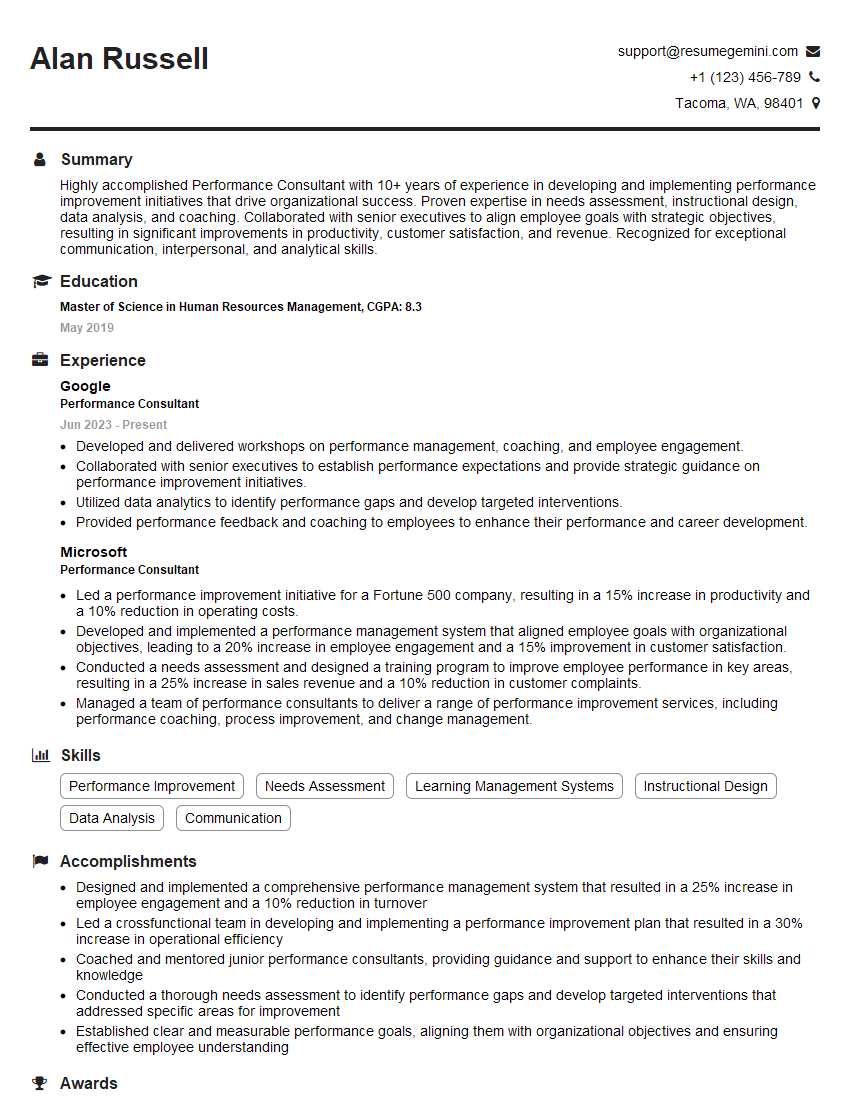
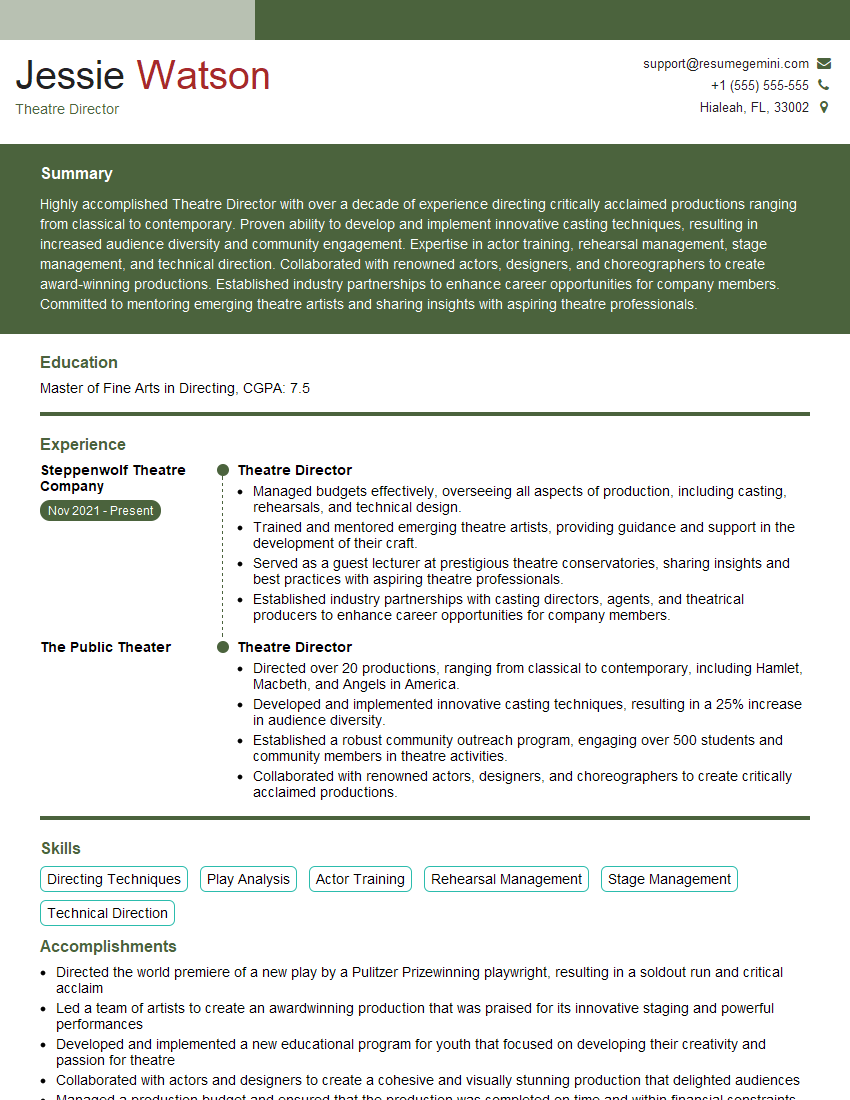
Mastering Performance Technique and Stage Presence is crucial for career advancement in many fields. Strong communication skills are highly valued, leading to greater impact, influence, and opportunities. To maximize your job prospects, create an ATS-friendly resume that highlights your skills and accomplishments effectively. ResumeGemini is a trusted resource that can help you build a professional resume that showcases your abilities in the best possible light. We provide examples of resumes tailored to Performance Technique and Stage Presence to guide you in crafting a compelling application.
Explore more articles
Users Rating of Our Blogs
Share Your Experience
We value your feedback! Please rate our content and share your thoughts (optional).
What Readers Say About Our Blog
Very informative content, great job.
good