Are you ready to stand out in your next interview? Understanding and preparing for Performing Field Tests interview questions is a game-changer. In this blog, we’ve compiled key questions and expert advice to help you showcase your skills with confidence and precision. Let’s get started on your journey to acing the interview.
Questions Asked in Performing Field Tests Interview
Q 1. Describe your experience with different types of field tests.
My experience spans a wide range of field tests, encompassing various methodologies and applications. I’ve conducted extensive performance testing on everything from cellular network infrastructure to embedded systems in agricultural machinery. For example, in one project, I led a team evaluating the data throughput of a new 5G small cell deployment across a densely populated urban area. This involved deploying test equipment at multiple locations, simulating real-world traffic patterns, and meticulously recording performance metrics. Another project involved testing the durability and reliability of sensors deployed in harsh environmental conditions, such as extreme temperatures and humidity. This required specialized equipment and rigorous testing protocols. My experience also includes environmental testing, user acceptance testing (UAT), and beta testing of software applications in real-world user settings. Each type demands a unique approach, emphasizing careful planning and adaptability.
- Performance Testing: Measuring throughput, latency, and jitter in networks or systems.
- Environmental Testing: Assessing the impact of extreme conditions (temperature, humidity, vibration) on equipment or products.
- User Acceptance Testing (UAT): Gathering feedback from end-users on software or hardware before release.
- Beta Testing: Real-world testing with a limited group of users to identify bugs and usability issues.
Q 2. What are the key challenges in conducting field tests?
Conducting field tests presents unique challenges. One major hurdle is the unpredictable nature of real-world environments. Weather, interference from other systems, unexpected user behavior, and logistical issues can all impact data quality and test completion. For instance, in a recent project testing smart irrigation systems, unexpected heavy rainfall significantly affected the data collected, requiring adjustments to the testing schedule and analysis. Another challenge is ensuring the safety of personnel and equipment in potentially hazardous environments. Finally, resource constraints, including time and budget limitations, often necessitate careful planning and prioritization.
- Unpredictable Environmental Conditions: Weather, interference, and unexpected events.
- Safety: Protecting personnel and equipment in potentially hazardous environments.
- Resource Constraints: Limited time, budget, and personnel.
- Logistical Challenges: Transporting equipment, setting up test sites, and coordinating personnel.
Q 3. How do you ensure the accuracy and reliability of field test data?
Accuracy and reliability are paramount. We employ several strategies to ensure this. First, we meticulously calibrate all testing equipment before, during (if feasible), and after each test using traceable standards. We maintain detailed logs of these calibrations and any adjustments made. Second, we establish rigorous testing protocols, including clear test procedures, data collection methods, and quality control checks. This helps minimize human error and ensure consistency. Third, we use multiple data validation techniques to detect and correct errors, including data comparison, statistical analysis, and redundancy checks (multiple sensors or measurement methods). Finally, we document everything thoroughly, from equipment setup to data analysis, creating an auditable trail that supports the validity of our results. For example, if testing network performance, we might use multiple network monitoring tools and compare their results to identify potential inconsistencies or outliers.
Q 4. Explain your experience with test equipment calibration and maintenance.
Test equipment calibration and maintenance are crucial for data integrity. I’m proficient in calibrating various types of instruments, including spectrum analyzers, network analyzers, and data acquisition systems. We adhere to strict calibration schedules based on manufacturer recommendations and accreditation standards. Calibration is often performed using certified reference standards and documented meticulously. I also conduct routine maintenance on our equipment, checking for damage, cleaning components, and ensuring proper functionality. Regular preventative maintenance drastically reduces downtime and ensures the equipment remains accurate and reliable. We use a CMMS (Computerized Maintenance Management System) to track calibrations, maintenance, and repair history for all our test equipment.
Q 5. How do you handle unexpected issues or problems during field tests?
Unexpected problems are inevitable in field tests. My approach is proactive, combining thorough planning with the flexibility to adapt. When a problem arises, my first step is to assess the situation, identifying the root cause and potential impact on the test objectives. Then, I develop a contingency plan, which may involve modifying the test procedure, using alternative equipment, or even postponing certain aspects of the test. Thorough documentation of these unexpected events and the corrective actions taken is crucial. For instance, if a piece of equipment malfunctions during testing, we would first attempt to troubleshoot the issue; if unsuccessful, we would use a backup instrument (if available) or adjust the test plan to mitigate the impact of the equipment failure. Open communication with the team and stakeholders is essential during these situations to maintain transparency and ensure everyone is informed.
Q 6. Describe your experience with data analysis and reporting from field tests.
Data analysis and reporting are critical for drawing meaningful conclusions from field tests. My experience involves cleaning, validating, and analyzing data using statistical software packages such as R and MATLAB. I’m proficient in generating various types of reports, including summary reports, detailed analysis reports, and graphical presentations, tailored to the specific needs of the project and stakeholders. These reports typically include data visualizations, statistical analysis, and interpretation of the results in relation to the test objectives. For example, in a recent project involving testing the efficiency of solar panels, I utilized statistical methods to analyze the power output data, identifying correlations between environmental factors (solar irradiance, temperature) and panel performance. The findings were presented in a concise report with charts and graphs, clearly highlighting the key results and conclusions.
Q 7. How do you prioritize tasks and manage your time effectively during field tests?
Effective time management and task prioritization are essential for successful field tests. I typically begin by creating a detailed schedule that outlines all tasks, their dependencies, and timelines. This schedule is then reviewed and adjusted regularly to accommodate unexpected delays or changes in priorities. Prioritization is based on criticality, dependencies, and potential impact on the test objectives. Utilizing project management tools and techniques, such as Gantt charts and Kanban boards, helps track progress and identify potential bottlenecks. Throughout the process, regular team communication and coordination ensure that everyone is aligned on goals and deadlines. For example, in a test involving multiple teams and locations, we use a shared online calendar and project management software to track tasks and keep everyone informed of progress and changes.
Q 8. Explain your experience working with cross-functional teams during field tests.
Cross-functional collaboration is paramount in field tests. My experience involves working closely with engineering, marketing, sales, and even legal teams. For example, during a field test of a new agricultural drone, I worked with the engineering team to troubleshoot GPS issues, with the marketing team to gather user feedback for future improvements, and with the legal team to ensure compliance with drone operation regulations. Effective communication, shared goals, and a well-defined process were key to our success. We used a collaborative project management tool to track progress, share data, and address concerns in real-time. This ensured transparency and helped maintain momentum throughout the entire testing phase. I often found that leading brainstorming sessions to identify potential issues and anticipate challenges before they arose was particularly beneficial in fostering a proactive approach among the teams involved.
Q 9. How do you ensure compliance with safety regulations during field tests?
Safety is always my top priority. Before any field test, a comprehensive risk assessment is conducted, identifying potential hazards. This involves reviewing relevant safety data sheets (SDS) for any materials used, assessing the environmental conditions, and planning appropriate safety measures. For instance, during a field test involving high-voltage equipment, we implemented strict safety protocols including lockout/tagout procedures, mandatory personal protective equipment (PPE), and designated safety officers on-site. We also ensured adherence to all relevant local, state, and federal regulations. Regular safety briefings and training sessions for all personnel were conducted to refresh understanding and to emphasize the importance of safe work practices. Detailed incident reporting procedures were in place, enabling swift response and analysis in case of any accidents or near misses. We maintain comprehensive documentation to demonstrate our commitment to safety and compliance.
Q 10. Describe your experience with different testing methodologies (e.g., Agile, Waterfall).
I’m experienced with both Agile and Waterfall methodologies. In a recent project using Agile, we followed a sprint-based approach for field testing a new mobile application. Each sprint focused on a specific set of features, allowing for rapid iteration and feedback incorporation. We used daily stand-ups to track progress, identify roadblocks, and make necessary adjustments. In contrast, a previous project involving a large-scale infrastructure deployment utilized a Waterfall methodology, with clearly defined phases – requirements gathering, design, development, testing, and deployment. Both methodologies have their strengths. Agile excels in adaptability and rapid feedback, while Waterfall is ideal for projects with well-defined, stable requirements. My ability to adapt to the specific requirements of a project and select the most appropriate methodology is a key strength.
Q 11. What is your experience with test plan development and execution?
Developing a comprehensive test plan is crucial for a successful field test. This involves clearly defining objectives, identifying test scenarios, developing test cases, scheduling resources, and defining success criteria. I typically use a structured approach, outlining test procedures, expected results, and acceptance criteria. The test plan will also include risk assessment and mitigation strategies. For example, in a recent project, the test plan included specific contingencies for inclement weather, equipment failure, and unexpected user behavior. During execution, I maintain detailed records of test results, meticulously documenting any deviations from the expected outcomes. Regular progress reports ensure stakeholders are informed, allowing for adjustments and informed decision-making as needed. Post-test analysis involves reviewing the test results, generating comprehensive reports, and identifying areas for improvement.
Q 12. How familiar are you with various testing tools and software?
My experience encompasses a range of testing tools and software. I’m proficient in using test management tools such as Jira and TestRail for organizing and tracking test cases and bugs. For performance testing, I’ve used tools like JMeter and LoadRunner. I also have experience with various scripting languages such as Python and JavaScript for automating tests. My familiarity with data analysis tools like Excel and Tableau allows me to effectively analyze and visualize testing data, identifying trends and patterns. Furthermore, I have a working knowledge of specialized tools relevant to the specific technology being tested. For example, while testing embedded systems, I’ve used dedicated debugging tools and emulators to simulate real-world conditions.
Q 13. How do you troubleshoot and resolve technical issues encountered during field tests?
Troubleshooting is an integral part of field testing. When encountering an issue, I employ a systematic approach. First, I replicate the problem to understand its context and characteristics. Then, I use diagnostic tools and logs to pinpoint the root cause. For instance, during a field test of a network device, we encountered intermittent connectivity issues. By analyzing network logs and employing packet sniffers, we identified a faulty network cable as the culprit. If the problem requires deeper analysis, I collaborate with engineering teams, leveraging their expertise to identify and resolve complex technical issues. Documentation of the troubleshooting process and the implemented solution is crucial for future reference and improvement of the product or system under test.
Q 14. Describe your experience with creating test cases and scripts.
Creating effective test cases and scripts is vital for ensuring thorough testing. My approach involves analyzing the requirements and design specifications to identify potential failure points. I then develop comprehensive test cases covering various scenarios, including positive and negative testing. These cases outline specific steps, expected results, and acceptance criteria. Test scripts, often automated, are then created to execute these test cases efficiently and reliably. For instance, when testing a web application, I used Selenium to automate the testing of user interface elements, ensuring consistent and repeatable testing. I also employ various testing techniques like equivalence partitioning, boundary value analysis, and decision table testing to optimize the test coverage and efficiency, ensuring a more robust final product.
Q 15. How do you document field test results and findings?
Documenting field test results and findings is crucial for accurate reporting, analysis, and future decision-making. My approach involves a multi-layered system ensuring comprehensive and easily accessible information.
Detailed Test Plan: Before the test, a comprehensive plan outlining objectives, methodology, and expected results is created and serves as the foundation for documentation. This includes specifying the data to be collected, the format, and the responsible parties.
Real-time Data Logging: During the test, I use various tools, including specialized software and data loggers, to record data in real-time. This minimizes potential errors and ensures immediate access to preliminary results. For example, if we’re testing a new sensor’s accuracy in a remote environment, data are logged directly to a secure cloud server.
Data Sheets & Checklists: Structured data sheets and checklists guide data collection, maintaining consistency and completeness. This is particularly important when multiple testers are involved, ensuring uniformity in data recording. For instance, a checklist can confirm that environmental factors (temperature, humidity) are documented alongside sensor readings.
Post-Test Reporting: A final report consolidates all findings, including analysis of the results, conclusions, and recommendations. This report typically includes tables, graphs, and images to effectively visualize the data. It also addresses any unexpected results or deviations from the test plan.
Version Control: Utilizing a version control system like Git is vital for tracking changes to the documentation over time, especially if iterative testing occurs. This allows for transparent tracking of revisions and easy access to previous versions.
This multifaceted approach ensures that all aspects of the field test are meticulously documented, providing a comprehensive record for future reference and analysis.
Career Expert Tips:
- Ace those interviews! Prepare effectively by reviewing the Top 50 Most Common Interview Questions on ResumeGemini.
- Navigate your job search with confidence! Explore a wide range of Career Tips on ResumeGemini. Learn about common challenges and recommendations to overcome them.
- Craft the perfect resume! Master the Art of Resume Writing with ResumeGemini’s guide. Showcase your unique qualifications and achievements effectively.
- Don’t miss out on holiday savings! Build your dream resume with ResumeGemini’s ATS optimized templates.
Q 16. What are your strategies for optimizing field test processes and efficiency?
Optimizing field test processes requires a strategic blend of planning, technology, and efficient teamwork. My strategies center around several key areas:
Streamlined Planning: A detailed and well-defined test plan that preempts potential problems is crucial. This includes identifying potential risks and developing mitigation strategies in advance. For example, allocating sufficient time for travel and unexpected delays.
Leveraging Technology: Utilizing automated data collection tools, remote monitoring systems, and cloud-based data storage significantly reduces manual effort and enhances efficiency. Think using drones for aerial surveying in a large-scale field test, instead of manual ground surveys.
Effective Team Communication: Clear and concise communication is essential within the team, particularly when using remote collaboration tools. Daily stand-ups, online project management platforms, and regular progress reports foster transparency and streamline the process. This might include using Slack or Microsoft Teams to ensure quick responses and coordination.
Process Automation: Automating repetitive tasks, such as data entry or analysis, using scripting or specialized software, reduces human error and frees up time for more complex tasks. A good example is using Python scripts to process large datasets collected from various sensors.
Continuous Improvement: Regularly reviewing past tests to identify areas for improvement, refining processes, and adapting methodologies to specific projects is crucial. Post-test reviews with the team are a great opportunity to identify improvement areas.
By focusing on these areas, we can enhance both the speed and accuracy of field testing, leading to more efficient and cost-effective results.
Q 17. Describe your experience with remote testing and data collection.
My experience with remote testing and data collection is extensive, encompassing various technologies and methodologies.
Remote Monitoring Systems: I have experience deploying and managing remote monitoring systems for real-time data acquisition from geographically dispersed locations. This includes setting up and configuring sensors, data loggers, and communication networks (satellite, cellular). For instance, we used this approach to monitor the performance of wind turbines in a remote offshore location.
IoT and Cloud Technologies: I am proficient in utilizing IoT devices and cloud platforms (AWS, Azure) for remote data acquisition, storage, and analysis. This allows for real-time monitoring and centralized data management. We once used a cloud-based platform to manage data from hundreds of sensors deployed across a large agricultural field.
Remote Data Visualization: I utilize various dashboarding tools and visualization techniques to effectively present remote test data in real-time, allowing for immediate insights and timely interventions if needed. This includes using Grafana or similar tools to visualize sensor data and system performance.
Secure Data Transfer Protocols: Prioritizing data security, I utilize secure data transfer protocols (HTTPS, SSH) to protect data integrity and confidentiality during remote transmission. For example, ensuring all data transfers are encrypted using industry-standard encryption protocols.
Remote testing enables cost-effective and timely data collection from challenging environments, and I have the expertise to effectively design, implement, and manage such projects.
Q 18. How do you handle conflicting priorities or deadlines during field tests?
Conflicting priorities and deadlines are common in field testing. My approach involves a structured methodology to manage these challenges:
Prioritization Matrix: I use a prioritization matrix (e.g., MoSCoW method – Must have, Should have, Could have, Won’t have) to rank tasks based on their importance and urgency. This ensures that critical tasks are addressed first, even under pressure.
Effective Communication: Open and transparent communication with stakeholders is essential to proactively address conflicts and negotiate priorities. Regular status updates and proactive reporting of potential delays allows for timely adjustments.
Risk Assessment and Mitigation: Identifying potential risks and developing contingency plans is crucial. This includes considering factors like weather conditions, equipment failures, and unexpected logistical issues. For example, having a backup plan for data collection in case of equipment malfunction.
Scope Management: In certain situations, it might be necessary to negotiate a reduction in scope to meet deadlines. This involves collaborative discussions with stakeholders to identify non-essential tasks that can be deferred without significantly impacting the overall project objectives.
Time Management Techniques: Employing effective time management techniques, such as time blocking and task breakdown, helps allocate time efficiently and track progress. This increases efficiency and allows for adjustments to the schedule when needed.
By systematically addressing conflicting priorities, using proven methods, and maintaining clear communication, I ensure that project objectives are met within reasonable constraints.
Q 19. Explain your experience with different types of test environments (e.g., lab, field).
My experience encompasses both laboratory and field test environments, each presenting unique challenges and benefits.
Laboratory Testing: Lab testing offers controlled environments, allowing for precise measurements and repeatable results. However, it may not fully represent real-world conditions. I have conducted extensive lab tests on various devices, meticulously controlling variables like temperature, humidity, and power supply.
Field Testing: Field testing provides real-world data and reflects the actual operating conditions of the product or system. However, it can be more challenging due to environmental variability and logistical complexities. I have led field tests across diverse environments, from harsh desert conditions to dense urban settings, collecting data in highly variable real-world situations.
Hybrid Approach: Often, a hybrid approach that combines lab and field tests yields the most comprehensive results. Lab tests can help validate initial findings and refine the field testing strategy, while field tests provide validation in the target environment. For example, I often conduct preliminary lab tests to calibrate sensors and verify their accuracy before deploying them in the field.
My understanding of both environments allows me to design effective testing strategies that leverage the advantages of each, minimizing limitations and maximizing the quality and reliability of the results.
Q 20. How do you ensure the security and confidentiality of test data?
Ensuring the security and confidentiality of test data is paramount. My approach adheres to strict protocols to protect sensitive information:
Data Encryption: All data, both during transmission and storage, is encrypted using industry-standard encryption algorithms (AES-256, etc.). This protects data from unauthorized access, even if intercepted.
Access Control: Strict access control measures are implemented to restrict access to test data based on the principle of least privilege. Only authorized personnel with a legitimate need have access to specific datasets.
Secure Storage: Test data is stored in secure, encrypted storage solutions (cloud-based or on-premise) that comply with relevant data protection regulations (GDPR, CCPA, etc.). Data is regularly backed up to ensure redundancy and disaster recovery.
Data Anonymization: Where possible, data is anonymized to protect the identity of individuals or organizations involved. This ensures privacy while still allowing for meaningful analysis.
Regular Security Audits: Regular security audits and penetration testing are conducted to identify and address any vulnerabilities in the data handling process. This proactive approach minimizes the risk of data breaches.
By implementing comprehensive security measures, I ensure the confidentiality, integrity, and availability of test data throughout its lifecycle.
Q 21. What is your experience with risk assessment and mitigation in field testing?
Risk assessment and mitigation are integral to successful field testing. My approach involves a systematic process:
Risk Identification: I begin by identifying potential risks related to the test environment (weather, terrain), equipment (malfunctions, failures), logistics (travel, access), and personnel (safety, health). For example, identifying potential hazards like wildlife, extreme temperatures, or difficult terrain.
Risk Analysis: Each identified risk is analyzed based on its likelihood and potential impact. This helps prioritize risks based on their severity and urgency.
Mitigation Strategies: For each significant risk, I develop mitigation strategies to reduce its likelihood or impact. This may include using backup equipment, implementing safety protocols, or obtaining necessary permits.
Contingency Planning: Contingency plans are developed for unforeseen circumstances, ensuring that the test can continue smoothly even with unexpected setbacks. For example, having backup plans for transportation in case of vehicle breakdown.
Regular Monitoring: Throughout the testing period, risks are continuously monitored, and the mitigation strategies are reviewed and adjusted as needed. This iterative approach is essential for effectively managing risks in dynamic field environments.
By proactively identifying and mitigating risks, we ensure the safety of personnel, the integrity of the test data, and the successful completion of the field testing project.
Q 22. Describe your experience with performance testing in the field.
My experience with performance testing in the field spans over eight years, encompassing projects ranging from evaluating the signal strength of new cellular network technologies to assessing the endurance and reliability of agricultural drones. I’ve worked extensively in diverse environments, from bustling urban centers to remote, sparsely populated areas. This hands-on experience has provided invaluable insights into the challenges and intricacies of real-world performance testing, beyond the controlled conditions of a laboratory setting. For example, during a project involving autonomous vehicles, we conducted extensive field tests to evaluate their navigation capabilities under various weather conditions and traffic densities. This required careful planning, meticulous data collection, and robust data analysis techniques. Another example involves testing the performance of a new type of solar panel in different geographical locations, evaluating its efficiency under varying sunlight intensity and temperatures.
Q 23. How do you manage field test logistics and resources?
Managing field test logistics and resources requires meticulous planning and coordination. It’s akin to orchestrating a complex symphony; every instrument (resource) needs to be in the right place at the right time. This involves securing necessary permits and permissions, arranging equipment transportation and setup, coordinating the team’s travel and accommodation, and managing the budget effectively. For resource allocation, I utilize project management tools to track equipment availability, personnel assignments, and testing schedules. This ensures efficient utilization of resources and minimizes potential delays. For example, in a recent project involving numerous test locations spread across a large geographical area, I used a specialized software to optimize the routing of our team and equipment, minimizing travel time and maximizing testing efficiency. Contingency planning is also crucial; anticipating potential issues (e.g., equipment malfunctions, adverse weather) and having backup plans in place is vital for a smooth operation.
Q 24. How do you communicate technical information effectively to non-technical audiences?
Communicating technical information to non-technical audiences is a critical skill for any field test engineer. I achieve this by focusing on clear, concise language, avoiding technical jargon as much as possible. Instead of using technical terms, I utilize analogies and metaphors to illustrate complex concepts. For instance, explaining data throughput using the analogy of a water pipe’s capacity is more accessible than using technical terms like ‘bandwidth’ and ‘latency’. I also use visualizations such as charts and graphs to present data in an easily digestible format. I believe that storytelling is a powerful tool; weaving test results into a narrative that highlights key findings makes the information more engaging and memorable. Finally, actively soliciting questions and feedback ensures that the audience understands the information and feels comfortable asking for clarification.
Q 25. What is your experience with using GPS and other location-based technologies in field testing?
GPS and other location-based technologies are integral to my field testing work. Precise geolocation data is crucial for accurate measurements and mapping of test results. I’ve extensively used GPS receivers, alongside other location technologies like cellular triangulation and Wi-Fi positioning, to collect precise location data during tests. This data is often integrated with other test data to provide a comprehensive understanding of performance variations across different locations and environmental conditions. For instance, in a project evaluating the performance of a new type of sensor network, precise location data allowed us to correlate sensor readings with their geographic location, enabling a detailed analysis of performance variations across different terrain types. We also utilize mapping software to visualize the spatial distribution of test results, making it easier to identify patterns and anomalies.
Q 26. How do you ensure the repeatability and reproducibility of field tests?
Ensuring repeatability and reproducibility is paramount in field testing. This requires a systematic and documented approach. We begin by creating detailed test plans that clearly define test procedures, equipment configurations, and data collection methods. This documentation serves as a blueprint, ensuring consistency across multiple tests. We also employ rigorous quality control measures to ensure the accuracy and reliability of the collected data. Calibration of equipment, regular maintenance, and cross-checking of results are essential steps. Furthermore, we maintain a comprehensive database of test results, including metadata such as environmental conditions and equipment configurations, making it easier to reproduce the tests and compare results. Using version control for all test scripts and documentation helps manage changes and ensure traceability. A good example is standardizing our environmental data acquisition by using the same calibrated weather station at every test location, thereby mitigating the effect of environmental variability.
Q 27. What are some common pitfalls to avoid when conducting field tests?
Several common pitfalls can jeopardize the validity and reliability of field tests. One significant pitfall is inadequate planning. Failing to consider factors such as weather conditions, site accessibility, and potential interference can lead to delays, inaccurate results, and wasted resources. Another common issue is insufficient data collection. Insufficient data points can lead to inaccurate conclusions. Poorly defined test procedures can lead to inconsistencies in data collection and analysis, compromising the reliability of the results. Ignoring potential external factors, such as interference from other systems or environmental effects, can also introduce biases into the results. Finally, insufficient documentation can hinder the repeatability and reproducibility of the tests. Rigorous planning, meticulous execution, and thorough documentation are crucial to avoid these pitfalls.
Q 28. Describe your experience with different types of field test reports and documentation.
My experience encompasses a wide range of field test reports, including concise executive summaries for stakeholders, detailed technical reports for engineers, and presentations tailored to specific audiences. Executive summaries provide a high-level overview of the test results, emphasizing key findings and conclusions. Technical reports dive into the details, providing comprehensive descriptions of the test methodology, data analysis techniques, and limitations. Presentations are designed to be visually appealing and engaging, using charts, graphs, and images to effectively communicate the findings. I also create customized reports tailored to the specific needs and technical backgrounds of the intended audience. We also generate data logs and raw data reports which can be further analysed by different tools and engineers. All reports adhere to consistent formatting and style guidelines to ensure clarity and professional presentation.
Key Topics to Learn for Performing Field Tests Interview
- Test Design and Methodology: Understanding the principles behind designing effective field tests, including considerations for sample size, randomization, and control groups. Explore different test types and their appropriate applications.
- Data Collection and Management: Mastering techniques for accurate and efficient data collection in field settings. This includes understanding various data collection methods (e.g., surveys, observations, interviews), data validation procedures, and data management software.
- Statistical Analysis and Interpretation: Gain proficiency in analyzing field test data using appropriate statistical methods. Focus on interpreting results, drawing meaningful conclusions, and identifying limitations of the analysis.
- Risk Assessment and Mitigation: Learn how to identify and assess potential risks associated with conducting field tests, including safety, ethical, and logistical concerns. Develop strategies for mitigating these risks.
- Reporting and Communication: Develop strong skills in effectively communicating field test results to both technical and non-technical audiences. Practice creating clear, concise, and persuasive reports.
- Troubleshooting and Problem Solving: Prepare to discuss your experience in handling unexpected challenges during field tests. Highlight your ability to adapt to changing circumstances and find creative solutions to problems.
- Ethical Considerations: Understand and be prepared to discuss the ethical implications of conducting field tests, including informed consent, data privacy, and responsible data handling.
Next Steps
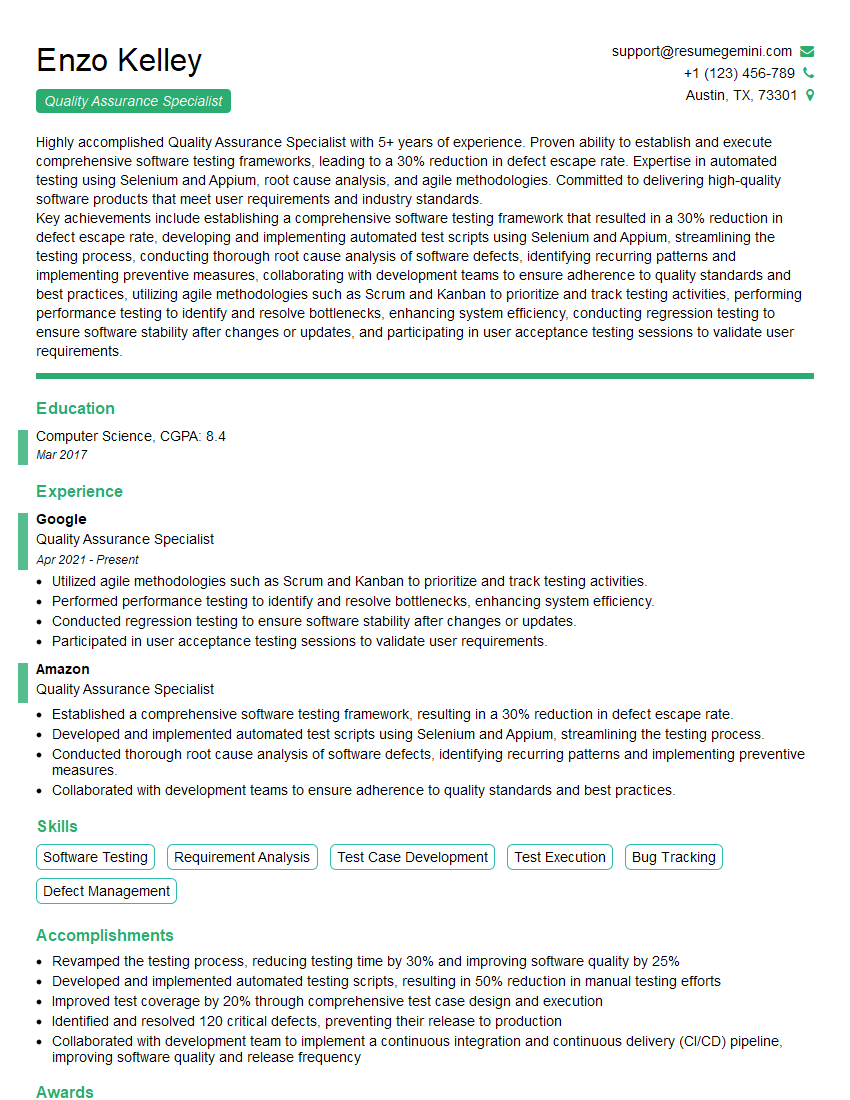
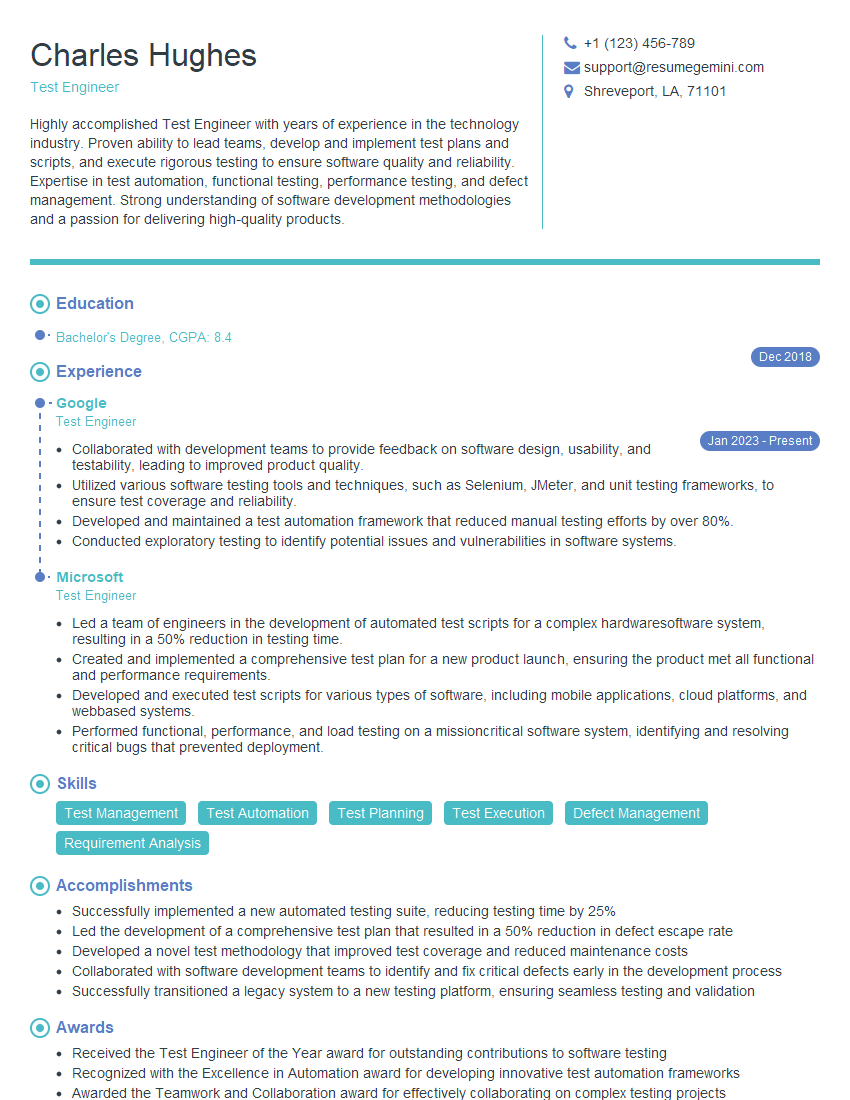
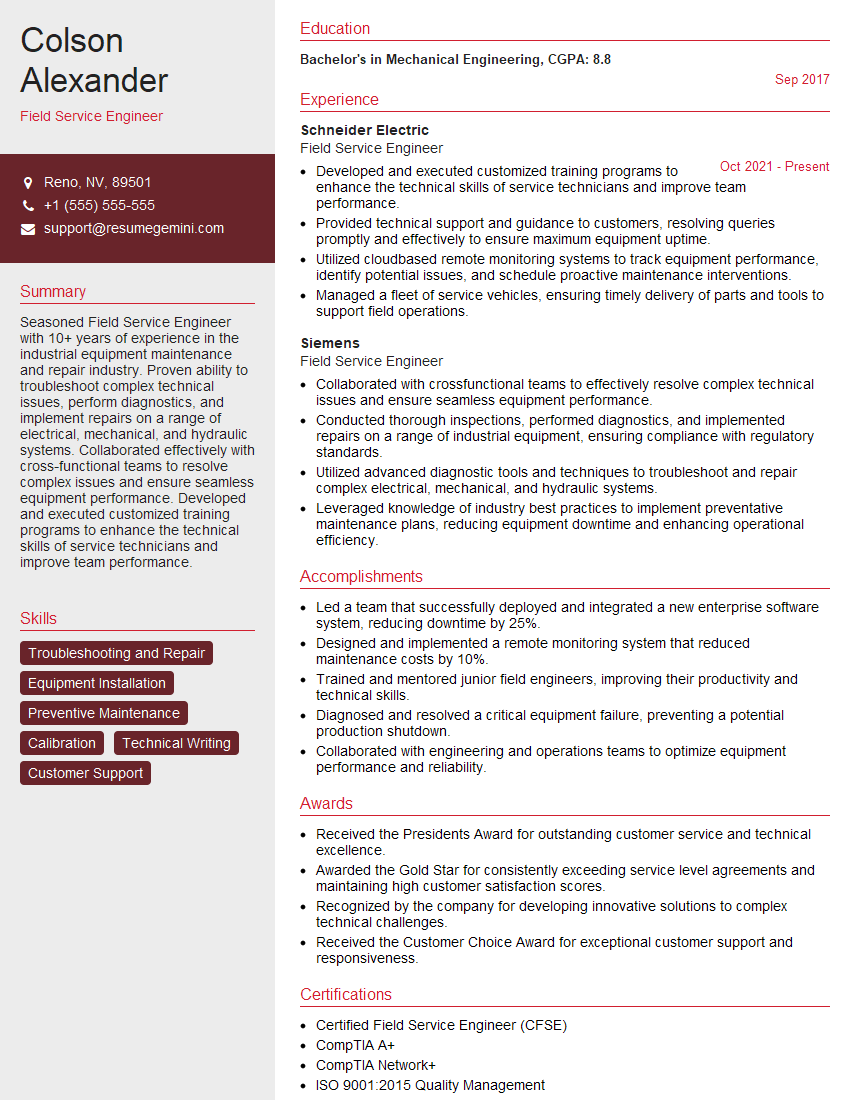
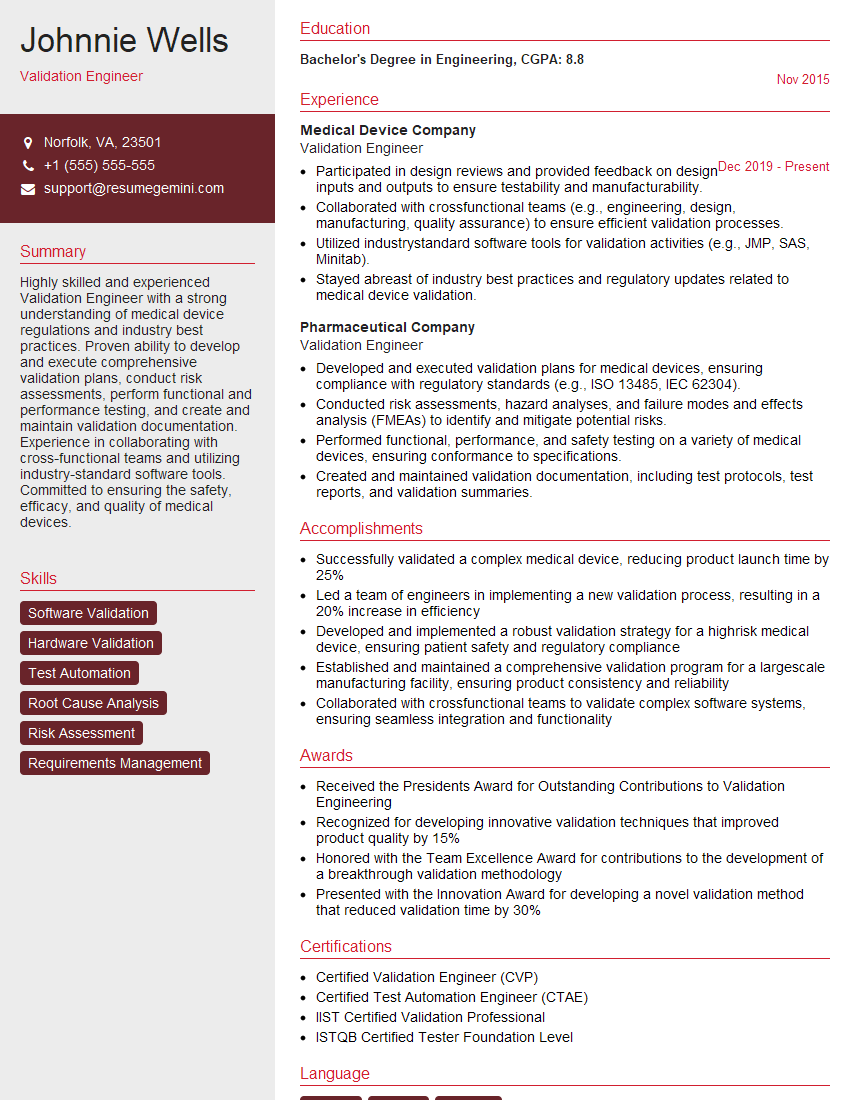
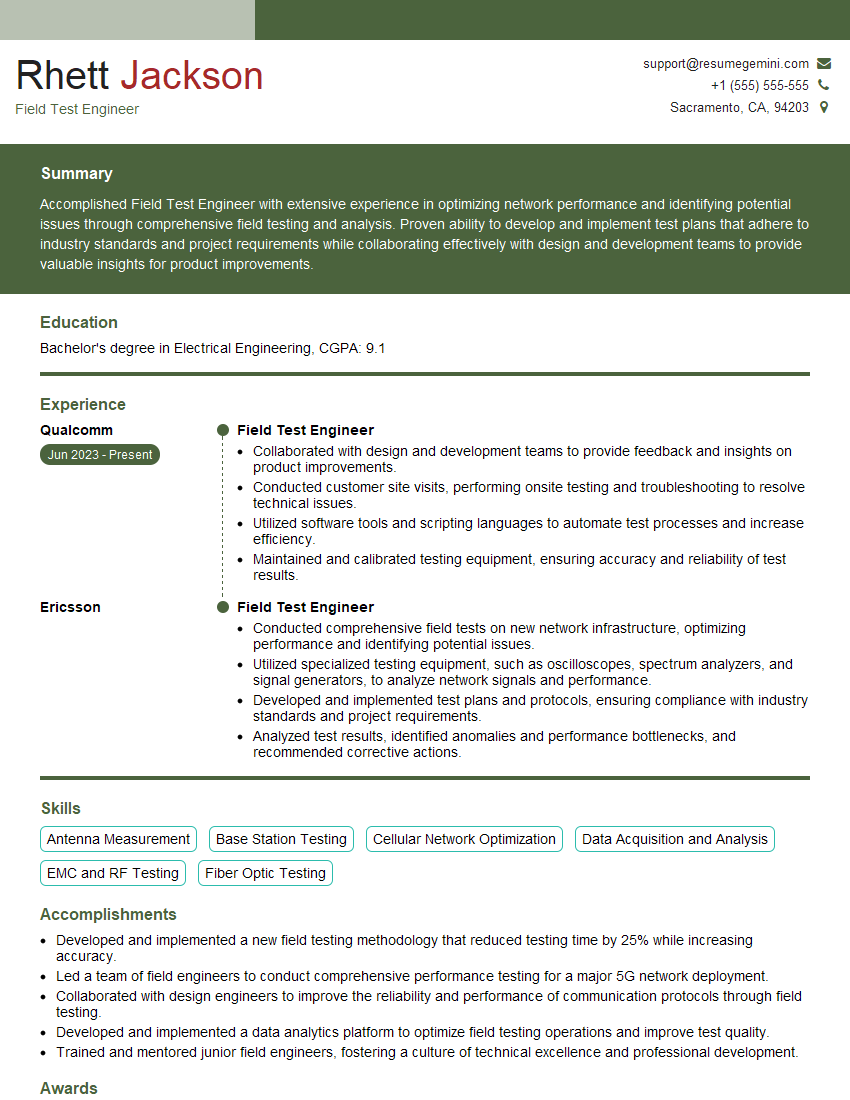
Mastering Performing Field Tests is crucial for career advancement in many scientific and engineering fields. A strong understanding of these principles demonstrates valuable problem-solving skills and a commitment to rigorous research practices. To significantly boost your job prospects, focus on crafting an ATS-friendly resume that highlights your relevant skills and experience. ResumeGemini is a trusted resource for building professional resumes that catch the eye of recruiters. We provide examples of resumes tailored specifically to Performing Field Tests to help you showcase your qualifications effectively.
Explore more articles
Users Rating of Our Blogs
Share Your Experience
We value your feedback! Please rate our content and share your thoughts (optional).
What Readers Say About Our Blog
Very informative content, great job.
good