Preparation is the key to success in any interview. In this post, we’ll explore crucial Personality interview questions and equip you with strategies to craft impactful answers. Whether you’re a beginner or a pro, these tips will elevate your preparation.
Questions Asked in Personality Interview
Q 1. Explain the Big Five personality traits.
The Big Five personality traits, also known as the OCEAN model, is a widely accepted framework in personality psychology. It describes five broad dimensions of personality that encompass most of the significant variations in human personality. These are:
- Openness to Experience: This trait reflects a person’s imagination, feelings, actions, and ideas. High scorers are curious, creative, and open to new experiences; low scorers are more practical and conventional.
- Conscientiousness: This trait measures how organized, responsible, and dependable a person is. High scorers are organized and self-disciplined; low scorers are more impulsive and careless.
- Extraversion: This reflects a person’s sociability and tendency to seek out stimulation and company. High scorers are outgoing and energetic; low scorers (introverts) are more reserved and independent.
- Agreeableness: This trait measures a person’s tendency to be compassionate and cooperative. High scorers are friendly and compassionate; low scorers are more competitive and challenging.
- Neuroticism (Emotional Stability): This refers to a person’s emotional stability and tendency to experience negative emotions. High scorers tend to be anxious and moody; low scorers are more calm and emotionally stable.
Understanding the Big Five can help us better understand individual differences in behavior, predict job performance, and improve interpersonal relationships. For example, a highly conscientious individual might excel in a detail-oriented role, while an extraverted person might thrive in a client-facing position.
Q 2. Describe the differences between Type A and Type B personalities.
Type A and Type B personalities represent two contrasting behavioral patterns. While these are not formal diagnostic categories, they are helpful descriptive terms.
Type A personalities are typically characterized by competitiveness, ambition, impatience, a sense of time urgency, and a tendency towards hostility or aggression. They often multitask, are driven to achieve, and can be prone to stress and health problems if these tendencies become excessive. Think of a driven entrepreneur constantly striving for the next deal.
Type B personalities, in contrast, are generally more relaxed, patient, easygoing, and less prone to stress. They tend to approach life at a more leisurely pace and prioritize work-life balance. A Type B might be a successful artist who appreciates a slower pace of life.
It’s crucial to understand that these are broad generalizations, and many individuals fall somewhere along a spectrum between the two types. Furthermore, labeling someone as solely Type A or Type B can be overly simplistic and potentially harmful.
Q 3. What are some common personality assessment tools and their limitations?
Several personality assessment tools are used, each with strengths and limitations. Some common ones include:
- Myers-Briggs Type Indicator (MBTI): Popular but lacks strong psychometric properties; its categories are not mutually exclusive, and it may not accurately reflect continuous personality traits.
- Minnesota Multiphasic Personality Inventory (MMPI): A widely used clinical instrument designed to assess personality and psychopathology. While robust, it’s complex and requires professional interpretation.
- NEO PI-R (NEO Personality Inventory-Revised): Measures the Big Five personality traits with high reliability and validity. It provides a more nuanced picture than simpler assessments.
- Big Five Inventory (BFI): A shorter version of the NEO PI-R, useful for large-scale studies, but sacrifices some depth of detail.
Limitations common to most personality assessments include:
- Self-report bias: Individuals may answer questions in a way that presents them in a positive light or reflects their desired self-image.
- Cultural biases: Tests developed in one cultural context might not be accurate when applied to others.
- Situational factors: Personality is not static; behavior can vary depending on the specific context or situation.
It’s vital to consider these limitations when interpreting results and to rely on multiple assessment methods whenever possible.
Q 4. How do you interpret the results of a personality test?
Interpreting personality test results requires careful consideration. It’s not about labeling someone with a specific ‘type,’ but rather understanding their personality profile in context.
The process involves:
- Understanding the instrument used: Know the specific traits measured, the scoring system, and the limitations of the test.
- Considering the individual’s context: Interpret scores in light of the individual’s background, experiences, and current life circumstances. A high neuroticism score, for instance, might be understood differently in someone who’s recently experienced trauma.
- Focusing on patterns and tendencies, not absolutes: Personality tests reveal tendencies, not fixed characteristics. Individuals exhibit a range of behaviors, and results should not be seen as rigid classifications.
- Using multiple sources of data: Combine test results with observations, interviews, and other information to gain a more comprehensive understanding.
- Avoiding oversimplification: Personality is complex; avoid drawing simplistic conclusions or making overly deterministic judgments based solely on test scores.
Professional interpretation by a qualified psychologist or counselor is recommended, especially when dealing with complex issues or potential clinical implications.
Q 5. Explain the concept of personality disorders.
Personality disorders are enduring patterns of inner experience and behavior that deviate markedly from the expectations of the individual’s culture, are pervasive and inflexible, have an onset in adolescence or early adulthood, are stable over time, and lead to distress or impairment.
The DSM-5 (Diagnostic and Statistical Manual of Mental Disorders, 5th Edition) categorizes personality disorders into clusters:
- Cluster A (Odd or Eccentric): Paranoid, schizoid, and schizotypal personality disorders. Individuals in this cluster exhibit unusual patterns of thinking and behaving.
- Cluster B (Dramatic, Emotional, or Erratic): Antisocial, borderline, histrionic, and narcissistic personality disorders. These individuals are characterized by dramatic, overly emotional, or erratic behavior.
- Cluster C (Anxious or Fearful): Avoidant, dependent, and obsessive-compulsive personality disorders. Individuals in this cluster exhibit anxious or fearful behaviors.
It’s important to note that the diagnosis of a personality disorder is complex and requires a thorough assessment by a mental health professional. Treatment typically involves psychotherapy, and the goal is not to ‘cure’ the disorder but to help the individual manage symptoms and improve their overall functioning.
Q 6. Discuss the role of nature vs. nurture in shaping personality.
The nature versus nurture debate in personality is a complex one. It’s not a simple either/or scenario, but rather a continuous interplay between genetic predispositions (nature) and environmental influences (nurture).
Nature (Genetics): Twin studies and adoption studies have demonstrated a significant heritability component to personality traits. Genes influence temperament, predispositions to certain emotional responses, and even aspects of cognitive style. For example, some individuals might inherit a genetic predisposition towards introversion.
Nurture (Environment): Environmental factors such as upbringing, culture, significant life events, and social interactions profoundly shape personality development. For example, a child raised in a supportive and nurturing environment might develop a more agreeable personality than a child raised in a harsh or neglectful environment. Cultural norms and expectations also play a significant role in shaping personality.
The current consensus is that personality is a complex interaction of both nature and nurture. Genes provide a blueprint, but the environment shapes how that blueprint unfolds. It’s a dynamic interplay throughout the lifespan.
Q 7. How do personality traits influence work performance?
Personality traits significantly influence work performance. Certain traits are associated with higher job satisfaction, productivity, and leadership effectiveness, while others can lead to challenges.
For example:
- Conscientiousness: Highly conscientious individuals tend to be more productive, reliable, and organized, making them valuable employees across various roles.
- Extraversion: Extraverts often excel in roles involving social interaction, such as sales or customer service.
- Emotional Stability: Individuals with high emotional stability handle stress effectively and maintain composure under pressure, which is crucial in demanding workplaces.
- Agreeableness: While agreeableness is often associated with teamwork and collaboration, overly high scores might lead to difficulty with assertiveness or conflict resolution.
- Openness to Experience: Individuals high in openness are often creative and innovative, valuable assets in fields requiring creative problem-solving.
However, it is crucial to remember that personality is only one factor affecting work performance. Skills, experience, motivation, and the work environment itself all play significant roles. A good fit between personality and job demands is crucial for optimal success.
Q 8. How can personality assessments be used in team building?
Personality assessments are invaluable tools in team building because they reveal individual strengths, weaknesses, and communication styles. Understanding these aspects allows teams to leverage their collective potential and address potential conflicts proactively.
For example, a team might use the Myers-Briggs Type Indicator (MBTI) to identify individuals with complementary preferences. A team lacking in extroverted leadership could benefit from recognizing and empowering an extroverted member to take on such roles. Conversely, a team overly focused on action might benefit from including an introspective member who can provide thoughtful analysis and strategic planning.
Using personality profiles, teams can tailor their working styles, communication strategies, and project approaches for optimal efficiency and harmony. A team composed mostly of individuals who prefer structured environments would benefit from clearly defined roles and processes, while a team with a greater proportion of individuals comfortable with ambiguity might thrive in a more fluid and adaptive approach.
Q 9. Describe different methods for measuring personality.
Several methods exist for measuring personality, each with its strengths and weaknesses. These range from structured questionnaires to projective tests and behavioral observations.
- Self-Report Questionnaires: These are the most common, using standardized questions to assess traits like extraversion, neuroticism, openness, conscientiousness, and agreeableness (often assessed using the Big Five model). Examples include the NEO PI-R and the 16PF. They’re relatively inexpensive and easy to administer, but are susceptible to response bias (individuals may answer in socially desirable ways).
- Projective Tests: These tests present ambiguous stimuli (like inkblots in the Rorschach test or pictures in the Thematic Apperception Test) to elicit unconscious responses. They aim to reveal deeper personality aspects, but interpretation is subjective and reliability can be lower.
- Behavioral Observations: Trained observers rate individuals’ behaviors in specific situations. This offers valuable insights into actual behavior, but it’s time-consuming, expensive, and prone to observer bias.
- Interviews: Structured or unstructured interviews can reveal personality traits through questions and discussions, offering valuable qualitative data but also susceptible to interviewer bias.
The choice of method depends on the purpose of the assessment, resources available, and the level of depth needed.
Q 10. How do you address personality conflicts within a team?
Addressing personality conflicts requires understanding their root causes and employing strategies that promote empathy and effective communication. It’s crucial to avoid labeling individuals based solely on their personality type.
- Identify the Conflict: Clearly define the nature of the conflict, specifying the behaviors and their impact.
- Facilitate Open Communication: Create a safe space for team members to express their perspectives without interruption. Active listening is crucial.
- Focus on Behavior, Not Personality: Frame discussions around observable behaviors rather than general personality traits. For instance, instead of saying ‘You’re too aggressive,’ say ‘Your tone during the last meeting was perceived as aggressive, which impacted team morale.’
- Emphasize Shared Goals: Remind team members of their common objectives and how resolving the conflict benefits the overall team goals.
- Mediation: If the conflict persists, consider involving a neutral third party (mediator) to facilitate communication and help find mutually acceptable solutions.
- Develop Conflict Resolution Skills: Train team members in conflict resolution techniques such as assertive communication and compromise.
Remember that personality differences are inevitable. The goal is not to eliminate them, but to manage them constructively.
Q 11. How can understanding personality help improve employee engagement?
Understanding personality is crucial for improving employee engagement because it helps tailor work environments and roles to individual needs and preferences. When employees feel understood and valued, their motivation and commitment increase significantly.
For example, an employee who scores high in conscientiousness might thrive in a structured environment with clearly defined goals and responsibilities, whereas an employee who is highly creative and open to experience might need more autonomy and opportunities for innovation. By recognizing and catering to these individual preferences, organizations can significantly enhance employee engagement, loyalty, and productivity.
Matching individual strengths and preferences with job tasks and work environments is a key strategy. This includes considering aspects like preferred communication styles, work pace, and preferred level of structure. Regular feedback and opportunities for growth and development further enhance engagement.
Q 12. Explain the impact of personality on leadership styles.
Personality significantly impacts leadership styles. Different personality traits predispose individuals to different approaches to leadership. For example, highly extroverted individuals might be more likely to adopt a transformational leadership style, inspiring and motivating others through their enthusiasm and charisma. Introverted leaders, on the other hand, may excel at a more thoughtful and consultative style, focusing on building consensus and facilitating collaboration.
Conscientious leaders tend to be more organized and detail-oriented, while agreeable leaders prioritize building strong relationships and fostering team cohesion. Individuals high in openness to experience might be more innovative and willing to take risks as leaders. However, it’s important to note that effective leadership is not solely determined by personality; skills, experience, and self-awareness are also crucial.
Understanding the link between personality and leadership style allows for better leadership development programs. Individuals can learn to adapt their style to suit different situations and team dynamics, improving their overall effectiveness as leaders.
Q 13. How can personality be used to predict job success?
Personality can be a useful predictor of job success, but it’s not a deterministic factor. Certain personality traits are correlated with better performance in specific roles. For instance, conscientiousness is consistently linked to higher job performance across various occupations, as conscientious individuals are typically more organized, dependable, and persistent.
However, relying solely on personality assessments for hiring decisions is inappropriate. Other factors such as skills, experience, and cognitive abilities are also critical. It’s crucial to view personality as one piece of the puzzle when making hiring and promotion decisions. A holistic approach considering multiple assessment methods offers a more accurate prediction of job success.
For example, while conscientiousness might be important for a project manager, creativity and openness might be more important for a marketing executive. Therefore, the relevance of specific personality traits varies significantly across different job roles.
Q 14. What are some ethical considerations when using personality assessments?
Ethical considerations regarding personality assessments are crucial. The misuse of such assessments can have serious consequences. Some key ethical considerations include:
- Privacy and Confidentiality: Maintaining the privacy and confidentiality of assessment data is paramount. Organizations must have clear policies and procedures in place to protect this sensitive information.
- Informed Consent: Individuals should be fully informed about the purpose of the assessment, how the data will be used, and their rights. They must provide their explicit consent before participating.
- Test Validity and Reliability: Only validated and reliable assessments should be used. Organizations should ensure the assessment chosen is appropriate for the intended purpose.
- Avoiding Bias and Discrimination: Assessments must be free from bias and should not be used to discriminate against individuals based on their personality traits.
- Appropriate Use and Interpretation: The results should be interpreted by qualified professionals, and should never be the sole basis for important decisions such as hiring or promotion.
- Feedback and Transparency: Individuals should receive feedback on their assessment results in a clear and understandable manner.
By adhering to these ethical guidelines, organizations can ensure the responsible and effective use of personality assessments.
Q 15. How do you handle biases in personality assessments?
Addressing biases in personality assessments is crucial for ensuring fair and accurate results. Bias can creep in at various stages, from the design of the assessment itself to the interpretation of the results. One common source is cultural bias, where items or scoring systems might favor individuals from specific cultural backgrounds. For example, a question that assumes a certain level of familiarity with a particular sport might disadvantage individuals from cultures where that sport is less prevalent. Another is response bias, where individuals may answer questions in a way that they believe is socially desirable, rather than truthfully reflecting their personality. For instance, someone might downplay negative traits.
To mitigate these biases, we employ several strategies. First, we use diverse samples in the development and validation of assessments. This helps ensure that the items are relevant and interpretable across different cultural groups. Second, we employ statistical techniques, like item response theory, to identify and remove biased items. Third, we provide clear and unbiased instructions to participants, emphasizing the importance of honest self-reporting. Finally, we focus on interpreting patterns of responses, rather than focusing on individual item scores, reducing the impact of any individual biased item.
Furthermore, acknowledging that no assessment is completely bias-free, we advocate for using multiple assessment methods and triangulating the results with other data points, like interviews or behavioral observations. This holistic approach provides a more nuanced and less biased understanding of the individual’s personality.
Career Expert Tips:
- Ace those interviews! Prepare effectively by reviewing the Top 50 Most Common Interview Questions on ResumeGemini.
- Navigate your job search with confidence! Explore a wide range of Career Tips on ResumeGemini. Learn about common challenges and recommendations to overcome them.
- Craft the perfect resume! Master the Art of Resume Writing with ResumeGemini’s guide. Showcase your unique qualifications and achievements effectively.
- Don’t miss out on holiday savings! Build your dream resume with ResumeGemini’s ATS optimized templates.
Q 16. Discuss the relationship between personality and job satisfaction.
Personality plays a significant role in job satisfaction. Individuals with personalities that align well with the demands and rewards of their jobs tend to experience higher levels of satisfaction. For example, someone with a high need for achievement (a personality trait) might find immense satisfaction in a challenging, fast-paced role, while someone who values work-life balance might find a more structured, less demanding job more fulfilling.
Specific personality traits like conscientiousness (being organized, responsible, and dependable), extraversion (outgoing and sociable), and emotional stability (calm and resilient) have been consistently linked to higher job satisfaction. Individuals high in conscientiousness are often more engaged and productive, leading to greater self-efficacy and job satisfaction. Extraverts might thrive in roles involving significant social interaction, while emotional stability allows individuals to better cope with workplace stressors.
However, the relationship is not always straightforward. A mismatch between personality and job demands can lead to dissatisfaction. For instance, an introverted individual forced into a highly social sales role might experience significant stress and low job satisfaction. Therefore, understanding personality can help in matching individuals to roles where they are likely to thrive and be happy.
Q 17. How can personality assessments help in talent acquisition?
Personality assessments are powerful tools in talent acquisition, helping organizations identify candidates who possess the traits necessary for success in specific roles. By assessing personality, recruiters can move beyond simply reviewing resumes and cover letters and gain a deeper understanding of a candidate’s potential fit within the company culture and the demands of the job.
For instance, a leadership role might require candidates high in extraversion and openness to experience, whereas a research position may benefit from individuals high in conscientiousness and agreeableness. By using assessments to screen candidates, organizations can pre-select individuals who are likely to be a good fit, reducing the risk of costly hiring mistakes. These assessments can be used in conjunction with structured interviews to gain a more holistic and reliable understanding of candidates.
It’s crucial to note that personality assessments should be used ethically and responsibly. The results should be considered alongside other information and should not be the sole determinant in the hiring process. Focusing on a few key traits relevant to the job rather than attempting to measure the entirety of someone’s personality is a good strategy. The goal is to increase the likelihood of a successful and mutually satisfying employment relationship, not to use personality assessments for discriminatory practices.
Q 18. Explain the concept of self-monitoring and its impact on behavior.
Self-monitoring refers to an individual’s ability to regulate their behavior based on social cues and situational demands. High self-monitors are highly attuned to their environment and adapt their behavior to fit the situation, often presenting different versions of themselves depending on the context. Low self-monitors, on the other hand, tend to be less concerned with social appropriateness and express their true selves consistently across situations.
Imagine two individuals attending a business meeting. A high self-monitor might carefully observe the behavior of others, mirroring their communication style and adjusting their demeanor accordingly. A low self-monitor might behave consistently, regardless of the social cues, perhaps expressing their opinions more freely, even if it’s not perceived as perfectly appropriate in that setting.
The impact of self-monitoring on behavior is significant. High self-monitors are often seen as more adaptable and socially skilled, capable of navigating complex social situations effectively. However, this adaptability might also be perceived as insincere or manipulative by some. Low self-monitors, while potentially viewed as more authentic, may struggle to adjust their behavior to fit various contexts, potentially leading to misunderstandings or conflict. Ultimately, neither extreme is inherently “better”; the optimal level of self-monitoring depends on the specific context and the individual’s goals.
Q 19. Describe the influence of personality on stress management.
Personality significantly influences how individuals manage stress. Certain personality traits are associated with greater resilience and coping abilities, while others increase vulnerability to stress. For instance, individuals high in neuroticism tend to experience more negative emotions and are more susceptible to stress, while individuals high in conscientiousness are often better at organizing their lives and proactively managing potential stressors.
People with high levels of emotional stability are generally better equipped to handle stressful situations. They tend to remain calm under pressure and are less likely to experience emotional exhaustion. Conversely, individuals low in emotional stability might react more intensely to stressors, potentially leading to anxiety, depression, or other stress-related problems. Extraversion can be a double-edged sword; while extraverts might find social support helpful in managing stress, they can also be more susceptible to stress arising from social demands and pressure.
Understanding the influence of personality on stress management is vital in developing effective coping strategies. For individuals prone to stress, focusing on building resilience through practices such as mindfulness, exercise, and establishing strong social support networks can be beneficial. It’s also important to acknowledge that personality is not destiny; individuals can learn and develop healthier coping mechanisms to reduce the negative impact of stress, regardless of their personality traits.
Q 20. How does personality influence communication styles?
Personality profoundly influences communication styles. Different personality traits are associated with distinct preferences and patterns in how people communicate. For instance, individuals high in extraversion often prefer direct, expressive communication styles, while those high in introversion may communicate more indirectly and thoughtfully.
Openness to experience is linked to a more creative and unconventional communication style, involving the use of metaphors, analogies, and other expressive language devices. Individuals high in agreeableness are often cooperative and accommodating in their communication, prioritizing harmony and avoiding conflict. Those high in conscientiousness tend to be precise and organized in their communication, paying careful attention to detail and structure. Finally, individuals high in neuroticism might display more anxious or emotional communication patterns, expressing their emotions openly and sometimes intensely.
Understanding these personality-communication links is crucial for effective interpersonal interactions. By recognizing different communication styles, we can improve our ability to tailor our communication to specific individuals, promoting clearer understanding and stronger relationships. For example, when communicating with an introverted colleague, it’s beneficial to provide opportunities for thoughtful responses rather than pressuring them into immediate engagement.
Q 21. How can understanding personality improve customer interactions?
Understanding personality can significantly enhance customer interactions. By recognizing different personality types and their communication preferences, businesses can tailor their approach to improve customer satisfaction and loyalty. For example, a customer who exhibits traits of high extraversion might appreciate a more enthusiastic and interactive approach, while a customer who demonstrates high introversion might prefer a more subdued, respectful, and efficient interaction.
Similarly, a customer high in neuroticism might require extra reassurance and patience, while a customer high in conscientiousness might appreciate clear and detailed explanations. By adapting communication strategies to meet the needs of individual customers, businesses can build trust, foster positive relationships, and ultimately drive sales.
In a practical sense, this could involve training customer service representatives to recognize different personality types through observing communication styles, body language, and responses. This training would equip representatives to adjust their interaction style, using different communication methods and demonstrating empathy, leading to more successful customer interactions and ultimately improving customer retention and brand loyalty.
Q 22. What are some common pitfalls in personality assessments?
Common pitfalls in personality assessments stem from several sources. One major issue is response bias. Individuals may answer questions in a way that presents them in a more positive light (social desirability bias), or they might consistently agree or disagree with statements (acquiescence bias). This can skew results and make them inaccurate reflections of their true personality. Another pitfall is the lack of standardization. The context in which an assessment is administered, the instructions given, and even the assessor’s demeanor can influence responses. Finally, interpreting results incorrectly is a significant problem. Many personality assessments require expertise to interpret properly; misinterpreting them can lead to inaccurate and potentially harmful conclusions. For instance, mistaking a high score on extraversion for lack of introspection can be detrimental in a counseling setting.
- Example: A job applicant might consistently rate themselves highly on conscientiousness, even if their past performance suggests otherwise, due to social desirability bias.
- Example: Administering a personality test in a noisy environment could lead to more inaccurate and inconsistent results than administering it in a quiet, controlled setting.
Q 23. How do you ensure the validity and reliability of personality assessments?
Ensuring the validity and reliability of personality assessments is crucial. Validity refers to whether the test measures what it claims to measure. We establish validity through various methods, including content validity (does it cover all aspects of the construct?), criterion validity (does it correlate with relevant behaviors or outcomes?), and construct validity (does it measure the theoretical construct it intends to?). Reliability, on the other hand, refers to the consistency of the test over time and across different administrations. We assess reliability using methods like test-retest reliability (administering the test multiple times to the same individual), internal consistency reliability (examining the correlation between different items on the test), and inter-rater reliability (when using subjective scoring). These checks minimize bias and provide confidence in the test’s accuracy.
For instance, a reliable and valid personality assessment designed to measure conscientiousness would consistently show that individuals scoring high on the test are more organized and detail-oriented in their work habits (criterion validity), while exhibiting internal consistency between questions probing different facets of conscientiousness.
Q 24. Discuss the impact of cultural factors on personality assessments.
Cultural factors profoundly impact personality assessments. Cultural norms and values shape how individuals perceive themselves and others, and these perceptions directly influence responses on personality tests. For example, collectivist cultures, which prioritize group harmony, may interpret individualistic personality traits differently than individualistic cultures that emphasize personal achievement. A trait like assertiveness, viewed positively in individualistic societies, might be perceived negatively in collectivist cultures where maintaining social harmony is paramount. Assessments developed in one culture may not accurately reflect the personality of individuals from other cultures, resulting in misinterpretations and potentially inaccurate profiling. Therefore, it’s crucial to use culturally sensitive and validated measures or to adapt existing tools to the specific cultural context. Ignoring this aspect can lead to significant biases and inaccurate conclusions.
Example: A personality test designed in a Western culture might interpret introversion as a sign of shyness or social anxiety. However, in some Eastern cultures, introversion might be seen as a sign of wisdom or maturity, leading to a misinterpretation of the results if this cultural nuance is not considered.
Q 25. Explain the use of personality assessments in career counseling.
Personality assessments play a vital role in career counseling. They help individuals gain self-awareness regarding their strengths, weaknesses, interests, and preferred work styles. For example, the Myers-Briggs Type Indicator (MBTI) or the Big Five personality traits can illuminate suitable career paths based on personality preferences. Someone with a strong preference for structure and detail (high conscientiousness) might thrive in accounting, while someone who enjoys novelty and challenges (high openness to experience) may prefer a creative field like design. These assessments help clients explore career options that align with their personality, increasing job satisfaction and reducing the risk of career dissatisfaction.
They also help counselors identify potential challenges. For instance, an individual who scores high on neuroticism might find highly demanding or competitive environments stressful. This insight allows for tailored strategies to address such challenges, whether it’s exploring less stressful environments, developing coping mechanisms, or focusing on improving emotional regulation.
Q 26. How do you explain complex personality concepts to non-experts?
Explaining complex personality concepts to non-experts requires clear, simple language and relatable examples. Instead of using jargon like “neuroticism” or “conscientiousness,” I would explain them in terms of everyday behaviors. For example, “neuroticism” can be described as the tendency to experience negative emotions like anxiety and worry. I might use analogies to make abstract concepts more concrete. For instance, I might compare the Big Five personality traits to the dimensions of a house: Extraversion is the ‘social wing’, Agreeableness is the ‘harmony room’, Conscientiousness is the ‘organization center’, Neuroticism is the ‘stress level’, and Openness to Experience is the ‘exploration attic’.
Visual aids, like charts or diagrams, are also helpful. Simple examples, like explaining how someone high in agreeableness tends to be cooperative and empathetic, makes these concepts much more accessible.
Q 27. Describe a situation where you used personality insights to solve a problem.
In a team project, conflict arose between two team members with contrasting working styles. One member (let’s call him Mark) was highly conscientious and detail-oriented, while the other (Sarah) was more spontaneous and creative. Mark felt Sarah was sloppy and lacked attention to detail, while Sarah felt Mark was too rigid and inflexible. Recognizing their personality differences – Mark exhibiting characteristics of a high-conscientiousness individual, and Sarah showing traits of someone high in openness to experience—was key to resolving the conflict. I facilitated a discussion where we explored each member’s perspective, acknowledging the value of both approaches. We then developed strategies to leverage their individual strengths – using Mark’s meticulous planning for the detailed aspects of the project and Sarah’s creative thinking for the more innovative elements. The result was improved collaboration and a higher-quality project. This demonstrates how understanding personality can lead to more productive and harmonious teamwork.
Q 28. What are some emerging trends in personality psychology?
Emerging trends in personality psychology include increased focus on the interplay between personality and genetics, the development of more sophisticated statistical methods for analyzing personality data, and advancements in personalized interventions and therapies tailored to an individual’s personality profile. The application of machine learning techniques is revolutionizing personality assessment. These techniques are leading to more accurate and nuanced assessments that can identify subtle personality variations and predict behavior with improved accuracy. Furthermore, there’s growing interest in exploring the impact of digital footprints (social media activity, online behavior) on personality assessment, though ethical considerations are paramount in this area.
Another trend is exploring the dynamic nature of personality—how it changes over time and across situations—which is moving beyond traditional static views of personality.
Key Topics to Learn for Personality Interview
- Self-Awareness: Understanding your strengths, weaknesses, values, and motivations. Practical application: Reflect on past experiences to identify situations showcasing these attributes. Consider how these insights inform your professional goals and collaborative style.
- Emotional Intelligence: Recognizing and managing your own emotions and understanding the emotions of others. Practical application: Prepare examples demonstrating empathy, conflict resolution, and effective communication in challenging team situations.
- Communication Styles: Adapting your communication approach based on the audience and context. Practical application: Analyze your communication style and how you effectively convey information to diverse groups. Consider how you adjust your approach for different communication mediums.
- Teamwork & Collaboration: Understanding your role within a team and contributing effectively. Practical application: Reflect on past team projects, highlighting your contributions and how you navigated challenges collaboratively. Prepare examples demonstrating conflict resolution and teamwork skills.
- Resilience & Adaptability: Responding positively to setbacks and adjusting to changing circumstances. Practical application: Discuss how you’ve overcome challenges and adapted to new situations in your professional or personal life. Highlight your learning and growth from these experiences.
- Problem-Solving & Decision-Making: Approaching problems systematically and making sound judgments. Practical application: Prepare examples where you faced complex problems and explain your systematic approach to finding solutions. Emphasize your decision-making process and the outcomes.
Next Steps
Mastering the nuances of personality assessment is crucial for career advancement. Understanding your own personality and how it impacts your interactions with colleagues and clients is vital for success in any role. To maximize your job prospects, build an ATS-friendly resume that showcases your unique strengths and aligns perfectly with the requirements of your target roles. ResumeGemini is a trusted resource that can help you create a compelling and effective resume. We provide examples of resumes tailored to highlight personality traits relevant to various professions; review these examples to inspire your own resume creation.
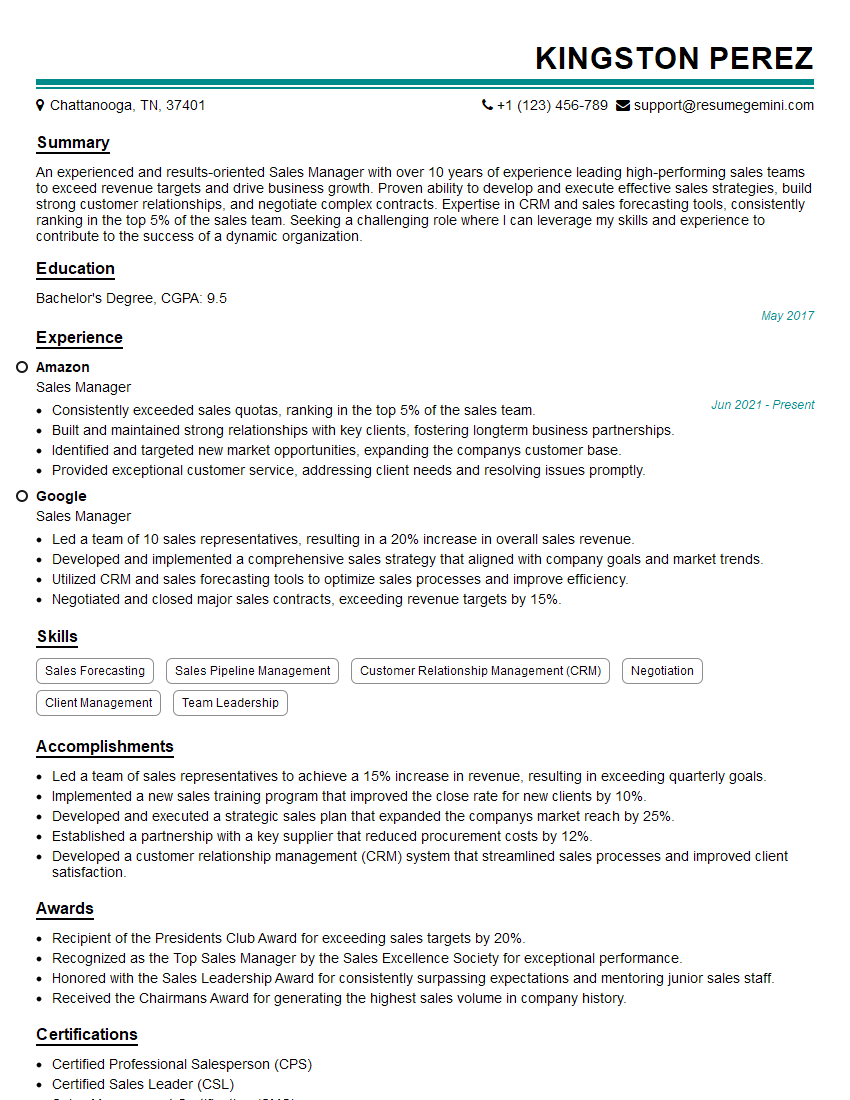
Sales Manager Resume Sample
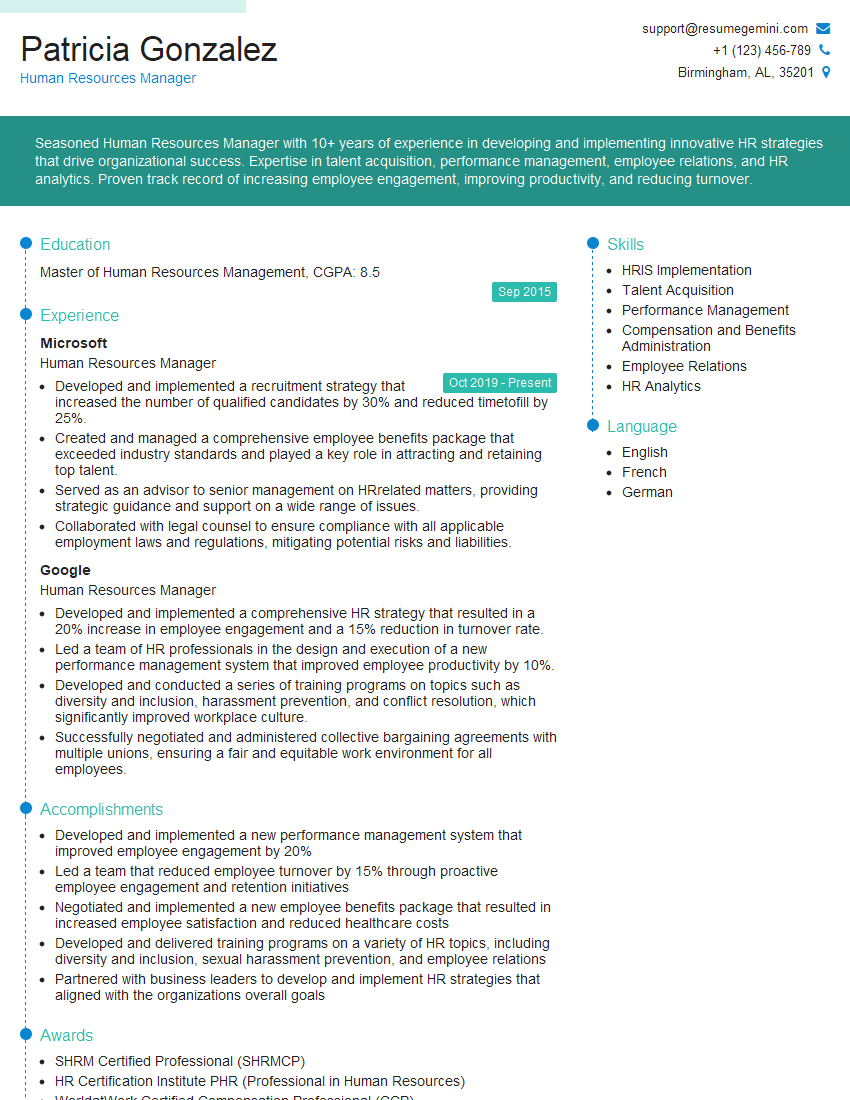
Human Resources Manager Resume Sample
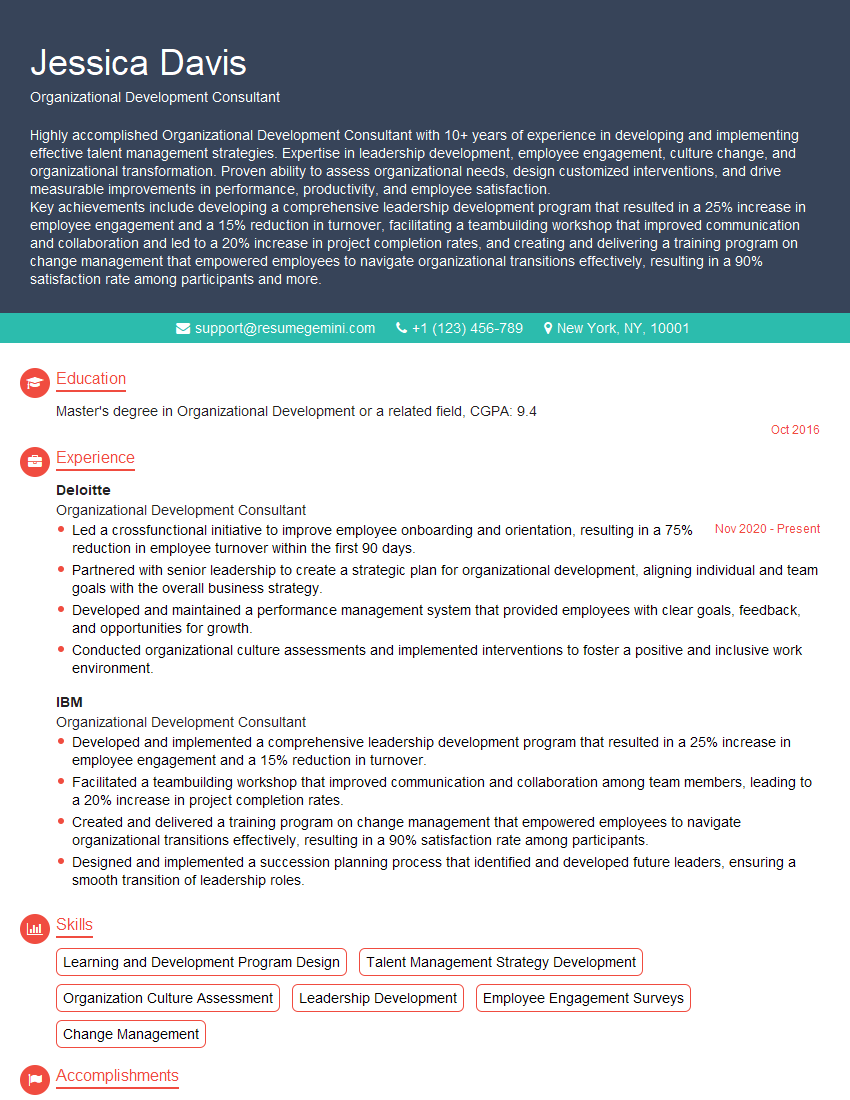
Organizational Development Consultant Resume Sample
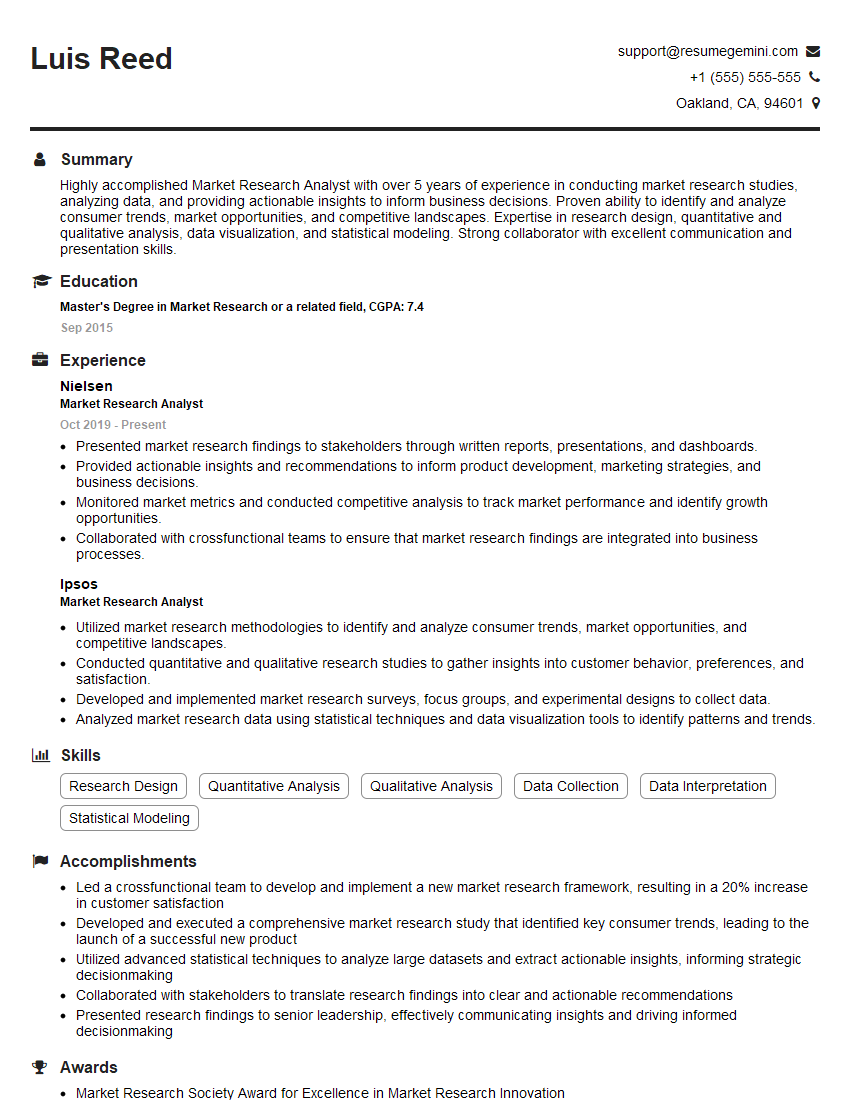
Market Research Analyst Resume Sample
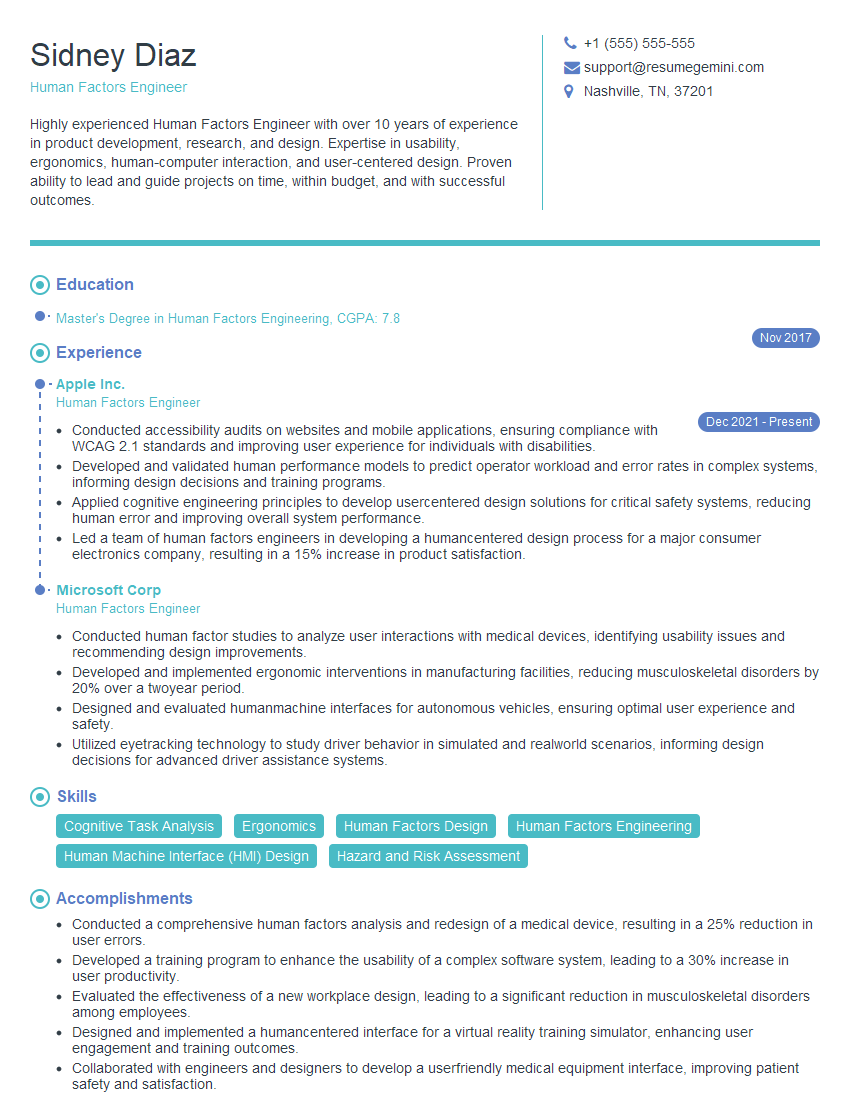
Human Factors Engineer Resume Sample
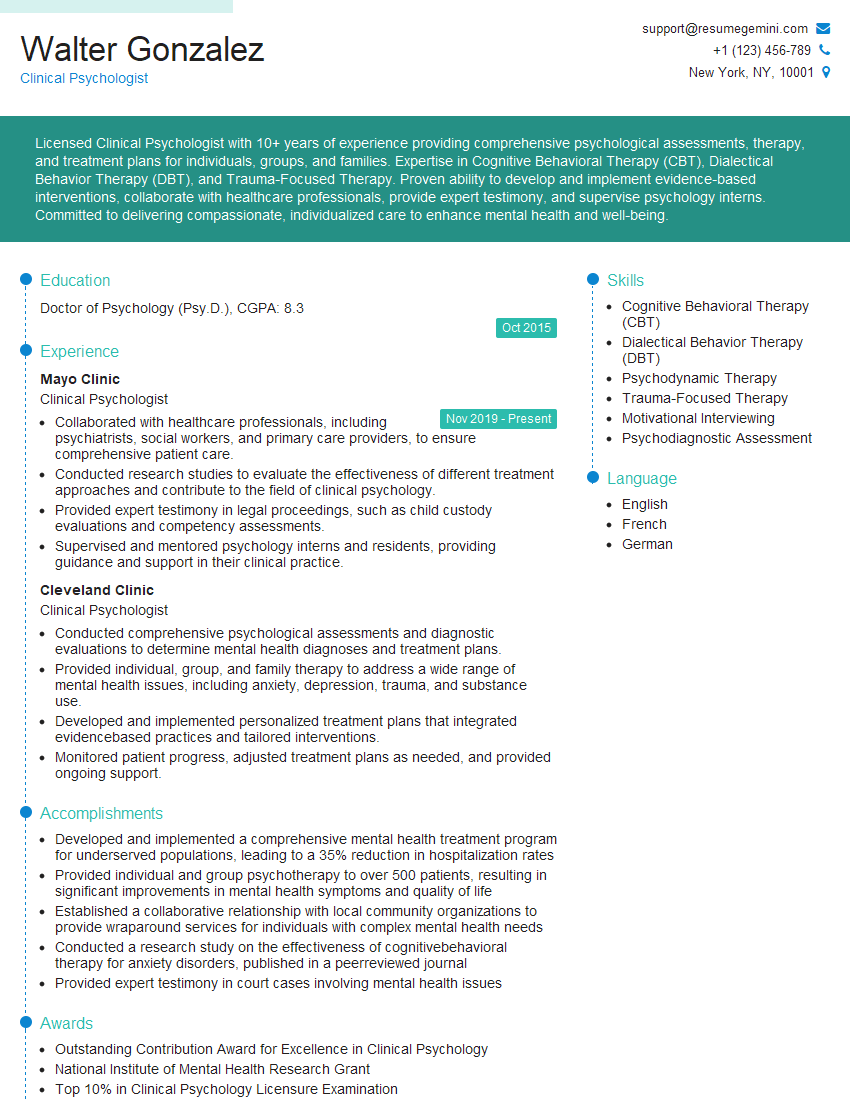
Clinical Psychologist Resume Sample
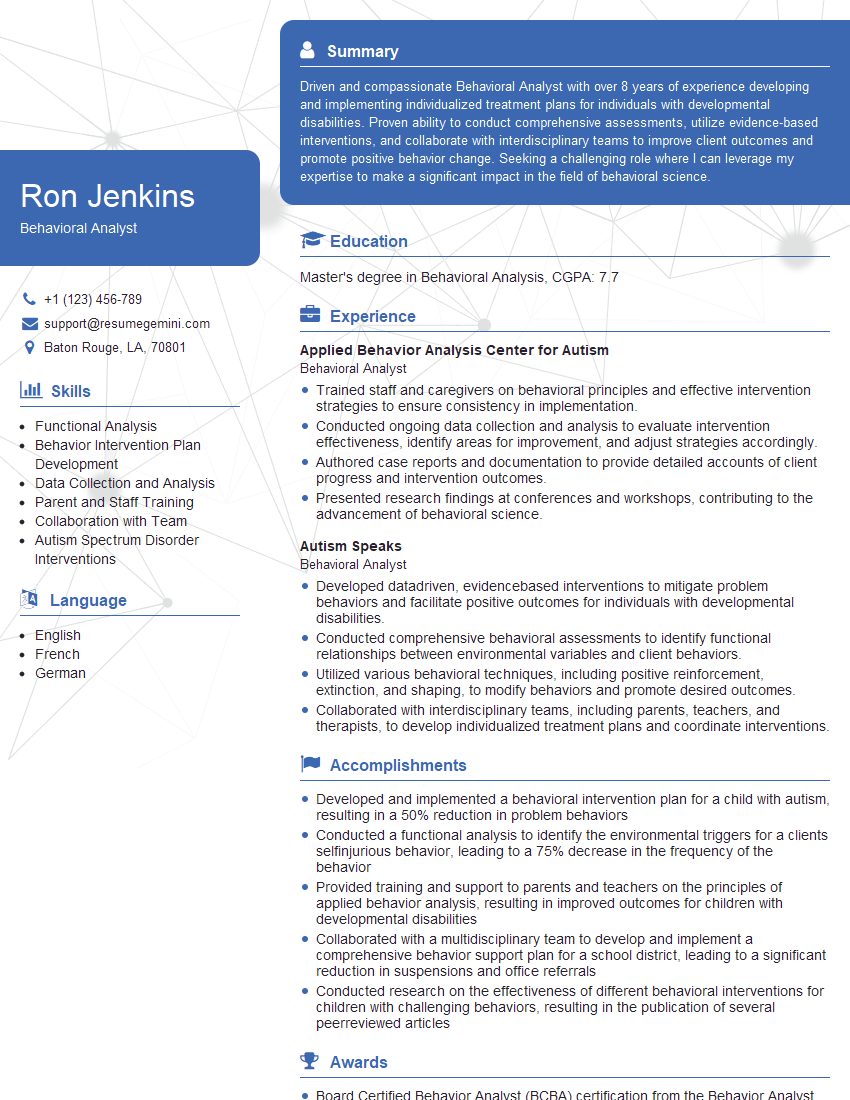
Behavioral Analyst Resume Sample
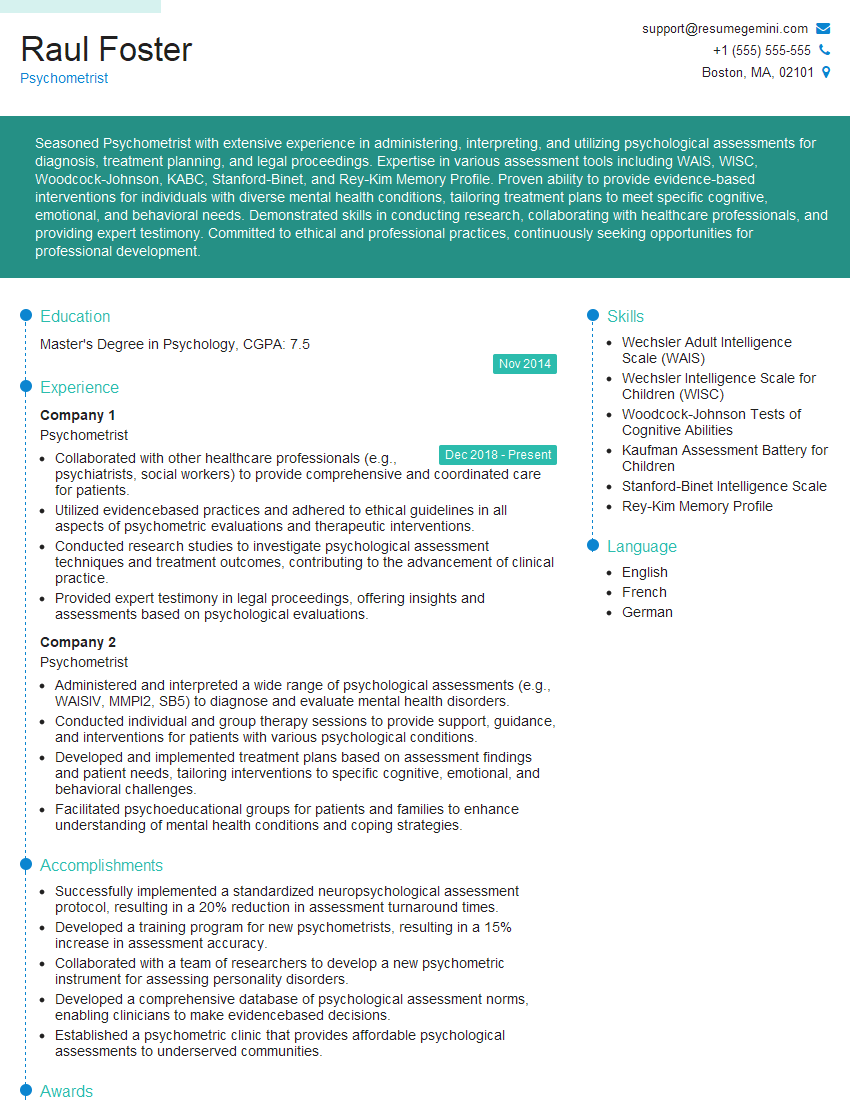
Psychometrist Resume Sample
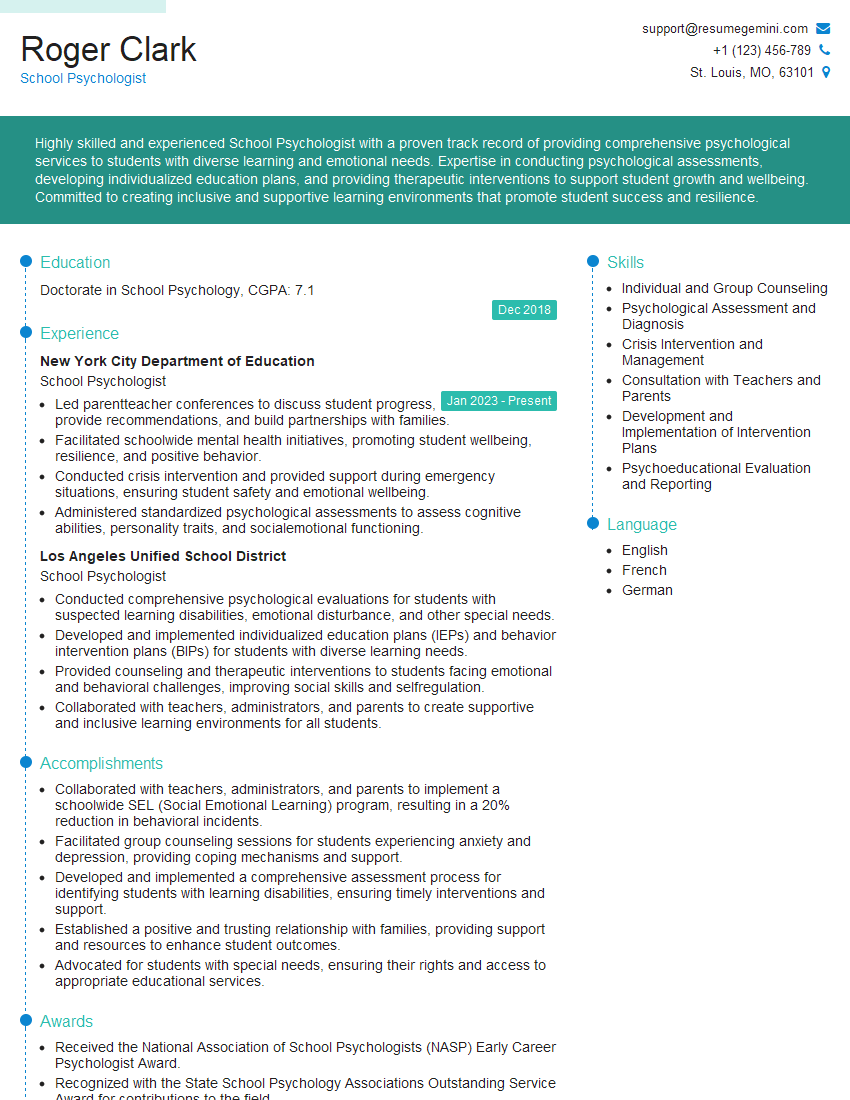
School Psychologist Resume Sample
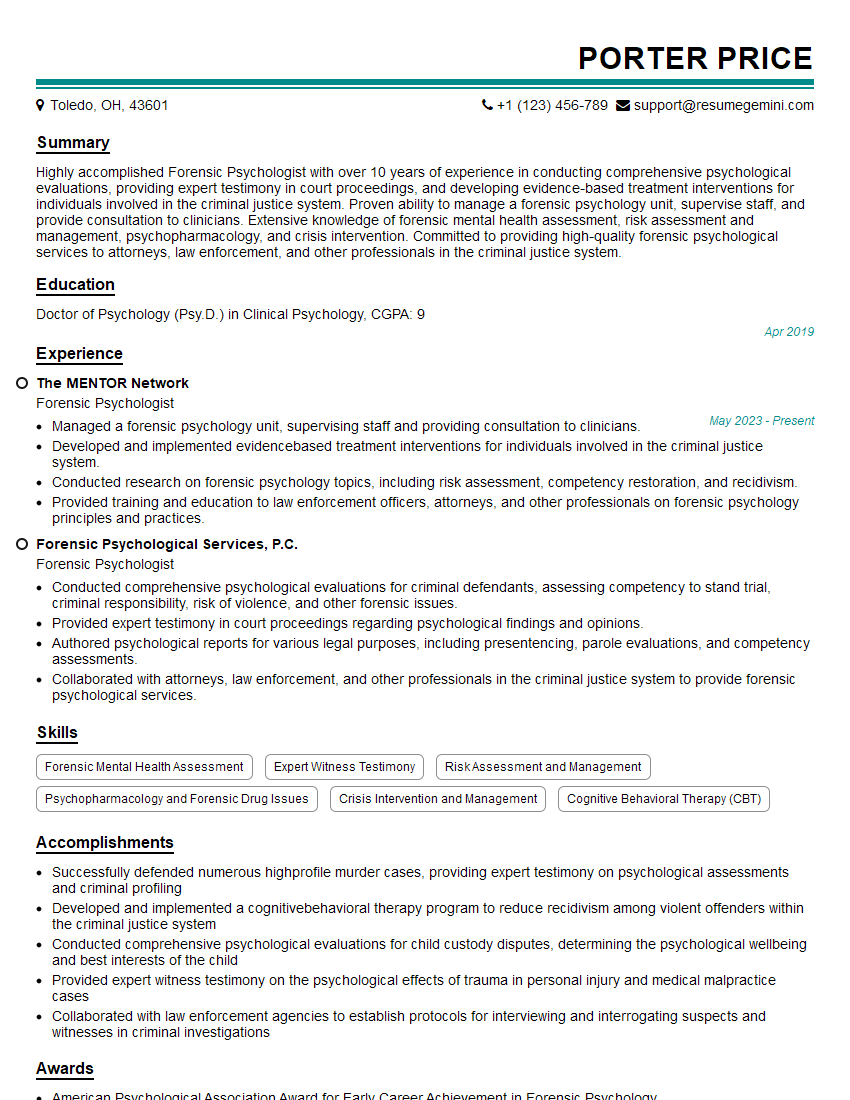
Forensic Psychologist Resume Sample
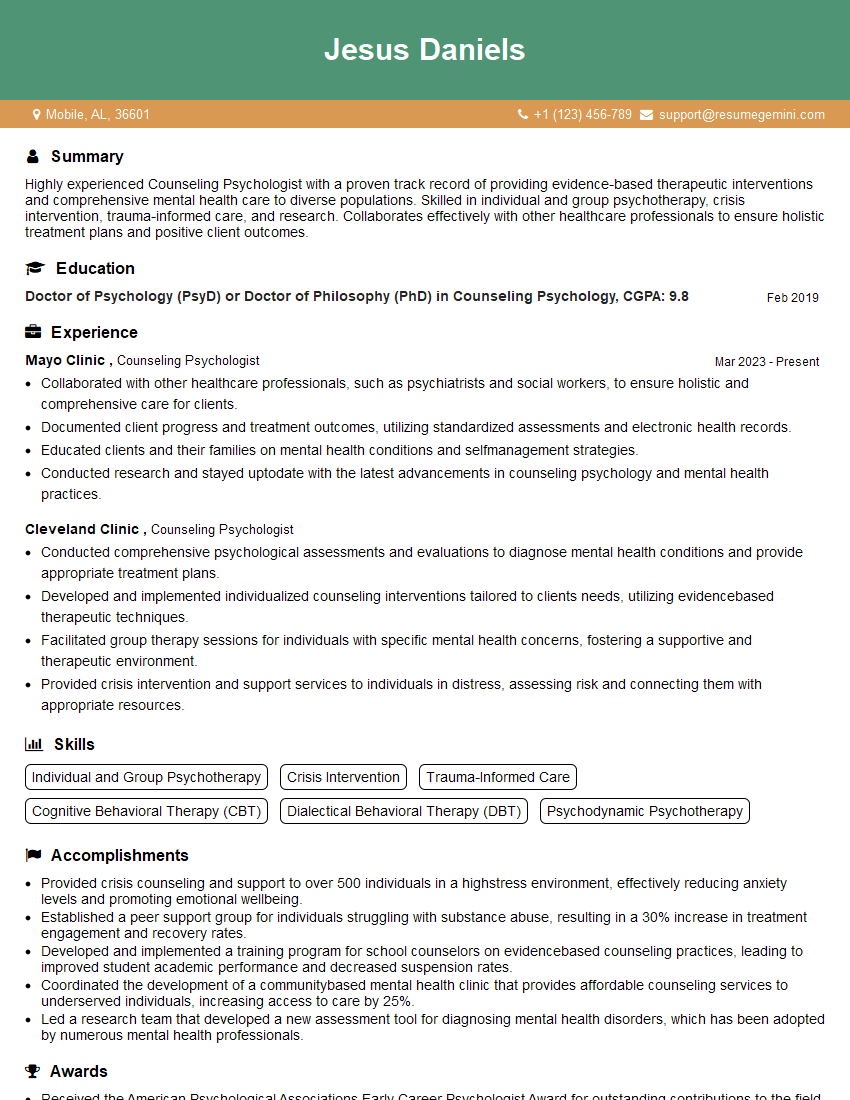
Counseling Psychologist Resume Sample
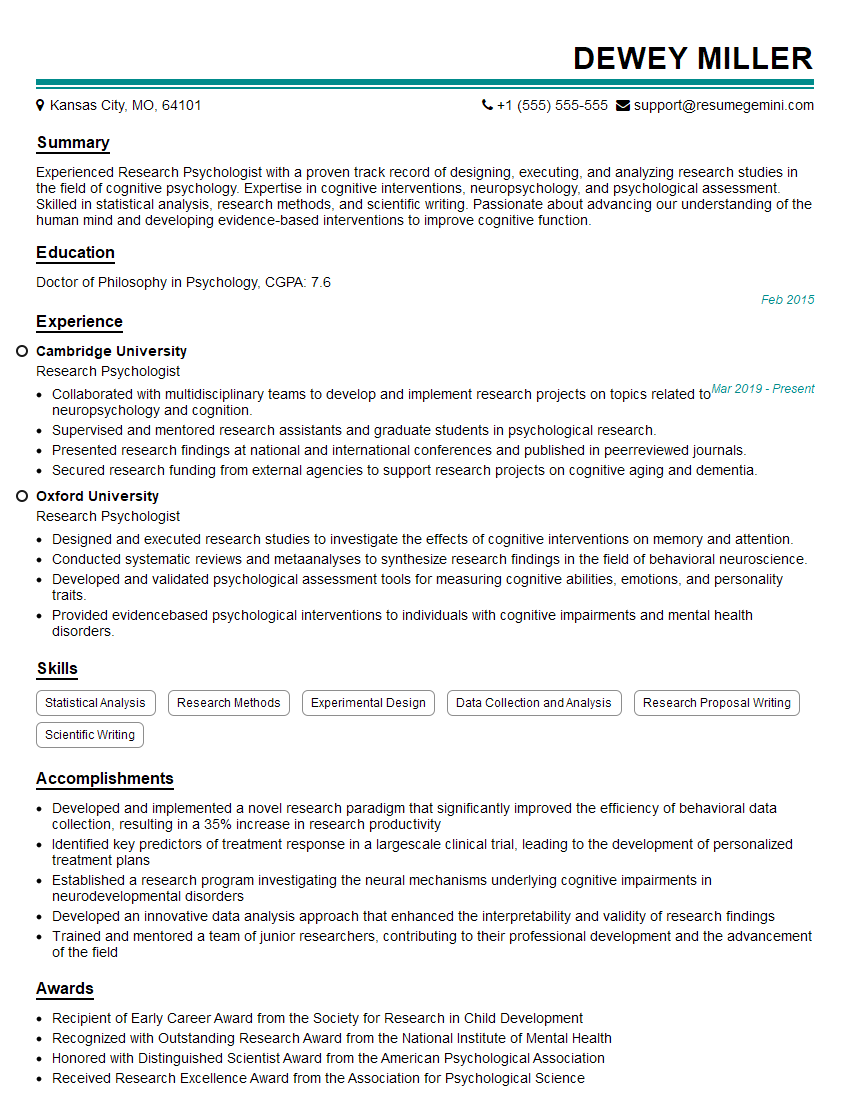
Research Psychologist Resume Sample
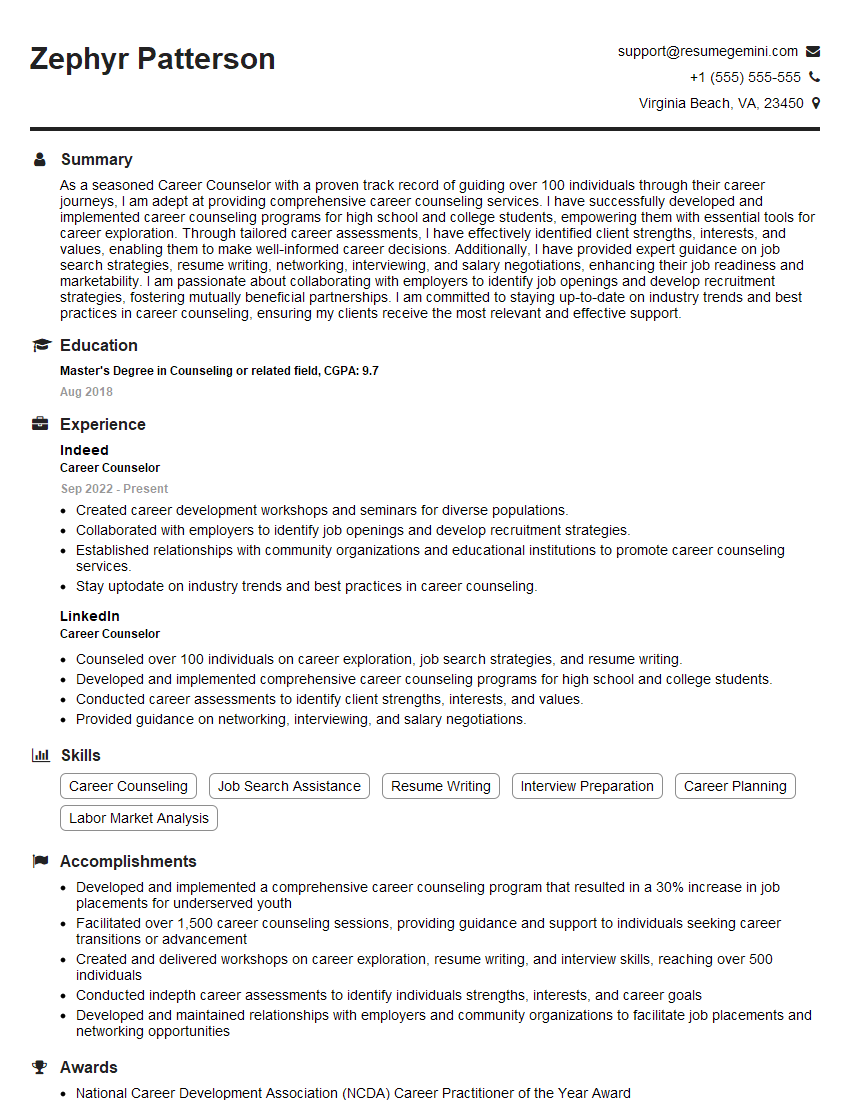
Career Counselor Resume Sample
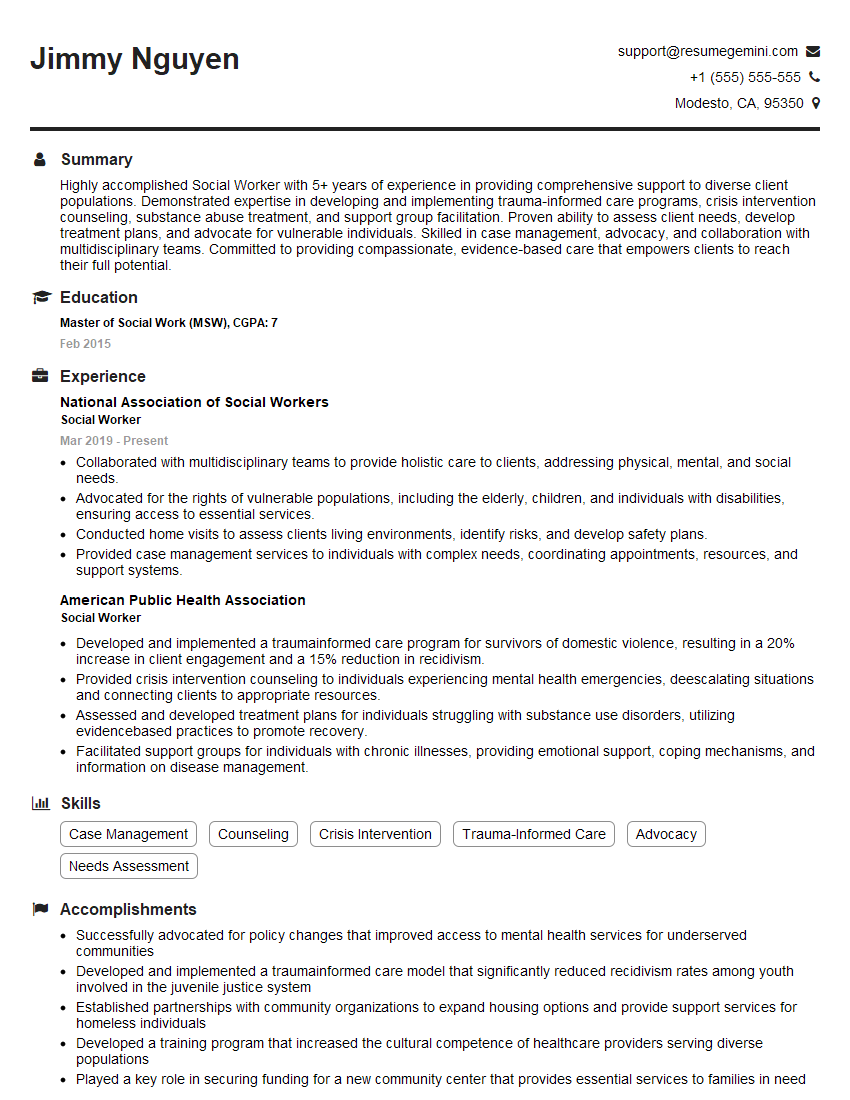
Social Worker Resume Sample
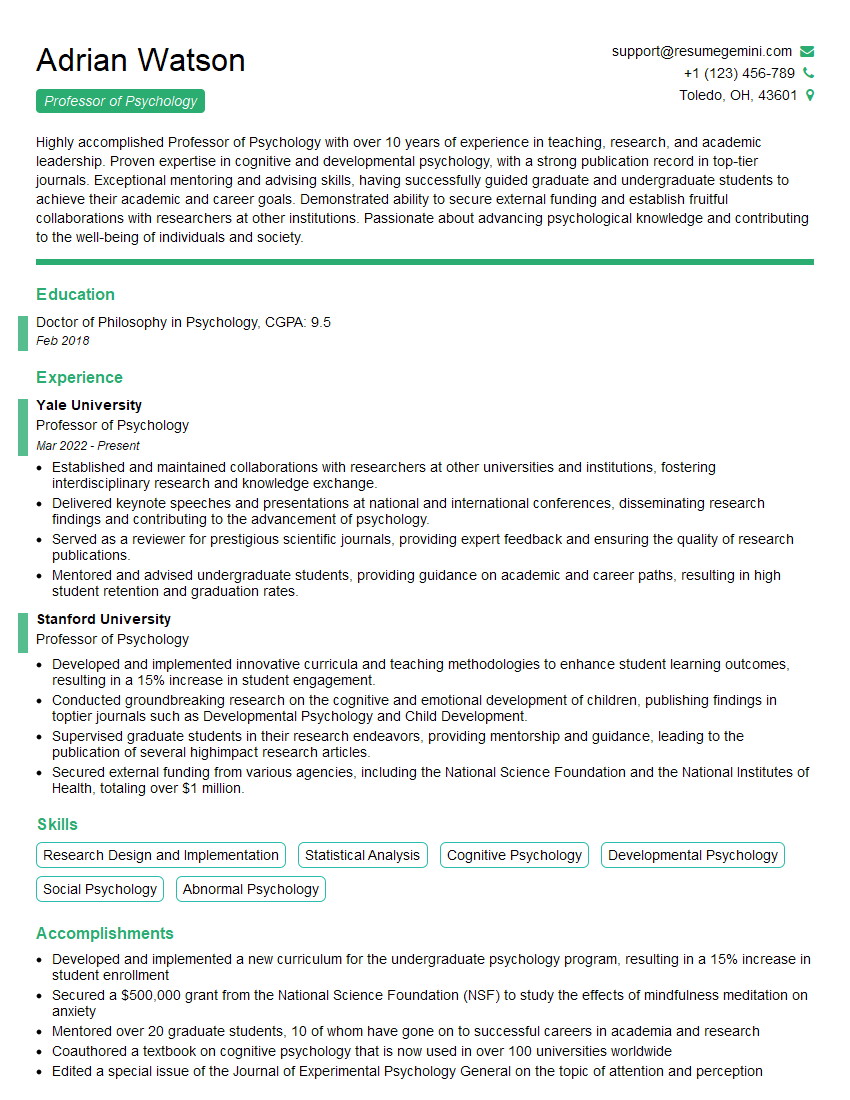
Professor of Psychology Resume Sample
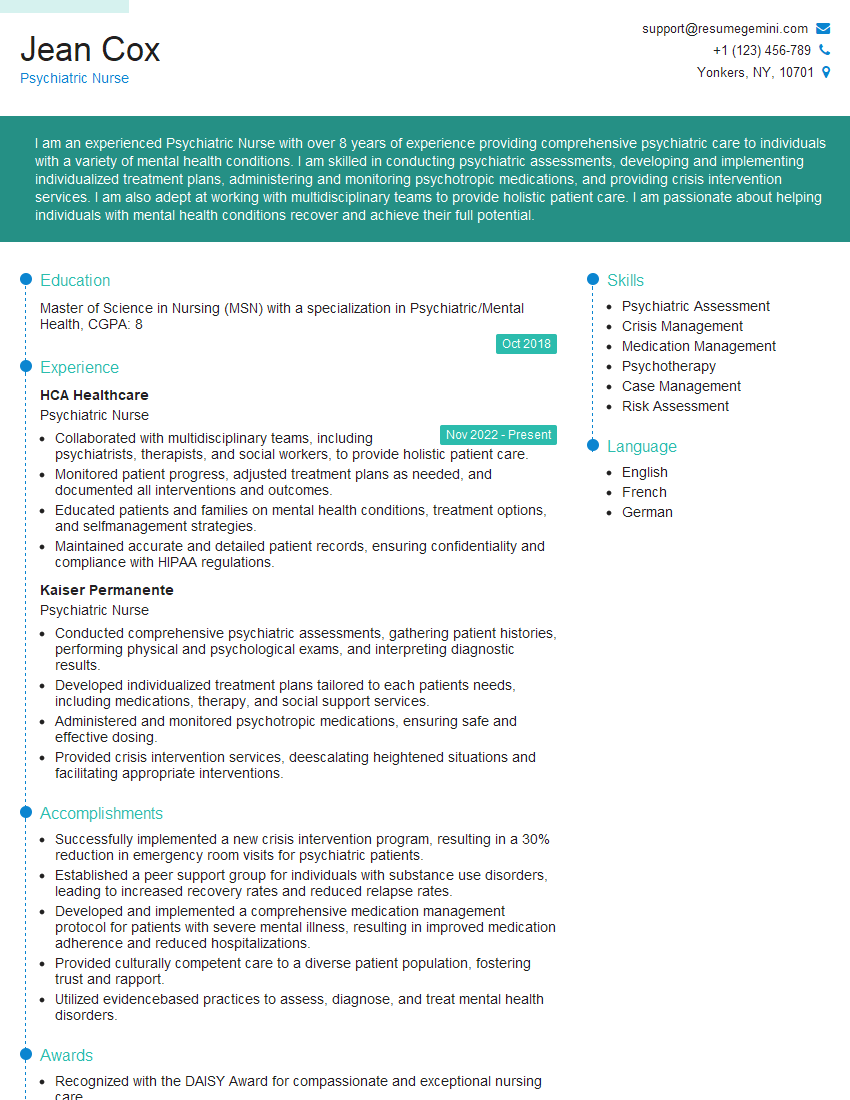
Psychiatric Nurse Resume Sample
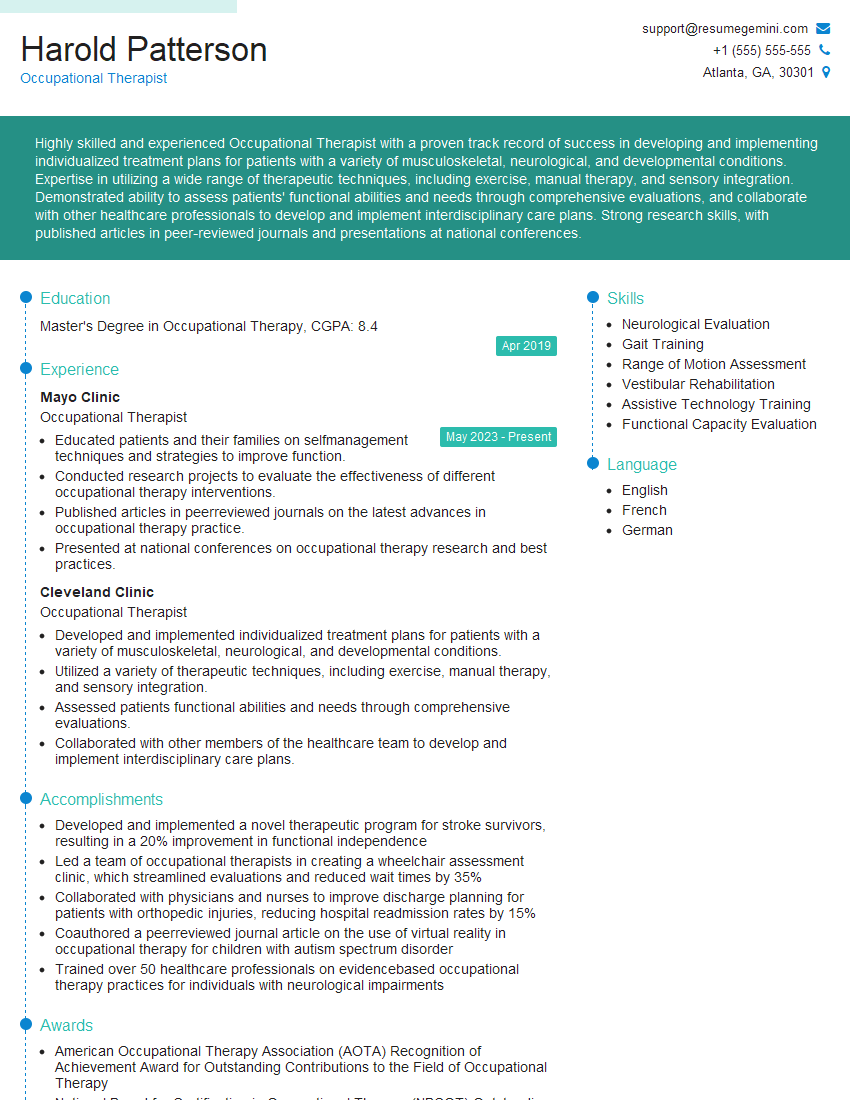
Occupational Therapist Resume Sample
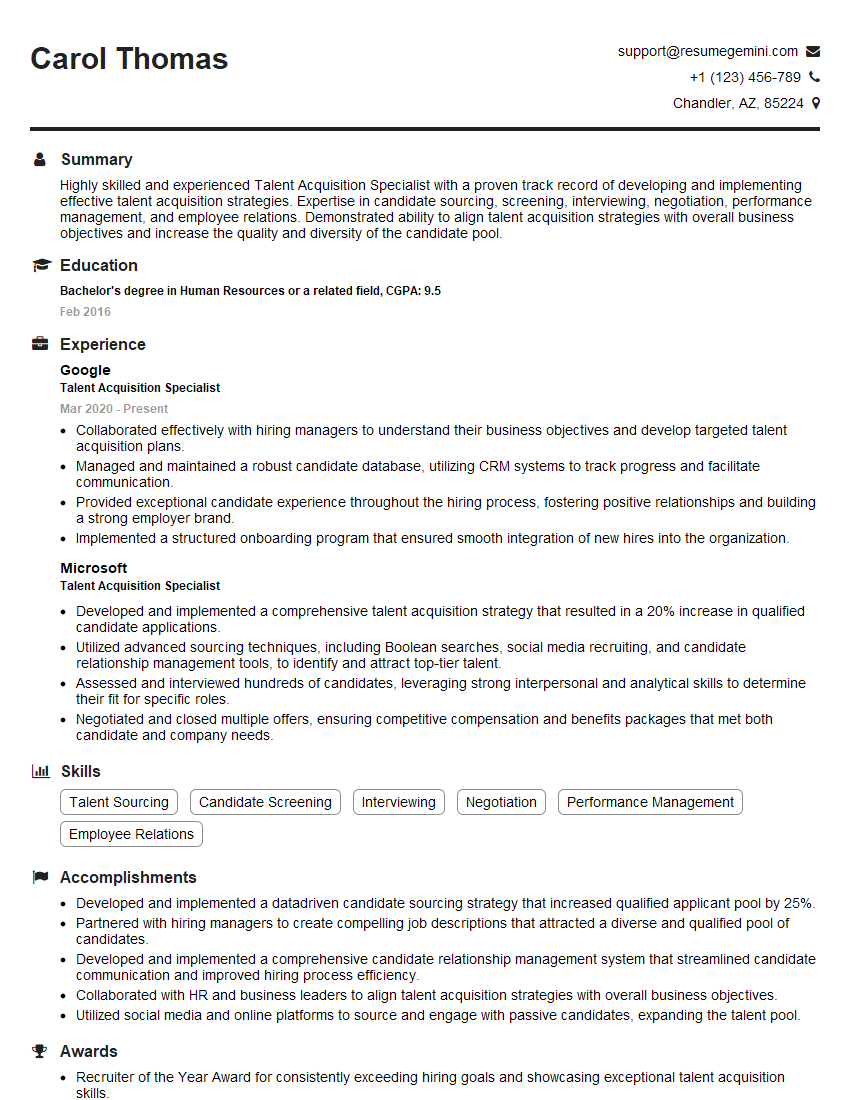
Talent Acquisition Specialist Resume Sample
- Sales Manager
- Human Resources Manager
- Organizational Development Consultant
- Market Research Analyst
- Human Factors Engineer
- Clinical Psychologist
- Behavioral Analyst
- Psychometrist
- School Psychologist
- Forensic Psychologist
- Counseling Psychologist
- Research Psychologist
- Career Counselor
- Social Worker
- Professor of Psychology
- Psychiatric Nurse
- Occupational Therapist
- Talent Acquisition Specialist
Explore more articles
Users Rating of Our Blogs
Share Your Experience
We value your feedback! Please rate our content and share your thoughts (optional).
What Readers Say About Our Blog
Attention music lovers!
Wow, All the best Sax Summer music !!!
Spotify: https://open.spotify.com/artist/6ShcdIT7rPVVaFEpgZQbUk
Apple Music: https://music.apple.com/fr/artist/jimmy-sax-black/1530501936
YouTube: https://music.youtube.com/browse/VLOLAK5uy_noClmC7abM6YpZsnySxRqt3LoalPf88No
Other Platforms and Free Downloads : https://fanlink.tv/jimmysaxblack
on google : https://www.google.com/search?q=22+AND+22+AND+22
on ChatGPT : https://chat.openai.com?q=who20jlJimmy20Black20Sax20Producer
Get back into the groove with Jimmy sax Black
Best regards,
Jimmy sax Black
www.jimmysaxblack.com
Hi I am a troller at The aquatic interview center and I suddenly went so fast in Roblox and it was gone when I reset.
Hi,
Business owners spend hours every week worrying about their website—or avoiding it because it feels overwhelming.
We’d like to take that off your plate:
$69/month. Everything handled.
Our team will:
Design a custom website—or completely overhaul your current one
Take care of hosting as an option
Handle edits and improvements—up to 60 minutes of work included every month
No setup fees, no annual commitments. Just a site that makes a strong first impression.
Find out if it’s right for you:
https://websolutionsgenius.com/awardwinningwebsites
Hello,
we currently offer a complimentary backlink and URL indexing test for search engine optimization professionals.
You can get complimentary indexing credits to test how link discovery works in practice.
No credit card is required and there is no recurring fee.
You can find details here:
https://wikipedia-backlinks.com/indexing/
Regards
NICE RESPONSE TO Q & A
hi
The aim of this message is regarding an unclaimed deposit of a deceased nationale that bears the same name as you. You are not relate to him as there are millions of people answering the names across around the world. But i will use my position to influence the release of the deposit to you for our mutual benefit.
Respond for full details and how to claim the deposit. This is 100% risk free. Send hello to my email id: lukachachibaialuka@gmail.com
Luka Chachibaialuka
Hey interviewgemini.com, just wanted to follow up on my last email.
We just launched Call the Monster, an parenting app that lets you summon friendly ‘monsters’ kids actually listen to.
We’re also running a giveaway for everyone who downloads the app. Since it’s brand new, there aren’t many users yet, which means you’ve got a much better chance of winning some great prizes.
You can check it out here: https://bit.ly/callamonsterapp
Or follow us on Instagram: https://www.instagram.com/callamonsterapp
Thanks,
Ryan
CEO – Call the Monster App
Hey interviewgemini.com, I saw your website and love your approach.
I just want this to look like spam email, but want to share something important to you. We just launched Call the Monster, a parenting app that lets you summon friendly ‘monsters’ kids actually listen to.
Parents are loving it for calming chaos before bedtime. Thought you might want to try it: https://bit.ly/callamonsterapp or just follow our fun monster lore on Instagram: https://www.instagram.com/callamonsterapp
Thanks,
Ryan
CEO – Call A Monster APP
To the interviewgemini.com Owner.
Dear interviewgemini.com Webmaster!
Hi interviewgemini.com Webmaster!
Dear interviewgemini.com Webmaster!
excellent
Hello,
We found issues with your domain’s email setup that may be sending your messages to spam or blocking them completely. InboxShield Mini shows you how to fix it in minutes — no tech skills required.
Scan your domain now for details: https://inboxshield-mini.com/
— Adam @ InboxShield Mini
support@inboxshield-mini.com
Reply STOP to unsubscribe
Hi, are you owner of interviewgemini.com? What if I told you I could help you find extra time in your schedule, reconnect with leads you didn’t even realize you missed, and bring in more “I want to work with you” conversations, without increasing your ad spend or hiring a full-time employee?
All with a flexible, budget-friendly service that could easily pay for itself. Sounds good?
Would it be nice to jump on a quick 10-minute call so I can show you exactly how we make this work?
Best,
Hapei
Marketing Director
Hey, I know you’re the owner of interviewgemini.com. I’ll be quick.
Fundraising for your business is tough and time-consuming. We make it easier by guaranteeing two private investor meetings each month, for six months. No demos, no pitch events – just direct introductions to active investors matched to your startup.
If youR17;re raising, this could help you build real momentum. Want me to send more info?
Hi, I represent an SEO company that specialises in getting you AI citations and higher rankings on Google. I’d like to offer you a 100% free SEO audit for your website. Would you be interested?
Hi, I represent an SEO company that specialises in getting you AI citations and higher rankings on Google. I’d like to offer you a 100% free SEO audit for your website. Would you be interested?