Every successful interview starts with knowing what to expect. In this blog, we’ll take you through the top Persuasive Techniques interview questions, breaking them down with expert tips to help you deliver impactful answers. Step into your next interview fully prepared and ready to succeed.
Questions Asked in Persuasive Techniques Interview
Q 1. Explain the difference between persuasion and manipulation.
Persuasion and manipulation are often confused, but they are fundamentally different. Persuasion is the art of influencing someone’s beliefs, attitudes, or behaviors through reasoned argument, evidence, and appeals to their values. It’s ethical and aims for mutual benefit. Manipulation, on the other hand, is about influencing someone through deception, coercion, or exploitation, often without their conscious awareness or consent. It’s unethical and prioritizes the manipulator’s gain over the other party’s well-being.
Think of it like this: persuasion is a dance, a collaborative effort to reach a shared understanding. Manipulation is a trick, a one-sided game designed to control.
- Persuasion Example: A salesperson demonstrating the features and benefits of a product to a customer, answering their questions honestly, and allowing them to make an informed decision.
- Manipulation Example: A salesperson using high-pressure tactics, misleading information, or exploiting the customer’s vulnerabilities to make a sale.
Q 2. Describe the three key elements of Aristotle’s Rhetorical Triangle.
Aristotle’s Rhetorical Triangle outlines three key elements crucial for effective persuasion: Ethos, Pathos, and Logos.
- Ethos (Credibility): This refers to the speaker’s or communicator’s credibility and trustworthiness. It’s about establishing expertise, authority, and good character. A strong ethos convinces the audience that the speaker is knowledgeable and worthy of belief. This can be achieved through demonstrating expertise, sharing relevant experience, and presenting oneself as honest and sincere.
- Pathos (Emotion): This involves appealing to the audience’s emotions. It’s about connecting with their feelings and values to create a personal connection and make the message resonate. However, it’s important to use pathos ethically and avoid manipulating emotions for unethical gain. Examples include using storytelling, evocative language, and imagery to engage the audience on an emotional level.
- Logos (Logic): This focuses on the use of reason and logic to support the argument. It involves providing evidence, data, statistics, and logical reasoning to make a compelling case. This is about presenting a clear, well-structured argument with supporting evidence, using deductive or inductive reasoning effectively.
Effective persuasion often involves a skillful blend of all three elements. A purely logical argument might lack emotional impact, while an emotionally charged appeal without credible support might be unconvincing.
Q 3. What is the Elaboration Likelihood Model (ELM), and how can you apply it in a persuasive setting?
The Elaboration Likelihood Model (ELM) describes two routes to persuasion: the central route and the peripheral route.
- Central Route: This involves carefully processing the message, considering the arguments and evidence presented, and forming an opinion based on the merits of the information. This route leads to more enduring and resistant attitude changes because it’s based on thoughtful consideration.
- Peripheral Route: This involves less careful processing of the message. Persuasion occurs through superficial cues like the speaker’s attractiveness, the message’s length, or the presence of authority figures. Attitude changes through the peripheral route are often temporary and easily influenced.
Applying ELM in a persuasive setting:
To persuade someone using the central route, present a well-structured, logical argument with strong evidence and address any potential counterarguments. For the peripheral route, focus on elements like presentation, credibility, and emotional appeal. The choice of route depends on the audience, the topic’s complexity, and the available time.
For example, a scientific presentation would benefit from a central route approach, whereas a short advertisement might rely more on a peripheral route approach. A savvy persuader tailors their approach to maximize effectiveness.
Q 4. Explain the concept of framing and provide an example of how it’s used persuasively.
Framing is the way information is presented to influence how it’s perceived and understood. It involves highlighting certain aspects of a situation while downplaying others, shaping the audience’s interpretation and influencing their decisions.
Example: Imagine two headlines about a proposed new tax:
- Headline 1 (Positive Framing): “New Tax Cuts Will Boost the Economy”
- Headline 2 (Negative Framing): “Proposed Tax Increases Will Harm Families”
Both headlines refer to the same policy, but they use different frames to evoke different emotional responses and shape public opinion. Headline 1 uses positive language to focus on the economic benefits, while Headline 2 uses negative language to emphasize the potential harm to families.
Framing is a powerful persuasive tool because it can subtly alter the way people understand information and their subsequent actions. This technique is often used in politics, advertising, and negotiations.
Q 5. How would you use the principles of reciprocity in a persuasive communication?
The principle of reciprocity suggests that people feel obligated to return a favor or kindness. In persuasive communication, this can be leveraged by offering something of value upfront, before making a request.
How to use reciprocity:
- Offer a gift or favor: Start by providing something valuable to the other person—a piece of helpful information, a small gift, or a service. This creates a sense of obligation.
- Give before you ask: Before making your primary request, offer something that benefits the other party. This could be information, advice, or a small concession.
- Be genuine and sincere: The reciprocity principle works best when the act of giving is genuine and not perceived as manipulative.
Example: A non-profit organization might send a small gift or handwritten note with their donation request, leveraging reciprocity to increase donation rates. The act of receiving something first encourages people to reciprocate.
Q 6. Describe a situation where you successfully persuaded someone to change their mind. What tactics did you use?
I once needed to persuade a team member to adopt a new project management methodology. Initially, they were resistant, preferring their familiar, less efficient method.
My approach involved:
- Empathy and Understanding: I started by actively listening to their concerns and validating their apprehension about change. I acknowledged the comfort of the existing system and the potential challenges of adopting something new.
- Data and Evidence: I presented data illustrating the inefficiencies of the current method and the potential time and resource savings offered by the new methodology. This provided a logical basis for the change.
- Success Stories: I shared examples from other teams who had successfully implemented the new methodology and highlighted their positive experiences. This provided social proof and reduced the perceived risk.
- Collaboration and Compromise: I worked with the team member to address their concerns and incorporate their input into the transition plan. This ensured their buy-in and made the change feel less imposed.
By combining empathy, logical arguments, and collaborative problem-solving, I successfully persuaded the team member to adopt the new methodology, ultimately improving our team’s efficiency and project outcomes.
Q 7. How would you handle an objection during a persuasive presentation?
Handling objections during a persuasive presentation is crucial. The key is to address them directly, respectfully, and constructively. Avoid becoming defensive.
Steps to handle objections:
- Listen attentively: Let the person fully express their objection without interruption. Show that you value their perspective.
- Acknowledge and Validate: Acknowledge the validity of their concern, even if you don’t agree with it entirely. Saying something like, “I understand your concern about…” shows empathy and builds rapport.
- Address the objection directly: Offer a clear and concise response, using evidence or reasoning to counter the objection. Be prepared to provide additional information or address any underlying assumptions.
- Find Common Ground: If possible, find common ground or areas of agreement. This builds a collaborative spirit and helps to move forward constructively.
- Rephrase or Restate: If the objection remains, rephrase your argument or restate your proposition in a slightly different way to ensure understanding.
- If you can’t address the objection directly: Acknowledge the limitation and possibly offer an alternative solution or suggest that you will follow up on the concern.
Remember, an objection isn’t necessarily a rejection. It’s an opportunity to clarify, build understanding, and strengthen your case.
Q 8. What are some common cognitive biases that can affect persuasion?
Cognitive biases are systematic errors in thinking that affect our decisions and judgments, significantly impacting how we respond to persuasive messages. Understanding these biases is crucial for crafting effective – and ethical – persuasive strategies. They can either help or hinder persuasion, depending on how they’re leveraged.
- Confirmation Bias: People tend to favor information confirming their existing beliefs and dismiss contradictory evidence. For instance, someone deeply opposed to climate change might dismiss scientific reports supporting it while readily accepting anecdotal evidence that aligns with their skepticism.
- Anchoring Bias: The first piece of information received heavily influences subsequent judgments. A car salesman might initially quote a high price (the anchor), making any lower price seem like a bargain.
- Availability Heuristic: People overestimate the likelihood of events easily recalled, often due to vividness or recency. Fear-mongering campaigns exploit this by presenting graphic images or emphasizing recent negative events.
- Bandwagon Effect: People tend to adopt beliefs and behaviors they perceive as popular. Marketing campaigns often use testimonials or emphasize the popularity of a product to leverage this.
- Halo Effect: A positive impression in one area influences opinions in other areas. A celebrity endorsement, for example, can boost a product’s appeal even if the celebrity has no expertise in that product area.
Knowing these biases allows persuaders to strategically present information, frame arguments, and choose examples to maximize their impact.
Q 9. How do you adapt your persuasive approach based on different audiences?
Adapting my persuasive approach depends heavily on understanding my audience’s demographics, psychographics, and values. A one-size-fits-all approach rarely works.
- Demographics: Age, gender, socioeconomic status, education level all influence how people process information. For example, I would use different language and communication styles when addressing teenagers versus senior citizens.
- Psychographics: This encompasses values, attitudes, interests, and lifestyles. Appealing to someone’s desire for security, social status, or self-expression requires tailoring my message to resonate with their core values.
- Cultural Context: Cultural norms and beliefs strongly influence persuadability. A persuasive strategy effective in one culture might be completely ineffective, or even offensive, in another.
I use a combination of market research, audience analysis, and careful message crafting to ensure relevance and resonance. For instance, a campaign targeting environmentally conscious millennials would emphasize sustainability and ethical sourcing, while one targeting budget-conscious families might prioritize affordability and practicality.
Q 10. Explain the importance of building rapport in persuasive communication.
Building rapport is paramount in persuasive communication. It’s about establishing trust and connection, making the audience receptive to your message. Without rapport, your message is likely to be met with skepticism or resistance.
- Active Listening: Showing genuine interest in the audience’s concerns and perspectives fosters trust. It demonstrates respect and creates a safe space for open dialogue.
- Empathy and Understanding: Putting yourself in the audience’s shoes and acknowledging their feelings helps build emotional connection. Showing you understand their needs and concerns makes them more likely to listen.
- Shared Values and Interests: Finding common ground creates a sense of camaraderie. Identifying shared values or interests establishes a foundation for trust and mutual respect.
- Nonverbal Communication: Body language, tone of voice, and eye contact significantly influence rapport building. Maintaining open and friendly body language shows confidence and sincerity.
Imagine trying to sell a product to a customer who feels ignored and unheard. Building rapport first allows you to connect with them on a human level before presenting your message. This significantly increases the likelihood of success.
Q 11. What is the significance of storytelling in persuasion?
Storytelling is a powerful persuasive tool because it engages emotions and makes information memorable. It transforms abstract concepts into relatable experiences, making the message more impactful and persuasive.
- Emotional Connection: Stories evoke emotions, making the message more engaging and memorable. A story about a customer’s positive experience with a product is far more compelling than a list of features.
- Improved Understanding: Stories provide context and make complex information easier to grasp. They can illustrate a point more effectively than data or statistics alone.
- Enhanced Credibility: Authentic stories, especially those involving overcoming challenges, build trust and credibility. They demonstrate that you understand and empathize with your audience’s experience.
- Memorable Messages: Stories are naturally memorable. They leave a lasting impression, increasing the chances that your message will resonate with the audience long after the communication.
Think of the countless inspirational stories used in advertising and motivational speaking. They connect with people on a deeper level, influencing their beliefs and behaviors far more effectively than dry statistics ever could.
Q 12. How do you measure the effectiveness of your persuasive efforts?
Measuring the effectiveness of persuasive efforts requires a multi-faceted approach, combining qualitative and quantitative methods.
- Quantitative Metrics: These include measurable data points like sales figures, website traffic, survey responses, social media engagement (likes, shares, comments), and changes in attitudes or behaviors as measured through pre- and post-campaign surveys.
- Qualitative Metrics: This focuses on understanding the ‘why’ behind the numbers. Methods include focus groups, in-depth interviews, and analysis of open-ended survey responses. This helps identify the nuances of audience reception and areas for improvement.
- A/B Testing: Comparing the performance of different versions of a message or campaign allows for data-driven optimization. This is invaluable for understanding what resonates most effectively with the target audience.
- Tracking and Analysis: Monitoring campaign performance over time using analytics dashboards provides valuable insights into long-term effectiveness. Continuous monitoring allows for adjustments and improvements.
The specific metrics will vary depending on the persuasive goal. For instance, a political campaign would track voter intention and turnout, while a marketing campaign would focus on sales conversions and brand awareness.
Q 13. Describe a time when you had to overcome resistance to a persuasive message.
During a project advocating for improved workplace safety procedures, I faced significant resistance from some employees who felt the new procedures were overly restrictive and burdensome. They saw them as hindering productivity and even complained about the perceived extra time and effort required.
To overcome this resistance, I didn’t simply push the procedures but adopted a collaborative approach. First, I actively listened to their concerns and acknowledged their frustrations, validating their feelings and perspectives. Then, I presented data showing how the new procedures would actually reduce overall downtime through preventing accidents and injuries. I also involved them in adapting the procedures—suggesting ways to make them more efficient and less disruptive to their workflows. This collaborative approach transformed them from resistant opponents into engaged participants. By making them feel heard and involved, I successfully implemented the safety procedures, resulting in a demonstrably safer and, ironically, more efficient workplace.
Q 14. How do you identify and address ethical considerations in persuasion?
Ethical considerations are paramount in persuasion. Manipulative tactics, such as exploiting cognitive biases for unethical gain or withholding critical information, are unacceptable. Persuasion should be about influencing informed choices, not controlling behavior.
- Transparency and Honesty: Being open and honest about the motivations and intentions behind the persuasive message builds trust. This includes disclosing any potential conflicts of interest.
- Respect for Autonomy: Individuals should feel free to make their own choices without coercion or undue influence. Respecting people’s right to refuse or dissent is crucial.
- Avoiding Deception and Manipulation: Using deceptive or manipulative tactics undermines trust and can have serious ethical implications. Persuasion should be about influencing, not deceiving.
- Fairness and Equity: Persuasive messages should be fair and equitable, avoiding language or imagery that perpetuates stereotypes or discrimination. The message should be accessible and understandable to all intended audiences.
- Beneficial Outcomes: Ethical persuasion aims for mutually beneficial outcomes. Consider the potential consequences of the persuasive effort for all involved parties.
For example, in advertising, ethical persuasion involves accurately representing a product’s features and benefits, avoiding misleading claims or deceptive imagery. Ethical persuasion prioritizes long-term relationships over short-term gains, ensuring positive and sustainable outcomes.
Q 15. What are some key differences between written and oral persuasive communication?
Written and oral persuasive communication, while both aiming to influence, differ significantly in their approach and impact. Written persuasion allows for careful crafting and revision, enabling nuanced arguments and detailed supporting evidence. Think of a well-researched legal brief – it meticulously builds its case point by point. Oral persuasion, on the other hand, relies heavily on immediate engagement and delivery. It leverages vocal tone, body language, and the ability to adapt to audience feedback in real-time. Consider a captivating TED Talk; its success depends not just on the message but on the speaker’s charisma and ability to connect with the audience.
- Written Persuasion: Emphasizes logic, detailed evidence, and precise language. It allows for multiple readings and careful consideration.
- Oral Persuasion: Relies on immediate impact, engaging delivery, and audience interaction. It benefits from storytelling, emotional appeals, and visual aids.
The choice between the two depends entirely on the context. A proposal for a new project would likely benefit from a well-written document, while a sales pitch would be more effective through an engaging presentation.
Career Expert Tips:
- Ace those interviews! Prepare effectively by reviewing the Top 50 Most Common Interview Questions on ResumeGemini.
- Navigate your job search with confidence! Explore a wide range of Career Tips on ResumeGemini. Learn about common challenges and recommendations to overcome them.
- Craft the perfect resume! Master the Art of Resume Writing with ResumeGemini’s guide. Showcase your unique qualifications and achievements effectively.
- Don’t miss out on holiday savings! Build your dream resume with ResumeGemini’s ATS optimized templates.
Q 16. Discuss the role of nonverbal communication in persuasion.
Nonverbal communication is arguably even more powerful than the words themselves in persuasion. It constitutes the silent language that conveys meaning through body language, facial expressions, tone of voice, and even the environment. A confident posture, direct eye contact, and a warm smile can significantly enhance credibility and trustworthiness, making the audience more receptive to the message. Conversely, fidgeting, avoiding eye contact, or a monotone voice can undermine persuasiveness, no matter how strong the argument.
- Body Language: Open posture, confident gestures, and appropriate use of space project authority and engagement.
- Facial Expressions: A genuine smile builds rapport, while genuine concern shows empathy, boosting connection.
- Vocal Tone: Modulation, pacing, and enthusiasm significantly enhance engagement and memorability.
- Environment: The setting itself can influence perception. A professional setting might convey seriousness, while a casual one can promote approachability.
For example, imagine a politician giving a speech. Their confident stance, strong eye contact, and passionate tone will enhance their message far more than the words alone. Conversely, a nervous, fidgety speaker will likely lose the audience’s attention, regardless of the speech’s content.
Q 17. How do you deal with difficult or skeptical audiences?
Dealing with difficult or skeptical audiences requires a strategic approach that values understanding and empathy. It’s crucial to acknowledge their concerns and address them directly, demonstrating respect for their perspective. Rather than trying to force agreement, aim to build trust by establishing common ground and highlighting shared values. Active listening is key – understanding their objections helps tailor the message to resonate with their specific concerns.
- Acknowledge and Validate Concerns: Start by demonstrating understanding and acknowledging their skepticism.
- Establish Common Ground: Find shared values or goals to build a foundation for trust.
- Address Objections Directly: Provide credible evidence and address concerns point-by-point.
- Use Storytelling: Relatable stories can make arguments more memorable and persuasive.
- Maintain Respectful Communication: Avoid condescending or dismissive language.
For instance, when presenting a new business strategy to skeptical investors, acknowledging their potential risks and presenting a detailed risk mitigation plan can build confidence. Addressing their questions directly and honestly demonstrates transparency and builds trust.
Q 18. Explain the concept of ‘call to action’ and its importance in persuasion.
A ‘call to action’ is a concise, clear instruction that motivates the audience to take a specific step after receiving persuasive information. It’s the crucial final element that translates persuasion into tangible results. Without a call to action, even the most compelling message might fail to achieve its intended outcome. The call to action needs to be specific, achievable, and relevant to the audience’s interests and needs. It should be easily understood and actionable.
- Clarity: The action should be crystal clear and easily understood.
- Achievability: The requested action should be feasible for the audience.
- Relevance: The action should be directly related to the persuasive message.
- Urgency (optional): Adding a sense of urgency can motivate quicker action.
For example, in a marketing campaign, a call to action might be ‘Click here to learn more’ or ‘Order now and get 20% off’. In a presentation, the call to action might be ‘Complete the survey by next week’ or ‘Let’s schedule a meeting to discuss this further’. A compelling call to action bridges the gap between persuasion and desired outcome.
Q 19. Describe your preferred method for gathering information to support your persuasive arguments.
My preferred method for gathering information to support persuasive arguments involves a multifaceted approach that combines rigorous research with audience analysis. It’s not enough to have strong arguments; they must also resonate with the target audience.
- Research: I utilize credible sources such as peer-reviewed journals, reputable news outlets, government data, and expert opinions to support my claims.
- Audience Analysis: I carefully research my audience to understand their existing knowledge, beliefs, and potential objections. This helps tailor the message for maximum impact.
- Data Analysis: When appropriate, I use statistical data and visual representations to reinforce my arguments.
- Case Studies: Real-world examples and case studies can powerfully demonstrate the effectiveness of my proposals.
For example, before preparing a presentation on climate change mitigation, I would consult scientific reports from organizations like the IPCC, analyze public opinion polls to understand audience concerns, and prepare case studies showcasing successful sustainability initiatives.
Q 20. How do you determine the credibility of sources used in your persuasion?
Determining the credibility of sources is paramount in persuasive communication. Using unreliable information undermines credibility and weakens the argument. I employ a rigorous process to assess source reliability:
- Author Expertise: I evaluate the author’s credentials, expertise, and potential biases.
- Publication Reputability: I assess the reputation and editorial standards of the publishing source.
- Source Bias: I identify any potential bias or conflicts of interest.
- Evidence Verification: I verify claims with multiple sources whenever possible.
- Date of Publication: I consider the recency and relevance of information.
For instance, if I’m using a statistic in an argument, I’ll check its source, look for potential biases in the methodology, and verify the information from at least one other reputable source. This ensures the robustness and reliability of the information I present.
Q 21. What is the importance of emotional intelligence in persuasive communication?
Emotional intelligence plays a vital role in persuasive communication. It’s about understanding and managing both your own emotions and those of your audience. Empathy and self-awareness are key – understanding the audience’s emotional state allows tailoring the message to resonate on an emotional level, strengthening the persuasive impact.
- Self-Awareness: Understanding your own emotional state helps regulate your responses, ensuring a professional and controlled delivery.
- Empathy: Understanding and acknowledging the audience’s emotions and perspectives helps create rapport and trust.
- Social Skills: Effective communication, active listening, and building rapport are critical for effective persuasion.
- Self-Regulation: Maintaining composure, even under pressure, ensures consistent and credible communication.
- Motivation: Enthusiasm and passion are contagious and can significantly enhance persuasiveness.
A persuasive communicator uses empathy to connect with the audience’s values and emotions, effectively framing arguments in a way that speaks to their deepest concerns and aspirations. This builds trust and makes the audience more receptive to the message.
Q 22. How would you use AIDA (Attention, Interest, Desire, Action) in a persuasive campaign?
AIDA (Attention, Interest, Desire, Action) is a classic framework for persuasive messaging. It’s a step-by-step process designed to guide your audience through a journey that culminates in a desired action. Let’s break down each stage:
- Attention: Grab the audience’s attention immediately. This could be through a striking visual, a compelling headline, a surprising statistic, or a relevant question. Think of a captivating image or a headline that immediately piques curiosity. For example, a headline like “Unlock Your Productivity Secret!” is far more attention-grabbing than “New Productivity Software.”
- Interest: Once you have their attention, you need to keep them engaged. Provide more information about your product or service, highlighting its key benefits and addressing potential concerns. This is where you showcase the value proposition.
- Desire: This stage is all about creating a strong emotional connection. Paint a picture of how your product or service will improve their lives. Focus on the benefits, not just the features. For instance, instead of “This software has 100 features,” try “This software will save you 10 hours a week.”
- Action: This is the call to action. Make it clear and concise what you want the audience to do next – buy now, sign up for a free trial, visit a website, etc. A strong call to action should be compelling and easy to follow. For example, a button saying “Get Started Now!” is more effective than a generic “Learn More.”
Example: Imagine an advertisement for a new noise-canceling headphone. The Attention stage might be a captivating video showing a person escaping the chaos of a busy city. The Interest stage highlights the superior noise cancellation technology. The Desire stage shows the user relaxing in peace and quiet, enjoying their music. Finally, the Action stage includes a clear call to action, such as “Order yours today and experience the silence!”
Q 23. Explain how persuasive techniques can be used responsibly and ethically in marketing.
Ethical and responsible use of persuasive techniques is crucial for building trust and maintaining a positive brand image. Transparency and honesty are key. Avoid manipulative tactics that exploit vulnerabilities or mislead consumers.
- Transparency: Be upfront about your intentions. Don’t hide information or use deceptive language. Clearly state the benefits and drawbacks of your product or service.
- Honesty: Avoid making exaggerated claims or promises you can’t keep. Back up your assertions with evidence and avoid misleading imagery or testimonials.
- Respect: Treat your audience with respect. Avoid using stereotypes or making assumptions about their values or beliefs. Tailor your message to resonate with their needs and aspirations.
- Fairness: Avoid manipulative techniques that exploit emotional vulnerabilities or cognitive biases. Present information in a balanced and unbiased manner.
- Compliance: Adhere to all relevant advertising and marketing regulations. This includes regulations regarding truth in advertising, data privacy, and consumer protection.
For example, instead of using fear-mongering tactics to sell a security system, focus on the peace of mind and protection it provides. Instead of using misleading before-and-after photos, showcase real-life testimonials and independent reviews.
Q 24. How can you use persuasive language to influence behavior change?
Persuasive language can significantly influence behavior change by appealing to both logic and emotion. It’s about framing your message in a way that resonates with the audience’s values and motivates them to take action.
- Framing: Presenting information in a specific way to influence interpretation. For instance, emphasizing the positive outcomes of a healthy lifestyle rather than the negative consequences of unhealthy habits.
- Loss aversion: Highlighting what people stand to lose if they don’t change their behavior. For example, stressing the potential health problems associated with smoking rather than simply promoting the benefits of quitting.
- Social proof: Using testimonials and examples of others who have successfully changed their behavior. For example, showcasing stories of people who have successfully quit smoking can motivate others to do the same.
- Narrative: Telling compelling stories that connect with the audience on an emotional level. Relatable stories can make abstract concepts more tangible and easier to understand.
- Call to action: Providing clear and concise instructions on how to change behavior. This could involve offering support groups, resources, or other forms of assistance.
Example: A public health campaign promoting healthy eating might use images of happy families enjoying nutritious meals, emphasize the long-term health benefits of a balanced diet (positive framing), and feature testimonials from individuals who have successfully lost weight through healthy eating (social proof).
Q 25. What are some common logical fallacies to avoid when building persuasive arguments?
Logical fallacies are flaws in reasoning that undermine the validity of an argument. Avoiding them is crucial for building persuasive arguments that are credible and trustworthy.
- Ad hominem: Attacking the person making the argument instead of the argument itself. Example: “You can’t believe what he says about climate change; he’s a known liar.”
- Straw man: Misrepresenting someone’s argument to make it easier to attack. Example: “My opponent wants to cut military spending, meaning he wants to leave our country defenseless.”
- Appeal to emotion: Manipulating emotions instead of providing logical reasons. Example: “Buy this product or you’ll be a failure.”
- Bandwagon fallacy: Claiming something is true because many people believe it. Example: “Everyone is buying this phone, so it must be good.”
- False dilemma: Presenting only two options when more exist. Example: “Either you support this policy or you hate our country.”
- Hasty generalization: Drawing a conclusion based on insufficient evidence. Example: “I met two rude people from that city, so everyone from there must be rude.”
To avoid these, ensure your arguments are well-supported by evidence, present multiple perspectives, and focus on the logic and reasoning behind your claims.
Q 26. Discuss the role of social proof in persuasion.
Social proof leverages the power of conformity. People tend to follow the lead of others, especially when uncertain. This is why testimonials, reviews, and popularity indicators are highly persuasive.
- Expert opinion: Using endorsements from respected authorities or experts in the field. This builds credibility and trustworthiness.
- User reviews: Showcasing positive feedback from satisfied customers. Authentic reviews resonate strongly with potential buyers.
- Popularity indicators: Highlighting the number of people who have already bought a product or adopted a behavior. This creates a sense of social momentum.
- Celebrity endorsements: Using endorsements from celebrities or well-known figures to create association and positive influence.
- Case studies: Providing detailed accounts of successful outcomes achieved by others using your product or following your advice.
For instance, showing a high number of positive reviews on Amazon for a product significantly increases its appeal. Similarly, highlighting that millions of people have already adopted a particular healthy habit makes it more likely that others will too.
Q 27. How do you effectively tailor your persuasive message to resonate with different personality types?
Tailoring your message to different personality types significantly enhances its persuasiveness. Understanding personality frameworks like the Myers-Briggs Type Indicator (MBTI) or the Big Five personality traits can be valuable.
- Extroverts vs. Introverts: Extroverts respond well to group dynamics and social proof, while introverts prefer individual, in-depth information.
- Sensors vs. Intuitives: Sensors value practical details and concrete evidence, while intuitives appreciate big-picture ideas and potential implications.
- Thinkers vs. Feelers: Thinkers prioritize logic and objectivity, while feelers focus on values and emotions.
- Judgers vs. Perceivers: Judgers like structured and organized information, while perceivers prefer open-ended approaches with flexibility.
Example: When selling a new software, you might focus on the time-saving features and efficiency gains for thinkers. For feelers, emphasize how the software fosters teamwork and collaboration. For sensors, provide detailed specifications and technical data. For intuitives, highlight the innovative aspects and future possibilities.
Remember that these are general tendencies and individual responses can vary greatly. Using a combination of approaches is often the most effective strategy.
Q 28. Explain how you use data and analytics to support persuasive claims.
Data and analytics play a crucial role in supporting persuasive claims and maximizing impact. They provide concrete evidence that validates your message and makes it more credible.
- Market research: Understanding your target audience’s needs, preferences, and pain points. This informs your messaging and helps you tailor it to their specific concerns.
- A/B testing: Experimenting with different versions of your message to see which resonates most effectively. This allows for data-driven optimization of your communication strategy.
- Performance tracking: Monitoring the effectiveness of your campaigns to understand what’s working and what’s not. This helps refine your approach and improve ROI.
- Statistical analysis: Using data to demonstrate the impact of your product or service. For example, showing that using your product resulted in a measurable increase in efficiency or sales.
- Data visualization: Presenting data in visually appealing and easily understandable formats, such as charts and graphs. This enhances clarity and memorability.
For example, before launching a new product, you might conduct market research to understand consumer preferences. After launch, A/B testing could reveal which advertising copy performs best. Finally, tracking sales data demonstrates the product’s success and justifies further investment.
Key Topics to Learn for Persuasive Techniques Interview
- Ethos, Pathos, and Logos: Understand the three pillars of persuasion and how to effectively apply them in various communication contexts. Consider how to build credibility (Ethos), evoke emotion (Pathos), and utilize logic (Logos) to craft compelling arguments.
- Framing and Messaging: Learn how to strategically frame your message to influence perception and understanding. Practice crafting compelling narratives and tailoring your communication to resonate with specific audiences. Consider real-world examples of successful framing strategies.
- Rhetorical Devices: Explore the power of techniques like metaphors, analogies, and repetition to enhance persuasiveness and memorability. Practice identifying and utilizing these devices in your own communication.
- Cognitive Biases: Understand common cognitive biases that influence decision-making and how to leverage this knowledge to craft more persuasive messages. Consider how to address potential counterarguments effectively.
- Nonverbal Communication: Recognize the importance of body language, tone of voice, and visual aids in enhancing persuasive communication. Practice techniques to project confidence and build rapport.
- Active Listening and Persuasion: Develop skills in active listening to understand the audience’s needs and tailor your persuasive approach accordingly. Practice responding effectively to objections and building consensus.
- Ethical Considerations: Discuss the ethical implications of persuasive techniques and the importance of responsible communication. Explore scenarios where persuasive techniques can be misused and how to avoid such pitfalls.
Next Steps
Mastering persuasive techniques is crucial for career advancement. Effective communication and influence are highly valued across all industries. A strong command of these skills opens doors to leadership roles, impactful presentations, and successful negotiations. To maximize your job prospects, focus on building an ATS-friendly resume that highlights your persuasive abilities. ResumeGemini is a trusted resource that can help you create a compelling and effective resume tailored to your specific experience and career goals. Examples of resumes tailored to showcasing expertise in Persuasive Techniques are available to help guide your resume creation process.
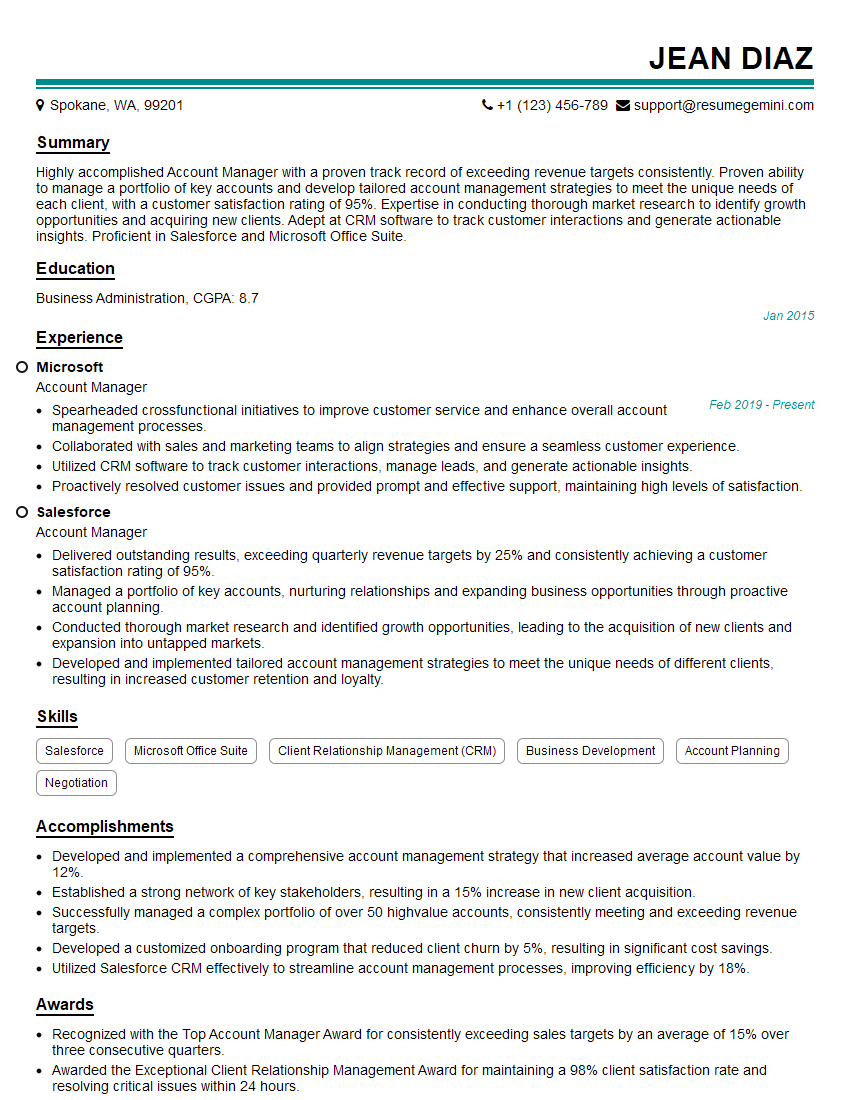
Account Manager Resume Sample
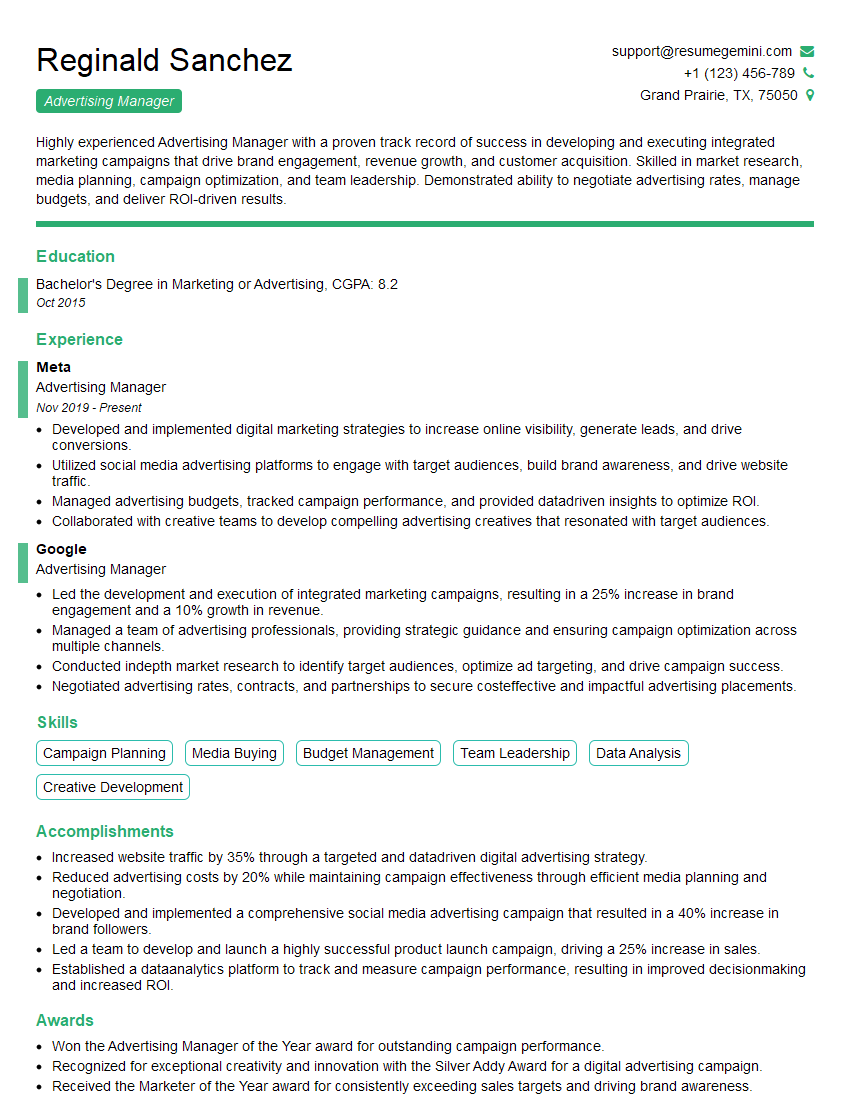
Advertising Manager Resume Sample
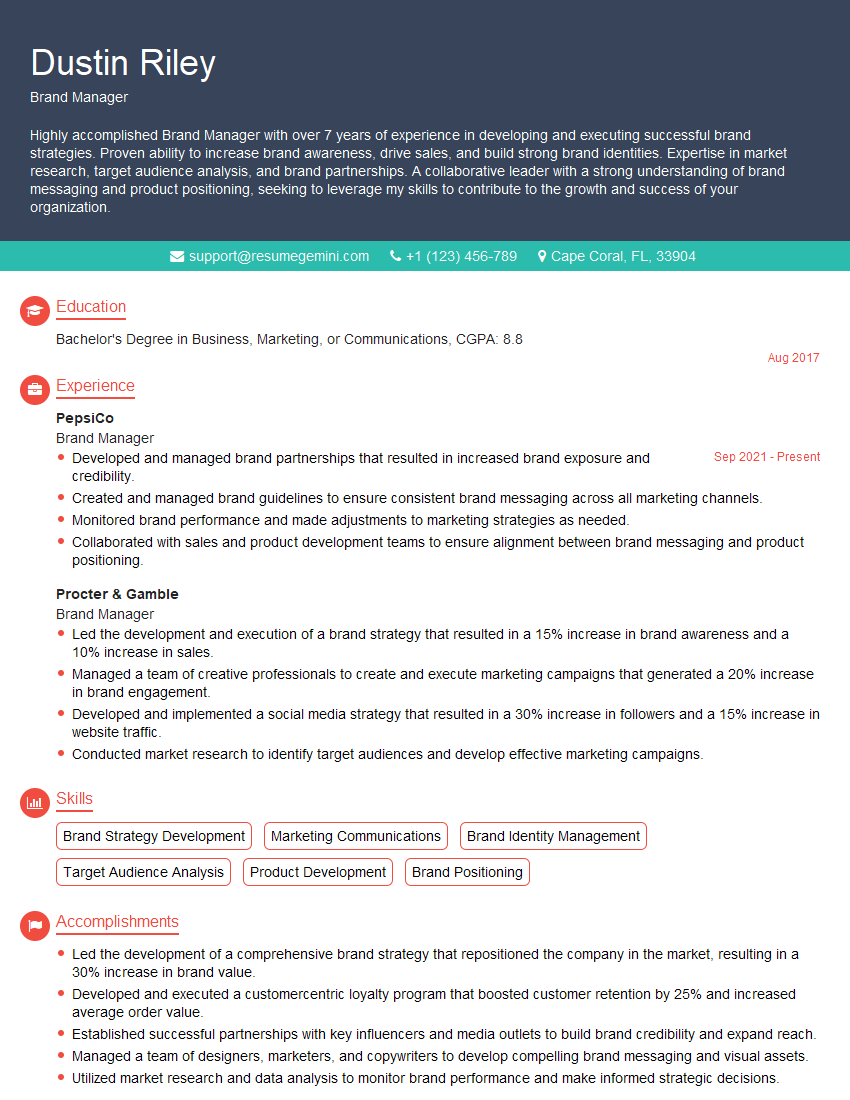
Brand Manager Resume Sample
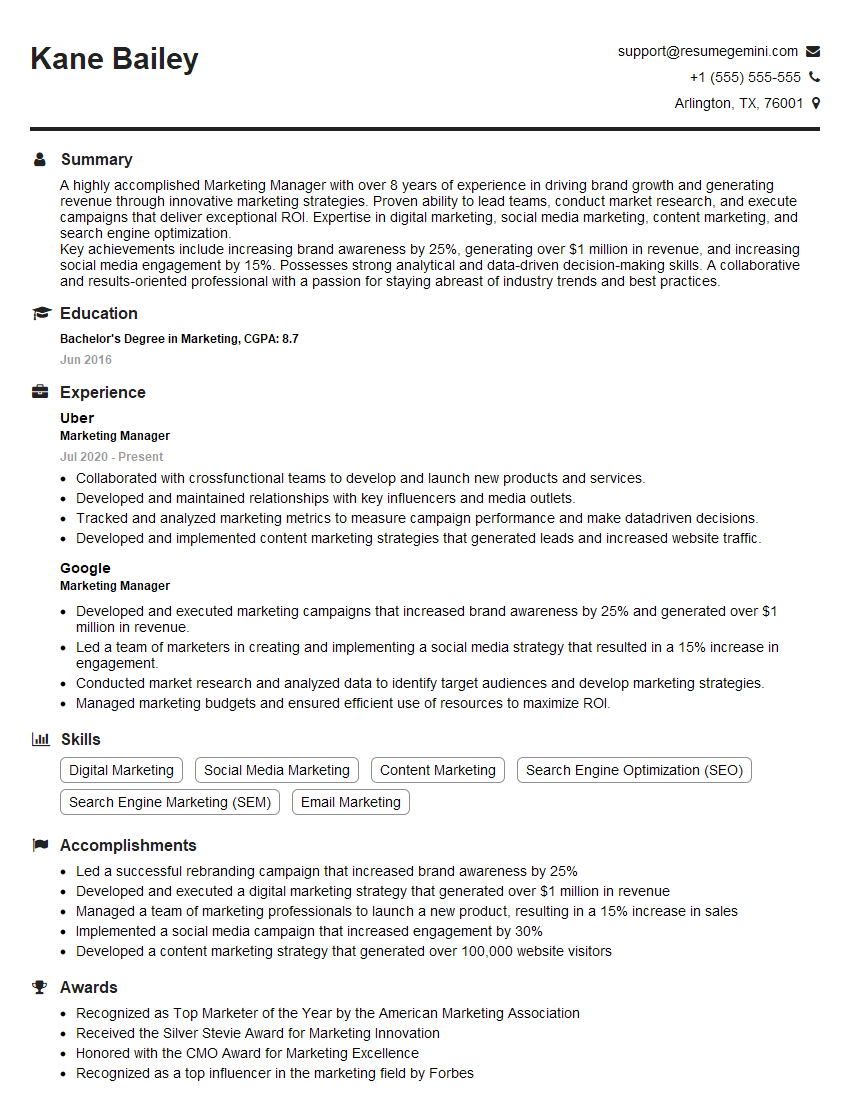
Marketing Manager Resume Sample
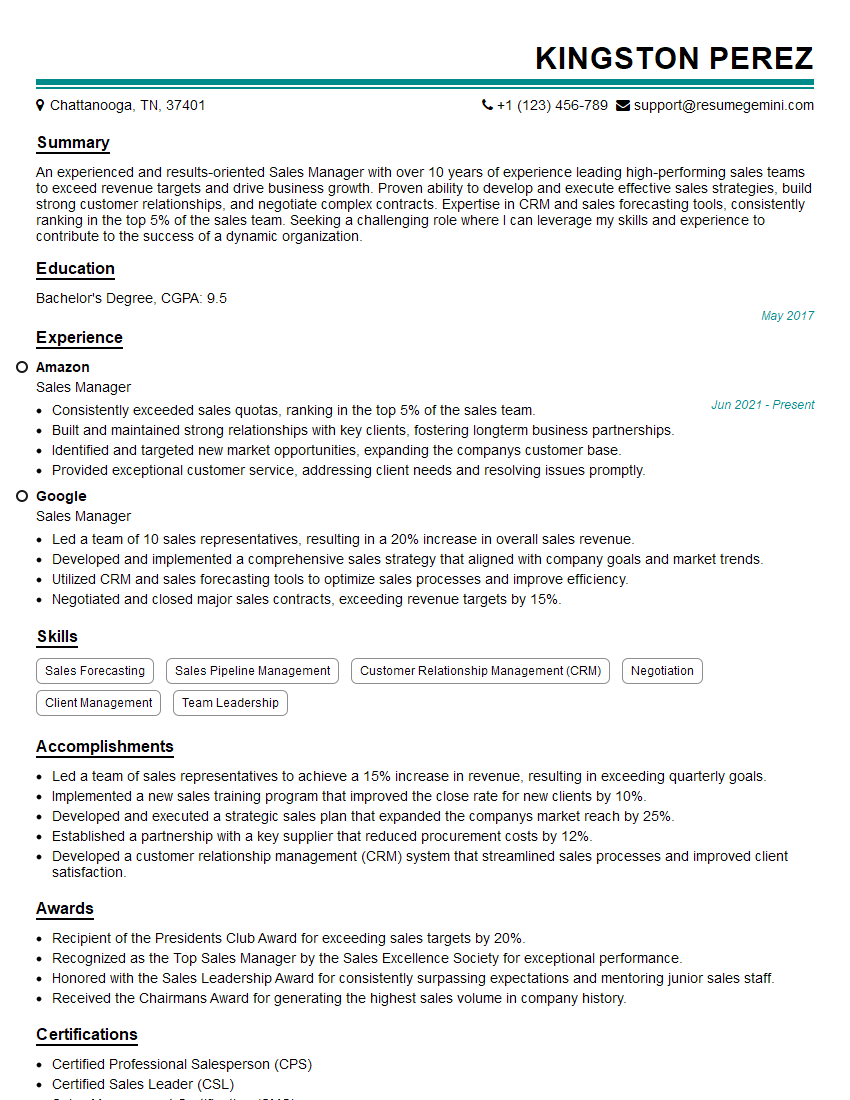
Sales Manager Resume Sample
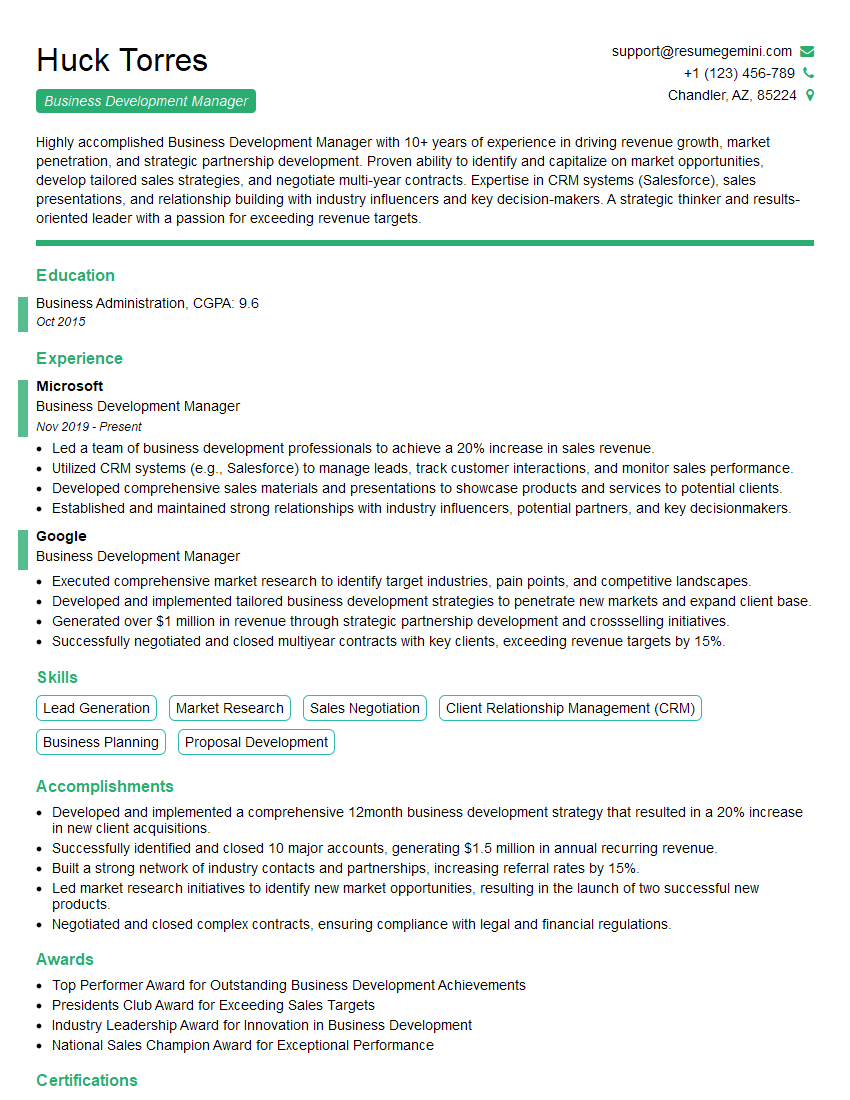
Business Development Manager Resume Sample
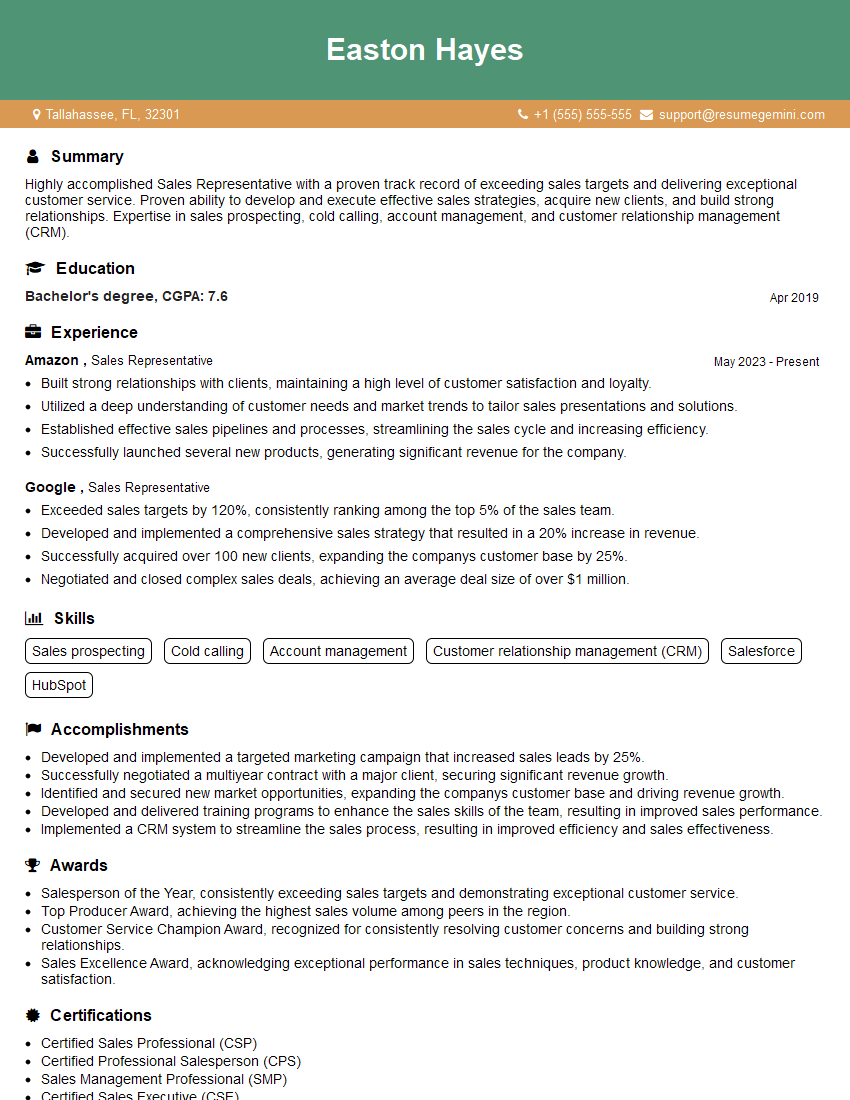
Sales Representative Resume Sample

Communications Manager Resume Sample
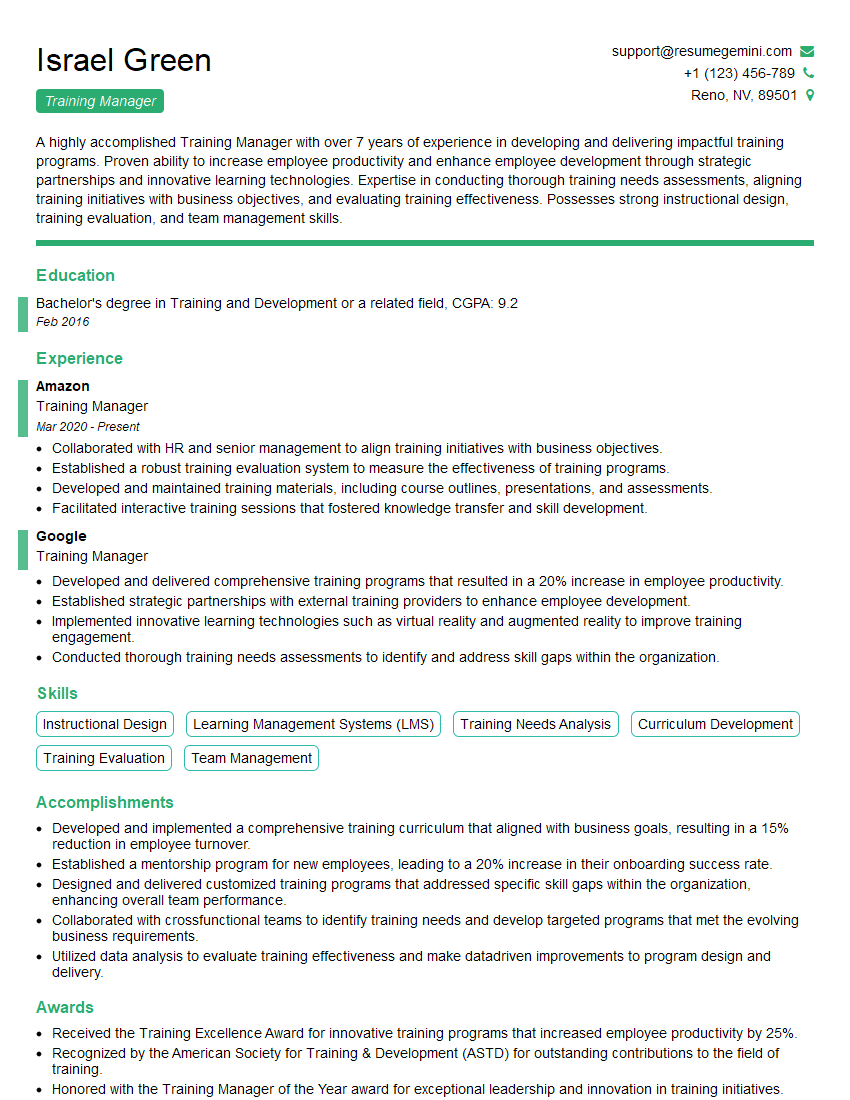
Training Manager Resume Sample

Project Manager Resume Sample
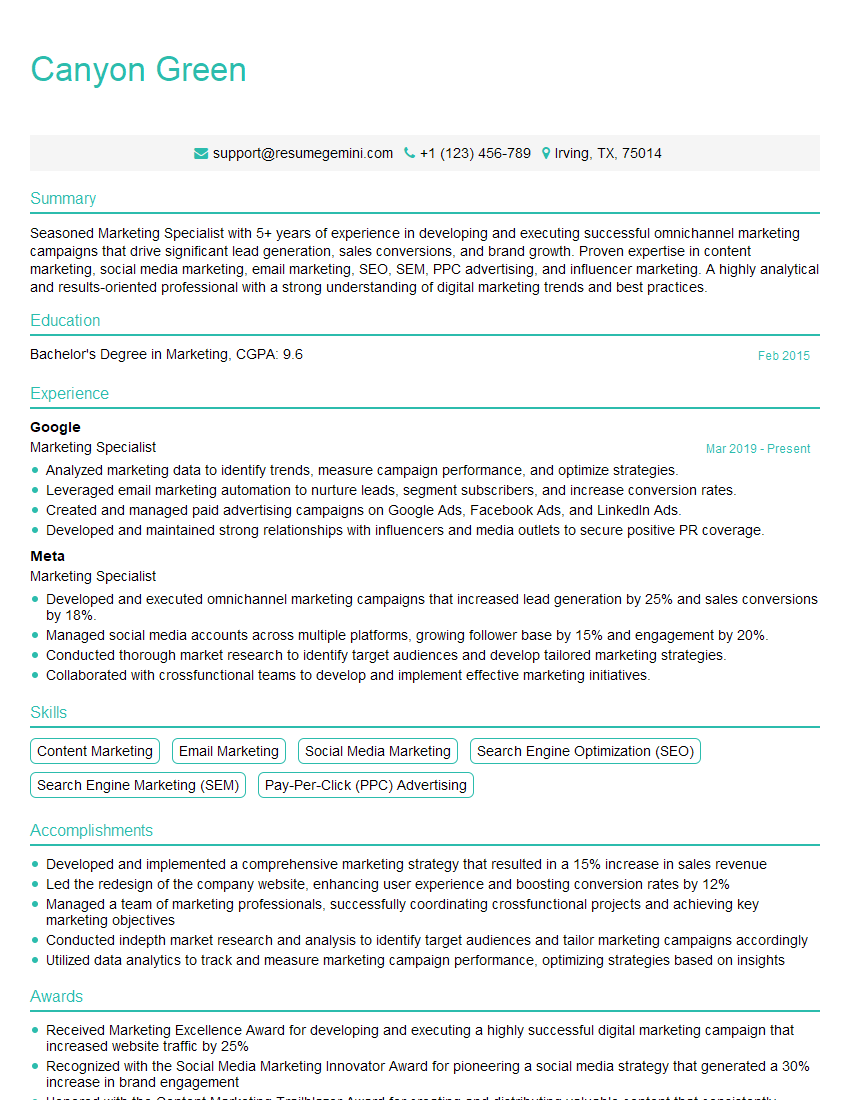
Marketing Specialist Resume Sample

Social Media Manager Resume Sample
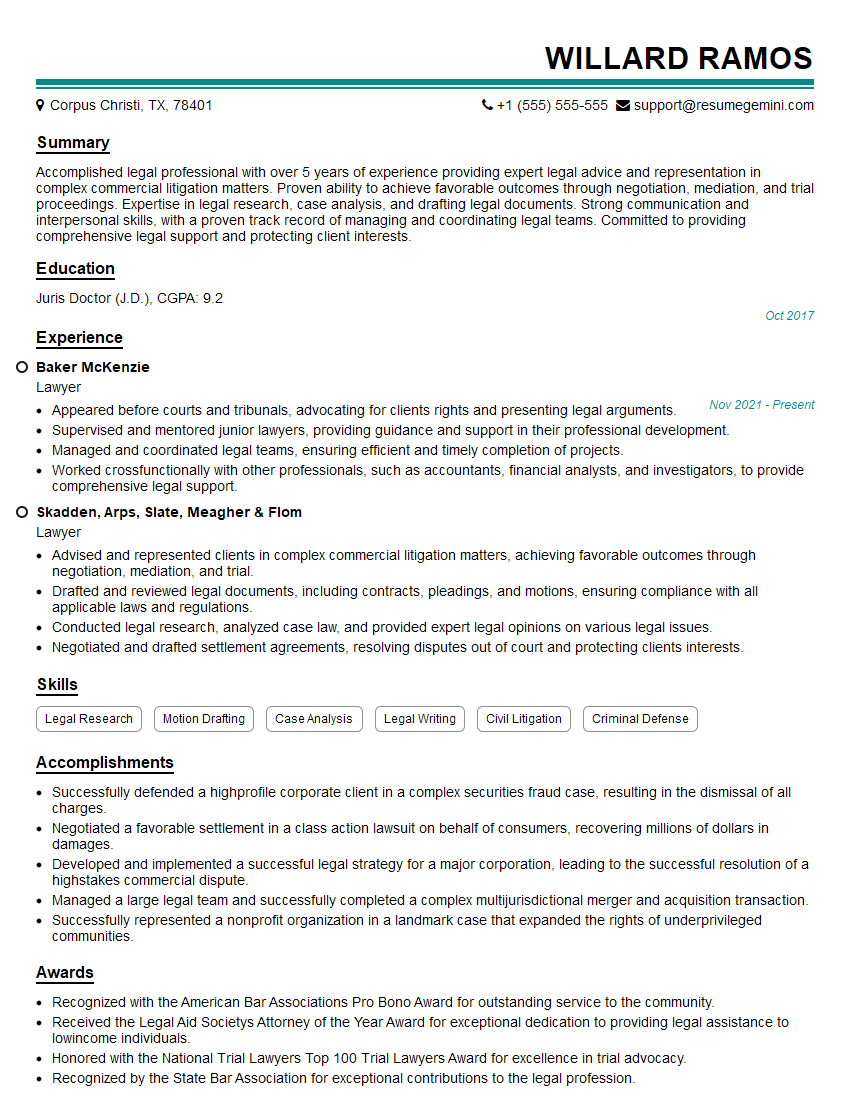
Lawyer Resume Sample
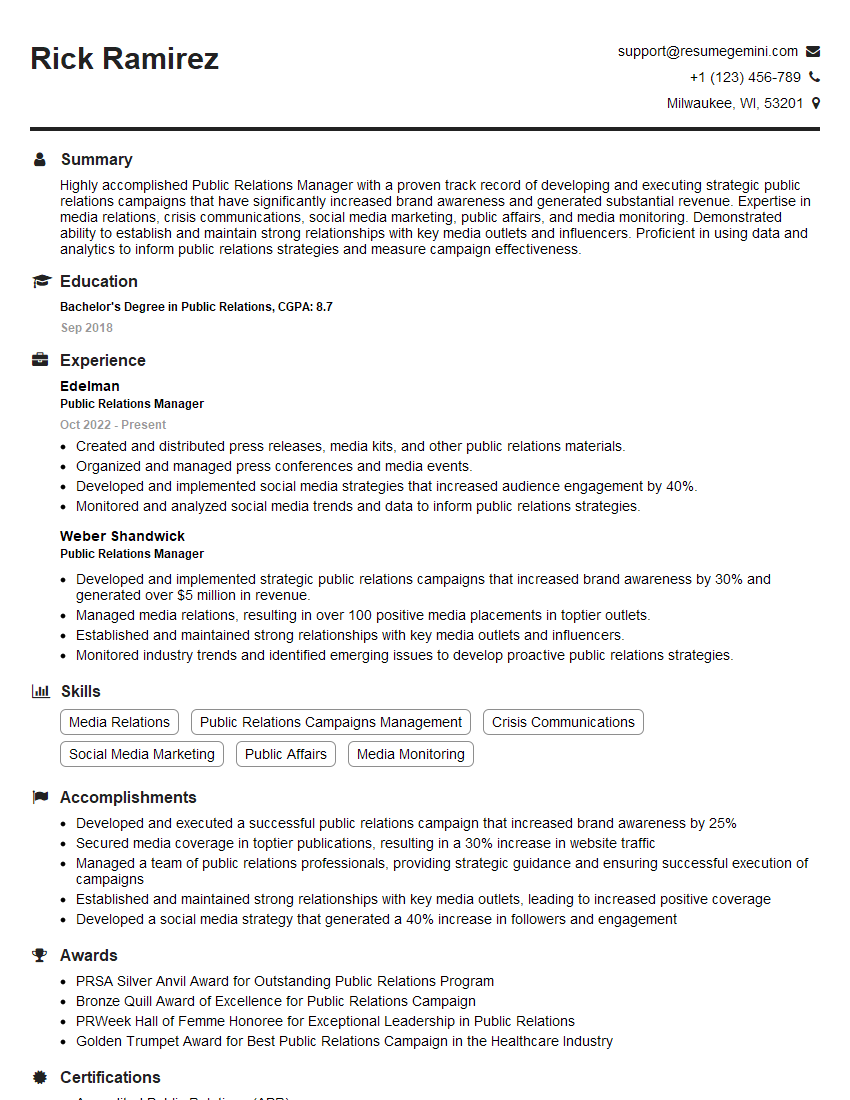
Public Relations Manager Resume Sample

Copywriter Resume Sample
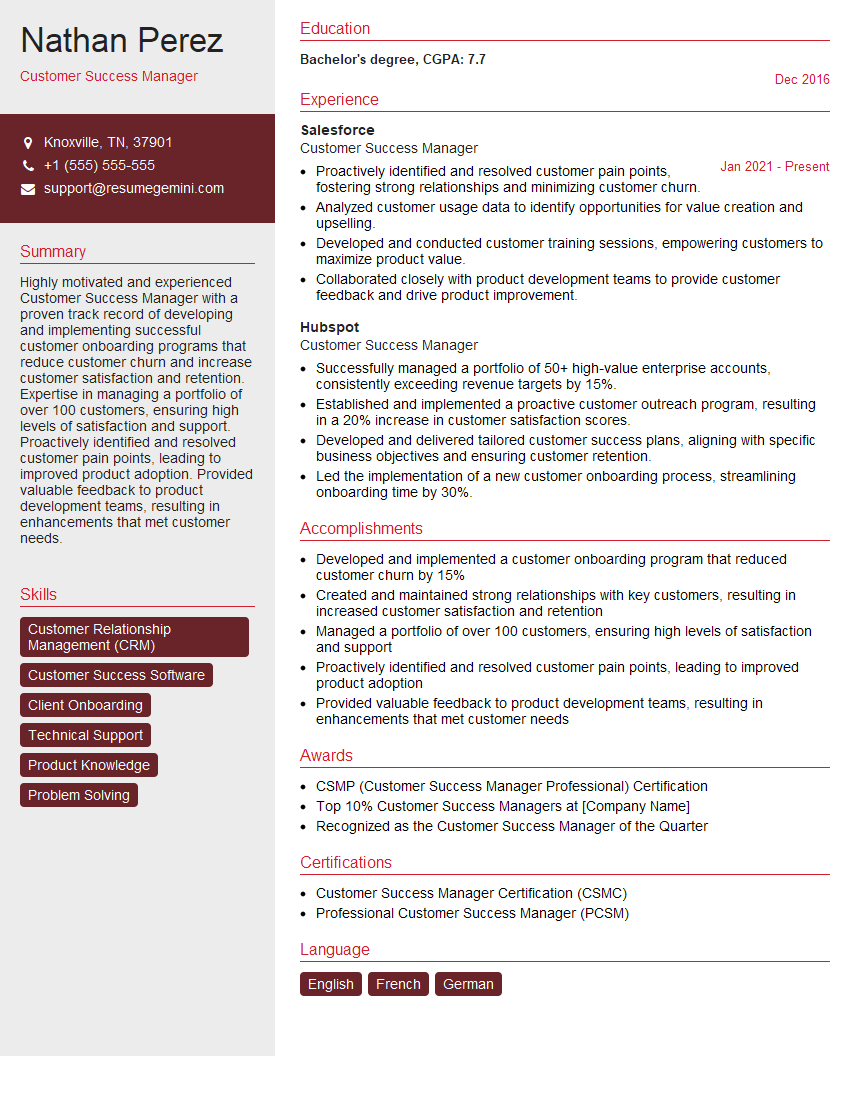
Customer Success Manager Resume Sample
Explore more articles
Users Rating of Our Blogs
Share Your Experience
We value your feedback! Please rate our content and share your thoughts (optional).
What Readers Say About Our Blog
Very informative content, great job.
good