Cracking a skill-specific interview, like one for Physical Prototyping, requires understanding the nuances of the role. In this blog, we present the questions you’re most likely to encounter, along with insights into how to answer them effectively. Let’s ensure you’re ready to make a strong impression.
Questions Asked in Physical Prototyping Interview
Q 1. Explain the different stages involved in the physical prototyping process.
The physical prototyping process is iterative, evolving from initial concept to a refined model. It typically involves several key stages:
- Concept Development & Ideation: This initial phase focuses on brainstorming and sketching, translating abstract ideas into tangible representations. We’ll use rough sketches and potentially simple digital models to explore the design space.
- Digital Design (CAD Modeling): Here, we utilize CAD software like SolidWorks or Fusion 360 to create detailed 3D models. This stage allows for precise dimensions, complex geometries, and simulations to test functionality before physical creation.
- Material Selection: Choosing the right material is crucial. The selection depends on the desired properties (strength, flexibility, aesthetics) and the prototyping method. We might use plastics for rapid iterations, metals for strength, or wood for aesthetics and rapid fabrication of specific components.
- Prototyping Method Selection: This decision depends on factors like budget, time constraints, and the required level of detail. Options include 3D printing, subtractive manufacturing (CNC machining), casting, or even hand crafting. For example, rapid prototyping may favor 3D printing, while high-precision parts might necessitate CNC machining.
- Fabrication: This is where the actual prototype is created using the chosen method. This stage requires careful attention to detail and precise execution to ensure the physical model accurately reflects the digital design.
- Testing & Iteration: The prototype is rigorously tested to assess its functionality, ergonomics, and aesthetics. Feedback gathered during testing informs design improvements, leading to further iterations of the prototyping process. This cycle often repeats multiple times to refine the design.
- Refinement & Documentation: Based on testing results, the design is refined. Final documentation, including detailed drawings and specifications, is prepared for future manufacturing.
Q 2. What are the advantages and disadvantages of using 3D printing for prototyping?
3D printing offers significant advantages in prototyping, but also has limitations:
- Advantages:
- Speed & Rapid Iteration: 3D printing allows for fast production of prototypes, enabling quick design iterations and testing.
- Complex Geometries: It can create intricate shapes and internal structures that are difficult or impossible to produce using traditional methods.
- Cost-Effectiveness (for low volumes): Especially for smaller quantities, 3D printing can be more cost-effective than other methods.
- Material Variety (though limited compared to traditional methods): A range of materials, including various plastics, resins, and even some metals, are available for 3D printing.
- Disadvantages:
- Surface Finish: The surface finish of 3D printed parts is often less smooth than parts created using other methods, requiring post-processing sometimes.
- Material Limitations: The range of materials available for 3D printing is still limited compared to traditional manufacturing processes.
- Build Time (for complex parts): Complex or large prototypes can take a considerable amount of time to print.
- Accuracy and Precision: While improving, the accuracy and precision can be less than traditional methods for critical applications.
Q 3. Describe your experience with different prototyping materials (e.g., plastics, metals, wood).
My experience spans a wide range of prototyping materials. I’ve worked extensively with:
- Plastics: ABS, PLA, and PETG are commonly used for their ease of 3D printing and relative affordability. ABS offers higher strength and temperature resistance compared to PLA. I’ve used these for rapid prototyping of enclosures and functional components. For example, I prototyped a drone casing using ABS to test its durability under stress.
- Metals: Aluminum and stainless steel are frequently used for creating robust and durable prototypes. I’ve utilized CNC machining to create precise metal parts for applications requiring high strength and wear resistance, such as a prototype for a robotic arm joint.
- Wood: Wood provides an excellent aesthetic finish and is relatively easy to work with using subtractive methods. I’ve used wood for creating mock-ups of furniture designs, focusing on visual appeal and ergonomics before moving to more durable materials.
Material selection is crucial and depends heavily on the application. For instance, choosing PLA for a high-temperature application would be a poor decision due to its lower melting point.
Q 4. How do you choose the appropriate prototyping method for a given project?
Selecting the appropriate prototyping method involves careful consideration of several factors:
- Project Requirements: What level of detail, accuracy, and functionality is needed? A simple proof-of-concept might only require a basic 3D printed model, while a high-precision mechanical component would require CNC machining.
- Budget: Different methods have varying costs. 3D printing is generally less expensive for small batches, while injection molding is more economical for large-scale production.
- Time Constraints: Some methods, like 3D printing, are much faster than others, like casting.
- Material Properties: The required strength, durability, and aesthetic qualities of the prototype will influence material and method selection. For example, if high strength is required, metal machining might be preferable to 3D printing with plastic.
- Volume: The number of prototypes needed influences the choice. Low volumes often favor 3D printing or rapid prototyping techniques, while high volumes might necessitate injection molding.
Often, a combination of methods is used to create a prototype. For instance, a functional prototype might incorporate 3D-printed components combined with CNC-machined metal parts for critical components.
Q 5. What are some common challenges encountered during physical prototyping, and how do you overcome them?
Common challenges in physical prototyping include:
- Design Flaws: Discovering design flaws only after creating a physical prototype is costly and time-consuming. Thorough CAD modeling and simulations can mitigate this. For example, a stress test simulation could reveal weak points in a design before it is produced.
- Material Selection Issues: Choosing an inappropriate material can lead to prototypes that fail to meet functional requirements or have undesirable properties. Careful consideration of the materials’ properties and appropriate testing are critical.
- Manufacturing Errors: Errors during the fabrication process can result in prototypes that deviate from the design specifications. Precise machine calibration and operator skill are important to prevent this.
- Time Constraints: Meeting deadlines while ensuring high-quality prototypes can be challenging, requiring efficient project management and prioritization.
- Budgetary Limitations: Balancing the need for high-quality prototypes with budgetary constraints requires careful planning and resource allocation.
To overcome these challenges, I use a structured approach, including thorough planning, design reviews, rigorous testing, and proactive risk management. Detailed documentation and meticulous attention to detail throughout the process are essential.
Q 6. Describe your experience with CAD software (e.g., SolidWorks, AutoCAD).
I have extensive experience with various CAD software packages, including SolidWorks and AutoCAD. SolidWorks is my preferred choice for mechanical design due to its robust features for creating and analyzing complex 3D models. I’ve used it extensively for designing intricate parts, assemblies, and creating simulations. AutoCAD is useful for 2D drafting and detailed drawings, particularly for technical documentation. I use both packages depending on the specific needs of the project.
For instance, I designed a complex robotic arm using SolidWorks, leveraging its simulation capabilities to analyze stress and movement. The final designs and manufacturing drawings were then created using AutoCAD to ensure clarity and precision for the manufacturing team.
Q 7. How do you ensure the accuracy and precision of your prototypes?
Ensuring accuracy and precision in prototypes involves a multi-faceted approach:
- Precise CAD Modeling: Creating detailed and accurate 3D models is the foundation. I use constraints, dimensions, and design parameters to ensure precision within the CAD software.
- Appropriate Prototyping Method: Selecting the manufacturing method (3D printing, CNC machining, etc.) appropriate for the required level of accuracy is critical. CNC machining offers greater precision than 3D printing, for instance.
- Calibration and Maintenance: Regular calibration and maintenance of equipment are essential to avoid errors caused by machine malfunction.
- Quality Control Checks: Throughout the process, regular checks are performed using measuring instruments (calipers, micrometers) to verify dimensions and tolerances.
- Post-Processing: Depending on the method, post-processing steps (sanding, finishing) may be required to achieve the desired surface finish and accuracy.
- Dimensional Inspection: Using Coordinate Measuring Machines (CMMs) allows for highly accurate dimensional inspection, providing detailed feedback on the dimensional accuracy of the produced prototypes.
A combination of these strategies ensures that the physical prototypes closely match the intended design, minimizing errors and allowing for reliable testing and validation.
Q 8. Explain your experience with CNC machining or other subtractive manufacturing processes.
My experience with CNC machining is extensive, spanning over seven years. I’ve worked with various CNC milling and lathe machines, creating prototypes from diverse materials including aluminum, plastics (ABS, PLA, Nylon), and wood. I’m proficient in CAD/CAM software like Fusion 360 and Mastercam, allowing me to design parts and generate the necessary toolpaths for machining. For example, I once used a 3-axis CNC mill to create a highly detailed functional prototype of a complex locking mechanism for a new bicycle lock. The process involved selecting the appropriate cutting tools, setting precise feed rates and spindle speeds to minimize material removal time and ensure surface finish quality. I also have experience troubleshooting common CNC issues, such as tool breakage, chatter, and workpiece clamping problems. Beyond CNC machining, I’m familiar with other subtractive manufacturing methods, such as wire EDM (Electrical Discharge Machining) for intricate cuts and laser cutting for rapid prototyping of sheet metal components.
Q 9. How do you manage tolerances and dimensional accuracy in your prototypes?
Managing tolerances and dimensional accuracy is critical in prototyping. It’s all about understanding the capabilities of the chosen manufacturing process and incorporating appropriate design considerations. For CNC machining, I use GD&T (Geometric Dimensioning and Tolerancing) principles to clearly specify allowable variations in dimensions, angles, and surface finishes on the CAD model. This ensures the final part meets the functional and aesthetic requirements. I carefully consider the machine’s limitations, such as its precision and repeatability, and adjust the toolpaths and machining parameters accordingly. Post-machining, I employ precise measuring instruments like calipers, micrometers, and coordinate measuring machines (CMMs) to verify dimensions and detect any deviations. If discrepancies are found, I analyze the root causes (e.g., tool wear, machine misalignment, or errors in the CAD model) and implement corrective measures. For example, in a recent project involving a medical device prototype, maintaining tight tolerances of +/- 0.05mm was crucial. I employed a high-precision CNC mill with regular tool calibration and CMM inspections to ensure this level of accuracy was consistently achieved.
Q 10. Describe your experience with rapid prototyping techniques.
My experience with rapid prototyping techniques is broad, encompassing various methods to quickly create prototypes. I’m adept at using 3D printing technologies (FDM, SLA, SLS) to generate functional and visual prototypes. These methods allow for rapid iteration and design exploration. For example, I’ve used FDM 3D printing to create multiple iterations of a handheld device housing, rapidly testing different ergonomic designs based on user feedback. SLA printing has been instrumental in creating high-resolution prototypes with fine details, ideal for visual prototypes or prototypes requiring intricate geometries. I also have experience with stereolithography (SLA) and Selective Laser Sintering (SLS) for producing durable prototypes with enhanced material properties. Beyond 3D printing, I’m skilled in using rapid prototyping methods like vacuum forming for creating simple plastic shells, and sheet metal bending for quicker prototyping of simple sheet metal parts.
Q 11. How do you incorporate user feedback into the iterative prototyping process?
Incorporating user feedback is a cornerstone of successful iterative prototyping. I employ several strategies to effectively gather and integrate user feedback. This often involves usability testing with target users, where I observe how they interact with the prototype, noting areas for improvement. I also use surveys and questionnaires to gather quantitative data and qualitative insights into user experiences. After each round of testing, I analyze the feedback data, prioritizing issues based on their severity and impact on usability and functionality. This iterative process helps me refine the design, address usability challenges, and improve the overall user experience. For instance, during the prototyping of a new coffee maker, initial user feedback revealed the buttons were poorly placed and difficult to reach. This feedback directly led to a design revision, relocating the buttons for improved ergonomics.
Q 12. Explain your understanding of design for manufacturing (DFM).
Design for Manufacturing (DFM) is a crucial element of my prototyping workflow. It involves designing products with the manufacturing process in mind to optimize for cost, manufacturability, and quality. I consider factors like material selection, part geometry, assembly methods, and tooling requirements during the design phase. For example, choosing a material easily machinable will reduce manufacturing costs and lead times compared to a more difficult material. Similarly, simplifying part geometry reduces machining time and potential errors. I’m proficient in using CAD software features that help with DFM analysis, identifying potential manufacturing issues early in the design process. Furthermore, I collaborate closely with manufacturing engineers to ensure the design is feasible and cost-effective to produce at scale. For example, I once redesigned a prototype component to eliminate the need for complex jigs and fixtures, resulting in significant cost savings during mass production.
Q 13. How do you document and manage the prototyping process?
Thorough documentation and management of the prototyping process are essential for maintaining a clear and organized workflow. I utilize a combination of digital and physical documentation methods. All design files (CAD models, drawings, simulations) are version-controlled using a system like Git or a cloud-based repository. This ensures we can easily access and track changes throughout the process. I also maintain detailed records of each prototyping iteration, including material specifications, manufacturing parameters (e.g., machining settings), test results, and user feedback. These records are usually stored in a shared project management system, providing a comprehensive audit trail for all aspects of the prototyping journey. This meticulous documentation facilitates effective collaboration among team members, improves project transparency, and allows for quick reference to previous iterations when troubleshooting or making design improvements. Additionally, physical prototypes are labeled clearly with iteration number and relevant notes to aid in tracking and analysis.
Q 14. Describe your experience with different types of prototyping (e.g., functional, visual).
My experience encompasses various types of prototyping, each serving distinct purposes. Functional prototypes are critical for testing the core functionality of a design. For instance, I created a functional prototype of a robotic arm to test its range of motion and lifting capacity. This helped identify structural limitations and inform design improvements. Visual prototypes, on the other hand, focus on aesthetics and visual appeal. I use visual prototyping extensively to test the form factor and design of a product, enabling early feedback on its visual appearance. For example, I created several visual prototypes of a new phone casing using 3D printing to test different colors and shapes before committing to a final design. Furthermore, I have experience creating proof-of-concept prototypes, which mainly validate the feasibility of a specific technological concept. Each type of prototype offers valuable insights at different stages of the design process, helping to make informed decisions and minimize risk.
Q 15. How do you manage project timelines and budgets related to prototyping?
Managing project timelines and budgets for physical prototyping requires a meticulous approach. It starts with a detailed breakdown of the prototyping process into distinct phases, each with its own estimated time and cost. This involves identifying necessary materials, tools, and labor. I utilize project management software to track progress, allocate resources, and monitor expenses against the budget. For example, for a recent project involving a complex mechanical prototype, I initially created a Work Breakdown Structure (WBS) that detailed every task, from CAD modeling to final assembly. This allowed for precise time estimates and material cost calculations. Regular progress meetings help identify potential delays or cost overruns early, allowing for proactive adjustments. Contingency planning is crucial; unforeseen complications are factored into the budget and timeline. Regular reporting keeps stakeholders informed and ensures everyone is on the same page.
Career Expert Tips:
- Ace those interviews! Prepare effectively by reviewing the Top 50 Most Common Interview Questions on ResumeGemini.
- Navigate your job search with confidence! Explore a wide range of Career Tips on ResumeGemini. Learn about common challenges and recommendations to overcome them.
- Craft the perfect resume! Master the Art of Resume Writing with ResumeGemini’s guide. Showcase your unique qualifications and achievements effectively.
- Don’t miss out on holiday savings! Build your dream resume with ResumeGemini’s ATS optimized templates.
Q 16. Explain your experience with assembly and testing of prototypes.
My experience with assembly and testing encompasses a wide range of techniques, from simple hand-assembly of low-complexity prototypes to intricate setups for complex electromechanical devices. For example, while working on a smart-home device prototype, I had to carefully assemble several circuit boards, microcontrollers, and sensors, ensuring proper alignment and connections. Testing is crucial and involves both functional and performance testing. Functional testing verifies if all components work as designed, while performance testing assesses durability, efficiency, and robustness. I meticulously document all assembly steps and testing procedures to facilitate reproducibility and troubleshooting. Data logging during testing helps identify performance bottlenecks. We often use specialized test equipment like oscilloscopes, multimeters, and 3D scanners to get precise measurements. This meticulous approach reduces errors and accelerates the iteration process.
Q 17. How do you troubleshoot and debug problems encountered during prototyping?
Troubleshooting and debugging physical prototypes require a systematic approach. I start by meticulously documenting observations and symptoms. Visual inspections often reveal obvious problems like loose connections or component failures. Then, I employ a combination of techniques, including systematic elimination, where I isolate parts of the prototype to pinpoint the source of the problem. For electrical issues, I use multimeters and oscilloscopes to measure voltages and signals. For mechanical issues, I often employ high-speed cameras or slow-motion video to identify subtle movements or vibrations. If software is involved, debugging tools and logging are crucial. In one instance, a prototype robot failed to perform a specific movement. By reviewing high-speed camera footage, I discovered a slight misalignment in a gear mechanism, which was easily corrected. Effective communication with the design team helps identify potential design flaws and allows for collaborative problem-solving.
Q 18. What are some common mistakes to avoid in physical prototyping?
Several common mistakes can significantly hinder the prototyping process. One critical error is neglecting proper documentation. Poor documentation leads to difficulty in reproducing results, tracking changes, and troubleshooting problems. Another mistake is jumping to complex designs without sufficient testing of simpler prototypes. It’s often better to start with a low-fidelity prototype to test core functionality before investing heavily in high-fidelity models. Overlooking material limitations is also common. The chosen material must be suitable for the intended application. Ignoring human factors in design is another frequent oversight. Consider usability and ergonomics for effective interaction. Finally, insufficient testing can lead to releasing a prototype with hidden flaws that only surface later. Rigorous testing is vital before progressing to later development phases.
Q 19. How do you evaluate the success of a prototype?
Evaluating the success of a prototype relies on a multi-faceted assessment. Does it meet the initial design goals? This requires careful comparison with specifications and requirements. We assess performance based on quantitative data obtained during testing, using metrics defined during the initial design phase. User feedback is invaluable. We often conduct usability testing to gauge user experience and identify areas for improvement. Economic considerations are also important; Is the prototype cost-effective to produce? Finally, the overall learning gained from the process is crucial. Did the prototype reveal design flaws or unexpected challenges? Documenting all findings ensures valuable knowledge is retained for future projects. A successful prototype is not just functional but also provides valuable insights for iterative improvement.
Q 20. Describe your experience with creating prototypes for different industries.
My experience spans diverse industries, including consumer electronics, medical devices, and automotive. For a consumer electronics company, I created prototypes for a new smartphone, focusing on ergonomics and ease of use. This required extensive user testing. In the medical device sector, I worked on a prototype for a minimally invasive surgical tool, prioritizing precision, biocompatibility, and sterilization. This demanded rigorous quality control and adherence to strict regulatory guidelines. In the automotive industry, I prototyped components for an electric vehicle’s charging system, paying close attention to safety, durability, and environmental factors. The materials used and testing processes varied significantly depending on the industry, reflecting the unique challenges and requirements.
Q 21. How do you balance speed and accuracy in the prototyping process?
Balancing speed and accuracy in prototyping is a constant challenge. I approach this using a phased approach. Initially, rapid prototyping techniques are employed to quickly create low-fidelity prototypes for proof-of-concept and early feedback. This might involve 3D printing or rapid machining. Once the core functionality is validated, iterations focus on refining the design and enhancing accuracy. This might involve more precise manufacturing techniques and more rigorous testing. However, rushing the process to save time can lead to inaccurate results and necessitate costly rework later. Therefore, a balanced approach is key, using rapid prototyping for initial exploration and more precise methods for refinement and validation. The decision to prioritize speed or accuracy depends heavily on project constraints and priorities.
Q 22. What software or tools are you most proficient with for physical prototyping?
My proficiency in physical prototyping software spans a range of tools, each suited for different stages and aspects of the process. For CAD modeling, I’m highly skilled in SolidWorks and Fusion 360, leveraging their powerful features for creating detailed 3D models and assemblies. I also have extensive experience using simulation software like ANSYS for stress analysis and finite element analysis (FEA), crucial for validating design robustness. For CAM (Computer-Aided Manufacturing), I’m adept at using software like Mastercam and VCarve Pro, depending on the chosen manufacturing method. For more rapid prototyping needs, I regularly use Tinkercad for its intuitive interface and ease of generating STL files for 3D printing. Finally, I’m familiar with various slicing software such as Cura and PrusaSlicer for optimizing 3D print settings.
For example, on a recent project involving a complex robotic arm, I used SolidWorks to design the individual components, ANSYS to simulate the stresses on the joints under load, and Mastercam to generate toolpaths for CNC machining of the metal base.
Q 23. Explain your understanding of different manufacturing processes relevant to prototyping.
My understanding of manufacturing processes relevant to prototyping encompasses a wide spectrum of techniques, each with its own advantages and limitations. These include:
- Additive Manufacturing (3D Printing): This is invaluable for rapid prototyping, allowing for quick iterations and complex geometries. I have experience with FDM (Fused Deposition Modeling), SLA (Stereolithography), and SLS (Selective Laser Sintering), each offering different material properties and resolutions.
- Subtractive Manufacturing (CNC Machining): For higher precision and durable prototypes, CNC milling and turning are essential. This allows for the creation of prototypes from various materials like metals, plastics, and composites, with accurate dimensions and surface finishes.
- Casting: Useful for creating complex shapes and high-volume prototypes, especially when dealing with intricate internal features. I’m familiar with different casting methods, including investment casting and resin casting.
- Injection Molding: While often used for mass production, low-volume injection molding can also be employed for high-fidelity prototypes, particularly when exploring final product aesthetics and material choices.
- Sheet Metal Fabrication: For metallic prototypes involving bending, punching, and forming processes, sheet metal fabrication provides efficient solutions.
The choice of process depends heavily on factors like material selection, budget constraints, required accuracy, and the prototype’s intended application. For instance, a quick functional prototype might be 3D printed, while a prototype intended for rigorous testing might require CNC machining.
Q 24. Describe your experience with creating and interpreting technical drawings.
Creating and interpreting technical drawings is fundamental to my prototyping workflow. I’m proficient in using industry-standard drafting software like AutoCAD and SolidWorks to produce detailed drawings that clearly communicate design intent. These drawings include orthographic views, section views, detailed dimensions, tolerances, material specifications, and surface finish indications. I understand the importance of proper annotation and the creation of detailed assembly drawings to illustrate how parts fit together.
Furthermore, interpreting existing technical drawings is equally critical. I can accurately assess a design from existing drawings, identify potential issues, and adapt designs for manufacturing. For example, during a recent project, I was given only a limited set of hand-drawn sketches; I then used my skills to create accurate and complete technical drawings, which were instrumental in guiding the manufacturing process.
Q 25. How do you ensure the safety of yourself and others during the prototyping process?
Safety is paramount throughout the prototyping process. I adhere to strict safety protocols to minimize risks. This includes wearing appropriate personal protective equipment (PPE), such as safety glasses, hearing protection, and gloves, depending on the specific task and materials being used. I am also meticulous in following the safety instructions provided by the machinery and equipment manufacturers. My workspace is organized to prevent accidents, with proper storage and handling of hazardous materials. I regularly inspect tools and equipment for any signs of damage or wear and tear, ensuring proper maintenance to prevent malfunctions. Furthermore, I understand the importance of proper machine guarding and emergency stop procedures.
Beyond individual safety, I emphasize team safety. Before starting any process, I ensure that everyone in the vicinity is aware of potential hazards and is taking the necessary precautions. For example, during CNC machining, I always clearly mark the machine’s operational zone and ensure no one enters that area unless authorized and properly equipped with PPE.
Q 26. Explain your experience with reverse engineering and replication of existing parts.
Reverse engineering and replication of existing parts are valuable skills in prototyping. This involves systematically disassembling a part to understand its construction, measuring its dimensions, and creating accurate drawings or 3D models. I utilize various measuring tools, such as calipers, micrometers, and 3D scanners, for precise measurements. I then use CAD software to create a digital representation of the part, allowing for modifications or replication. The process also requires careful analysis of the part’s material properties and manufacturing techniques used in its original creation.
For example, I recently reverse-engineered a broken component from a vintage piece of machinery. By carefully analyzing the fractured surfaces and utilizing 3D scanning to capture its dimensions, I was able to recreate a functional replacement part, effectively extending the life of the original machine.
Q 27. How do you handle changes in project requirements during the prototyping phase?
Handling changes in project requirements during the prototyping phase requires flexibility and adaptability. I establish clear communication channels with the project stakeholders to ensure that any changes are immediately identified and understood. My approach emphasizes iterative prototyping, building functional prototypes early in the process to test critical aspects of the design before committing to more extensive work. This allows for easy incorporation of changes with minimal impact on the overall schedule and budget. I document all changes, maintaining a clear history of design iterations and the reasons behind them.
For example, if a design change is requested mid-way through the process, I would assess its impact on the existing prototype. Minor changes might be accommodated directly on the prototype using readily available techniques. Major changes might necessitate revisiting the design process, and possibly even starting with a new iteration.
Q 28. How would you approach prototyping a complex assembly with multiple interacting parts?
Prototyping a complex assembly with multiple interacting parts requires a structured and systematic approach. I typically start by creating individual 3D models of each component within a CAD software like SolidWorks. This allows for detailed design and analysis of each part independently. I then perform assembly simulations within the CAD software to verify proper fit, function, and clearance between components. A crucial step is identifying potential interference or kinematic issues early in the design process, using virtual prototyping to avoid costly errors during physical construction.
Next, I would create a phased prototyping strategy. I might start by prototyping individual sub-assemblies to verify their functionality before integrating them into a complete assembly. This modular approach minimizes risk and facilitates easier troubleshooting. Depending on the complexity and budget, I might employ various manufacturing techniques – for example, 3D printing for complex geometries and CNC machining for precision parts – to create the prototypes. Finally, rigorous testing of the complete assembly would validate its performance and identify any needed refinements.
Key Topics to Learn for Physical Prototyping Interview
- Material Selection & Properties: Understanding material characteristics (strength, flexibility, durability, cost) and their suitability for different prototyping methods and applications. Consider discussing trade-offs between material choices.
- Prototyping Methods: Familiarize yourself with various techniques like 3D printing (FDM, SLA, SLS), CNC machining, laser cutting, vacuum forming, and rapid prototyping techniques. Be prepared to discuss the advantages and limitations of each method.
- Design for Manufacturing (DFM): Understanding how design choices impact the manufacturability and cost-effectiveness of a prototype. This includes considerations for tolerances, assembly, and material waste.
- Rapid Prototyping Workflows: Demonstrate knowledge of the iterative process: from initial concept sketches to CAD modeling, prototyping, testing, and iteration based on feedback.
- Tolerance Analysis and Dimensional Control: Understanding the importance of precision and accuracy in prototyping and the methods used to control tolerances throughout the process.
- Testing and Evaluation: Explain your experience in conducting tests to evaluate prototype functionality, durability, and performance. Be prepared to discuss different testing methods and their applications.
- CAD Software Proficiency: Highlight your experience with relevant CAD software (SolidWorks, Fusion 360, AutoCAD, etc.) and your ability to create and modify 3D models.
- Problem-Solving and Troubleshooting: Be ready to discuss examples where you overcame challenges during the prototyping process, demonstrating your problem-solving skills and resourcefulness.
Next Steps
Mastering physical prototyping is crucial for a successful career in engineering, design, and product development. It demonstrates practical skills and a deep understanding of the product development lifecycle. To maximize your job prospects, it’s essential to create a compelling, ATS-friendly resume that highlights your abilities. ResumeGemini is a trusted resource for building professional resumes, ensuring your skills and experience shine. Examples of resumes tailored to Physical Prototyping are available to help guide you.
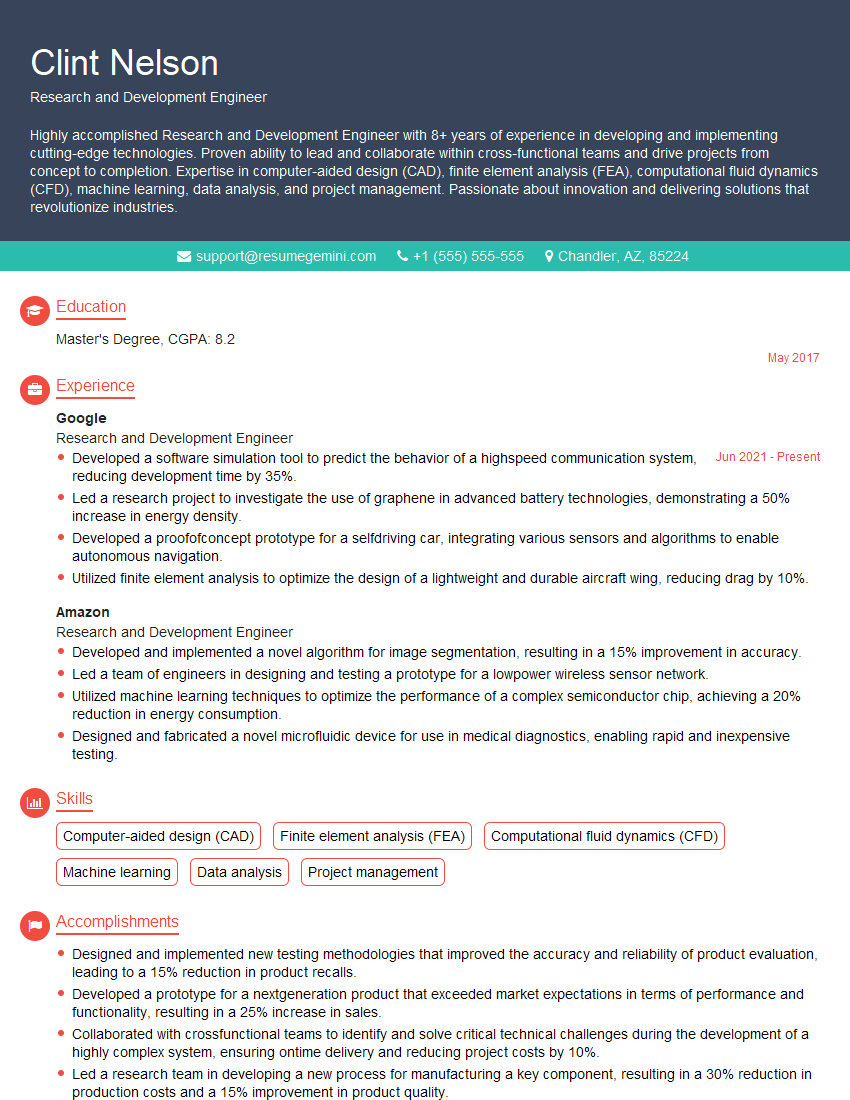
Research and Development Engineer Resume Sample
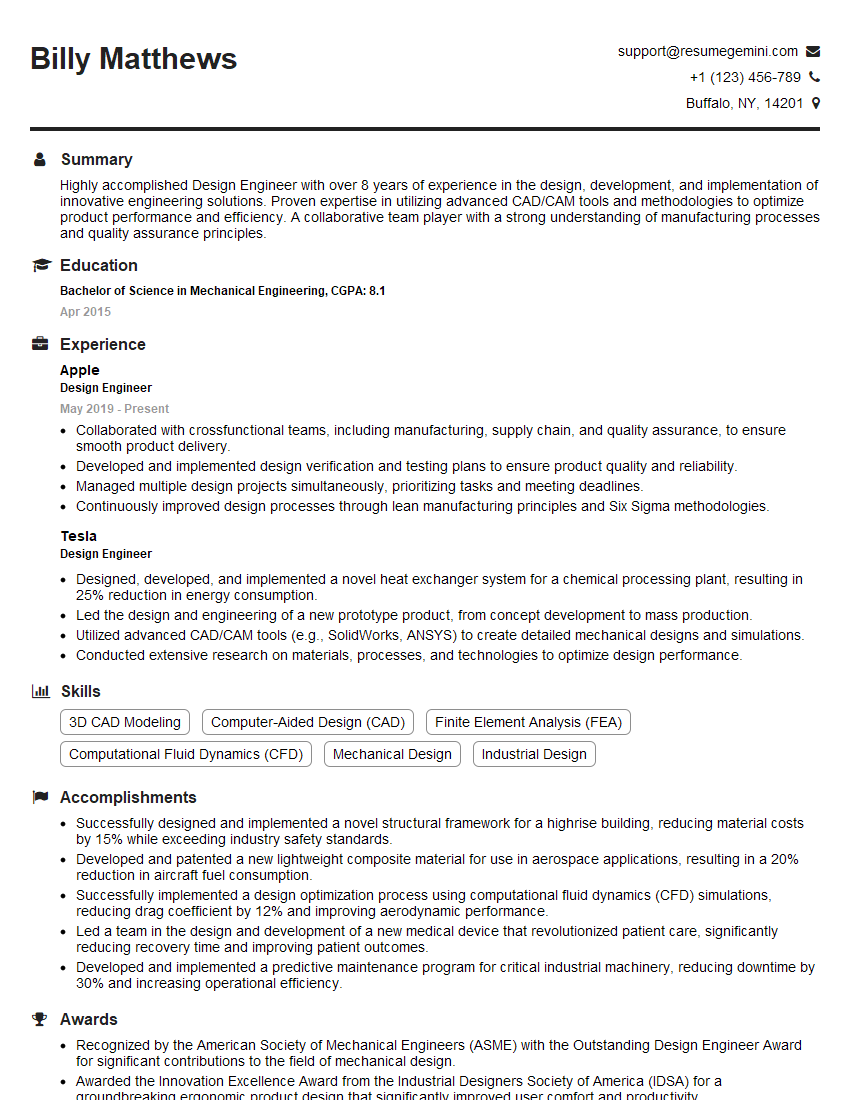
Design Engineer Resume Sample
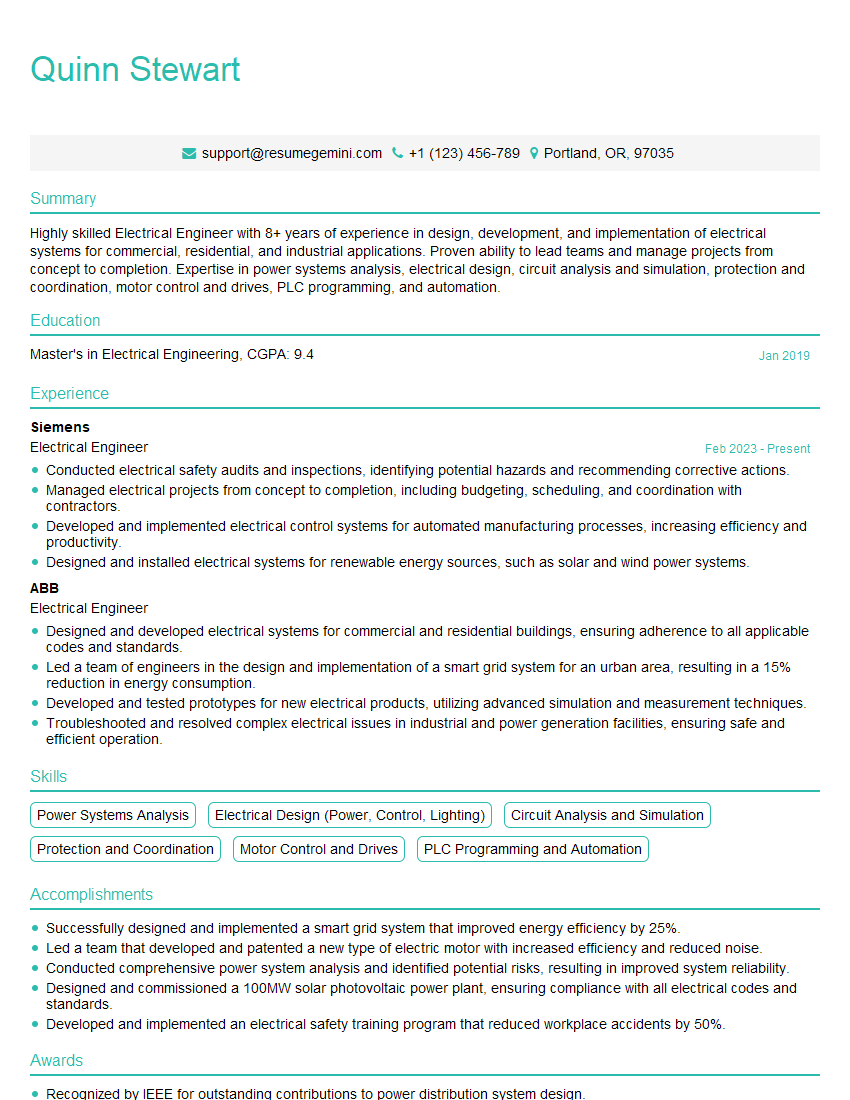
Electrical Engineer Resume Sample
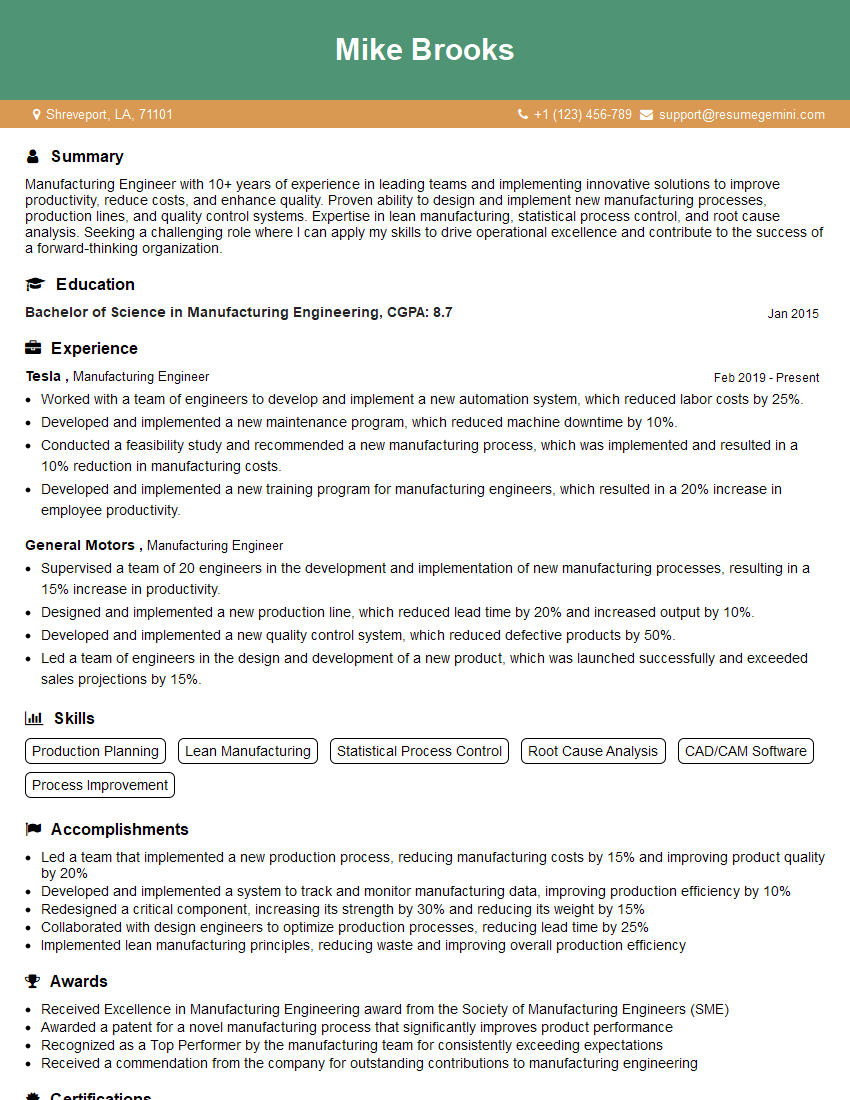
Manufacturing Engineer Resume Sample
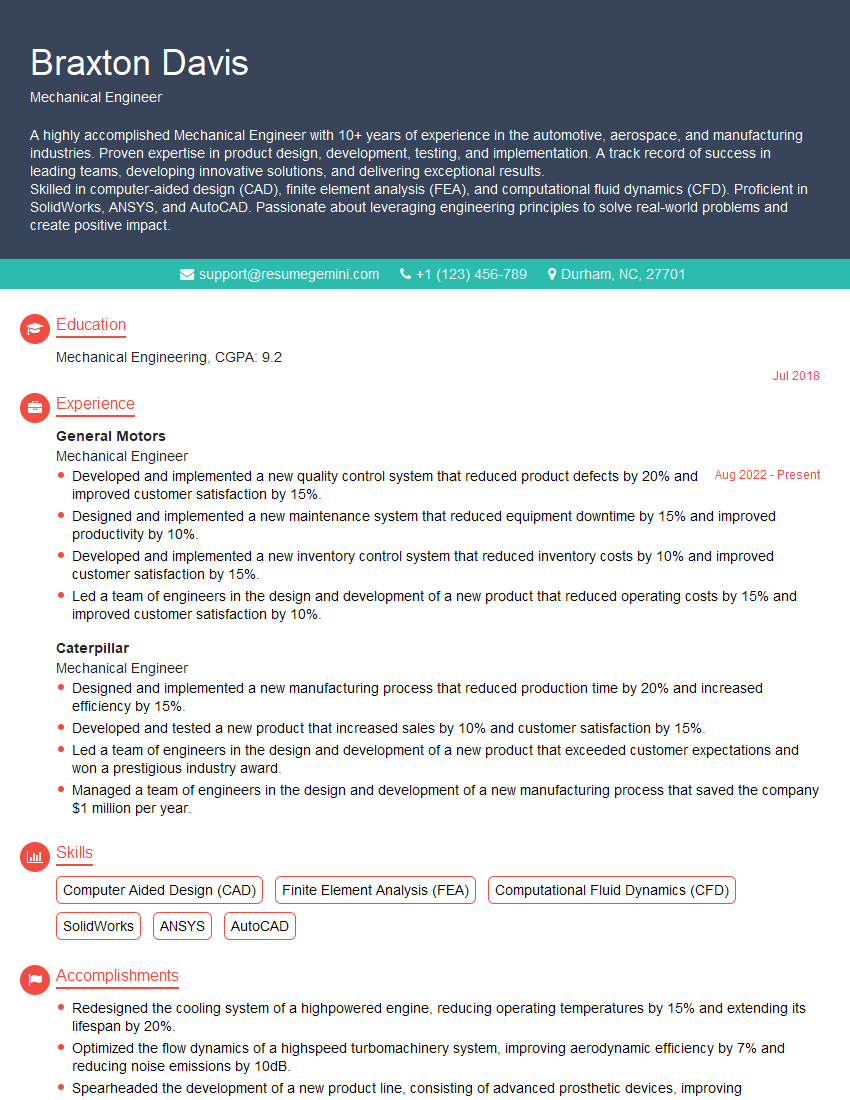
Mechanical Engineer Resume Sample
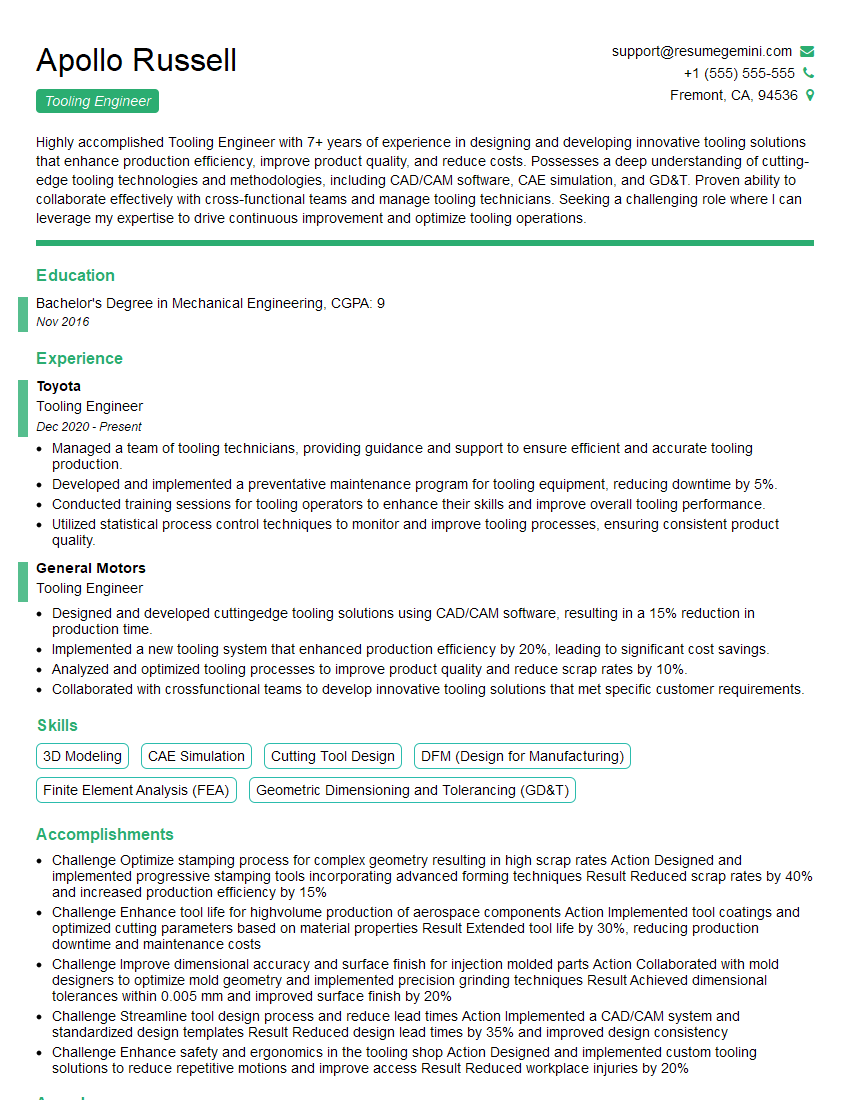
Tooling Engineer Resume Sample
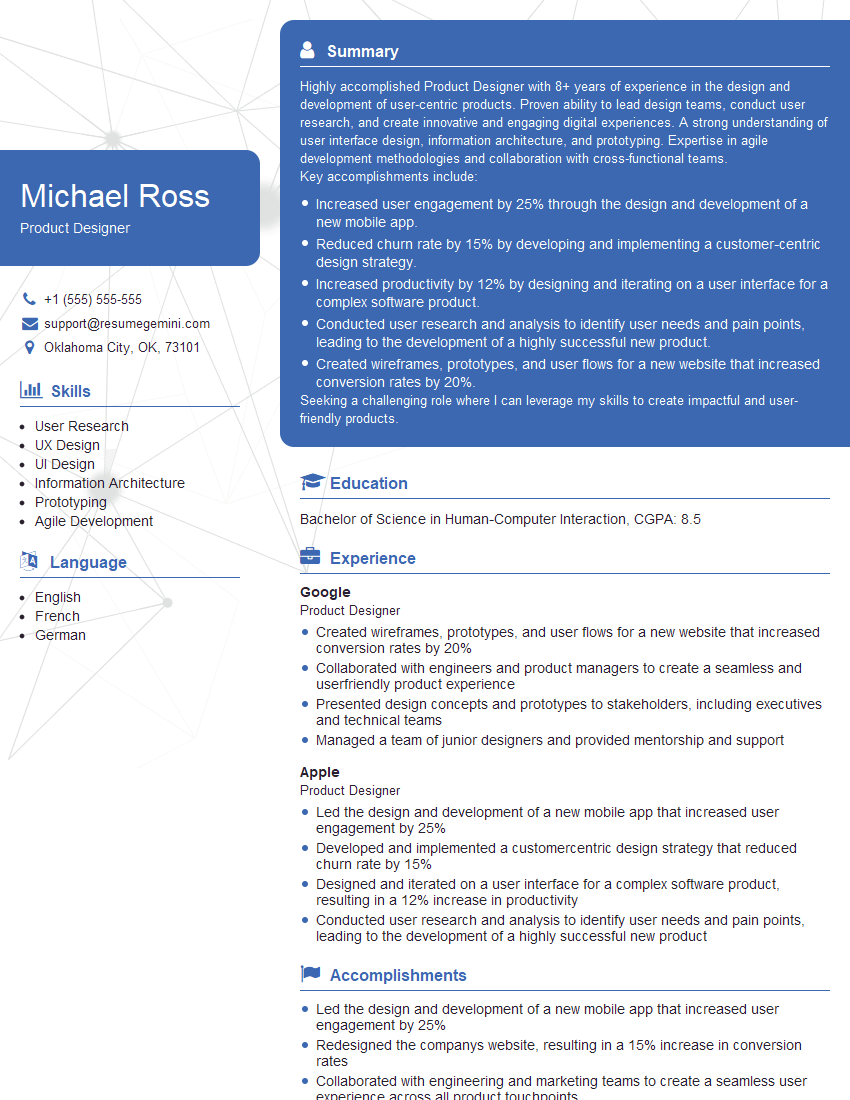
Product Designer Resume Sample
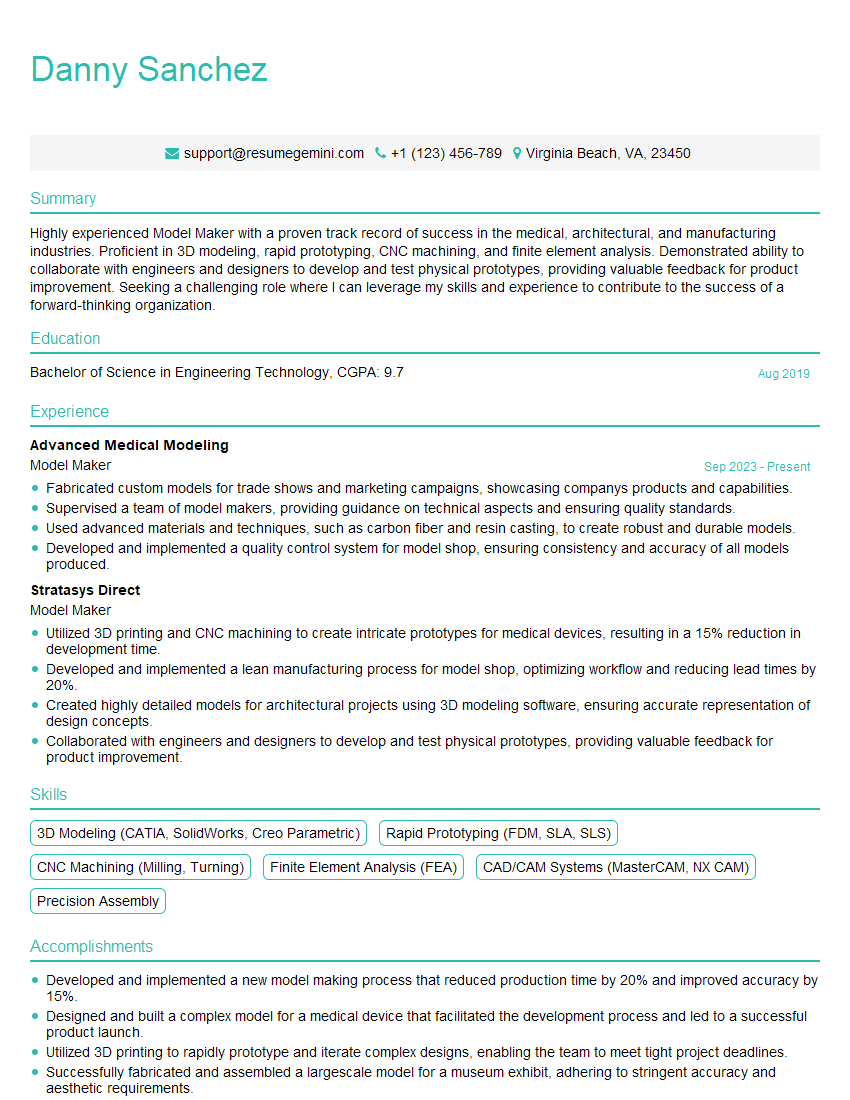
Model Maker Resume Sample
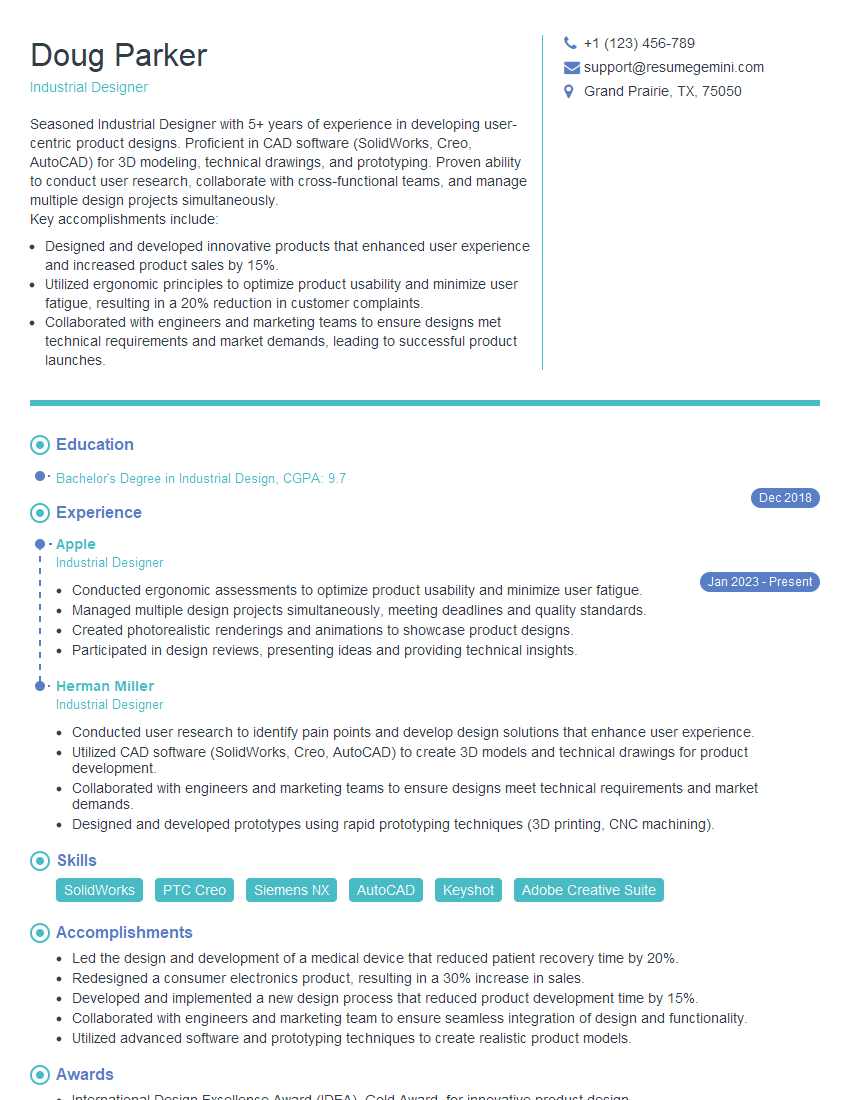
Industrial Designer Resume Sample
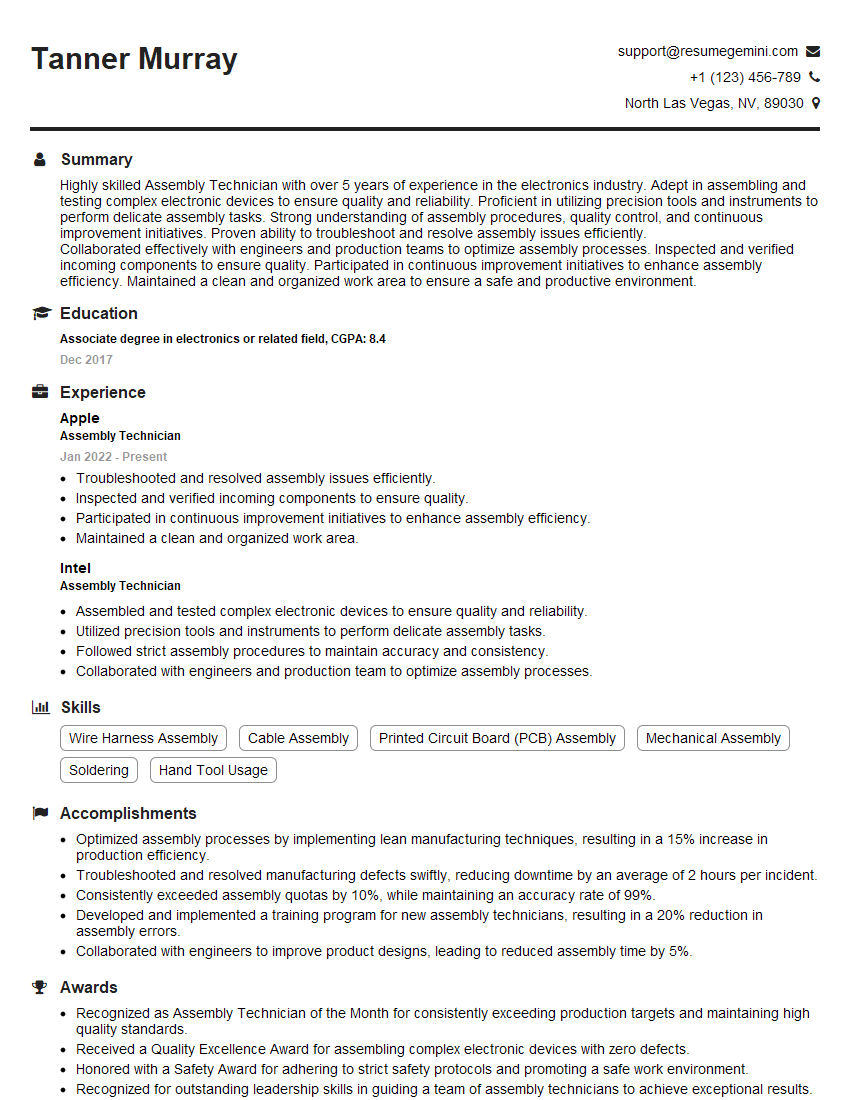
Assembly Technician Resume Sample
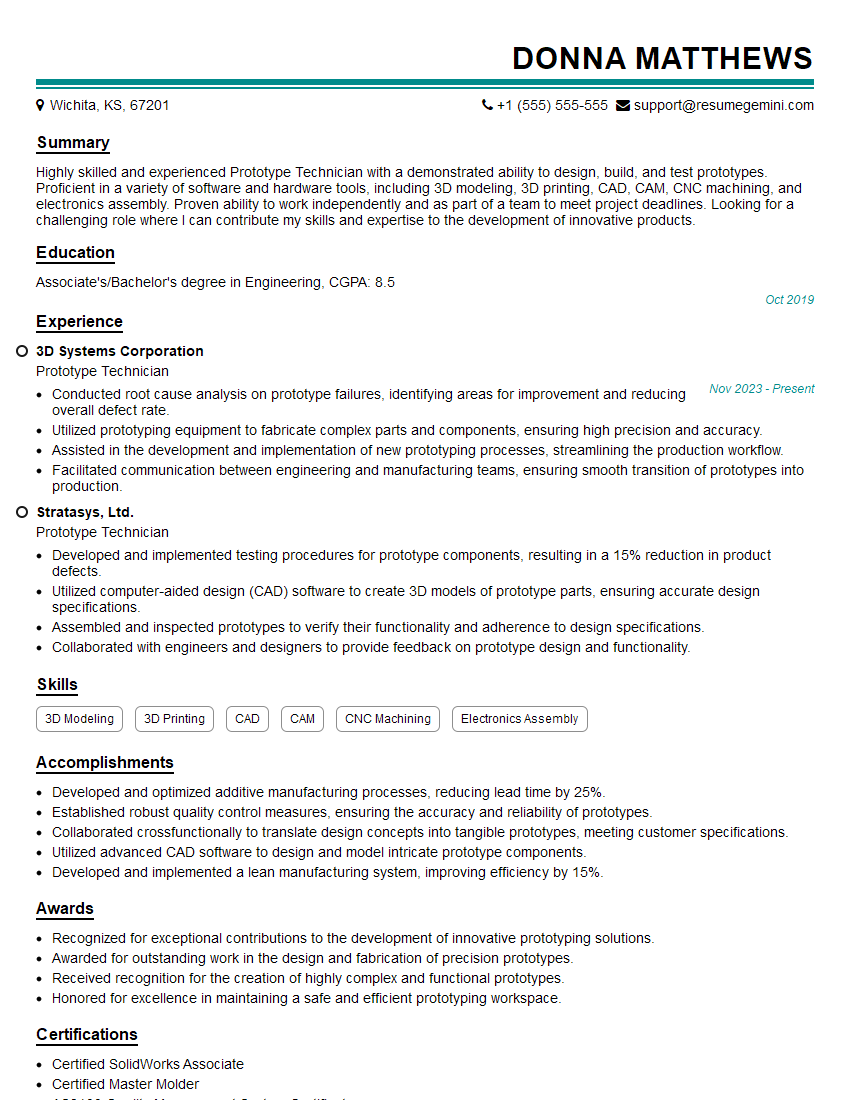
Prototype Technician Resume Sample
Explore more articles
Users Rating of Our Blogs
Share Your Experience
We value your feedback! Please rate our content and share your thoughts (optional).
What Readers Say About Our Blog
Very informative content, great job.
good