Preparation is the key to success in any interview. In this post, we’ll explore crucial Physical Readiness and Seaborne Operations interview questions and equip you with strategies to craft impactful answers. Whether you’re a beginner or a pro, these tips will elevate your preparation.
Questions Asked in Physical Readiness and Seaborne Operations Interview
Q 1. Describe the importance of maintaining physical fitness standards in seaborne operations.
Maintaining high physical fitness standards in seaborne operations is paramount for ensuring crew safety, operational efficiency, and mission success. The demanding nature of maritime work, often involving strenuous physical tasks in challenging environments, requires personnel to be robust and resilient. Poor physical fitness increases the risk of injury, reduces reaction time in emergencies, and compromises the ability to perform crucial duties.
- Reduced Injury Risk: Strong muscles and cardiovascular health minimize the chance of strains, sprains, and other injuries from lifting heavy equipment, climbing ladders, or navigating uneven surfaces.
- Enhanced Emergency Response: A physically fit crew can react quickly and effectively during emergencies such as man overboard situations, fires, or equipment malfunctions, where speed and strength are vital.
- Improved Operational Efficiency: Fit crew members are less prone to fatigue, improving productivity and reducing downtime. They can sustain peak performance for longer durations.
- Increased Morale and Well-being: Regular physical activity improves overall health, reduces stress, and contributes to a positive work environment.
For example, imagine a crew member needing to quickly deploy a life raft during a storm. A physically fit individual will have the strength and endurance to complete this task efficiently and safely, potentially saving lives.
Q 2. Explain the different types of personal protective equipment (PPE) used in seaborne environments.
Personal Protective Equipment (PPE) in seaborne environments is crucial for mitigating risks associated with various hazards. The specific PPE needed depends on the task and the environment. Common types include:
- Life Jackets/Personal Flotation Devices (PFDs): Essential for all personnel onboard, providing buoyancy in case of a man overboard situation. Different types exist based on the level of protection required.
- Immersion Suits/Dry Suits: Provide thermal protection against cold water immersion, extending survival time significantly in cold-water environments.
- Helmets: Protect the head from impacts during falls or collisions, particularly important when working at heights or in confined spaces.
- Safety Harnesses and Fall Arrest Systems: Essential for working at heights to prevent falls from ladders, platforms, or rigging.
- Gloves: Protect hands from cuts, abrasions, chemical exposure, and cold temperatures. Different types are available based on the specific hazards.
- Eye Protection: Safety glasses or goggles protect against flying debris, splashes, and harmful UV rays.
- Hearing Protection: Earplugs or earmuffs reduce exposure to hazardous noise levels from machinery.
- Protective Footwear: Steel-toed boots protect feet from crushing injuries and provide better grip on slippery surfaces.
- Fire-resistant Clothing: Protects against burns and flames in case of fire onboard.
Regular inspections and maintenance of PPE are essential to ensure effectiveness. Failure to use proper PPE can lead to serious injuries or fatalities.
Q 3. What are the key elements of a pre-voyage safety briefing?
A pre-voyage safety briefing is a crucial element in ensuring a safe voyage. It provides critical information to the crew, emphasizing safe working practices and emergency procedures. Key elements include:
- Review of Voyage Plan: The route, anticipated weather conditions, and potential hazards are discussed.
- Emergency Procedures: Detailed explanations of procedures for man overboard, fire, flooding, medical emergencies, and abandon ship are reviewed.
- Life Saving Equipment Demonstration: Crew members are shown how to use life jackets, life rafts, and other essential survival equipment.
- Communication Protocols: Methods of communication within the vessel and with shore are explained, including emergency radio procedures.
- Safety Regulations and Policies: Applicable international and company-specific safety rules and policies are reiterated.
- Hazard Identification and Risk Mitigation: Specific hazards related to the voyage, such as rough seas or specific cargo risks, are discussed and mitigation strategies are outlined.
- Personal Protective Equipment (PPE) Use and Inspection: Proper use and inspection of PPE are emphasized, and personnel are reminded to wear appropriate gear for their tasks.
- Security Procedures: Procedures related to vessel security and protection against piracy or other threats are discussed.
The briefing should be interactive, allowing crew members to ask questions and ensure understanding. It should also be documented, with attendees signing a record of attendance and comprehension.
Q 4. Outline the procedures for responding to a man overboard situation.
Responding to a man overboard (MOB) situation requires immediate and coordinated action. Procedures typically involve the following steps:
- Immediate Action: The person witnessing the incident should immediately shout “Man Overboard!” This alerts everyone onboard.
- Activate Emergency Procedures: The designated MOB procedures should be immediately activated, which may include sounding the alarm, contacting shore authorities, and initiating the vessel’s emergency procedures.
- Locate and Mark the Person: The location of the person overboard should be immediately marked. This typically involves deploying a life ring with a buoyant light and using GPS to pinpoint the location.
- Deploy a Rescue Boat/Life Raft: A rescue boat or life raft should be launched immediately to retrieve the person overboard.
- Maintain Communication: Continuous communication between the vessel, rescue boat, and shore authorities is crucial for coordinating the rescue operation.
- Navigational Maneuvers: The vessel should execute a Williamson turn or other suitable maneuver to facilitate the rescue and to avoid losing sight of the person overboard. This involves turning the vessel back towards the point where the MOB occurred.
- Recovery and First Aid: Once the person is recovered, immediate first aid and medical attention should be provided, addressing hypothermia, injuries, and other potential complications.
Regular MOB drills are essential to ensure the crew’s readiness and proficiency in handling such situations. Different vessels might have slightly varied procedures, but the principles remain the same—speed, accurate location, and effective teamwork are critical for a successful rescue.
Q 5. How would you assess the physical fitness of a crew member?
Assessing the physical fitness of a crew member involves a multi-faceted approach, combining various methods to gain a comprehensive understanding of their capabilities. This may include:
- Medical Examination: A thorough medical check-up conducted by a qualified medical professional assesses general health, identifies pre-existing conditions, and checks for any limitations.
- Physical Fitness Tests: Tests such as a cardiovascular fitness test (e.g., Cooper test), muscular strength and endurance tests (e.g., push-ups, sit-ups), and flexibility tests (e.g., sit-and-reach) are employed to objectively measure fitness levels.
- Functional Fitness Assessments: These tests evaluate the ability to perform job-specific tasks, simulating real-world scenarios. This could involve simulating ladder climbing, weight lifting, or carrying heavy equipment.
- Observation of Work Performance: Monitoring a crew member’s performance during routine tasks provides valuable insight into their stamina, strength, and ability to cope with demanding physical work.
- Self-Reporting: Crew members should be encouraged to report any physical limitations or health concerns, ensuring transparency and early intervention.
The assessment should be tailored to the specific demands of the job, considering the physical requirements of various roles on board. For instance, a deckhand will have different physical demands compared to a navigator. Results should be documented, and any identified deficiencies should be addressed through a tailored fitness program or appropriate job placement.
Q 6. Explain the principles of effective teamwork in a maritime setting.
Effective teamwork in a maritime setting is crucial for safety and operational efficiency. It relies on several key principles:
- Clear Communication: Open, concise, and unambiguous communication is paramount, ensuring everyone understands instructions, procedures, and potential hazards.
- Defined Roles and Responsibilities: Each crew member should have a clear understanding of their duties and responsibilities, minimizing confusion and ensuring efficient task allocation.
- Mutual Respect and Trust: A culture of mutual respect and trust fosters collaboration and enables crew members to openly share information and concerns.
- Shared Goals and Objectives: A shared understanding of the voyage objectives and safety priorities unites the team, promoting collective effort towards common goals.
- Problem-Solving Skills: The ability to collectively identify and solve problems effectively is essential, particularly in challenging situations.
- Leadership and Followership: Strong leadership that provides guidance and support is vital, complemented by effective followership that ensures adherence to procedures and safety guidelines.
- Conflict Resolution: A structured approach to conflict resolution is necessary to address disagreements constructively, maintaining a positive and productive work environment.
- Regular Training and Drills: Regular training and drills enhance teamwork, ensuring crew members are prepared for emergencies and other challenging situations.
Imagine a fire onboard. Effective teamwork, with clear communication and coordinated action, will significantly enhance the chances of successfully extinguishing the fire and preventing further damage or injuries.
Q 7. Describe your understanding of maritime safety regulations.
Maritime safety regulations are a complex body of international and national laws designed to ensure the safety of ships, crews, passengers, and the marine environment. My understanding encompasses:
- International Maritime Organization (IMO) Conventions: These are international treaties setting minimum safety standards for ships and their operations. Key conventions include SOLAS (Safety of Life at Sea), MARPOL (Marine Pollution), STCW (Standards of Training, Certification and Watchkeeping for Seafarers).
- National Regulations: Individual countries implement and enforce their own national regulations, often aligning with IMO standards but sometimes adding stricter requirements based on their specific circumstances.
- Port State Control: Port state control officers inspect vessels in port to ensure compliance with international and national regulations. Non-compliance can lead to detentions.
- Flag State Responsibilities: The flag state (the country under whose flag the vessel is registered) is responsible for overseeing the compliance of its registered vessels with international and national standards.
- Safety Management Systems (SMS): Companies are expected to implement safety management systems to proactively manage safety risks and ensure compliance with regulations. This involves risk assessment, preventive maintenance, crew training, and emergency preparedness.
- Cargo Regulations: Specific regulations govern the carriage of hazardous cargo, ensuring safety during handling, storage, and transportation.
These regulations are constantly evolving, responding to technological advancements and lessons learned from accidents. Keeping up-to-date with the latest regulations and their interpretations is critical for maintaining a safe and compliant operational environment.
Q 8. What are the common causes of accidents at sea and how can they be prevented?
Accidents at sea stem from a multitude of factors, often interconnected. Human error, whether due to fatigue, inadequate training, or poor decision-making, is a primary culprit. For example, a collision might occur because of a failure to properly maintain situational awareness or adhere to collision regulations. Mechanical failures, from engine breakdowns to steering malfunctions, also contribute significantly. Adverse weather conditions, such as storms or heavy fog, dramatically increase the risk. Finally, inadequate maintenance, poor vessel design, or insufficient safety procedures can create vulnerabilities.
Prevention requires a multi-pronged approach. Robust training programs focusing on practical skills and emergency response are crucial. Regular vessel maintenance, adhering to strict schedules for inspections and repairs, is non-negotiable. Investing in advanced navigation and communication technologies helps enhance situational awareness. Implementing stringent safety protocols and enforcing adherence is paramount. Furthermore, promoting a strong safety culture where reporting near misses is encouraged, and lessons learned are implemented, can significantly reduce the probability of accidents.
- Regular safety drills and training: Simulations of emergencies help crew members react effectively under pressure.
- Strict adherence to regulations: Following international maritime regulations (IMO) and national maritime laws minimizes risks.
- Pre-voyage risk assessments: Identifying and mitigating potential hazards before departure is key.
- Effective communication: Clear and concise communication between bridge crew and other departments is essential.
Q 9. How do you maintain situational awareness in challenging sea conditions?
Maintaining situational awareness in challenging sea conditions demands a systematic approach. It’s akin to being a conductor of an orchestra, coordinating multiple inputs to form a cohesive understanding of the environment. Firstly, constantly scanning the horizon using radar, visual observation, and Automatic Identification System (AIS) data is vital to detect other vessels, potential hazards, and changing weather patterns. Secondly, I use navigational aids – charts, GPS, and electronic charting systems – to accurately determine vessel position and course. Thirdly, monitoring weather forecasts and updates through various sources is crucial for adapting to changing conditions. Finally, effective communication with other vessels, the shore, and within the crew itself ensures a shared understanding of the situation.
In heavy seas, maintaining constant communication with the crew becomes even more critical, ensuring everyone understands the ship’s status, course corrections, and any potential threats. It also includes adapting speed and course to the situation, and ensuring the cargo is secured appropriately. For instance, reducing speed significantly and adjusting course to avoid particularly rough seas, or modifying the route based on new weather forecast information is vital for safety.
Q 10. Outline the emergency procedures for a fire onboard a vessel.
Emergency procedures for a fire onboard a vessel follow a structured and prioritized approach, often abbreviated as ‘RACE’ – Rescue, Alarm, Confine, Extinguish.
- Rescue: The immediate priority is evacuating personnel from the affected area. This involves activating the emergency muster stations, and helping people to safe areas.
- Alarm: Raising the alarm through the vessel’s alarm system and notifying all personnel immediately, giving details of the fire’s location.
- Confine: Attempting to contain the fire by closing doors, hatches, and vents to limit its spread. This often involves using fire doors and other fire prevention measures.
- Extinguish: Using available fire-fighting equipment – fire hoses, extinguishers, etc. – to suppress the fire, following established procedures and training. If the fire is too large, crew will focus on evacuation and containing the spread of fire to other areas.
Beyond RACE, activating the emergency communication systems to alert shore-based authorities and potentially request assistance is vital. Following the ship’s emergency action plan, thoroughly documented and practiced regularly, ensures a coordinated response.
Q 11. Explain the role of communication in seaborne operations.
Communication is the lifeblood of seaborne operations. It’s the glue holding the entire operation together, ensuring safe and efficient navigation, coordination, and emergency response. Communication occurs at multiple levels – between the vessel and shore-based entities, between different departments within the vessel (e.g., bridge, engine room), and between the vessel and other ships.
Effective communication relies on multiple methods, including VHF radio for short-range communication, satellite communication for long-range communication with shore, and internal communication systems (PA system, telephone, etc.) within the vessel. Accurate and timely information exchange is paramount; misunderstandings can have critical consequences. For example, a miscommunication regarding cargo handling could lead to accidents, while incorrect weather information could lead to navigation hazards. Regular communication exercises and a system of redundancy ensure that information reaches the necessary persons regardless of failures.
Q 12. Describe your experience with navigation and chart reading.
My experience with navigation and chart reading is extensive, encompassing both traditional paper charts and modern electronic charting systems (ECS). I’m proficient in using various navigational tools, including GPS, radar, compass, and sextant. I understand the importance of accurate chart work, including understanding chart symbols, datum’s, and tidal corrections. For instance, I’ve navigated through narrow channels and complex coastal waters using paper charts, cross-referencing them with GPS data to ensure safe passage. With ECS, I’m comfortable utilizing various functions, including plotting courses, calculating ETA, and assessing potential hazards.
I’ve also handled situations where unexpected events, like equipment malfunction, require quick adaptation of navigational plans. For example, during a voyage across the North Sea, a GPS malfunction required me to rely on traditional celestial navigation for several hours until the system was repaired, demonstrating my ability to adapt and maintain safe navigation regardless of technological issues. My experience covers both near-coastal and open-ocean navigation, developing a keen understanding of the nuances and challenges of each environment.
Q 13. How do you manage stress and fatigue in a demanding maritime environment?
Managing stress and fatigue in a demanding maritime environment requires a proactive and multi-faceted approach. It’s crucial to maintain a healthy lifestyle even during extended periods at sea. This includes regular exercise, a balanced diet, adequate sleep, and effective stress management techniques. I personally utilize mindfulness techniques and regular periods of relaxation, even during busy periods.
Furthermore, teamwork and open communication are essential for sharing workloads and maintaining morale. A strong sense of camaraderie and support within the crew is a vital buffer against the stresses of life at sea. Finally, adhering to rest schedules and recognizing the signs of fatigue in oneself and others helps prevent errors and maintains high performance. The company I work for also provides access to online mental health resources and peer support networks for those needing additional support. I believe a holistic approach that encompasses physical, mental, and social wellness is vital to navigating this demanding environment.
Q 14. What is your understanding of risk assessment in seaborne operations?
Risk assessment in seaborne operations is a systematic process of identifying potential hazards, evaluating their likelihood and severity, and implementing measures to mitigate them. It involves a thorough examination of all aspects of an operation, from the vessel’s condition and crew’s competence to the environmental factors and navigational challenges.
A typical risk assessment process starts with identifying hazards through checklists, historical data analysis, and input from crew members. Next, we evaluate the likelihood and severity of each hazard, often using a matrix to categorize risks. Finally, we implement control measures to reduce or eliminate the risks. These measures may range from simple adjustments, such as adjusting speed in rough seas, to more complex solutions, such as implementing specific safety procedures or investing in new technologies. Regular review and updates to the risk assessment, especially before and after voyages, are also essential.
For example, before a voyage through a region known for icebergs, the risk assessment would specifically consider the probability of encountering ice and the potential consequences of a collision. This would lead to actions such as using ice detection radar, adopting a slower speed, and having a detailed plan for ice avoidance.
Q 15. Describe your experience with cargo handling and safety procedures.
My experience with cargo handling encompasses all aspects, from planning and securing cargo to its safe discharge. Safety is paramount; every operation adheres strictly to international maritime regulations like the SOLAS convention. I’ve worked with various cargo types – containers, bulk goods, and break-bulk – and am proficient in using different handling equipment like cranes, forklifts, and conveyor belts. For example, during a recent shipment of hazardous materials, we meticulously followed the IMDG Code, ensuring proper labeling, segregation, and documentation to prevent accidents. A key element is pre-planning, assessing the vessel’s stability and capacity to safely accommodate the cargo, and meticulously verifying securement methods to prevent shifting during transit. Effective communication between the crew, stevedores, and shore personnel is crucial to maintaining a safe and efficient operation.
Safety procedures are ingrained in every step: risk assessments before commencing work, regular safety briefings highlighting potential hazards, and the use of appropriate personal protective equipment (PPE) like helmets, gloves, and safety footwear are non-negotiable. We enforce strict adherence to safe working loads for equipment, conduct regular inspections of rigging and lashing, and actively promote a safety-conscious culture through proactive training and incident reporting. Any near-miss or incident is investigated thoroughly to understand the root cause and prevent recurrence.
Career Expert Tips:
- Ace those interviews! Prepare effectively by reviewing the Top 50 Most Common Interview Questions on ResumeGemini.
- Navigate your job search with confidence! Explore a wide range of Career Tips on ResumeGemini. Learn about common challenges and recommendations to overcome them.
- Craft the perfect resume! Master the Art of Resume Writing with ResumeGemini’s guide. Showcase your unique qualifications and achievements effectively.
- Don’t miss out on holiday savings! Build your dream resume with ResumeGemini’s ATS optimized templates.
Q 16. Explain the process of conducting a safety inspection on a vessel.
A thorough vessel safety inspection is a systematic process covering all aspects of the ship’s condition and operational readiness. It typically involves a visual inspection, supplemented by checks using specialized equipment where needed. The process is guided by checklists specific to the vessel type and its operational requirements, referencing relevant maritime regulations and classification society standards.
- Hull and Structure: Examining the exterior for damage, corrosion, and signs of structural weakness. This includes checking the hull plating, superstructures, and bulkheads.
- Machinery and Equipment: Inspecting all machinery, including engines, generators, pumps, and life-saving appliances. Functionality and maintenance records are reviewed.
- Life-Saving Appliances: Verification of the functionality of lifeboats, life rafts, life jackets, and other safety equipment. Regular drills ensure crew proficiency in their use.
- Navigation and Communication Systems: Checking the operability of GPS, radar, communication radios, and other navigation tools. Accuracy and functionality are crucial for safe navigation.
- Cargo Handling Gear: Inspecting cranes, winches, and other cargo handling equipment for structural integrity and safe working limits. Regular maintenance and load testing are crucial here.
- Fire Safety Systems: Examining the condition and functionality of fire detection and suppression systems, including fire extinguishers, sprinkler systems, and fire alarms. Regular drills are essential.
Documentation of the inspection findings is crucial. Any deficiencies are clearly reported, prioritized, and addressed immediately, or if serious, reported to relevant authorities. The ultimate goal is to ensure the vessel is seaworthy and safe for crew and cargo.
Q 17. How do you handle conflicts or disagreements within a crew?
Conflict resolution within a crew requires a calm and professional approach prioritizing safety and operational efficiency. My strategy relies on open communication, active listening, and a focus on finding mutually acceptable solutions.
- Open Dialogue: Encourage all parties to express their perspectives openly and honestly in a controlled environment.
- Active Listening: Demonstrate empathy and understanding, aiming to comprehend the root causes of the disagreement rather than just the surface-level issues.
- Mediation: If needed, I act as a mediator, facilitating a discussion that focuses on shared goals and finding common ground.
- Fairness and Impartiality: Applying consistent rules and procedures to ensure everyone feels fairly treated.
- Documentation: Maintaining records of the conflict, the steps taken to resolve it, and any decisions made.
In cases of serious misconduct or safety violations, disciplinary action may be required according to the company’s policies and regulations, but maintaining the professional integrity of the crew is always the priority. Prevention is key; fostering a positive team environment through respect, collaboration, and clear communication minimizes the likelihood of serious conflicts.
Q 18. What are the limitations of various types of seaborne vessels?
Different seaborne vessels have unique characteristics and limitations depending on their design and purpose. Understanding these limitations is crucial for safe and efficient operations.
- Bulk Carriers: Limited maneuverability due to size and weight. Vulnerable to strong winds and waves. Specialized handling of bulk cargo is required.
- Container Ships: High capacity but susceptible to container shifting during rough seas. Requires careful stowage planning and securing to prevent damage.
- Tankers: Carry hazardous liquids, requiring strict safety procedures and specialized equipment. Vulnerable to explosions or oil spills.
- Passenger Ships: Emphasis on passenger safety and comfort. Subject to passenger regulations and safety standards.
- Small Craft (Tugboats, Fishing Vessels): Limited range and seakeeping abilities. Vulnerable to extreme weather conditions.
For instance, a bulk carrier’s large size makes it less maneuverable in confined waters, necessitating careful planning of navigation and berthing. Likewise, a tanker’s cargo poses a high risk of environmental damage in the event of an accident, highlighting the stringent safety procedures that need to be followed. Choosing the right vessel for a given cargo and route is critical considering these limitations.
Q 19. How do environmental conditions affect seaborne operations?
Environmental conditions significantly impact seaborne operations, affecting safety, efficiency, and even the feasibility of voyages. Factors such as weather, currents, and visibility must be carefully considered in planning and execution.
- Weather: Strong winds, high seas, and storms can severely impact vessel stability, leading to delays, damage, and even potential loss of life. Navigation becomes challenging in poor visibility. This can impact fuel consumption significantly.
- Currents and Tides: Strong currents can affect a vessel’s speed and course, requiring adjustments in navigation. Tides can affect the depth of water in certain areas, limiting access to ports and waterways.
- Visibility: Poor visibility due to fog, rain, or snow can drastically reduce safe operating speed and necessitate the use of navigational aids.
- Ice Conditions: Icebergs and sea ice pose a severe threat to vessels, especially in polar regions. Special precautions and icebreakers may be necessary.
For example, during a voyage through a known area with strong currents, the vessel’s speed and course may need to be adjusted to compensate, potentially leading to delays. Accurate weather forecasting is crucial for route planning and decision-making to mitigate risk. All decisions are based on safety first and complying with all relevant weather warnings and navigational best practices.
Q 20. Explain the importance of regular maintenance and inspections of vessel equipment.
Regular maintenance and inspections of vessel equipment are essential for ensuring safety, reliability, and operational efficiency. Preventive maintenance is far more cost-effective and safer than dealing with breakdowns at sea.
- Safety: Malfunctioning equipment can pose serious risks to crew safety, cargo, and the environment. Regular inspections help identify and address potential hazards early on.
- Reliability: Well-maintained equipment is more likely to operate reliably, minimizing disruptions and delays.
- Compliance: Regular maintenance is required by international regulations and classification societies. Failure to comply can lead to penalties and operational restrictions.
- Cost-Effectiveness: Preventive maintenance is more economical in the long run than reactive repairs. Addressing minor issues before they escalate prevents costly major repairs.
A planned maintenance system (PMS) is usually implemented, which schedules regular inspections and maintenance tasks based on equipment usage and manufacturer recommendations. Detailed records are kept for each piece of equipment, including maintenance history and any issues encountered. This system minimizes equipment failure and facilitates timely repairs. For example, regularly inspecting and maintaining a vessel’s steering gear prevents potential failure, avoiding situations that could be dangerous during navigation or emergencies. A thorough PMS program is a critical element of safe and efficient ship operations.
Q 21. Describe your experience with rescue operations at sea.
My experience with rescue operations at sea involves both direct participation and coordination. I have been involved in several rescue scenarios ranging from assisting disabled vessels to rescuing individuals from the water. Successful rescue operations depend on a combination of swift action, effective communication, and thorough knowledge of emergency procedures.
- Emergency Response: When notified of a distress call, my immediate focus is on assessing the situation, gathering information, and coordinating a rescue plan. This involves understanding the nature of the emergency, the location of the casualty, and the available resources.
- Coordination: Efficient communication with relevant authorities, such as coast guard, search and rescue (SAR) teams, and other vessels in the vicinity, is vital to orchestrate an effective rescue operation.
- Rescue Techniques: The rescue methods vary depending on the circumstances and the type of emergency. This could range from launching lifeboats to using rescue equipment, taking into account sea conditions and the condition of the casualties.
- Post-Rescue Care: Once the casualties are safe, the focus shifts to providing appropriate medical attention, and ensuring proper documentation of the incident.
For example, once I helped coordinate the rescue of a fishing vessel caught in a storm. Through prompt communication and swift deployment of rescue teams, we were able to bring the crew members to safety. Effective training, regular drills, and a well-established emergency response plan are vital to ensuring successful outcomes in such challenging situations. Safety of the rescue crew is a prime consideration in all rescue operations, and risk assessment plays a vital role in determining the approach to each operation.
Q 22. What are the challenges of operating in different geographical regions?
Operating in different geographical regions presents a multitude of challenges, varying significantly based on weather patterns, navigational hazards, and local regulations. For instance, operating in the Arctic presents unique difficulties such as ice conditions, limited daylight hours during winter, and the need for specialized ice-strengthened vessels. Equatorial regions pose different challenges, primarily intense heat, potential for severe tropical storms (hurricanes or typhoons), and the need for effective heat stress management for crew. Coastal waters may present shallow-water hazards, increased vessel traffic density, and potential environmental sensitivities. Deep ocean operations may involve challenging weather conditions, remote locations with limited rescue capabilities, and the need for robust communication systems. Each region necessitates careful pre-planning, risk assessment, and specialized training to mitigate potential hazards.
For example, a voyage through the Strait of Malacca requires careful navigation to avoid busy shipping lanes and potential piracy risks, contrasting sharply with a transatlantic voyage where weather forecasting and fuel efficiency become paramount considerations. Effective route planning, taking into account prevailing currents, wind conditions, and potential weather systems, is crucial for success and safety across all regions.
Q 23. How do you ensure compliance with international maritime regulations?
Compliance with international maritime regulations is paramount for safe and responsible seaborne operations. This involves a multifaceted approach, starting with thorough understanding and adherence to conventions like the SOLAS (Safety of Life at Sea) Convention, the MARPOL (International Convention for the Prevention of Pollution from Ships) Convention, and the STCW (Standards of Training, Certification and Watchkeeping for Seafarers) Convention. These conventions establish standards for ship safety, pollution prevention, and crew competency.
Ensuring compliance requires meticulous record-keeping, regular inspections and audits, and proactive training programs for crew members on relevant regulations. This also includes staying abreast of any amendments or updates to these conventions and adapting operational procedures accordingly. Regular port state control inspections are essential for verifying compliance and identifying areas for improvement. Furthermore, employing a robust safety management system (SMS) helps establish a culture of safety and compliance throughout the organization, which enables proactive risk assessment and effective mitigation strategies. Failure to comply can lead to severe penalties, including detention of vessels and significant financial repercussions.
Q 24. Explain the principles of effective leadership in a maritime setting.
Effective leadership in a maritime setting demands a unique blend of skills. It’s not merely about giving orders; it’s about fostering a culture of safety, teamwork, and mutual respect within often-confined and challenging environments. Effective maritime leaders must prioritize open communication, ensuring clear and concise instructions are understood by all crew members. They must possess strong decision-making capabilities, especially under pressure, and be able to assess risks effectively. Adaptability and resilience are crucial, as conditions at sea can change rapidly. Furthermore, promoting a strong team spirit is vital, because the success of any seaborne operation hinges on the collective effort of the entire crew.
A good maritime leader also understands the importance of fostering a culture of continuous improvement and learning from mistakes, embracing a safety-first mentality. They actively promote professional development for their crew and ensure adequate training on procedures, emergency response, and relevant regulations. Think of it like a captain navigating a storm: decisive action, clear communication, and unwavering leadership are paramount to navigating the challenges and ensuring the safety of the entire ship.
Q 25. Describe your experience with using marine communication systems.
My experience with marine communication systems spans various technologies, from traditional VHF (Very High Frequency) radio systems to modern GMDSS (Global Maritime Distress and Safety System) equipment, including Inmarsat satellite communication. I’m proficient in using VHF radios for short-range communications, including distress calls, weather reports, and coordinating with other vessels. My experience with GMDSS includes utilizing the various distress and safety communication channels, such as EPIRB (Emergency Position-Indicating Radio Beacon) activation and Inmarsat-C for sending and receiving messages. Furthermore, I’m familiar with using AIS (Automatic Identification System) for tracking vessel positions and avoiding collisions. I’ve also worked with integrated navigation systems which often incorporate communication components for real-time data sharing and weather updates. In recent years, I’ve also become familiar with the use of various digital communication platforms for coordinating logistics and crew communications.
For example, during a transatlantic voyage, I successfully used Inmarsat-C to report a minor engine malfunction to the shore-based support team, allowing for proactive maintenance planning. In another instance, while navigating a busy strait, AIS was instrumental in preventing a near-miss collision with another vessel.
Q 26. What are the latest technologies used in modern seaborne operations?
Modern seaborne operations are significantly enhanced by technological advancements. These include sophisticated navigation systems incorporating GPS, electronic charting, and collision avoidance systems (CAS). AIS (Automatic Identification System) provides real-time tracking of vessel positions, improving situational awareness and reducing the risk of collisions. Advanced weather forecasting systems allow for more accurate predictions and route planning, mitigating risks associated with severe weather. Dynamic positioning systems (DPS) allow vessels to maintain their position without anchors, particularly useful in offshore operations. Furthermore, the use of remote sensing technologies, such as radar and LiDAR, enhances situational awareness and aids in navigation, particularly in challenging environments. Automation in various shipboard systems, such as engine room monitoring and control, enhances efficiency and reduces human error.
The increasing use of big data analytics allows for better route optimization, predictive maintenance, and enhanced fuel efficiency. IoT (Internet of Things) sensors are increasingly used for real-time monitoring of critical equipment and environmental conditions, contributing to improved safety and operational efficiency.
Q 27. How do you stay up-to-date with changes in maritime regulations and best practices?
Staying current with changes in maritime regulations and best practices is an ongoing process. I actively participate in professional development courses and workshops, which are often organized by maritime organizations. I regularly review publications from international maritime organizations like the IMO (International Maritime Organization) and subscribe to industry journals and newsletters. Furthermore, I actively network with colleagues in the maritime industry, sharing best practices and keeping abreast of emerging trends and technologies. Attendance at conferences and seminars keeps me informed about current industry practices and regulatory updates. I also proactively participate in safety audits and onboard training sessions to reinforce my understanding and ensure compliance with the latest standards.
For instance, I recently completed a course on the latest amendments to the MARPOL Convention, ensuring my understanding of the updated regulations for ballast water management. My active participation in online forums allows me to engage with industry experts and receive real-time updates on emerging challenges and regulatory changes.
Q 28. Describe your experience with using survival equipment.
My experience with survival equipment is extensive, encompassing both theoretical knowledge and practical application. I’m proficient in the use and maintenance of life rafts, life jackets, immersion suits, and personal locator beacons (PLBs). I’ve participated in numerous survival training exercises, including scenarios involving abandoning ship and survival at sea. This training includes practical drills on deploying life rafts, using survival equipment, signaling for rescue, and implementing appropriate survival techniques in different environmental conditions. I’m also trained in the use of fire-fighting equipment and other safety gear onboard a vessel, and familiar with emergency procedures in different types of emergencies.
One particular experience that stands out involved a life raft drill, where we practiced deploying the raft, using the emergency equipment, and simulating a rescue scenario. This practical experience reinforced my understanding of the equipment and the procedures involved in a real-life emergency. Regular maintenance checks and inspections of survival equipment are also a critical part of my responsibilities, ensuring readiness in case of an emergency.
Key Topics to Learn for Physical Readiness and Seaborne Operations Interview
- Physical Fitness Standards & Assessments: Understand the specific physical requirements of the role and how different fitness assessments measure preparedness. Consider the theoretical underpinnings of physical fitness and how it relates to operational effectiveness.
- Seaborne Safety Procedures & Protocols: Familiarize yourself with relevant safety regulations, emergency procedures (e.g., man overboard, fire), and the practical application of safety equipment. Be prepared to discuss real-world scenarios and how you would react.
- Navigation & Seamanship: Demonstrate understanding of basic navigation techniques, chart reading, and seamanship skills. Prepare examples showcasing your practical experience or theoretical knowledge in these areas.
- Environmental Awareness & Survival Skills: Discuss your knowledge of maritime weather patterns, potential hazards, and survival techniques in various seaborne environments. Highlight problem-solving skills in challenging situations.
- Teamwork & Communication in Seaborne Operations: Emphasize the importance of effective communication and teamwork in high-pressure seaborne environments. Provide examples demonstrating your ability to collaborate effectively within a team.
- Maintenance & Repair of Seaborne Equipment: Depending on the specific role, understanding basic maintenance and repair procedures for relevant equipment will be crucial. Be prepared to discuss your experience or theoretical knowledge.
- Risk Assessment & Mitigation in Seaborne Operations: Showcase your understanding of risk assessment methodologies and how to mitigate potential hazards effectively in seaborne operations. Illustrate your problem-solving skills in a practical context.
Next Steps
Mastering Physical Readiness and Seaborne Operations is crucial for career advancement in this demanding field. A strong understanding of these areas demonstrates commitment and competence, significantly improving your job prospects. To stand out, create an ATS-friendly resume that highlights your skills and experience effectively. ResumeGemini is a trusted resource to help you build a professional and impactful resume. We provide examples of resumes tailored to Physical Readiness and Seaborne Operations to help you get started. Take the next step towards your dream career today!
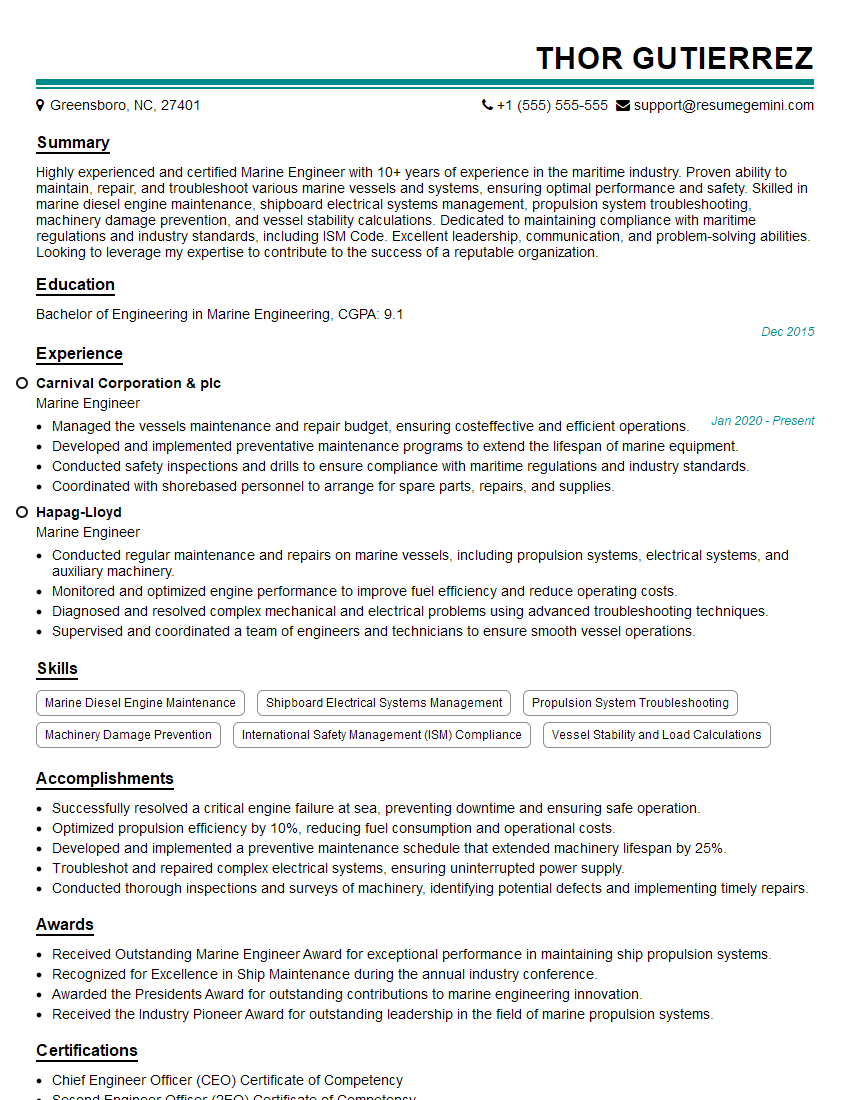
Marine Engineer Resume Sample
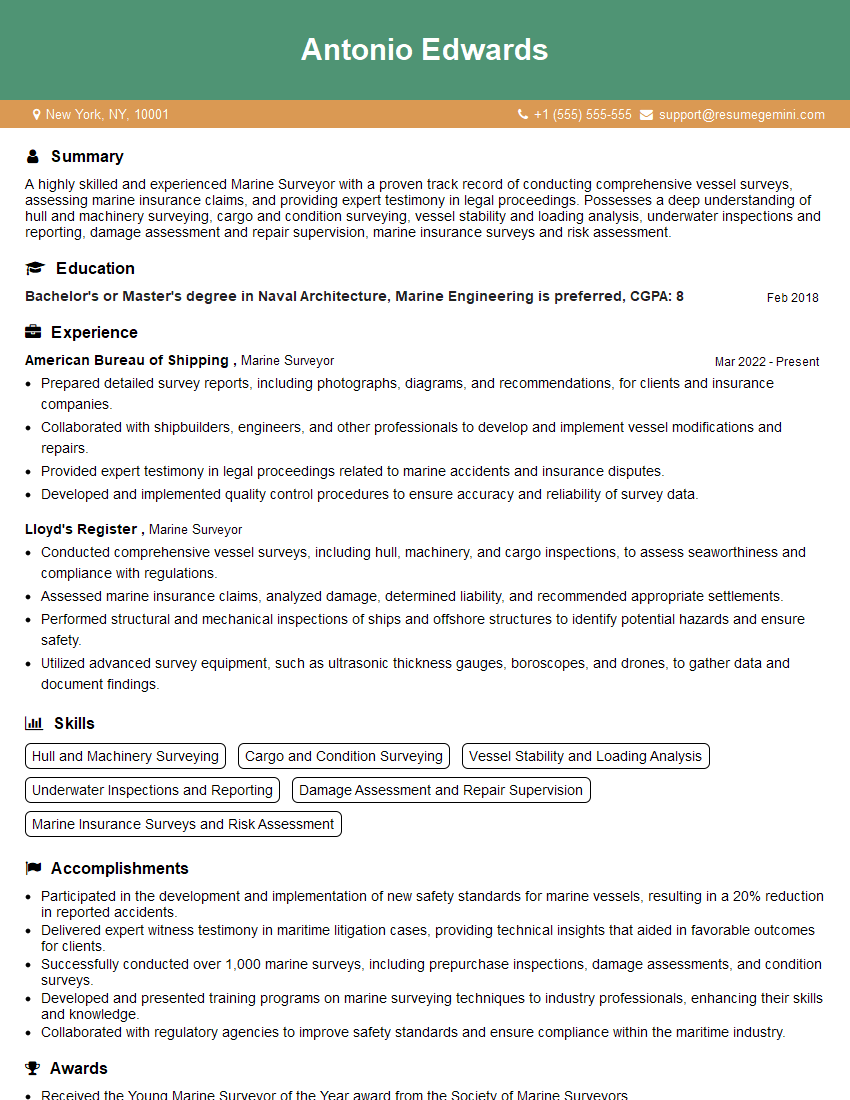
Marine Surveyor Resume Sample
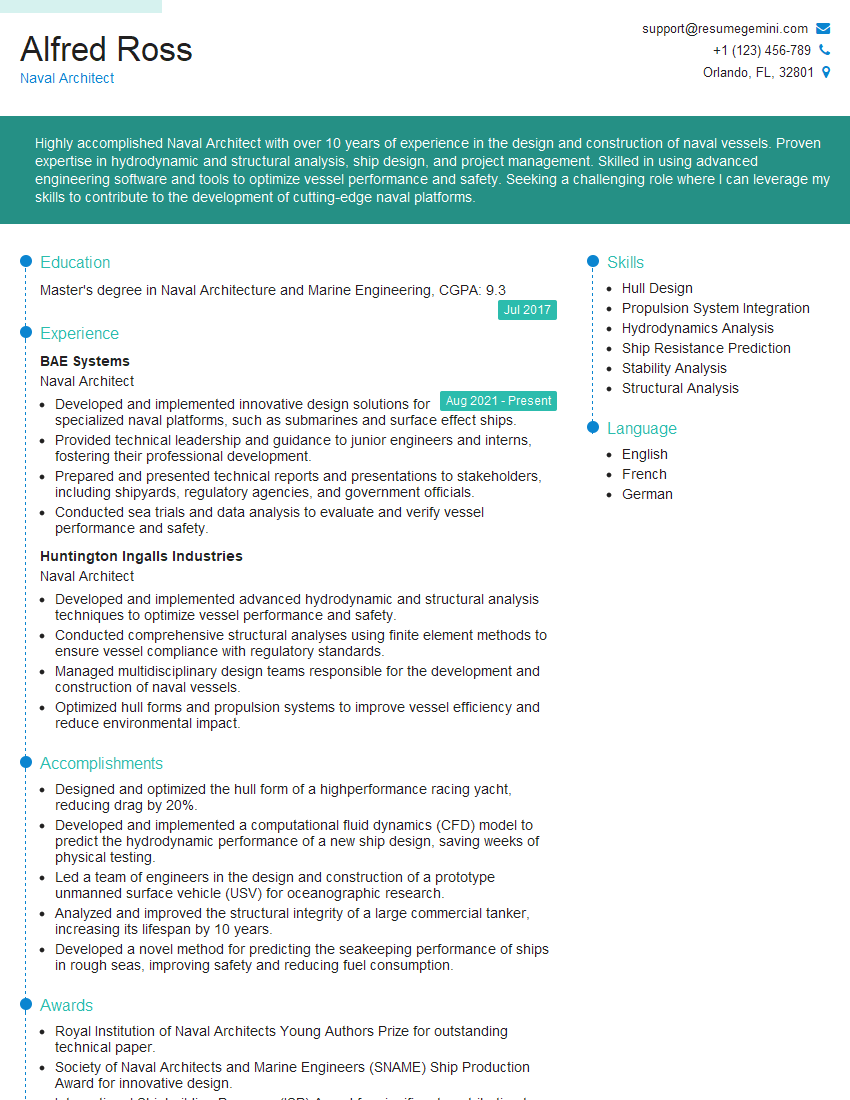
Naval Architect Resume Sample
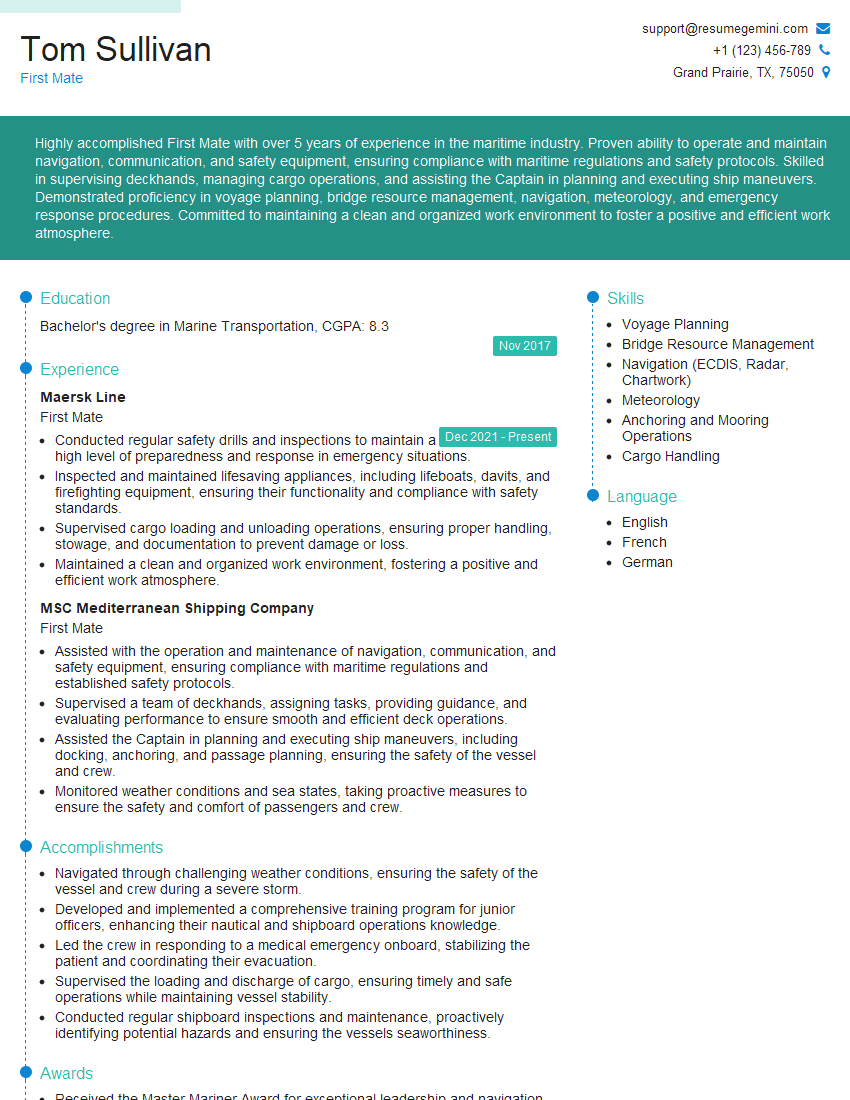
First Mate Resume Sample
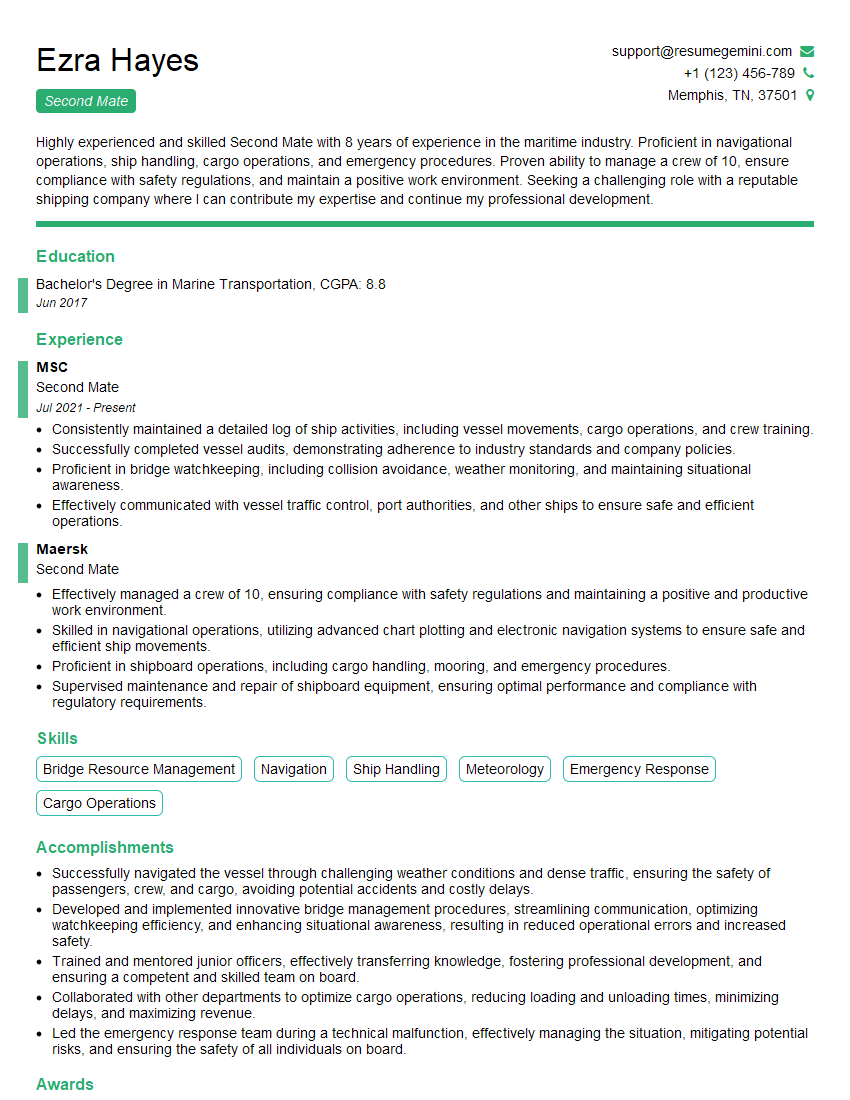
Second Mate Resume Sample
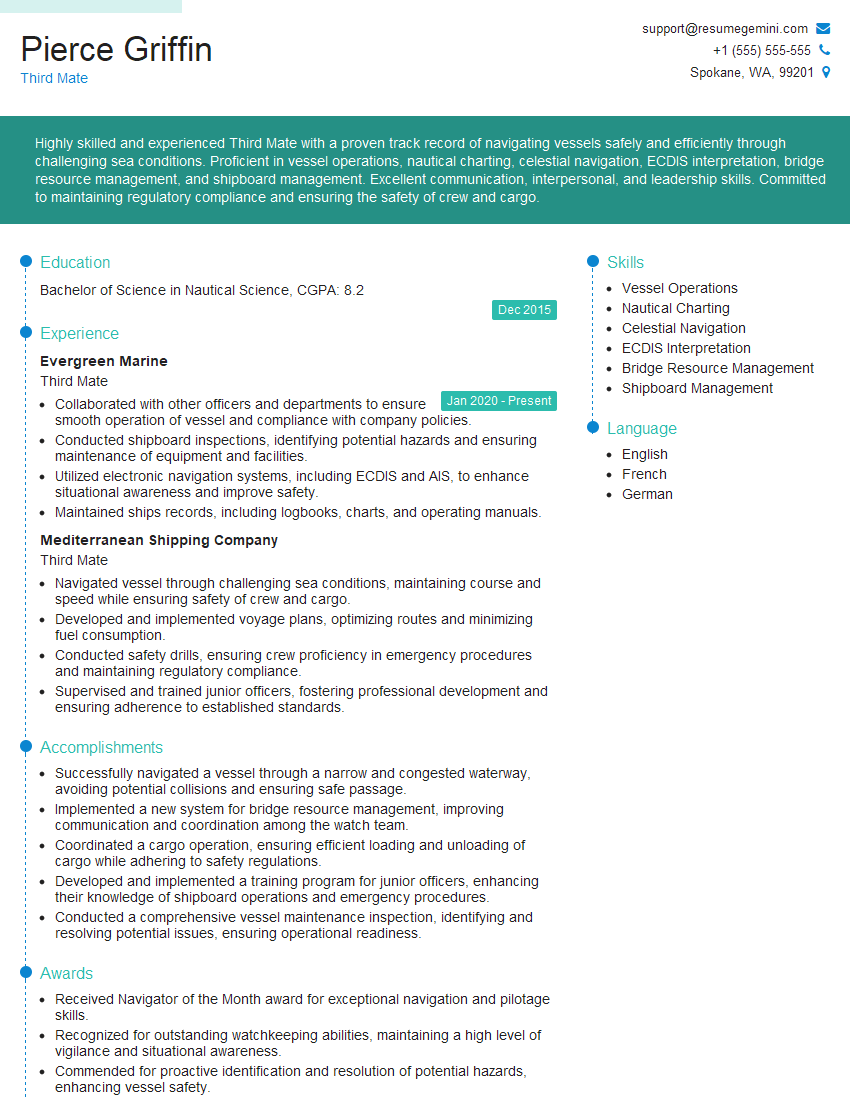
Third Mate Resume Sample
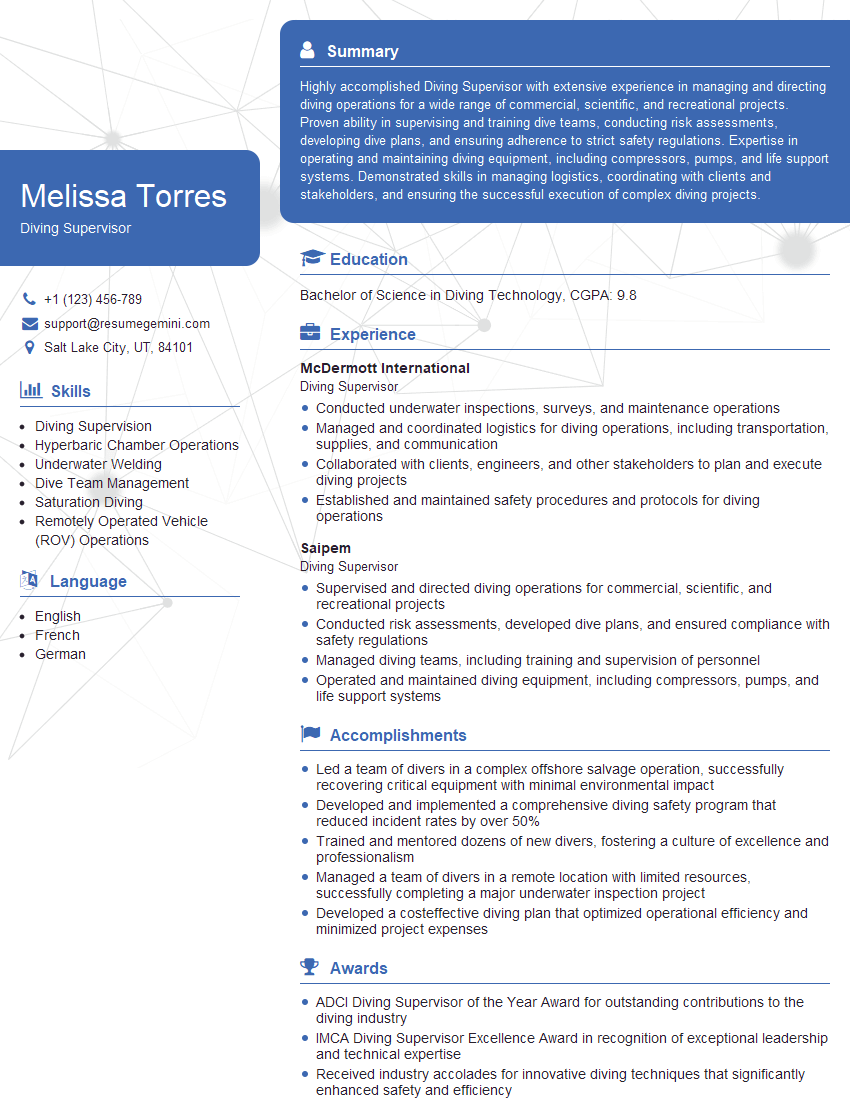
Diving Supervisor Resume Sample
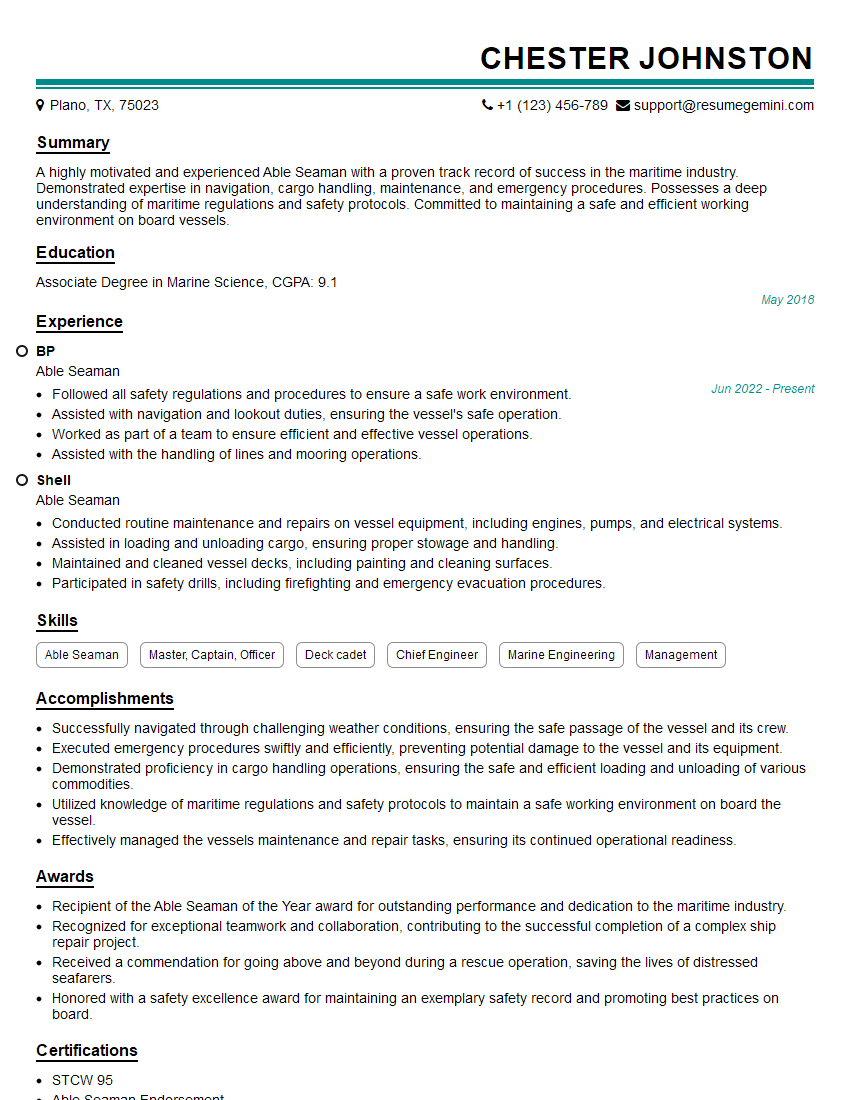
Able Seaman Resume Sample
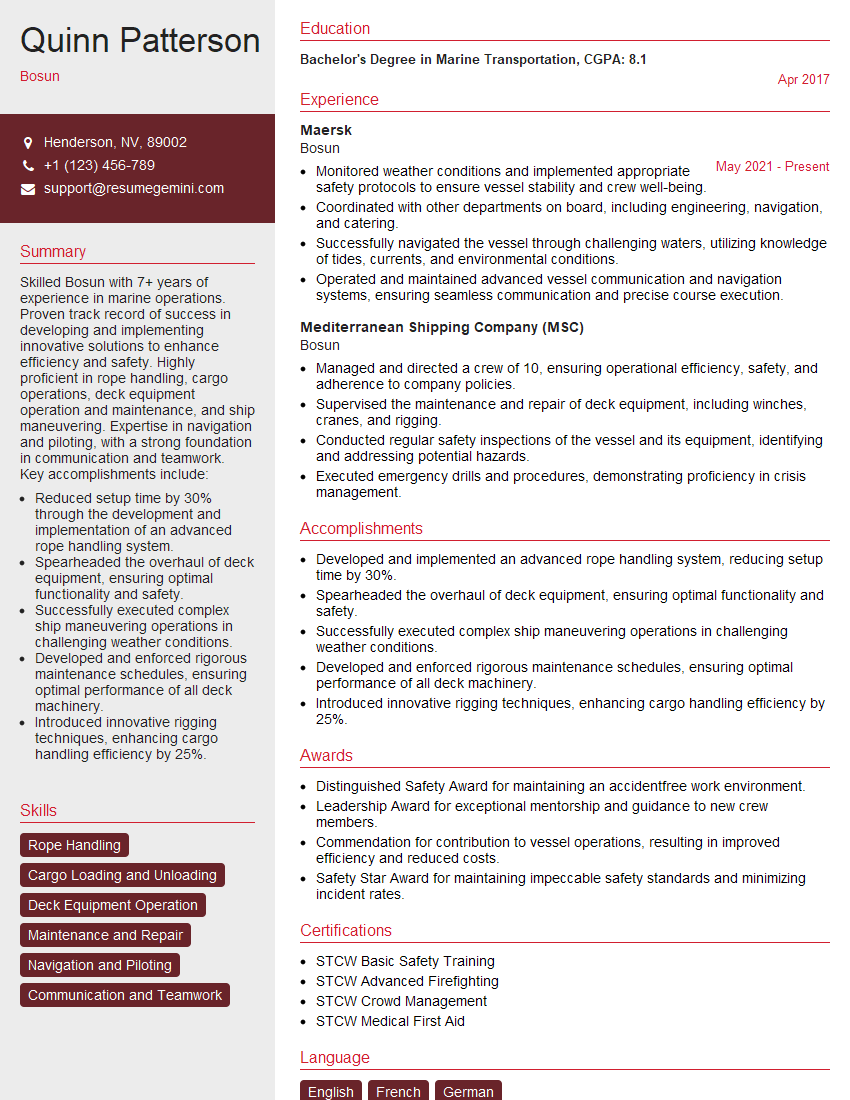
Bosun Resume Sample
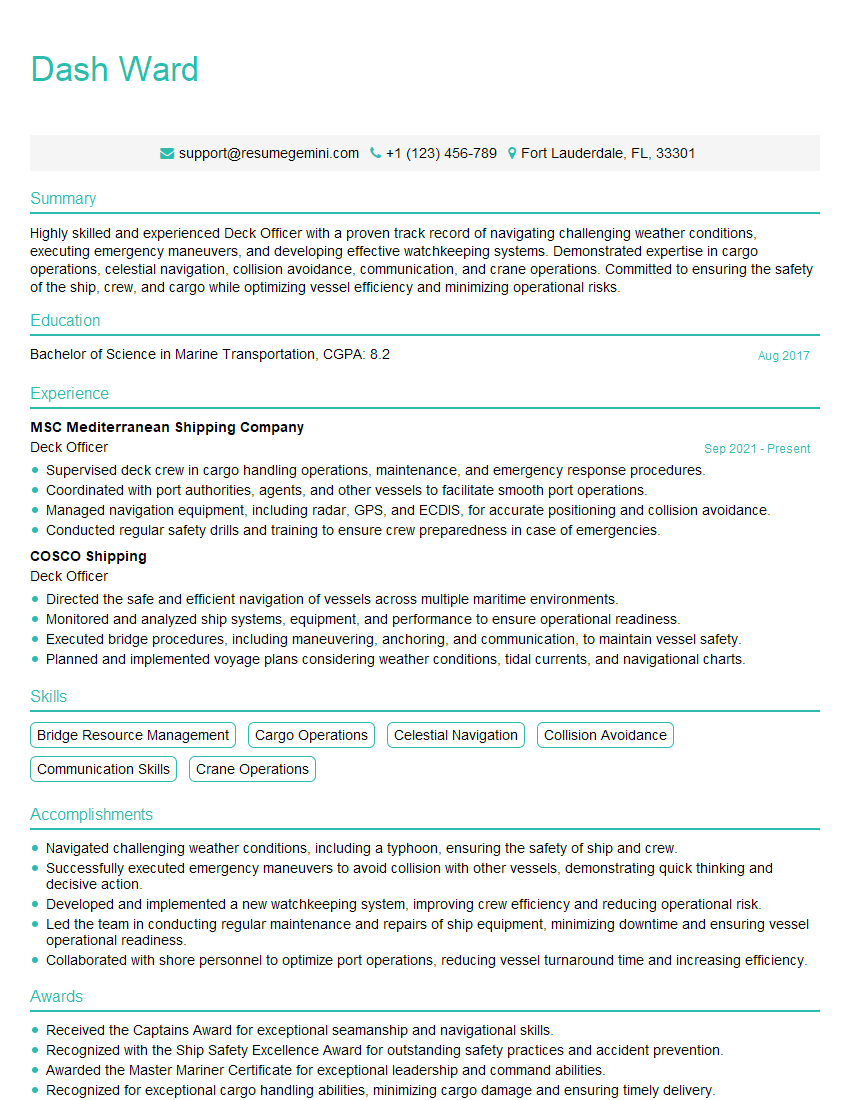
Deck Officer Resume Sample
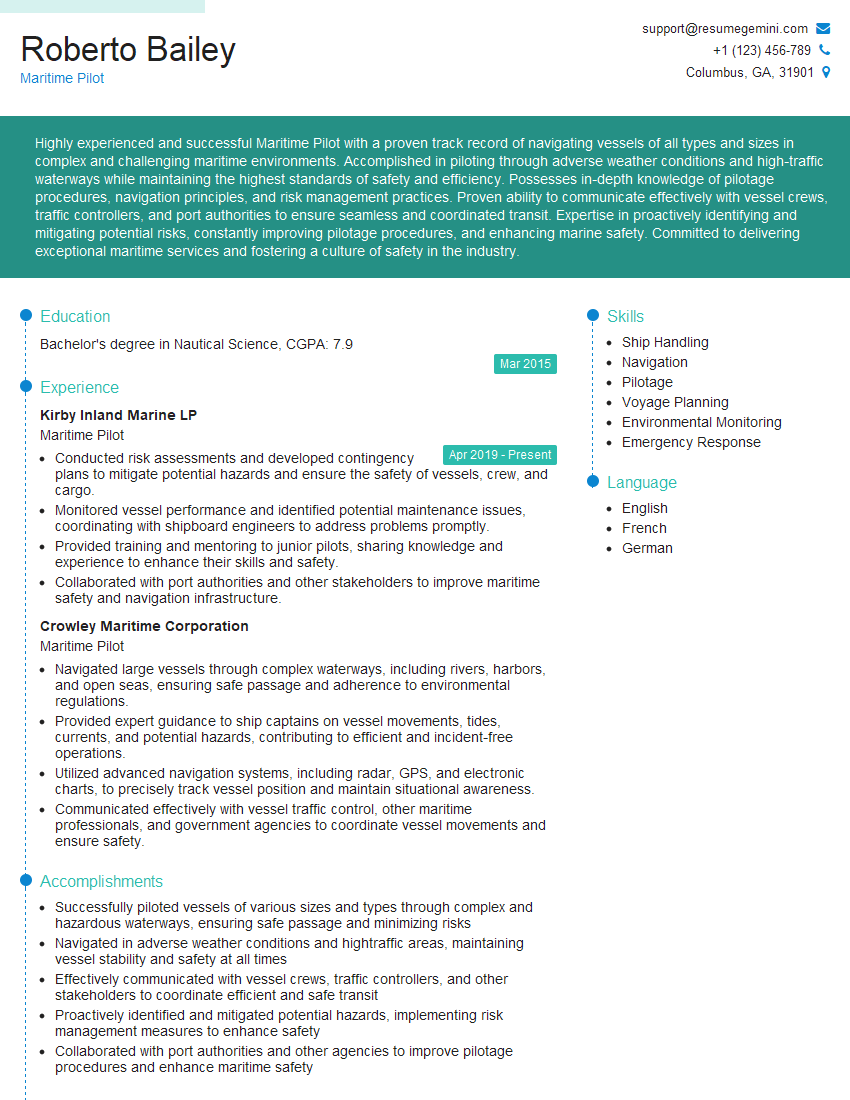
Maritime Pilot Resume Sample
Explore more articles
Users Rating of Our Blogs
Share Your Experience
We value your feedback! Please rate our content and share your thoughts (optional).
What Readers Say About Our Blog
Very informative content, great job.
good