Every successful interview starts with knowing what to expect. In this blog, we’ll take you through the top Physicality and Grace interview questions, breaking them down with expert tips to help you deliver impactful answers. Step into your next interview fully prepared and ready to succeed.
Questions Asked in Physicality and Grace Interview
Q 1. Describe your understanding of ‘kinesthetic awareness’.
Kinesthetic awareness, also known as body awareness, is the sense of your body’s position and movement in space. It’s your internal GPS, constantly providing feedback on where your limbs are, how they’re moving, and how they relate to the environment. It’s not just about seeing or feeling your body; it’s about the intricate interplay of sensory information from your muscles, joints, tendons, and skin.
For example, imagine reaching for a cup of coffee. Kinesthetic awareness allows you to smoothly guide your hand, without constantly watching it, ensuring you grasp the cup accurately and avoid spilling its contents. A dancer, relying heavily on kinesthetic awareness, can execute complex movements with fluidity and precision.
Developing kinesthetic awareness involves paying close attention to your body’s sensations. Simple exercises, like tracing shapes in the air with your eyes closed, or focusing on the sensation of your feet on the floor, can enhance this awareness. Practicing mindful movement, where you focus intently on each motion, helps you cultivate a deeper understanding of your body’s capacities.
Q 2. Explain the importance of core strength in graceful movement.
Core strength is fundamental to graceful movement. Your core, comprising abdominal, back, and hip muscles, acts as your body’s center of gravity and powerhouse. A strong core provides stability, allowing for fluid and controlled movements. Without it, movements can appear jerky, unbalanced, and ungraceful.
Imagine a dancer executing a graceful plié. A strong core allows for a controlled descent and ascent, maintaining stability and poise. Without core strength, the movement might look shaky and uncontrolled. Similarly, in everyday activities like lifting objects or walking, a strong core ensures balanced, efficient movements, reducing the risk of injury.
Developing core strength involves exercises that engage these muscles, such as planks, bridges, and various abdominal exercises. It’s crucial to prioritize proper form to avoid strain and maximize results. Remember, core strength isn’t just about visible abs; it’s about functional strength that supports graceful and efficient movement in all aspects of life.
Q 3. How do you maintain optimal posture during prolonged periods of activity?
Maintaining optimal posture during prolonged periods of activity requires conscious effort and a few key strategies. It’s not about rigid stiffness, but rather about achieving a balanced alignment that minimizes strain.
- Regular Micro-Breaks: Take short breaks every 30-60 minutes to stand up, stretch, and move around. This prevents stiffness and encourages circulation.
- Ergonomic Setup: Ensure your workspace is ergonomically sound. Your chair should provide proper lumbar support, your monitor should be at eye level, and your keyboard and mouse should be within easy reach.
- Conscious Awareness: Regularly check your posture throughout the day. Are your shoulders slumped? Is your spine straight? Adjust your position as needed to maintain an upright, yet relaxed stance.
- Strengthening Exercises: Strengthening your core and back muscles provides the support necessary for good posture. Yoga and Pilates are excellent for this purpose.
- Mindful Breathing: Deep, diaphragmatic breathing helps to lengthen your spine and improve posture.
Think of it like this: maintaining good posture is like constantly fine-tuning a finely tuned instrument. Regular checks and adjustments ensure it remains in optimal condition.
Q 4. Describe a technique for improving balance and coordination.
Tai Chi Chuan is an excellent technique for improving balance and coordination. This ancient Chinese martial art involves slow, deliberate movements that focus on body alignment, breath control, and mindful movement. The emphasis is on fluidity, precision, and balance, making it ideal for enhancing both aspects.
Here’s how it works: Tai Chi involves a series of flowing movements, often performed in a standing position. These movements require you to shift your weight, maintain balance, and coordinate different parts of your body. The slow pace allows for heightened awareness of body position and the subtle adjustments needed to maintain balance. The focus on breath control further enhances coordination and body awareness.
Practicing Tai Chi regularly can significantly improve balance, coordination, and body awareness. It’s suitable for individuals of all ages and fitness levels, offering a gentle yet effective approach to enhancing physical grace and reducing the risk of falls.
Q 5. How would you assess someone’s physical limitations and adapt exercises accordingly?
Assessing someone’s physical limitations and adapting exercises requires a careful and individualized approach. It starts with a thorough assessment, considering factors such as age, medical history, existing injuries, and current fitness level. This can involve a combination of observation, interview, and potentially physical testing.
For example, an individual with limited knee mobility might require modifications to exercises involving squats or lunges. This could involve substituting these exercises with alternative movements that don’t strain the knees, such as seated exercises or modifications using chairs for support. Someone with limited range of motion in their shoulders might need adapted arm exercises that maintain a safe range of motion.
The key is to create a safe and effective exercise program that respects individual limitations while working towards improved fitness and physical capabilities. Collaboration with physical therapists or other healthcare professionals can be beneficial for complex cases. A personalized approach ensures both safety and progress, resulting in increased strength and grace, while reducing risk of injury.
Q 6. Explain the concept of ‘proprioception’ and its role in graceful movement.
Proprioception is your body’s sense of self in space. It’s the awareness of your body’s position, movement, and orientation in relation to its surroundings. It’s the subconscious feedback mechanism that allows you to walk a tightrope, catch a ball, or smoothly navigate crowded spaces without constantly looking at your feet or limbs.
In graceful movement, proprioception plays a crucial role in coordinating your body’s actions smoothly and precisely. It allows for fluid movements, perfect balance, and accurate execution of complex sequences. If proprioception is impaired, movements might become clumsy, uncoordinated, and prone to errors. A dancer with excellent proprioception will move with ease and grace, whereas someone with poor proprioception might struggle with balance and coordination.
Improving proprioception often involves activities that challenge balance and coordination, such as yoga, Pilates, and activities involving sensory feedback, such as walking barefoot on uneven surfaces. The more you engage your body in a varied range of movements, the better your proprioceptive awareness will become.
Q 7. How do you incorporate breathwork to enhance physical performance and grace?
Incorporating breathwork significantly enhances physical performance and grace. Conscious breathing improves oxygen flow to muscles, promotes relaxation, and enhances coordination. It helps regulate the nervous system, reducing stress and improving focus.
For instance, when lifting weights, a controlled exhalation during exertion helps stabilize the core and prevents strain. Conversely, inhaling deeply during a rest period allows for better oxygen uptake and muscle recovery. In dance, coordinating breath with movement enhances fluidity and expression. A slow, controlled inhale can prepare the body for a graceful extension, while an exhale can facilitate a smooth transition to the next position.
Different breathing techniques can be used depending on the activity. Diaphragmatic breathing, for example, is excellent for promoting relaxation and improving core stability, while other techniques focus on specific energy flow for optimal performance. Integrating breathwork into any physical activity will significantly improve the quality and efficiency of movement.
Q 8. What are some common postural deviations and how can they be corrected?
Common postural deviations, like rounded shoulders (kyphosis), forward head posture, swayback (lordosis), and scoliosis (spinal curvature), often stem from muscle imbalances, prolonged poor posture, or injuries. Correcting them requires a multifaceted approach.
Rounded Shoulders (Kyphosis): Strengthening the upper back muscles (rhomboids, trapezius) and stretching the chest muscles (pectorals) is crucial. Think of exercises like rows, reverse flyes, and chest stretches.
Forward Head Posture: Strengthening the deep neck flexors and stretching the neck extensors can help. Gentle neck retractions and chin tucks are effective, along with releasing tension in the upper trapezius.
Swayback (Lordosis): Strengthening the core muscles (abdominals, gluteals) and hip flexors, while stretching the hip extensors (hamstrings), is essential. Plank variations, bridges, and hamstring stretches are beneficial.
Scoliosis: This requires specialized treatment under the guidance of a physical therapist or medical professional. It often involves exercises tailored to address the specific curvature and prevent further progression.
It’s important to note that consistent effort and professional guidance are key for effective correction. Simply performing exercises sporadically won’t yield lasting results.
Q 9. Describe your approach to teaching proper body mechanics.
My approach to teaching proper body mechanics is holistic and individualized. I start by assessing the individual’s posture, movement patterns, and any existing limitations. Then, I explain the biomechanics involved in specific movements, using clear, non-technical language and relevant analogies.
I emphasize practical application through a combination of:
- Functional exercises: Exercises that mimic real-life movements, like lifting, bending, and twisting, improving everyday functionality.
- Proprioceptive training: Exercises that improve body awareness and balance, enhancing stability and coordination. Examples include exercises on unstable surfaces or balance boards.
- Mindful movement: Focusing on correct form and technique, rather than just the number of repetitions. This promotes better body awareness and prevents compensation patterns.
- Progressive overload: Gradually increasing the intensity or difficulty of exercises to stimulate continuous improvement. This avoids plateaus and injuries.
Regular feedback, both verbal and visual (using mirrors), is incorporated to ensure proper technique. Homework exercises are provided to reinforce learning and encourage consistent practice.
Q 10. How do you adapt movement exercises for individuals with different fitness levels?
Adapting movement exercises for different fitness levels is crucial. I use modifications to adjust the intensity and complexity, ensuring safety and effectiveness for everyone.
Modifying Intensity: For beginners, I reduce the repetitions, sets, or weight used. For advanced individuals, I increase the challenge by adding resistance, speed, or complexity.
Modifying Complexity: For beginners, I simplify exercises by removing challenging elements or using supportive equipment. For advanced individuals, I add variations or progressions to increase difficulty. For example, a beginner might do a wall push-up, while an advanced individual might do a plyometric push-up.
Providing Alternatives: I offer alternative exercises for those with limitations or injuries. If someone cannot perform a squat, I might suggest a chair squat or wall sit.
Regular assessment is important to track progress and make necessary modifications. Open communication between the individual and instructor ensures a safe and effective experience for all.
Q 11. Explain the difference between flexibility and mobility.
While both flexibility and mobility are important components of physical fitness, they differ significantly:
Flexibility refers to the range of motion around a specific joint. It’s passive; it indicates how far you can move a joint without actively engaging muscles. Think of a hamstring stretch—how far your leg passively extends without actively pushing it.
Mobility, on the other hand, incorporates both range of motion and the ability to actively move through that range efficiently. It involves the coordinated effort of muscles, tendons, and ligaments around a joint to produce a controlled movement. A functional squat requires good mobility in the hips, ankles, and spine.
You can have good flexibility but poor mobility (e.g., you can passively stretch your hamstrings but can’t fully squat due to tightness in hip flexors). Ideally, you aim for both optimal flexibility and mobility for efficient and injury-free movement.
Q 12. How would you assess an individual’s range of motion?
Assessing an individual’s range of motion involves both subjective and objective methods.
Subjective Assessment: This involves asking the individual about any limitations or pain they experience during movement. It provides valuable information regarding their perception of their own range of motion.
Objective Assessment: This involves using goniometry (a tool to measure joint angles) or visual observation to quantify the range of motion. I would systematically assess each joint, comparing the range of motion on each side of the body. For example, I’d measure the flexion and extension of the knee, elbow, and shoulder using a goniometer, noting any asymmetries.
Active and passive range of motion assessments are conducted: active involves the individual moving the joint themselves, while passive involves me moving the joint for them. Comparing both provides insights into muscle strength and joint flexibility.
Q 13. Describe a time you had to overcome a physical challenge.
During my own training for a marathon, I experienced a severe hamstring strain a few weeks before race day. This presented a significant physical challenge. My initial reaction was disappointment and fear that I wouldn’t be able to finish the race.
However, instead of giving up, I focused on a structured rehabilitation plan. This involved rest, ice, gentle stretching, and gradually increasing my training intensity based on my body’s response. I adapted my training plan, reducing the running volume and focusing on cross-training activities like swimming and cycling. I meticulously monitored my progress, prioritizing healing and injury prevention. Eventually, I was able to complete the marathon, although at a slower pace than initially planned. This experience taught me the importance of patience, adaptability, and listening to my body’s signals.
Q 14. How do you address muscle imbalances to improve movement efficiency?
Muscle imbalances, where some muscles are stronger or tighter than their opposing muscles, significantly affect movement efficiency and can lead to injuries. Addressing them involves a targeted approach:
Assessment: Identifying the specific imbalances through postural analysis, movement pattern observation, and strength testing. For example, tight hip flexors and weak gluteals are a common imbalance.
Strengthening Weak Muscles: Focusing on exercises that strengthen the weaker muscles to improve their function and endurance. In the hip flexor/gluteal imbalance example, glute bridges, squats, and lunges would be prioritized.
Stretching Tight Muscles: Incorporating regular stretching and self-myofascial release (using foam rollers or massage balls) to increase flexibility and reduce tension in tight muscles. For tight hip flexors, static and dynamic stretches would be employed.
Neuromuscular Re-education: Teaching the body to use muscles more effectively through targeted exercises focusing on proper motor control and activation patterns. For example, practicing proper hip hinge technique during deadlifts will activate the glutes correctly.
Progress is monitored through reassessments and adjustments made to the program as needed. This iterative process ensures a customized approach that addresses the individual’s specific muscle imbalances for long-term improvement.
Q 15. What are the key principles of efficient movement?
Efficient movement hinges on three core principles: alignment, coordination, and economy of effort.
- Alignment: This refers to the optimal positioning of your body segments – from your head to your toes – to create a stable base and minimize unnecessary stress on joints and muscles. Think of it like stacking blocks; if they’re not aligned properly, the whole structure is unstable. A perfectly aligned posture allows for easier movement and reduces risk of injury.
- Coordination: This involves the smooth and seamless interaction of different muscle groups to execute a movement. It’s not just about the strength of individual muscles, but also about their ability to work together efficiently. A coordinated movement is graceful and fluid.
- Economy of Effort: This means achieving a movement with the least amount of energy expenditure possible. It’s about using the right muscles in the right way, at the right time, to minimize wasted energy and maximize efficiency. For instance, a ballet dancer gracefully gliding across the stage exhibits excellent economy of effort.
Understanding and applying these principles improves performance in any physical activity, from everyday tasks to elite sports.
Career Expert Tips:
- Ace those interviews! Prepare effectively by reviewing the Top 50 Most Common Interview Questions on ResumeGemini.
- Navigate your job search with confidence! Explore a wide range of Career Tips on ResumeGemini. Learn about common challenges and recommendations to overcome them.
- Craft the perfect resume! Master the Art of Resume Writing with ResumeGemini’s guide. Showcase your unique qualifications and achievements effectively.
- Don’t miss out on holiday savings! Build your dream resume with ResumeGemini’s ATS optimized templates.
Q 16. How do you use feedback to improve a student’s technique?
Providing effective feedback involves a combination of observation, explanation, and demonstration. I use a three-step approach:
- Observation: I carefully watch the student’s movement, noting areas where the principles of alignment, coordination, and economy of effort are not fully realized. I look for subtle cues such as muscle tension, inefficient use of energy, or deviations in posture.
- Explanation: I explain the issue using clear and concise language, often relating it to the underlying principles. For example, I might say, “Notice how your shoulders are tense; relaxing them will improve your balance and allow for a smoother movement.” Or, “Try engaging your core muscles more; this will provide better stability and control during the movement.”
- Demonstration: I often demonstrate the correct technique myself, or use visual aids such as videos or anatomical diagrams to help illustrate the point. Then, I guide the student through the movement, offering verbal and physical cues to correct their form. I emphasize the feeling of the correct technique, encouraging the student to become more kinesthetically aware of their body.
I always focus on positive reinforcement, highlighting their strengths while gently guiding them to improve their weaknesses. Regular feedback, tailored to the individual’s learning style and progress, is key to improvement.
Q 17. Explain the importance of warm-up and cool-down routines.
Warm-up and cool-down routines are crucial for injury prevention and performance enhancement. They prepare the body for physical activity and help it recover afterwards.
- Warm-up: A warm-up gradually increases heart rate and blood flow, increasing muscle temperature and flexibility. It prepares joints for movement and enhances neuromuscular coordination. A typical warm-up includes light cardio, such as jogging or jumping jacks, followed by dynamic stretches, like arm circles and leg swings, mimicking the movements of the activity to come.
- Cool-down: A cool-down gradually reduces heart rate and blood flow, preventing blood pooling in the limbs and promoting muscle relaxation. It helps to remove metabolic waste products from the muscles, reducing muscle soreness and stiffness. A cool-down typically involves light cardio and static stretches, holding each stretch for 15-30 seconds.
Failing to properly warm-up or cool-down increases the risk of muscle strains, tears, and other injuries. They are essential components of any safe and effective exercise program.
Q 18. Describe your experience working with individuals with physical limitations.
I have extensive experience working with individuals with diverse physical limitations, including those with mobility impairments, chronic pain conditions, and neurological disorders. My approach is individualized and focuses on adapting movements to suit each person’s unique capabilities.
For example, I worked with a client recovering from a stroke who had limited range of motion in her arm. We focused on gentle exercises that improved her flexibility and strength, adapting the movements to her capabilities. Another client with multiple sclerosis experienced fatigue easily, so we created a program that incorporated periods of rest and adjusted the intensity based on her energy levels.
In all cases, I prioritize safety and create a supportive and encouraging environment where clients feel comfortable and empowered to reach their goals. This often involves collaborative goal setting, and regular reassessment and adjustments to the program.
Q 19. How do you prevent injuries during physical activity?
Injury prevention relies on a multifaceted strategy encompassing proper warm-up and cool-down, correct technique, gradual progression of intensity, and adequate rest and recovery.
- Proper warm-up and cool-down: As previously discussed, these are vital to prepare the body for activity and aid recovery.
- Correct Technique: Mastering proper technique minimizes stress on joints and muscles, reducing the risk of injury. This requires careful instruction, feedback, and practice.
- Gradual Progression: Increasing the intensity and duration of workouts gradually allows the body to adapt, preventing overload and injury. It’s like climbing a mountain – you don’t rush to the top, you take it one step at a time.
- Adequate Rest and Recovery: Allowing the body sufficient time to recover between workouts is crucial for muscle repair and growth. This prevents overtraining and reduces the risk of injury.
- Proper Equipment and Environment: Using appropriate equipment and training in a safe environment also minimize the risk.
By combining these strategies, we significantly reduce the likelihood of injuries.
Q 20. What are some common causes of muscle soreness and how to manage them?
Muscle soreness, or delayed-onset muscle soreness (DOMS), is often caused by microscopic muscle damage resulting from intense or unaccustomed exercise. Other causes include dehydration and improper technique.
- Management: The best management involves rest, ice, compression, and elevation (RICE) method. Light activity, such as gentle walking, can also help. Over-the-counter pain relievers like ibuprofen can provide temporary relief. Staying well-hydrated is also crucial.
- Prevention: Gradual progression of training, proper warm-up and cool-down, and adequate rest all play a vital role in preventing DOMS.
It’s important to differentiate between DOMS, which is usually felt 24-72 hours after exercise, and acute pain, which indicates a more serious injury requiring immediate medical attention.
Q 21. How do you measure progress in improving physicality and grace?
Measuring progress in physicality and grace requires a holistic approach, combining qualitative and quantitative methods.
- Qualitative Measures: These involve subjective assessments of movement quality, such as improved posture, smoother coordination, increased fluidity, better balance, and enhanced control. Observations from myself and video recordings provide valuable qualitative data.
- Quantitative Measures: These include objective measurements such as range of motion, strength, flexibility, and endurance tests. Tracking these measurements over time allows for a clear demonstration of progress.
I often use a combination of these approaches. For example, I might observe a student’s improved posture and balance during a specific exercise (qualitative) while also tracking their improvement in strength and flexibility tests (quantitative). Combining qualitative and quantitative data paints a complete picture of progress.
Q 22. Describe your understanding of different movement styles and their applications.
Movement styles are incredibly diverse, each with unique applications. Think of it like a painter’s palette – each color (movement style) contributes to the overall masterpiece (physical expression). For instance, we have:
- Ballet: Emphasizes precision, fluidity, and elegance. Its applications range from performance art to injury rehabilitation, building strength and flexibility in a controlled manner.
- Martial Arts: Focuses on power, speed, and efficiency. Applications extend from self-defense to improving balance, coordination, and reaction time. Different styles, like Tai Chi and Karate, offer distinct benefits.
- Yoga: Prioritizes flexibility, strength, and breath control. It’s used for stress reduction, improved posture, and increased body awareness. Various styles, from Hatha to Vinyasa, cater to different needs and preferences.
- Pilates: Concentrates on core strength, precise movements, and body alignment. It’s beneficial for posture correction, injury prevention, and overall body conditioning.
- Contemporary Dance: Blends various techniques, emphasizing expressive movement and individual interpretation. It is often used in creative movement therapies.
Understanding these styles allows for a tailored approach to movement programming. For example, a dancer might benefit from ballet and contemporary dance training, while someone recovering from an injury might benefit more from Pilates and Yoga.
Q 23. Explain the role of mental focus in achieving graceful movement.
Mental focus is paramount in achieving graceful movement. It’s the conductor of an orchestra, guiding the body’s instruments to play in harmony. Without focus, movements become clumsy and uncontrolled. Think of a figure skater attempting a complex spin: a lapse in concentration can lead to a fall. Conversely, unwavering focus ensures precision and flow.
Achieving this mental state involves several practices:
- Mindfulness: Paying close attention to each movement, feeling the muscles engage and relax.
- Visualization: Mentally rehearsing the movement sequence before executing it physically. This helps refine technique and build confidence.
- Breathwork: Coordinating movements with breathing patterns can improve control, timing and fluidity.
- Positive Self-Talk: Encouraging self-belief and focusing on the process rather than the outcome reduces performance anxiety.
These techniques, when practiced consistently, cultivate a heightened body awareness and improve the quality of movement significantly.
Q 24. How do you integrate strength training with flexibility training?
Integrating strength and flexibility training is crucial for optimal physicality and grace. They are not opposing forces, but rather two sides of the same coin. Strength provides the foundation for controlled movements, while flexibility enhances range of motion and prevents injury. Think of a willow tree – its flexibility allows it to withstand strong winds; its roots (strength) keep it grounded.
I typically incorporate these elements in a balanced way, employing different strategies:
- Alternating sessions: One day focusing on strength training (weightlifting, bodyweight exercises), the next on flexibility (yoga, stretching).
- Combining elements: Integrating flexibility work within strength training routines (e.g., holding a stretch after a set of repetitions).
- Prioritizing mobility: Incorporating dynamic stretches before strength training to prepare the muscles and joints.
- Focusing on functional strength: Exercises that enhance everyday movements are ideal, such as squats, lunges, and core work.
The ideal balance depends on individual needs and goals. A gymnast will require a higher level of flexibility than a weightlifter, but both need adequate strength for their respective disciplines.
Q 25. Describe your approach to designing a personalized movement program.
Designing a personalized movement program requires a holistic approach, considering the individual’s physical capabilities, goals, and preferences. It’s not a one-size-fits-all solution.
My approach involves:
- Assessment: A thorough evaluation of current fitness level, movement patterns, and any limitations. This might involve physical assessments, questionnaires, and discussions about lifestyle and goals.
- Goal Setting: Collaboratively defining specific, measurable, achievable, relevant, and time-bound (SMART) goals.
- Program Design: Tailoring exercises and activities to address identified needs and achieve the set goals, considering factors such as injury history and physical limitations.
- Progression: Gradually increasing the intensity and complexity of the program to avoid plateaus and ensure continuous improvement. This might involve adjusting weight, reps, sets, and the complexity of movements.
- Monitoring and Adjustment: Regularly tracking progress, making modifications as needed based on feedback and performance. This process ensures the program remains effective and safe.
For example, a client aiming for improved posture might benefit from a program emphasizing Pilates, yoga, and targeted strength training, while a client training for a marathon would focus on endurance and cardiovascular fitness. Personalization is key.
Q 26. What resources do you utilize to stay updated on best practices in movement science?
Staying updated on best practices in movement science is crucial in this evolving field. I utilize a variety of resources:
- Peer-Reviewed Journals: Publications like the Journal of Strength and Conditioning Research and the Journal of Applied Biomechanics provide evidence-based information on exercise physiology and movement science.
- Professional Conferences and Workshops: Attending conferences and workshops allows me to network with other experts, learn about the latest research and best practices.
- Continuing Education Courses: Engaging in specialized courses to improve skills and expand knowledge base across various movement modalities.
- Professional Organizations: Membership in organizations like the American College of Sports Medicine (ACSM) provides access to resources, publications, and continuing education opportunities.
- Online Resources and Databases: Utilizing reputable online resources and databases (PubMed) to access research articles and stay up-to-date on developments.
A commitment to lifelong learning is fundamental to providing high-quality, safe, and effective movement programs.
Q 27. How do you adapt your teaching style to meet the needs of diverse learners?
Adapting my teaching style is essential for ensuring all learners thrive. I consider individual differences in learning styles, physical capabilities, and backgrounds.
My strategies include:
- Differentiated Instruction: Modifying exercises to suit different fitness levels, using verbal and visual cues, providing modifications for individuals with limitations.
- Positive Reinforcement: Encouraging and motivating learners, celebrating successes, fostering a supportive and inclusive environment.
- Individualized Feedback: Providing specific, constructive feedback to improve technique and address individual needs.
- Open Communication: Creating an open environment where learners can ask questions, express concerns, and share their experiences.
- Culturally Sensitive Approach: Being mindful of cultural backgrounds and adapting my communication and teaching methods accordingly.
For example, I might modify a yoga pose for a pregnant woman or offer alternative exercises for someone with arthritis. Flexibility in teaching is critical for effective learning.
Q 28. Describe your experience creating and implementing movement assessments.
Creating and implementing movement assessments is a cornerstone of my practice. They provide a baseline understanding of an individual’s capabilities, limitations, and progress.
My process typically involves:
- Selecting Appropriate Assessments: Choosing tests based on individual needs and goals, utilizing standardized tests or creating customized assessments.
- Administering Assessments: Carefully conducting assessments, ensuring proper technique and accurate data collection.
- Analyzing Results: Interpreting data, identifying strengths and weaknesses, and establishing a comprehensive picture of the individual’s movement profile.
- Developing Personalized Programs: Designing programs based on assessment findings, targeting specific areas for improvement.
- Tracking Progress: Re-assessing at intervals to track progress, make modifications to programs and demonstrate effectiveness.
Examples include range-of-motion tests, functional strength assessments, balance tests, and postural analyses. These assessments provide invaluable data for designing effective and personalized movement programs.
Key Topics to Learn for Physicality and Grace Interview
- Body Awareness and Control: Understanding your physical presence and how to utilize it effectively. This includes posture, movement, and spatial awareness.
- Nonverbal Communication: Mastering the art of conveying confidence, authority, and engagement through body language. Explore how subtle movements impact perception.
- Movement and Expression: Developing fluidity and intentionality in your movements to enhance presentations and interactions. Consider how this translates to different contexts.
- Adaptability and Improvisation: Responding effectively to unexpected situations and maintaining composure under pressure. Practice reacting gracefully to changing circumstances.
- Presence and Projection: Cultivating a commanding yet approachable demeanor. Explore techniques for projecting confidence and authority in various settings.
- Practical Application: Analyze case studies where effective physicality and grace have been instrumental in achieving positive outcomes (e.g., leadership, public speaking, client interactions).
- Problem-Solving: Consider how physicality and grace can be used to overcome communication barriers or resolve conflicts. How can mindful movement improve collaboration?
Next Steps
Mastering Physicality and Grace is crucial for career advancement in many fields, enhancing your communication skills and overall professional impact. A strong, ATS-friendly resume is your first step towards showcasing these abilities to potential employers. Use ResumeGemini to build a compelling resume that highlights your unique skills and experience. ResumeGemini provides examples of resumes tailored to Physicality and Grace roles, helping you craft a document that accurately represents your strengths and makes you stand out from the competition. Invest time in crafting a professional resume – it’s your key to unlocking new opportunities.
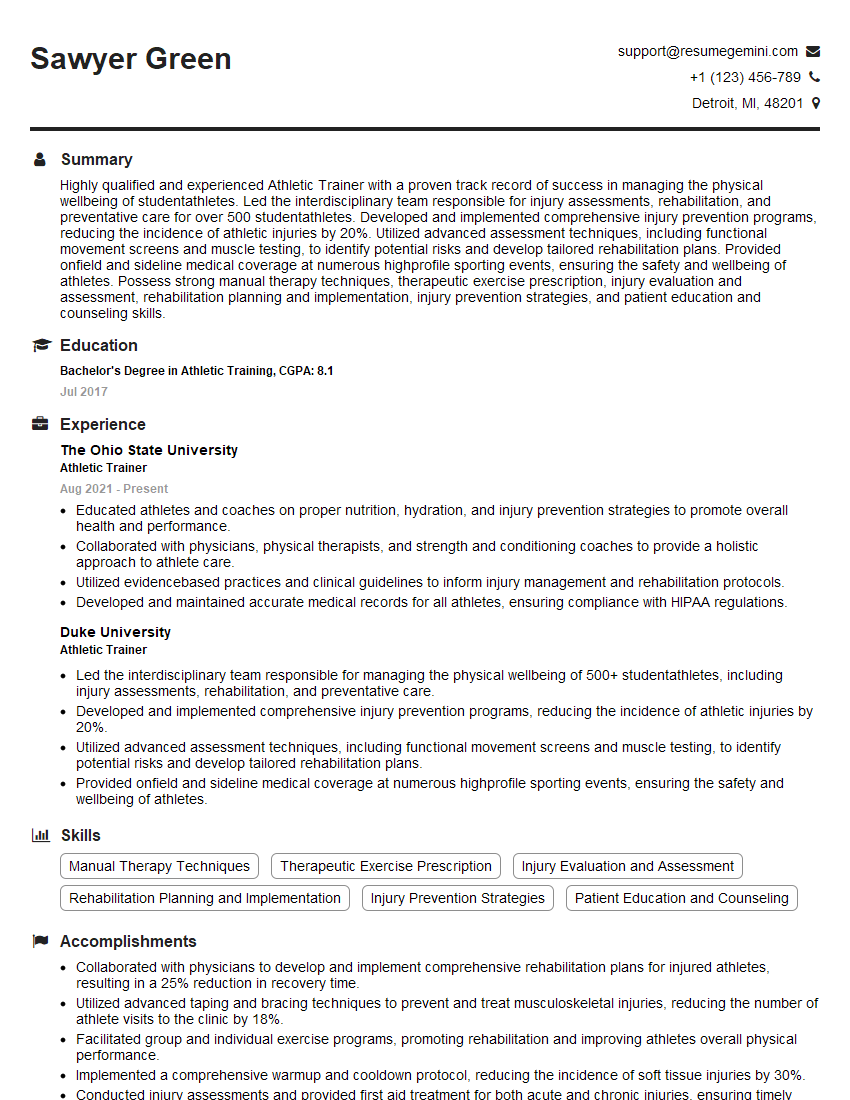
Athletic Trainer Resume Sample
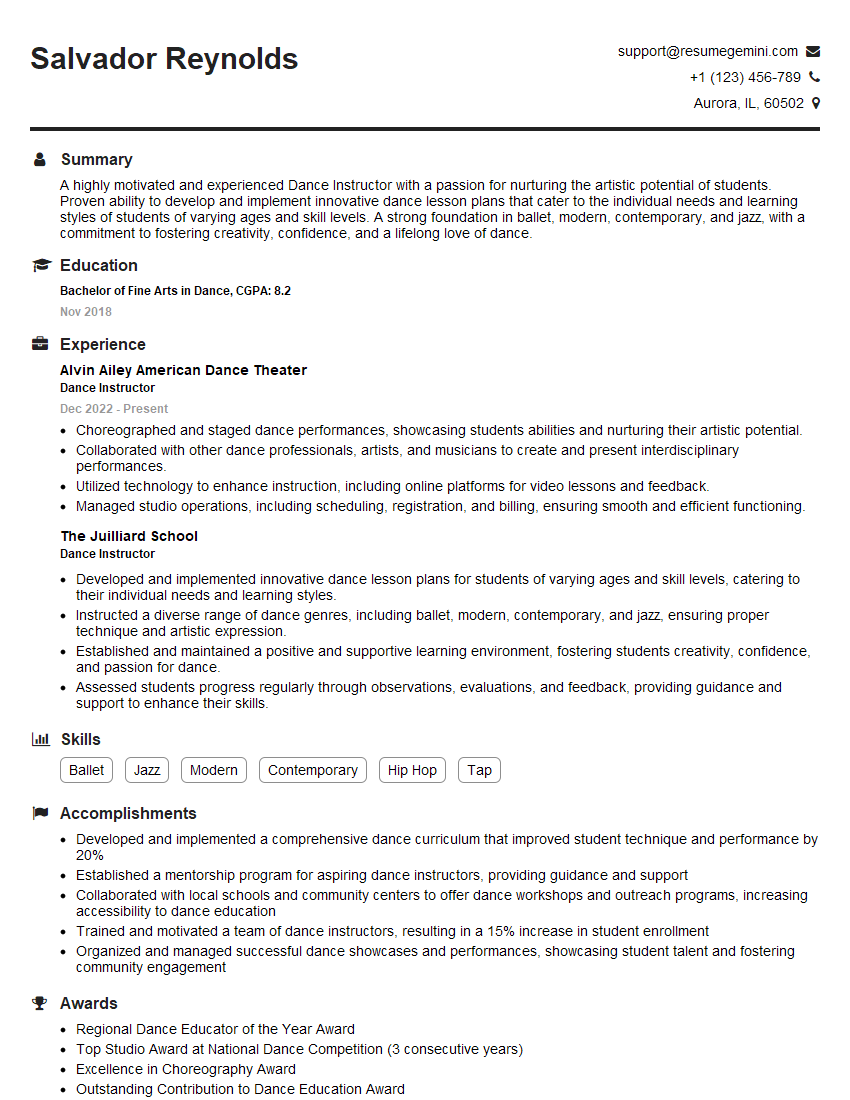
Dance Instructor Resume Sample
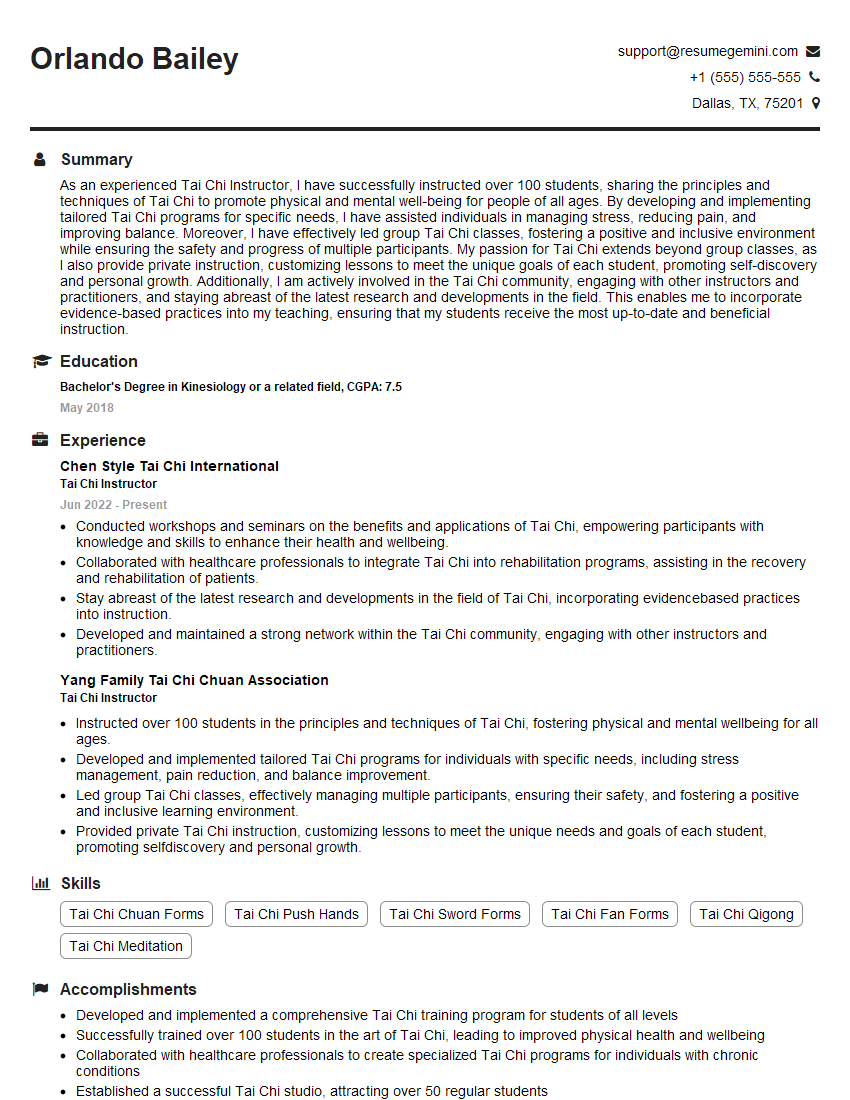
Tai Chi Instructor Resume Sample
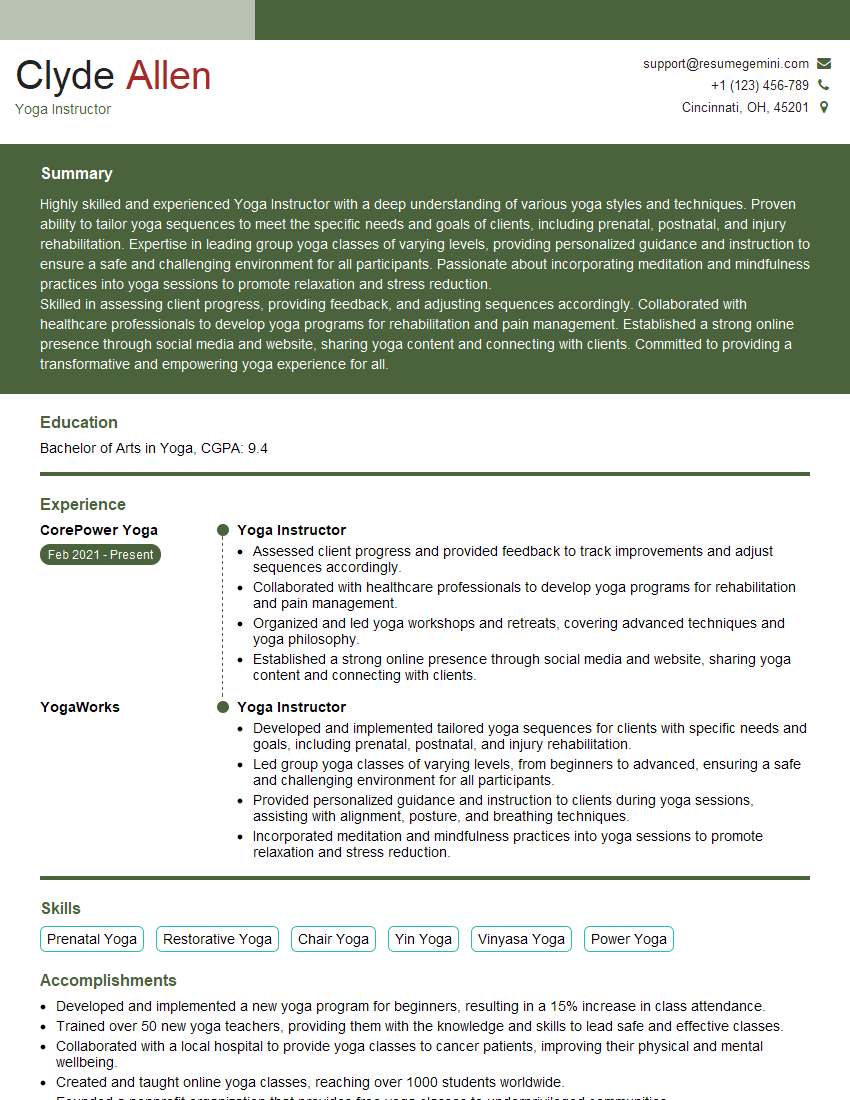
Yoga Instructor Resume Sample
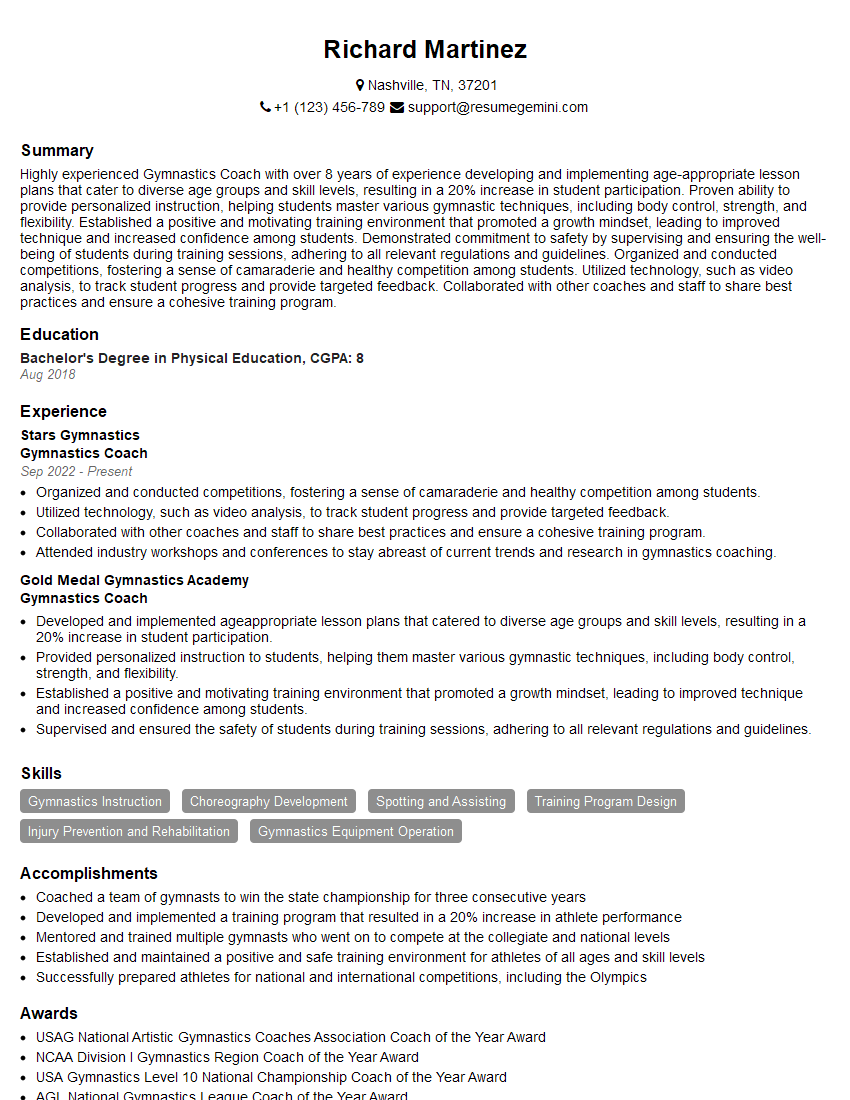
Gymnastics Coach Resume Sample
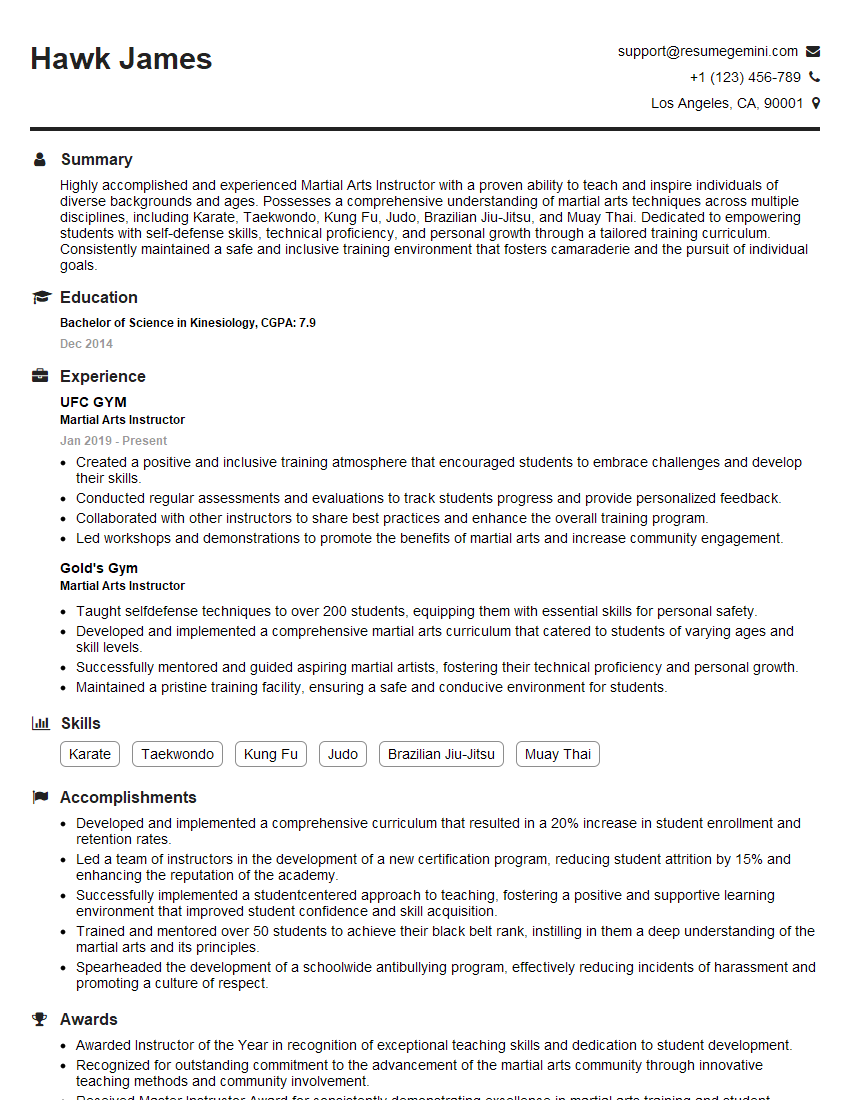
Martial Arts Instructor Resume Sample
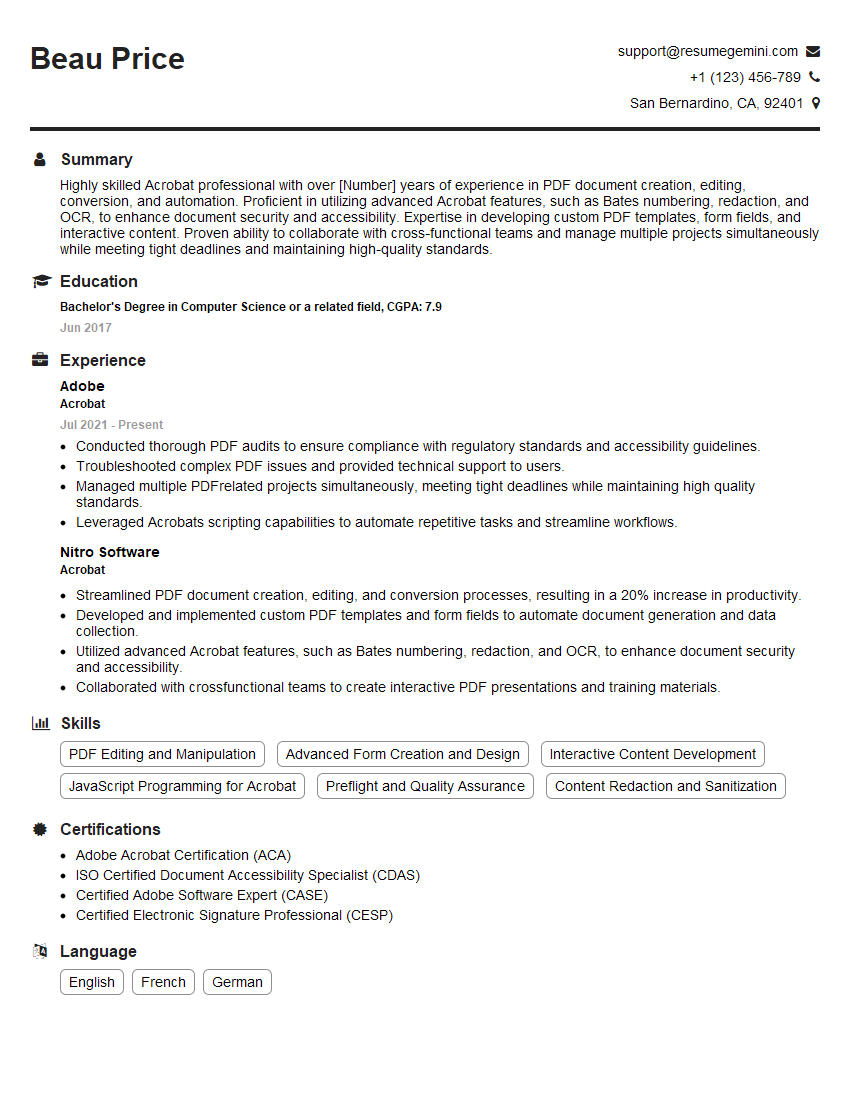
Acrobat Resume Sample
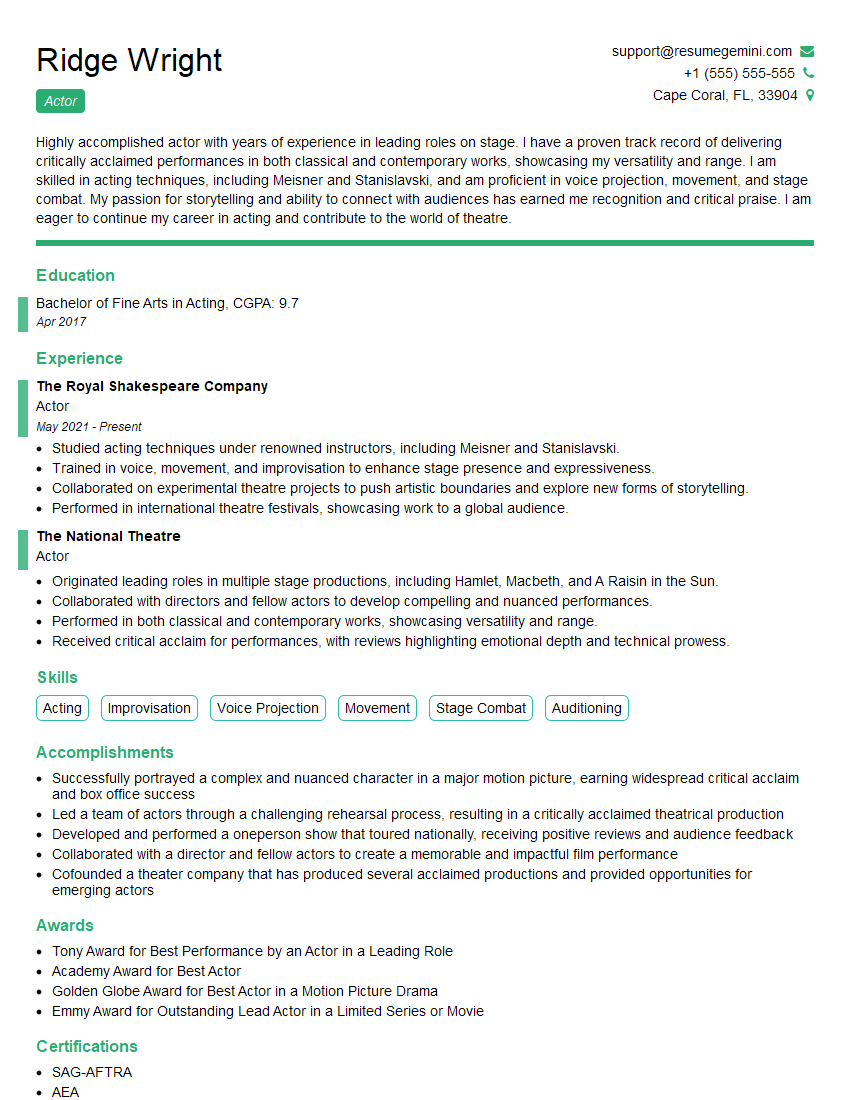
Actor Resume Sample

Ballet Dancer Resume Sample
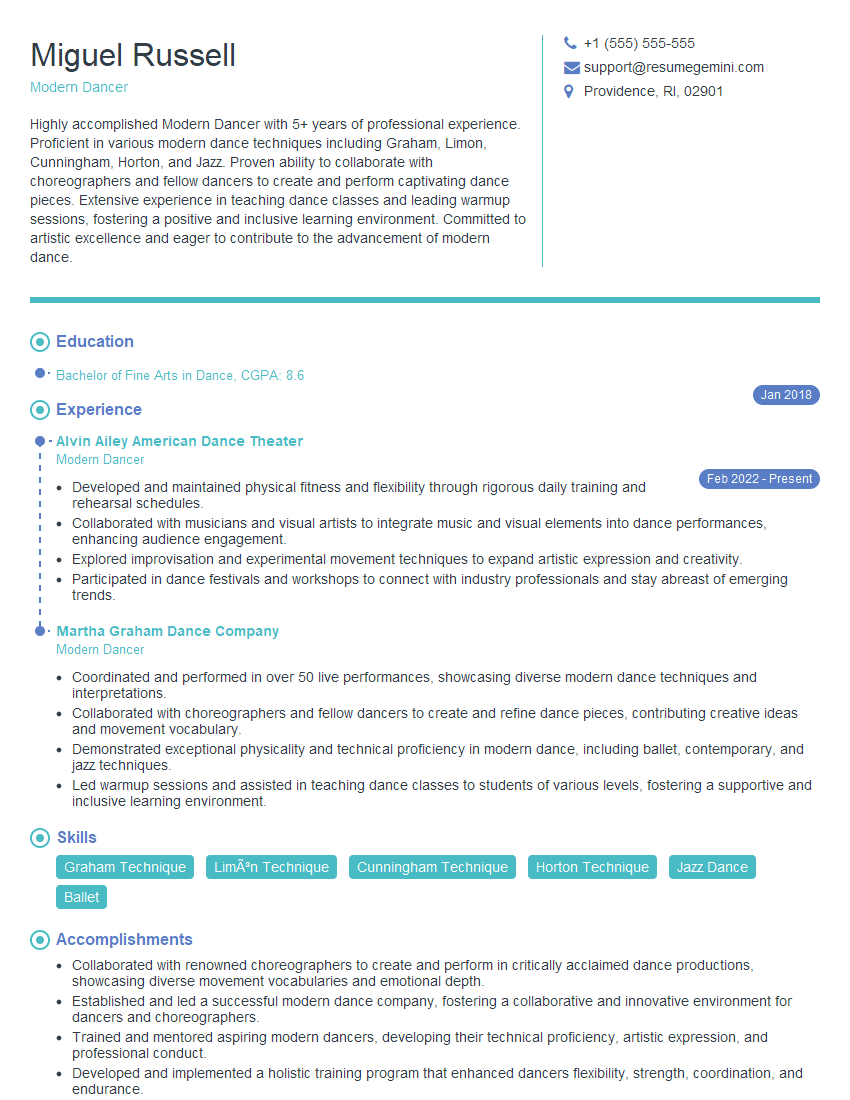
Modern Dancer Resume Sample
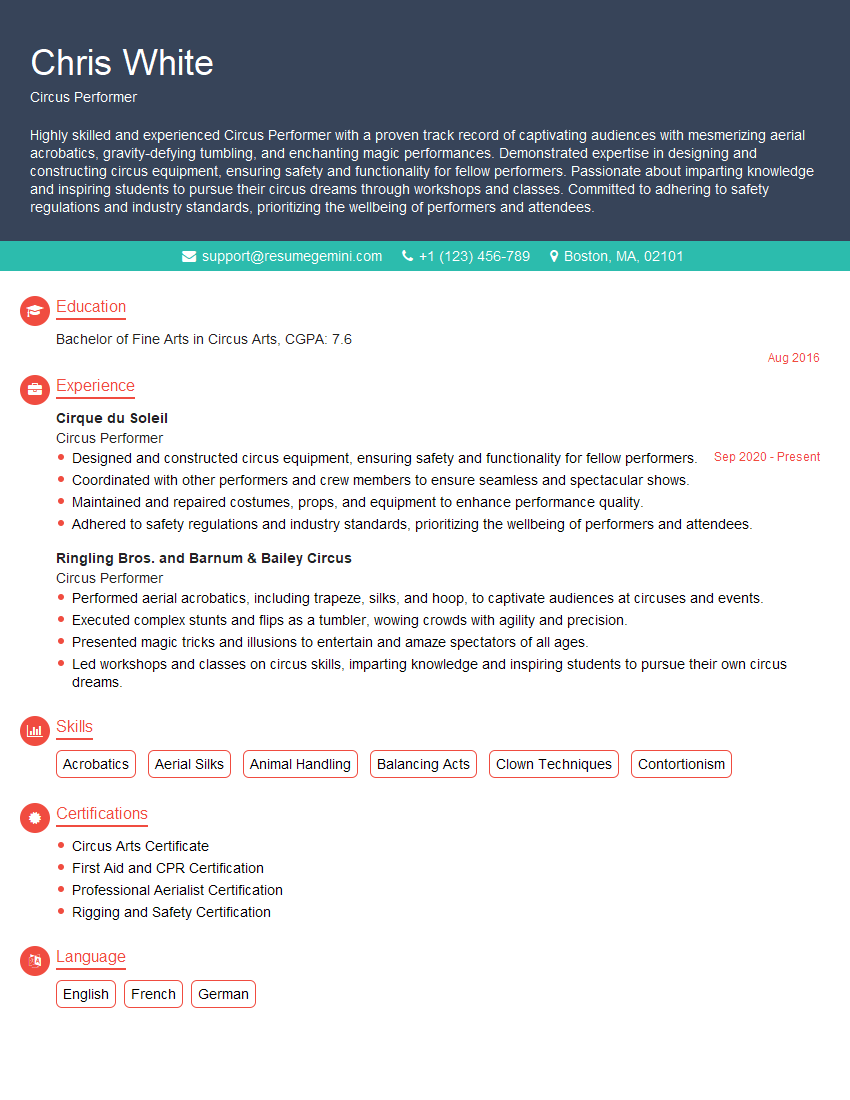
Circus Performer Resume Sample
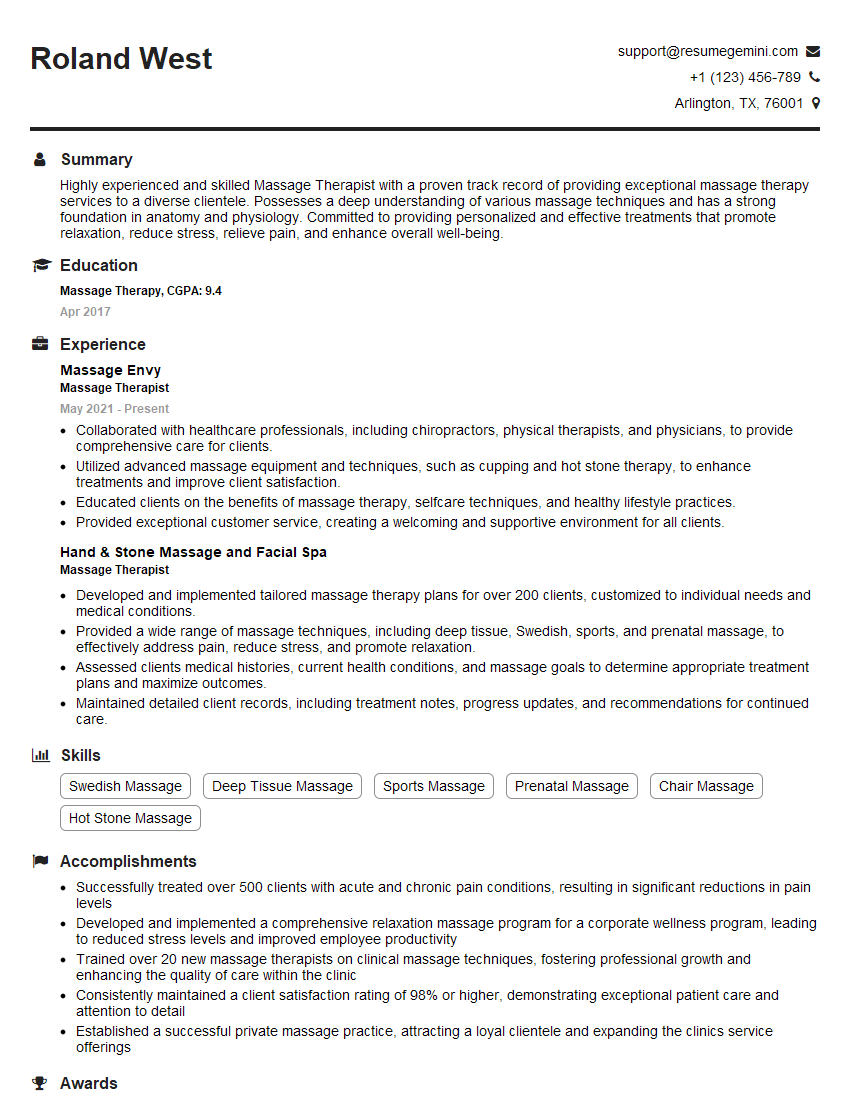
Massage Therapist Resume Sample
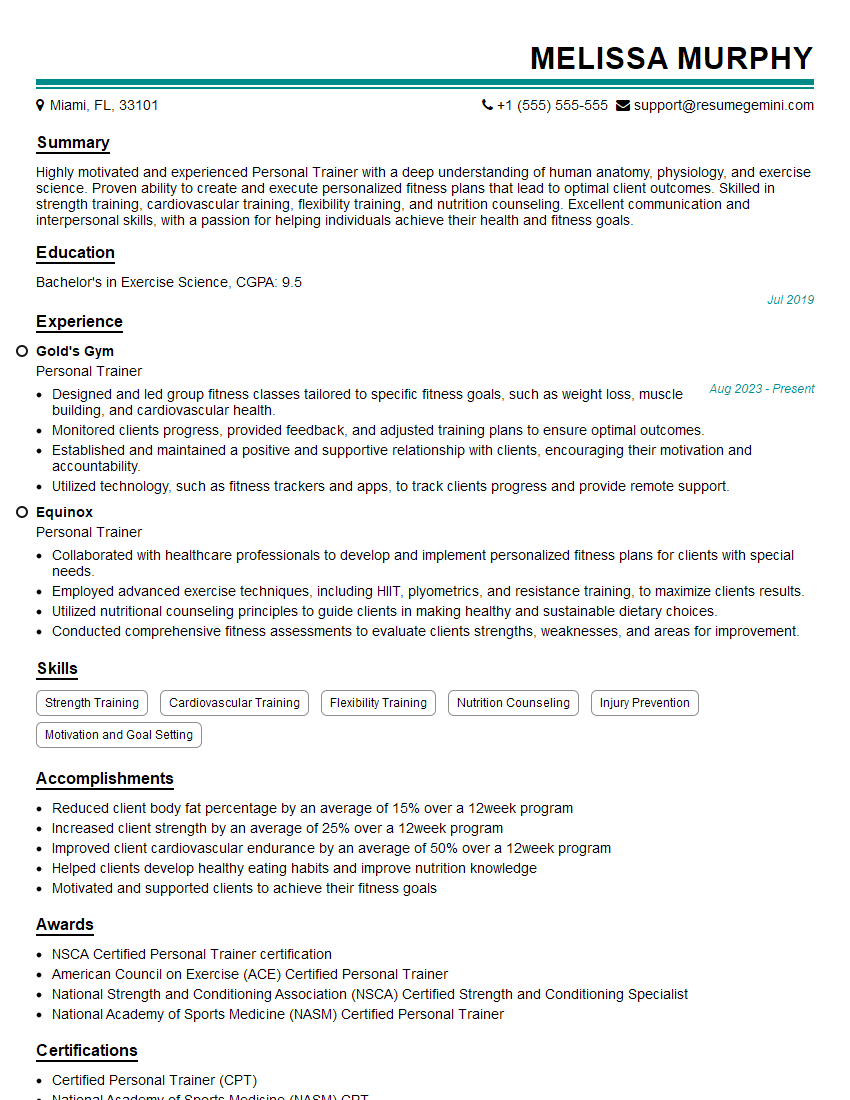
Personal Trainer Resume Sample
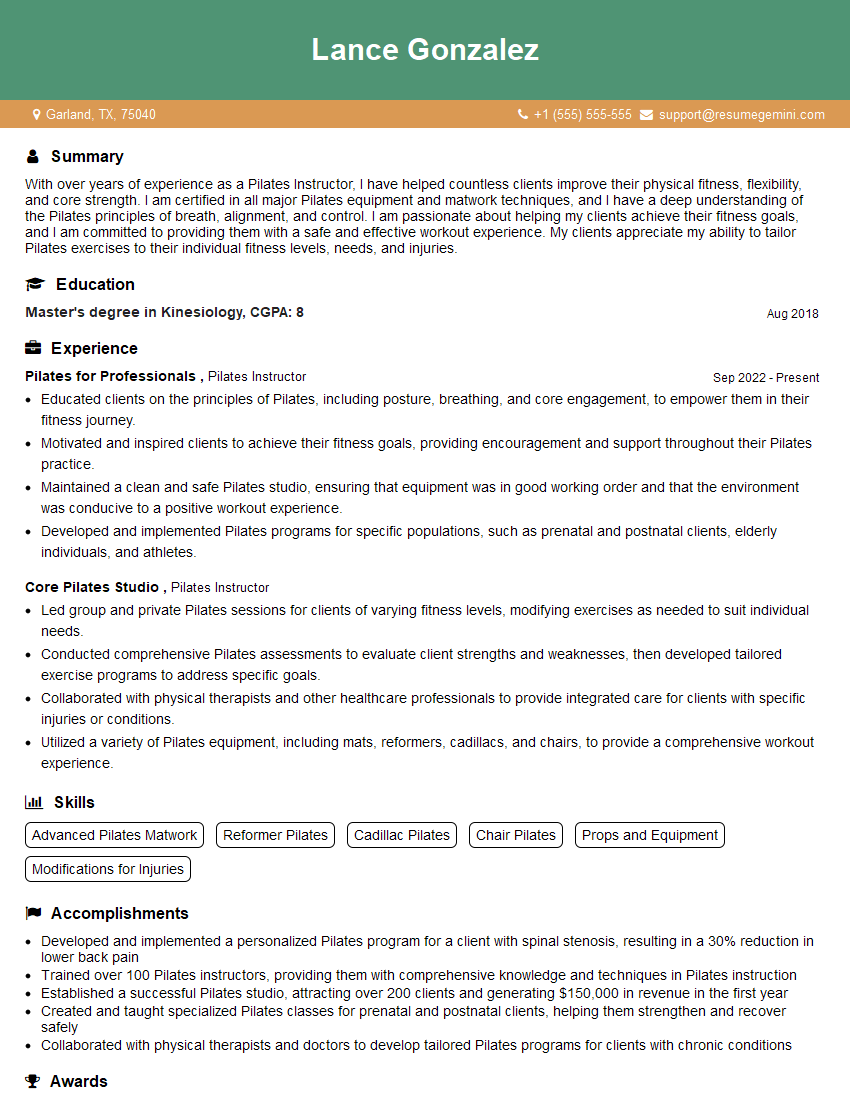
Pilates Instructor Resume Sample
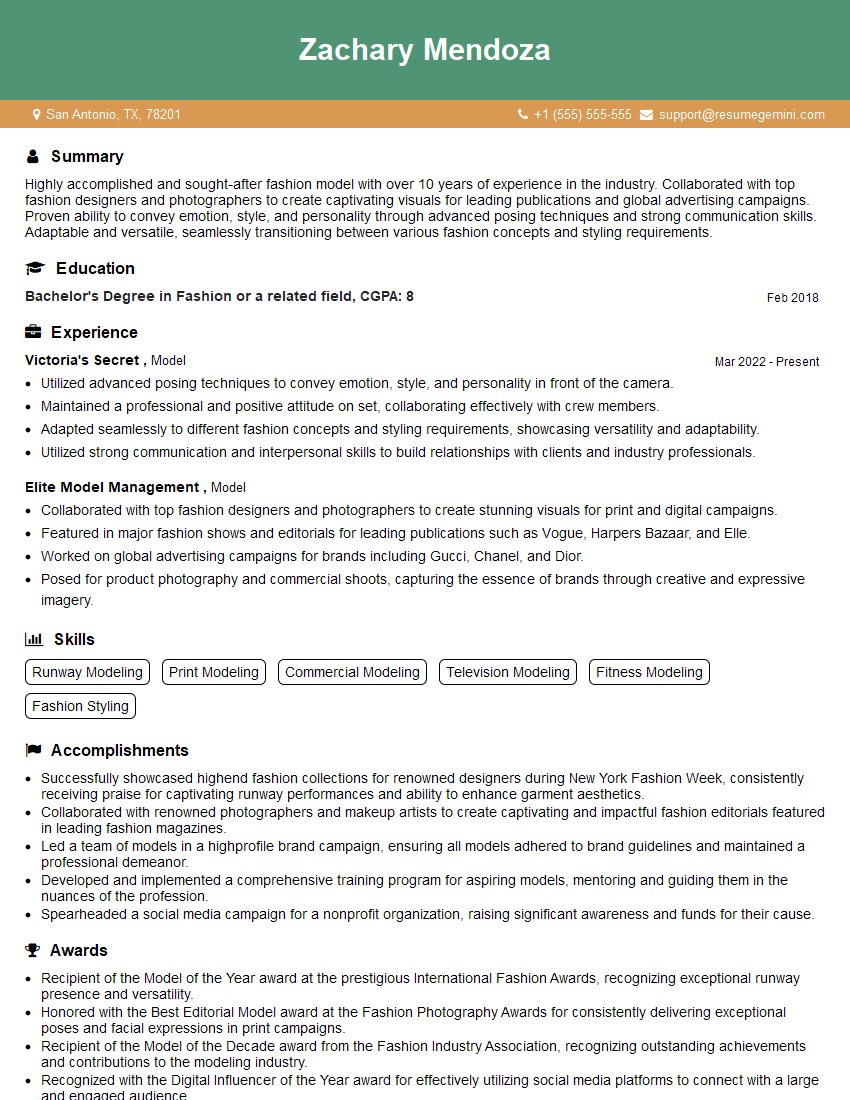
Model Resume Sample
Explore more articles
Users Rating of Our Blogs
Share Your Experience
We value your feedback! Please rate our content and share your thoughts (optional).
What Readers Say About Our Blog
Very informative content, great job.
good