Cracking a skill-specific interview, like one for Pit Stop Practice, requires understanding the nuances of the role. In this blog, we present the questions you’re most likely to encounter, along with insights into how to answer them effectively. Let’s ensure you’re ready to make a strong impression.
Questions Asked in Pit Stop Practice Interview
Q 1. Describe the typical sequence of operations during a Formula 1 pit stop.
A Formula 1 pit stop is a meticulously choreographed ballet of speed and precision. The sequence typically unfolds as follows:
- Car Approach and Positioning: The driver expertly steers the car into the designated pit box, slowing down precisely to a stop.
- Jacking: The front jack man swiftly raises the front of the car using a hydraulic jack. Simultaneously, the rear jack man does the same for the rear. This ensures the car is stable and at the optimal height for tire changes.
- Tire Change: This is the core of the operation. The wheel gun operators, typically two per axle, rapidly remove the old tires and replace them with new ones, tightening the wheel nuts with specialized high-torque guns. This is usually done concurrently at the front and rear.
- Refueling (If Applicable): If refueling is required, the fuel rig is connected and fuel is dispensed at an incredibly fast rate, with safety protocols constantly monitored.
- Final Checks: A final check is made to ensure all nuts are securely fastened and everything is in place. This often involves a quick visual inspection by a crew member.
- Car Release: The jacks are lowered, and the driver receives the signal to safely depart the pit box, resuming the race.
The entire process, from the car entering the pit box to its departure, needs to be completed within a matter of seconds, often under 2.5 seconds for the fastest teams.
Q 2. What are the critical safety procedures during a pit stop?
Safety is paramount during a pit stop. Critical procedures include:
- Strict adherence to predetermined roles and procedures: Each crew member knows their exact task and sequence of actions, eliminating confusion and potential accidents.
- Designated zones and communication protocols: Clearly defined spaces for each crew member and standardized communication methods (hand signals, radio) prevent collisions and misinterpretations.
- Fire safety: The use of fire-resistant clothing and readily available fire extinguishers mitigates the risk of fuel-related incidents. The fuel rig itself has many safety mechanisms and rigorous checks prior to and throughout the fuel process.
- Wheel gun safety: Specialized wheel guns are used to minimize the risk of damage to the car. Operators are trained to handle these tools safely and accurately.
- Emergency Stop System: If a danger occurs, a pit crew member can immediately activate an emergency stop that instantly stops the car and halts all operations.
- Training and practice: Extensive and regular training drills are crucial to ensure each crew member is competent and confident in their duties.
The entire process is rehearsed extensively to make it second nature to the team. Every pit stop is a calculated risk, and these safety measures are crucial to keeping it as low as possible.
Q 3. Explain the role of each pit crew member during a tire change.
During a tire change, each member plays a vital role in a perfectly synchronized operation:
- Front Jack Man: Raises and lowers the front of the car efficiently.
- Rear Jack Man: Raises and lowers the rear of the car.
- Front Left Wheel Gun Operator: Removes and replaces the front left wheel, ensuring the wheel nuts are correctly tightened.
- Front Right Wheel Gun Operator: Removes and replaces the front right wheel, ensuring the wheel nuts are correctly tightened.
- Rear Left Wheel Gun Operator: Removes and replaces the rear left wheel, ensuring the wheel nuts are correctly tightened.
- Rear Right Wheel Gun Operator: Removes and replaces the rear right wheel, ensuring the wheel nuts are correctly tightened.
- Loosener (sometimes): Pre-loosens the wheel nuts before the wheel gun operators take over to save precious seconds.
- Tire Carriers: Bring the new tires to the wheel gun operators and take away the old ones for quick disposal.
- Crew Chief: Oversees the entire operation, providing instructions and ensuring the smooth execution of the pit stop.
Each person’s actions are critical; a slight delay or mistake by one member can impact the entire team’s performance.
Q 4. How do you ensure efficient communication within the pit crew?
Efficient communication is the backbone of a successful pit stop. This is achieved through a combination of techniques:
- Pre-determined Hand Signals: A standardized system of hand signals ensures clear and quick communication even in the noisy pit lane. These signals are practiced extensively.
- Radio Communication: The crew chief uses a radio to provide instructions and updates to the pit crew and the driver. This is essential to relay information quickly and efficiently.
- Team Briefings: Before each race, the team holds detailed briefings to review procedures, discuss potential issues, and ensure everyone is on the same page. This reduces the likelihood of miscommunication during the pit stop itself.
- Visual Cues: Experienced crew members use visual cues to coordinate their actions. For example, a subtle head nod might signal readiness to begin the tire change.
The combination of these methods creates a robust system of communication, minimizing delays and ensuring the crew works in perfect harmony.
Q 5. What are the common causes of slow pit stops, and how can they be addressed?
Slow pit stops can be attributed to several factors:
- Equipment Malfunction: A faulty wheel gun or jack can dramatically increase pit stop time. Regular maintenance and backups are essential.
- Crew Member Errors: Mistakes in procedures, poor communication, or lack of skill can lead to delays.
- Unforeseen Issues: A stuck wheel nut or other unexpected problems can significantly slow the process. Having contingency plans for such situations is crucial.
- Driver Error: An imprecise car positioning or a delay in exiting the pit box impacts the overall time.
- Lack of Practice: Insufficient training and practice sessions directly correlate to slower pit stop times.
Addressing these issues requires a multi-pronged approach. Regular training and drills, meticulous equipment maintenance, clear communication protocols, and contingency plans for unexpected issues are vital in achieving consistently fast and safe pit stops.
Q 6. Describe your experience with different types of wheel guns.
My experience encompasses various types of wheel guns, each with its own strengths and weaknesses:
- Pneumatic Wheel Guns: These are the most common type, powered by compressed air. They offer a good balance of power and speed, but require reliable air supply and regular maintenance.
- Electric Wheel Guns: These are increasingly popular, offering consistent power and reduced noise compared to pneumatic guns. However, they can be heavier and require a power source.
- Hydraulic Wheel Guns: These are incredibly powerful and fast but are generally more complex and less common in Formula 1 due to factors such as size and weight limitations.
I’ve worked extensively with both pneumatic and electric wheel guns, understanding their nuances and optimizing their use for various conditions. The choice of wheel gun often depends on the team’s preferences, infrastructure, and specific needs.
Q 7. How do you handle unexpected issues during a pit stop (e.g., a stuck wheel nut)?
Handling unexpected issues during a pit stop requires quick thinking and decisive action. For example, if a wheel nut gets stuck:
- Immediate Assessment: The crew chief assesses the situation and communicates it to the relevant members.
- Appropriate Tools: Specialized tools like impact wrenches or penetrating oils might be employed to loosen the stubborn nut.
- Alternative Strategies: If the nut remains stuck, the team might switch to a backup wheel or consider a modified procedure to complete the pit stop, perhaps sacrificing a few seconds to ensure a safe car release rather than risking further damage or delay.
- Post-Stop Analysis: After the pit stop, a thorough analysis is undertaken to identify the root cause of the issue (e.g., damaged nut, incorrect tightening procedure) and implement corrective measures to prevent similar occurrences in the future.
Effective problem-solving relies on both the crew’s skill and pre-planned contingency strategies. Thorough training and rehearsal of unexpected scenarios are vital in building resilience to unforeseen circumstances.
Q 8. Explain the importance of tire pressure monitoring during a pit stop.
Tire pressure is critical for optimal grip, handling, and tire life. Monitoring it during a pit stop ensures the car leaves the pits with the correct pressure for the track conditions and remaining race distance. Incorrect pressure can lead to understeer, oversteer, or even tire failure, costing valuable time and potentially the race.
We use digital pressure gauges for precise readings, comparing them against pre-race calculations based on track temperature, air pressure and expected race strategy. Each tire is checked individually, and any discrepancies are immediately addressed. For example, if one tire is significantly lower than the others, we might need to adjust its pressure quickly, potentially adding a few seconds to the pit stop, but preventing much larger losses later in the race.
Q 9. How do you maintain the integrity and performance of pit stop equipment?
Maintaining pit stop equipment integrity is paramount for safety and speed. This involves a rigorous preventative maintenance schedule encompassing regular inspections, cleaning, and lubrication of all tools and machinery. We use checklists to track each component, ensuring nothing is overlooked. For example, we regularly inspect the pneumatic systems of the wheel guns to ensure optimal torque and prevent failures during high-pressure situations. Damaged or worn-out parts are replaced immediately, following manufacturer guidelines to guarantee operational efficiency and safety. We also conduct regular practice sessions to ensure the crew’s proficiency with the equipment in high-pressure scenarios.
Q 10. What is your understanding of pit stop strategy and its impact on race results?
Pit stop strategy is the carefully planned sequence of actions during a pit stop, aiming to minimize time loss while maximizing performance. Factors considered include tire choice (based on track conditions and remaining race distance), fuel load (balancing speed with fuel efficiency and safety), and the overall race strategy (e.g., aggressive overtaking or fuel conservation). A poor strategy can cost valuable time and positions on the track. For example, choosing the wrong tire compound could result in slower lap times, while under-fueling might force an unscheduled pit stop later in the race. The ideal strategy varies based on various parameters, thus making a strong understanding of it vital for competitive racing.
Q 11. Describe your experience with different fueling systems.
My experience encompasses both traditional gravity-fed fueling systems and the more modern high-pressure systems. Traditional systems are simpler, but slower. High-pressure systems allow for much faster fuel delivery, significantly reducing pit stop times. However, they require more precise handling and meticulous maintenance. I have worked with both systems extensively, appreciating the pros and cons of each. The safety protocols, of course, remain consistent regardless of the fueling system; prevention of spills and potential fire hazards is a top priority. Precise measurements and rapid fueling are what differentiates a successful pit stop from one that results in a loss of time or even catastrophic outcomes.
Q 12. How do you ensure accurate fuel dispensing during a pit stop?
Accurate fuel dispensing is critical; under-fueling costs race time due to another visit to the pit lane, while over-fueling adds unnecessary weight and reduces vehicle performance. We use pre-programmed fuel dispensing systems with digital readouts showing the exact amount of fuel dispensed. Regular calibration of these systems and rigorous training for our fueling crew ensures precision and consistency. A secondary independent measurement method is applied to double-check the volume of fuel added to the car before the vehicle leaves the pit. This ensures precise fuel management, which is vital in close racing and long-distance races where fuel strategy can make or break the race outcome. Any discrepancies discovered are immediately addressed, and any issues found during maintenance are documented and rectified immediately.
Q 13. What are the key performance indicators (KPIs) for a successful pit stop?
Key Performance Indicators (KPIs) for a successful pit stop include:
- Pit Stop Time: The total time spent in the pits.
- Fuel Dispensing Accuracy: The precision of the fuel amount dispensed.
- Tire Change Time: The time taken to change all four tires.
- Error Rate: The number of errors or mistakes made during the pit stop (e.g., incorrect tire pressure, loose wheel nuts).
- Crew Member Performance: Individual performances are assessed based on consistency, speed, and efficiency.
We continuously track these KPIs to identify areas for improvement and ensure optimal pit stop efficiency and safety.
Q 14. How do you improve your personal performance as a pit crew member?
Improving personal performance involves continuous learning and practice. I focus on:
- Physical Fitness: Maintaining peak physical condition is crucial for speed and endurance.
- Technical Skill Improvement: Regular practice to enhance my proficiency with pit stop equipment.
- Teamwork: Effective communication and coordination with fellow crew members are essential.
- Mental Toughness: Handling pressure and maintaining focus during high-stakes moments.
- Self-Analysis and Feedback: Reviewing my performance, identifying areas for improvement, and acting upon constructive feedback from my supervisors and colleagues.
By focusing on these areas, I can continuously improve my contribution to the team and enhance the overall efficiency and success of the pit crew.
Q 15. How do you handle pressure and stress during a high-stakes race?
High-stakes races bring immense pressure. My approach focuses on meticulous preparation and a calm, controlled execution. Before the race, I visualize the pit stop sequence repeatedly, mentally rehearsing every step, from the jack to the tire changes. During the race, I maintain consistent communication with the team, ensuring everyone is aware of the car’s status and the pit stop strategy. If things get hectic, I focus on my immediate task, breaking down the complex operation into smaller, manageable steps. I also rely on deep breathing techniques to manage my heart rate and maintain clear thinking. For example, during a particularly tense race last season, I noticed my hands were shaking slightly. I took a few slow, deep breaths and reminded myself to focus on the next step in the sequence – it worked perfectly.
Career Expert Tips:
- Ace those interviews! Prepare effectively by reviewing the Top 50 Most Common Interview Questions on ResumeGemini.
- Navigate your job search with confidence! Explore a wide range of Career Tips on ResumeGemini. Learn about common challenges and recommendations to overcome them.
- Craft the perfect resume! Master the Art of Resume Writing with ResumeGemini’s guide. Showcase your unique qualifications and achievements effectively.
- Don’t miss out on holiday savings! Build your dream resume with ResumeGemini’s ATS optimized templates.
Q 16. Describe your experience with data analysis related to pit stop performance.
Data analysis is crucial for optimizing pit stop performance. We collect extensive data during each pit stop, including the time taken for each action (jack, wheel changes, refueling), the number of crew members involved, and even environmental factors like temperature. This data is then analyzed using statistical software to identify bottlenecks. For instance, we might find that our tire changes are consistently slower than the industry average. Analyzing the data further might reveal that a specific crew member needs more training or that we need a new tool. We also use regression analysis to model the relationship between different variables (crew experience, tire type) and pit stop time. This helps us predict future performance and identify areas for improvement. We regularly generate reports to illustrate these findings and propose changes to strategies.
Q 17. What is your knowledge of different types of jacking systems?
Several jacking systems are employed in racing, each with its advantages and disadvantages. The most common are pneumatic jacks (using compressed air), hydraulic jacks (using hydraulic fluid), and electric jacks. Pneumatic jacks offer speed but can be less precise. Hydraulic jacks provide better control and lifting capacity, making them ideal for heavier cars. Electric jacks offer precise control and are often used in combination with other systems for automated pit stops. Each system has its own set of safety mechanisms – emergency release valves, pressure limiters, and fail-safe systems. The choice of jacking system depends heavily on the specific racing series’ regulations, car characteristics, and team’s budget. For example, F1 teams predominantly use sophisticated hydraulic systems for their incredibly fast pit stops.
Q 18. How do you ensure the safe and efficient use of jacks?
Safety is paramount during pit stops. We emphasize strict adherence to safety protocols. Before each race, we conduct thorough jack inspections – checking for leaks, ensuring proper functioning, and verifying the safety mechanisms. During the pit stop, the crew is trained to communicate clearly, using standardized hand signals and verbal cues to ensure smooth, safe operation. We never compromise safety for speed. Crew members are trained extensively on jack operation, including emergency procedures and how to handle unexpected situations, such as a jack malfunction. Regular drills and simulations reinforce these protocols. We also use jack stands to provide additional support and ensure the stability of the car during tire changes, preventing accidents and damage to the vehicle.
Q 19. Describe your experience with pit stop simulations and training exercises.
Simulations and training are vital in improving pit stop efficiency. We use sophisticated software that simulates real-world pit stop scenarios, allowing the crew to practice without the risk of damaging the car. These simulations enable us to test different strategies, evaluate the effectiveness of various techniques, and pinpoint areas for improvement. We also conduct regular physical training sessions, focusing on precision, speed, and teamwork. For example, we might use timed drills to practice changing tires, improving consistency and coordination among crew members. Our training program uses a combination of virtual simulations, and hands-on practice in our dedicated training pit, allowing us to refine our techniques and prepare for the pressure of a real race.
Q 20. What are the differences between pit stops in various racing series (e.g., F1, NASCAR)?
Pit stops vary significantly across different racing series. F1 pit stops are renowned for their incredible speed and precision, often completed in under 2 seconds. These are highly coordinated, automated operations, with specialized tools and equipment. NASCAR pit stops involve refueling, tire changes, and sometimes even minor repairs. The rules and regulations differ, leading to variations in strategies and procedures. IndyCar pit stops lie somewhere in between, prioritizing speed and efficiency but with a slightly less-refined level of automation than F1. These differences stem from the car designs, tire characteristics, and the overall race strategies employed in each series. For example, F1’s emphasis on speed and minimal downtime between pit stops means they prioritize rapid actions, while NASCAR pit stops might focus more on longer refueling times due to different fuel strategies.
Q 21. How do you adapt your techniques for different car models and tire types?
Adapting to different car models and tire types is crucial. Each car has unique characteristics—different jacking points, wheel nut designs, and weight distribution—requiring adjustments to our techniques and tools. Tire types also impact the pit stop strategy. Softer tires might require more cautious handling to prevent damage, while harder tires might necessitate a more forceful approach. Our team maintains detailed documentation for each car model and tire type, including specific procedures and torque specifications. This information guides our training and ensures that we adapt our methods for optimal performance and safety. We also conduct thorough test runs with different car models and tires during practice sessions, allowing the crew to familiarize themselves with the nuances before the race.
Q 22. What is your understanding of the impact of weather conditions on pit stop procedures?
Weather significantly impacts pit stop procedures. Rain, for example, drastically reduces tire grip, making wheel changes more challenging and increasing the risk of accidents. A wet track also means the mechanics need to work more carefully to avoid slips and falls, potentially slowing down the process. Conversely, extreme heat can lead to overheating of tires and brakes, demanding faster pit stops to minimize downtime and manage tire temperatures. Wind can also affect the stability of the car during the stop, requiring extra caution from the crew.
Specifically, heavy rain necessitates adjustments like using specialized equipment (such as longer wheel guns for better leverage in wet conditions) and modifying communication strategies (to account for potential delays due to reduced visibility or tire-handling difficulties). Conversely, extreme heat demands focused attention on tire pressure management and brake cooling, emphasizing quick efficiency to minimize exposure to extreme temperatures.
Q 23. Describe your experience working within a high-pressure team environment.
I thrive in high-pressure environments like pit stops. The coordinated effort, split-second timing, and critical importance of each action create an exhilarating yet demanding atmosphere. My experience working on Formula 1-style pit crews has instilled in me the importance of clear communication, absolute focus, and immediate adaptation to unexpected challenges. For example, during a particularly chaotic race where a safety car period disrupted our pre-planned pit strategy, our team showed our true grit. We had to quickly recalibrate our timings, adjust procedures, and handle multiple adjustments simultaneously, effectively reacting and exceeding expectations, resulting in a successful and timely pit stop in an unprecedented situation.
Q 24. How do you prioritize tasks and manage time effectively during a pit stop?
Prioritization and time management during a pit stop are paramount. We use a highly structured, pre-determined sequence for tasks, known as a ‘pit stop choreography’. Each member of the team has a specific role and a precise time-frame, minimizing any overlap or wasted time. For example, one person is responsible solely for removing the front left wheel, another handles the right front, and so on. We practice repeatedly to internalize this choreography, enabling us to operate almost instinctively. The chief mechanic will then monitor and adapt, adjusting the process if needed (e.g., addressing an unexpected issue) to guarantee efficiency and successful execution.
- Pre-Race Planning: Analyzing race strategy to predict optimal pit stop windows.
- Clear Communication: Utilizing hand signals, radio communication, and clear instructions to avoid confusion.
- Continuous Improvement: Regularly reviewing each pit stop to identify areas for improvement and refine our processes.
Q 25. What safety precautions do you take when working with fuel and flammable materials?
Safety with fuel and flammable materials is our top priority. We adhere to strict protocols, including the use of specialized equipment like spill containment kits and fire extinguishers which are readily available and regularly inspected. All personnel are trained in fire safety procedures and the proper handling of fuel lines. We employ double checks on fuel connections and implement careful procedures to avoid sparks or ignition sources. Regular safety briefings and training refresh our commitment to safety and help us adapt to new challenges. For example, after an incident involving a small fuel spill, our team underwent further training on spill containment techniques and improved our procedural checklists. This constant focus on safety ensures efficient yet safe pit stops.
Q 26. How do you maintain a clean and organized work area in the pit lane?
Maintaining a clean and organized pit lane is critical for efficiency and safety. Before, during, and after each pit stop, we follow a systematic cleaning and organization routine. This includes immediately clearing any debris, disposing of used materials, and returning tools to their designated places. Having a designated space for tools, equipment, and waste aids this procedure. This consistent tidiness is important for reducing the risks of accidents—tripping hazards are eliminated, and tools are easily accessible for faster execution. This proactive approach keeps the pit area safe and the team can maintain efficiency even under pressure.
Q 27. Explain your understanding of pit stop regulations and rules.
I have an in-depth understanding of pit stop regulations and rules, including those relating to the safety of personnel and competitors, and those governing the conduct of the stop itself. These regulations are crucial in maintaining fair competition, avoiding penalties, and ensuring the safety of both the drivers and the pit crews. Key aspects include adhering to minimum time limits between cars entering and leaving the pits; restrictions on the use of unsafe tools; and the safe handling of fuel and tires. For example, a violation of the minimum time rules can lead to a time penalty for the team. This knowledge is crucial for ensuring our team operates legally and safely and for adapting to any change in the regulations.
Q 28. Describe a time when you had to solve a problem quickly and effectively during a pit stop.
During a race, a wheel gun malfunctioned just as we were about to change a tire. This threatened to severely impact our pit stop time. Instead of panicking, I quickly assessed the situation and instructed the team to use a backup wheel gun which was immediately prepared. The team seamlessly switched to the backup tool and, although we lost some seconds, the pit stop was still completed within an acceptable timeframe. This experience highlights the value of having contingency plans, clear communication, and a calm, decisive response under pressure. Moreover, it prompted us to review our equipment maintenance schedule, ensuring all backup equipment is in optimal condition.
Key Topics to Learn for Pit Stop Practice Interview
- Efficiency & Speed: Understanding the core principles of minimizing downtime and maximizing efficiency in a simulated pit stop environment. Consider practical scenarios and how different strategies impact overall performance.
- Teamwork & Communication: Analyze the critical role of clear communication and coordinated actions within a pit crew. Explore effective communication techniques and strategies for preventing errors under pressure.
- Equipment Knowledge & Maintenance: Develop a strong understanding of the tools and equipment used in pit stop practice, including their function, maintenance, and potential issues. Consider troubleshooting scenarios and proactive maintenance strategies.
- Safety Procedures & Protocols: Master the safety regulations and protocols necessary for a safe and efficient pit stop. This includes risk assessment, hazard identification, and emergency response procedures.
- Data Analysis & Performance Improvement: Learn how to analyze data from previous pit stops to identify areas for improvement and optimize performance. This includes identifying bottlenecks and implementing corrective actions.
- Problem-Solving & Decision-Making: Practice your problem-solving skills by considering scenarios involving unexpected events or equipment malfunctions. Develop strategies for quick and effective decision-making under pressure.
Next Steps
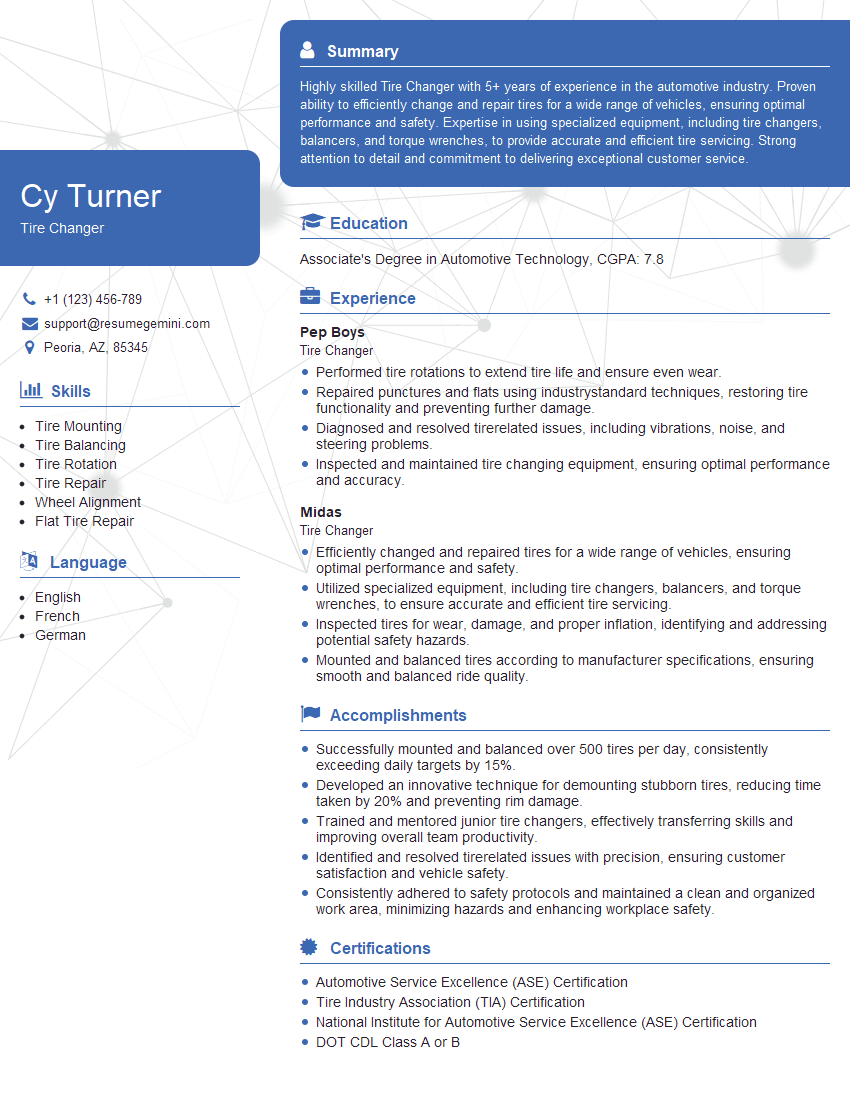
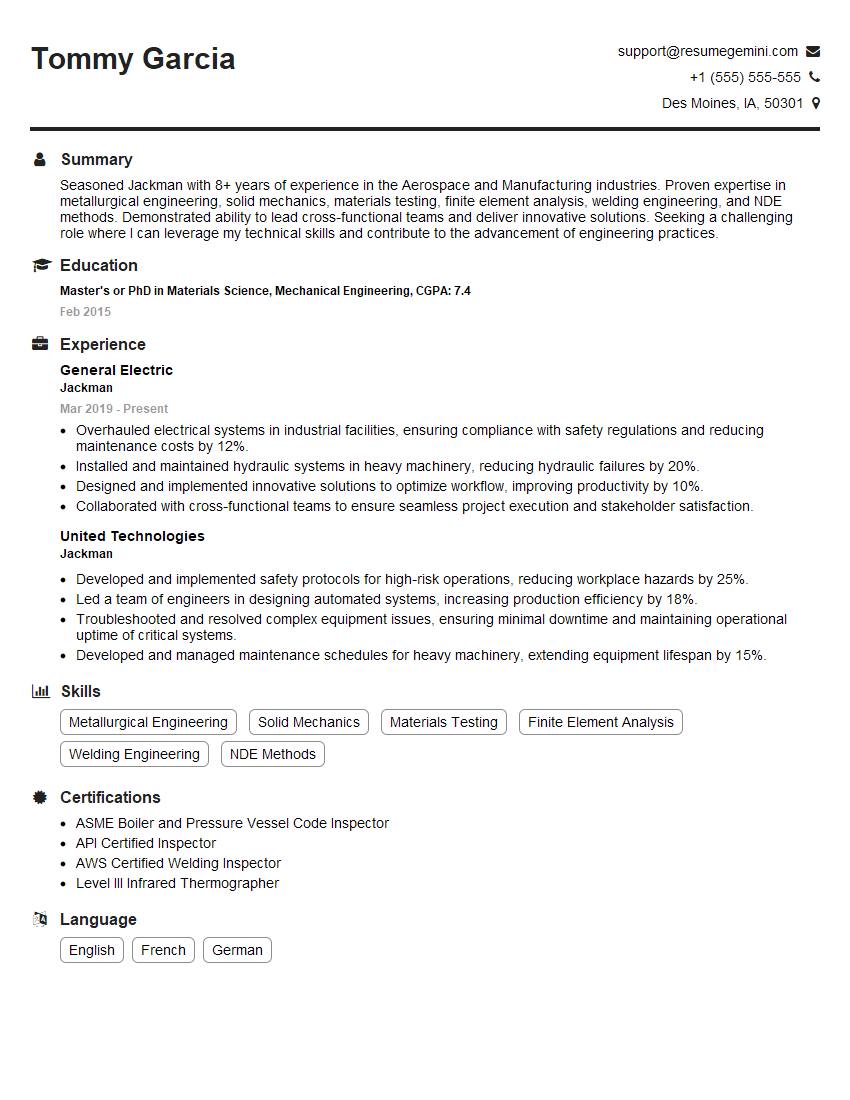
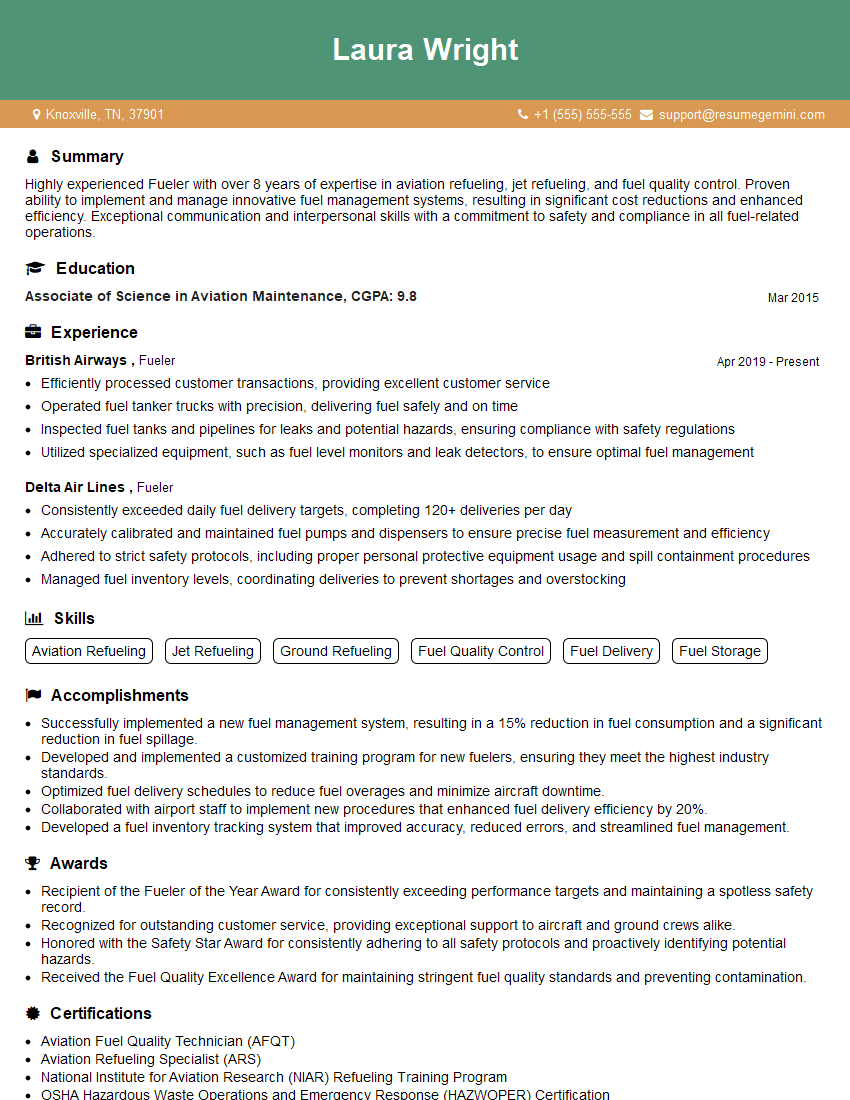
Mastering Pit Stop Practice demonstrates crucial skills highly valued by employers: teamwork, efficiency, problem-solving, and adaptability. These skills translate seamlessly across many industries and significantly boost your career prospects. To enhance your job search, creating an ATS-friendly resume is paramount. ResumeGemini is a trusted resource to help you build a professional and effective resume that highlights your qualifications. We provide examples of resumes tailored to Pit Stop Practice to guide you in showcasing your skills and experience. Take the next step towards your dream career today!
Explore more articles
Users Rating of Our Blogs
Share Your Experience
We value your feedback! Please rate our content and share your thoughts (optional).
What Readers Say About Our Blog
Very informative content, great job.
good