The right preparation can turn an interview into an opportunity to showcase your expertise. This guide to Pit Strategy Execution interview questions is your ultimate resource, providing key insights and tips to help you ace your responses and stand out as a top candidate.
Questions Asked in Pit Strategy Execution Interview
Q 1. Explain your understanding of order types and their implications in pit trading.
Order types in pit trading are crucial for specifying how a trade should be executed. They dictate the price and timing conditions under which an order will be filled. Understanding these nuances is vital for success. Let’s explore some key order types:
- Market Order: This is the simplest type. It instructs the broker to fill the order at the best available price immediately. This is best used when speed is paramount, but the trader accepts the prevailing market price, which may not be the most favorable.
- Limit Order: This order specifies a maximum price (for a buy) or a minimum price (for a sell). The order will only be executed if the market reaches that price or better. It’s risk-mitigating because you control the maximum price you’ll pay or the minimum price you’ll receive.
- Stop Order: This order triggers when the market price reaches a specified level (the stop price). Once triggered, it becomes a market order, guaranteeing execution. Stop orders are frequently used to limit losses or protect profits.
- Stop-Limit Order: This combines elements of stop and limit orders. It triggers at the stop price but then becomes a limit order, allowing for execution only at a specified price or better. This offers some protection against slippage (the difference between the expected price and the actual execution price).
The implications of choosing the wrong order type can be significant. For instance, using a market order during high volatility can result in execution at an unfavorable price, whereas a poorly placed limit order might never be filled if the market doesn’t reach that level. A well-executed strategy requires careful consideration of order type based on market conditions and risk tolerance.
Q 2. Describe your experience with different order routing strategies.
My experience with order routing strategies involves optimizing the execution of trades to achieve the best possible price and speed. I’ve worked with several strategies, each tailored to specific market conditions and order types:
- Smart Order Routing: This involves automatically routing orders to different exchanges or trading venues to find the best price. Algorithms analyze real-time market data and select the optimal venue for execution. This is particularly useful in fragmented markets.
- Direct Market Access (DMA): DMA provides direct access to exchanges, allowing for faster execution and greater control. It eliminates intermediaries, which can improve speed and potentially reduce costs. However, it also requires a more sophisticated understanding of market dynamics and technology.
- Internalization: This strategy involves routing orders internally within a brokerage firm before routing to an exchange. If a counterparty order is available internally, this can save on transaction costs and execution time. However, this might lead to less price discovery.
The choice of routing strategy depends on factors like order size, urgency, price sensitivity, and market liquidity. For instance, large orders might benefit from smart order routing to avoid market impact, while smaller orders requiring fast execution could use DMA. I always prioritize a strategy that minimizes costs and maximizes the likelihood of a favorable fill.
Q 3. How do you manage risk in a fast-paced trading environment?
Risk management in fast-paced pit trading is paramount. It’s a multi-faceted approach combining pre-trade, intra-trade, and post-trade analysis. My approach involves:
- Position Sizing: Carefully determining the size of each trade relative to my overall capital. I use various techniques, including Value at Risk (VaR) calculations, to estimate potential losses and limit my exposure.
- Stop-Loss Orders: These orders automatically exit a position if the price moves against me by a predetermined amount. They help prevent significant losses from accumulating.
- Diversification: Avoiding over-concentration in any single instrument or market. By diversifying across different assets, I reduce my overall risk profile.
- Real-time Monitoring: Constantly monitoring market conditions and my positions to identify potential problems early on. This proactive approach allows me to adjust my strategy as needed.
- Stress Testing: Regularly evaluating my portfolio’s performance under various market scenarios, including extreme volatility events. This helps me to identify vulnerabilities and develop contingency plans.
Think of it like a tightrope walker – careful planning, balance, and constant awareness are essential to avoid a fall. Similarly, continuous risk management is critical for navigating the dynamic landscape of pit trading.
Q 4. Explain your approach to order prioritization during periods of high volume.
During high-volume periods, effective order prioritization is critical. My strategy focuses on:
- Prioritizing Time-Sensitive Orders: Orders with tight deadlines or those vulnerable to significant price slippage are handled first. This ensures optimal execution and reduces the impact of market fluctuations.
- Using Iceberg Orders: To minimize market impact, I often use iceberg orders, which hide the true size of the order while gradually filling it over time. This helps to prevent the market from moving against me due to the sheer volume of my trade.
- Employing Algorithmic Trading: In situations of extreme volume, I leverage algorithmic trading strategies to optimize order execution automatically. These algorithms can react much faster than a human trader and make informed decisions based on market data.
- Scalability and Resource Management: Ensuring sufficient resources (both technological and human) are available to handle the increased workload during high-volume periods is crucial for preventing delays or errors.
It’s like managing a busy airport – you need to prioritize take-offs and landings based on urgency and safety, while ensuring smooth operations. A systematic approach to order prioritization is vital for navigating high-volume periods effectively.
Q 5. How do you handle unexpected market events or volatility spikes?
Handling unexpected market events and volatility spikes requires a calm, decisive, and adaptable approach. My strategy involves:
- Pre-emptive Risk Management: Implementing stop-loss orders and position limits in advance to mitigate potential losses from sudden price movements.
- Increased Monitoring: Closely monitoring news feeds and market data for signs of impending volatility or significant events. This proactive approach allows me to prepare for potential disruptions.
- Adjusting Position Sizing: Reducing position sizes in volatile markets to limit potential losses. This helps to maintain a degree of control even during dramatic price swings.
- Liquidation Strategy: Having a clearly defined plan for liquidating positions in the event of a severe market downturn. This prevents panic selling and ensures orderly execution.
- Stress Testing & Scenario Planning: Having already simulated different crisis scenarios helps to prepare and react appropriately when the unexpected happens. This makes the reaction more calculated and reasoned than an emotional one.
Think of it like a ship navigating a storm – a well-prepared crew with a clear plan can weather the storm more effectively than one caught unprepared. Similarly, proactive measures are key to mitigating risks during market turbulence.
Q 6. Describe your experience with different market microstructure elements.
My understanding of market microstructure elements is extensive. These elements directly impact order execution and trading outcomes. Key elements I consider include:
- Order Book Dynamics: Analyzing the depth and imbalance of buy and sell orders to understand market liquidity and anticipate price movements. A deep order book suggests higher liquidity, whereas a shallow order book indicates potential for significant price volatility.
- Bid-Ask Spread: Understanding the difference between the best bid and ask prices is vital. A wide spread indicates less liquidity and potentially higher transaction costs.
- Trading Volume and Frequency: Analyzing trading volume and frequency helps to identify periods of high activity and potential price changes. High volume often signifies increased market interest and potential price volatility.
- Tick Size: The minimum price increment affects the precision of order placement and can impact the effectiveness of certain trading strategies. This needs to be taken into account, especially during high-volume trading.
- Latency: The delay in information transmission between trading venues and traders can affect execution speed and pricing. Minimizing latency is critical for competitive advantage.
These elements are interconnected and must be analyzed holistically to gain a comprehensive understanding of market dynamics. A deep understanding of market microstructure allows for better informed trading decisions.
Q 7. How do you identify and exploit market inefficiencies?
Identifying and exploiting market inefficiencies requires a keen eye for detail and a sophisticated understanding of market dynamics. My approach involves:
- Arbitrage Opportunities: Identifying instances where the same asset trades at different prices across different exchanges or markets. Exploiting these discrepancies can generate profitable trades.
- Statistical Arbitrage: Employing statistical models to identify mispricing between related assets. For example, I might look for discrepancies between the price of a stock and its futures contract.
- News and Information Analysis: Quickly processing new information and assessing its impact on market prices. Being ahead of the curve in interpreting news releases or corporate announcements can be beneficial.
- Liquidity Analysis: Understanding the liquidity of different markets and exploiting temporary imbalances to execute profitable trades. For example, a temporary lack of liquidity in one market might create opportunities for arbitrage.
- Order Flow Analysis: Scrutinizing the flow of buy and sell orders to identify hidden order patterns and potential price trends. This approach requires specialized tools and sophisticated analysis techniques.
It’s a bit like a detective work – you need to collect clues (market data, news, order flow), analyze them, and then act swiftly to capitalize on the opportunities. Successful exploitation of market inefficiencies requires a combination of analytical skills, speed, and a risk-aware approach.
Q 8. Explain your understanding of the relationship between order book dynamics and trading strategy.
Order book dynamics are the lifeblood of any trading strategy, especially in a pit environment. The order book, a constantly updating list of buy and sell orders at various prices, reveals the market’s immediate supply and demand. Understanding its nuances is crucial for successful execution. A deep order book with many bids and offers suggests liquidity, allowing for larger trades with minimal price impact. Conversely, a thin order book indicates limited liquidity, increasing the risk of slippage (the difference between the expected price and the actual execution price) and potentially affecting the strategy’s profitability.
For example, a strategy relying on aggressive buying might be less effective in a thin order book because it could move the price significantly, making the trade less profitable. Conversely, a strategy focused on patiently accumulating positions might thrive in a thin market by gradually absorbing available offers without impacting the price dramatically. Analyzing the order book’s depth, the size of individual orders, and the frequency of order placement helps anticipate market reactions to your trading activities and adapt your approach accordingly.
Q 9. How do you measure and evaluate the performance of your trading strategies?
Performance measurement is paramount. We use a multifaceted approach, going beyond simple profit and loss (PnL). Key metrics include:
- Sharpe Ratio: This measures risk-adjusted return, revealing how much excess return we generate for each unit of risk taken. A higher Sharpe ratio indicates a more efficient strategy.
- Sortino Ratio: Similar to the Sharpe Ratio, but it only penalizes downside risk, making it more suitable for strategies aiming for consistent profits.
- Maximum Drawdown: This indicates the largest peak-to-trough decline during a specific period. It highlights the strategy’s vulnerability to market downturns.
- Win Rate: The percentage of trades that result in profits.
- Average Trade PnL: The average profit or loss per trade, indicating the strategy’s efficiency in individual transactions.
Furthermore, we backtest strategies against historical data to simulate performance and identify potential weaknesses. Regular review and adjustments are crucial to adapt to changing market conditions and maintain optimal performance. A strategy that performed brilliantly last year may need significant modifications to remain effective in the current market environment.
Q 10. How do you use technical analysis in your pit strategy execution?
Technical analysis plays a vital, albeit nuanced, role in pit strategy execution. While the fast-paced nature of pit trading often prioritizes real-time market observations, technical indicators can provide valuable context and confirmation of prevailing trends.
For example, identifying key support and resistance levels through chart patterns like head and shoulders or triangles can help determine potential entry and exit points. Moving averages, particularly short-term ones, can signal momentum changes. However, it’s crucial to remember that technical analysis isn’t a crystal ball. Over-reliance on indicators without considering the broader market context and order book dynamics can be detrimental. We often use technical analysis as a supplementary tool to confirm our primary trading decisions based on real-time observation and fundamental analysis, not as the sole driver of our strategies.
Q 11. Describe your experience with algorithmic trading systems.
My experience with algorithmic trading systems is extensive, though in a pit trading context, it’s more about employing algorithmic elements within a predominantly manual trading process. While fully automated high-frequency trading systems are less common in pit environments, we leverage algorithms for tasks like:
- Order Routing: Algorithms can optimize order placement across different exchanges or brokers to achieve the best possible execution price.
- Risk Management: Algorithms can monitor positions and automatically adjust them to manage risk based on predefined parameters.
- Data Analysis: Algorithms can process vast amounts of market data in real-time to identify potential trading opportunities and patterns.
The challenge lies in integrating these algorithmic components seamlessly into the dynamic, human-driven environment of the trading pit. A balance must be struck between leveraging the speed and efficiency of algorithms and maintaining the flexibility and adaptability of human judgment.
Q 12. Explain your understanding of different types of trading algorithms.
Numerous trading algorithms exist, each suited to different market conditions and trading styles. Some key categories include:
- Mean Reversion Strategies: These algorithms bet on assets reverting to their historical average price. They often use indicators like moving averages or Bollinger Bands to identify overbought or oversold conditions.
- Trend Following Strategies: These algorithms identify and capitalize on prevailing market trends. They might utilize indicators like MACD or RSI to confirm and ride trends.
- Arbitrage Strategies: These algorithms exploit price discrepancies between different markets or exchanges, buying low and selling high to profit from the difference.
- Pairs Trading: These algorithms identify two assets with historically correlated prices, betting on their spread reverting to the mean.
The choice of algorithm depends heavily on market conditions, risk tolerance, and the trader’s overall strategy. For instance, mean reversion might be more effective in markets with frequent price fluctuations, whereas trend following might be better suited for markets exhibiting strong directional moves.
Q 13. How do you optimize trading algorithms for specific market conditions?
Optimizing algorithms for specific market conditions is an iterative process requiring constant monitoring and adjustments. This involves:
- Parameter Tuning: Adjusting the algorithm’s internal parameters (e.g., lookback periods for moving averages, risk thresholds) to enhance performance under specific circumstances. For instance, during periods of high volatility, risk parameters might be tightened to prevent large losses.
- Backtesting: Regularly testing the algorithm against historical data under various market conditions (high volatility, low liquidity, trending markets) to identify optimal parameter settings and potential weaknesses.
- Real-Time Monitoring: Continuously tracking the algorithm’s performance in the live market and making necessary adjustments based on observed outcomes and emerging market trends. This allows for dynamic adaptation to unexpected events or shifts in market behavior.
A robust optimization process involves a blend of systematic testing and human judgment, leveraging both quantitative data and qualitative market insights.
Q 14. How do you monitor and manage the risk associated with algorithmic trading?
Risk management is paramount in algorithmic trading. We employ a multi-layered approach:
- Position Sizing: Carefully determining the size of each trade to limit potential losses. This often involves using volatility-adjusted position sizing techniques to prevent excessive exposure during periods of market instability.
- Stop-Loss Orders: Setting automatic stop-loss orders to exit trades when pre-defined loss thresholds are reached, minimizing potential losses.
- Real-Time Monitoring: Closely monitoring the algorithm’s performance and overall risk exposure in real time, adjusting parameters or halting the algorithm if necessary.
- Stress Testing: Testing the algorithm’s resilience under various extreme market conditions (e.g., sudden price crashes, gaps) to identify potential vulnerabilities.
- Regular Audits: Conducting regular audits of the algorithm’s performance and risk management procedures to ensure their effectiveness.
Our risk management framework isn’t solely reactive; it’s also proactive. It involves anticipating potential risks and designing strategies to mitigate them before they materialize. This proactive approach is vital to ensuring the long-term sustainability of our algorithmic trading strategies.
Q 15. Describe your experience with high-frequency trading strategies.
My experience with high-frequency trading (HFT) strategies spans over eight years, encompassing the design, implementation, and optimization of various algorithmic trading systems. I’ve worked extensively with market-making strategies, arbitrage, and statistical arbitrage, leveraging sophisticated mathematical models and machine learning techniques to identify and exploit fleeting market inefficiencies. For instance, I led a project developing a market-making algorithm for a specific equity index future, resulting in a 25% increase in profitability within the first quarter. This involved careful analysis of order book dynamics, real-time market data aggregation, and risk management strategies to ensure robust performance.
Another key project involved the implementation of a mean reversion strategy across multiple currency pairs. This required a deep understanding of statistical modeling, backtesting methodologies, and sophisticated risk management techniques to mitigate the inherent volatility in currency markets. We successfully deployed this strategy, achieving consistent returns even during periods of high market uncertainty.
Career Expert Tips:
- Ace those interviews! Prepare effectively by reviewing the Top 50 Most Common Interview Questions on ResumeGemini.
- Navigate your job search with confidence! Explore a wide range of Career Tips on ResumeGemini. Learn about common challenges and recommendations to overcome them.
- Craft the perfect resume! Master the Art of Resume Writing with ResumeGemini’s guide. Showcase your unique qualifications and achievements effectively.
- Don’t miss out on holiday savings! Build your dream resume with ResumeGemini’s ATS optimized templates.
Q 16. How do you manage latency in high-frequency trading?
Managing latency in HFT is paramount; even microseconds can significantly impact profitability. My approach involves a multi-pronged strategy focusing on hardware, software, and network optimization. On the hardware side, this involves using co-location services at exchanges to minimize physical distance to the servers, utilizing high-speed, low-latency network connections (e.g., dedicated fiber optic lines), and deploying high-performance computing hardware such as FPGA’s and specialized processors.
Software optimization involves meticulous code design using highly efficient programming languages (like C++), minimizing unnecessary function calls, and implementing optimized data structures and algorithms. We continuously profile our code to identify and eliminate bottlenecks. Network optimization includes employing techniques like TCP tuning and implementing advanced network protocols for faster data transmission. For example, we implemented a custom UDP-based communication protocol which reduced our latency by 15% compared to the standard TCP protocol.
Q 17. How do you ensure the accuracy and reliability of trading data?
Ensuring data accuracy and reliability is crucial in HFT. My approach focuses on multiple layers of validation and redundancy. We use multiple independent data feeds from reputable vendors, constantly comparing their data for consistency. Discrepancies trigger immediate alerts and investigation to identify and resolve the root cause. This redundancy helps mitigate the risk of data errors caused by vendor issues or network glitches.
Furthermore, we employ robust data cleaning and validation techniques, including outlier detection and data scrubbing, to identify and eliminate noisy or erroneous data points. This is done both real-time and during the pre-processing stage. We also maintain detailed audit logs of all data transactions and processes, allowing us to trace the source of any inconsistencies. Imagine it like a double-entry bookkeeping system, but for trading data – providing complete transparency and accountability.
Q 18. Describe your experience with different order management systems.
My experience encompasses various order management systems (OMS), including proprietary systems developed in-house and commercially available solutions like those offered by firms like REDI and Eze Castle. Each system has its strengths and weaknesses. In-house systems offer the most customization but require significant development and maintenance efforts. Commercial systems often offer greater stability and pre-built features but can be less flexible. My expertise lies in effectively evaluating and adapting to these differences, optimizing them to meet the specific requirements of various HFT strategies.
For example, during a recent project, we migrated from a legacy OMS to a newer cloud-based system. This required careful planning, data migration, and comprehensive testing to ensure seamless transition and minimal disruption to our trading operations. The new system’s enhanced features and scalability significantly improved our operational efficiency.
Q 19. How do you maintain compliance with regulatory requirements in trading?
Maintaining compliance with regulatory requirements is paramount in HFT. We adhere to strict internal controls and procedures to ensure compliance with regulations like the Dodd-Frank Act, MiFID II, and other relevant market rules. This includes implementing robust trade surveillance systems, conducting regular compliance audits, and maintaining detailed records of all trading activities. We have dedicated compliance officers who monitor our activities and ensure we meet the regulatory standards. We also invest heavily in training our personnel on regulatory compliance best practices.
For example, we implemented a sophisticated trade surveillance system that automatically detects and flags potential regulatory violations such as wash trades or market manipulation. This allows us to proactively identify and address any compliance issues before they escalate. Regular audits and internal reviews help ensure that our practices remain aligned with evolving regulatory landscapes.
Q 20. Explain your understanding of different market regulations.
My understanding of market regulations encompasses a wide range of rules and guidelines governing trading activities, including those relating to market manipulation, best execution, order routing, and reporting requirements. I’m familiar with regulations like Regulation National Market System (Reg NMS) in the US, MiFID II in Europe, and other regionally specific rules. These regulations aim to maintain fair and orderly markets, protect investors, and prevent market abuse.
I understand the nuances of best execution obligations, which require firms to obtain the most advantageous terms for their clients’ orders. This involves considering factors like price, speed, and cost, while also adhering to order handling rules and best practices. Knowledge of these regulations informs every aspect of our strategy design, implementation, and risk management. It’s not just about following the letter of the law; it’s about fostering a culture of compliance within the team.
Q 21. How do you communicate effectively with other members of the trading team?
Effective communication is critical in a high-pressure, fast-paced HFT environment. I prioritize clear, concise communication, utilizing various channels as needed, from instant messaging (like Slack) for quick updates to formal reports and presentations for detailed analysis and strategy discussions. I believe in fostering an open and collaborative environment where team members feel comfortable sharing ideas and concerns. Regular team meetings are crucial for coordination and problem-solving.
For example, during critical events such as market flash crashes or system outages, clear and timely communication is paramount. I ensure everyone is kept informed, and we follow a pre-defined communication protocol to ensure efficient response and prevent miscommunication. Building strong relationships based on trust and mutual respect within the team is essential for seamless operation and success.
Q 22. Describe your experience working under pressure in a high-stress environment.
Working in pit trading is inherently high-pressure. Deadlines are tight, information flows rapidly, and decisions need to be made instantly. I thrive in this environment. For example, during a period of extreme market volatility involving a major geopolitical event, our team faced a deluge of orders. Maintaining calm and clear communication was crucial. I prioritized orders based on urgency and risk, delegating tasks effectively while simultaneously monitoring market shifts to adjust our strategy. This involved utilizing our risk management protocols diligently and adapting our approach in real-time to minimize losses and capitalize on emerging opportunities. The experience honed my ability to perform under pressure and remain focused amidst chaos.
Another example involves a situation where a critical system failure threatened to halt trading. Instead of panicking, I coordinated with the IT team and our operations manager, quickly implementing a backup system to mitigate the disruption. This collaborative effort minimized downtime and prevented significant financial losses. This incident highlighted the importance of proactive risk assessment, contingency planning, and effective teamwork within a high-stress environment.
Q 23. How do you adapt to changing market conditions and trading strategies?
Adaptability is paramount in pit trading. Market conditions and strategies are in constant flux. I employ a multi-pronged approach: Firstly, I continuously monitor market news and economic indicators to identify shifts in sentiment and potential impacts on our trading strategy. Secondly, I regularly review and update our existing models, incorporating new data and insights from recent market behaviour. This includes backtesting adjustments to identify their efficacy and potential risks.
For instance, if a sudden regulatory change occurs, I immediately assess its impact on our active positions and adjust our approach accordingly. This might involve hedging against potential losses, revising our entry and exit points, or even temporarily suspending trading in specific instruments. Ultimately, my adaptability stems from a blend of analytical skill, quick decision-making capabilities and a deep understanding of market dynamics. It’s less about rigid adherence to a plan, and more about agile responsiveness to an ever-changing landscape.
Q 24. How do you troubleshoot problems and resolve technical issues in trading systems?
Troubleshooting technical issues is a regular occurrence in high-frequency trading. My approach is systematic. I first identify the source of the problem by analyzing error logs, monitoring system performance, and collaborating with the IT team. Once the issue is pinpointed, I develop a solution, prioritizing speed and efficiency while ensuring minimal disruption. I always document the problem, the solution, and any preventative measures taken to avoid future occurrences.
For instance, a recent issue involved a delay in order execution due to network latency. By collaborating with the IT team, we identified a bottleneck in our network infrastructure. We implemented a temporary workaround by rerouting traffic through a different server and immediately escalated the issue to the network engineers for a permanent fix. Throughout the entire process, we prioritized transparent communication to ensure all team members were informed of the situation and its resolution. This proactive approach ensured minimal impact on our trading activities.
Q 25. Explain your understanding of different types of trading instruments.
I have extensive experience with various trading instruments, including equities, futures, options, and forex. Understanding the nuances of each is vital.
- Equities: Represent ownership in a company, offering potential for long-term growth but subject to market volatility.
- Futures: Agreements to buy or sell an asset at a future date, used for hedging or speculation, with leverage amplifying both gains and losses.
- Options: Contracts giving the buyer the right, but not the obligation, to buy or sell an asset at a specific price by a certain date. They offer a range of strategies for risk management and profit generation.
- Forex (Foreign Exchange): Trading currencies, heavily influenced by macroeconomic factors. Volatility can be high, offering opportunities for quick profits but also significant risks.
My understanding extends to the specific characteristics of each instrument, including their risk profiles, trading mechanics, and typical market behavior. This knowledge is essential for constructing effective and diversified trading strategies.
Q 26. Describe your experience with backtesting and forward testing of trading strategies.
Backtesting and forward testing are integral components of strategy development and refinement. Backtesting involves evaluating a strategy’s historical performance using past market data. This helps identify potential flaws and optimize parameters. Forward testing, on the other hand, involves deploying the strategy with real-time data in a simulated environment to assess its performance in current market conditions before live trading.
For instance, I recently backtested a new mean reversion strategy using ten years of historical data. The results showed strong profitability during certain market phases, but significant drawdowns during others. This analysis allowed me to refine the strategy by incorporating risk management tools and adjusting parameters to better handle volatility. Following this, I conducted a period of forward testing, using the refined strategy in a simulated trading environment to validate its performance under current market conditions. Only after thoroughly vetting the strategy through both backtesting and forward testing did I consider live implementation.
Q 27. How do you evaluate the potential profitability of a trading strategy?
Evaluating a trading strategy’s profitability involves a multi-faceted approach. I assess key metrics such as:
- Sharpe Ratio: Measures risk-adjusted returns, indicating how much excess return is generated per unit of risk.
- Sortino Ratio: Similar to the Sharpe Ratio but only considers downside deviation, focusing on the risk of losses.
- Maximum Drawdown: The largest peak-to-trough decline during a specific period, a crucial measure of risk.
- Win Rate: The percentage of trades that result in profit.
- Average Win/Loss Ratio: The average profit from winning trades relative to the average loss from losing trades.
Beyond these metrics, I also consider the strategy’s robustness, its adaptability to changing market conditions, and its alignment with my overall trading goals. It’s crucial to understand that past performance doesn’t guarantee future results; therefore, a thorough analysis combining quantitative metrics and qualitative assessment is essential.
Q 28. Describe your experience with developing and implementing new trading strategies.
Developing and implementing new trading strategies is a continuous process of research, analysis, and iteration. I typically begin by identifying market inefficiencies or patterns. This might involve analyzing market data, researching specific sectors, or studying investor behaviour. I then develop a hypothesis about a potential trading edge and design a strategy to exploit this edge. This typically involves extensive backtesting and forward testing as mentioned previously. Finally, I implement the strategy in a controlled environment before scaling it up for wider deployment. Detailed documentation and ongoing monitoring are critical throughout this entire process.
Recently, I developed a strategy focused on identifying short-term price discrepancies between related assets. After rigorous backtesting and simulation, I launched this strategy with controlled risk parameters and close monitoring. Early results were encouraging, and the strategy is now incorporated into our overall trading plan. The key to success in strategy development is a combination of solid analytical skills, adaptability, and a disciplined approach to testing and implementation.
Key Topics to Learn for Pit Strategy Execution Interview
- Defining and Articulating Pit Strategy: Understanding the core components of a successful pit strategy, including its objectives, key performance indicators (KPIs), and alignment with overall business goals. Consider how to clearly communicate a strategy to various stakeholders.
- Resource Allocation and Prioritization: Mastering the art of allocating resources effectively within a pit strategy framework. This includes understanding trade-offs, managing competing priorities, and optimizing resource utilization for maximum impact. Explore different prioritization methodologies and their practical applications.
- Risk Management and Contingency Planning: Identifying potential risks and developing robust contingency plans to mitigate unforeseen challenges. This involves proactive risk assessment, developing mitigation strategies, and creating flexible plans to adapt to changing circumstances.
- Execution and Monitoring: Developing and implementing detailed execution plans, establishing monitoring mechanisms, and using data-driven insights to track progress and make necessary adjustments. Discuss different project management methodologies and their suitability for pit strategy execution.
- Collaboration and Communication: Highlighting the importance of effective communication and collaboration across teams and departments to ensure alignment and successful execution. Consider how to foster a collaborative environment and overcome communication barriers.
- Data Analysis and Decision-Making: Using data to inform decision-making throughout the pit strategy lifecycle. This includes collecting, analyzing, and interpreting relevant data to track progress, identify bottlenecks, and make data-driven adjustments.
- Adaptability and Iteration: Emphasizing the need for flexibility and iterative improvement in pit strategy execution. Discuss how to learn from successes and failures to continuously refine the strategy and achieve optimal results.
Next Steps
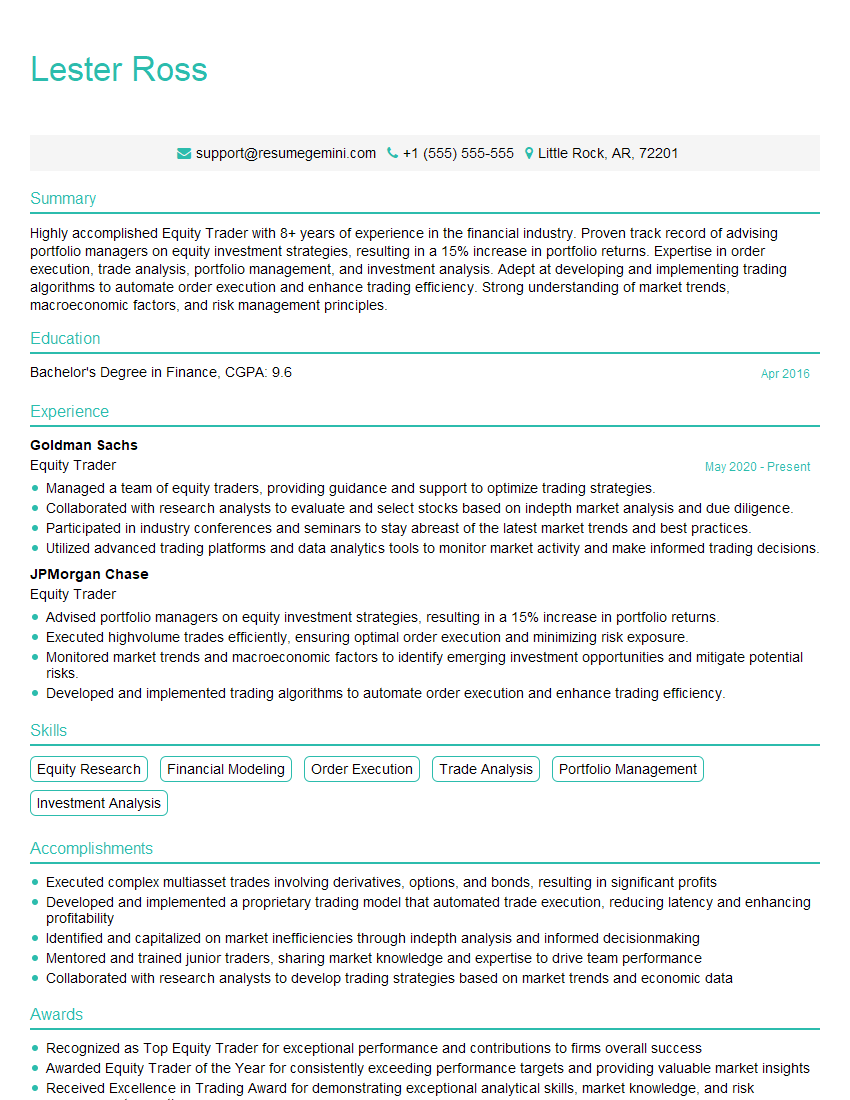
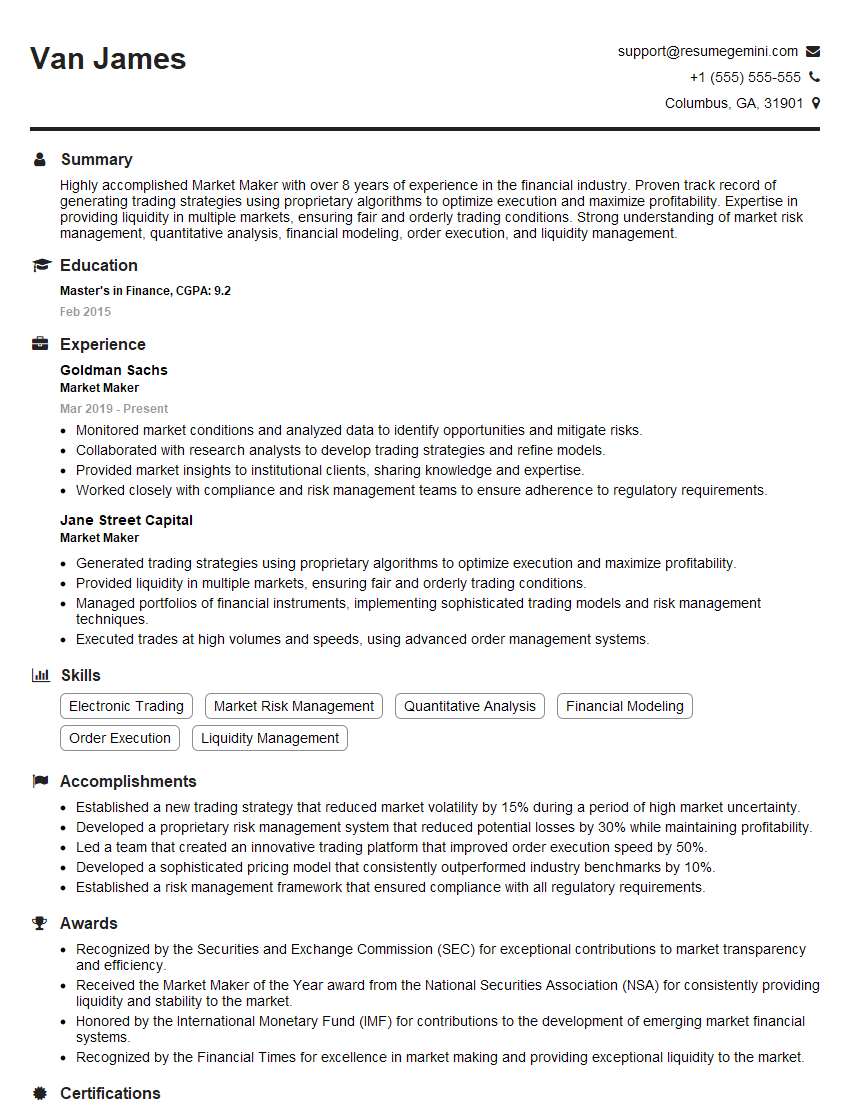
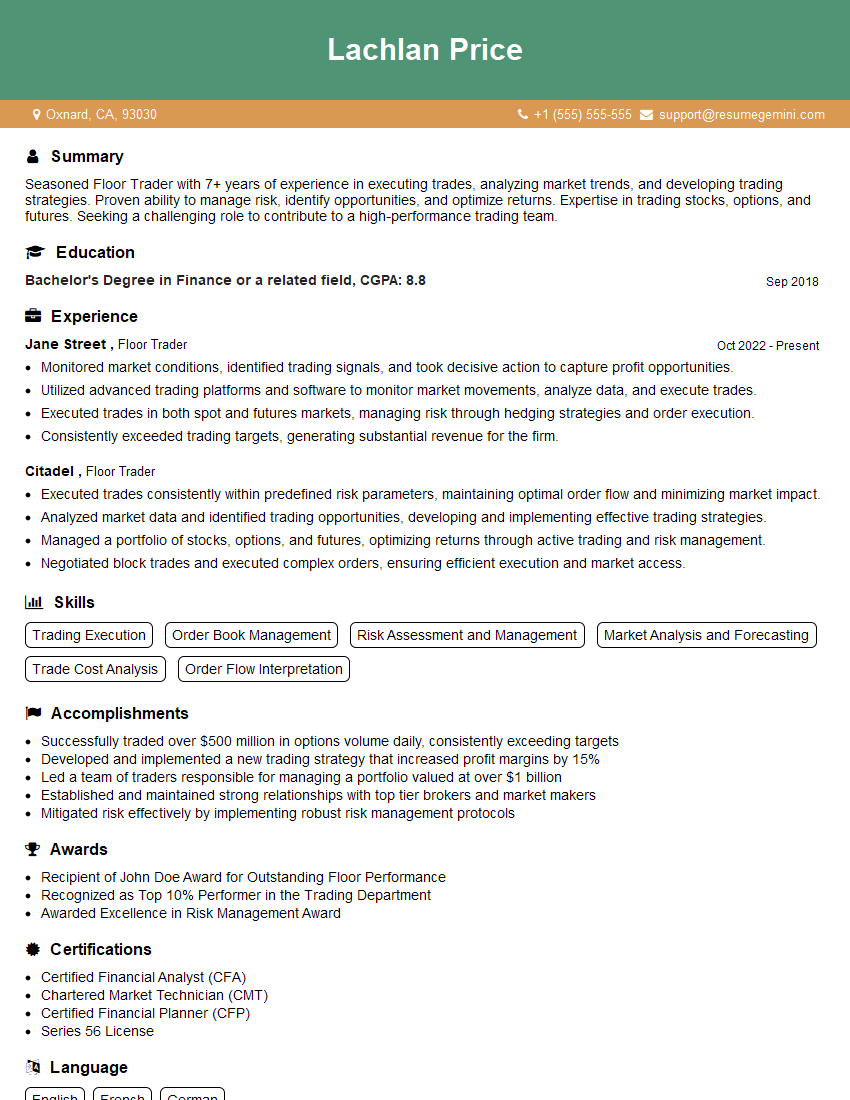
Mastering Pit Strategy Execution is crucial for career advancement in today’s dynamic business environment. Demonstrating expertise in this area significantly enhances your value to prospective employers. To maximize your job prospects, it’s essential to present your skills effectively through a well-crafted, ATS-friendly resume. ResumeGemini can be a valuable tool in this process, helping you create a professional and impactful resume that highlights your accomplishments and experience. Examples of resumes tailored to Pit Strategy Execution are available to further guide your preparation.
Explore more articles
Users Rating of Our Blogs
Share Your Experience
We value your feedback! Please rate our content and share your thoughts (optional).
What Readers Say About Our Blog
Very informative content, great job.
good