Interviews are opportunities to demonstrate your expertise, and this guide is here to help you shine. Explore the essential Plant Diagnostics and Pest/Disease Control interview questions that employers frequently ask, paired with strategies for crafting responses that set you apart from the competition.
Questions Asked in Plant Diagnostics and Pest/Disease Control Interview
Q 1. Describe the symptoms of common fungal diseases in [specific crop/plant type].
Let’s focus on common fungal diseases in tomato plants, a prevalent crop worldwide. Fungal diseases often manifest through characteristic visual symptoms. Early detection is crucial for effective management.
Early Blight (Alternaria solani): Starts with small, dark brown spots on older leaves, often with concentric rings. These spots enlarge, coalesce, and can lead to leaf death. Stems may also exhibit similar lesions.
Late Blight (Phytophthora infestans): Characterized by water-soaked lesions on leaves, initially appearing as dark green or brown spots. These lesions rapidly expand, turning brown and causing extensive leaf blight. Under humid conditions, a white, fuzzy mold (sporulation) may be visible on the underside of leaves. Stems and fruits can also be affected.
Gray Mold (Botrytis cinerea): Causes a gray, fuzzy mold on flowers, stems, and fruits. Infected areas appear soft and watery, eventually rotting. This disease thrives in humid conditions with poor air circulation.
Fusarium Wilt: This disease affects the vascular system of the plant. Symptoms include yellowing and wilting of leaves, starting from the lower leaves and progressing upwards. The plant may exhibit stunted growth and eventually die. Often, the vascular tissue will show a discoloration when the stem is cut open.
It’s important to remember that accurate diagnosis requires considering environmental factors and other potential causes, sometimes necessitating lab analysis for confirmation. Visual inspection alone, while critical, may not be definitive.
Q 2. Explain the life cycle of a major pest affecting [specific crop/plant type].
Let’s examine the life cycle of the Colorado potato beetle (Leptinotarsa decemlineata), a major pest affecting potatoes and other nightshades. This beetle has a complete metamorphosis, meaning it goes through four distinct stages.
Egg: Bright yellow-orange, oval-shaped eggs are laid in clusters on the undersides of leaves.
Larva: Larvae hatch from the eggs and are initially small and dark. They go through several instars (growth stages), becoming larger and more orange-red with darker stripes along their body. They feed voraciously on potato foliage.
Pupa: Mature larvae drop to the ground and pupate in the soil. This stage is relatively short.
Adult: Adult beetles emerge from the pupal stage. They are easily recognizable with their distinctive yellow and black stripes. Adults feed on foliage and lay eggs, starting a new generation.
Understanding this life cycle is fundamental to effective pest management. For instance, targeted insecticide applications during specific stages, such as the larval stage, can significantly reduce the pest population.
Q 3. What are the key differences between preventative and curative pest control strategies?
Preventative and curative pest control strategies differ significantly in their timing and approach. Preventative strategies aim to stop pests before they become a problem, while curative measures address an existing infestation.
Preventative: This involves actions taken to reduce the likelihood of a pest infestation. Examples include crop rotation, using resistant varieties, maintaining good sanitation practices (removing crop debris), proper irrigation and fertilization to promote plant health, and implementing cultural controls such as companion planting.
Curative: This involves actions taken to control an existing pest infestation. This often includes the application of pesticides, biological control agents, or other direct intervention methods. It’s reactive rather than proactive.
Think of it like this: preventative strategies are akin to building a strong immune system, while curative strategies are like treating a disease after it has already taken hold. An integrated approach that incorporates both strategies is generally most effective.
Q 4. How do you identify and diagnose plant diseases using visual inspection?
Visual inspection is a crucial first step in plant disease diagnosis. It involves carefully examining the plant for any abnormalities in its growth, appearance, or overall health. Here’s a systematic approach:
Observe the overall plant health: Look for signs of wilting, stunted growth, or unusual leaf coloration.
Examine the leaves: Note the presence of spots, lesions, discoloration, curling, or unusual growths. Pay attention to the size, shape, color, and location of these symptoms.
Inspect the stems and branches: Look for cankers, discoloration, or unusual swellings.
Check the roots: If possible, examine the root system for damage or discoloration.
Look for signs of pests: Observe for insects, mites, or other pests that might be contributing to the plant’s distress.
Consider environmental factors: Note the weather conditions, soil type, and irrigation practices, as these can influence disease development.
For example, seeing circular leaf spots with concentric rings could suggest early blight, while water-soaked lesions rapidly spreading could indicate late blight. However, always remember that confirmation may require laboratory testing.
Q 5. Explain the principles of Integrated Pest Management (IPM).
Integrated Pest Management (IPM) is a holistic, ecological approach to managing pests. It emphasizes prevention and minimizes reliance on chemical pesticides by integrating multiple control tactics.
Monitoring and scouting: Regularly inspecting crops to identify pests and diseases early.
Economic threshold: Determining the pest population level at which control measures are economically justified.
Cultural controls: Using farming practices such as crop rotation, resistant varieties, and proper sanitation to suppress pest populations.
Biological controls: Utilizing natural enemies such as predators, parasitoids, or pathogens to reduce pest numbers. For example, introducing ladybugs to control aphids.
Chemical controls: Using pesticides as a last resort, selecting the least toxic option, and applying it only when necessary and according to label instructions.
IPM prioritizes a sustainable approach, minimizing negative impacts on the environment, human health, and beneficial organisms. It’s a proactive, strategic approach rather than a reactive, ‘fire-fighting’ one.
Q 6. Describe different sampling methods for assessing pest populations.
Various sampling methods are employed to assess pest populations, each with its advantages and disadvantages. The choice of method depends on the pest’s behavior, the crop, and the available resources.
Random sampling: Selecting sample units at random across the field. Provides an unbiased estimate of pest density across the entire area.
Systematic sampling: Taking samples at regular intervals across the field. Efficient but might miss localized infestations.
Stratified sampling: Dividing the field into different zones (strata) and sampling each zone separately. Useful when pest distribution is uneven.
Targeted sampling: Focusing on areas where pests are likely to be concentrated (e.g., field edges). Efficient but may not represent the entire population.
Visual counts: Directly counting pests on plants. Simple but can be time-consuming and subjective.
Trapping methods: Using traps to capture and count pests. Useful for monitoring flying insects or other mobile pests.
For example, when assessing aphid populations on potatoes, visual counts of aphids per leaf might be sufficient if the infestation is relatively uniform. However, if the distribution is patchy, stratified sampling would be more appropriate.
Q 7. What are the advantages and disadvantages of using chemical pesticides?
Chemical pesticides, while effective in controlling pests, present both advantages and disadvantages.
Advantages:
- Rapid effect: Often provide immediate control of pest populations.
- Wide availability: Readily available commercially.
- Cost-effective (sometimes): Can be cost-effective in the short term, especially for large-scale operations.
Disadvantages:
- Environmental impact: Can harm non-target organisms, pollute water sources, and disrupt ecosystems.
- Human health risks: Exposure can cause health problems, ranging from mild irritation to severe illness.
- Pest resistance: Repeated use can lead to the development of pesticide resistance in pest populations, rendering the pesticide ineffective.
- Residue concerns: Pesticide residues can remain on crops, potentially affecting consumers.
- Costly long-term: The long-term costs associated with environmental damage and pest resistance can outweigh the initial cost savings.
Therefore, the use of chemical pesticides should be a carefully considered decision, weighing the benefits against the potential risks and integrating them responsibly within an IPM strategy.
Q 8. How do you determine the economic threshold for pest control?
Determining the economic threshold for pest control involves finding the pest population density at which the cost of control equals the value of the crop saved. It’s a crucial balance – controlling pests too early wastes resources, while delaying control until damage is significant reduces yield and profits.
Here’s a step-by-step approach:
- Estimate pest population: This involves regularly monitoring the field using various methods like visual inspection, traps, or sampling techniques.
- Assess crop value: Determine the potential yield and market price of the crop.
- Calculate cost of control: This includes the cost of pesticides, application, labor, and any potential yield loss from control measures.
- Determine damage level: Research the relationship between pest population density and crop damage. This information is often available in university extension publications or research papers.
- Calculate economic injury level (EIL): This is the pest population density that causes economic damage. EIL = (Cost of control / Value of crop per unit area) / Damage per pest
- Set economic threshold (ET): The ET is generally set slightly below the EIL, allowing for a buffer. This provides a proactive approach before significant damage occurs. For instance, if the EIL is 10 pests per plant, the ET might be set at 7-8 pests per plant.
Example: Imagine a farmer growing apples. If the cost of pesticide application is $100 per acre, the potential yield is 1000 apples per acre valued at $1 each, and each pest causes a $0.01 loss per apple, then the EIL would be approximately 10 pests per plant. The economic threshold might be set at 7-8 pests per plant to initiate control measures proactively.
Q 9. Explain the concept of pesticide resistance and how to manage it.
Pesticide resistance occurs when pest populations evolve and develop tolerance to pesticides, rendering the treatments ineffective. This is primarily driven by natural selection – pests with genes that provide resistance survive and reproduce, passing on those advantageous genes to their offspring. Over time, the entire population becomes resistant.
Managing pesticide resistance is crucial for long-term pest control. Key strategies include:
- Reduce pesticide use: Implement Integrated Pest Management (IPM) strategies that prioritize non-chemical controls.
- Rotate pesticides: Alternate between different classes of pesticides with different modes of action to prevent the development of resistance to any one chemical.
- Use pesticides at the correct dose and frequency: Following label instructions precisely is essential. Applying pesticides inappropriately can accelerate resistance development.
- Monitor pesticide resistance: Regular testing can detect resistance before it becomes widespread, allowing for timely interventions.
- Integrate alternative control methods: Employ tactics like biological control (introducing natural enemies of the pest), cultural control (modifying planting practices), and physical control (trapping or removing pests).
- Develop resistant crop varieties: Breeding crops with inherent resistance to specific pests minimizes the need for pesticides.
Example: The development of resistance to pyrethroid insecticides in certain insect populations demonstrates the importance of rotating pesticides and integrating other control methods.
Q 10. Describe various biological control methods for managing pests.
Biological control utilizes natural enemies of pests to suppress their populations. This eco-friendly approach minimizes reliance on chemical pesticides.
Various methods exist:
- Predators: Introducing natural predators such as ladybugs (for aphids) or lacewings (for various soft-bodied insects) can significantly reduce pest numbers.
- Parasitoids: These insects lay their eggs in or on the pest, eventually killing it. Trichogramma wasps, for instance, are used to control moth larvae.
- Pathogens: Using naturally occurring bacteria, fungi, viruses, or nematodes can effectively control pests. Bacillus thuringiensis (Bt) is a widely used bacterial insecticide.
- Competition: Introducing beneficial organisms that compete with pests for resources can reduce pest populations.
- Sterile Insect Technique (SIT): This involves mass-rearing and releasing sterile male insects to mate with wild females, leading to reduced reproduction.
Example: The use of the parasitoid wasp Trichogramma to control corn borer populations is a successful example of classical biological control, where a natural enemy is introduced from another area.
Q 11. How do environmental factors influence disease development?
Environmental factors play a crucial role in disease development, influencing the pathogen’s ability to infect and the plant’s susceptibility.
Key factors include:
- Temperature: Most pathogens have optimal temperature ranges for growth and reproduction. Extreme temperatures can inhibit or kill them.
- Moisture: High humidity and rainfall favor the spread of many diseases, as it provides the necessary moisture for spore germination and infection.
- Light: Light intensity and duration can influence both the plant’s susceptibility and the pathogen’s development. Some pathogens prefer shade, while others thrive in full sunlight.
- Soil conditions: Soil pH, drainage, and nutrient content influence both plant health and pathogen survival. Poor soil conditions can weaken plants, making them more susceptible to disease.
- Wind: Wind aids in the dissemination of airborne pathogens, spreading disease over longer distances.
Example: Early blight of potatoes is favored by warm, humid conditions. Proper drainage and avoiding overhead irrigation can help mitigate this disease.
Q 12. What are the common symptoms of nutrient deficiencies in plants?
Nutrient deficiencies manifest as distinct symptoms in plants, often affecting specific parts of the plant and altering its color or growth patterns. Identifying these symptoms is crucial for diagnosing and rectifying nutrient imbalances.
Common symptoms include:
- Nitrogen (N) deficiency: Stunted growth, pale green or yellow leaves (chlorosis), particularly older leaves, and reduced yields.
- Phosphorus (P) deficiency: Dark green or purplish leaves, stunted root growth, delayed flowering and maturity.
- Potassium (K) deficiency: Marginal leaf burn (necrosis), leaf curling or scorching, weakened stems.
- Magnesium (Mg) deficiency: Interveinal chlorosis (yellowing between leaf veins), leaf curling and dropping.
- Iron (Fe) deficiency: Interveinal chlorosis, especially in young leaves, which may appear completely yellow with green veins.
- Manganese (Mn) deficiency: Similar to iron deficiency, with interveinal chlorosis, often appearing as spots or stripes.
Example: A plant exhibiting pale green leaves, especially on older leaves, alongside stunted growth is likely suffering from nitrogen deficiency.
Q 13. Explain the role of soil health in plant disease management.
Soil health plays a vital role in plant disease management. Healthy soil supports robust plant growth, increasing resistance to diseases. Conversely, unhealthy soil can create conditions that promote disease development.
Here’s how soil health influences plant disease management:
- Improved plant vigor: Healthy soil provides adequate nutrients and water, leading to strong, healthy plants that are better able to withstand pathogens.
- Increased microbial diversity: A diverse soil microbiome includes beneficial microorganisms that compete with pathogens, suppress disease, and enhance nutrient cycling.
- Enhanced nutrient availability: Healthy soil improves nutrient uptake by plants, enhancing their overall health and resistance to disease.
- Improved soil structure: Good soil structure enhances drainage, aeration, and root growth, reducing conditions that favor many pathogens.
- Reduced reliance on synthetic inputs: Healthy soil reduces the need for synthetic fertilizers and pesticides, promoting sustainable agriculture.
Example: No-till farming practices increase organic matter, enhancing soil structure, water retention, and microbial diversity, thus reducing plant diseases.
Q 14. How do you use diagnostic tools (e.g., microscopy, molecular techniques) in plant diagnostics?
Diagnostic tools are essential for accurate plant disease identification and diagnosis. Microscopy and molecular techniques offer complementary approaches for detecting pathogens and identifying specific diseases.
Microscopy:
- Light microscopy: Used to examine plant tissues for fungal structures (hyphae, spores), bacterial colonies, or nematode presence. It’s a relatively simple and accessible technique for initial assessment.
- Electron microscopy: Provides higher magnification and resolution, allowing for detailed examination of pathogen structures, improving identification accuracy.
Molecular techniques:
- Polymerase chain reaction (PCR): A highly sensitive method to detect and amplify specific DNA or RNA sequences of pathogens, even at low concentrations. It allows for rapid and accurate identification of many plant pathogens.
- ELISA (enzyme-linked immunosorbent assay): Detects specific pathogen antigens or antibodies, offering a quick and sensitive test for certain diseases.
- DNA sequencing: Provides detailed genetic information, enabling precise identification of pathogens and strains.
Example: PCR can quickly detect the presence of a specific virus in a plant sample, while light microscopy can reveal fungal hyphae associated with a leaf spot disease. Combining these approaches offers a comprehensive diagnosis.
Q 15. How do you interpret plant tissue analysis reports?
Interpreting plant tissue analysis reports requires a thorough understanding of plant nutrition and the limitations of the testing method. The report will typically list the concentrations of various macronutrients (nitrogen, phosphorus, potassium) and micronutrients (iron, zinc, manganese, etc.) in the plant tissue sample. We compare these values to optimal ranges for the specific plant species and growth stage. Deviations from these ranges indicate potential deficiencies or toxicities.
For example, a low nitrogen reading might suggest a need for nitrogen fertilization. However, it’s crucial to consider other factors. Low nitrogen could also be a symptom of a root disease hindering nutrient uptake, or it might be that the plant has sufficient nitrogen but the test sample was non-representative due to uneven distribution in the plant. Similarly, high levels of a nutrient might not indicate an excess application but rather an inability of the plant to utilize it due to other factors, like soil pH problems.
Therefore, I always integrate the tissue analysis results with a comprehensive visual inspection of the plant, including assessment of its growth stage, overall health, symptoms observed (chlorosis, necrosis, etc.), and soil conditions. This holistic approach provides a more accurate diagnosis and leads to more effective recommendations.
Career Expert Tips:
- Ace those interviews! Prepare effectively by reviewing the Top 50 Most Common Interview Questions on ResumeGemini.
- Navigate your job search with confidence! Explore a wide range of Career Tips on ResumeGemini. Learn about common challenges and recommendations to overcome them.
- Craft the perfect resume! Master the Art of Resume Writing with ResumeGemini’s guide. Showcase your unique qualifications and achievements effectively.
- Don’t miss out on holiday savings! Build your dream resume with ResumeGemini’s ATS optimized templates.
Q 16. Describe the regulatory framework governing pesticide use in your region.
The regulatory framework governing pesticide use in my region (replace with your region) is quite stringent. It’s primarily governed by [mention relevant regulatory bodies, e.g., Environmental Protection Agency, Ministry of Agriculture]. These bodies establish regulations on pesticide registration, labeling, and use. All pesticides must be registered before they can be legally sold and used, and the label clearly states the permitted crops, application rates, safety precautions, and re-entry intervals. There are strict guidelines on application methods to minimize environmental impact and drift. The use of certain highly toxic pesticides is often restricted or prohibited. Further, there’s a process for reporting any pesticide-related incidents to the authorities.
For example, aerial application of pesticides often requires special permits and adherence to strict operational protocols to prevent drift onto non-target areas. Furthermore, regular training and certification are required for pesticide applicators to ensure safe and effective use.
Q 17. What are the safety precautions when handling pesticides?
Safety precautions when handling pesticides are paramount. This begins with always reading and carefully following the label instructions. This includes wearing appropriate personal protective equipment (PPE), which typically includes coveralls, gloves, eye protection, and a respirator, depending on the pesticide’s toxicity. Proper ventilation is crucial, especially when mixing or applying pesticides indoors. Never eat, drink, or smoke while handling pesticides, and wash hands thoroughly with soap and water after each use, and certainly before eating or drinking.
Moreover, responsible storage is critical; pesticides should be stored in a secure, locked location away from children, pets, and food. Proper disposal of empty containers is also vital to prevent environmental contamination. If a spill occurs, one should follow the specific instructions outlined on the label, which may include using an absorbent material to contain the spill and contacting the appropriate emergency authorities. Finally, regular medical check-ups are recommended for individuals who work frequently with pesticides.
Q 18. How do you manage pesticide disposal according to regulations?
Pesticide disposal is governed by strict regulations. Empty pesticide containers should never be discarded in regular trash. Instead, they must be triple-rinsed and then disposed of according to the label instructions and local regulations. In many regions, there are designated collection points or programs for pesticide container recycling or disposal. Some pesticides require specialized handling and disposal procedures due to their toxicity. Improper disposal can lead to severe environmental consequences, including water contamination and harm to wildlife.
For example, some regions have designated collection days for pesticide containers, while others might have designated hazardous waste facilities. It’s critical to check with local authorities or environmental agencies regarding the appropriate disposal methods for specific pesticides in your area.
Q 19. Explain your experience with different pesticide application techniques.
I have experience with a range of pesticide application techniques, chosen according to the specific pest or disease, the crop, and environmental conditions. These include:
- Ground application: This involves using sprayers, dusters, or granular applicators on the ground. I’m skilled in calibrating equipment for accurate application rates and ensuring even coverage.
- Aerial application: I have supervised aerial applications, understanding the complexities of wind speed, direction, and potential drift issues. This method is efficient for large fields but requires careful planning and execution to minimize environmental impact.
- Targeted application: This includes methods such as spot treatment for localized infestations or trunk injections for systemic control of diseases.
- Drip or fertigation: Integrating pesticides with irrigation systems for systemic uptake by the plant.
The selection of the most suitable technique always considers factors like the target pest or disease, the plant’s growth stage, and environmental factors such as wind, temperature, and rainfall. The goal is always to achieve effective pest control while minimizing environmental risks and ensuring worker safety.
Q 20. How do you communicate diagnostic results and recommendations to growers/clients?
Communicating diagnostic results and recommendations to growers is a crucial aspect of my work. Clarity and simplicity are key. I avoid technical jargon whenever possible, tailoring my language to the grower’s level of understanding. I always start by explaining the problem in clear terms, presenting the findings of the diagnosis (e.g., the identified pest or disease, and the severity of the infestation). I then present my recommendations in a practical and actionable way, explaining the reasoning behind each suggestion. This might involve specific pesticide treatments, cultural practices, or biological control methods.
I use visual aids like photographs or diagrams to clarify complex information. I emphasize prevention strategies to reduce the need for chemical interventions. Follow-up is critical, so I schedule regular check-ins to monitor the effectiveness of the implemented strategies and make any necessary adjustments. Open communication and a collaborative approach are vital to a successful outcome. For example, when dealing with a new disease outbreak, I will thoroughly document the findings and collaborate with other experts to develop effective management strategies.
Q 21. Describe your experience in troubleshooting pest and disease problems.
Troubleshooting pest and disease problems involves a systematic approach. I begin by carefully observing the plant’s symptoms – leaf discoloration, wilting, lesions, insect damage, etc. This is followed by collecting samples for laboratory analysis, which might include identifying the pest or pathogen through microscopy or DNA sequencing. Then, I consider environmental factors such as soil conditions, weather patterns, and cultural practices. This integrated approach allows me to differentiate between symptoms caused by biotic (living organisms, like insects or fungi) or abiotic factors (non-living, such as nutrient deficiencies or drought stress).
For instance, I recently worked on a case where plants exhibited yellowing leaves. Initially, it appeared to be a nutrient deficiency. However, further investigation revealed soil compaction hindering root development and nutrient uptake. Addressing the soil compaction through improved drainage resolved the issue, demonstrating the importance of holistic diagnostics. This systematic approach—observation, laboratory analysis, and environmental assessment—helps in accurate diagnosis and development of effective, sustainable solutions.
Q 22. How do you stay up-to-date with the latest advancements in plant diagnostics and pest control?
Staying current in the dynamic fields of plant diagnostics and pest control requires a multi-pronged approach. I actively participate in professional organizations like the American Phytopathological Society (APS) and the Entomological Society of America (ESA), attending conferences and webinars to learn about the latest research and best practices. These events often feature presentations from leading experts and offer networking opportunities.
Furthermore, I subscribe to several key journals, including Plant Pathology, Phytopathology, and Journal of Economic Entomology, to keep abreast of published research. I also regularly consult online databases such as Web of Science and Scopus for relevant articles. Finally, I maintain a strong network of colleagues and collaborators in the field, engaging in regular discussions and knowledge sharing.
Q 23. How do you handle conflicting advice regarding pest and disease management?
Conflicting advice is unfortunately common in plant diagnostics, often stemming from differences in regional climates, specific pathogen strains, or even the experience level of the advisor. My approach is systematic and evidence-based. First, I carefully evaluate the source of the advice, considering the credentials and experience of the advisor and the context in which the advice was given.
Then, I conduct a thorough literature review to examine the scientific evidence supporting each recommendation. This involves looking at peer-reviewed publications and validated research data. Finally, I consider the specific characteristics of the situation at hand: the plant species, the symptoms observed, the environmental conditions, and the potential economic impact. By weighing all of these factors, I can make an informed decision, often selecting a strategy that integrates the best aspects of different recommendations or opting for a more conservative approach when the evidence is insufficient.
Q 24. Explain your experience with data analysis and reporting in plant diagnostics.
Data analysis and reporting are crucial to effective plant diagnostics. I’m proficient in using various statistical software packages, such as R and SAS, to analyze data collected from field surveys, laboratory tests, and remote sensing technologies. This includes analyzing disease incidence and severity, pest population densities, and the effectiveness of different management strategies.
For example, in a recent project involving the assessment of late blight resistance in potato cultivars, I used R to perform ANOVA and regression analysis on disease severity data, generating insightful visualizations and statistical reports. These reports helped determine which cultivars exhibited the highest levels of resistance and were critical in making informed recommendations to farmers. I can effectively communicate complex findings through clear, concise reports and presentations, using tables, graphs, and maps to convey information visually.
Q 25. Describe a situation where you had to make a quick diagnosis and implement a solution.
During a particularly hot and humid summer, a large-scale greenhouse operation experienced a rapid decline in tomato plants. Initial symptoms included wilting and leaf discoloration. The grower was concerned about significant crop losses. Given the urgency, I immediately performed on-site inspections, examining leaf samples under a microscope and collecting soil samples for analysis.
The rapid onset and wilting symptoms suggested a vascular disease. Microscopic analysis revealed the presence of Fusarium oxysporum, a common cause of Fusarium wilt in tomatoes. I immediately recommended implementing several control measures: reducing irrigation frequency to minimize water stress, improving soil drainage to reduce fungal growth, and using disease-resistant tomato cultivars for future plantings. The quick diagnosis and implemented strategies mitigated the spread of the disease, saving a substantial portion of the crop.
Q 26. How do you adapt your pest and disease management strategies to different environments?
Adaptability is key in plant diagnostics and pest management. Pest and disease pressures vary greatly across different environments due to differences in climate, soil type, plant species composition, and cultural practices. My approach involves a thorough understanding of the specific environmental conditions, including temperature, humidity, rainfall, and soil characteristics, and the potential impact on pest and disease development.
For instance, management strategies for powdery mildew, a fungal disease, would differ drastically between a humid greenhouse and a dry field setting. In humid environments, emphasis would be on improving air circulation and using appropriate fungicides, while in dry environments, focus could be on resistant varieties and cultural practices that promote plant health. I use integrated pest management (IPM) principles, which emphasize a combination of biological, cultural, and chemical control methods, tailored to the specific environment and the specific pest or disease problem.
Q 27. What are some emerging challenges in plant diagnostics and pest control?
Several emerging challenges are reshaping the landscape of plant diagnostics and pest control. The rise of pesticide resistance in many pest species necessitates the development of novel and sustainable control strategies. The increasing frequency and severity of extreme weather events due to climate change are altering the distribution and behavior of pests and diseases, requiring more dynamic and adaptable management approaches.
Furthermore, the emergence of new and invasive pest and disease species poses significant threats to global food security. The global spread of diseases facilitated by international trade presents a significant challenge for rapid detection and effective management. Finally, the increasing prevalence of plant diseases caused by complex interactions between pathogens and their environments necessitate a sophisticated and integrative approach to diagnosis and control. This involves integrating advanced technologies like molecular diagnostics and sophisticated modeling techniques to understand and predict disease outbreaks.
Q 28. Describe your experience with specific plant diseases (e.g., late blight, powdery mildew) and their management
I have extensive experience managing late blight (Phytophthora infestans) and powdery mildew (various species). Late blight, a devastating disease of potatoes and tomatoes, requires a multi-faceted approach. This includes the use of disease-resistant cultivars, crop rotation, timely application of fungicides (following label instructions carefully), and proper sanitation to remove infected plant debris. The timing of fungicide application is critical, often requiring regular monitoring of disease development using early warning systems.
Powdery mildew management depends heavily on the specific species and host plant. Cultural practices such as improving air circulation, avoiding overhead irrigation, and pruning to increase sunlight penetration can significantly reduce disease incidence. For severe infections, specific fungicides are applied, but choosing the right fungicide is critical to avoid developing resistance. Regular monitoring and scouting are critical to both diseases; early detection is key to minimizing yield losses.
Key Topics to Learn for Plant Diagnostics and Pest/Disease Control Interview
- Plant Pathology Fundamentals: Understanding disease cycles, pathogen identification (fungi, bacteria, viruses, nematodes), and disease symptoms.
- Pest Identification and Management: Recognizing insect pests, mites, and other invertebrates; understanding their life cycles and control strategies (biological, cultural, chemical).
- Diagnostic Techniques: Mastering techniques like visual inspection, laboratory analysis (microscopy, molecular diagnostics), and data interpretation for accurate diagnosis.
- Integrated Pest Management (IPM): Developing and implementing sustainable pest and disease management strategies that minimize environmental impact.
- Plant Physiology and Health: Understanding plant growth, nutrition, and stress responses to better diagnose problems and recommend solutions.
- Crop Scouting and Monitoring: Developing efficient methods for regular field surveys and early detection of pest and disease outbreaks.
- Regulatory Compliance: Familiarity with relevant regulations and safety protocols related to pesticide use and plant health management.
- Data Analysis and Reporting: Analyzing collected data, interpreting results, and preparing clear and concise reports.
- Problem-Solving and Critical Thinking: Applying knowledge and experience to diagnose complex plant health issues and recommend effective solutions.
- Communication Skills: Effectively communicating technical information to diverse audiences (farmers, growers, supervisors).
Next Steps
Mastering Plant Diagnostics and Pest/Disease Control opens doors to exciting career opportunities in agriculture, horticulture, and environmental science. A strong understanding of these principles is crucial for securing a competitive edge in the job market. To maximize your chances, creating a professional, ATS-friendly resume is essential. ResumeGemini can help you build a compelling resume that showcases your skills and experience effectively. ResumeGemini provides examples of resumes tailored to Plant Diagnostics and Pest/Disease Control, guiding you to create a document that highlights your unique qualifications and expertise. Take advantage of this resource to present yourself in the best possible light and accelerate your career advancement.
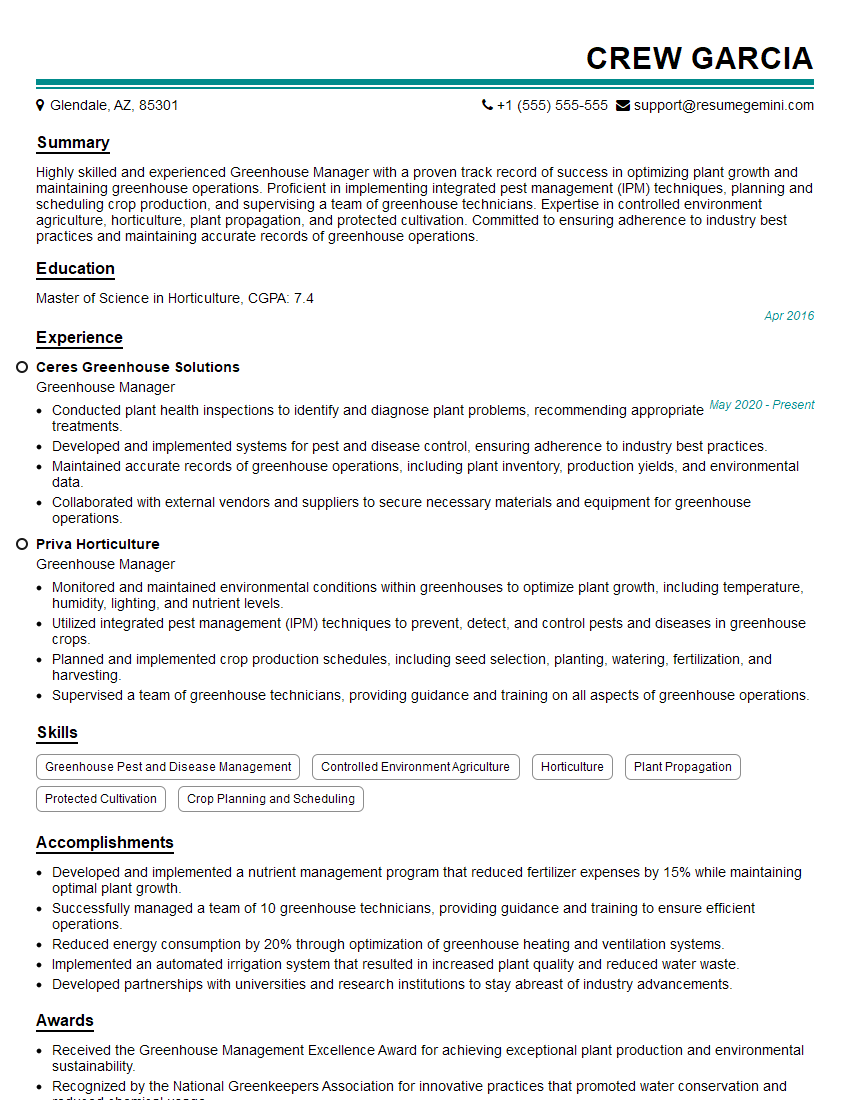
Greenhouse Manager Resume Sample
Nursery Manager Resume Sample
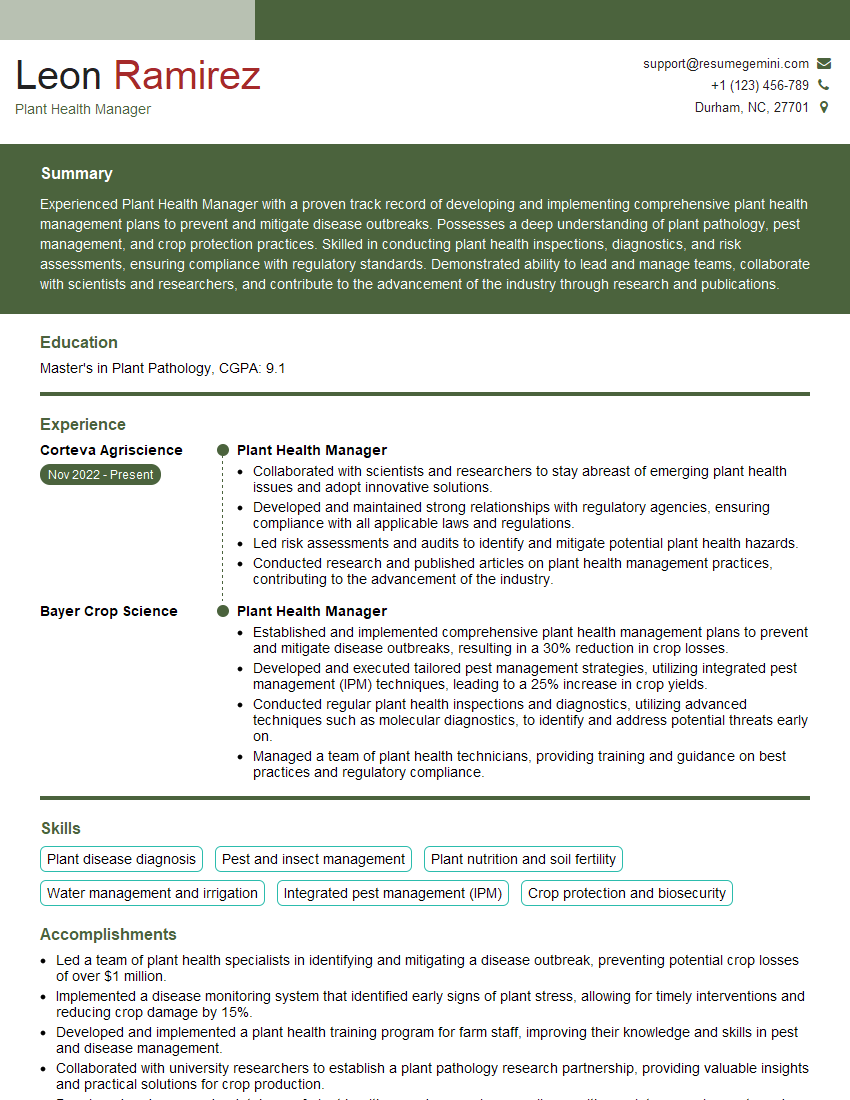
Plant Health Manager Resume Sample

Arborist Resume Sample
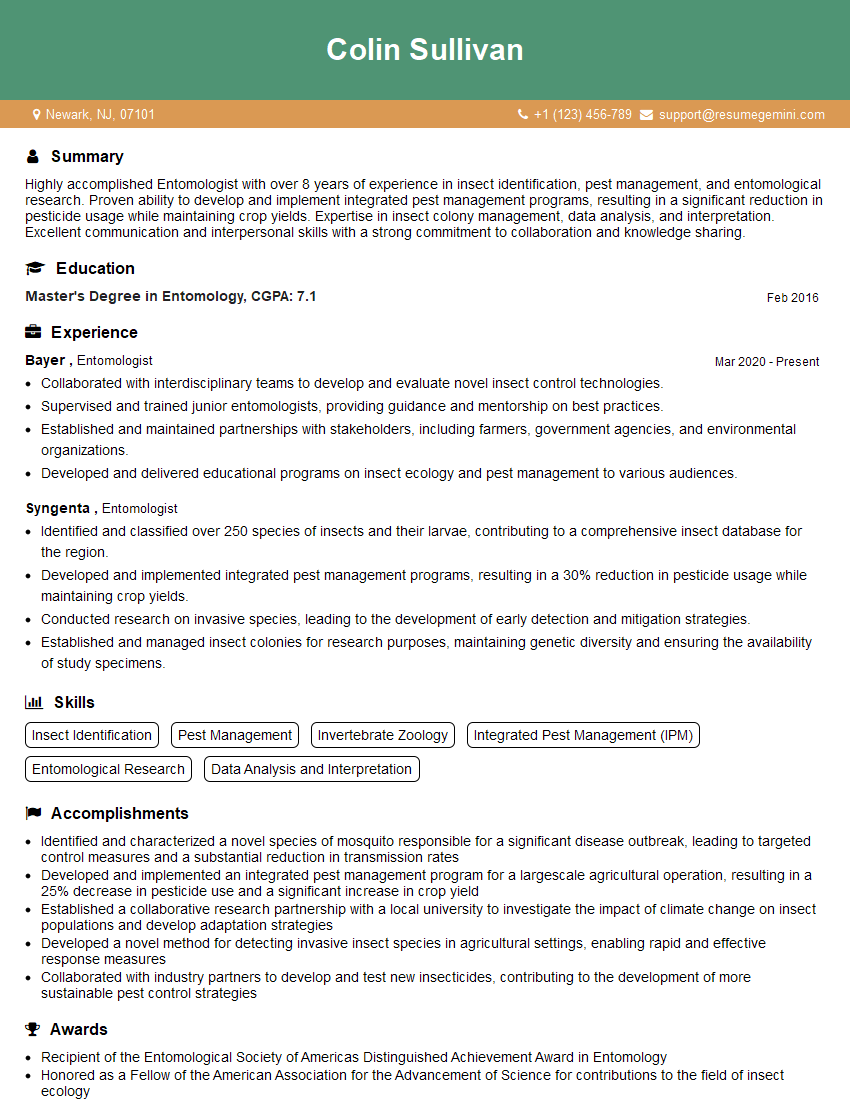
Entomologist Resume Sample
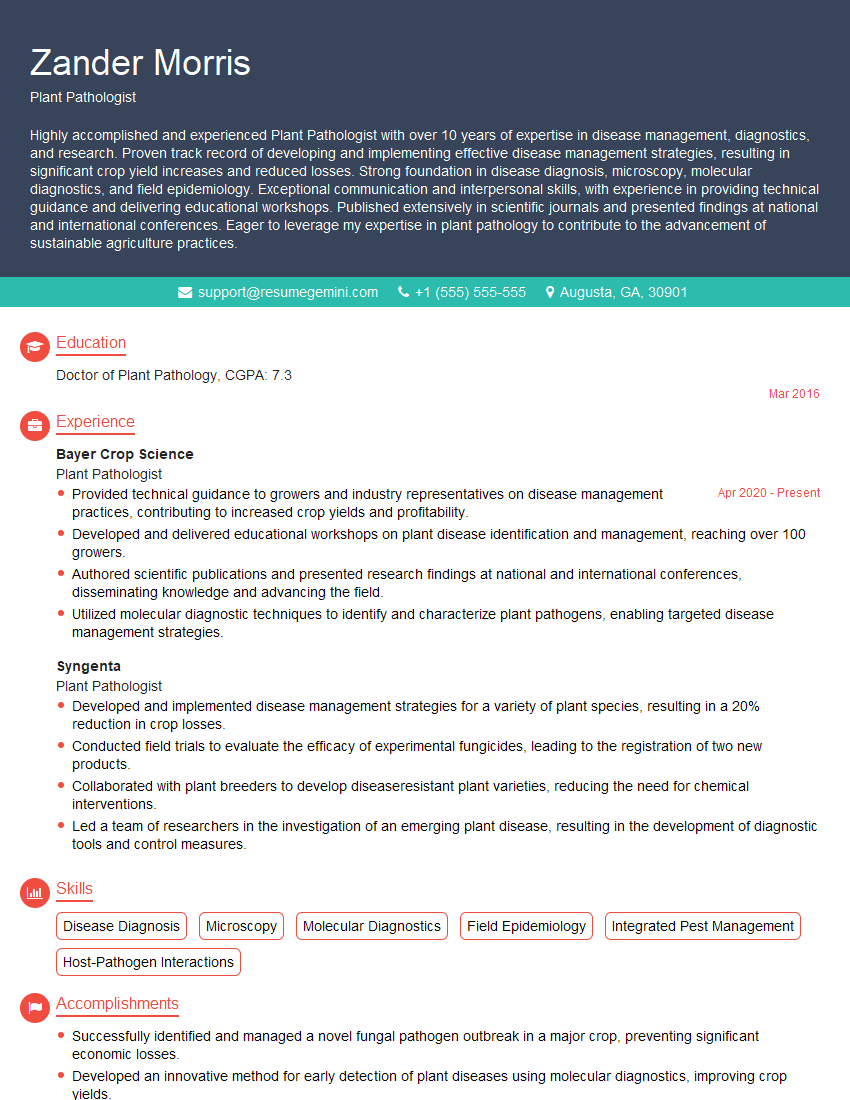
Plant Pathologist Resume Sample
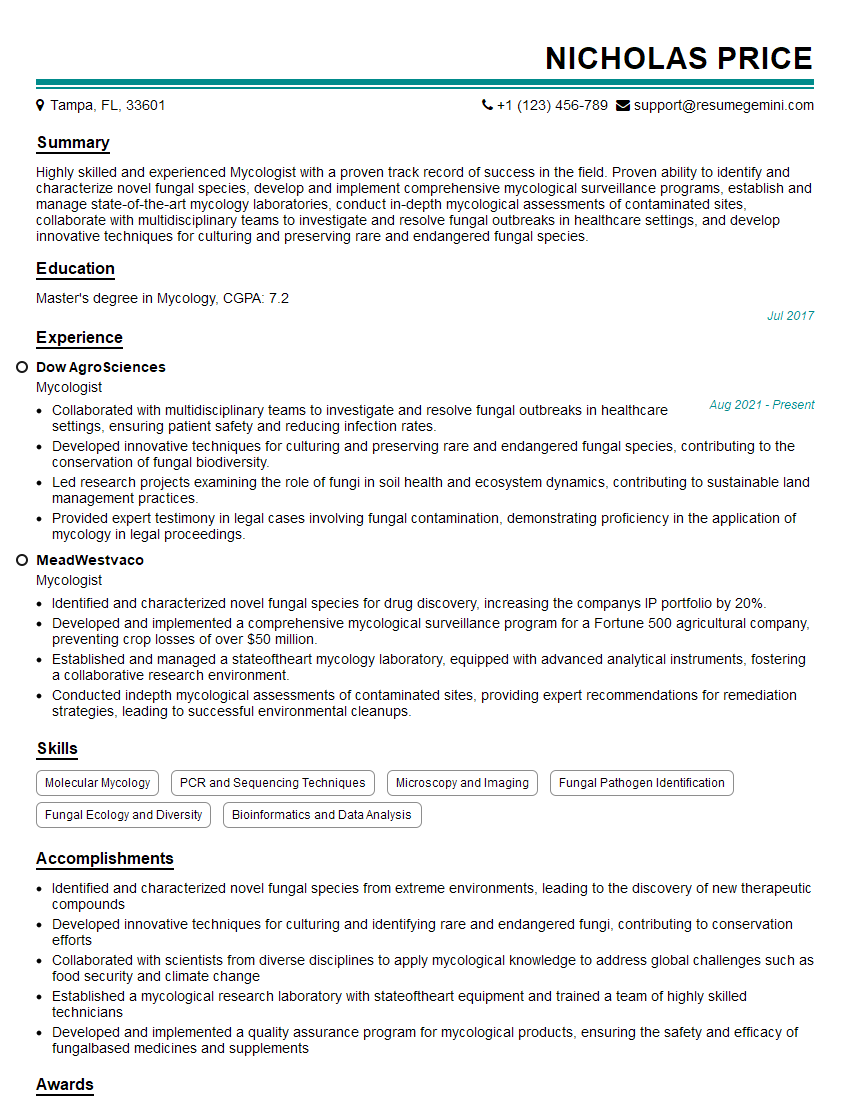
Mycologist Resume Sample

Nematologist Resume Sample
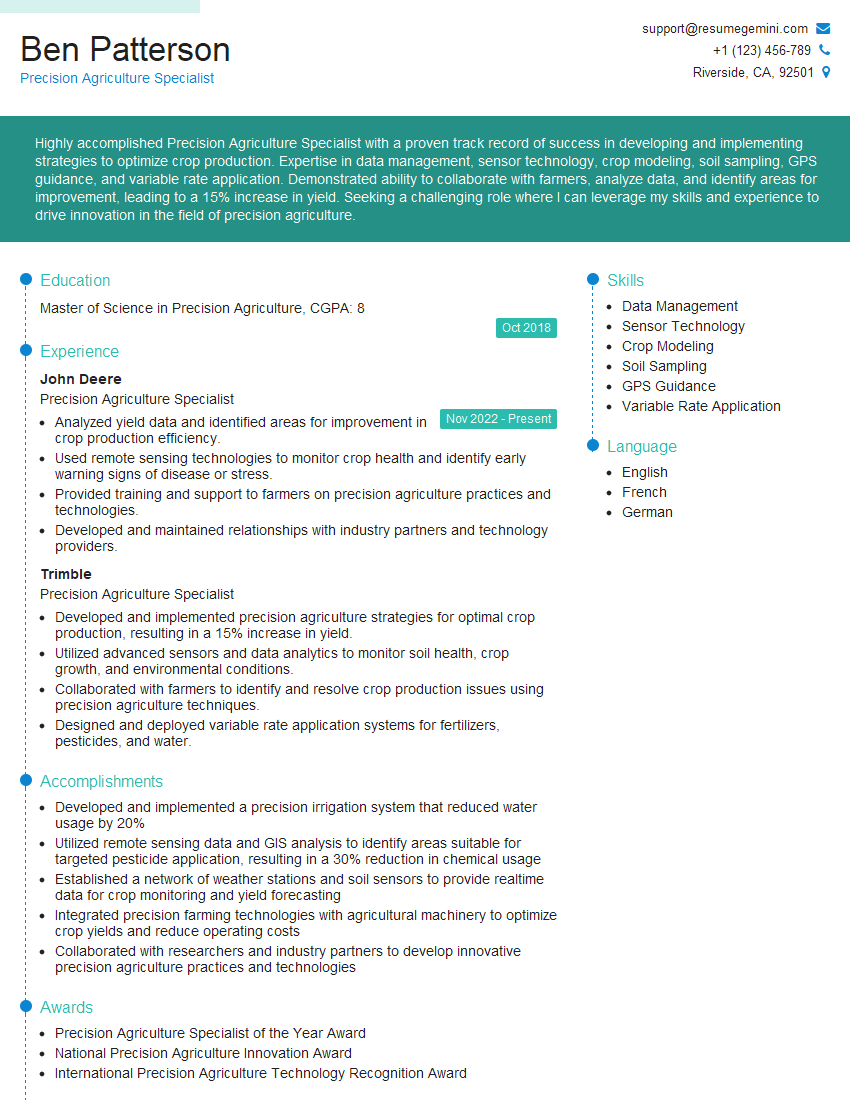
Precision Agriculture Specialist Resume Sample
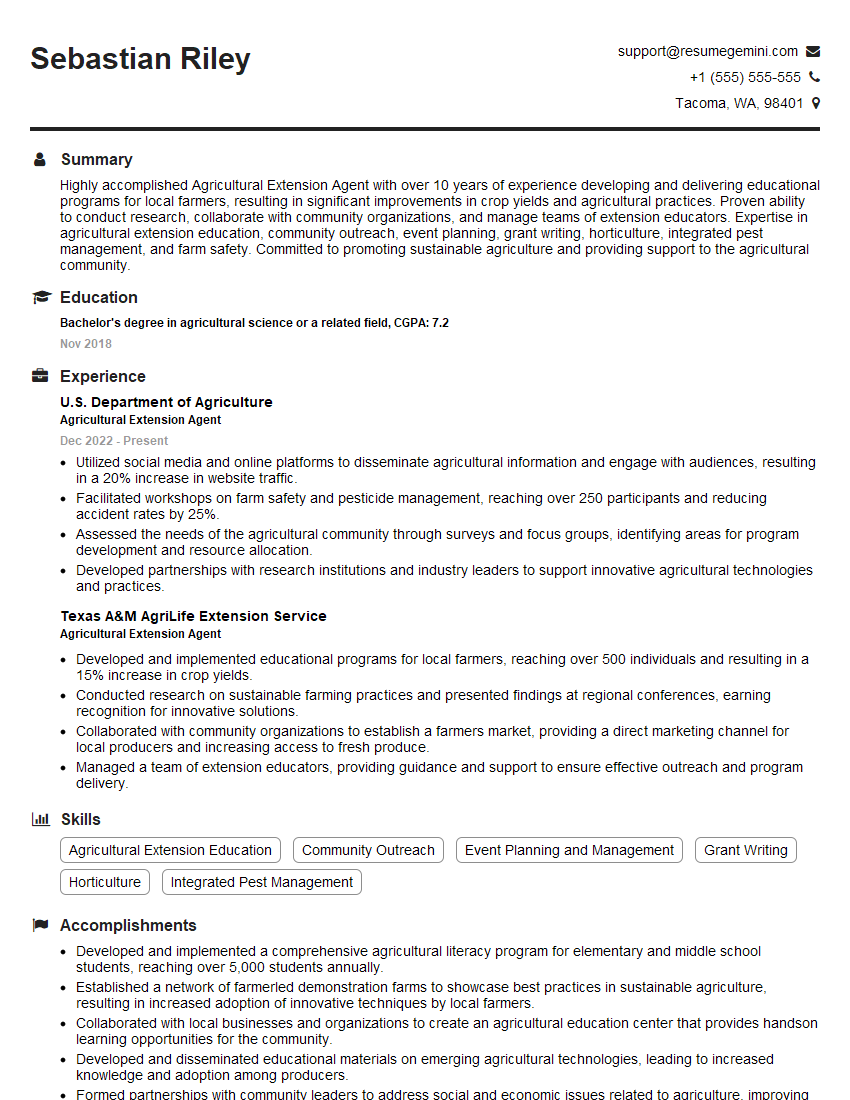
Agricultural Extension Agent Resume Sample
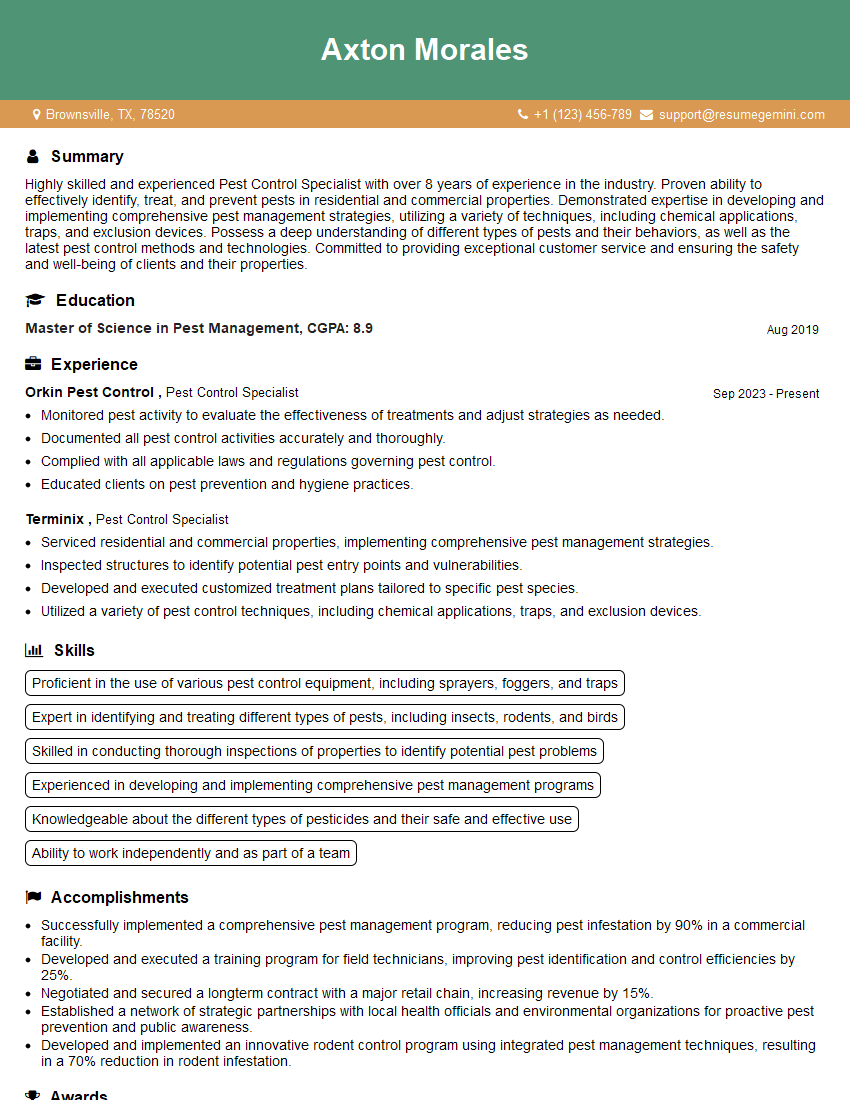
Pest Control Specialist Resume Sample
Explore more articles
Users Rating of Our Blogs
Share Your Experience
We value your feedback! Please rate our content and share your thoughts (optional).
What Readers Say About Our Blog
good