Interviews are opportunities to demonstrate your expertise, and this guide is here to help you shine. Explore the essential Plant Spacing and Alignment interview questions that employers frequently ask, paired with strategies for crafting responses that set you apart from the competition.
Questions Asked in Plant Spacing and Alignment Interview
Q 1. Explain the concept of optimal plant spacing.
Optimal plant spacing is the distance between individual plants or rows that maximizes yield and quality while minimizing resource competition. Think of it like arranging guests at a party – too close and they’re cramped and uncomfortable; too far apart and the party feels empty. Similarly, plants need the right amount of space to thrive.
Finding the sweet spot involves balancing the plant’s growth habit, the available resources (like sunlight, water, and nutrients), and the desired outcome. A too-dense planting results in stunted growth, reduced yields, and increased disease susceptibility. Conversely, too much space leads to underutilization of land and potentially lower overall productivity.
Q 2. What factors influence plant spacing decisions?
Several factors influence plant spacing decisions. These include:
- Plant size and growth habit: Large plants like pumpkins need far more space than small plants like lettuce.
- Crop type: Different crops have different nutrient and light requirements, influencing spacing needs. A vine crop (e.g., cucumber) may need more vertical space, while a root crop (e.g., carrot) may prioritize horizontal spacing.
- Soil fertility: Richer soil allows for closer spacing because plants can access more resources.
- Climate: Hot, dry climates might require wider spacing to improve air circulation and reduce water stress, whereas cooler, wetter climates may tolerate closer spacing.
- Planting method: Direct seeding usually allows for more precise spacing than transplanting.
- Cultivation practices: The use of machinery, for example, can influence spacing patterns to allow for easier access to rows.
- Desired yield and quality: The ultimate goal dictates spacing; higher yields may necessitate denser plantings (up to a point).
Q 3. Describe different plant spacing patterns (e.g., square, rectangular, triangular).
Several plant spacing patterns exist, each with advantages and disadvantages:
- Square: Plants are arranged in a grid pattern with equal spacing between rows and plants within rows. This is simple to implement and suitable for many crops.
- Rectangular: Plants are arranged in rows with a fixed distance between rows and plants within the rows. This is often used when considering machinery access or maximizing row utilization for particular sunlight exposure.
- Triangular: Plants are arranged in equilateral triangles. This pattern is more space-efficient than square or rectangular patterns, maximizing the utilization of the planting area. It’s commonly used for crops where maximizing light capture is critical.
- Quincunx: A pattern where plants are set in staggered rows; one plant is in the center of a square, then four surrounding it. Ideal for maximizing light capture and plant support.
Choosing the right pattern depends on the crop and the specific conditions. A rectangular pattern might be better for ease of mechanical harvesting, while a triangular pattern could increase light penetration in dense plantings.
Q 4. How does plant spacing affect crop yield?
Plant spacing directly affects crop yield. Too close spacing leads to competition for resources – light, water, and nutrients – resulting in smaller plants and lower yields. Imagine many people trying to share a limited amount of food; everyone gets less. Conversely, excessively wide spacing leads to underutilized land and potentially lower overall yields per unit area.
There’s an optimal spacing that maximizes each plant’s access to resources, leading to higher yields and a better use of land.
Optimal spacing also depends on the crop. For example, corn is often planted in wide rows to accommodate machinery and still achieve high yields, whereas lettuce can be closely spaced because it has a smaller root system and smaller overall size.
Q 5. How does plant spacing impact disease incidence?
Plant spacing significantly impacts disease incidence. Close spacing increases the humidity and reduces air circulation around the plants, creating an ideal environment for fungal and bacterial diseases to thrive. Think of it as a crowded room; if one person gets sick, it’s easier for the illness to spread to others.
Wider spacing allows for better airflow, which can dry leaf surfaces, reducing the incidence of many diseases. Good spacing also provides better access for disease management practices such as spraying pesticides or fungicides.
Q 6. How does plant spacing affect weed competition?
Plant spacing directly affects weed competition. Dense plantings can suppress weeds by shading the soil and competing for resources. However, if the plants aren’t vigorous or the weeds are particularly competitive, close spacing can exacerbate weed problems. Think of it like a tug-of-war; plants and weeds are competing for the same resources.
Optimal spacing, combined with appropriate weed management techniques, can minimize weed competition and promote healthy crop growth.
Q 7. How does plant spacing influence water usage?
Plant spacing influences water usage. Close spacing can increase water stress because plants compete for the available moisture in the soil. This can lead to increased irrigation needs or, in the absence of irrigation, to reduced yields and plant stress.
Wider spacing can reduce water stress by allowing each plant access to a larger volume of soil and water. However, wider spacing means more area requiring irrigation, potentially leading to higher overall water usage for the same yield. The optimal spacing will depend on the specific crop, soil type, and climate.
Q 8. How does plant spacing influence nutrient uptake?
Plant spacing directly impacts nutrient uptake. Imagine a crowded party – everyone’s jostling for space and snacks (nutrients)! With adequate spacing, each plant has access to a larger volume of soil, allowing its roots to explore and absorb more water and nutrients. Conversely, close spacing leads to competition for resources. Roots become intertwined, fighting for the same limited supply, resulting in smaller plants with reduced yields and potentially nutrient deficiencies. This is especially crucial for nutrient-hungry crops like corn or tomatoes.
For example, a farmer planting corn might opt for wider spacing in poor soil to ensure each plant has enough nutrients. In richer soils, closer spacing might be acceptable because the abundant nutrients can support a higher density of plants.
Q 9. Explain the relationship between plant spacing and sunlight penetration.
Sunlight is essential for photosynthesis, the process by which plants create energy. Plant spacing directly impacts the amount of sunlight reaching each plant. Wide spacing allows more sunlight to penetrate the canopy, reaching lower leaves and maximizing energy production. Dense planting creates shade, limiting sunlight to the upper leaves, ultimately decreasing overall yield. Consider it like a forest: trees in dense forests compete for sunlight, often leading to taller, skinnier trees with sparse lower branches. A more open arrangement lets sunlight reach the forest floor, supporting a greater diversity of plant life.
The optimal spacing ensures that enough sunlight reaches all leaves for efficient photosynthesis. This will vary greatly depending on the crop; for example, sun-loving lettuce will require more spacing than shade-tolerant spinach.
Q 10. How does plant spacing affect air circulation within a crop?
Air circulation is critical for plant health. Good air movement helps prevent the build-up of humidity and disease. Closely spaced plants create a still, humid environment, creating ideal conditions for fungal diseases like powdery mildew to thrive. This is akin to a crowded room – the air gets stuffy and recirculates stale air, increasing the chance of illness spreading. Adequate spacing allows for better air circulation, reducing humidity and the risk of disease. A well-ventilated environment also promotes better transpiration (water release from leaves), which is crucial for plant cooling and nutrient transport.
In orchards, proper tree spacing is vital for controlling pests and diseases. Closely planted trees have increased humidity and reduced air movement, making them more susceptible to pest and disease outbreaks.
Q 11. Describe the challenges of plant spacing in different growing systems (e.g., hydroponics, vertical farming).
Plant spacing presents unique challenges in different growing systems. In hydroponics, where plants are grown without soil in a nutrient-rich solution, close spacing is possible because nutrient delivery is controlled and uniform. However, excessive density can lead to nutrient depletion in the solution and reduced oxygen availability at the roots. Vertical farming, with its stacked layers, further intensifies this, requiring precise spacing and automated nutrient management to achieve optimal yields.
Consider a vertical farm growing leafy greens. The spacing between plants in each tray and the distance between trays must be carefully managed to ensure sufficient light and airflow reach all plants. Incorrect spacing in such a system can quickly lead to significant losses due to insufficient light, disease, and uneven growth.
Q 12. How do you determine the optimal plant density for a specific crop?
Determining optimal plant density involves considering several factors: the crop’s growth habit (size and shape), its light requirements, soil fertility, and the desired yield. Farmers and growers often use a combination of experimentation, scientific literature, and grower experience to find the sweet spot. Many resources, including university extension services and seed company recommendations, provide guidance on optimal planting densities for various crops in different environments. Field trials are crucial – planting different densities in small plots and measuring yield can lead to the ideal spacing for specific conditions.
For example, a grower might test three different spacing densities for tomatoes in their field: close, medium, and wide. By comparing yield, fruit size, and disease incidence across the three plots, they can determine the optimal density for their specific environment and tomato variety.
Q 13. What are the implications of incorrect plant spacing?
Incorrect plant spacing can have significant implications. Too close spacing leads to competition for resources (light, water, nutrients), resulting in smaller plants, reduced yields, increased susceptibility to diseases and pests, and uneven growth. Conversely, too wide spacing can lead to inefficient land use and lower overall yield, despite individual plants thriving. This also impacts profitability, as fewer plants per unit of area mean lower production and a higher cost per unit of produce.
Imagine a farmer planting a field of corn too densely; the reduced yields mean reduced income. Conversely, planting too sparsely reduces the income generated per unit of land.
Q 14. Explain the importance of plant alignment in achieving optimal yields.
Plant alignment, while often overlooked, is critical for efficient resource use and maximizing yield, especially in large-scale agriculture. Straight rows facilitate uniform light penetration and efficient irrigation and fertilization. In mechanized farming, aligned rows are crucial for the efficient operation of machinery such as harvesters and sprayers. Accurate alignment minimizes equipment damage and improves the evenness of operations. Think of it like soldiers in formation: a well-aligned army is more effective in its operations than a disorganized crowd. Similarly, uniform plant alignment contributes to better efficiency in all agricultural operations.
Precise alignment also simplifies tasks such as weeding and pest control, leading to reduced labor costs and environmental impact. For example, using a laser-guided planter ensures straight rows, increasing the efficiency of mechanical harvesting.
Q 15. How does plant alignment affect irrigation efficiency?
Proper plant alignment significantly impacts irrigation efficiency. Imagine watering a field; if plants are haphazardly scattered, some areas will receive excessive water while others are left dry. This leads to wasted water and uneven growth.
Aligned plants, on the other hand, allow for precise water delivery. Drip irrigation systems, for instance, can be tailored to the spacing of plants, ensuring that each root system receives the optimal amount of water. This minimizes runoff, reduces water waste, and promotes consistent growth. Uniform spacing and straight rows also allow for efficient use of more advanced irrigation techniques like center pivot irrigation, further boosting efficiency.
For example, a vineyard with perfectly aligned rows allows for easy movement of irrigation equipment and precise water application, saving water and labor. Conversely, a poorly aligned orchard requires more time and resources for watering, increasing costs and reducing overall yield.
Career Expert Tips:
- Ace those interviews! Prepare effectively by reviewing the Top 50 Most Common Interview Questions on ResumeGemini.
- Navigate your job search with confidence! Explore a wide range of Career Tips on ResumeGemini. Learn about common challenges and recommendations to overcome them.
- Craft the perfect resume! Master the Art of Resume Writing with ResumeGemini’s guide. Showcase your unique qualifications and achievements effectively.
- Don’t miss out on holiday savings! Build your dream resume with ResumeGemini’s ATS optimized templates.
Q 16. How does plant alignment affect harvesting efficiency?
Plant alignment dramatically improves harvesting efficiency. Straight rows and consistent spacing make it easier to use mechanical harvesters and other automated equipment, resulting in significant time and cost savings. Think about harvesting strawberries; hand-picking from a chaotic field is slow and labor-intensive. But with neatly aligned rows, specialized equipment can easily navigate and harvest, leading to quicker processing and reduced labor costs.
Manual harvesting also benefits from good alignment. Workers can quickly and efficiently move through the field, reducing fatigue and maximizing output. Consistent spacing means they can focus on picking rather than searching for the next plant. This is particularly important for delicate crops where damage during harvesting can reduce quality and yield. Consider the difference between harvesting lettuce in a perfectly organized field versus a tangled mess – the former is far more efficient and less prone to damage.
Q 17. Describe techniques for ensuring precise plant alignment.
Ensuring precise plant alignment employs a combination of techniques. One of the most crucial is using proper planting equipment. Precision planters with GPS guidance offer the highest degree of accuracy. These machines allow for precise row spacing and plant placement, eliminating manual inconsistencies.
Other techniques involve using string lines or laser levels to mark out straight rows before planting. For transplants, using a dibble bar or planting jig can help maintain consistent spacing and alignment. Regular quality checks during the planting process are equally vital. Visual inspection and occasional measurements ensure that deviations are corrected promptly.
In some cases, a combination of automated guidance systems and manual checks might be needed. For instance, while GPS-guided planters reduce manual effort, periodic visual inspections ensure optimal plant placement and spacing even with technological aid.
Q 18. What tools and technologies can be used to optimize plant spacing and alignment?
Optimizing plant spacing and alignment relies on a variety of tools and technologies. GPS-guided planters are already mentioned, but other tools such as laser-guided planting systems and automated planting machines provide even higher levels of precision. These systems can plant at pre-determined intervals, ensuring consistent spacing and straight rows.
Beyond planting, remote sensing technologies like drones and satellite imagery play a crucial role in monitoring crop health and growth patterns, which in turn can be used to inform adjustments to spacing and alignment post-planting, identifying areas requiring manual intervention.
Software solutions help analyze data from these technologies, providing insights that aid in decision-making regarding plant spacing optimization and highlighting inconsistencies for corrective action.
Q 19. How do you address inconsistencies in plant spacing and alignment during planting?
Inconsistencies in plant spacing and alignment during planting are addressed using a combination of corrective measures. If the inconsistencies are minor, they can often be ignored, especially for crops with a high degree of tolerance for slight variations in spacing. However, significant irregularities require intervention.
Manual adjustments may be necessary in some instances. This could involve thinning out overcrowded areas or transplanting seedlings to fill gaps in sparse rows. For larger-scale problems, replanting may be the most efficient solution. Careful planning is essential before replanting to ensure accuracy and avoid further inconsistencies.
Ongoing monitoring throughout the growing season will highlight any significant spacing issues that emerge after the initial planting is complete.
Q 20. How do you monitor and adjust plant spacing and alignment during the growing season?
Monitoring and adjusting plant spacing and alignment throughout the growing season is crucial for maintaining optimal yield and quality. Regular visual inspections are essential. This allows for early detection of any spacing or alignment issues that might have developed due to weather events, pests, or disease.
In some instances, further actions are necessary based on the observations made in the inspections. This can involve targeted adjustments like thinning or supplemental planting as well as pest or disease control to prevent further disruptions to plant alignment.
Using imagery from drones and/or satellites allows for large-scale monitoring that is more efficient than manual inspection. This data can then inform targeted corrective actions.
Q 21. Explain the concept of precision agriculture in relation to plant spacing and alignment.
Precision agriculture is the application of technology to optimize agricultural practices. In the context of plant spacing and alignment, precision agriculture involves using GPS-guided machinery, sensors, and data analytics to ensure optimal plant placement and spacing.
This allows farmers to tailor their planting methods to the specific needs of their crops and field conditions. For example, variable-rate planting allows for adjustments in plant density based on soil fertility and other factors, leading to higher yields and greater resource efficiency. Precision agriculture provides a systematic approach to plant spacing and alignment, maximizing resource use and optimizing yield.
Essentially, precision agriculture helps transition from traditional, broad-stroke farming methods to more targeted and efficient approaches. By utilizing data and technology, farmers can minimize waste, increase productivity, and improve overall sustainability.
Q 22. Describe your experience with using GPS or other technology for precise planting.
Precise planting is crucial for maximizing yields and ensuring uniform growth. My experience with GPS-guided planting systems spans several years, primarily using RTK (Real-Time Kinematic) GPS. This technology allows for centimeter-level accuracy in placing plants. I’ve worked with both automated planters that use GPS data to control seed placement and with systems that guide manual planting operations. For example, in a recent project involving a large-scale vineyard planting, using RTK GPS allowed us to maintain consistent spacing of 1.5 meters between rows and 1 meter between vines within the row with remarkable accuracy. The data generated by the GPS system also provided valuable documentation for future management.
Other technologies I’ve utilized include laser-guided systems, particularly useful in flat terrain, and even simpler, but effective, methods like string lines combined with measuring tapes for smaller plots. The choice of technology depends greatly on the scale of the operation, the terrain, and the budget.
Q 23. How do you handle unexpected issues (e.g., crop damage, soil variability) that affect plant spacing and alignment?
Unexpected issues are inevitable in agriculture. My approach involves a multi-pronged strategy focusing on prevention, detection, and remediation. For example, if crop damage due to pests or disease is detected, I first assess the extent of the damage and the cause. Then, depending on the severity, we might implement targeted pest control or disease management strategies. If the damaged area compromises the plant spacing plan, we often use gap filling techniques, perhaps planting replacement seedlings to restore alignment and density.
Soil variability is addressed by careful site assessment before planting. This may involve soil sampling and analysis to understand nutrient levels and water-holding capacity. We then use variable-rate planting technologies, adjusting planting density and fertilizer application based on the soil data. In essence, it’s a continuous process of monitoring, adapting, and making informed decisions.
Q 24. Describe your experience with different planting methods and their effects on plant spacing and alignment.
I have extensive experience with various planting methods, each impacting spacing and alignment differently. Direct seeding, for instance, offers high precision with the use of GPS-guided planters, leading to excellent alignment and consistent spacing. However, it requires precise soil conditions for optimal germination. Transplanting offers more flexibility, allowing us to address soil variability and potentially achieve better spacing by manually placing seedlings or using transplanting machines.
In contrast, methods such as broadcast seeding provide less control over plant spacing and alignment, often resulting in uneven distribution, but this method is well-suited for certain crops and circumstances. The choice of planting method is a crucial decision that needs careful consideration of the specific crop, soil conditions, and available resources.
Q 25. How do you ensure uniformity in plant spacing across large areas?
Maintaining uniformity over large areas requires a combination of technology and meticulous planning. For large-scale operations, GPS-guided planting is indispensable. We always use a high-accuracy GPS system and regularly calibrate the equipment to ensure precision. This is supplemented with meticulous pre-planting site preparation, ensuring the ground is level and free of obstructions.
In addition to technological solutions, quality control measures are equally important. We use regular field checks to verify alignment and spacing during and after planting. This may involve visual inspections, measurements using measuring tapes and GPS, and sometimes the use of drones for aerial surveys to identify any discrepancies early on. By combining advanced technology with a robust quality control system, we ensure consistent plant spacing across large-scale projects.
Q 26. What are the key performance indicators (KPIs) you use to assess the effectiveness of your plant spacing and alignment strategies?
The key performance indicators (KPIs) we use to assess the effectiveness of plant spacing and alignment strategies include:
- Plant Density: Actual plant count per unit area compared to the target density. Significant deviations indicate issues with planting accuracy.
- Uniformity Index: Measures the evenness of plant spacing and distribution. A higher uniformity index reflects more consistent spacing.
- Yield: The ultimate measure of success. Consistent, proper spacing contributes directly to higher yields.
- Crop Growth Rate: Uniform plant spacing can lead to more consistent growth and development. Monitoring the growth rate can detect early signs of problems.
- Resource Efficiency: Proper spacing optimizes resource use (water, nutrients, sunlight). We monitor water usage and fertilizer application to evaluate efficiency.
Q 27. How do you document your plant spacing and alignment practices?
Documentation is crucial for tracking performance, identifying areas for improvement, and ensuring consistency across projects. Our plant spacing and alignment practices are meticulously documented using a combination of methods:
- GPS Data: All GPS-guided planting operations generate data that is stored and analyzed.
- Field Records: Detailed field notes, including planting dates, varieties, planting methods, and any observed issues.
- Photographs and Videos: Visual records of planting operations and field conditions.
- GIS Mapping: Plant locations are mapped using Geographic Information Systems (GIS) software for visualization and analysis.
- Yield Data: Detailed yield records correlated with planting data to evaluate the effectiveness of different strategies.
This comprehensive documentation system allows us to learn from past projects and continually refine our practices.
Q 28. How do you stay updated on the latest advancements in plant spacing and alignment technologies?
Staying updated in this field requires continuous learning. I actively engage in several strategies:
- Industry Publications and Journals: I regularly read scientific journals and trade publications related to precision agriculture and horticulture.
- Conferences and Workshops: Attending industry conferences and workshops allows for networking with peers and learning about the latest advancements.
- Online Courses and Webinars: Many online platforms offer courses and webinars on precision agriculture technologies.
- Manufacturer Training: I participate in training programs provided by manufacturers of GPS-guided planting equipment.
- Collaboration with Researchers: Engaging with researchers in agricultural technology provides access to cutting-edge knowledge.
By combining these approaches, I ensure I am always at the forefront of advancements in plant spacing and alignment technologies.
Key Topics to Learn for Plant Spacing and Alignment Interview
- Fundamental Principles: Understanding the theoretical basis of plant spacing – light interception, nutrient competition, and overall yield optimization.
- Spacing Techniques: Practical application of various spacing methods (e.g., square, rectangular, triangular) and their suitability for different crops and environments.
- Alignment Strategies: Mastering precision alignment techniques for efficient planting, irrigation, and harvesting. This includes understanding the use of GPS and other precision technologies.
- Crop-Specific Considerations: Analyzing the unique spacing and alignment requirements for different crops based on their growth habits and resource needs.
- Environmental Factors: Assessing the impact of environmental factors (e.g., soil type, climate) on optimal plant spacing and alignment choices.
- Yield Optimization: Connecting plant spacing and alignment strategies to maximizing yield and minimizing resource waste.
- Economic Analysis: Evaluating the economic implications of different spacing and alignment strategies, including cost-benefit analysis.
- Troubleshooting & Problem-Solving: Developing skills to identify and address challenges related to improper spacing or alignment, such as disease outbreaks or reduced yield.
- Data Analysis & Interpretation: Understanding how to collect and interpret data related to plant spacing and alignment to make informed decisions.
Next Steps
Mastering plant spacing and alignment is crucial for career advancement in agriculture and related fields. A strong understanding of these concepts demonstrates your practical skills and problem-solving abilities, making you a highly desirable candidate. To further enhance your job prospects, creating an ATS-friendly resume is vital. This ensures your application gets noticed by recruiters and hiring managers. We strongly recommend using ResumeGemini to build a professional and effective resume that highlights your expertise in plant spacing and alignment. ResumeGemini provides examples of resumes tailored to this specific field, helping you showcase your skills and experience in the best possible light.
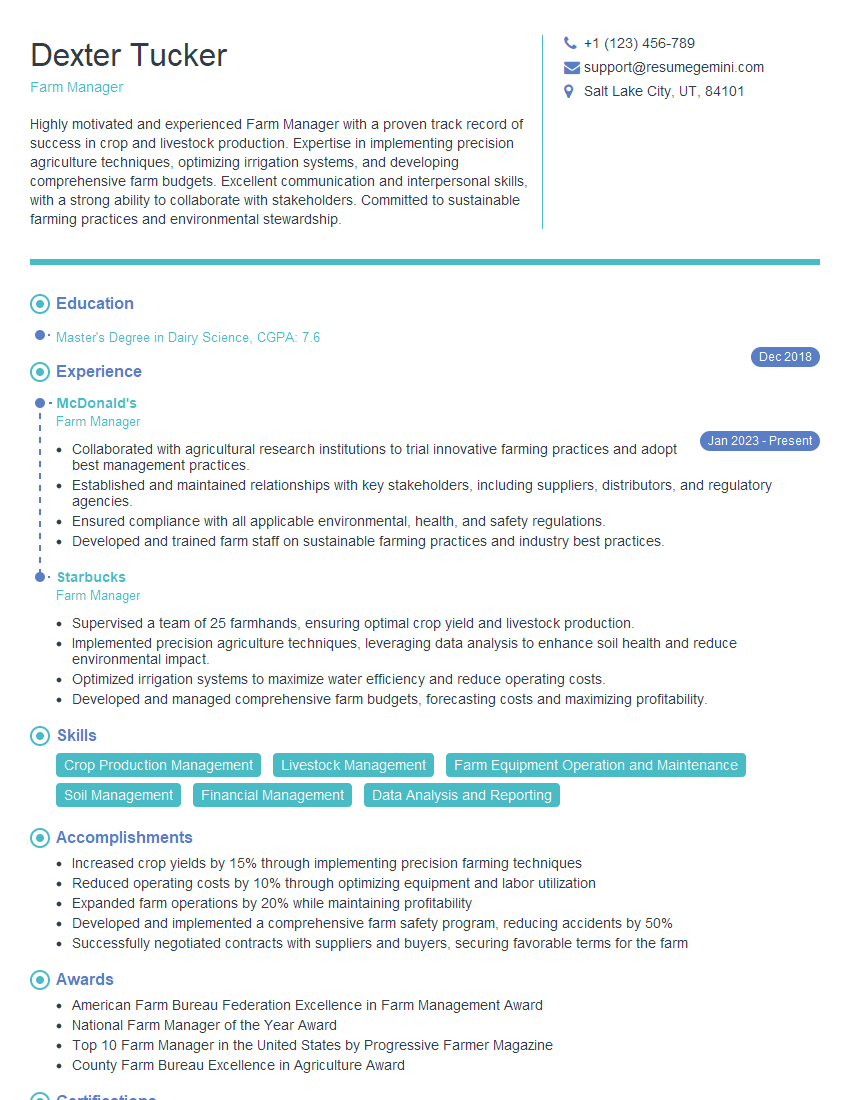
Farm Manager Resume Sample
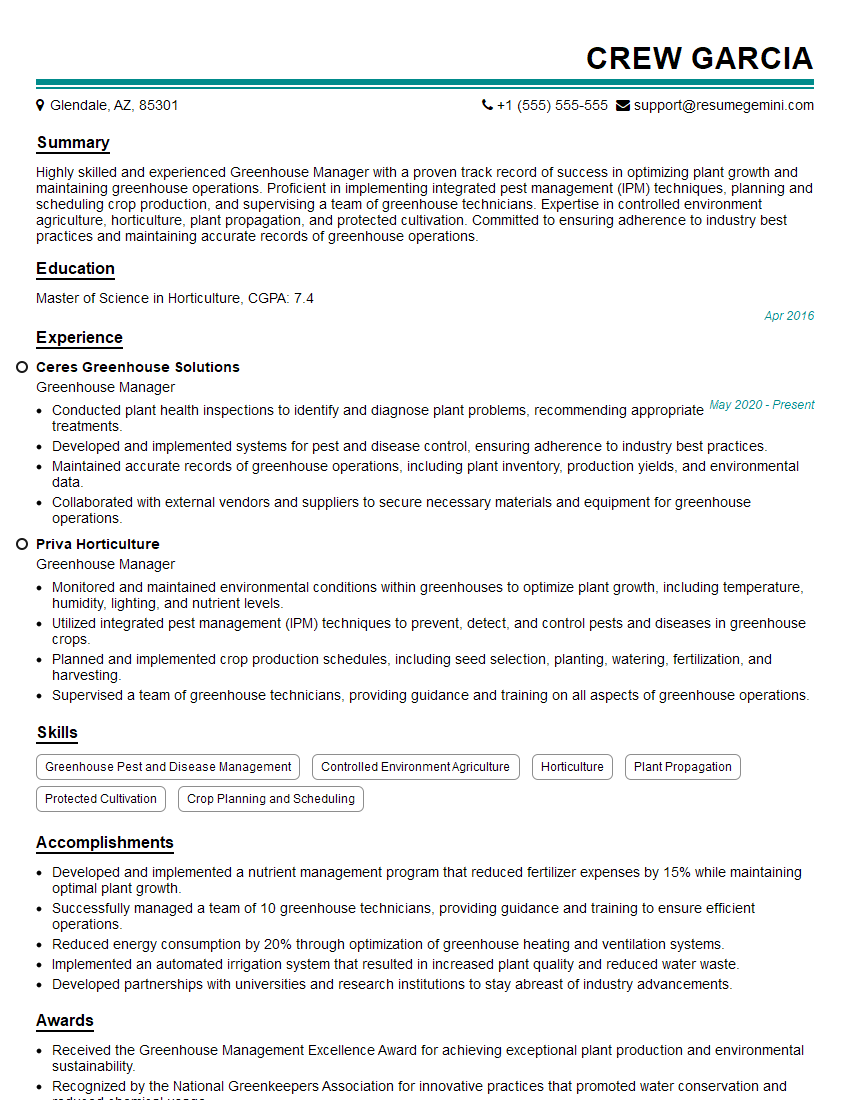
Greenhouse Manager Resume Sample

Nursery Manager Resume Sample

Orchardist Resume Sample
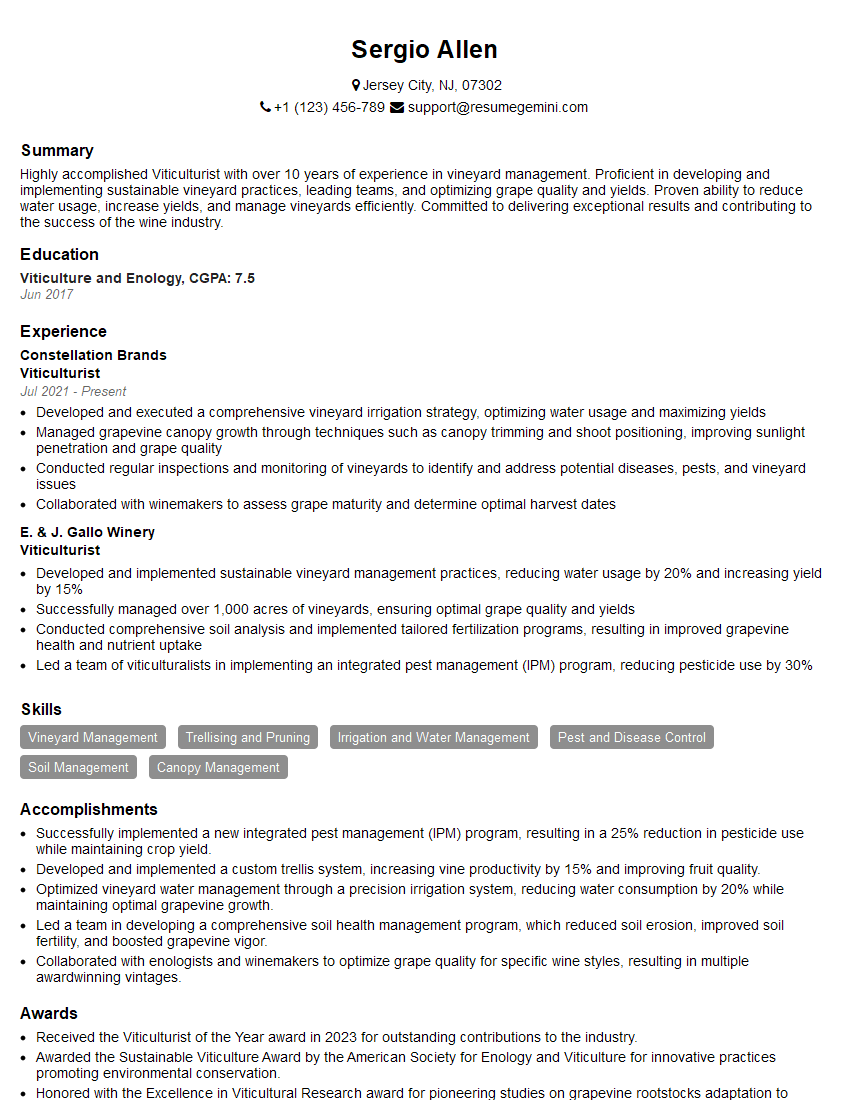
Viticulturist Resume Sample
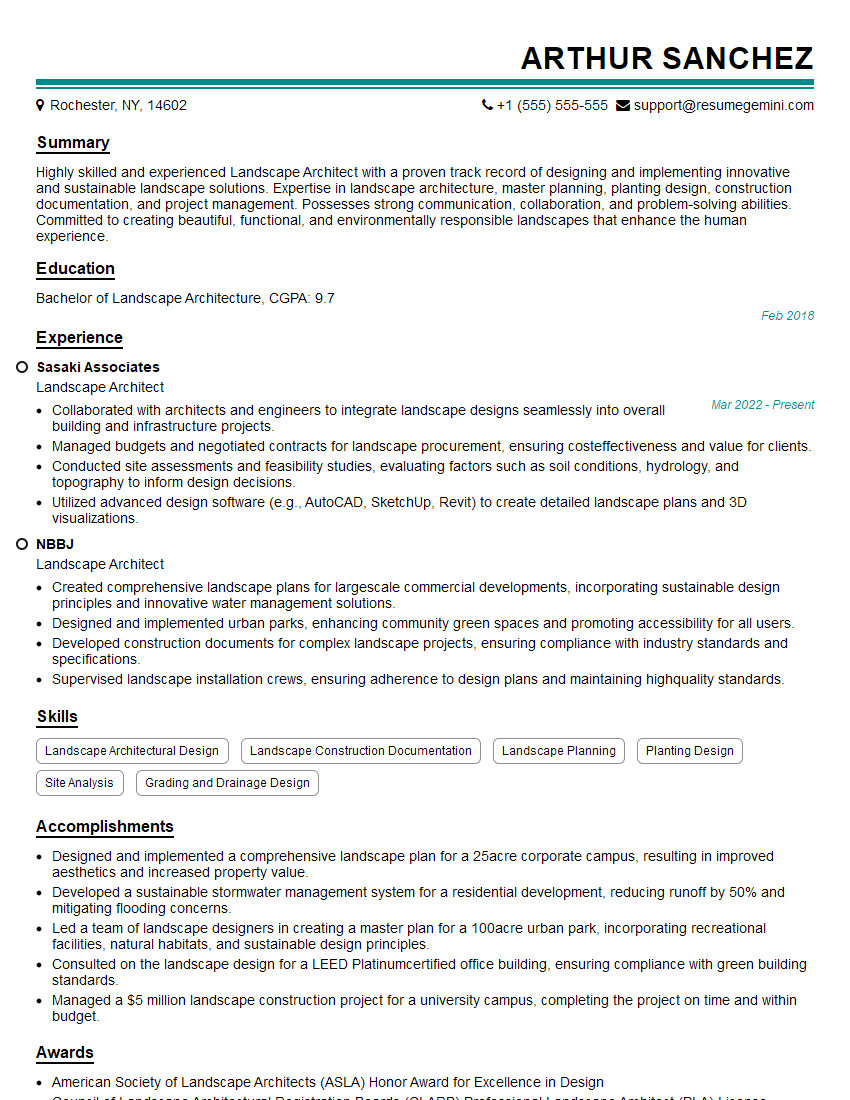
Landscape Architect Resume Sample
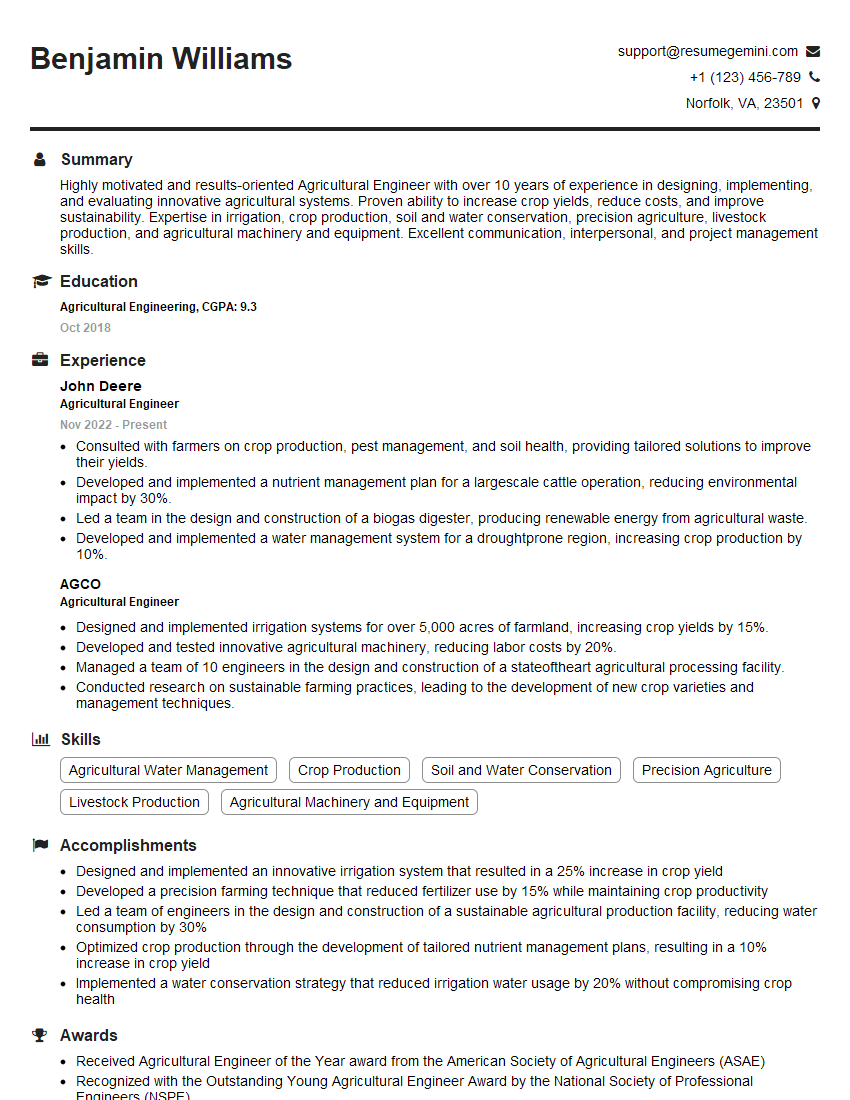
Agricultural Engineer Resume Sample
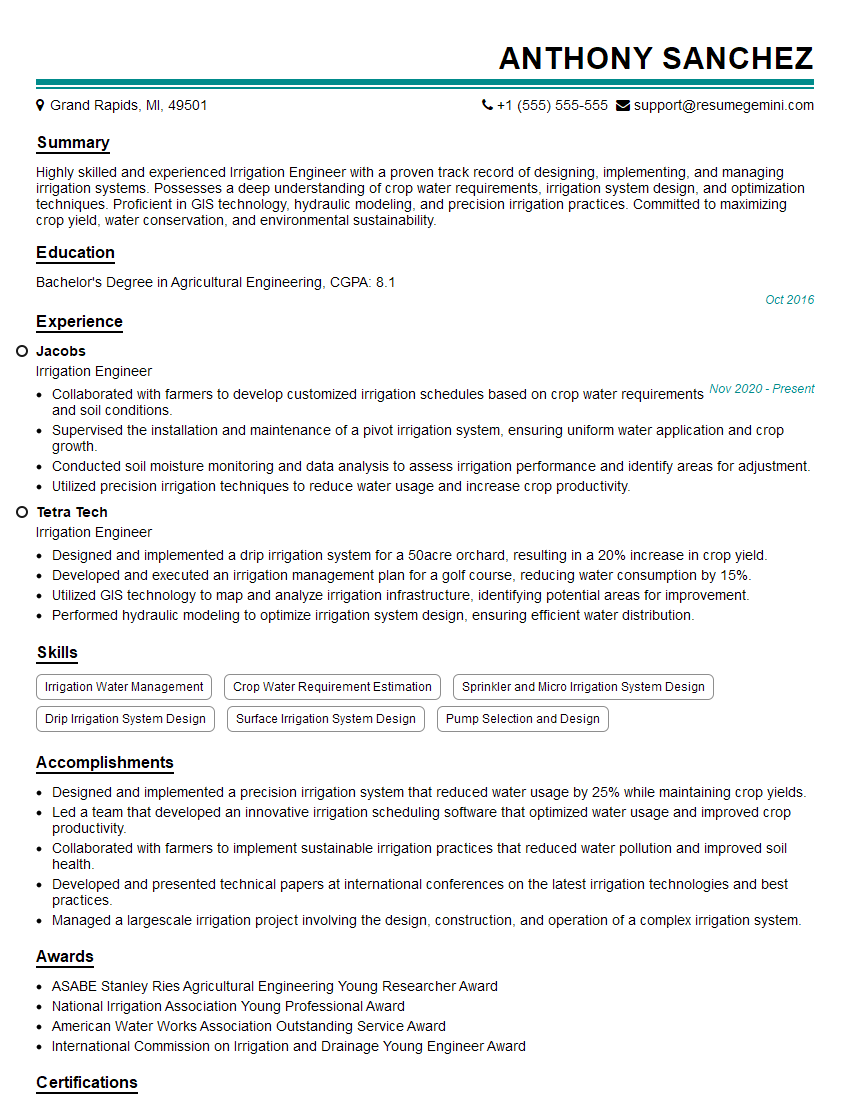
Irrigation Engineer Resume Sample

Field Technician Resume Sample
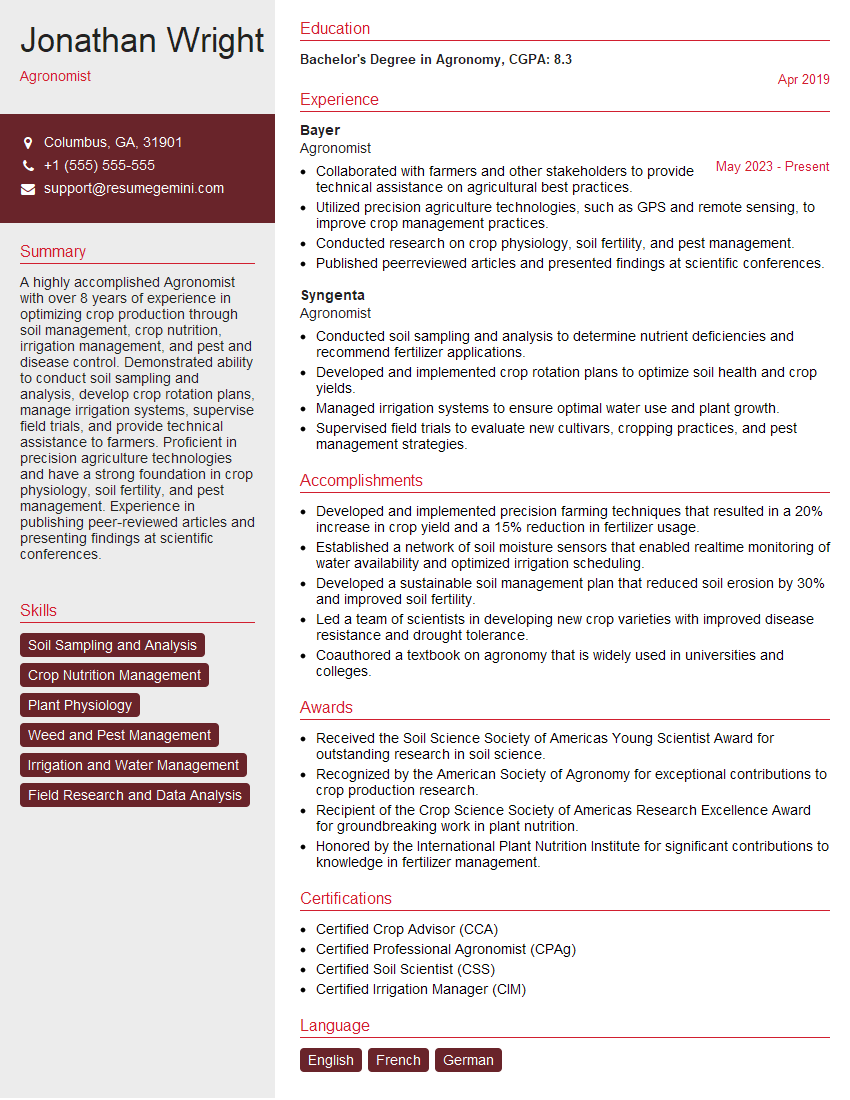
Agronomist Resume Sample
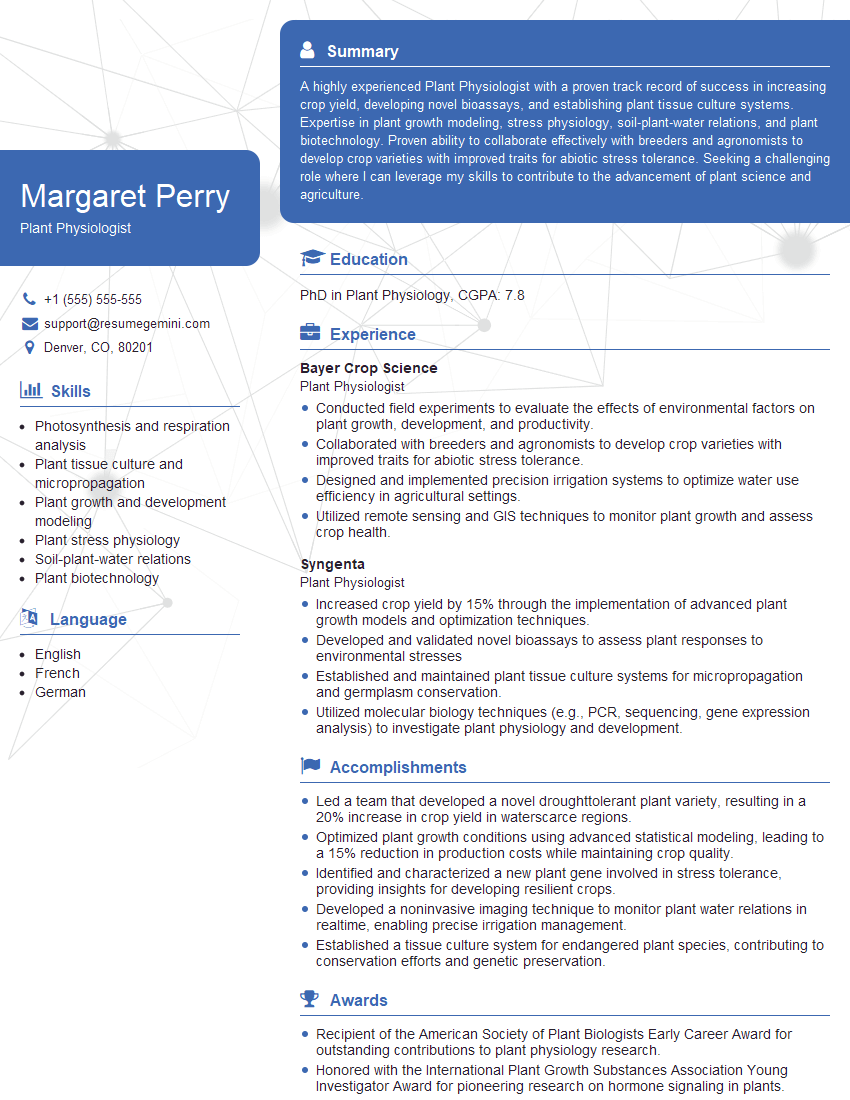
Plant Physiologist Resume Sample

Soil Scientist Resume Sample
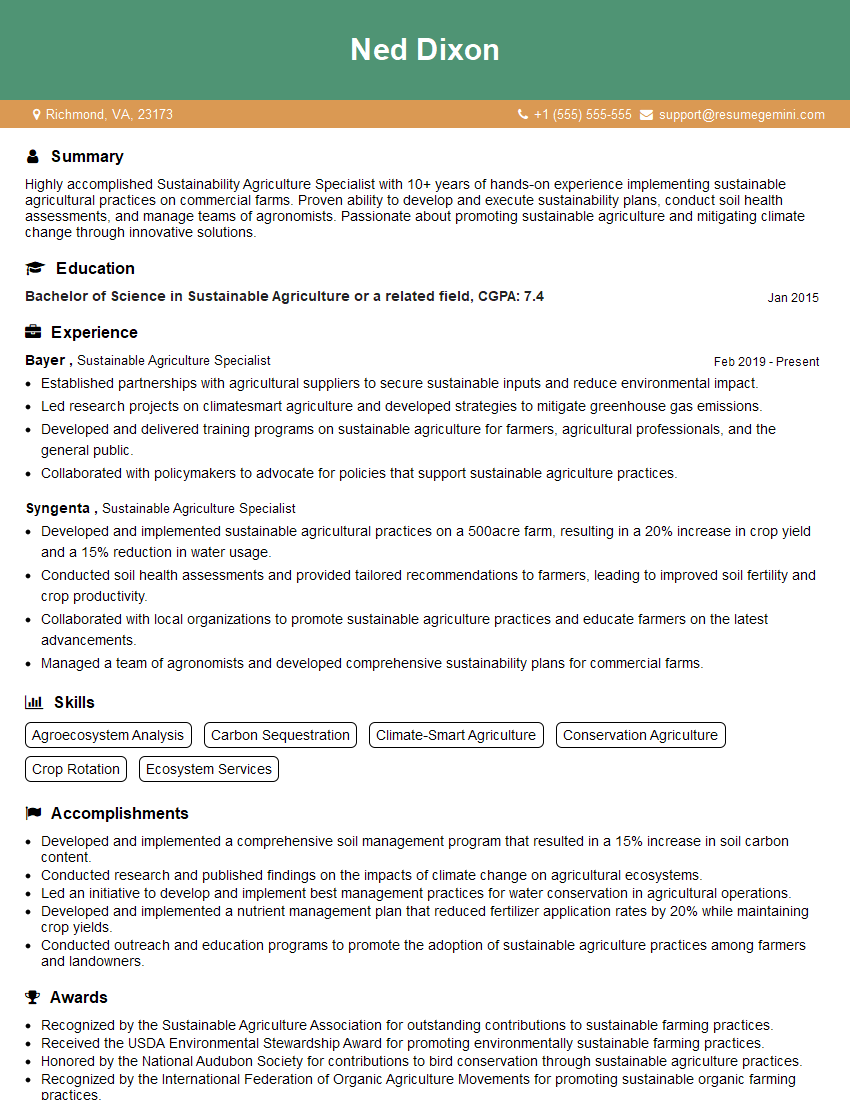
Sustainable Agriculture Specialist Resume Sample
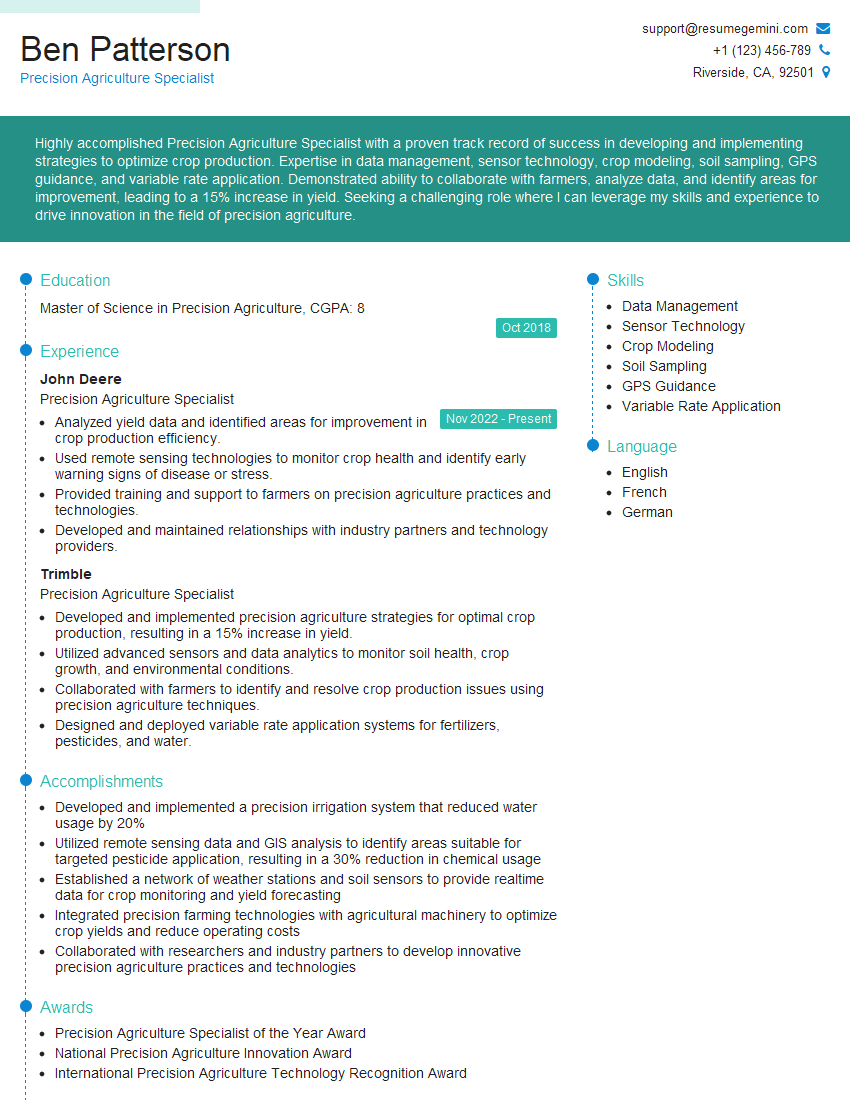
Precision Agriculture Specialist Resume Sample
Explore more articles
Users Rating of Our Blogs
Share Your Experience
We value your feedback! Please rate our content and share your thoughts (optional).