Unlock your full potential by mastering the most common Planting interview questions. This blog offers a deep dive into the critical topics, ensuring you’re not only prepared to answer but to excel. With these insights, you’ll approach your interview with clarity and confidence.
Questions Asked in Planting Interview
Q 1. Explain the process of seed germination.
Seed germination is the process by which a seed sprouts and develops into a seedling. It’s a remarkable transformation requiring the right conditions and a series of precise steps. Think of it like a sleeping giant awakening!
The process typically begins with imbibition, where the seed absorbs water, causing it to swell and activate enzymes. These enzymes then break down stored food reserves within the seed, providing energy for growth. The seed then undergoes radicle emergence, where the embryonic root pushes through the seed coat, anchoring the plant and seeking water and nutrients. Next, the plumule, or embryonic shoot, emerges, reaching for sunlight to begin photosynthesis. Finally, the seedling establishes itself, developing leaves and growing further.
Different seeds have different germination requirements, some needing light, others darkness; some needing specific temperatures or soil moisture levels. For example, lettuce seeds need light to germinate, while many beans prefer darkness. Understanding these requirements is crucial for successful planting.
Q 2. Describe different methods of plant propagation.
Plant propagation refers to the methods used to increase the number of plants. It’s like making copies of your favorite plant! There are two main categories: sexual and asexual propagation.
- Sexual propagation involves using seeds, which are the result of sexual reproduction between two parent plants. This leads to genetic variation among offspring, offering a wider range of traits. For instance, growing tomatoes from seed produces plants with slight variations in fruit size, color, and taste.
- Asexual propagation, also known as vegetative propagation, creates new plants from vegetative parts of the parent plant, like stems, roots, or leaves. This results in genetically identical offspring, known as clones. Examples include:
- Cuttings: Taking a stem cutting and rooting it to produce a new plant. This is commonly done with roses and many houseplants.
- Layering: Bending a stem to the ground, burying a portion, and waiting for roots to develop before separating it from the parent plant. This method is effective for plants like raspberries.
- Grafting: Joining a scion (a desirable cutting) onto a rootstock (an established root system). This technique is often used in fruit trees to combine desirable fruit characteristics with disease resistance from the rootstock.
- Division: Separating a plant into multiple parts, each capable of growing independently. Many perennials, like hostas, can be propagated this way.
The choice of propagation method depends on the plant species, desired characteristics, and available resources.
Q 3. What are the key factors influencing plant growth?
Plant growth is a complex process influenced by a multitude of factors. Think of it like a recipe, each ingredient plays a vital role.
- Sunlight: Essential for photosynthesis, the process by which plants convert light energy into chemical energy for growth.
- Water: Acts as a solvent, transporting nutrients and maintaining turgor pressure for cell expansion.
- Nutrients: Essential elements like nitrogen, phosphorus, and potassium, obtained from the soil, are crucial for various plant functions.
- Temperature: Each plant has an optimal temperature range for growth; extremes can hinder or stop growth.
- Soil: Provides anchorage, water retention, and nutrient supply. Soil structure, pH, and aeration are important aspects.
- Air: Provides carbon dioxide for photosynthesis and oxygen for respiration.
- Pests and diseases: Can significantly affect plant growth and health.
For instance, a plant receiving inadequate sunlight will be leggy and weak, whereas a plant lacking essential nutrients might exhibit chlorosis (yellowing of leaves).
Q 4. How do you identify and address common plant diseases?
Identifying and addressing plant diseases requires keen observation and understanding. It’s like being a plant detective!
Identification: Start by carefully examining the plant for symptoms like discoloration, wilting, lesions, or unusual growth patterns. Take note of the location of the symptoms – are they on the leaves, stems, or roots? Consider environmental factors, such as recent weather conditions or cultural practices. Referencing plant disease guides or contacting agricultural extension services can be helpful. For example, powdery mildew appears as a white, powdery coating on leaves, while fungal root rot can cause wilting and discoloration of the entire plant.
Addressing diseases: The approach depends on the type of disease. Some strategies include:
- Cultural practices: Improving soil drainage, ensuring proper spacing between plants, and providing adequate sunlight and ventilation can help prevent many diseases.
- Biological control: Introducing beneficial microorganisms or insects that prey on disease-causing organisms.
- Chemical control: Using fungicides or insecticides as a last resort, always following label instructions carefully. This should be done selectively and responsibly to minimize environmental impact.
Prevention is key! Maintaining healthy plants through proper cultural practices greatly reduces the risk of diseases.
Q 5. Explain the importance of soil testing in planting.
Soil testing is crucial because it provides a snapshot of the soil’s composition, revealing its strengths and weaknesses. It’s like getting a blood test for your soil! The results guide fertilizer application, ensuring plants receive the right nutrients in the right amounts, maximizing yield and minimizing environmental impact.
Soil testing reveals important parameters including:
- pH: Indicates soil acidity or alkalinity, affecting nutrient availability. For example, some plants thrive in acidic soil (like blueberries), while others prefer neutral or alkaline soil.
- Nutrient levels: Shows the amounts of essential nutrients like nitrogen, phosphorus, and potassium. Knowing these levels helps determine the type and amount of fertilizer needed.
- Organic matter content: Indicates the soil’s ability to retain water and nutrients, affecting its structure and overall health.
- Potential contaminants: May reveal the presence of heavy metals or other substances harmful to plant growth.
By adjusting soil conditions based on test results, we ensure optimal plant growth and minimize environmental damage associated with over-fertilization.
Q 6. Describe different soil types and their suitability for various plants.
Soils are classified into different types based on their texture, structure, and composition. This impacts their water-holding capacity, drainage, and nutrient content, directly influencing plant suitability. Think of it like choosing the right house for different families.
- Sandy soils: Well-drained but low in water-holding capacity and nutrients. Suitable for plants with low water requirements, like cacti and succulents.
- Clay soils: Poorly drained, retain water well, but can be heavy and compact. Suitable for plants that tolerate wet conditions, but require amendment to improve drainage and aeration.
- Silty soils: Retain water and nutrients well, offering a good balance. Ideal for many crops and garden plants.
- Loamy soils: A mixture of sand, silt, and clay, offering excellent drainage, water retention, and nutrient availability. Generally considered the best soil type for most plants.
Understanding soil type allows for appropriate plant selection and soil amendment to create ideal growing conditions. For instance, adding organic matter like compost improves the structure of clay soils, increasing drainage and aeration, making it more suitable for a wider range of plants.
Q 7. What are the best practices for irrigation?
Irrigation is the artificial application of water to supplement rainfall, crucial for optimal plant growth. It’s like giving plants a drink when needed! Effective irrigation practices are essential for efficient water use and healthy plants.
Best practices include:
- Water deeply and less frequently: Encourages deep root growth, making plants more drought-tolerant. Shallow, frequent watering leads to shallow roots and makes plants more susceptible to drought stress.
- Use appropriate irrigation methods: Drip irrigation delivers water directly to the roots, minimizing water loss through evaporation. Sprinkler systems are suitable for larger areas but can be less efficient.
- Monitor soil moisture: Avoid overwatering or underwatering by checking soil moisture levels before irrigating. A simple finger test or soil moisture sensor can be helpful.
- Consider microclimates: Sun exposure, wind, and temperature can affect evaporation rates, requiring adjustments in irrigation schedules.
- Water at the base of the plant: Prevents leaf diseases and minimizes water loss through evaporation.
- Mulch: Using mulch around plants helps to retain soil moisture and suppress weeds, reducing irrigation needs.
Implementing these best practices ensures efficient water use, promoting healthy plant growth while conserving valuable resources.
Q 8. How do you manage pests and weeds effectively?
Effective pest and weed management is crucial for successful planting. It relies on a combination of preventative measures and targeted interventions. My approach is holistic, focusing on minimizing the need for chemical controls.
- Preventative Measures: This includes proper soil preparation (improving soil health reduces pest and weed pressure), crop rotation (disrupts pest life cycles), selecting disease-resistant varieties, and maintaining good sanitation (removing weed debris and infected plants).
- Biological Control: Introducing beneficial insects like ladybugs to control aphids or using nematodes to target certain soil pests is a sustainable option. For example, I successfully used beneficial nematodes to control root-knot nematodes in a tomato crop, significantly reducing yield loss.
- Cultural Controls: Techniques like mulching (suppresses weed growth), intercropping (competitive planting to reduce weed establishment), and proper spacing (reduces disease spread) are highly effective and environmentally friendly.
- Targeted Interventions: When necessary, I use targeted pesticide or herbicide applications, always prioritizing products with low environmental impact and adhering strictly to label instructions. For instance, I’ve successfully used a selective herbicide to control broadleaf weeds in a corn field without harming the crop.
The key is integrated pest management (IPM), a systematic approach that combines all these strategies to achieve long-term pest and weed control while minimizing environmental harm.
Q 9. Explain the principles of crop rotation.
Crop rotation is the practice of planting different types of crops in a planned sequence on the same piece of land over several growing seasons. It’s a cornerstone of sustainable agriculture.
- Nutrient Management: Different crops have different nutrient requirements. Rotating crops helps balance nutrient depletion. For example, legumes (like beans or peas) fix nitrogen in the soil, benefiting subsequent crops that need nitrogen, like corn or wheat.
- Pest and Disease Control: Rotating crops disrupts the life cycles of pests and diseases that are specific to certain plant families. This reduces the buildup of pests and diseases over time. Continuously planting the same crop can lead to devastating infestations.
- Weed Management: Some crops naturally suppress weeds better than others. Careful crop rotation can reduce weed pressure. For example, cover crops like clover can smother weeds.
- Soil Health Improvement: Different crops have different effects on soil structure and organic matter. Rotation can improve soil tilth and water retention. Deep-rooted crops like alfalfa improve soil structure.
A typical rotation might involve a legume, a grain, and a root crop, carefully selecting crops with complementary needs and properties. A well-planned rotation is crucial for long-term soil fertility and agricultural productivity.
Q 10. Describe your experience with hydroponics or other soilless growing methods.
I have extensive experience with hydroponics, specifically using the deep water culture (DWC) system. This soilless method involves growing plants with their roots suspended in nutrient-rich water.
- Advantages: Hydroponics offers higher yields compared to traditional soil-based farming, significantly reduced water usage (as water is recirculated), faster growth rates, and the ability to control environmental factors like nutrient levels and temperature precisely.
- Disadvantages: It requires specialized equipment and a constant monitoring of nutrient levels and pH to prevent plant damage. Power outages and equipment failures can be disastrous. It’s also more susceptible to diseases if proper sanitation is not maintained.
- Experience: In a previous role, I successfully implemented a DWC system for lettuce production, achieving a 30% increase in yield compared to traditional field cultivation. I also tackled the challenge of maintaining optimal pH levels by using automated systems, reducing labor costs and improving consistency.
While hydroponics can be complex, its benefits in terms of yield and resource efficiency are undeniable, especially in regions with limited arable land or water resources.
Q 11. What are the benefits and challenges of organic farming?
Organic farming is a production system that avoids synthetic fertilizers, pesticides, genetically modified organisms (GMOs), and growth hormones.
- Benefits: Organic farming enhances soil health, biodiversity, and water quality. It reduces pollution from agricultural runoff, contributes to climate change mitigation, and produces healthier, higher-quality food with a potentially reduced risk of pesticide residues. Consumers are increasingly willing to pay a premium for organically produced food.
- Challenges: Organic farming can be more labor-intensive, often resulting in lower yields compared to conventional farming methods. It’s more vulnerable to pests and diseases, requiring careful management techniques. Yield variability can also be a challenge. Finding reliable organic markets can also be a hurdle, especially for smaller-scale farmers.
Despite the challenges, the long-term environmental and health benefits of organic farming are significant, and its growing popularity reflects a shift towards more sustainable and ethical agricultural practices.
Q 12. How do you choose the right plant for a specific location and climate?
Selecting the right plant for a specific location and climate is crucial for successful gardening or farming. It requires careful consideration of several factors:
- Climate: This includes the average temperature, rainfall, sunlight hours, and frost patterns. Choosing plants adapted to the local climate significantly improves the chances of success.
- Soil type: Different plants thrive in different soil types. Knowing the soil’s texture (sandy, loamy, clayey), pH, and drainage capabilities is essential. Soil testing can help determine its suitability for specific plants.
- Sunlight Exposure: Plants require varying amounts of sunlight. Knowing how much sunlight a location receives (full sun, partial shade, full shade) is critical. Choosing plants with appropriate sunlight requirements is essential for their growth.
- Space Availability: The size of the available planting area and the mature size of the plant need to be considered. Overcrowding can hinder growth.
- Plant Hardiness: Hardiness zones are geographic areas with similar average minimum temperatures, helping determine which plants will survive the winter.
For example, choosing drought-tolerant plants in arid regions or frost-resistant plants in cold climates is essential. Resources like local agricultural extension offices and gardening guides provide valuable information on suitable plants for a specific region.
Q 13. Explain the process of transplanting seedlings.
Transplanting seedlings is a delicate process, aiming to minimize stress on the young plants.
- Timing: The ideal time is usually in the evening or on a cloudy day to reduce the impact of harsh sunlight.
- Preparation: Prepare the planting site by loosening the soil and ensuring adequate watering. The planting hole should be slightly larger than the root ball.
- Handling Seedlings: Gently remove the seedling from its container, being careful not to damage the roots. If the roots are root-bound, carefully loosen them before planting.
- Planting: Place the seedling in the planting hole at the same depth as it was growing in the container. Fill the hole with soil, gently firming it around the base of the plant.
- Watering: Water thoroughly after planting to settle the soil and help the seedling establish itself.
- Protection: Provide shade or protection from strong winds, especially during the initial few days after transplanting.
Careful handling and proper planting techniques significantly increase the success rate of transplanting. For delicate seedlings, using a small trowel or hand tools minimizes root disturbance.
Q 14. Describe your experience with different planting tools and equipment.
My experience encompasses a wide range of planting tools and equipment, from basic hand tools to specialized machinery.
- Hand Tools: I’m proficient in using shovels, trowels, hoes, rakes, hand cultivators, and pruning shears for various tasks such as soil preparation, planting, weeding, and plant maintenance. The right tool for the right job is crucial for efficiency and minimizing plant damage.
- Power Tools: I’ve worked with tillers, cultivators, and power pruners for larger-scale planting and maintenance operations. These tools significantly improve efficiency in larger fields or gardens.
- Irrigation Equipment: Experience with drip irrigation systems, sprinkler systems, and soaker hoses for efficient and targeted water delivery. Water management is critical for optimal plant growth.
- Specialized Equipment: I have also used specialized equipment like seed drills for precision planting and transplanters for efficient seedling transplantation, particularly helpful for commercial-scale farming.
Choosing the appropriate tools and equipment, based on the scale of the operation and specific needs, is essential for optimizing productivity and minimizing effort. Regular maintenance of tools and equipment is crucial to extend their lifespan and ensure efficient operation.
Q 15. How do you ensure the proper spacing and density of plants?
Proper spacing and density are crucial for optimal plant growth. Think of it like giving each plant its own ‘personal space’ – enough room to access sunlight, water, and nutrients without competing excessively with neighbors. Too close, and they’ll struggle for resources, leading to stunted growth, disease, and reduced yield. Too far apart, and you’ll waste valuable space.
Determining the ideal spacing depends on several factors: the plant species (some are naturally more sprawling than others), the mature size of the plant, its root system, and the overall planting design. For example, a sprawling sunflower needs significantly more space than a compact basil plant. I usually consult reliable resources like plant tags, gardening books, or online databases for species-specific recommendations.
In practice, I often use a combination of techniques. For larger plantings, I might utilize measuring tapes and string to create evenly spaced rows and grids. For smaller gardens, I might rely on visual estimations, keeping in mind the mature size of each plant to avoid overcrowding.
- Example: When planting tomatoes, I ensure at least 2-3 feet between each plant to allow for adequate air circulation and prevent fungal diseases.
- Example: For densely packed herbs like thyme or oregano, a closer spacing of 6-12 inches can work well.
Career Expert Tips:
- Ace those interviews! Prepare effectively by reviewing the Top 50 Most Common Interview Questions on ResumeGemini.
- Navigate your job search with confidence! Explore a wide range of Career Tips on ResumeGemini. Learn about common challenges and recommendations to overcome them.
- Craft the perfect resume! Master the Art of Resume Writing with ResumeGemini’s guide. Showcase your unique qualifications and achievements effectively.
- Don’t miss out on holiday savings! Build your dream resume with ResumeGemini’s ATS optimized templates.
Q 16. What are your strategies for maintaining plant health and vigor?
Maintaining plant health and vigor is a holistic process involving several key strategies. It’s like providing plants with a balanced diet and regular exercise!
- Proper Watering: Consistent watering, avoiding both underwatering and overwatering, is essential. Overwatering leads to root rot, while underwatering causes wilting and stress.
- Nutrient Management: Plants need a balanced supply of nutrients. Soil testing helps determine deficiencies, allowing for targeted fertilization. Organic amendments like compost also improve soil health and nutrient availability.
- Pest and Disease Control: Regular monitoring for pests and diseases is crucial. Early detection and appropriate treatment prevent widespread damage.
- Sunlight and Air Circulation: Plants need adequate sunlight and air circulation. Pruning and spacing help improve air flow, reducing the risk of fungal diseases.
- Mulching: A layer of mulch helps retain soil moisture, suppress weeds, and regulate soil temperature, all beneficial for plant health.
I always adapt my strategies to the specific needs of the plants. For instance, drought-tolerant plants require less frequent watering than water-loving ones. Regularly inspecting plants for signs of stress, disease, or pest infestation is crucial for early intervention and maintaining optimal health.
Q 17. Describe your experience with pruning and shaping plants.
Pruning and shaping plants is an art and a science. It’s about balancing aesthetic appeal with the plant’s health and growth. Think of it as a ‘haircut’ for your plants, removing dead or damaged parts and encouraging healthy growth.
My experience covers a range of techniques, from simple pinching back of shoots to more complex topiary work. I always use sharp, clean tools to prevent disease transmission. The specific techniques used depend on the type of plant and the desired outcome.
- Hedging: Regular trimming keeps hedges neat and dense.
- Training: Supporting climbing plants or shaping trees involves strategic pruning and tying.
- Thinning: Removing crowded branches improves air circulation and light penetration.
- Deadheading: Removing spent flowers encourages more blooms.
I also consider the time of year for pruning, as different plants respond better to pruning at different seasons. For instance, many flowering shrubs should be pruned after flowering to avoid removing the next year’s blooms. Proper pruning significantly improves the overall appearance and health of plants, making them more resilient and productive.
Q 18. How do you handle plant stress due to drought, frost, or other environmental factors?
Plant stress due to environmental factors is a major concern. My approach involves proactive measures and timely interventions. Think of it like providing plants with emergency first aid when facing extreme weather conditions.
Drought: Proper watering and mulching are crucial to retain soil moisture during dry spells. Consider using drought-tolerant plant species.
Frost: Protecting plants from frost requires either moving them to sheltered locations or covering them with frost cloths or other protective materials. Some plants may require extra insulation around their base.
Other factors: Dealing with other environmental stressors like strong winds, excessive rain, or salinity involves specific strategies. This might involve providing windbreaks, using raised beds to improve drainage, or amending the soil to reduce salinity.
Careful observation is critical. Signs of plant stress – wilting, discoloration, stunted growth – indicate a need for immediate action. I often monitor weather forecasts and adjust my practices accordingly. For example, before a predicted frost, I proactively cover vulnerable plants to mitigate damage.
Q 19. Explain the importance of biodiversity in planting.
Biodiversity in planting is paramount. It’s like having a diverse investment portfolio – a varied collection of plants increases resilience and reduces the risk of widespread damage from pests, diseases, or environmental changes. A monoculture (planting only one species) is highly vulnerable.
A biodiverse planting provides several benefits:
- Pest and Disease Resistance: A diverse ecosystem reduces the likelihood of widespread pest or disease outbreaks.
- Environmental Resilience: Different plants have different tolerances to environmental stressors (drought, frost, etc.), increasing the overall resilience of the planting.
- Improved Soil Health: A variety of plants with differing root systems contribute to better soil structure and nutrient cycling.
- Enhanced Aesthetics: Different plants offer different textures, colors, and bloom times, creating a more visually appealing landscape.
- Support for Pollinators: A wider variety of plants supports a broader range of pollinators, contributing to the health of the ecosystem.
In my work, I prioritize biodiversity by integrating a mix of species, including native plants, which are well-suited to the local climate and support local wildlife.
Q 20. Describe your experience with integrated pest management (IPM).
Integrated Pest Management (IPM) is a holistic approach to pest control that prioritizes prevention and minimizes reliance on harmful pesticides. It’s a more sustainable and environmentally friendly approach than simply using chemical solutions. It’s like using a multi-pronged strategy to deal with pests rather than just one chemical weapon.
My IPM strategy typically includes:
- Monitoring: Regular inspections to detect pests and diseases early.
- Cultural Controls: Practices such as proper spacing, watering, and fertilization to create an environment less favorable to pests.
- Biological Controls: Introducing beneficial insects or other organisms that prey on or compete with pests.
- Mechanical Controls: Techniques such as handpicking pests, using traps, or physical barriers to exclude them.
- Chemical Controls: Using pesticides only as a last resort, selecting the least toxic option and applying it judiciously.
I always strive to minimize pesticide use by employing other IPM strategies first. This approach protects beneficial insects, reduces environmental contamination, and contributes to a healthier ecosystem.
Q 21. How do you plan and manage a large-scale planting project?
Planning and managing a large-scale planting project is a complex undertaking requiring meticulous organization and careful attention to detail. It’s like orchestrating a symphony – each element must work in harmony to achieve the desired outcome.
My approach includes:
- Site Assessment: Thorough evaluation of the site’s characteristics (soil type, sunlight, drainage, etc.) to determine suitability for the chosen plants.
- Project Design: Developing a detailed planting plan, including species selection, spacing, and layout, often using landscape design software.
- Resource Management: Securing necessary resources, including plants, materials, tools, and labor.
- Implementation: Efficient and effective planting, following the plan meticulously.
- Monitoring and Maintenance: Regular monitoring for pests, diseases, and environmental stress, with timely interventions.
- Budgeting and Scheduling: Creating and adhering to a realistic budget and timeline.
Effective communication and collaboration with contractors, suppliers, and other stakeholders are vital for the success of such a project. I always ensure clear documentation and regular progress reports to keep everyone informed and on track.
Q 22. What are your knowledge of different fertilizer types and their applications?
Understanding fertilizer types and their applications is crucial for successful planting. Fertilizers are broadly categorized based on the nutrients they provide: Nitrogen (N), Phosphorus (P), and Potassium (K), often represented as NPK ratios. For example, a 10-10-10 fertilizer contains equal parts of each nutrient.
- Nitrogen (N): Promotes leafy green growth. Deficiencies result in stunted growth and yellowing leaves. Sources include urea, ammonium nitrate, and organic materials like compost.
- Phosphorus (P): Essential for root development, flowering, and fruiting. Deficiencies lead to poor root systems and reduced yields. Sources include rock phosphate and superphosphate.
- Potassium (K): Improves disease resistance, stem strength, and overall plant health. Deficiencies can cause weak stems and leaf burn. Sources include potash and muriate of potash.
- Complete Fertilizers: Contain all three primary nutrients (NPK). The ratio varies depending on the plant’s needs. For instance, a flowering plant might benefit from a higher phosphorus content.
- Organic Fertilizers: Derived from natural sources like compost, manure, and bone meal. They release nutrients slowly and improve soil structure. They are generally preferred for sustainable agriculture.
- Slow-Release Fertilizers: Release nutrients gradually, minimizing nutrient loss and environmental impact. These are particularly useful in areas with high rainfall.
Application methods depend on the fertilizer type and plant’s needs. Methods include broadcasting (spreading evenly over the surface), side-dressing (applying alongside the plant rows), and fertigation (applying through irrigation water). Soil testing is critical to determine the appropriate type and amount of fertilizer needed for optimal plant growth.
Q 23. How do you monitor plant growth and yield?
Monitoring plant growth and yield involves a multi-faceted approach combining visual observation with precise measurements. Visual assessments check for signs of stress, disease, or nutrient deficiencies. We look for healthy leaf color, strong stems, and appropriate growth rates relative to the plant’s stage.
- Growth Measurements: Regularly measuring plant height, stem diameter, and leaf area provides quantitative data to track growth progress. This helps identify issues early on.
- Yield Monitoring: For crops like grains or fruits, yield monitoring involves estimating the quantity and quality of the harvest. This might involve counting the number of fruits or measuring the weight of harvested produce. Technology like yield monitors can be integrated into harvesters to provide real-time data.
- Data Logging and Analysis: Recording data (growth measurements, environmental conditions, fertilizer applications) allows for trend analysis and better decision-making. This helps identify correlations between different factors and plant performance.
- Remote Sensing: Technologies such as drones equipped with multispectral cameras can provide comprehensive information on plant health and stress levels over large areas, allowing for early detection of problems.
For instance, if we observe widespread yellowing in a corn field, it might suggest nitrogen deficiency, prompting a targeted fertilizer application. Consistent monitoring allows for timely interventions, maximizing yield and quality.
Q 24. Describe your experience with using GPS or other technology in planting.
GPS technology and other precision agriculture tools have revolutionized planting practices. GPS-guided tractors enable precise seed placement, minimizing overlaps and gaps. This increases planting efficiency and reduces seed waste.
- Variable Rate Technology (VRT): Allows for the application of inputs like fertilizers and pesticides based on site-specific needs. Soil sensors or remote sensing data guide the application, optimizing resource use and reducing environmental impact.
Example: A VRT system might apply more fertilizer to areas of the field with lower nutrient levels. - Automated Guidance Systems: GPS-guided steering systems reduce operator fatigue and improve planting accuracy. These systems maintain consistent row spacing and reduce overlaps, which leads to improved yields.
- Precision Planting Equipment: Modern planters include sensors that monitor seed placement, depth, and spacing, ensuring uniform germination and stand establishment.
- Data Management Systems: Software platforms collect and analyze data from various sensors and equipment, providing insights into planting operations and optimizing future planting strategies.
In my experience, using GPS-guided machinery increased planting efficiency by 20% and reduced seed waste by 15%. The data collected allowed for targeted interventions, leading to an overall improvement in crop yields.
Q 25. Explain your understanding of sustainable planting practices.
Sustainable planting practices aim to minimize environmental impact while maintaining or improving productivity. These practices focus on resource conservation, biodiversity, and soil health.
- Crop Rotation: Planting different crops in succession helps improve soil fertility, reduce pest and disease pressure, and minimize the need for chemical inputs.
- Cover Cropping: Planting cover crops between main crops protects the soil from erosion, improves soil structure, and suppresses weeds. Examples include legumes that fix nitrogen in the soil.
- Conservation Tillage: Minimizing soil disturbance during planting reduces erosion, improves soil health, and conserves water.
- Integrated Pest Management (IPM): Utilizes a combination of methods to control pests, minimizing the reliance on chemical pesticides. This approach includes biological controls, resistant varieties, and targeted pesticide applications.
- Water Management: Efficient irrigation techniques like drip irrigation minimize water waste and ensure adequate water availability for plants.
- Organic Farming: Excludes the use of synthetic fertilizers, pesticides, and genetically modified organisms. This approach fosters biodiversity and soil health.
For example, using cover crops in a vineyard reduces the need for herbicides and improves water retention, leading to more sustainable grape production.
Q 26. How do you adapt your planting techniques to different soil conditions?
Adapting planting techniques to different soil conditions is critical for successful crop production. Soil properties such as texture, structure, pH, and nutrient content significantly influence plant growth.
- Soil Testing: Before planting, soil testing determines the nutrient levels, pH, and other key properties. This allows for appropriate fertilizer applications and amendments.
- Soil Amendments: Improving soil structure and fertility through the addition of organic matter (compost, manure) improves water retention, aeration, and nutrient availability.
- Drainage Management: In poorly drained soils, measures like drainage ditches or raised beds are necessary to prevent waterlogging and improve root growth. Conversely, in sandy soils with poor water retention, techniques like mulching are important.
- Planting Depth and Spacing: Adjusting planting depth and spacing based on soil type ensures optimal root development and prevents competition for resources. Deeper planting might be necessary in heavier soils.
- Variety Selection: Selecting plant varieties adapted to specific soil conditions maximizes yields and reduces stress on the plants.
For instance, in clay soils, which tend to compact easily, we might use no-till planting techniques to preserve soil structure and improve water infiltration. In sandy soils, we might use water-retaining mulches to improve water availability.
Q 27. Describe your experience with grafting or budding techniques.
Grafting and budding are horticultural techniques used to combine the desirable traits of two different plants. Grafting involves joining a scion (desired cultivar) onto a rootstock (provides root system and disease resistance). Budding is similar, but only a bud is used instead of a scion.
- Grafting Techniques: Several grafting techniques exist, including whip-and-tongue, cleft graft, and bark graft. The choice depends on the plant species and their compatibility.
- Budding Techniques: T-budding and chip budding are common techniques. The success rate depends on the skill of the operator and the timing of the procedure.
- Compatibility: Successful grafting requires careful selection of compatible scion and rootstock combinations. Incompatible combinations will not fuse, leading to failure.
- Post-Grafting Care: Proper care after grafting is essential for the success of the union. This includes protecting the graft from damage, maintaining moisture, and providing adequate sunlight.
I have extensive experience grafting fruit trees, particularly apples and pears. Grafting allows for the propagation of superior cultivars while utilizing rootstocks with desirable characteristics like disease resistance or dwarfing effects. For example, grafting a disease-resistant rootstock onto a high-yield apple cultivar ensures both disease resistance and high fruit production.
Q 28. What are your strategies for post-harvest handling and storage?
Post-harvest handling and storage are critical for maintaining the quality and extending the shelf life of harvested produce. Proper techniques minimize losses and ensure consumer satisfaction.
- Careful Harvesting: Harvesting at the optimal maturity stage and handling produce gently reduces damage and bruising.
- Cleaning and Sorting: Removing damaged or diseased produce and cleaning the remaining products are essential for quality control and preventing spoilage.
- Cooling: Rapid cooling after harvest is critical for slowing down respiration and enzymatic activity, extending shelf life. Methods include hydrocooling (immersion in cold water) and forced-air cooling.
- Storage Conditions: Appropriate storage temperatures and humidity levels are essential for maintaining quality. Controlled atmosphere storage (CAS) further extends the shelf life of certain fruits and vegetables by manipulating the gas composition in the storage environment.
- Packaging: Proper packaging protects produce during transportation and storage, minimizing damage and spoilage.
For instance, in the case of tomatoes, careful handling during harvest, rapid cooling, and storage at optimal temperatures can extend shelf life significantly. Similarly, proper packaging reduces bruising and maintains the quality of produce during transportation.
Key Topics to Learn for Planting Interview
- Soil Science Fundamentals: Understanding soil composition, texture, and its impact on plant growth. This includes knowledge of soil pH, nutrient content, and water retention.
- Plant Physiology: Grasping plant growth stages, nutrient uptake mechanisms, and responses to environmental stress (drought, pests, disease).
- Planting Techniques: Familiarizing yourself with various planting methods (direct seeding, transplanting), seed selection, and spacing considerations for optimal yield.
- Crop Management: Understanding irrigation techniques, fertilization strategies, weed control, and pest and disease management practices.
- Sustainable Planting Practices: Knowledge of environmentally friendly approaches, including water conservation, reduced pesticide use, and soil health improvement.
- Harvesting and Post-Harvest Handling: Understanding the proper techniques for harvesting different crops and minimizing post-harvest losses.
- Data Analysis and Interpretation: Ability to analyze yield data, assess plant health, and make informed decisions based on collected information.
- Problem-Solving in Planting: Demonstrating the ability to identify and troubleshoot issues related to plant growth, yield, and overall crop health.
- Relevant Technology: Familiarity with precision agriculture technologies, such as GPS-guided planting, automated irrigation systems, and data analytics tools.
Next Steps
Mastering the principles of planting is crucial for a successful and rewarding career in agriculture and related fields. A strong understanding of these concepts will open doors to diverse and exciting opportunities. To significantly enhance your job prospects, crafting an ATS-friendly resume is essential. ResumeGemini is a trusted resource that can help you build a professional and impactful resume, designed to attract the attention of recruiters. Examples of resumes tailored specifically to planting roles are available to guide you. Invest time in creating a strong resume—it’s your first impression!
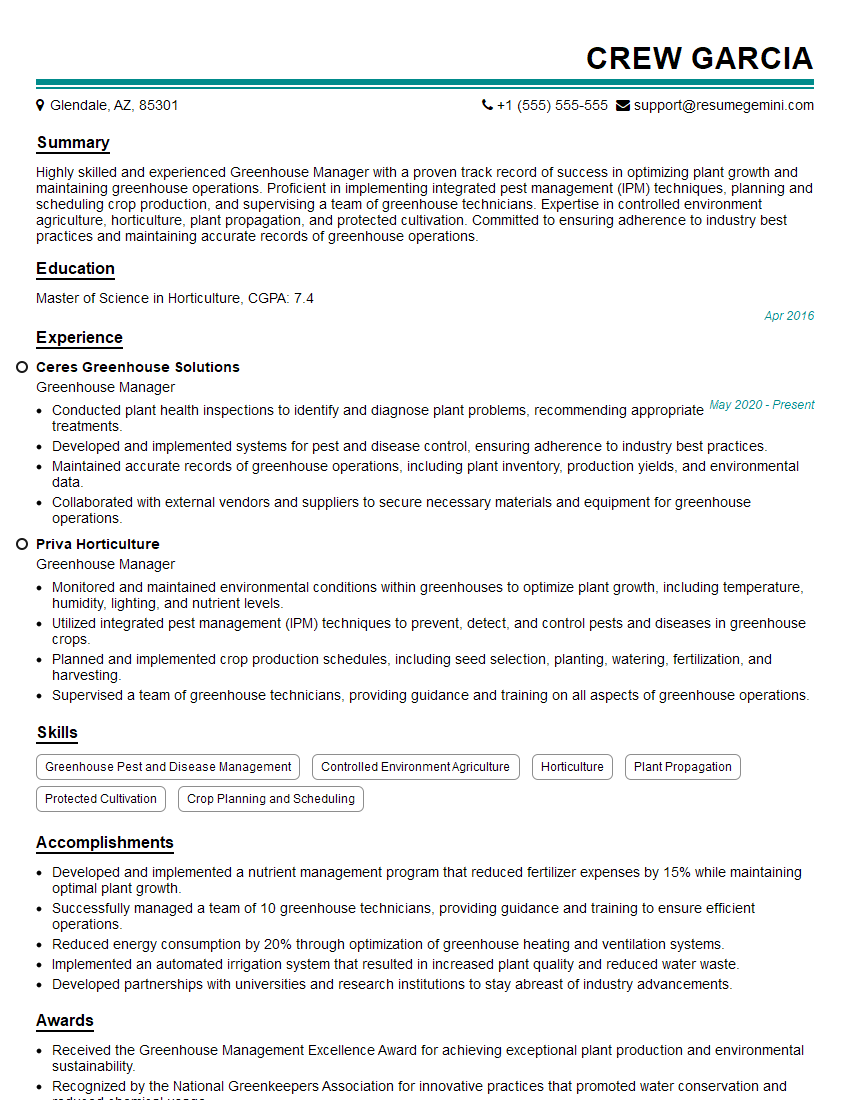
Greenhouse Manager Resume Sample

Nursery Manager Resume Sample
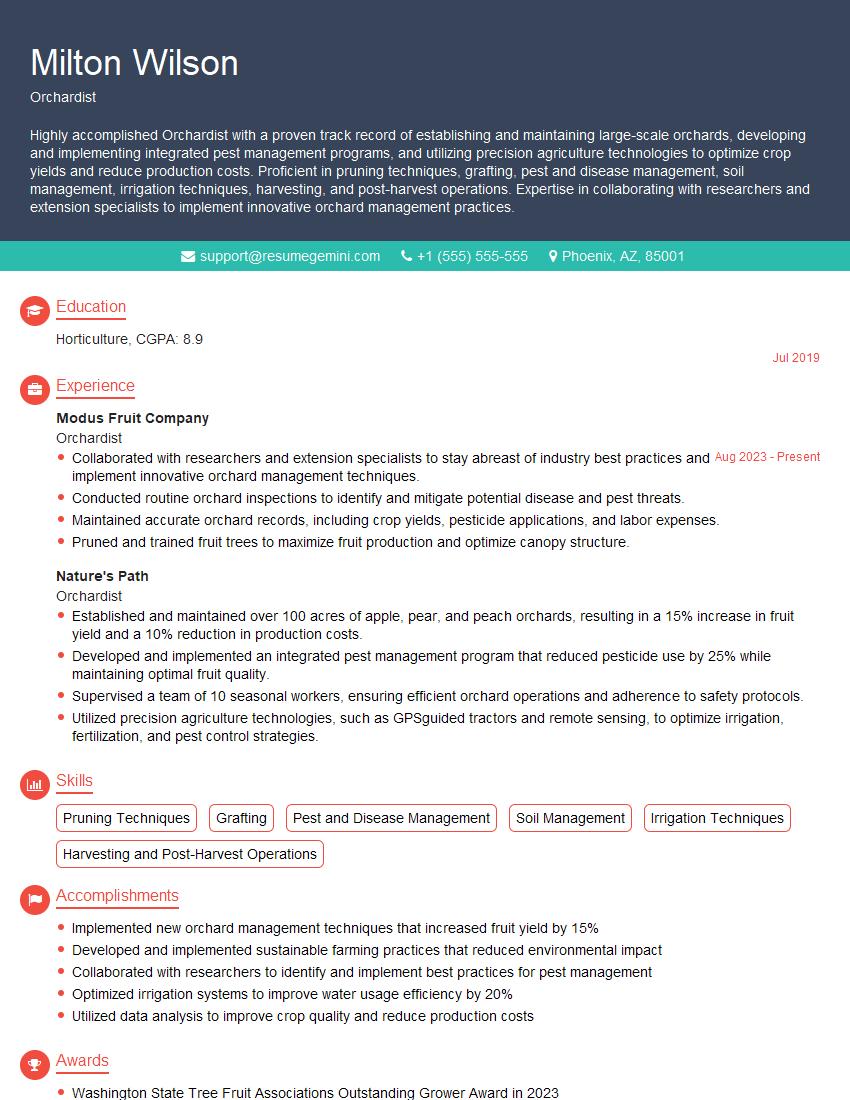
Orchardist Resume Sample

Viticulturist Resume Sample
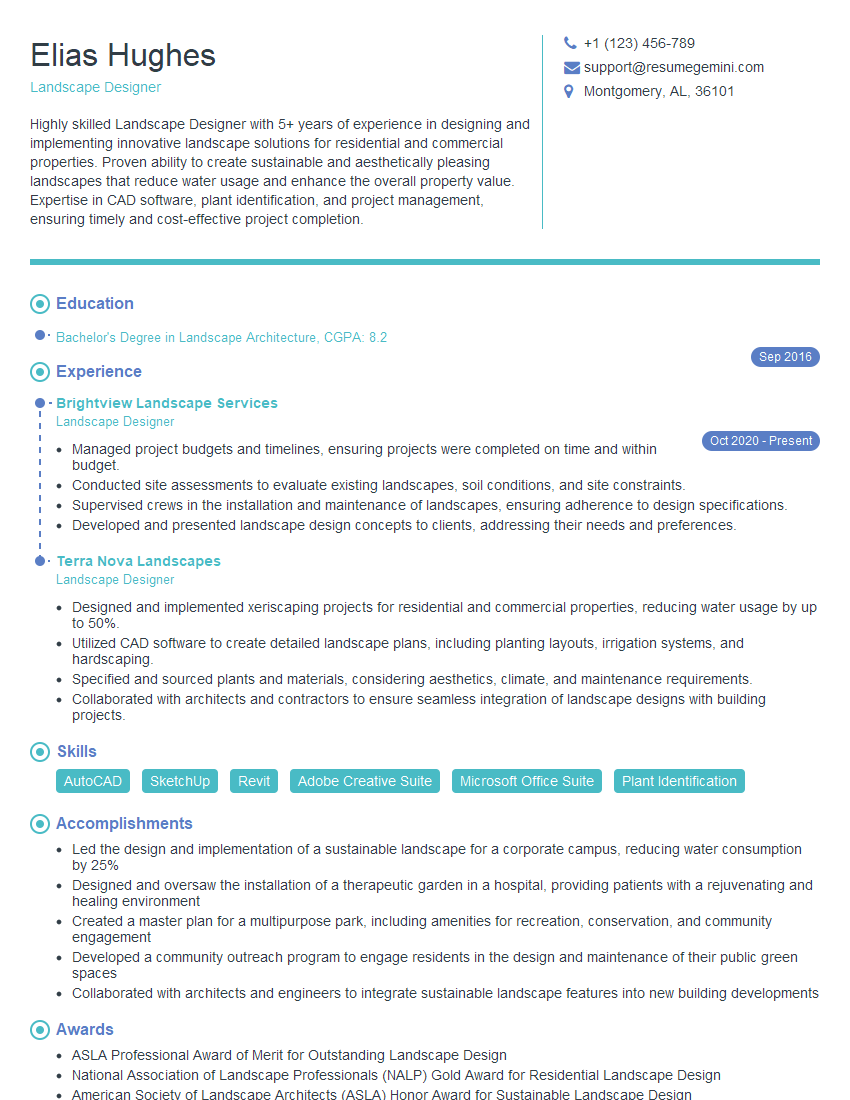
Landscape Designer Resume Sample
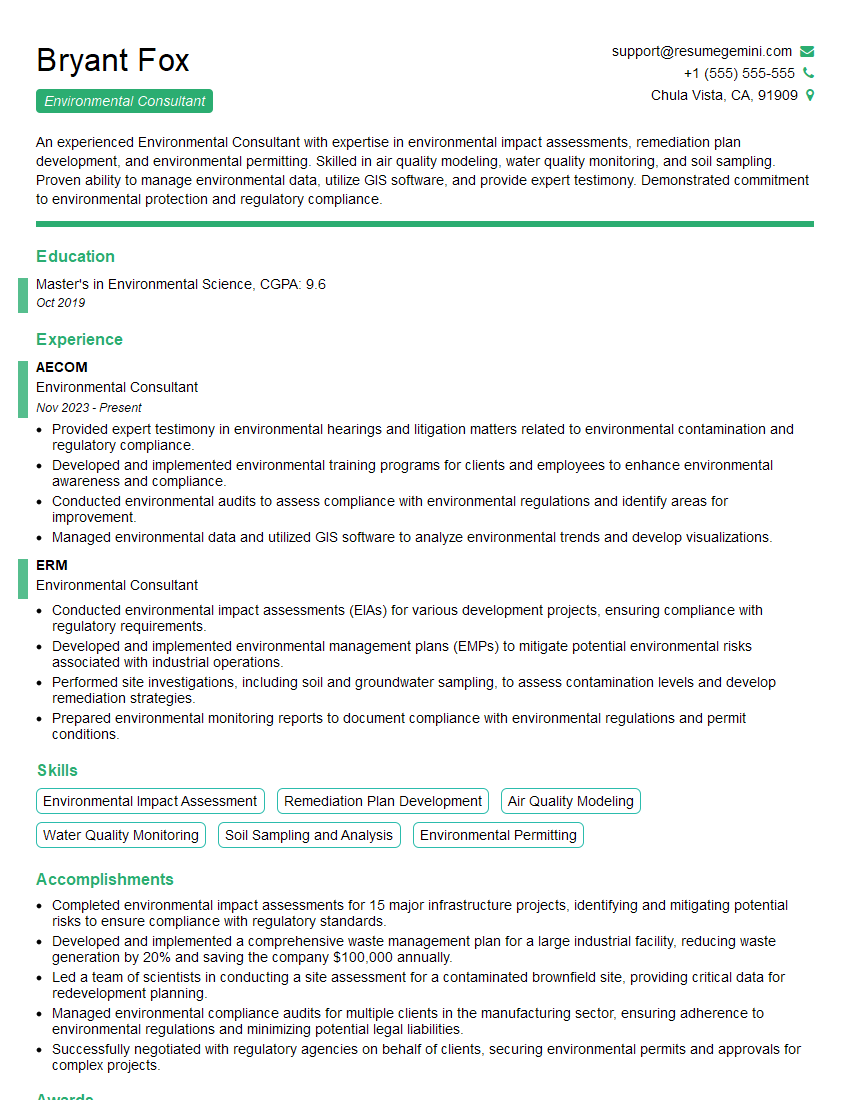
Environmental Consultant Resume Sample

Arborist Resume Sample
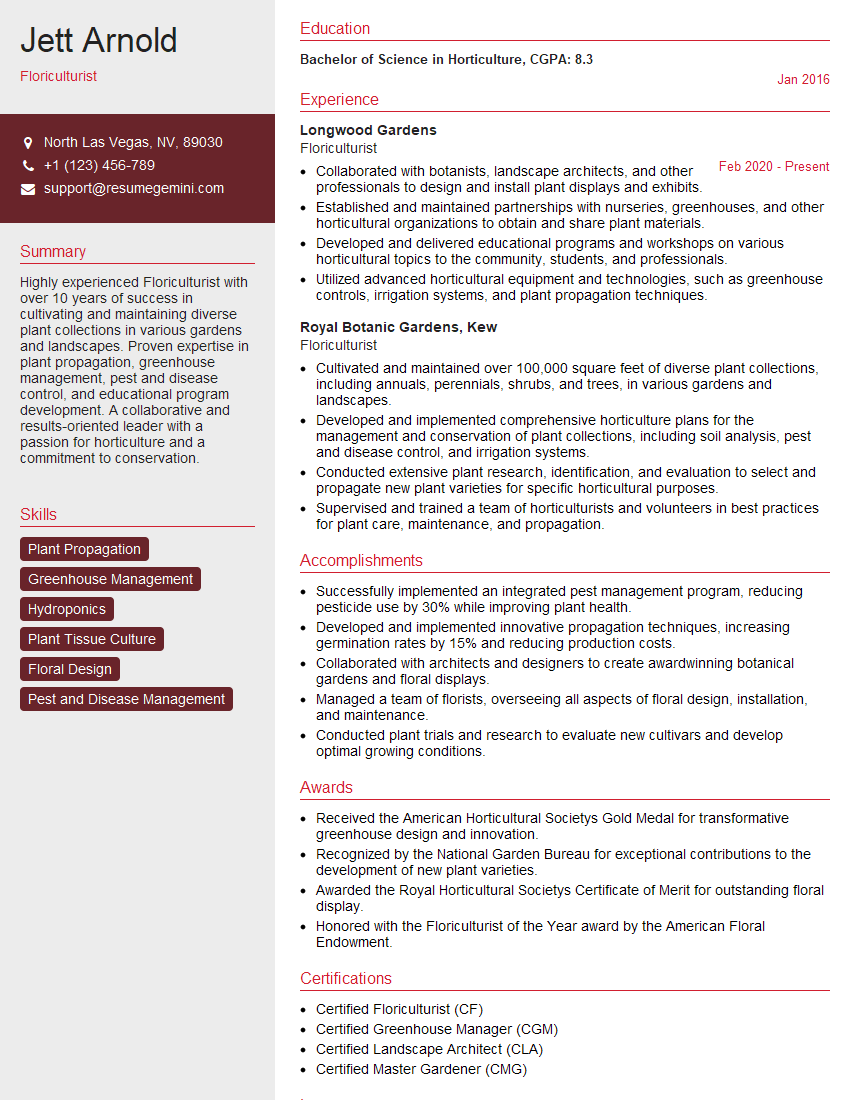
Floriculturist Resume Sample
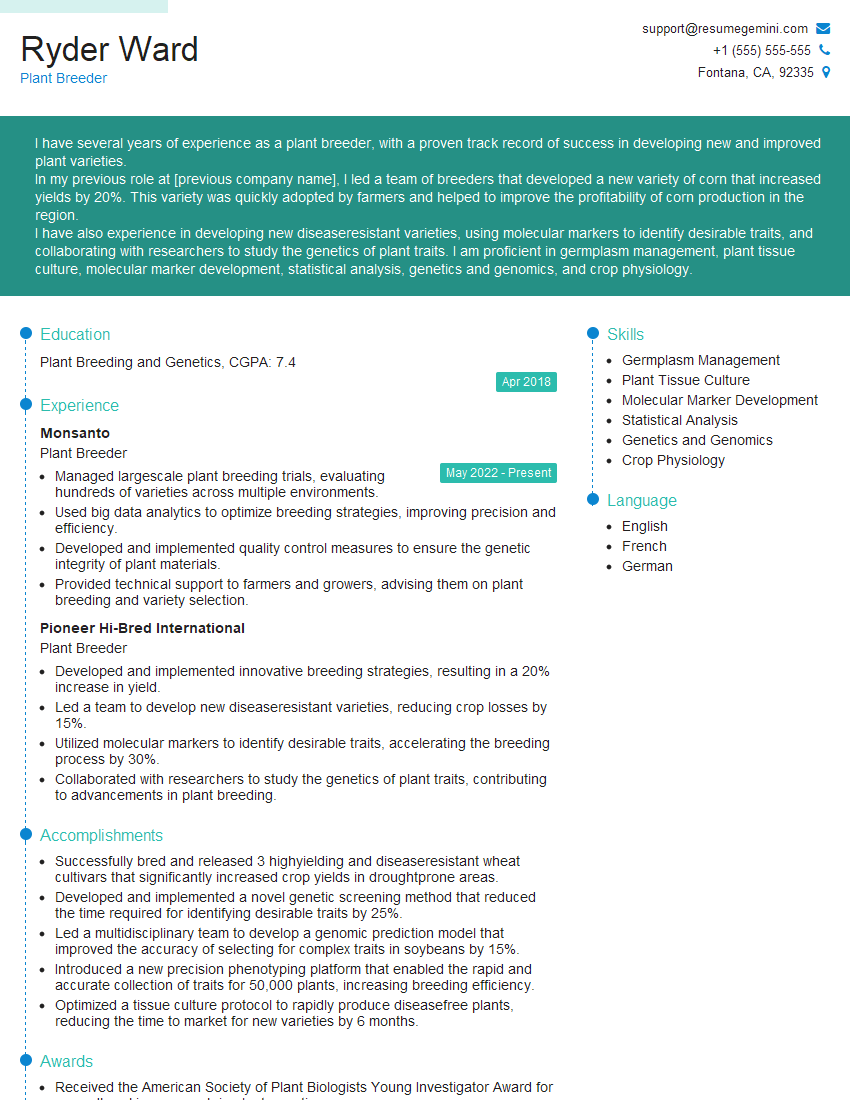
Plant Breeder Resume Sample
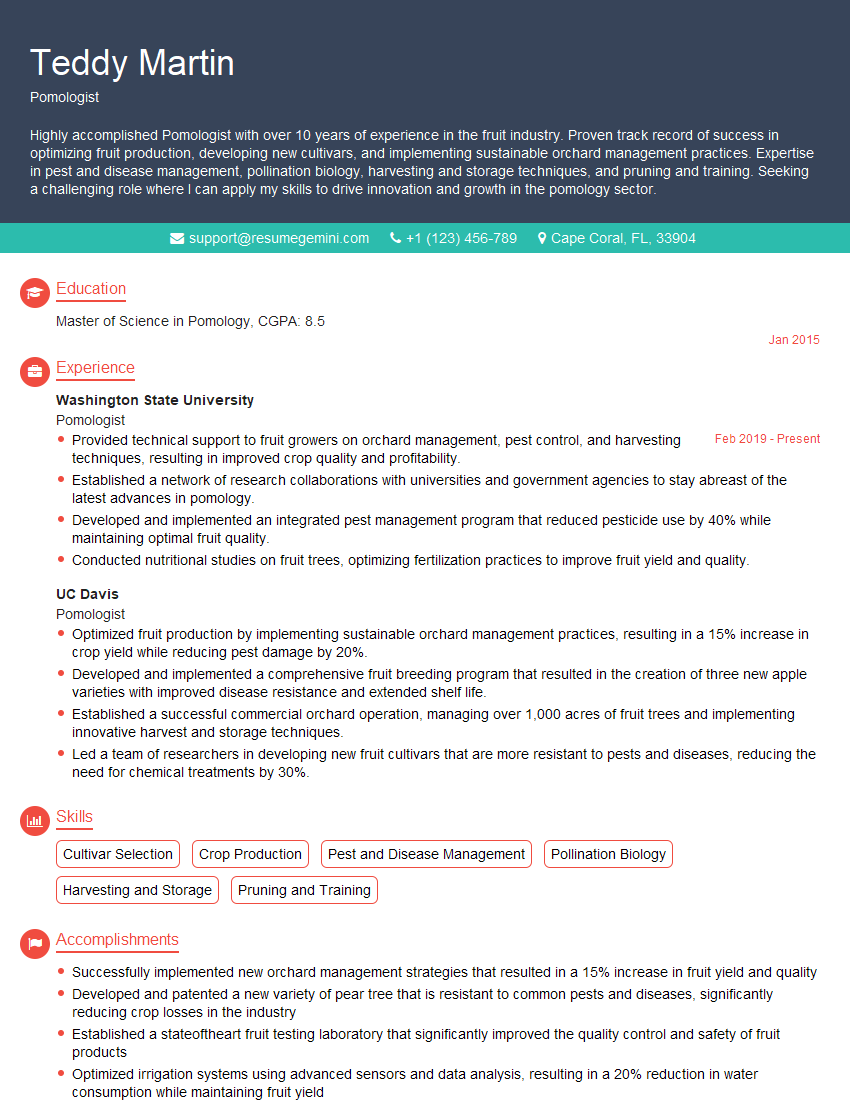
Pomologist Resume Sample

Soil Scientist Resume Sample
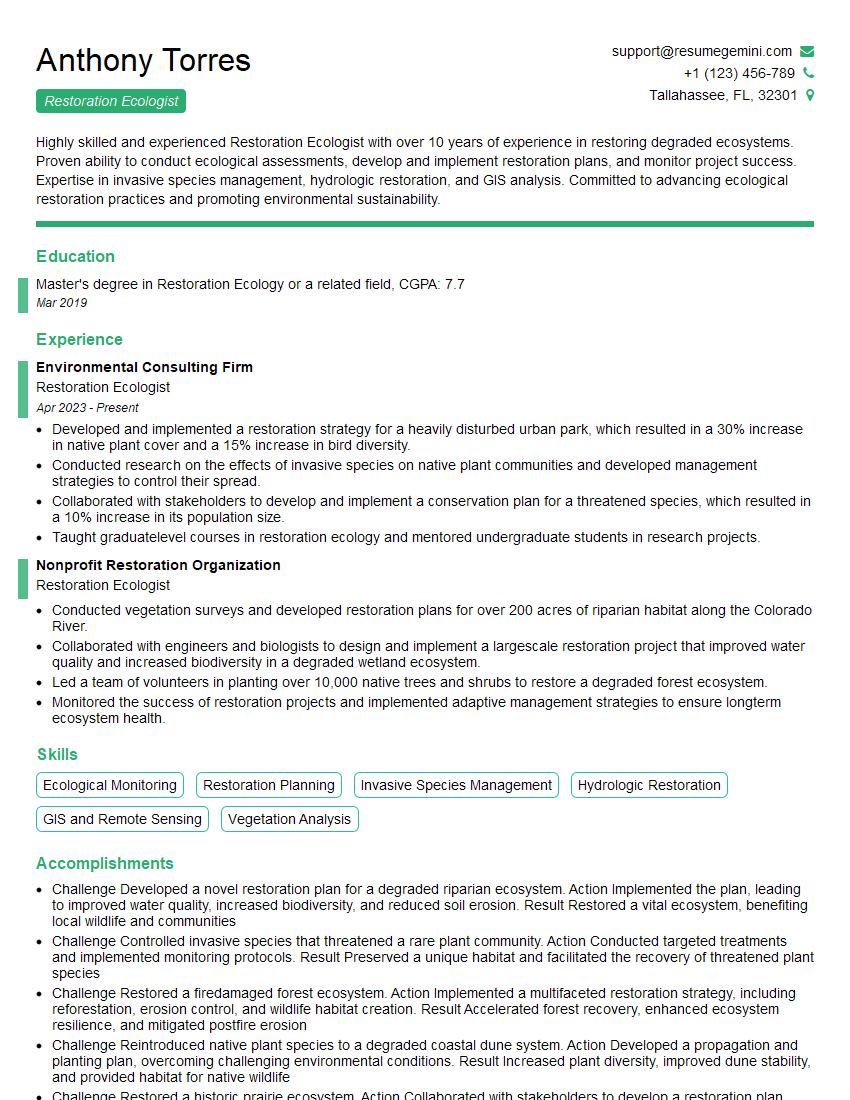
Restoration Ecologist Resume Sample
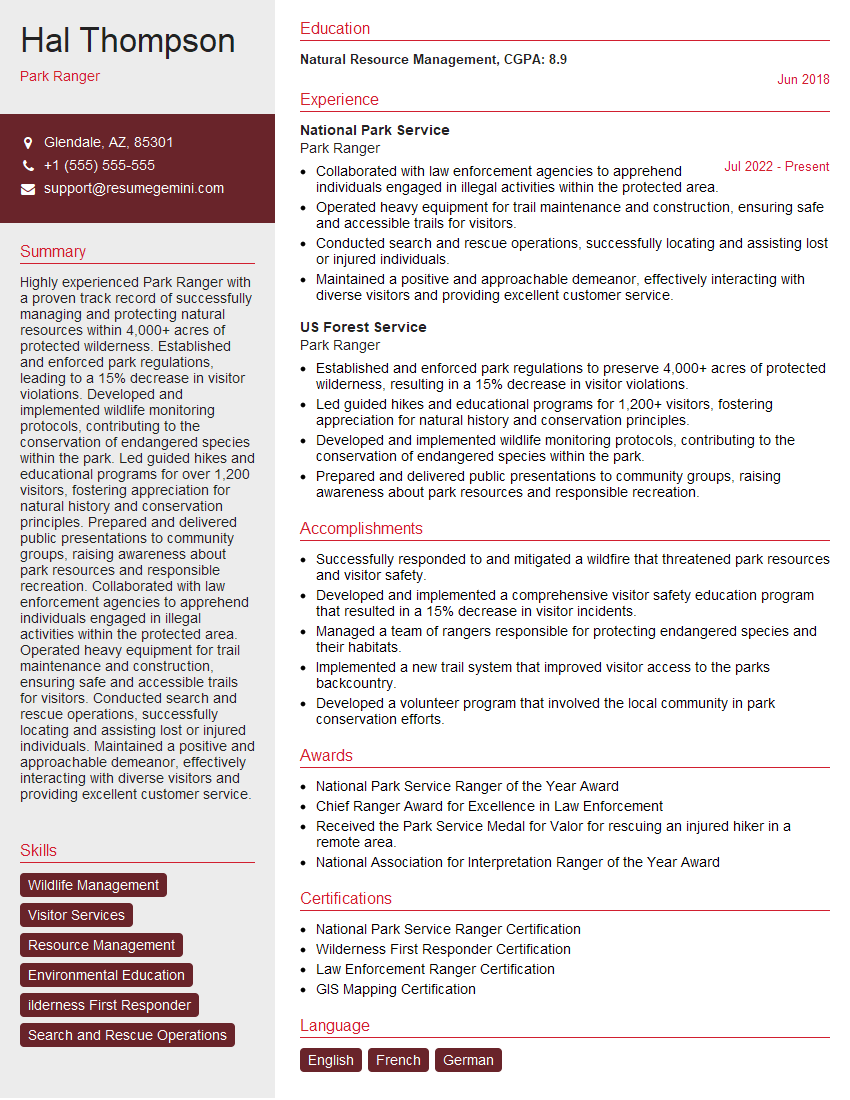
Park Ranger Resume Sample
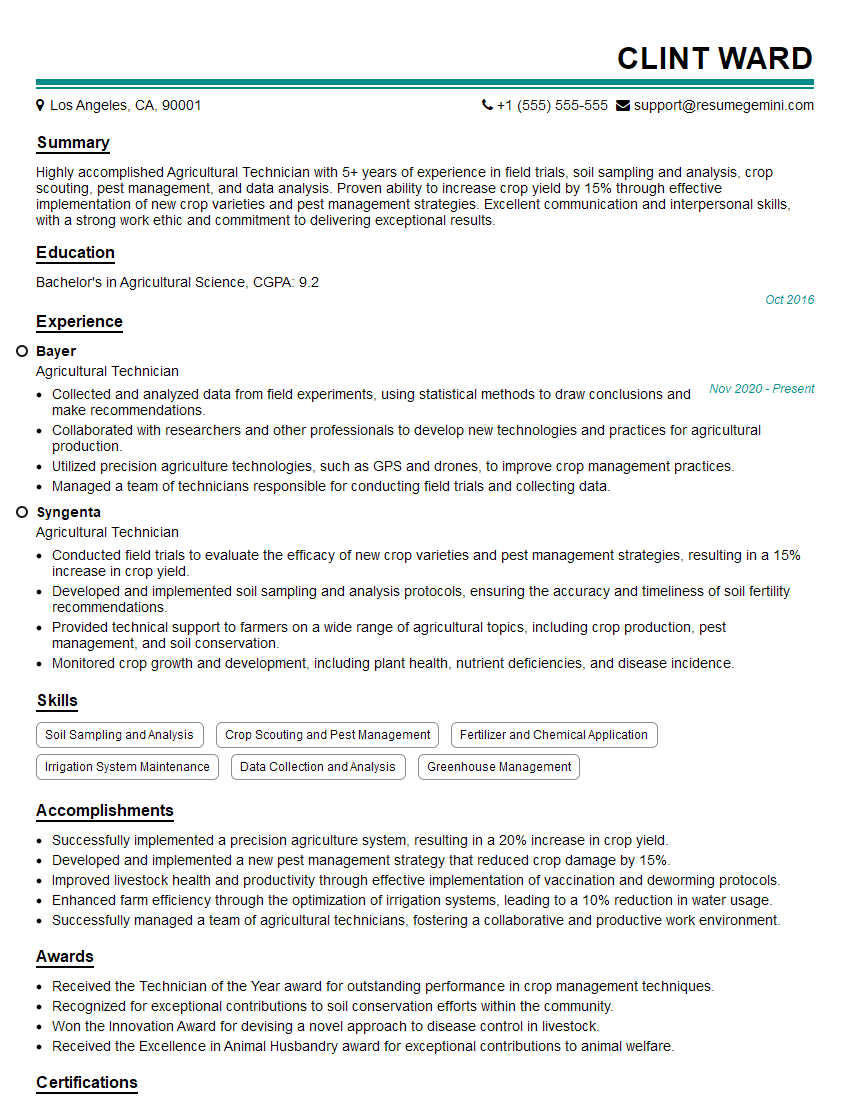
Agricultural Technician Resume Sample
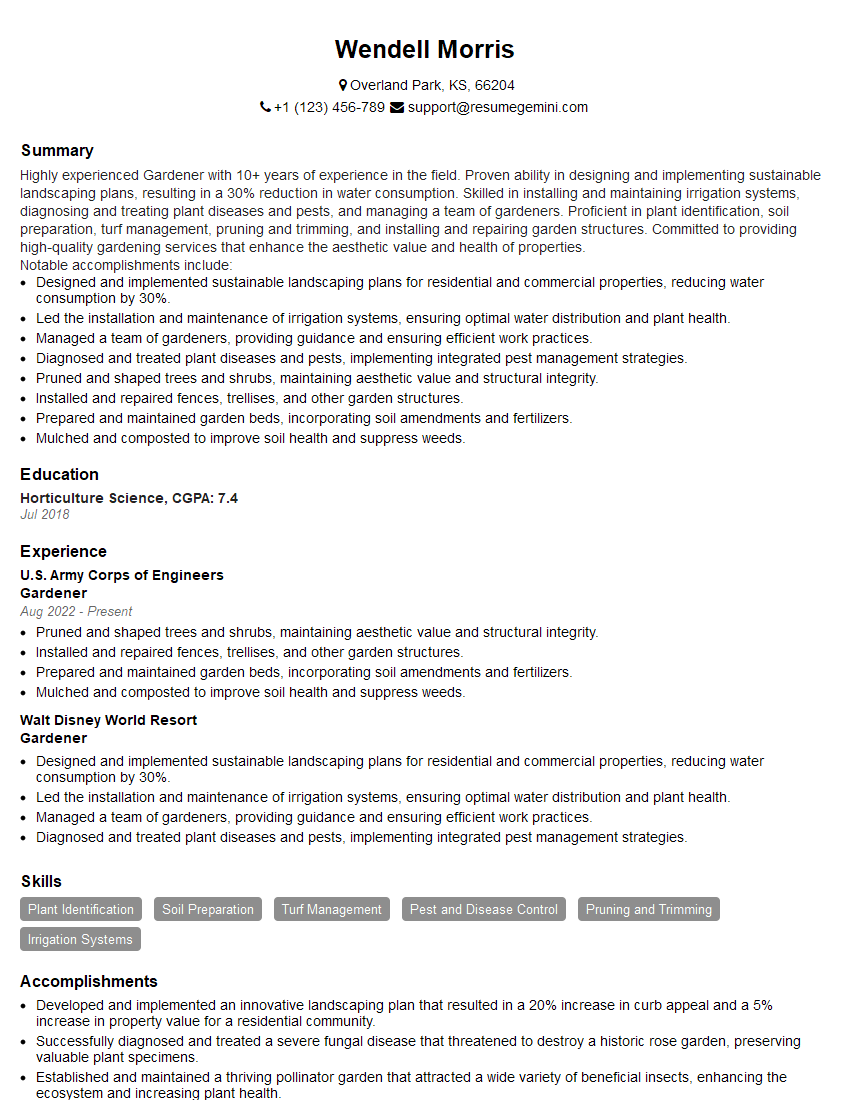
Gardener Resume Sample

Groundskeeper Resume Sample
Explore more articles
Users Rating of Our Blogs
Share Your Experience
We value your feedback! Please rate our content and share your thoughts (optional).
What Readers Say About Our Blog
Very informative content, great job.
good