Unlock your full potential by mastering the most common Plate Environmental Regulations interview questions. This blog offers a deep dive into the critical topics, ensuring you’re not only prepared to answer but to excel. With these insights, you’ll approach your interview with clarity and confidence.
Questions Asked in Plate Environmental Regulations Interview
Q 1. Describe your experience with interpreting and applying Plate Environmental Regulations.
My experience with interpreting and applying Plate Environmental Regulations spans over 15 years, encompassing various roles from environmental compliance specialist to senior environmental manager in the plating industry. I’ve been directly involved in developing and implementing compliance programs for multiple plating facilities, ranging from small job shops to large-scale manufacturing plants. This experience includes interpreting complex regulations, conducting environmental audits, managing hazardous waste, and ensuring compliance with wastewater and air emission standards. I’m proficient in navigating the nuances of federal and state regulations, understanding their interplay and ensuring seamless compliance across diverse operational settings.
For example, I successfully guided a client through a major EPA audit, resulting in a clean bill of health. This involved a thorough review of all operational procedures, record keeping, and compliance documentation, demonstrating my ability to proactively identify and resolve potential non-compliance issues. My approach is always proactive, focusing on preventing problems before they occur rather than simply reacting to violations.
Q 2. Explain the key differences between federal and state environmental regulations related to plating processes.
Federal and state environmental regulations governing plating processes often overlap but differ in their specifics. The federal government, primarily through the Environmental Protection Agency (EPA), sets broad national standards, such as those under the Clean Water Act (CWA) and the Clean Air Act (CAA). These standards provide a baseline level of environmental protection. However, states can implement their own regulations that are more stringent than federal standards. These state-specific regulations often address local environmental concerns or reflect unique ecological conditions.
For instance, the EPA sets discharge limits for certain pollutants in wastewater, but a state may have stricter limits based on its local water quality criteria. Similarly, federal air emission standards for specific pollutants may be supplemented by state regulations that require additional controls or monitoring. Therefore, plating facilities must comply with both federal and applicable state regulations, whichever is more stringent. Navigating these differences requires a deep understanding of both regulatory frameworks and the ability to interpret and apply them in a facility-specific context.
Q 3. What are the common permit requirements for a plating facility?
Permit requirements for a plating facility vary depending on location and the specific processes used. However, common permits include:
- National Pollutant Discharge Elimination System (NPDES) permit: This permit, issued under the Clean Water Act, regulates wastewater discharges to surface waters. It specifies limits for various pollutants, including heavy metals like chromium and cyanide.
- Air emissions permits: These permits, often regulated under the Clean Air Act, control emissions of air pollutants such as volatile organic compounds (VOCs) and hazardous air pollutants (HAPs). The specific requirements depend on the type and quantity of pollutants emitted.
- Hazardous waste permits: These permits, managed under the Resource Conservation and Recovery Act (RCRA), govern the generation, storage, treatment, and disposal of hazardous wastes generated during plating operations, such as spent plating solutions and contaminated waste streams.
- State-specific permits: Depending on the location, facilities may need additional state-level permits related to stormwater management, solid waste disposal, or other environmental regulations.
Failure to obtain the necessary permits can result in significant penalties, highlighting the importance of proactive permit acquisition and adherence to permit conditions. A well-structured compliance program is crucial for successful permit management.
Q 4. How do you ensure compliance with wastewater discharge limits for plating operations?
Ensuring compliance with wastewater discharge limits for plating operations requires a multi-pronged approach. This begins with accurate monitoring of wastewater streams to identify and quantify pollutants. Regular sampling and analysis are essential, and results must be carefully documented. Pretreatment of wastewater using techniques such as chemical precipitation, filtration, and ion exchange is frequently employed to reduce pollutant concentrations before discharge. Regular maintenance of treatment systems is critical to maintaining efficiency and preventing permit violations.
Furthermore, a robust record-keeping system is essential for demonstrating compliance to regulatory agencies. This includes detailed records of all monitoring activities, treatment process adjustments, and any corrective actions taken in response to deviations from permit limits. Developing and implementing a comprehensive wastewater management plan, including regular internal audits and training for operators, is crucial for long-term compliance. Regular review of operational practices and adoption of Best Management Practices (BMPs) can also significantly enhance compliance efforts.
Q 5. Describe your experience with hazardous waste management in a plating facility.
My experience with hazardous waste management in plating facilities involves implementing comprehensive programs compliant with RCRA regulations. This includes proper labeling and storage of hazardous waste, maintaining detailed manifests for off-site disposal, and ensuring that all waste handling activities are performed by licensed and qualified personnel. A key aspect of this is accurate waste characterization to ensure proper disposal methods. Understanding the chemical composition of each waste stream is vital to selecting the most appropriate disposal or treatment option.
I have been directly involved in developing and implementing waste minimization plans, seeking to reduce the volume and toxicity of waste generated through process optimization and waste recycling. For example, I helped a client implement a system to recover and recycle precious metals from spent plating solutions, significantly reducing hazardous waste generation and recovering valuable materials. These strategies are not only environmentally responsible but can also result in cost savings for the facility.
Q 6. What are the key air emission regulations relevant to plating processes?
Key air emission regulations relevant to plating processes stem primarily from the Clean Air Act. These regulations focus on controlling emissions of VOCs, HAPs, and other air pollutants. Specific regulations may vary depending on the types of plating processes used and the specific pollutants emitted. Plating operations often require the installation and operation of air pollution control devices, such as scrubbers and carbon filters, to reduce emissions to levels below allowable limits. These controls need regular maintenance and performance testing to ensure they are functioning properly.
Permitting requirements under the Clean Air Act typically involve detailed emission calculations, facility-specific testing, and the development of an emission control plan. Accurate record-keeping is essential for demonstrating compliance, including records of emission testing, maintenance logs, and any corrective actions undertaken. Understanding the specific requirements of applicable regulations, both federal and state, is crucial for ensuring compliance and avoiding potential penalties.
Q 7. How do you conduct environmental audits to ensure compliance with Plate Environmental Regulations?
Environmental audits to ensure compliance with Plate Environmental Regulations are conducted using a systematic and comprehensive approach. This typically involves a detailed review of all aspects of the plating facility’s operations, encompassing documentation review, visual inspections, and sampling and analysis. The audit process begins with planning, defining the scope and objectives of the audit based on the facility’s specific processes and applicable regulations.
The audit itself includes a review of permits, operating records, monitoring data, and training records. Visual inspections of equipment, waste storage areas, and wastewater treatment systems are crucial for identifying potential problems. Sampling and analysis of wastewater and air emissions are conducted to verify compliance with permit limits. Following the audit, a report is generated summarizing the findings, including any areas of non-compliance, and recommended corrective actions. A follow-up audit may be conducted to verify the effectiveness of implemented corrective actions.
Throughout the entire process, maintaining accurate and complete documentation is paramount. The audit should follow a pre-determined checklist to ensure consistency and thoroughness. Effective communication and collaboration with facility personnel are essential for successful audits and achieving continuous compliance.
Q 8. Explain your experience with environmental remediation of soil and groundwater contamination from plating operations.
My experience in environmental remediation of soil and groundwater contamination from plating operations spans over 15 years. I’ve been involved in numerous projects, ranging from small-scale site assessments to large-scale remediation efforts. This involves a multi-faceted approach, beginning with a thorough site investigation to characterize the extent and nature of the contamination. This often includes soil sampling, groundwater monitoring well installation, and laboratory analysis to identify the specific contaminants, such as heavy metals (chromium, nickel, cadmium, etc.) and cyanide.
Based on the site assessment, I develop a remediation plan tailored to the specific contaminants and site conditions. Common remediation techniques include:
- Soil excavation and off-site disposal: This is a straightforward method for heavily contaminated soil.
- Pump and treat: This involves extracting contaminated groundwater, treating it to remove the contaminants, and then returning the treated water to the subsurface.
- In-situ bioremediation: This uses naturally occurring microorganisms to break down contaminants, minimizing the need for excavation.
- Soil vapor extraction (SVE): This is effective for removing volatile organic compounds (VOCs) from the soil.
Throughout the remediation process, I meticulously monitor progress, ensuring compliance with all regulatory requirements and adjusting strategies as needed. For instance, in one project involving chromium contamination, we initially employed pump and treat, but later supplemented it with in-situ chemical oxidation to accelerate the remediation process. Successful remediation is confirmed through post-remediation monitoring to demonstrate that the site meets regulatory cleanup goals.
Q 9. Describe your understanding of the Clean Water Act (CWA) and its application to plating facilities.
The Clean Water Act (CWA) is a cornerstone of environmental protection in the United States. For plating facilities, the CWA primarily focuses on regulating the discharge of wastewater into navigable waters. This includes effluent limitations, which set limits on the amount and type of pollutants a facility can discharge. Plating facilities typically discharge wastewater containing heavy metals, acids, and other chemicals, making adherence to CWA regulations crucial.
The CWA’s application to plating facilities involves obtaining a National Pollutant Discharge Elimination System (NPDES) permit. This permit outlines specific discharge limits for various pollutants and requires regular monitoring and reporting. Non-compliance can result in significant penalties. Understanding the specific permit requirements, including monitoring frequencies and reporting deadlines, is vital. For example, a facility may need to monitor for chromium, nickel, and cyanide, and the discharge limits will depend on the specific type of plating operation and the receiving water body’s quality. Regular inspections and audits are also part of ensuring CWA compliance.
Q 10. How do you manage and track environmental data and reporting requirements?
Managing and tracking environmental data and reporting requirements is paramount in ensuring regulatory compliance. We utilize a comprehensive environmental information management system (EIMS), often integrating software solutions that streamline data collection, analysis, and reporting. This system allows for real-time monitoring of key parameters like wastewater discharge, air emissions, and waste generation.
Data is typically collected through automated monitoring equipment, manual sampling, and laboratory analysis. The EIMS then organizes this data, flags potential exceedances of permit limits, and generates reports for regulatory agencies. For example, our system automatically alerts us if a specific pollutant exceeds its permitted discharge limit, triggering immediate investigation and corrective actions. Detailed audit trails within the system ensure transparency and accountability. This includes all data inputs, calculations, and any modifications made, facilitating easy auditing by regulatory bodies. We also schedule regular internal audits to ensure the accuracy and integrity of our data management processes.
Q 11. What are the best practices for minimizing waste generation in plating operations?
Minimizing waste generation in plating operations is crucial from both environmental and economic perspectives. Best practices involve a multi-pronged approach:
- Process optimization: Implementing technologies that reduce the amount of chemicals used in the plating process. This could include using less-toxic chemicals or employing more efficient plating techniques.
- Wastewater treatment: Implementing advanced wastewater treatment technologies to recover valuable materials and reduce the volume of discharged wastewater.
- Waste segregation and recycling: Properly segregating different waste streams allows for effective recycling of valuable metals like gold, silver, and copper.
- Closed-loop systems: Designing processes where wastewater and chemicals are recycled and reused, minimizing waste discharge.
- Regular maintenance and leak detection: Preventing leaks and spills through regular maintenance of equipment reduces waste generation and environmental impact.
For example, we’ve successfully implemented a closed-loop system in a client’s facility, reducing wastewater discharge by over 60% and recovering valuable metals, leading to significant cost savings. The key is integrating these practices proactively into the plating process rather than as an afterthought.
Q 12. Explain your understanding of risk assessment and management in the context of Plate Environmental Regulations.
Risk assessment and management are fundamental to Plate Environmental Regulations. A risk assessment identifies potential environmental hazards associated with plating operations, evaluates their likelihood and severity, and determines appropriate management strategies. This is often a systematic process, involving:
- Hazard identification: Identifying potential sources of pollution, such as chemical spills, wastewater discharges, and air emissions.
- Risk evaluation: Assessing the probability of each hazard occurring and the potential consequences.
- Risk control: Implementing measures to reduce or eliminate identified risks. This might include engineering controls (e.g., improved ventilation), administrative controls (e.g., improved training procedures), and personal protective equipment (PPE).
- Monitoring and review: Regularly monitoring the effectiveness of risk control measures and updating the risk assessment as needed.
For instance, a risk assessment might highlight the potential for a chemical spill during the transportation of hazardous materials. The risk control measures could include implementing a robust spill response plan, employee training, and the use of double-walled containers for chemical transport. Continuous monitoring and refinement of the risk assessment ensures the facility maintains a safe and compliant operation.
Q 13. How do you identify and address potential environmental non-compliance issues?
Identifying and addressing potential environmental non-compliance issues requires a proactive and systematic approach. This involves:
- Regular self-audits: Conducting routine internal audits to identify potential compliance gaps and areas for improvement.
- Monitoring data review: Closely monitoring environmental monitoring data for any deviations from permit limits or established standards.
- Regulatory updates: Staying informed about changes in environmental regulations and ensuring the facility maintains compliance.
- Employee training: Providing comprehensive environmental training to all employees to foster a culture of environmental responsibility.
- Corrective action plans: Developing and implementing corrective action plans to address any identified non-compliance issues promptly.
For example, if monitoring data reveals an exceedance of a permitted discharge limit, a thorough investigation is launched to determine the cause. Once identified, a corrective action plan is developed and implemented, potentially involving equipment repairs, process modifications, or operator retraining. Documentation of the entire process is meticulously maintained.
Q 14. Describe your experience with developing and implementing environmental management systems (EMS).
My experience with developing and implementing Environmental Management Systems (EMS) is extensive. I’ve guided numerous plating facilities through the process of designing, implementing, and certifying their EMS according to ISO 14001 standards. This involves a structured approach focused on continuous improvement and environmental performance enhancement.
The process typically includes:
- Environmental Policy Development: Defining a formal environmental policy outlining the facility’s commitment to environmental protection.
- Environmental Aspects and Impacts Identification: Identifying all environmental aspects of the plating operation and assessing their potential impacts.
- Establishing Objectives and Targets: Setting specific, measurable, achievable, relevant, and time-bound (SMART) environmental objectives and targets.
- EMS Documentation: Developing and maintaining comprehensive EMS documentation, including procedures, records, and training materials.
- Internal Audits: Regularly conducting internal audits to verify the effectiveness of the EMS.
- Management Review: Regularly reviewing the EMS performance to identify areas for improvement.
Successfully implementing an EMS not only ensures compliance but also drives continuous improvement in environmental performance, leading to reduced waste generation, improved resource efficiency, and enhanced environmental stewardship. A well-structured EMS becomes a valuable asset in ensuring long-term sustainability and operational excellence.
Q 15. What are the key reporting requirements for plating facilities under Plate Environmental Regulations?
Reporting requirements for plating facilities under Plate Environmental Regulations are stringent and vary depending on the specific location and the types of plating processes used. Generally, they include regular monitoring and reporting of wastewater discharges, air emissions, and hazardous waste generation.
- Wastewater Discharge Monitoring Reports (WDMRS): These reports detail the volume and concentration of pollutants discharged into municipal or receiving waters. They often require analysis for heavy metals (like chromium, nickel, cadmium, and zinc), cyanides, and other plating-related chemicals. Frequency of reporting can be monthly, quarterly, or annually, depending on permit conditions.
- Air Emissions Reports: Plating processes can generate air emissions containing particulate matter and volatile organic compounds (VOCs). These reports detail the types and quantities of emissions, often requiring the use of continuous emission monitoring systems (CEMS). Reporting frequencies vary.
- Hazardous Waste Manifests: Plating generates significant hazardous waste, including spent plating solutions, cleaning solvents, and sludge. These wastes require proper handling, storage, and disposal, and accurate manifests documenting their transportation to permitted treatment, storage, and disposal facilities (TSDFs) are crucial.
- Self-Audits and Compliance Reports: Many jurisdictions require periodic self-audits to identify potential compliance issues and submit annual compliance reports summarizing environmental performance and any corrective actions taken.
Specific reporting requirements are dictated by the facility’s permit, which is issued by the relevant environmental agency. Failure to meet these requirements can result in penalties.
Career Expert Tips:
- Ace those interviews! Prepare effectively by reviewing the Top 50 Most Common Interview Questions on ResumeGemini.
- Navigate your job search with confidence! Explore a wide range of Career Tips on ResumeGemini. Learn about common challenges and recommendations to overcome them.
- Craft the perfect resume! Master the Art of Resume Writing with ResumeGemini’s guide. Showcase your unique qualifications and achievements effectively.
- Don’t miss out on holiday savings! Build your dream resume with ResumeGemini’s ATS optimized templates.
Q 16. How do you stay current with changes in Plate Environmental Regulations?
Staying current with changes in Plate Environmental Regulations requires a multi-pronged approach. The regulations are dynamic, frequently updated to reflect evolving scientific understanding and technological advancements.
- Subscription to Regulatory Updates: I subscribe to newsletters and publications from the Environmental Protection Agency (EPA) and relevant state environmental agencies. This provides timely updates on changes to regulations, guidance documents, and enforcement actions.
- Professional Organizations and Conferences: Active participation in professional organizations like the Institute for Interconnecting and Packaging Electronic Circuits (IPC) or the National Association for Surface Finishing (NASF) provides access to industry best practices and updates on regulatory changes through webinars, conferences, and publications.
- Relationship with Regulatory Agencies: Maintaining a strong working relationship with the permitting agency allows for proactive communication and clarification on emerging issues. Attending agency workshops and meetings provides valuable insight.
- Legal Counsel: Consulting with environmental law specialists ensures an accurate interpretation of complex regulations and provides guidance on complying with the most up-to-date requirements.
Continuously monitoring and adapting to regulatory changes is essential for maintaining compliance and avoiding penalties. It’s not a passive process but rather an active and ongoing commitment to staying informed.
Q 17. Explain your understanding of the Resource Conservation and Recovery Act (RCRA) as it relates to plating waste.
The Resource Conservation and Recovery Act (RCRA) is the cornerstone of federal hazardous waste management in the United States. As it relates to plating waste, RCRA dictates how hazardous wastes generated by plating facilities must be handled from ‘cradle to grave’.
- Hazardous Waste Determination: RCRA defines specific waste streams as hazardous based on their toxicity, ignitability, reactivity, or corrosivity. Many plating wastes, like spent plating solutions containing heavy metals, fall under this definition.
- Generator Status: Plating facilities are considered hazardous waste generators if they accumulate more than a certain quantity of hazardous waste (typically 220 pounds) on site. This triggers specific record-keeping, storage, and reporting requirements.
- Waste Minimization: RCRA encourages and promotes waste minimization techniques, such as process improvements and recycling programs, to reduce the quantity of hazardous waste generated.
- Proper Treatment, Storage, and Disposal (TSD): RCRA requires that hazardous waste be managed according to specific regulations, including proper labeling, containerization, storage conditions, and transportation to permitted TSDFs. Improper handling and disposal can lead to severe environmental damage and penalties.
Understanding and complying with RCRA is critical for plating facilities to avoid environmental violations and associated penalties. It requires a robust hazardous waste management program, including comprehensive record-keeping, trained personnel, and appropriate infrastructure.
Q 18. Describe your experience with negotiating with regulatory agencies.
Negotiating with regulatory agencies requires a collaborative and professional approach, built on mutual respect and a commitment to environmental compliance. My experience involves a multi-step strategy:
- Data-Driven Approach: I present clear, concise, and accurate data to support any arguments or proposals. This includes robust environmental monitoring data, engineering reports, and documentation of corrective actions taken.
- Proactive Communication: Open and transparent communication from the outset is crucial. This includes promptly addressing any agency concerns and proactively engaging in discussions about potential compliance challenges.
- Finding Common Ground: I focus on identifying areas of mutual agreement and exploring solutions that meet both regulatory requirements and business objectives. This might involve proposing alternative compliance strategies that are equally or more effective.
- Documentation: Meticulous record-keeping is critical, documenting all interactions, agreements, and proposed solutions. This serves as a valuable record should any disputes arise.
- Legal Counsel: For complex negotiations or potential disputes, seeking legal counsel is important to ensure compliance and protect the company’s interests.
Successful negotiation involves building trust and demonstrating a commitment to environmental stewardship. The goal isn’t to circumvent regulations but to find practical and effective ways to achieve compliance.
Q 19. How do you ensure proper training of employees on environmental compliance?
Ensuring proper employee training on environmental compliance is a cornerstone of a successful environmental management system (EMS). Our training program utilizes a multi-faceted approach:
- Initial Training: All employees receive comprehensive initial training covering relevant regulations, facility-specific procedures, emergency response plans, and the importance of environmental stewardship. Training is conducted using a combination of lectures, videos, and hands-on demonstrations.
- Regular Refresher Training: Regular refresher training is conducted to reinforce key concepts and address any updates to regulations or facility procedures. This keeps training fresh and relevant.
- Job-Specific Training: Employees receive specialized training tailored to their roles and responsibilities. For example, wastewater treatment operators receive specific training on wastewater treatment processes and monitoring procedures, while hazardous waste handlers receive training on handling, storage, and transportation of hazardous materials.
- Documentation and Assessments: All training is meticulously documented, and employees are regularly assessed to evaluate their understanding of the training materials.
- Incentivization: We actively encourage and reward employees for their commitment to environmental compliance. This can be through incentive programs or recognition for exceptional performance.
A well-trained and engaged workforce is essential for maintaining environmental compliance and preventing costly accidents or violations.
Q 20. What are the potential penalties for non-compliance with Plate Environmental Regulations?
Penalties for non-compliance with Plate Environmental Regulations can be severe and far-reaching, potentially impacting a company’s financial stability and reputation.
- Administrative Penalties: These include warnings, fines, and the suspension or revocation of permits. The severity of fines depends on the nature and severity of the violation, as well as the company’s history of compliance.
- Civil Penalties: More significant violations can result in substantial civil penalties, including court-ordered remediation of environmental damage.
- Criminal Penalties: In cases of egregious or willful violations, criminal charges can be filed, leading to hefty fines, imprisonment, and severe reputational damage.
- Corrective Actions: Non-compliance often necessitates the implementation of costly corrective actions, such as upgrading wastewater treatment systems, installing emission control devices, or implementing improved waste management practices.
- Reputational Damage: Public perception of environmental violations can negatively affect a company’s brand image, potentially leading to lost customers and investors.
The potential for severe penalties underscores the importance of a robust environmental compliance program that proactively addresses potential issues and ensures adherence to all applicable regulations.
Q 21. Explain your experience with environmental impact assessments for plating projects.
Environmental impact assessments (EIAs) for plating projects are crucial for identifying and mitigating potential environmental risks. My experience encompasses several key phases:
- Baseline Data Collection: This involves gathering data on existing environmental conditions, including water quality, air quality, and soil conditions. This provides a benchmark for assessing future impacts.
- Impact Prediction: We use modeling and simulation techniques to predict the potential environmental impacts of the project, such as wastewater discharges, air emissions, and waste generation. This considers various scenarios and operating conditions.
- Mitigation Measures: Based on the impact predictions, we develop and propose mitigation measures to reduce or eliminate potential negative impacts. This might involve implementing advanced wastewater treatment systems, implementing best available technologies (BATs) for emissions control, and developing comprehensive waste management plans.
- Regulatory Compliance: The EIA must demonstrate compliance with all applicable environmental regulations and permits. This includes complying with discharge permits, air quality permits, and hazardous waste permits.
- Public Consultation: In many jurisdictions, public consultation is a critical component of the EIA process. This provides an opportunity to engage with stakeholders and address any community concerns.
Thorough EIAs are essential for ensuring environmentally responsible development and avoiding potential conflicts with regulatory agencies and the community. They also demonstrate a commitment to sustainability and responsible business practices.
Q 22. How do you utilize environmental monitoring data to make informed decisions about compliance?
Environmental monitoring data is crucial for ensuring compliance with plating regulations. We use this data to track pollutant levels in wastewater, air emissions, and solid waste. This data informs our decision-making process in several key ways:
Trend Analysis: By regularly monitoring and analyzing data over time, we can identify emerging trends. For instance, a gradual increase in chromium levels in wastewater might signal a problem with our treatment system or a process leak, prompting a proactive investigation and preventative measures.
Compliance Verification: Monitoring data directly demonstrates our compliance with permit limits and regulatory standards. If we find that we are exceeding permitted limits, it triggers immediate corrective actions.
Process Optimization: Analysis of data can highlight inefficiencies in our processes. For example, higher-than-expected cyanide concentrations could suggest an opportunity to optimize the cleaning or plating process to reduce consumption and waste.
Performance Evaluation: Regular monitoring provides objective performance data on our waste treatment system’s effectiveness, allowing for better maintenance scheduling and upgrades when needed. We can also track our progress against sustainability goals, such as water and energy consumption reduction.
For example, in one instance, consistently elevated levels of nickel in our effluent led us to identify a faulty valve in the rinse tank. Addressing this minor issue prevented a major regulatory violation and potential fines.
Q 23. Describe your familiarity with different types of plating processes and their associated environmental impacts.
I’m very familiar with various plating processes and their environmental impacts. These include:
Electroplating: This involves depositing a metal layer onto a substrate using an electric current. The main environmental concerns here are the heavy metal content of the plating solutions (e.g., chromium, nickel, cadmium), which can contaminate wastewater if not properly treated. The process also generates spent plating solutions and rinse waters.
Electroless Plating: Similar to electroplating but doesn’t require an external current. It uses chemical reducing agents, which can lead to the release of hazardous byproducts.
Immersion Plating: This involves placing the substrate in a chemical solution where the metal deposits onto the surface without an external power source or chemical reducing agents. However, the chemicals involved can still pose environmental risks.
Brush Plating: A localized plating technique that can use less material, but still involves hazardous chemicals.
The associated environmental impacts depend on the specific metals used, the chemicals employed, and the waste management practices in place. Improper handling can lead to soil and water contamination, air pollution from volatile compounds, and worker exposure to hazardous materials. Effective waste treatment, responsible chemical handling, and regulatory compliance are essential to mitigate these impacts.
Q 24. What are the best practices for preventing spills and leaks in a plating facility?
Preventing spills and leaks is paramount in a plating facility. Best practices include:
Regular Inspections: Conduct routine visual inspections of all piping, tanks, pumps, and valves for signs of corrosion, leaks, or damage. This should include checking all connections, seals, and welds.
Secondary Containment: Employing secondary containment systems, such as containment berms or sumps, around tanks and process equipment is crucial to catch any spills or leaks before they reach the environment.
Leak Detection Systems: Implementing leak detection and monitoring systems for tanks and pipelines is vital to quickly identify and address any issues. This might involve using sensors and alarms.
Proper Material Selection: Choose corrosion-resistant materials for pipes, tanks, and other equipment. This minimizes the risk of leaks caused by corrosion.
Employee Training: Thorough training of personnel on proper handling procedures, spill response protocols, and emergency procedures is essential.
Emergency Shut-off Valves: Strategically located emergency shut-off valves allow for rapid isolation of sections of the piping system in case of a leak.
For example, a regular inspection program can detect small cracks in a pipe before they become major leaks, preventing costly damage and environmental harm.
Q 25. How do you handle environmental emergencies or incidents?
Handling environmental emergencies is crucial. Our response plan includes:
Immediate Actions: The first step is to contain the spill or leak to prevent further environmental damage. This involves using absorbent materials, diking, or other appropriate containment methods.
Notification: We have established procedures for promptly notifying relevant authorities, such as the local fire department, environmental agencies, and our emergency response team.
Personnel Safety: Protecting the safety of personnel involved in the cleanup is paramount. This includes providing appropriate personal protective equipment (PPE) and following established safety protocols.
Cleanup and Remediation: We engage trained personnel and/or specialized contractors to safely clean up the spill or leak, including proper disposal of contaminated materials.
Documentation: Maintaining thorough documentation of the incident, including the cause, response actions, and remediation efforts, is essential for compliance and future improvement.
Post-Incident Review: Following an incident, we conduct a thorough review to identify contributing factors, implement preventative measures, and improve our emergency response plan.
One case involved a minor spill of plating solution. Our immediate response, including prompt notification and containment, minimized environmental impact and ensured swift remediation.
Q 26. Explain your understanding of the National Pollutant Discharge Elimination System (NPDES) permit process.
The NPDES (National Pollutant Discharge Elimination System) permit is crucial for facilities discharging wastewater to U.S. waters. Obtaining and maintaining an NPDES permit involves several steps:
Application: Submitting a detailed application to the relevant regulatory agency, including information about the facility, wastewater discharge, treatment processes, and proposed effluent limitations.
Permit Review: The regulatory agency reviews the application to ensure it meets all requirements. This might include an on-site inspection of the facility.
Permit Issuance: If the application is approved, the agency issues an NPDES permit specifying discharge limits for various pollutants, monitoring requirements, and reporting deadlines.
Monitoring and Reporting: The facility must regularly monitor its wastewater discharge to ensure compliance with the permit limits. This data is then reported to the regulatory agency according to the schedule outlined in the permit.
Permit Renewal: NPDES permits are typically issued for a specific period (e.g., five years) and must be renewed by submitting a new application.
The permit process involves extensive documentation and careful attention to detail. Failure to comply with the permit’s terms can result in significant penalties.
Q 27. Describe your experience working with environmental consultants or contractors.
I have extensive experience collaborating with environmental consultants and contractors. This collaboration is often essential for complex projects or specialized expertise:
Permitting Assistance: Consultants can provide invaluable assistance in navigating the complex permitting process, ensuring our applications are complete and accurate.
Environmental Audits: Independent environmental audits conducted by consultants provide an objective assessment of our compliance status and identify areas for improvement.
Remediation Projects: Contractors specializing in environmental remediation are crucial for managing and executing cleanup efforts following spills or other incidents.
Waste Management: We work with contractors to ensure the proper handling, treatment, and disposal of hazardous waste generated by our plating operations.
Technology Evaluation: Consultants can help evaluate new technologies or processes to enhance our environmental performance and improve efficiency.
For instance, a consultant helped us design and implement a new wastewater treatment system, significantly reducing our environmental footprint and enhancing our compliance profile.
Q 28. How do you incorporate sustainability principles into your approach to Plate Environmental Regulations compliance?
Sustainability is a core principle in our approach to plating environmental regulations. We integrate it through:
Waste Minimization: We focus on reducing waste generation at the source through process optimization, improved material efficiency, and better chemical management. This reduces our environmental impact and operating costs.
Water Conservation: Implementing water-saving technologies, such as counter-current rinsing systems and water recycling, minimizes our water consumption and wastewater discharge volume.
Energy Efficiency: We continuously strive to improve energy efficiency in our operations through equipment upgrades and process improvements, reducing our carbon footprint.
Chemical Substitution: We actively seek opportunities to substitute hazardous chemicals with less harmful alternatives wherever feasible.
Green Chemistry Principles: We incorporate green chemistry principles into our processes to design environmentally benign materials and operations.
Life Cycle Assessment (LCA): We periodically conduct LCAs to assess the environmental impact of our products and processes throughout their entire life cycle, identifying opportunities for further improvement.
For example, by implementing a closed-loop water recycling system, we significantly reduced our water consumption, lowering our operational costs while minimizing our environmental impact.
Key Topics to Learn for Plate Environmental Regulations Interview
- Plate Tectonics and Environmental Impact: Understanding how plate movement influences geological formations, resource distribution, and natural hazards crucial for environmental regulation.
- Environmental Regulations Specific to Plate Boundaries: Analyzing and applying regulations concerning seismic activity, volcanic eruptions, tsunami risks, and associated environmental impacts at different plate boundaries (convergent, divergent, transform).
- Resource Management and Sustainability in Plate Tectonic Contexts: Exploring the sustainable extraction and utilization of natural resources (minerals, geothermal energy) while minimizing environmental damage in areas influenced by plate tectonics.
- Pollution and Remediation in Geologically Active Regions: Addressing the unique challenges of pollution control and environmental remediation in areas prone to earthquakes, volcanic eruptions, or landslides.
- Climate Change and Plate Tectonics: Investigating the interplay between long-term climate change and plate tectonic processes, and their implications for environmental regulations.
- Environmental Impact Assessments (EIAs) in Geologically Complex Areas: Understanding the specific considerations and methodologies for conducting comprehensive EIAs in areas with significant geological activity.
- Legislation and Policy related to Plate-Tectonic influenced Environmental Issues: Familiarize yourself with relevant national and international laws and policies concerning environmental protection in geologically active regions.
- Data Analysis and Interpretation for Environmental Monitoring: Mastering the skills to analyze geological and environmental data to inform regulatory decisions and environmental protection strategies.
Next Steps
Mastering Plate Environmental Regulations demonstrates a specialized skillset highly valued in the environmental sector, significantly boosting your career prospects. A strong understanding of these regulations will set you apart from other candidates and open doors to exciting opportunities. To maximize your chances of landing your dream role, it’s essential to present your qualifications effectively. Creating an ATS-friendly resume is paramount. ResumeGemini is a trusted resource to help you build a professional and impactful resume that showcases your expertise in Plate Environmental Regulations. Examples of resumes tailored to this specific area are available within ResumeGemini to guide you. Take the next step in your career journey – build a winning resume today.
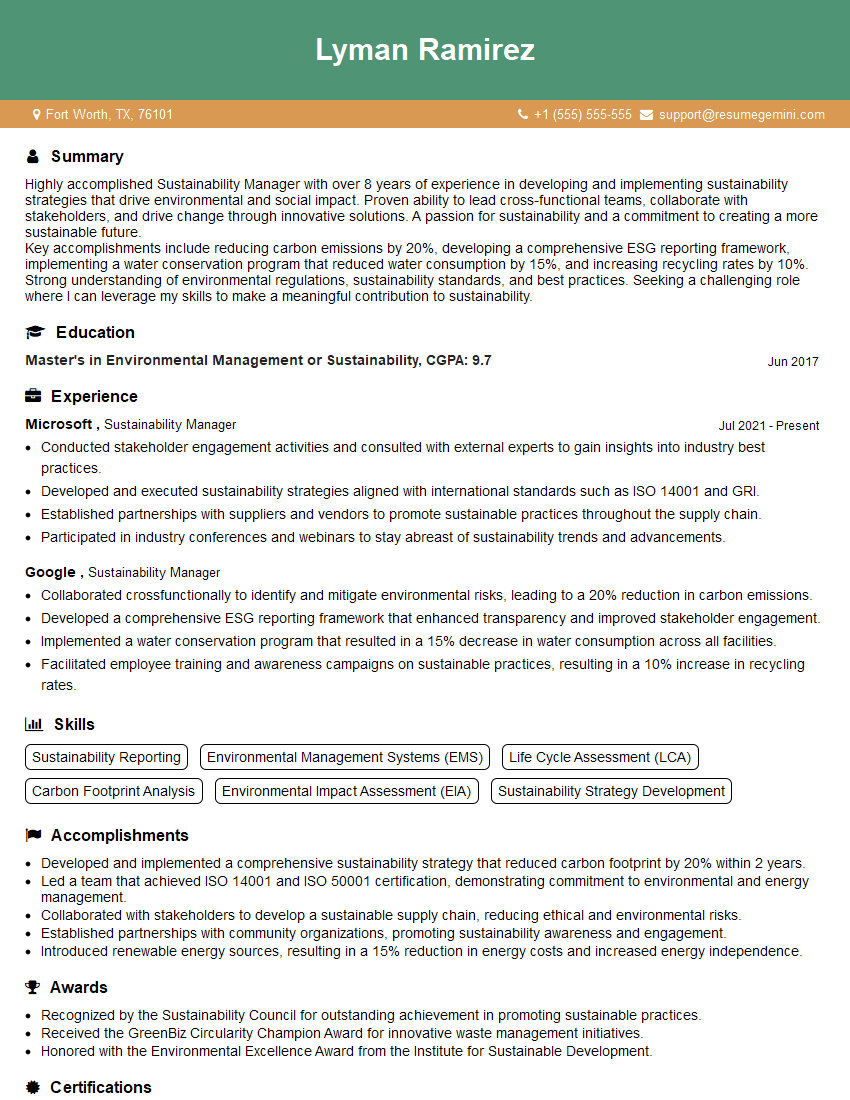
Sustainability Manager Resume Sample
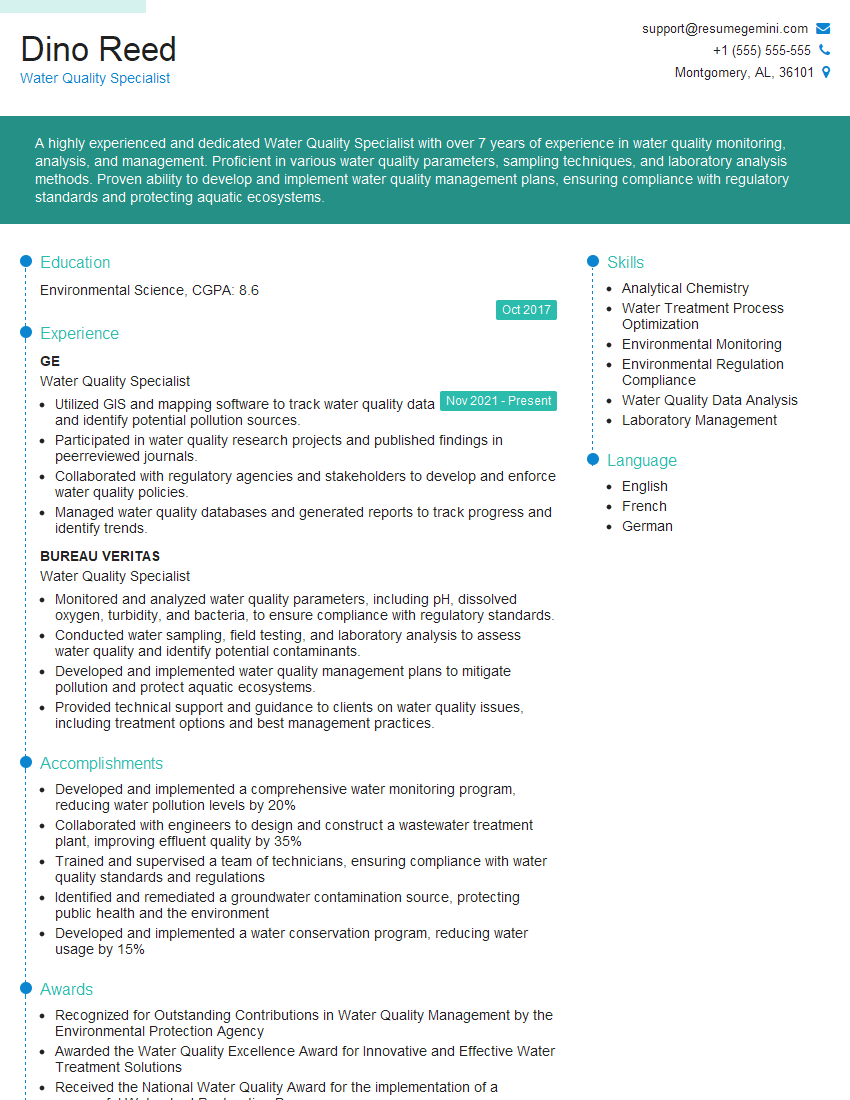
Water Quality Specialist Resume Sample
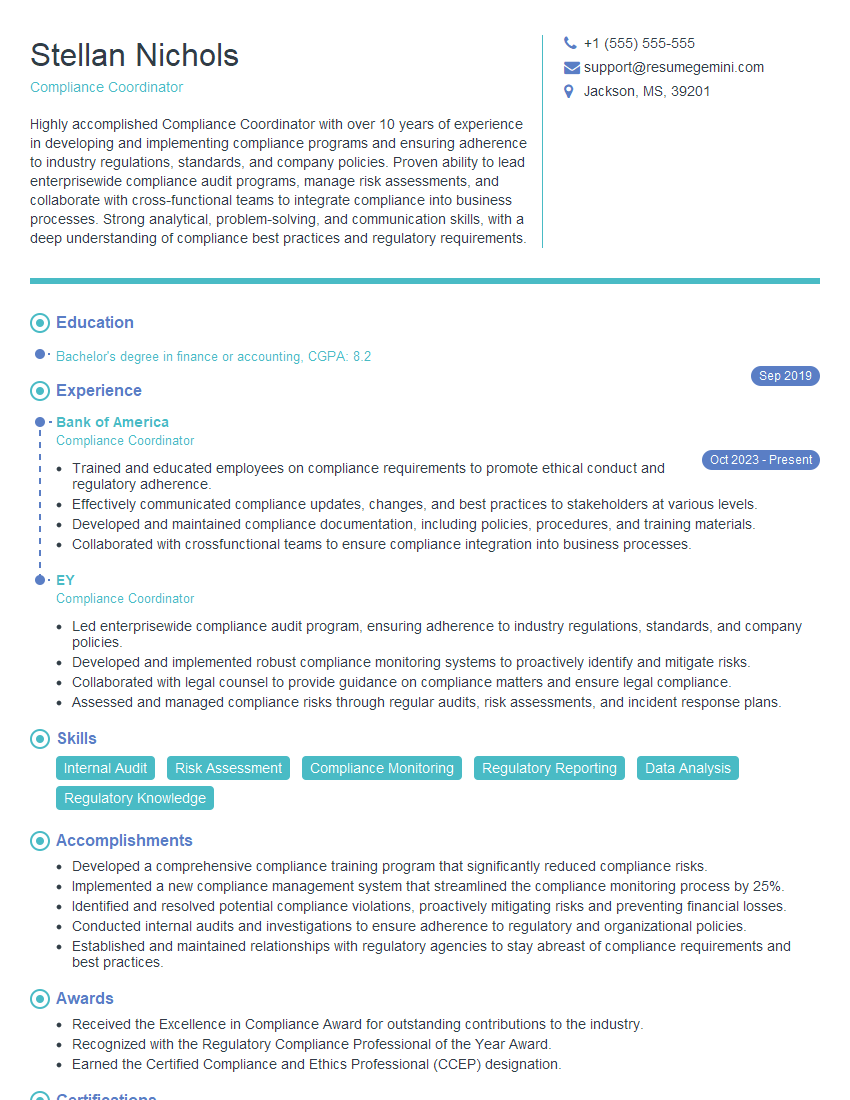
Compliance Coordinator Resume Sample
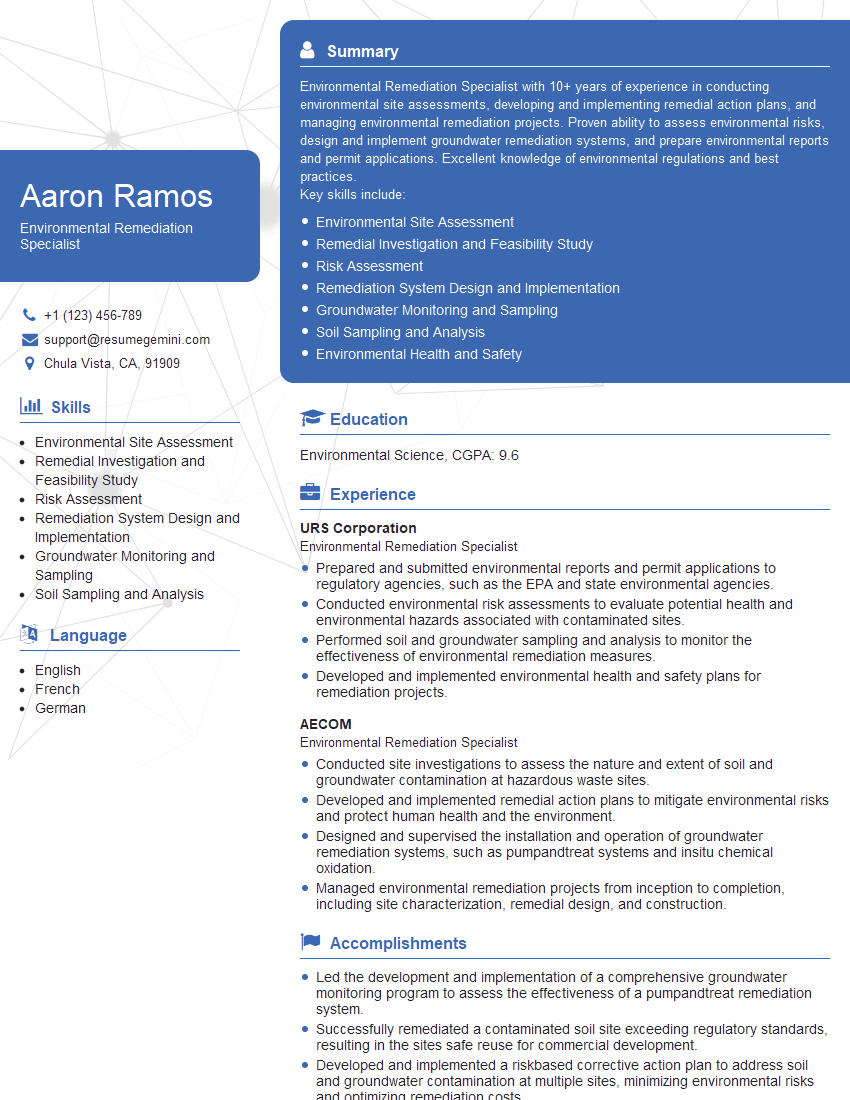
Environmental Remediation Specialist Resume Sample
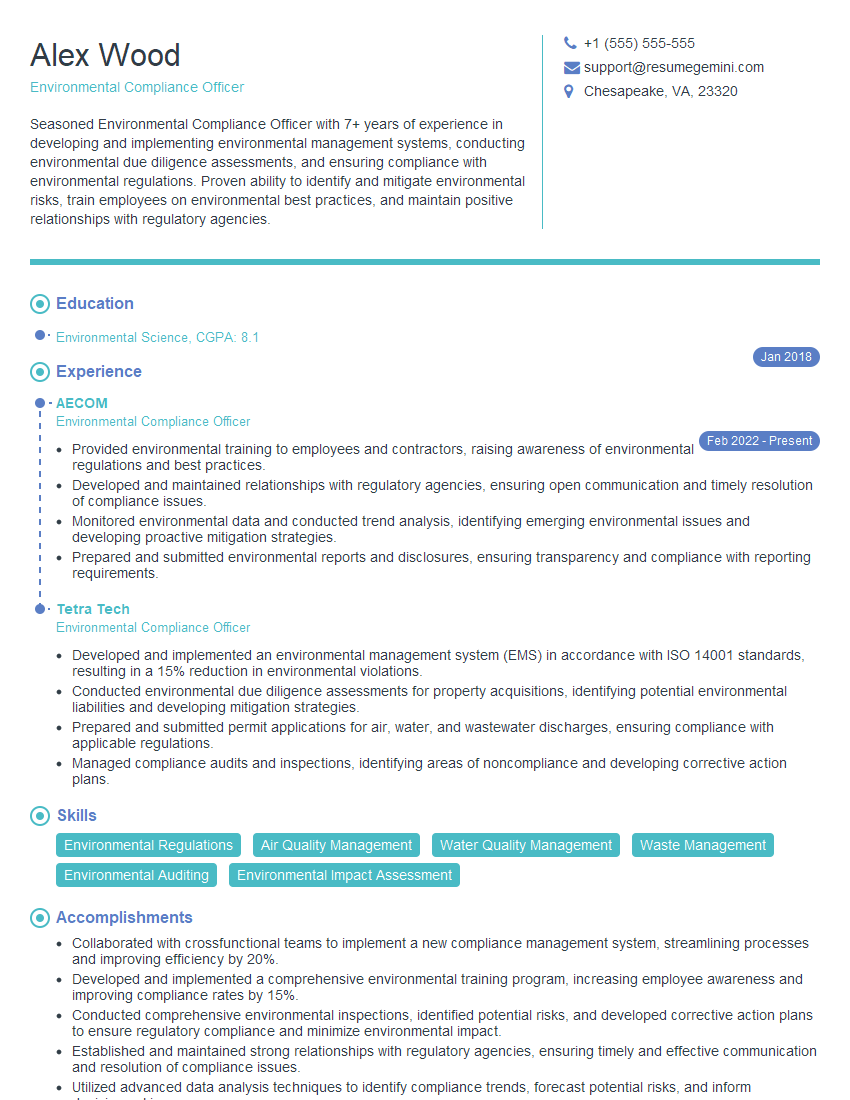
Environmental Compliance Officer Resume Sample
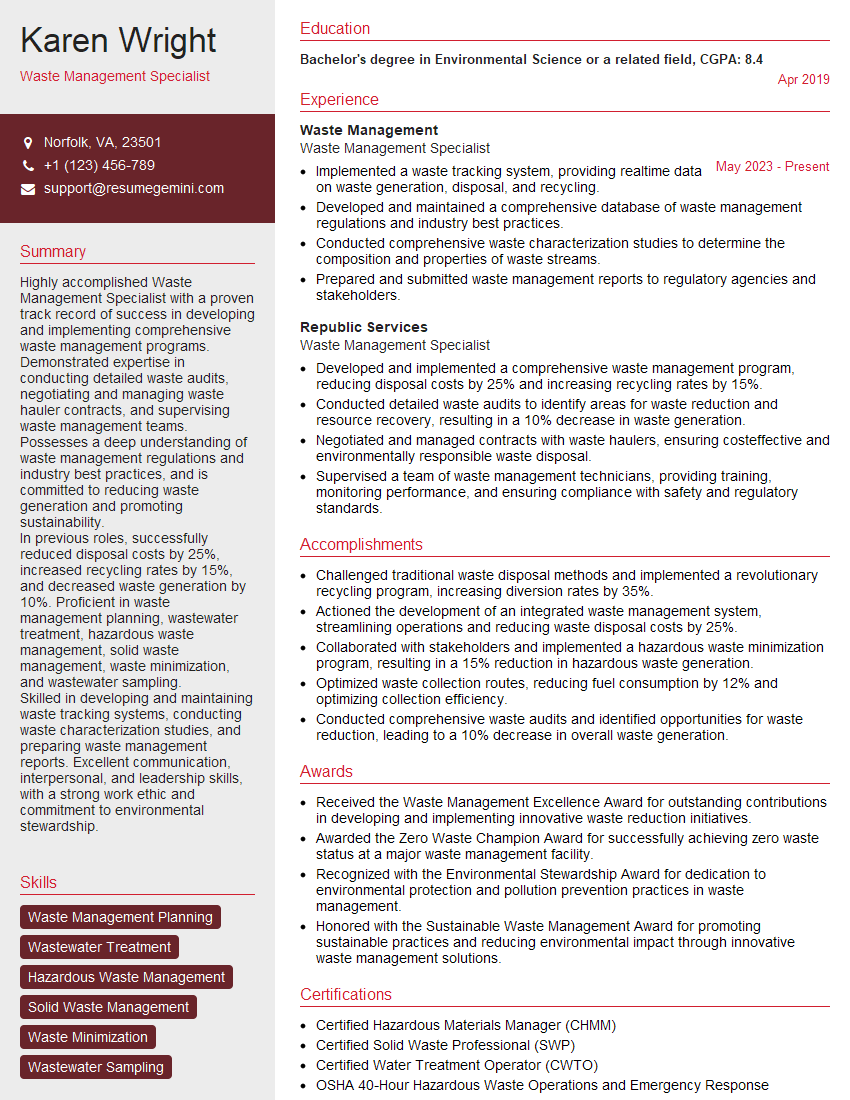
Waste Management Specialist Resume Sample
Regulatory Affairs Specialist Resume Sample

Sustainability Consultant Resume Sample
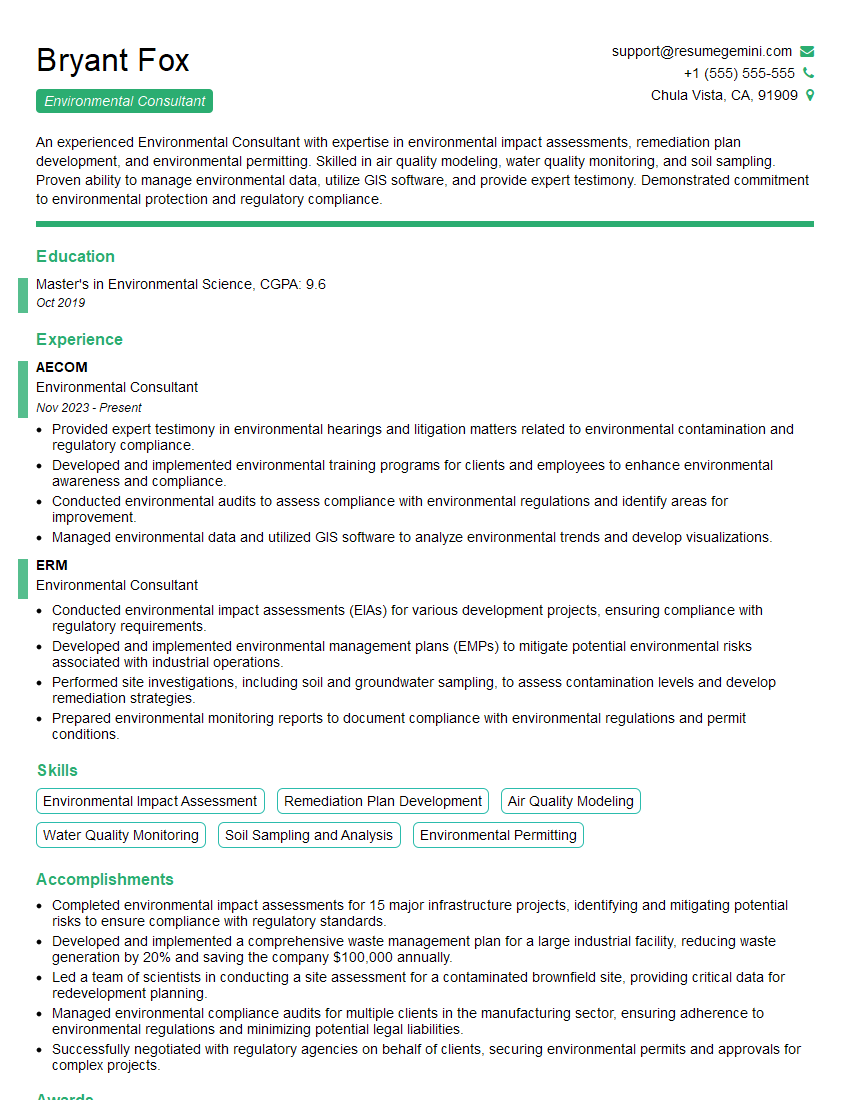
Environmental Consultant Resume Sample
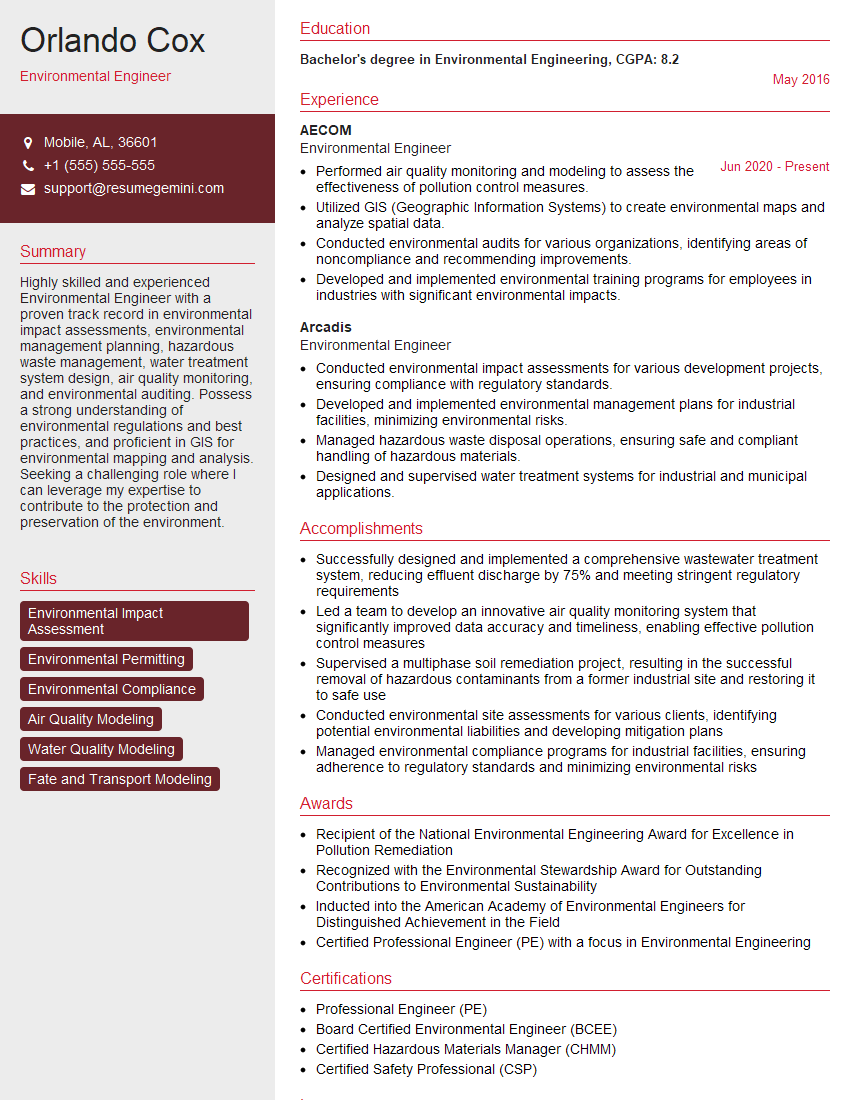
Environmental Engineer Resume Sample
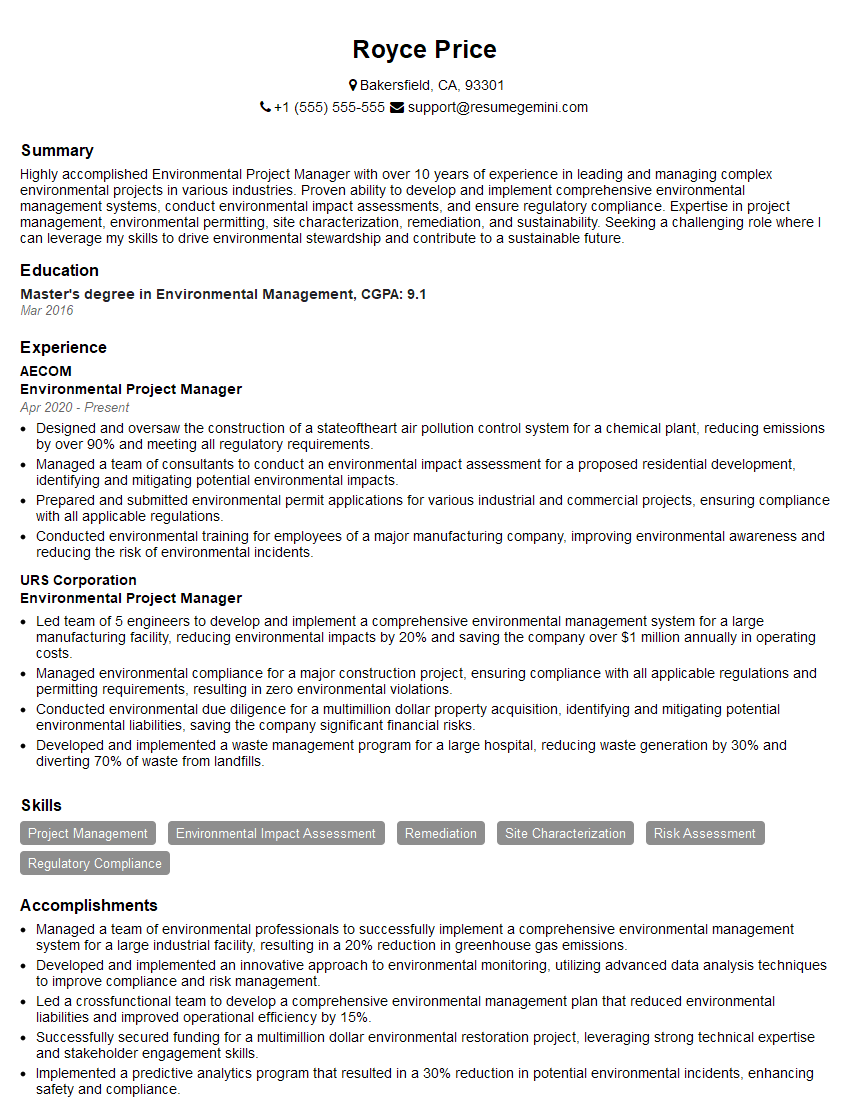
Environmental Project Manager Resume Sample
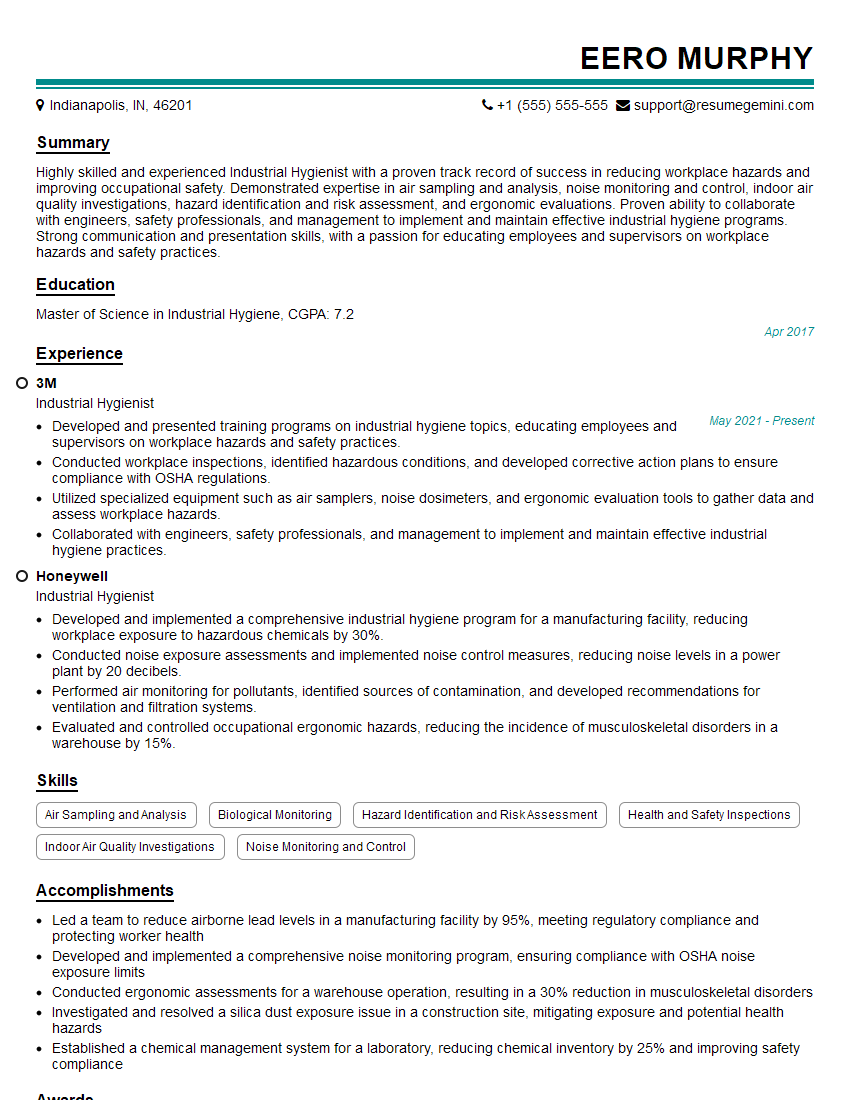
Industrial Hygienist Resume Sample
- Sustainability Manager
- Water Quality Specialist
- Compliance Coordinator
- Environmental Remediation Specialist
- Environmental Compliance Officer
- Waste Management Specialist
- Regulatory Affairs Specialist
- Sustainability Consultant
- Environmental Consultant
- Environmental Engineer
- Environmental Project Manager
- Industrial Hygienist
Explore more articles
Users Rating of Our Blogs
Share Your Experience
We value your feedback! Please rate our content and share your thoughts (optional).
What Readers Say About Our Blog
Very informative content, great job.
good