Unlock your full potential by mastering the most common PLC (Programmable Logic Controllers) and HMI (Human Machine Interface) Programming interview questions. This blog offers a deep dive into the critical topics, ensuring you’re not only prepared to answer but to excel. With these insights, you’ll approach your interview with clarity and confidence.
Questions Asked in PLC (Programmable Logic Controllers) and HMI (Human Machine Interface) Programming Interview
Q 1. Explain the difference between a PLC and a PC.
While both PLCs and PCs are computers, they are designed for vastly different purposes. A PC (Personal Computer) is a general-purpose computer used for a wide range of tasks, from word processing to gaming. It’s flexible and adaptable but lacks the real-time capabilities and ruggedness crucial for industrial control. A PLC (Programmable Logic Controller), on the other hand, is a specialized industrial computer designed for automation. It excels at controlling machinery and processes in real-time, often in harsh environments. Think of a PC as a Swiss Army knife – versatile but not specialized for any one job – and a PLC as a precision tool, designed for a specific, demanding task.
Key differences include: PLCs are built for robustness (withstanding vibration, temperature fluctuations, and electromagnetic interference), have deterministic real-time capabilities (guaranteeing timely responses), and are often equipped with numerous input/output (I/O) modules for direct interaction with sensors and actuators. PCs lack these crucial features for industrial control.
Q 2. Describe the various types of PLC programming languages (e.g., Ladder Logic, Function Block Diagram).
PLCs support several programming languages, each offering different strengths depending on the programmer’s preference and the application’s complexity. The most common are:
- Ladder Logic (LD): Resembles electrical ladder diagrams, making it intuitive for electricians and those familiar with relay logic. It uses graphical symbols to represent logic gates and other elements.
//Example: A contact (input) connected to a coil (output) - Function Block Diagram (FBD): Uses graphical blocks representing functions and their interconnections. It’s excellent for modular programming and complex systems.
- Structured Text (ST): A high-level text-based language similar to Pascal or C. It’s powerful for complex algorithms and mathematical calculations.
- Sequential Function Chart (SFC): A graphical language ideal for managing complex sequential processes. It helps visualize the flow of actions based on specific conditions.
- Instruction List (IL): A low-level assembly-like language providing maximum control over the PLC’s operations. It’s typically used for highly optimized code.
The choice of language often depends on the project’s requirements, programmer’s expertise, and the PLC manufacturer’s support.
Q 3. Explain the function of timers and counters in PLC programming.
Timers and counters are essential elements in PLC programming, used to control the timing and sequencing of operations within a system. They provide a mechanism for time-based and event-based control.
- Timers: Measure elapsed time. They are activated by a trigger (e.g., an input signal) and time an event. Common types include ON-delay timers (the output turns ON after a set time), OFF-delay timers (the output stays ON for a set time after the trigger is removed), and retentive timers (remember their accumulated time even if power is lost).
// Example: An ON-delay timer starts when a button is pressed, and after 5 seconds, a motor starts. - Counters: Count the number of times an event occurs. They can be up-counters (incrementing the count), down-counters (decrementing), or up/down counters. They’re frequently used to track the number of parts processed, cycles completed, or errors detected.
// Example: A counter increases every time a sensor detects a part on a conveyor belt. When it reaches 100, a signal initiates a batch process.
Both are crucial for coordinating tasks, controlling processes, and ensuring the proper sequence of events within an automated system.
Q 4. How do you troubleshoot a PLC program?
Troubleshooting a PLC program requires a systematic approach. Here’s a step-by-step process:
- Review the Program: Carefully examine the program’s logic for errors in the code, incorrect configurations, or missing steps.
- Check Inputs/Outputs: Verify that the inputs (sensors, switches) are providing the expected signals, and the outputs (actuators, lights) are responding correctly.
- Utilize PLC Diagnostics: Modern PLCs offer built-in diagnostic tools, often displaying error messages, status information, and I/O states. These are invaluable for pinpointing issues.
- Use Monitoring Tools: HMI (Human Machine Interface) software allows monitoring of program variables, timers, and counters in real-time, facilitating the identification of unexpected values or behaviors.
- Force Inputs/Outputs: Temporarily force inputs or outputs to specific values to test the program’s response and isolate the faulty section.
- Check Wiring and Hardware: Ensure that all wiring connections are correct and that the physical hardware components are functioning properly.
- Simulation: Use PLC simulation software to test sections of code or the entire program in a controlled environment before deploying it to the actual PLC.
- Documentation: Thorough documentation, including comments in the code and descriptions of the system’s behavior, significantly aids troubleshooting.
A methodical approach, combining code review with hardware checks and the use of diagnostic tools, leads to efficient and effective troubleshooting.
Q 5. Describe different types of PLC inputs and outputs.
PLCs interact with the physical world through various types of inputs and outputs.
- Inputs: Receive signals from sensors and devices, providing information about the system’s state. Common types include:
- Digital Inputs: Represent binary states (ON/OFF), often from switches, limit switches, proximity sensors, or photoelectric sensors.
- Analog Inputs: Receive continuous signals representing values over a range (e.g., temperature, pressure, flow rate) from sensors like thermocouples, pressure transducers, or flow meters.
- Outputs: Send signals to actuators and devices to control the system. Common types include:
- Digital Outputs: Control the ON/OFF state of devices like solenoids, motors (through starters), lights, or relays.
- Analog Outputs: Provide variable signals to control devices like valves, motors (for variable speed control), or heaters, typically using devices like a PWM (Pulse Width Modulation) signal for precise control.
The selection of input/output types depends on the application’s needs. For instance, a robotic arm might use analog inputs to track its position and digital outputs to control its movements.
Q 6. Explain the concept of interrupt handling in PLCs.
Interrupt handling in PLCs allows for immediate responses to high-priority events without delaying the execution of the main program. It’s similar to how your computer handles keyboard presses or mouse clicks – the operating system interrupts its normal processing to handle these events. In PLCs, an interrupt is triggered by a specific event, such as a sensor detecting a critical condition or an emergency stop button being pressed.
When an interrupt occurs:
- The PLC suspends its normal program execution.
- It executes a dedicated interrupt service routine (ISR) designed to handle the specific event.
- After the ISR completes, the PLC resumes its normal program execution from where it left off.
Interrupt handling is essential for handling time-critical events and ensuring safety in automated systems. For example, an emergency stop interrupt would immediately halt a machine regardless of its current operation.
Q 7. What are the advantages and disadvantages of using different communication protocols (e.g., Ethernet/IP, Modbus)?
Various communication protocols enable PLCs to exchange data with other devices and systems. The choice depends on factors like speed, distance, cost, and ease of implementation.
- Ethernet/IP: A high-speed industrial Ethernet protocol developed by Rockwell Automation. It offers high bandwidth and is widely used in industrial automation networks. Advantages: High speed, robust, supports large networks. Disadvantages: Can be more complex to configure than other protocols, mostly used in Rockwell Automation ecosystems.
- Modbus: A widely used open standard protocol offering both serial (RS-232, RS-485) and Ethernet communication. It’s known for its simplicity and compatibility with numerous devices. Advantages: Simple, widely supported, relatively low cost. Disadvantages: Lower speed than Ethernet-based protocols, limited features compared to more advanced protocols.
- PROFINET: Another high-speed industrial Ethernet protocol, popular in Europe, offering features like isochronous real-time communication for precise synchronization. Advantages: High speed, real-time capabilities, robust error handling. Disadvantages: Requires specific hardware and software, may not be as widely adopted as Modbus or Ethernet/IP.
The best protocol depends on your application’s specific requirements. A system requiring high-speed communication and real-time synchronization might choose Ethernet/IP or PROFINET, while a smaller application with simpler requirements might find Modbus sufficient.
Q 8. How do you handle data logging and historical trending in a PLC system?
Data logging and historical trending in a PLC system are crucial for monitoring performance, identifying trends, and troubleshooting issues. This involves periodically storing PLC tag values – variables representing sensor readings, process parameters, or system status – to a database or file. The data is then retrieved and presented graphically on an HMI to visualize trends over time.
There are several ways to achieve this:
- Internal PLC Logging: Some PLCs have built-in data logging capabilities, where you configure which tags to log, the logging interval, and the storage location (e.g., internal memory, SD card). This approach is simple for smaller systems but may have limited storage and processing power.
- Dedicated Data Historian: A data historian is a specialized software application designed for high-volume data acquisition, storage, and retrieval. PLCs send data to the historian via various communication protocols (e.g., OPC UA), which then manages data archiving, compression, and efficient querying. This offers superior scalability and performance for large-scale operations.
- Third-Party Software Packages: Many SCADA (Supervisory Control and Data Acquisition) systems offer integrated data logging and trending features. These packages often provide advanced analytics and reporting capabilities.
- Database Integration: The PLC can directly write data to a database system like SQL Server, MySQL, or Oracle. This allows for flexible data management and integration with other enterprise systems. This method usually requires more programming expertise.
Example: Imagine a water treatment plant. Logging pH levels, flow rates, and chlorine levels allows operators to identify trends and prevent issues before they escalate. Historical data is essential for regulatory compliance and process optimization.
The choice of method depends on factors like system size, budget, required data retention, and the need for advanced analytics.
Q 9. Explain the purpose of a HMI and its role in industrial automation.
A Human Machine Interface (HMI) is the bridge between human operators and industrial automation systems. It provides a user-friendly interface to monitor and control processes, equipment, and machines. Think of it as the control panel for a complex system, enabling operators to see real-time data, adjust parameters, and react to events.
In industrial automation, the HMI plays a vital role by:
- Improving Operator Efficiency: Provides clear, concise information at a glance, reducing operator error and improving response time to events.
- Enhancing Process Visibility: Offers real-time monitoring of critical process parameters, enabling proactive intervention and optimized control.
- Simplifying Complex Systems: Presents complex information in a digestible format, making it easier for operators to understand and interact with the system.
- Improving Safety: Enables operators to quickly identify and respond to alarms and safety-critical events.
- Facilitating Data Collection and Analysis: Supports data logging and reporting to aid in process optimization and troubleshooting.
Without an HMI, interacting with a PLC and its controlled machinery would be significantly more complex and error-prone, requiring specialized knowledge and potentially leading to inefficient and unsafe operations.
Q 10. Describe different HMI design considerations (e.g., user experience, safety).
Designing an effective HMI requires careful consideration of several key factors:
- User Experience (UX): The design should be intuitive and easy to use, even for operators with limited technical expertise. This includes using clear and consistent icons, labels, and color schemes. The layout should be logical and follow established usability principles.
- Safety: Safety is paramount in industrial settings. The HMI should clearly display alarm and warning messages, and the design should prevent accidental or unintended actions that could compromise safety. This might include implementing access controls to limit access to critical functions based on user roles.
- Accessibility: The HMI should be accessible to users with disabilities, adhering to accessibility guidelines. This includes considerations for visual impairments (e.g., sufficient color contrast) and motor impairments (e.g., keyboard navigation).
- Scalability: The design should be scalable to accommodate future expansion or changes in the system. A well-designed HMI can easily adapt to new equipment or processes without requiring major redesign.
- Maintainability: The HMI should be easy to maintain and update. This includes using a structured design and well-documented code.
Example: In a chemical plant, the HMI might display critical temperature and pressure readings prominently in a large, easily visible font. Alarm messages for high-temperature or pressure conditions should be visually distinct, and there might be procedures defined within the HMI for how operators are to respond to the different alarm conditions.
Q 11. How do you design an effective HMI screen layout?
Effective HMI screen layout is crucial for efficient operation and safety. The goal is to present critical information clearly and concisely, minimizing operator workload and maximizing situational awareness.
Key principles for designing an effective screen layout:
- Prioritize critical information: Place the most important information prominently, using clear visual cues like color, size, and position.
- Use consistent layout and design: Maintain consistent use of colors, fonts, and icons across all screens to reduce cognitive load and improve usability.
- Group related information: Group related data and controls logically to improve readability and comprehension.
- Minimize clutter: Avoid unnecessary elements or information that might distract the operator.
- Use visual hierarchy: Employ visual cues (size, color, contrast) to guide the operator’s attention to important information.
- Provide clear labels and instructions: Ensure all controls and displays are clearly labeled and that operators understand their function.
- Employ efficient navigation: Make it easy for operators to navigate between different screens.
Example: A screen displaying data from a packaging machine might show the current production rate prominently, alongside real-time counts of good and rejected products. Alarms relating to malfunctions might be presented as flashing red indicators. Buttons for starting, stopping, and resetting the machine would be grouped logically, often near the bottom of the screen.
Q 12. Explain the different types of HMI communication protocols.
HMIs communicate with PLCs using various protocols, each with its advantages and disadvantages. The choice of protocol depends on factors such as distance, speed requirements, network infrastructure, and security needs.
- Serial Communications (RS-232, RS-485): Older, simpler protocols suitable for short distances and point-to-point connections. They’re inexpensive but have limitations in speed and bandwidth.
- Ethernet/IP: A widely used industrial Ethernet protocol offering high speed and bandwidth, ideal for complex systems with multiple devices. It’s designed specifically for industrial environments, providing features for robust communications.
- PROFINET: Another popular industrial Ethernet protocol offering similar benefits to Ethernet/IP, commonly used in Siemens automation systems.
- Modbus TCP/RTU: A widely adopted open protocol, supporting both TCP/IP (for Ethernet) and RTU (for serial communication). Modbus is known for its simplicity and compatibility across various vendors’ equipment.
- OPC UA (Unified Architecture): A platform-independent, interoperable communication standard that’s gaining popularity. It provides secure and reliable data exchange between different systems, regardless of the underlying communication protocol.
Example: A large manufacturing plant might use Ethernet/IP or PROFINET to connect numerous PLCs and HMIs across the facility. A smaller system might utilize Modbus TCP or RS-485 for its simplicity and cost-effectiveness.
Q 13. How do you handle alarms and events in an HMI system?
Handling alarms and events effectively is critical for safety and efficient operation. The HMI needs to clearly display alarms, allowing operators to quickly identify and address issues.
Effective alarm handling includes:
- Alarm prioritization: Categorizing alarms by severity (e.g., critical, major, minor) allows operators to focus on the most urgent issues.
- Clear and concise alarm messages: Messages should clearly indicate the nature of the problem and the affected equipment.
- Alarm acknowledgment: Operators should be required to acknowledge alarms, ensuring that they have been noticed and addressed.
- Alarm history logging: Storing alarm history allows for later analysis and troubleshooting.
- Alarm notification: The HMI can integrate with other systems to provide visual and audible alarms, such as flashing lights or sirens.
- Alarm response procedures: The HMI should provide access to documented procedures for responding to specific alarms.
Example: If a high temperature is detected in a reactor, an alarm message should display prominently on the HMI, indicating the specific reactor and the temperature. The alarm message might include instructions on how to handle the situation (e.g., reduce the heating rate, check the cooling system). This should be accompanied by visual cues, such as a flashing red light on the HMI screen and an audible alarm.
Q 14. Describe different HMI visualization techniques.
HMI visualization techniques significantly impact operator understanding and response time. They help in presenting complex data in an easily digestible format.
- Trend Charts: Show historical data over time, allowing operators to identify trends and patterns. This is crucial for monitoring process variables and identifying potential issues before they become critical.
- Gauges: Provide a clear visual representation of analog values, such as pressure, temperature, or flow rate. They offer an intuitive and readily understood representation of process data.
- Bar Graphs and Histograms: Useful for comparing values across different categories or time periods, offering valuable insight into data distribution and performance over time.
- Numeric Displays: Display numerical values, providing precise data but often less intuitive than other visualization techniques. They are often used in conjunction with other visual aids for better data comprehension.
- Process Diagrams: Illustrate the flow of materials or information through a process, enabling operators to easily track material movement, and allowing for quick identification of potential bottlenecks.
- 3D Models: Provide a visual representation of equipment or processes in three dimensions, particularly helpful for complex systems or when visualizing physical locations of equipment.
- Animated graphics: Provide dynamic visual representation of a process, making it easier to understand. They help bring the process to life on the HMI.
The choice of visualization techniques depends on the specific application and the type of data being displayed. A combination of different techniques is often used to maximize effectiveness.
Q 15. What are the security considerations for PLC and HMI systems?
Security in PLC and HMI systems is paramount, as vulnerabilities can lead to production downtime, data breaches, or even physical harm. Think of it like securing your home – you wouldn’t leave the front door unlocked! A multi-layered approach is crucial.
- Network Security: This involves firewalls, intrusion detection systems (IDS), and virtual private networks (VPNs) to protect the PLC and HMI from unauthorized access. Imagine these as locks on your doors and windows. We need to restrict access to only authorized personnel and devices.
- User Authentication and Authorization: Strong passwords, multi-factor authentication, and role-based access control are essential. This is like having different keys for different rooms in your house, only allowing specific individuals access to sensitive areas.
- Software Security: Regularly updating firmware and software patches is crucial to mitigate known vulnerabilities. This is similar to updating your home security system with the latest software patches to prevent known exploits.
- Physical Security: Protecting the physical PLC and HMI hardware from tampering is vital. This includes secure cabinets, access control measures, and possibly even environmental monitoring. Think of this as securing the physical perimeter of your home.
- Data Integrity: Implementing measures to ensure data authenticity and prevent unauthorized modification is essential. This involves using digital signatures and secure communication protocols. This is like having a security system that logs all access attempts to your home and alerts you to suspicious activity.
In a real-world project, I once worked on a water treatment plant where we implemented a highly secure network segmented from the plant’s main network, incorporating all the security measures above, including a dedicated firewall and strict access control. This prevented unauthorized changes to critical process parameters and ensured the safety and reliability of the water treatment process.
Career Expert Tips:
- Ace those interviews! Prepare effectively by reviewing the Top 50 Most Common Interview Questions on ResumeGemini.
- Navigate your job search with confidence! Explore a wide range of Career Tips on ResumeGemini. Learn about common challenges and recommendations to overcome them.
- Craft the perfect resume! Master the Art of Resume Writing with ResumeGemini’s guide. Showcase your unique qualifications and achievements effectively.
- Don’t miss out on holiday savings! Build your dream resume with ResumeGemini’s ATS optimized templates.
Q 16. How do you ensure the safety and reliability of a PLC/HMI system?
Safety and reliability are intertwined and are achieved through a combination of robust design, thorough testing, and ongoing maintenance. Think of building a bridge – safety and reliability are paramount!
- Redundancy: Implementing redundant components (like backup PLCs and power supplies) ensures system uptime in case of failure. This is like having a backup generator for your home in case of power outage.
- Fail-safe mechanisms: Designing the system to default to a safe state in case of errors or power loss is critical. Think of emergency stops on machinery.
- Regular maintenance: Preventative maintenance, including software updates, hardware checks, and backups, is vital for long-term reliability. This is like regularly servicing your car to prevent major issues.
- Thorough testing: Rigorous testing, including simulations and real-world testing, is essential to identify and rectify potential issues before deployment. This ensures the system functions as expected in various scenarios.
- Safety Instrumented Systems (SIS): For critical applications, incorporating SIS ensures safety even in the event of multiple component failures. This is like having multiple fire suppression systems in a large building.
In a recent project involving a bottling line, we implemented a fail-safe system that automatically stopped the line if a bottle broke, preventing injuries and product loss. This involved using proximity sensors, safety relays, and a carefully designed PLC program.
Q 17. Describe your experience with different PLC brands (e.g., Allen-Bradley, Siemens, Omron).
I’ve worked extensively with Allen-Bradley, Siemens, and Omron PLCs, each with its own strengths and weaknesses. My experience allows me to choose the best platform for a given application.
- Allen-Bradley (Rockwell Automation): I’m proficient in Rockwell Automation’s Logix platform, including RSLogix 5000 and Studio 5000. I appreciate their extensive libraries and support, particularly in industrial automation. I’ve used them extensively in large-scale manufacturing projects.
- Siemens: My experience with Siemens includes working with TIA Portal and STEP 7. Their PLCs are known for their robustness and scalability, ideal for complex applications. I’ve used them in process control applications requiring high precision and reliability.
- Omron: I’m comfortable programming Omron PLCs using CX-Programmer. Their PLCs are particularly suited to smaller applications and offer a good balance of cost and performance. I’ve applied these in projects involving packaging and machine control.
The choice of PLC brand depends heavily on factors like the scale of the project, existing infrastructure, client preferences, and the specific needs of the application. My experience allows me to effectively leverage the strengths of each platform to deliver optimal solutions.
Q 18. What is your experience with SCADA systems?
My SCADA (Supervisory Control and Data Acquisition) experience includes designing, implementing, and maintaining SCADA systems for various industrial processes. SCADA systems allow for centralized monitoring and control of distributed assets, providing a holistic view of the entire process.
I’ve worked with SCADA systems to monitor and control processes ranging from water treatment plants to manufacturing facilities. My experience encompasses the entire lifecycle, from initial system design and configuration through to commissioning and ongoing support. This includes working with different communication protocols such as Modbus, Profibus, and Ethernet/IP to integrate various field devices with the SCADA system. I’m also experienced in designing alarm management systems and creating reports to provide valuable insights into process performance.
One notable project involved implementing a SCADA system for a large-scale pipeline network. This required careful consideration of data security, redundancy, and real-time data visualization to ensure reliable operation and efficient management of the pipeline assets.
Q 19. Explain your experience with different HMI software packages (e.g., FactoryTalk View, WinCC, Ignition).
My HMI software experience includes FactoryTalk View, WinCC, and Ignition. Each offers a unique set of features and strengths.
- FactoryTalk View: I’m proficient in creating intuitive and user-friendly HMIs using FactoryTalk View SE and ME. Its tight integration with Allen-Bradley PLCs makes it a natural choice for many of our projects. I appreciate its robust features for alarm management and historical data trending.
- WinCC: I’ve used WinCC extensively for building HMIs for Siemens-based systems. Its powerful scripting capabilities and extensive graphics library allow for the creation of highly customized and visually appealing interfaces. I find its scalability ideal for complex industrial environments.
- Ignition: Ignition’s open architecture and cross-platform compatibility make it a versatile choice. Its ability to integrate with various PLCs and other industrial devices makes it a flexible solution for diverse applications. Its web-based client allows access from any device with a browser.
Selecting the right HMI software hinges on factors such as PLC brand compatibility, client preferences, the complexity of the application, and the desired level of customization. My expertise allows me to select and deploy the most suitable HMI software for each project.
Q 20. Describe your experience with data acquisition and process control.
Data acquisition and process control are the core of my expertise. Data acquisition involves collecting data from various sources, while process control involves using that data to manipulate and control an industrial process. Think of it as the brain and nervous system of a factory!
I’ve worked on numerous projects involving the design and implementation of data acquisition systems and advanced process control strategies. This includes the use of PID controllers, feedforward control, and model predictive control (MPC) techniques. Data acquisition involves using various sensors and communication protocols to gather data from different parts of the process, while process control utilizes this data to optimize the process, enhance efficiency, and ensure product quality.
In one particular project, I used a combination of data acquisition from flow meters, temperature sensors, and pressure transducers to implement an advanced process control strategy to optimize the yield of a chemical reactor. This resulted in a significant improvement in productivity and reduction in waste.
Q 21. How do you handle analog and digital I/O in PLC programming?
Handling analog and digital I/O in PLC programming is fundamental. Digital I/O represents on/off states (like switches or limit switches), while analog I/O represents continuous values (like temperature or pressure). Think of it as the senses of the PLC – digital is like on/off switches, while analog is like a dimmer switch.
Digital I/O: In PLC programming, digital inputs are read using input instructions (e.g., X0, X1, etc.), representing the state of physical devices. Digital outputs are written using output instructions (e.g., Y0, Y1, etc.), controlling actuators like solenoids or motors. //Example (Ladder Logic):
XIC X0 OTE Y0 //If input X0 is ON, then output Y0 is ON
Analog I/O: Analog inputs are read using analog input modules and instructions, converting the analog signal into a digital value the PLC can understand. Analog outputs are written using analog output modules and instructions, converting a digital value into an analog signal to control devices like valves or actuators. Scaling and offsetting are crucial for accurate representation.
//Example (Structured Text):
AnalogInput := ReadAnalogInput(AI0);
ScaledValue := (AnalogInput - Offset) * ScaleFactor;
Proper handling involves understanding the voltage ranges, signal types, and scaling requirements of the I/O modules and connected devices. Careful consideration of noise and grounding is crucial for reliable operation. Thorough testing and calibration are essential to ensure accurate readings and control.
Q 22. Explain your experience with networking in industrial automation.
My experience with networking in industrial automation spans several protocols and architectures. I’ve worked extensively with industrial Ethernet networks like PROFINET, EtherNet/IP, and Modbus TCP, as well as fieldbuses such as Profibus and DeviceNet. Understanding these protocols is crucial for seamless communication between PLCs, HMIs, sensors, and actuators. For instance, in a recent project involving a large-scale automated warehouse, we used PROFINET for its high speed and deterministic nature to manage real-time communication between multiple PLCs controlling conveyor systems, robotic arms, and automated guided vehicles (AGVs). We also integrated a Modbus TCP server on one PLC to allow supervisory control from a higher-level SCADA system. My experience also includes configuring network security measures, like firewalls and VPNs, to protect against unauthorized access and cyber threats, a critical aspect of modern industrial networks. I’m proficient in troubleshooting network issues using diagnostic tools and analyzing network traffic to pinpoint bottlenecks or faulty components. This involves understanding network topologies, IP addressing, subnet masking, and other networking fundamentals.
Q 23. How do you approach designing a control system for a specific application?
Designing a control system begins with a thorough understanding of the application’s requirements. This involves close collaboration with the client to define the process, identify input/output (I/O) points, and establish performance specifications. I typically follow a structured approach:
- Requirements Gathering: Detailed analysis of the process, including functional specifications, safety requirements, and performance targets.
- Hardware Selection: Choosing appropriate PLCs, HMIs, sensors, actuators, and network components based on performance needs, environmental factors, and budget constraints. I consider factors like processing power, I/O count, communication protocols, and safety certifications.
- Software Design: Developing the PLC program using a structured programming approach (e.g., ladder logic, structured text) with clear documentation, comments, and modular design. This ensures maintainability and future updates. The HMI design focuses on intuitive user interaction, clear visualization of process variables, and alarm management.
- Testing and Commissioning: Rigorous testing of the system using simulations and real-world scenarios to verify functionality and performance. This includes unit testing, integration testing, and system testing. Commissioning involves on-site setup, configuration, and validation with the client.
- Documentation: Producing comprehensive documentation including hardware schematics, software code, I/O lists, and operational manuals. This is essential for maintenance and future troubleshooting.
For example, in a bottling plant project, the requirements gathering phase identified the need for precise filling levels, bottle counting, and automated reject mechanisms. This led to the selection of a high-speed PLC with appropriate analog I/O for level sensing and digital I/O for counting and reject mechanisms. The software incorporated PID control for precise filling level maintenance and safety interlocks for preventing errors.
Q 24. Describe your experience with programming motion control systems.
My experience with motion control systems involves programming various types of motion controllers, including servo drives and stepper motor drives. I’m familiar with different motion control profiles like trapezoidal and S-curve profiles, and I understand the importance of precise timing and synchronization in multi-axis motion control. I have experience programming motion control using both PLC instruction sets and dedicated motion control programming languages. For instance, in a robotic palletizing application, I programmed a PLC to control multiple servo motors to coordinate the movements of a robotic arm, ensuring precise positioning and consistent palletizing speeds. This involved configuring the servo drives, defining motion profiles, and implementing safety features such as emergency stops and speed limits. I also have experience with advanced motion control functionalities such as electronic gearing, camming, and coordinated motion of multiple axes to achieve complex movements.
Q 25. Explain your experience with PID control loops.
PID (Proportional-Integral-Derivative) control loops are fundamental in industrial automation for regulating process variables like temperature, pressure, and flow rate. I have extensive experience tuning PID controllers to achieve optimal performance, minimizing overshoot and settling time. My approach involves understanding the process dynamics and using various tuning methods, such as Ziegler-Nichols and auto-tuning features available in many PLCs. I also understand the implications of each PID term: the proportional term provides immediate response, the integral term eliminates steady-state error, and the derivative term anticipates future errors and prevents overshoot. For example, in a temperature control application for a chemical reactor, I implemented a PID loop to maintain the temperature within a tight tolerance. I used the auto-tuning feature of the PLC to initially determine the PID gains and then manually fine-tuned them based on the process response. I also implemented anti-windup strategies to prevent integrator saturation and improve controller performance.
//Example PID calculation (pseudocode)error = setpoint - processVariable;proportional = Kp * error;integral = integral + Ki * error * dt;derivative = Kd * (error - previousError) / dt;output = proportional + integral + derivative;Q 26. How do you ensure data integrity in a PLC/HMI system?
Ensuring data integrity in a PLC/HMI system is crucial for reliable operation and accurate decision-making. My approach involves several strategies:
- Redundancy: Implementing redundant PLCs and network components to ensure continuous operation in case of hardware failure. This includes using hot-swappable components and fail-safe mechanisms.
- Data Validation: Incorporating data validation checks in the PLC program to identify and handle erroneous data. This includes range checks, plausibility checks, and data type checks.
- Data Logging and Archiving: Implementing robust data logging and archiving mechanisms to store historical data for analysis, troubleshooting, and compliance purposes. This often involves using secure databases and version control systems.
- Cyclic Redundancy Checks (CRC): Using CRC checksums to detect errors in communication between PLCs and other devices. This helps ensure data integrity during transmission.
- Secure Communication Protocols: Using secure communication protocols, such as those with encryption and authentication, to protect against unauthorized access and data manipulation. This is especially important in networked systems.
- Regular Backups: Regularly backing up PLC programs and HMI configurations to prevent data loss. Version control systems greatly help manage these updates and track changes.
For example, in a process control application requiring high data integrity, we used redundant PLCs with a shared database, implementing data validation checks and cyclic redundancy checks to ensure reliable operation and data accuracy.
Q 27. Describe a challenging PLC/HMI project you worked on and how you overcame the challenges.
One challenging project involved upgrading the control system of an aging paper mill. The existing system was based on obsolete hardware and software, and the client required minimal downtime during the upgrade. The challenges included:
- Legacy System Integration: The existing system used a mix of different protocols and hardware, requiring careful planning to integrate the new system while maintaining compatibility with existing equipment.
- Limited Downtime: The mill couldn’t afford significant downtime, requiring phased implementation and careful coordination of the upgrade.
- Safety Concerns: The paper mill environment presents significant safety risks, so careful consideration was required to ensure the safety of personnel during the upgrade.
To overcome these challenges, we adopted a phased approach, upgrading sections of the control system sequentially while minimizing downtime. We developed a detailed migration plan, thoroughly tested the new system in a simulated environment, and provided comprehensive training to the mill’s operators. We also implemented a rigorous testing process to ensure the safety and reliability of the new system. The project required close collaboration with the client to ensure a smooth transition and minimize disruption to their operations. The success of this project demonstrated the importance of careful planning, thorough testing, and effective communication in managing complex industrial automation projects.
Key Topics to Learn for PLC (Programmable Logic Controllers) and HMI (Human Machine Interface) Programming Interview
- PLC Programming Fundamentals: Ladder Logic diagrams, Boolean algebra, timers, counters, and data manipulation. Understand how to design and troubleshoot simple and complex control systems.
- HMI Design and Implementation: Creating user-friendly interfaces, selecting appropriate visualization elements, and ensuring effective operator interaction. Consider alarm management and reporting.
- Networking and Communication: Understanding various communication protocols (e.g., Ethernet/IP, Modbus TCP/IP) used to connect PLCs and HMIs, and troubleshooting network issues.
- PLC Hardware: Familiarity with different PLC architectures, input/output modules, and their practical applications in various industrial settings.
- Program Organization and Structure: Learn best practices for writing clean, efficient, and well-documented PLC programs for maintainability and scalability.
- Safety and Security Considerations: Understanding safety standards (e.g., IEC 61131-3) and implementing secure programming practices to prevent unauthorized access and malfunctions.
- Troubleshooting and Debugging: Develop skills in identifying and resolving common PLC and HMI programming errors using various debugging tools and techniques.
- Practical Applications: Be prepared to discuss your experience (or hypothetical scenarios) applying PLC and HMI programming to real-world automation challenges, including process control, motion control, and data acquisition.
- Advanced Topics (depending on the role): Consider exploring topics like sequential function charts (SFCs), structured text programming, or specific industry-standard protocols relevant to the target job.
Next Steps
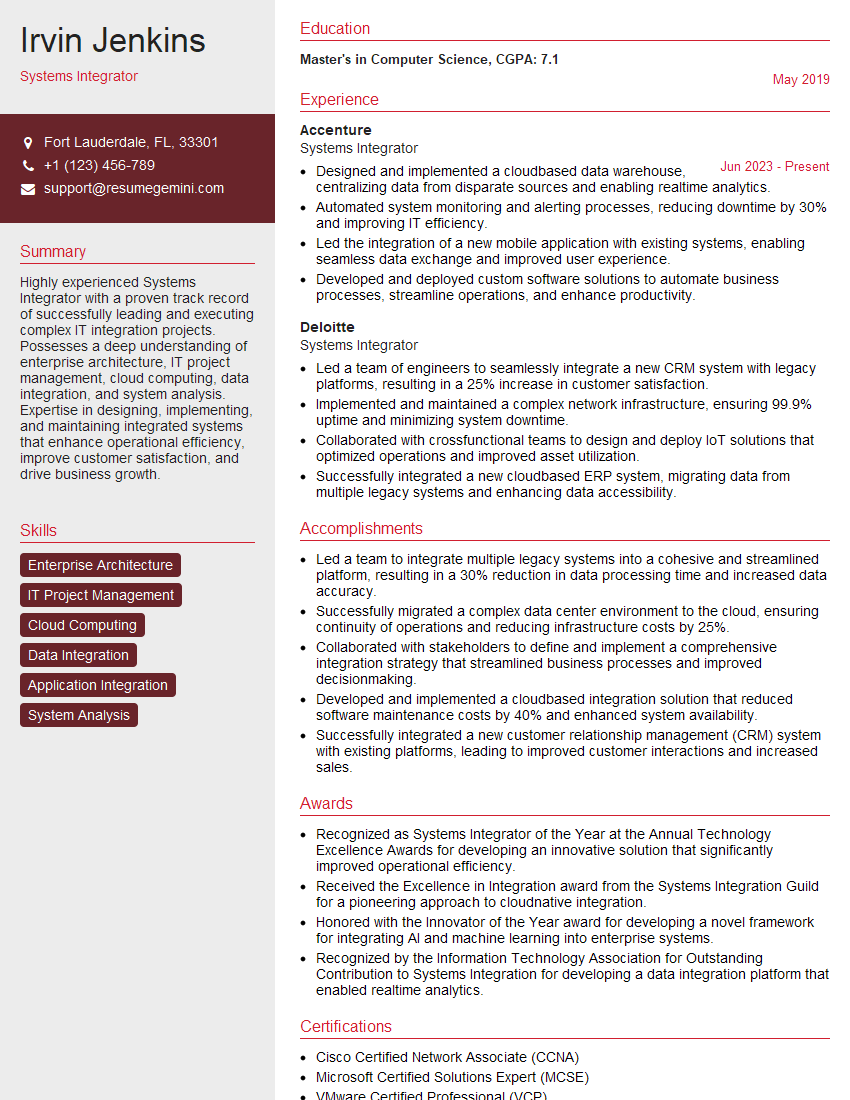
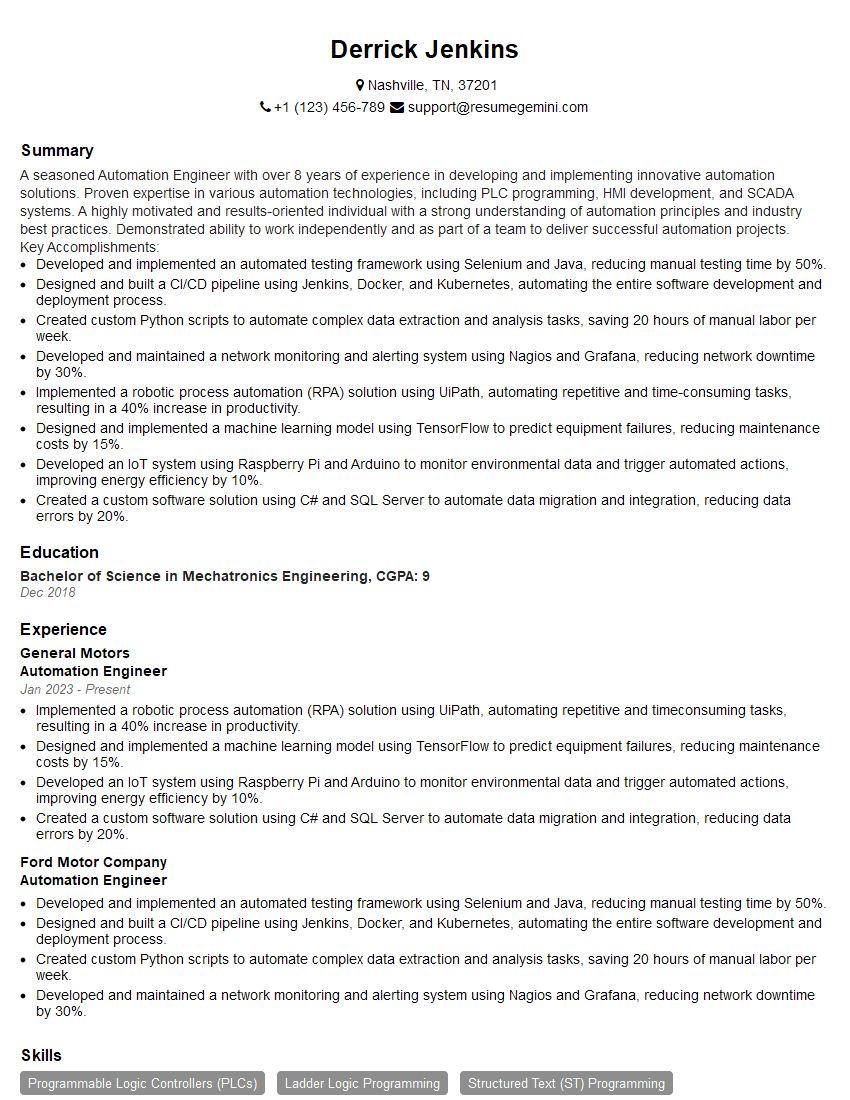
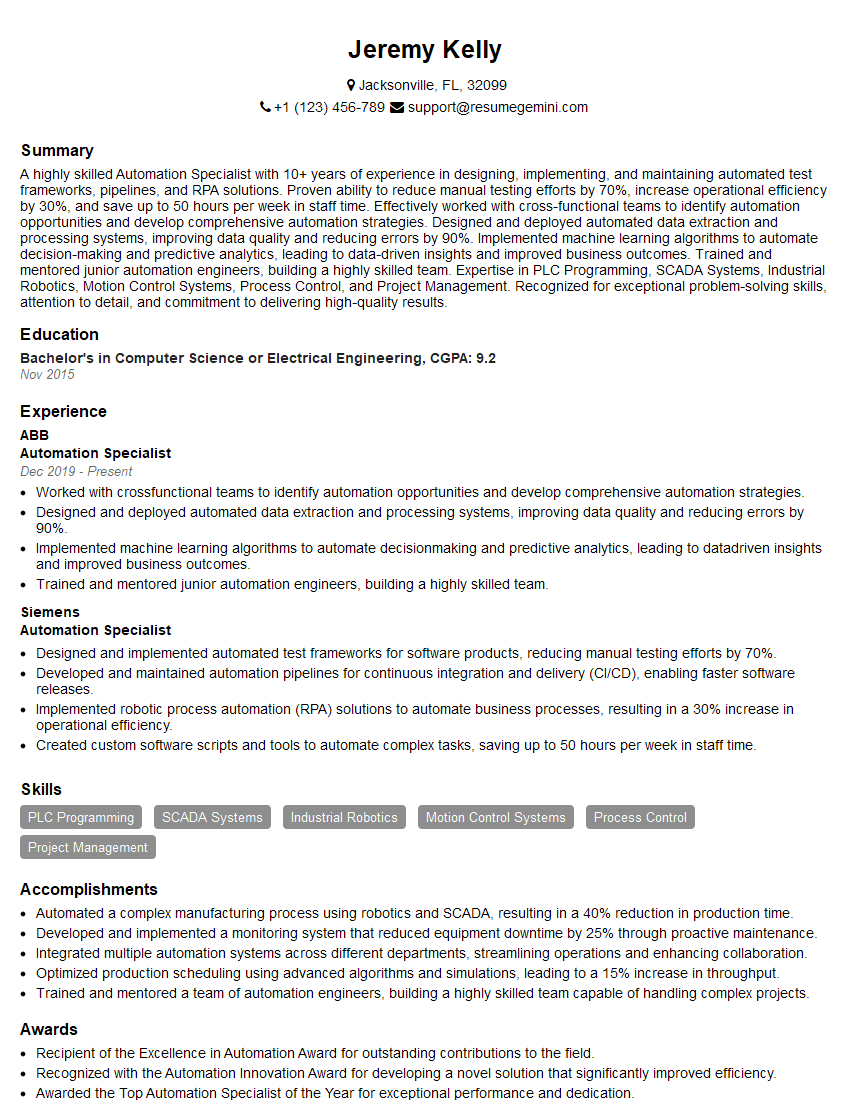
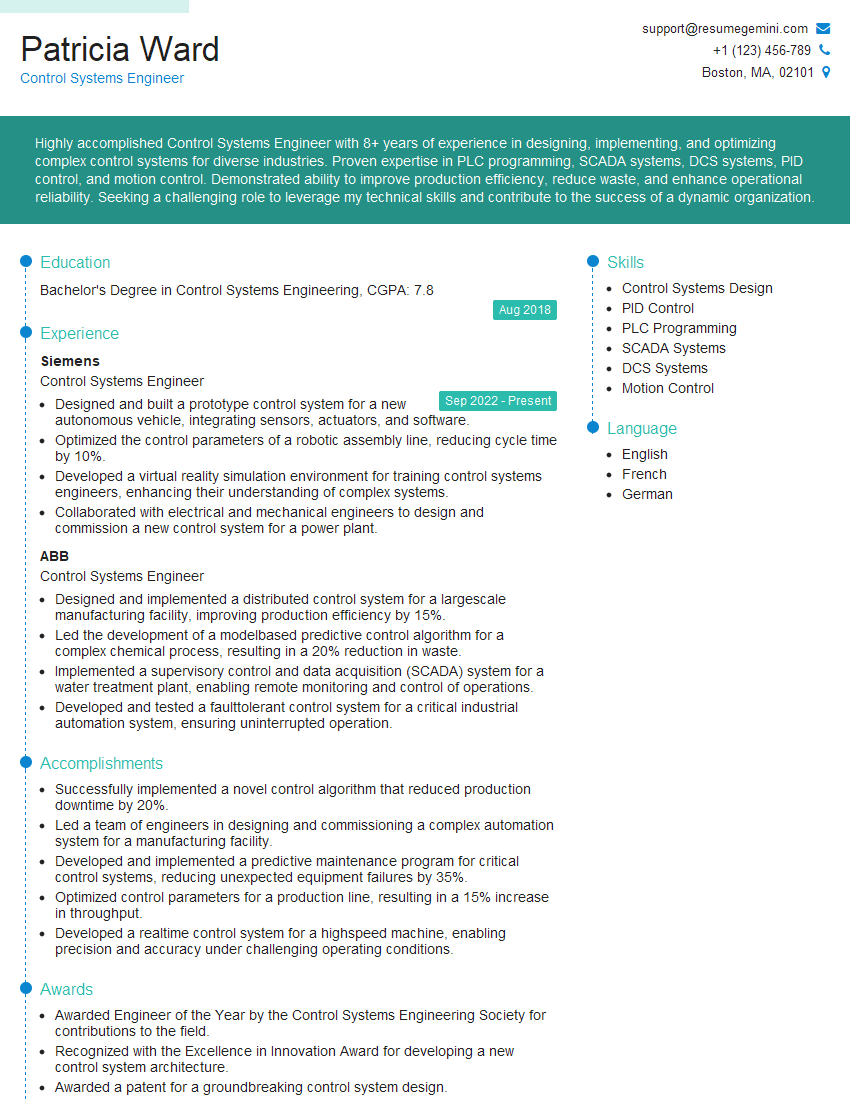
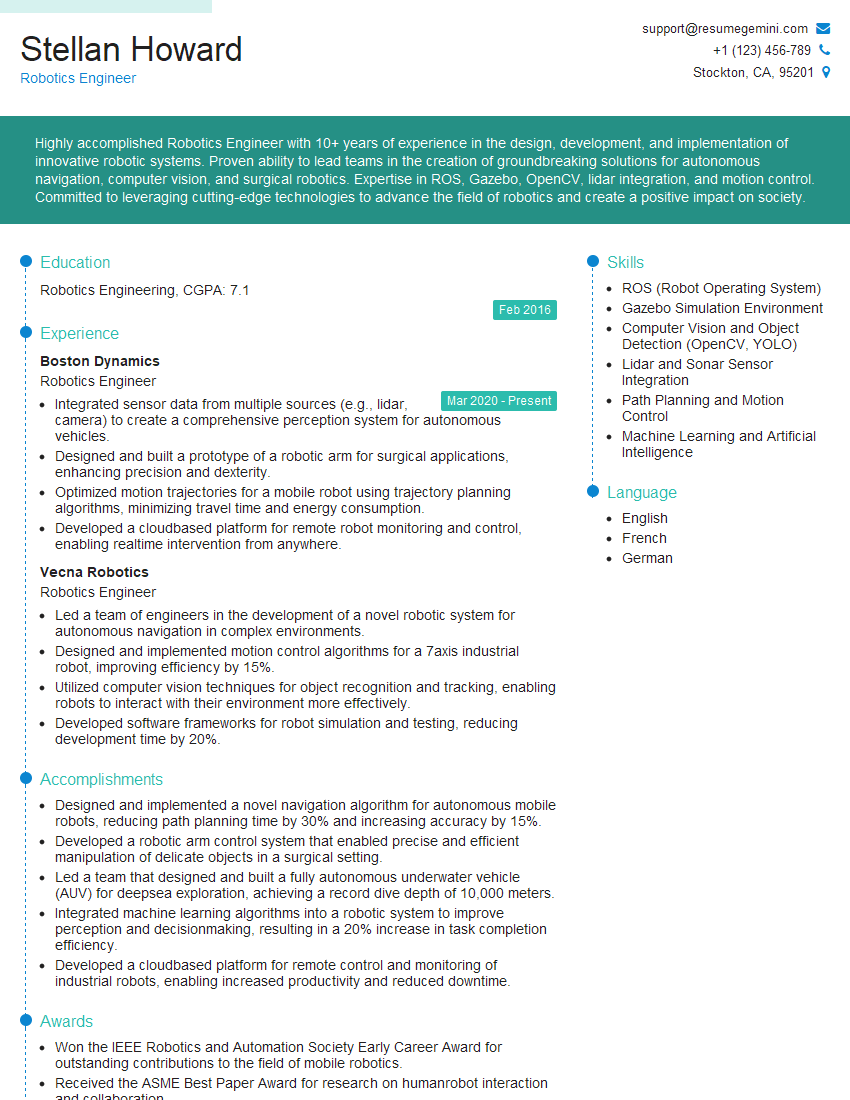
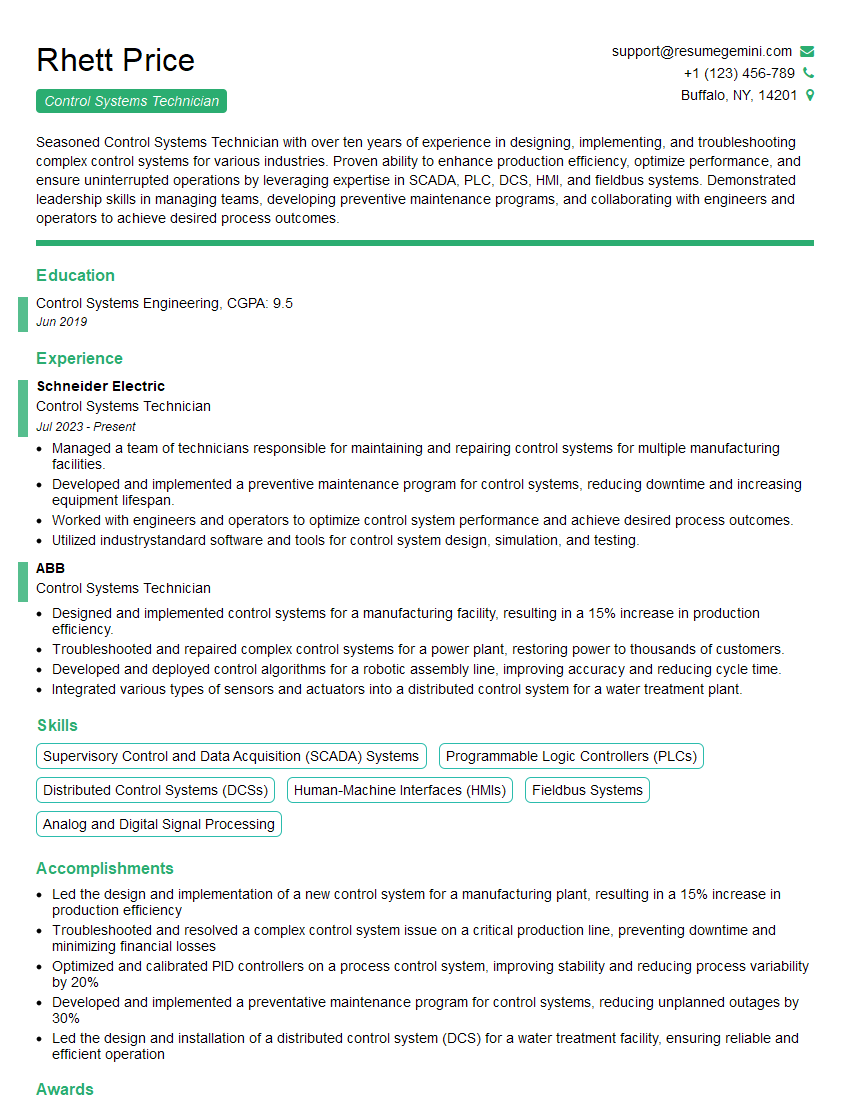
Mastering PLC and HMI programming opens doors to exciting and rewarding careers in automation and industrial control. These skills are highly sought after, offering excellent job security and growth potential. To maximize your job prospects, creating a strong, ATS-friendly resume is crucial. ResumeGemini is a trusted resource to help you build a professional and effective resume that highlights your skills and experience. Examples of resumes tailored to PLC and HMI programming are available to guide you in crafting a compelling application.
Explore more articles
Users Rating of Our Blogs
Share Your Experience
We value your feedback! Please rate our content and share your thoughts (optional).
What Readers Say About Our Blog
Hello,
we currently offer a complimentary backlink and URL indexing test for search engine optimization professionals.
You can get complimentary indexing credits to test how link discovery works in practice.
No credit card is required and there is no recurring fee.
You can find details here:
https://wikipedia-backlinks.com/indexing/
Regards
NICE RESPONSE TO Q & A
hi
The aim of this message is regarding an unclaimed deposit of a deceased nationale that bears the same name as you. You are not relate to him as there are millions of people answering the names across around the world. But i will use my position to influence the release of the deposit to you for our mutual benefit.
Respond for full details and how to claim the deposit. This is 100% risk free. Send hello to my email id: [email protected]
Luka Chachibaialuka
Hey interviewgemini.com, just wanted to follow up on my last email.
We just launched Call the Monster, an parenting app that lets you summon friendly ‘monsters’ kids actually listen to.
We’re also running a giveaway for everyone who downloads the app. Since it’s brand new, there aren’t many users yet, which means you’ve got a much better chance of winning some great prizes.
You can check it out here: https://bit.ly/callamonsterapp
Or follow us on Instagram: https://www.instagram.com/callamonsterapp
Thanks,
Ryan
CEO – Call the Monster App
Hey interviewgemini.com, I saw your website and love your approach.
I just want this to look like spam email, but want to share something important to you. We just launched Call the Monster, a parenting app that lets you summon friendly ‘monsters’ kids actually listen to.
Parents are loving it for calming chaos before bedtime. Thought you might want to try it: https://bit.ly/callamonsterapp or just follow our fun monster lore on Instagram: https://www.instagram.com/callamonsterapp
Thanks,
Ryan
CEO – Call A Monster APP
To the interviewgemini.com Owner.
Dear interviewgemini.com Webmaster!
Hi interviewgemini.com Webmaster!
Dear interviewgemini.com Webmaster!
excellent
Hello,
We found issues with your domain’s email setup that may be sending your messages to spam or blocking them completely. InboxShield Mini shows you how to fix it in minutes — no tech skills required.
Scan your domain now for details: https://inboxshield-mini.com/
— Adam @ InboxShield Mini
Reply STOP to unsubscribe
Hi, are you owner of interviewgemini.com? What if I told you I could help you find extra time in your schedule, reconnect with leads you didn’t even realize you missed, and bring in more “I want to work with you” conversations, without increasing your ad spend or hiring a full-time employee?
All with a flexible, budget-friendly service that could easily pay for itself. Sounds good?
Would it be nice to jump on a quick 10-minute call so I can show you exactly how we make this work?
Best,
Hapei
Marketing Director
Hey, I know you’re the owner of interviewgemini.com. I’ll be quick.
Fundraising for your business is tough and time-consuming. We make it easier by guaranteeing two private investor meetings each month, for six months. No demos, no pitch events – just direct introductions to active investors matched to your startup.
If youR17;re raising, this could help you build real momentum. Want me to send more info?
Hi, I represent an SEO company that specialises in getting you AI citations and higher rankings on Google. I’d like to offer you a 100% free SEO audit for your website. Would you be interested?
Hi, I represent an SEO company that specialises in getting you AI citations and higher rankings on Google. I’d like to offer you a 100% free SEO audit for your website. Would you be interested?
good