Unlock your full potential by mastering the most common Style Forecasting interview questions. This blog offers a deep dive into the critical topics, ensuring you’re not only prepared to answer but to excel. With these insights, you’ll approach your interview with clarity and confidence.
Questions Asked in Style Forecasting Interview
Q 1. Explain your process for identifying emerging style trends.
Identifying emerging style trends is a multifaceted process that relies on a combination of data analysis, cultural observation, and creative intuition. My approach involves a systematic scan of various sources to detect patterns and shifts in consumer preferences.
Trend Reports and Publications: I meticulously review trend forecasting publications from reputable sources like WGSN, Stylesight, and Pantone, paying close attention to color palettes, fabric innovations, and silhouette predictions.
Social Media and Online Platforms: I actively monitor social media platforms like Instagram, TikTok, and Pinterest, analyzing hashtag trends, influencer styles, and viral content to understand the pulse of current fashion conversations. This provides insights into grassroots movements and emerging styles.
Street Style and Runway Shows: Observing street style photography and attending or reviewing runway shows from major fashion weeks (New York, London, Milan, Paris) offers a direct view of what designers are proposing and how consumers are interpreting and adopting those styles.
Retail Data Analysis: I analyze sales data from various retailers to understand what is currently selling well and what items are gaining traction. This quantitative data provides crucial context to qualitative observations.
Cultural Analysis: Finally, I consider broader cultural shifts – economic trends, social movements, technological advancements, and even political climates – as these all influence stylistic choices. For example, a growing interest in sustainability significantly impacts material choices and production methods within the fashion industry.
Q 2. How do you utilize quantitative and qualitative data in your forecasting?
Quantitative and qualitative data are both crucial for accurate style forecasting. They offer complementary perspectives, providing a holistic understanding of trends.
Quantitative Data: This includes sales figures, website traffic, social media engagement metrics (likes, shares, comments), and search data. For example, a significant increase in searches for ‘oversized blazers’ on Google Trends might indicate a growing interest in this specific style.
Qualitative Data: This focuses on subjective observations and interpretations. It includes insights gathered from interviews with consumers, focus groups, trend reports, and analysis of social media commentary. For instance, analyzing the sentiment expressed in Instagram comments related to a particular style can reveal consumer perceptions and preferences.
I use both types of data in conjunction. Quantitative data helps me identify what’s popular, while qualitative data explains why it’s popular and helps predict the longevity of a trend. For example, high sales figures for a particular garment (quantitative) combined with positive consumer reviews highlighting its comfort and versatility (qualitative) suggest a longer-lasting trend compared to one driven solely by fleeting viral moments.
Q 3. Describe your experience with trend analysis software and tools.
I am proficient in using a variety of trend analysis software and tools, including WGSN, Stylesight, and Brandwatch. These platforms provide comprehensive trend data, enabling me to conduct in-depth analysis and identify emerging styles.
WGSN, for instance, offers detailed trend reports with analysis across various sectors including fashion, beauty, and lifestyle. Stylesight provides visual trend boards and allows for the comparison of trends over time. Brandwatch assists with social listening, providing insights into consumer conversations and brand sentiment around specific styles. My expertise extends to data visualization tools like Tableau and Power BI to effectively present my findings in compelling visual formats.
Beyond these specialized tools, I am also comfortable using standard data analysis software like Excel and SPSS for quantitative data analysis, allowing for a more holistic approach.
Q 4. How do you present your style forecasts to stakeholders?
Presenting style forecasts requires clear and engaging communication tailored to the audience. My presentations typically incorporate a mix of visual and verbal elements to maximize understanding and impact.
Visual Presentations: I use mood boards, trend reports with striking imagery, and data visualizations (charts and graphs showing key trends) to showcase my findings clearly and concisely. These are crucial for conveying the visual aspects of style.
Narrative Storytelling: I present my forecast as a narrative, weaving together the quantitative and qualitative data to build a compelling case for future style directions. This involves explaining the ‘why’ behind the trends, not just the ‘what’.
Interactive Elements: Depending on the audience and the context, I may incorporate interactive elements like Q&A sessions or workshops to engage stakeholders and encourage discussion. This allows for feedback and collaborative refinement of the forecast.
Written Reports: A detailed written report accompanies the presentation, providing a more in-depth analysis and supporting evidence for the forecast. This ensures stakeholders have a comprehensive record of the findings.
Q 5. How do you incorporate consumer behavior insights into your forecasts?
Incorporating consumer behavior insights is paramount to accurate forecasting. Understanding consumer motivations, preferences, and purchasing patterns is key to predicting future styles. I employ various methods:
Consumer Surveys and Interviews: Direct interactions with consumers through surveys and interviews provide invaluable qualitative data, revealing their aspirations, needs, and style preferences. For example, understanding the increasing demand for sustainable fashion influences my predictions regarding environmentally friendly materials and production practices.
Social Media Listening: Monitoring social media conversations helps to identify unmet needs, emerging desires, and evolving aesthetic preferences among consumers. For instance, observing the popularity of certain aesthetics on platforms like Pinterest or Instagram can reveal upcoming style trends.
Behavioral Data Analysis: Analyzing online shopping behavior, such as browsing history, purchase patterns, and product reviews, provides quantitative insights into consumer preferences. For instance, analyzing click-through rates on e-commerce websites for different styles of clothing can help pinpoint growing consumer demand.
By combining these insights, I can create forecasts that are grounded in real consumer behavior, making them more reliable and actionable for businesses.
Q 6. What are some key indicators you look for when predicting future styles?
Predicting future styles involves identifying several key indicators across different domains:
Color Trends: Pantone’s color of the year and emerging color palettes from fashion weeks are strong indicators of upcoming color trends in clothing, accessories, and home decor.
Silhouette Shifts: Changes in the dominant shapes and proportions of clothing (e.g., from oversized to fitted silhouettes) are often significant style shifts.
Fabric Innovation: New materials and textile technologies influence both aesthetics and functionality, driving new style directions. For example, the increasing use of recycled materials reflects consumer preference for sustainable fashion.
Technological Advancements: Technological innovations, such as 3D printing and advancements in wearable technology, influence both the creation and adoption of new styles.
Cultural Influences: Social and cultural shifts, including evolving social norms, movements, and global events, often translate into distinct stylistic choices.
Economic Factors: Economic conditions influence consumer spending and preferences, impacting the adoption of certain styles. For instance, times of economic uncertainty might lead to a preference for simpler, more classic styles.
Q 7. How do you differentiate between fleeting trends and long-term style shifts?
Differentiating between fleeting trends and long-term style shifts requires careful observation and analysis. Fleeting trends are often driven by novelty, social media virality, or celebrity endorsements, lacking enduring appeal. Long-term style shifts, on the other hand, reflect deeper changes in consumer preferences and values.
Longevity and Adaptability: Long-term style shifts tend to have a longer lifespan and are adaptable to various contexts and interpretations, while fleeting trends burn brightly but fade quickly.
Depth of Cultural Penetration: Styles with deep cultural resonance, influencing multiple aspects of life beyond clothing (like music or art), are more likely to be long-term shifts.
Consumer Adoption Rate and Diversity: Broad adoption across different demographics and market segments suggests a more enduring style shift compared to a trend adopted by a niche group.
Underlying Motivations: Understanding the underlying motivations behind style choices (e.g., self-expression, comfort, functionality) helps to distinguish between superficial trends and deep-seated style shifts.
For example, the rise of athleisure is a long-term shift because it combines comfort and functionality with broader lifestyle changes emphasizing wellness and casual styles, while a specific color or print might only be a fleeting trend.
Q 8. Describe a time you had to revise a forecast based on new data.
Revising a forecast is a crucial aspect of trend forecasting. It’s not a static process; it’s iterative and responsive to market changes. For example, I was working on a forecast predicting a resurgence of 70s-inspired flared jeans. My initial data, pulled from runway shows and social media analytics, strongly indicated this trend. However, halfway through the season, I noticed a significant uptick in sales data for straight-leg jeans and a concurrent decline in searches for flared styles. This new data, sourced from major retailers’ sales figures, suggested a shift in consumer preference. I immediately convened a team meeting to discuss the discrepancy. We analyzed the new data meticulously, comparing it to our original projections. The discrepancy pointed towards a potential misinterpretation of the runway trends, which were perhaps overly optimistic compared to mainstream consumer demand. We revised the forecast, downplaying the prominence of flared jeans and adjusting the overall forecast to reflect the growing popularity of straight-leg styles. This involved recalculating market share projections and adapting our recommendations to clients accordingly. The revised forecast, incorporating the new data, proved more accurate and provided more valuable insights to our clients.
Q 9. How do you stay updated on current and emerging fashion trends?
Staying abreast of current and emerging trends requires a multi-faceted approach. I utilize a range of resources to ensure comprehensive coverage. This includes:
- Runway shows and presentations: Attending or meticulously studying reports from fashion weeks in key cities like New York, London, Milan, and Paris provides first-hand insight into upcoming collections.
- Social media analytics: Platforms like Instagram, TikTok, and Pinterest are invaluable for understanding consumer behavior and identifying emerging styles through hashtag tracking, influencer analysis, and trend reports.
- Trade publications and blogs: Publications like Women’s Wear Daily (WWD), Vogue, and specialized style blogs provide in-depth analysis and trend commentary from industry experts.
- Retail data analysis: Analyzing sales data from major retailers gives a realistic understanding of which trends are actually translating into consumer purchases.
- Street style photography: Observing what people are actually wearing on the streets offers valuable context and validates trends identified through other means.
- Market research reports: Leveraging reports from market research firms helps identify macro trends and consumer demographics that influence style choices.
Combining these diverse sources provides a comprehensive understanding of the evolving style landscape, allowing for more informed and accurate forecasting.
Q 10. Explain your understanding of color forecasting and its impact on style.
Color forecasting is a critical component of style forecasting. It involves predicting the dominant colors that will be prevalent in fashion and design for a specific timeframe (usually a season or year). Think of it as the ‘palette’ upon which style trends are painted. Color palettes have a profound influence on how garments are perceived and how trends are established. For instance, a bold palette might signify a season of high energy and excitement, influencing designs towards vibrant prints and eye-catching silhouettes. Conversely, a muted palette might indicate a shift toward understated elegance, favoring classic styles and neutral tones. I use several methods for color forecasting, including analyzing runway shows for color prevalence, consulting color trend forecasting agencies (like Pantone), analyzing digital imagery and social media for color frequency, and even considering cultural and societal influences that may impact color preferences (e.g., upcoming events, socio-political atmosphere).
The impact on style is significant: color directly influences the overall mood and feel of a collection. It can create specific aesthetics (think the ‘millennial pink’ trend) and greatly impact the commercial success of a product. A poorly chosen color palette can make a collection feel dated or unappealing, while a well-chosen one can amplify its appeal and make it more memorable.
Q 11. How do you incorporate sustainability considerations into your style forecasts?
Sustainability is no longer a niche concern; it’s a core consideration in modern style forecasting. I incorporate sustainability by:
- Promoting natural and recycled materials: Forecasting trends that leverage sustainable fabrics like organic cotton, recycled polyester, and innovative plant-based materials.
- Focusing on timeless styles: Predicting trends that emphasize classic designs and high-quality construction to encourage longevity and reduce fast fashion consumption. This extends the lifecycle of garments.
- Highlighting circular economy models: Encouraging brands to adopt design strategies that prioritize recyclability, repairability, and upcycling to minimize textile waste.
- Assessing ethical sourcing: Incorporating research into ethical labor practices and responsible sourcing into the forecast, ensuring that the predicted trends are not only fashionable but also ethically produced.
- Reducing carbon footprint in production: Analyzing and recommending production methods and materials that minimize environmental impact, including local sourcing and reduced transportation needs.
By incorporating these considerations, the forecasts I deliver not only guide style but also promote responsible and environmentally conscious fashion practices. It’s about creating a future where style and sustainability coexist harmoniously.
Q 12. Describe your experience with different forecasting methodologies.
I’ve experience with various forecasting methodologies, each offering unique strengths and insights. These include:
- Qualitative Forecasting: This approach relies on expert opinions, consumer surveys, and trend analysis. I use this extensively in assessing emerging trends, interpreting runway shows, and understanding the nuances of style shifts. For example, using focus groups to understand consumers’ emotional connections to specific fabrics or silhouettes is an important aspect of qualitative forecasting.
- Quantitative Forecasting: This is data-driven, using statistical methods to analyze historical sales data, market trends, and consumer behavior. I use this to project sales volume and assess the commercial viability of predicted trends. Time-series analysis and regression modeling are common tools here.
- Delphi Technique: This involves gathering expert opinions through multiple rounds of questionnaires, refining forecasts iteratively to achieve a consensus. This approach is very valuable for complex trends requiring diverse perspectives.
- Trend Mapping: This visual technique helps to identify the connections and evolution of style trends over time. By mapping the timeline of specific trends and influences, we can better understand their trajectory and anticipate their future development.
I often combine these methodologies for a holistic approach. Quantitative data provides a strong foundation, but qualitative insights and expert opinion add crucial context and nuance, allowing for more accurate and comprehensive predictions.
Q 13. How do you assess the commercial viability of a predicted style trend?
Assessing the commercial viability of a predicted trend involves a thorough analysis of several factors. It’s not enough to identify a trend; we must understand its market potential. This assessment involves:
- Market size and segmentation: Identifying the target audience for the trend and estimating the size of that market segment.
- Consumer demand and purchasing power: Analyzing consumer behavior, price sensitivity, and willingness to adopt the trend.
- Competition analysis: Evaluating existing products or similar trends in the market to understand the competitive landscape.
- Production costs and profitability: Estimating the cost of manufacturing and distributing products aligned with the trend, ensuring profitability.
- Distribution channels: Determining the most effective channels to reach the target market (online, retail stores, etc.).
- Marketing and promotion strategies: Planning how to effectively communicate the trend to the target audience.
Combining these factors allows for a comprehensive evaluation of a trend’s potential for commercial success. A trend might be visually appealing, but it’s useless without a viable market and profitable business strategy.
Q 14. How do you handle conflicting opinions or forecasts within a team?
Handling conflicting opinions is an inevitable part of collaborative forecasting. Different team members bring unique expertise and perspectives, leading to differing viewpoints. My approach centers on:
- Open and respectful communication: Creating a safe environment where everyone can freely express their opinions and reasoning without fear of judgment. I encourage active listening and detailed explanation of each perspective.
- Data-driven discussion: Focusing the discussion on objective data and evidence. If there’s a disagreement, we go back to the source data – sales figures, social media analytics, etc. – to find points of convergence or divergence.
- Compromise and consensus-building: Working toward a unified forecast that incorporates the valid insights from all perspectives. Sometimes this involves weighting different opinions based on their supporting evidence.
- Scenario planning: Developing multiple forecasts based on different scenarios and probabilities, acknowledging uncertainties and potential risks. This allows us to prepare for a range of possibilities.
The goal isn’t to force agreement but to leverage diverse perspectives to develop a more robust and accurate forecast. Disagreements often lead to deeper analysis and more thorough consideration of all factors, ultimately improving the quality of the final forecast.
Q 15. How familiar are you with global fashion markets and their influences?
My understanding of global fashion markets is extensive, encompassing both established and emerging players. I regularly track key markets like the US, Europe, Asia (particularly Japan, South Korea, and China), and increasingly, Latin America and Africa. I analyze their unique cultural influences, economic conditions, and consumer behaviors to understand how these factors shape style preferences. For example, the rise of K-beauty in South Korea significantly impacted global makeup trends, while the sustainable fashion movement in Europe is driving changes in material sourcing and production methods worldwide. I consider these interconnected influences – from street style in Tokyo to luxury runway shows in Paris – to form a holistic view of the global fashion landscape.
I also actively monitor trade publications, market research reports (like those from Euromonitor and Mintel), and attend industry events to stay abreast of shifts in consumer demand and emerging trends. This allows me to identify potential style trends early on and understand their likely trajectory.
Career Expert Tips:
- Ace those interviews! Prepare effectively by reviewing the Top 50 Most Common Interview Questions on ResumeGemini.
- Navigate your job search with confidence! Explore a wide range of Career Tips on ResumeGemini. Learn about common challenges and recommendations to overcome them.
- Craft the perfect resume! Master the Art of Resume Writing with ResumeGemini’s guide. Showcase your unique qualifications and achievements effectively.
- Don’t miss out on holiday savings! Build your dream resume with ResumeGemini’s ATS optimized templates.
Q 16. Describe your experience with trend boards and presentation materials.
Trend boards and presentation materials are crucial tools in my workflow. I create highly visual and engaging trend boards using platforms like Pinterest, Miro, and Adobe Creative Suite. These boards are not just collections of images; they meticulously organize elements around key themes and narratives. For example, a board focusing on “Neo-Bohemian” might include images of vintage textiles, nature-inspired prints, layered silhouettes, and jewelry evocative of global cultures. Each image is annotated with relevant details like source, color palette, and potential product applications.
My presentations are equally detailed, often including mood boards, color palettes (presented using Pantone codes or similar systems), fabric swatches, and sketches of potential garment designs. I use data visualizations – charts and graphs – to showcase consumer insights or market analysis supporting my forecast. For instance, I might use a graph showing the rising popularity of a specific silhouette or color based on social media data. The goal is to tell a compelling story and create a clear, actionable vision for clients.
Q 17. How do you use social media and online platforms to inform your forecasts?
Social media and online platforms are indispensable for style forecasting. I leverage platforms like Instagram, TikTok, Pinterest, and even Reddit to identify emerging trends, gauge consumer sentiment, and understand which styles are gaining traction organically. I use advanced search techniques, hashtags, and trend tracking tools to analyze visual data and understand the conversations surrounding particular styles.
For example, analyzing the hashtags associated with a particular fashion week might reveal which looks are getting the most engagement. I also monitor influential bloggers, stylists, and celebrities to see how they are incorporating new styles into their presentations. Furthermore, online shopping platforms offer valuable data on product sales and consumer preferences, providing insight into the success or failure of specific trends.
Q 18. How do you measure the accuracy of your style predictions?
Measuring the accuracy of style predictions is an ongoing process. There’s no single definitive metric. Instead, I use a multi-faceted approach. One method involves comparing my predictions with actual sales data from retailers six to twelve months after the forecast is made. This helps assess the market’s adoption of the predicted trends.
I also track media coverage and social media engagement to gauge the visibility and overall impact of the forecasted styles. Qualitative feedback from clients on the applicability and usefulness of the forecast is equally important. It’s important to acknowledge that forecasting isn’t about predicting the future with perfect accuracy; it’s about identifying potential trends with a high degree of probability and providing actionable insights to clients.
Q 19. What are some common pitfalls to avoid in style forecasting?
Several pitfalls can derail style forecasting. One common mistake is relying too heavily on a single data source or neglecting diverse perspectives. A balanced approach is crucial, drawing on a mix of quantitative and qualitative data.
- Ignoring cultural nuances: A trend successful in one region might not resonate in another.
- Overemphasis on short-term trends: Focusing solely on fleeting fads can lead to inaccurate long-term predictions.
- Lack of adaptability: The forecasting process must remain flexible to accommodate unexpected events (like economic downturns or global crises).
- Insufficient data analysis: Drawing conclusions without thorough data analysis is risky.
Avoiding these pitfalls requires a combination of rigorous research, critical thinking, and a willingness to adapt the forecast as new information emerges.
Q 20. How do you adapt your forecasting approach to different target markets?
Adapting forecasting to different target markets requires a deep understanding of each market’s unique characteristics. This involves considering factors such as demographics, socio-economic conditions, cultural values, and prevailing fashion aesthetics.
For instance, a forecast for a young, urban demographic might emphasize streetwear and fast fashion, while a forecast for a more mature, luxury-oriented market would focus on timeless elegance and high-quality materials. Understanding generational differences and incorporating relevant consumer insights from each target group are key to crafting effective and successful style forecasts. I often segment markets based on age, location, income level, and lifestyle to create highly tailored predictions.
Q 21. Describe your experience with data visualization and presentation.
Data visualization and presentation are paramount in communicating complex information effectively. I employ various techniques to present my findings clearly and concisely. These include using color palettes that are both visually appealing and aligned with the forecast’s thematic elements, employing charts and graphs to illustrate trends and patterns, and creating visually engaging mood boards that capture the essence of the forecasted style.
I’m proficient with tools like Tableau and Adobe Creative Suite to create impactful visuals. For example, I might use a line graph to show the growth of a particular style’s popularity over time, or a color wheel to showcase a proposed seasonal palette. The key is to transform raw data into a visually compelling narrative that resonates with the client and helps them make informed decisions.
Q 22. How do you integrate technological advancements into your forecasting process?
Technological advancements are crucial for accurate and timely style forecasting. I integrate them in several ways. Firstly, I utilize trend tracking software that analyzes social media data, online retail sales, and search engine trends to identify emerging styles and predict their potential trajectory. This provides a quantitative layer to my qualitative research.
Secondly, AI-powered image recognition tools are invaluable. These tools allow me to analyze vast image datasets from runways, street style, and online platforms to identify recurring themes, color palettes, and silhouette trends far more efficiently than manual methods. For example, I can quickly identify the prevalence of a particular sleeve style across different collections.
Finally, predictive analytics plays a vital role. By inputting historical sales data, consumer demographics, and trend data into specialized software, I can generate more accurate forecasts, identifying potential risks and opportunities early on. This helps in mitigating potential stock imbalances and maximizing profitability.
Q 23. How do you manage multiple forecasting projects simultaneously?
Managing multiple forecasting projects simultaneously requires a structured and organized approach. I employ a project management methodology, similar to Agile, to prioritize tasks and allocate resources effectively. This includes creating detailed project timelines, setting clear deliverables, and establishing regular check-ins with stakeholders.
Prioritization matrices are crucial. I rank projects based on their strategic importance, deadlines, and resource requirements. This ensures that critical projects receive the necessary attention and that deadlines are met. For instance, a high-priority project for a flagship store launch would take precedence over a smaller, less impactful project.
Furthermore, I utilize collaborative tools like shared online calendars, project management software, and cloud-based document sharing to ensure seamless communication and information flow across teams. This keeps everyone informed and allows for efficient collaboration even when working on multiple projects concurrently.
Q 24. Explain your understanding of the fashion lifecycle and its impact on forecasting.
The fashion lifecycle, encompassing stages from trend emergence to decline, significantly influences forecasting. Understanding this lifecycle allows me to predict the lifespan of a trend and its potential impact on the market. The stages typically include:
- Trend Emergence: Identifying nascent trends through street style, social media, and runway shows.
- Trend Acceleration: The trend gains popularity, often picked up by mainstream media and retailers.
- Trend Peak: The trend achieves maximum popularity, often leading to widespread adoption.
- Trend Decline: The trend’s popularity begins to wane, possibly due to saturation or the emergence of new trends.
- Trend Obsolescence: The trend is largely forgotten and replaced by newer styles.
My forecasting process considers the current stage of various trends. For example, if a trend is nearing its peak, I might advise against significant investment, suggesting instead a more cautious approach, focusing on quick-to-market adaptations or incorporating the trend’s elements into existing styles.
Q 25. Describe a time you had to defend a forecast that was initially met with skepticism.
In one instance, I predicted a strong resurgence of 70s-inspired flared trousers, a prediction initially met with skepticism from the design team who felt it was too niche. My defense relied on a multi-pronged approach:
- Data Presentation: I presented robust data from trend reports, social media analytics (demonstrating increasing mentions and searches related to flared trousers), and runway shows showcasing similar designs.
- Consumer Insights: I highlighted consumer feedback from focus groups and surveys indicating a growing interest in this style, pointing to a shift in consumer preferences toward more retro aesthetics.
- Visual Presentation: I created mood boards and style guides showcasing different interpretations of the trend to address the team’s concerns about it being too restrictive or limiting.
Ultimately, the success of the collection, with the flared trousers proving a significant sales driver, validated my forecast and reinforced the importance of rigorous research and data-driven decision-making in style forecasting.
Q 26. How do you anticipate and mitigate potential risks associated with your forecasts?
Risk mitigation in forecasting is paramount. I approach this through several strategies. Contingency planning is key: I develop alternative scenarios based on different potential outcomes. For example, if my primary forecast predicts a rise in minimalist fashion, I create backup plans that accommodate a potential shift toward more maximalist or eclectic styles.
Sensitivity analysis helps to identify potential vulnerabilities. By testing the impact of changing variables (e.g., economic downturn, unexpected competitor actions), I can evaluate the robustness of my forecast and make adjustments accordingly.
Furthermore, regular monitoring and evaluation are essential. I continuously track actual market performance against my predictions, making real-time adjustments as needed. This iterative approach allows for flexibility and adaptability in the face of unexpected changes.
Q 27. How do you contribute to the overall creative direction of a brand?
I contribute to a brand’s creative direction by providing a data-driven foundation for their aesthetic choices. My forecasts don’t dictate designs; instead, they inform them. I present the design team with a comprehensive understanding of the dominant trends, their potential longevity, and the consumer preferences that underpin them. This allows them to incorporate trends strategically, balancing innovation with commercial viability.
I also contribute by identifying emerging color palettes, key silhouettes, and textile innovations, expanding the creative team’s design horizons. For example, if my research indicates a growing interest in sustainable materials, I would present that data to the team, encouraging the exploration of eco-friendly options in their designs.
Essentially, my role is to act as a bridge between market trends and the brand’s creative vision, ensuring that the brand’s aesthetic is both forward-thinking and commercially sound.
Q 28. Explain your understanding of the relationship between style forecasting and product development.
Style forecasting and product development are inextricably linked. Style forecasting provides the directional roadmap for product development. The forecasts highlight the key trends that will shape consumer demand, informing decisions about which styles, colors, fabrics, and details to include in future collections.
For example, if the forecast predicts a surge in athleisure wear, the product development team will prioritize designing and sourcing fabrics suitable for active wear, incorporating functional elements, and focusing on silhouettes aligned with the athleisure trend.
In short, style forecasting acts as the foundation upon which product development teams build, ensuring that the products created are not only aesthetically pleasing but also commercially viable and resonate with current market demands.
Key Topics to Learn for Your Style Forecasting Interview
- Trend Analysis & Identification: Understanding macro and micro trends, utilizing trend forecasting tools and methodologies, and interpreting data from various sources (social media, runway shows, market research).
- Color Theory & Palette Development: Applying color psychology to forecasting, creating cohesive color palettes for different seasons and target markets, and understanding the impact of color trends on consumer behavior.
- Fabric & Material Forecasting: Identifying emerging fabric innovations, analyzing the sustainability and ethical sourcing of materials, and predicting future material trends based on technological advancements and consumer preferences.
- Print & Pattern Forecasting: Analyzing print and pattern trends across different sectors, understanding the creative process behind pattern design, and projecting future pattern directions based on current market analysis.
- Silhouette & Shape Forecasting: Predicting the evolution of garment shapes and silhouettes, understanding the influence of cultural shifts and technological advancements on design, and identifying key silhouette trends for upcoming seasons.
- Competitive Analysis & Market Research: Evaluating competitor strategies, analyzing market trends and consumer behavior, and using market research data to inform forecasting decisions.
- Presentation & Communication Skills: Effectively communicating your forecasts to stakeholders, presenting your findings in a clear and concise manner, and backing up your predictions with data and evidence.
- Data Visualization & Interpretation: Utilizing data visualization techniques to present complex information clearly, accurately interpreting data from various sources, and drawing meaningful conclusions to support your forecasts.
Next Steps
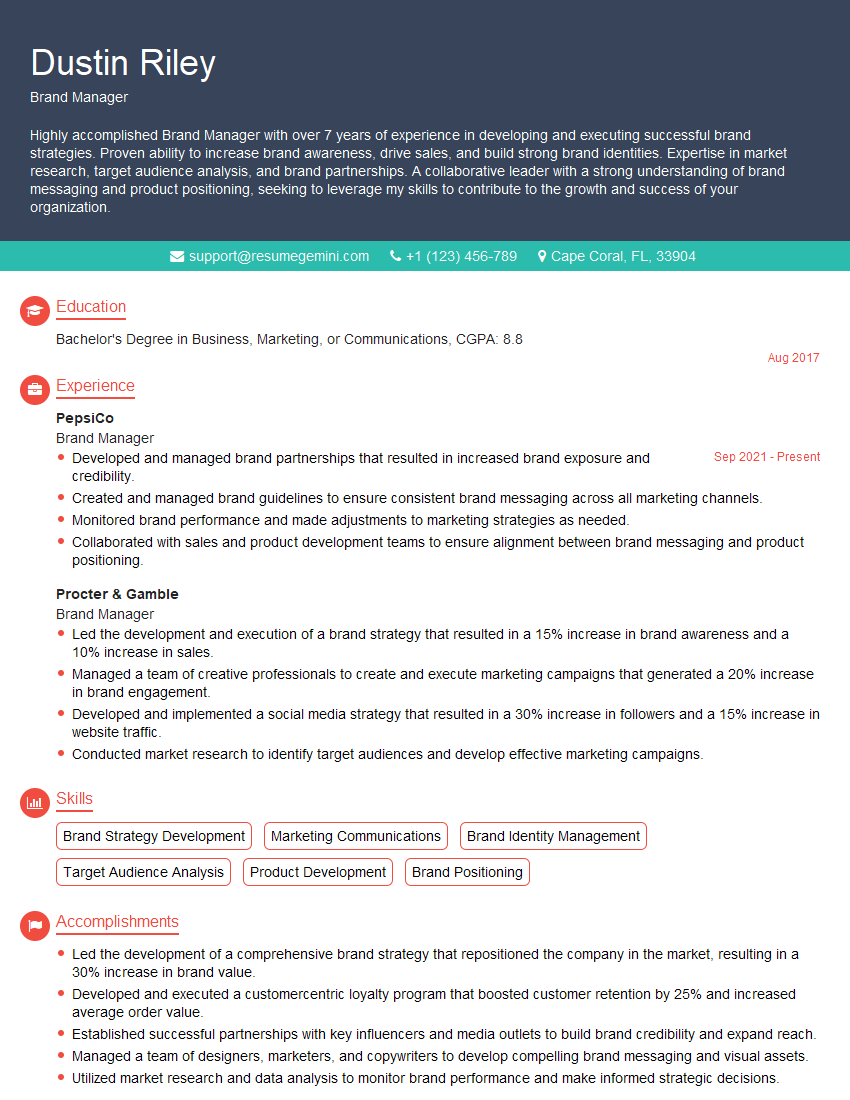
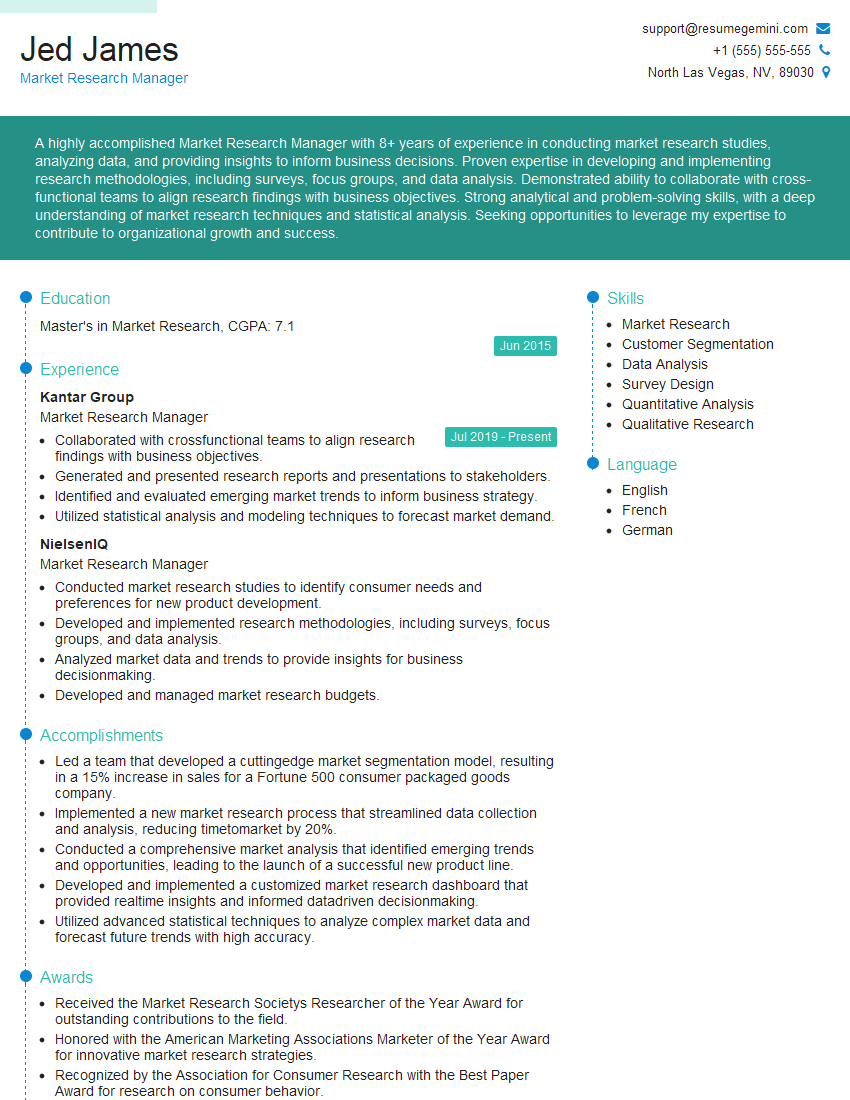
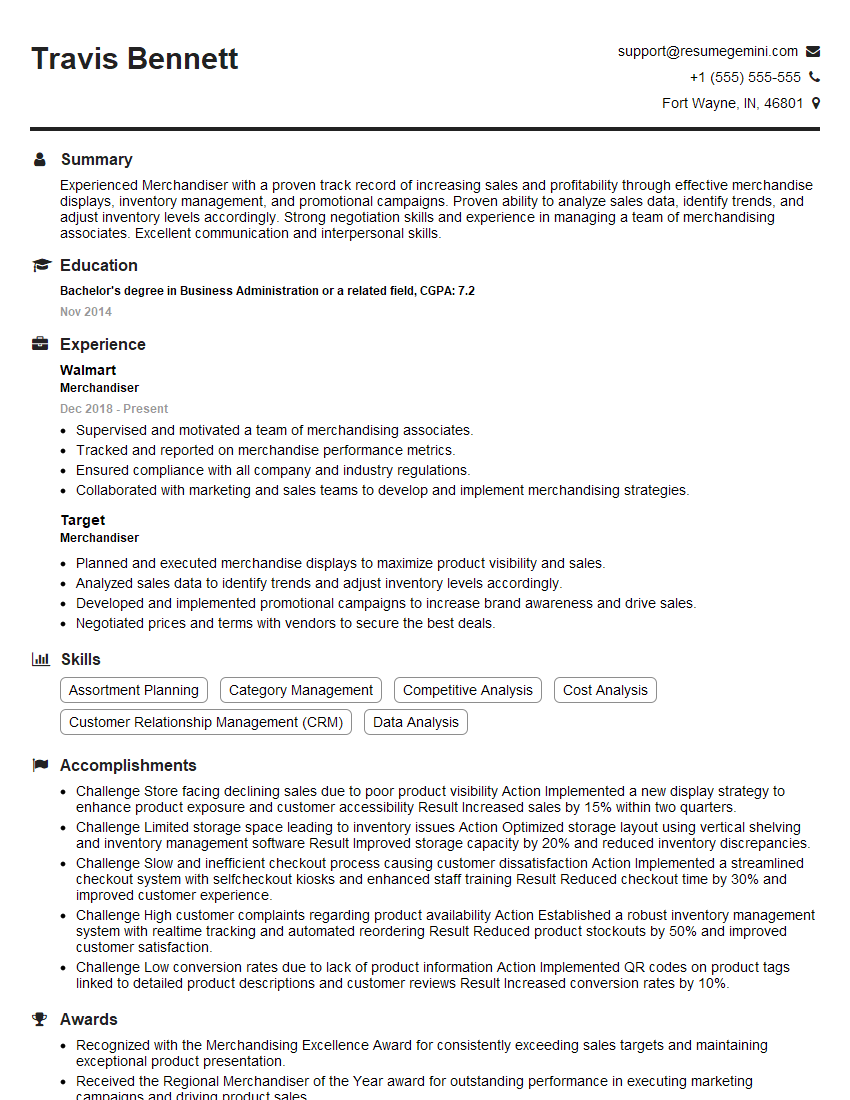
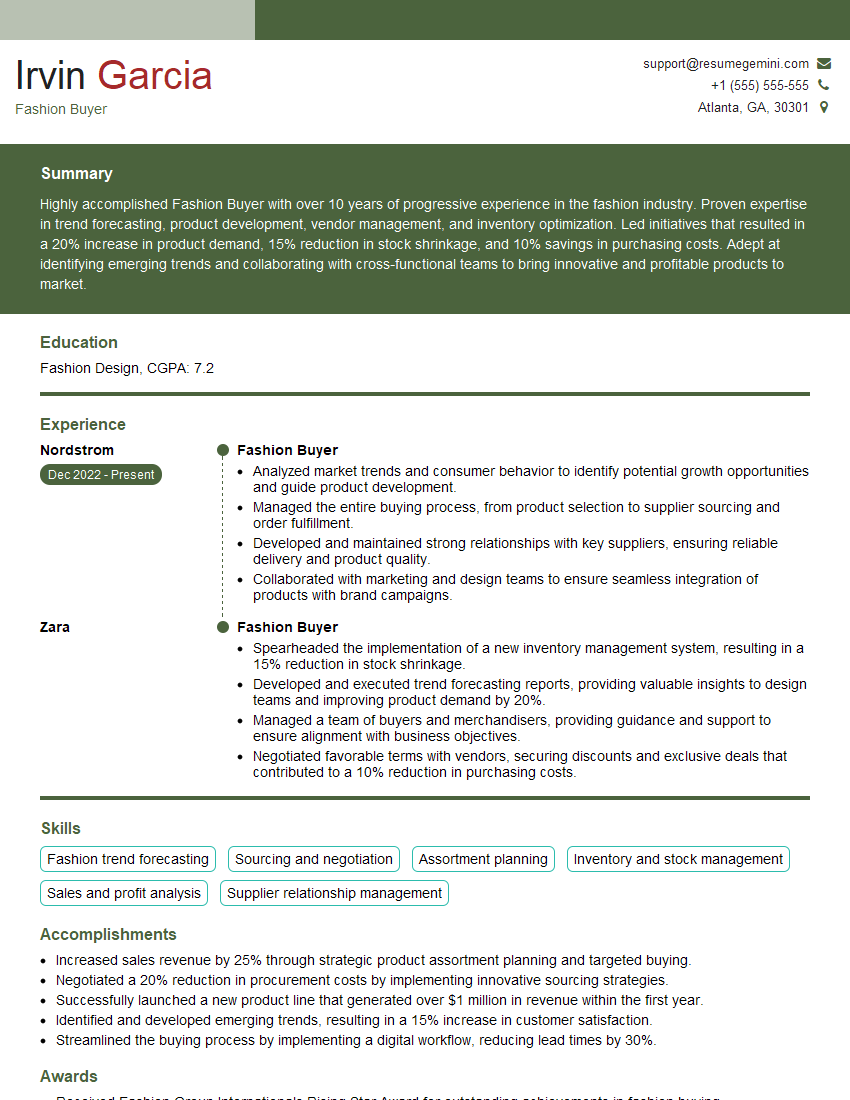
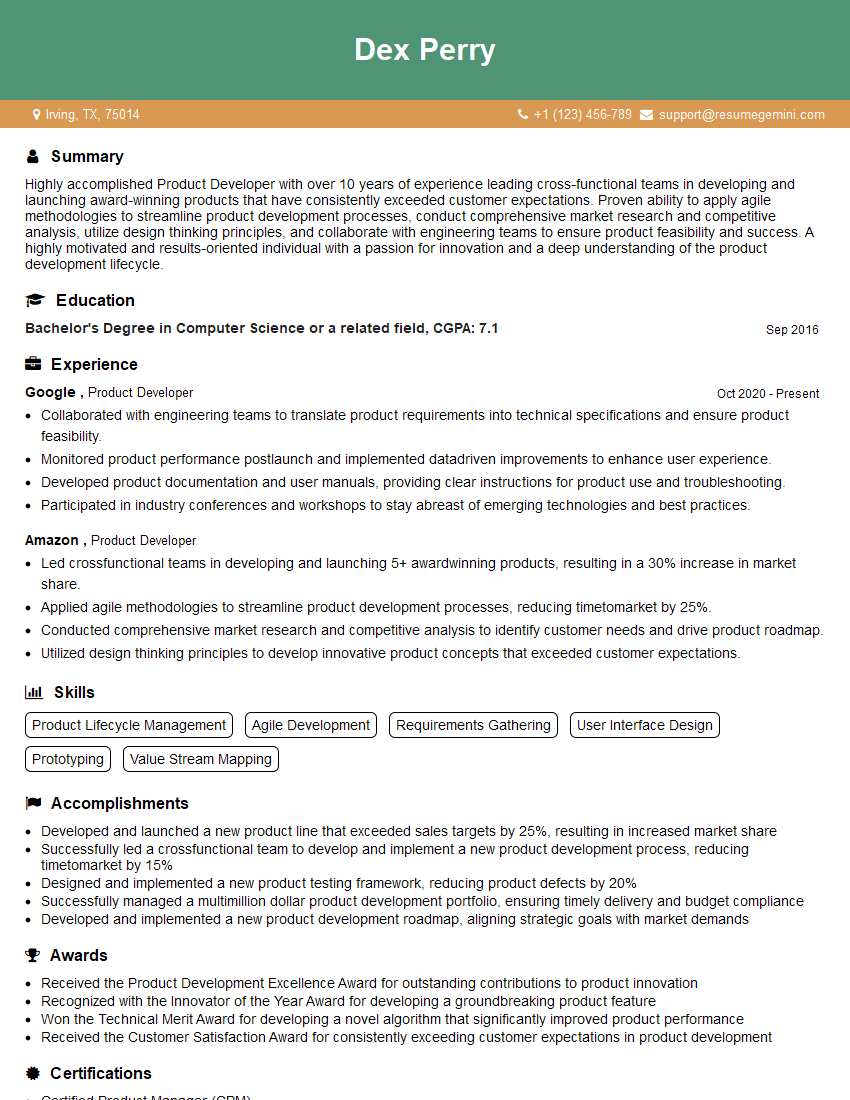
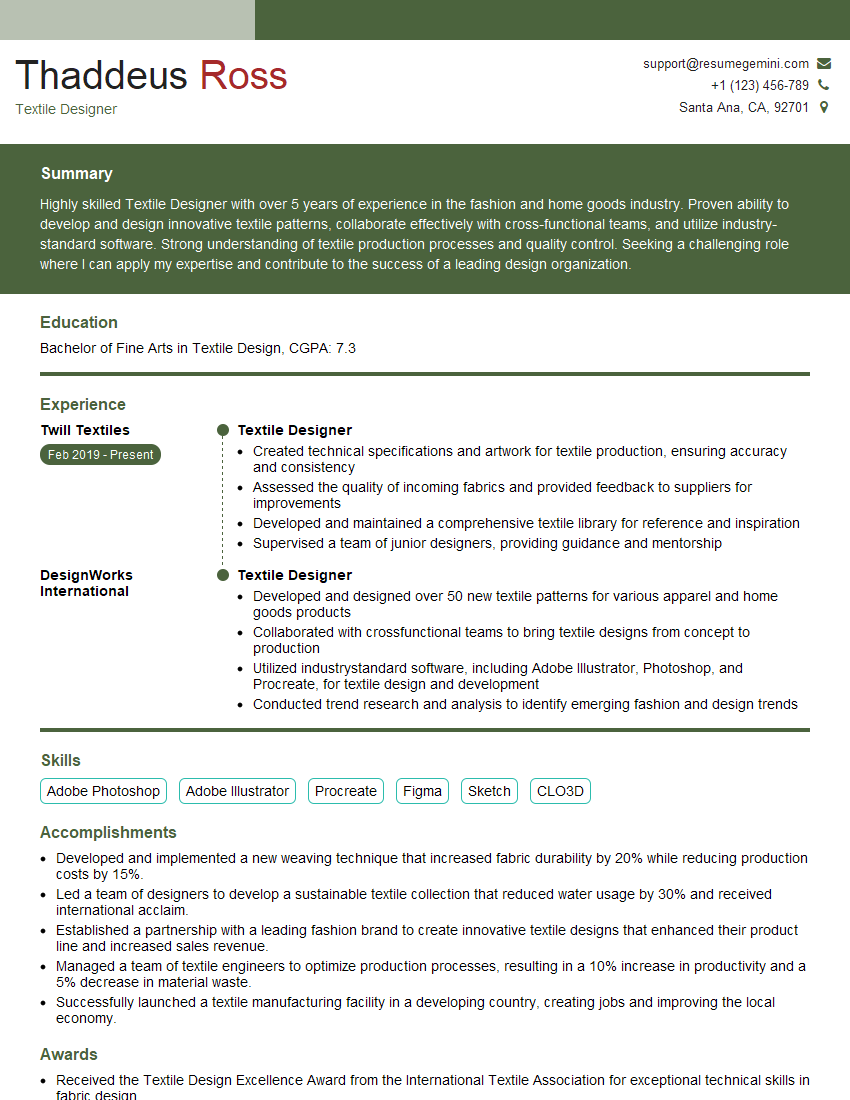
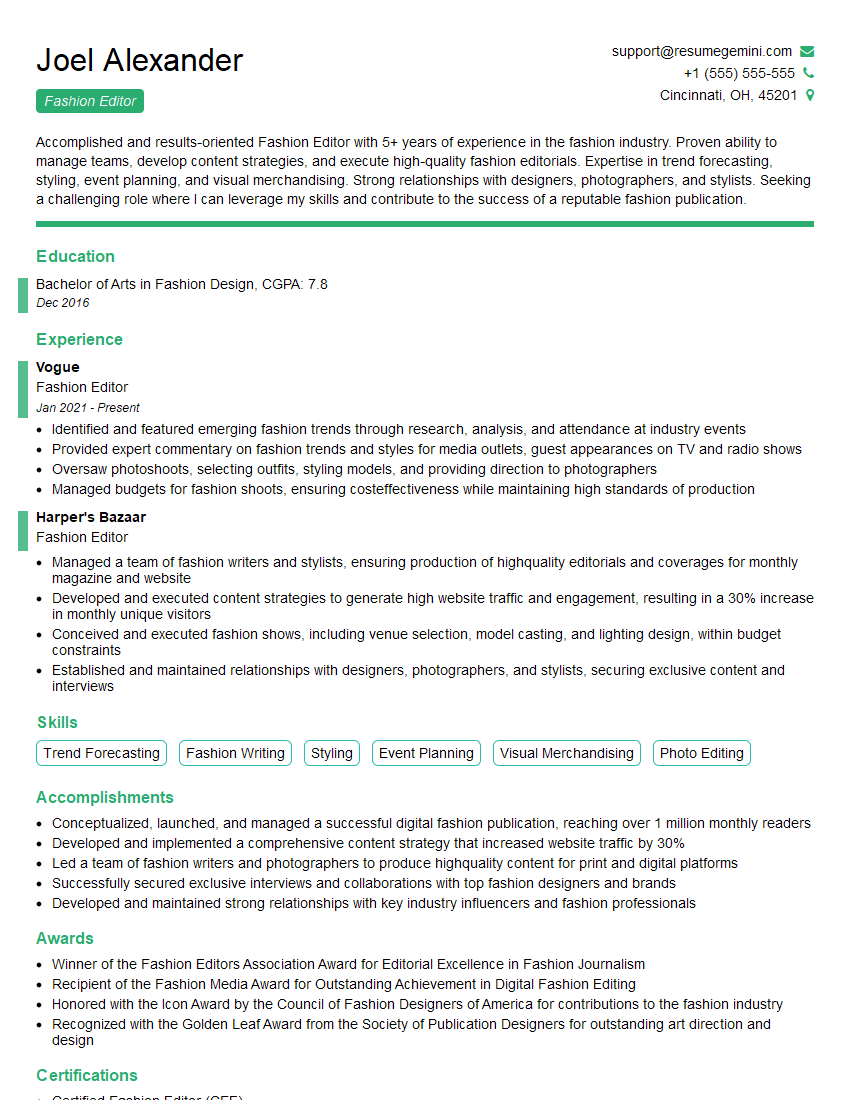
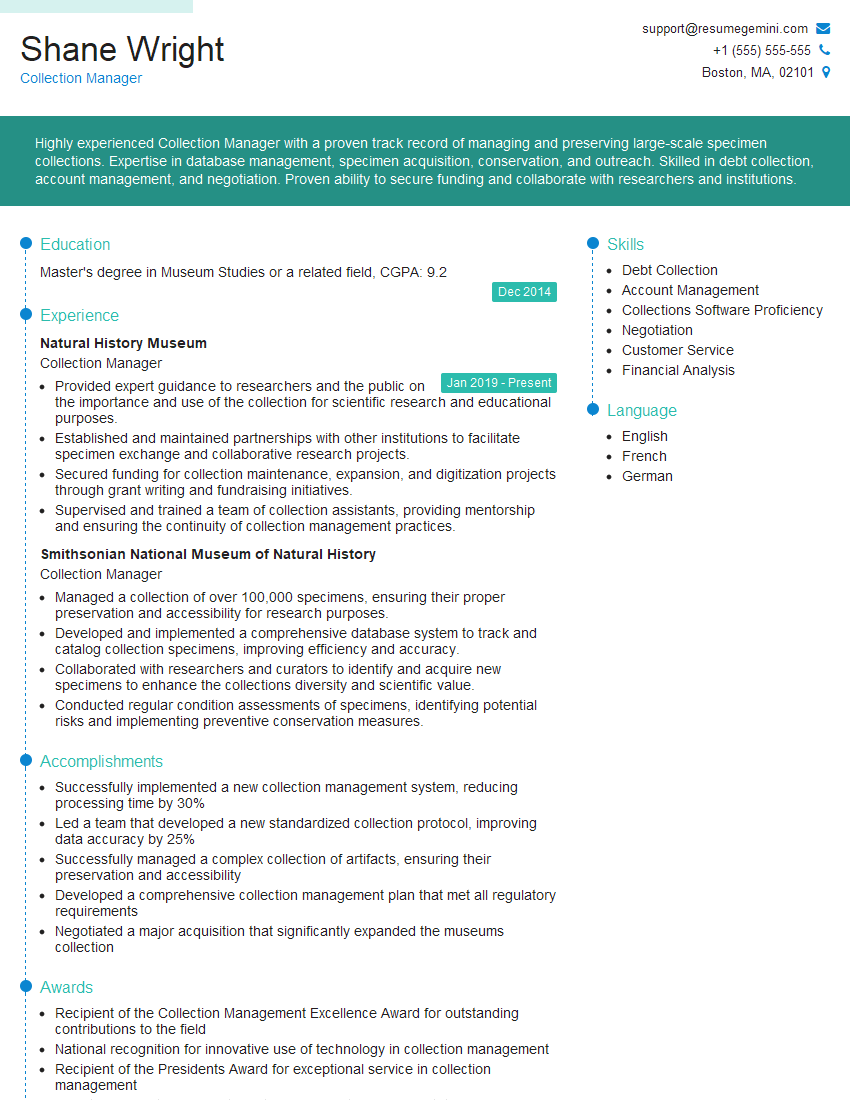
Mastering Style Forecasting opens doors to exciting career opportunities within the fashion industry and beyond. A strong understanding of these principles showcases your analytical abilities and creative vision, making you a highly sought-after candidate. To maximize your job prospects, it’s crucial to create a compelling, ATS-friendly resume that highlights your skills and experience effectively. ResumeGemini is a trusted resource that can help you build a professional resume that stands out. They provide examples of resumes tailored specifically to Style Forecasting, ensuring you present yourself in the best possible light.

Explore more articles
Users Rating of Our Blogs
Share Your Experience
We value your feedback! Please rate our content and share your thoughts (optional).
What Readers Say About Our Blog
Very informative content, great job.
good