The right preparation can turn an interview into an opportunity to showcase your expertise. This guide to Pneumatic Riveting interview questions is your ultimate resource, providing key insights and tips to help you ace your responses and stand out as a top candidate.
Questions Asked in Pneumatic Riveting Interview
Q 1. Explain the operating principle of a pneumatic riveting gun.
A pneumatic riveting gun uses compressed air to drive a rivet into place. Think of it like a super-powered hammer, but much more controlled. The compressed air enters the gun, powering a piston. This piston’s rapid movement drives a mandrel (a small, solid rod) against the rivet head, deforming the rivet’s shank and creating a strong, permanent joint. The process is fast, efficient, and ideal for repetitive tasks.
Imagine a car assembly line: workers use pneumatic riveters to quickly attach panels, saving significant time compared to manual methods. The energy from the compressed air is transferred directly into driving the rivet, resulting in consistent and strong joints. The force is adjustable, accommodating various materials and rivet sizes.
Q 2. Describe different types of pneumatic rivets and their applications.
Pneumatic rivets come in several types, each suited for different applications:
- Solid Rivets: These are the most common type, consisting of a solid cylindrical shaft with a head. They’re versatile and used in various materials. Think of them as the ‘workhorse’ of riveting. They are widely used in general sheet metal fabrication.
- Blind Rivets: These are ideal when access to only one side of the material is possible. A mandrel is pulled through the rivet’s shank, expanding the rear end to secure the joint. These are very common in automotive and aerospace applications where access to the backside of a panel is limited.
- Semi-Tubular Rivets: These have a hollow shank, offering some flexibility and often used in joining less rigid materials. Consider their use when you need a rivet that can be slightly flexible to accommodate movement or variations in material thickness.
- Countersunk Rivets: These have a countersunk head, providing a flush surface finish for a cleaner, more aesthetically pleasing look. Common in applications where a smooth, even surface is desired. Think of applications like appliances or furniture.
The choice depends heavily on the material being joined, accessibility, desired aesthetic, and required strength.
Q 3. How do you select the appropriate rivet size and type for a specific job?
Selecting the right rivet size and type involves careful consideration of several factors:
- Material Thickness: The rivet’s shank length must be sufficient to provide adequate grip and clamping force within the joined materials. Too short, and it won’t hold; too long, and it can damage the materials.
- Material Type: Different materials (aluminum, steel, etc.) have different strengths and require rivets with appropriate shear strength and hardness.
- Joint Strength Requirements: The rivet must provide the necessary strength to withstand expected loads and vibrations.
- Accessibility: If access is limited, a blind rivet is the obvious choice. If both sides are accessible, a solid rivet might be more efficient.
- Aesthetic Requirements: For a flush finish, a countersunk rivet is preferable.
Consult rivet manufacturers’ charts and specifications to find the appropriate size and type based on your specific needs. Improper selection can lead to weak joints or material damage.
Q 4. What safety precautions must be followed when using a pneumatic riveting gun?
Safety is paramount when using pneumatic riveting guns. Always:
- Wear appropriate eye protection: Flying debris is a real risk.
- Use hearing protection: Pneumatic guns are loud.
- Ensure proper ventilation: Compressed air can displace oxygen in confined spaces.
- Secure the workpiece: The work must be securely clamped or held to prevent movement during riveting.
- Never point the gun at yourself or others: Accidental discharge can cause serious injury.
- Use only the correct rivets and pressure settings: Mismatched components can lead to failure and injury.
- Regularly inspect the gun for damage or wear: Faulty equipment can malfunction and cause accidents.
Never attempt to use a damaged or poorly maintained riveting gun. Following these guidelines dramatically reduces the risk of accidents.
Q 5. Explain the process of setting up a pneumatic riveting gun.
Setting up a pneumatic riveting gun is straightforward but requires attention to detail:
- Connect the air hose: Make sure the connections are secure and air pressure is correctly adjusted based on the manufacturer’s recommendation and the rivet size.
- Inspect the gun: Check for any damage or loose parts. Ensure the mandrel and nosepiece are correctly installed.
- Test the gun’s operation: Cycle the gun a few times before starting riveting to check for proper function and pressure.
- Position the workpiece: Ensure the workpiece is secure and aligned for accurate riveting.
- Select the correct rivet: Ensure the rivet type and size are appropriate for the application. Improper rivet sizing is a very common cause of failure.
- Insert the rivet: Position the rivet in the prepared hole in your workpiece.
- Begin riveting: Gently squeeze the trigger of the gun while holding it firmly. This action prevents movement and improper setting of the rivet.
Practice on scrap materials initially to develop a feel for the gun’s operation and the force needed for optimal rivet setting.
Q 6. How do you maintain and troubleshoot a pneumatic riveting gun?
Regular maintenance and troubleshooting are vital for extending the life and efficiency of your pneumatic riveting gun:
- Regularly lubricate the gun: Follow the manufacturer’s recommendations for lubrication type and frequency. This reduces friction and wear.
- Inspect the air hose for leaks and damage: Replace damaged hoses immediately.
- Check the air filter: A clogged filter can restrict air flow and reduce gun performance.
- Clean the gun regularly: Remove any debris from the nosepiece and other components. Removing debris is crucial for smooth operation and preventing potential damage.
- Check the mandrel and nosepiece: Inspect them for wear, damage, or misalignment. Replace worn components as needed.
If the gun is malfunctioning, start by checking the air pressure, hose connections, and filter. If the problem persists, consult the manufacturer’s service manual or contact a qualified repair technician.
Q 7. What are the common causes of malfunction in pneumatic riveting guns?
Common malfunctions in pneumatic riveting guns include:
- Insufficient air pressure: Low air pressure results in weak or improperly set rivets. Check your air compressor and hose connections.
- Clogged air filter: This restricts air flow, leading to weak performance. Clean or replace the air filter.
- Worn or damaged mandrel or nosepiece: These parts wear out over time and need replacing. Inspect for damage and replace if necessary.
- Leaks in the air hose or gun: This reduces the effective air pressure. Check for leaks and repair or replace damaged components.
- Malfunctioning piston or valve: This often requires professional repair or replacement. Consult a technician if you cannot resolve the issue yourself.
Regular maintenance and careful operation can significantly reduce the likelihood of these problems occurring.
Q 8. How do you identify and address rivet failures?
Identifying rivet failures requires a keen eye and understanding of potential weaknesses. We look for several key indicators. Visual inspection is paramount; look for bulging, cracking, shearing, or head deformation. A sheared rivet, for example, indicates the rivet shank has broken, compromising the joint’s integrity. A bulging head suggests excessive force was applied during installation. Cracks, often emanating from the rivet head or shank, point to material fatigue or improper installation.
Beyond visual inspection, destructive testing might be necessary for critical applications. This could involve pulling the rivet to determine its tensile strength or sectioning the rivet and the joined materials to examine the metallurgical integrity of the bond. Addressing failures involves root cause analysis. Was it a faulty rivet, improper installation technique, material incompatibility, or excessive load? Corrective actions may range from simple re-riveting with improved technique to a complete redesign of the joint.
For instance, I once encountered a series of rivet failures on an aircraft wing panel during a routine inspection. Visual inspection revealed sheared rivets near stress concentration points. Further investigation revealed the installer hadn’t used the correct rivet size for the material thickness. We corrected the problem by using appropriately sized rivets and retraining the installation team. This prevented potential catastrophic failures.
Q 9. Describe different riveting techniques (e.g., blind riveting, solid riveting).
Pneumatic riveting encompasses several techniques, each suited to different applications. Solid riveting is a classic approach where a solid rivet is driven into place, forming a head on the opposite side. This method is robust and provides a very strong joint, but it requires access to both sides of the workpiece. Blind riveting, in contrast, is used when access to only one side is possible. A special rivet with a pre-formed head is inserted through the materials, and then a setting tool deforms the shank, forming a second head on the opposite side. This is incredibly versatile and often used in manufacturing and construction. There are various blind rivet types, including pull-through rivets, which have a mandrel that’s pulled through to form the second head; and self-piercing rivets, which pierce the materials as they’re set, eliminating the need for pre-drilled holes. The choice depends on material thickness, accessibility, and required strength.
Think of it like this: solid riveting is like hammering a nail completely through a piece of wood; blind riveting is like using a special nail that forms a head on the other side without needing to reach it.
Q 10. What are the advantages and disadvantages of pneumatic riveting compared to other fastening methods?
Pneumatic riveting offers several advantages over other fastening methods. Its speed and efficiency are unmatched for high-volume applications. The consistent force application helps produce uniform rivets, reducing the risk of inconsistent joints. Also, it’s relatively portable and can be used in various locations. However, it does have drawbacks. The initial investment in pneumatic tools can be significant, and specialized training is needed for proper operation to prevent damage. The noise levels during operation can be high, requiring hearing protection. Compared to welding, which offers superior strength in some cases, pneumatic riveting lacks the same level of robustness for extremely high-stress applications. Other methods, such as adhesive bonding, may offer advantages in specific scenarios, particularly when dealing with delicate or dissimilar materials.
Q 11. How do you ensure consistent rivet quality?
Ensuring consistent rivet quality involves a multi-pronged approach. First, using calibrated tools is crucial. The pneumatic rivet gun should be regularly maintained and calibrated to ensure consistent force application. Second, using rivets of appropriate size and material for the joined materials is vital. Selecting the wrong rivet can lead to failures. Third, proper operator training is non-negotiable. This ensures the rivets are installed correctly, with the right amount of force and consistent alignment. Regularly checking the quality of the installed rivets with visual inspection can identify problems early. And finally, implementing quality control procedures, like sampling and testing of finished products, can help to identify systemic issues and ensure that your riveting process meets all quality standards.
Q 12. What are the critical factors affecting rivet strength and durability?
Several critical factors influence rivet strength and durability. The material properties of both the rivet and the joined materials are fundamental. The rivet material should have adequate tensile strength and ductility to withstand the expected loads. The joined materials should be compatible with the rivet material and possess sufficient strength to prevent premature failure. The rivet design, including its diameter, length, and head configuration, influences strength. Proper installation is vital to achieve maximum strength. Over-driving can cause damage to the rivet or the joined materials. Under-driving may result in a loose rivet and an insecure joint. Environmental factors such as temperature and humidity can also affect rivet performance over time. For instance, corrosion can weaken the rivet and the surrounding materials. Finally, the applied load and the type of stress (tension, shear, etc.) on the joint determine its lifespan.
Q 13. How do you calculate the required rivet size for a given material thickness?
Calculating the required rivet size isn’t a simple formula, but rather depends on multiple factors. It is guided by engineering standards and manufacturer specifications. The primary factors are the material thickness of the parts being joined, the material type, and the expected load on the joint. There are tables and charts provided by rivet manufacturers, or you can use software for engineering calculations that will account for safety factors and material properties. A crucial consideration is the grip length – the portion of the rivet shank embedded within the joined materials. The grip length needs to be sufficient to ensure proper clamping force but not so long as to cause the rivet head to bulge. In most cases, consulting relevant industry standards (like those published by organizations like ASTM) and manufacturer data sheets are essential for accurate rivet sizing. Ignoring these guidelines can lead to undersized rivets that fail prematurely or oversized rivets that damage the materials.
Q 14. Explain the importance of proper rivet spacing and pattern.
Proper rivet spacing and pattern are crucial for distributing the load across the joint and preventing stress concentration. Insufficient spacing can lead to rivet failure under stress. Too much spacing weakens the structure. The pattern itself influences load distribution. Common patterns include staggered rows and straight rows. Staggered patterns offer better load distribution compared to straight rows because they are less prone to forming weak points along single lines. The choice of spacing and pattern depends on the load requirements, material properties, and overall design of the structure. For instance, a structure subjected to high shear loads might benefit from a closer spacing pattern than a structure under primarily tensile stress. Many of the considerations are given by industry standards, manufacturing guidelines, and best practices.
Q 15. Describe the role of the air pressure regulator in pneumatic riveting.
The air pressure regulator in a pneumatic riveting gun is crucial for controlling the force of the rivet-setting process. Think of it as the gun’s throttle; it determines how much compressed air reaches the piston, thus controlling the power of the blow that sets the rivet. Without a regulator, you’d either have inconsistent rivet setting (too weak or too strong) or risk damaging the gun and workpiece due to excessive force.
The regulator typically consists of a valve that allows you to adjust the incoming air pressure, usually via a dial or knob. This adjusted pressure is then supplied to the pneumatic mechanism. This precise control is vital for working with various rivet diameters and materials, ensuring consistent, high-quality results.
For instance, a smaller diameter rivet would require less air pressure than a larger one, preventing deformation or breakage. The regulator allows for this fine-tuning, optimizing the riveting process for different applications.
Career Expert Tips:
- Ace those interviews! Prepare effectively by reviewing the Top 50 Most Common Interview Questions on ResumeGemini.
- Navigate your job search with confidence! Explore a wide range of Career Tips on ResumeGemini. Learn about common challenges and recommendations to overcome them.
- Craft the perfect resume! Master the Art of Resume Writing with ResumeGemini’s guide. Showcase your unique qualifications and achievements effectively.
- Don’t miss out on holiday savings! Build your dream resume with ResumeGemini’s ATS optimized templates.
Q 16. What are the signs of a worn-out pneumatic riveting gun?
A worn-out pneumatic riveting gun displays several telltale signs. The most obvious is a decrease in the riveting force – the gun struggles to set rivets correctly, resulting in loose or improperly formed rivet heads. You might also notice excessive vibration or noise during operation, suggesting worn internal components.
- Weak rivet setting: This is the primary indicator, often leading to improperly formed heads or rivets popping out.
- Increased air consumption: Worn seals and pistons lead to air leaks, requiring more compressed air to achieve the same result.
- Excessive vibration or noise: Internal wear, such as a worn piston or hammer, often manifests as increased noise and vibration.
- Leaks around the nosepiece or cylinder: This points to worn seals or O-rings needing replacement.
- Slow trigger response: A sluggish or delayed response indicates internal friction due to wear.
If you encounter any of these, it’s time for a thorough inspection and potential repairs or replacement of worn parts.
Q 17. How do you interpret manufacturer’s specifications for pneumatic riveting guns?
Manufacturer’s specifications for pneumatic riveting guns are crucial for safe and efficient operation. They provide essential data for selecting the right tool for the job and maintaining it properly. These specifications usually include:
- Operating pressure range: This dictates the safe and optimal air pressure range for the gun. Operating outside this range can damage the tool or produce inconsistent results.
- Rivet size capacity: The specifications clarify the diameter and length ranges of rivets the gun can effectively handle.
- Air consumption rate: This helps determine the required compressor capacity to avoid operational issues.
- Weight and dimensions: Important for selecting a tool suitable for the application and operator’s comfort.
- Maintenance requirements: Details on lubrication intervals, component replacement schedules, and safety precautions.
Always meticulously read and follow the manufacturer’s specifications. For example, if the specification says the gun operates optimally at 90 PSI, exceeding that pressure can cause premature wear and even damage the gun. Similarly, using the gun outside its specified rivet size range can lead to inconsistent riveting quality or tool failure.
Q 18. Explain the process of replacing worn components in a pneumatic riveting gun.
Replacing worn components in a pneumatic riveting gun requires careful attention to detail and safety. Before you start, always disconnect the air supply and ensure the gun is depressurized. The specific procedure depends on the gun’s design, but generally follows these steps:
- Identify the worn component: This might involve inspecting seals, pistons, hammers, or other internal parts.
- Obtain replacement parts: Use only parts specified by the manufacturer to ensure proper fit and function.
- Disassemble the gun: Consult the manufacturer’s service manual for proper disassembly instructions; some guns require specialized tools.
- Replace the worn part: Carefully install the new part, ensuring proper alignment and seating.
- Reassemble the gun: Follow the manufacturer’s instructions precisely to avoid misalignments or damage.
- Test the gun: After reassembly, test the gun with appropriate rivets to verify correct functionality and rivet setting quality.
Remember, working with pneumatic tools requires mechanical aptitude. If you’re uncomfortable performing this yourself, consult a qualified technician to avoid potential injury or damage to the tool.
Q 19. How do you clean and lubricate a pneumatic riveting gun?
Regular cleaning and lubrication are vital for maintaining the lifespan and performance of your pneumatic riveting gun. Start by disconnecting the air supply and depressurizing the gun.
- Cleaning: Use compressed air to blow out any debris or dust from the tool’s exterior and air intake. For more thorough cleaning, you might need to use a brush and a suitable solvent (check your manufacturer’s recommendations). Never use water or harsh chemicals.
- Lubrication: Apply a small amount of pneumatic tool lubricant (avoid using ordinary oil) to the recommended lubrication points specified in the manufacturer’s manual. This is usually around the moving parts like the piston and trigger mechanism. Avoid over-lubrication, as this can attract dust and debris.
- Inspection: After cleaning and lubrication, carefully inspect for any signs of wear or damage. Pay close attention to seals and O-rings for cracking or deterioration.
Regular maintenance, even just a quick cleaning and lubrication after each use, will drastically extend the life of your pneumatic riveting gun and ensure optimal performance.
Q 20. Describe the procedure for proper rivet head inspection.
Proper rivet head inspection is critical to ensure the structural integrity of the riveted joint. After setting a rivet, check for several key characteristics:
- Flushness: The rivet head should be flush with or slightly countersunk below the surface of the workpiece, depending on the rivet type and application. An uneven or protruding head suggests an improperly set rivet.
- Head shape: The rivet head should exhibit the correct shape and size as specified for the particular rivet type. Deformed or incomplete head formation indicates insufficient setting force.
- Surface integrity: The rivet head should be free from cracks, burrs, or significant deformation. These imperfections could weaken the joint and compromise its structural integrity.
- Joint strength: Attempt to move or pull the rivet to check for firmness and stability in the joint. Any movement or easy extraction indicates a poorly set rivet.
If any of these criteria are not met, the rivet should be replaced. Consistent head inspection is an essential quality control measure that safeguards against joint failure. Think of it as a final check before moving onto the next stage.
Q 21. What are the potential hazards associated with improper riveting techniques?
Improper riveting techniques pose several hazards. The most significant is the risk of injury to the operator. Using an incorrect rivet size or applying insufficient force can cause the rivet to be improperly set, potentially leading to workpiece damage or the rivet popping out. This can cause injuries to the hands, eyes, or surrounding areas.
- Workplace injuries: Improperly set rivets can result in projectiles that cause injuries to the eyes or other body parts.
- Structural failure: Weak rivets compromise structural integrity, leading to potential collapses or failures in the assembled components.
- Equipment damage: Using excessive force or incorrect techniques can damage the riveting gun itself.
- Inconsistent quality: Improper techniques yield inconsistent results, affecting the performance and reliability of the final assembly.
Always adhere to safe operating practices, including using appropriate personal protective equipment (PPE) such as safety glasses and gloves. Training and knowledge of correct techniques are critical to mitigating these hazards.
Q 22. How do you deal with a jammed rivet?
Dealing with a jammed rivet requires a careful and methodical approach to avoid damage to the workpiece or the rivet gun. First, never force the gun. This could damage the tool or the rivet.
The process typically involves:
- Assessing the situation: Determine if the rivet is simply stuck or if there’s a more significant problem, like a bent mandrel.
- Releasing air pressure: Ensure the air supply to the rivet gun is completely off.
- Careful removal: Gently try to tap the rivet out using a punch and hammer. Start with light taps and increase the force gradually. If the rivet is flush, consider using a reverse punch.
- Mandrel extraction (if applicable): If the mandrel is bent or stuck, try using needle-nose pliers to grip and remove it. Sometimes a small drill bit can help to remove a broken mandrel.
- Inspection: Once the jammed rivet is removed, inspect the rivet gun and the workpiece for any damage. Replace the rivet gun or workpiece if necessary.
For instance, on a recent job involving thin aluminum sheets, a rivet became jammed due to a slight misalignment. A gentle tap with a soft-faced hammer solved the issue, preventing damage to the delicate sheet.
Q 23. What are the common types of rivet failures and their causes?
Rivet failures can significantly compromise the structural integrity of a joint. Several common types exist, each with its own causes:
- Shearing Failure: The rivet shank is severed due to excessive stress. This is usually caused by excessive load on the joint or a rivet that’s too small for the application.
- Tensile Failure: The rivet pulls apart under tension, leaving a gap. This happens when the tensile strength of the rivet is insufficient for the load or if the hole is oversized.
- Bearing Failure: The rivet crushes against the material around the hole, causing material deformation and failure. This is often seen with rivets that are too large for the hole or when the material is too soft.
- Buckling Failure: The rivet bends under compression. This can be caused by uneven clamping force during installation or improper hole preparation.
Identifying the cause is crucial for preventing future failures. For example, a shearing failure might indicate a need for a stronger rivet or a more robust design, while a bearing failure might highlight the need for better hole preparation or material selection.
Q 24. Explain the importance of using the correct air hose and fittings.
Using the correct air hose and fittings is critical for safety and efficient operation of a pneumatic rivet gun. The wrong hose can lead to air leaks, reduced power, or even catastrophic failures.
Here’s why correct selection is crucial:
- Air Pressure Regulation: The hose must be able to handle the pressure delivered by the compressor. An undersized hose could burst. Using a pressure regulator is vital to ensure the rivet gun receives the manufacturer’s recommended air pressure.
- Air Flow Rate: Sufficient air flow is vital for consistent operation. A restrictive hose will limit the gun’s performance and may lead to inconsistent rivets.
- Hose Material & Durability: The hose material must be compatible with the pneumatic system and resist abrasion and damage. Reinforced hoses are preferred for heavy-duty applications.
- Fittings: Fittings must be correctly sized and compatible with both the air compressor and the rivet gun. Leaky connections will significantly reduce efficiency and waste compressed air.
For example, I once witnessed a severely kinked air hose causing a significant pressure drop. This led to inconsistent rivet setting and eventually caused a rivet failure. Using a correctly sized and properly maintained hose is non-negotiable for safety and efficiency.
Q 25. How do you ensure the proper alignment of rivets during installation?
Ensuring proper rivet alignment is essential for a strong and reliable joint. Improper alignment can lead to stress concentrations and premature failure.
Here are some methods to ensure proper alignment:
- Accurate Hole Placement: Use precise drilling techniques and templates to create holes that are correctly spaced and sized.
- Using alignment tools: Jigs and fixtures can be invaluable for aligning rivets, especially in complex assemblies.
- Visual Inspection: Always inspect the alignment before setting the rivet. Even a slight misalignment is detrimental.
- Careful Rivet Gun Positioning: Position the rivet gun perpendicular to the workpiece, ensuring the rivet is centered and straight within the holes.
- Proper Workpiece Clamping: Securely clamp the workpiece to prevent movement during rivet installation. This is especially important for thin or flexible materials.
For example, during a large-scale aircraft assembly project, the use of precisely manufactured jigs ensured all rivet alignments were within tolerance, avoiding the potential for costly rework or structural issues.
Q 26. How do you handle different material types when pneumatic riveting?
Different materials require different approaches when pneumatic riveting. Material properties like hardness, thickness, and ductility significantly influence rivet selection and installation parameters.
Considerations:
- Material Hardness: Harder materials may require more force or a different rivet type to achieve proper setting. Using the wrong rivet could lead to a broken mandrel or a poorly formed rivet head.
- Material Thickness: Thicker materials necessitate longer rivets to ensure sufficient grip length. Thin materials need shorter rivets to avoid pushing through.
- Material Ductility: Ductile materials deform more readily, allowing for easier rivet setting. Brittle materials can be more prone to cracking or fracturing during riveting.
- Rivet Material Selection: Different rivet materials are chosen based on the workpiece material to ensure compatibility and sufficient strength.
- Adjusting Rivet Gun Settings: The air pressure and setting force may need to be adjusted to accommodate different material types.
For example, riveting stainless steel requires a higher setting force than riveting aluminum. Failure to adjust the pneumatic rivet gun accordingly can result in improperly set rivets or damage to the tool.
Q 27. How do you conduct preventative maintenance on pneumatic riveting equipment?
Preventative maintenance is crucial for ensuring the longevity and safety of pneumatic riveting equipment. Regular maintenance minimizes downtime and prevents costly repairs.
Key maintenance steps:
- Regular Cleaning: Regularly clean the rivet gun, removing debris and oil buildup. This prevents jams and ensures smooth operation.
- Air Filter Checks: Inspect and clean or replace the air filter regularly. A clogged filter can restrict air flow and reduce the gun’s power.
- Lubrication: Lubricate moving parts according to the manufacturer’s recommendations. This reduces friction and extends the life of the gun.
- Hose Inspection: Regularly inspect the air hose for wear, tears, or kinks. Replace damaged hoses promptly.
- Functional Tests: Periodically test the rivet gun’s operation to ensure it sets rivets consistently and correctly.
- Professional Servicing: Schedule periodic professional servicing for more thorough inspections and potential repairs.
Ignoring preventative maintenance is akin to driving a car without oil changes—it might work for a while, but it will eventually lead to significant problems and potential injury. For example, failing to clean the rivet gun regularly can lead to jams that hinder productivity and may cause damage to the tool.
Q 28. Describe your experience with different types of pneumatic rivet guns.
My experience encompasses a range of pneumatic rivet guns, from lightweight models suited for delicate work to heavy-duty units designed for large-scale industrial applications.
Types of Guns:
- Pull-type rivet guns: These are common in sheet metal work and are relatively lightweight, easy to handle, and suitable for setting a wide variety of rivets.
- Squeeze-type rivet guns: These provide greater control and are better suited for applications requiring precise rivet placement and setting force.
- Blind rivet guns: Used for setting blind rivets, which are fastened from one side of the workpiece only. These are useful in situations where access to the back of the workpiece is limited.
- Heavy-duty rivet guns: These are larger and more powerful, designed to set larger rivets in thicker materials. They often incorporate features for increased durability and operator comfort.
Each type has its strengths and weaknesses, and selecting the right tool depends on the specific application. For example, when working with thin aluminum sheets, I prefer a lightweight pull-type gun, while a heavy-duty rivet gun is essential for joining thick steel plates. My experience includes utilizing these different types to suit the given materials and rivet size in varied industrial applications.
Key Topics to Learn for Your Pneumatic Riveting Interview
- Pneumatic System Fundamentals: Understanding compressed air generation, distribution, and regulation; pressure, flow rate, and their impact on riveting performance.
- Riveting Tool Operation and Maintenance: Safe and efficient use of pneumatic rivet guns; routine maintenance procedures, troubleshooting common malfunctions (e.g., air leaks, hammer malfunctions).
- Rivet Selection and Application: Choosing the appropriate rivet type and size based on material properties and joint requirements; techniques for achieving consistent and strong rivet joints.
- Safety Procedures and Regulations: Understanding and adhering to safety protocols related to compressed air systems and pneumatic tools; recognizing and mitigating potential hazards.
- Material Compatibility and Joint Design: Knowledge of different materials used in riveting applications and their interaction with rivets; principles of sound joint design for optimal strength and durability.
- Quality Control and Inspection: Techniques for inspecting rivet joints for quality and identifying defects; understanding quality control standards and documentation.
- Troubleshooting and Problem Solving: Diagnosing and resolving common issues encountered during pneumatic riveting; applying systematic troubleshooting methods.
Next Steps: Unlock Your Career Potential
Mastering pneumatic riveting opens doors to rewarding career opportunities in diverse industries. A strong understanding of this skillset makes you a highly valuable asset, significantly increasing your employability and earning potential. To maximize your job prospects, it’s crucial to present your skills effectively. Create an ATS-friendly resume that highlights your qualifications and experience in a way that Applicant Tracking Systems can easily recognize. ResumeGemini is a trusted resource to help you build a professional, impactful resume. We provide examples of resumes tailored to the pneumatic riveting field to guide you in showcasing your expertise effectively. Take the next step toward your ideal career – build your winning resume with ResumeGemini today.
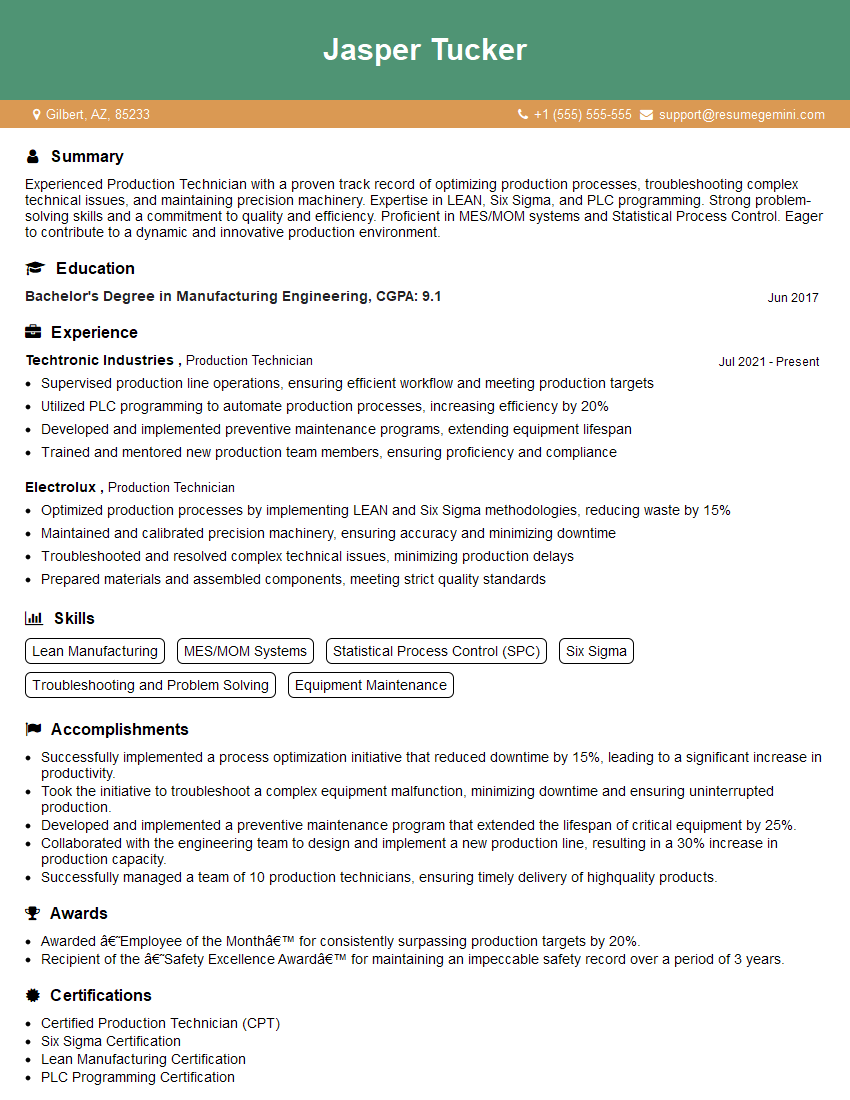
Production Technician Resume Sample

Pneumatic Riveter Resume Sample

Riveter Resume Sample

Sheet Metal Technician Resume Sample
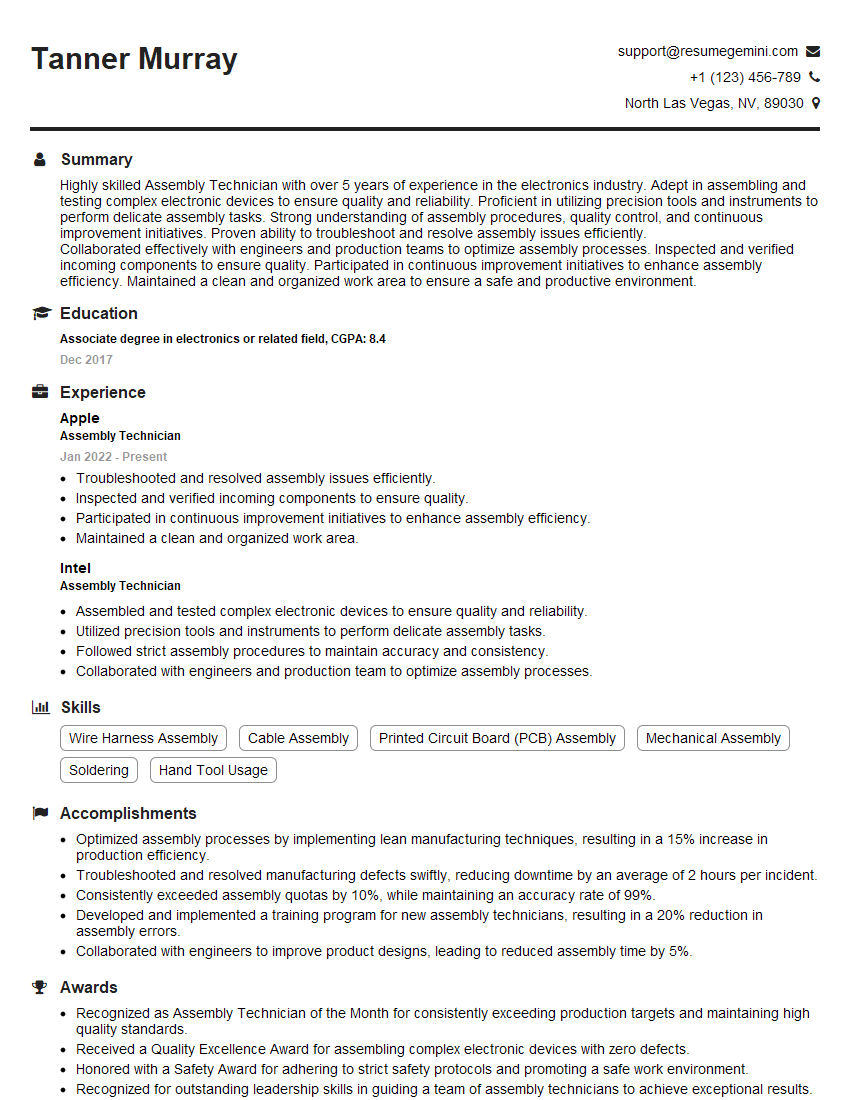
Assembly Technician Resume Sample
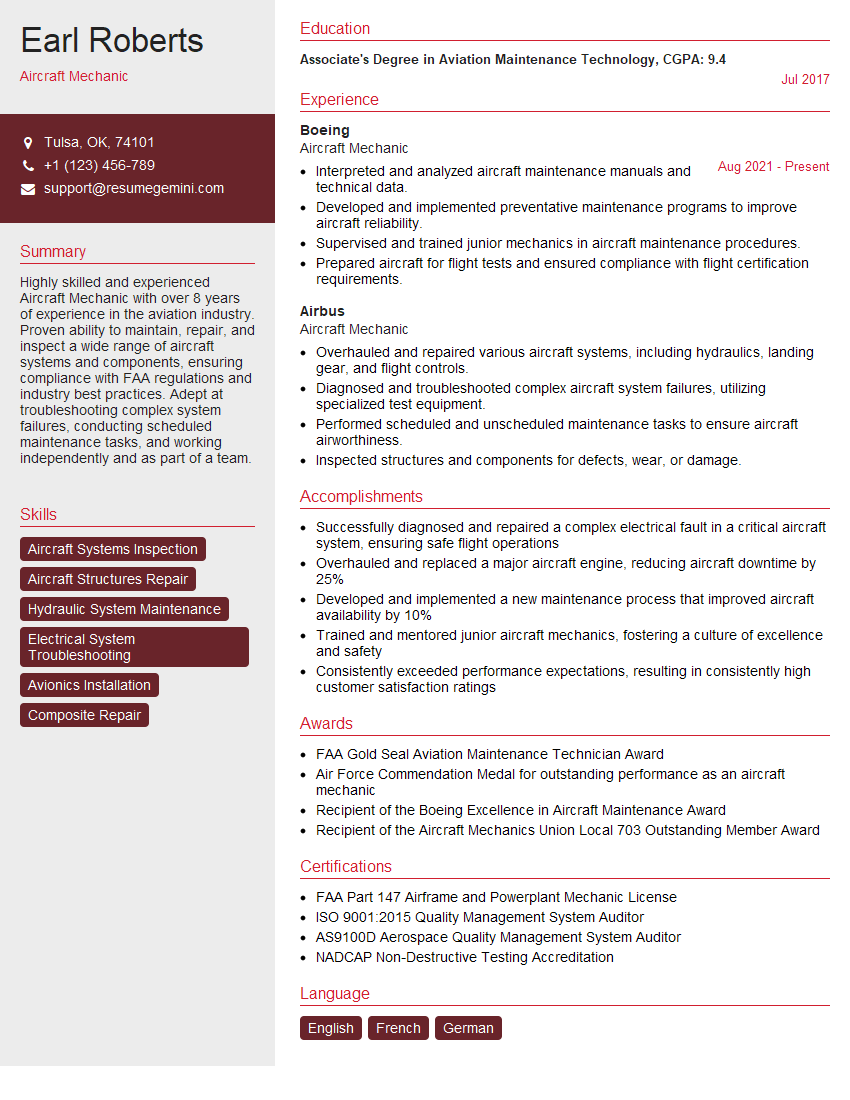
Aircraft Mechanic Resume Sample

Industrial Mechanic Resume Sample

Fabrication Technician Resume Sample

Plant Maintenance Technician Resume Sample

Facilities Maintenance Technician Resume Sample
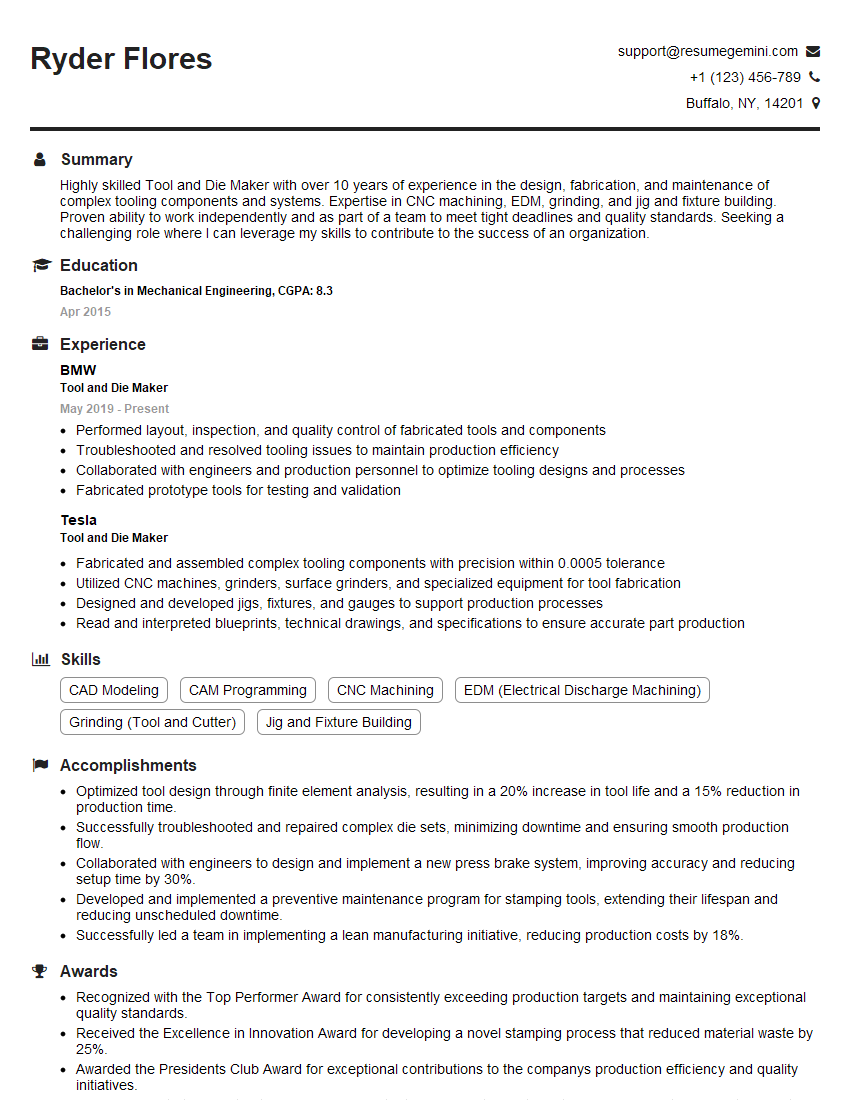
Tool and Die Maker Resume Sample
Explore more articles
Users Rating of Our Blogs
Share Your Experience
We value your feedback! Please rate our content and share your thoughts (optional).
What Readers Say About Our Blog
Very informative content, great job.
good