Are you ready to stand out in your next interview? Understanding and preparing for Positive attitude and strong work ethic interview questions is a game-changer. In this blog, we’ve compiled key questions and expert advice to help you showcase your skills with confidence and precision. Let’s get started on your journey to acing the interview.
Questions Asked in Positive attitude and strong work ethic Interview
Q 1. Describe a time you faced a setback at work. How did you maintain a positive attitude?
Setbacks are inevitable in any professional journey. The key is not to let them derail you, but to learn from them and maintain a positive outlook. In one instance, a project I was leading experienced significant delays due to unforeseen technical challenges. Initially, I felt frustrated and discouraged. However, I consciously shifted my focus. I reframed the situation as an opportunity for growth and learning, focusing on solutions rather than dwelling on the problem.
Specifically, I held a team meeting to openly discuss the challenges and brainstorm solutions collaboratively. We broke down the complex problem into smaller, manageable tasks, assigning responsibilities and setting realistic new deadlines. We also implemented improved communication channels to prevent future misunderstandings. By actively focusing on solutions and maintaining open communication, we successfully delivered the project albeit slightly behind schedule, but with valuable lessons learned and a strengthened team dynamic. The positive attitude fostered resilience and ultimately led to a successful outcome.
Q 2. How do you handle criticism constructively?
Constructive criticism is invaluable for professional growth. I approach it with an open mind and a willingness to learn. I don’t take criticism personally, instead viewing it as feedback intended to help me improve. My approach involves active listening, clarifying any points I’m unclear about, and thanking the person for their time and insights. I then reflect on the feedback, identifying areas where I can improve my skills or approach. Finally, I create an action plan to address the specific points raised in the criticism and ensure that any mistakes are rectified and that lessons learned are applied to future projects.
For example, if I receive feedback that my reports lack clarity, I wouldn’t become defensive; instead, I would analyze the feedback and perhaps attend a workshop on effective business writing or seek mentorship from a colleague known for their clear communication style. The goal is to turn the criticism into a catalyst for positive change.
Q 3. Give an example of a time you went above and beyond in your work.
Going above and beyond isn’t about grand gestures, but consistent dedication to exceeding expectations. In a previous role, our team was facing a critical deadline on a major client presentation. We were significantly behind schedule due to unforeseen circumstances. While everyone was working diligently, I noticed a significant bottleneck in data analysis. I volunteered to work extra hours, spending evenings and weekends assisting with data cleaning and analysis. This enabled the team to complete the presentation on time, and it was exceptionally well received by the client, resulting in securing a significant extension to our contract. My contribution showcased commitment to the team’s success and the project’s ultimate success. This wasn’t just about meeting the deadline; it was about ensuring the highest quality of work and positively impacting the team’s and company’s overall success.
Q 4. How do you prioritize tasks when facing multiple deadlines?
Prioritizing tasks effectively under pressure is crucial. I utilize a combination of techniques to manage multiple deadlines. First, I create a comprehensive to-do list, breaking down large tasks into smaller, manageable steps. Then, I prioritize these tasks based on urgency and importance using methods like the Eisenhower Matrix (urgent/important), assigning each task a deadline and estimated time commitment. This provides a clear visual representation of workload and helps identify potential bottlenecks. I also regularly review and adjust my priorities as circumstances change. This flexibility is vital in dynamic environments, and regular review helps to ensure efficiency and prevent feeling overwhelmed.
Q 5. Describe your approach to teamwork and collaboration.
Teamwork is essential for success. I believe in fostering a collaborative environment based on open communication, mutual respect, and shared responsibility. I actively contribute to team discussions, offering my expertise while being receptive to others’ ideas. I am comfortable taking both leadership and supportive roles, depending on the needs of the project. I believe in clear communication, making sure everyone is informed, understands their roles, and feels heard. Conflict resolution is crucial, and I strive to address conflicts promptly and constructively, focusing on finding mutually beneficial solutions. Building strong relationships with my teammates is a priority, as this creates a more positive and productive work environment.
Q 6. How do you handle stress and pressure in a high-stakes environment?
High-stakes environments inevitably bring stress and pressure. My approach is multifaceted. Firstly, proactive planning and organization are key. Breaking down large projects into smaller, manageable tasks reduces feelings of being overwhelmed. Secondly, maintaining a healthy work-life balance is crucial. This includes prioritizing sufficient sleep, regular exercise, and time for relaxation. I also utilize stress-management techniques such as deep breathing exercises or mindfulness practices to manage immediate pressure. Finally, open communication with my team and manager helps to share the workload and address potential challenges early on. The goal isn’t to eliminate stress entirely but to develop healthy coping mechanisms to manage it effectively.
Q 7. How do you stay motivated when facing challenging projects?
Maintaining motivation during challenging projects requires a strategic approach. I start by clearly defining the project goals and their importance, connecting them to a larger purpose or organizational objective. This helps maintain focus and purpose. Regularly reviewing progress and celebrating small wins helps to maintain momentum and boost morale. Seeking feedback and collaborating with the team reinforces a sense of shared accomplishment and collective support. Finally, reflecting on previous successes and drawing strength from past experiences helps me to approach new challenges with confidence and optimism.
Q 8. Describe a time you had to adapt to a significant change at work.
Adaptability is crucial in today’s dynamic work environment. A significant change I encountered was the transition from a traditional project management system to a fully agile methodology. Initially, I felt overwhelmed by the shift from sequential tasks to iterative sprints and daily stand-ups. However, I approached this change with a positive attitude, viewing it as an opportunity for growth.
My strategy involved a three-pronged approach: Firstly, I actively sought training and resources to understand the agile framework, focusing on Scrum principles and Kanban boards. Secondly, I embraced collaborative learning by engaging actively in team discussions and seeking guidance from experienced agile practitioners. Finally, I maintained open communication with my team and manager, sharing my progress and any challenges encountered, ensuring transparency and proactive problem-solving. This proactive approach allowed me to not only adapt smoothly but also become a strong advocate for the new system within the team.
Q 9. How do you ensure you consistently meet deadlines?
Meeting deadlines consistently requires a proactive and organized approach. My strategy combines effective planning with diligent execution. I begin by breaking down large tasks into smaller, manageable sub-tasks, assigning each a realistic timeframe. I then utilize project management tools like Trello or Asana to visualize my workflow and track progress.
Beyond planning, I prioritize tasks based on urgency and importance, using methods like the Eisenhower Matrix (urgent/important). Regular review of my schedule allows me to identify potential bottlenecks and proactively adjust my plan. Furthermore, I communicate proactively with stakeholders regarding potential delays or challenges, ensuring transparency and fostering collaboration. This proactive communication helps prevent unforeseen issues and maintains a strong working relationship. Finally, I always build in buffer time to accommodate for unexpected setbacks.
Q 10. Describe your personal approach to continuous learning and improvement.
Continuous learning and improvement are integral to my professional philosophy. I approach it with a structured and proactive mindset. My learning strategy is multi-faceted. Firstly, I actively seek opportunities for formal training, such as online courses, workshops, and conferences relevant to my field. Secondly, I engage in informal learning through reading industry publications, blogs, and listening to podcasts. I also actively participate in professional networking events and communities to learn from peers and industry experts.
Finally, and perhaps most importantly, I actively seek feedback from colleagues and superiors, using it as a catalyst for improvement. I view constructive criticism not as a personal attack but as an invaluable opportunity to identify areas needing refinement. By consistently embracing these strategies, I ensure continuous growth and improvement in my skills and knowledge.
Q 11. Give an example of a time you demonstrated initiative.
Initiative is about identifying opportunities and taking action proactively. In my previous role, I noticed that our team’s reporting process was inefficient and time-consuming. It involved multiple manual steps and relied on outdated spreadsheet software. I saw an opportunity for improvement and took the initiative to propose a solution.
I researched alternative reporting tools and presented a proposal to my manager outlining the benefits of migrating to a more efficient system, including a cost-benefit analysis. My proposal included a detailed plan for the transition, including training for the team. My initiative was well-received, and the implementation of the new system significantly improved our team’s efficiency, saving valuable time and resources. This demonstrates my commitment to identifying areas for improvement and taking proactive steps to enhance productivity and efficiency.
Q 12. How do you handle conflict within a team?
Conflict is an inevitable part of teamwork, but it can be effectively managed through open communication and collaboration. My approach emphasizes active listening and empathy. When a conflict arises, I prioritize understanding the perspectives of all involved parties before attempting to find a solution.
I encourage open dialogue, creating a safe space for everyone to express their concerns without interruption. I focus on the issue at hand, avoiding personal attacks, and facilitate a discussion aimed at finding common ground. If necessary, I mediate the conversation, helping the parties identify shared goals and potential compromises. My goal is not to win the argument, but to find a solution that works for the team as a whole, preserving positive working relationships.
Q 13. Describe a time you had to work with difficult colleagues. How did you handle the situation?
I’ve worked with colleagues whose work styles differed significantly from my own. In one instance, a team member consistently missed deadlines and lacked proactive communication. Instead of resorting to negativity, I opted for a supportive and constructive approach.
I initiated a private conversation, expressing my concerns while focusing on the impact of their actions on the team’s overall success rather than placing blame. I offered to assist them in managing their workload, suggesting time management techniques and offering to help them prioritize tasks. This collaborative approach fostered a more positive working relationship, improving their performance and contributing to a more harmonious team environment. The key was maintaining a professional and supportive demeanor, focusing on collaboration rather than confrontation.
Q 14. How do you stay organized and manage your time effectively?
Effective time and organization management are paramount for productivity. I employ a combination of techniques to maintain a structured and efficient workflow. I utilize digital calendars and task management tools to schedule appointments, set deadlines, and track progress on projects. I prioritize tasks based on urgency and importance, employing the Eisenhower Matrix as a framework.
I allocate specific time blocks for focused work, minimizing interruptions. Regular review of my schedule allows for proactive adjustments and the identification of potential bottlenecks. Additionally, I strive to maintain a clean and organized workspace, both physical and digital, to reduce stress and improve focus. This structured approach ensures I can efficiently manage my time and maintain a high level of productivity.
Q 15. How do you measure your own success?
I measure my success not solely by tangible achievements like promotions or awards, but by a holistic assessment of my growth and impact. This involves several key metrics:
- Skill Development: Am I consistently learning and improving my skills? Do I actively seek out challenges that push me beyond my comfort zone?
- Contribution to Team Goals: Have I effectively collaborated with my team to achieve shared objectives? Have I contributed innovative ideas or solutions?
- Personal Growth: Am I becoming a more well-rounded professional and individual? Have I developed crucial soft skills like communication and teamwork?
- Positive Impact: Have I made a positive impact on my colleagues, clients, or the organization as a whole? Do I leave things better than I found them?
For example, recently I took the initiative to learn a new programming language relevant to a project. While the project itself wasn’t directly tied to my role, the new skills allowed me to contribute more effectively to the team, and that contributed significantly to my sense of accomplishment.
Career Expert Tips:
- Ace those interviews! Prepare effectively by reviewing the Top 50 Most Common Interview Questions on ResumeGemini.
- Navigate your job search with confidence! Explore a wide range of Career Tips on ResumeGemini. Learn about common challenges and recommendations to overcome them.
- Craft the perfect resume! Master the Art of Resume Writing with ResumeGemini’s guide. Showcase your unique qualifications and achievements effectively.
- Don’t miss out on holiday savings! Build your dream resume with ResumeGemini’s ATS optimized templates.
Q 16. What strategies do you use to stay focused and productive?
Staying focused and productive requires a multi-pronged approach. I utilize several strategies, including:
- Prioritization: I use techniques like Eisenhower Matrix (Urgent/Important) to prioritize tasks. This ensures I tackle the most critical items first, avoiding getting bogged down in less important details.
- Time Blocking: I allocate specific time slots for particular tasks in my day, minimizing context switching and maximizing concentration. This is especially helpful for deep work requiring intense focus.
- Minimizing Distractions: I create a conducive work environment, often minimizing notifications and interruptions. This might involve using website blockers or turning off social media during focused work periods.
- Regular Breaks: Short, regular breaks are crucial for maintaining focus. I typically take a 5-10 minute break every hour to stretch, walk around, or simply clear my mind.
- Goal Setting: Setting clear, achievable daily and weekly goals provides direction and motivation. This breaks down larger, daunting tasks into smaller, manageable steps.
For instance, during a particularly busy project phase, I implemented time blocking to dedicate specific hours to coding, testing, and documentation, preventing burnout and ensuring consistent progress.
Q 17. Describe a time you learned from a mistake. What did you do differently next time?
In a previous role, I underestimated the time required for a complex report, leading to a missed deadline. The mistake highlighted the importance of thorough planning and realistic time estimation.
Next time, I addressed this by implementing these changes:
- Detailed Task Breakdown: I broke the report creation into smaller, more manageable tasks, making it easier to estimate individual times.
- Contingency Planning: I added buffer time to account for unexpected delays or challenges. This prevented a similar situation from occurring.
- Regular Check-ins: I scheduled regular check-ins with my supervisor to discuss progress and address potential roadblocks proactively.
This more structured approach allowed me to complete future reports on time and with higher quality.
Q 18. How do you maintain a positive work-life balance?
Maintaining a positive work-life balance is crucial for long-term well-being and productivity. My strategies include:
- Clear Boundaries: I set clear boundaries between work and personal life. This means disconnecting from work emails and calls outside of working hours.
- Regular Downtime: I schedule regular downtime for activities that I enjoy, such as exercising, spending time with family, or pursuing hobbies. These activities help me recharge and prevent burnout.
- Prioritization: I prioritize both my work and personal commitments. This might involve saying no to additional projects if my workload is already full.
- Mindfulness and Self-Care: I practice mindfulness techniques like meditation or yoga to reduce stress and improve mental clarity.
For instance, I make sure to leave work promptly on Fridays to spend quality time with my family. This dedicated time off is critical for my overall well-being.
Q 19. Give an example of a time you had to deal with an unexpected problem at work. How did you solve it?
During a critical project, a key software component unexpectedly failed, jeopardizing the deadline. I reacted by:
- Assessing the Situation: I immediately diagnosed the problem, determining the scope and impact of the failure.
- Formulating a Solution: I explored several solutions, ranging from a temporary workaround to identifying and fixing the root cause.
- Communicating Effectively: I communicated transparently with my team and stakeholders, keeping them informed of the situation and potential solutions.
- Implementing the Solution: I collaborated with the team to implement the chosen solution, prioritizing speed and effectiveness.
In this case, a temporary workaround allowed us to meet the immediate deadline while we worked to find a long-term fix. The situation highlighted the value of quick thinking, collaboration, and clear communication under pressure.
Q 20. How do you ensure accuracy and attention to detail in your work?
Ensuring accuracy and attention to detail is paramount in my work. I employ several techniques:
- Double-Checking: I always double-check my work, carefully reviewing for errors and inconsistencies. This includes proofreading documents, verifying data, and testing code thoroughly.
- Using Checklists: Checklists are useful for ensuring I complete all necessary steps and don’t overlook details, particularly in complex tasks.
- Seeking Feedback: I actively seek feedback from colleagues or supervisors to catch any potential errors or areas for improvement.
- Organized Workflow: I maintain an organized workflow to avoid mistakes due to disorganization or oversight.
For example, before submitting any important report, I always have a colleague review it for accuracy and clarity. This additional layer of verification significantly reduces the risk of errors.
Q 21. Describe your preferred method for receiving feedback.
My preferred method for receiving feedback is direct, constructive, and specific. I appreciate feedback delivered in a timely manner, ideally in a private setting where I can ask clarifying questions.
I find the most helpful feedback is:
- Actionable: Feedback that clearly identifies areas for improvement and suggests specific steps for improvement.
- Specific: Rather than general statements, I prefer specific examples illustrating areas needing improvement.
- Balanced: Feedback that recognizes both strengths and weaknesses offers a more comprehensive and helpful perspective.
I view feedback as an opportunity for growth and actively seek it out, viewing it as a crucial part of continuous professional development.
Q 22. How do you handle situations where your opinion differs from your colleagues?
Disagreements are inevitable in collaborative environments. My approach focuses on respectful communication and constructive problem-solving. I believe that diverse perspectives enrich decision-making. First, I actively listen to understand my colleagues’ viewpoints, ensuring I fully grasp their reasoning. Then, I clearly and respectfully articulate my own opinion, emphasizing the rationale behind it. I look for common ground and explore potential compromises. If consensus isn’t immediately reached, I’m open to seeking a neutral third party’s perspective or using data to support my arguments. The goal is always a collaborative solution that benefits the team and project.
For example, in a previous project, my team disagreed on the best approach to a software design challenge. Instead of dismissing each other’s ideas, we held a brainstorming session where everyone presented their solutions and the underlying reasons. By focusing on the shared goal of creating efficient and robust software, we found a hybrid solution that incorporated the best aspects of each approach.
Q 23. What motivates you to achieve high standards in your work?
My drive for high standards stems from a deep sense of responsibility and a commitment to excellence. I find immense satisfaction in producing high-quality work that meets or exceeds expectations. It’s not just about meeting deadlines; it’s about exceeding them while maintaining a meticulous attention to detail. The motivation comes from a combination of factors: intrinsic pride in my work, a desire to contribute meaningfully to the team’s success, and a commitment to continuous improvement. I’m motivated by the challenge of pushing boundaries and refining my skills.
For instance, during a particularly demanding project involving the development of a complex algorithm, I went above and beyond the initial requirements. I spent extra hours researching optimization techniques to ensure the algorithm performed at peak efficiency, resulting in significantly improved performance and exceeding the client’s expectations.
Q 24. How do you contribute to a positive and productive work environment?
Contributing to a positive and productive work environment is a priority for me. I believe that a positive atmosphere fosters creativity, efficiency, and collaboration. My contributions include: proactively offering support to colleagues, actively participating in team discussions, and fostering open communication. I strive to be a good listener, offer constructive feedback, and celebrate team successes. I’m also keen on maintaining a respectful and inclusive environment, ensuring everyone feels valued and heard. Small gestures, like acknowledging colleagues’ efforts or offering help when needed, can significantly impact the overall work environment.
For example, when a new team member joined, I made an effort to help them integrate smoothly by introducing them to colleagues, sharing my experiences, and answering their questions. This helped build a welcoming atmosphere and ensure their successful onboarding.
Q 25. Describe a time you had to work under tight deadlines with limited resources.
I’ve faced numerous situations with tight deadlines and limited resources. My approach involves prioritizing tasks strategically, focusing on the most critical aspects first, and effectively utilizing available resources. I utilize project management techniques like breaking down large tasks into smaller, manageable components. Effective communication with stakeholders is key to managing expectations and securing any necessary support. Prioritization is crucial; I focus on tasks that directly contribute to the project’s core goals, and I’m not afraid to ask for help when needed. Utilizing available resources efficiently means optimizing time management and utilizing available technology and tools strategically.
In one project, we faced a sudden deadline reduction with fewer resources. We prioritized core functionalities, simplified certain design elements, and worked extended hours collaboratively. By focusing on what was absolutely necessary and leveraging each team member’s strengths, we successfully launched the product on time, although with a slightly reduced feature set.
Q 26. How do you deal with setbacks or failures without losing your motivation?
Setbacks are inevitable in any field. My approach focuses on viewing failures as learning opportunities rather than insurmountable obstacles. I analyze the situation objectively, identifying the root causes of the setback. I then create a plan for improvement, focusing on what I can control and learning from my mistakes. It’s crucial to maintain a positive attitude and focus on solutions rather than dwelling on the negative. Seeking support from colleagues or mentors can also be invaluable in navigating challenging periods. Remember that persistence is key, and setbacks are often stepping stones to greater success.
I once failed to secure a significant client. Instead of letting it discourage me, I analyzed the reasons for the failure, improving my presentation skills and refining my approach. This led to improved success in future client acquisition attempts.
Q 27. How do you manage your time when you have multiple priorities?
Effective time management is crucial when dealing with multiple priorities. I utilize several strategies including prioritization techniques such as the Eisenhower Matrix (urgent/important), time blocking to allocate specific time slots for specific tasks, and the use of project management tools to track progress and deadlines. Regularly reviewing my schedule and adjusting priorities as needed ensures that I remain focused and productive. I also practice effective delegation when possible to distribute workloads and avoid being overwhelmed.
I typically use a digital calendar and to-do list application to visually track my tasks and deadlines. This helps me organize my day and prioritize tasks efficiently.
Q 28. Describe a situation where you demonstrated perseverance and determination.
Perseverance and determination are integral to my work ethic. One instance that exemplifies this is when I worked on a complex research project during my graduate studies. The research involved numerous challenges and several failed attempts before achieving a breakthrough. I encountered unexpected technical difficulties, data inconsistencies, and periods of frustration, but I consistently adjusted my approach, researched alternative methods, and sought guidance from professors. Ultimately, the research led to a publication in a reputable scientific journal. This experience reinforced the value of perseverance in overcoming obstacles and achieving significant results, even when faced with setbacks.
Key Topics to Learn for Positive Attitude and Strong Work Ethic Interviews
- Defining a Positive Attitude: Understanding what constitutes a positive attitude in the workplace, including resilience, optimism, and proactive problem-solving.
- Demonstrating a Positive Attitude: Practical application: providing examples from past experiences where you showcased a positive attitude in challenging situations, focusing on your actions and outcomes.
- The Value of Perseverance: Illustrating your commitment to tasks even when facing obstacles. Highlighting instances of overcoming challenges through determination and a can-do attitude.
- Teamwork and Collaboration: Explaining how your positive attitude contributes to effective teamwork and collaboration, emphasizing mutual respect and support.
- Work Ethic Fundamentals: Defining professionalism, punctuality, responsibility, and dedication in the workplace. Providing concrete examples.
- Productivity and Efficiency: Showcasing your ability to manage time effectively, prioritize tasks, and achieve goals efficiently. Use quantifiable results to support your claims.
- Continuous Learning and Improvement: Demonstrating a proactive approach to self-improvement, highlighting your commitment to learning new skills and adapting to changing circumstances.
- Handling Constructive Criticism: Explaining how you approach feedback, focusing on learning from mistakes and using criticism to improve performance.
- Adaptability and Flexibility: Showing your ability to adjust to changing priorities and work environments with a positive and flexible mindset.
Next Steps
Mastering a positive attitude and a strong work ethic is crucial for career advancement. Employers highly value individuals who demonstrate these qualities, as they contribute to a productive and positive work environment. To increase your chances of landing your dream job, creating an ATS-friendly resume is essential. ResumeGemini is a trusted resource that can help you build a professional resume that showcases your skills and experience effectively. Examples of resumes tailored to highlight positive attitude and a strong work ethic are available to guide you through the process. Invest time in crafting a compelling narrative that showcases your unique attributes; it’s an investment in your future success.
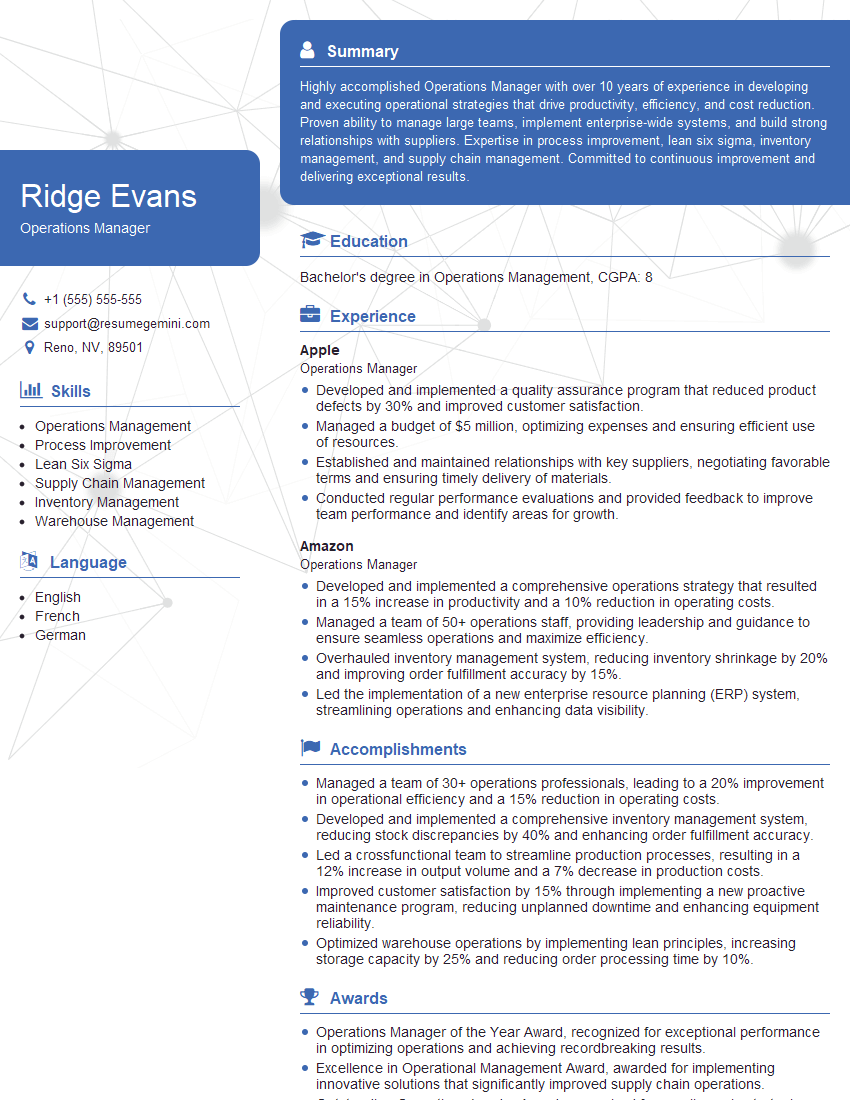
Operations Manager Resume Sample
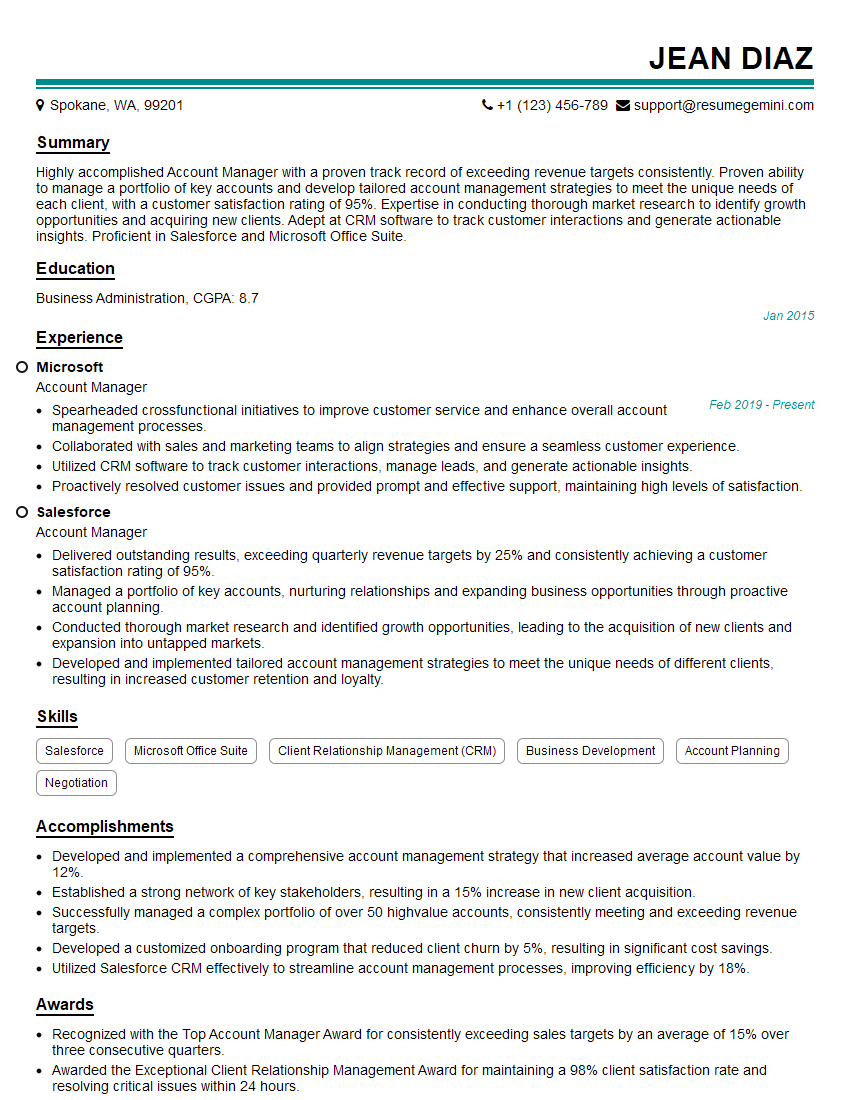
Account Manager Resume Sample
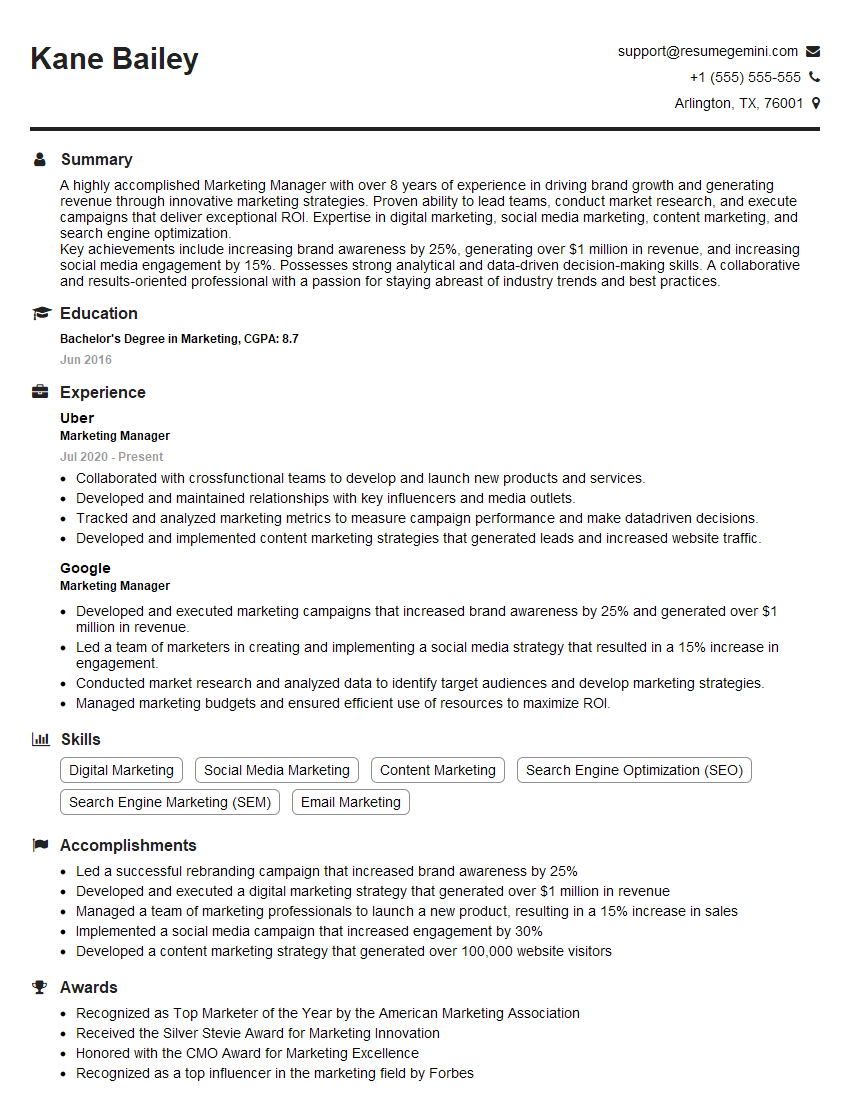
Marketing Manager Resume Sample
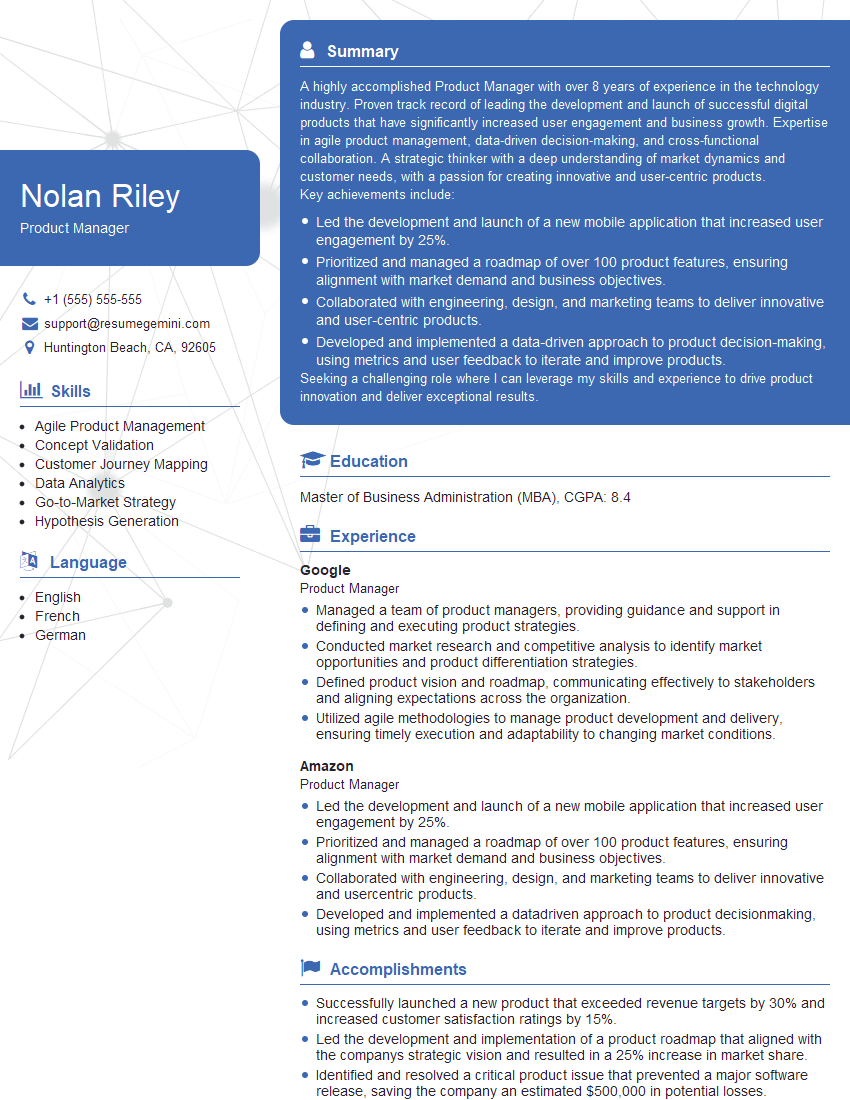
Product Manager Resume Sample
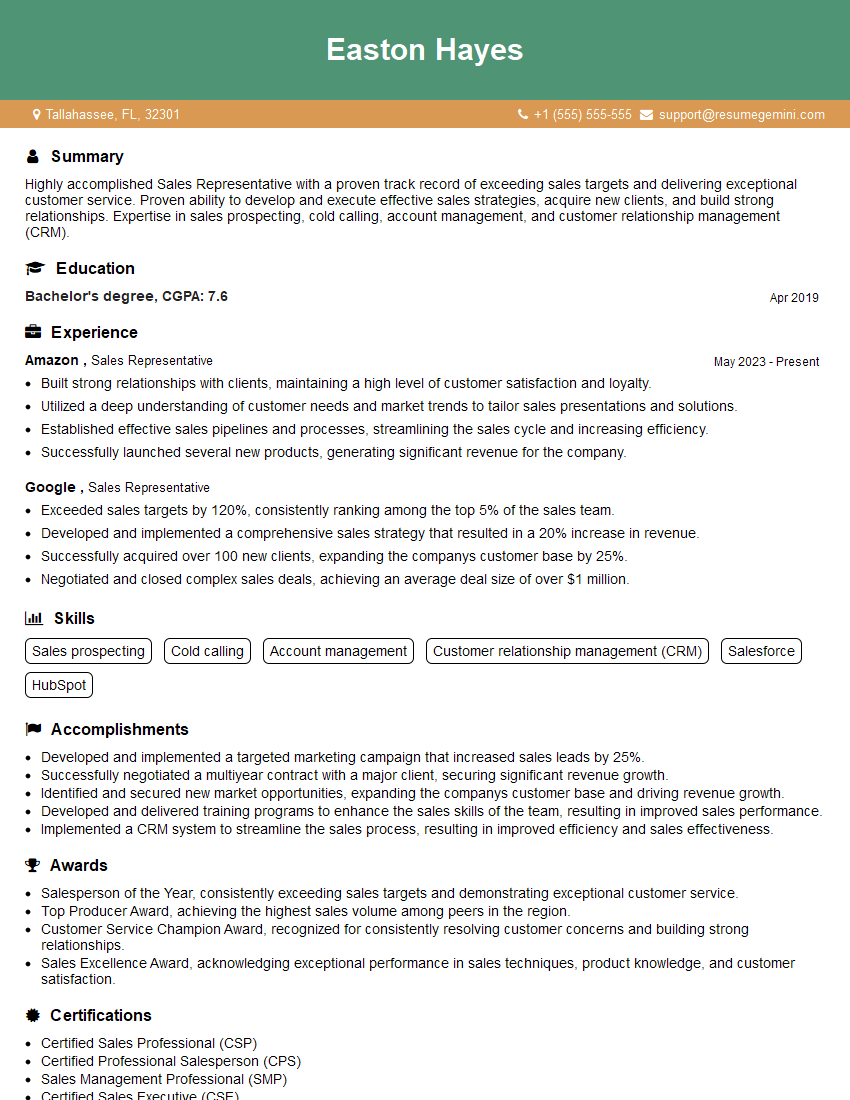
Sales Representative Resume Sample
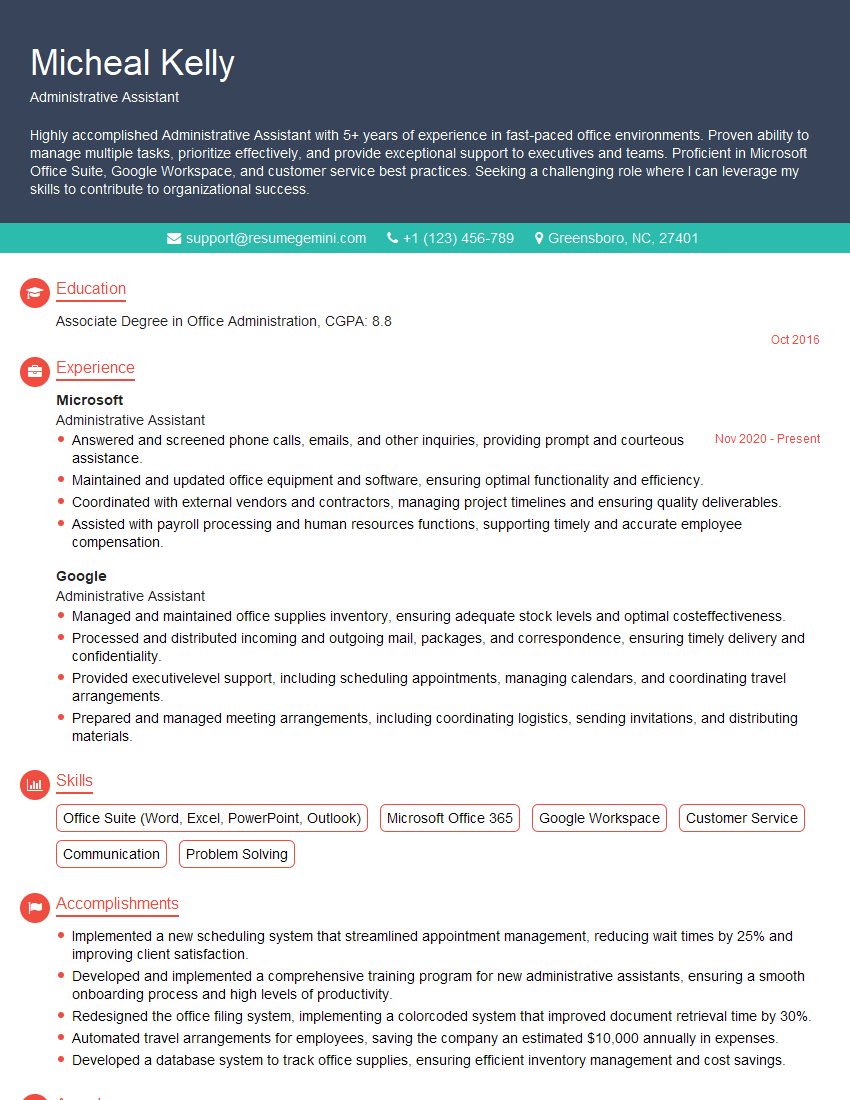
Administrative Assistant Resume Sample
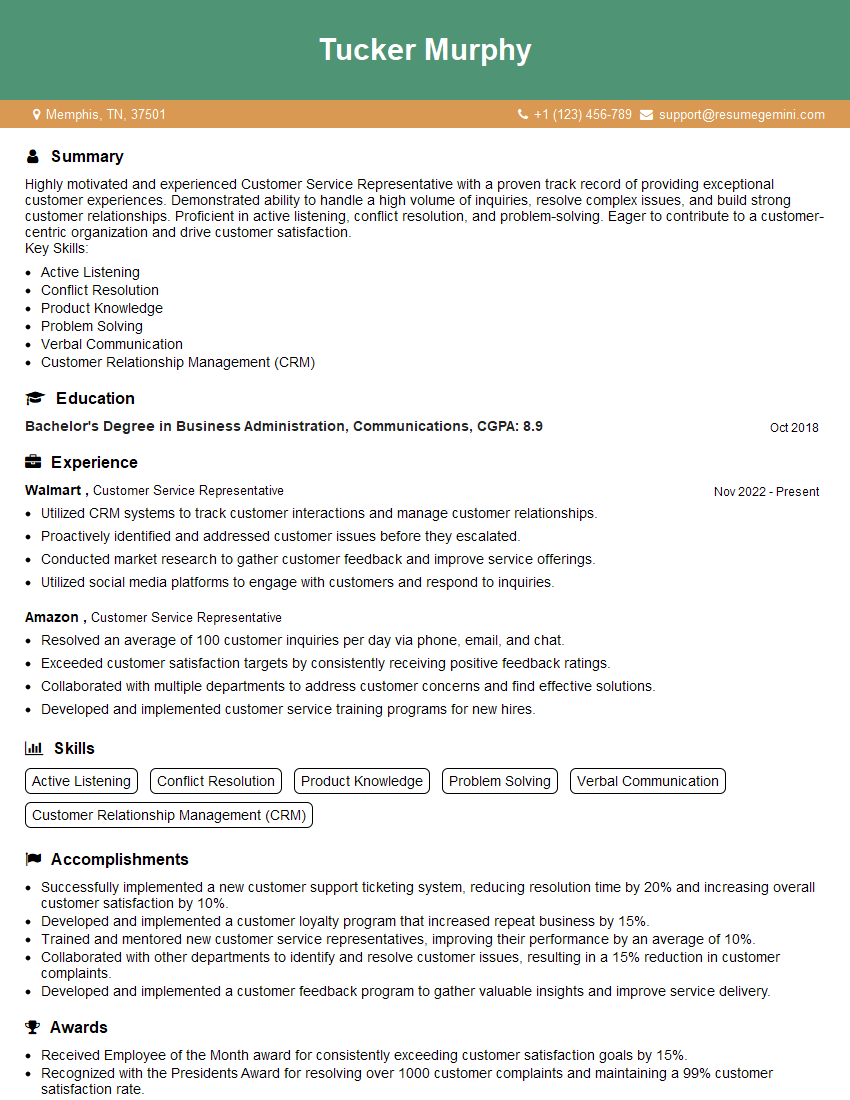
Customer Service Representative Resume Sample
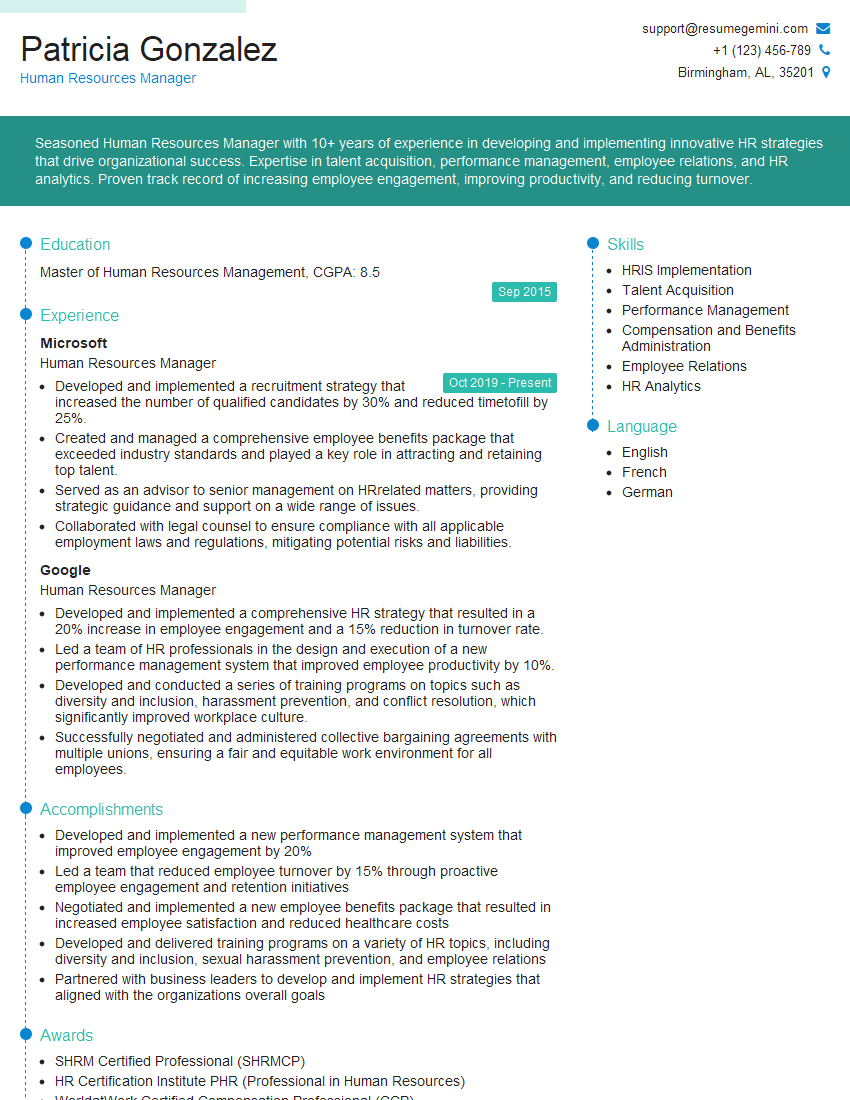
Human Resources Manager Resume Sample
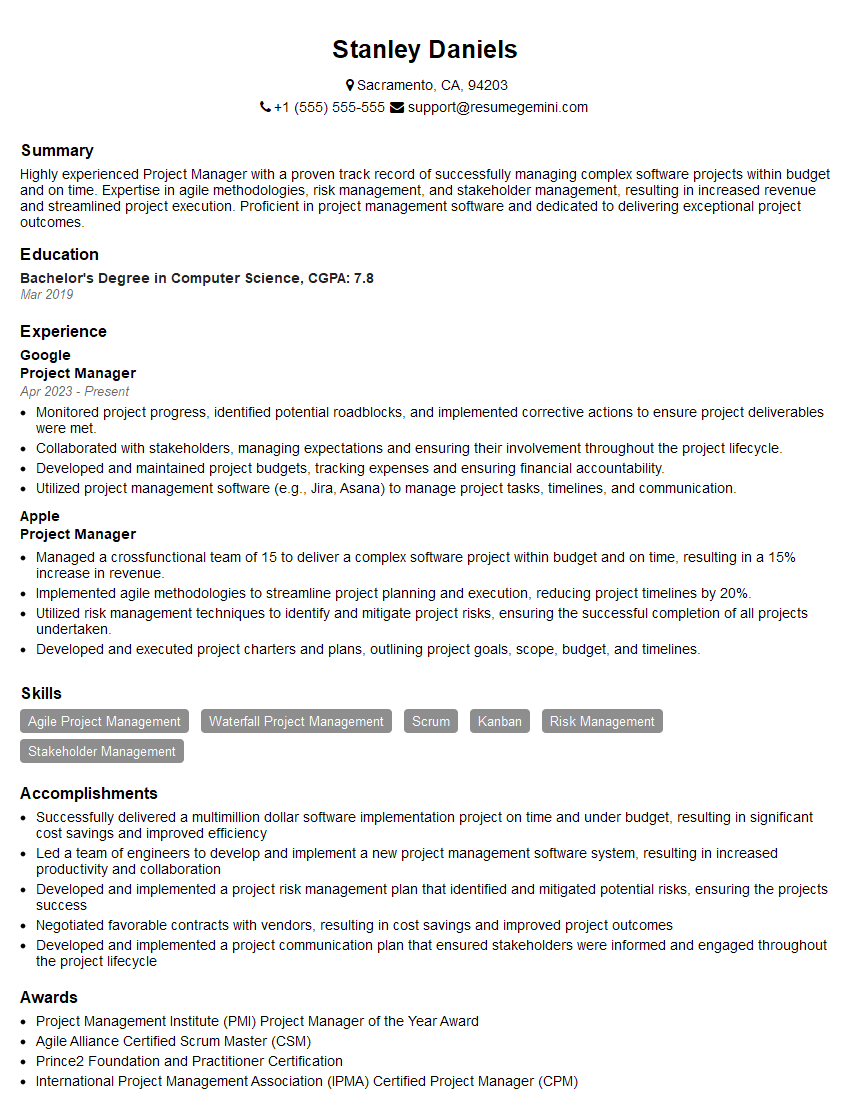
Project Manager Resume Sample
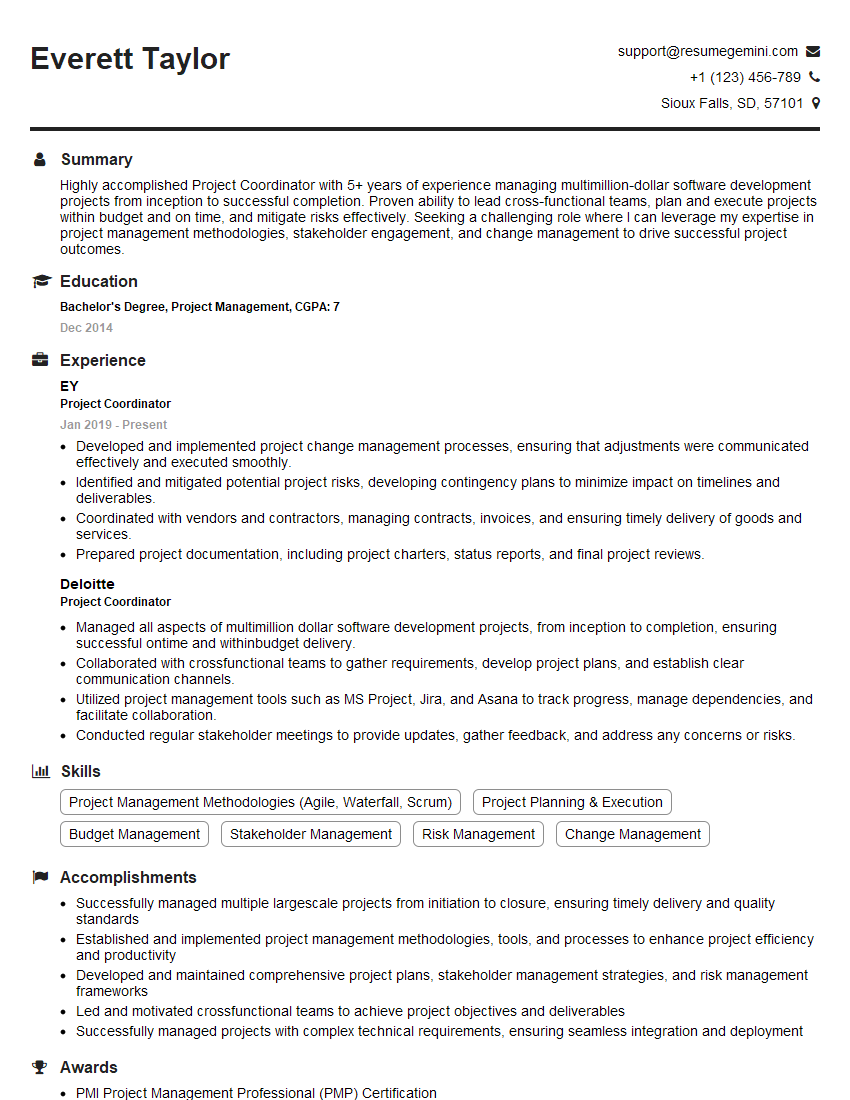
Project Coordinator Resume Sample
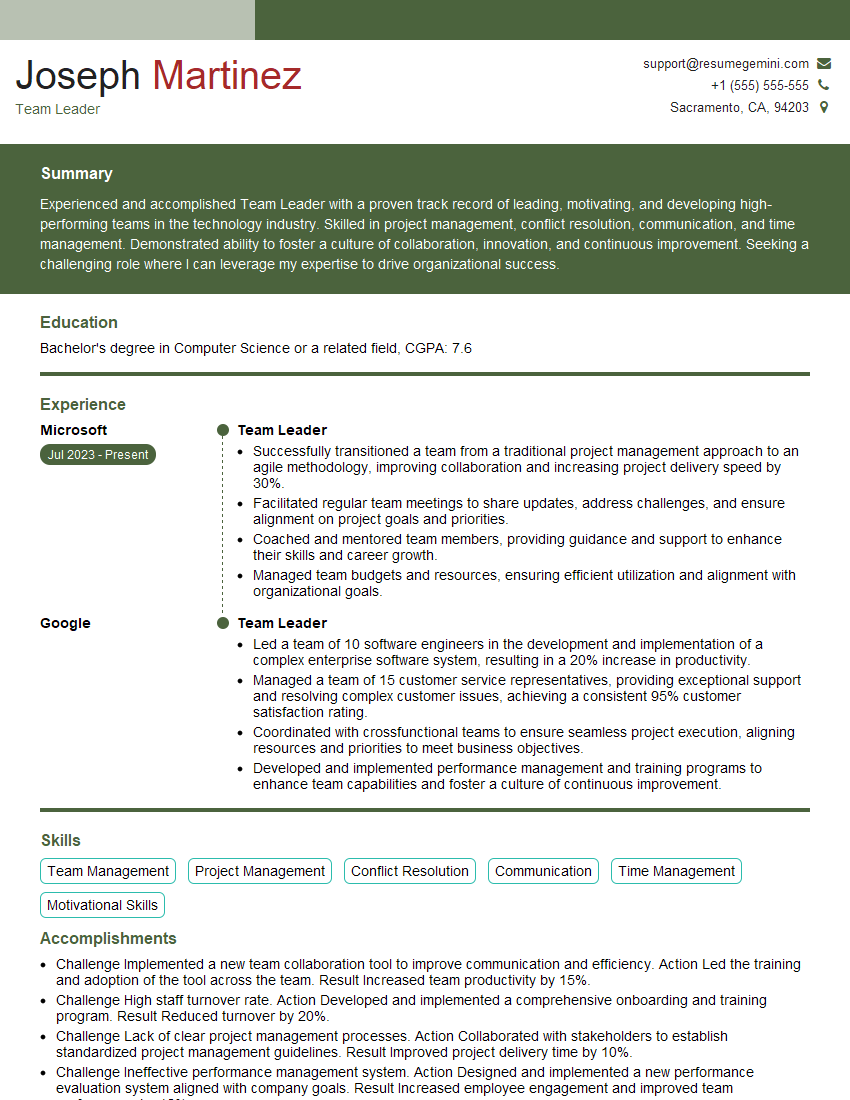
Team Leader Resume Sample
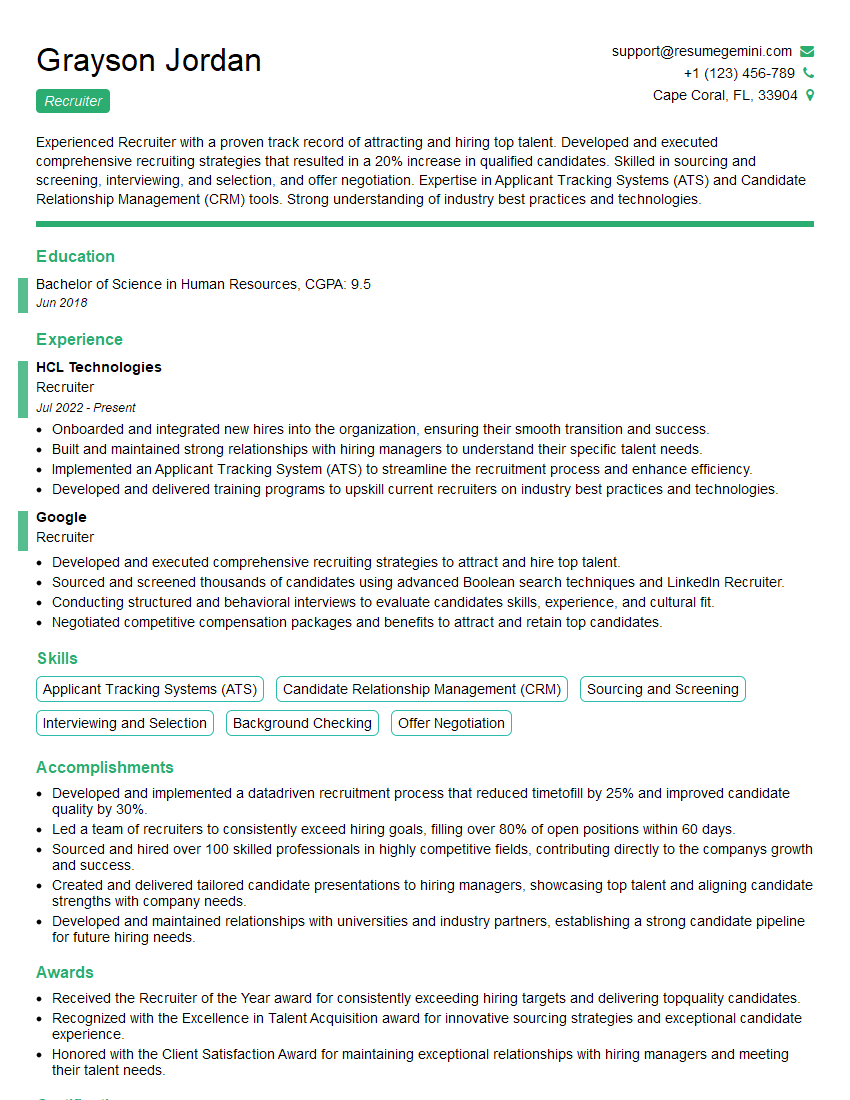
Recruiter Resume Sample
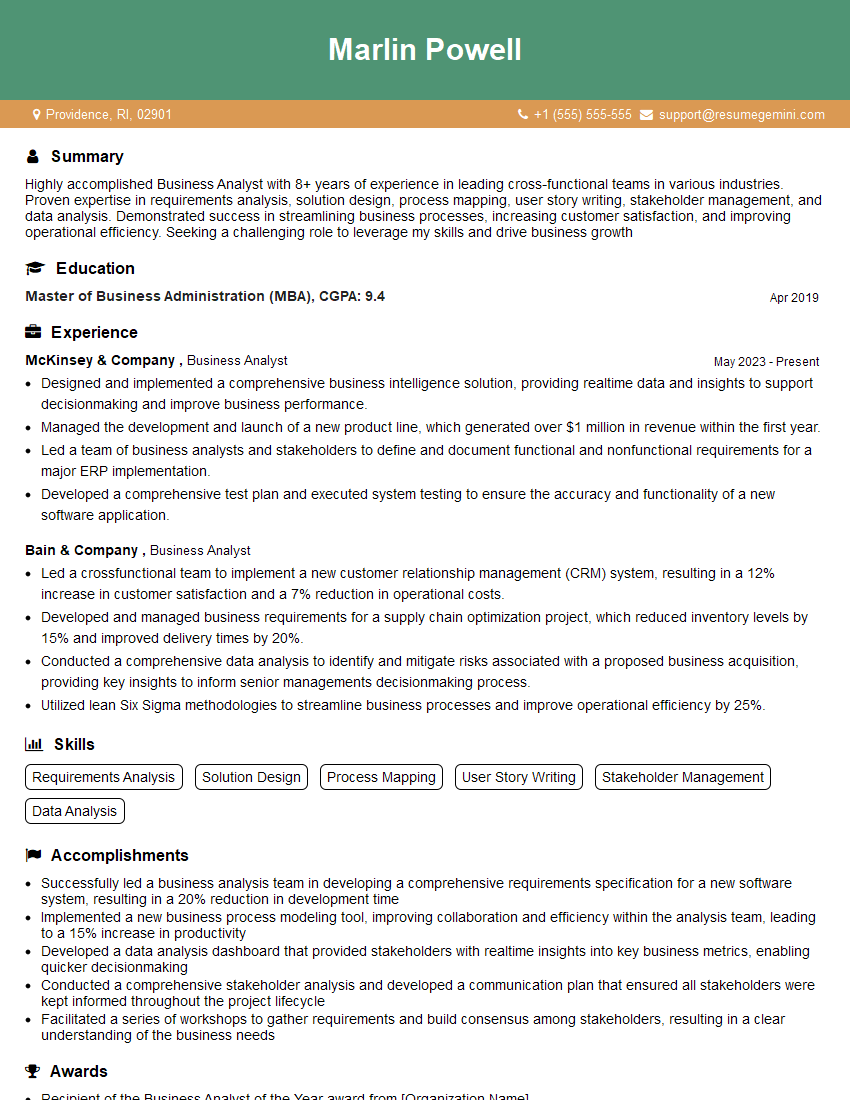
Business Analyst Resume Sample
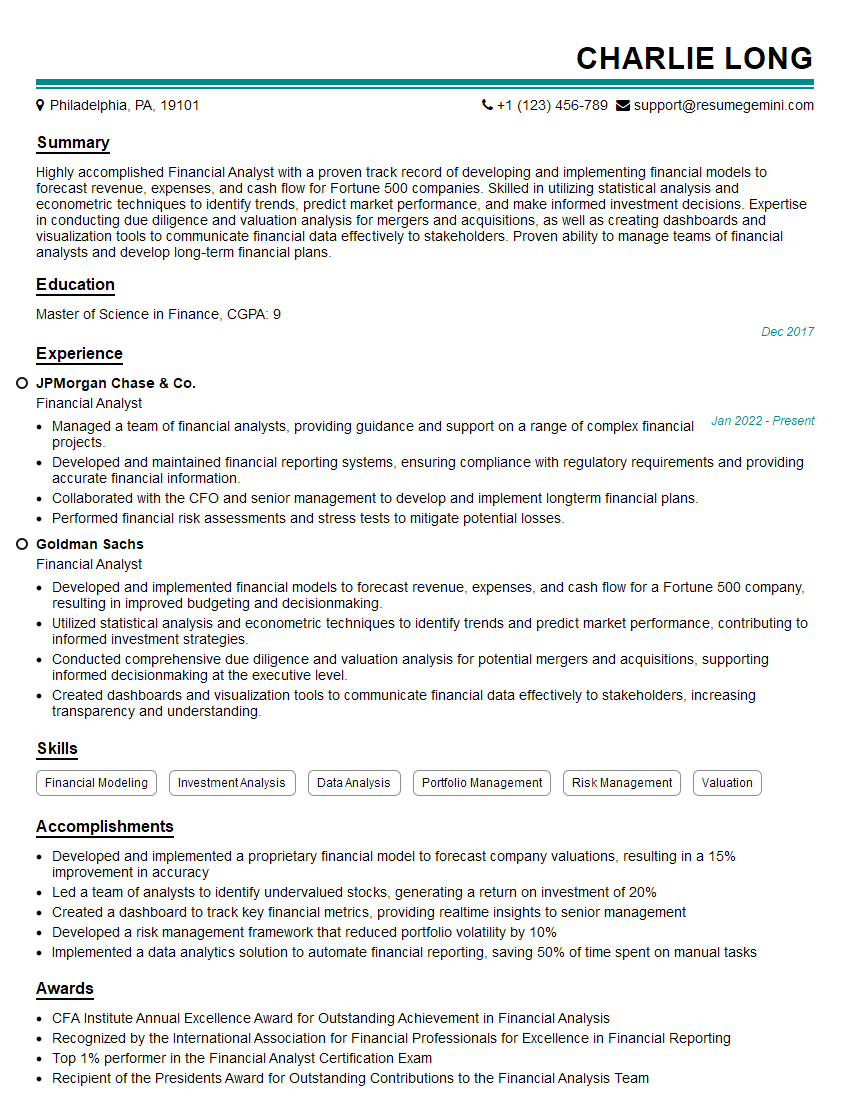
Financial Analyst Resume Sample
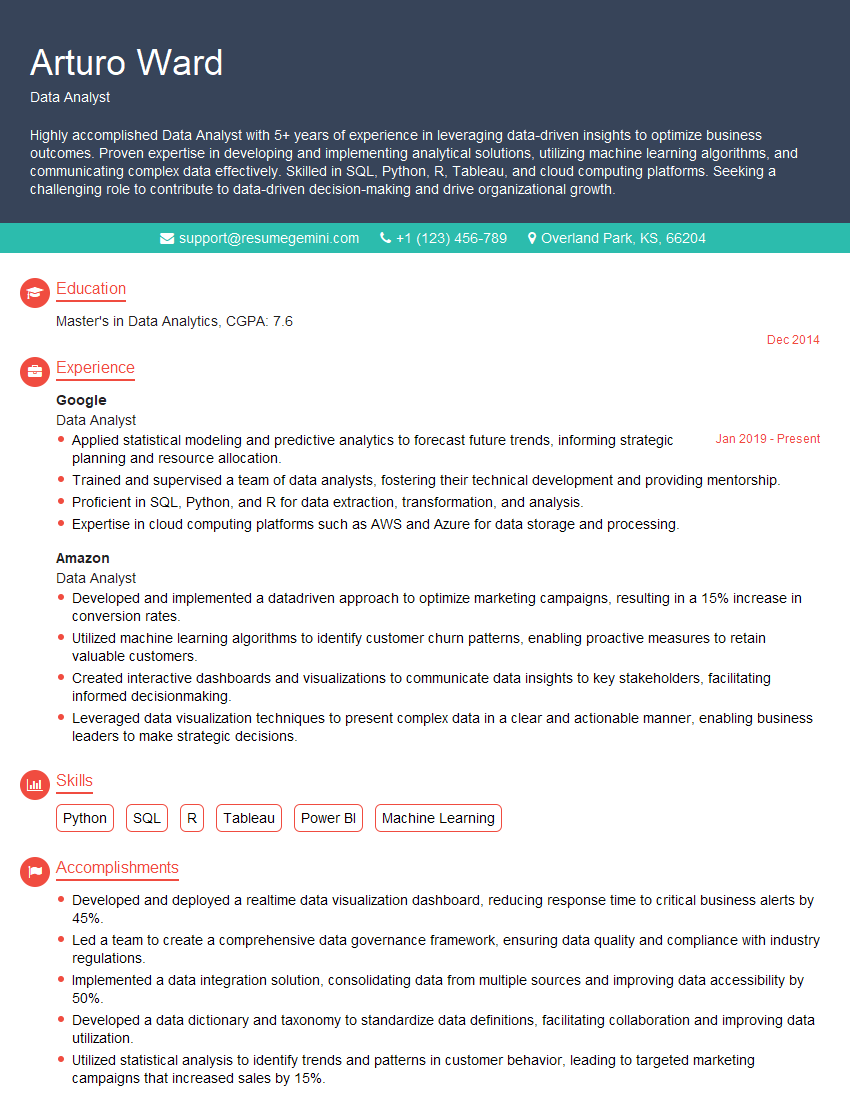
Data Analyst Resume Sample
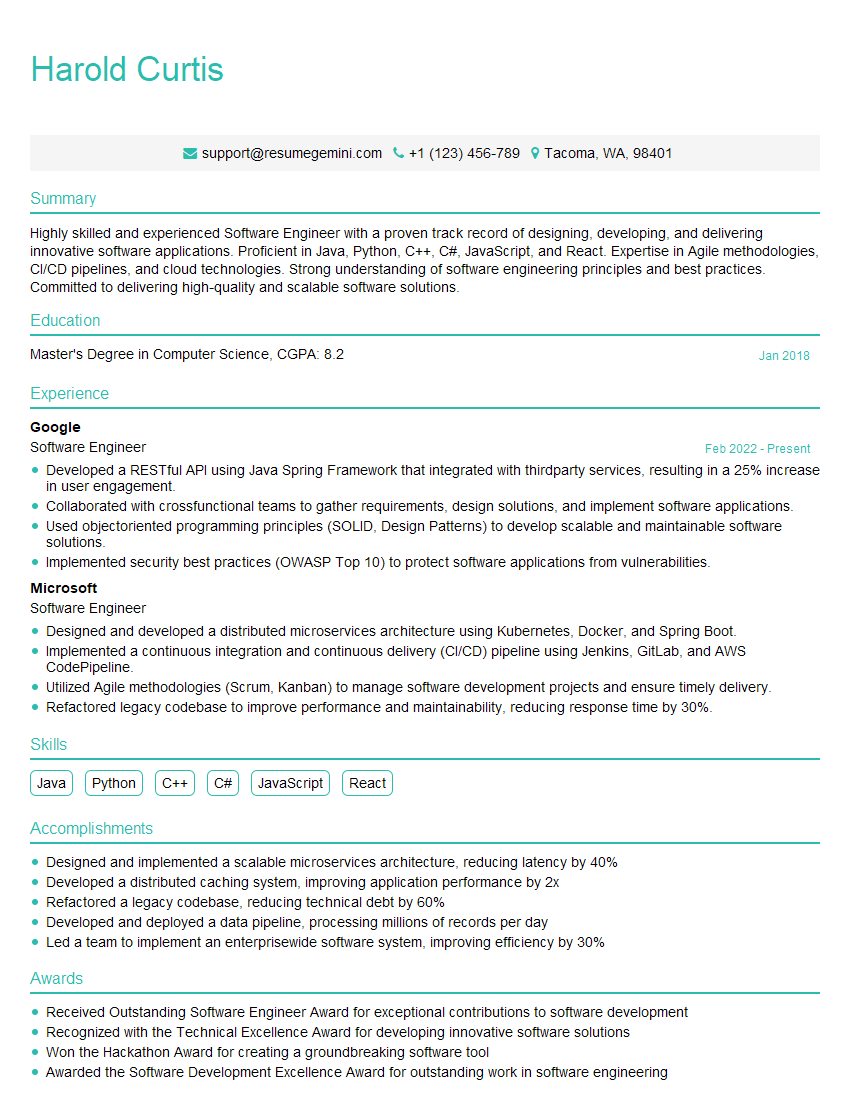
Software Engineer Resume Sample
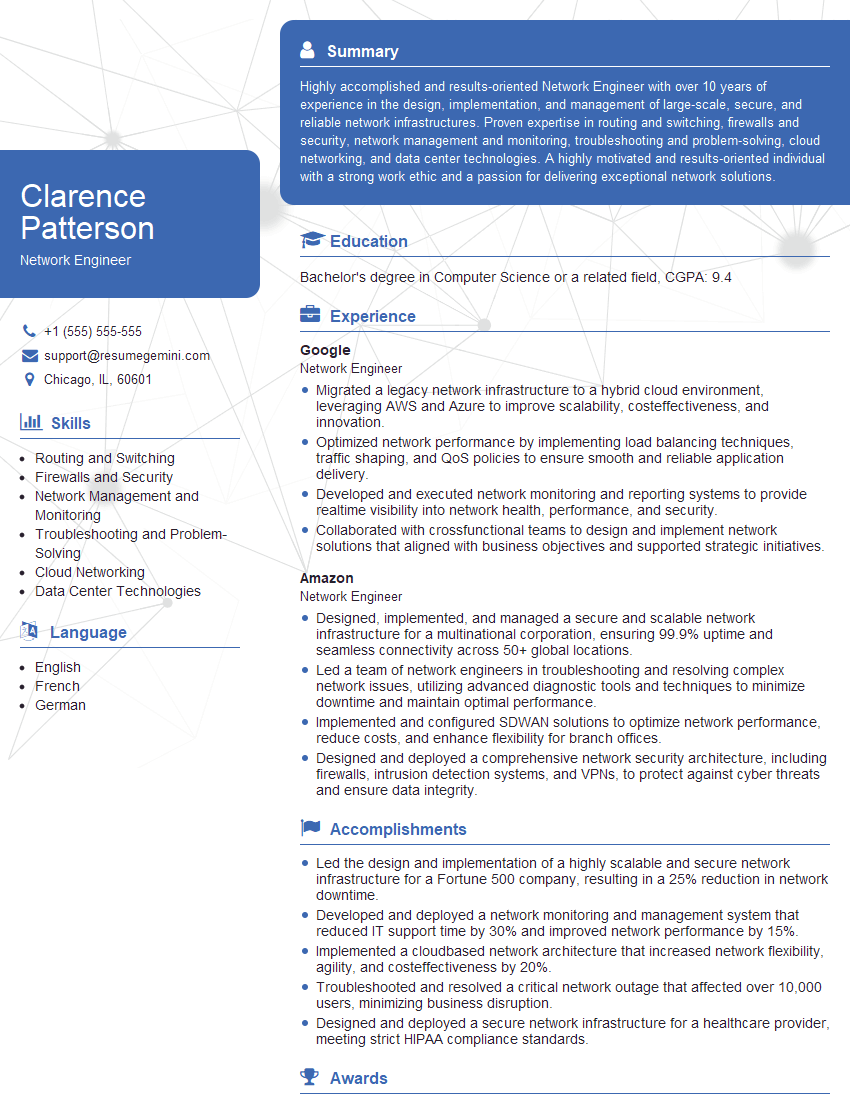
Network Engineer Resume Sample
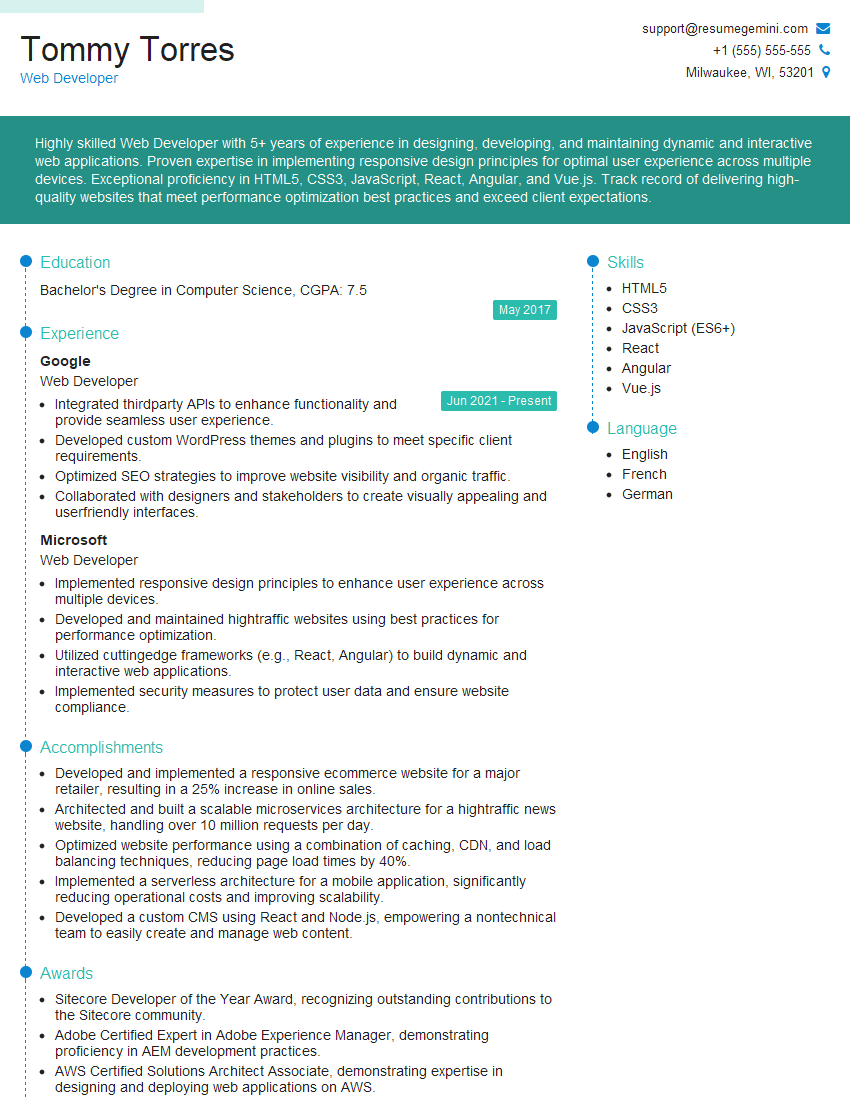
Web Developer Resume Sample

Technical Writer Resume Sample
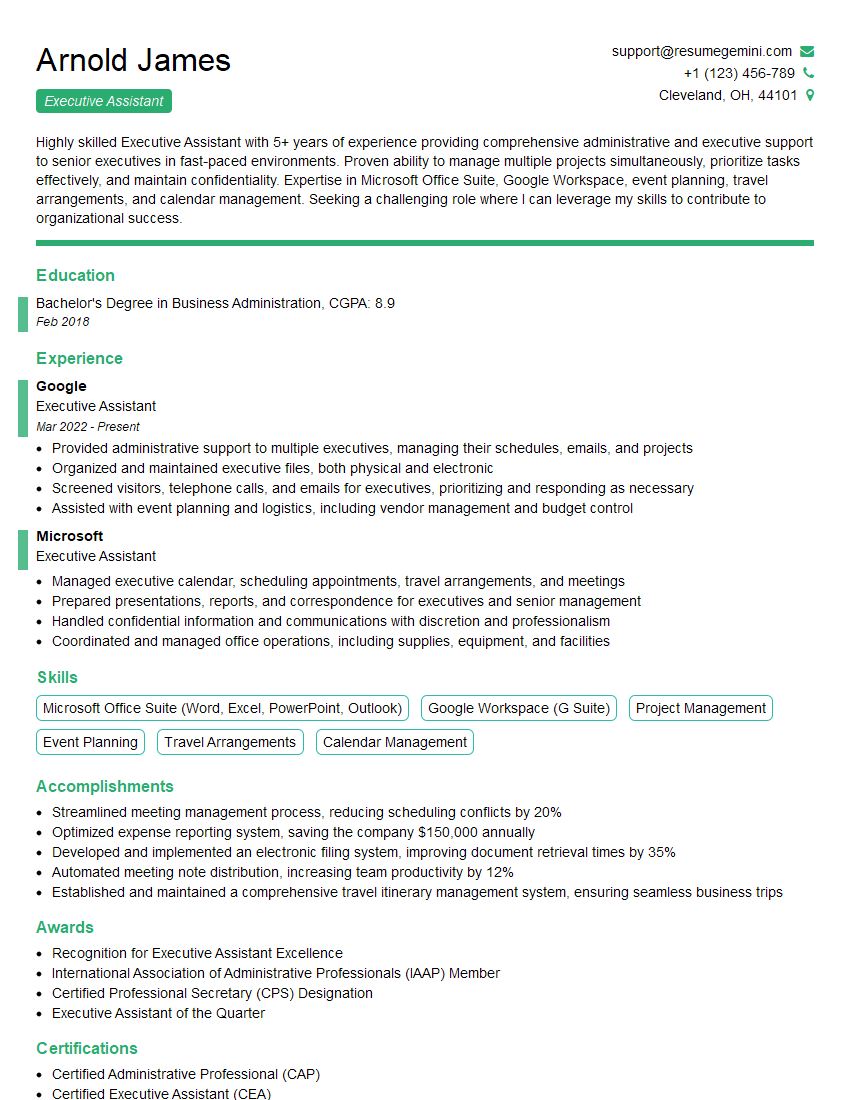
Executive Assistant Resume Sample
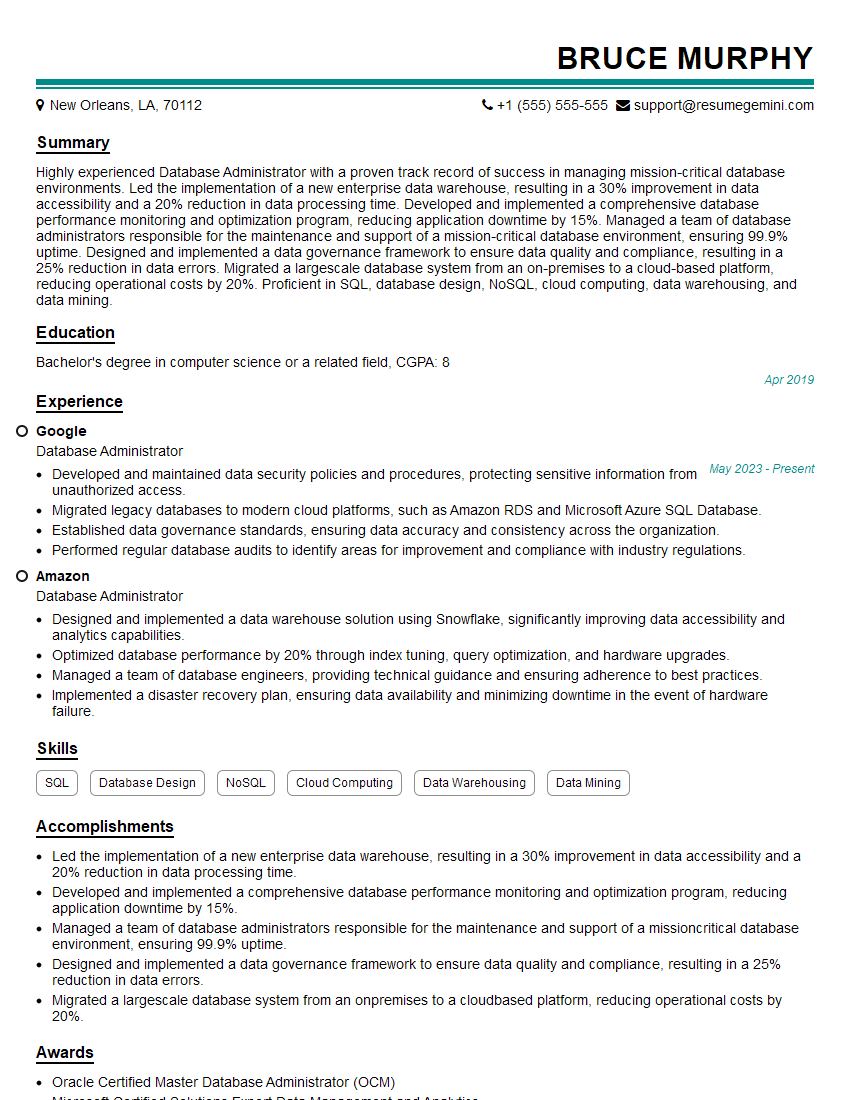
Database Administrator Resume Sample
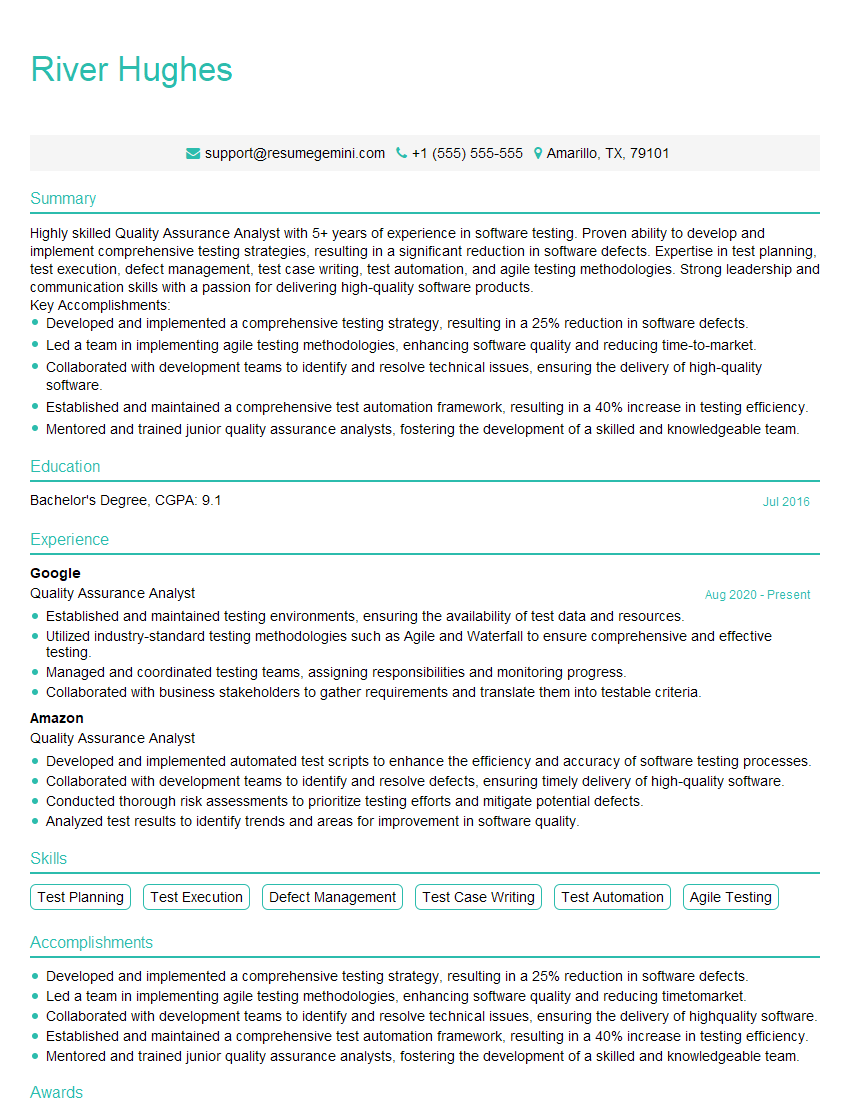
Quality Assurance Analyst Resume Sample
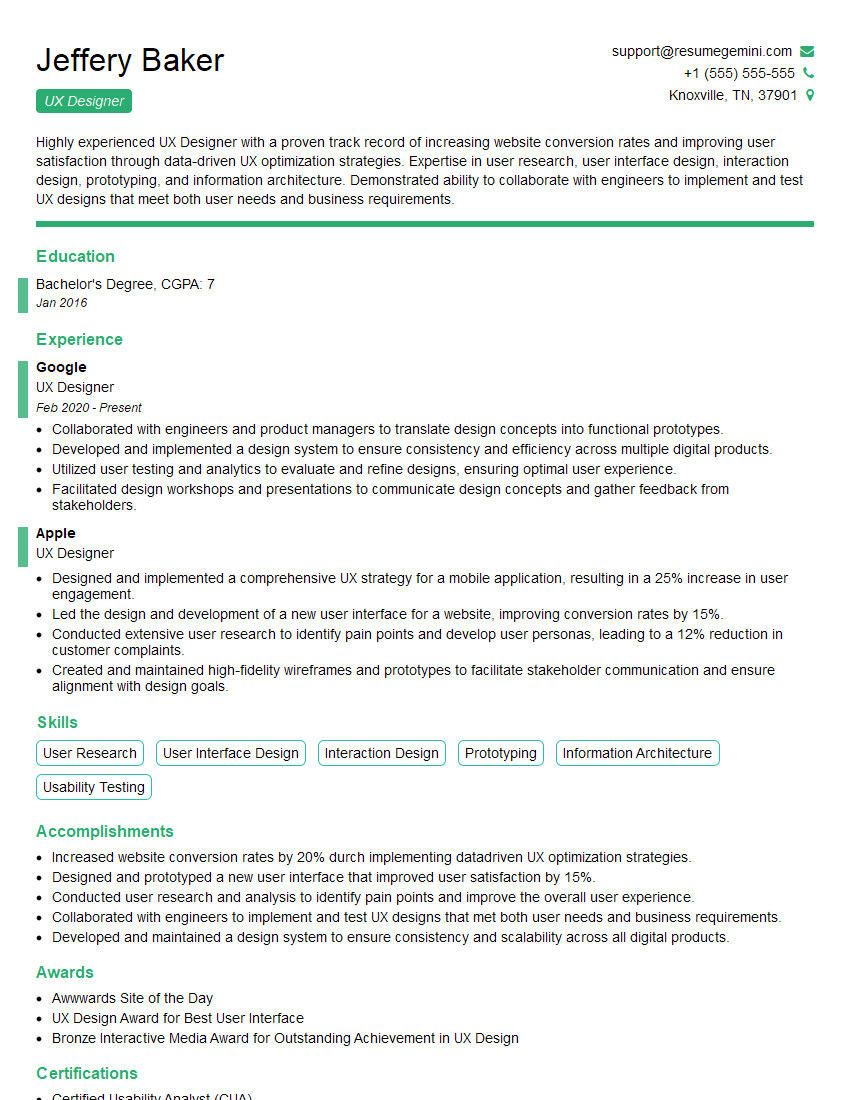
UX Designer Resume Sample
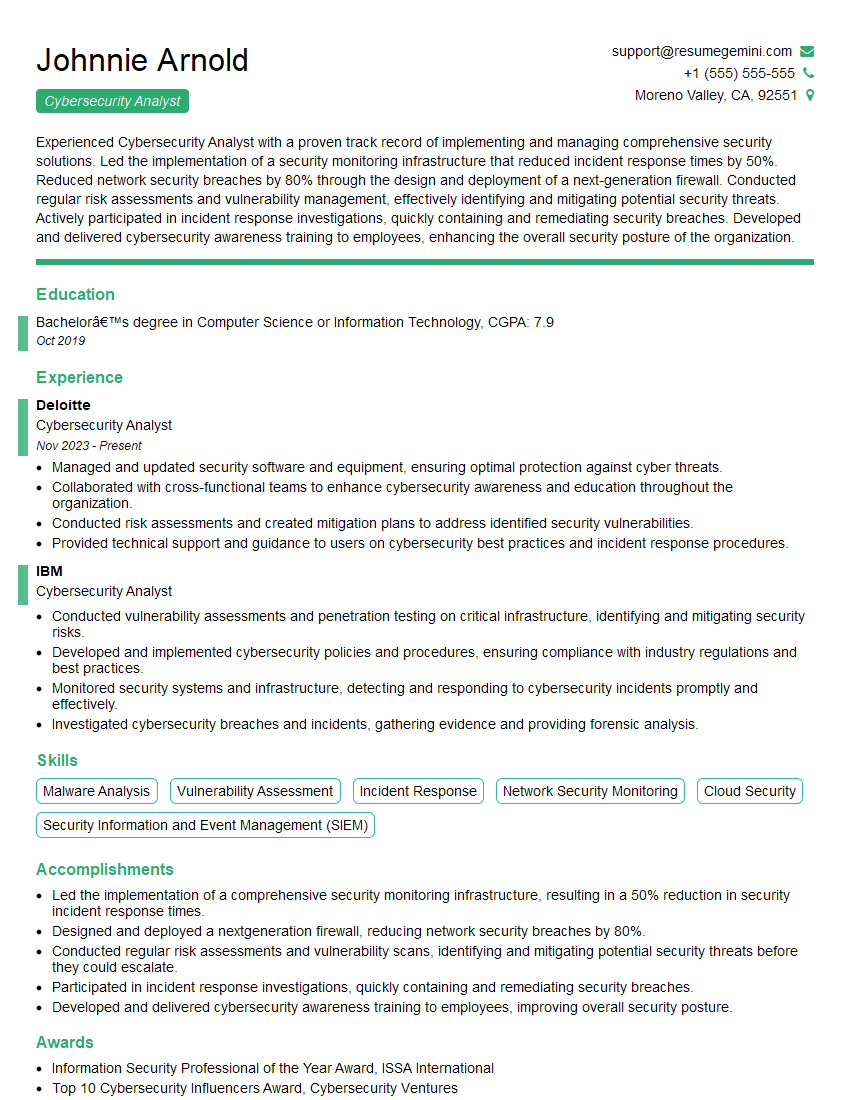
Cybersecurity Analyst Resume Sample
- Operations Manager
- Account Manager
- Marketing Manager
- Product Manager
- Sales Representative
- Administrative Assistant
- Customer Service Representative
- Human Resources Manager
- Project Manager
- Project Coordinator
- Team Leader
- Recruiter
- Business Analyst
- Financial Analyst
- Data Analyst
- Software Engineer
- Network Engineer
- Web Developer
- Technical Writer
- Executive Assistant
- Database Administrator
- Quality Assurance Analyst
- UX Designer
- Cybersecurity Analyst
Explore more articles
Users Rating of Our Blogs
Share Your Experience
We value your feedback! Please rate our content and share your thoughts (optional).
What Readers Say About Our Blog
Very informative content, great job.
good