The right preparation can turn an interview into an opportunity to showcase your expertise. This guide to Post Hole Digging interview questions is your ultimate resource, providing key insights and tips to help you ace your responses and stand out as a top candidate.
Questions Asked in Post Hole Digging Interview
Q 1. What types of post hole diggers have you operated?
Throughout my career, I’ve operated a variety of post hole diggers, each suited to different project needs and soil conditions. This includes manual post hole diggers, ranging from simple hand augers to more robust, heavy-duty models with longer handles for deeper holes. I’m also experienced with power augers, both gas-powered and electric, which significantly increase efficiency, particularly on larger projects. I’ve even used specialized diggers for particularly challenging terrains or when working with larger diameter posts. For instance, on a recent fence installation in rocky soil, a gas-powered auger with a replaceable bit was essential for navigating the obstructions. My experience encompasses a wide range of equipment, allowing me to select the most appropriate tool for any given job.
Q 2. Describe your experience with different soil types and their impact on digging.
Soil type dramatically affects post hole digging. Clay soil, for example, is notoriously difficult; it tends to be very sticky and resistant to digging, often requiring extra effort and potentially specialized equipment. Sandy soil, conversely, is generally easy to dig, but can be prone to collapse if not carefully managed. Loamy soil, a mixture of sand, silt, and clay, offers a good balance – it’s relatively easy to work with while providing adequate support for the posts. Rocky soil presents a major challenge, requiring careful maneuvering to avoid damaging the equipment and potentially the use of additional tools like picks and shovels to remove larger rocks. My experience allows me to adapt my technique and equipment choice to effectively handle the diverse challenges each soil type presents. For instance, I might use a wider auger bit in sandy soil to reduce the risk of collapse, or a rock-breaking tool in areas with dense rock formations.
Q 3. How do you ensure proper depth and spacing of post holes?
Ensuring proper depth and spacing is crucial for structural integrity and longevity. Depth is determined by several factors, including the post’s height, the type of soil, and the local climate (frost line). I always check local building codes for guidelines on minimum depths, especially for fence posts or structures. Spacing is dictated by the project’s design – a fence requires uniform spacing between posts, while a deck’s post placement needs to be precisely measured and aligned for support. I use measuring tapes and level tools diligently, marking the location of each hole before beginning to dig. To verify depth, I often use a measuring stick or a depth gauge inside the hole. For consistency and accuracy across large projects, I sometimes utilize a post hole layout tool, which helps to accurately position each post hole in relation to the others.
Q 4. What safety measures do you employ while operating a post hole digger?
Safety is paramount. I always wear appropriate safety gear, including sturdy work boots, gloves, eye protection, and hearing protection (especially when using power augers). Before starting, I carefully inspect the area for any potential hazards, such as underground utilities, rocks, or uneven terrain. I use caution flags or cones to mark off the work area, warning others to stay clear. When using power augers, I always make sure the ground is firm and stable to prevent accidental tipping or loss of control. I never operate the equipment when tired or under the influence of substances that could impair my judgment. Regular equipment maintenance is also crucial for safety; a well-maintained auger is less likely to malfunction. I always shut down and disconnect power tools before any maintenance or adjustments.
Q 5. Explain the process of preparing a site for post hole digging.
Site preparation is essential for efficient and safe digging. This involves clearing the area of any debris, vegetation, or loose materials that could interfere with digging or damage the equipment. I carefully survey the area to identify any potential obstructions, including buried rocks, tree roots, or underground utilities. I use a utility locator or call 811 (or your local equivalent) to mark the location of underground utilities to prevent accidental damage. The ground should be cleared of any surface obstacles, and, if necessary, I’ll level the ground using a shovel or rake to ensure a smooth and stable working surface. For large-scale projects, marking the location of post holes before starting the digging process is crucial for efficiency and accuracy.
Q 6. How do you handle unexpected obstacles, such as rocks or utilities, during digging?
Encountering unexpected obstacles requires careful planning and problem-solving. If I hit a rock, I’ll carefully assess the size and location. For smaller rocks, I might use a pickaxe or a shovel to carefully remove it. Larger rocks often require different strategies – potentially using a rock breaker, or even re-locating the post hole slightly. If I suspect an underground utility, I immediately stop digging and contact the appropriate authorities or utility company to confirm its location. Safety is my top priority, and I’d rather adjust the project slightly than risk damaging a utility line or causing injury. Documentation is crucial; I carefully record any unexpected encounters to maintain accurate project records.
Q 7. What maintenance procedures do you perform on a post hole digger?
Regular maintenance is vital for the longevity and safe operation of a post hole digger. After each use, I thoroughly clean the auger bit, removing any soil, debris, or roots that may have accumulated. I check for any damage to the bit, shaft, or other components and replace worn or damaged parts as needed. For power augers, I check the fuel levels (for gas-powered models) or the battery charge (for electric models), and make sure that all fasteners are secure. I also lubricate moving parts as recommended by the manufacturer. Proper storage is important to prevent corrosion and damage; I typically clean the equipment and store it in a dry location. By following a consistent maintenance schedule, I ensure that my equipment is always functioning safely and effectively.
Q 8. How do you determine the appropriate size of post hole for a given application?
Determining the right post hole size is crucial for stability and longevity. It depends primarily on three factors: the post’s size, the soil type, and the intended load. Think of it like building a house – a larger, heavier house needs a stronger foundation.
- Post Size: The hole should be wide enough to comfortably accommodate the post plus any concrete or other setting material you’ll be using. A general rule is to make the hole diameter about 1/3 to 1/2 wider than the post. For a 4×4 post, you might aim for a 6-inch diameter hole.
- Soil Type: Clay soils are very dense, offering good support with a smaller hole, while sandy soils are loose and might need a wider, deeper hole for sufficient stability. Rocky soil requires extra care and possibly specialized tools.
- Intended Load: The weight the post will bear impacts hole size. A fence post supporting a heavy wire fence needs a more substantial hole than one holding a small sign. Consider wind load and potential snow accumulation, especially in exposed locations.
For example, a 6×6 post in sandy soil supporting a heavy gate would require a significantly larger hole than a 4×4 post in clay soil supporting a light garden fence. Always prioritize over-digging slightly rather than under-digging.
Q 9. What are the limitations of different post hole digging methods?
Different post hole digging methods each have their strengths and weaknesses. The limitations often relate to the soil type, access, and the scale of the project.
- Manual Digging: Labor-intensive, slow, and impractical for large projects or extremely hard soils. Accuracy can be an issue. Ideal for small jobs or areas inaccessible to machinery.
- Auger Post Hole Digger (Manual or Powered): Effective in most soil types, but struggles with large rocks or extremely hard-packed ground. Powered augers are faster but require power and maneuverability is limited.
- Post Hole Digger (Hydraulic/Mechanical): Excellent for speed and efficiency on large projects but requires significant investment. Not suitable for small jobs or areas with limited access (terrain restrictions).
- Excavator/Backhoe: Very effective for large holes and challenging soils, but expensive to rent or operate and can cause significant ground disturbance.
For instance, attempting to dig a large number of post holes manually in rocky terrain would be incredibly difficult and time-consuming, making a powered auger or even a backhoe far more suitable. Conversely, a small, delicate garden project might be best suited to manual digging to avoid unnecessary damage.
Q 10. How do you ensure the stability of a post once it’s installed?
Post stability hinges on proper depth, hole preparation, and setting techniques. The goal is to create a solid foundation that prevents settling or movement.
- Sufficient Depth: Dig deep enough – typically at least 1/3 to 1/2 of the post’s above-ground height, but deeper in loose or unstable soil. The depth prevents frost heave, which can lift posts in freezing climates.
- Proper Setting: Use concrete, gravel, or a combination of both to fill the void around the post. This provides a solid base and prevents the post from shifting. Ensure the post is plumb (vertical) before setting.
- Backfilling: Carefully compact the backfill material around the post to prevent settling. Avoid excessive vibrations that can damage the post or surrounding soil.
- Soil Compaction: Consider using a tamper to compact the soil after backfilling, especially in loose or sandy soils. This helps to improve stability and longevity of the installation.
Imagine a fence post swaying in the wind – a poorly set post lacking proper compaction is more likely to be unstable than one that’s deeply set with compacted backfill. Proper setting is paramount to long-term success and avoids costly repairs later.
Q 11. Describe your experience with manual post hole digging.
I have extensive experience with manual post hole digging. It’s physically demanding but rewarding, particularly for smaller projects or when working in confined spaces where machinery is impractical. I’ve dug countless holes for everything from small garden fences to more substantial structures using both a shovel and post hole diggers.
I’ve learned to recognize the signs of different soil types and adjust my technique accordingly. Clay soil requires a more deliberate, steady approach, while sandy soil requires a faster, more aggressive digging technique to avoid the hole collapsing. I always prioritize safety, using appropriate footwear and hand protection. Working in teams can greatly improve efficiency and lessen physical strain.
One memorable experience involved digging post holes for a client’s privacy fence on a steep hillside. The manual approach allowed me to work carefully and precisely without causing unnecessary damage or erosion. The satisfaction of completing the project entirely by hand was immense.
Q 12. What are the signs of a malfunctioning post hole digger?
Malfunctioning post hole diggers, whether manual or powered, exhibit several telltale signs.
- Reduced digging efficiency: If the auger is struggling to penetrate the soil, it may be dull, damaged, or the engine (in powered augers) is losing power.
- Unusual noises: Grinding, squealing, or unusual vibrations indicate potential mechanical problems like worn bearings or a loose component.
- Leaks (in powered augers): Fluid leaks from hydraulic or engine components require immediate attention to prevent further damage.
- Bent or broken auger: Striking a rock or other hard object can easily damage the auger, significantly reducing its effectiveness.
- Engine failure (in powered augers): Loss of power, unusual smoke, or overheating points to a problem requiring professional attention.
Regular maintenance, including sharpening the auger and checking for loose bolts and other potential issues, goes a long way in preventing malfunctions. Recognizing the early signs can save time, money, and prevent serious damage.
Q 13. How do you handle post hole digging in various weather conditions?
Weather conditions significantly impact post hole digging. Adaptability and safety are key.
- Extreme Heat: Stay hydrated and take frequent breaks. Avoid working during the hottest part of the day.
- Cold Weather: Frozen ground requires thawing or specialized equipment. Take extra precautions to prevent frostbite.
- Rain: Muddy conditions can make digging difficult and dangerous. Wait for the ground to dry somewhat, or use appropriate footwear and take safety measures.
- Wind: Strong winds can make working with machinery dangerous. Postpone work until conditions improve.
For instance, digging in frozen ground is nearly impossible without thawing, often necessitating the use of a propane torch or waiting for a thaw. Wet conditions can increase the risk of slips, falls, and trench collapses. Understanding weather impacts allows you to plan accordingly and prioritize safety.
Q 14. What are the different types of augers used for post hole digging?
Augers for post hole digging come in various types, each with specific applications.
- Standard Auger: The most common type, featuring a helical blade for efficient digging in most soil conditions.
- Rock Auger: Designed with reinforced tips and a more aggressive cutting action for rocky or extremely hard soils.
- Earth Auger: This type, usually larger in diameter, is often used for digging broader holes in softer soil.
- Spiral Auger: Its continuous spiral design allows for fast and efficient soil removal.
- Post Hole Digger with interchangeable augers: These allow you to switch between different auger types depending on soil conditions and project needs.
Choosing the right auger depends entirely on the soil type and the desired hole size. A rock auger is essential when encountering numerous rocks, while a standard auger suffices for soft to moderately firm soils. Using the wrong auger can significantly reduce efficiency and potentially damage the tool.
Q 15. Describe your experience with using different types of post hole diggers (e.g., gas, electric, manual).
My experience spans across all three types of post hole diggers: manual, electric, and gas-powered. Manual diggers, while requiring significant physical effort, offer great precision for smaller projects and are invaluable where access is restricted or power isn’t available. Think of digging a single post for a small fence in a tight garden. They’re also significantly cheaper as an initial investment. Electric diggers are a good compromise; they reduce the physical strain considerably but require a power source, limiting their reach. They are ideal for medium-sized projects where power is accessible and consistent, such as preparing for a deck. Finally, gas-powered diggers provide unparalleled power and speed for larger projects. They are perfect for extensive fencing or large-scale construction work, but they demand greater maintenance and can be noisy. On a recent project, for instance, I used a gas auger to prepare for a large barn, the speed and efficiency being crucial to stay on schedule. Choosing the right type always depends on the scale and specifics of the project.
Career Expert Tips:
- Ace those interviews! Prepare effectively by reviewing the Top 50 Most Common Interview Questions on ResumeGemini.
- Navigate your job search with confidence! Explore a wide range of Career Tips on ResumeGemini. Learn about common challenges and recommendations to overcome them.
- Craft the perfect resume! Master the Art of Resume Writing with ResumeGemini’s guide. Showcase your unique qualifications and achievements effectively.
- Don’t miss out on holiday savings! Build your dream resume with ResumeGemini’s ATS optimized templates.
Q 16. How do you select the correct auger bit for the job?
Selecting the correct auger bit is crucial for efficiency and prevents damage to both the bit and the surrounding area. The diameter should be slightly larger than the post’s base diameter – a general rule of thumb is to add an inch to account for setting the post in concrete. The bit’s length should be sufficient to reach the desired depth; consider adding a few extra inches to account for any unexpected obstacles. The material of the bit should also be considered. For rocky or compacted soil, a hardened steel bit is necessary; softer soils might work well with a less robust but more cost-effective option. If you’re working around existing structures, a smaller, more maneuverable bit will reduce the risk of damage. For example, when installing fence posts in a clay soil area, I opt for a longer, heavy-duty bit to make a clean and efficient hole. For a small, ornamental post in sandy soil, a smaller, shorter bit suffices.
Q 17. What is the proper way to dispose of excavated soil?
Proper disposal of excavated soil is crucial for environmental reasons and to avoid potential hazards. The first step is to inspect the soil for any contaminants. If you encounter anything unusual, such as buried debris or material that looks like it may be hazardous, contact the relevant authorities immediately for guidance. For clean soil, the best option is usually to redistribute it evenly within the work area, potentially creating small berms or using it to level any irregularities in the ground. Avoid dumping it in drainage areas or where it could cause erosion. In some locations, you may need to obtain permits or have it hauled away by licensed waste disposal contractors. In one case, during a large landscaping job, we discovered old construction debris while digging posts. We had to stop work, notify the local authorities, and engage a licensed contractor for remediation before we could continue.
Q 18. Explain the importance of accurate post hole placement.
Accurate post hole placement is fundamental for structural integrity and the overall aesthetic appeal of any project. Inaccurate placement can lead to uneven structures, compromised stability, and wasted time and materials. Before digging, use stakes and string to accurately mark the intended location of each post. This ensures that the posts are evenly spaced and aligned correctly. Double-checking measurements and using a level to ensure that the holes are plumb (vertical) are essential steps. A poorly placed post might seem like a small issue but can lead to a leaning fence or a wobbly deck, eventually requiring costly repairs or reconstruction. Using measuring tape and a level consistently reduced errors in placement across all of my projects.
Q 19. How do you deal with sloping ground when digging post holes?
Sloping ground presents unique challenges to post hole digging. The simplest approach is to ensure that the post is firmly set at the desired depth, regardless of the slope. This often involves digging deeper on the uphill side to create a level base for the post. Alternatively, you can create a level platform at the base of each hole by adding compacted fill or creating a small bench cut into the slope. In some cases, angled supports might be necessary to ensure stability. Remember to always consider the impact of slope on the long-term stability of the structure. I’ve used the benching method successfully on multiple projects. The benching method creates a solid foundation even in the case of steep slopes, and it avoids over-excavation in the case of slight slopes.
Q 20. What are some common causes of post hole collapse?
Post hole collapse is primarily caused by unstable soil conditions. Loose, sandy soil, or soil saturated with water is particularly prone to collapsing. Another common cause is inadequate hole depth and diameter relative to the size and weight of the post and any additional load (like a fence). Poor compaction of backfill after setting the post also contributes. Choosing the correct auger bit and ensuring that the holes are dug deep enough and properly braced is paramount. In one instance, I encountered a significant problem with collapse on a site with very loose sand. We had to use temporary shoring to stabilize the holes while digging and carefully compact the backfill to create a solid foundation.
Q 21. How do you prevent damage to underground utilities during post hole digging?
Preventing damage to underground utilities is paramount. Before starting any digging project, always contact your local utility companies to request a locate. This free service will mark the approximate location of underground lines, such as gas, water, electric, and communication cables. Respect the marked locations and maintain a safe distance when digging. If you are uncertain about the location of a line, do not hesitate to contact the utility company again for clarification. Hand digging around marked areas is always preferred. Failing to call before you dig can result in serious injury, property damage, and significant fines. In all my years, prioritizing utility location has been a constant and important safety measure.
Q 22. What are the different techniques for backfilling post holes?
Backfilling post holes correctly is crucial for structural integrity. The method depends on the soil type and the post’s purpose. Generally, we avoid simply dumping soil back in. Instead, we employ a layered approach for optimal compaction and drainage.
- Method 1: Layered Compaction: This involves adding soil in small increments (4-6 inches at a time), thoroughly compacting each layer using a tamper or a heavy-duty plate compactor. This eliminates air pockets, preventing settling and ensuring stability. Think of it like making a layered cake – each layer needs to be firm before adding the next.
- Method 2: Using Gravel or Crushed Stone (for drainage): For posts in areas prone to waterlogging, we incorporate a layer of gravel or crushed stone at the bottom of the hole before backfilling with soil. This acts as a drainage layer, preventing water from accumulating around the post and causing rot.
- Method 3: Soil Amendments (for improved compaction): In some cases, we may amend the soil with a small amount of sand or other materials to improve its compaction characteristics, especially if it’s clay-heavy. This makes it easier to achieve a firm and stable backfill.
The key is to ensure the backfill is compacted tightly around the post, leaving no gaps. This prevents the post from settling over time.
Q 23. How do you ensure the longevity and stability of the finished project?
Longevity and stability are paramount. We achieve this through several key steps:
- Proper Hole Depth and Size: Digging the hole to the correct depth and width, appropriate for the post size and soil conditions, is fundamental. A post that’s too shallow will easily shift or rot.
- Choosing the Right Post Material: Selecting pressure-treated lumber or durable composite materials ensures resistance to rot and insect damage. The post’s quality directly impacts the project’s lifespan.
- Effective Backfilling: As mentioned earlier, meticulous layered compaction of the backfill is crucial for preventing settling and maintaining structural integrity.
- Setting the Post Plumb: Ensuring the post is perfectly vertical using a level prevents future leaning or instability.
- Using Concrete (When Necessary): In high-stress situations or areas with poor soil conditions, we’ll set the post in concrete for maximum stability. This provides a strong, permanent base.
Regular inspection after installation also helps to identify and address any potential issues early on.
Q 24. Describe your experience with working in a team environment for post hole digging projects.
I thrive in team environments. Post hole digging, especially for large-scale projects, requires excellent teamwork. My role often involves coordinating tasks, ensuring everyone is safe and working efficiently. For example, on a recent fence installation, I was responsible for the efficient deployment of the auger, ensuring the holes were dug to spec and my colleagues had a consistent supply of perfectly-sized holes. This efficiency saved the project time and resources.
I’m adept at communicating clearly and effectively with my team members. Good communication is crucial for safety and coordination, especially when operating equipment or working in confined spaces.
Q 25. How do you prioritize safety procedures in your post hole digging work?
Safety is my top priority. Before any work begins, I always perform a thorough site assessment to identify potential hazards. This includes checking for underground utilities, evaluating the terrain, and assessing any potential weather-related risks.
- Personal Protective Equipment (PPE): I ensure all team members use appropriate PPE, including safety glasses, gloves, sturdy boots, and hard hats.
- Proper Equipment Operation: I adhere strictly to all manufacturer’s instructions for any equipment used, whether it’s an auger, a post hole digger, or a tamper. Safety training is essential for all team members.
- Safe Work Practices: I enforce safe work practices, including proper lifting techniques to avoid back injuries and maintaining awareness of the surroundings to prevent accidents.
- Emergency Procedures: I ensure everyone understands emergency procedures and knows how to respond to potential incidents.
A safe work environment leads to a productive and efficient work process. I see it as an investment in the project’s success.
Q 26. What are your preferred methods for compacting soil around posts?
My preferred methods for compacting soil around posts depend on the project’s scale and the soil type. For smaller projects, a hand tamper is often sufficient. However, for larger projects, I prefer using mechanical methods for efficiency and consistent compaction.
- Hand Tamper: Excellent for smaller holes, ensuring thorough compaction around the post. It’s a reliable and simple method.
- Plate Compactor: For larger projects, a plate compactor significantly increases efficiency and ensures uniform compaction. It’s ideal for larger holes and larger projects.
- Vibratory Compactor (for specialized cases): In particularly challenging soil conditions, a vibratory compactor might be necessary to achieve optimal compaction.
Regardless of the method, the goal is to eliminate air pockets and create a firm, stable foundation for the post.
Q 27. What are your strengths and weaknesses concerning this work?
My strengths include meticulous attention to detail, a strong work ethic, and a commitment to safety. I’m also highly proficient in using a variety of tools and techniques for post hole digging, from manual methods to operating specialized equipment.
One area I’m continually working on is improving my time management skills on very large, complex projects. While I can consistently meet deadlines, optimizing workflows for maximum efficiency is an ongoing goal. I address this by employing project management techniques, breaking down complex projects into smaller, more manageable tasks.
Q 28. Have you ever worked with specialized post hole digging equipment?
Yes, I have extensive experience with various types of specialized post hole digging equipment. This includes:
- Augers (gas-powered and electric): I am skilled at operating both gas-powered and electric augers of various sizes, adapting my technique to different soil types and hole depths.
- Post Hole Diggers (manual and powered): I’m proficient in using both manual post hole diggers and their powered counterparts, understanding their respective strengths and limitations.
- Backhoe (limited): While not my primary tool, I have experience operating a backhoe for specific situations, such as digging large holes or working in challenging terrain.
My experience with this equipment allows me to choose the most appropriate tool for the task, ensuring efficiency and safety.
Key Topics to Learn for Post Hole Digging Interview
- Understanding Soil Types: Learn to identify different soil types (clay, sand, loam, etc.) and how they affect digging techniques and tool selection. This includes recognizing potential challenges like rocky soil or high water tables.
- Post Hole Digging Techniques: Master various digging methods, including using shovels, post hole diggers, and augers. Understand the optimal techniques for different soil conditions and post sizes.
- Safety Procedures: Familiarize yourself with essential safety protocols, including proper lifting techniques, avoiding hazards (underground utilities, rocks), and using appropriate personal protective equipment (PPE).
- Tool Maintenance and Care: Demonstrate knowledge of maintaining and caring for digging tools to ensure efficiency and longevity. This includes sharpening, cleaning, and storing equipment properly.
- Measuring and Marking: Learn how to accurately measure and mark the location of post holes to ensure proper spacing and alignment for fences, structures, or other projects.
- Post Setting and Stabilization: Understand the process of setting posts in the holes and using methods to ensure stability, including using gravel or concrete.
- Problem-Solving and Adaptability: Be prepared to discuss how you would handle unexpected challenges, such as encountering rocks, shifting soil, or difficult terrain. Showcase your problem-solving abilities and adaptability in diverse situations.
Next Steps
Mastering post hole digging is a valuable skill applicable across various industries, demonstrating your physical stamina, attention to detail, and problem-solving capabilities. These qualities are highly sought after by employers. To significantly boost your job prospects, creating a strong, ATS-friendly resume is crucial. ResumeGemini can help you craft a professional and impactful resume tailored to highlight your skills and experience in post hole digging. Examples of resumes specifically designed for this field are available through ResumeGemini to help guide you.

Field Technician Resume Sample
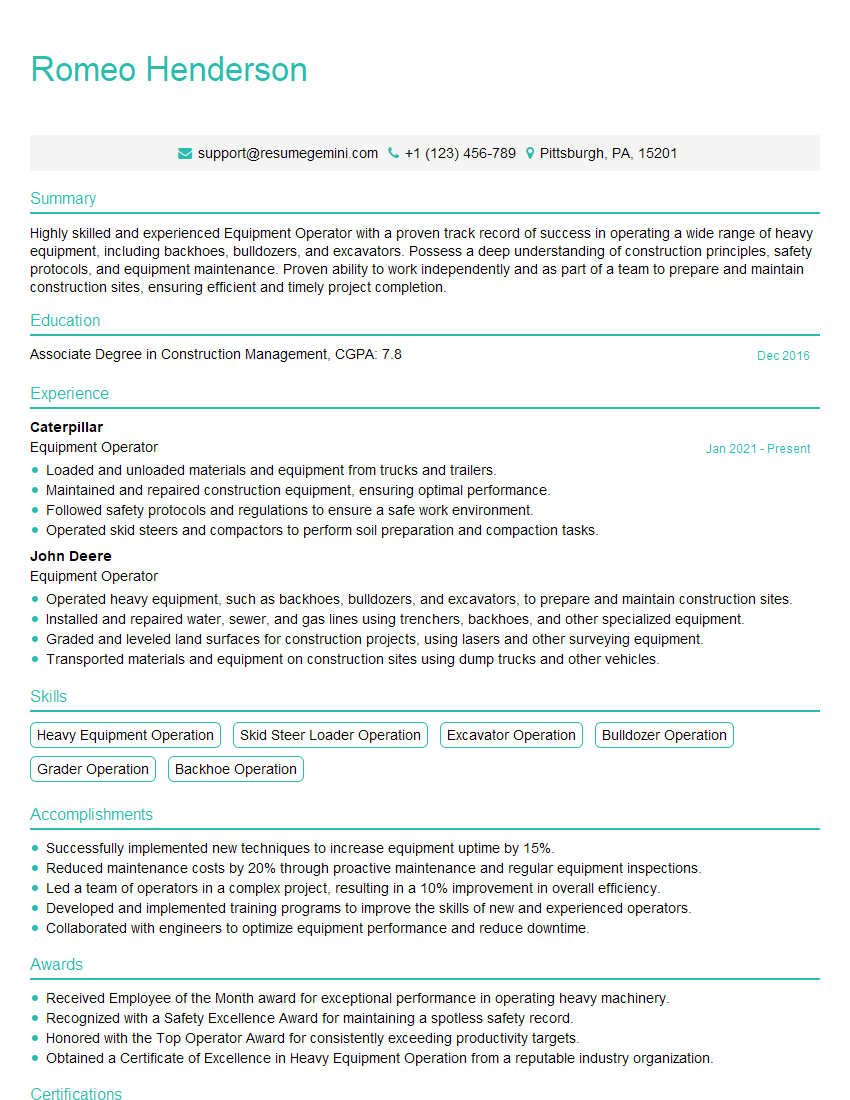
Equipment Operator Resume Sample

Utility Worker Resume Sample
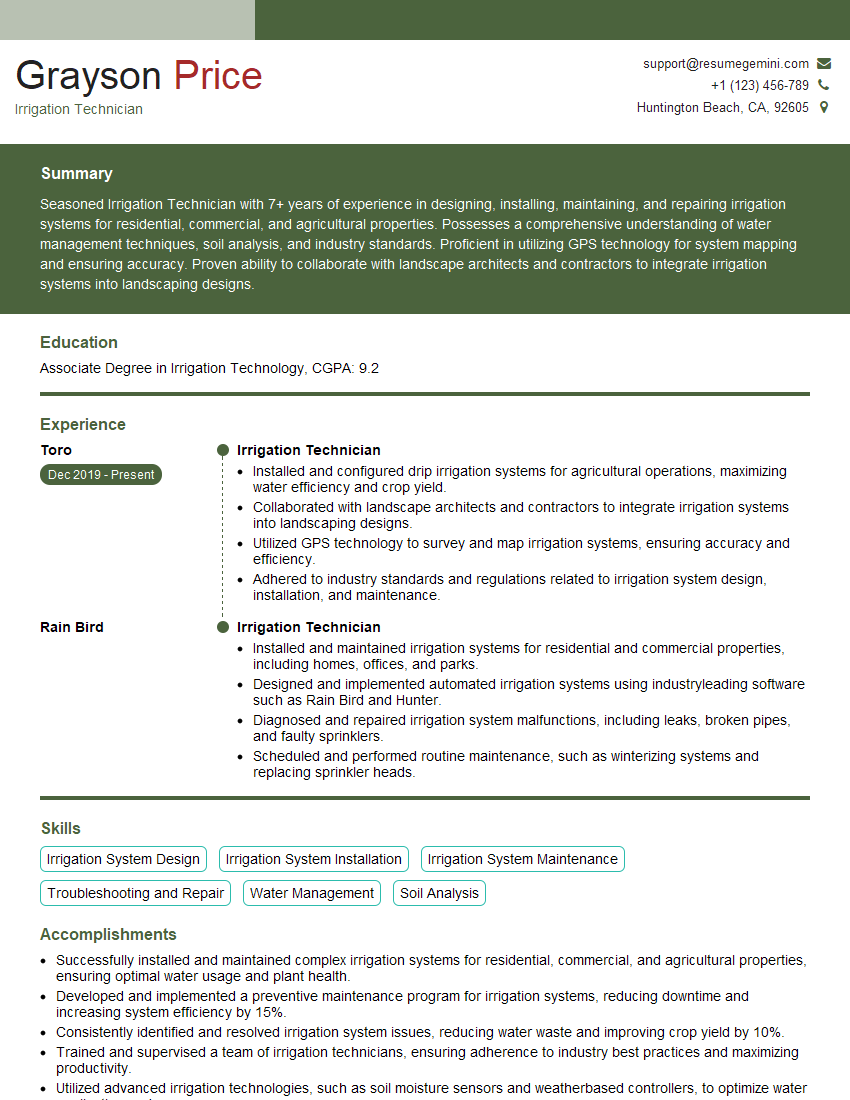
Irrigation Technician Resume Sample
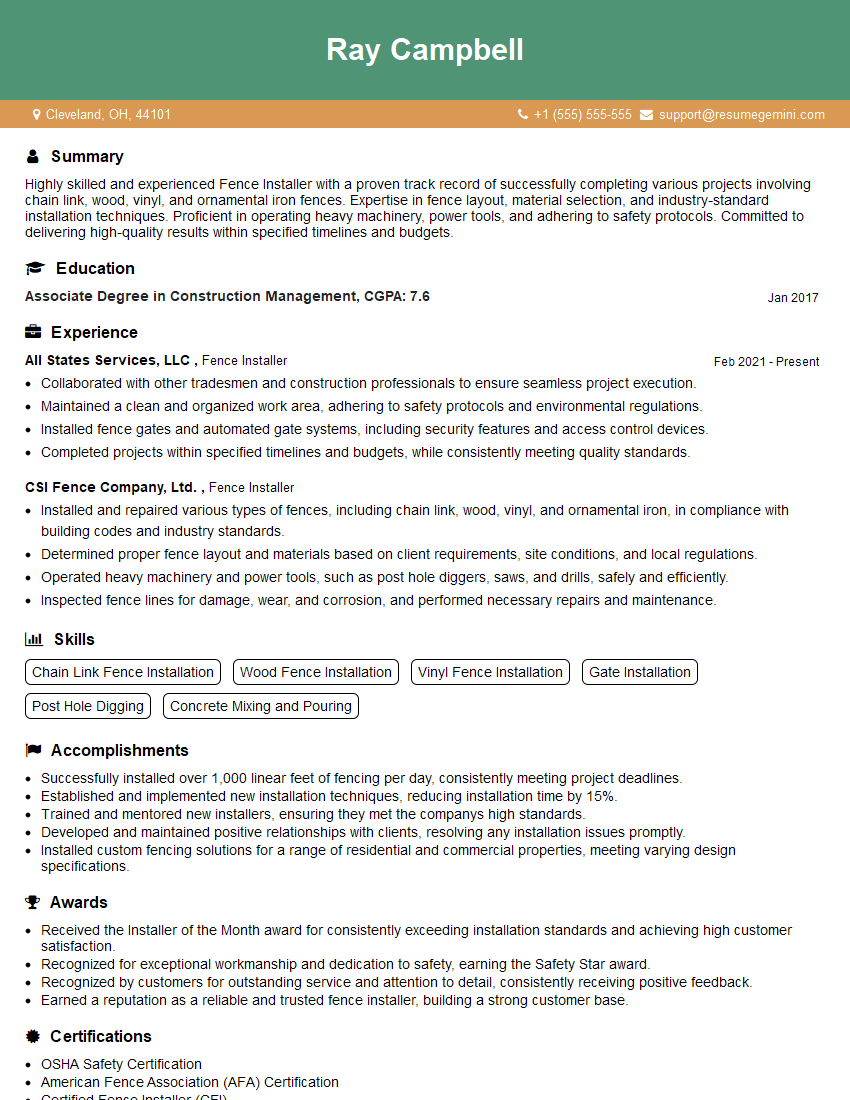
Fence Installer Resume Sample
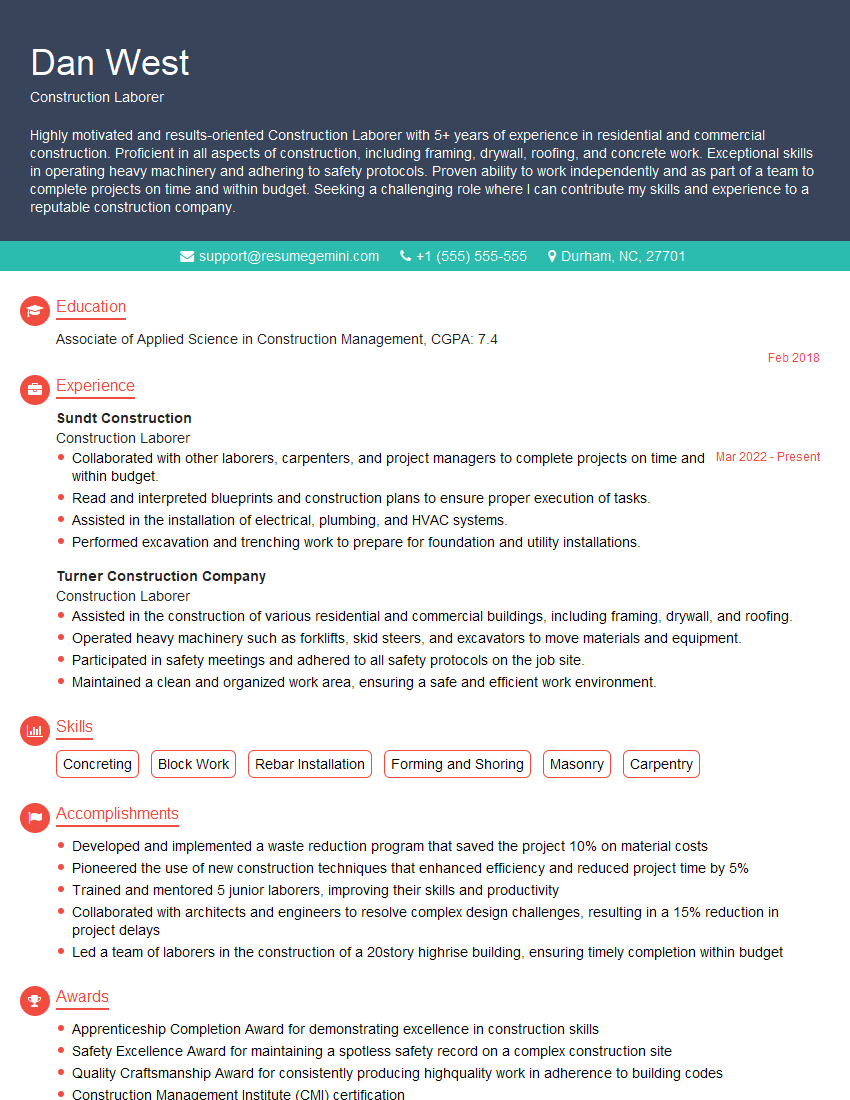
Construction Laborer Resume Sample

General Laborer Resume Sample
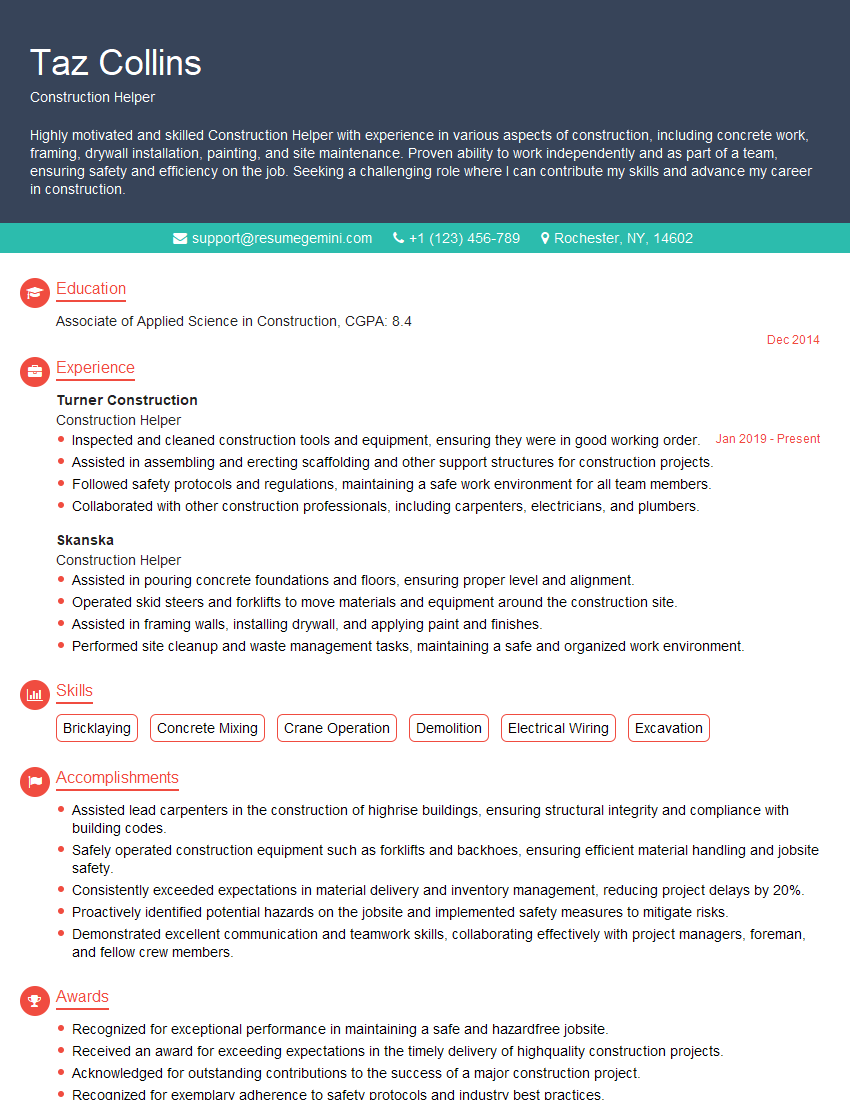
Construction Helper Resume Sample
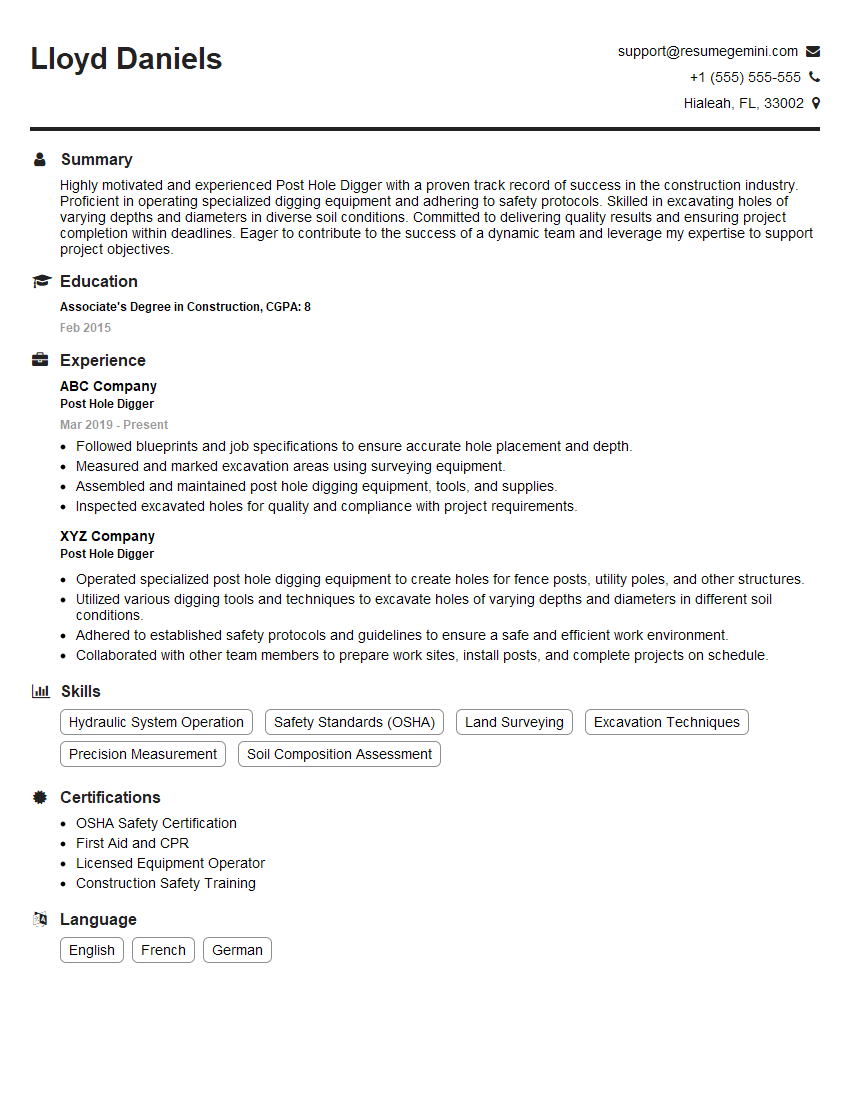
Post Hole Digger Resume Sample
Explore more articles
Users Rating of Our Blogs
Share Your Experience
We value your feedback! Please rate our content and share your thoughts (optional).
What Readers Say About Our Blog
Very informative content, great job.
good