Feeling uncertain about what to expect in your upcoming interview? We’ve got you covered! This blog highlights the most important Poultry Disease Diagnosis interview questions and provides actionable advice to help you stand out as the ideal candidate. Let’s pave the way for your success.
Questions Asked in Poultry Disease Diagnosis Interview
Q 1. Describe the common clinical signs of Newcastle Disease in poultry.
Newcastle Disease (ND), caused by the Newcastle disease virus (NDV), manifests in poultry with a wide range of clinical signs depending on the virulence of the strain and the age of the birds. Think of it like a spectrum of illness – from mild to severe.
- Respiratory signs: These are common in all forms, ranging from mild sneezing and coughing to gasping for air and severe respiratory distress. Imagine a bird struggling to breathe, its beak open and wings slightly drooped.
- Nervous signs: In more virulent strains, you might see twisting of the neck (torticollis), paralysis of legs or wings, and even complete paralysis. This is because NDV affects the nervous system.
- Digestive signs: Diarrhea, often greenish or yellowish, is a common feature, particularly in younger birds. They might also exhibit decreased appetite and weight loss.
- Mortality: High mortality rates are characteristic of highly virulent strains, especially in young chicks. Think of it like a rapid and devastating outbreak.
- Other signs: You might observe decreased egg production in layers, abnormal eggshells, and even sudden death in severe cases.
The severity of the clinical signs helps veterinarians determine the virulence of the NDV strain involved. For example, a flock showing only mild respiratory signs likely has a less virulent strain compared to a flock with high mortality and neurological symptoms.
Q 2. Explain the diagnostic methods used to identify Avian Influenza.
Diagnosing Avian Influenza (AI), a highly contagious disease caused by influenza A viruses, requires a multi-pronged approach combining clinical examination, epidemiological investigation, and laboratory testing. It’s crucial to act quickly and decisively, as this disease can spread rapidly.
- Clinical Examination: This initial step involves observing the birds for symptoms like respiratory distress (coughing, sneezing), decreased egg production, sudden death, neurological signs, and diarrhea. This helps formulate a preliminary suspicion.
- Epidemiological Investigation: Tracing the source of the outbreak is crucial. This involves gathering information about the flock’s history, recent movements of birds or people, and potential exposure to wild birds. This helps determine the risk and the extent of the problem.
- Laboratory Testing: This is the cornerstone of AI diagnosis. Several tests are available:
- Real-time RT-PCR (Reverse Transcription Polymerase Chain Reaction): This molecular test detects the viral RNA and is highly sensitive and specific, providing a rapid diagnosis. It’s like finding a specific genetic fingerprint of the virus.
- Virus Isolation: This method involves growing the virus in embryonated chicken eggs or cell cultures. This allows for further characterization of the virus strain. It’s a more time-consuming process, but important for strain identification.
- Serological Tests: These tests detect antibodies to AI virus in blood samples. These are useful to confirm previous exposure or to monitor vaccine effectiveness, but may not be as quick or accurate for active infection.
The combination of these diagnostic approaches allows for accurate and timely diagnosis of AI, ensuring swift implementation of control measures to prevent further spread.
Q 3. How do you differentiate between Infectious Bronchitis and Infectious Coryza in chickens?
Infectious Bronchitis (IB) and Infectious Coryza (IC) are both respiratory diseases of chickens, but they differ significantly in their clinical presentation and causative agents. Think of it like comparing two distinct types of colds.
| Feature | Infectious Bronchitis (IB) | Infectious Coryza (IC) |
|---|---|---|
| Causative Agent | Coronavirus | Avibacterium paragallinarum (bacteria) |
| Respiratory Signs | Severe respiratory distress, gasping, tracheal rales (rattling sounds), sometimes nasal discharge | Sneezing, nasal discharge (often copious and mucopurulent), swelling of the face and sinuses, reduced egg production |
| Other Signs | Reduced egg production, abnormal eggshells (especially in layers); sometimes nephritis (kidney inflammation) | Occasional conjunctivitis (inflammation of the eye lining) |
| Mortality | Relatively low | Relatively low |
Differentiating between IB and IC relies heavily on clinical observation. The presence of severe respiratory distress with tracheal rales strongly suggests IB, while copious nasal discharge and facial swelling point towards IC. Laboratory tests, such as PCR for IB virus and bacterial culture for A. paragallinarum, can confirm the diagnosis.
Q 4. What are the key biosecurity measures to prevent the spread of Salmonella in poultry farms?
Salmonella is a major concern in poultry production due to its zoonotic potential (it can spread to humans). Robust biosecurity measures are crucial to prevent its spread and minimize contamination. Think of these measures as layers of protection.
- Rodent and Pest Control: Rodents and wild birds can act as carriers. Regular monitoring and control measures are necessary.
- Hygiene and Sanitation: Maintaining a clean environment is crucial. Regular cleaning and disinfection of all surfaces, equipment, and facilities using appropriate disinfectants are vital. It’s like performing regular house cleaning on a large scale.
- Farm Access Control: Limiting access to the farm to authorized personnel only, enforcing strict hygiene protocols for visitors, and implementing a change of clothing policy help prevent the introduction of Salmonella.
- Waste Management: Proper disposal of manure and other waste materials is critical. Manure should be properly composted or otherwise treated to eliminate Salmonella before disposal. It’s like having a comprehensive waste management plan.
- Vaccination: While not a complete solution, vaccination of poultry can reduce the shedding of Salmonella, minimizing the risk of contamination.
- Biosecurity Training: Regular training of farm personnel on proper biosecurity protocols is essential to ensure consistent implementation of these measures.
Implementing these biosecurity measures effectively reduces the risk of Salmonella contamination, protecting both the poultry flock and public health.
Q 5. Explain the pathogenesis of Marek’s Disease.
Marek’s Disease (MD), caused by the Marek’s disease virus (MDV), is a lymphoproliferative disease affecting chickens, turkeys, and other birds. The virus primarily targets lymphocytes (a type of white blood cell).
The pathogenesis involves several key steps:
- Infection: Birds typically become infected through inhalation of dust containing MDV. It’s like breathing in an airborne virus.
- Latency: The virus establishes a latent infection in lymphocytes, replicating at a slow rate, sometimes undetected for weeks or months. It’s a silent infection.
- Transformation: The MDV transforms infected lymphocytes into tumor cells, leading to uncontrolled cell growth. This is where the problem truly starts.
- Tumor Development: These tumor cells spread throughout the body, forming tumors in various organs, including nerves, liver, spleen, and skin. These can lead to paralysis and other serious conditions.
- Clinical Disease: The clinical manifestations depend on the viral strain and the bird’s immune status. Symptoms can include paralysis, tumors, and immunosuppression.
Understanding MDV pathogenesis is crucial for implementing effective control measures, such as vaccination, which aims to reduce tumor development and viral shedding.
Q 6. Describe the different types of coccidiosis and their treatment strategies.
Coccidiosis is a parasitic disease of poultry caused by various species of Eimeria. Different Eimeria species target different parts of the intestines, leading to varying clinical signs and severity. Think of it as different types of intestinal infections.
Common Eimeria species in chickens include E. tenella (ceca), E. necatrix (small intestine), E. acervulina (small intestine), E. maxima (small intestine), and E. brunetti (small intestine).
- E. tenella: Causes severe cecal damage, bloody diarrhea, and high mortality, especially in younger birds.
- E. necatrix: Causes severe lesions in the small intestine, leading to yellowish diarrhea and dehydration.
- E. acervulina, E. maxima, and E. brunetti: Usually cause milder infections in the small intestine, but can still lead to reduced growth and egg production.
Treatment strategies: Coccidiostats (anticoccidial drugs) are routinely used in poultry feed to prevent and control coccidiosis. The choice of coccidiostat depends on the prevalence of different Eimeria species in the region and the resistance patterns. Vaccination is another strategy in use.
It’s important to note that relying solely on drugs can contribute to drug resistance. Therefore, a comprehensive strategy involving vaccination, proper hygiene, and strategic use of coccidiostats is recommended.
Q 7. How do you interpret a necropsy report for a suspected case of avian pox?
A necropsy report for suspected avian pox should highlight specific lesions consistent with the disease. Avian pox, caused by a poxvirus, causes characteristic skin lesions and occasionally internal lesions. Think of it as finding the virus’s signature.
Key findings in a necropsy report would include:
- Skin lesions: Warty or nodular lesions on the comb, wattles, face, and sometimes the legs and wings. These lesions can be whitish, yellowish, or grayish. Imagine bumpy growths on the bird’s skin.
- Oral lesions: Similar lesions can occur in the mouth, interfering with feeding.
- Internal lesions (less common): In severe cases, lesions may be found in the respiratory or digestive tract.
- Histopathology: Microscopic examination of tissue samples (histopathology) may reveal characteristic intracytoplasmic inclusion bodies (viral factories) within infected cells. These are microscopic indicators of poxvirus infection.
The presence of these characteristic lesions, especially the skin lesions, in conjunction with the history and clinical signs, allows for a definitive diagnosis of avian pox. However, it is crucial to rule out other diseases presenting similar skin lesions.
Q 8. What are the common bacterial pathogens affecting poultry respiratory systems?
Several bacterial pathogens commonly attack the poultry respiratory system, leading to significant economic losses. These infections often manifest as respiratory distress, reduced egg production, and increased mortality. Key culprits include:
- Escherichia coli (E. coli): A ubiquitous bacterium often causing colibacillosis, manifesting as airsacculitis (inflammation of the air sacs) and potentially pneumonia. It’s often secondary to other infections or stressors.
- Mycoplasma gallisepticum (MG) and Mycoplasma synoviae (MS): These mycoplasmas are significant respiratory pathogens causing chronic respiratory disease (CRD) in chickens. MG infections lead to tracheitis (inflammation of the trachea), sinusitis, and reduced egg production, while MS causes a more variable disease picture.
- Ornithobacterium rhinotracheale (ORT): This bacterium is a major cause of infectious coryza, characterized by sneezing, nasal discharge, and swollen sinuses. It’s particularly problematic in young birds.
- Pasteurella multocida: While often associated with fowl cholera (affecting multiple systems), it can also cause severe respiratory disease, especially in stressful conditions.
Diagnosis involves clinical signs, bacteriological culture from tracheal swabs or other respiratory samples, and serological tests to confirm the specific pathogen.
Q 9. Explain the role of serological tests in poultry disease diagnosis.
Serological tests are invaluable in poultry disease diagnosis, particularly for detecting antibodies against specific pathogens. These tests don’t directly detect the pathogen, but rather the bird’s immune response to it. This is crucial because antibodies indicate past or current infection. Imagine it like this: the pathogen is the burglar, and the antibodies are the police response. We can tell if a ‘burglary’ occurred by detecting the police presence.
Common serological tests used include:
- ELISA (Enzyme-Linked Immunosorbent Assay): A widely used, sensitive, and relatively inexpensive test to detect antibodies in serum samples.
- Agar Gel Precipitation Test (AGPT): A simple, visual test used for detecting antibodies, particularly useful in field settings for rapid preliminary screening.
- Hemagglutination Inhibition (HI) test: Used to identify specific antibodies that inhibit the agglutination (clumping) of red blood cells by viral antigens. This is particularly useful in avian influenza diagnostics.
The results help determine the prevalence of infection within a flock, monitor the effectiveness of vaccination programs, and aid in differential diagnosis. However, serological tests have limitations, such as not differentiating between past and current infections in all cases, hence requiring careful interpretation.
Q 10. Describe the principle of PCR in detecting avian viruses.
Polymerase Chain Reaction (PCR) is a powerful molecular technique used to detect avian viruses with remarkable sensitivity and specificity. It works by amplifying a specific viral DNA or RNA sequence, making it detectable even when present in minute quantities. Think of it as making millions of copies of a specific piece of viral ‘genetic fingerprint’.
The principle is as follows:
- DNA/RNA extraction: Viral genetic material is extracted from the sample (e.g., cloacal swab, tissue).
- Primer annealing: Short DNA sequences (primers) specifically designed to bind to the viral target are added.
- PCR amplification: Through cycles of heating and cooling, the DNA polymerase enzyme replicates the target DNA/RNA sequence exponentially, creating millions of copies.
- Detection: The amplified product is detected using various methods, such as gel electrophoresis or real-time PCR, which quantifies the viral load.
PCR is widely used to detect avian influenza viruses, Newcastle disease virus, infectious bronchitis virus, and many others. Its high sensitivity enables early detection and rapid response to outbreaks.
Q 11. How do you perform a differential diagnosis for fowl cholera?
Fowl cholera, caused by Pasteurella multocida, presents with a variety of clinical signs, making differential diagnosis crucial. It’s important to distinguish it from other diseases with overlapping symptoms. The process involves a systematic approach:
- Clinical examination: Observe the affected birds for symptoms like sudden death, respiratory distress, swelling of the head, and hemorrhagic lesions. Note the severity and distribution of symptoms within the flock.
- Bacteriological culture: Collect samples (blood, liver, spleen) for bacterial isolation and identification using standard microbiological techniques. This step directly confirms the presence of P. multocida.
- Serological tests: Employ ELISA or AGPT to detect antibodies against P. multocida, providing additional confirmation and aiding in assessing the extent of infection.
- Histopathology: Examine tissues microscopically to identify characteristic lesions, such as fibrinous pericarditis (inflammation of the heart sac) and hepatic necrosis (liver damage).
- Differential diagnosis: Compare findings with other diseases mimicking fowl cholera, such as avian influenza, Newcastle disease, and infectious coryza, using clinical signs, laboratory results, and epidemiological data.
A comprehensive approach considering these factors ensures accurate diagnosis and effective control measures.
Q 12. What is the significance of histopathology in avian disease diagnosis?
Histopathology plays a vital role in avian disease diagnosis by providing microscopic examination of tissues to identify characteristic pathological changes. Imagine it as a detective using a powerful magnifying glass to examine the ‘crime scene’ (diseased tissues). This helps pinpoint the nature and cause of the disease more precisely than gross observation alone.
Histopathological examination reveals:
- Cellular changes: Identification of specific cell types affected (e.g., necrosis, inflammation, infiltration of immune cells).
- Tissue damage: Assessment of the extent and nature of tissue damage (e.g., hemorrhage, fibrosis).
- Viral inclusions: Detection of characteristic viral inclusions within cells, indicative of specific viral infections.
- Parasitic stages: Identification of parasitic stages within tissues, crucial for diagnosing parasitic diseases.
Histopathology is essential for confirming diagnoses, especially in cases with ambiguous clinical presentations and for understanding the pathogenesis of diseases. It’s particularly useful in diagnosing diseases like Marek’s disease, avian leukosis, and various viral infections.
Q 13. Explain the importance of vaccination programs in poultry health management.
Vaccination programs are cornerstone to poultry health management. They offer proactive protection against a range of devastating diseases, drastically reducing morbidity (illness) and mortality (death), thus boosting economic viability and ensuring food security. Think of it as providing your flock with a protective shield against harmful pathogens.
Key benefits include:
- Reduced disease incidence: Vaccinations significantly decrease the likelihood of disease outbreaks.
- Improved production efficiency: Healthy birds lead to better egg production, increased weight gain, and improved feed conversion ratio.
- Enhanced flock immunity: Vaccinations stimulate the birds’ immune system, providing long-term protection.
- Reduced antibiotic use: Prophylactic vaccination reduces the need for antibiotics, contributing to better antimicrobial stewardship.
- Economic benefits: Minimized losses due to disease significantly impact the profitability of poultry farming.
Effective vaccination programs require careful consideration of vaccine type, timing, and route of administration, and should be tailored to specific disease risks and flock management practices. Regular monitoring of vaccine efficacy is crucial.
Q 14. How do you manage an outbreak of infectious laryngotracheitis?
Infectious laryngotracheitis (ILT), a highly contagious viral disease affecting poultry, requires a comprehensive management strategy during an outbreak. The primary goal is to contain the spread and minimize losses.
Management steps include:
- Immediate isolation: Separate affected birds from healthy ones to prevent further spread. This might involve dividing barns or even culling severely affected birds.
- Strict biosecurity measures: Implement rigorous biosecurity measures to prevent entry and exit of the virus. This involves disinfecting footwear, vehicles, and equipment, controlling visitor access, and employing appropriate personal protective equipment (PPE).
- Vaccination (if not already in place): Consider vaccination of exposed but still healthy birds with a live attenuated ILT vaccine to prevent further infection. Vaccination should be tailored to the specific ILT strain involved.
- Symptomatic treatment: Provide supportive care to affected birds, including hydration, electrolyte supplementation, and potentially anti-inflammatory drugs to alleviate clinical signs. Antibiotics may be considered to prevent secondary bacterial infections.
- Disposal of carcasses: Proper disposal of dead birds is essential to prevent environmental contamination. Incineration or deep burial are recommended.
- Cleaning and disinfection: Thorough cleaning and disinfection of all equipment, poultry houses, and surrounding areas are crucial to eliminate the virus from the environment.
Early detection and rapid implementation of these control measures are crucial for minimizing the impact of an ILT outbreak.
Q 15. Describe your experience with avian influenza surveillance programs.
My experience with avian influenza surveillance programs spans over a decade, encompassing both active and passive surveillance strategies. Active surveillance involves targeted testing of poultry flocks within specific geographic areas or risk groups, often triggered by outbreaks in neighboring regions or migratory bird patterns. I’ve been directly involved in designing and implementing these programs, including selecting sample sizes, identifying high-risk farms, and coordinating sample collection and transportation to the laboratory. Passive surveillance relies on reporting of suspected cases by poultry producers, veterinarians, and other stakeholders. My role here includes reviewing these reports, verifying the information, and initiating further investigation and testing when necessary. For example, I once led a team that successfully identified an early case of H5N1 avian influenza in a backyard flock through active surveillance, enabling prompt quarantine and containment measures, preventing wider spread.
A crucial aspect of successful surveillance is ensuring the quality and timeliness of testing. We use various techniques, including real-time RT-PCR for rapid detection and confirmation of the virus. Data analysis and interpretation are equally critical, allowing us to track the prevalence of the virus, identify potential spread patterns, and inform control measures such as vaccination strategies or culling.
Career Expert Tips:
- Ace those interviews! Prepare effectively by reviewing the Top 50 Most Common Interview Questions on ResumeGemini.
- Navigate your job search with confidence! Explore a wide range of Career Tips on ResumeGemini. Learn about common challenges and recommendations to overcome them.
- Craft the perfect resume! Master the Art of Resume Writing with ResumeGemini’s guide. Showcase your unique qualifications and achievements effectively.
- Don’t miss out on holiday savings! Build your dream resume with ResumeGemini’s ATS optimized templates.
Q 16. What are the zoonotic implications of poultry diseases?
Poultry diseases carry significant zoonotic implications, meaning they can be transmitted from birds to humans. Highly pathogenic avian influenza (HPAI) viruses, particularly H5N1 and H7N9, pose a substantial risk. Direct contact with infected birds or their contaminated droppings is a primary transmission route. Exposure can lead to severe respiratory illness in humans, sometimes fatal. Other diseases like Newcastle disease and avian metapneumovirus can also cause mild to moderate respiratory illness in humans. The risk is heightened for individuals working closely with poultry, such as farmers, slaughterhouse workers, and laboratory personnel. Therefore, strict biosecurity measures, including personal protective equipment (PPE), are crucial to minimize the risk of zoonotic transmission. Outbreaks highlight the need for robust surveillance systems to rapidly detect and contain outbreaks, protecting both human and avian populations.
Q 17. How do you handle suspected cases of highly pathogenic avian influenza?
Handling suspected cases of highly pathogenic avian influenza requires a rapid and coordinated response. The first step is immediate isolation of the affected flock and premises to prevent further spread. This involves establishing a quarantine zone, restricting movement of birds and personnel, and implementing strict biosecurity measures. Samples (e.g., cloacal and tracheal swabs, tissue samples) are collected aseptically and sent to a designated laboratory for testing using real-time RT-PCR for confirmation. Depending on the laboratory results and the severity of the outbreak, culling of the infected flock may be necessary to prevent further spread, followed by thorough disinfection of the premises. Official notification to the relevant animal health authorities is mandatory, enabling a wider, coordinated response across the region or country. This includes tracing and monitoring potential contact flocks to determine the extent of the spread and implement preventative measures.
This process is often challenging, requiring close collaboration between government agencies, veterinarians, poultry producers, and laboratory personnel. Communication and cooperation are vital to minimize economic losses and public health risks.
Q 18. Describe your experience with post-mortem examination of poultry.
Post-mortem examination (PME), or necropsy, of poultry is an essential diagnostic tool. I have extensive experience in performing PMEs, following standardized procedures to systematically examine internal organs, assess lesions, and collect samples for microbiological, virological, and histopathological examinations. My experience includes performing PMEs on a wide range of species, including chickens, turkeys, ducks, and other avian species. I carefully document all findings, including gross lesions, which are crucial in guiding further diagnostic tests. For instance, observing swollen sinuses in a bird may indicate a respiratory disease, while lesions in the intestines may suggest gastrointestinal disorders.
Systematic examination and accurate documentation are paramount to generating high-quality results. Appropriate sample collection and preservation are essential for successful laboratory analysis and achieving accurate diagnoses. The results from PME guide treatment strategies, inform disease control measures, and contribute to epidemiological investigations.
Q 19. What is your experience with various diagnostic techniques such as ELISA and agar gel precipitation?
I’m proficient in various diagnostic techniques, including ELISA (Enzyme-Linked Immunosorbent Assay) and agar gel precipitation. ELISA is a highly sensitive and widely used method for detecting antibodies against various avian pathogens. It’s useful for sero-surveillance, indicating past exposure to specific diseases within a flock. Agar gel precipitation is a simpler method that detects the presence of specific antigens in samples. It’s less sensitive than ELISA but can be useful for rapid screening, particularly in resource-limited settings.
I have experience interpreting results from both tests, understanding their limitations, and integrating them with other diagnostic results (such as PME findings and molecular tests like PCR) to reach an accurate diagnosis. For example, a positive ELISA result combined with clinical signs suggestive of avian influenza would lead me to proceed with confirmatory PCR testing.
Q 20. Explain your understanding of the regulatory framework for avian disease control.
My understanding of the regulatory framework for avian disease control is extensive. It varies by country and region but generally involves a complex interplay of national and international regulations. These regulations typically cover aspects of biosecurity, disease surveillance, reporting procedures, movement restrictions, and control measures such as vaccination and culling. International organizations like the World Organisation for Animal Health (WOAH), formerly OIE, play a significant role in setting standards and harmonizing regulations globally. I’m familiar with the specific regulations applicable to my region, including the legal obligations for reporting suspected or confirmed avian disease outbreaks, the procedures for implementing control measures, and the penalties for non-compliance. Understanding and adhering to these regulations are essential for preventing the spread of avian diseases and protecting both animal and human health.
Q 21. Describe your experience working within a veterinary diagnostic laboratory.
My experience within veterinary diagnostic laboratories has been extensive, encompassing various roles from sample processing to result interpretation and reporting. I’ve worked in both high-throughput laboratories processing large volumes of samples, as well as smaller labs focusing on specialized diagnostic techniques. This experience has given me a deep understanding of laboratory workflows, quality control procedures, and data management systems. I’m proficient in various laboratory techniques including PCR, ELISA, serology, bacteriology, virology, and histopathology. I understand the importance of maintaining the highest quality standards to ensure accurate and reliable results that inform effective disease control strategies. For example, I’ve been involved in implementing and maintaining ISO 17025 accreditation in a laboratory setting, highlighting a commitment to delivering high-quality results that meet international standards.
Q 22. How do you interpret hematological results in avian disease diagnosis?
Interpreting hematological results is crucial in avian disease diagnosis. Changes in blood cell counts and morphology can indicate various infections, metabolic disorders, or other health problems. For example, a significant increase in heterophils (the avian equivalent of neutrophils) often suggests a bacterial infection, while lymphocytosis (increased lymphocytes) might point towards a viral infection or immune response. Anemia (reduced red blood cell count) can be caused by various factors, including internal parasites, nutritional deficiencies, or chronic diseases.
We use complete blood counts (CBCs) which include red blood cell counts (RBC), white blood cell counts (WBC), hematocrit (Hct), and differential white blood cell counts. These provide a snapshot of the bird’s overall health. For instance, a low hematocrit coupled with pale combs and wattles suggests anemia, prompting further investigation into potential causes like Eimeria infection (coccidiosis) or internal parasites.
Other important parameters include the mean corpuscular volume (MCV), mean corpuscular hemoglobin (MCH), and mean corpuscular hemoglobin concentration (MCHC), which offer further insights into the characteristics of red blood cells and can assist in differentiating types of anemia. Analyzing these parameters alongside clinical signs and other diagnostic tests provides a more complete picture of the bird’s condition. Ultimately, it’s a holistic approach to diagnosis, where hematological results are not interpreted in isolation but integrated with other clinical findings.
Q 23. Discuss your experience in designing and implementing biosecurity protocols.
Designing and implementing robust biosecurity protocols is paramount in preventing disease outbreaks. My experience involves working with farms of various sizes, from small backyard operations to large commercial poultry facilities. I’ve developed and implemented protocols encompassing all aspects of farm management, starting with site selection – choosing locations that minimize exposure to wildlife and other potential disease vectors.
Key elements include strict hygiene practices, such as foot dips, hand washing stations, and the proper disposal of waste and dead birds. We also emphasize controlled access to the farm, with visitor protocols and vehicle disinfection procedures. Furthermore, I integrate rodent and pest control measures, effective disinfection strategies using appropriate disinfectants, and comprehensive vaccination programs tailored to the specific risks in the region and the flock’s age. Importantly, regular monitoring of the flock’s health is essential, enabling early detection of potential issues. Finally, I strongly advocate for training and education programs for all personnel, ensuring consistent adherence to these protocols.
For example, on one large-scale broiler farm, the implementation of a strict biosecurity plan, including rigorous cleaning and disinfection procedures, and a well-defined employee hygiene protocol, resulted in a significant reduction in the incidence of Salmonella contamination.
Q 24. Explain your knowledge of different poultry breeds and their susceptibility to specific diseases.
Poultry breeds vary significantly in their susceptibility to specific diseases. This is largely due to genetic factors that influence immune function and disease resistance. For instance, certain breeds might possess inherent resistance to certain viral infections, while others might be more prone to particular bacterial or parasitic diseases.
Consider broiler breeds, known for their rapid growth rate. These breeds often have compromised immune systems due to the selective breeding for rapid growth, making them more vulnerable to infections like coccidiosis and necrotic enteritis. In contrast, layer breeds, selected for egg production, may exhibit different susceptibility patterns. Similarly, heritage or dual-purpose breeds can show different levels of resistance depending on their genetic background and historical selection pressures.
Understanding these breed-specific susceptibilities is critical for developing targeted preventive strategies and treatment plans. For example, a vaccination program for a broiler flock needs to account for their increased vulnerability to specific pathogens compared to a layer flock. This might involve more frequent vaccinations or the use of particular vaccine formulations to ensure optimal protection.
Q 25. Describe your approach to investigating a disease outbreak on a poultry farm.
Investigating a disease outbreak requires a systematic and multi-faceted approach. My strategy begins with a thorough on-site assessment, collecting detailed information about the farm’s management practices, recent changes in feed or housing, and any unusual observations from the farm personnel. This is followed by clinical examination of affected birds to determine the signs and symptoms of disease. This includes assessing mortality rates, observing clinical signs (e.g., respiratory distress, diarrhea), and recording the age and breed of the birds affected.
Next, I would collect samples for laboratory testing. This might include blood samples for hematological and serological tests, fecal samples for parasite examination and bacterial culture, and tissue samples for histopathology and virus isolation. The choice of tests depends on the suspected disease and available resources. Following laboratory analysis, we use the results to confirm the diagnosis and determine the causative agent. Finally, the results and recommendations for control measures will be relayed to the farm owner or manager and regularly reviewed as the situation evolves. This ensures that the implementation strategies are effective and any necessary adjustments are made in a timely manner.
Q 26. What are the ethical considerations involved in handling poultry disease outbreaks?
Ethical considerations in handling poultry disease outbreaks are paramount. Our primary ethical duty is to minimize animal suffering and prevent unnecessary mortality. This includes prompt diagnosis and implementation of effective control measures, ensuring the humane treatment of affected birds, and responsible disposal of carcasses to prevent the spread of disease. We also have an ethical obligation to maintain transparency and communicate effectively with the farm owners, stakeholders, and relevant regulatory authorities.
Additionally, ethical considerations extend to the potential economic impacts on the farmers. We should ensure that our actions do not disproportionately burden the farmers financially, while maintaining the highest standards of animal welfare and disease control. This often involves carefully balancing the costs and benefits of various intervention strategies. Furthermore, data privacy and confidentiality are crucial, especially regarding information obtained from farms, ensuring responsible and ethical data handling and reporting.
Q 27. How would you evaluate the effectiveness of a poultry disease control program?
Evaluating the effectiveness of a poultry disease control program requires a comprehensive approach, using various indicators to assess the program’s success. Key indicators include the reduction in morbidity (disease incidence) and mortality rates, the improvement in flock productivity (e.g., egg production, weight gain), and the reduction in the prevalence of specific pathogens. These are monitored through regular data collection, which include mortality records, clinical observations, and laboratory test results.
Another crucial aspect is the economic evaluation, comparing the costs of the program (e.g., vaccines, labor, medication) against the economic benefits, such as increased productivity and reduced losses. Moreover, we assess the program’s impact on animal welfare, ensuring that the control measures do not cause undue stress or suffering to the birds. Furthermore, the effectiveness of the biosecurity measures should be regularly audited, and any weaknesses addressed promptly. By regularly analyzing these aspects, we can determine if the control program has achieved its objectives and identify areas for improvement.
Q 28. Describe your experience with data analysis and interpretation related to poultry disease trends.
Data analysis plays a vital role in understanding poultry disease trends. I have extensive experience using various statistical methods and software to analyze epidemiological data, including mortality rates, disease incidence, and the prevalence of specific pathogens. This involves collecting data from multiple sources, such as farm records, laboratory reports, and veterinary surveillance systems. I use this data to identify disease patterns, pinpoint risk factors, and track the effectiveness of disease control measures.
For example, I’ve used statistical modeling to analyze the correlation between environmental factors (such as temperature and humidity) and the occurrence of respiratory diseases in poultry. This helps in forecasting potential outbreaks and implementing preventive measures. Furthermore, I’m proficient in using GIS (Geographic Information Systems) software to map disease outbreaks, identify clusters of cases, and analyze spatial patterns of disease spread. This geographic analysis helps to target disease control interventions efficiently and effectively. Ultimately, data-driven insights are crucial for developing targeted, evidence-based strategies for preventing and controlling poultry diseases.
Key Topics to Learn for Poultry Disease Diagnosis Interview
- Poultry Anatomy and Physiology: Understanding the normal functioning of poultry systems is crucial for identifying deviations indicative of disease.
- Clinical Examination Techniques: Master the skills of physical examination, including observation, palpation, and auscultation, to detect subtle signs of illness.
- Common Poultry Diseases: Develop in-depth knowledge of prevalent bacterial, viral, parasitic, and mycotic diseases affecting poultry, including their clinical presentation, pathogenesis, and epidemiology.
- Diagnostic Laboratory Techniques: Gain familiarity with various laboratory methods used in poultry disease diagnosis, such as hematology, serology, microbiology, and histopathology. Understand the interpretation of results and their limitations.
- Necropsy Procedures: Practice proper necropsy techniques for collecting and analyzing samples to aid in disease diagnosis. Understand the importance of accurate sample collection and handling.
- Disease Prevention and Biosecurity: Demonstrate understanding of biosecurity measures, vaccination protocols, and hygiene practices to minimize disease outbreaks.
- Data Analysis and Interpretation: Develop skills in analyzing epidemiological data, interpreting laboratory results, and formulating accurate diagnoses based on collected information.
- Differential Diagnosis: Practice the art of differentiating between various poultry diseases presenting with similar clinical signs.
- Case Study Analysis: Develop your problem-solving skills by analyzing hypothetical and real-world case studies of poultry disease outbreaks.
- Current Research and Trends: Stay updated on the latest advancements in poultry disease diagnosis and emerging diseases.
Next Steps
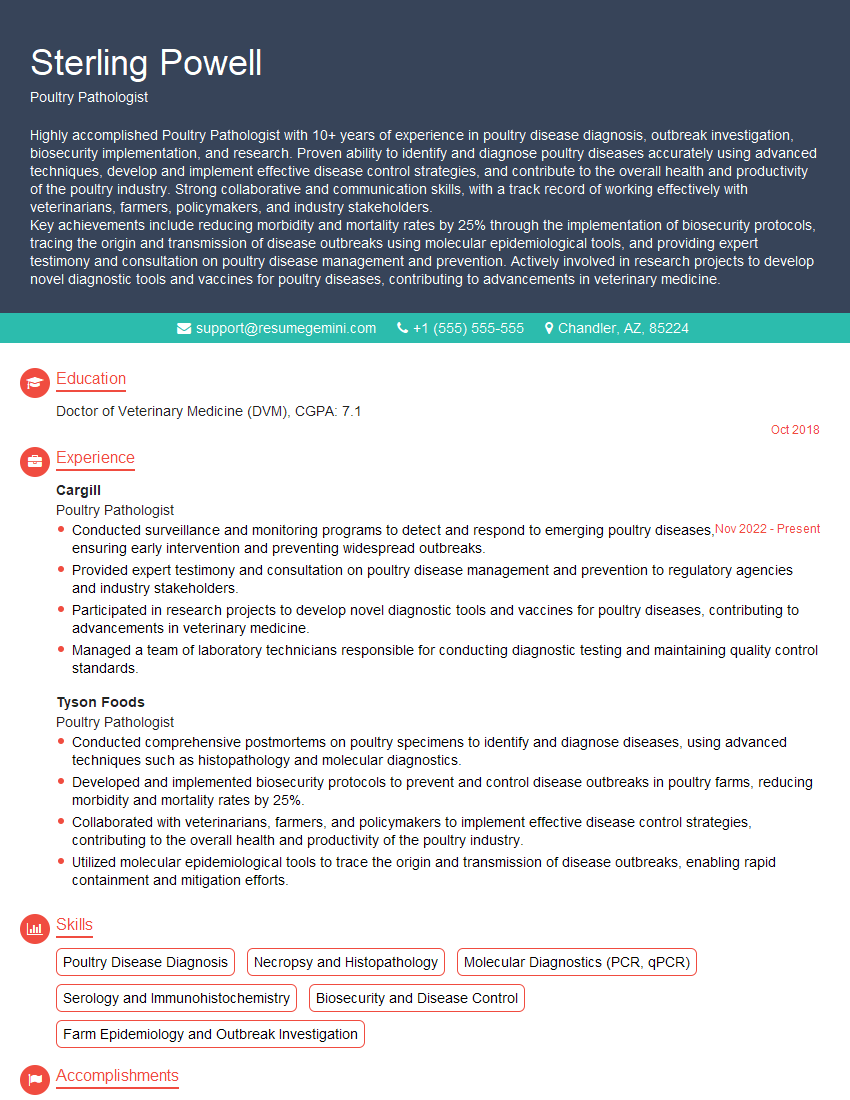
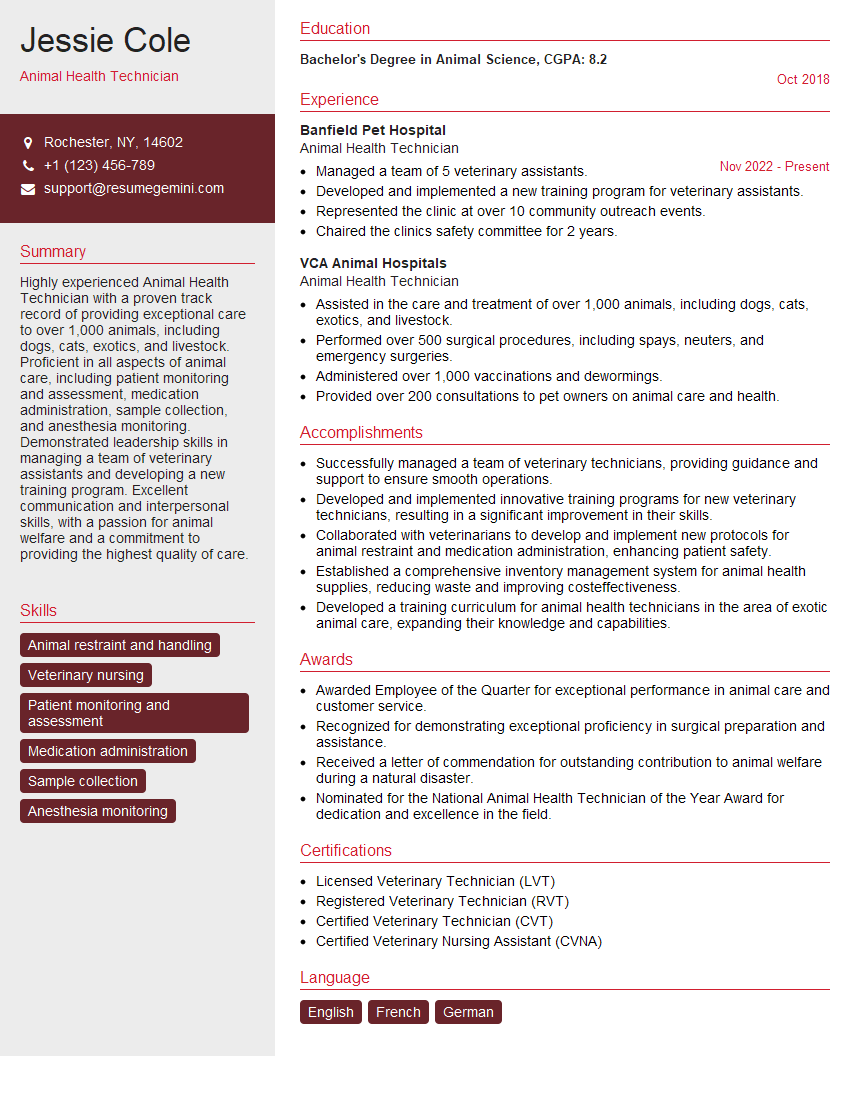
Mastering Poultry Disease Diagnosis is vital for a successful and rewarding career in avian health. It opens doors to various roles in research, diagnostics, and poultry production, offering significant career growth potential. To maximize your job prospects, create a strong, ATS-friendly resume that highlights your skills and experience effectively. ResumeGemini is a trusted resource that can help you build a professional and impactful resume tailored to the specific requirements of Poultry Disease Diagnosis roles. Examples of resumes tailored to this field are provided to guide you.
Explore more articles
Users Rating of Our Blogs
Share Your Experience
We value your feedback! Please rate our content and share your thoughts (optional).
What Readers Say About Our Blog
Very informative content, great job.
good