Interviews are more than just a Q&A session—they’re a chance to prove your worth. This blog dives into essential Poultry Farm Operations interview questions and expert tips to help you align your answers with what hiring managers are looking for. Start preparing to shine!
Questions Asked in Poultry Farm Operations Interview
Q 1. Describe your experience in poultry farm biosecurity protocols.
Biosecurity is the cornerstone of successful poultry farming. It’s all about preventing the introduction and spread of diseases. My approach is multi-layered and starts with strict perimeter control. This includes limiting access to the farm, implementing vehicle disinfection protocols (e.g., foot dips, wheel washes), and having dedicated farm clothing and footwear. I also focus on internal biosecurity. This entails regular cleaning and disinfection of poultry houses, implementing rodent and pest control measures, and careful monitoring of bird health. For example, we enforce strict visitor protocols, requiring all visitors to change into clean clothing and footwear provided on-site. Any equipment brought into the farm is thoroughly disinfected. We also maintain detailed records of all activities, including personnel movements and vehicle entry/exit, to assist with disease tracing if needed.
Beyond these, we have a robust program for waste management. All dead birds are promptly and safely disposed of, following all local regulations, to prevent the spread of pathogens. We also monitor the surrounding environment for potential disease vectors like wild birds, keeping the area clean and free of potential attractants. Ultimately, biosecurity isn’t just a list of rules; it’s a mindset that permeates every aspect of farm operations.
Q 2. What are the key indicators of poultry health and how do you monitor them?
Monitoring poultry health involves observing key indicators that reflect the birds’ overall well-being. These include monitoring mortality rates—any significant increase warrants immediate investigation. Feed and water consumption changes can also signify illness; reduced consumption often indicates illness. We regularly monitor body weight and condition, using scales and visual assessment. Any significant weight loss or changes in appearance are noted. Additionally, we observe bird behavior; lethargy, ruffled feathers, or respiratory distress are early warning signs. I also regularly examine birds for clinical signs of illness, such as diarrhea, lameness, or lesions. We use a combination of observation and data logging, along with regular health checks from our veterinarian. A healthy flock shows consistent weight gain, high feed conversion rates, minimal mortality, and active, alert behavior.
Q 3. Explain your approach to managing poultry feed and nutrition.
Poultry feed management involves balancing cost-effectiveness with optimal bird nutrition. We utilize high-quality commercially formulated feeds tailored to the specific age and breed of our birds. These formulations are carefully selected to meet the birds’ nutritional requirements, ensuring proper growth, egg production, and overall health. We meticulously track feed consumption, regularly checking feed levels in troughs and making necessary adjustments to prevent wastage or shortages. We also regularly monitor the feed conversion ratio (FCR), which is the amount of feed required to produce one unit of weight gain or eggs. A lower FCR indicates better feed efficiency. For example, in one of our broiler operations, we observed a higher FCR than usual, prompting a review of our feed formulation, which ultimately identified and fixed a minor nutrient deficiency. Regular water quality testing is also crucial, ensuring the birds have access to clean, fresh water.
Q 4. How do you handle disease outbreaks on a poultry farm?
Disease outbreak management starts with rapid identification and containment. We have a detailed disease control plan that outlines steps for suspected outbreaks. This includes immediately isolating affected birds, implementing strict biosecurity measures to prevent further spread (e.g., enhanced disinfection, restricted access), and contacting our veterinarian. Samples are collected and sent to a diagnostic laboratory to identify the causative agent. Based on the diagnosis, we implement appropriate treatment strategies, which may involve medications or other supportive care. We maintain detailed records of the outbreak, including mortality rates, treatment protocols, and any other relevant information, enabling analysis of factors contributing to the outbreak and helping to prevent similar events in the future. We’ll also often communicate with other poultry farms in the area to share information about the outbreak, in line with relevant regulatory requirements.
Q 5. Describe your experience with different poultry breeds and their specific needs.
My experience encompasses a range of poultry breeds, from fast-growing broilers to layer hens with differing egg-laying capabilities. Broilers, for instance, require high-protein diets and optimal environmental conditions to maximize growth. Their housing needs to focus on minimizing stress and maximizing space for efficient weight gain. Layer hens, on the other hand, have different needs focusing on maintaining a consistent egg-laying cycle. Their nutrition requires a balance of nutrients to support egg production, and lighting schedules must be controlled to optimize laying performance. For example, we found that using a specific breed of laying hens that have a greater resistance to certain diseases significantly reduced our disease management costs and improved overall flock productivity. Choosing the right breed involves understanding their specific needs and optimizing management strategies accordingly.
Q 6. What are the common challenges in poultry farming and your solutions?
Poultry farming faces many challenges, including disease outbreaks, which necessitate robust biosecurity and proactive health management. Feed costs can be significant; this requires careful feed management and selection of cost-effective, high-quality feeds. Climate change impacts also present difficulties; heat stress can affect egg production and bird health; therefore, we implement climate control measures in our poultry houses. Market fluctuations pose challenges in pricing and demand; this demands careful market analysis and planning. Our solutions involve proactive risk management, implementing efficient operational practices, and staying informed about market trends. Investing in advanced technologies and adopting sustainable practices are also crucial for long-term success and mitigating the impacts of the challenges mentioned above.
Q 7. How do you optimize poultry housing and environmental control?
Optimizing poultry housing and environmental control is critical for bird health, productivity, and welfare. We use well-ventilated houses to maintain optimal temperatures and humidity levels, and use automated climate control systems to ensure consistency. Appropriate lighting programs are essential for egg production in layers and promoting growth in broilers. House design should minimize stress and maximize space utilization, providing enough space for birds to move freely and comfortably. We also prioritize cleanliness and hygiene; regular cleaning and disinfection are essential in preventing disease spread. For instance, installing automatic manure removal systems saves labor and keeps houses cleaner. Regular maintenance of the housing and equipment is critical. A well-designed and managed housing system is an investment that pays dividends in terms of productivity, reduced losses, and enhanced animal welfare. We monitor environmental parameters continuously and make adjustments as needed to create an optimal environment for our birds.
Q 8. Explain your experience with poultry vaccination and health programs.
Poultry vaccination and health programs are crucial for preventing disease outbreaks and maintaining flock health. My experience encompasses developing and implementing comprehensive vaccination schedules tailored to the specific needs of the flock, considering factors like age, breed, and prevalent diseases in the region. This includes procuring high-quality vaccines, ensuring proper storage and handling, and administering vaccines accurately and efficiently, often using a combination of methods like subcutaneous injections or mass medication through the drinking water.
For example, in one farm, we successfully controlled Newcastle Disease by implementing a rigorous vaccination program incorporating both live and inactivated vaccines at appropriate stages of the birds’ life cycle, combined with stringent biosecurity measures. We also monitor vaccine efficacy through serological testing to confirm antibody levels and adjust the vaccination strategy as needed. Furthermore, our health programs go beyond vaccination, incorporating regular health checks, prompt identification and isolation of sick birds, and implementing appropriate treatment protocols under veterinary guidance. We maintain detailed records of all vaccination events and health incidents, which aids in disease surveillance and improving the overall health management strategies.
Q 9. What is your approach to record-keeping and data analysis in poultry production?
Record-keeping and data analysis are foundational to efficient poultry production. My approach involves using a combination of digital and manual systems. We use farm management software to track crucial parameters such as feed consumption, mortality rates, egg production (for layers), weight gain (for broilers), and medication administration. This data is then analyzed to identify trends, pinpoint areas for improvement, and make informed decisions.
For instance, we use spreadsheets and data visualization tools to monitor daily feed conversion ratios (FCR). A consistently high FCR can indicate problems with feed quality, bird health, or environmental factors. Identifying such trends allows us to promptly investigate and make necessary adjustments, which can have a significant impact on the farm’s profitability. We also track environmental parameters like temperature and humidity, correlating them with production data to understand their impact on bird performance. Regular analysis ensures that we remain proactive in addressing potential issues before they become major problems.
Q 10. How do you manage waste disposal on a poultry farm?
Responsible waste disposal is paramount in poultry farming. Our approach prioritizes minimizing waste generation through efficient feed management and minimizing losses. We follow all applicable regulations and best practices for waste disposal, composting organic matter like litter, and utilizing appropriate methods for the disposal of dead birds (rendering or incineration).
Specifically, we use composting methods to convert poultry litter into valuable fertilizer, reducing environmental impact and providing a sustainable source of nutrients for agricultural use. Dead birds are disposed of humanely and safely according to local regulations, ensuring no risk to public health or the environment. We rigorously document our waste disposal procedures and maintain accurate records to demonstrate compliance with all relevant regulations. In some instances, we even work with external partners to process waste, transforming it into biogas or other beneficial products, emphasizing a circular economy approach.
Q 11. Describe your experience with poultry equipment maintenance and repair.
Poultry farm equipment is vital for efficient and effective operations. My experience encompasses preventative maintenance, troubleshooting, and repair of various equipment, including incubators, feeders, drinkers, climate control systems, and egg collection systems. This includes regular inspections, lubrication, cleaning, and timely replacement of worn-out parts. We maintain a detailed log of all maintenance activities and repairs, along with associated costs.
For example, we developed a preventative maintenance schedule for our automated egg-collecting system. This schedule incorporates regular cleaning, lubrication of moving parts, and periodic inspection of the sensors and control units, minimizing downtime and ensuring optimal performance. This proactive approach has significantly reduced repair costs and improved the reliability of our egg-collection process.
Q 12. How do you ensure the welfare of the poultry flock under your care?
Ensuring poultry welfare is a core principle in my approach. This involves creating an environment that promotes the birds’ health, comfort, and natural behaviors. This includes providing adequate space, proper ventilation, appropriate lighting, and a comfortable temperature. We also prioritize minimizing stress factors through careful handling procedures and by providing appropriate enrichment, like providing scratch areas for ground-dwelling birds.
We monitor the birds regularly for signs of disease or distress. Our handling procedures are carefully designed to minimize stress and injuries. This commitment to bird welfare goes beyond simply providing basic necessities; it’s about understanding the birds’ needs and providing an environment where they can thrive. We also work with veterinarians and animal welfare specialists to review and improve our practices regularly, ensuring that we are adhering to the highest standards of welfare.
Q 13. What are your methods for improving poultry productivity and efficiency?
Improving poultry productivity and efficiency is a continuous process. My approach involves several strategies. First, we utilize high-yielding breeds selected for optimal performance based on our farm’s specific goals. We implement precise feed management strategies to optimize feed conversion ratios and minimize feed waste. This involves regular analysis of feed composition, monitoring feed intake, and adjusting the feed formulation as needed to match the birds’ nutritional requirements at each stage of their life cycle.
Second, we focus on environmental control to create an optimal environment for growth. This means maintaining ideal temperature, humidity, and ventilation within the poultry houses. We also invest in automation technologies to improve efficiency, reducing labor costs and improving accuracy in feeding, watering, and environmental control. Data analysis helps us identify areas for improvement and to fine-tune our management strategies over time, driving consistent enhancements in productivity and efficiency.
Q 14. Explain your experience in implementing and monitoring farm budgets.
Implementing and monitoring farm budgets requires careful planning and regular review. My experience involves developing detailed budgets that incorporate all aspects of poultry production, including feed costs, medication, labor, equipment maintenance, utilities, and marketing. We use budgeting software to track expenses and revenue, enabling us to make informed decisions about resource allocation.
We regularly compare our actual performance against the budgeted figures and conduct variance analysis to identify areas where we are exceeding or falling short of our projections. This enables us to adjust our strategies proactively. For instance, if feed costs are significantly higher than anticipated, we may explore alternative feed sources or strategies to improve feed efficiency. Regular budget review ensures that the farm remains financially healthy and sustainable.
Q 15. How do you manage personnel and team dynamics on a poultry farm?
Managing personnel on a poultry farm requires a multifaceted approach focusing on team building, effective communication, and clear roles. Think of it like orchestrating a complex symphony – each instrument (employee) plays a vital role, and the conductor (farm manager) ensures harmony.
I start by establishing clear job descriptions and expectations, ensuring everyone understands their responsibilities. Regular team meetings are crucial for open communication, addressing concerns, and brainstorming solutions. I foster a positive work environment by recognizing and rewarding good performance, providing opportunities for training and skill development. Addressing conflict promptly and fairly is key; sometimes this involves mediation between team members. For example, in one farm I managed, a disagreement arose between the feed handlers and the poultry attendants concerning the timing of feed delivery. Through open dialogue and a collaborative solution-finding process, we established a new schedule that satisfied both parties and improved efficiency.
Furthermore, I believe in empowering my team. This means delegating tasks appropriately and trusting employees to make decisions within their area of expertise. A well-trained, empowered team is more productive and less prone to conflicts. Regular performance reviews provide opportunities for both positive reinforcement and constructive criticism, ensuring continuous improvement.
Career Expert Tips:
- Ace those interviews! Prepare effectively by reviewing the Top 50 Most Common Interview Questions on ResumeGemini.
- Navigate your job search with confidence! Explore a wide range of Career Tips on ResumeGemini. Learn about common challenges and recommendations to overcome them.
- Craft the perfect resume! Master the Art of Resume Writing with ResumeGemini’s guide. Showcase your unique qualifications and achievements effectively.
- Don’t miss out on holiday savings! Build your dream resume with ResumeGemini’s ATS optimized templates.
Q 16. How do you address employee safety concerns on a poultry farm?
Employee safety is paramount in poultry farming. It’s not just a legal requirement; it’s a moral imperative. My approach is proactive, focusing on prevention rather than reaction. This involves a comprehensive safety program addressing potential hazards across all farm operations.
- Hazard Identification & Risk Assessment: Regular inspections of the farm identify potential hazards such as slippery floors, heavy machinery, exposure to ammonia, and biosecurity risks. We then assess the likelihood and severity of each hazard and develop control measures.
- Personal Protective Equipment (PPE): Providing and enforcing the use of appropriate PPE, including safety boots, gloves, respirators, and eye protection, is essential. Regular training ensures employees understand when and how to use PPE correctly.
- Training and Education: Comprehensive safety training is crucial for all employees, covering topics such as safe handling of equipment, chemical safety, avian influenza prevention, and emergency procedures. Refresher training is provided periodically.
- Emergency Response Plan: A detailed emergency response plan is developed and practiced regularly, covering scenarios such as equipment malfunctions, bird injuries, chemical spills, and medical emergencies. Employees know their roles and responsibilities in an emergency.
- Regular Safety Meetings: Regular safety meetings provide a platform for discussing safety concerns, reviewing accidents (if any), and sharing best practices. These meetings foster a culture of safety and encourage employees to report hazards without fear of reprisal.
For instance, we implemented a color-coded system to identify areas with different risk levels, prompting employees to take appropriate safety precautions. This visual reminder proved highly effective in reducing accidents.
Q 17. What are your strategies for preventing and controlling poultry pests?
Pest control in poultry farming is crucial for maintaining flock health and productivity. My strategy combines preventative measures with targeted control techniques, emphasizing an integrated pest management (IPM) approach that minimizes reliance on chemical pesticides.
- Biosecurity: Strict biosecurity protocols are fundamental. This includes controlling access to the farm, disinfecting vehicles and equipment, and using rodent-proof structures to prevent pest entry.
- Hygiene and Sanitation: Maintaining impeccable hygiene within the poultry houses is vital. Regular cleaning and disinfection of houses, feed storage areas, and equipment helps prevent pest infestations. Removing spilled feed and droppings promptly eliminates breeding grounds.
- Rodent Control: Rodents are a major concern. We use a combination of physical barriers (rodent-proof buildings), traps, and bait stations (used cautiously and strategically to prevent secondary poisoning). Regular monitoring is essential to ensure effectiveness.
- Insect Control: Effective ventilation, using insect screens on windows, and employing natural predators (like certain types of birds) can help control insect populations. Chemical insecticides are used only as a last resort and are always applied according to label instructions to minimize environmental impact.
- Regular Monitoring and Inspection: Regular inspections of poultry houses and surrounding areas help identify pest activity early, allowing for timely intervention.
For example, we implemented a successful program combining regular sanitation with strategically placed bait stations to control rodent populations, significantly reducing losses from predation and disease transmission.
Q 18. Describe your experience with different poultry farming systems (e.g., free-range, cage-free).
I have experience with various poultry farming systems, each with its own advantages and challenges.
- Conventional Cage Systems: These systems offer high production efficiency and ease of management, but raise animal welfare concerns. I’ve managed farms utilizing this system, focusing on optimizing stocking density and providing appropriate environmental conditions to mitigate welfare issues.
- Cage-Free Systems: These systems offer birds more space and freedom to move, improving welfare. However, they require more space and can be more labor-intensive. I’ve implemented and managed cage-free systems, employing techniques for effective space utilization and manure management.
- Free-Range Systems: Free-range systems allow birds outdoor access, improving welfare and potentially enhancing product quality (e.g., richer yolk color). These systems are highly dependent on environmental conditions and require effective predator control and careful pasture management. I have experience managing free-range farms, integrating strategies for pasture rotation and predator mitigation.
My experience across these systems has allowed me to appreciate the trade-offs between production efficiency, animal welfare, and environmental considerations. Each system presents unique management challenges that require different skills and approaches. My approach is to always prioritize the welfare of the birds while striving for efficient production.
Q 19. What are the key factors influencing poultry egg production or meat yield?
Several key factors influence poultry egg production and meat yield. Think of them as the essential ingredients in a recipe for success.
- Genetics: The genetic background of the birds plays a crucial role. Breed selection is critical for maximizing productivity. Highly productive breeds, adapted to specific environments, are essential.
- Nutrition: Providing a balanced diet that meets the birds’ nutritional needs at each stage of their life cycle is paramount. Nutrient deficiencies can severely impact growth, egg production, and overall health.
- Health and Biosecurity: Maintaining a healthy flock through effective biosecurity measures and disease prevention is crucial. Diseases like Avian Influenza, Newcastle Disease, and Coccidiosis can significantly reduce production.
- Environment: Environmental factors such as temperature, humidity, ventilation, and lighting have a significant impact on poultry performance. Maintaining optimal environmental conditions is crucial for productivity.
- Management Practices: Efficient flock management practices, including proper vaccination schedules, accurate record-keeping, and timely interventions, are critical.
- Stocking Density: Appropriate stocking density is vital for both egg and meat production. Overcrowding leads to stress, reduced productivity, and increased disease risk.
For example, in one farm, by implementing a precisely formulated diet tailored to the specific needs of the birds and optimizing environmental conditions (especially temperature and lighting), we saw a significant increase in egg production.
Q 20. How do you identify and address issues related to poultry mortality?
Poultry mortality is a serious concern in poultry farming, impacting profitability and animal welfare. Addressing it requires a systematic approach.
- Mortality Monitoring: Regular monitoring of mortality rates is the first step. This includes daily recording of dead birds, noting any unusual patterns or sudden increases.
- Necropsy: Performing necropsies (post-mortem examinations) on a sample of dead birds is crucial to identify the cause of death. This often involves veterinary consultation.
- Disease Diagnosis: Based on the necropsy findings, a diagnosis of the underlying disease (if any) can be made. This may involve laboratory testing.
- Treatment and Control: Appropriate treatment measures are implemented based on the diagnosis. This may involve medication, adjustments to management practices, or environmental modifications.
- Prevention: Once the cause of death is identified, preventative measures are implemented to prevent future occurrences. This may include vaccination, improved biosecurity, or changes in management practices.
- Record Keeping: Meticulous record-keeping of mortality rates, disease outbreaks, and implemented interventions is crucial for tracking trends and identifying areas for improvement.
For instance, we experienced a sudden increase in mortality in one flock. Necropsies and laboratory testing revealed an outbreak of Avian Influenza. We promptly implemented strict biosecurity measures, vaccinated the remaining birds, and culled the affected flock to prevent further spread. This situation underscored the importance of vigilance and rapid response in addressing mortality issues.
Q 21. What is your understanding of poultry genetics and breeding programs?
Understanding poultry genetics and breeding programs is essential for improving poultry production efficiency and bird welfare. It’s about selecting and breeding birds with desirable traits.
- Genetic Selection: Breeding programs focus on selecting birds with superior traits like high egg production, fast growth rates, improved feed conversion, disease resistance, and enhanced meat quality. This selection is based on careful record keeping, performance data, and genetic analysis.
- Artificial Insemination: Artificial insemination is widely used to improve the efficiency of breeding programs, allowing the controlled mating of birds with superior traits.
- Crossbreeding: Crossbreeding different breeds can result in hybrid vigor (heterosis), which leads to improved performance in offspring. It’s a strategy to leverage the best traits from different lines.
- Molecular Genetics: Advances in molecular genetics allow for the identification of genes associated with desirable traits. This information aids in selecting superior breeding stock and designing more effective breeding programs.
- Genomic Selection: Genomic selection uses genetic markers to predict the breeding value of birds, facilitating faster genetic improvement. This approach reduces the generation interval and accelerates breeding progress.
For example, selecting birds with improved feed conversion efficiency can significantly reduce feed costs. This understanding has allowed me to contribute to the selection and breeding programs of various poultry farms. It’s a field constantly evolving, with new technologies and insights continuously improving our ability to enhance poultry productivity and the welfare of the birds.
Q 22. Explain your experience with poultry processing and handling.
My experience in poultry processing and handling spans over 15 years, encompassing all stages from live bird reception to final product packaging. I’ve worked with various poultry types, including broilers, layers, and turkeys, in both large-scale commercial operations and smaller, family-run farms. This experience includes overseeing humane handling practices to minimize bird stress, ensuring efficient processing line operation, maintaining rigorous hygiene standards to prevent contamination, and implementing quality control measures to guarantee product safety and quality. For instance, in my previous role, I implemented a new stunning system that reduced bird mortality during processing by 12%, demonstrating a direct impact on efficiency and animal welfare.
My responsibilities have included training staff on proper handling techniques, implementing and monitoring sanitation protocols (like SSOPs and GMPs), and troubleshooting equipment malfunctions to ensure uninterrupted processing. I am proficient in all aspects, from evisceration and chilling to grading, packaging, and storage, adhering strictly to industry best practices and regulations.
Q 23. How do you ensure compliance with food safety regulations in poultry production?
Ensuring food safety compliance is paramount in poultry production. We achieve this through a multi-faceted approach, adhering strictly to regulations like the Food Safety Modernization Act (FSMA) and HACCP (Hazard Analysis and Critical Control Points) principles. This involves meticulous record-keeping, implementing robust biosecurity measures to prevent disease outbreaks, maintaining meticulous hygiene standards throughout the entire production chain, and conducting regular internal audits.
- Biosecurity: Implementing strict access controls, disinfecting vehicles and equipment, and employing proper sanitation procedures. For example, we utilize foot dips and change-out clothing requirements for personnel entering barns.
- Hygiene: Regular cleaning and disinfection of equipment, facilities, and transport vehicles, along with employee hygiene training (handwashing, appropriate attire). We maintain rigorous cleaning protocols post-processing to eliminate all traces of biological matter.
- HACCP: Identifying critical control points in the production process, such as chilling and cooking temperatures, and establishing monitoring systems to ensure compliance. We regularly review and update our HACCP plan to reflect the latest regulations and best practices.
- Traceability: Maintaining detailed records to track birds from farm to table, enabling rapid identification and removal of any contaminated product if a problem arises.
Regular audits by both internal and external agencies help identify areas for improvement and maintain our compliance. Proactive monitoring and quick response to potential issues are key to prevention.
Q 24. Describe your experience with sustainable poultry farming practices.
Sustainable poultry farming is a core value in my approach. It’s about integrating economic viability with environmental responsibility and animal welfare. This goes beyond simply meeting regulatory requirements.
- Manure Management: Implementing composting or anaerobic digestion systems to convert manure into valuable fertilizer, reducing environmental impact and generating alternative energy sources.
- Water Conservation: Employing drip irrigation systems and water recycling techniques to minimize water usage in poultry farms. We monitor water consumption closely and continually seek improvements.
- Feed Efficiency: Utilizing optimized feed formulations, providing proper nutrition to birds, reducing feed waste, and improving overall feed conversion rates. This also contributes to minimizing environmental impact linked to feed production.
- Reduced Antibiotic Usage: Implementing biosecurity measures and vaccination programs to minimize the need for antibiotics, contributing to antibiotic resistance reduction. We focus on preventative healthcare strategies.
- Energy Efficiency: Utilizing energy-efficient equipment, such as LED lighting and climate control systems, to reduce energy consumption and carbon footprint. We continually explore new technologies to maximize this.
We also focus on improving animal welfare by providing ample space, enrichment, and reducing stress factors. A healthy and comfortable bird is a more productive bird.
Q 25. How do you utilize technology to improve poultry farm efficiency?
Technology plays a vital role in enhancing poultry farm efficiency. We utilize various technologies to improve production, monitor bird health, and optimize resource management.
- Environmental Monitoring Systems: Automated systems monitor temperature, humidity, and air quality within the barns, providing real-time data and enabling proactive adjustments to maintain optimal conditions. Alerts are sent immediately if conditions deviate from set parameters.
- Automated Feeding Systems: These systems precisely control feed delivery, ensuring birds receive the right amount of feed at the right time, minimizing waste and improving feed conversion rates. We use data analysis to optimize feed delivery schedules.
- Precision Livestock Farming (PLF): Utilizing sensors and data analytics to monitor individual bird weight, feed intake, and activity levels, allowing for early detection of diseases or stress and enabling personalized interventions. We can identify sick birds much quicker than with traditional methods.
- Data Management Software: Comprehensive software systems track all aspects of the farm operation, from flock management to production records, facilitating better decision-making and optimized resource allocation. This provides a complete picture of the farm’s performance.
By leveraging these technological advancements, we can significantly improve operational efficiency, reduce labor costs, enhance animal welfare, and boost profitability.
Q 26. How do you manage stress in poultry flocks?
Stress management in poultry flocks is critical for optimal health and productivity. Stress can manifest in various forms, leading to reduced growth rates, decreased egg production, and increased susceptibility to diseases.
- Providing Ample Space: Ensuring sufficient space per bird reduces competition for resources and minimizes social stress. Overcrowding is a major stressor.
- Maintaining Optimal Environmental Conditions: Consistent temperature, humidity, and ventilation are crucial for preventing thermal stress. Sudden changes are especially harmful.
- Minimizing Handling Stress: Implementing humane handling practices during vaccination, weighing, or other procedures can significantly reduce stress levels. Proper training of personnel is essential.
- Providing Environmental Enrichment: Adding perches, litter materials, or other enrichment items can help reduce boredom and improve bird welfare. This can be as simple as adding different textures to the litter.
- Biosecurity: Strict biosecurity measures prevent the introduction of pathogens and help reduce stress associated with disease outbreaks. This is a preventative measure to keep birds healthy and stress free.
By addressing these factors, we create a more comfortable and less stressful environment for our birds, leading to improved health and productivity.
Q 27. What is your knowledge of different poultry diseases and their treatments?
My knowledge of poultry diseases and their treatments is extensive. I’m familiar with a wide range of avian diseases, including viral, bacterial, and parasitic infections. This includes common diseases like Avian Influenza (AI), Newcastle Disease, Infectious Bronchitis, Coccidiosis, and various bacterial infections. I understand their epidemiology, clinical signs, diagnosis, and treatment protocols.
Diagnosis often involves a combination of clinical observation, laboratory tests, and post-mortem examinations. Treatment strategies range from vaccination programs to antibiotic therapies, depending on the specific disease and its severity. Biosecurity plays a key role in disease prevention. In addition, I am well-versed in implementing effective biosecurity measures and quarantine procedures to prevent disease spread. For example, dealing with an outbreak of Coccidiosis would involve implementing strict cleaning and disinfection procedures, adjusting the feed to include coccidiostats, and carefully monitoring the flock’s recovery. Early detection and rapid intervention are critical for minimizing economic losses and preventing wider outbreaks.
Q 28. Describe your experience with poultry marketing and sales.
My experience in poultry marketing and sales encompasses all aspects, from understanding market trends and consumer preferences to establishing distribution channels and managing sales relationships. I’ve worked with various sales strategies, including direct sales to retailers, wholesalers, and food processors, as well as through online platforms and marketing campaigns. I’m familiar with pricing strategies, negotiation tactics, and contract management, ensuring fair and profitable transactions.
Understanding market demand and aligning production with these needs is vital. This includes analyzing market data, anticipating future trends, and adapting production strategies accordingly. In one instance, I successfully navigated a period of oversupply by diversifying our product offerings and targeting niche markets, preventing significant financial losses. Building strong relationships with buyers and establishing reliable distribution channels is essential to secure consistent sales and ensure product availability in the market. We focus on brand building and providing high-quality products to maintain customer loyalty.
Key Topics to Learn for Poultry Farm Operations Interview
- Poultry Housing and Management: Understanding different housing systems (conventional, free-range, cage-free), their advantages and disadvantages, and best practices for bird welfare and biosecurity.
- Practical Application: Describe your experience (or theoretical understanding) of implementing and maintaining a specific poultry housing system, highlighting challenges faced and solutions implemented.
- Breeding and Genetics: Familiarity with poultry breeding programs, genetic selection for improved traits (e.g., growth rate, egg production, disease resistance), and the impact on farm operations.
- Practical Application: Explain how genetic selection influences flock management decisions, such as feed formulation or disease prevention strategies.
- Nutrition and Feed Management: Knowledge of poultry nutritional requirements at different life stages, feed formulation, feed delivery systems, and feed efficiency optimization.
- Practical Application: Discuss your experience (or theoretical understanding) in analyzing feed costs and implementing strategies to improve feed conversion ratios.
- Health and Biosecurity: Understanding common poultry diseases, preventative measures (vaccinations, biosecurity protocols), disease diagnosis, and treatment strategies. This includes understanding the role of veterinary professionals.
- Practical Application: Detail your experience (or theoretical understanding) in implementing and maintaining a robust biosecurity plan to prevent disease outbreaks.
- Production and Processing: Knowledge of poultry production cycles, egg or meat harvesting, processing techniques, and quality control measures. Understanding industry regulations and standards.
- Practical Application: Describe your approach to ensuring high-quality product and meeting production targets efficiently and safely.
- Record Keeping and Data Analysis: Understanding the importance of accurate record-keeping, data analysis techniques for performance monitoring (e.g., mortality rates, feed conversion, egg production), and using data to inform management decisions.
- Practical Application: Explain how you would utilize data to identify areas for improvement in a poultry farm operation and propose solutions.
- Environmental Considerations: Understanding the environmental impact of poultry farming, including waste management, water usage, and greenhouse gas emissions. Awareness of sustainable farming practices.
- Practical Application: Discuss strategies for minimizing environmental impact and promoting sustainability within a poultry farm.
Next Steps
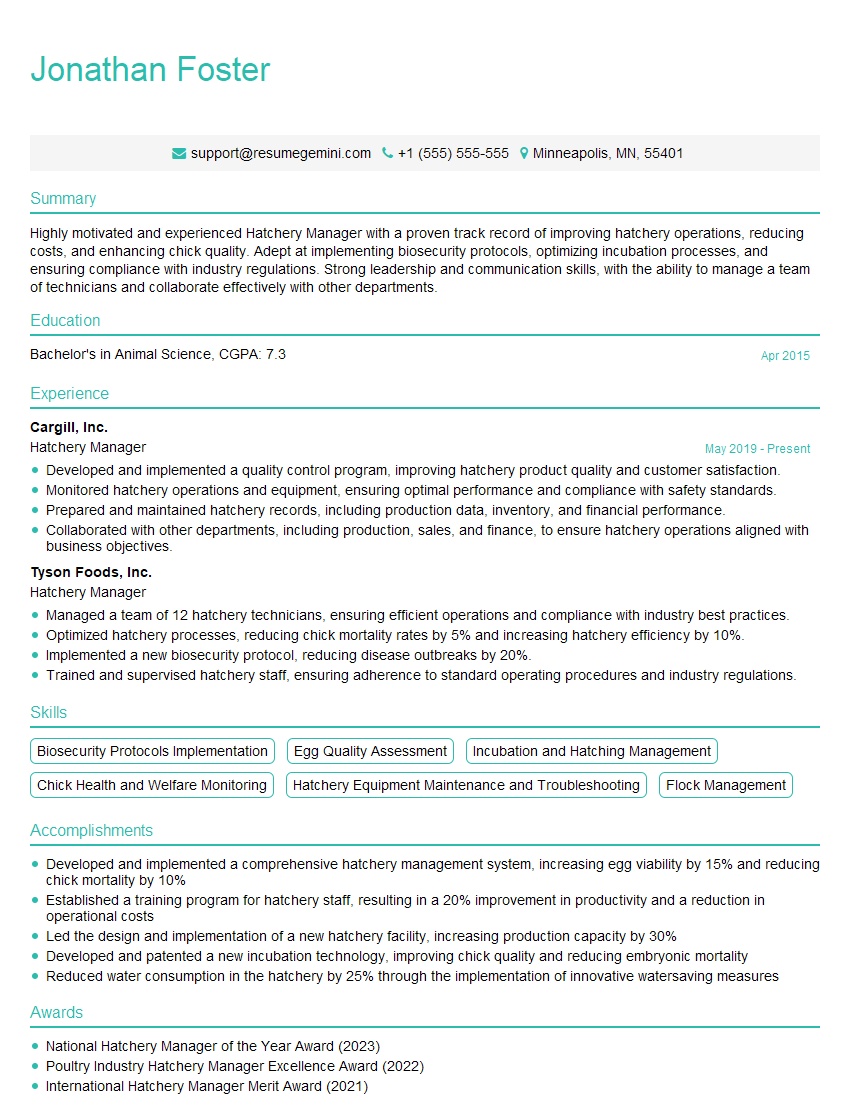
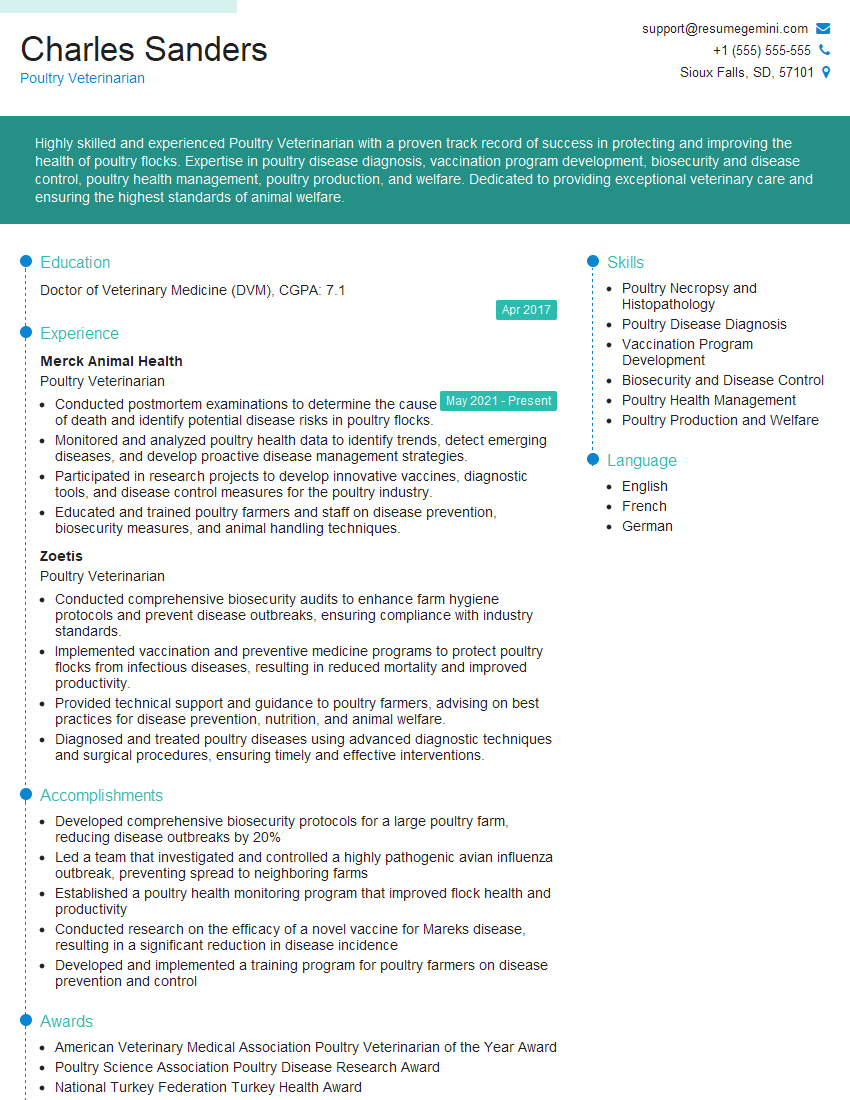
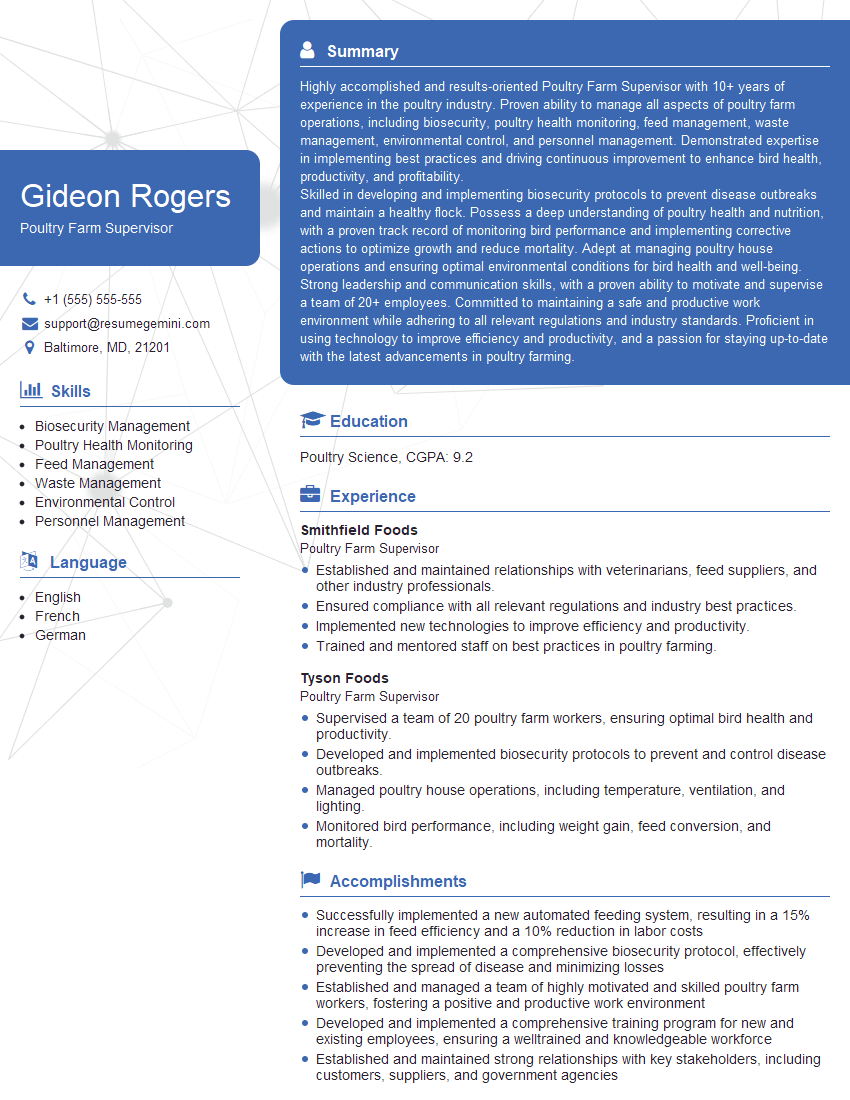
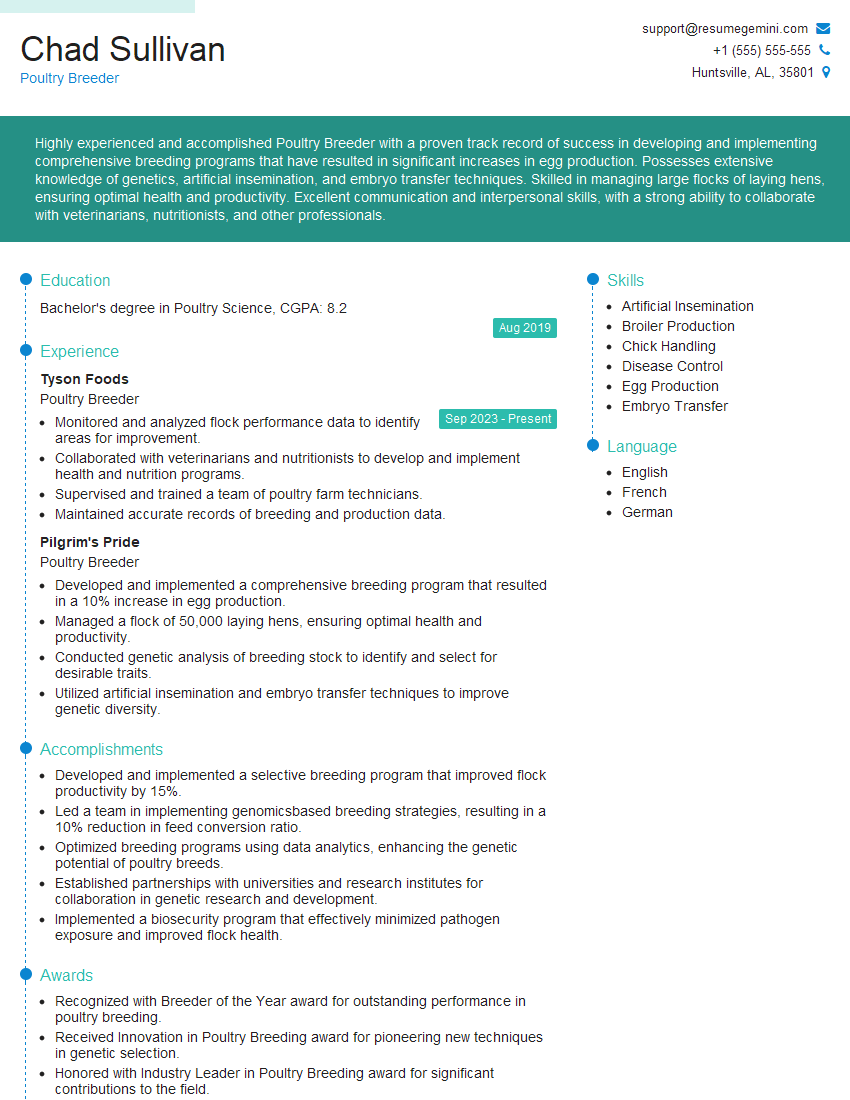
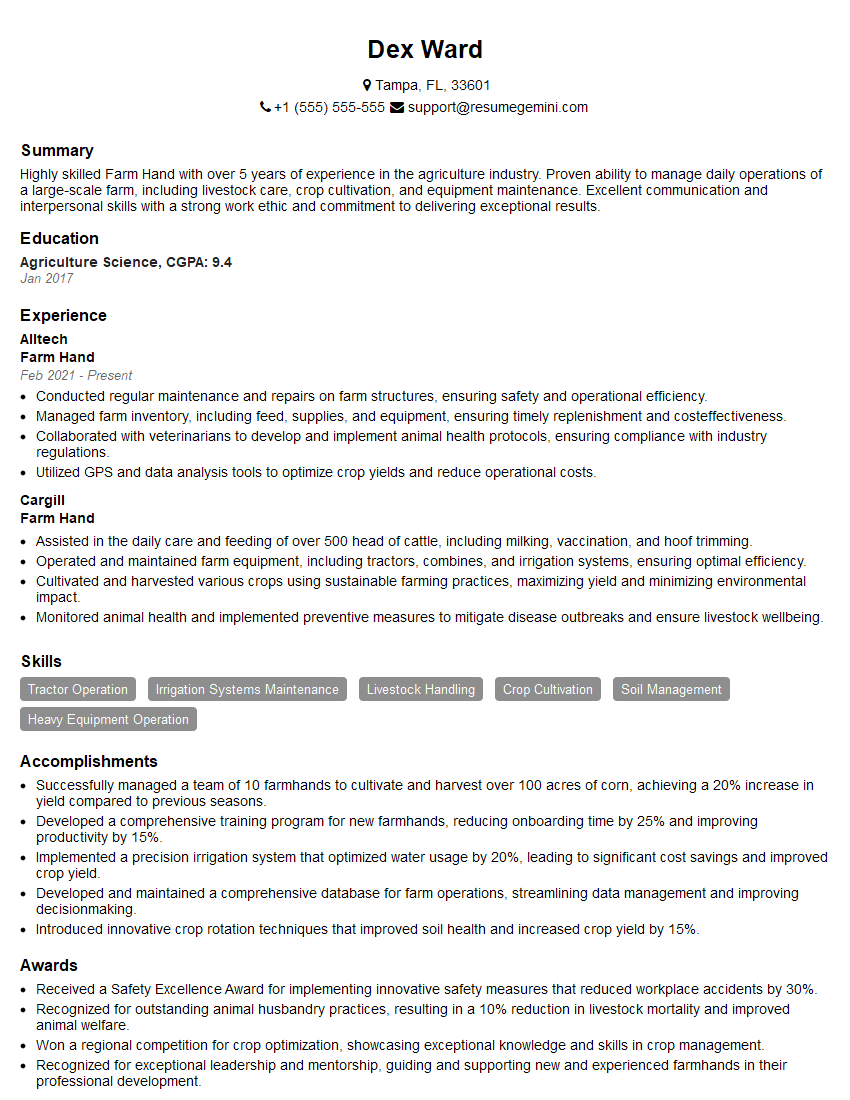
Mastering Poultry Farm Operations is crucial for career advancement in this dynamic industry. A strong understanding of these key areas will significantly enhance your interview performance and future contributions to a poultry farm. To increase your job prospects, focus on building an ATS-friendly resume that effectively showcases your skills and experience. ResumeGemini is a trusted resource that can help you create a professional and impactful resume. Examples of resumes tailored to Poultry Farm Operations are available to guide you.
Explore more articles
Users Rating of Our Blogs
Share Your Experience
We value your feedback! Please rate our content and share your thoughts (optional).
What Readers Say About Our Blog
Very informative content, great job.
good