Interviews are opportunities to demonstrate your expertise, and this guide is here to help you shine. Explore the essential Poultry Processing Line Troubleshooting interview questions that employers frequently ask, paired with strategies for crafting responses that set you apart from the competition.
Questions Asked in Poultry Processing Line Troubleshooting Interview
Q 1. Explain your experience troubleshooting common issues in poultry processing lines.
Troubleshooting poultry processing lines involves a systematic approach to identifying and resolving operational issues. My experience encompasses a wide range of problems, from minor malfunctions to major breakdowns. For example, I’ve addressed issues with inconsistent scalding temperatures leading to feathering difficulties, malfunctioning defeathering machines causing bird damage, and blockages in the evisceration line impacting throughput. I’ve also handled issues related to sanitation, including bacterial contamination and its prevention, and implemented improvements in hygiene protocols to maintain food safety standards. Each issue requires a different strategy, often involving a combination of mechanical adjustments, cleaning procedures, and sometimes even software reprogramming.
- Example: A recurring issue with inconsistent bird weights after chilling required a detailed review of the chilling process parameters including water temperature, flow rate, and chilling time. By adjusting these variables and regularly monitoring the chiller’s performance, we significantly improved the consistency of the final product.
- Example: A sudden increase in bird damage during defeathering pointed to a problem with the machine’s rubber fingers. Careful inspection revealed significant wear and tear; replacing them solved the problem and prevented further damage.
Q 2. Describe your approach to diagnosing and resolving mechanical problems on a poultry processing line.
My approach to diagnosing mechanical problems is methodical and data-driven. It begins with a thorough visual inspection of the equipment to identify any obvious signs of damage or malfunction. I then gather data from various sources, including machine logs, production records, and operator feedback. This helps to pinpoint the exact location and nature of the problem. Next, I utilize specialized diagnostic tools, such as multimeters and thermal cameras, to further investigate the issue. Once the root cause is identified, I develop a repair plan, focusing on safety and efficiency. This plan involves sourcing the necessary parts, executing the repair, and thoroughly testing the equipment before returning it to service.
For instance, if a conveyor belt stalls, I’d check the motor, the drive system, and the belt itself for damage or obstructions. Using a multimeter, I’d test the motor’s voltage and current to identify potential electrical problems. I then document all findings and implement the corrective actions required, ensuring that the problem is solved correctly and doesn’t recur.
Q 3. How do you identify the root cause of recurring issues on a poultry processing line?
Identifying the root cause of recurring issues requires a more in-depth investigation than addressing single incidents. My approach involves employing the ‘5 Whys’ technique, repeatedly asking ‘why’ to delve deeper into the underlying reasons. This helps to move beyond superficial symptoms and expose the fundamental cause. I also analyze historical data to identify patterns and trends related to downtime, production yields, and maintenance records. I conduct root cause analysis (RCA) workshops with the operational teams to leverage their collective expertise and ensure comprehensive solutions. Moreover, I meticulously document all findings and corrective actions to prevent similar issues from arising in the future.
Example: Frequent breakdowns of a specific component might indicate a design flaw, inadequate maintenance procedures, or the use of inferior parts. By carefully investigating each possibility, we could determine the root cause – say, a weak part – then improve procurement specifications, implement a predictive maintenance schedule, or redesign the component for improved resilience.
Q 4. What are the most common causes of downtime on a poultry processing line, and how would you address them?
Downtime on a poultry processing line is costly and disruptive. The most common causes include mechanical failures (e.g., conveyor belt breakdowns, pump malfunctions), sanitation issues (e.g., equipment cleaning and sterilization delays), electrical problems (e.g., power outages, control system failures), and human error (e.g., incorrect machine operation). Addressing these requires a multi-pronged approach. Preventive maintenance, including regular inspections and lubrication, reduces the likelihood of mechanical failures. Implementing robust sanitation protocols and training staff on proper cleaning procedures minimizes downtime due to hygiene issues. Reliable backup power systems and redundant control systems mitigate electrical problems. Finally, comprehensive employee training and clear operational procedures significantly reduce human errors.
- Addressing Mechanical Failures: Implementing a predictive maintenance program using sensors and data analytics to predict potential failures before they occur.
- Addressing Sanitation Issues: Investing in automated cleaning systems and implementing a rigorous cleaning and sanitization schedule.
- Addressing Electrical Problems: Using uninterruptible power supplies (UPS) and regularly inspecting electrical wiring and components.
- Addressing Human Error: Developing detailed Standard Operating Procedures (SOPs) and providing thorough employee training.
Q 5. Explain your experience with PLC programming and troubleshooting in a poultry processing environment.
I possess extensive experience with PLC programming and troubleshooting in poultry processing plants. I’m proficient in various PLC platforms (e.g., Allen-Bradley, Siemens), capable of writing, debugging, and modifying PLC programs to control and monitor various aspects of the processing line. My expertise extends to the use of ladder logic, function blocks, and structured text for programming. I’ve utilized PLC programming to optimize production processes, improve efficiency, and enhance data acquisition. Troubleshooting PLC-related issues involves systematic analysis of the program code, input/output signals, and hardware components. I use diagnostic tools to identify errors and implement corrective actions, often involving modifying the program logic or replacing faulty hardware components.
Example: I once resolved a recurring issue where a specific machine would intermittently stop, impacting the entire line. By analyzing the PLC program and using diagnostic tools, I identified a faulty sensor causing incorrect signals to the PLC. Replacing the sensor immediately resolved the problem, eliminating the costly downtime.
Q 6. Describe your experience with SCADA systems in a poultry processing setting.
My experience with SCADA (Supervisory Control and Data Acquisition) systems in poultry processing is substantial. I’m familiar with various SCADA platforms and their applications in monitoring and controlling the entire processing line. I’ve used SCADA systems to visualize real-time production data, track key performance indicators (KPIs), and generate reports for management. SCADA systems allow for remote monitoring and control of the line, providing valuable insights into its performance and enabling timely intervention in case of problems. Troubleshooting SCADA-related issues involves checking data communication between the PLCs, HMI (Human-Machine Interface), and the SCADA server. I use diagnostic tools to identify network connectivity problems, data inconsistencies, and software bugs, ensuring smooth operation of the system.
Example: Using a SCADA system, we were able to identify a bottleneck in the evisceration process leading to increased processing times. By analyzing data from various sensors and PLCs, we pinpointed the source of the bottleneck and made adjustments to optimize workflow and improve overall throughput.
Q 7. How familiar are you with different types of poultry processing equipment (e.g., scalding, defeathering, evisceration)?
I have a comprehensive understanding of different types of poultry processing equipment, including scalding, defeathering, evisceration, and chilling systems. My knowledge extends to the mechanical aspects of these machines, their control systems, and their maintenance requirements. I understand the critical parameters affecting each stage of the process, such as scalding temperature and time, defeathering speed and pressure, and evisceration techniques. I’m familiar with various types of equipment from different manufacturers and their respective strengths and weaknesses. This knowledge allows me to effectively troubleshoot problems, suggest improvements, and ensure efficient operation of the processing line.
- Scalding: Understanding the impact of temperature and time on feather removal and skin quality.
- Defeathering: Knowing the different types of defeathering machines and their maintenance requirements (e.g., rubber finger replacement).
- Evisceration: Understanding the anatomy of poultry and the critical steps to ensure efficient and hygienic evisceration.
- Chilling: Knowing the impact of chilling temperature and time on the quality and safety of the final product.
Q 8. How do you ensure the safety and hygiene of the poultry processing line while troubleshooting?
Ensuring safety and hygiene during poultry processing line troubleshooting is paramount. It’s not just about fixing the problem; it’s about doing so without compromising food safety or worker well-being. My approach involves a multi-layered strategy.
- Prioritizing Safety First: Before even touching equipment, I always ensure the line is properly shut down and locked out/tagged out (LOTO) to prevent accidental start-ups. Personal Protective Equipment (PPE) is essential – this includes gloves, aprons, safety glasses, and potentially even respirators depending on the task.
- Sanitation Procedures: Any troubleshooting that involves contact with food contact surfaces requires rigorous sanitation before, during, and after the work. This might involve cleaning with approved sanitizers, using sterile tools, and ensuring proper disposal of contaminated materials.
- Contamination Control: I am meticulous in preventing cross-contamination. This means carefully managing tools and materials to avoid spreading bacteria or other contaminants. For example, if working on a component near a chiller, I’d take extra care to prevent splashing or dripping.
- Documentation: Every step of the troubleshooting process, including sanitation measures, is meticulously documented to maintain traceability and ensure compliance with food safety regulations.
- Training: I regularly update my knowledge on the latest food safety regulations and best practices, and I ensure that my team members are equally well-trained in safe work procedures.
For instance, during a recent incident involving a malfunctioning conveyor belt, we identified a potential for bird carcass spillage. We immediately stopped the line, implemented LOTO procedures, and then thoroughly cleaned the affected area before resuming operations. This prevented cross-contamination and ensured the safety of the team.
Q 9. Describe your experience with preventative maintenance procedures on a poultry processing line.
Preventative maintenance is the cornerstone of efficient and safe poultry processing. My experience encompasses a wide range of procedures, all focused on minimizing downtime and maximizing the lifespan of equipment.
- Scheduled Inspections: Regular visual inspections of all equipment are critical. This includes checking for wear and tear, leaks, loose connections, and any signs of malfunction. We use checklists to ensure consistency and thoroughness.
- Lubrication and Cleaning: Regular lubrication of moving parts is crucial to prevent friction and wear. Cleaning schedules ensure that equipment is free from debris and buildup, preventing blockages and malfunctions.
- Calibration and Adjustment: Sensors, scales, and other instruments require periodic calibration to ensure accuracy. Adjustments may be needed for optimal performance. This includes checking things like temperature controllers, flow meters and weighing systems.
- Predictive Maintenance: I utilize data from equipment sensors and historical maintenance records to predict potential failures. This allows us to schedule maintenance proactively, preventing unexpected breakdowns.
- Spare Parts Inventory: Maintaining a sufficient inventory of common spare parts is vital to minimizing downtime during repairs.
For example, we implemented a predictive maintenance program using vibration sensors on our chilling system’s compressors. Early detection of abnormal vibrations allowed us to replace a bearing before it failed completely, averting a significant production disruption.
Q 10. How do you prioritize maintenance tasks to minimize downtime on a busy poultry processing line?
Prioritizing maintenance tasks on a busy poultry processing line requires a strategic approach. I use a combination of techniques to minimize downtime and ensure efficient operations.
- Criticality Analysis: I categorize maintenance tasks based on their criticality to the overall production process. Essential equipment that directly impacts throughput receives priority.
- Impact Assessment: I assess the potential impact of a failure on production volume, quality, and safety. Tasks with higher impact scores are prioritized.
- Downtime Estimation: I estimate the time required to complete each task and the potential downtime associated with each. This helps in optimizing the maintenance schedule.
- Scheduling Optimization: Maintenance tasks are scheduled during off-peak hours or planned shutdowns to minimize disruption to production. We use specialized scheduling software to optimize the process.
- Preventive vs. Corrective: Prioritizing preventive maintenance is crucial in reducing the need for more disruptive corrective actions.
Imagine a scenario where a crucial chiller unit needs maintenance. I’d prioritize this over a less critical component like a conveyor belt cleaning, even if the belt cleaning was overdue. The chiller failure could halt the entire line, so it’s a higher priority despite potentially longer maintenance time.
Q 11. What is your experience with troubleshooting electrical issues in a poultry processing environment (high voltage/low voltage)?
Troubleshooting electrical issues in a poultry processing environment, with its mix of high and low voltage systems, requires a high level of expertise and safety consciousness. My experience covers both aspects.
- Safety First: Working with electricity, particularly high voltage, necessitates strict adherence to safety protocols. This includes LOTO procedures, using appropriate PPE, and understanding electrical safety regulations.
- High Voltage Systems: Troubleshooting high-voltage systems requires specialized knowledge and equipment. I’m proficient in using voltage testers, insulation resistance testers, and other diagnostic tools to pinpoint problems in transformers, switchgear, and motor control centers.
- Low Voltage Systems: Low-voltage troubleshooting often involves tracing wiring, checking for shorts or open circuits, and testing components like sensors, controllers, and motors. Multimeters and other basic diagnostic tools are essential here.
- Troubleshooting Methodology: My approach is systematic. I start with visual inspections, followed by electrical testing to identify the fault. I use schematics, wiring diagrams, and manufacturer documentation to assist in troubleshooting. I always follow a systematic approach to fault finding ensuring the root cause is addressed not just the immediate symptom.
- Specialized Knowledge: I possess a strong understanding of electrical codes and safety regulations specific to the food processing industry.
For example, I once resolved a high-voltage issue affecting a refrigeration unit. After carefully isolating the circuit, I used a high-voltage tester to locate a faulty cable. The replacement restored power to the refrigeration system without compromising safety.
Q 12. How do you handle emergencies and unexpected equipment failures on a poultry processing line?
Handling emergencies and unexpected equipment failures is a critical skill in poultry processing. My approach is based on a structured and efficient process.
- Rapid Response: The first step is to immediately secure the area and shut down the affected equipment to prevent further damage or injury. LOTO procedures are paramount.
- Assessment and Diagnosis: A swift assessment of the situation is critical to determine the extent of the problem and potential impacts. We use a checklist to aid in the initial assessment.
- Emergency Procedures: Following pre-established emergency procedures ensures a coordinated and effective response. This might include contacting maintenance personnel, notifying management, and potentially implementing backup systems.
- Temporary Fixes: While awaiting repairs, temporary fixes may be necessary to minimize downtime. This may involve using bypass systems or finding alternative methods to maintain partial production.
- Root Cause Analysis: After the emergency is resolved, a thorough root cause analysis is crucial. This prevents similar failures in the future.
In one instance, a sudden power outage caused a complete shutdown. We quickly activated our backup generator, minimizing downtime. Following the incident, we implemented a redundant power system to prevent future outages. The post-incident review identified the weak link in the old power system, leading to the successful implementation of the new system.
Q 13. Describe your experience working with various sensors and instruments used in poultry processing lines.
My experience with sensors and instruments used in poultry processing lines is extensive. These devices are vital for monitoring and controlling various aspects of the process, from weight and temperature to flow rates and sanitation.
- Temperature Sensors: I’m proficient in working with various temperature sensors, including thermocouples, RTDs, and thermistors, used to monitor the temperature of chillers, freezers, and other critical areas.
- Flow Meters: I’m familiar with various flow meters, including mass flow meters and ultrasonic flow meters, used to monitor the flow rate of water, brine, and other process fluids.
- Weight Sensors: Experience with load cells and other weight sensors used in weighing and grading systems is essential. Understanding their calibration and maintenance is key.
- Level Sensors: Proficiency in various level sensors such as ultrasonic and capacitive level sensors is critical to monitor liquid levels in tanks and reservoirs.
- Optical Sensors: Experience with vision systems and other optical sensors for quality control and defect detection is important for improving process efficiency and product quality.
- Data Acquisition and Control Systems: I understand the use of Programmable Logic Controllers (PLCs) and Supervisory Control and Data Acquisition (SCADA) systems to monitor and control the various aspects of the poultry processing line.
For instance, during a calibration check of weight sensors in the grading system, we discovered a slight drift in one sensor leading to inaccurate weights. Prompt recalibration prevented mis-grading and ensured efficient processing.
Q 14. How familiar are you with HACCP principles and their application to poultry processing line maintenance?
HACCP (Hazard Analysis and Critical Control Points) principles are fundamental to poultry processing. My understanding of HACCP and its application to maintenance ensures the safety and quality of the final product.
- Hazard Identification: I’m trained to identify potential hazards associated with equipment failure and maintenance activities, such as cross-contamination and temperature deviations.
- Critical Control Point (CCP) Identification: I know how to identify CCPs in the line and how maintenance actions can impact them. For example, a malfunctioning chiller can be a CCP for bacterial growth.
- Preventive Measures: My maintenance procedures are designed to minimize risks identified in HACCP plans. This includes cleaning and sanitization procedures, regular equipment inspections, and effective preventive maintenance programs.
- Monitoring and Recording: I maintain detailed records of all maintenance activities and ensure that monitoring of CCPs is thorough and accurate.
- Corrective Actions: I understand the importance of having clear corrective actions in place for when deviations occur in CCPs due to equipment malfunction or maintenance issues. This may involve recalibrating equipment, conducting additional cleaning, or temporarily halting operations.
For example, we implemented a system where temperature deviations in chillers trigger an automatic alarm, immediately alerting the team and documenting the deviation. This ensures prompt corrective action, safeguarding product quality and preventing potential safety hazards.
Q 15. What is your experience with sanitation and cleaning procedures in a poultry processing facility?
Sanitation in a poultry processing plant is paramount for food safety and preventing bacterial contamination. My experience encompasses all aspects, from understanding and implementing SSOPs (Sanitation Standard Operating Procedures) to overseeing the cleaning and sanitizing of all equipment and surfaces. This includes:
- Pre-operational cleaning: Removing gross debris and residues before sanitization using appropriate detergents and high-pressure water jets.
- Sanitization: Applying chemical sanitizers (e.g., chlorine, peracetic acid) at the correct concentration and contact time to kill harmful bacteria. We utilize methods like CIP (Clean-in-Place) systems for automated cleaning of processing equipment and COP (Clean-out-of-Place) for components requiring disassembly.
- Post-operational cleaning: Ensuring all equipment is thoroughly cleaned and sanitized after each processing run, and that all areas are properly cleaned and dried.
- Monitoring and verification: Regularly testing sanitizer concentrations and conducting ATP bioluminescence testing to verify the effectiveness of cleaning and sanitation procedures. This provides documented proof of effective sanitation.
I’m also experienced in training personnel on proper sanitation techniques and ensuring compliance with all relevant food safety regulations. A critical aspect is understanding the different cleaning needs of varying equipment – for example, the delicate nature of conveyors versus the more robust construction of scalding tanks requires tailored approaches.
Career Expert Tips:
- Ace those interviews! Prepare effectively by reviewing the Top 50 Most Common Interview Questions on ResumeGemini.
- Navigate your job search with confidence! Explore a wide range of Career Tips on ResumeGemini. Learn about common challenges and recommendations to overcome them.
- Craft the perfect resume! Master the Art of Resume Writing with ResumeGemini’s guide. Showcase your unique qualifications and achievements effectively.
- Don’t miss out on holiday savings! Build your dream resume with ResumeGemini’s ATS optimized templates.
Q 16. Describe your experience working with automated poultry processing systems.
My experience with automated poultry processing systems spans several years, encompassing various stages from live bird receiving to final packaging. I’m proficient in troubleshooting and maintaining a wide range of automated equipment, including:
- Stunning and bleeding systems: Familiar with both electrical and gas stunning systems, and experienced in identifying and resolving issues related to stunning efficacy and bleeding efficiency.
- Scalding and defeathering machines: I have expertise in maintaining optimal water temperature and pressure in scalding tanks, and resolving issues with feather removal efficiency in defeathering machines. This often involves understanding the wear and tear on rubber components and adjusting settings for optimal performance.
- Evisceration systems: I’m skilled in troubleshooting automated evisceration equipment, including the identification and resolution of issues with cutting accuracy, organ removal, and sanitation.
- Inspection systems: I’m familiar with automated inspection systems and their maintenance needs, ensuring accurate detection of defects and contamination.
- Packaging and labeling systems: I have a solid understanding of automated packaging lines, including weighing, labeling, and sealing mechanisms. This involves knowledge of PLC programming and troubleshooting electrical/mechanical faults.
I’m comfortable working with PLCs (Programmable Logic Controllers) and have experience in reading and interpreting electrical schematics, facilitating quick and effective troubleshooting of automated systems. For example, I once resolved a significant production bottleneck by identifying a minor sensor malfunction on a high-speed conveyor, which halted the entire line.
Q 17. Explain your understanding of GMPs (Good Manufacturing Practices) and how they relate to equipment maintenance.
GMPs (Good Manufacturing Practices) are a set of guidelines that ensure the safety and quality of food products. Equipment maintenance is intrinsically linked to GMP compliance because poorly maintained equipment can lead to product contamination, spoilage, and ultimately, unsafe food products.
My understanding of GMPs in relation to equipment maintenance involves:
- Preventive maintenance: Implementing regular inspection and maintenance schedules to prevent equipment failure and reduce the risk of contamination. This includes lubrication, cleaning, and replacement of worn parts.
- Calibration and validation: Regularly calibrating equipment such as scales and temperature sensors to ensure accuracy and compliance with regulatory standards.
- Record keeping: Maintaining detailed records of all maintenance activities, including repairs, calibrations, and cleaning procedures. This is crucial for traceability and demonstrating compliance.
- Sanitation and hygiene: Ensuring all equipment is thoroughly cleaned and sanitized regularly to prevent bacterial growth and cross-contamination.
- Personnel training: Providing thorough training to maintenance personnel on GMPs and proper equipment handling procedures.
For instance, failure to properly maintain a chilling system could lead to bacterial growth in the product, directly violating GMPs. Regular cleaning and temperature monitoring are crucial to preventing this. Similarly, malfunctioning cutting blades could lead to contamination or inconsistent product quality, both impacting compliance.
Q 18. How do you maintain accurate records and documentation related to troubleshooting and maintenance?
Accurate record-keeping is vital for traceability, compliance, and continuous improvement. I use a Computerized Maintenance Management System (CMMS) to track all maintenance activities, including:
- Preventive maintenance schedules: Recording planned maintenance activities and ensuring they are completed on time.
- Corrective maintenance: Documenting all repairs, including the nature of the problem, the steps taken to resolve it, and the parts used. This often includes photos and diagrams.
- Calibration records: Maintaining records of all calibrations performed on equipment, including the date, results, and technicians involved.
- Spare parts inventory: Tracking spare parts inventory to ensure sufficient stock levels and minimize downtime.
- Equipment history: Maintaining a detailed history of each piece of equipment, including its maintenance history, repairs, and modifications.
We typically use a barcoding system for equipment identification to prevent errors. This ensures complete transparency and accountability. This comprehensive documentation is essential for audits and helps identify recurring issues that require process improvements.
Q 19. How do you collaborate with other team members (maintenance, operations, quality control) during troubleshooting?
Effective collaboration is essential for efficient troubleshooting. My approach involves:
- Clear communication: Providing clear and concise updates to all relevant parties, including maintenance, operations, and quality control teams. We usually use daily briefings and team meetings to ensure everyone is informed.
- Problem definition: Working collaboratively with the operations team to clearly define the problem and its impact on production.
- Root cause analysis: Utilizing a structured approach (e.g., 5 Whys analysis) to identify the root cause of the problem, often involving input from multiple team members with different expertise.
- Solution implementation: Collaborating on the implementation of the solution, ensuring everyone is on the same page and understands their role.
- Post-mortem analysis: Reviewing the troubleshooting process to identify areas for improvement and prevent future occurrences. This could include adjusting maintenance schedules or refining procedures.
For example, a recent issue with inconsistent weight in packaged products involved collaboration with the operations team to pinpoint the area of the line where the inconsistency occurred, then with the maintenance team to identify a malfunctioning sensor in the weighing system, and finally with quality control to confirm that the solution restored consistent weight.
Q 20. Describe a time you had to troubleshoot a complex problem on a poultry processing line. What was the issue, and how did you resolve it?
One time, we experienced a significant reduction in chiller efficiency, leading to product spoilage. The issue initially seemed simple – the chiller wasn’t reaching the target temperature. However, a simple refrigerant leak check revealed nothing.
My approach involved:
- Systematic investigation: I first verified the chiller’s control system parameters, ensuring they were properly set and functioning. This eliminated simple programming errors.
- Data analysis: I reviewed historical chiller performance data to identify any trends or patterns preceding the malfunction. This highlighted a subtle but consistent drop in efficiency over several weeks.
- Expert consultation: I consulted with a refrigeration specialist who suggested checking the condenser coils for buildup. This was initially overlooked due to the apparent lack of obvious leaks.
- Solution: Indeed, we discovered a significant build-up of ice and scale on the condenser coils, dramatically reducing their heat exchange efficiency. A thorough cleaning and chemical treatment resolved the issue and restored the chiller to its optimal performance.
This case highlighted the importance of a systematic approach and seeking expert opinions when facing complex problems. The initial assumption of a simple refrigerant leak almost masked the actual problem, demonstrating the need for thorough investigation beyond the immediately apparent.
Q 21. What are your strategies for continuous improvement of poultry processing line efficiency and reliability?
Continuous improvement in poultry processing relies on a multi-faceted approach:
- Data-driven decision-making: Using data from the CMMS and production records to identify bottlenecks, inefficiencies, and areas for improvement. This includes tracking downtime, production rates, and product quality metrics.
- Preventive maintenance optimization: Refining preventive maintenance schedules based on equipment usage and historical failure data. This can involve implementing predictive maintenance techniques using sensors and data analytics.
- Process optimization: Analyzing the entire processing line to identify areas for streamlining and improving efficiency, such as optimizing line speeds, improving sanitation procedures, or reducing waste.
- Technological upgrades: Exploring and implementing new technologies to improve efficiency and reliability, such as automated inspection systems, advanced robotics, or improved cleaning systems.
- Employee training and empowerment: Providing ongoing training to employees on new equipment, best practices, and troubleshooting techniques, encouraging their participation in identifying and solving problems.
A key strategy is implementing a Kaizen approach – continuous small improvements. By consistently seeking small incremental gains, we can dramatically increase the overall efficiency and reliability of the poultry processing line over time.
Q 22. How do you ensure the quality and safety of poultry products during and after maintenance activities?
Ensuring poultry product quality and safety post-maintenance is paramount. We follow a strict protocol that begins with thorough cleaning and sanitization of all equipment, tools, and the surrounding area before any maintenance even begins. This minimizes the risk of cross-contamination. After maintenance, we perform a comprehensive inspection, checking for any damage or debris that could compromise product integrity. A crucial step is verifying the correct recalibration of all critical equipment, like chillers and weight sorters, ensuring they operate within the specified parameters. Finally, we conduct a full operational test run, meticulously monitoring the entire line for any deviations from established quality standards. This might involve checking for temperature variations, verifying proper carcass handling, and inspecting for any signs of damage. Traceability records are maintained throughout the process to allow for immediate identification of any potential source of contamination or quality defect.
For example, if a conveyor belt was replaced, we would not only inspect the new belt for defects but also thoroughly clean the area where it was installed to remove any residual debris from the old belt. We would then run test batches and conduct microbial testing on the processed products to confirm that the maintenance did not introduce any safety hazards.
Q 23. Describe your experience with different types of conveyors used in poultry processing.
My experience encompasses a wide range of conveyors used in poultry processing, each suited for specific stages. I’ve worked extensively with:
- Overhead conveyors: These are crucial for moving carcasses through the scalding, defeathering, and evisceration stages. I’ve troubleshooted issues with chain lubrication, hanger alignment, and drive motor failures on these systems. Understanding their speed and capacity is critical for optimizing throughput.
- Live bird hanging conveyors: These are specifically designed for humane and efficient handling of live birds before slaughter. I’ve worked on the systems that manage the shackling and stunning process, focusing on ensuring smooth and consistent bird movement without causing injury.
- Belt conveyors: Used for transporting various processed products like giblets, offal, and packaged poultry. I’ve dealt with belt tracking issues, belt slippage, and wear and tear. Proper maintenance, including regular cleaning and tension adjustments, is vital.
- Modular plastic chain conveyors: These are often chosen for their ease of cleaning and resistance to corrosion. Maintenance focus here centers around ensuring proper chain lubrication and identifying any damaged or worn components.
Choosing the right conveyor type, and keeping it in optimal working condition, directly impacts the efficiency and hygiene of the entire processing line.
Q 24. Explain your understanding of lubrication and its importance in poultry processing line maintenance.
Lubrication is absolutely critical in poultry processing line maintenance. It reduces friction between moving parts, preventing wear and tear, extending the lifespan of equipment, and minimizing downtime. In a high-speed, 24/7 operation like poultry processing, even minor friction can cause significant problems. The wrong lubricant can lead to contamination, so using food-grade lubricants is essential. We use a preventative maintenance schedule for lubrication, with different components requiring different frequencies based on their usage and stress. For example, high-speed chains need more frequent lubrication compared to slower-moving parts. We also monitor lubricant levels and condition regularly, adjusting as needed. Improper lubrication can lead to increased energy consumption, component failures (like bearings or gears), and potentially even safety hazards if parts seize up unexpectedly.
Think of it like oiling your car engine – regular lubrication keeps everything running smoothly and prevents catastrophic damage. In the case of a poultry processing plant, this translates to minimizing costly repairs, preventing product spoilage, and ensuring consistent production.
Q 25. What are the key performance indicators (KPIs) you monitor to assess the effectiveness of your troubleshooting and maintenance efforts?
Key Performance Indicators (KPIs) I closely monitor include:
- Overall Equipment Effectiveness (OEE): This measures the effectiveness of equipment utilization by factoring in availability, performance, and quality. A low OEE indicates inefficiencies that need addressing.
- Downtime: Tracking downtime, its causes (e.g., mechanical failures, sanitation), and duration helps identify areas requiring improvement in preventative maintenance.
- Yield: This measures the amount of usable product obtained from the raw materials, reflecting the efficiency of the processing line. Decreased yield might signal issues with equipment performance or processing parameters.
- Line Speed: Consistent and optimized line speed directly impacts throughput. Unexpected variations may point to equipment malfunctions or bottlenecks.
- Maintenance Costs: Tracking maintenance costs helps evaluate the effectiveness of preventative maintenance strategies and identify areas where costs can be optimized without compromising quality.
- Defect Rate: Monitoring the number of defective products helps identify issues with equipment performance, operator errors, or raw material quality.
By regularly reviewing these KPIs and analyzing trends, we can proactively identify and address potential problems before they significantly impact productivity and product quality.
Q 26. How do you use data analysis to identify trends and predict potential problems on the poultry processing line?
Data analysis is crucial for predictive maintenance. We utilize software that collects data from various sensors throughout the processing line. This data includes machine operational parameters, environmental conditions (temperature, humidity), and even production output. We use statistical process control (SPC) charts to track these parameters and identify deviations from established norms. Machine learning algorithms can detect patterns in historical data to predict potential failures. For example, if a specific motor shows a gradual increase in vibration over time, the system might predict an imminent failure, allowing for scheduled maintenance before a breakdown occurs. This not only avoids costly downtime but also minimizes safety risks.
A simple example: We might observe a correlation between increased ambient temperature and a higher rate of chiller malfunctions. This would alert us to the need for improved cooling systems or adjustments in operating procedures during hot weather.
Q 27. What software and tools are you familiar with for managing maintenance and troubleshooting activities?
I’m proficient in various software and tools for maintenance management. These include Computerized Maintenance Management Systems (CMMS) like SAP PM, Maximo, and MP2. These systems help schedule preventative maintenance, track work orders, and manage spare parts inventory. I also use data analytics platforms like Power BI or Tableau to visualize and analyze equipment performance data, identify trends, and predict potential issues. In addition, I’m familiar with various diagnostic tools like infrared cameras for detecting overheating components and vibration analyzers for identifying imbalances in rotating equipment.
Q 28. Describe your experience with troubleshooting pneumatic systems in a poultry processing setting.
Pneumatic systems are widely used in poultry processing for tasks like actuating valves, controlling air knives for defeathering, and operating pneumatic clamps. Troubleshooting these systems requires understanding the fundamentals of compressed air generation, distribution, and consumption. Issues typically involve leaks in air lines, faulty valves, or problems with air compressors. Identifying leaks requires systematic pressure checks using specialized equipment. Malfunctioning valves may require replacement or repair. Compressor problems, like low pressure or overheating, often need professional attention.
For instance, a drop in air pressure used to power air knives during defeathering could lead to less efficient feather removal, resulting in poor product quality. Troubleshooting would involve checking the air compressor, inspecting the air lines for leaks, and checking the pressure regulators. Regular maintenance, including filter changes and lubrication, is key to preventing these types of problems.
Key Topics to Learn for Poultry Processing Line Troubleshooting Interview
- Equipment Familiarity: Understanding the mechanics and functionality of various poultry processing line equipment (scalders, pluckers, eviscerators, chillers, etc.). This includes knowing common components, potential failure points, and preventative maintenance procedures.
- Process Flow Analysis: Ability to trace the flow of poultry through the processing line, identifying critical control points and potential bottlenecks. Practical application includes analyzing process diagrams and identifying areas prone to disruptions.
- Troubleshooting Methodologies: Mastering systematic troubleshooting techniques such as 5 Whys analysis, fault tree analysis, and root cause analysis to efficiently diagnose and resolve issues on the processing line. This involves both theoretical understanding and practical experience in applying these methods.
- Safety and Sanitation Protocols: Deep understanding of relevant safety regulations (OSHA, etc.) and sanitary procedures within poultry processing plants. This includes knowledge of proper cleaning and disinfection techniques to prevent contamination and ensure food safety.
- Electrical and Mechanical Systems: Basic understanding of electrical schematics, motor controls, and mechanical systems related to poultry processing equipment. This includes the ability to identify potential electrical hazards and mechanical malfunctions.
- Instrumentation and Control Systems: Familiarity with sensors, controllers, and data acquisition systems used to monitor and control the poultry processing line. This involves understanding how these systems work and how to interpret the data they provide to troubleshoot problems.
- Preventive Maintenance: Knowledge of scheduled maintenance procedures and their importance in preventing equipment failures and downtime. Practical application includes understanding lubrication schedules, component inspections, and record-keeping practices.
- Production Efficiency and Optimization: Understanding the impact of equipment malfunctions on overall production efficiency and the ability to propose solutions to improve line performance and reduce downtime.
Next Steps
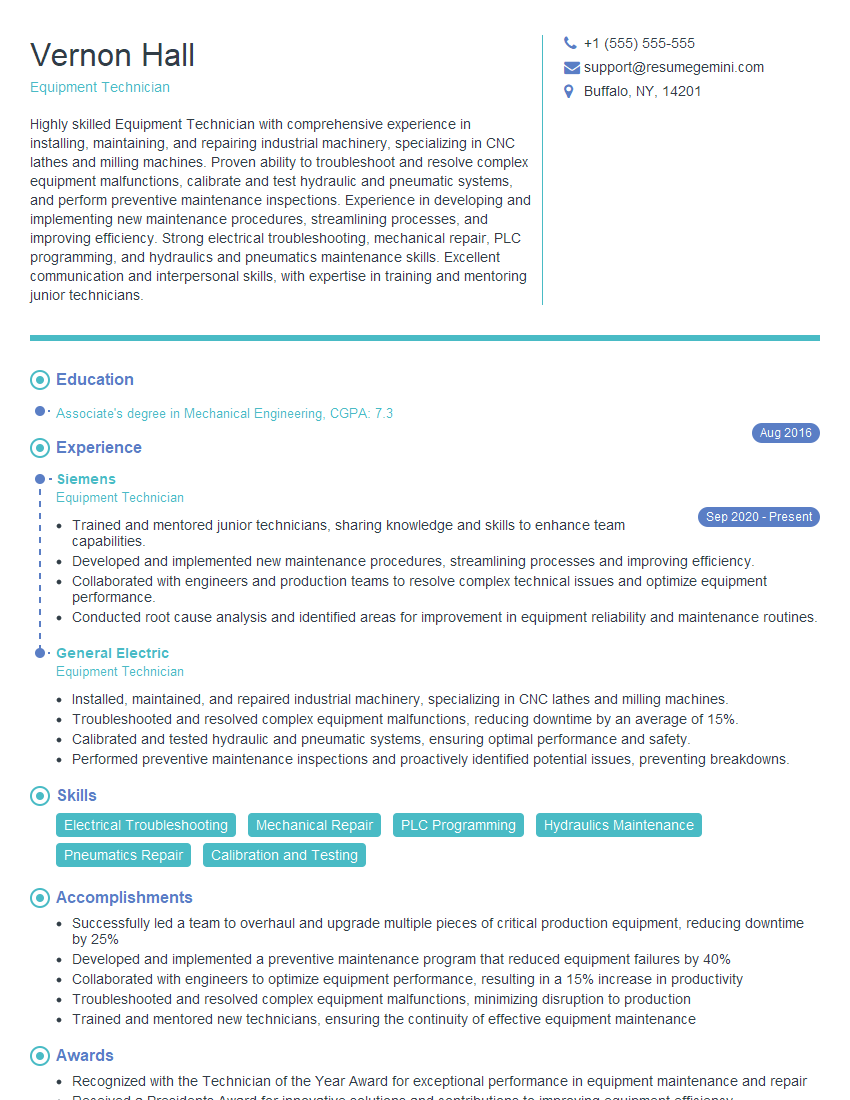
Mastering Poultry Processing Line Troubleshooting is crucial for career advancement in the food processing industry. It demonstrates your problem-solving skills, technical expertise, and commitment to food safety and efficiency. To significantly boost your job prospects, creating an ATS-friendly resume is essential. ResumeGemini is a trusted resource that can help you build a professional and impactful resume tailored to highlight your skills and experience in this specific field. Examples of resumes tailored to Poultry Processing Line Troubleshooting are available to help you get started.
Explore more articles
Users Rating of Our Blogs
Share Your Experience
We value your feedback! Please rate our content and share your thoughts (optional).
What Readers Say About Our Blog
Very informative content, great job.
good