Every successful interview starts with knowing what to expect. In this blog, we’ll take you through the top Poultry Vaccination Planning interview questions, breaking them down with expert tips to help you deliver impactful answers. Step into your next interview fully prepared and ready to succeed.
Questions Asked in Poultry Vaccination Planning Interview
Q 1. Explain the importance of a comprehensive poultry vaccination plan.
A comprehensive poultry vaccination plan is crucial for maintaining flock health and productivity. Think of it as a shield protecting your birds from devastating diseases. Without a well-designed plan, you risk outbreaks that can lead to significant economic losses due to mortality, reduced egg production, and increased veterinary costs. A strong plan proactively safeguards your investment and ensures the long-term viability of your operation.
A comprehensive plan encompasses several key aspects: identifying prevalent diseases in your region, selecting appropriate vaccines, developing a precise vaccination schedule tailored to your flock’s age and the disease profile, implementing proper vaccine handling and administration techniques, and establishing effective monitoring systems to assess the vaccine’s efficacy. It’s not just about vaccinating; it’s about managing the entire process to maximize its effectiveness.
Q 2. Describe the different types of poultry vaccines available and their administration methods.
Poultry vaccines come in various forms, each with its own administration method. The most common types include:
- Live attenuated vaccines: These contain weakened forms of the virus. They stimulate a strong and long-lasting immune response, similar to a natural infection, but without causing the disease. Examples include Newcastle Disease virus and Infectious Bursal Disease virus vaccines.
- Inactivated vaccines: These contain killed virus particles. They are generally safer than live vaccines but may require multiple doses for optimal immunity. Examples include Avian Influenza and Infectious Bronchitis vaccines.
- Modified live vaccines (MLV): These are similar to live attenuated vaccines, but they may be slightly more virulent. Careful selection and administration are crucial.
Administration methods vary depending on the vaccine type and bird age:
- Drinking water vaccination: Convenient for large flocks but vaccine potency can be affected by water quality and temperature.
- Spray vaccination: Efficient for large flocks but requires specialized equipment and careful attention to ensure even distribution.
- In ovo vaccination: Administered directly into the egg before hatching, ideal for early protection against diseases like Marek’s disease.
- Subcutaneous injection: Administered under the skin, requiring individual handling of birds.
- Intramuscular injection: Administered into the muscle, requiring individual handling of birds.
The choice of vaccine type and administration method will influence the overall success of the vaccination program.
Q 3. What factors influence the selection of a specific poultry vaccine?
Several crucial factors determine the selection of a specific poultry vaccine. Imagine choosing the right tools for a specific job – you wouldn’t use a hammer to screw in a screw. Similarly, different vaccines address different diseases and flock needs.
- Disease prevalence: The most important factor is the prevalence of specific diseases in your region. Local veterinary advice is invaluable here.
- Vaccine efficacy and safety: Efficacy refers to the vaccine’s ability to generate a protective immune response, while safety relates to its potential side effects.
- Bird age and breed: Different vaccines are suitable for different ages and breeds of poultry. For example, some vaccines are designed specifically for broilers, while others are for layers.
- Cost-effectiveness: Balancing the cost of the vaccine with its efficacy and potential benefits is crucial.
- Vaccine availability: Not all vaccines are readily available in all regions.
- Storage and handling requirements: Some vaccines require specific storage temperatures and handling protocols to maintain their efficacy.
Selecting the wrong vaccine can result in poor immunity and increased susceptibility to diseases, potentially leading to economic losses.
Q 4. How do you determine the optimal vaccination schedule for a specific flock?
Determining the optimal vaccination schedule involves careful consideration of various factors and requires a detailed understanding of the specific diseases you’re targeting and the age of your birds. It’s a personalized strategy, not a one-size-fits-all approach.
A good starting point is to consult your local veterinary services to understand the common poultry diseases in your area. Consider factors like the age at which immunity is most important, the duration of immunity provided by the vaccine, and the potential for maternal antibodies to interfere with the vaccine response (maternal antibodies are passed down from the hen and can temporarily inhibit the young birds’ response to the vaccine).
Example: A typical broiler vaccination schedule may include Newcastle Disease and Infectious Bursal Disease vaccines early in life, often through the drinking water, followed by other vaccines administered via spray or injection at later stages. A layer vaccination schedule would be different, extending over a longer period to account for their longer lifespan and ongoing egg production.
The schedule should be developed and reviewed regularly with your veterinarian to adapt to any changing disease patterns or emerging threats.
Q 5. What are the common challenges in poultry vaccination and how can they be overcome?
Poultry vaccination comes with its challenges. These can significantly impact the success of the program. Understanding these challenges and implementing strategies to overcome them is crucial.
- Vaccine storage and handling: Incorrect storage temperature or handling can compromise the vaccine’s potency.
- Stress on birds: Stressed birds have reduced immune responses, making vaccination less effective. Environmental factors like heat stress, overcrowding and poor ventilation can negatively affect the vaccination response.
- Maternal antibody interference: The presence of maternal antibodies (antibodies passed from the hen to the chick through the egg) can interfere with vaccine efficacy.
- Vaccine administration errors: Incorrect dosage or technique can reduce vaccine effectiveness.
- Vaccine contamination: Improper handling can contaminate the vaccine.
- Variations in water quality (for drinking water vaccination): Poor water quality can negatively impact vaccine effectiveness.
Solutions: Implementing proper vaccine storage practices, minimizing stress on the birds, using appropriate vaccination techniques, employing quality control measures to prevent contamination, and understanding the role of maternal antibodies are essential steps towards overcoming these challenges.
Q 6. Describe your experience with different vaccination techniques (e.g., in ovo, spray, intramuscular).
My experience encompasses various vaccination techniques, each with its own set of advantages and disadvantages.
- In ovo vaccination: I’ve worked extensively with in ovo vaccination for Marek’s Disease. It’s highly efficient and cost-effective, especially for large-scale operations. The main challenge is the precision and sterility required during the procedure.
- Spray vaccination: This technique is ideal for large flocks and offers quick coverage. However, achieving uniform distribution of the vaccine requires careful calibration of equipment and monitoring of the spray parameters to ensure every bird is effectively exposed.
- Intramuscular injection: I have experience with this method, particularly for older birds or for vaccines requiring specific delivery to muscle tissue. It’s precise but labor-intensive and not always suitable for very large flocks. Precision is paramount, to avoid complications or vaccine wastage.
My experience has shown that the most successful vaccination programs utilize a combination of techniques tailored to the specific needs of the flock and the vaccine used.
Q 7. How do you monitor the effectiveness of a vaccination program?
Monitoring the effectiveness of a vaccination program is critical for its success. It allows you to make timely adjustments and improve future vaccination strategies. There are several key methods:
- Serological testing: Blood samples are taken from a representative sample of the flock and tested for antibodies against the specific diseases. High antibody titers indicate a successful vaccination campaign.
- Challenge studies: A small group of vaccinated birds are exposed to the disease agent. Protection from disease indicates a successful vaccine program.
- Mortality and morbidity monitoring: Closely observing the flock for signs of disease after vaccination. A significant increase in mortality or morbidity would indicate that the vaccine may not be working effectively.
- Record keeping: Maintaining detailed records of vaccination events, including the vaccine used, the date of administration, the number of birds vaccinated, and any observed adverse reactions.
By combining these methods, a thorough assessment of the vaccination program’s efficacy can be achieved. Remember, continuous monitoring and analysis are crucial for ongoing improvement and adaptation.
Q 8. What are the key indicators of successful vaccination in poultry?
Successful poultry vaccination is indicated by a significant reduction in the incidence of the targeted disease within the flock. We don’t just look at the absence of disease, but also at the serological response. This means measuring antibody levels in the birds’ blood to confirm that their immune systems have mounted a proper response to the vaccine.
- Reduced morbidity and mortality: A significant decrease in sick birds and deaths due to the specific disease is a primary indicator.
- Improved production parameters: Vaccination against diseases like Newcastle Disease or Infectious Bursal Disease can lead to improved egg production, weight gain, and feed conversion ratios.
- Positive serological response: Blood samples are taken from a representative sample of birds post-vaccination and tested for the presence of antibodies against the specific disease. A high percentage of birds with detectable antibody levels indicates successful vaccination. This can be achieved using ELISA (Enzyme-Linked Immunosorbent Assay) or other serological techniques.
- Absence of clinical signs: The absence of the characteristic clinical signs associated with the target disease is a key observation, but this alone is not sufficient proof of successful vaccination as some infections can be subclinical.
For example, if we vaccinate against Newcastle Disease, we’d expect to see a significant decrease in respiratory distress, nervous signs, and mortality compared to unvaccinated flocks. We’d also confirm this through serological testing showing a high percentage of birds with protective antibody levels.
Q 9. How do you handle vaccine storage and handling to maintain potency?
Maintaining vaccine potency is critical for successful vaccination. This involves meticulous attention to storage and handling throughout the cold chain. Think of it like this: vaccines are like delicate ingredients – they need to be kept at the right temperature to remain effective.
- Proper refrigeration: Vaccines must be stored at the recommended temperature, usually between 2°C and 8°C (35°F and 46°F). This often requires using refrigerators with accurate temperature monitoring capabilities and regular temperature checks using calibrated thermometers.
- First-in, first-out (FIFO) system: Vaccines should be used according to their expiry dates, with older vaccines used before newer ones. This ensures that vaccines nearing their expiration date are not wasted.
- Avoid freezing: Freezing vaccines can significantly reduce their potency and render them ineffective. Therefore, proper insulation and cold chain logistics are crucial.
- Protection from light: Some vaccines are sensitive to light and should be stored in dark, opaque containers.
- Proper handling and preparation: Strict adherence to the manufacturer’s instructions regarding reconstitution, dilution, and administration is essential.
For example, a failure to maintain the cold chain – even a short period above the recommended temperature – can significantly impact the effectiveness of the vaccine. Imagine leaving a vaccine in a hot car, it’s like leaving a cake in a hot oven – it won’t turn out as expected.
Q 10. What are the biosecurity measures to prevent vaccine contamination?
Biosecurity measures are paramount in preventing vaccine contamination and ensuring the integrity of the vaccination program. This prevents cross-contamination between vaccines and the introduction of pathogens into the flock.
- Dedicated equipment: Use separate equipment for each vaccine and avoid cross-contamination by using distinct needles, syringes, and containers for each vaccine.
- Clean and disinfected surfaces: Thoroughly clean and disinfect all surfaces and equipment that come into contact with vaccines, using appropriate disinfectants effective against viruses and bacteria.
- Hand hygiene: Maintain strict hand hygiene practices, washing hands thoroughly with soap and water or using hand sanitizer before and after handling vaccines and equipment.
- Controlled access: Restrict access to the vaccination area to authorized personnel only, wearing protective clothing such as gowns and gloves.
- Waste disposal: Proper disposal of used needles, syringes, and other materials according to biosecurity protocols to prevent the spread of disease.
A practical example would be dedicating separate vaccine preparation rooms, using color-coded equipment for each vaccine to minimize the risk of human error, and thoroughly cleaning and disinfecting the entire vaccination area after each use. Failure to implement these measures could lead to vaccine contamination or the introduction of other diseases, rendering the vaccination effort futile.
Q 11. How do you address vaccine reactions or adverse events in poultry?
Vaccine reactions, while rare, can occur. These can range from mild, temporary reactions to more serious adverse events. Prompt identification and appropriate management are crucial.
- Monitoring: Closely monitor birds post-vaccination for any unusual signs, such as lethargy, swelling at the injection site, or respiratory distress.
- Identification and classification: If reactions are observed, carefully document the type, severity, and number of affected birds. This helps determine the cause.
- Supportive care: Depending on the severity of the reaction, supportive care may include providing clean water, electrolytes, and possibly antibiotics if secondary infections occur.
- Investigation: If the reactions are unusual or widespread, further investigation is necessary, potentially including laboratory analysis of the vaccine or affected birds.
- Reporting: Report any significant adverse events to the relevant authorities and the vaccine manufacturer.
For instance, if we observe swelling at the injection site in a significant number of birds after vaccination, we would investigate the vaccine’s storage and handling, the injection technique, and the health status of the birds before vaccination. We may also need to consult with a veterinarian.
Q 12. Explain your understanding of vaccine efficacy and duration of immunity.
Vaccine efficacy refers to the ability of a vaccine to protect a bird from a specific disease, while duration of immunity refers to how long that protection lasts. They are both crucial aspects of successful vaccination.
- Vaccine efficacy: Expressed as a percentage, it indicates the effectiveness of the vaccine in preventing disease under controlled conditions. High efficacy means fewer birds will contract the disease after vaccination.
- Duration of immunity: This is the period for which the vaccine provides protection. It varies greatly depending on the vaccine, the disease, the bird’s age, and other factors.
For example, a Newcastle Disease vaccine might have an efficacy of 95% and a duration of immunity of 6 months. This means that 95% of vaccinated birds would be protected from the disease, but this protection might only last for 6 months, necessitating a booster vaccination.
Q 13. Describe the role of herd immunity in poultry vaccination.
Herd immunity in poultry refers to the protection of a population (the flock) from a disease because a significant percentage of the birds are immune, thus reducing the likelihood of the disease spreading. It’s like a protective shield around the whole flock.
Achieving herd immunity relies on high vaccination coverage within the flock. Even if a small number of birds fail to develop immunity after vaccination (due to individual variations in immune response), the overall immunity level protects unvaccinated or poorly protected individuals from infection. This is because there are fewer susceptible hosts for the pathogen to spread among.
A high vaccination rate is essential for herd immunity. It’s important to maintain an appropriate vaccination schedule and monitor vaccine efficacy to ensure that a high enough percentage of the flock develops protective immunity. This minimizes the potential for disease outbreaks.
Q 14. How do you manage vaccine costs and optimize resource allocation?
Managing vaccine costs and optimizing resource allocation requires a strategic approach combining careful planning and efficient practices.
- Cost-benefit analysis: Assess the costs of vaccines against the potential economic losses from disease outbreaks. This helps prioritize vaccination programs for high-impact diseases.
- Vaccine selection: Choose vaccines that offer the best balance of efficacy, duration of immunity, and cost-effectiveness. Often, multivalent vaccines (vaccines covering multiple diseases) offer economic advantages.
- Efficient vaccination techniques: Employ efficient vaccination techniques, like spray vaccination or mass medication, which can significantly reduce labor costs.
- Inventory management: Implement a robust inventory management system to avoid vaccine wastage due to expiration or spoilage. This helps manage vaccine procurement effectively.
- Collaboration: Collaborate with other poultry producers and veterinary professionals to share knowledge and resources, potentially achieving economies of scale in vaccine procurement.
For instance, by switching to a more cost-effective vaccine, or by improving vaccination techniques to reduce labor and wastage, we can significantly impact the overall cost of our vaccination program, improving the profitability of the poultry operation while maintaining the health of the birds.
Q 15. How do you interpret serological tests used to assess vaccine immunity?
Serological tests, such as ELISA (Enzyme-Linked Immunosorbent Assay) and HI (Hemagglutination Inhibition), are crucial for assessing the immune response to poultry vaccines. They measure the antibody levels in the bird’s serum, indicating the effectiveness of the vaccination program. A high antibody titer generally suggests a successful vaccination and adequate protection against the target disease.
Interpreting these tests involves comparing the results to established thresholds or positive/negative controls. For example, an ELISA result above a pre-determined optical density (OD) cutoff indicates a positive response and sufficient immunity. Similarly, a HI test showing a high titer suggests good protection. However, it’s vital to consider factors like the vaccine’s potency, the bird’s age, and potential environmental influences on antibody levels when interpreting the results. A low antibody titer might indicate vaccine failure, poor vaccine quality, or other underlying health issues, prompting further investigation and potential revaccination. Consistent monitoring of antibody levels through serological testing allows for timely intervention and optimization of the vaccination strategy.
For instance, in a flock of broiler chickens vaccinated against Newcastle Disease, if a significant portion shows low antibody titers following vaccination, we’d investigate potential reasons such as vaccine storage issues, improper vaccination techniques, or underlying stress factors impacting the birds’ immune response. This allows for corrective actions to improve future vaccination outcomes.
Career Expert Tips:
- Ace those interviews! Prepare effectively by reviewing the Top 50 Most Common Interview Questions on ResumeGemini.
- Navigate your job search with confidence! Explore a wide range of Career Tips on ResumeGemini. Learn about common challenges and recommendations to overcome them.
- Craft the perfect resume! Master the Art of Resume Writing with ResumeGemini’s guide. Showcase your unique qualifications and achievements effectively.
- Don’t miss out on holiday savings! Build your dream resume with ResumeGemini’s ATS optimized templates.
Q 16. What are the legal and regulatory requirements for poultry vaccination in your region?
Legal and regulatory requirements for poultry vaccination vary significantly by region. In many areas, vaccination is mandated by national or regional authorities to control specific poultry diseases like Newcastle Disease, Avian Influenza, and Infectious Bursal Disease. These regulations usually outline which vaccines are approved for use, the recommended vaccination schedule for different poultry species and ages, and record-keeping requirements. Farmers and poultry producers must comply with these regulations to ensure biosecurity and prevent the spread of disease. Non-compliance can lead to penalties, including fines and potential culling of infected flocks.
For example, in my region, we’re obligated to maintain detailed vaccination records, including vaccine batch numbers, dates of administration, and the number of birds vaccinated. These records are subject to regular audits by veterinary authorities. Furthermore, we must use only approved vaccines and adhere to strict guidelines on storage, handling, and administration to maintain vaccine efficacy. Regular communication with local animal health officials is crucial to stay informed about any changes in regulations and best practices.
Q 17. How do you stay updated on the latest advancements in poultry vaccination technology?
Staying updated on advancements in poultry vaccination technology is paramount. I achieve this through a multi-pronged approach:
- Scientific Literature and Journals: Regularly reviewing publications in journals like Avian Diseases and Veterinary Microbiology keeps me informed on the latest research and vaccine development.
- Industry Conferences and Workshops: Attending poultry health conferences and workshops offers opportunities to learn about new vaccines, vaccination strategies, and emerging disease challenges from leading experts.
- Professional Organizations: Active participation in professional organizations dedicated to poultry health provides access to webinars, newsletters, and networking opportunities with colleagues, which facilitates knowledge sharing.
- Collaboration with Veterinarians and Researchers: Maintaining close relationships with avian veterinarians and researchers offers valuable insights into current trends and emerging issues in poultry vaccination.
- Vaccine Manufacturers: Direct engagement with vaccine manufacturers provides updates on new product launches, improvements in existing vaccines, and best practices for their use.
By combining these methods, I ensure my knowledge base remains current and allows for the implementation of the most effective and up-to-date vaccination strategies.
Q 18. How do you integrate vaccination planning with other aspects of poultry health management?
Vaccination planning is intrinsically linked to other aspects of poultry health management. It’s not an isolated activity but a crucial component of a holistic approach. Successful vaccination relies on optimal bird health and management practices.
- Biosecurity: Strict biosecurity measures, including proper hygiene, rodent control, and quarantine protocols, are essential to minimize disease exposure, maximizing the effectiveness of the vaccination program. A compromised biosecurity system can negate the benefits of vaccination.
- Nutrition: Good nutrition is vital for a robust immune response. Nutritional deficiencies can compromise the effectiveness of vaccines. Therefore, a well-designed feeding program is essential.
- Environmental Management: Factors like temperature, humidity, and ventilation impact bird health and immune function. Maintaining optimal environmental conditions supports immune response to vaccines.
- Record Keeping: Detailed record-keeping of vaccinations, mortality, and disease outbreaks is critical for tracking the effectiveness of the program and identifying areas for improvement. This data is fundamental for informed decision-making.
For example, if we encounter unusually high mortality in a vaccinated flock, we wouldn’t solely focus on vaccination protocols. Instead, we’d analyze factors like nutrition, housing conditions, and biosecurity measures to identify any contributing factors that might have undermined the vaccine’s effectiveness.
Q 19. Explain your experience with different poultry breeds and their specific vaccination needs.
Different poultry breeds exhibit varying susceptibility to specific diseases, influencing their vaccination needs. For instance, certain layer breeds might be more vulnerable to Infectious Bronchitis, requiring a more robust vaccination program compared to broiler breeds. Similarly, some breeds might have a higher susceptibility to Marek’s disease, requiring early vaccination in the hatchery.
My experience encompasses a wide range of breeds including broiler chickens (Ross 308, Cobb 500), layers (Hy-Line, Lohmann), and turkeys. I tailor vaccination strategies based on breed-specific vulnerabilities and local disease prevalence. This includes selecting appropriate vaccines, adjusting vaccination schedules, and implementing targeted vaccination approaches based on the identified risks. For example, I might incorporate a modified live virus vaccine against Infectious Bronchitis for layer birds due to its ability to offer broader and longer-lasting immunity compared to inactivated vaccines in some cases. Regular monitoring of disease incidence within each breed allows for continuous refinement of vaccination plans, ensuring optimal disease protection.
Q 20. How do you manage vaccination programs in different production systems (e.g., free-range, caged)?
Vaccination programs must adapt to different production systems. Free-range systems present unique challenges due to higher exposure to environmental pathogens. This usually necessitates more frequent vaccinations and potentially the inclusion of vaccines targeting a wider range of diseases. The vaccination approach needs to accommodate the practicalities of handling birds in different systems.
In caged systems, vaccination is often more straightforward, with birds having easier access for vaccination. However, biosecurity considerations within the cage environment remain equally critical. For example, in free-range systems, I might use a spray vaccination method for Newcastle Disease or Avian Influenza, achieving broader coverage compared to individual injections, which would be more suitable for caged birds. The choice of delivery method will also depend on the type of vaccine (e.g., live attenuated vs. inactivated).
Regardless of the system, meticulous record-keeping and regular monitoring for disease are vital to assess the efficacy of the program and make necessary adjustments.
Q 21. Describe your experience with data analysis related to poultry vaccination outcomes.
Data analysis plays a central role in evaluating poultry vaccination outcomes. I utilize various analytical techniques to assess the effectiveness of vaccination programs. This includes analyzing vaccination records, mortality data, and serological test results to identify trends and pinpoint areas for improvement.
For example, I might use statistical software to analyze the correlation between antibody titers and disease incidence within a flock. This can reveal the protective efficacy of the vaccine and identify any gaps in immunity. Furthermore, I might compare vaccination outcomes across different flocks, production systems, or vaccination protocols to identify best practices and optimize future strategies. Data visualization techniques, such as charts and graphs, help present the findings clearly and support evidence-based decision-making. By systematically analyzing this data, we can continuously refine and improve our vaccination programs, maximizing their effectiveness and minimizing disease outbreaks.
Q 22. How do you identify and investigate outbreaks of poultry diseases despite vaccination?
Even with a robust vaccination program, poultry disease outbreaks can occur. Identifying these outbreaks involves a multi-faceted approach combining active surveillance and rapid response. First, we rely on clinical observation – noticing changes in bird behavior (lethargy, reduced feed intake, respiratory distress), mortality rates, and egg production. We then utilize post-mortem examinations on affected birds to identify gross lesions. Samples are collected and sent to a diagnostic laboratory for pathological and virological testing, including PCR (Polymerase Chain Reaction) and serological tests to pinpoint the specific pathogen. We also implement active surveillance such as regular monitoring of bird health, environmental conditions (air quality, sanitation), and vaccination coverage rates.
Investigating an outbreak involves tracing the source of infection, which might include analyzing feed, water, and equipment for contamination. We’ll look at biosecurity protocols to identify any breaches. Contact tracing with neighboring farms is crucial to prevent further spread. The entire process is documented thoroughly, enabling analysis and improvement of future preventative measures.
For example, I once encountered a seemingly vaccinated flock with a suspected Newcastle Disease outbreak. Clinical signs aligned, but post-mortem and lab results confirmed a different, less common avian influenza subtype. This highlighted the importance of thorough diagnostics beyond initial assumptions.
Q 23. What are your strategies for managing vaccine resistance in poultry?
Managing vaccine resistance is paramount. It’s a complex issue stemming from factors like inadequate vaccine storage and handling (compromising efficacy), poor vaccination techniques (resulting in insufficient immune response), and the emergence of new pathogen variants. My strategies center around several key actions:
- Vaccine Selection: Employing multiple vaccine types (live, killed, modified-live) and rotation of vaccines to reduce selection pressure on the pathogen. This keeps the pathogen ‘guessing’, preventing it from adapting quickly.
- Vaccination Technique Refinement: Ensuring proper administration (e.g., correct dose, route, and age) is critical. This includes rigorous training of staff and employing appropriate vaccination equipment. Regular audits are essential to verify compliance.
- Enhanced Biosecurity: Maintaining strict biosecurity protocols is as important as vaccination itself. Reducing pathogen introduction lowers selection pressure and the need for constant vaccine adaptation.
- Monitoring and Surveillance: Continuous monitoring of vaccine efficacy through serological testing and assessing field performance provides early warning signs of waning immunity or emergence of resistance.
- Collaboration: Engaging with other professionals, veterinary diagnosticians, and researchers helps to stay informed of evolving threats and share strategies for combating vaccine resistance. This includes regular attendance at conferences and workshops.
Imagine a scenario where a farm repeatedly uses the same vaccine against Infectious Bursal Disease (IBD). Eventually, the IBD virus might evolve to escape the vaccine’s protection, rendering it ineffective. A multi-vaccine approach or incorporating new vaccine technology can prevent this.
Q 24. How do you communicate vaccination plans effectively to farm staff and management?
Effective communication is essential for successful vaccination programs. I employ a multi-pronged approach:
- Clear and Concise Plans: Vaccination schedules should be simple, visual, and readily accessible. I use diagrams and tables illustrating vaccination timings, types of vaccines, and administration routes. This removes ambiguity.
- Hands-on Training: Practical demonstrations and on-site training sessions are crucial. I find that ‘learning by doing’ is incredibly effective in improving skills and understanding.
- Regular Feedback and Meetings: Open communication channels (e.g., regular meetings, Q&A sessions, and readily accessible contact information) encourage staff to voice concerns or ask questions.
- Record Keeping: Meticulous record-keeping—both paper and digital—allows tracking of vaccination progress, identifying any gaps, and facilitating future planning.
- Visual Aids: Employing posters, videos, and infographics can simplify complex information making it easier to digest, especially for less technically savvy staff.
For example, I once used simple color-coded charts showing the various age groups of chicks and the corresponding vaccine to be administered on that specific day. This simple visual aid significantly improved compliance and reduced errors.
Q 25. Describe your experience in training others on poultry vaccination procedures.
My experience in training others on poultry vaccination procedures spans over ten years. I believe in a layered approach, starting with theoretical knowledge and progressing to hands-on practical training. I always ensure a safe and controlled learning environment.
- Classroom Training: This covers vaccine types, proper handling, storage, and administration techniques, emphasizing the importance of hygiene and biosecurity. I utilize presentations, interactive exercises, and videos.
- Practical Sessions: Hands-on sessions are essential, involving simulated vaccinations on models before working with actual birds. This allows trainees to practice techniques under supervision and build confidence.
- On-the-Job Supervision: Initially, I supervise trainees closely during actual vaccinations, providing feedback and guidance. Gradually, I decrease supervision as competence improves.
- Regular Assessments: Ongoing evaluation of trainees’ understanding and skill proficiency is done through practical exams, observation, and feedback sessions.
- Continuing Education: I encourage continued learning through participation in workshops and access to updated information on vaccination best practices.
I’ve mentored countless farm workers, veterinary technicians, and even fellow professionals, adapting my training style to suit their backgrounds and prior experience. A common challenge is overcoming apprehension about handling needles; I address this through gradual exposure and positive reinforcement.
Q 26. How do you adapt vaccination strategies to changing disease prevalence?
Disease prevalence is dynamic; vaccination strategies must adapt accordingly. Disease surveillance data (from government agencies, industry reports, and lab results) are crucial. This informs decisions about:
- Vaccine Selection: Changing to a more effective vaccine if a particular strain becomes prevalent.
- Vaccination Timing: Adjusting the timing of vaccination campaigns to coincide with peak disease seasons or anticipated outbreaks.
- Vaccination Frequency: Increasing vaccination frequency if disease pressure is high or immunity wanes quickly.
- Target Populations: Focusing vaccination efforts on high-risk flocks or age groups (e.g., younger birds).
- Vaccine Combination: Incorporating combination vaccines to provide broader protection against multiple pathogens.
For example, during an unusually severe outbreak of Avian Influenza H5N8, I advised a client to switch to a more potent vaccine and increase vaccination frequency. This helped significantly reduce the impact on their flock.
Q 27. What is your approach to troubleshooting vaccination failures?
Troubleshooting vaccination failures requires a systematic approach:
- Assess Vaccine Efficacy: First, check the vaccine’s expiry date, storage conditions (temperature), and handling procedures. Has the cold chain been maintained? Was the vaccine reconstituted correctly?
- Examine Vaccination Technique: Ensure the correct dose, route, and site of injection were followed. Were birds stressed during vaccination, potentially affecting immune response?
- Review Biosecurity Protocols: Weak biosecurity practices can compromise even the best vaccination program. Are there any gaps? Are procedures being followed?
- Investigate Bird Health: Examine the overall health and nutritional status of the flock. Malnourished or stressed birds may have a compromised immune response, reducing vaccine effectiveness.
- Conduct Serological Testing: Testing serum samples allows assessing the antibody response to vaccination. Low antibody titers indicate vaccine failure.
- Diagnostic Testing: If despite addressing the above, outbreaks still occur, diagnostic tests can identify the causative agent and determine whether it’s vaccine-resistant.
For instance, poor vaccine storage resulting in loss of potency is a common issue I’ve dealt with. Addressing this storage issue is crucial. A detailed post-mortem of vaccination procedure and associated challenges is vital.
Q 28. Explain your understanding of the economic impact of effective poultry vaccination programs.
Effective poultry vaccination programs have a substantial economic impact, primarily by:
- Reducing Mortality and Morbidity: Preventing disease outbreaks minimizes bird deaths and illness, safeguarding a significant investment in birds.
- Improving Production Efficiency: Healthy birds produce more eggs and meat, leading to higher yields and increased revenue.
- Minimizing Treatment Costs: Vaccination prevents the need for expensive therapeutic interventions, including medication and labor costs associated with treating sick birds.
- Preventing Trade Restrictions: Maintaining disease-free flocks avoids trade bans and restrictions, protecting access to markets.
- Enhancing Farm Reputation: A demonstrably successful vaccination program enhances the farm’s reputation for biosecurity and quality, contributing to higher market prices.
Quantifying this impact requires analyzing costs (vaccines, labor, storage, and testing) against the value of production losses avoided. A cost-benefit analysis demonstrates the significant return on investment from an effective vaccination strategy. The avoidance of a single major outbreak can often outweigh the cost of a comprehensive vaccination plan many times over.
Key Topics to Learn for Poultry Vaccination Planning Interview
- Understanding Poultry Diseases: Develop a comprehensive understanding of common poultry diseases, their transmission, and the impact on flock health and productivity. This includes understanding disease prevalence and seasonal variations.
- Vaccination Schedules & Strategies: Learn to design and implement effective vaccination programs, considering factors like bird age, breed, housing system, and disease prevalence. Practice applying different vaccination methods (e.g., drinking water, spray, injection).
- Vaccine Selection & Storage: Understand the various types of poultry vaccines available (live, killed, etc.) and their appropriate application. Master proper vaccine handling, storage, and disposal procedures to maintain vaccine efficacy.
- Biosecurity & Hygiene Protocols: Learn how biosecurity measures directly impact vaccination success. Understand the importance of hygiene practices before, during, and after vaccination to prevent contamination and maximize effectiveness.
- Record Keeping & Data Analysis: Practice maintaining accurate vaccination records. Learn how to analyze vaccination data to monitor program effectiveness, identify areas for improvement, and make informed decisions.
- Troubleshooting Vaccination Issues: Develop skills in identifying and resolving common problems encountered during vaccination, such as vaccine failure, adverse reactions, and logistical challenges. This includes understanding the importance of post-vaccination monitoring.
- Regulatory Compliance: Familiarize yourself with relevant regulations and guidelines related to poultry vaccination and biosecurity in your region.
- Cost-Benefit Analysis: Understand how to evaluate the economic impact of different vaccination strategies, considering vaccine costs, labor, potential losses from disease, and overall flock health.
Next Steps
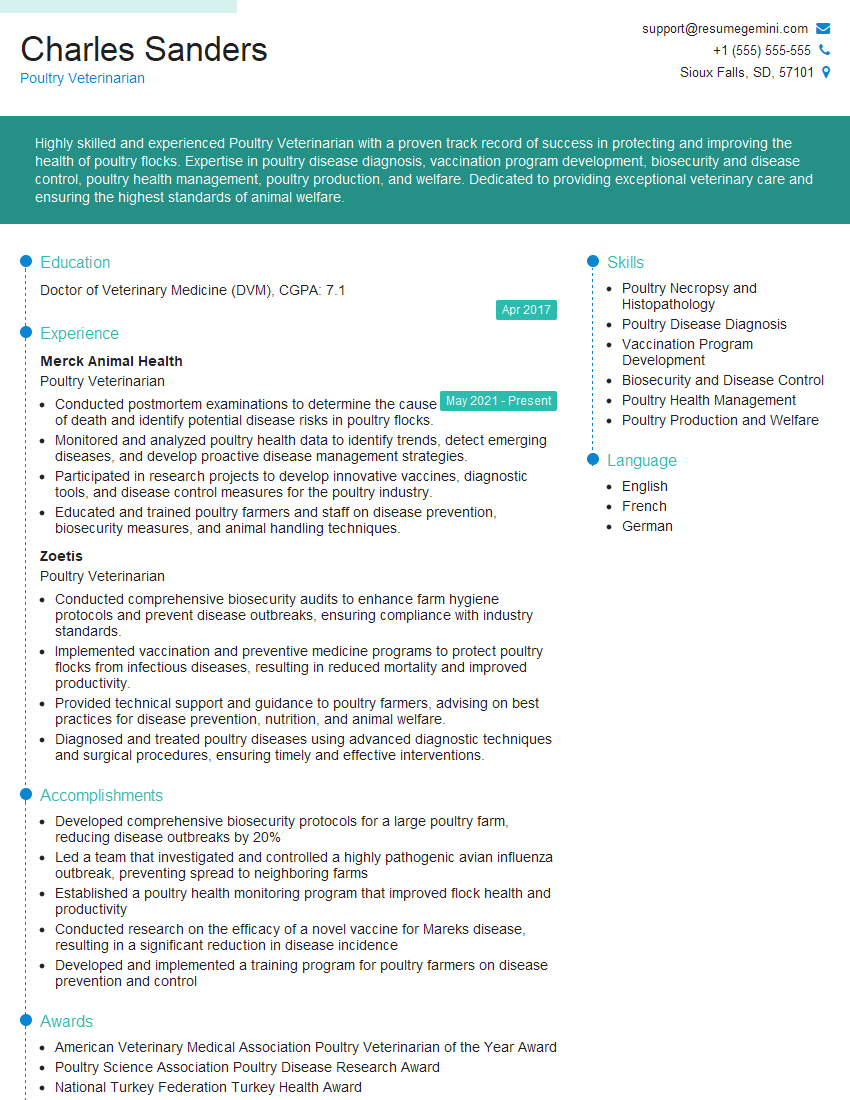
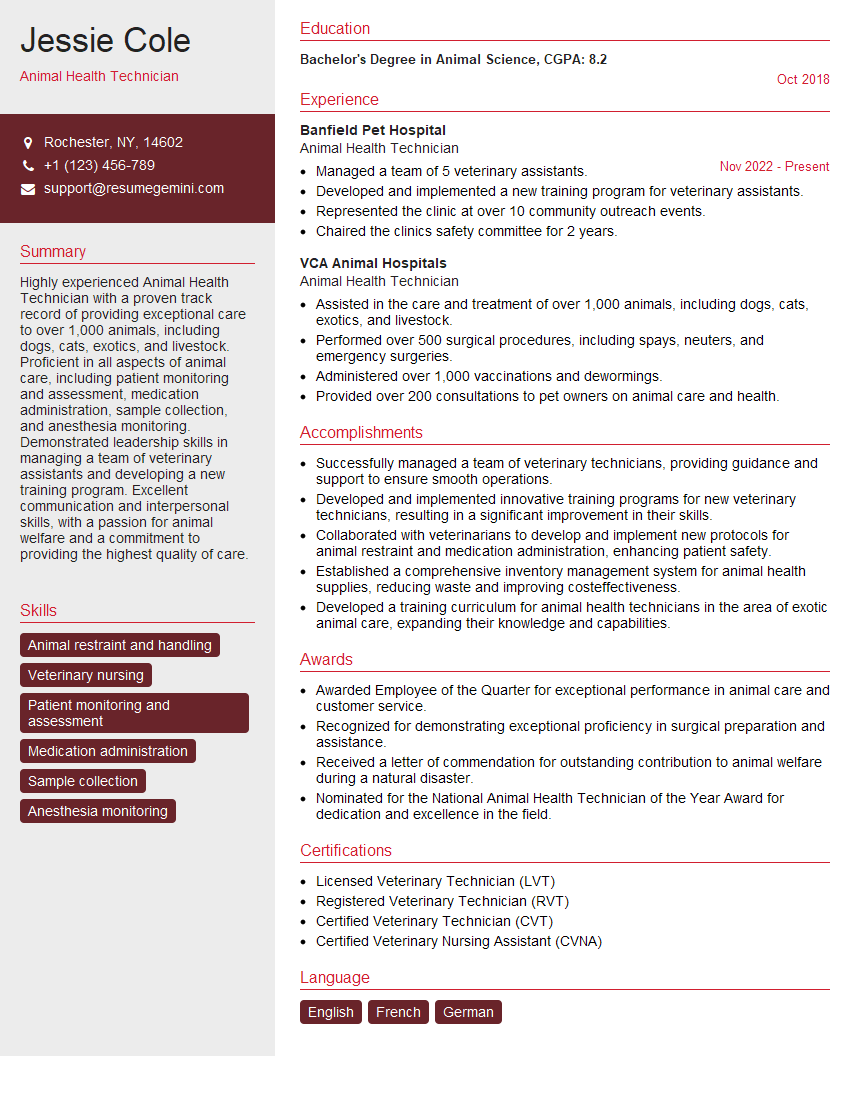
Mastering Poultry Vaccination Planning is crucial for career advancement within the poultry industry. A strong understanding of these principles demonstrates your commitment to flock health and productivity, making you a valuable asset to any poultry operation. To significantly increase your job prospects, create an ATS-friendly resume that highlights your skills and experience effectively. ResumeGemini is a trusted resource to help you build a professional and impactful resume. We provide examples of resumes tailored to Poultry Vaccination Planning to guide you through the process.

Explore more articles
Users Rating of Our Blogs
Share Your Experience
We value your feedback! Please rate our content and share your thoughts (optional).
What Readers Say About Our Blog
Very informative content, great job.
good