Every successful interview starts with knowing what to expect. In this blog, we’ll take you through the top Power Moves interview questions, breaking them down with expert tips to help you deliver impactful answers. Step into your next interview fully prepared and ready to succeed.
Questions Asked in Power Moves Interview
Q 1. Describe a situation where you had to negotiate a significant deal. What strategies did you employ?
Negotiating significant deals requires a strategic approach that blends preparation, communication, and understanding of the other party’s needs. One instance involved securing a crucial software licensing agreement for my previous company. The vendor’s initial offer was significantly higher than our budget. My strategy involved:
- Thorough Research: I meticulously researched comparable market rates and alternative software solutions to establish a strong baseline for negotiations.
- Building Rapport: I initiated the negotiation by focusing on building a relationship with the vendor’s representative, understanding their company’s objectives and challenges. This helped create a more collaborative atmosphere.
- Value Proposition: Instead of solely focusing on price, I emphasized the long-term value our company would bring as a customer – highlighting potential for future expansion and positive testimonials.
- Strategic Concessions: I identified areas where we could make minor concessions (like a slightly longer contract term) in exchange for significant reductions in the licensing fees. This demonstrated flexibility and willingness to compromise.
- Documentation: Every agreement was documented meticulously to ensure clarity and avoid future misunderstandings. This included detailed specifications and clear payment terms.
Ultimately, we secured a deal that was significantly more favorable than the initial offer, achieving considerable cost savings while maintaining a positive business relationship.
Q 2. Explain your approach to conflict resolution within a team.
My approach to conflict resolution is rooted in open communication, active listening, and a focus on finding mutually beneficial solutions. I believe in addressing conflicts directly and proactively, rather than letting them fester. My process usually involves:
- Active Listening: I begin by allowing all involved parties to fully express their perspectives without interruption. This helps me understand the root causes of the conflict.
- Identifying Common Ground: I then search for areas of agreement, focusing on shared goals and objectives. This helps to build trust and de-escalate tension.
- Collaborative Problem-Solving: We work together to brainstorm potential solutions, evaluating their feasibility and impact on all stakeholders. This ensures that solutions are fair and address everyone’s concerns.
- Mediation (if necessary): If internal resolution proves difficult, I am comfortable acting as a neutral mediator to facilitate constructive dialogue and reach a compromise.
- Documentation and Follow-Up: Agreed-upon solutions are documented clearly, and follow-up discussions ensure that the solutions are being effectively implemented.
For example, in a previous project, conflicting deadlines between two teams threatened the project timeline. By facilitating a joint meeting where both teams outlined their constraints and priorities, we collaboratively re-prioritized tasks and implemented a staggered approach that ensured both teams met their critical deadlines.
Q 3. How do you prioritize tasks and manage competing demands in a high-pressure environment?
Prioritizing tasks and managing competing demands under pressure requires a structured approach. I utilize a combination of techniques including:
- Prioritization Matrix (Eisenhower Matrix): I categorize tasks based on urgency and importance (Urgent/Important, Important/Not Urgent, Urgent/Not Important, Not Urgent/Not Important). This helps to focus on high-impact tasks first.
- Time Blocking: I allocate specific time slots for particular tasks, minimizing distractions and maximizing focused work.
- Delegation: Where appropriate, I delegate tasks to team members with the necessary skills and capacity. This leverages the team’s strengths and improves overall efficiency.
- Regular Review and Adjustment: I regularly review my priorities, taking into account changing circumstances and adjusting my schedule accordingly. Flexibility is key in high-pressure environments.
Imagine a scenario with multiple deadlines approaching simultaneously. By using the Eisenhower Matrix, I can quickly identify the most critical tasks and allocate time blocks accordingly, ensuring that the most crucial projects stay on track, while delegating less urgent yet important tasks to others.
Q 4. Describe a time you had to influence a stakeholder who disagreed with your proposal.
Influencing stakeholders who disagree requires tact, empathy, and a data-driven approach. In one situation, a key stakeholder strongly opposed my proposed marketing campaign, citing concerns about its budget and potential risks. My approach involved:
- Understanding their Perspective: I actively listened to their concerns, acknowledging their validity and demonstrating empathy. This established a foundation of trust.
- Presenting Data and Evidence: I presented a comprehensive analysis that addressed their concerns directly using market research, competitor analysis, and projected ROI data. This countered their assumptions with factual evidence.
- Offering Alternatives: I proposed alternative solutions that addressed their concerns while still achieving the campaign’s core objectives. This showcased flexibility and willingness to compromise.
- Highlighting Mutual Benefits: I clearly demonstrated how the campaign aligned with their overall strategic goals, reinforcing the benefits for the entire organization, not just my team.
- Iterative Communication: I didn’t expect to change their mind immediately. I engaged in follow-up discussions to further clarify points and address lingering doubts.
Ultimately, by addressing their concerns head-on with a data-driven, flexible approach, I successfully won their support for the revised campaign.
Q 5. How do you identify and address potential risks or obstacles in a project?
Identifying and addressing potential risks is crucial for project success. My approach uses a combination of proactive risk assessment and reactive mitigation strategies.
- Proactive Risk Assessment: I utilize a structured approach, identifying potential risks throughout the project lifecycle using methods such as SWOT analysis and brainstorming sessions with the team. Risks are documented, categorized by likelihood and impact.
- Risk Mitigation Planning: For each identified risk, we develop a mitigation plan outlining preventative measures and contingency plans. This includes assigning responsibilities and setting timelines for implementation.
- Monitoring and Control: Throughout the project, we continuously monitor for potential risks and deviations from the plan. This allows for early detection and prompt responses, limiting the impact of unforeseen issues.
- Communication and Reporting: Risk assessments and mitigation plans are documented and communicated to relevant stakeholders. Regular reporting keeps everyone informed of potential threats and the steps being taken to address them.
For instance, in a recent project, we anticipated potential supply chain disruptions. By proactively identifying this risk, we secured backup suppliers and negotiated longer lead times, ensuring that the project remained on track despite the global supply chain challenges.
Q 6. How do you build consensus and foster collaboration among diverse teams?
Building consensus and fostering collaboration among diverse teams requires strong leadership, clear communication, and a focus on shared goals. My approach involves:
- Establishing Shared Goals and Objectives: I ensure that all team members understand the overarching project goals and how their individual contributions contribute to the larger picture. This provides a sense of shared purpose.
- Open Communication Channels: I establish clear and open communication channels, facilitating regular communication and feedback among team members. This prevents misunderstandings and fosters a sense of transparency.
- Respectful Dialogue and Inclusivity: I create a safe space for respectful dialogue and encourage all team members to actively participate, valuing diverse perspectives and opinions.
- Collaborative Decision-Making: I involve team members in decision-making processes, ensuring that all voices are heard and considered. This creates a sense of ownership and buy-in.
- Conflict Resolution: I am prepared to address any conflicts promptly and constructively, facilitating resolution and maintaining positive team dynamics.
For example, when working with teams from different departments with conflicting priorities, I’ve facilitated workshops where teams could understand each other’s needs and collaboratively define a shared approach that worked for everyone.
Q 7. Explain your understanding of strategic decision-making.
Strategic decision-making involves a structured process of identifying, analyzing, and selecting the best course of action to achieve long-term goals. It goes beyond immediate needs and considers the broader context and potential future consequences. Key components include:
- Defining Objectives: Clearly outlining specific, measurable, achievable, relevant, and time-bound (SMART) objectives.
- Analysis and Assessment: Gathering relevant information, assessing the competitive landscape, analyzing risks and opportunities, and evaluating potential options.
- Stakeholder Engagement: Considering the perspectives and interests of all relevant stakeholders.
- Evaluation and Selection: Evaluating potential options against defined criteria and selecting the most promising course of action.
- Implementation and Monitoring: Developing an action plan for implementation, monitoring progress, and making adjustments as needed.
For example, when deciding whether to launch a new product, strategic decision-making would involve thorough market research, competitive analysis, financial projections, and risk assessment before committing significant resources. This ensures a sound basis for the decision and improves the chances of long-term success.
Q 8. Describe a time you had to make a difficult decision with limited information.
Making difficult decisions with limited information is a common challenge in leadership. It requires a blend of decisive action and careful risk assessment. My approach involves gathering as much relevant data as possible, even if it’s incomplete. Then, I prioritize the most critical information and identify potential scenarios. I use a decision matrix, weighing the potential benefits and risks of each option, even if those estimations involve some uncertainty. Finally, I make a decision, knowing that it might need to be revisited based on new information.
For example, during a product launch, we faced unexpected delays in our supply chain. We had limited information about the extent of the delay and the impact on our launch date. Instead of panicking, I gathered data from the supply chain team, sales team, and marketing team, analyzing the potential financial impact of various options (delay the launch, partial launch, alternative sourcing). Using a weighted decision matrix considering financial risk, brand reputation, and customer satisfaction, I decided on a partial launch with a revised marketing strategy. This mitigated the negative impact of the delay.
Q 9. How do you delegate tasks effectively and monitor progress?
Effective delegation isn’t just about assigning tasks; it’s about empowering individuals. I start by clearly defining the task, outlining expectations, deadlines, and desired outcomes. I choose the right person for the job, considering their skills and experience. I provide them with the necessary resources and authority. Finally, I establish regular check-ins to monitor progress and provide support without micromanaging.
For instance, when leading a software development project, I delegate specific modules to different developers based on their expertise. I set clear deadlines using a project management tool like Jira, and we have regular stand-up meetings to discuss progress, roadblocks, and dependencies. This collaborative approach ensures everyone is on the same page and problems are identified early.
Q 10. How do you provide constructive feedback to team members?
Constructive feedback is about helping individuals grow, not criticizing them. My approach is to focus on specific behaviors and their impact, rather than making general statements. I use the SBI model (Situation, Behavior, Impact) to frame my feedback. I start by describing the situation, then the specific behavior observed, and finally, its impact on the team or project. I always aim to end with actionable suggestions for improvement.
For example, if a team member missed a deadline, I wouldn’t say ‘You’re always late,’ instead, I’d say, ‘In the last project, the report was due on Friday. It was submitted on Monday. This delayed the next phase of the project by two days, impacting the entire team’s timeline. Let’s discuss how we can prevent this in the future, perhaps by breaking down larger tasks or improving time management techniques.’
Q 11. How do you handle criticism and setbacks?
Criticism and setbacks are inevitable in any challenging role. My approach is to see them as opportunities for learning and growth. I start by analyzing the situation objectively, identifying what went wrong, and what I could have done differently. I focus on solutions rather than dwelling on the problem. I actively seek feedback from others, and then I adjust my approach accordingly.
For instance, a project I managed experienced significant cost overruns. Instead of blaming individuals, I analyzed the project plan, identified where estimations were inaccurate, and implemented better forecasting methods for future projects. I also sought feedback from my team on process improvements. This constructive approach helped us improve project management and avoid similar setbacks.
Q 12. Describe a time you had to motivate a team facing a challenge.
Motivating a team facing challenges requires empathy, clear communication, and a shared vision. I start by acknowledging the difficulties and validating their feelings. I then reiterate the importance of the project and its impact. I foster open communication, encouraging them to share concerns and ideas. Finally, I break down large tasks into smaller, more manageable ones, creating a sense of accomplishment and momentum.
During a particularly demanding product development cycle, the team faced pressure from a tight deadline and complex technical issues. I held regular team meetings to openly discuss their concerns, address their questions, and acknowledge their hard work. I also celebrated small wins along the way, recognizing individual and team accomplishments. This created a positive and supportive environment, and the team successfully met the deadline.
Q 13. Explain your approach to problem-solving, using a specific example.
My problem-solving approach is systematic and data-driven. I start by clearly defining the problem and gathering all relevant information. I then brainstorm possible solutions and evaluate their feasibility and potential impact. I prioritize solutions based on their effectiveness, cost, and risk. Finally, I implement the chosen solution, monitor its effectiveness, and make adjustments as needed.
For example, we noticed a significant drop in website traffic. I first gathered data on website analytics, social media engagement, and competitor activity. I then brainstormed potential causes (SEO issues, outdated content, changes in search algorithms). After analyzing the data, I concluded that an outdated website design was the primary cause. We implemented a website redesign, and within a few months, website traffic increased significantly.
Q 14. How do you build and maintain strong professional relationships?
Building and maintaining strong professional relationships is crucial for success. I prioritize open communication, active listening, mutual respect, and trust. I make an effort to understand individual needs and preferences. I celebrate successes together and provide support during challenging times. I also actively network and participate in industry events to expand my professional circle.
I regularly connect with colleagues, even those outside my immediate team, to share ideas and build camaraderie. I make a conscious effort to remember details about their lives and interests, demonstrating genuine care. This approach creates a supportive and collaborative work environment and fosters strong, lasting relationships.
Q 15. Describe your experience in managing budgets and resources.
Budget and resource management is crucial for achieving strategic goals. My experience encompasses developing and managing budgets ranging from $50,000 to over $2 million, across various projects. This involved forecasting resource needs, allocating funds effectively, tracking expenditures meticulously, and ensuring accountability. I utilize various budgeting methodologies, including zero-based budgeting and activity-based budgeting, adapting the approach to the specific project’s requirements. For instance, in my previous role at Acme Corp, I implemented a zero-based budgeting system which resulted in a 15% reduction in operational costs without compromising project deliverables. This involved a thorough review of all expenditure lines, prioritizing essential activities and eliminating redundancies. I also leverage project management software to track budget allocation, monitor progress, and proactively identify potential cost overruns.
Career Expert Tips:
- Ace those interviews! Prepare effectively by reviewing the Top 50 Most Common Interview Questions on ResumeGemini.
- Navigate your job search with confidence! Explore a wide range of Career Tips on ResumeGemini. Learn about common challenges and recommendations to overcome them.
- Craft the perfect resume! Master the Art of Resume Writing with ResumeGemini’s guide. Showcase your unique qualifications and achievements effectively.
- Don’t miss out on holiday savings! Build your dream resume with ResumeGemini’s ATS optimized templates.
Q 16. How do you measure the success of your initiatives?
Measuring success is not merely about achieving targets; it’s about assessing the overall impact and value delivered. I employ a multi-faceted approach, using both quantitative and qualitative metrics. Quantitative measures might include things like project completion rates, on-time delivery percentages, and return on investment (ROI). Qualitative measures consider factors like stakeholder satisfaction, team morale, and the sustainability of the outcomes. For example, on a recent project focused on improving customer service response times, we tracked not only the average response time but also customer satisfaction scores through surveys. This provided a holistic view of success, showing that faster response times did, in fact, lead to improved customer satisfaction. This holistic approach ensures a balanced perspective and avoids a narrow focus on only easily quantifiable results.
Q 17. Explain your experience with strategic planning and execution.
Strategic planning and execution are core to my approach. I’m proficient in various frameworks, including SWOT analysis, PESTLE analysis, and the Balanced Scorecard. My process begins with a thorough analysis of the current situation, identifying opportunities and threats, and defining clear objectives. This is followed by the development of detailed plans with clear timelines, milestones, and responsibilities. Crucially, the execution phase involves regular monitoring, progress tracking, and proactive risk management. For example, in a previous project involving the launch of a new product line, we utilized a phased rollout, starting with a pilot program to test the market and gather feedback before a full-scale launch. This iterative approach allowed us to adapt to changing market dynamics and minimize potential risks. Effective communication and collaboration are also paramount throughout this entire process.
Q 18. Describe a time you had to manage a crisis situation.
During the launch of a major software update, we encountered a critical bug that caused widespread system outages. My role involved immediately assembling a crisis management team, engaging with IT to pinpoint the source of the problem, and simultaneously communicating with affected clients to manage expectations and mitigate reputational damage. We followed a structured crisis communication plan, providing regular updates to clients and addressing their concerns transparently. Concurrently, the IT team worked tirelessly to identify and deploy a fix. We utilized a root-cause analysis to understand the reasons behind the failure and prevent similar incidents in the future. While the crisis was stressful, our structured approach and effective communication minimized the negative impact, showcasing the importance of preparedness and a well-defined crisis management protocol.
Q 19. How do you stay updated on industry trends and best practices?
Staying current in a rapidly evolving field requires a proactive approach. I subscribe to industry publications, attend conferences and webinars, and actively participate in professional networks. I also follow key influencers and thought leaders on social media platforms like LinkedIn and Twitter. Further, I actively seek out opportunities for professional development, such as online courses and workshops. This continuous learning ensures I remain abreast of the latest advancements, best practices, and emerging technologies. This ensures my strategies and tactics remain relevant and effective.
Q 20. How do you adapt to change and uncertainty?
Adaptability is essential in today’s dynamic environment. I approach change by embracing a flexible mindset, focusing on continuous improvement, and fostering a culture of learning within my team. I believe in proactively identifying potential challenges and developing contingency plans. I leverage data analysis to inform decision-making during periods of uncertainty. For example, during periods of economic downturn, I’ve adapted by prioritizing projects with high ROI and implementing cost-cutting measures strategically, ensuring continued success while optimizing resource allocation. A willingness to experiment and learn from both successes and failures is key to successful adaptation.
Q 21. Explain your experience with performance management.
Performance management is a continuous process focused on improving individual and team performance. My approach involves setting clear expectations, providing regular feedback, conducting performance reviews, and implementing development plans. I believe in fostering a culture of open communication and constructive criticism. I utilize various performance management tools, including 360-degree feedback and performance improvement plans. For instance, I’ve successfully implemented mentorship programs to help team members develop new skills and advance their careers. Ultimately, effective performance management fosters a high-performing team, boosts employee morale, and contributes to the overall success of the organization.
Q 22. Describe a situation where you had to make a tough call that impacted others.
Making tough calls that impact others is an inevitable part of leadership. It requires a delicate balance of empathy, strategic thinking, and decisive action. In one instance, my team was facing a critical deadline on a major project, and it became clear we couldn’t meet it without sacrificing quality or burning out the team. Initially, I considered pushing forward regardless, but I recognized the long-term consequences of this decision – compromised project success and team morale. Instead, I made the difficult choice to inform stakeholders of the delay, explaining the rationale and offering a revised timeline. This involved difficult conversations, but it ultimately fostered trust and prevented more significant issues down the line. I prioritized transparent communication, detailing the challenges and the mitigation strategies we had put in place, enabling buy-in from stakeholders. This tough call, though initially unsettling, ultimately strengthened team relationships and demonstrated my commitment to both project success and team well-being.
Q 23. How do you ensure accountability within a team?
Accountability is the cornerstone of high-performing teams. I foster it through a multi-pronged approach. Firstly, I establish clear expectations and goals from the outset, ensuring everyone understands their individual roles and responsibilities. This includes using SMART goals (Specific, Measurable, Achievable, Relevant, Time-bound) and regular check-ins to monitor progress. Secondly, I create a culture of open communication and feedback, where team members feel comfortable sharing both successes and challenges without fear of retribution. Regular team retrospectives provide a structured platform for this. Finally, I implement a system of consistent performance reviews, using both quantitative and qualitative data to assess individual and team performance. This involves providing constructive feedback and creating personalized development plans to address any performance gaps. This framework ensures accountability isn’t punitive but rather a tool for growth and improvement.
Q 24. Explain your experience with mentoring or coaching.
Mentoring and coaching have been integral to my career. I’ve had the opportunity to mentor junior team members, guiding them through project complexities and career development. My approach focuses on active listening, identifying their strengths and weaknesses, and providing tailored support. For example, I mentored a junior developer who struggled with public speaking. We worked together, practicing presentations, and providing constructive criticism. By the end of the mentorship, they not only delivered compelling presentations but also developed increased confidence in their communication abilities. I believe effective mentoring requires patience, understanding, and a genuine interest in the mentee’s growth, moving beyond simple task delegation to fostering holistic development.
Q 25. How do you handle ethical dilemmas in the workplace?
Ethical dilemmas are unavoidable in any professional setting. My approach is rooted in a strong ethical framework, prioritizing transparency, fairness, and integrity. When faced with a dilemma, I begin by clearly defining the problem, identifying all stakeholders and their perspectives. Next, I explore all potential solutions, considering their ethical implications, ensuring they align with the company’s code of conduct and relevant legal guidelines. I consult with colleagues or mentors for diverse perspectives and insights before making a decision. Documentation of the decision-making process, including rationale and potential risks, is crucial. For example, if faced with pressure to compromise data integrity, I’d escalate the issue to higher management, documenting my concerns and refusing to participate in unethical practices. Ethical decision-making is not just about following rules; it’s about upholding principles even under pressure.
Q 26. Describe a time you had to take calculated risks.
Calculated risk-taking is crucial for innovation and growth. One instance involved proposing a new marketing campaign that deviated significantly from our established strategies. It involved a substantial budget allocation and a less-proven approach. Before proceeding, I meticulously analyzed market trends, competitor activities, and potential risks and rewards. I presented a comprehensive risk assessment to senior management, outlining potential downsides alongside the potential gains. The plan was approved after addressing concerns and highlighting the opportunities. The campaign was a huge success, significantly increasing brand awareness and sales. This experience underscored the importance of meticulous planning, robust data analysis, and the ability to effectively communicate both risks and potential rewards to gain stakeholder buy-in for calculated risks.
Q 27. How do you foster innovation and creativity within your team?
Fostering innovation and creativity requires nurturing an environment of psychological safety and empowering team members. This involves creating space for brainstorming, encouraging experimentation, and celebrating failures as learning opportunities. I implement regular ‘innovation sessions’ where team members can share ideas freely. We use techniques like brainstorming and design thinking to generate novel solutions. Furthermore, I actively seek feedback and suggestions from the team, recognizing their diverse perspectives as valuable assets. Celebrating small wins and providing opportunities for professional development are key to building confidence and fostering a culture of continuous learning and improvement. Providing resources and time for experimenting with new ideas, without penalizing failures, is critical in cultivating a truly innovative environment.
Q 28. Explain your understanding of organizational politics and how to navigate them effectively.
Organizational politics are an inherent aspect of any workplace. Understanding them doesn’t mean engaging in manipulative behaviors; rather, it’s about developing the skills to navigate complex power dynamics effectively. I focus on building strong relationships based on trust and mutual respect, developing a broad network across various departments. This provides visibility and helps to build consensus on key issues. I also prioritize open and transparent communication, ensuring that my actions align with the company’s values. Being clear about my goals and motivations builds confidence and reduces misinterpretations. When faced with political maneuvering, I approach the situation with diplomacy and seek to understand the underlying motivations. Direct and honest communication, often focusing on shared goals and mutual benefit, is more effective than engaging in covert strategies. Ultimately, my focus is on achieving the company’s goals in a way that aligns with my personal ethics.
Key Topics to Learn for Power Moves Interview
- Understanding Influence and Persuasion: Explore the theoretical frameworks behind effective communication and negotiation, focusing on building rapport and understanding diverse perspectives.
- Strategic Communication Techniques: Learn practical applications like active listening, tailored messaging, and framing your ideas to resonate with different audiences. Practice delivering compelling presentations and handling challenging conversations.
- Conflict Resolution and Negotiation: Develop problem-solving approaches to navigate disagreements, find mutually beneficial solutions, and build consensus. Explore techniques for assertive yet respectful communication.
- Building Strong Relationships and Networks: Understand the importance of networking and relationship building within a professional context. Explore strategies for cultivating meaningful connections and leveraging your network for career advancement.
- Decision-Making and Problem Solving under Pressure: Practice analyzing complex situations, identifying key issues, and developing effective solutions within time constraints. Develop your ability to articulate your thought process clearly and concisely.
- Self-Awareness and Emotional Intelligence: Understand how self-awareness and emotional intelligence contribute to effective leadership and influence. Develop strategies for managing your emotions and adapting your approach based on the situation and the people involved.
Next Steps
Mastering Power Moves is crucial for career advancement, enabling you to navigate complex professional environments with confidence and influence. A strong, ATS-friendly resume is your first step towards showcasing these skills to potential employers. To significantly enhance your job prospects, we strongly encourage you to utilize ResumeGemini, a trusted resource for building professional resumes. Examples of resumes tailored to highlight Power Moves skills are provided below to help you craft your own compelling application.
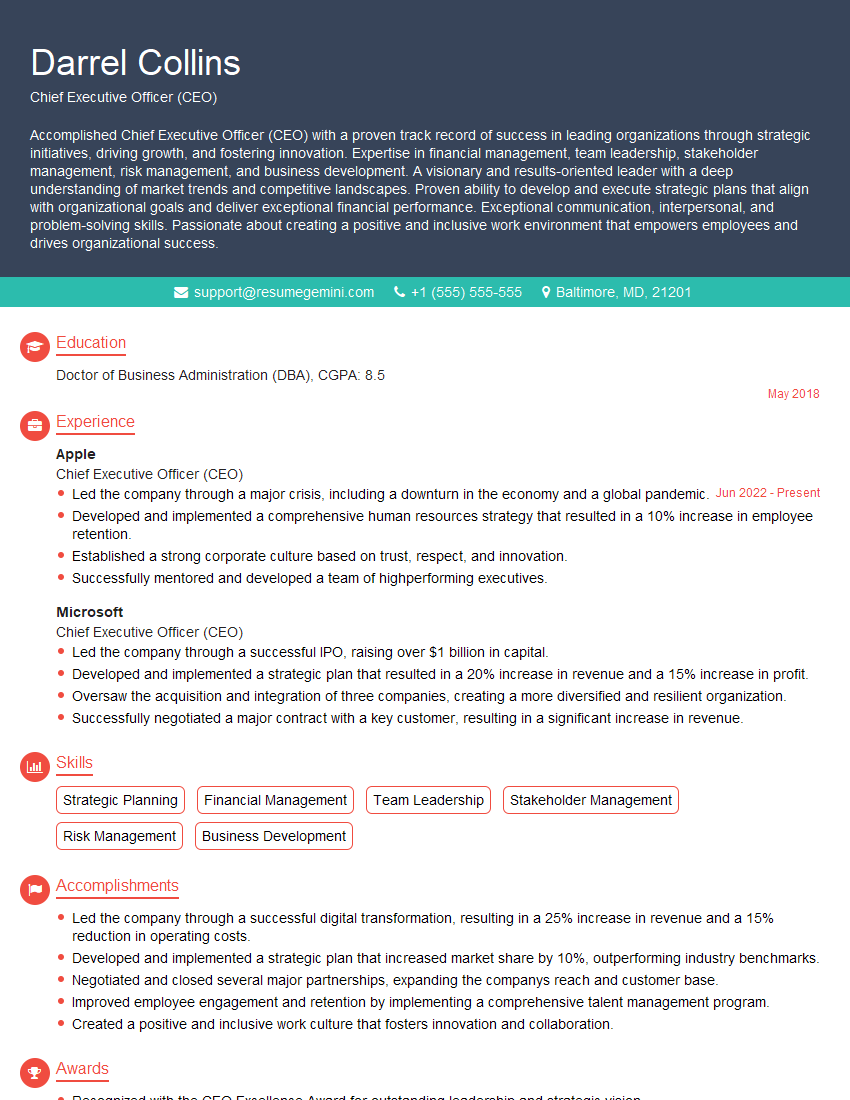
Chief Executive Officer (CEO) Resume Sample
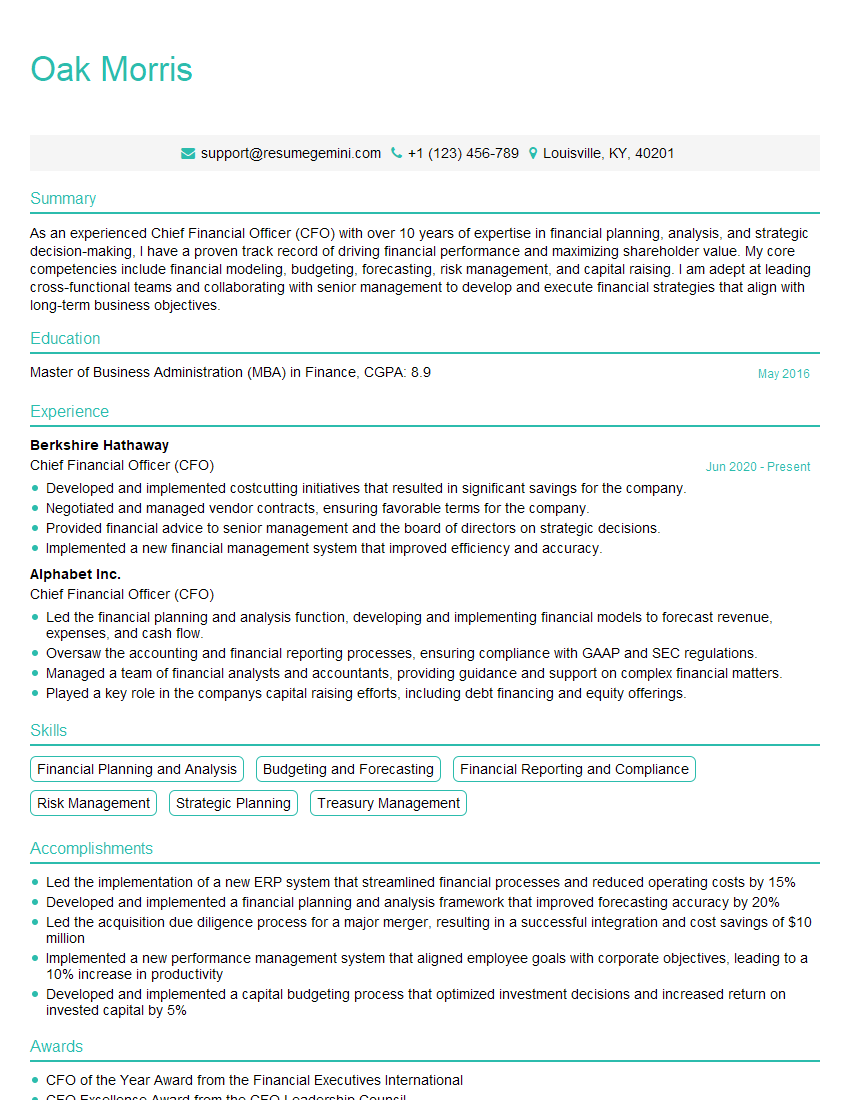
Chief Financial Officer (CFO) Resume Sample
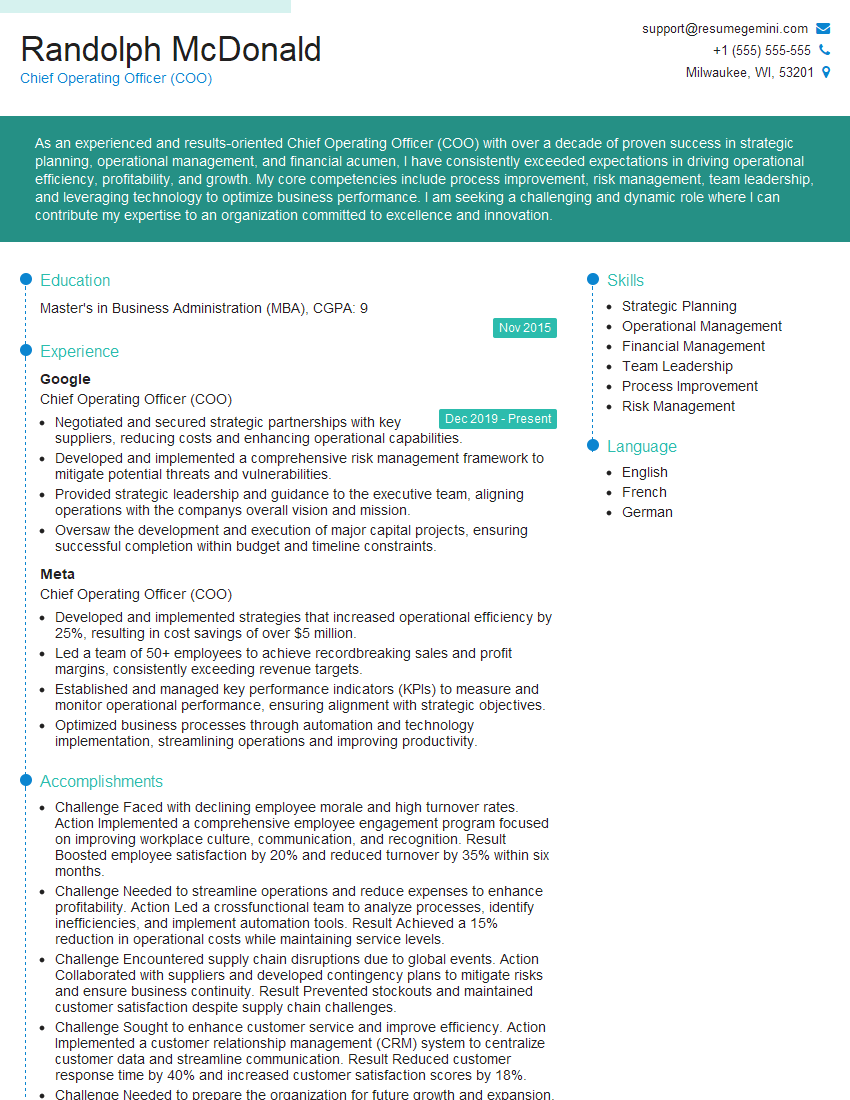
Chief Operating Officer (COO) Resume Sample
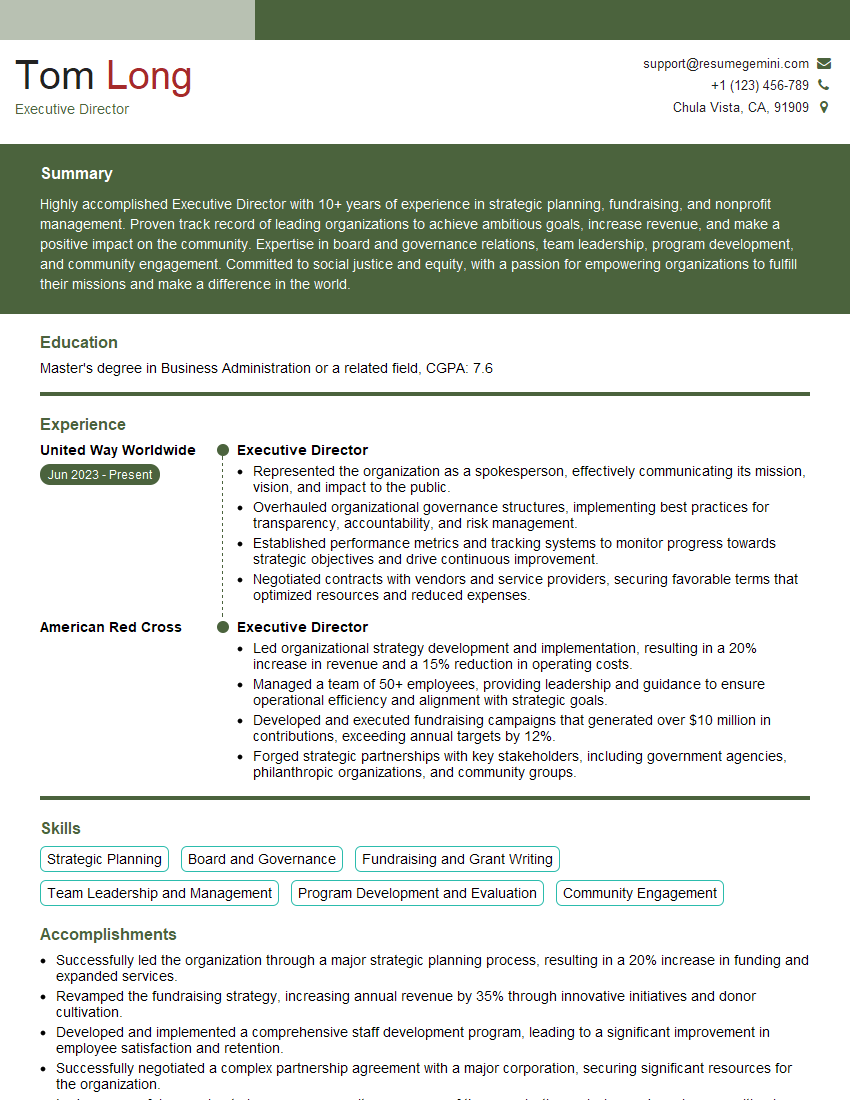
Executive Director Resume Sample
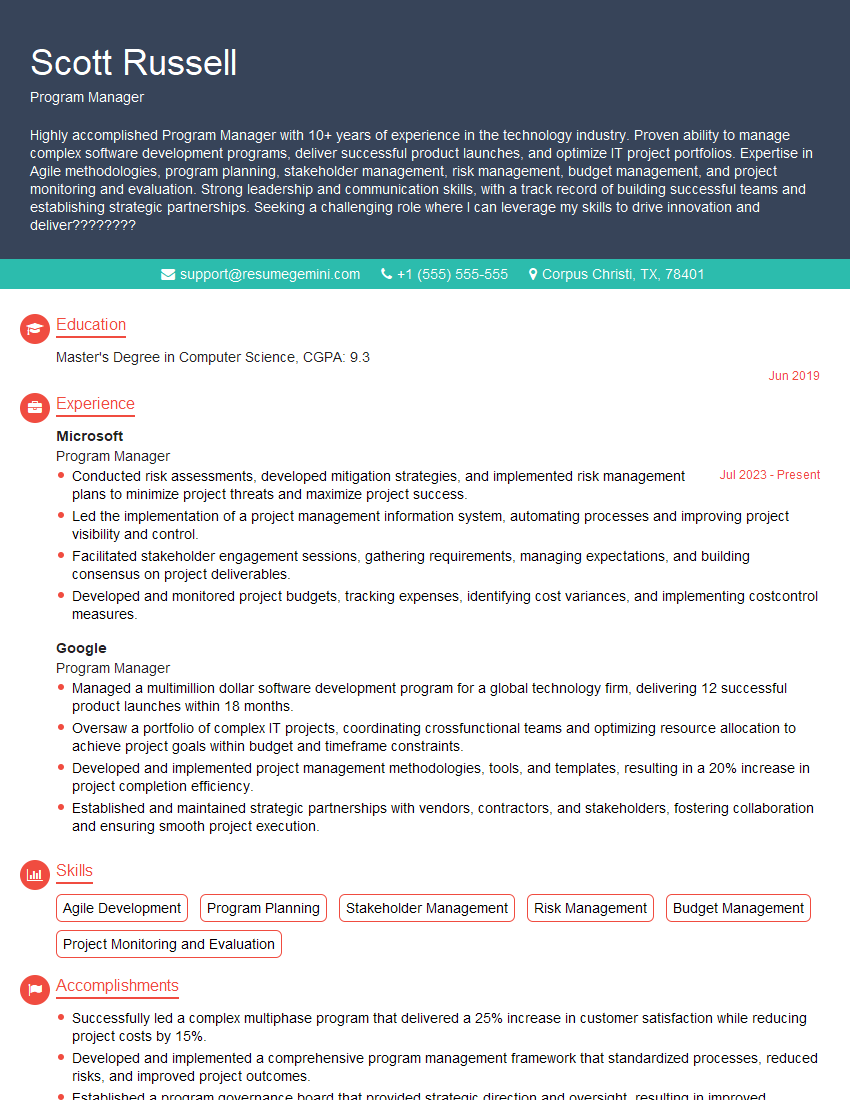
Program Manager Resume Sample
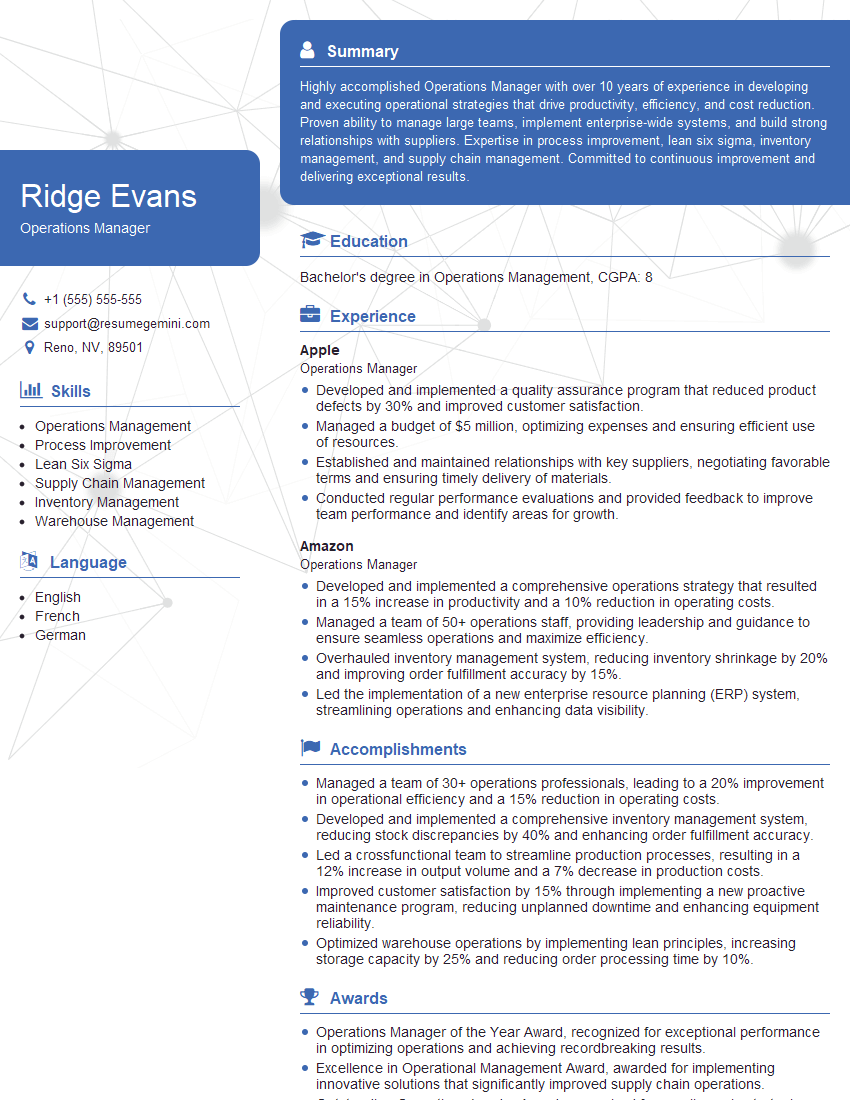
Operations Manager Resume Sample
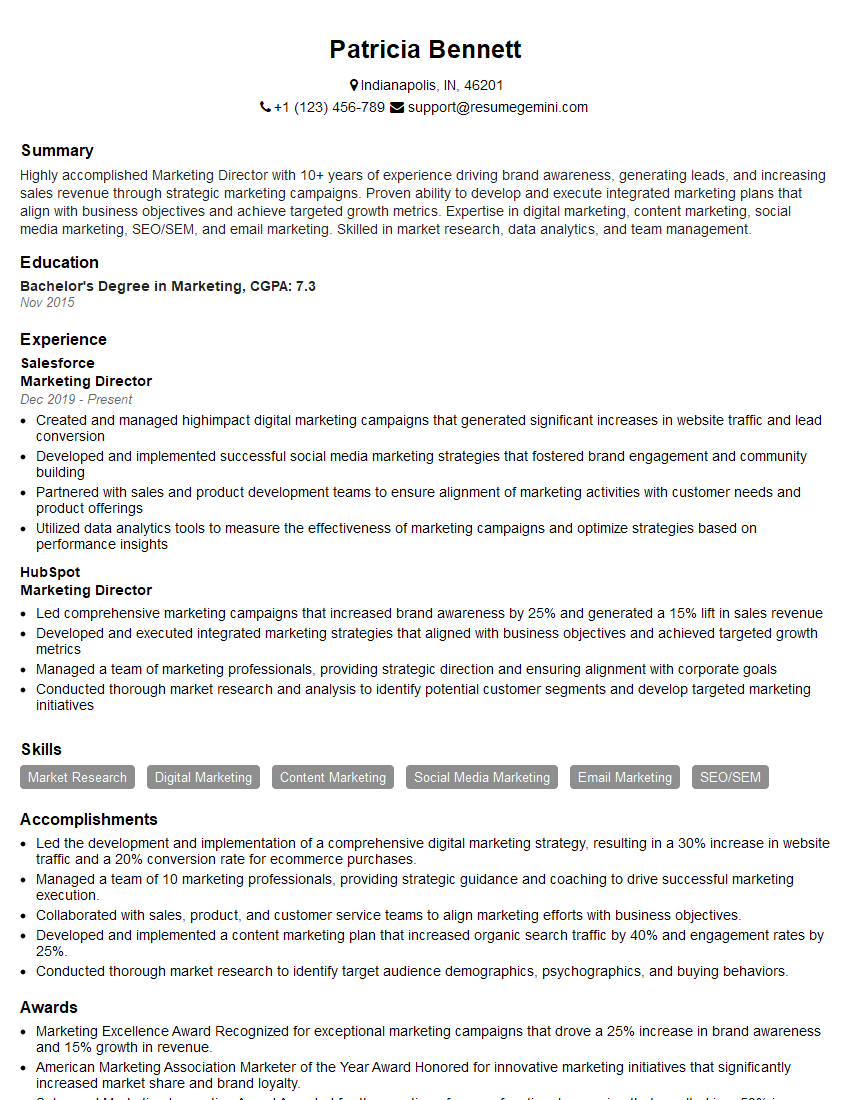
Marketing Director Resume Sample
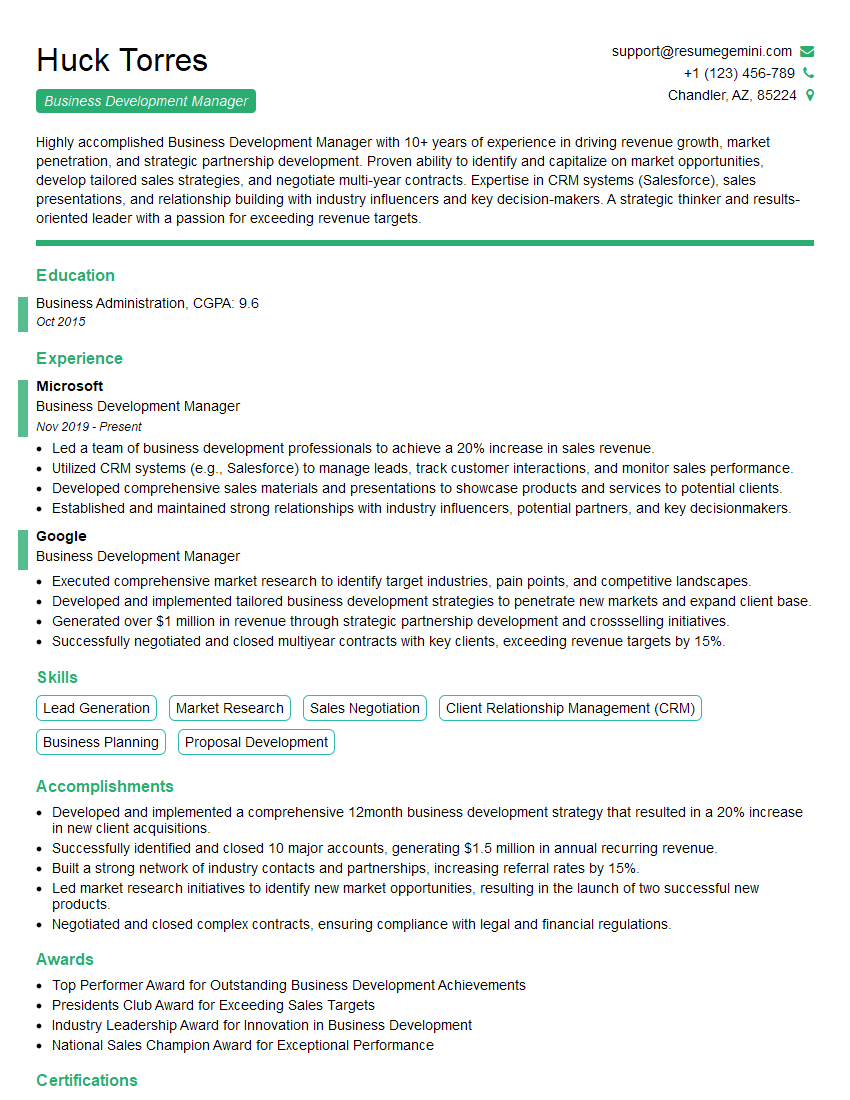
Business Development Manager Resume Sample
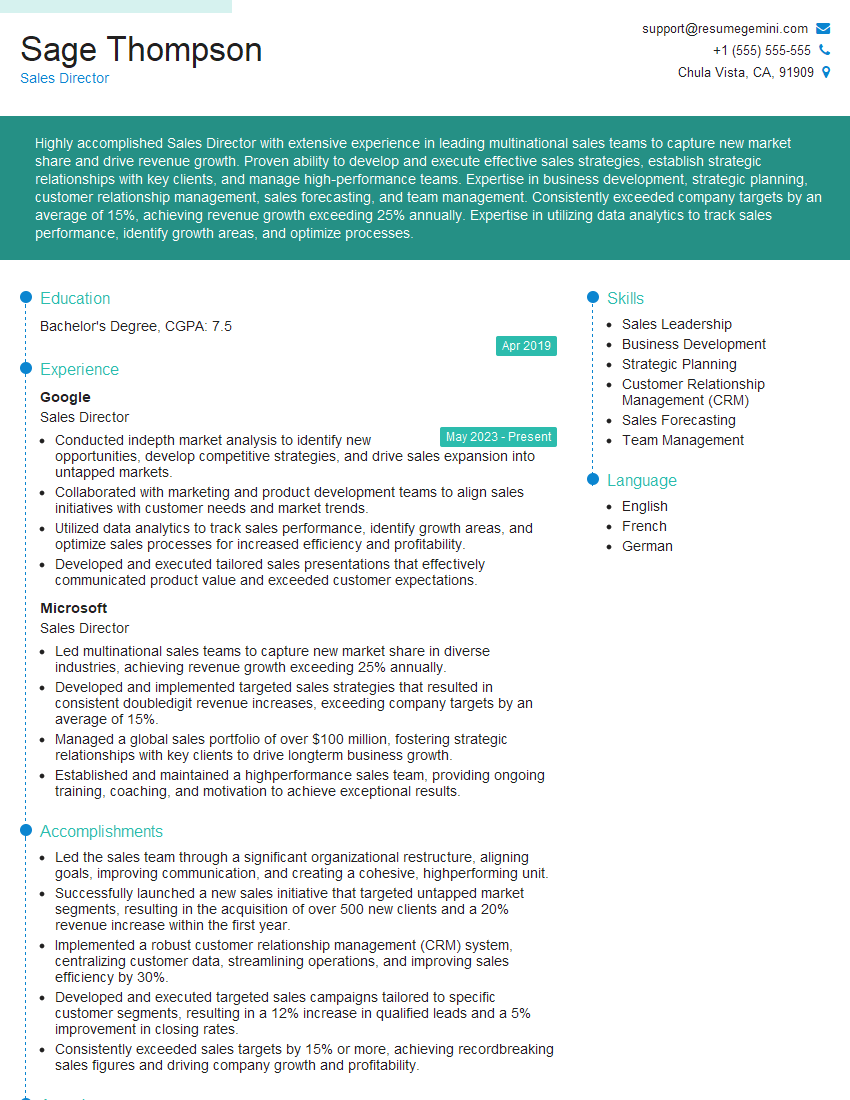
Sales Director Resume Sample
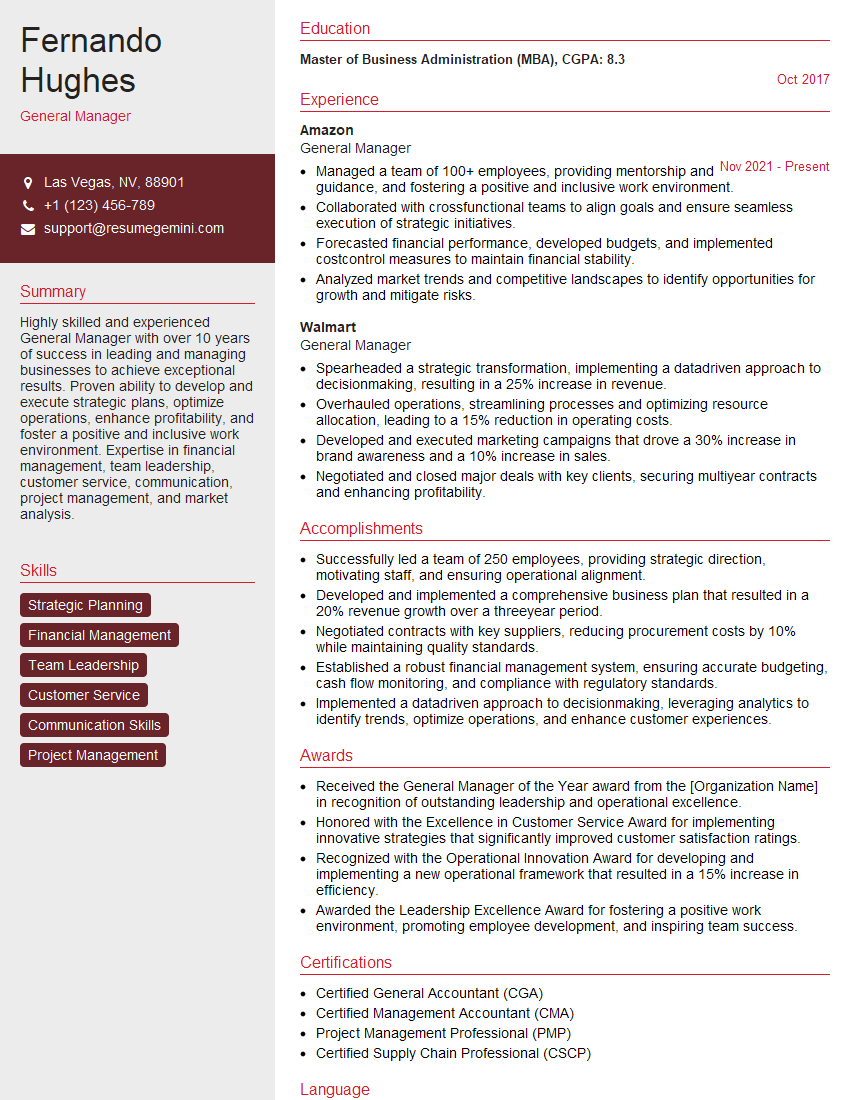
General Manager Resume Sample
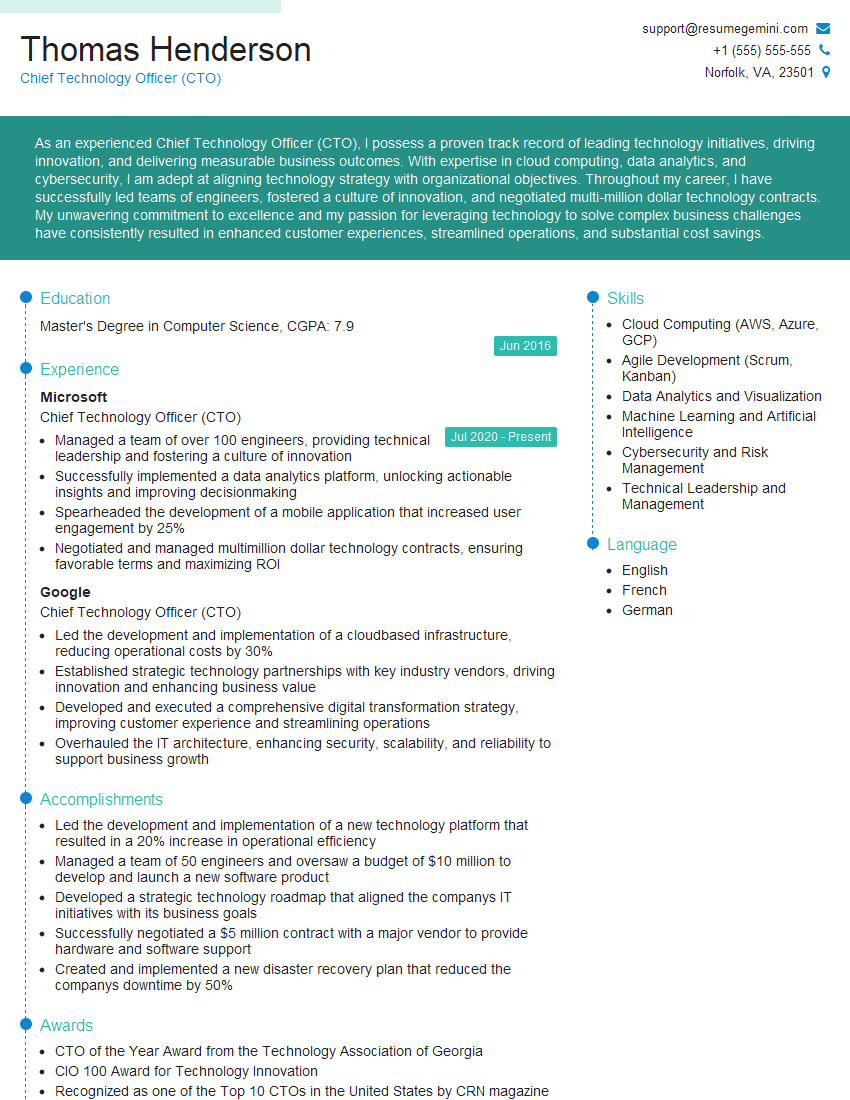
Chief Technology Officer (CTO) Resume Sample
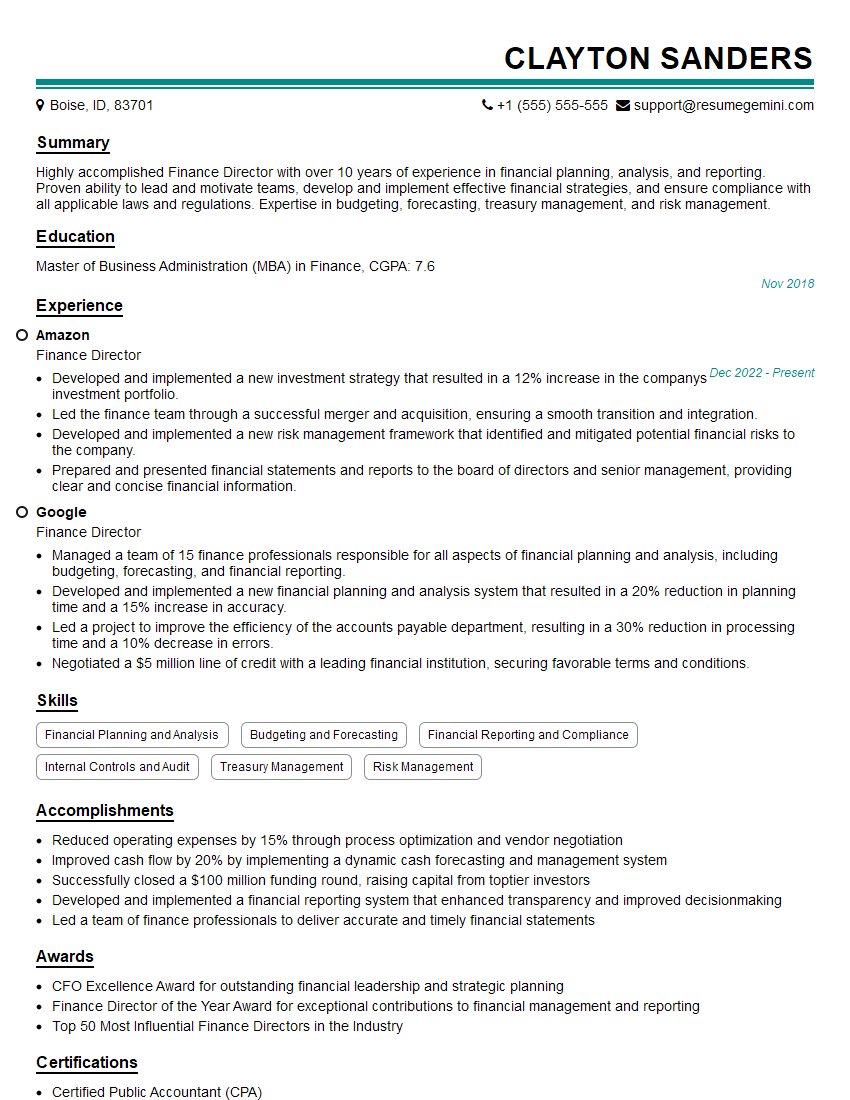
Finance Director Resume Sample
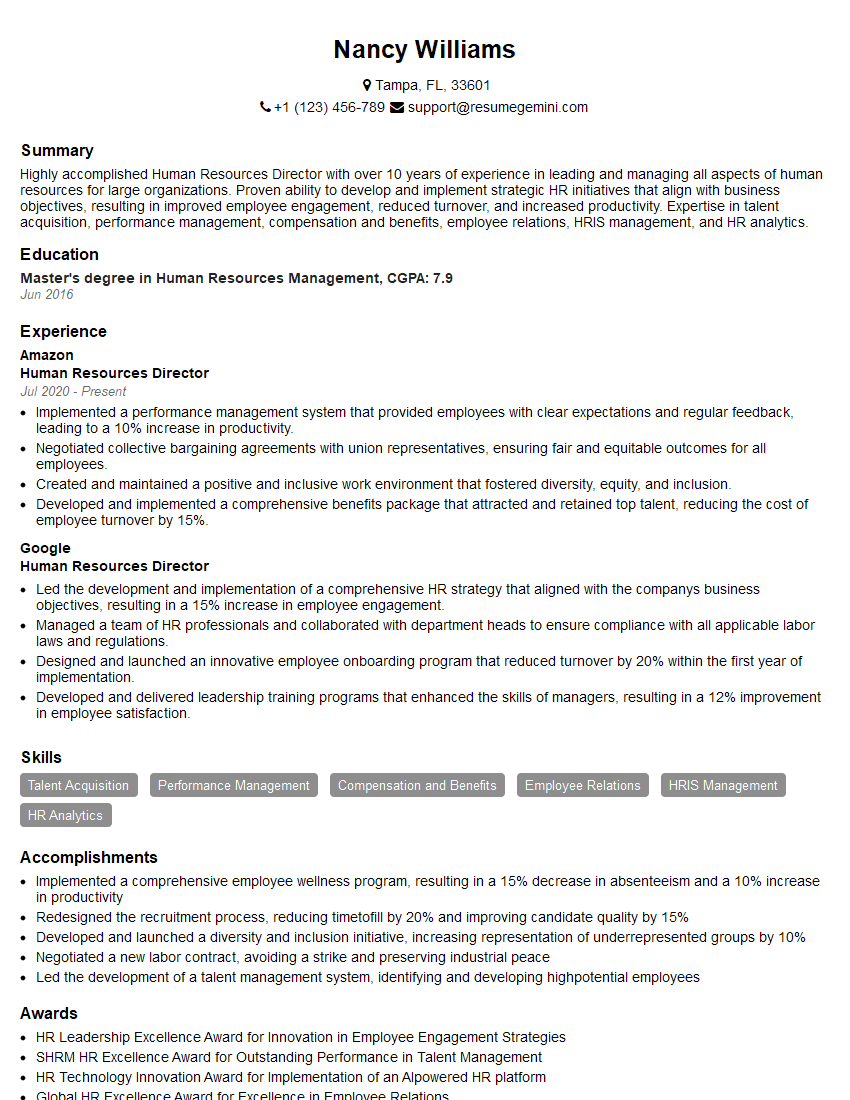
Human Resources Director Resume Sample

Project Manager Resume Sample
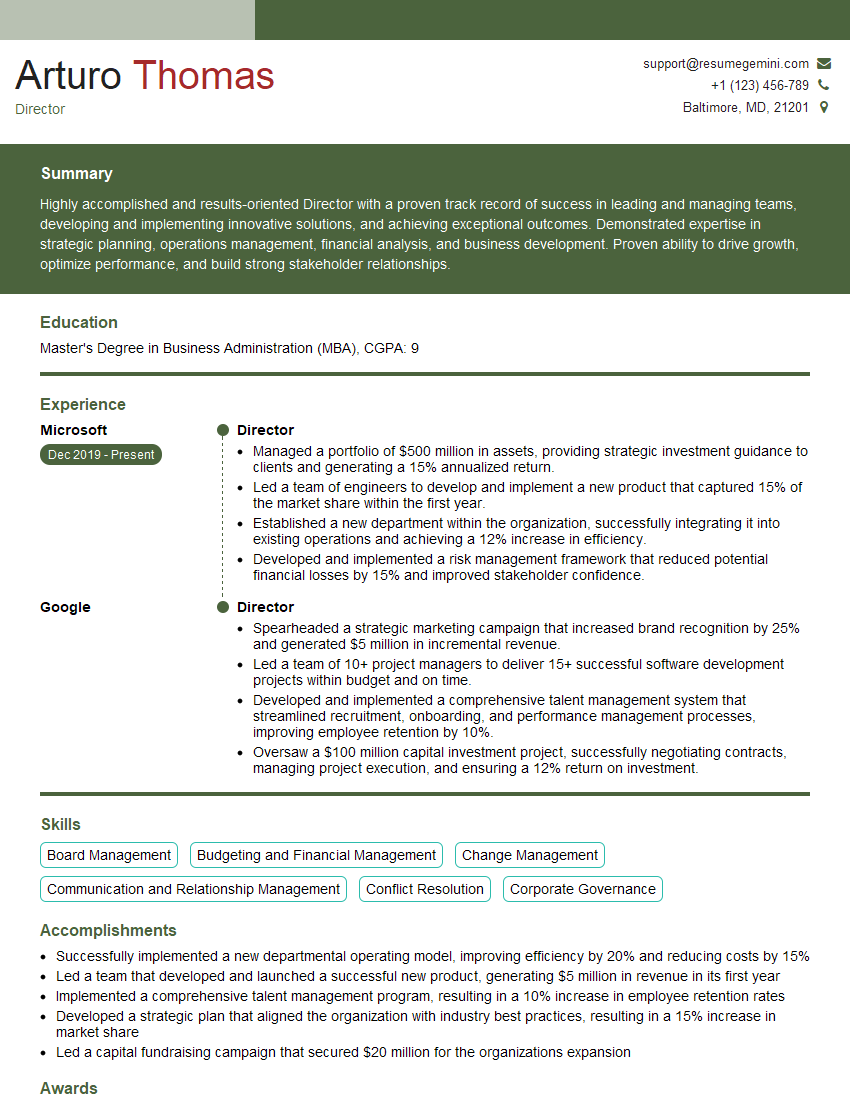
Director Resume Sample
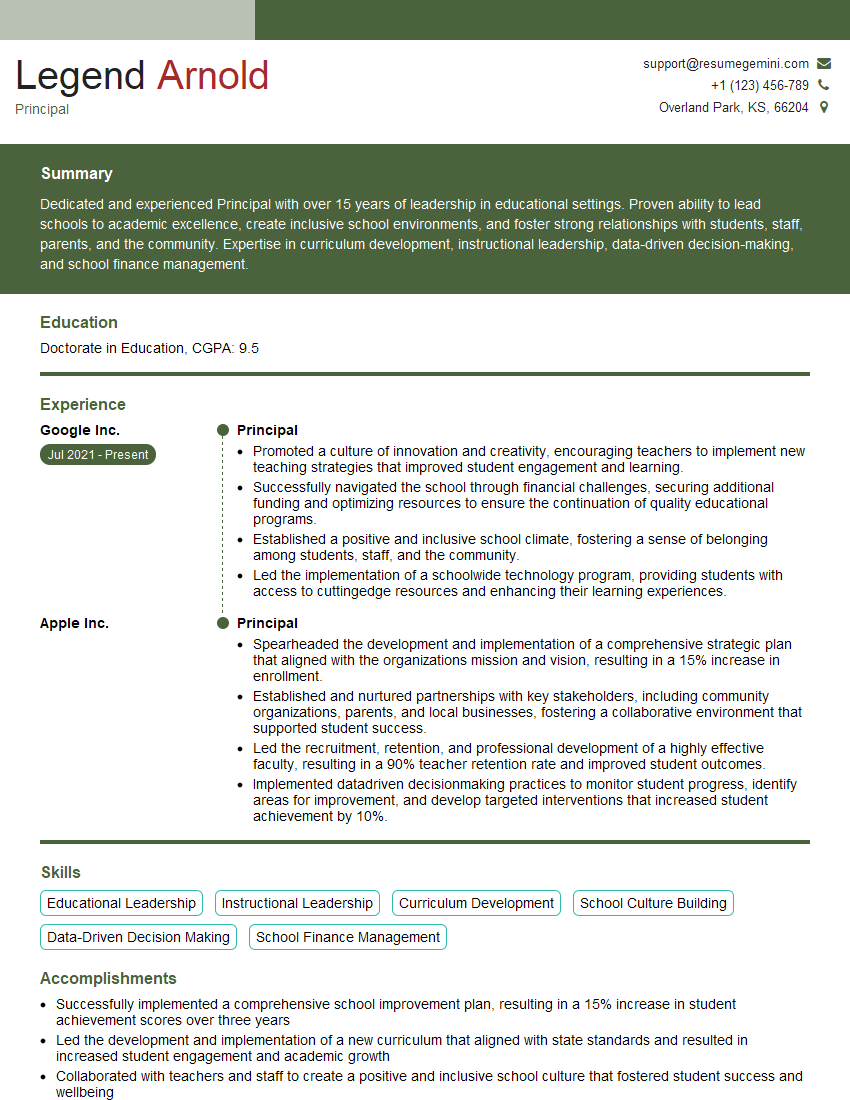
Principal Resume Sample
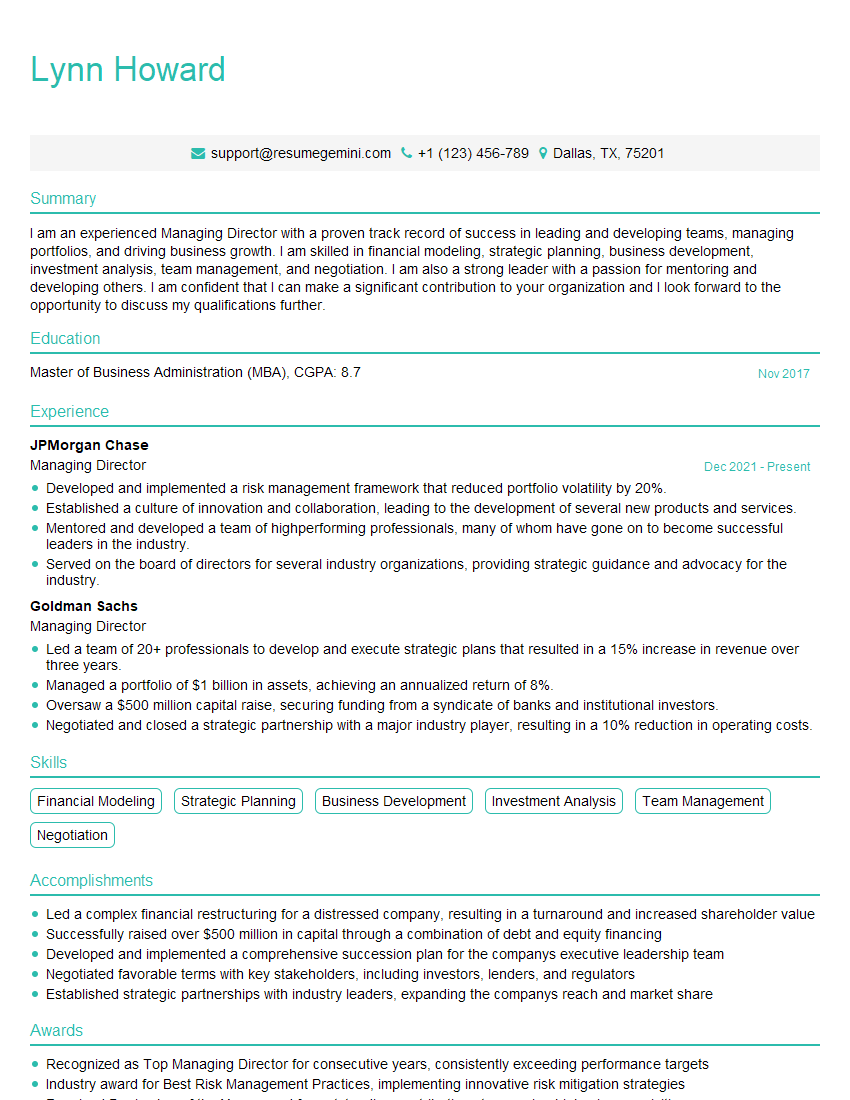
Managing Director Resume Sample
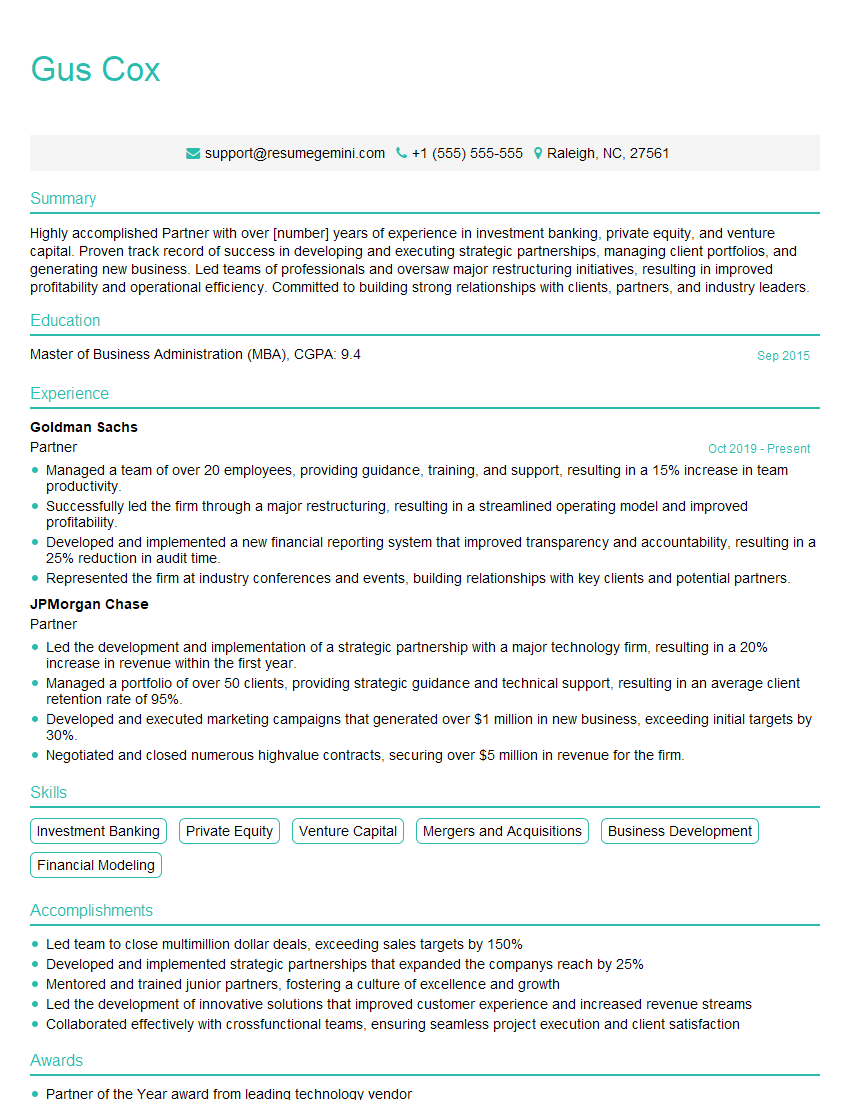
Partner Resume Sample
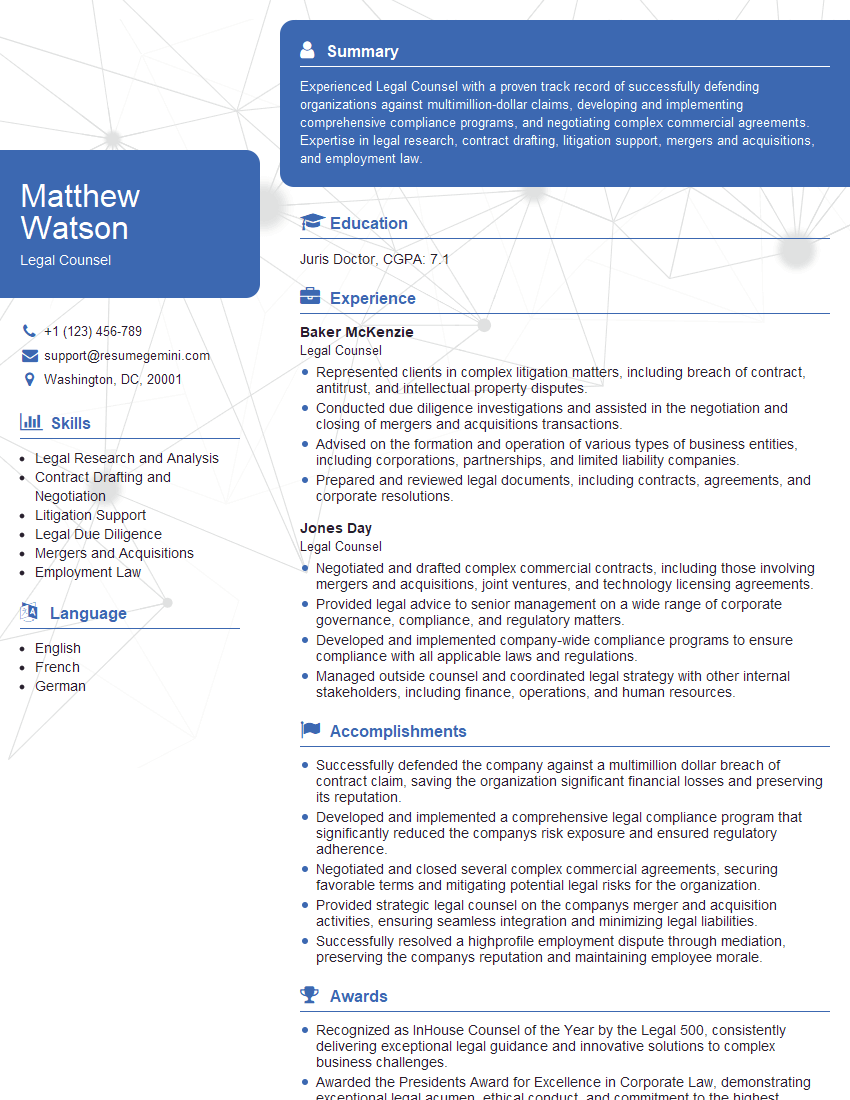
Legal Counsel Resume Sample
- Chief Executive Officer (CEO)
- Chief Financial Officer (CFO)
- Chief Operating Officer (COO)
- Executive Director
- Program Manager
- Operations Manager
- Marketing Director
- Business Development Manager
- Sales Director
- General Manager
- Chief Technology Officer (CTO)
- Finance Director
- Human Resources Director
- Project Manager
- Director
- Principal
- Managing Director
- Partner
- Legal Counsel
Explore more articles
Users Rating of Our Blogs
Share Your Experience
We value your feedback! Please rate our content and share your thoughts (optional).
What Readers Say About Our Blog
good