Every successful interview starts with knowing what to expect. In this blog, we’ll take you through the top Power System Regulations interview questions, breaking them down with expert tips to help you deliver impactful answers. Step into your next interview fully prepared and ready to succeed.
Questions Asked in Power System Regulations Interview
Q 1. Explain the NERC Reliability Standards and their importance.
The North American Electric Reliability Corporation (NERC) Reliability Standards are a comprehensive set of mandatory rules designed to ensure the reliable operation of the bulk power system in North America. Think of them as the traffic laws for the electricity grid. They cover a vast range of aspects, from generating capacity and transmission line maintenance to cybersecurity and emergency response planning. Their importance lies in preventing widespread blackouts and ensuring the continuous flow of electricity to homes and businesses.
- Importance: The standards’ primary objective is to maintain grid reliability and prevent cascading failures that could lead to large-scale power outages. They achieve this by establishing minimum requirements for equipment performance, operational procedures, and security protocols.
- Structure: The standards are categorized into various reliability functions, each addressing specific aspects of grid operation. For example, some standards address the planning of generation resources, while others focus on the security of the control systems managing the power flow.
- Enforcement: NERC’s regional entities are responsible for enforcing these standards. Non-compliance can result in significant penalties.
- Example: A standard might dictate the frequency of testing for protective relays, ensuring that the system’s safety mechanisms are always functioning correctly. Another might require specific cybersecurity measures to prevent hacking attempts that could disrupt power delivery.
Q 2. Describe the role of FERC in regulating the power industry.
The Federal Energy Regulatory Commission (FERC) is the primary regulatory agency for interstate electricity sales in the United States. It’s like the supreme court for the power industry, setting the rules of the game and ensuring fair competition. FERC’s role encompasses a broad spectrum of activities:
- Setting Wholesale Rates: FERC regulates wholesale electricity rates, ensuring they are just and reasonable.
- Promoting Competition: FERC aims to foster competition in the electricity market, leading to lower prices and greater efficiency.
- Approving Infrastructure Projects: Large transmission projects often require FERC approval to ensure they align with broader grid reliability and market needs. This often involves intricate cost-benefit analyses and environmental impact considerations.
- Enforcing NERC Standards: While NERC develops and implements reliability standards, FERC ultimately has the authority to enforce them through regulatory action.
- Cybersecurity Oversight: FERC is actively involved in setting and enforcing cybersecurity standards for the power industry. This is increasingly vital given the growing threat of cyberattacks.
In essence, FERC plays a crucial role in balancing the need for reliable electricity with economic efficiency and competition. They aim to create a market that both functions reliably and delivers electricity at affordable prices.
Q 3. What are the key aspects of power system planning and its regulatory framework?
Power system planning is a long-term process that involves forecasting electricity demand, determining the optimal mix of generation and transmission resources, and ensuring the system’s ability to meet future needs reliably and economically. The regulatory framework surrounding power system planning is complex and multifaceted, but a few key aspects stand out:
- Resource Planning: Utilities and independent system operators (ISOs) must submit detailed plans outlining their anticipated resource needs. This typically includes projections of electricity demand and an assessment of the different generation resources (nuclear, coal, natural gas, renewables) needed to meet those demands.
- Transmission Planning: Planning for the transmission grid is crucial for ensuring the reliable delivery of electricity. Projects often require extensive environmental reviews and approval from relevant agencies, including FERC.
- Reliability Standards: NERC reliability standards provide the technical requirements for adequate planning and operations of the power system. This includes standards for capacity reserves, contingency analysis, and cybersecurity.
- Stakeholder Consultation: Regulatory agencies often require extensive consultations with stakeholders, including environmental groups, consumer advocates, and other interested parties, to ensure that plans reflect a broad range of interests.
The regulatory framework ensures that power system planning is not only technically sound but also environmentally responsible and economically efficient, taking into account the various interests involved.
Q 4. How do you ensure compliance with power system regulations in a practical scenario?
Ensuring compliance with power system regulations is a continuous and multifaceted process that requires a robust compliance program. Here’s a breakdown of how this is done in practice:
- Establish a Compliance Program: This involves appointing a compliance officer, developing written procedures, and providing training to employees on relevant regulations. Think of it like creating a company-wide safety manual.
- Conduct Regular Audits: Internal and external audits are conducted to assess compliance with standards and regulations. This includes technical reviews of equipment, operational procedures, and documentation.
- Maintain Detailed Records: Thorough record-keeping is essential for demonstrating compliance. This includes maintenance logs, test results, and training documentation.
- Implement Corrective Actions: Any identified non-compliances must be addressed promptly with corrective actions. This ensures that deficiencies are rectified and compliance is restored.
- Stay Updated on Changes: Power system regulations are constantly evolving, so staying informed about changes and updates is crucial. This may involve attending industry conferences or subscribing to regulatory updates.
- Engage with Regulatory Agencies: Maintaining open communication with regulatory agencies can help identify potential problems before they become major issues. Proactive communication fosters a positive relationship and streamlines compliance processes.
A proactive and well-documented compliance program is crucial not only for avoiding penalties but also for ensuring the safe and reliable operation of the power system.
Q 5. Discuss the impact of renewable energy integration on power system regulations.
The integration of renewable energy sources like solar and wind power presents both opportunities and challenges for power system regulations. The intermittent nature of renewables necessitates significant changes in how we manage and regulate the grid.
- Increased Grid Flexibility: Regulations are evolving to accommodate the variability of renewable energy. This involves encouraging the development of technologies that enhance grid flexibility, such as energy storage systems and demand-side management programs.
- Market Design: Market designs are adapting to incorporate renewable energy sources effectively. This includes creating mechanisms for valuing the services provided by renewable generators, such as frequency regulation and voltage support.
- Grid Modernization: Investments in modernizing the grid infrastructure are needed to support the increased penetration of renewables. Regulations play a key role in incentivizing these investments.
- Transmission Planning: The integration of renewables often requires upgrading the transmission grid to accommodate the geographic distribution of renewable resources. Regulations regarding transmission planning must account for this.
- Interconnection Standards: Standards for connecting renewable generation to the grid are evolving to ensure safety and reliability. These standards address technical requirements for inverters, protection systems, and other aspects of interconnection.
In summary, the rise of renewable energy is driving significant changes in power system regulations, aiming to ensure both environmental sustainability and grid reliability.
Q 6. Explain the different types of power system protection schemes and related regulations.
Power system protection schemes are critical safety mechanisms designed to protect equipment and prevent cascading failures. These schemes operate automatically to isolate faulty components and maintain grid stability. Regulations heavily influence their design, implementation, and testing.
- Overcurrent Protection: These schemes detect excessive current flow, often indicating a fault. Regulations stipulate the response time and coordination between various protective devices.
- Distance Protection: This measures the impedance between the relay and the fault location. Regulations dictate accuracy and reliability requirements.
- Differential Protection: This compares current entering and leaving a protected zone. Regulations often mandate specific testing procedures.
- Underfrequency/Under voltage Protection: These schemes detect and respond to voltage or frequency dips that could indicate system instability. Regulations ensure appropriate response times and coordination with other protection schemes.
- Regulations & Standards: NERC standards and other industry codes dictate testing frequencies, performance criteria, and documentation requirements for all protection schemes. Compliance is mandatory and regularly audited.
Properly designed and maintained protection schemes, governed by stringent regulations, are fundamental to ensuring grid reliability and preventing widespread blackouts.
Q 7. How do you address cybersecurity threats within the context of power system regulations?
Cybersecurity threats to the power system are a significant concern. Regulations are increasingly focused on mitigating these risks and protecting critical infrastructure.
- NERC CIP Standards: The Critical Infrastructure Protection (CIP) standards from NERC are specifically designed to address cybersecurity risks in the power sector. These standards cover various aspects, from asset management and security controls to incident response planning.
- Vulnerability Assessments: Regulations often require regular vulnerability assessments to identify and address weaknesses in power system cybersecurity. This involves penetration testing, security audits, and vulnerability scanning.
- Incident Response Plans: Utilities are required to develop robust incident response plans to address cybersecurity incidents effectively. These plans outline procedures for detecting, responding to, and recovering from cyberattacks.
- Security Awareness Training: Training employees on cybersecurity best practices is essential to reduce the risk of human error. Regulations often mandate specific training programs.
- Data Security: Regulations also address the secure storage and transmission of sensitive data, including operational data and customer information.
The regulatory landscape surrounding power system cybersecurity is continuously evolving to keep pace with emerging threats. Compliance with these regulations is paramount for ensuring the continued reliable operation of the grid in the face of cyberattacks.
Q 8. What are the key regulatory challenges in smart grid implementation?
Smart grid implementation faces numerous regulatory hurdles. The decentralized nature of smart grids, with their integration of distributed energy resources (DERs) like solar panels and wind turbines, challenges traditional regulatory frameworks designed for centralized power systems.
- Data Privacy and Security: Smart grids generate vast amounts of data, raising concerns about consumer privacy and the security of critical infrastructure from cyberattacks. Regulations need to balance innovation with robust data protection measures. For example, clear guidelines are needed on data ownership, access, and usage rights.
- Interoperability: Different smart grid technologies and platforms need to communicate seamlessly. Lack of standardization can hinder interoperability, requiring regulations to promote compatible technologies and protocols. Imagine a situation where a smart meter from one vendor cannot communicate with a utility’s control system from another vendor – a significant regulatory challenge.
- Market Design: The integration of DERs requires new market mechanisms that fairly compensate distributed generators and incentivize participation in grid services. Regulators must design markets that ensure grid reliability and stability while supporting the growth of renewables. This often involves intricate pricing models and grid management strategies that are constantly evolving.
- Grid Modernization Investments: Upgrading aging infrastructure and implementing new technologies are costly. Regulations need to encourage investments in smart grid infrastructure while ensuring equitable distribution of costs across consumers.
- Regulatory Uncertainty: A lack of clear and consistent regulations can discourage investment and hinder innovation. Predictable and transparent regulatory frameworks are crucial for attracting investments and accelerating the deployment of smart grid technologies.
Q 9. Describe your understanding of transmission and distribution system regulations.
Transmission and distribution (T&D) system regulations aim to ensure the safe, reliable, and efficient delivery of electricity to consumers. Transmission systems, handling high-voltage bulk power transfer across large distances, are often regulated at a regional or national level, whereas distribution systems, handling lower-voltage power delivery to individual consumers, are typically regulated at the state or local level.
- Transmission Regulations: Focus on reliability standards, grid planning, and access to the transmission grid by independent power producers. They often involve independent system operators (ISOs) or regional transmission organizations (RTOs) responsible for grid management and market operation.
- Distribution Regulations: Focus on service quality, voltage regulation, and customer connection standards. These regulations can vary significantly across jurisdictions and often deal with issues like service reliability targets, rates, and connection procedures for new customers and distributed generation.
A key aspect of both is ensuring adequate infrastructure investment, managing grid congestion, and promoting fair access for all market participants. For instance, transmission regulations often include processes for approving new transmission lines, considering environmental impact assessments, and ensuring cost recovery mechanisms. Distribution regulations address aspects like voltage limits, wire size standards, and the process of connecting residential solar PV systems.
Q 10. Explain the role of market-based mechanisms in power system regulation.
Market-based mechanisms are increasingly important in power system regulation, shifting from a purely command-and-control approach to one that utilizes market forces to drive efficiency and innovation. These mechanisms create a competitive environment where generators bid to supply electricity, and consumers (or their representatives) participate in demand-side management.
- Energy Markets: These markets determine the price of electricity based on supply and demand, encouraging efficient generation and promoting competition among power plants. Examples include day-ahead and real-time energy markets.
- Ancillary Services Markets: These markets procure services essential for maintaining grid reliability, such as frequency regulation, voltage control, and reserve capacity. These services are crucial for maintaining grid stability and security.
- Capacity Markets: These markets ensure adequate generation capacity is available to meet future electricity demand, encouraging investment in new generation resources. They usually compensate power plants for being available to provide electricity, even if they are not dispatched to generate.
The role of the regulator is to design and oversee these markets, ensuring fairness, transparency, and competitive practices. They set market rules, monitor market operations, and intervene when necessary to address market failures.
Q 11. How do you handle power system emergencies and regulatory compliance simultaneously?
Handling power system emergencies and ensuring regulatory compliance are intertwined and require a well-defined, coordinated approach. A critical incident necessitates immediate action to maintain safety and restore power, yet all actions must adhere to regulatory guidelines.
A structured approach includes:
- Pre-defined Emergency Response Plans: Detailed plans outlining procedures for various emergencies, including communication protocols, personnel responsibilities, and escalation paths. These plans should incorporate regulatory requirements and best practices.
- Real-time Monitoring and Control Systems: Sophisticated systems for monitoring the grid’s status and enabling timely intervention in emergency situations. These systems should generate audit trails to document actions during an emergency for regulatory compliance review.
- Clear Communication Channels: Effective communication among operators, regulators, and the public is crucial during an emergency. This includes transparent reporting to relevant regulatory bodies.
- Post-Incident Analysis and Reporting: Thorough investigation of the incident to identify root causes and implement corrective actions, along with detailed reporting to relevant authorities to demonstrate compliance and identify areas for improvement.
The key is to balance the urgent need for immediate action with the imperative to maintain a comprehensive record of all actions taken, complying with reporting regulations. Failure to do so can result in significant penalties and reputational damage.
Q 12. Discuss the importance of power system modeling and simulation in regulatory compliance.
Power system modeling and simulation play a crucial role in regulatory compliance by allowing utilities and developers to analyze the impact of proposed projects and demonstrate compliance with grid codes and standards before construction.
- Grid Impact Studies: Simulations assess the impact of new generation or transmission facilities on the grid’s stability and reliability. This ensures the project won’t compromise grid performance, demonstrating compliance with interconnection requirements.
- Reliability Analysis: Models evaluate the grid’s resilience to various contingencies, such as equipment failures or extreme weather events. This helps assess the overall system reliability and demonstrates compliance with regulatory reliability standards.
- Protection and Control System Analysis: Simulations test the performance of protection and control systems, verifying that they function correctly and prevent cascading failures, complying with regulatory requirements for system security.
- Planning and Optimization: Models help optimize grid planning and operation, ensuring efficient resource utilization and minimizing costs, while adhering to regulatory constraints.
These simulations, often using software like PSS/E or PowerWorld Simulator, generate reports that serve as evidence of compliance during the regulatory approval process. Without them, approving new projects would be much riskier and less efficient.
Q 13. What are the different types of power system studies required for regulatory approvals?
Regulatory approvals for power system projects require various studies, depending on the project’s scope and location. These studies aim to demonstrate the project’s safety, reliability, and environmental compliance.
- Power Flow Studies: Analyze the flow of power through the grid under various operating conditions.
- Short Circuit Studies: Determine the magnitude of fault currents to ensure adequate protection system design.
- Transient Stability Studies: Assess the grid’s ability to maintain stability during large disturbances, like faults or loss of generation.
- Voltage Stability Studies: Evaluate the grid’s ability to maintain acceptable voltage levels under various operating conditions.
- Protection Coordination Studies: Ensure that protective devices operate correctly and prevent cascading failures.
- Harmonic Studies: Analyze harmonic distortion to ensure compliance with grid code limits.
- Environmental Impact Assessments: Evaluate the potential environmental impacts of the project and demonstrate compliance with environmental regulations.
These studies are typically conducted by qualified engineers and reviewed by regulatory authorities before project approval. The specific requirements for each study may vary depending on the jurisdiction and project specifics.
Q 14. Explain the process of obtaining permits and approvals for power system projects.
Obtaining permits and approvals for power system projects is a complex and time-consuming process that involves multiple stakeholders and regulatory bodies. The specific steps can vary, but a general outline includes:
- Project Planning and Conceptual Design: Initial planning involves site selection, system design, and preliminary engineering studies.
- Regulatory Agency Consultation: Early consultation with relevant agencies (state public utility commissions, environmental protection agencies, etc.) helps to understand requirements and avoid delays.
- Permit Applications: Formal applications are submitted to the relevant agencies, including detailed engineering studies and environmental impact assessments.
- Agency Review and Public Comment: Agencies review the applications, potentially conducting independent reviews, and allow for public comment periods.
- Permit Issuance or Denial: Based on the review, agencies issue permits or deny the application, potentially requiring revisions.
- Construction and Commissioning: Once permits are obtained, construction can proceed, followed by testing and commissioning.
- Operations and Maintenance: Ongoing compliance with regulatory requirements is crucial during the operational phase of the project.
The process is iterative; agencies may request additional information or revisions during the review. Effective communication, thorough preparation, and proactive engagement with regulatory bodies are crucial for a smooth approval process.
Q 15. How do you ensure accurate data recording and reporting for regulatory compliance?
Accurate data recording and reporting are paramount for regulatory compliance in power systems. Think of it like keeping a meticulously detailed financial ledger for a business – every transaction must be accounted for. In our case, this involves using a combination of automated data acquisition systems (SCADA, PMUs) and manual data entry where needed. We employ a multi-layered approach:
Automated Data Acquisition: Supervisory Control and Data Acquisition (SCADA) systems and Phasor Measurement Units (PMUs) provide real-time data on voltage, current, frequency, and power flow. This data is automatically logged and timestamped, minimizing human error.
Data Validation and Quality Control: Automated checks and manual reviews are implemented to identify and correct any anomalies or inconsistencies in the acquired data. This might involve comparing data from multiple sources or applying statistical analysis to detect outliers.
Data Archiving and Retrieval: Data is securely archived according to regulatory requirements and easily retrievable for audits or investigations. This typically involves robust database systems and version control.
Reporting and Documentation: We use standardized reporting templates and software to generate reports that clearly present the data in a format that meets regulatory demands. This often involves using specialized software that can automatically generate reports based on pre-defined parameters.
For example, we recently implemented a new data validation algorithm that automatically flags potential errors in SCADA data based on historical trends and known system characteristics. This significantly reduced the time spent on manual data verification, improving both accuracy and efficiency.
Career Expert Tips:
- Ace those interviews! Prepare effectively by reviewing the Top 50 Most Common Interview Questions on ResumeGemini.
- Navigate your job search with confidence! Explore a wide range of Career Tips on ResumeGemini. Learn about common challenges and recommendations to overcome them.
- Craft the perfect resume! Master the Art of Resume Writing with ResumeGemini’s guide. Showcase your unique qualifications and achievements effectively.
- Don’t miss out on holiday savings! Build your dream resume with ResumeGemini’s ATS optimized templates.
Q 16. Describe your experience with power system audits and compliance reviews.
My experience with power system audits and compliance reviews spans over ten years, encompassing various roles from junior engineer to lead auditor. I’ve been involved in numerous audits of generation, transmission, and distribution facilities, ensuring compliance with NERC (North American Electric Reliability Corporation) standards, as well as state-specific regulations.
These audits typically involve:
Reviewing operational procedures and maintenance practices: Checking that safety procedures are followed diligently and that equipment maintenance schedules adhere to manufacturer’s recommendations and regulatory requirements.
Analyzing system data: Evaluating historical data to identify trends and potential compliance issues. This often involves examining load flow studies, fault analysis reports, and disturbance recordings.
Inspecting physical infrastructure: Conducting on-site inspections to verify the physical condition of equipment and infrastructure, ensuring it meets safety and performance standards.
Interviewing personnel: Gathering information directly from operational staff to assess their understanding of procedures and regulatory requirements.
Reporting and recommendations: Preparing comprehensive audit reports that detail findings, non-compliance issues, and recommendations for corrective actions.
In one instance, I led an audit that uncovered a critical deficiency in a substation’s protection system. My findings resulted in immediate corrective actions that prevented a potential major outage, demonstrating the vital role of compliance audits in ensuring grid reliability and safety.
Q 17. Explain the concept of load flow analysis and its role in regulatory compliance.
Load flow analysis is a crucial tool for power system engineers, providing a steady-state representation of power flow throughout the system under various operating conditions. Imagine it like a detailed map of the electricity flowing through a network of roads. It helps us determine the voltage, current, and power at each point in the system. This is essential for regulatory compliance because:
Ensuring System Stability: Load flow studies help identify potential voltage violations or overloading conditions that could lead to instability or outages. Regulations often set limits on voltage variations and line loading to maintain system stability and reliability.
Planning and Expansion: Load flow analysis is critical in power system planning. It’s used to determine the capacity needed to meet future demand and the optimal placement of new generation and transmission facilities. Meeting projected demand reliably is a key aspect of regulatory compliance.
Assessing System Security: Load flow analysis can assess the system’s security margins under different contingency scenarios, such as the loss of a generator or transmission line. Regulations often require utilities to demonstrate the system’s ability to withstand specific contingencies without widespread disruption.
For example, a load flow study might reveal that a particular transmission line is operating close to its capacity limit during peak demand. This could necessitate upgrades to the transmission infrastructure or adjustments to generation dispatch to ensure compliance with operational limits dictated by regulations.
Q 18. How do you interpret and apply relevant power system regulations in your daily work?
Interpreting and applying power system regulations is an integral part of my daily work. I approach it systematically:
Understanding the Regulations: I meticulously review relevant regulatory documents from organizations like NERC, FERC (Federal Energy Regulatory Commission), and state Public Utility Commissions. I make sure I understand the intent and scope of each requirement.
Identifying Applicable Requirements: Each project or task requires careful consideration of the relevant regulations. This involves analyzing the specific system components and operations involved.
Implementing Compliance Measures: Once the applicable regulations are identified, I integrate them into the design, operation, and maintenance processes. This might involve modifying equipment specifications, updating operational procedures, or implementing new monitoring systems.
Documentation and Reporting: All actions taken to ensure compliance are meticulously documented. This includes design specifications, operational records, and compliance reports for audits.
For instance, when designing a new substation, I ensure that all equipment meets the relevant NERC reliability standards. I also ensure that the substation’s protection and control systems are designed to operate within the voltage and frequency limits stipulated by the regulatory bodies.
Q 19. Describe your experience with various power system software and tools used in regulatory compliance.
My experience encompasses a wide range of power system software and tools used in regulatory compliance. These include:
Power system simulation software (PSS/E, PowerWorld Simulator): These are used for load flow analysis, fault analysis, and stability studies, essential for ensuring system compliance with reliability standards.
SCADA systems: I’m proficient in working with SCADA systems for real-time monitoring and data acquisition, which is crucial for compliance reporting and identifying potential issues.
Database management systems (SQL, Oracle): I’m experienced in managing and analyzing large datasets from various sources for compliance reporting and trend analysis.
Specialized compliance software: I have experience using software specifically designed for tracking regulatory compliance, generating reports, and managing compliance documentation.
For example, I recently used PSS/E to model a proposed transmission line upgrade and demonstrate to the regulatory commission that the upgrade would improve system reliability and meet all applicable standards.
Q 20. What are the key differences between state and federal power system regulations?
The key differences between state and federal power system regulations often lie in their scope and focus. Federal regulations, primarily set by FERC, tend to address interstate transmission and wholesale electricity markets, focusing on national grid reliability and security. State regulations, set by Public Utility Commissions (PUCs), usually cover matters within their borders, such as retail electricity rates, distribution system reliability, and consumer protection.
Federal (e.g., FERC):
Focus: Interstate transmission, wholesale markets, reliability standards (often implemented through NERC).
Scope: National
Enforcement: FERC has significant enforcement power.
State (e.g., PUCs):
Focus: Retail electricity rates, distribution system reliability, consumer protection, safety standards within state boundaries.
Scope: State-specific
Enforcement: Varies by state.
For example, NERC standards (enforced by FERC) set minimum reliability requirements for the bulk power system, whereas individual states might have regulations about the voltage levels allowed on distribution lines within their jurisdictions. Often, state regulations complement federal ones, ensuring comprehensive oversight of the power system.
Q 21. Explain how you would stay updated with the latest changes in power system regulations.
Staying updated on changes in power system regulations is a continuous process. I use a multi-pronged approach:
Subscription to Regulatory Updates: I subscribe to newsletters and alerts from FERC, NERC, and relevant state PUCs. This ensures that I receive notifications of any new rules, revisions, or interpretations.
Professional Organizations and Conferences: I actively participate in professional organizations like IEEE and attend industry conferences and workshops to stay abreast of the latest regulatory developments and best practices. Networking with colleagues is invaluable for obtaining up-to-date information.
Legal and Regulatory Databases: I regularly consult legal and regulatory databases that provide access to the full text of regulations and case law. This enables in-depth analysis of the specific requirements.
Internal Training and Knowledge Sharing: Within my organization, we conduct regular training sessions and knowledge sharing to keep all team members informed of current regulations and any necessary updates to our processes.
This proactive approach ensures that my knowledge remains current and relevant, allowing me to ensure ongoing compliance and contribute effectively to the safe and reliable operation of the power system.
Q 22. Discuss your understanding of the environmental regulations impacting the power industry.
Environmental regulations impacting the power industry are increasingly stringent, focusing on mitigating the sector’s substantial carbon footprint and other environmental impacts. These regulations primarily target greenhouse gas emissions, air and water pollution, and the responsible management of waste.
- Greenhouse Gas Emissions: Regulations like the Clean Power Plan (in the US, though currently stayed) and the EU Emissions Trading System (ETS) aim to reduce CO2 and other GHG emissions from power generation. This drives a shift towards renewable energy sources and cleaner fossil fuel technologies like carbon capture and storage (CCS).
- Air Pollution: Regulations control emissions of pollutants like sulfur oxides (SOx), nitrogen oxides (NOx), and particulate matter (PM), often through limits on emissions per unit of energy generated or through the use of specific emission control technologies. This protects air quality and public health.
- Water Pollution: Regulations address thermal pollution from power plants (affecting water temperature and aquatic life) and the discharge of pollutants into water bodies during power generation and coal ash handling. These regulations often involve strict permitting and monitoring requirements.
- Waste Management: Regulations govern the handling and disposal of coal ash, nuclear waste, and other byproducts of power generation, aiming to minimize environmental harm and protect groundwater resources. This includes requirements for secure landfills and responsible disposal practices.
The specific regulations vary by country and region, but the overarching goal is to make the power sector more sustainable and environmentally responsible. Non-compliance can result in significant penalties, including fines and legal action.
Q 23. How do you balance economic efficiency with regulatory compliance in power system planning?
Balancing economic efficiency and regulatory compliance in power system planning is a crucial task requiring a multifaceted approach. It’s not simply a trade-off, but rather an optimization problem.
- Cost-Benefit Analysis: Thorough cost-benefit analyses are essential to evaluate different planning options. This involves estimating the costs associated with compliance (e.g., installing emission control equipment, investing in renewable energy) and comparing them to the benefits, including reduced environmental damage, avoided penalties, and enhanced public image.
- Life-Cycle Assessment (LCA): An LCA considers the environmental impacts of a power system throughout its entire lifecycle, from resource extraction to decommissioning. This provides a holistic perspective, helping to identify economically efficient solutions that minimize environmental harm.
- Integrated Resource Planning (IRP): IRP is a systematic process for planning power system expansion that considers various factors, including environmental regulations, economic considerations, and reliability targets. This involves assessing various generation and transmission options and selecting a portfolio that best meets overall objectives.
- Technological Innovation: Investing in research and development of cleaner and more efficient technologies can help reduce the cost of compliance while also improving system performance. Examples include advances in renewable energy, battery storage, and smart grids.
Ultimately, finding the right balance often involves strategic decision-making, considering the long-term implications of regulatory non-compliance, factoring in potential future changes in regulations, and striving for continuous improvement in both economic and environmental performance.
Q 24. Explain your understanding of power system reliability indices and their regulatory significance.
Power system reliability indices are key metrics used to assess the performance and resilience of the electricity grid. Regulatory bodies often use these indices to set performance standards and monitor the reliability of power system operators. These indices quantify various aspects of reliability, such as the frequency and duration of outages.
- SAIDI (System Average Interruption Duration Index): This measures the average duration of customer interruptions in a given time period. A lower SAIDI indicates better reliability.
- SAIFI (System Average Interruption Frequency Index): This measures the average number of customer interruptions per year. A lower SAIFI suggests fewer outages.
- CAIDI (Customer Average Interruption Duration Index): This calculates the average duration of interruptions experienced by each customer. A lower CAIDI value points towards improved service reliability.
- Forced Outage Rate (FOR): This represents the frequency with which generating units or transmission equipment unexpectedly fail, affecting system reliability.
Regulatory significance stems from the fact that these indices provide objective measures of performance. Regulatory bodies might set acceptable limits for these indices, penalizing operators who fail to meet those targets. Furthermore, these indices help to identify areas requiring improvement in the power system, thus supporting investment decisions in infrastructure upgrades or maintenance programs.
Q 25. Describe your experience in developing and implementing power system compliance programs.
In my previous role at [Previous Company Name], I led the development and implementation of a comprehensive power system compliance program. This involved:
- Regulatory Gap Analysis: First, we conducted a thorough assessment to identify all applicable regulations and standards, comparing our current practices to regulatory requirements to pinpoint any deficiencies.
- Compliance Matrix Development: We created a detailed compliance matrix that documented each regulation, the applicable compliance requirements, assigned responsibilities, and established deadlines for implementation.
- Training and Education: We developed and delivered training programs for personnel at all levels, ensuring everyone understood their roles and responsibilities in adhering to regulatory requirements.
- Record-Keeping and Reporting: We established a robust system for maintaining accurate records of compliance activities, including regular reporting to regulatory bodies. This involved implementing software for automated data collection and reporting.
- Audits and Inspections: We conducted regular internal audits and facilitated external inspections by regulatory authorities to ensure ongoing compliance.
- Continuous Improvement: The compliance program was designed to be iterative, with regular reviews and updates to ensure it remained effective and aligned with evolving regulations.
This systematic approach helped us achieve and maintain full regulatory compliance, minimizing risks and ensuring operational stability.
Q 26. What are the penalties for non-compliance with power system regulations?
Penalties for non-compliance with power system regulations can be substantial and vary depending on the nature and severity of the violation, the jurisdiction, and the history of the offending party.
- Financial Penalties: This is the most common penalty, ranging from relatively small fines for minor infractions to extremely high fines for severe violations or repeated offenses. These fines can be determined based on the number of violations, the duration of non-compliance, and the potential environmental or safety impacts.
- Legal Action: Non-compliance can lead to lawsuits from regulatory bodies or affected parties. This can result in further financial penalties, operational restrictions, or even criminal charges in cases of gross negligence or intentional violations.
- Operational Restrictions: Regulatory bodies might impose operational restrictions, such as limitations on power generation output or prohibitions on specific activities, until the identified issues are resolved. This can significantly impact profitability.
- License Suspension or Revocation: In severe cases, the power generation company’s operating license might be suspended or revoked, effectively halting operations.
- Reputational Damage: Non-compliance can damage a company’s reputation, affecting its relationships with stakeholders and potentially leading to loss of business.
The potential penalties underscore the importance of proactive compliance and the development of robust compliance programs.
Q 27. How would you address a conflict between regulatory requirements and operational constraints?
Addressing conflicts between regulatory requirements and operational constraints requires a pragmatic and collaborative approach. Simply ignoring either side is not an option.
- Detailed Assessment: The first step is to thoroughly document the conflict, specifying the regulatory requirements, the operational constraints, and the potential consequences of non-compliance or deviation from established operational procedures.
- Communication and Collaboration: Open communication with the regulatory body is vital. Presenting a detailed explanation of the conflict, proposed solutions, and any potential mitigation measures can often lead to a mutually acceptable resolution.
- Explore Alternative Solutions: Brainstorming alternative solutions is crucial. This might involve exploring technological upgrades, process optimizations, or seeking waivers or extensions from the regulatory body.
- Prioritization and Risk Assessment: If complete compliance isn’t immediately feasible, a prioritization framework based on risk assessment is necessary. This entails identifying the highest-priority requirements and focusing resources accordingly. It’s vital to ensure that critical safety requirements are always met.
- Documentation and Reporting: Maintain detailed records of the conflict, the proposed solutions, and any interactions with the regulatory body. This documentation aids in future decision-making and demonstrates a proactive and responsible approach to compliance.
This approach prioritizes finding solutions that address both regulatory mandates and operational realities, minimizing risks and ensuring long-term operational efficiency.
Q 28. Describe a time when you had to navigate complex regulatory issues in a power system project.
During a project to upgrade a transmission substation, we encountered a complex regulatory hurdle related to environmental permits. The original permit did not anticipate the specific requirements of the new equipment, resulting in a potential delay.
- Problem Identification: We immediately recognized the discrepancy between our project plans and the existing permit, which could have resulted in significant delays and penalties.
- Solution Development: We engaged environmental consultants and worked closely with the regulatory authority to develop a supplemental permit application that addressed the specific concerns. This involved detailed documentation, including environmental impact assessments and mitigation strategies.
- Stakeholder Management: We collaborated with local communities and environmental groups to ensure transparency and address any concerns, thereby building a strong case for the permit amendment.
- Regulatory Engagement: We maintained open communication with the regulatory agency, proactively addressing their questions and providing all the necessary information to expedite the process.
- Successful Outcome: Through careful planning, clear communication, and proactive engagement, we successfully obtained the supplemental permit, allowing the project to proceed with minimal delays. This experience demonstrated the importance of thorough due diligence in understanding and complying with all relevant environmental regulations from the project’s inception.
This case highlighted the significance of anticipating potential regulatory complexities during project planning and the importance of building strong relationships with regulatory bodies.
Key Topics to Learn for Power System Regulations Interview
- Grid Codes and Standards: Understanding the intricacies of various grid codes (e.g., NERC, regional grid operators) and their impact on system operation and equipment design.
- Reliability Standards: Practical application of reliability standards in preventing outages, ensuring system security, and maintaining grid stability. This includes understanding performance indicators and reporting requirements.
- Protection and Control Systems: Theoretical understanding of relay protection schemes, fault analysis, and the practical application of these systems in maintaining grid integrity.
- Power System Planning and Operation: Analyzing load flow studies, economic dispatch, and state estimation techniques. Understanding the practical challenges in managing a power system effectively and efficiently.
- Market Operations and Regulation: Understanding electricity market structures, wholesale power markets, and the role of regulatory bodies in ensuring fair and efficient electricity trading. This includes knowledge of ancillary services and capacity markets.
- Renewable Energy Integration: Exploring the challenges and solutions associated with integrating renewable energy sources (solar, wind) into the power grid, including grid stability concerns and interconnection procedures.
- Power Quality and Harmonics: Theoretical understanding of power quality issues and the practical application of mitigation techniques to ensure reliable and clean power supply to consumers.
- Cybersecurity in Power Systems: Understanding the vulnerabilities of power systems to cyberattacks and the importance of implementing robust cybersecurity measures.
Next Steps
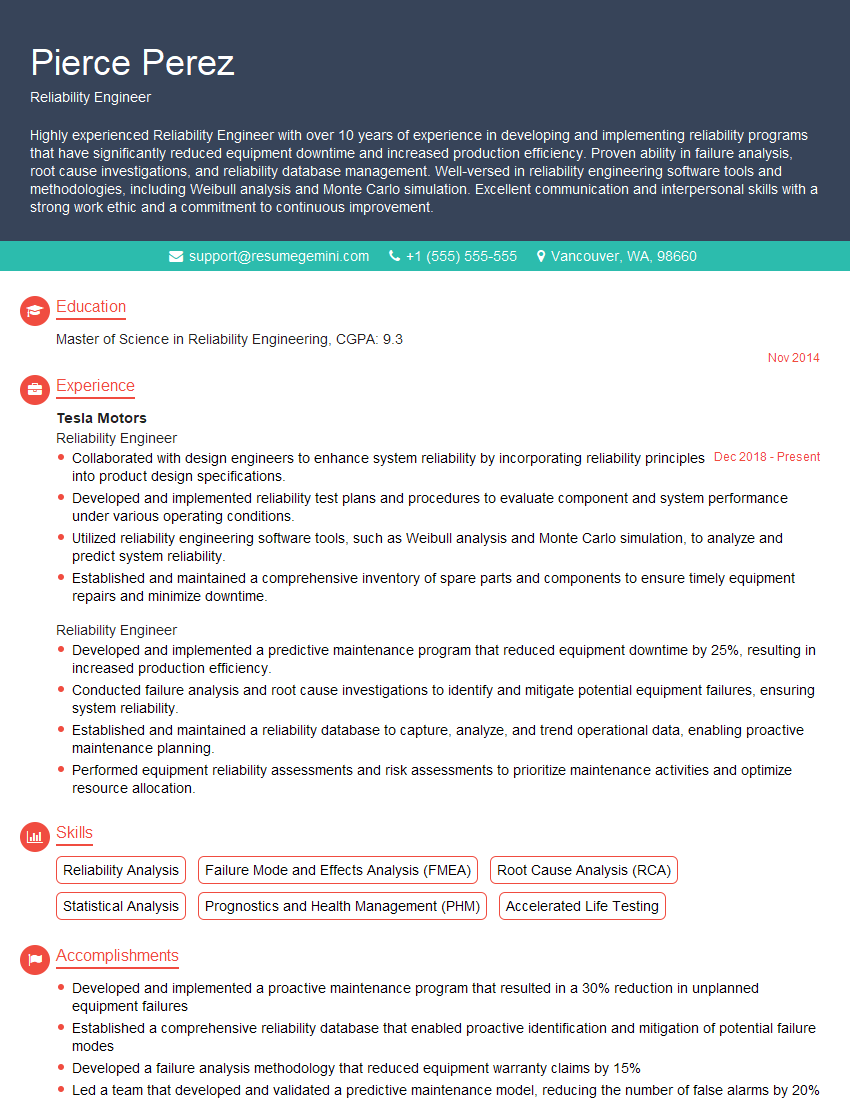
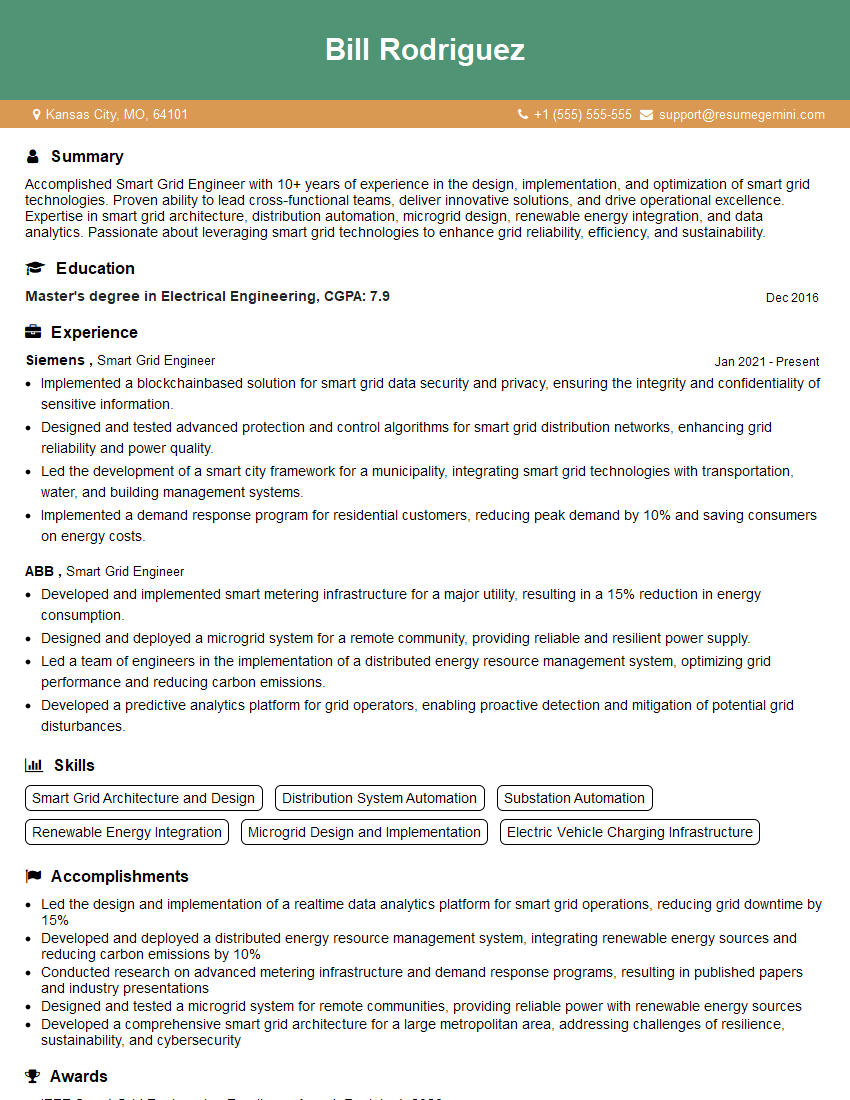
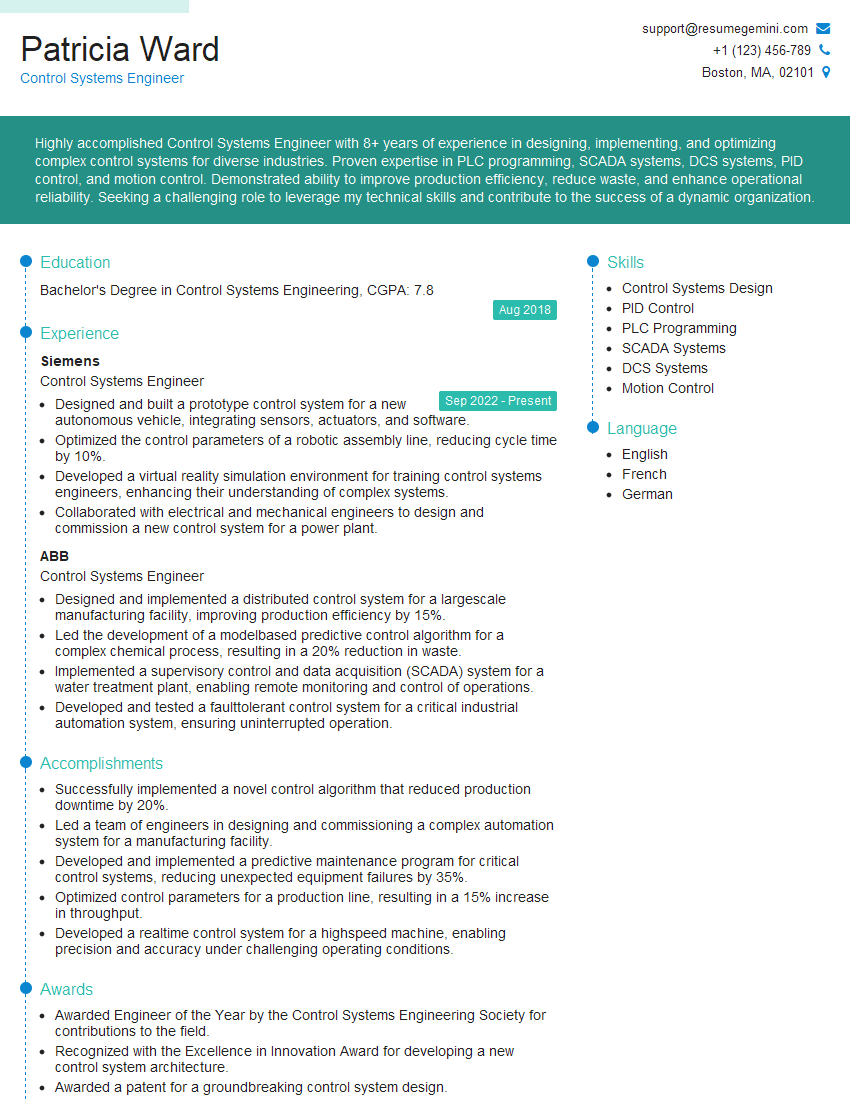
Mastering Power System Regulations is crucial for career advancement in the energy sector. A strong understanding of these regulations opens doors to specialized roles and higher responsibilities, allowing you to contribute significantly to a reliable and sustainable energy future. To maximize your job prospects, create an ATS-friendly resume that effectively highlights your skills and experience. ResumeGemini is a trusted resource to help you build a professional and impactful resume. We provide examples of resumes tailored to the Power System Regulations field to guide you in crafting a winning application.
Explore more articles
Users Rating of Our Blogs
Share Your Experience
We value your feedback! Please rate our content and share your thoughts (optional).
What Readers Say About Our Blog
Very informative content, great job.
good