Are you ready to stand out in your next interview? Understanding and preparing for PPE Knowledge and Usage interview questions is a game-changer. In this blog, we’ve compiled key questions and expert advice to help you showcase your skills with confidence and precision. Let’s get started on your journey to acing the interview.
Questions Asked in PPE Knowledge and Usage Interview
Q 1. What are the different classes of PPE and their applications?
Personal Protective Equipment (PPE) is categorized based on the hazards it protects against. There isn’t a universally standardized classification system, but a common approach groups PPE into categories like:
- Respiratory Protection: Includes respirators (N95, half-face, full-face) protecting against airborne hazards like dust, fumes, gases, and viruses. For example, a painter might use a respirator to avoid inhaling paint fumes, while a healthcare worker uses an N95 mask to protect against airborne pathogens.
- Eye and Face Protection: This encompasses safety glasses, goggles, face shields, and welding helmets, shielding against impact, chemicals, and radiation. Think of a construction worker using safety glasses to prevent eye injuries from flying debris or a chemist using goggles to protect against chemical splashes.
- Head Protection: Hard hats, bump caps, and helmets protect against falling objects, impact, and electrical hazards. Construction sites are prime examples where hard hats are mandatory to prevent head injuries.
- Hand Protection: Gloves are the primary form, varying in material (latex, nitrile, leather) to suit different hazards. Mechanics use gloves to prevent cuts and chemical burns; surgeons use sterile gloves to maintain a clean environment.
- Foot Protection: Safety shoes, boots, and specialized footwear protect feet from punctures, crushing, and electrical hazards. Steel-toe boots are a standard in construction and manufacturing settings to protect against dropped objects.
- Body Protection: This includes coveralls, aprons, and high-visibility clothing protecting against chemicals, cuts, burns, and impact. A worker handling hazardous chemicals might wear a full-body suit, while someone working near traffic might wear high-visibility clothing.
- Hearing Protection: Earplugs and earmuffs protect hearing from excessive noise levels. Construction workers, factory employees, and musicians often require hearing protection.
The choice of PPE depends entirely on the specific hazard identified in a risk assessment.
Q 2. Explain the hierarchy of hazard control.
The hierarchy of hazard control prioritizes eliminating or minimizing hazards before relying on PPE. It’s a layered approach, starting with the most effective control measures and progressing to PPE as a last resort. The order is:
- Elimination: Removing the hazard entirely. For instance, replacing a hazardous chemical with a safer alternative.
- Substitution: Replacing a hazardous process or material with a less hazardous one. Using a water-based paint instead of an oil-based one.
- Engineering Controls: Implementing physical changes to the workplace to reduce exposure. This could include installing ventilation systems to remove fumes or using machine guarding to prevent injuries.
- Administrative Controls: Changing work practices to minimize exposure, such as implementing work permits or establishing safety procedures. This includes training programs and safety protocols.
- Personal Protective Equipment (PPE): Providing workers with PPE as the last line of defense when other controls aren’t feasible or sufficient. This is a crucial part of risk management but should never replace earlier measures.
This hierarchy ensures that the most effective and sustainable hazard control measures are implemented first, relying on PPE only when absolutely necessary.
Q 3. Describe the selection criteria for choosing appropriate PPE.
Selecting appropriate PPE requires a thorough risk assessment to identify the hazards present and the level of protection needed. Key criteria include:
- Hazard Identification: What specific hazards are present (e.g., chemical splashes, impact, electrical shock)?
- Risk Assessment: How likely is exposure to the hazard, and what are the potential consequences?
- PPE Type: What type of PPE offers adequate protection against the identified hazard (e.g., chemical-resistant gloves, safety glasses)?
- PPE Standards and Ratings: Does the PPE meet relevant safety standards (e.g., ANSI, EN)? Check ratings for protection levels (e.g., cut resistance levels in gloves).
- Comfort and Fit: PPE must fit properly and be comfortable enough for workers to wear consistently. Poor fit can compromise protection.
- Worker Training: Are workers trained on how to properly use, maintain, and inspect the PPE?
- Environmental Considerations: Will the PPE be effective in the specific work environment (e.g., high temperature, humidity)?
- Compatibility: Ensure the chosen PPE doesn’t interfere with other PPE or tasks.
For instance, a welder needs specialized protective clothing and a welding helmet with appropriate shade to protect against intense light and heat, while an electrician needs insulated gloves and footwear to protect against electrical shock.
Q 4. How do you assess the effectiveness of a PPE program?
Assessing the effectiveness of a PPE program involves a multifaceted approach:
- Incident Reporting and Analysis: Tracking the number and types of accidents and injuries related to the hazards the PPE is meant to address. A reduction in these incidents is a positive indicator.
- Worker Feedback: Gathering feedback from workers on the comfort, fit, and effectiveness of the PPE. Regular surveys and interviews can help identify issues.
- Inspection and Maintenance Programs: Regularly inspecting PPE for damage or wear and tear and maintaining a robust maintenance program. Damaged PPE should be promptly replaced.
- Training Records: Reviewing training records to ensure workers have received adequate training on proper use and maintenance.
- Compliance Audits: Conducting regular audits to verify compliance with safety regulations and standards.
- Environmental Monitoring: For hazards like airborne contaminants, environmental monitoring can measure worker exposure levels to assess PPE effectiveness.
- Medical Surveillance: In some cases, periodic medical examinations might be necessary to assess worker health and determine if the PPE is adequately protecting them.
Effective programs show a decrease in workplace injuries, increased worker comfort and compliance, and consistent adherence to safety standards.
Q 5. What are the limitations of using PPE?
Despite its importance, PPE has limitations:
- Doesn’t Eliminate Hazards: PPE only reduces exposure, it doesn’t remove the hazard. It’s a last resort.
- Reliance on Worker Compliance: PPE is only effective if worn correctly and consistently. Lack of training or motivation can compromise its effectiveness.
- Comfort and Fit Issues: Uncomfortable or poorly fitting PPE can lead to non-compliance and reduced protection.
- Limitations in Protection: PPE offers varying degrees of protection; no PPE is perfect and some hazards may still penetrate.
- Maintenance and Storage: PPE requires regular inspection and maintenance to ensure effectiveness. Improper storage can also degrade its protective qualities.
- Environmental Factors: Extreme temperatures or humidity can limit PPE effectiveness.
- Cost: Purchasing, maintaining, and replacing PPE can be expensive.
It’s vital to remember that PPE is part of a broader safety strategy. Other control measures should always be prioritized to create a safer work environment.
Q 6. What are the legal requirements for PPE usage in your industry?
Legal requirements for PPE vary significantly depending on the specific industry, location, and hazard. However, most jurisdictions have regulations based on general principles like:
- Risk Assessments: Employers must conduct risk assessments to identify workplace hazards and determine appropriate control measures, including PPE.
- Provision of PPE: Employers must provide workers with suitable PPE free of charge.
- Training and Instruction: Workers must be adequately trained on the proper use, maintenance, and limitations of the PPE provided.
- Enforcement of PPE Use: Employers are responsible for ensuring workers wear PPE as required.
- Record Keeping: Employers must keep records of risk assessments, PPE provision, training, and incident reports.
- Compliance with Standards: PPE must meet relevant national or international standards (e.g., OSHA in the US, WHMIS in Canada).
Failure to comply with these regulations can result in fines, legal action, and even criminal charges. It is crucial to consult with relevant legal and regulatory authorities to ensure full compliance.
Q 7. How do you ensure the proper fit and use of PPE?
Ensuring proper fit and use of PPE involves several steps:
- Proper Selection: Choosing the correct PPE based on the identified hazards and worker needs, including considering size and fit.
- Training: Providing comprehensive training to workers on the proper donning, doffing, inspection, and limitations of the PPE. This often involves hands-on practice.
- Fit Testing: For respiratory protection, fit testing is critical to ensure a proper seal. This involves quantitative or qualitative tests to verify the seal’s integrity.
- Regular Inspections: Regularly inspecting PPE for damage or wear and tear. Workers should be trained to identify and report damaged equipment.
- Maintenance and Cleaning: Establishing procedures for cleaning, disinfecting, and maintaining PPE to prolong its lifespan and maintain effectiveness.
- Enforcement and Monitoring: Supervisors should monitor worker PPE use and address any non-compliance issues promptly.
- Feedback Mechanisms: Creating channels for workers to provide feedback on PPE fit, comfort, and effectiveness. This could involve surveys, suggestion boxes, or regular meetings.
A well-managed PPE program considers the human factor. PPE must be comfortable and easy to use for workers to maintain compliance and effectiveness.
Q 8. What are the procedures for inspecting and maintaining PPE?
Regular inspection and maintenance of PPE are crucial for ensuring its effectiveness and the safety of the wearer. This involves a multi-step process, beginning with a visual check for any damage, wear, or contamination.
- Visual Inspection: Check for tears, punctures, cracks, or other physical damage. Look for signs of discoloration, stiffness, or degradation of materials. For example, a hard hat should be checked for cracks or dents, and gloves should be inspected for holes or tears.
- Functionality Check: Test the functionality of the PPE. Does the respirator seal properly? Are the straps secure and adjustable? Does the safety harness function correctly?
- Cleaning and Sanitization: Clean PPE according to the manufacturer’s instructions. Some PPE can be cleaned with soap and water, while others require specialized cleaning solutions. Always allow PPE to dry completely before storage. Contaminated PPE needs to be decontaminated following established procedures.
- Storage: Store PPE in a clean, dry, and designated area, away from direct sunlight, extreme temperatures, and chemicals. This prevents damage and maintains its integrity.
- Record Keeping: Maintain detailed records of inspections, cleaning, and maintenance activities. This documentation helps track PPE lifespan and ensures compliance with regulations.
Think of it like this: Regular car maintenance prevents breakdowns; similarly, consistent PPE maintenance prevents failures that could lead to injuries.
Q 9. How do you address PPE non-compliance?
Addressing PPE non-compliance requires a multi-pronged approach that combines education, enforcement, and a focus on the root cause. Ignoring non-compliance can lead to serious injuries and legal repercussions.
- Education and Training: Reinforce the importance of PPE usage through ongoing training and clear communication. Address the specific reasons behind non-compliance; are employees uncomfortable with the PPE? Is it poorly fitting or difficult to use?
- Enforce company policy: Clearly defined policies and consequences for non-compliance are essential. This could involve verbal warnings, written reprimands, or, in severe cases, disciplinary action.
- Root Cause Analysis: Investigate the underlying reasons for non-compliance. Is the PPE uncomfortable, inadequate, or improperly fitted? Are workers feeling rushed or pressured to skip safety procedures? Addressing these root issues prevents future problems.
- Improved Communication: Foster open communication with employees, allowing them to voice concerns or difficulties with PPE use. This can help identify areas for improvement and make safety measures more effective.
- Leading by example: Supervisors and managers should consistently demonstrate proper PPE use, modeling the desired behavior for their teams.
For example, if workers are consistently failing to wear safety glasses, investigate whether the glasses are uncomfortable, foggy, or interfere with their work. Switching to a different model might be the solution.
Q 10. Explain the importance of training employees on PPE usage.
Training employees on proper PPE usage is paramount to worker safety and productivity. It’s not just about handing out equipment; it’s about empowering them to use it correctly and understand why it’s crucial.
- Demonstrations: Hands-on demonstrations and practice sessions are vital for proper understanding. Show employees how to don, doff (remove), adjust, and maintain their PPE correctly.
- Hazard Identification: Explain the specific hazards the PPE protects against. Connecting the PPE to the risk helps employees understand its significance.
- Proper Fit and Selection: Teach employees how to select the appropriate PPE for different tasks and ensure a proper fit. Ill-fitting PPE is ineffective and can be dangerous.
- Limitations of PPE: Highlight the limitations of PPE. Explain that PPE is not a guarantee of absolute safety and that other safety measures are also essential.
- Regular Refresher Courses: Provide periodic refresher training to reinforce proper use and address any changes in procedures or equipment.
Imagine trying to assemble furniture without reading the instructions. Proper PPE training provides the ‘instructions’ for safe work practices. It empowers employees to protect themselves and their colleagues.
Q 11. What are the common hazards requiring specific PPE?
Various hazards in the workplace demand specific PPE to mitigate risks. Failing to use appropriate PPE can lead to serious injuries or fatalities.
- Head Protection (Hard Hats): Construction, mining, and other environments with falling objects require hard hats.
- Eye and Face Protection (Safety Glasses, Goggles, Face Shields): Welding, chemical handling, and other activities involving flying debris or splashes need eye and face protection.
- Hearing Protection (Ear Plugs, Ear Muffs): Construction sites, manufacturing plants, and other noisy environments require hearing protection to prevent noise-induced hearing loss.
- Respiratory Protection (Respirators): Working with chemicals, dust, asbestos, or other airborne hazards demands respirators. The type of respirator depends on the specific hazard.
- Hand Protection (Gloves): Handling chemicals, sharp objects, or biological hazards requires appropriate gloves. Different materials offer protection against different hazards.
- Foot Protection (Safety Shoes): Construction, manufacturing, and other environments with potential foot hazards require safety shoes to prevent injuries.
- Body Protection (Aprons, Coveralls): Working with chemicals or other hazardous materials requires protective clothing.
Matching the right PPE to the right hazard is crucial for effective safety management. For example, a welder needs a face shield and appropriate gloves to protect against sparks and molten metal.
Q 12. Describe the process for disposing of contaminated PPE.
Disposing of contaminated PPE requires careful handling to prevent the spread of infectious agents or hazardous materials. Procedures vary depending on the type of contamination.
- Initial Containment: Immediately contain the contaminated PPE in a leak-proof, puncture-resistant container. Use appropriate personal protective equipment (PPE) while handling contaminated items.
- Decontamination (If applicable): Some PPE may require decontamination before disposal. Follow established decontamination procedures.
- Waste Stream Identification: Identify the appropriate waste stream for disposal (medical waste, hazardous waste, etc.). Regulations vary by location.
- Labeling: Clearly label the container with appropriate hazard warnings (e.g., ‘Biohazard’).
- Disposal: Dispose of the contaminated PPE according to local, state, and federal regulations. This may involve incineration or specialized waste disposal services.
Think of it like this: Contaminated PPE is treated like a hazardous material that must be handled with extreme care to protect public health and the environment. Improper disposal can have serious health and environmental consequences.
Q 13. How do you handle emergencies related to PPE failure?
Emergencies related to PPE failure require a swift and organized response to minimize harm. The specific actions depend on the nature of the failure and the associated hazard.
- Immediate Action: If PPE fails, immediately remove the worker from the hazardous environment. Assess the worker’s condition and provide any necessary first aid.
- Emergency Response Plan: Activate the workplace emergency response plan. This should involve notifying emergency services and following established protocols.
- Investigation: Conduct a thorough investigation to determine the cause of PPE failure. This will help identify areas for improvement and prevent similar incidents in the future.
- Documentation: Maintain detailed records of the incident, including the type of PPE, the nature of the failure, the injuries sustained (if any), and the corrective actions taken.
- Training Reinforcement: Use the incident as a training opportunity to reinforce the importance of proper PPE use, inspection, and maintenance.
For instance, if a respirator malfunctions, the worker must immediately leave the contaminated area. The incident should be investigated to ascertain why the respirator failed and how similar failures can be prevented.
Q 14. What are the different types of respiratory protection?
Respiratory protection comes in various forms, each designed for specific hazards and environments. Selecting the correct respirator is crucial for worker safety.
- Air-Purifying Respirators (APRs): These respirators filter out airborne contaminants, using filters or cartridges to remove particles or gases. They are suitable for environments where the oxygen level is sufficient.
- Particulate Respirators (e.g., N95, N99): These APRs filter out particles like dust, mists, and fumes. N95 respirators filter out at least 95% of airborne particles.
- Gas and Vapor Respirators: These APRs use cartridges or canisters to remove specific gases or vapors. The correct cartridge must be selected based on the specific hazard.
- Supplied-Air Respirators (SARs): These respirators supply clean air from a separate source, such as an external compressed air tank or a ventilation system. They are suitable for high-hazard environments with low oxygen levels or high concentrations of contaminants.
- Self-Contained Breathing Apparatus (SCBA): These respirators provide a completely independent source of breathable air, typically from a compressed air tank worn on the back. They are used in extremely hazardous environments.
Choosing the right respirator is crucial for effective protection. A welder might use an air-purifying respirator with a particulate filter to protect against welding fumes, while a firefighter might use an SCBA in a smoke-filled building.
Q 15. Explain the importance of regular PPE audits.
Regular PPE audits are crucial for ensuring worker safety and compliance with regulations. Think of them as a health check for your safety program. They identify gaps in PPE provision, usage, and training, preventing accidents and potential legal liabilities. A proactive approach, not a reactive one.
- Identifying Deficiencies: Audits pinpoint missing or inadequate PPE, expired equipment, or improperly stored items. For example, a recent audit might reveal that hard hats are outdated and lack proper chin straps, necessitating immediate replacement.
- Assessing Compliance: Audits verify that workers understand and follow PPE protocols. Are they wearing the correct PPE for the task? Are they maintaining it properly? An audit might show that while welders have face shields, they aren’t consistently using them, leading to training gaps.
- Improving Training: Audits highlight areas where additional training is needed. Perhaps the audit reveals a lack of understanding regarding respirator fit testing or proper glove selection. This points to areas for improved training programs.
- Enhancing Workplace Safety: By identifying and correcting these issues, audits directly contribute to a safer working environment, reducing the risk of injuries and illnesses.
Career Expert Tips:
- Ace those interviews! Prepare effectively by reviewing the Top 50 Most Common Interview Questions on ResumeGemini.
- Navigate your job search with confidence! Explore a wide range of Career Tips on ResumeGemini. Learn about common challenges and recommendations to overcome them.
- Craft the perfect resume! Master the Art of Resume Writing with ResumeGemini’s guide. Showcase your unique qualifications and achievements effectively.
- Don’t miss out on holiday savings! Build your dream resume with ResumeGemini’s ATS optimized templates.
Q 16. What are the key elements of a comprehensive PPE policy?
A comprehensive PPE policy is the backbone of a robust safety program. It should be clear, concise, and readily accessible to all employees. It needs to be more than just a document; it must be a living, breathing part of the company culture.
- Hazard Identification and Risk Assessment: The policy must clearly identify the potential hazards in the workplace and the corresponding PPE required for each. For example, it should specify that welders require specific eye, face, and hand protection.
- PPE Selection and Provision: It should detail the types of PPE provided, how they are selected (based on risk assessment), and the process for obtaining them. This includes details about sizing, fitting, and any customization required.
- Training and Competency: The policy needs to mandate comprehensive training on the proper use, maintenance, and limitations of each PPE item. It should outline the process for ensuring workers are competent in PPE use before starting tasks involving hazards.
- Inspection and Maintenance: It should outline procedures for regular inspection and maintenance of PPE, including the frequency of checks, and a clear process for reporting damaged or defective equipment.
- Record Keeping: A system for documenting PPE usage, training, and maintenance is essential. This helps to demonstrate compliance and track effectiveness.
- Enforcement and Accountability: Finally, the policy needs to outline the consequences of non-compliance. This doesn’t necessarily mean punishment; it could simply focus on reiterating the importance of safe practices and offering additional training where needed.
Q 17. How do you communicate PPE requirements effectively?
Effective communication of PPE requirements is critical. It shouldn’t be a one-time briefing; it’s an ongoing process that must reach every worker in a clear and understandable way. Imagine trying to communicate via a language barrier; your message won’t be received. Effective communication avoids this.
- Multiple Channels: Use various methods—training sessions, visual aids (posters, videos), written materials (policy documents, checklists), and even interactive demonstrations—to cater to different learning styles.
- Plain Language: Avoid jargon and technical terms. Use simple, everyday language that everyone can understand, regardless of their background or literacy level.
- Interactive Training: Hands-on training is far more effective than just lectures. Let employees handle the PPE, practice putting it on and off, and simulate real-world scenarios.
- Regular Reinforcement: Don’t just rely on initial training. Regularly reinforce the importance of PPE use through toolbox talks, safety meetings, and reminders.
- Feedback Mechanisms: Establish a system where workers feel comfortable reporting any issues or concerns regarding PPE. This can be an anonymous suggestion box or an open-door policy.
- Language and Cultural Considerations: If your workforce comprises individuals from diverse linguistic or cultural backgrounds, ensure that information is available in their native languages and respects cultural sensitivities.
Q 18. How do you select appropriate eye and face protection?
Selecting appropriate eye and face protection depends entirely on the hazards present. It’s not a one-size-fits-all solution. Think of it like choosing the right tool for a job: you wouldn’t use a hammer to screw in a screw.
- Identify Hazards: Begin by thoroughly assessing the potential eye and face hazards, such as flying particles, chemical splashes, intense light, or impact risks.
- Choose the Right Type: Based on the hazards, select the appropriate protection. Safety glasses are suitable for low-impact risks; goggles offer better protection against splashes and dust; face shields provide broader coverage. Welding shields are essential for welding work.
- Consider ANSI Standards: Always choose PPE that meets or exceeds the relevant ANSI (American National Standards Institute) standards for eye and face protection. This ensures the equipment meets certain safety criteria.
- Proper Fit and Comfort: The equipment should fit properly and be comfortable enough to encourage consistent use. Ill-fitting gear often leads to non-compliance.
- Maintenance and Cleaning: Ensure workers understand how to clean and maintain their eye and face protection to extend its life and effectiveness.
Q 19. How do you select appropriate hand protection?
Selecting the right hand protection involves understanding the specific hazards that hands face. It’s not about just grabbing any gloves; it’s about choosing the right glove for the job.
- Hazard Identification: Analyze the hazards: cuts, abrasions, chemical exposure, temperature extremes, or electrical hazards? This determines glove material and type.
- Material Selection: Different materials offer different levels of protection. Leather gloves provide good cut resistance; nitrile gloves are chemical-resistant; cotton gloves offer basic protection.
- Glove Type: Consider the type of glove needed. Cut-resistant gloves for handling sharp objects, chemical-resistant gloves for handling hazardous materials, insulated gloves for working with hot or cold substances.
- Size and Fit: Proper fit is critical. Too tight, and they compromise dexterity and comfort; too loose, and they offer less protection.
- Standards and Compliance: Choose gloves that meet relevant industry standards for the specific hazard.
Q 20. How do you select appropriate hearing protection?
Selecting hearing protection is vital for preventing hearing loss, a common occupational hazard. It’s about protecting a crucial sense, and it’s essential to choose wisely.
- Noise Assessment: A thorough noise assessment is necessary to determine the level of hearing protection needed. This will usually involve using a sound level meter to measure the noise levels in the workplace.
- Hearing Protection Types: The most common types are earplugs (inserted into the ear canal) and earmuffs (worn over the ears). The choice depends on the noise level, comfort, and individual preferences.
- Noise Reduction Rating (NRR): The NRR indicates how much the hearing protector reduces noise. A higher NRR means better protection. However, remember that the real-world noise reduction is often lower than the NRR.
- Fit and Comfort: Proper fit is crucial for effective noise reduction. Ill-fitting earplugs or earmuffs will leak sound and won’t provide the intended protection. Comfort is equally important; uncomfortable hearing protection will likely not be worn consistently.
- Maintenance and Hygiene: Proper cleaning and maintenance of hearing protection prolong their lifespan and prevent infection.
Q 21. How do you select appropriate head protection?
Choosing appropriate head protection is paramount in preventing serious head injuries. A hard hat isn’t just a fashion statement; it’s a lifeline.
- Hazard Identification: What are the potential head injuries? Falling objects, impacts, electrical hazards? Different hazards require different types of head protection.
- Hard Hat Selection: Hard hats are categorized by their class and material. Class E protects against electrical hazards; Class G offers general protection against falling objects; Class C offers only impact protection.
- Proper Fit: A hard hat should fit snugly but comfortably. Adjust the suspension system to ensure a secure fit. A loose-fitting hard hat won’t provide adequate protection.
- Regular Inspection: Regularly inspect hard hats for damage, cracks, or dents. Replace damaged hard hats immediately. A damaged hard hat is useless.
- Standards and Compliance: Ensure the hard hat meets or exceeds relevant safety standards (e.g., ANSI Z89.1).
Q 22. How do you select appropriate foot protection?
Selecting appropriate foot protection involves a thorough risk assessment to identify potential hazards. This could include things like sharp objects, heavy falling materials, chemicals, electrical hazards, or slippery surfaces. Once the hazards are identified, you choose footwear that provides adequate protection. For example:
- Steel-toe boots are necessary where there’s a risk of dropped objects or crushing injuries.
- Metatarsal guards offer additional protection to the top of the foot.
- Chemical-resistant boots are crucial when working with corrosive substances.
- Insulated boots protect against extreme temperatures, both hot and cold.
- Slip-resistant soles are essential in wet or oily environments.
The selection process should also consider factors like comfort, durability, and the specific requirements of the job. A poorly fitting or uncomfortable boot can lead to fatigue and ultimately, increase the risk of accidents. Always prioritize safety and comfort when selecting foot protection.
Q 23. Explain the role of risk assessment in PPE selection.
A risk assessment is the cornerstone of effective PPE selection. It’s a systematic process of identifying hazards, evaluating the risks associated with those hazards, and determining appropriate control measures. This includes selecting the right PPE to mitigate the identified risks. For instance, a risk assessment might reveal that workers are exposed to airborne particles during a particular task. This would lead to the selection of respirators with appropriate filters.
The assessment must consider the likelihood and severity of potential injuries or illnesses. A higher likelihood and severity of injury necessitates more robust PPE. The assessment should also account for individual worker needs and vulnerabilities, as well as the specific working conditions and environmental factors.
In short, a thorough risk assessment ensures that the PPE chosen is both appropriate and sufficient for the task at hand, minimizing the risks to workers.
Q 24. What are the common causes of PPE-related injuries?
PPE-related injuries stem from various sources, many of which are preventable. Some common causes include:
- Improper selection of PPE: Using the wrong type or size of PPE for the task can leave workers vulnerable to injury.
- Incorrect use of PPE: Failure to properly wear or maintain PPE, such as wearing a respirator incorrectly or not replacing a damaged glove, significantly increases the risk.
- Poor maintenance of PPE: Damaged or worn-out PPE provides inadequate protection and needs to be replaced immediately.
- Lack of training: Employees unaware of proper PPE selection, use, and maintenance are more likely to be injured.
- Inadequate fit: PPE that doesn’t fit correctly can be uncomfortable and ineffective, increasing risks.
- Environmental factors: Extreme temperatures, humidity, or other environmental conditions can affect PPE effectiveness and create additional hazards.
Addressing these issues through comprehensive training, regular inspections, and proper maintenance practices is crucial in preventing PPE-related injuries.
Q 25. How do you evaluate the effectiveness of different types of PPE?
Evaluating PPE effectiveness involves several factors. It’s not just about whether the PPE is present but if it’s actually protecting the wearer. Consider these points:
- Performance standards: Does the PPE meet relevant safety standards and certifications (e.g., ANSI, EN standards)?
- Testing and certification: Has the PPE undergone independent testing to verify its protective capabilities?
- User feedback: How comfortable and practical is the PPE for the workers? Does it hinder their ability to perform their tasks?
- Incident analysis: In the event of an incident, did the PPE perform as expected? Did it prevent or mitigate the injury? A post-incident investigation can provide valuable data.
- Regular inspections: Are there regular checks to ensure PPE is in good condition and properly stored?
By combining these methods, you gain a comprehensive understanding of the PPE’s effectiveness in a real-world setting.
Q 26. Describe a time you had to troubleshoot a PPE-related issue.
During a renovation project, workers complained that their respirators were uncomfortable and difficult to breathe through, leading to reduced usage. Initially, we suspected a problem with the respirators themselves. However, a thorough investigation revealed that the problem wasn’t the respirators but the inadequate training on proper fit testing and respirator maintenance. Many workers hadn’t been properly fit-tested, resulting in poor seals and increased breathing resistance. Others were improperly storing their respirators, which affected their lifespan.
My solution involved implementing a comprehensive retraining program. We provided hands-on training on proper fit testing and maintenance procedures and emphasized the importance of storing respirators correctly. We also switched to a different respirator model based on worker feedback to improve comfort and ease of breathing. After this intervention, worker compliance and satisfaction greatly improved.
Q 27. What are the best practices for storing and handling PPE?
Proper storage and handling of PPE are essential for maintaining its effectiveness and longevity. Here’s a summary of best practices:
- Clean and dry storage: PPE should be stored in a clean, dry location, away from direct sunlight, excessive heat, or moisture.
- Organized storage: Implement a system for organizing and labeling PPE to ensure easy access and identification.
- Protection from damage: Store PPE in appropriate containers or racks to prevent damage or contamination.
- Regular inspections: Regularly inspect PPE for damage, wear, and tear. Immediately remove any damaged or defective items.
- First-in, first-out (FIFO) system: Use a FIFO system to ensure that older PPE is used before newer PPE.
- Proper disposal: Establish a clear procedure for disposing of used or contaminated PPE in accordance with relevant regulations.
By adhering to these guidelines, you can ensure the continued effectiveness and safety of your PPE inventory.
Q 28. What are the considerations for PPE in a hot or cold environment?
PPE selection in extreme temperatures requires careful consideration. In hot environments, heat stress is a significant risk. Workers need lightweight, breathable PPE that allows for adequate ventilation. Consider using cooling vests or other evaporative cooling methods in conjunction with appropriate PPE. In cold environments, the focus shifts to preventing hypothermia and frostbite. Workers will require insulated clothing, gloves, and footwear appropriate for the temperature. Layers of clothing are generally recommended to trap body heat and provide flexibility.
Regardless of the temperature, always choose PPE that is comfortable enough to be worn correctly. Ill-fitting or uncomfortable PPE may be discarded, increasing risk to the worker. Regular breaks and hydration are also critical considerations in both hot and cold environments to prevent heat stroke or hypothermia.
Key Topics to Learn for PPE Knowledge and Usage Interview
- Types of PPE: Understanding the various types of personal protective equipment (PPE), including their specific applications and limitations (e.g., gloves, respirators, eye protection, hearing protection, specialized suits).
- Selection Criteria: Knowing how to select appropriate PPE based on identified hazards and risk assessments. This includes considering factors like the specific task, the potential hazards involved, and the comfort and fit of the equipment.
- Proper Donning and Doffing Procedures: Mastering the correct techniques for putting on (donning) and taking off (doffing) PPE to ensure effectiveness and prevent contamination or injury. This involves understanding the sequence of actions and the importance of hygiene.
- Maintenance and Storage: Learning about the proper care, cleaning, inspection, and storage of PPE to maintain its effectiveness and extend its lifespan. This includes understanding limitations, damage indicators, and disposal procedures.
- Legal and Regulatory Compliance: Familiarity with relevant health and safety regulations and standards related to PPE usage in the workplace. This includes understanding employer responsibilities and employee rights.
- Practical Application in Different Industries: Exploring how PPE usage varies across different industries and work environments (e.g., construction, healthcare, manufacturing). Consider case studies and examples.
- Limitations of PPE: Understanding the inherent limitations of PPE and the need for complementary safety measures (e.g., engineering controls, administrative controls). This includes recognizing situations where PPE alone is insufficient.
- Emergency Procedures: Knowing what to do in case of PPE failure or emergency situations. This includes understanding emergency response plans and procedures.
Next Steps
Mastering PPE knowledge and usage is crucial for a successful career in many safety-critical industries. Demonstrating a strong understanding of these principles will significantly enhance your job prospects. To further improve your chances, focus on building a strong, ATS-friendly resume that highlights your relevant skills and experience. ResumeGemini is a trusted resource to help you create a professional and impactful resume. We provide examples of resumes tailored to PPE Knowledge and Usage to help guide you. Take the next step towards your dream job by leveraging the power of a well-crafted resume today.
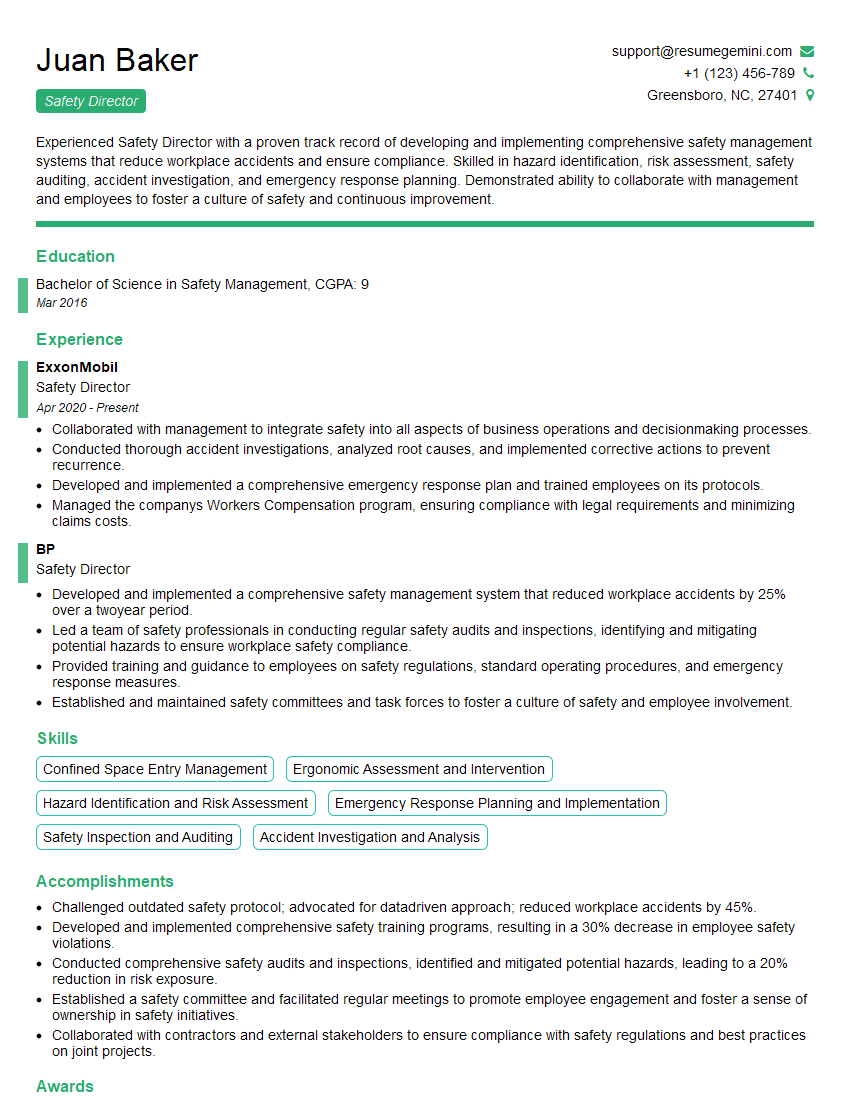
Safety Director Resume Sample
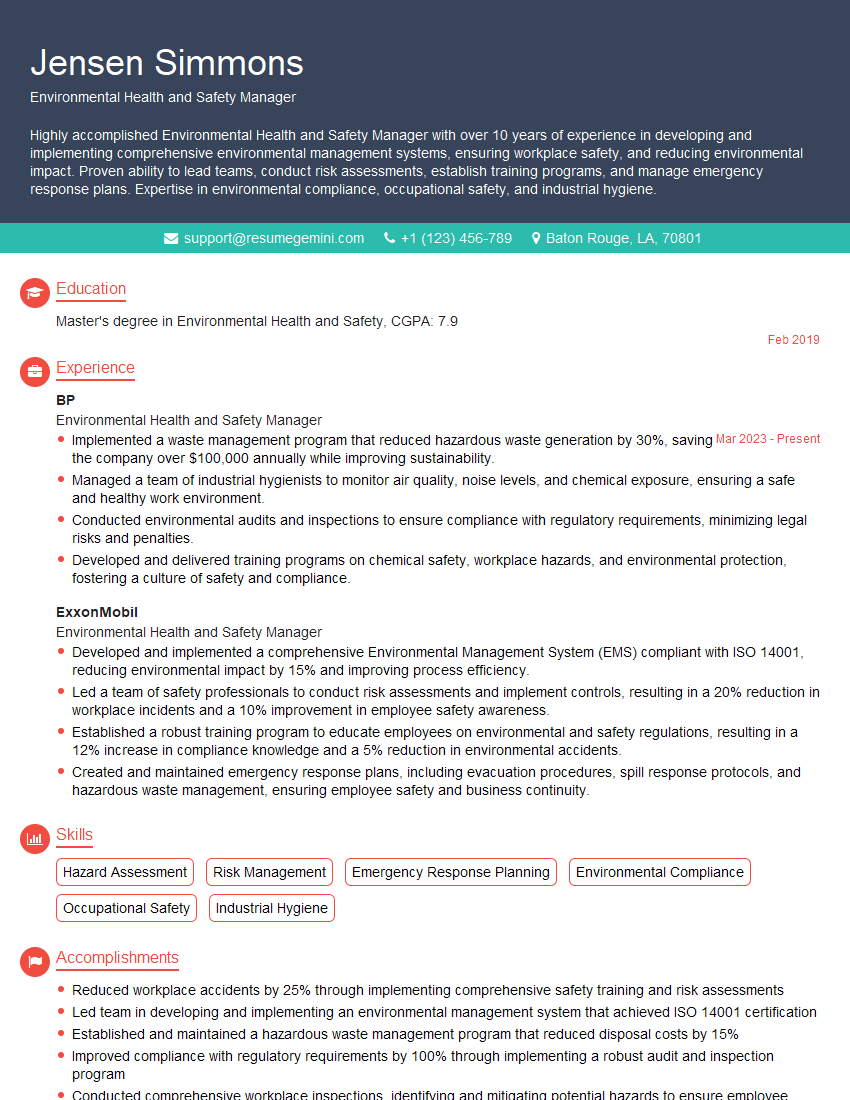
Environmental Health and Safety Manager Resume Sample

Compliance Officer Resume Sample
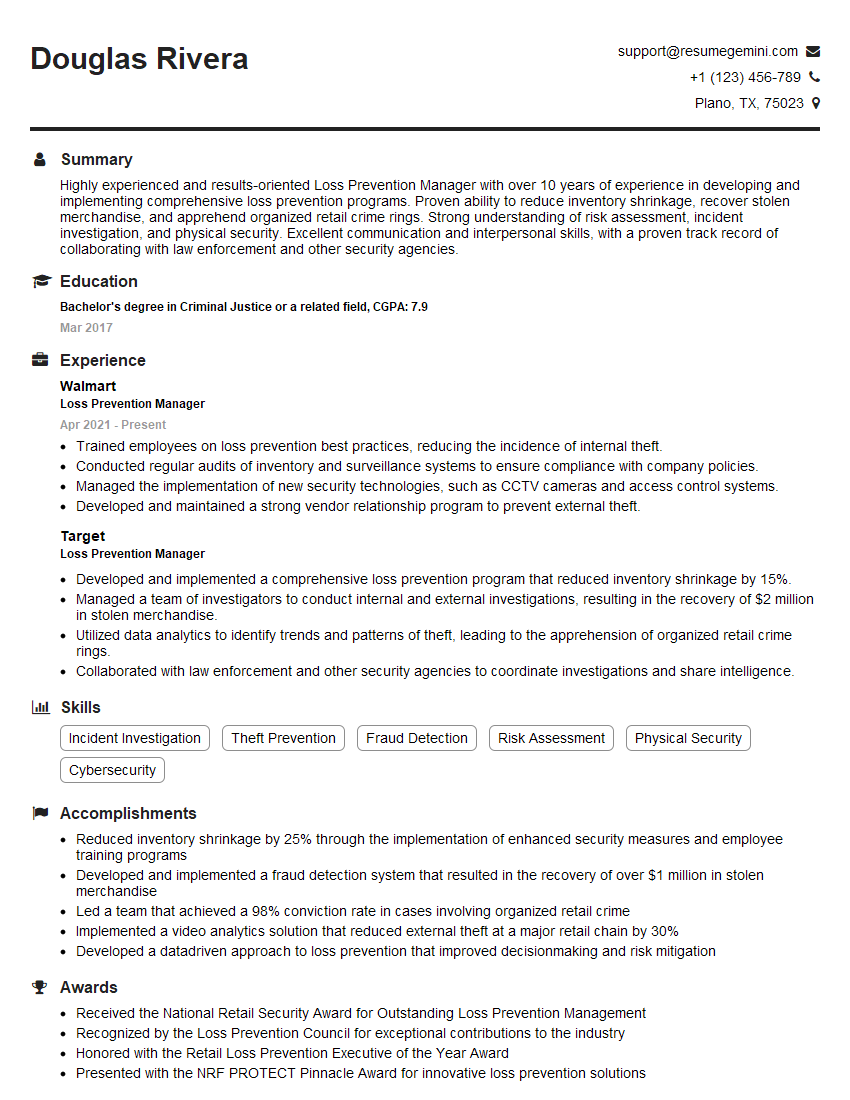
Loss Prevention Manager Resume Sample
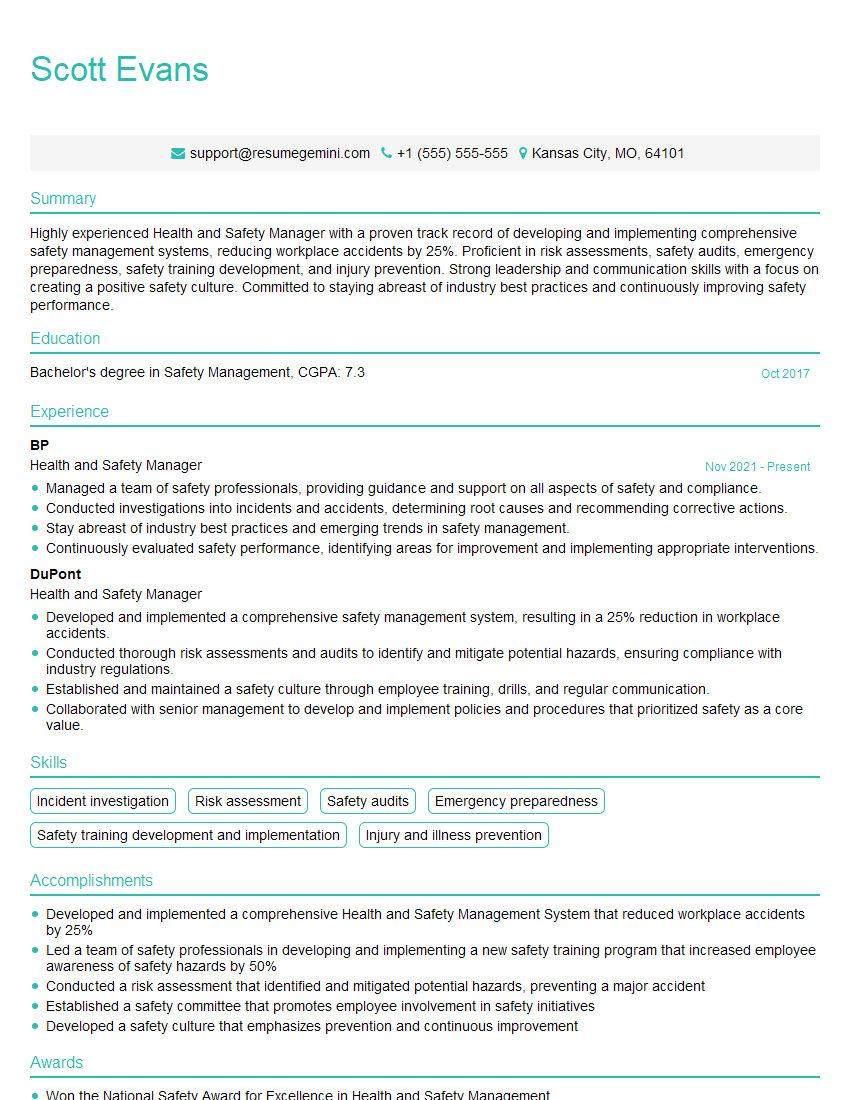
Health and Safety Manager Resume Sample
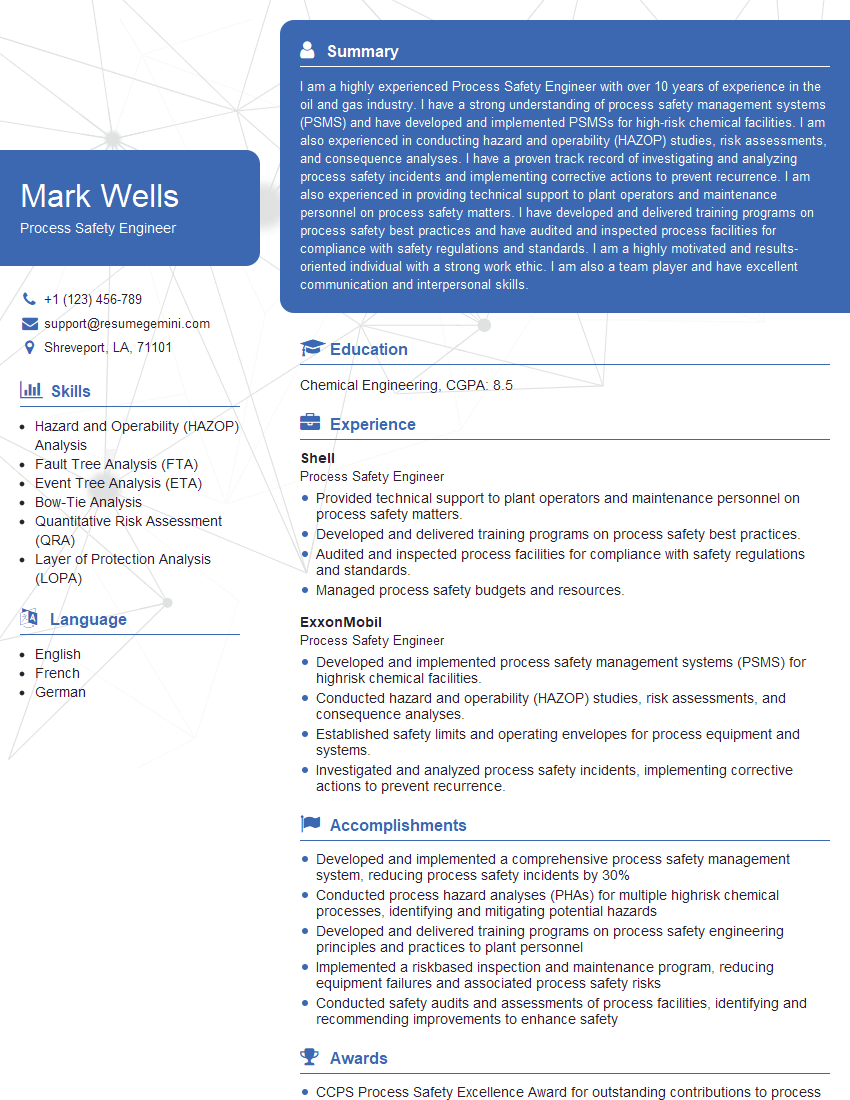
Process Safety Engineer Resume Sample
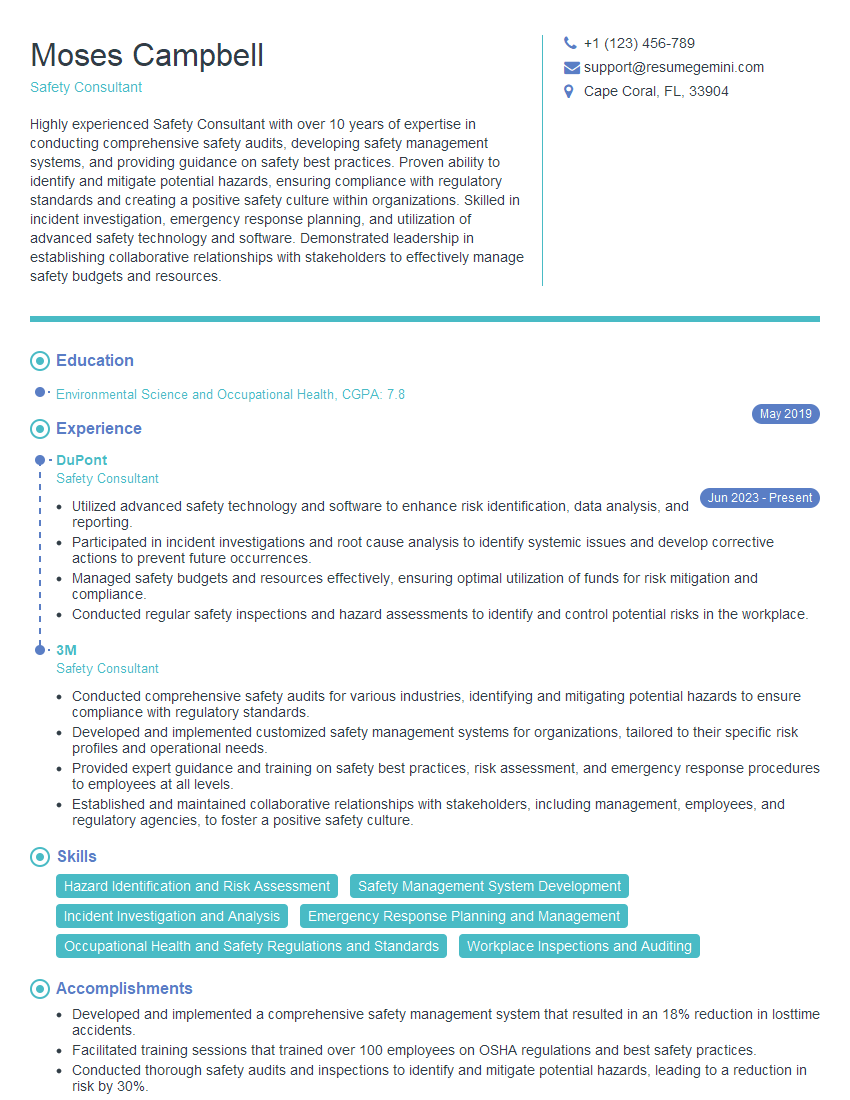
Safety Consultant Resume Sample
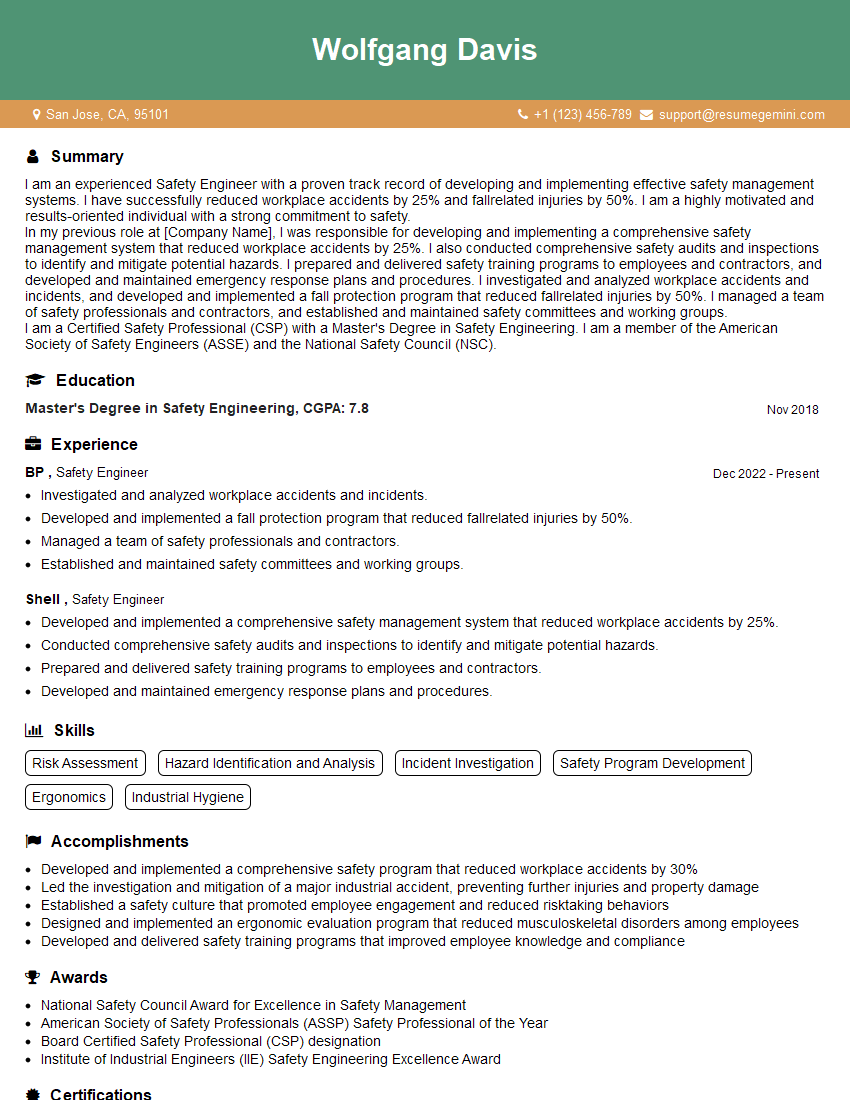
Safety Engineer Resume Sample
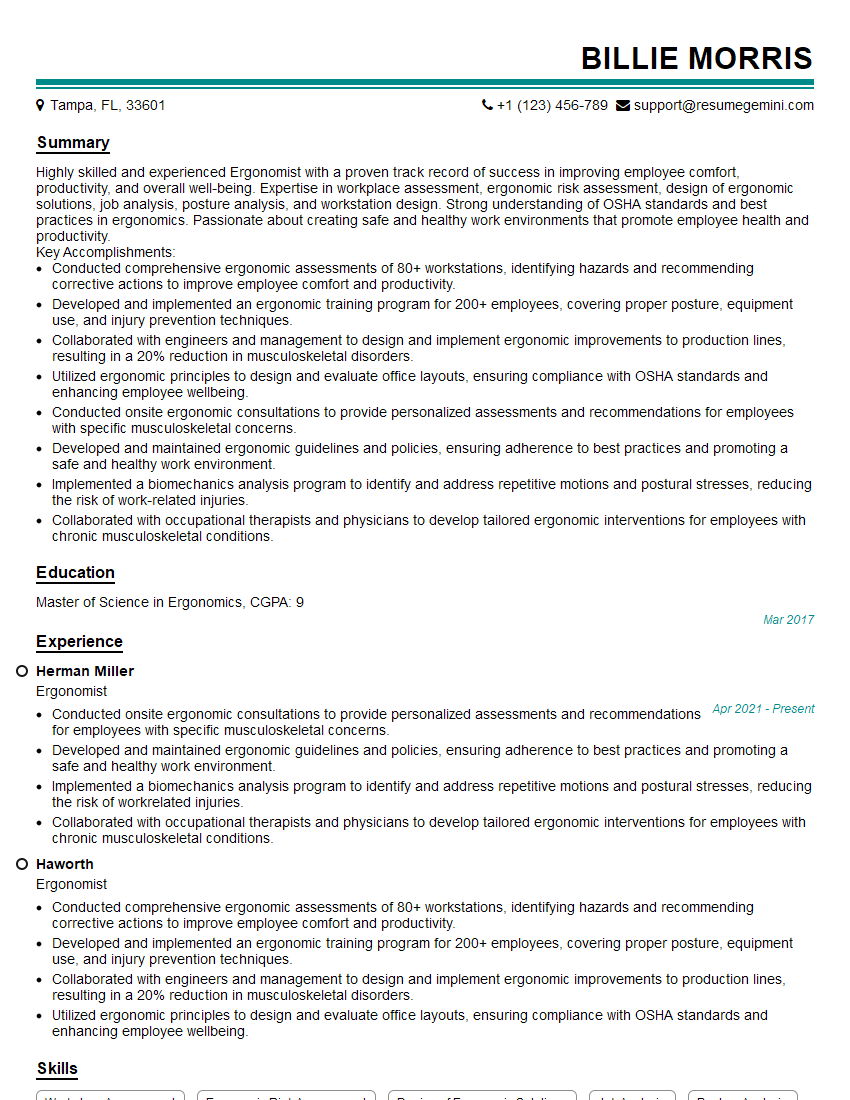
Ergonomist Resume Sample
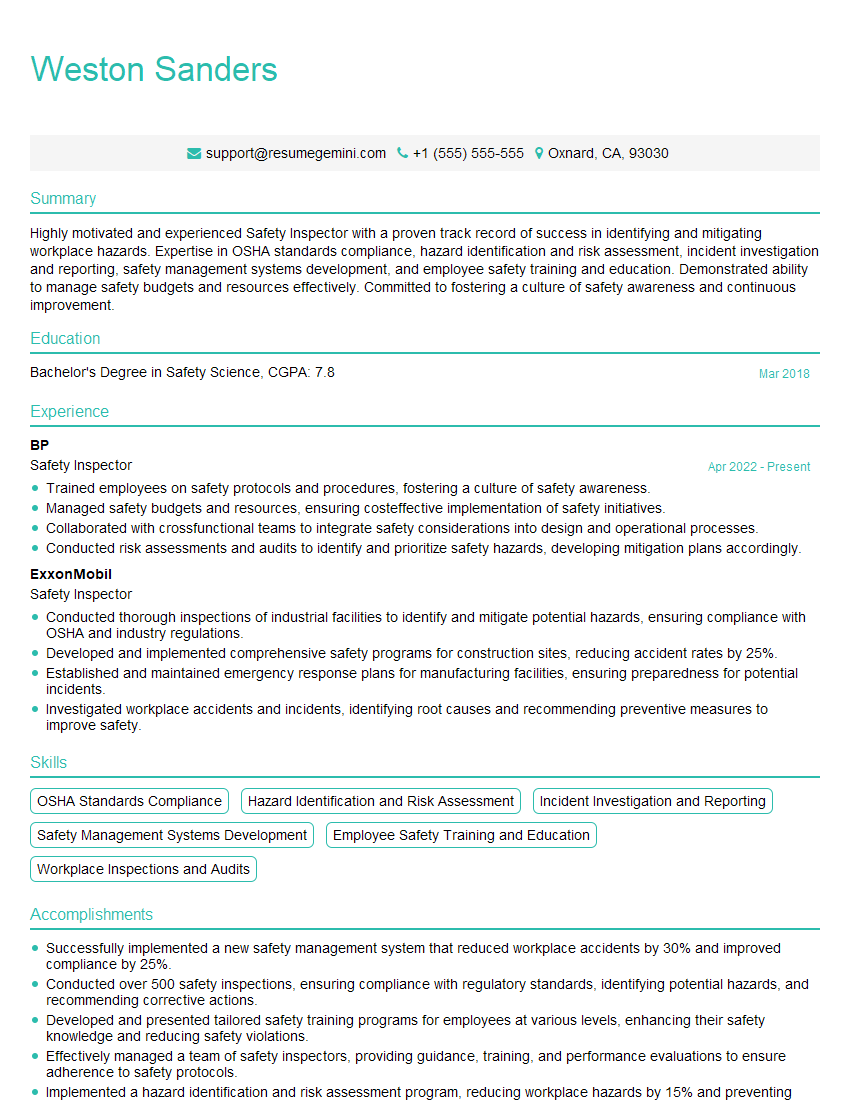
Safety Inspector Resume Sample
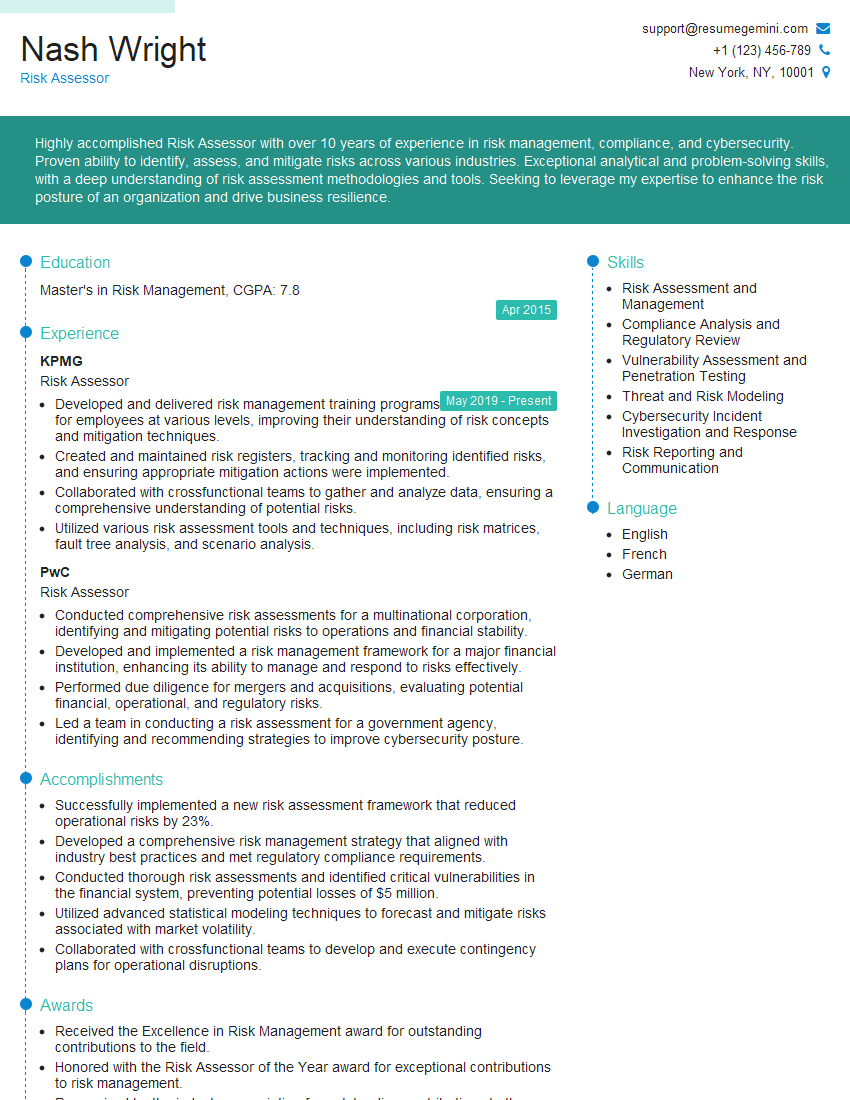
Risk Assessor Resume Sample
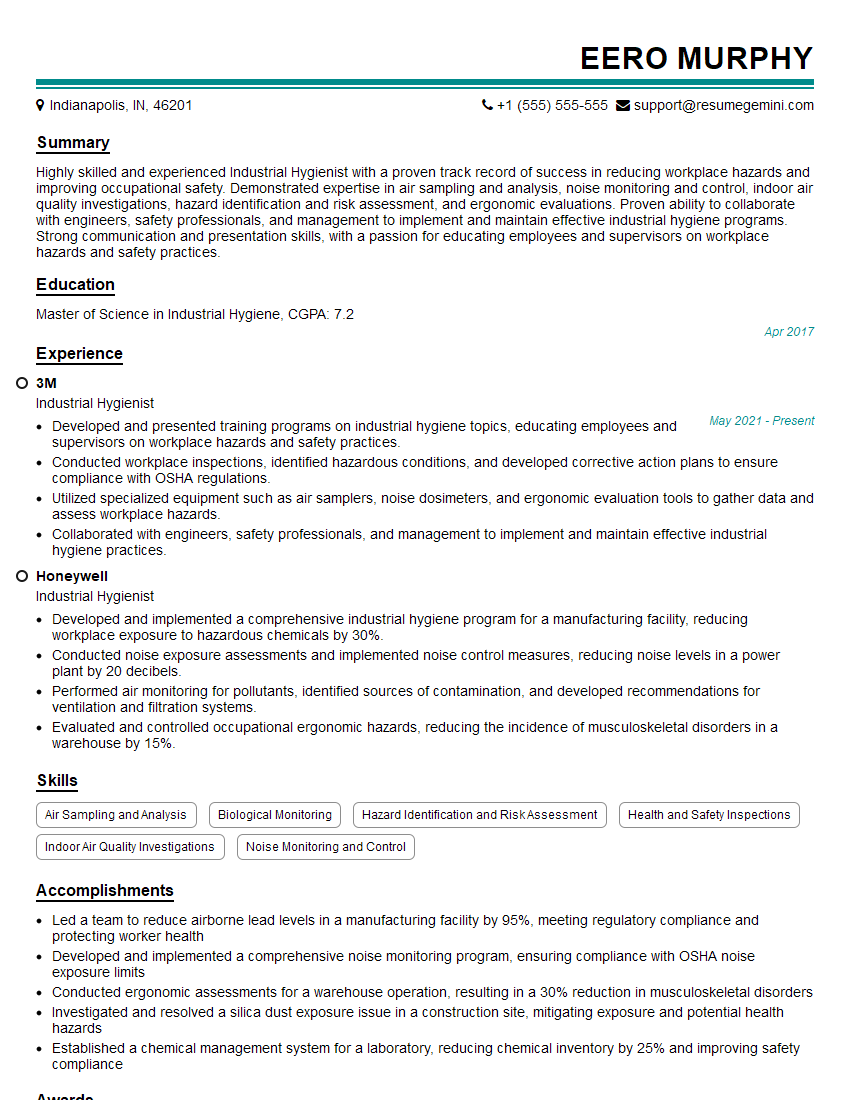
Industrial Hygienist Resume Sample
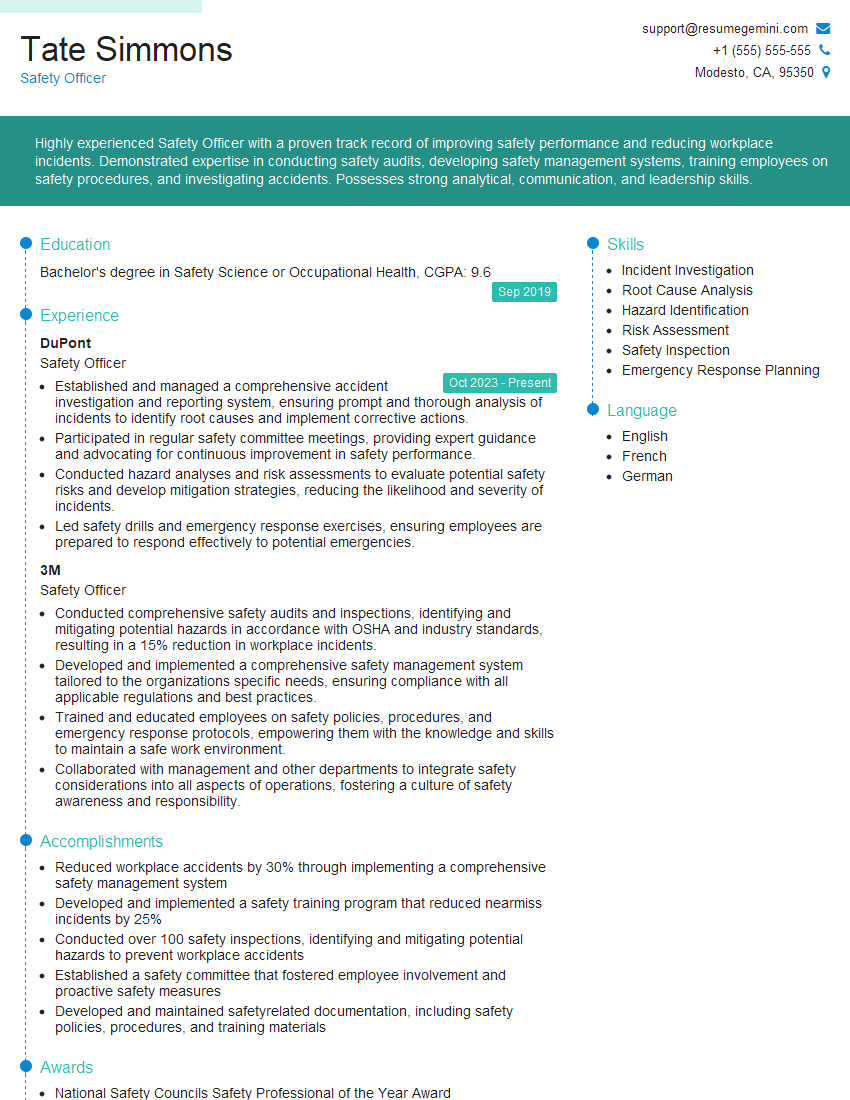
Safety Officer Resume Sample
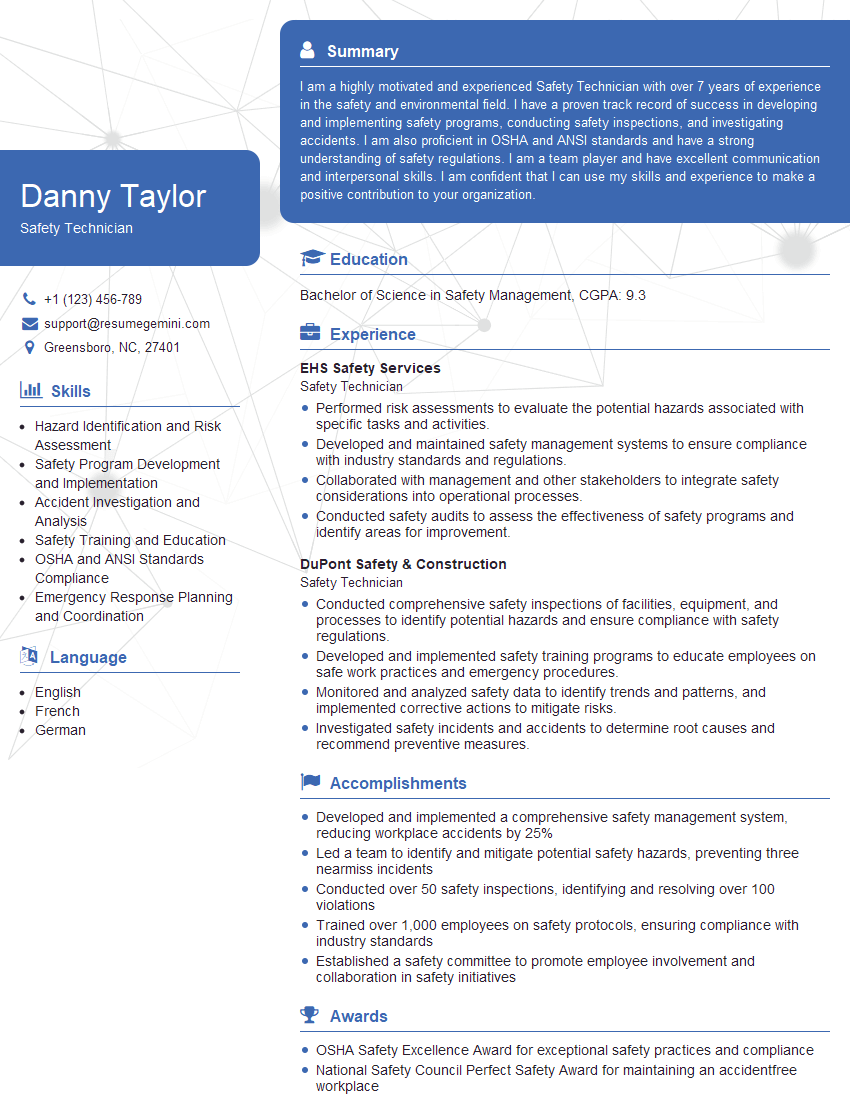
Safety Technician Resume Sample
Explore more articles
Users Rating of Our Blogs
Share Your Experience
We value your feedback! Please rate our content and share your thoughts (optional).
What Readers Say About Our Blog
Very informative content, great job.
good