Preparation is the key to success in any interview. In this post, we’ll explore crucial Practice Planning and Execution interview questions and equip you with strategies to craft impactful answers. Whether you’re a beginner or a pro, these tips will elevate your preparation.
Questions Asked in Practice Planning and Execution Interview
Q 1. Describe your experience in developing a practice plan.
Developing a practice plan involves a systematic approach to defining goals, outlining strategies, and allocating resources to achieve desired outcomes. It’s like creating a roadmap for a journey – you need to know your destination (goals), the route (strategies), and the supplies you’ll need (resources).
- Goal Setting: Begin by clearly defining specific, measurable, achievable, relevant, and time-bound (SMART) goals. For example, instead of ‘improve patient satisfaction,’ a SMART goal might be ‘increase patient satisfaction scores by 15% within six months, as measured by post-appointment surveys’.
- Strategy Development: Outline the specific actions required to achieve each goal. This involves brainstorming, research, and collaboration. For the patient satisfaction example, strategies could include implementing a new patient feedback system, enhancing staff training on communication skills, and improving appointment scheduling efficiency.
- Resource Allocation: Identify the resources needed – financial, human, technological, and time – to support the strategies. This often involves budgeting, staff assignments, and procuring necessary tools or software.
- Implementation Timeline: Create a realistic timeline with clear deadlines for each stage of the plan. This helps track progress and identify potential bottlenecks.
- Monitoring and Evaluation Plan: Define how you will track progress towards your goals and make necessary adjustments along the way. This includes selecting key performance indicators (KPIs) and establishing a review schedule.
In my previous role, I led the development of a practice plan focused on improving patient retention rates. We identified a lack of proactive follow-up as a key contributor, so we implemented a system for automated appointment reminders and post-appointment check-in calls, resulting in a 10% increase in patient retention within the first year.
Q 2. How do you prioritize tasks within a practice plan?
Prioritizing tasks within a practice plan requires a structured approach to ensure the most impactful activities are addressed first. I often use a combination of methods:
- Urgency/Importance Matrix (Eisenhower Matrix): This classic tool categorizes tasks based on their urgency and importance, helping to focus on high-impact, high-urgency items first. This helps avoid getting bogged down in less critical tasks.
- Value-Based Prioritization: This involves assigning a value or weight to each task based on its contribution to achieving overall goals. Tasks with the highest value are tackled first.
- Dependency Mapping: Identifying tasks that are dependent on others helps to establish a logical sequence, ensuring that prerequisites are completed before subsequent tasks can begin.
- Risk Assessment: Prioritizing tasks that mitigate potential risks or prevent setbacks can prevent significant problems later on.
For instance, if we have a critical deadline for submitting a grant proposal (high urgency, high importance) alongside ongoing patient care (high importance, less urgent), the grant proposal would naturally take precedence in the short term, while ensuring patient care is maintained effectively.
Q 3. Explain your process for allocating resources in practice execution.
Resource allocation in practice execution requires careful consideration of budgetary constraints, personnel capabilities, and available technology. It’s like managing the ingredients and tools in a kitchen – you need the right things at the right time to make a successful dish.
- Budget Allocation: Develop a detailed budget that aligns with the practice plan’s objectives. This involves assigning costs to various activities and tracking expenditures.
- Staff Assignment: Match personnel to tasks based on their skills and experience, ensuring optimal utilization of the team’s expertise.
- Technology Procurement: Identify and procure the necessary technology and software to support practice operations. This includes evaluating the cost-effectiveness and long-term implications of each purchase.
- Time Management: Allocate sufficient time for each activity, considering potential delays and unforeseen circumstances. Using project management tools can be extremely helpful here.
- Continuous Monitoring: Regularly monitor resource utilization to identify inefficiencies and make adjustments as needed. This helps to optimize resource allocation throughout the execution phase.
In a past project, we optimized our resource allocation by using project management software to track task assignments, deadlines, and resource usage. This helped us identify bottlenecks and adjust our staffing and technology allocation, resulting in a 15% reduction in project completion time.
Q 4. How do you measure the success of a practice plan?
Measuring the success of a practice plan requires a clear understanding of the defined goals and the use of relevant metrics. Think of it as evaluating the success of a recipe – you need to consider both the taste and the steps followed.
- Qualitative Data: Gather feedback from stakeholders, including patients, staff, and other relevant individuals. This helps to understand the overall impact of the plan.
- Quantitative Data: Track key performance indicators (KPIs) aligned with the practice plan’s goals. For example, if a goal is to improve patient satisfaction, measure patient satisfaction scores, appointment wait times, and positive feedback rates. Financial metrics like return on investment (ROI) might also be relevant.
- Benchmarking: Compare performance against industry benchmarks or previous performance data to assess progress and identify areas for improvement.
- Regular Reporting: Regularly report on progress towards goals, including challenges encountered and solutions implemented. This ensures transparency and facilitates timely adjustments.
We successfully measured the impact of our patient retention strategy by tracking changes in patient churn rates, appointment compliance, and positive feedback from patients following our implemented improvements. The data clearly demonstrated a successful initiative.
Q 5. Describe a time you had to adapt a practice plan due to unforeseen circumstances.
Adapting a practice plan due to unforeseen circumstances is a crucial skill in practice planning and execution. Flexibility and responsiveness are key.
In one instance, a major software update unexpectedly caused significant disruptions to our patient scheduling system. This was an unforeseen circumstance that significantly impacted our ability to meet our appointment scheduling goals. Our immediate response was to:
- Assess the impact: We immediately identified the extent of the disruption and its effect on our patients and staff.
- Develop a contingency plan: We quickly implemented a temporary workaround using a manual scheduling system while awaiting the software vendor’s fix.
- Communicate with stakeholders: We communicated the situation transparently with our patients, apologizing for any inconvenience and providing alternative scheduling options.
- Review and adapt the practice plan: We integrated the experience into our risk assessment protocols, incorporating contingency plans for similar technology-related issues into future practice plans. This improved our preparedness.
While the initial disruption was stressful, our quick response and adaptable approach minimized negative impact and led to an improved contingency plan for future similar situations.
Q 6. How do you handle conflicting priorities in practice execution?
Handling conflicting priorities is an inevitable aspect of practice execution. It requires careful consideration and a clear decision-making framework.
- Prioritization Matrix: Use tools like the Eisenhower Matrix to assess urgency and importance of competing priorities. This helps identify which tasks are most crucial.
- Negotiation and Collaboration: If conflicting priorities involve multiple stakeholders, facilitate open communication and find common ground. Compromise may be necessary.
- Delegation: Delegate less critical tasks to other team members to free up time to focus on higher-priority items. Ensure adequate training and support are provided.
- Timeboxing: Allocate specific time blocks for tasks to ensure all priorities are addressed, even if time is limited. This prevents tasks from taking over disproportionate amounts of time.
- Re-evaluation and Adjustment: Regularly re-evaluate priorities based on changing circumstances. Remaining flexible and adapting to new information are essential.
For example, if a high-priority patient requires immediate attention while a scheduled team meeting is also important, I would prioritize the patient’s needs, reschedule or shorten the meeting, or delegate certain meeting tasks to other members of the team.
Q 7. What metrics do you use to monitor the progress of a practice plan?
Monitoring the progress of a practice plan requires a range of metrics, both quantitative and qualitative, to provide a holistic view of success.
- Progress towards goals: Track the achievement of SMART goals using relevant KPIs. This may include percentage completion, specific numerical targets (e.g., number of patients served, revenue generated), or other measurable benchmarks.
- Efficiency metrics: Measure operational efficiency using metrics like appointment wait times, resource utilization, and staff productivity.
- Patient satisfaction: Monitor patient satisfaction through surveys, feedback forms, and other qualitative measures. This provides crucial insights into the patient experience.
- Financial performance: Track revenue, expenses, profitability, and other financial indicators to ensure financial sustainability and ROI on the practice plan.
- Risk management: Monitor potential risks and identify any deviations from the plan. This proactive approach allows for timely intervention and mitigation of negative consequences.
Regularly reviewing these metrics – ideally through dashboards or reporting tools – allows for timely adjustments to the plan, ensuring that it remains aligned with the practice’s objectives and adapts to changing circumstances.
Q 8. How do you identify and mitigate risks in practice execution?
Identifying and mitigating risks in practice execution is crucial for success. It involves a proactive approach, starting with a thorough risk assessment. This involves brainstorming potential problems that could derail the practice’s goals, categorized by likelihood and impact. Think of it like a weather forecast for your practice – you wouldn’t ignore a hurricane warning!
- Identify Risks: This often utilizes techniques like SWOT analysis (Strengths, Weaknesses, Opportunities, Threats), brainstorming sessions, and reviewing past project experiences. We look at things like financial risks (e.g., unexpected expenses, revenue shortfalls), operational risks (e.g., staff shortages, equipment malfunctions), and reputational risks (e.g., negative client feedback, regulatory issues).
- Analyze Risks: We assess the likelihood and potential impact of each identified risk. A simple matrix can help visualize this, allowing prioritization of the most pressing concerns.
- Develop Mitigation Strategies: This is where we create action plans to reduce or eliminate the identified risks. This might involve creating contingency plans (e.g., having a backup supplier, cross-training staff), implementing stricter quality control measures, or investing in insurance.
- Monitor and Review: Regularly review the effectiveness of mitigation strategies. Circumstances change, so ongoing monitoring is vital to adapt and refine the risk management plan. Think of it as regularly checking the weather forecast and adjusting your plans accordingly.
For example, in a medical practice, a risk might be a sudden increase in patient no-shows. Mitigation strategies could include implementing a reminder system, offering online appointment scheduling, and adjusting staffing based on historical data.
Q 9. Describe your experience with budgeting and financial planning for a practice.
Budgeting and financial planning are fundamental to a successful practice. It’s not just about tracking expenses; it’s about strategically allocating resources to achieve your objectives. In previous roles, I’ve been involved in creating comprehensive budgets that included detailed revenue projections based on market analysis, client demographics, and service pricing. We’d forecast expenses, including salaries, rent, supplies, marketing, and professional development.
My approach is collaborative. I involve key team members to ensure buy-in and gather input. We use budgeting software to track income and expenditures in real-time, enabling early detection of potential issues. Regular budget reviews are conducted to compare actual results to projections, and necessary adjustments are made. For example, if marketing campaigns aren’t yielding expected results, we’d re-evaluate the strategy and allocate resources more effectively.
Beyond annual budgeting, we also develop long-term financial plans. This includes forecasting growth, identifying potential funding sources (e.g., loans, investments), and considering scenarios for different market conditions. This long-term perspective helps ensure the practice’s financial sustainability and enables strategic decision-making.
Q 10. How do you ensure accountability within a practice team?
Accountability is fostered through a clear framework of roles, responsibilities, and performance expectations. This starts with defining clear goals and objectives for the practice and each team member. These should be SMART (Specific, Measurable, Achievable, Relevant, Time-bound).
- Clearly Defined Roles: Every team member should understand their responsibilities and how they contribute to the practice’s overall goals.
- Regular Performance Reviews: These should be scheduled, objective, and provide constructive feedback. They offer an opportunity for both recognition and improvement.
- Performance Metrics: Establish key performance indicators (KPIs) to track progress towards goals. This allows for objective evaluation of individual and team performance.
- Open Communication: Encourage open dialogue and feedback. A culture of transparency fosters accountability and trust.
- Consequences for Non-Performance: Establish clear consequences for not meeting expectations, ensuring fairness and consistency.
In a previous role, we implemented a project management system that tracked individual contributions, deadlines, and progress. This not only improved accountability but also allowed for better collaboration and real-time problem-solving.
Q 11. How do you foster collaboration and teamwork in practice execution?
Fostering collaboration and teamwork requires a conscious effort to build a positive and supportive environment. It’s about creating a team where everyone feels valued and empowered to contribute. Think of it like building a well-oiled machine – each part is crucial, and they need to work together harmoniously.
- Team-Building Activities: Organize regular team-building activities to enhance communication and build rapport.
- Open Communication Channels: Establish clear communication channels (e.g., regular meetings, shared online tools) to keep everyone informed and engaged.
- Shared Goals and Objectives: Ensure everyone understands the practice’s overarching goals and how their work contributes to those goals.
- Cross-Training and Skill Development: Provide opportunities for cross-training to develop diverse skills and encourage teamwork.
- Recognition and Appreciation: Regularly acknowledge and appreciate team members’ contributions to boost morale and foster collaboration.
For instance, in one practice, we introduced a weekly ‘success sharing’ meeting where team members highlighted their accomplishments and challenges, fostering a culture of mutual support and learning.
Q 12. Explain your process for identifying and resolving conflicts within a practice team.
Conflict resolution is a critical skill in practice management. My approach is proactive and focuses on addressing issues early and constructively. Ignoring conflicts rarely makes them disappear; in fact, they often escalate.
- Early Identification: Be attentive to signs of conflict, such as decreased communication, increased tension, or complaints.
- Facilitate Open Dialogue: Create a safe space for involved parties to express their perspectives without interruption. Active listening is key.
- Identify Root Causes: Don’t focus solely on symptoms; delve deeper to understand the underlying causes of the conflict.
- Mediation and Facilitation: If necessary, mediate discussions to help parties find common ground and mutually acceptable solutions.
- Document Outcomes: Record the agreement reached, including responsibilities and timelines, to ensure accountability.
For example, if a conflict arises between two team members regarding project responsibilities, I’d facilitate a meeting to discuss their concerns, clarify roles, and establish a plan for moving forward. The goal is not to assign blame, but to find a solution that works for everyone and prevents future conflicts.
Q 13. Describe your experience with implementing new processes or technologies within a practice.
Implementing new processes or technologies requires a well-defined plan to ensure smooth transition and adoption. It’s not just about purchasing the latest software; it’s about integrating it effectively into the practice’s workflow.
- Needs Assessment: Begin by identifying the specific needs and challenges the new process or technology aims to address.
- Selection and Evaluation: Research and evaluate different options based on cost, functionality, and ease of integration.
- Pilot Program: Implement a pilot program to test the new process or technology on a smaller scale before full-scale rollout.
- Training and Support: Provide comprehensive training and ongoing support to team members to ensure successful adoption.
- Monitoring and Evaluation: Monitor the effectiveness of the new process or technology and make adjustments as needed.
In one instance, we implemented a new electronic health record (EHR) system. We started with a pilot program in a small department, provided extensive training, and addressed user feedback before a complete system-wide implementation. This phased approach minimized disruption and ensured a smoother transition.
Q 14. How do you ensure compliance with relevant regulations and standards in practice execution?
Compliance is not just a box to check; it’s integral to maintaining the practice’s reputation and avoiding legal issues. It requires a proactive and ongoing commitment to understanding and adhering to all relevant regulations and standards.
- Identify Applicable Regulations: Thoroughly research and understand all regulations that apply to the practice, including industry-specific regulations, data privacy laws, and employment laws.
- Develop Compliance Policies and Procedures: Create comprehensive policies and procedures that detail how the practice will comply with each regulation.
- Staff Training: Provide regular training to staff on compliance policies and procedures.
- Regular Audits and Reviews: Conduct regular internal audits and reviews to ensure compliance and identify any areas needing improvement.
- Document Everything: Maintain meticulous records of compliance efforts, including training records, audit reports, and any corrective actions taken.
For instance, in a healthcare setting, HIPAA compliance is paramount. This involves robust security measures, staff training on patient data privacy, and regular audits to ensure compliance with all applicable regulations.
Q 15. How do you manage client expectations throughout the practice lifecycle?
Managing client expectations is crucial for a successful practice. It’s a continuous process, starting from the initial engagement and extending throughout the project lifecycle. I achieve this through clear and consistent communication, setting realistic expectations from the outset, and proactively managing changes.
- Initial Engagement: I begin by carefully listening to the client’s needs, asking clarifying questions, and collaboratively defining the scope of work. We then create a detailed project plan, outlining deliverables, timelines, and potential risks, ensuring the client understands and agrees to these parameters. This often involves visual aids like Gantt charts or project roadmaps.
- Ongoing Communication: Regular updates are vital. I utilize various methods like weekly progress reports, client meetings, and project management software to keep the client informed of progress, roadblocks encountered, and any necessary adjustments. Transparency is key.
- Change Management: Projects rarely unfold exactly as planned. When changes arise, I promptly communicate these to the client, explaining the impact on the timeline and budget. We collaborate on a revised plan to ensure continued alignment.
- Performance Reporting: I regularly provide performance reports against key metrics, illustrating progress against goals and enabling proactive adjustments. This demonstrates transparency and strengthens client trust.
- Feedback Loops: Building in mechanisms for regular feedback is vital. Surveys, check-in meetings, and post-project reviews provide valuable insights and allow for continuous improvement in managing expectations.
For instance, in a recent project involving a website redesign, we established a clear communication schedule, holding weekly meetings and providing bi-weekly reports with progress visuals. This transparency ensured the client felt fully informed throughout, minimizing any surprises and fostering a strong working relationship.
Career Expert Tips:
- Ace those interviews! Prepare effectively by reviewing the Top 50 Most Common Interview Questions on ResumeGemini.
- Navigate your job search with confidence! Explore a wide range of Career Tips on ResumeGemini. Learn about common challenges and recommendations to overcome them.
- Craft the perfect resume! Master the Art of Resume Writing with ResumeGemini’s guide. Showcase your unique qualifications and achievements effectively.
- Don’t miss out on holiday savings! Build your dream resume with ResumeGemini’s ATS optimized templates.
Q 16. Describe your experience with project management methodologies in the context of practice execution.
My experience spans several project management methodologies, with a preference for Agile methodologies, particularly Scrum, for their adaptability in dynamic practice settings. I’ve also utilized Waterfall methodologies for projects with clearly defined, unchanging requirements.
- Agile (Scrum): In practice, Scrum’s iterative nature allows for flexibility and quick adjustments to changing client needs or unforeseen challenges. Sprints provide a structured framework for delivering value incrementally. Daily stand-up meetings facilitate quick issue resolution and collaborative problem-solving. Regular sprint reviews allow for client feedback and course correction.
- Waterfall: For projects with well-defined scopes and minimal expected changes, the Waterfall approach offers a structured, sequential path. This can be particularly valuable when dealing with highly regulated processes where documentation and approvals are critical.
- Kanban: Kanban’s visual approach to workflow management is invaluable for visualizing bottlenecks and optimizing team productivity. Its flexibility makes it adaptable to various project types.
For example, in one project focusing on improving a client’s client onboarding process, we used Scrum. Each sprint focused on a specific aspect of the process, resulting in incremental improvements and early feedback. This ensured the final product closely aligned with the client’s evolving needs. Conversely, for a regulatory compliance project, a Waterfall approach was more suitable, ensuring a meticulous and documented progression through each phase.
Q 17. How do you utilize data analytics to inform practice planning and execution decisions?
Data analytics plays a vital role in informing both practice planning and execution. It allows for evidence-based decision-making, leading to improved efficiency and outcomes. I leverage data analytics to understand trends, identify areas for improvement, and measure the effectiveness of implemented strategies.
- Practice Planning: Data analysis helps in forecasting future demand, identifying profitable service areas, and optimizing resource allocation. By analyzing historical data on project timelines, budgets, and resource utilization, we can create more accurate and realistic project plans.
- Practice Execution: During project execution, data analysis helps monitor progress, identify bottlenecks, and measure performance against targets. Real-time dashboards provide insights into key metrics, allowing for proactive intervention and optimization.
- Performance Measurement: Key Performance Indicators (KPIs) are crucial. We track metrics like project completion rates, client satisfaction scores, resource utilization, and profitability to assess performance and identify areas for improvement. This data informs strategy and resource allocation decisions.
For instance, by analyzing historical project data, we identified that a specific type of project consistently exceeded its budget. This led us to revise our project estimation process, incorporating more detailed task breakdowns and risk assessments, resulting in more accurate budgeting and improved profitability.
Q 18. How do you identify and address bottlenecks in practice workflows?
Identifying and addressing bottlenecks is critical for smooth practice workflows. My approach involves a combination of process mapping, data analysis, and team collaboration.
- Process Mapping: I use process mapping techniques to visualize the entire workflow, identifying potential choke points. This involves documenting each step, identifying dependencies, and measuring the time taken for each step.
- Data Analysis: Analyzing data from various sources like project management software, time tracking systems, and client feedback helps quantify the impact of bottlenecks. This data identifies where the biggest delays or inefficiencies occur.
- Team Collaboration: Engaging the team directly is crucial. Discussions with team members involved in the affected workflows often uncover hidden issues or unexpected challenges contributing to the bottleneck. This collaborative approach generates creative solutions.
- Root Cause Analysis: Once bottlenecks are identified, a root cause analysis is conducted to understand the underlying reasons for the delays. This goes beyond simply identifying the symptom and delves into the root causes, paving the way for lasting solutions.
In a previous role, we identified a bottleneck in the proposal development process. By mapping the process and analyzing data, we found that a lack of standardized templates and insufficient cross-team communication were the root causes. Implementing standardized templates and establishing clearer communication channels significantly reduced the bottleneck.
Q 19. Explain your experience with process improvement initiatives within a practice.
Process improvement is an ongoing commitment. My approach utilizes Lean principles and Six Sigma methodologies to systematically identify and eliminate inefficiencies.
- Lean Principles: I apply Lean principles to eliminate waste, streamline processes, and improve workflow efficiency. This focuses on reducing unnecessary steps, minimizing delays, and optimizing resource utilization.
- Six Sigma: The DMAIC (Define, Measure, Analyze, Improve, Control) methodology is used for structured process improvement. This systematic approach helps identify root causes of defects and implement effective solutions.
- Kaizen Events: I often facilitate Kaizen events – short, focused workshops involving the team to identify and address process inefficiencies. This collaborative approach fosters ownership and ensures buy-in from all stakeholders.
- Automation: Where possible, I leverage automation to reduce manual effort and minimize errors. This can involve using software tools to automate repetitive tasks, reducing human intervention and improving efficiency.
In one instance, we utilized Lean principles to streamline the client onboarding process. By eliminating redundant steps and improving communication, we reduced the onboarding time by 40%, leading to improved client satisfaction and increased efficiency.
Q 20. How do you ensure the quality of work delivered by a practice team?
Ensuring quality is paramount. My approach involves a multi-faceted strategy combining robust processes, rigorous quality checks, and ongoing feedback loops.
- Defined Processes: Clearly defined processes and standardized procedures provide a framework for consistent quality. This includes templates, checklists, and best practices that guide the team’s work.
- Quality Checks: Implementing rigorous quality checks at various stages of the project lifecycle ensures that errors are identified and corrected early. This might involve peer reviews, internal audits, and testing.
- Client Feedback: Regular feedback from clients is essential to identify areas for improvement. This allows us to refine processes and adapt to changing client needs and expectations.
- Continuous Improvement: A culture of continuous improvement is fostered by regularly reviewing processes, analyzing feedback, and implementing changes to enhance quality. Regular team meetings, post-project reviews, and training sessions contribute to this process.
For example, in a recent project, we implemented a three-stage review process for all deliverables: initial review by the team member, peer review by a senior team member, and final review by a quality assurance specialist. This layered approach significantly improved the quality of the work delivered.
Q 21. Describe your experience with performance management and employee development within a practice.
Performance management and employee development are crucial for a high-performing practice. My approach is built on regular feedback, goal setting, and ongoing learning opportunities.
- Performance Reviews: Regular performance reviews provide opportunities for constructive feedback, identifying strengths and areas for improvement. These reviews are not just about evaluating past performance; they’re about setting future goals and development plans.
- Goal Setting: Collaboratively setting clear and measurable goals ensures everyone is aligned and working towards shared objectives. These goals should be challenging yet achievable, promoting growth and development.
- Training and Development: Investing in employee training and development is critical. This might involve providing access to online courses, workshops, mentorship programs, or sponsoring professional certifications to enhance skills and knowledge.
- Mentorship and Coaching: Pairing experienced team members with newer ones provides opportunities for mentorship and skill transfer. Coaching sessions focus on addressing specific performance gaps and developing individual competencies.
- Career Progression: Creating opportunities for career progression motivates employees and retains talent. This involves identifying individuals’ career aspirations and creating paths for advancement within the practice.
For instance, I’ve implemented a mentorship program within our practice, pairing junior team members with senior colleagues to guide their professional development. This has resulted in significant improvements in both individual and team performance.
Q 22. How do you communicate effectively with stakeholders throughout the practice lifecycle?
Effective communication with stakeholders is paramount throughout a practice’s lifecycle. It’s not just about telling people what’s happening; it’s about engaging them in the process. I employ a multi-faceted approach.
- Regular Updates: I establish clear communication channels and schedules, providing consistent updates via emails, meetings, or project management software. Frequency depends on the project’s phase and stakeholder importance. For example, during critical phases, daily updates might be necessary, while weekly summaries suffice during stable periods.
- Targeted Communication: I tailor my communication style to each stakeholder group. Technical details are shared with the technical team, while high-level summaries and impact assessments are provided to executive leadership.
- Active Listening and Feedback Loops: I actively solicit feedback, encouraging open dialogue and addressing concerns promptly. This is vital for building trust and ensuring everyone is aligned. Regular surveys or informal check-ins are invaluable here.
- Visual Aids: Using charts, graphs, and presentations simplifies complex information, making it easier for stakeholders to understand progress and potential challenges. Dashboards showing key performance indicators (KPIs) are incredibly effective.
- Transparency and Honesty: Openly communicating both successes and setbacks builds trust. Honesty about challenges allows for collaborative problem-solving rather than fostering hidden issues.
For example, during a recent project implementing a new CRM system, I used a combination of weekly email updates, bi-weekly team meetings, and monthly executive briefings to keep everyone informed of progress, challenges, and planned mitigation strategies. This proactive communication ensured smooth implementation and stakeholder buy-in.
Q 23. How do you handle unexpected challenges or setbacks in practice execution?
Unexpected challenges are inevitable in practice execution. My approach focuses on proactive risk management and agile response. I use a structured problem-solving framework:
- Identify and Assess: The first step is objectively identifying the setback’s nature and scope. What went wrong? What are the immediate impacts? What are the potential cascading effects?
- Communicate and Collaborate: Transparency is key. I immediately inform relevant stakeholders, bringing together the team to assess options and collaboratively brainstorm solutions.
- Develop and Implement Mitigation Strategies: Based on the assessment, we develop a prioritized plan of action to mitigate the impact. This might involve re-allocating resources, adjusting timelines, or seeking external expertise.
- Monitor and Adapt: We continuously monitor the effectiveness of our mitigation strategies and adapt our approach as needed. This iterative process allows for flexible and responsive problem-solving.
- Document Lessons Learned: Post-incident reviews are crucial for learning and improvement. We analyze what went wrong, how we responded, and what we can do differently in the future. This feeds into our risk assessment process for subsequent projects.
For instance, during a project rollout, a critical software update caused a system-wide outage. We immediately communicated the issue to stakeholders, deployed a contingency plan using backup systems, and worked round-the-clock to resolve the root cause. Post-incident analysis led to improved redundancy measures in our system architecture.
Q 24. Describe your experience with risk assessment and mitigation strategies in practice planning.
Risk assessment is an integral part of my practice planning process. I leverage a combination of qualitative and quantitative methods to identify, analyze, and mitigate potential risks.
- Risk Identification: I brainstorm potential risks with the team, considering factors like technical challenges, resource constraints, market changes, and regulatory compliance. Techniques like SWOT analysis (Strengths, Weaknesses, Opportunities, Threats) and brainstorming sessions are useful here.
- Risk Analysis: Each identified risk is assessed based on its likelihood and potential impact. This helps prioritize risks that require immediate attention. A simple matrix can be used, assigning a score to each risk based on its likelihood and impact.
- Risk Mitigation Strategies: For each high-priority risk, I develop specific mitigation strategies. These could involve contingency planning, risk transfer (insurance), risk avoidance (altering the plan), or risk reduction (implementing controls).
- Risk Monitoring and Review: Throughout the project lifecycle, I regularly monitor identified risks and update the risk register. This ensures that the mitigation strategies remain effective and that new risks are identified and addressed promptly.
For example, in a recent project involving international expansion, I identified regulatory compliance as a high-risk factor. I developed a mitigation plan that included engaging legal experts in the target countries and conducting thorough due diligence to ensure full compliance with all applicable regulations.
Q 25. How do you ensure the sustainability and scalability of a practice plan?
Sustainability and scalability are crucial for long-term success. I achieve this by focusing on several key areas:
- Modular Design: The practice plan should be designed in a modular way, allowing for flexibility and adaptation to changing circumstances. This allows for scaling up or down as needed without requiring major overhauls.
- Standardized Processes: Implementing standardized processes, documented workflows, and clear roles and responsibilities enhances efficiency and ensures consistency, improving scalability and reducing errors.
- Automation: Automating repetitive tasks through technology frees up resources and reduces operational costs, improving both efficiency and scalability. This can include using project management software, automating reports, or leveraging robotic process automation (RPA).
- Resource Management: Careful planning and management of resources, including personnel, budget, and technology, are vital for both sustainability and scalability. Resource allocation should be flexible and adaptable to changing demands.
- Continuous Improvement: Regularly assessing the effectiveness of the practice plan and implementing changes based on feedback and data allows for continuous improvement, ensuring its ongoing sustainability and scalability.
For instance, a successful training program I designed was based on reusable modules. This allowed us to easily adapt the program for different audiences and scale it to meet increasing demand without needing to create entirely new training materials.
Q 26. What is your approach to continuous improvement in practice planning and execution?
Continuous improvement is a cornerstone of effective practice planning and execution. I employ a structured approach:
- Data-Driven Decisions: I regularly collect and analyze data related to practice performance, using key performance indicators (KPIs) to track progress and identify areas for improvement. This allows for objective evaluation rather than relying on subjective assessments.
- Regular Reviews and Retrospectives: Regular project retrospectives and periodic reviews are held to evaluate performance, identify lessons learned, and plan improvements. These reviews involve the entire team and encourage open feedback.
- Feedback Mechanisms: I implement systems for collecting feedback from stakeholders, including clients, team members, and other relevant parties. This feedback is vital for identifying areas that need improvement and enhancing the overall effectiveness of the practice.
- Benchmarking: I compare our performance against industry benchmarks and best practices, identifying areas where we can improve and learn from others.
- Experimentation and Iteration: I encourage a culture of experimentation, allowing for the testing of new ideas and approaches. This iterative process allows for continuous refinement and improvement of practices.
For example, based on feedback from a client survey, we revised our onboarding process to simplify it and make it more user-friendly, ultimately leading to improved client satisfaction and retention.
Q 27. How do you leverage technology to improve efficiency in practice execution?
Technology plays a vital role in enhancing efficiency in practice execution. I leverage several tools and techniques:
- Project Management Software: Tools like Asana, Trello, or Jira help manage tasks, track progress, and facilitate collaboration within the team. This improves organization and transparency.
- Collaboration Platforms: Platforms like Slack or Microsoft Teams improve communication and knowledge sharing among team members, reducing delays and improving coordination.
- Automation Tools: RPA tools or workflow automation software can automate repetitive tasks, freeing up time for more strategic work and reducing the risk of human error.
- Data Analytics Tools: Tools like Power BI or Tableau can be used to analyze data, identify trends, and make data-driven decisions regarding improvements to the practice.
- Cloud-Based Solutions: Utilizing cloud-based solutions ensures accessibility and collaboration regardless of location, enhancing productivity and flexibility.
In a recent project, we implemented a project management software which improved team coordination, reduced project delays by 15%, and facilitated better tracking of resource allocation.
Q 28. Describe a time you successfully implemented a new practice or process.
I successfully implemented a new knowledge management system within our team. Our previous system was fragmented and inefficient, leading to duplicated efforts and lost information.
The Challenge: The primary challenge was to find a system that was user-friendly, integrated well with existing tools, and incentivized team members to actively participate in knowledge sharing.
Implementation Steps:
- Needs Assessment: I conducted interviews and surveys to understand team members’ needs and pain points with the existing system.
- Solution Selection: Based on the needs assessment, I selected a cloud-based knowledge management platform with features such as document sharing, version control, and a searchable knowledge base.
- Training and Rollout: I provided comprehensive training to all team members on how to use the new system effectively. This included both individual sessions and group workshops.
- Incentivization and Engagement: I implemented a system of rewards and recognition to encourage team members to actively contribute to the knowledge base.
- Monitoring and Iteration: I regularly monitored usage and feedback, making adjustments as needed to ensure the system remained effective and user-friendly.
Results: The new knowledge management system significantly improved information accessibility and reduced duplicated work. Team members reported a greater sense of collaboration and efficiency, and knowledge sharing became a more integrated part of our daily workflow.
Key Topics to Learn for Practice Planning and Execution Interview
- Strategic Planning: Understanding the process of developing a comprehensive practice plan, including defining goals, identifying target audiences, and allocating resources effectively. This includes understanding various planning methodologies (e.g., Agile, Waterfall).
- Implementation & Execution: Mastering the practical aspects of putting the plan into action, monitoring progress, adapting to challenges, and ensuring accountability. This involves discussing project management techniques and risk mitigation strategies.
- Performance Measurement & Analysis: Developing key performance indicators (KPIs) to track progress, analyzing data to identify areas for improvement, and using this information to refine the practice plan. Consider discussing different data analysis methods and reporting techniques.
- Teamwork & Collaboration: Highlighting experience in collaborating with diverse teams, managing stakeholders, and fostering a positive and productive work environment. Discuss effective communication strategies and conflict resolution techniques.
- Resource Allocation & Budget Management: Demonstrating proficiency in budgeting, resource allocation, and cost-effective practices within a practice setting. This might include discussing experience with different budgeting models and financial forecasting.
- Problem-Solving & Decision-Making: Illustrating your ability to identify and analyze problems, develop effective solutions, and make sound decisions under pressure. This includes demonstrating critical thinking skills and the ability to adapt to changing circumstances.
- Regulatory Compliance & Ethical Considerations: Demonstrating awareness of relevant regulations and ethical considerations within the practice area and showcasing your commitment to maintaining high professional standards.
Next Steps
Mastering Practice Planning and Execution is crucial for career advancement in any field demanding strategic thinking and operational excellence. It demonstrates your ability to not only conceptualize but also deliver results. To significantly increase your job prospects, create an ATS-friendly resume that showcases these skills effectively. ResumeGemini is a trusted resource to help you build a professional and impactful resume that highlights your achievements and experience. Examples of resumes tailored specifically to Practice Planning and Execution are available through ResumeGemini to guide your process.
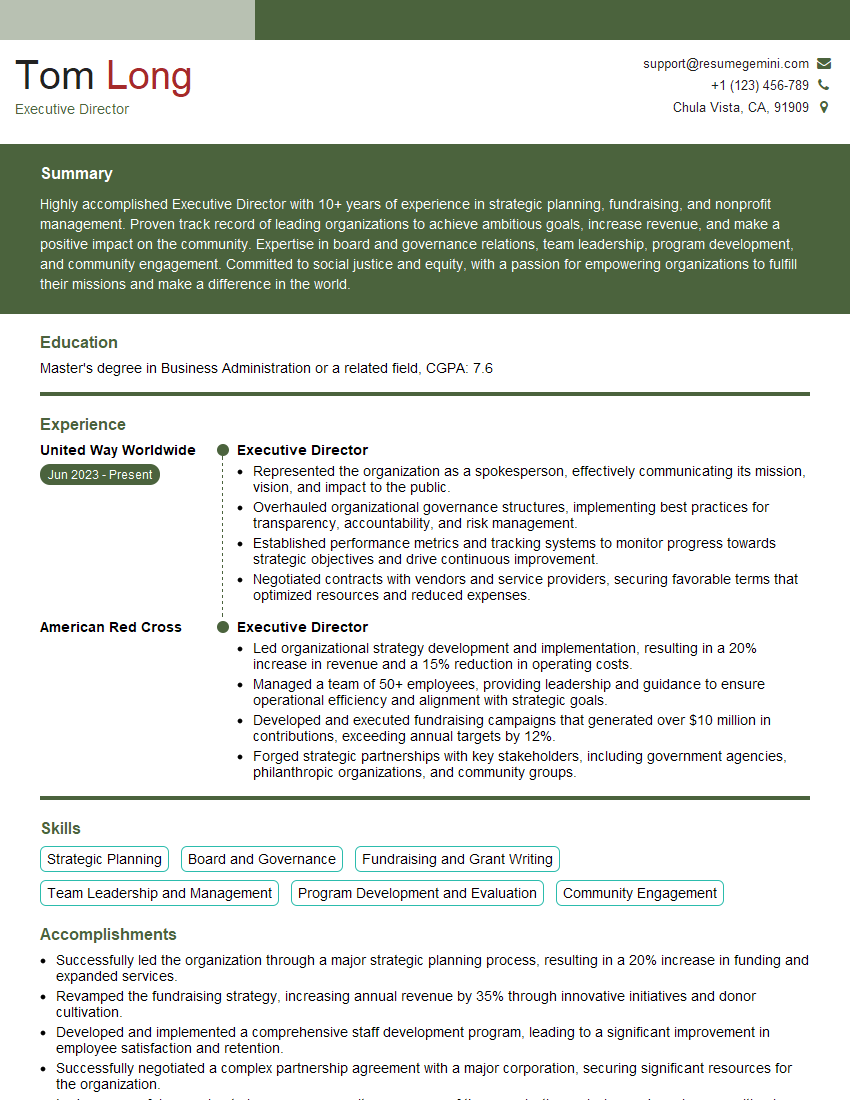
Executive Director Resume Sample
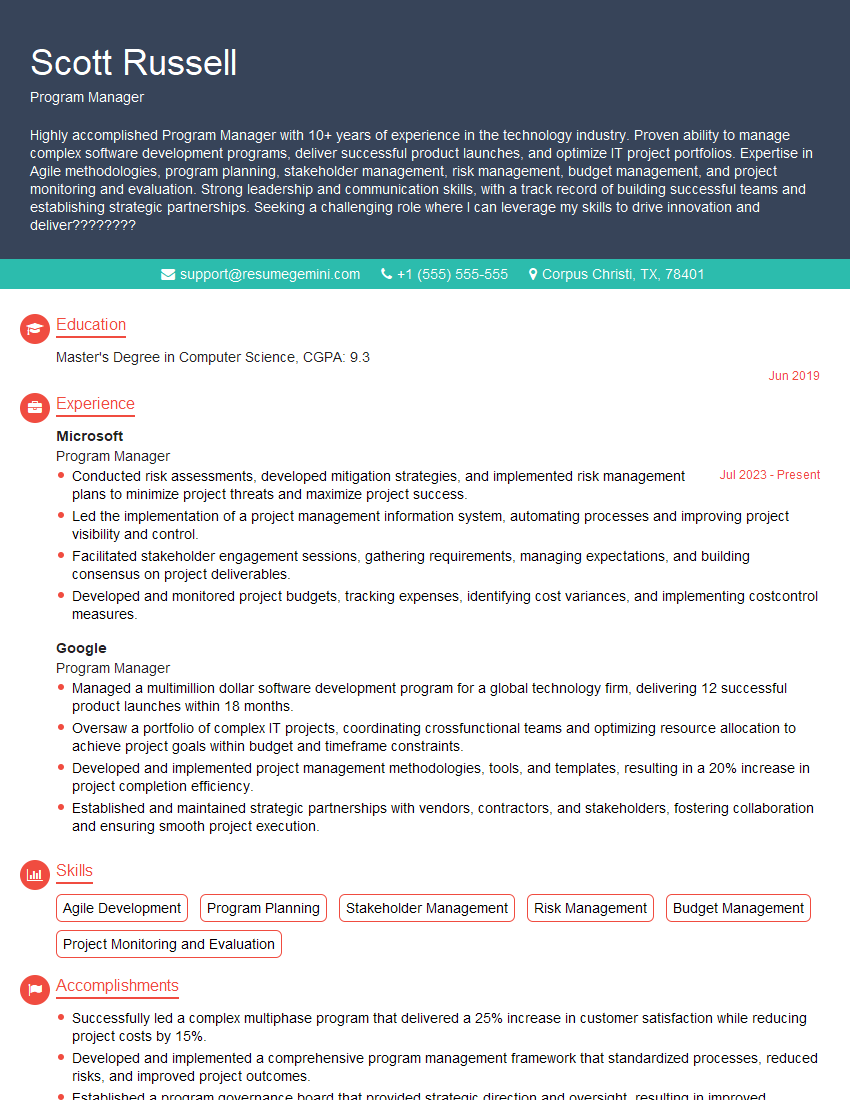
Program Manager Resume Sample
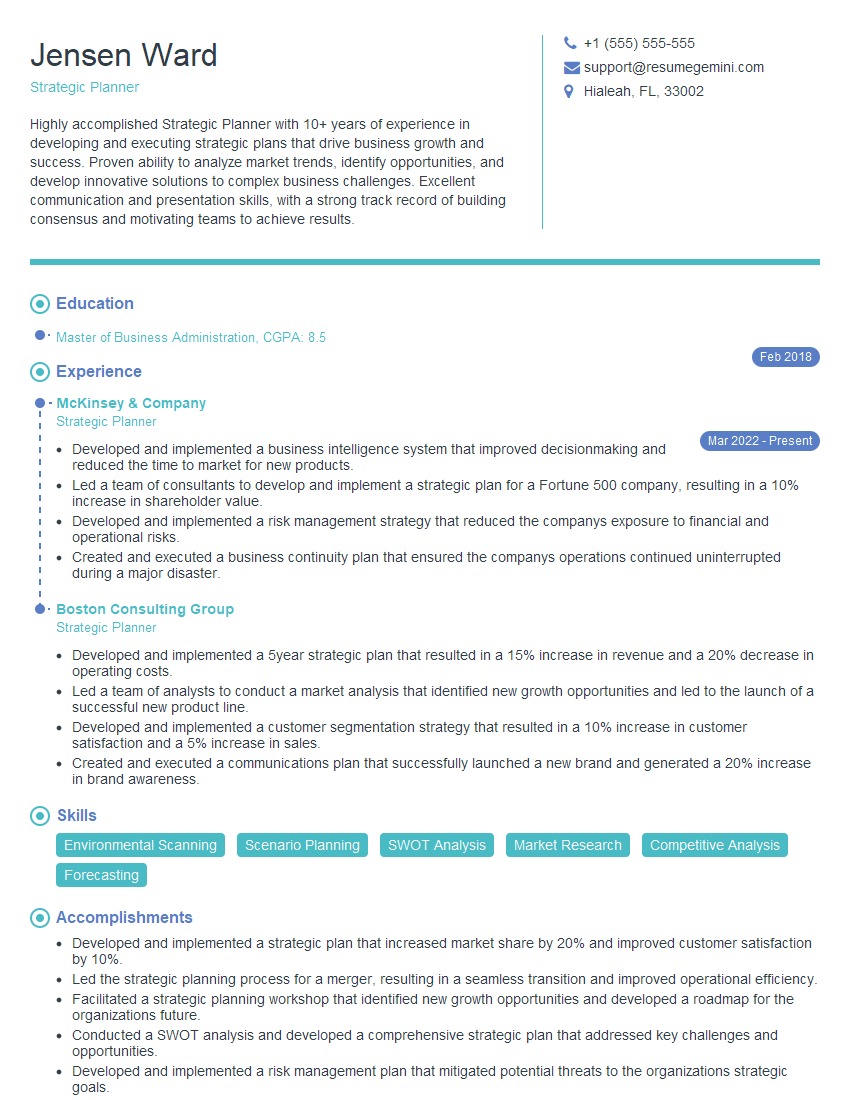
Strategic Planner Resume Sample
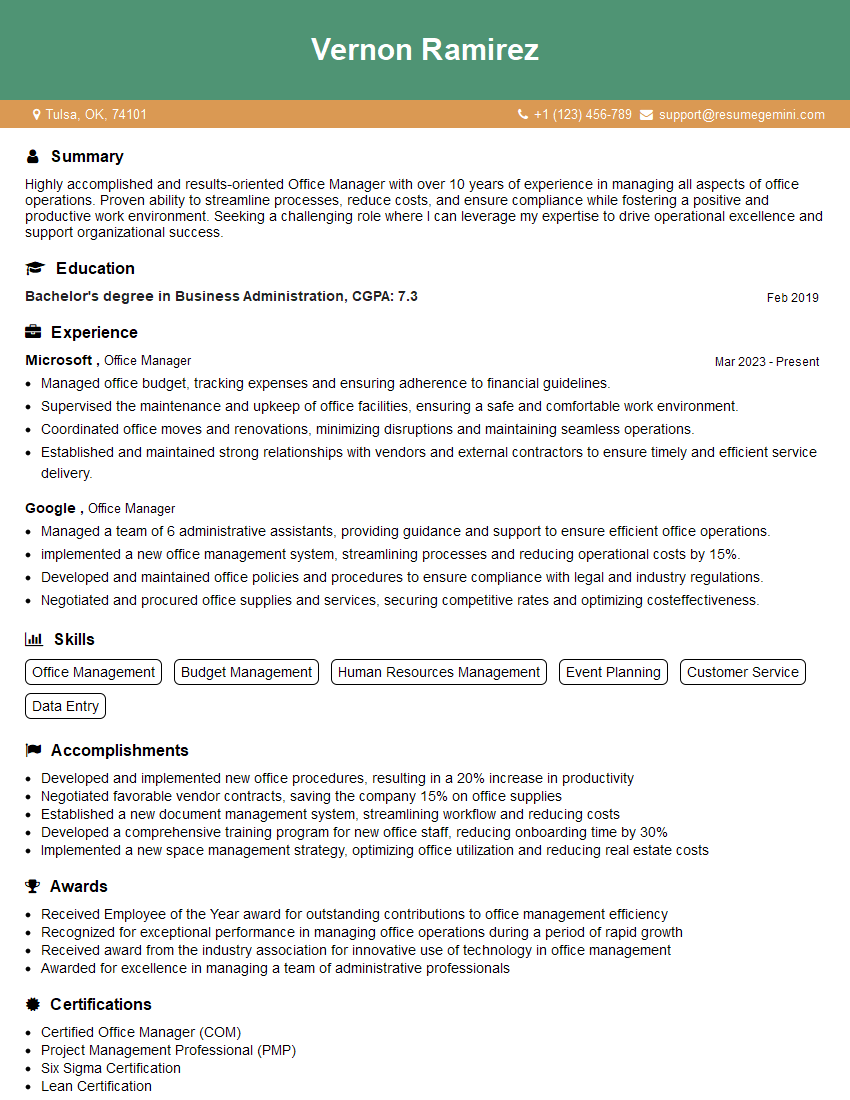
Office Manager Resume Sample

Operations Manager Resume Sample
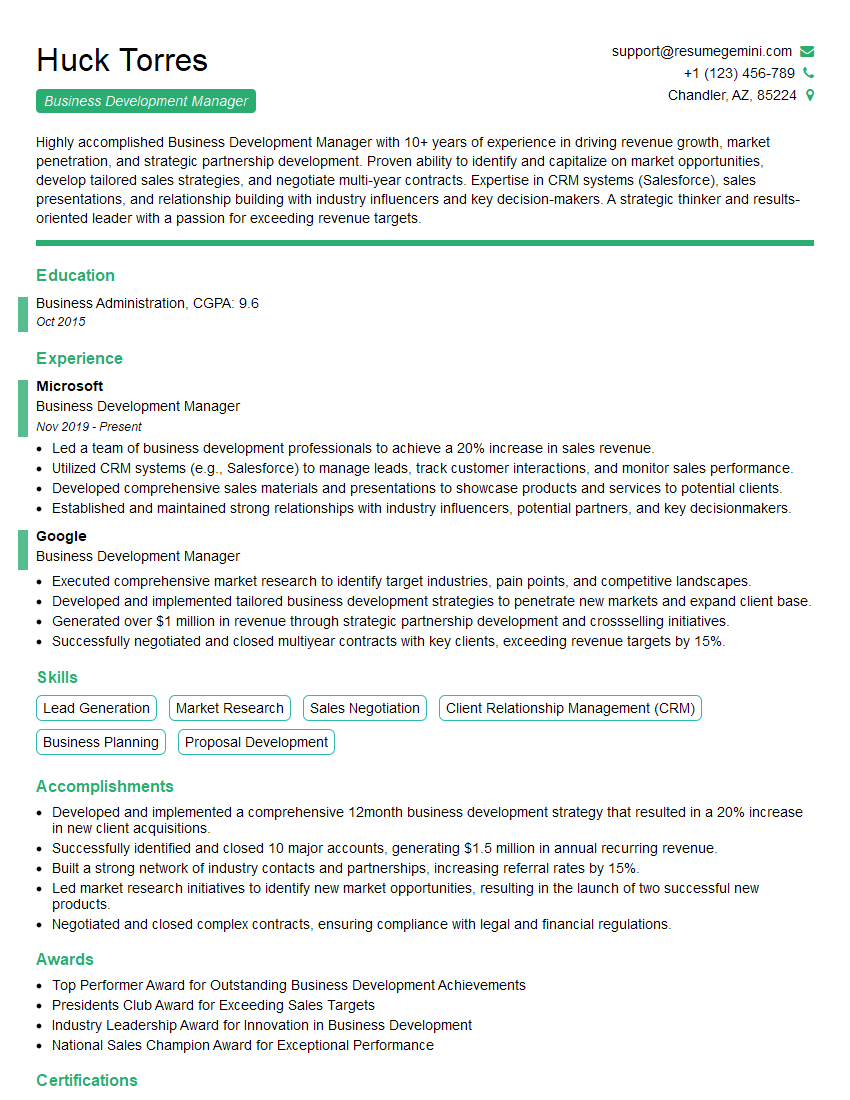
Business Development Manager Resume Sample
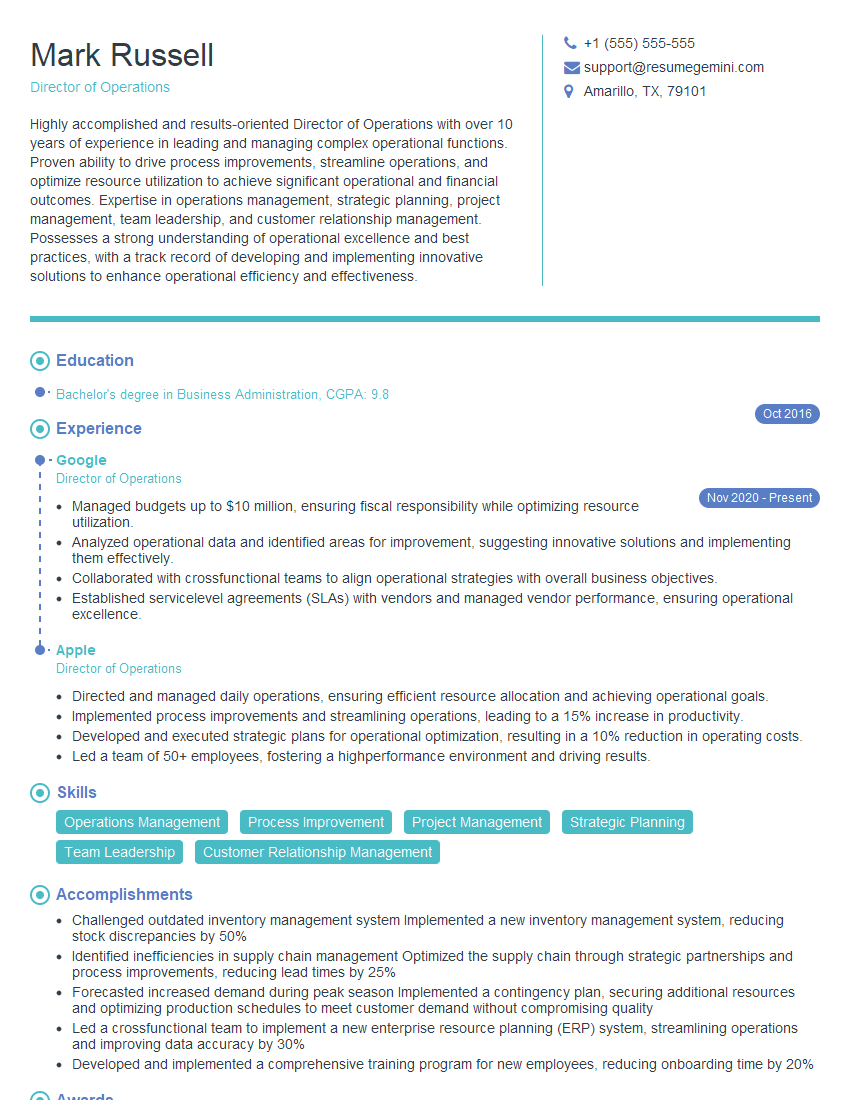
Director of Operations Resume Sample

Practice Manager Resume Sample
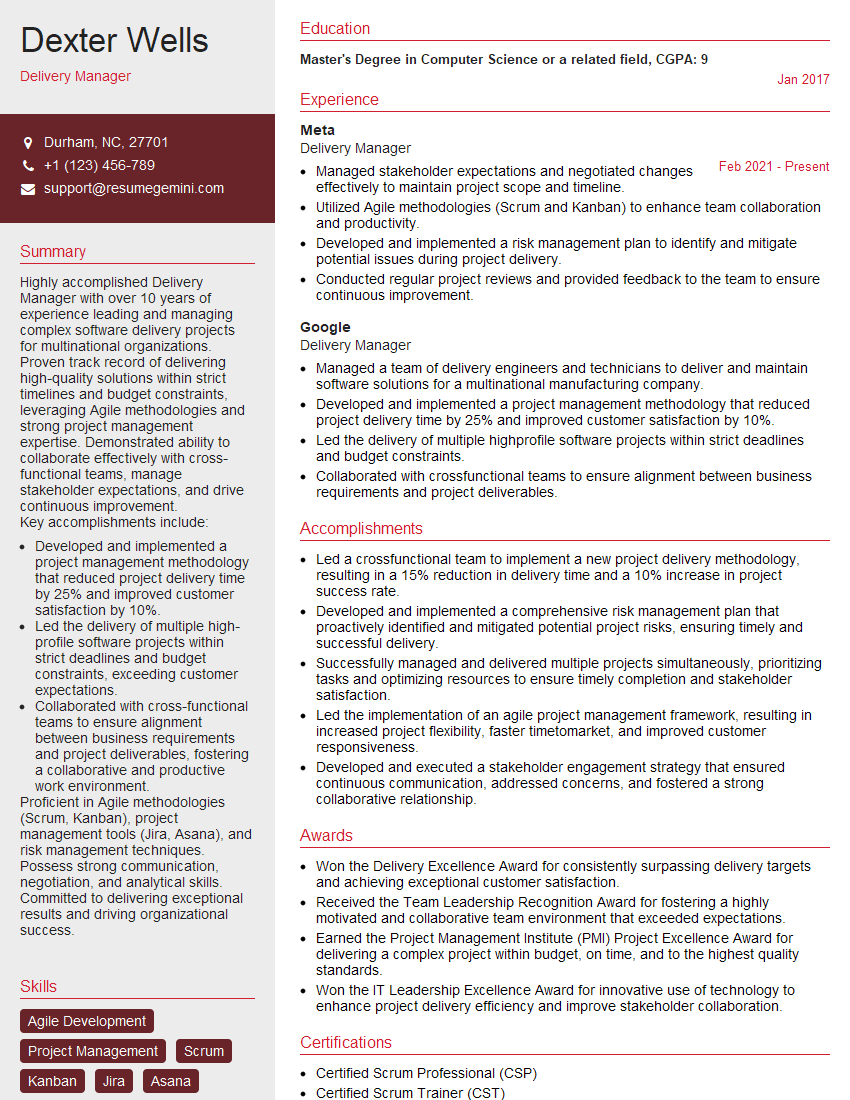
Delivery Manager Resume Sample

Project Manager Resume Sample
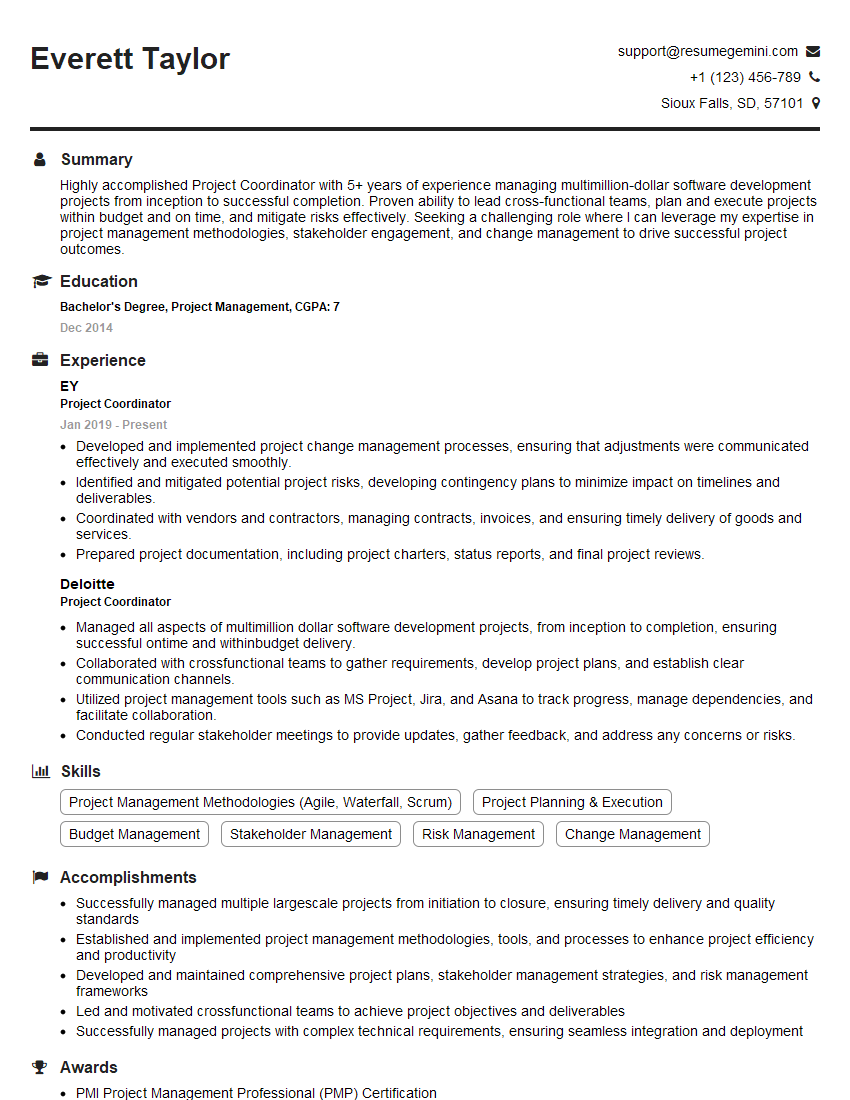
Project Coordinator Resume Sample

Chief of Staff Resume Sample
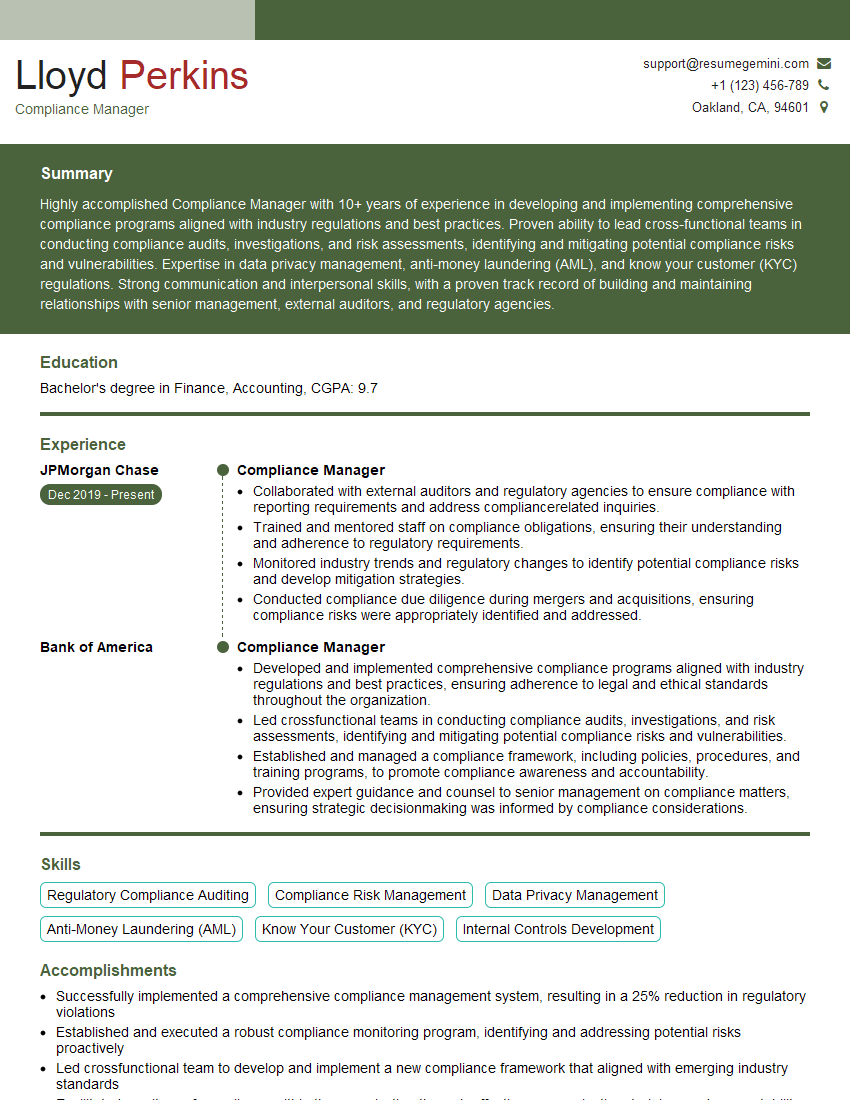
Compliance Manager Resume Sample
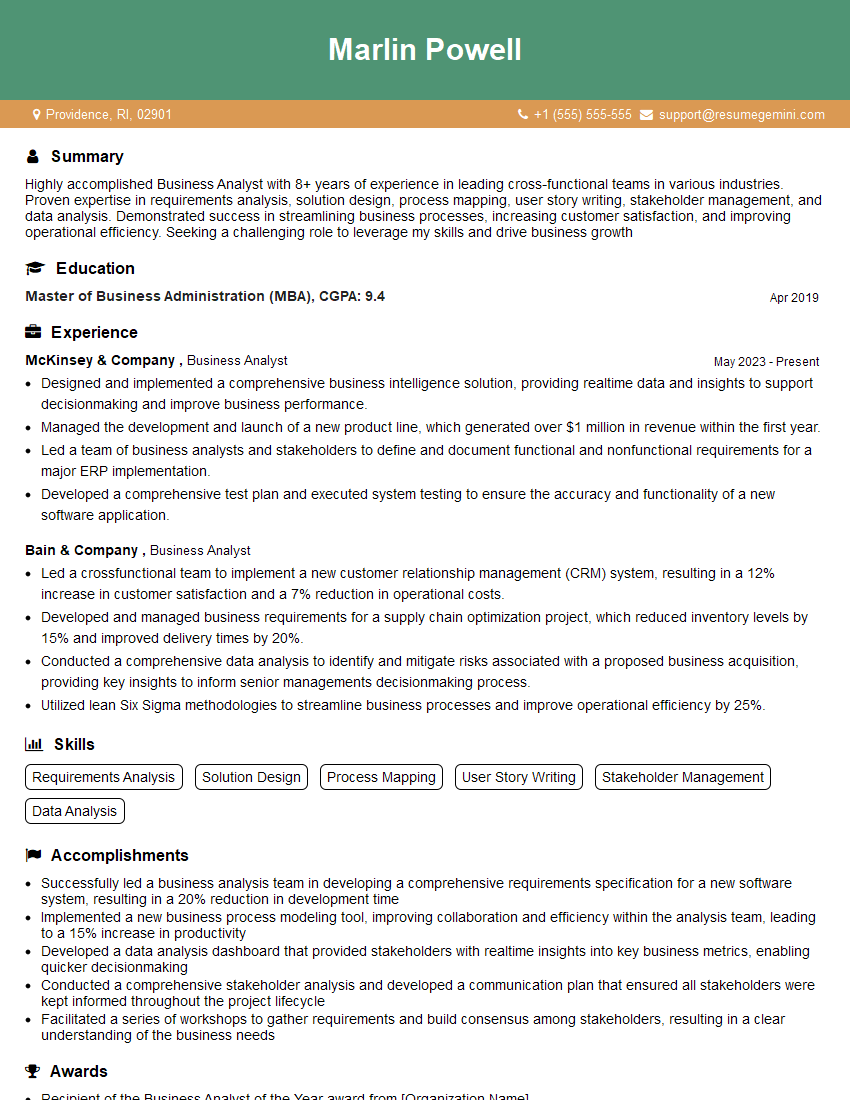
Business Analyst Resume Sample
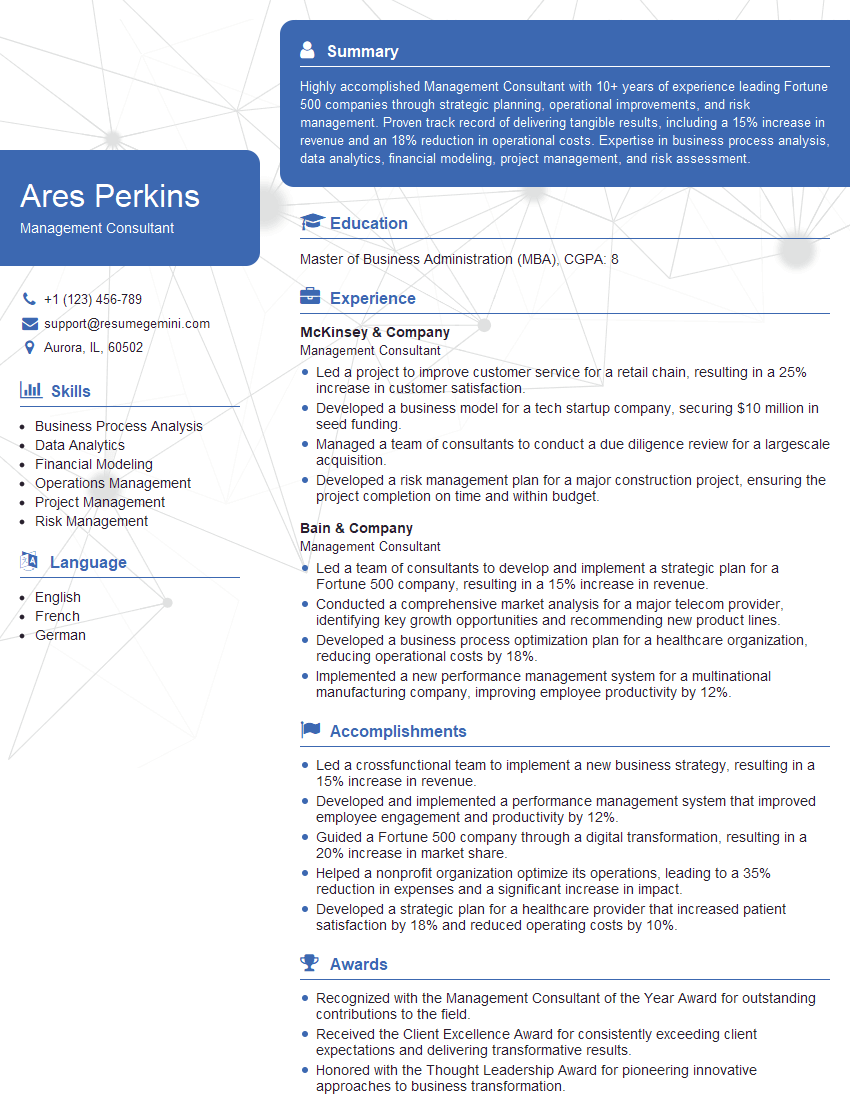
Management Consultant Resume Sample
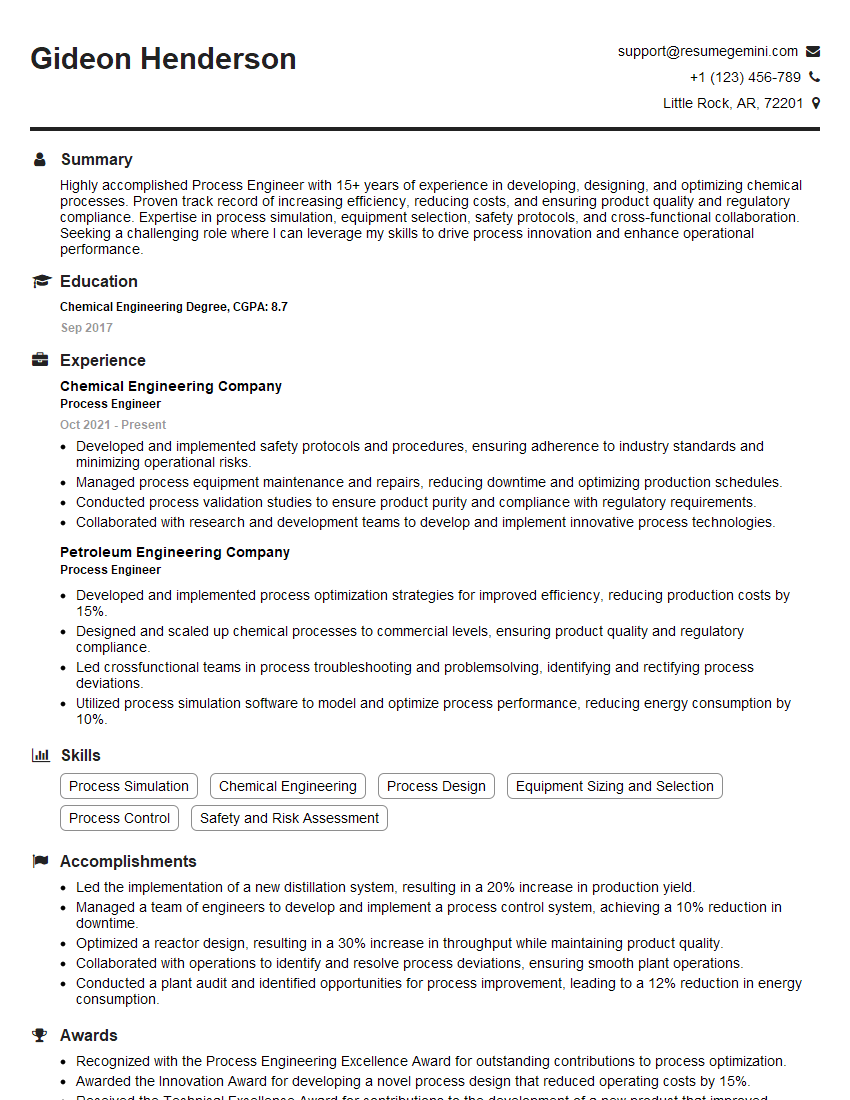
Process Engineer Resume Sample
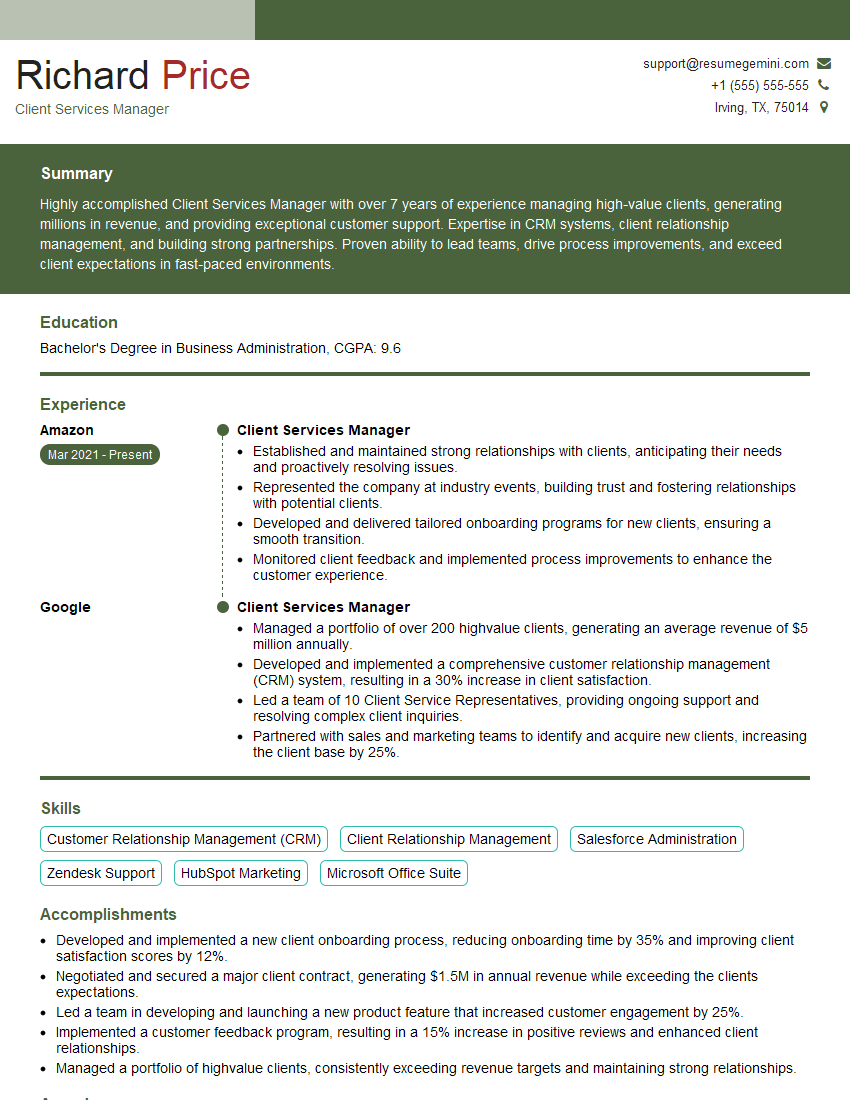
Client Services Manager Resume Sample
- Executive Director
- Program Manager
- Strategic Planner
- Office Manager
- Operations Manager
- Business Development Manager
- Director of Operations
- Practice Manager
- Delivery Manager
- Project Manager
- Project Coordinator
- Chief of Staff
- Compliance Manager
- Business Analyst
- Management Consultant
- Process Engineer
- Client Services Manager
Explore more articles
Users Rating of Our Blogs
Share Your Experience
We value your feedback! Please rate our content and share your thoughts (optional).
What Readers Say About Our Blog
Very informative content, great job.
good