The right preparation can turn an interview into an opportunity to showcase your expertise. This guide to Predator and Pest Control interview questions is your ultimate resource, providing key insights and tips to help you ace your responses and stand out as a top candidate.
Questions Asked in Predator and Pest Control Interview
Q 1. What are the common methods used for rodent control?
Rodent control involves a multi-pronged approach targeting prevention and elimination. Prevention is key – think of it like this: you wouldn’t leave your door unlocked and expect no burglaries! Similarly, sealing up entry points is crucial.
- Exclusion: Sealing cracks and holes in walls, foundations, and around pipes prevents rodents from entering. This is often the most effective long-term strategy.
- Sanitation: Removing food sources like spilled crumbs, pet food, and garbage is vital. Imagine a buffet – you’d attract a crowd, right? The same applies to rodents.
- Trapping: Snap traps, glue traps, and live traps offer various methods of capture. Snap traps are quick and efficient but inhumane; glue traps are often messy and also inhumane; live traps allow for relocation, which is often preferable from an ethical standpoint.
- Rodenticide: Poison baits containing anticoagulants are effective but require careful placement to avoid accidental ingestion by pets or children. These should always be used according to label instructions and in appropriate locations. Always consider non-toxic alternatives first.
A successful rodent control program integrates these methods; relying solely on one approach is rarely sufficient. For example, I recently worked on a commercial kitchen where exclusion measures (sealing gaps around pipes and doorways) combined with regular sanitation practices significantly reduced rodent activity, minimizing the need for rodenticides.
Q 2. Explain the differences between various types of insecticides.
Insecticides are classified into different categories based on their chemical composition and mode of action. Understanding these differences is crucial for choosing the right product for a specific pest and minimizing environmental impact.
- Organophosphates: These act by inhibiting acetylcholinesterase, an enzyme vital for nerve function. They are highly toxic and require careful handling. Examples include malathion and diazinon (though usage is restricted in many areas). Think of them as very powerful, but requiring extreme caution.
- Carbamates: Similar to organophosphates, carbamates also affect the nervous system. However, they generally have lower toxicity and shorter persistence in the environment. Carbaryl is a common example, often used in garden settings.
- Pyrethroids: These synthetic insecticides mimic the effects of naturally occurring pyrethrins from chrysanthemum flowers. They are generally less toxic to mammals than organophosphates and carbamates, and are commonly used in household sprays and mosquito control. They affect the nervous system of insects.
- Neonicotinoids: These systemic insecticides are absorbed by plants and affect the nervous system of insects that feed on them. They’ve been controversial due to their potential impact on bees and other beneficial insects.
The choice of insecticide depends on factors like the target pest, the environment, and the potential for exposure to humans and other animals. Always consult the pesticide label and follow safety precautions meticulously.
Q 3. Describe your experience with termite inspections and treatment.
Termite inspections involve a thorough examination of a property’s structure to identify evidence of termite activity. This includes visual inspections of visible wood, checking for mud tubes, and sometimes using specialized tools to detect hidden infestations. Treatment options vary.
- Subterranean Termite Treatment: For subterranean termites (the most common type), liquid termiticides are often injected into the soil around the foundation to create a chemical barrier. Baiting systems, which use poisoned wood to attract and eliminate termites, are another effective method. Bait systems are often preferred for their targeted approach and reduced environmental impact.
- Drywood Termite Treatment: Drywood termites, which infest dry wood, require different methods. These often involve fumigation (treating the whole structure with gas) or localized treatments directly targeting the infested areas.
I have extensive experience in both inspection and treatment. I’ve successfully managed numerous cases, ranging from small infestations in residential homes to larger-scale projects in commercial buildings. For instance, I recently used a combination of liquid termiticide and baiting stations to effectively treat a significant subterranean termite infestation in a historic home, preserving the structural integrity and minimizing environmental impact.
Q 4. How do you identify and control bed bug infestations?
Identifying bed bugs involves a careful examination of sleeping areas. Look for small, reddish-brown insects, often found in mattresses, box springs, bedding, and furniture. Their fecal matter (tiny dark spots) and shed skins are also indicators.
Control strategies are multi-faceted:
- Inspection and Monitoring: Thoroughly inspect all potential harborage sites. Specialized detectors can assist in finding hidden infestations.
- Vacuuming: Carefully vacuum all affected areas, including mattresses, carpets, and furniture. Dispose of the vacuum bag immediately.
- Heat Treatment: Effective for killing bed bugs in all life stages. Special equipment heats the affected area to lethal temperatures.
- Pesticide Application: Various insecticides are effective against bed bugs, but professional application is often necessary to ensure thorough treatment and prevent re-infestation. Products with imidacloprid or pyrethroids are often used, but resistance is a growing concern, hence the use of integrated pest management is key.
I have a high success rate in bed bug treatments, emphasizing a thorough inspection and a customized plan for each case. I recently used a combination of heat treatment and targeted pesticide application to eliminate a severe infestation in a multi-unit dwelling, addressing the problem effectively and preventing it from spreading.
Q 5. What safety precautions do you take when handling pesticides?
Safety is paramount when handling pesticides. Think of pesticides as powerful tools – they need respect and proper handling to avoid harm.
- Personal Protective Equipment (PPE): Always wear appropriate PPE, including gloves, respirators, eye protection, and protective clothing as indicated on the pesticide label. This is not optional, it’s mandatory for your health and safety.
- Label Reading: Always read and follow the label instructions precisely. This includes mixing instructions, application methods, and safety precautions. The label is the law!
- Proper Storage: Store pesticides in their original containers, in a locked, secure area out of reach of children and pets. Never mix pesticides in anything but the intended container.
- Emergency Preparedness: Have a plan in place in case of accidental exposure. Know where the nearest emergency phone number is, and the steps to take in case of a spill.
I meticulously follow safety protocols on every job. My priority is to protect myself and others from potential hazards. I regularly update my knowledge of pesticide safety regulations and best practices. Even a seemingly minor oversight can lead to serious consequences.
Q 6. What are the legal requirements for pesticide application in your area?
Pesticide application is heavily regulated in [Insert your area/state]. These regulations cover everything from licensing and certification to product registration and application methods. The key regulations revolve around:
- Licensing: I hold a valid pesticide applicator license issued by [Insert licensing authority], allowing me to apply restricted-use pesticides.
- Label Compliance: All pesticide applications must strictly adhere to the label instructions. This covers dosage rates, application methods, and safety precautions.
- Environmental Protection: Regulations exist to minimize the environmental impact of pesticide use. This might include restrictions on the types of pesticides used near water bodies or environmentally sensitive areas.
- Worker Protection Standards: Strict guidelines protect workers from pesticide exposure during application. This includes providing PPE, training, and emergency response plans.
Staying updated on these regulations is an ongoing process. I regularly participate in continuing education programs to maintain my license and remain current on best practices and changing regulations. Ignorance of these regulations can lead to serious legal consequences.
Q 7. Describe your experience with wildlife removal (e.g., raccoons, squirrels).
Wildlife removal requires a humane and effective approach. The focus is on deterring animals from returning while ensuring their safety and well-being. The approach differs according to the animal.
- Exclusion: Repairing entry points (holes in roofs, attics etc.) is crucial. Think of it like securing your house against intruders; the same applies to wildlife.
- Trapping: Live traps are used to capture animals for relocation to a suitable habitat away from human dwellings. The goal isn’t to harm them, but to relocate them safely.
- Repellents: Various repellents can be used to deter animals from specific areas. These can include scent-based deterrents or physical barriers.
I’ve handled numerous cases involving raccoons, squirrels, and other wildlife. For example, I recently removed a family of raccoons from a residential attic using live traps. After ensuring they were healthy, I relocated them to a nearby wooded area, far from human habitation. This highlights the importance of humane and safe removal techniques and prioritizing animal welfare.
Q 8. How do you handle customer concerns about pest control treatments?
Addressing customer concerns is paramount in pest control. It starts with active listening and empathy. I always begin by acknowledging their worry and validating their experience. Then, I clearly explain the situation, the proposed treatment plan, and its potential effects, including any temporary inconveniences. Transparency is key. For example, if a treatment might cause a slight odor, I’ll proactively mention it and explain how long it will last. I also answer all their questions thoroughly, using simple, non-technical language where possible. If a customer expresses dissatisfaction with a result, I thoroughly investigate the situation, potentially making adjustments to the treatment plan or offering a follow-up service at no extra cost to ensure their satisfaction. Building trust and open communication is crucial for resolving issues and maintaining a positive professional relationship.
Q 9. Explain your understanding of Integrated Pest Management (IPM).
Integrated Pest Management (IPM) is a holistic approach to pest control that emphasizes prevention and minimizes reliance on chemical pesticides. It involves a series of steps: First, we conduct a thorough inspection to accurately identify the pest and the extent of the infestation. Next, we assess the situation, evaluating the risks to human health, the environment, and property damage. Based on this, we develop a treatment plan prioritizing non-chemical methods whenever feasible. This could include things like sealing entry points, improving sanitation, or employing biological control methods (introducing natural predators). Chemical pesticides are only used as a last resort, and then only the least toxic and most effective product is selected. We continuously monitor the effectiveness of our plan and adjust as needed, aiming for long-term pest suppression rather than eradication. Think of it like building a fortress against pests rather than simply bombing the place. It’s about long-term sustainable solutions.
Q 10. What are some non-chemical methods of pest control?
Many effective non-chemical pest control methods exist. These include:
- Physical barriers: Sealing cracks and crevices in walls, doors, and windows to prevent pests from entering. This is often the first line of defense.
- Sanitation: Keeping areas clean and free of food scraps, spills, and standing water, removing clutter which provides hiding places. This drastically reduces food sources and shelter for many pests.
- Traps: Glue traps, sticky traps, and snap traps can effectively capture and remove pests without chemicals. This is particularly useful for monitoring pest populations.
- Biological control: Introducing natural predators, such as ladybugs for aphids or parasitic wasps for certain caterpillars. This requires careful selection to ensure no unintended consequences.
- Diatomaceous earth: This powder made from fossilized algae is a natural desiccant which effectively dehydrates insects.
Q 11. How do you diagnose the cause of a pest infestation?
Diagnosing the root cause of an infestation requires a systematic approach. I begin with a thorough visual inspection of the property, both inside and out, looking for signs of pest activity such as droppings, nests, burrows, or damage. I then interview the client to gather information about their observations, such as when the problem began, where they’ve seen the pests, and any potential attractants. This often helps pinpoint the entry points. I might use specialized equipment like blacklights (to detect scorpions or other insects that fluoresce) or moisture meters (to check for leaks that attract pests). Sometimes, I’ll even use exclusion techniques like temporary traps to identify the species and their numbers. By combining visual evidence with client information and potentially technological aids, I develop a comprehensive understanding of the infestation’s cause, enabling me to create a targeted and effective treatment plan.
Q 12. What is your experience with specific pest control equipment (e.g., foggers, traps)?
I’m proficient in using a variety of pest control equipment. My experience includes using foggers for large-scale treatments, carefully following safety protocols and ensuring proper ventilation. I’m skilled in setting up and monitoring various types of traps, including glue traps for rodents and insects, snap traps for rodents, and pheromone traps to monitor specific insect populations. I understand the strengths and limitations of each tool and always select the most appropriate equipment for each job, ensuring safe and effective application. For example, when dealing with a cockroach infestation, I may opt for bait stations for targeted control in areas with potential exposure to children and pets, rather than a full fogging.
Q 13. Describe your experience with creating and maintaining pest control reports.
Creating and maintaining detailed pest control reports is crucial for record-keeping, client communication, and future reference. My reports include the date of service, the address, the type of pest identified, the extent of the infestation, the treatment methods used, the products applied (including quantities and active ingredients), safety precautions taken, and recommendations for future preventative measures. Photos are often included to document the situation and the treatment process. I ensure that the reports are clear, concise, and easily understandable by the client, even if they lack specialized knowledge in pest control. These reports are vital for tracking the effectiveness of treatments and assisting with insurance claims or other legal documentation. I maintain a digital database of these reports ensuring easy retrieval and access to this crucial information.
Q 14. How do you prioritize different pest control tasks?
Prioritizing pest control tasks depends heavily on several factors: The severity of the infestation (a rodent infestation poses a greater immediate health risk than a minor ant problem); the potential for property damage (termite infestations need immediate attention); the type of pest (some pests spread disease more readily); client urgency (a customer’s immediate concerns are prioritized); and legal requirements (some pests are subject to mandatory eradication). I use a risk assessment matrix to categorize tasks based on urgency and impact. Emergency situations, such as a wasp nest posing a direct threat to occupants, take precedence over routine inspections. I employ project management principles to schedule tasks effectively, ensuring timely and efficient service while addressing the most critical issues first. This methodical approach ensures that resources are allocated effectively and that clients receive prompt and appropriate service.
Q 15. How do you handle emergency pest control situations?
Emergency pest control demands swift, effective action. My approach prioritizes immediate threat mitigation while ensuring safety. First, I conduct a rapid assessment to identify the pest, its location, and the level of infestation. This helps determine the urgency and appropriate response. For instance, a swarm of bees near a populated area requires immediate removal by a qualified beekeeper, while a minor cockroach infestation can usually wait for a scheduled treatment. Following the assessment, I implement a targeted solution: this could involve deploying fast-acting insecticides (while always prioritizing safety and minimizing environmental impact), removing nests, sealing entry points, or recommending temporary relocation if absolutely necessary. After the immediate threat is neutralized, a thorough follow-up inspection is crucial to prevent recurrence and address any underlying issues causing the infestation.
For example, I once responded to a call about a large wasp nest in a children’s playground. Immediate action was needed. We safely removed the nest at night when activity was low, ensuring the safety of children and the pest control team. Afterwards, we sealed the area where the nest was to prevent future occurrences.
Career Expert Tips:
- Ace those interviews! Prepare effectively by reviewing the Top 50 Most Common Interview Questions on ResumeGemini.
- Navigate your job search with confidence! Explore a wide range of Career Tips on ResumeGemini. Learn about common challenges and recommendations to overcome them.
- Craft the perfect resume! Master the Art of Resume Writing with ResumeGemini’s guide. Showcase your unique qualifications and achievements effectively.
- Don’t miss out on holiday savings! Build your dream resume with ResumeGemini’s ATS optimized templates.
Q 16. What are the common signs of a termite infestation?
Termite infestations often go unnoticed in their early stages. However, several signs can indicate their presence. Look for:
- Mud tubes: These are shelter tubes termites build to travel from the soil to wood sources. They usually appear as thin, mud-like tunnels on walls, foundations, or even inside walls.
- Wood damage: Termites can cause significant structural damage. Tap on wooden structures—a hollow sound may indicate internal damage. Look for weakened or damaged wood, especially around baseboards or window frames.
- Swarmers: During mating season, termites swarm, releasing winged reproductive insects. Finding these winged insects (often mistaken for ants) is a strong indication of an infestation.
- Droppings (frass): These tiny pellets resemble sawdust and can be found near termite activity.
- Cracks in walls or floors: This can indicate structural damage caused by termites.
It’s important to note that some signs can be subtle. If you suspect a termite infestation, it’s crucial to seek professional inspection as early detection is vital for effective and less costly treatment.
Q 17. How do you deal with resistant pest populations?
Dealing with pesticide-resistant pest populations requires a multi-pronged approach. Simply increasing pesticide dosage is ineffective and environmentally damaging. Instead, we need to employ Integrated Pest Management (IPM) strategies. This involves:
- Pest identification: Accurate identification is crucial to understanding the pest’s biology and vulnerabilities.
- Monitoring: Regularly monitor pest populations to track resistance development.
- Rotation of pesticides: Using different classes of pesticides prevents the development of resistance to specific chemicals.
- Reduced pesticide use: Employing non-chemical control methods whenever possible (e.g., physical removal, habitat modification) reduces selection pressure for resistance.
- Biological control: Introducing natural predators or parasites of the target pest can significantly reduce populations.
- Improved sanitation: Eliminating food sources and breeding grounds helps reduce pest pressure.
For example, if a certain insecticide is consistently ineffective against cockroaches, we would switch to a different class of insecticide or utilize a combination of baiting and non-chemical methods.
Q 18. What are your strategies for preventing future pest infestations?
Preventing future pest infestations is proactive, not reactive. My strategies focus on eliminating conditions that attract pests and making the environment inhospitable to them. This includes:
- Sanitation: Maintaining cleanliness and eliminating food sources (crumbs, spills, pet food) significantly reduces pest attraction.
- Structural integrity: Repairing cracks and gaps in walls, windows, and foundations prevents pests from entering.
- Moisture control: Addressing leaks and excessive humidity discourages pests that thrive in damp environments.
- Proper storage: Storing food in airtight containers and keeping garbage sealed prevents easy access for pests.
- Landscaping: Maintaining a well-maintained lawn and removing overgrown vegetation reduces hiding places for pests.
- Regular inspections: Conducting periodic inspections allows for early detection of infestations and prompt intervention.
For example, I recommend regular inspections for potential entry points, especially around attics and basements. This helps prevent infestations before they become major problems.
Q 19. Explain your knowledge of different types of pesticides and their modes of action.
Pesticides are classified into various types based on their chemical structure and mode of action. Understanding these is critical for effective and safe pest control. Common types include:
- Insecticides: These target insects. They can be contact poisons (killing upon contact), stomach poisons (killing when ingested), or systemic poisons (absorbed by plants and killing insects that feed on them). Examples include pyrethroids (affecting the nervous system), neonicotinoids (nicotine-based), and organophosphates (inhibiting enzyme function).
- Rodenticide: These target rodents (rats and mice). They often act as anticoagulants, preventing blood clotting and causing internal bleeding.
- Fungicides: These control fungal growth and diseases. Modes of action vary, but often involve inhibiting fungal reproduction or growth.
- Herbicides: These control weeds. They can inhibit photosynthesis or disrupt plant hormone systems.
Each pesticide’s mode of action is specific to its target organism. Selecting the right pesticide requires careful consideration of the target pest, the environment, and potential non-target impacts. Incorrect use can have detrimental effects on human health and the environment.
Q 20. Describe your experience with proper pesticide storage and disposal.
Proper pesticide storage and disposal are paramount for safety and environmental protection. Pesticides must be stored in their original containers, in a secure, locked location, inaccessible to children and pets. The storage area should be well-ventilated and protected from extreme temperatures. Always follow the label instructions for storage. Disposal follows strict regulations. Never pour pesticides down the drain or into the garbage. Instead, contact your local waste management authority or a licensed pesticide disposal facility for guidance on proper disposal procedures. They can provide specialized containers and instructions to ensure safe and environmentally sound disposal. Expired or unwanted pesticides should never be kept beyond their shelf life.
For example, our company maintains a detailed inventory of all pesticides used and follows a rigorous system for tracking their usage, ensuring safe storage and proper disposal at the end of their lifespan.
Q 21. What is your understanding of the environmental impact of pesticide use?
Pesticide use has significant environmental impacts. While effective in controlling pests, they can harm non-target organisms such as beneficial insects (like pollinators), birds, fish, and other wildlife. Pesticides can contaminate soil and water, leading to long-term environmental damage. They can bioaccumulate in the food chain, causing harm to organisms at higher trophic levels. Furthermore, the production and transportation of pesticides also have an environmental footprint. Therefore, responsible pesticide use involves: (1) Minimizing pesticide application by employing Integrated Pest Management (IPM) strategies; (2) Selecting pesticides with lower environmental impact and shorter persistence in the environment; (3) Precise application techniques to minimize drift and runoff; and (4) Proper disposal to prevent contamination.
My approach always prioritizes reducing the environmental impact of my work through IPM. This minimizes the reliance on pesticides and makes my services more environmentally friendly.
Q 22. How do you ensure the safety of your clients and yourself during pest control treatments?
Client and personal safety are paramount in pest control. My approach is multifaceted, prioritizing preventative measures and employing rigorous safety protocols throughout every treatment.
- PPE (Personal Protective Equipment): I always wear appropriate PPE, including respirators, gloves, eye protection, and protective clothing, tailored to the specific pesticide and pest being addressed. This safeguards me from exposure to chemicals and potential hazards like insect bites or stings.
- Risk Assessment: Before each treatment, I conduct a thorough risk assessment of the site, identifying potential hazards like electrical wiring, pets, or sensitive areas. This allows me to plan the treatment accordingly, minimizing risk. For example, I would never spray near an open flame or electrical outlet without taking appropriate precautions.
- Safe Pesticide Handling: I strictly adhere to the manufacturer’s instructions for all pesticides, ensuring proper mixing, application, and disposal. I also utilize the least toxic pesticides possible, prioritizing Integrated Pest Management (IPM) strategies whenever feasible. This involves using a combination of methods to control pests, minimizing reliance on chemical pesticides.
- Client Communication: Clear communication with clients is vital. I explain the treatment process, potential risks, and necessary precautions they should take before, during, and after the treatment. For instance, I advise them to keep children and pets away from treated areas until the pesticide has dried completely.
Safety is not just a protocol; it’s a deeply ingrained habit. My commitment to safety ensures both client satisfaction and the long-term health of myself and the environment.
Q 23. What is your experience with working in confined spaces during pest control work?
Experience in confined spaces is a crucial aspect of pest control, requiring specialized training and awareness. I’ve worked in various confined spaces, including attics, crawl spaces, and basements, always prioritizing safety.
- Confined Space Entry Procedures: I follow strict confined space entry procedures, including atmospheric testing before entering to check for oxygen levels, flammable gases, and other hazardous substances. I never enter a confined space alone; I always have a spotter outside.
- Ventilation and Safety Equipment: I ensure adequate ventilation before entering and use appropriate respiratory protection. I carry a portable communication device to maintain contact with my team outside the confined space.
- Emergency Procedures: I’m familiar with emergency procedures and escape routes in confined spaces. Knowing where to go in the event of an emergency helps reduce stress and improve response time. I’ve completed relevant training courses covering confined space entry and rescue techniques.
- Practical Example: I once encountered a severe rodent infestation in a basement crawl space. Before entering, I tested the air quality and set up proper ventilation. I worked with a partner, ensuring constant communication and a ready escape plan. This systematic approach allowed for a safe and efficient treatment, eradicating the rodents without compromising safety.
My experience in confined spaces highlights my commitment to safety and my ability to handle challenging work environments.
Q 24. Describe your ability to work independently and as part of a team.
I’m equally comfortable working independently and as part of a team. Both approaches have their strengths and are valuable in the field of pest control.
- Independent Work: When working independently, I am highly self-motivated and capable of managing my time effectively. I’m meticulous in my work, ensuring thorough treatments and accurate record-keeping. I rely on my strong problem-solving skills and resourcefulness to handle situations that arise without direct supervision. For instance, I often conduct initial site inspections independently, evaluating the pest situation and developing treatment plans.
- Teamwork: As part of a team, I am a collaborative and supportive member, contributing my expertise and assisting colleagues. I value open communication and believe in sharing knowledge and best practices to optimize our collective efficiency. For example, during large-scale treatments, I work seamlessly with my team to coordinate tasks and ensure a smooth and efficient operation.
My adaptability allows me to thrive in both independent and team-based settings, making me a versatile and valuable asset to any pest control operation.
Q 25. How do you handle difficult customers or situations?
Handling difficult customers or situations requires patience, empathy, and strong communication skills. My approach focuses on active listening, understanding their concerns, and finding mutually agreeable solutions.
- Active Listening: I always begin by actively listening to the customer’s concerns, ensuring I fully understand their perspective before responding.
- Empathy and Understanding: I try to understand their frustrations, acknowledging their feelings and concerns. For example, if a customer is upset about the persistence of a pest problem, I acknowledge their frustration and explain the complexities involved in pest control.
- Clear Communication: I explain the treatment process, potential challenges, and realistic expectations in clear, concise language, avoiding technical jargon.
- Problem-Solving: I work collaboratively to find a solution that addresses their concerns while adhering to best practices. This may involve adjusting the treatment plan or offering additional services.
- Professionalism: Maintaining professionalism and courtesy is essential, even in difficult situations. I remain calm and respectful, ensuring a positive customer experience.
By adopting a customer-centric approach, I have consistently resolved difficult situations effectively, building strong client relationships and maintaining a positive reputation.
Q 26. What are your career goals within the pest control industry?
My career goals within the pest control industry are focused on continuous professional development and contributing to the advancement of the field.
- Advanced Certification: I plan to obtain advanced certifications in pest control management and specific areas like termite control or integrated pest management.
- Specialized Training: I’m committed to staying current with the latest advancements in pest control techniques and technologies, through ongoing training and workshops.
- Leadership Roles: In the long term, I aspire to leadership roles within the company, mentoring and training other technicians and contributing to strategic decision-making.
- Contributing to Research: I also aim to contribute to the advancement of IPM techniques and research related to environmentally friendly pest control methods.
My passion for pest control extends beyond practical application; I want to contribute to a more sustainable and effective approach to pest management.
Q 27. Describe a time you had to troubleshoot a complex pest problem.
One particularly challenging case involved a recurring ant infestation in a large commercial building. Standard treatments proved ineffective, suggesting a complex underlying issue.
- Initial Assessment: My initial assessment revealed multiple ant colonies throughout the building, with no obvious source.
- Thorough Investigation: I systematically investigated potential entry points, checking plumbing, electrical conduits, and structural gaps. I also interviewed building staff to gather information about potential food sources or water leaks.
- Identifying the Root Cause: After careful investigation, I discovered a significant water leak in the basement, providing an ideal environment for the ants. This leak was also attracting other insects, further fueling the infestation.
- Developing a Solution: I collaborated with the building management to address the water leak. Once repaired, I implemented a targeted treatment plan, focusing on eliminating the remaining colonies and preventing future infestations. This included using bait stations to control the ants without the need for broad-spectrum pesticides.
- Long-Term Monitoring: I conducted regular monitoring visits to ensure the problem was resolved and to prevent recurrence.
This case highlighted the importance of thorough investigation and collaboration in solving complex pest problems. By going beyond surface-level treatments and identifying the root cause, I was able to achieve a long-term solution for the client.
Key Topics to Learn for Your Predator and Pest Control Interview
- Pest Biology and Identification: Understanding the life cycles, behaviors, and identification of common pests (insects, rodents, birds, etc.) is crucial. This includes knowing their preferred habitats and food sources.
- Integrated Pest Management (IPM): Learn the principles of IPM, emphasizing preventative measures, monitoring techniques, and the responsible use of pesticides. Be prepared to discuss the pros and cons of different IPM strategies.
- Pest Control Methods: Familiarize yourself with various control methods, including chemical, biological, and physical controls. Understand the safety precautions and regulations associated with each method.
- Predator Control Techniques: Explore humane and effective methods for controlling predator populations, considering ethical and legal implications. This might involve understanding wildlife behavior and habitat management.
- Safety and Regulations: Demonstrate your knowledge of relevant safety regulations, including the handling and application of pesticides, personal protective equipment (PPE), and emergency procedures.
- Customer Interaction and Communication: Prepare to discuss your approach to communicating with clients, addressing their concerns, and providing professional service. Effective communication is key in this field.
- Problem-Solving and Critical Thinking: Be ready to discuss how you would approach complex pest or predator problems, analyzing situations, identifying root causes, and developing effective solutions.
- Technology in Pest Control: Familiarize yourself with modern technologies used in the industry, such as monitoring devices, pest-tracking software, and advanced pesticide application techniques.
Next Steps
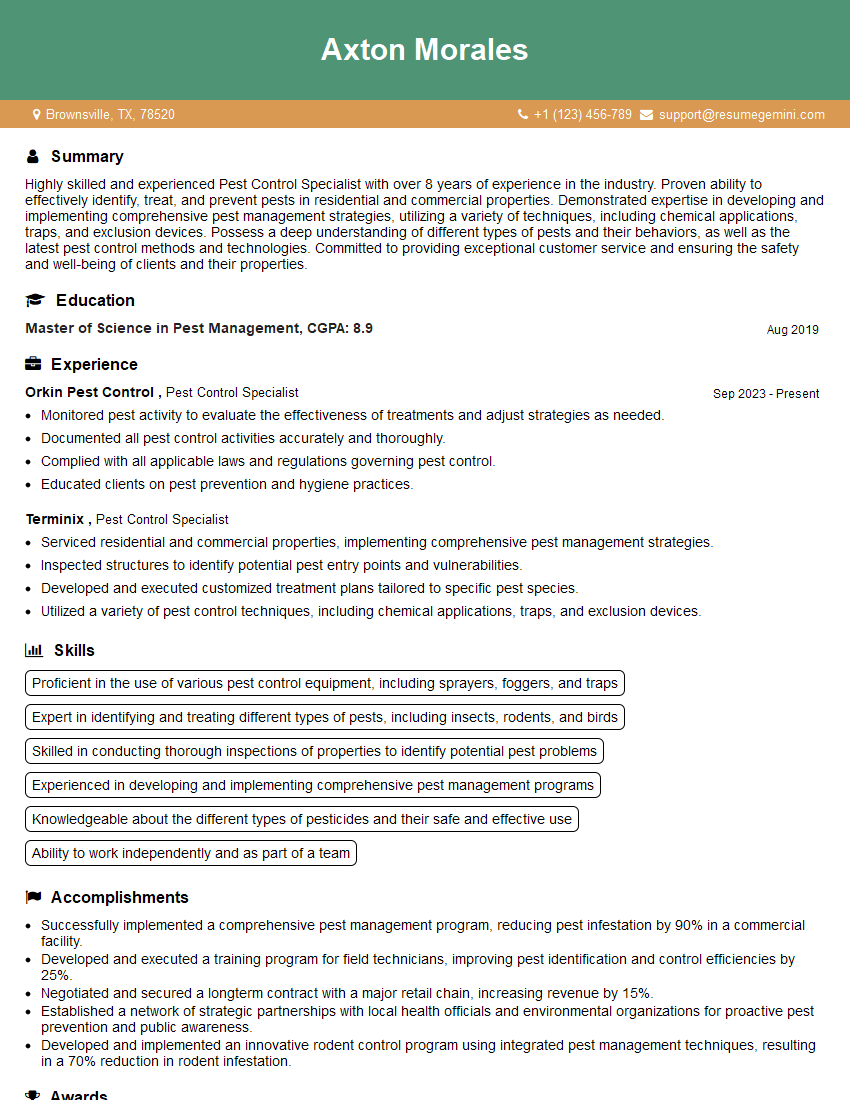
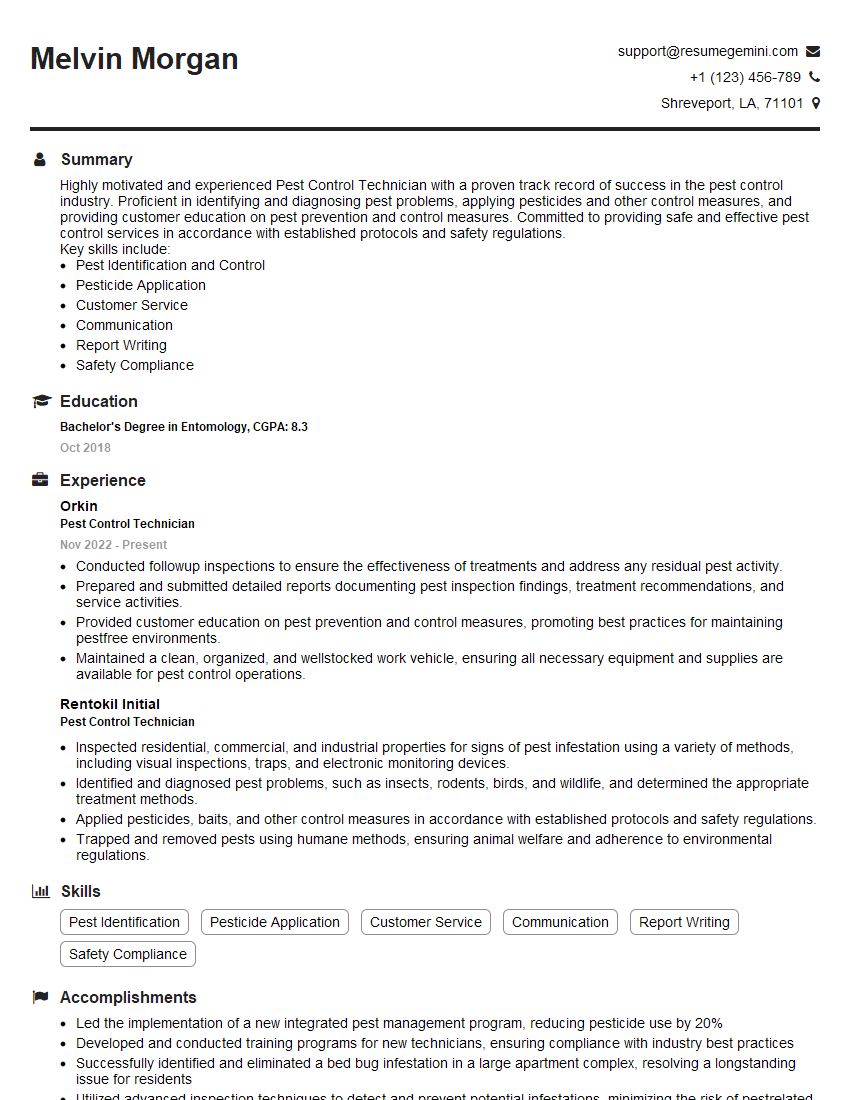
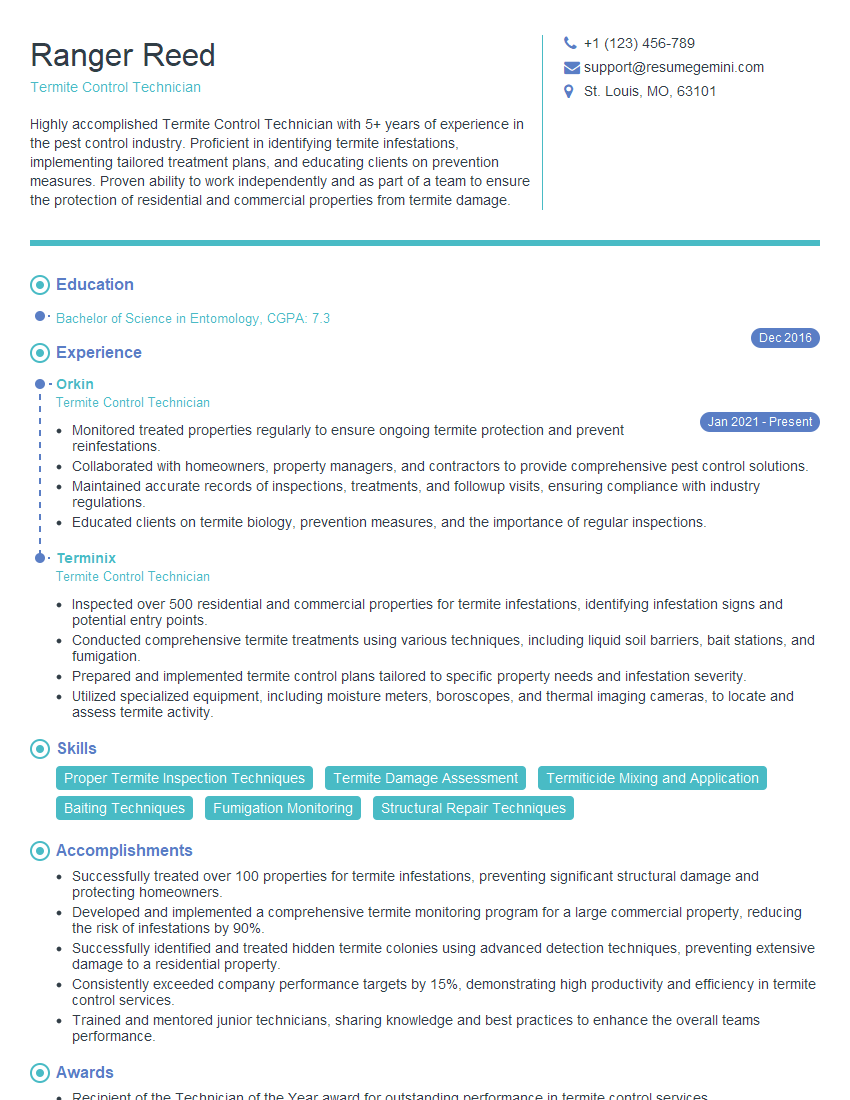
Mastering the principles of Predator and Pest Control opens doors to a rewarding career with excellent growth potential. A strong understanding of these concepts will significantly enhance your interview performance and set you apart from other candidates. To further increase your job prospects, it’s vital to create an ATS-friendly resume that effectively showcases your skills and experience. We highly recommend using ResumeGemini to build a professional and impactful resume. ResumeGemini provides valuable resources and even offers examples of resumes tailored to the Predator and Pest Control industry to help you get started.
Explore more articles
Users Rating of Our Blogs
Share Your Experience
We value your feedback! Please rate our content and share your thoughts (optional).
What Readers Say About Our Blog
Very informative content, great job.
good