Interviews are more than just a Q&A session—they’re a chance to prove your worth. This blog dives into essential Preparation of Inspection Reports interview questions and expert tips to help you align your answers with what hiring managers are looking for. Start preparing to shine!
Questions Asked in Preparation of Inspection Reports Interview
Q 1. Describe your experience in preparing detailed inspection reports.
My experience in preparing detailed inspection reports spans over eight years, encompassing various industries including construction, manufacturing, and environmental compliance. I’ve crafted hundreds of reports, ranging from simple checklists to complex, multi-sectioned documents detailing extensive findings. I’m adept at tailoring the report’s depth and scope to the specific requirements of each project and client, ensuring the information is clear, concise, and actionable. For instance, a construction site inspection report might focus on structural integrity, safety regulations, and progress against the project timeline, while an environmental audit report will prioritize compliance with environmental protection laws, waste management practices, and potential hazards. I’m experienced in presenting complex technical information in a way that is readily understood by both technical and non-technical audiences.
Q 2. What software or tools are you proficient in for creating inspection reports?
I’m proficient in a range of software and tools for creating inspection reports. My primary tool is Microsoft Word, which allows for flexible report structuring and detailed formatting. I also leverage Excel for data analysis and visualization, particularly for compiling quantitative data like defect counts or material quantities. For more complex projects or when collaborating with a team, I use SharePoint for document management and version control, ensuring everyone has access to the latest report draft. Furthermore, I’m familiar with specialized inspection software such as PlanGrid (for construction projects), and I’m comfortable learning new software as needed to meet specific project requirements. In some cases, I utilize mobile apps for on-site data collection, streamlining the reporting process and minimizing errors.
Q 3. Explain your process for identifying and documenting non-conformances.
My process for identifying and documenting non-conformances is methodical and rigorous. It begins with a thorough understanding of the relevant standards, regulations, and client specifications. During the inspection, I meticulously compare observed conditions against these benchmarks. Any deviation or deficiency is considered a non-conformance. I document each non-conformance using a standardized format that includes:
- A clear description: A detailed explanation of the observed non-conformance, avoiding subjective language and focusing on objective facts.
- Location: Precise identification of the location of the non-conformance (e.g., room number, building section, GPS coordinates).
- Severity: Classification of the non-conformance based on its potential impact (e.g., critical, major, minor). This requires careful judgment based on safety, functionality, and regulatory implications.
- Photographs/Video: Visual evidence supporting the description of the non-conformance.
- Recommended Corrective Action: Suggestions for rectifying the non-conformance.
For example, if a construction site lacks proper fall protection, I’d document it as a critical non-conformance, describing the missing equipment, its location, providing a picture, and recommending immediate installation of appropriate safety measures.
Q 4. How do you ensure the accuracy and completeness of your inspection reports?
Accuracy and completeness are paramount in inspection reporting. I employ several strategies to ensure these qualities:
- Pre-Inspection Planning: I thoroughly review all relevant documentation before the inspection, including plans, specifications, and previous reports. This ensures I’m aware of the scope of work and potential areas of concern.
- Detailed Checklists: Using pre-prepared checklists helps to ensure consistent and comprehensive coverage of all inspection points.
- Peer Review: Where appropriate, I engage in peer review of the reports, allowing another expert to validate findings and identify potential omissions or errors.
- Verification: After drafting the report, I double-check all data, ensuring accuracy of measurements, descriptions, and references.
- Version Control: I maintain proper version control using software like SharePoint to track changes and ensure the final report represents the most current information.
Think of it like building a house – a solid foundation (pre-inspection planning) and thorough quality checks (verification, peer review) are essential for a structurally sound and reliable final product.
Q 5. Describe your experience with different types of inspection reports (e.g., construction, environmental).
My experience encompasses various types of inspection reports. In construction, I’ve assessed building structures, infrastructure projects, and residential developments, focusing on structural integrity, code compliance, and safety protocols. My environmental inspection reports involve audits of industrial facilities, waste management sites, and contaminated land, with attention to environmental regulations, pollution control, and remediation strategies. I’ve also prepared reports for manufacturing facilities, assessing equipment, processes, and adherence to safety and quality standards. Each type demands a specific approach, requiring a strong understanding of the relevant regulations, industry best practices, and potential hazards. For example, a construction report might reference building codes, while an environmental report would cite EPA regulations.
Q 6. How do you prioritize findings in your inspection reports?
Prioritizing findings is crucial to guiding corrective actions effectively. I typically prioritize non-conformances based on a combination of factors:
- Severity: Critical safety hazards are always prioritized.
- Impact: Non-conformances with the greatest potential to impact project timelines, functionality, or environmental safety are addressed first.
- Regulatory Significance: Non-compliance with critical regulations is given high priority.
- Urgency: Some issues may require immediate attention to prevent further damage or risks.
I often use a risk matrix to visually represent the severity and likelihood of each finding, providing a clear framework for prioritization. The report clearly outlines the prioritized list, making it easy for the client to focus on the most critical issues first.
Q 7. How do you handle conflicting information during an inspection?
Handling conflicting information requires a systematic approach. When discrepancies arise during an inspection, I employ the following steps:
- Independent Verification: I attempt to independently verify the conflicting information using multiple sources of evidence (e.g., reviewing drawings, consulting multiple stakeholders, obtaining additional measurements).
- Documentation of Discrepancies: I clearly document all conflicting information in the report, outlining the different sources and their respective claims.
- Analysis and Reconciliation: I carefully analyze the conflicting information, considering the reliability and credibility of each source, to determine the most likely explanation.
- Resolution Reporting: I clearly state the chosen resolution in the report, explaining the rationale behind my decision, and highlighting any remaining uncertainties.
Transparency is key. I ensure the report clearly reflects the challenges faced during the inspection and how those challenges were addressed, fostering trust and accountability.
Q 8. What is your experience with using templates for inspection reports?
Templates are indispensable for creating consistent and efficient inspection reports. I’ve extensively used various templates throughout my career, from simple checklists in Microsoft Word to sophisticated, customizable forms in dedicated inspection software. My experience encompasses adapting pre-existing templates to specific project needs and even developing new templates from scratch based on evolving regulatory requirements or client specifications. For instance, I once developed a template for electrical safety inspections that included sections for general observations, detailed equipment checks, and compliance with OSHA regulations, complete with automated calculations for risk scoring.
The benefits of using templates are numerous: they ensure all necessary information is captured, maintain a consistent format for easy comparison across inspections, and significantly reduce report writing time. Choosing the right template depends on the type of inspection, regulatory framework, and client preferences. A well-designed template guides the inspector through a structured process, minimizing the risk of overlooking crucial details.
Q 9. Describe your method for reviewing and revising inspection reports before submission.
My review and revision process is thorough and multi-stage. It begins with a self-review immediately after the inspection, while the details are still fresh in my mind. This involves checking for completeness, accuracy, and consistency. I ensure all observations are clearly documented, data is correctly recorded, and photos or other supporting evidence are appropriately referenced. Next, I conduct a more formal review, checking for grammatical errors, typographical mistakes, and clarity of language. This step is crucial for ensuring the report is professional and easily understood by the intended audience.
Finally, before submission, I perform a compliance check, ensuring the report aligns with all relevant standards, regulations, and client requirements. This might involve referencing specific codes, regulations, or client-specific checklists. If necessary, I may consult with colleagues or subject-matter experts to clarify any ambiguities or address potential issues before finalization. This multi-layered approach ensures the report’s accuracy, completeness, and professional presentation.
Q 10. How do you ensure your reports comply with relevant regulations and standards?
Compliance is paramount. My approach involves a thorough understanding of the relevant regulations and standards before, during, and after the inspection. This involves studying applicable codes (e.g., building codes, safety regulations, industry-specific standards) and ensuring the inspection process itself adheres to these requirements. During the inspection, I meticulously document any non-compliance issues, providing detailed descriptions, photographic evidence, and potentially even measurements. The report then clearly outlines these findings, referencing the specific codes or standards violated.
For example, during a construction site inspection, I’d ensure my report meticulously cites violations of OSHA regulations related to fall protection, electrical safety, or hazardous materials handling. I maintain a readily available collection of relevant codes and standards, both physical and digital, to aid in my review and reporting process. Regular professional development keeps me updated on changes and new regulations.
Q 11. How do you communicate your findings effectively in a written inspection report?
Effective communication is key. My reports follow a clear and logical structure. I begin with a concise summary of the inspection’s purpose and scope. Then, I present findings in a systematic and objective manner, using clear and concise language avoiding technical jargon whenever possible. If technical terms are necessary, they are defined within the report. I utilize headings, subheadings, bullet points, and numbered lists to organize information effectively. Supporting evidence, such as photographs, diagrams, or test results, is incorporated seamlessly to illustrate findings.
Furthermore, I employ visual aids to enhance understanding. For example, I might use a color-coded system to highlight critical issues or prioritize recommendations for action. The report concludes with a clear summary of findings and recommendations for corrective actions, including timelines and responsible parties. This structure ensures the recipient can quickly understand the key aspects of the inspection and the necessary steps for addressing any identified issues.
Q 12. How familiar are you with using digital tools for inspection reporting (e.g., tablets, mobile apps)?
I am very comfortable using digital tools for inspection reporting. I regularly utilize tablets and mobile apps for data collection, image capture, and report generation in the field. These tools offer significant advantages, including real-time data entry, immediate access to relevant standards, and the ability to generate reports on-site. I’ve worked with various applications, from simple checklist apps to more comprehensive software packages that allow for creating detailed reports with multimedia integration.
For instance, I use a mobile app that allows me to input data, take photos, and geotag locations directly during the inspection. This app then seamlessly integrates with my company’s reporting software, streamlining the process and reducing the time needed for report compilation. The ability to access and update information instantly enhances efficiency and accuracy. I’m also proficient in using cloud-based storage and collaboration tools to share reports and collaborate with colleagues.
Q 13. How do you maintain records of your inspection reports?
Maintaining accurate records is crucial. My organization uses a combination of physical and digital archiving systems. Physical copies of reports are stored in secure, climate-controlled archives, following established retention policies. Digitally, reports are stored on secure, password-protected servers, adhering to data security and backup protocols. The digital system allows for easy retrieval, version control, and the ability to search for specific information across numerous reports. A detailed log tracks each report’s creation, revision, and distribution, ensuring full auditability.
We use a robust database system for managing inspection reports, including metadata such as inspection date, location, client information, and relevant project details. This allows for efficient retrieval and analysis of inspection data over time. The system incorporates strong access control measures to limit access to authorized personnel only.
Q 14. How do you ensure the confidentiality of sensitive information within inspection reports?
Confidentiality is a top priority. I adhere to strict protocols to protect sensitive information contained in inspection reports. This includes securing physical copies in locked cabinets and controlling access to digital files using password protection and role-based access control. When dealing with particularly sensitive information, such as client proprietary data or personally identifiable information (PII), I ensure compliance with relevant data privacy regulations, such as GDPR or HIPAA, if applicable.
Moreover, I never share reports beyond authorized recipients and ensure all electronic transmissions are encrypted. Regular security audits and employee training are conducted to maintain data security awareness. We also employ data loss prevention (DLP) tools to minimize the risk of unauthorized access or data breaches. My commitment to confidentiality extends to respecting client confidentiality agreements and maintaining the integrity of all the information entrusted to me.
Q 15. What is your experience in presenting inspection reports to clients or stakeholders?
Presenting inspection reports effectively involves more than just handing over a document; it’s about communicating findings clearly and concisely to ensure the client understands the implications and next steps. My experience encompasses presenting to diverse audiences, from construction site foremen to senior executives. I tailor my presentation style to the audience’s technical knowledge, focusing on visual aids like photos and diagrams to enhance comprehension. For example, when presenting to a construction foreman, I might highlight immediate safety concerns and remediation steps. When presenting to senior executives, I emphasize the overall project status, potential cost overruns, and risk mitigation strategies. I always allow time for questions and ensure clear communication channels for follow-up discussions.
Career Expert Tips:
- Ace those interviews! Prepare effectively by reviewing the Top 50 Most Common Interview Questions on ResumeGemini.
- Navigate your job search with confidence! Explore a wide range of Career Tips on ResumeGemini. Learn about common challenges and recommendations to overcome them.
- Craft the perfect resume! Master the Art of Resume Writing with ResumeGemini’s guide. Showcase your unique qualifications and achievements effectively.
- Don’t miss out on holiday savings! Build your dream resume with ResumeGemini’s ATS optimized templates.
Q 16. Describe a situation where you had to resolve a discrepancy found during an inspection.
During an inspection of a historical building, we discovered a significant discrepancy: the foundation showed signs of settling that weren’t documented in previous reports. This was a serious issue that could compromise the structural integrity of the building. To resolve this, I first documented the discrepancy meticulously, including detailed photos, measurements, and sketches. Then, I consulted with structural engineers to assess the severity of the problem. Based on their analysis, we developed a remediation plan, which included soil stabilization and foundation reinforcement. I documented this entire process – from the discovery of the discrepancy to its resolution – in a supplemental report, clearly outlining the problem, the investigative steps, the engineer’s recommendations, and the proposed corrective actions. This transparency and comprehensive documentation ensured the client understood the situation and the steps being taken to mitigate the risk. The added benefit was having a clear audit trail for future reference.
Q 17. Explain your process for taking and documenting photographic evidence during inspections.
My photographic documentation process is systematic and thorough. I begin by creating a numbered sequence of photos related to a specific area or issue, employing a consistent naming convention (e.g., Building A_Section 3_Defect1_001.jpg). Each photograph includes a scale (e.g., a ruler) for reference. I capture multiple shots from different angles to provide a comprehensive view. Furthermore, I use a detailed caption for every photo specifying the location, date, time, and a description of the defect or observation. This detailed metadata is crucial for accurate record-keeping and easy retrieval. The images are then stored securely, often using cloud-based storage for easy access and backup. Prioritizing high-resolution images helps ensure details are clear, especially when zoomed in. This ensures traceability and eliminates ambiguity in the final report.
Q 18. How do you handle inspections in challenging or hazardous environments?
Inspections in challenging or hazardous environments require a different approach, prioritizing safety above all else. Before entering such an environment, I conduct a thorough risk assessment, identifying potential hazards (e.g., confined spaces, electrical hazards, asbestos). This risk assessment dictates the necessary safety equipment, such as harnesses, respirators, or specialized clothing. I always work with a partner for safety and mutual support. We strictly adhere to all relevant safety regulations and procedures. The documentation process also adjusts; we might use waterproof cameras or ruggedized tablets to withstand harsh conditions. Detailed notes are crucial to avoid relying solely on photographic evidence which could be compromised in challenging environments. Clear communication about the risks and mitigation strategies is essential to keep all team members informed and safe.
Q 19. How do you maintain a balance between thoroughness and efficiency in your inspections?
Balancing thoroughness and efficiency is crucial for effective inspections. I achieve this through meticulous planning. This includes defining the scope of the inspection clearly, creating a checklist to ensure all critical areas are covered, and utilizing efficient inspection techniques. For example, using a pre-defined inspection route can save time. Prioritization is also key: I focus on high-risk areas first, then systematically work through the remainder. I avoid unnecessary duplication and utilize technology, like mobile inspection apps, to streamline data collection and reporting. Regular self-assessment of my inspection processes also ensures continuous improvement in my efficiency while maintaining the necessary level of detail for comprehensive reporting.
Q 20. What are some common pitfalls to avoid when creating inspection reports?
Several common pitfalls can undermine the effectiveness of inspection reports. One is incomplete documentation; failing to note every detail can lead to ambiguity and misinterpretations. Another is lack of clarity; using technical jargon without explanations or ambiguous language can confuse the reader. Poor organization can make it difficult to find specific information. Inconsistent formatting makes the report look unprofessional and difficult to navigate. Finally, failing to include sufficient photographic or visual evidence can weaken the report’s credibility. Preventing these issues requires careful planning, meticulous documentation, and a focus on clear and concise communication.
Q 21. How do you measure the effectiveness of your inspection reporting process?
Measuring the effectiveness of the inspection reporting process involves several key indicators. First, we can track the number of discrepancies identified and successfully resolved. This indicates whether our inspections are effective in uncovering issues. Second, client satisfaction surveys provide valuable feedback on the clarity, usefulness, and timeliness of reports. Third, analyzing the time taken to complete inspections and generate reports helps identify areas for efficiency improvements. Finally, tracking the number of follow-up questions and clarifications requested reveals the clarity and comprehensiveness of the reports. By regularly monitoring these metrics, we can refine our process and ensure our reports are providing the necessary information to stakeholders efficiently and effectively.
Q 22. Describe your experience with using a specific inspection reporting software (mention a popular one).
I have extensive experience using InspectionXpert, a popular cloud-based inspection reporting software. It streamlines the entire process, from scheduling inspections and creating customizable checklists to generating comprehensive reports and managing data. The software’s intuitive interface allows for efficient data entry, minimizing errors and saving significant time compared to manual reporting methods. For instance, in a recent bridge inspection, using InspectionXpert’s integrated GPS functionality allowed me to pinpoint the location of every defect with precision, automatically populating the report with geographical coordinates. This ensured accuracy and avoided the time-consuming task of manually mapping locations. The software also facilitates collaboration. Multiple inspectors can access and update the same report simultaneously, enabling efficient team work and facilitating quick report generation.
Furthermore, InspectionXpert’s reporting features are highly customizable. I can generate reports tailored to different audiences – be it a client needing a high-level summary or an engineering team requiring detailed technical information. The ability to include photos, videos, and even 360° panoramas directly within the report is invaluable for clear and comprehensive documentation.
Q 23. How do you adapt your reporting style to suit different audiences?
Adapting my reporting style depends heavily on the audience. Imagine reporting on a building inspection: for a client, the report would focus on the overall condition, highlighting major issues and recommended actions using plain language, avoiding technical jargon. It would be concise and visually appealing, possibly including a summary table. On the other hand, a report for a structural engineer would require a deep dive into technical specifications, detailed measurements, precise descriptions of defects, and relevant standards. It would involve using specific industry terminology and detailed photographic evidence. I also adjust the level of formality, using a more conversational tone for clients familiar with me and maintaining a formal, professional tone for new clients or regulatory bodies.
Q 24. Explain how you would ensure the timely completion of an inspection report.
Timely completion of an inspection report hinges on careful planning and efficient execution. This begins even before the inspection itself. I carefully review the scope of work, ensure I have all the necessary equipment and personnel, and pre-populate templates with standard information whenever possible. During the inspection, I maintain a strict schedule, using checklists and clearly defined tasks to avoid delays. Once the inspection is complete, I prioritize data entry and report generation. I utilize software features like automated data import and report templates to expedite the process. I also establish clear communication with stakeholders to proactively address any questions or requests that might delay report completion. Regular progress checks and setting realistic deadlines are vital. For instance, if a report requires review and approval, I factor this time into my schedule upfront, avoiding last-minute rushes.
Q 25. How do you incorporate data analysis into your inspection reports?
Data analysis plays a crucial role in enhancing inspection reports. It allows me to move beyond simply listing defects and provides insightful conclusions. For example, I might analyze the frequency and severity of specific issues discovered across multiple inspections to identify recurring problems or trends. This might reveal systemic issues requiring attention, improving efficiency by proactively addressing such recurring problems. In a manufacturing facility, analyzing defect data might reveal that certain machine types are failing more frequently, leading to preventative maintenance strategies. I use statistical tools and data visualization techniques, like charts and graphs, to present findings effectively in reports. This strengthens the value of my report by offering actionable insights, not just a list of observations.
Q 26. What is your experience with data entry and data management related to inspection reports?
My experience with data entry and management is extensive and directly related to report preparation. I’m proficient in using various software systems for accurate and efficient data entry, ensuring consistency and minimizing errors. I adhere to strict data validation protocols to guarantee data accuracy. My process involves double-checking entered data, utilizing data validation rules built into software like InspectionXpert, and regularly backing up data to prevent data loss. I’m also comfortable managing large datasets, employing techniques like data filtering and sorting for efficient analysis. My experience includes managing data from various sources, including manual checklists, digital forms, and automated sensor readings, ensuring that all relevant information is seamlessly integrated into the final report.
Q 27. Describe your experience with using checklists or other standardized forms during inspections.
Checklists and standardized forms are indispensable for ensuring consistency and thoroughness in inspections. They provide a structured approach, preventing oversight of critical aspects. I tailor checklists to specific inspection types, ensuring all relevant parameters are addressed. For instance, a checklist for a building inspection would differ from one used for an electrical system audit. I create or modify these checklists, making sure they are comprehensive yet user-friendly to facilitate quick and efficient data collection in the field. This method streamlines data entry and improves the overall quality and consistency of the inspection process, reducing errors and ensuring all essential elements are covered.
Q 28. How do you address feedback or corrections needed on an inspection report?
Addressing feedback and corrections is a critical part of the process. I actively solicit feedback and welcome corrections to improve report accuracy and clarity. When receiving feedback, I carefully review each point, verifying the accuracy of the information and making necessary adjustments. I maintain a clear communication channel, providing updates on the progress of revisions. If corrections involve significant changes, I clearly document those modifications, maintaining version control of the report. For instance, if a client points out a discrepancy in a measurement, I thoroughly re-check the data and add a note explaining the correction process. This transparent approach ensures accuracy and reinforces my commitment to delivering high-quality, reliable reports.
Key Topics to Learn for Preparation of Inspection Reports Interview
- Inspection Planning & Methodology: Understanding different inspection types, developing comprehensive checklists, and selecting appropriate inspection techniques.
- Data Collection & Analysis: Proficiency in using various data collection tools, accurately recording observations, and analyzing data to identify trends and potential issues.
- Report Writing & Structure: Mastering clear, concise, and objective report writing, adhering to industry standards and incorporating visual aids effectively (e.g., photos, diagrams).
- Regulatory Compliance: Familiarity with relevant regulations, standards, and codes of practice applicable to the specific industry or environment.
- Defect Identification & Classification: Accurate identification and classification of defects, understanding their severity, and recommending appropriate corrective actions.
- Communication & Collaboration: Effectively communicating findings to stakeholders, collaborating with teams, and presenting inspection reports professionally.
- Software & Technology: Familiarity with relevant software and tools used for data management, report generation, and communication (e.g., specialized inspection apps, reporting software).
- Problem-Solving & Critical Thinking: Analyzing complex situations, identifying root causes of defects, and proposing effective solutions.
- Legal & Ethical Considerations: Understanding the legal and ethical implications of inspection reports and maintaining objectivity and integrity.
Next Steps
Mastering the preparation and execution of inspection reports is crucial for career advancement in numerous fields, opening doors to leadership roles and specialized expertise. A strong resume is your key to unlocking these opportunities. Building an ATS-friendly resume significantly increases your chances of getting your application noticed. We encourage you to leverage ResumeGemini, a trusted resource, to create a compelling and effective resume tailored to highlight your skills in Preparation of Inspection Reports. Examples of resumes specifically designed for this field are available to help guide your process.
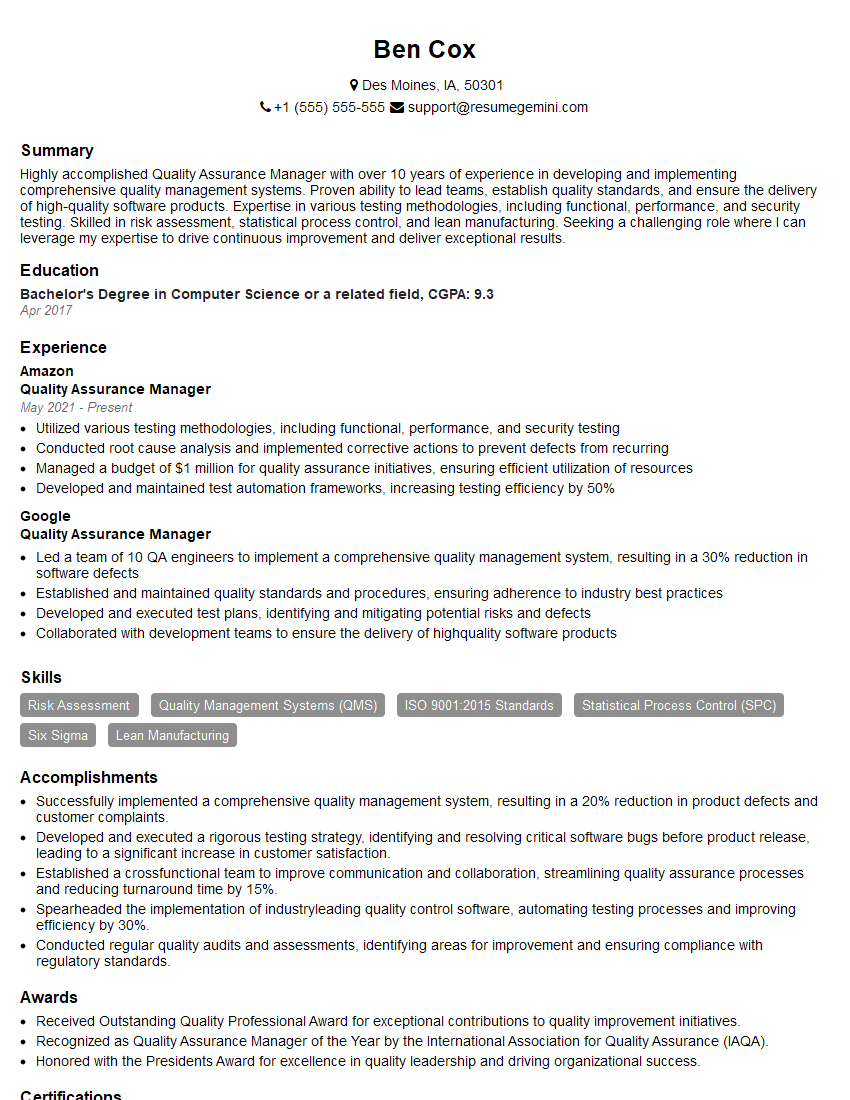
Quality Assurance Manager Resume Sample
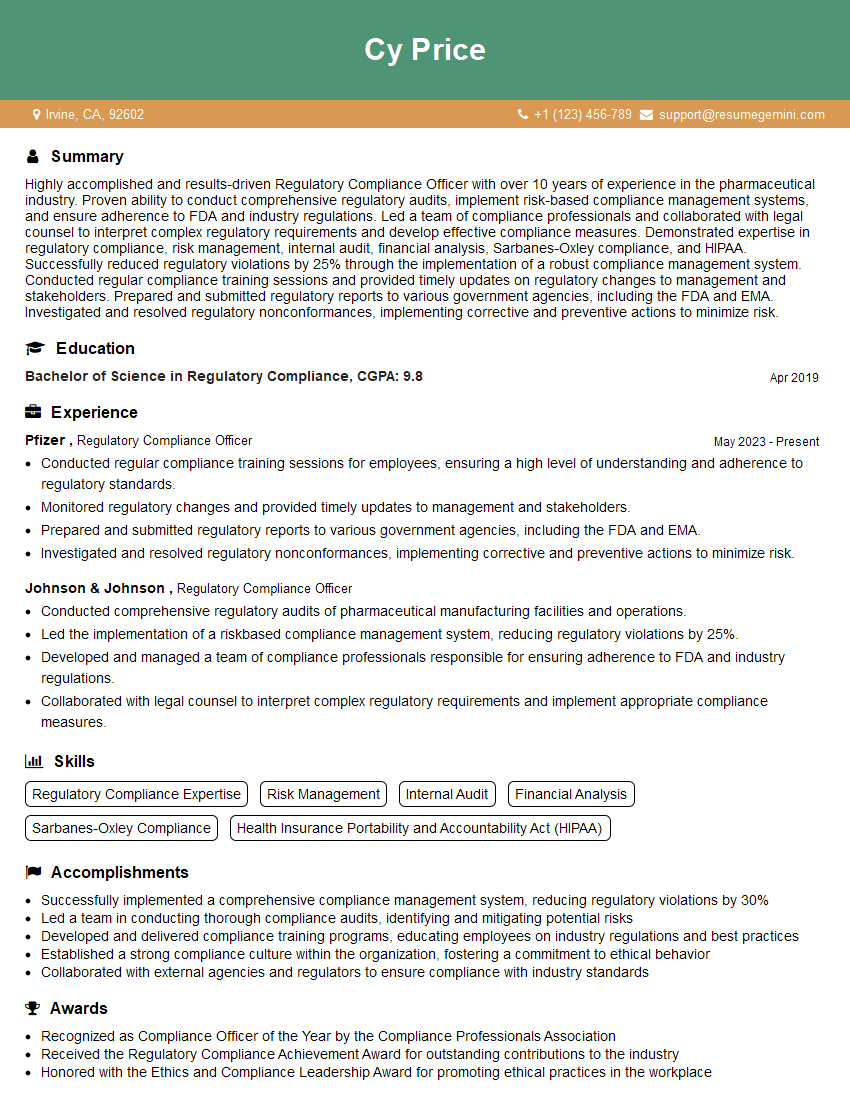
Regulatory Compliance Officer Resume Sample
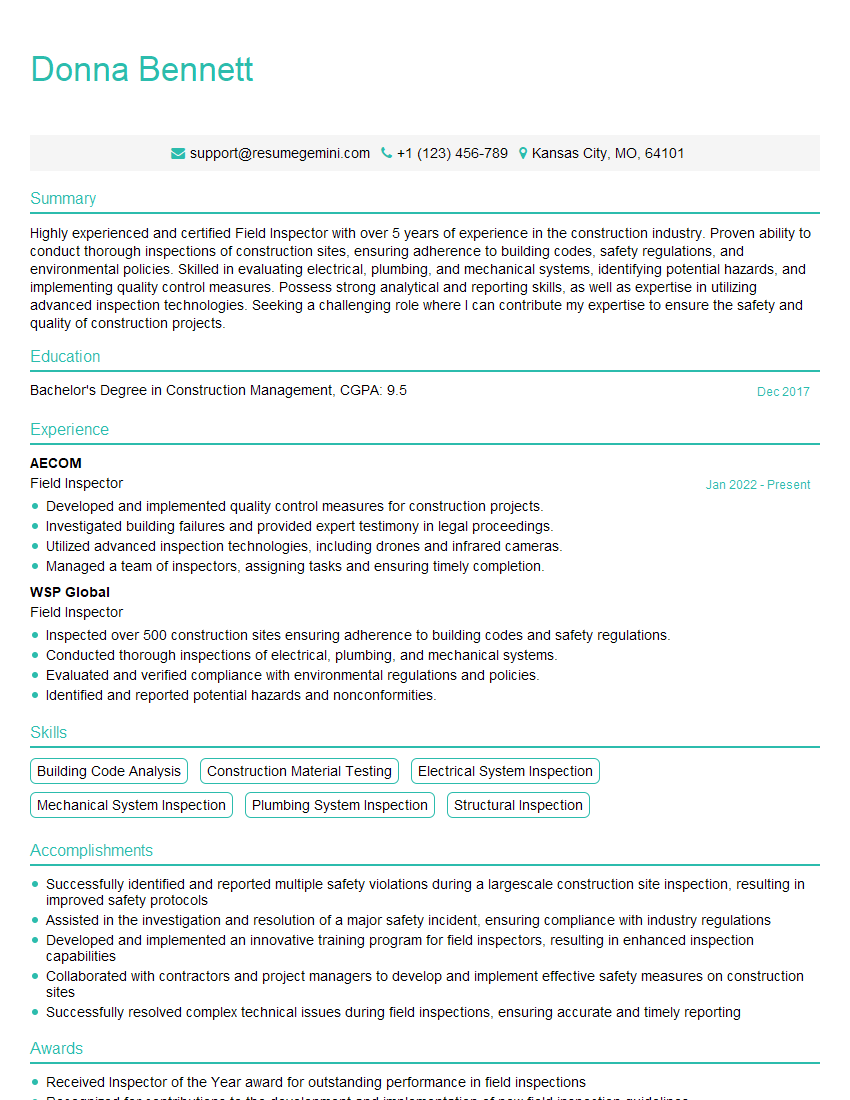
Field Inspector Resume Sample
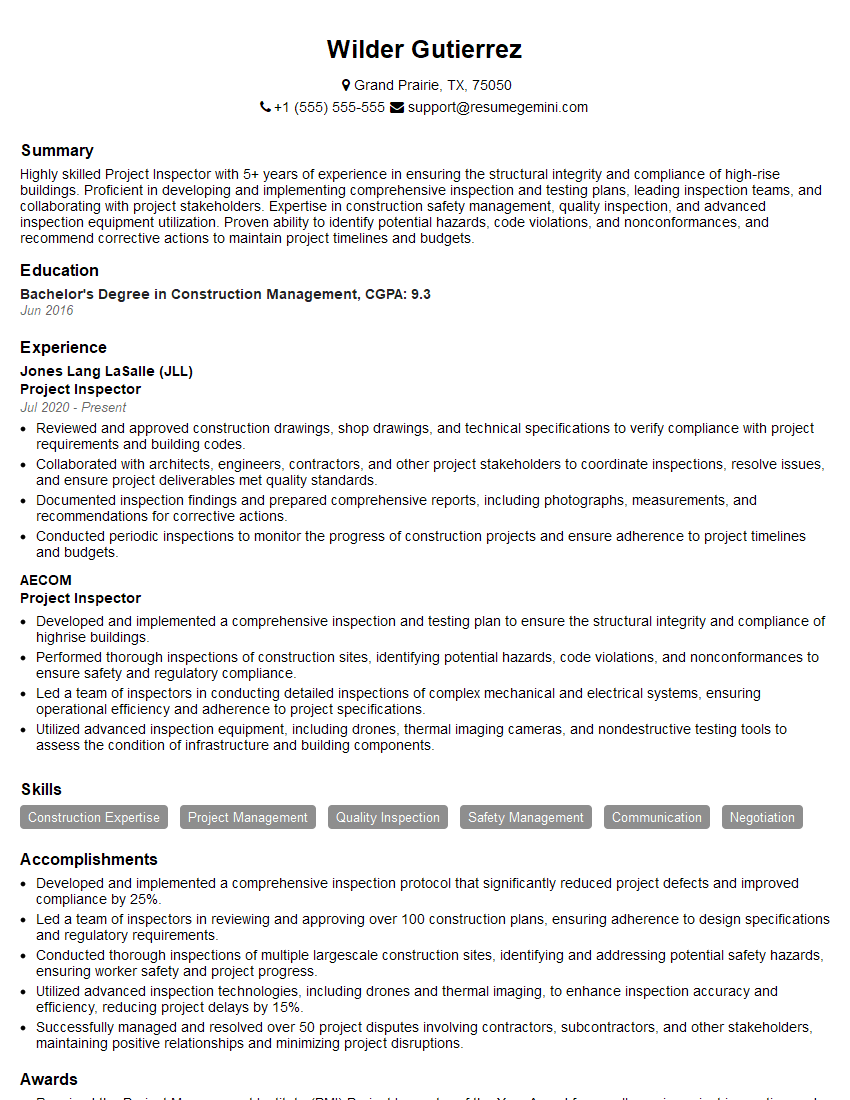
Project Inspector Resume Sample
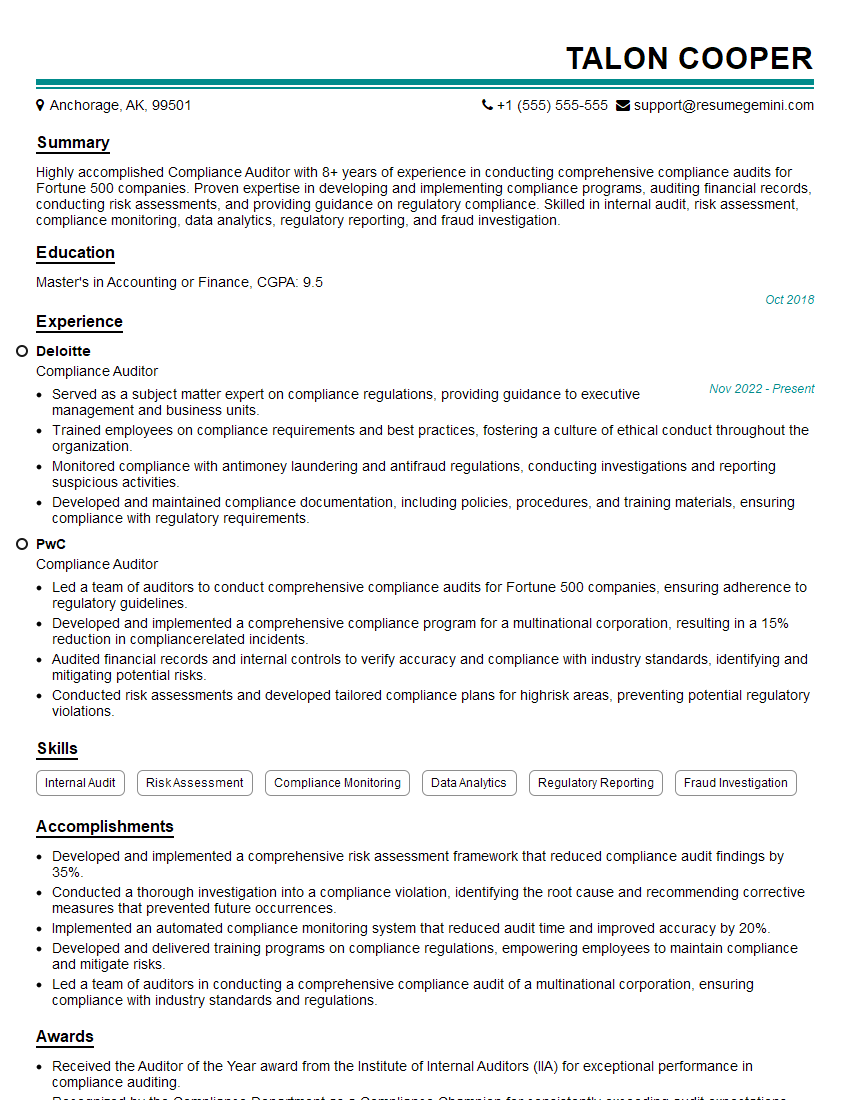
Compliance Auditor Resume Sample
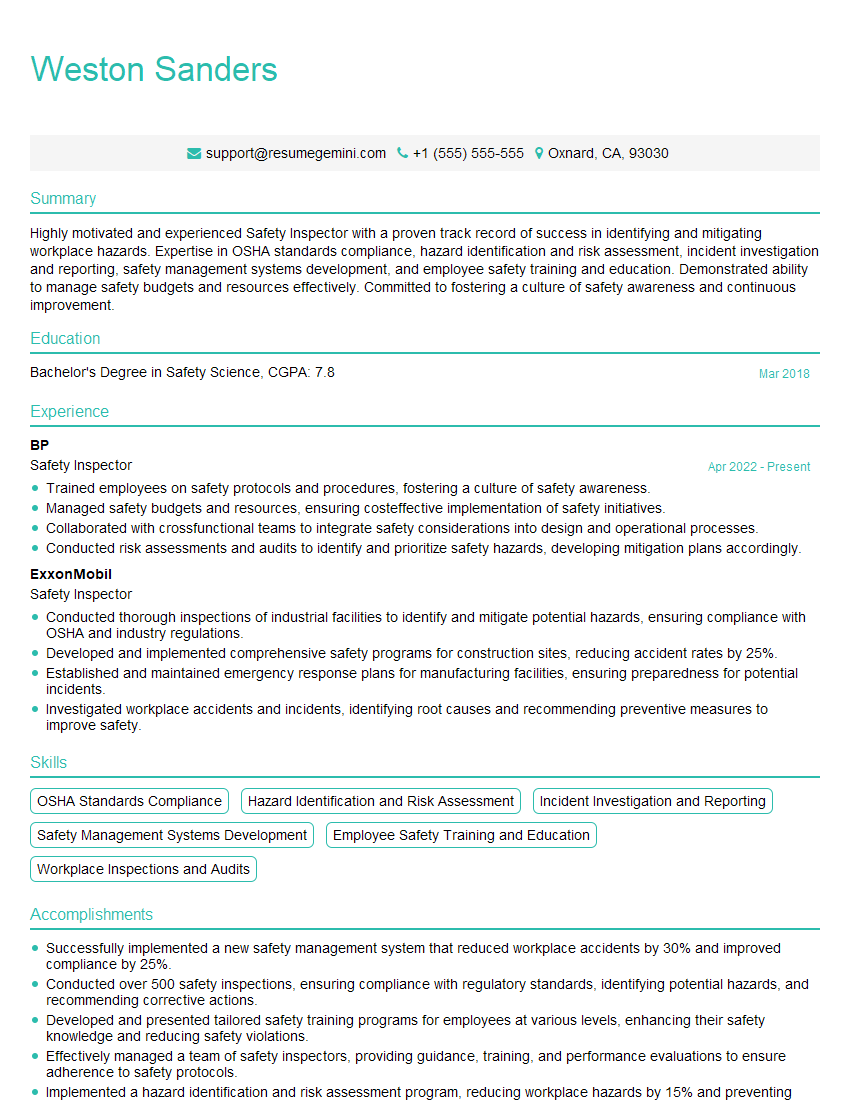
Safety Inspector Resume Sample
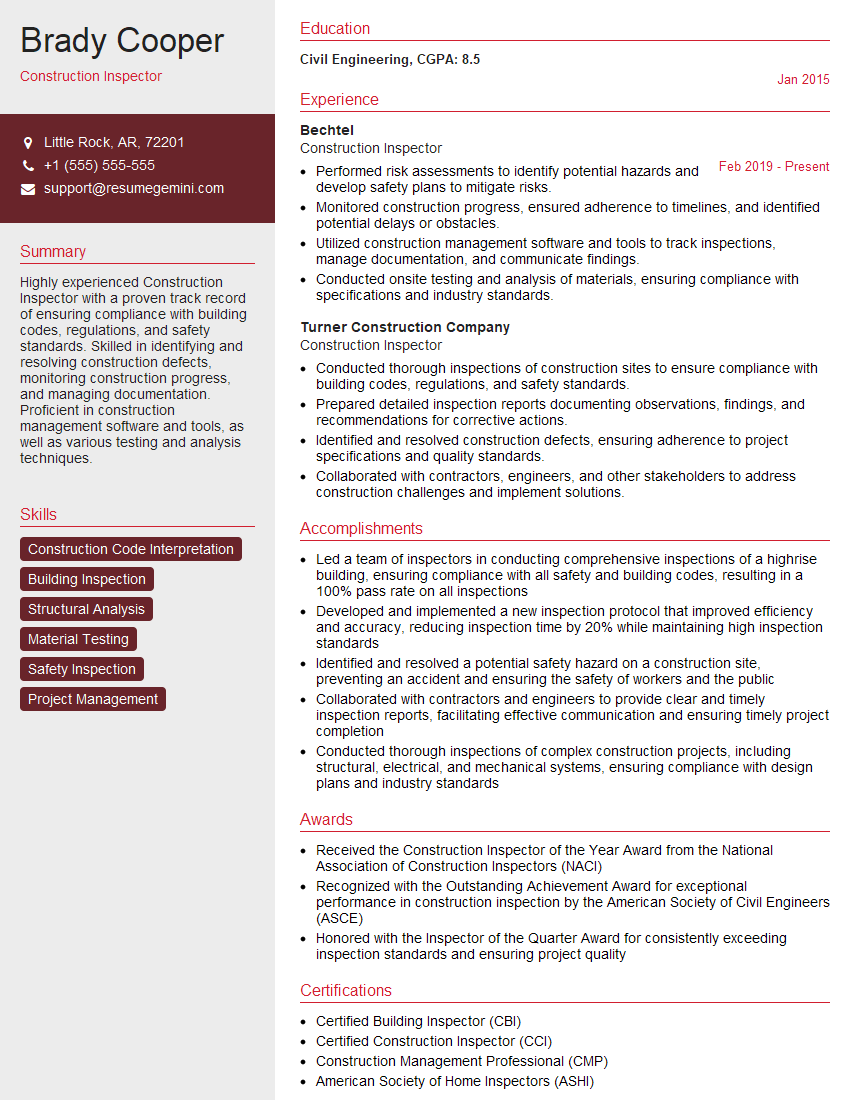
Construction Inspector Resume Sample
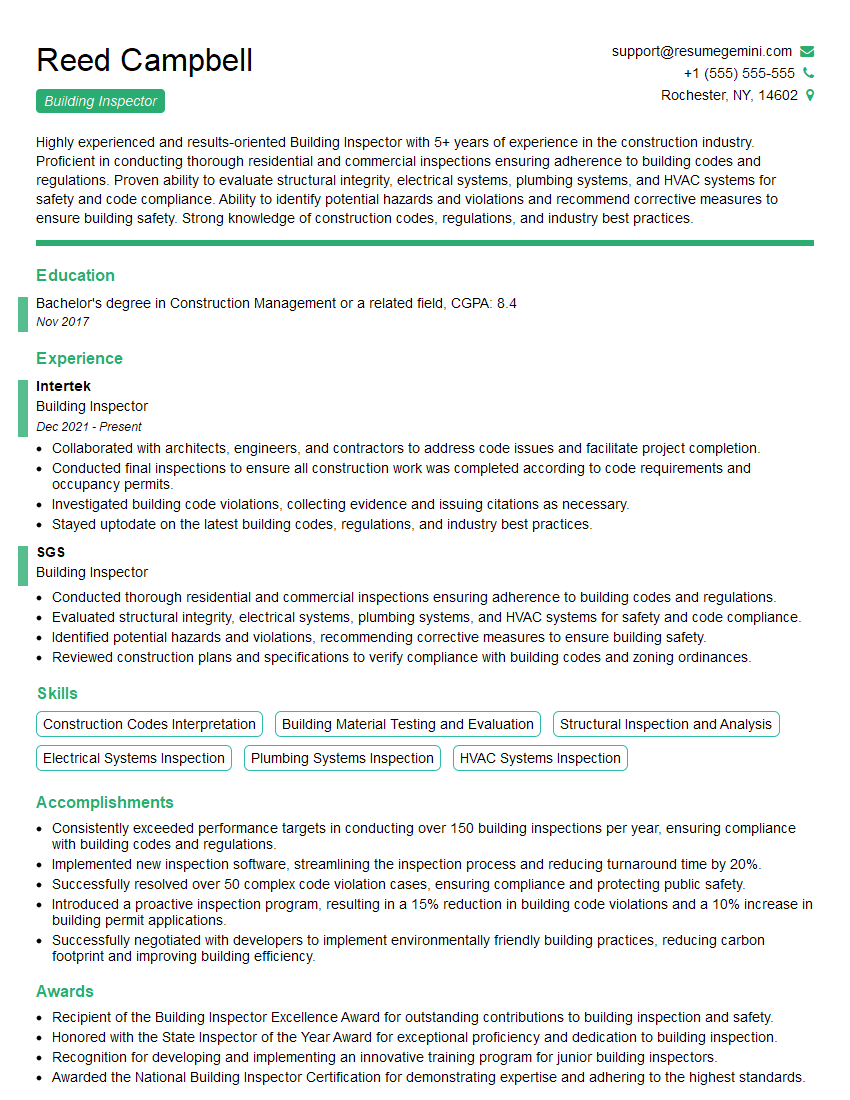
Building Inspector Resume Sample
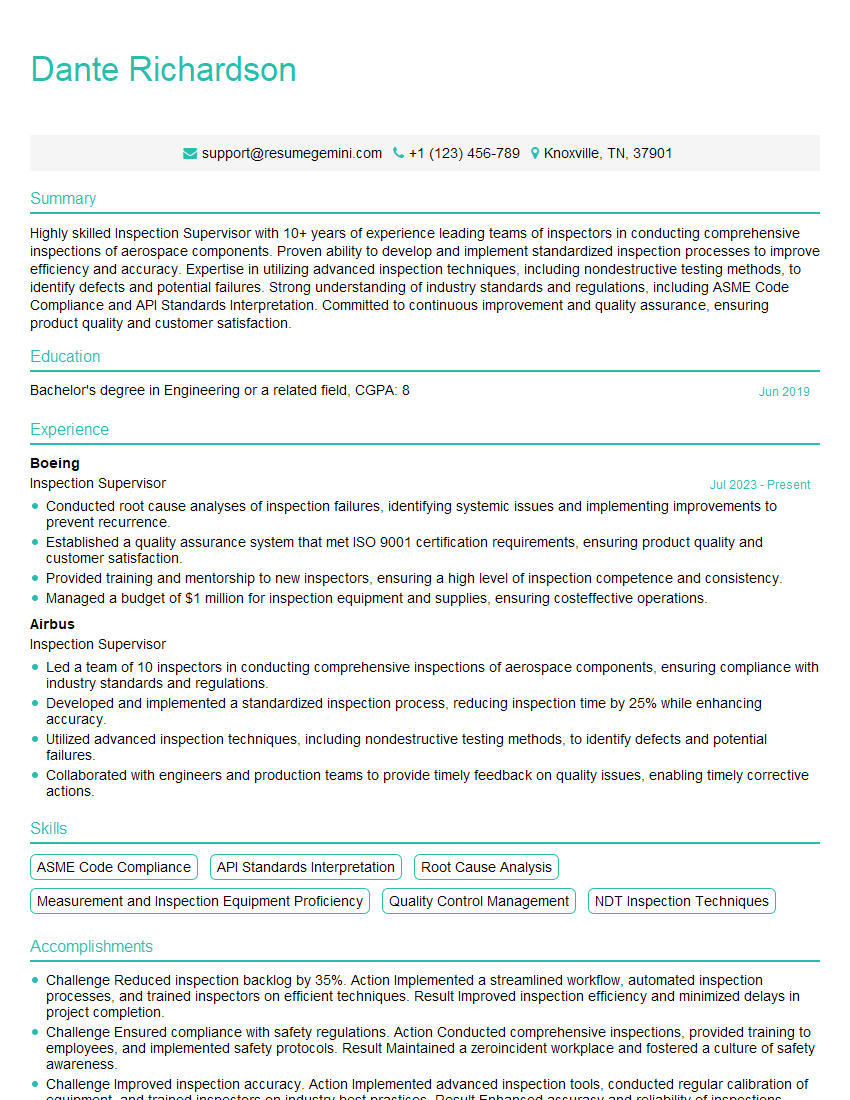
Inspection Supervisor Resume Sample
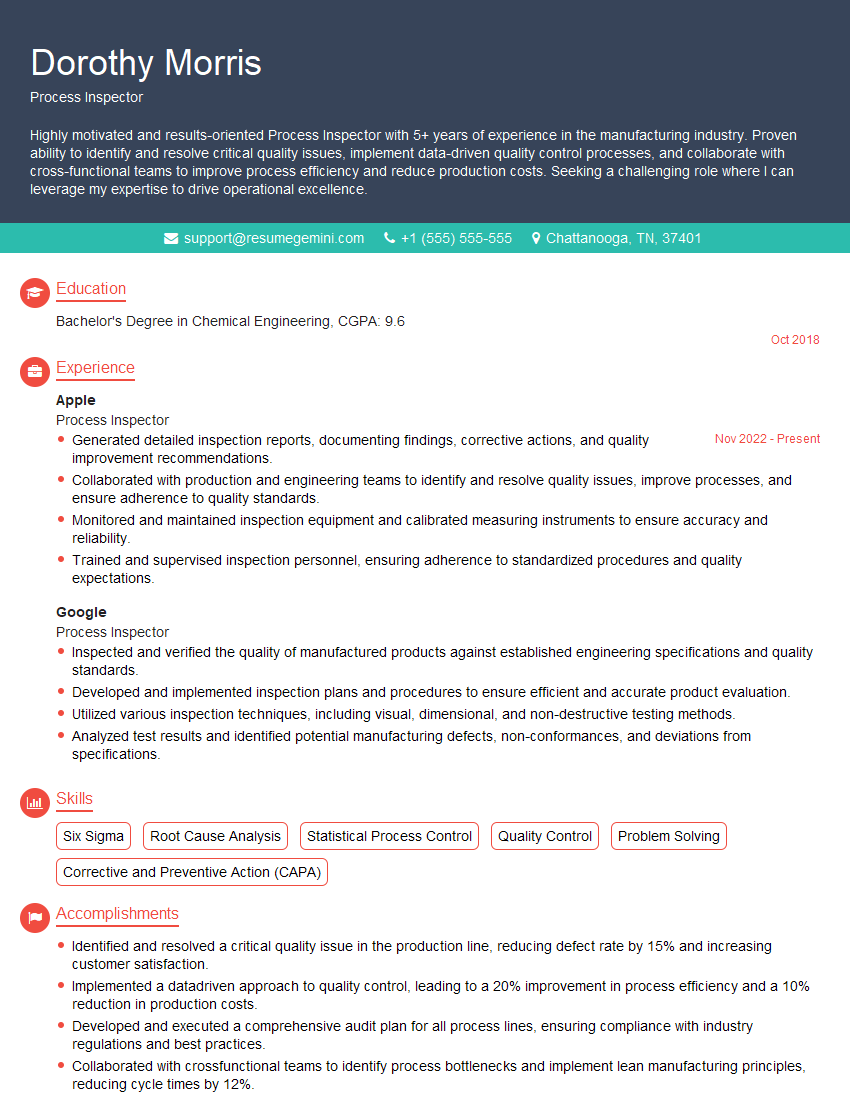
Process Inspector Resume Sample

Quality Control Inspector Resume Sample
Explore more articles
Users Rating of Our Blogs
Share Your Experience
We value your feedback! Please rate our content and share your thoughts (optional).
What Readers Say About Our Blog
Very informative content, great job.
good