Interviews are more than just a Q&A session—they’re a chance to prove your worth. This blog dives into essential PreTrip Inspections interview questions and expert tips to help you align your answers with what hiring managers are looking for. Start preparing to shine!
Questions Asked in PreTrip Inspections Interview
Q 1. What are the key components of a comprehensive pre-trip inspection?
A comprehensive pre-trip inspection is crucial for safety and preventing roadside breakdowns. It’s a systematic check of your vehicle’s major components to ensure everything is functioning correctly before you start your journey. Think of it as a vital health check for your truck.
- Brakes: Checking brake linings, drums/rotors, and lines for leaks or damage.
- Tires: Inspecting tire pressure, tread depth, and condition for cuts or bulges.
- Lights and Signals: Verifying that all lights (headlights, taillights, brake lights, turn signals, hazard lights) are working properly.
- Steering Mechanism: Checking for free movement and play in the steering wheel.
- Wipers and Washers: Ensuring they effectively clear the windshield.
- Fuel System: Inspecting for leaks and checking fuel level.
- Suspension: Looking for signs of damage or leaks in shock absorbers or air springs.
- Exhaust System: Checking for leaks, cracks, or damage.
- Wheels and Rims: Examining for cracks, damage, and proper lug nut tightness.
- Mirrors: Ensuring clear visibility and proper adjustment.
A thorough pre-trip inspection covers far more than just these, depending on the vehicle type and regulations. It’s a preventative measure that can save lives and prevent costly repairs.
Q 2. Describe the proper procedure for checking tire pressure and tread depth.
Proper tire pressure and tread depth checks are fundamental to safe driving. Under-inflated tires can lead to blowouts, while worn treads significantly reduce traction, especially in wet or icy conditions.
Checking Tire Pressure:
- Use a reliable tire pressure gauge. Many gauges are inaccurate. Ensure your gauge is calibrated frequently.
- Locate the recommended tire pressure on the sticker inside the driver’s side doorjamb or in your owner’s manual. This pressure is usually the cold tire pressure.
- Check tire pressure when tires are cold (haven’t been driven for at least three hours). Driving warms the tires, and the pressure will rise.
- Deflate or inflate tires to match the recommended pressure using a reliable air compressor or service station.
Checking Tread Depth:
- Use a tread depth gauge or the penny test (insert a penny into the tread; if you can see Lincoln’s head, the tread is too shallow and needs replacement).
- Check multiple points across the tire’s tread to account for uneven wear.
- Most jurisdictions mandate a minimum tread depth, typically 2/32 of an inch.
Imagine driving with bald tires – it’s like trying to brake on ice! Regular checks prevent accidents.
Q 3. How do you inspect brakes for wear and tear during a pre-trip inspection?
Brake inspection is critical; faulty brakes are a major cause of accidents. A pre-trip brake check should be thorough.
- Visual Inspection: Check brake lines, hoses, and fittings for leaks, cracks, or damage. Look for corrosion or any signs of wear and tear. Remember to always look for brake fluid leaks.
- Brake Lining Check (Drum Brakes): If accessible, visually inspect the brake shoes or pads. They should have sufficient material remaining. Thin linings indicate the need for replacement.
- Brake Pad Check (Disc Brakes): Similarly, inspect the brake pads for thickness. Again, insufficient pad material indicates a need for replacement.
- Brake Drum/Rotor Inspection: Look for scoring, cracks, or excessive wear on the brake drums or rotors.
- Parking Brake: Test the parking brake’s effectiveness. It should hold the vehicle securely on an incline.
If you find any issues, don’t drive the vehicle until they’re resolved. Failing to inspect brakes properly can have catastrophic consequences.
Q 4. Explain the importance of checking lights and signals during a pre-trip inspection.
Checking lights and signals is essential for visibility and safety, especially at night or in low-visibility conditions. Properly functioning lights prevent accidents by ensuring other drivers can see you.
- Headlights: Check both high and low beams. Make sure they’re properly aimed and aren’t clouded or damaged.
- Taillights and Brake Lights: Verify their functionality, checking for both brightness and even illumination. A burnt-out taillight is an accident waiting to happen.
- Turn Signals: Ensure both left and right turn signals operate correctly and are bright enough to be easily visible.
- Hazard Lights: Test the hazard lights to ensure they all flash simultaneously.
- Backup Lights: Check the backup lights to ensure they illuminate when in reverse.
- License Plate Light: Make sure your license plate is properly illuminated.
Think about driving at night without working taillights – you’d be nearly invisible to other drivers. Regular light checks are paramount.
Q 5. What are the steps to inspect the steering mechanism?
Inspecting the steering mechanism ensures safe and controlled handling of the vehicle. A faulty steering system can lead to loss of control.
- Free Play: Gently grab the steering wheel at the 9 and 3 o’clock positions and try to move it back and forth. There should be minimal play (less than 1/2 an inch, typically 1/8 to 1/4 of an inch). Excessive play indicates a problem and requires immediate attention.
- Visual Inspection: Carefully examine the steering linkage, tie rod ends, drag link, and other components for looseness, damage, leaks, or unusual wear. Look for bent or damaged parts.
- Power Steering Fluid (If Applicable): Check the power steering fluid level. If applicable, check for leaks in the system.
- Steering Wheel Movement: Test the steering wheel’s response. It should turn smoothly and easily.
Imagine trying to steer a car with excessive play in the steering wheel – it would be incredibly difficult and dangerous. Regular checks of the steering system are crucial.
Q 6. How do you check the functionality of wipers and washers?
Functional wipers and washers are essential for clear visibility, particularly in rain or snow. Impaired visibility is a major safety hazard.
- Wiper Blades: Ensure the wiper blades are in good condition, free from cracks or damage. Replace worn or damaged blades.
- Wiper Motor Operation: Turn on the wipers; they should move smoothly across the windshield, cleaning effectively. Check all wiper speeds. If they’re not working, there may be issues with the motor or linkage.
- Washer Fluid: Check the washer fluid level and refill as needed. Use appropriate washer fluid for the weather conditions (winter fluid contains antifreeze).
- Washer Spray: Test the washer spray; the fluid should spray onto the windshield effectively.
Picture driving in heavy rain with streaky, ineffective wipers. This is a significant safety concern. Regular checks keep you visible.
Q 7. What are the visual indicators of a fuel leak?
Detecting fuel leaks is critical for safety and environmental protection. Fuel leaks can be dangerous, leading to fires or explosions.
- Visible Fuel: Look for any visible fuel dripping or pooling beneath the vehicle, particularly around the fuel tank, fuel lines, and the engine. A visible fuel leak needs immediate attention.
- Fuel Odor: A strong smell of gasoline or diesel fuel indicates a potential leak, even if you can’t see any fuel.
- Wet or Stained Areas: Check for wet or discolored areas on the ground under the vehicle. Gasoline will leave a rainbow sheen.
- Fuel Gauge Discrepancies: If the fuel gauge shows a significant drop without commensurate driving, it could indicate a leak.
The smell of fuel is a strong warning sign. Always take any fuel leak seriously, and never ignore it. It can mean a dangerous situation.
Q 8. How do you inspect the engine compartment for leaks or damage?
Inspecting the engine compartment for leaks or damage is crucial for preventing breakdowns and ensuring safety. Think of it like a doctor’s checkup for your vehicle’s heart. I start by visually examining all components, looking for anything out of the ordinary.
- Leaks: I check for oil leaks around the engine block, transmission, and differential. I also look for coolant leaks around the radiator, hoses, and water pump. Fluid stains on the ground are a clear indicator, but often a damp or greasy residue is the first sign.
- Damage: I look for signs of damage to belts, hoses, wires, and any other components. This includes checking for cracks, fraying, or anything that looks loose or disconnected. Loose or missing clamps are a major cause of leaks.
- Corrosion: I also check for rust or corrosion, especially on metal parts. Corrosion weakens components and can lead to failure.
If I find any leaks or damage, I note the location and severity in my inspection report. For example, I might write: “Small oil leak from valve cover gasket; advise repair.” This ensures a clear record and facilitates timely repairs.
Q 9. Explain the process for checking the condition of belts and hoses.
Checking belts and hoses is vital because they are critical for the proper functioning of the engine and other systems. Imagine them as the circulatory system of your vehicle. A worn-out belt or hose is like a blocked artery – it can lead to significant problems.
- Visual Inspection: I begin with a visual inspection, looking for cracks, fraying, cuts, or excessive wear. Belts should be free of cracks and have a consistent tension. Hoses should be pliable and free from bulges, soft spots, or leaks. A hard or brittle hose is a major red flag.
- Tension Check (Belts): For belts, I check tension by pressing on them. There should be a slight give, but they shouldn’t be too loose or too tight. A belt that squeals is a sure sign of insufficient tension.
- Squeeze Test (Hoses): For hoses, I gently squeeze them to check for softness or weakness. If a hose feels spongy or easily collapses, it needs to be replaced.
I would document any issues, for instance, “Driver’s side serpentine belt shows significant cracking – recommend replacement.” This precise documentation is key for maintenance scheduling and safety.
Q 10. How do you ensure the proper operation of the horn?
Ensuring the horn functions correctly is a safety check, a vital part of preventing accidents. A simple test makes all the difference in ensuring you can alert other drivers to your presence.
My procedure is straightforward: I simply press the horn button. If it sounds clearly and consistently, it passes the inspection. If it’s weak, intermittent, or doesn’t sound at all, it needs immediate attention and should be reported. A faulty horn can lead to a dangerous situation, especially during emergencies.
Q 11. What is your procedure for checking the mirrors and their adjustment?
Proper mirror adjustment is crucial for maintaining a safe following distance and preventing collisions. Think of your mirrors as your eyes on the road, extending your field of vision. You need clear and comprehensive vision.
- Adjustment: I adjust the mirrors to minimize blind spots. I usually start by adjusting the driver’s side mirror to see a small portion of the driver’s side of the vehicle. The passenger side mirror is adjusted to provide a wider field of view. I ensure that I can clearly see the vehicles behind and alongside me.
- Cleanliness: I clean the mirrors to ensure clear visibility. Even a slight film of dirt can significantly impair vision.
- Securing: I check to make sure that the mirrors are securely attached and won’t vibrate or shake excessively.
I’ll document any issues like cracked mirrors or improper adjustment. For example, “Passenger-side mirror needs adjustment to eliminate blind spot.” Clear and concise documentation is essential.
Q 12. What are the signs of suspension system problems?
The suspension system is critical for maintaining vehicle stability and control. A damaged suspension system can compromise safety. Think of it as the vehicle’s shock absorber.
- Leaks: Inspecting shock absorbers and struts for leaks is crucial. Leaking fluid is a clear indication of damage.
- Bounce Test: I perform a bounce test by pressing down firmly on each corner of the vehicle. Excessive bouncing or slow return indicates worn-out shocks or struts.
- Uneven Wear on Tires: Uneven tire wear can be an indication of suspension problems. Unusual tire wear patterns necessitate attention to the suspension system.
- Steering Wheel Wobble: A shaking or wobbling steering wheel at high speeds is another symptom of suspension issues.
- Noises: Grinding or knocking sounds when driving over bumps suggest that there may be an issue within the suspension.
For example, I would report: “Excessive bouncing in rear suspension; possible worn shock absorbers.” This allows for quick identification and resolution of the problem.
Q 13. How do you check the emergency equipment (e.g., fire extinguisher, warning triangles)?
Emergency equipment is vital for safety in case of unforeseen circumstances. Regular checks ensure that you are prepared for any eventuality.
- Fire Extinguisher: I check the pressure gauge on the fire extinguisher to ensure that it’s adequately charged. I also check the expiration date.
- Warning Triangles or Flares: I verify that the warning triangles or flares are present, in good condition, and easily accessible.
- First-Aid Kit: Depending on regulations, I also inspect the first-aid kit to check contents and expiration dates.
- Spare Tire and Tools: I will ensure that the spare tire is properly inflated and tools are available and in good working order.
Any deficiencies, like an expired fire extinguisher or missing warning triangles, are clearly documented. For example: “Fire extinguisher pressure gauge below minimum; requires recharging.” This ensures that corrective actions can be taken promptly.
Q 14. What are the legal requirements for pre-trip inspections in your area?
Legal requirements for pre-trip inspections vary by region and are usually defined by local transport authorities and/or federal regulations. It’s imperative to be aware of all regulations in your area as non-compliance leads to penalties.
Generally, these requirements mandate a thorough inspection of critical safety features before every trip. This often includes a comprehensive checklist covering brakes, lights, tires, steering, and other safety-related aspects. Specific requirements will be detailed in the relevant regulations and may encompass aspects such as logging the inspection details, using a standardized checklist, and demonstrating a thorough understanding of vehicle maintenance and safety. It’s crucial to consult and adhere to the specific rules and regulations governing your area of operation.
Failure to comply with these regulations can result in fines and other penalties. It is highly recommended that you familiarize yourself with the updated regulations specific to your area.
Q 15. Describe a situation where you discovered a significant safety issue during a pre-trip inspection.
During a pre-trip inspection of a tractor-trailer, I discovered a significant amount of brake fluid leakage around the rear driver-side wheel. This is a critical safety issue because brake failure could lead to a serious accident. The puddle was sizeable, indicating a substantial leak, not just a minor seep.
This was particularly concerning because the truck was scheduled for a long-haul delivery and a brake failure at highway speeds could have catastrophic consequences. The visible leakage indicated a potential problem with the brake lines or the master cylinder itself – both requiring immediate attention.
Career Expert Tips:
- Ace those interviews! Prepare effectively by reviewing the Top 50 Most Common Interview Questions on ResumeGemini.
- Navigate your job search with confidence! Explore a wide range of Career Tips on ResumeGemini. Learn about common challenges and recommendations to overcome them.
- Craft the perfect resume! Master the Art of Resume Writing with ResumeGemini’s guide. Showcase your unique qualifications and achievements effectively.
- Don’t miss out on holiday savings! Build your dream resume with ResumeGemini’s ATS optimized templates.
Q 16. How did you handle the situation?
Immediately, I reported the brake fluid leak to my supervisor and documented the finding with photos and a detailed description in the pre-trip inspection report. I clearly stated the severity of the issue and its potential impact on safety. The truck was immediately taken out of service. The maintenance team was called, and a mechanic thoroughly inspected the braking system. They confirmed the leak and determined it needed an immediate repair before the vehicle could be put back into operation. I didn’t drive the truck until it was fully repaired and passed another inspection.
This adherence to procedure ensures both my safety and the safety of the public. Ignoring such a defect would have been reckless and irresponsible.
Q 17. What is your understanding of DOT regulations regarding pre-trip inspections?
My understanding of DOT regulations regarding pre-trip inspections is comprehensive. The Federal Motor Carrier Safety Administration (FMCSA) mandates that drivers conduct thorough pre-trip inspections before each trip to ensure vehicle safety and compliance. These regulations cover a wide range of vehicle components, including brakes, tires, lights, steering, wipers, and more. Specific regulations outline the necessary inspection steps and documentation requirements. Failure to conduct a proper inspection can result in fines, vehicle impoundment, and other penalties.
The regulations are designed to prevent accidents and promote highway safety. The detailed checklist ensures nothing is overlooked, which is crucial for avoiding major safety hazards.
Q 18. What is the importance of documenting pre-trip inspections?
Documenting pre-trip inspections is paramount for several reasons. First, it provides a record of the vehicle’s condition before each trip, demonstrating due diligence and compliance with DOT regulations. Second, it serves as a crucial piece of evidence in case of accidents or mechanical failures. A well-maintained logbook can help determine if a pre-existing condition contributed to an incident. Third, documentation helps track maintenance needs, allowing for proactive repairs and reducing downtime. This prevents minor problems from escalating into major safety hazards.
Thorough documentation acts as a legal shield and a critical tool for preventative maintenance.
Q 19. How do you prioritize repairs or maintenance issues identified during an inspection?
Prioritizing repairs or maintenance issues identified during an inspection is based on safety risk. Critical safety concerns, such as brake issues, steering problems, or tire damage, are always addressed immediately. These issues prevent operation of the vehicle until fixed. Less critical issues, such as minor cosmetic damage or routine maintenance, are scheduled for repair or servicing as soon as reasonably possible, according to established company protocols and urgency.
I use a system that prioritizes repairs based on a risk assessment matrix, categorizing each issue by severity and potential impact on safety and operational efficiency.
Q 20. How familiar are you with different types of vehicles and their specific inspection requirements?
I’m familiar with inspecting various vehicle types, including tractor-trailers, box trucks, straight trucks, and vans. Each vehicle type has its own set of unique inspection requirements. For example, tractor-trailer inspections require a more in-depth examination of coupling systems, air brakes, and other components specific to large commercial vehicles. Smaller vehicles might have simpler inspection needs, but the overall principle of a thorough check remains constant. My experience has provided me with the knowledge and skills to conduct comprehensive inspections on various types of vehicles, adhering to all applicable safety regulations and best practices.
This adaptability is crucial, as I might work with a fleet that includes a variety of vehicles.
Q 21. How would you handle a situation where you are pressed for time to complete a pre-trip inspection?
If pressed for time, I would never compromise the thoroughness of the pre-trip inspection. I would prioritize the most critical safety aspects first, focusing on brakes, tires, lights, and steering. I’d then quickly assess other critical areas, such as fuel levels, fluid leaks, and any visible damage. While a complete inspection might be impossible under extreme time constraints, I’d make sure to address the most critical safety components before operating the vehicle. It’s better to delay departure than to risk an accident.
I would also communicate the time constraints to my supervisor, explaining the situation and ensuring they are aware of the abbreviated inspection.
Q 22. Explain your experience using electronic pre-trip inspection systems.
My experience with electronic pre-trip inspection systems spans several years and various platforms. I’m proficient in using tablet-based applications and integrated vehicle diagnostic systems. These systems allow for a more efficient and accurate recording of the inspection process. For example, I’ve used systems where I can digitally photograph defects, automatically timestamp entries, and generate reports instantly. This eliminates the need for manual paperwork and significantly reduces the chance of human error. One particular system I’m familiar with allows for customized checklists based on vehicle type and even incorporates GPS data to track location during the inspection. This feature is crucial for auditing and accountability. I’m also experienced in using systems that integrate directly with maintenance scheduling software, automatically flagging repairs and ensuring timely attention to safety concerns.
Q 23. What is your approach to staying up-to-date with changes in safety regulations and best practices?
Staying current with safety regulations and best practices is paramount. My approach is multi-faceted. I actively subscribe to industry publications such as those from the FMCSA (Federal Motor Carrier Safety Administration) and attend regular safety training seminars, both online and in-person. I also actively participate in professional organizations related to transportation safety, attending webinars and conferences to learn about new technologies and evolving regulations. Furthermore, I maintain a network of colleagues within the industry, exchanging best practices and insights on recent updates. This collaborative approach ensures that I am always aware of the latest standards and any changes that might affect my pre-trip inspections.
Q 24. What resources do you use to ensure you maintain a high level of competency in pre-trip inspections?
Maintaining a high level of competency relies on a combination of resources. My primary resource is the official driver’s manual and relevant regulations provided by the FMCSA. I regularly review these documents to refresh my understanding of safety requirements. Beyond the official documentation, I utilize online training modules offered by various reputable organizations. These modules often include interactive exercises and simulations to reinforce my knowledge and skills. Moreover, I actively seek out opportunities to participate in hands-on training sessions, focusing on specific areas like advanced diagnostic techniques or identifying subtle signs of vehicle malfunction. This blend of theoretical knowledge and practical application ensures I remain highly proficient in my role.
Q 25. How do you ensure the accuracy and completeness of your pre-trip inspection reports?
Accuracy and completeness are non-negotiable. For electronic systems, I meticulously follow the digital checklist, ensuring each item is thoroughly inspected and correctly documented. I utilize photos and videos to provide visual evidence of any defects, minimizing ambiguity. For manual reports, I use a standardized checklist to maintain consistency, and I double-check my entries before submission. In both cases, my approach is to prioritize thoroughness: if I’m unsure about something, I seek clarification from a supervisor or mechanic before finalizing the report. This meticulous approach significantly reduces errors and ensures that maintenance issues are accurately conveyed.
Q 26. How do you communicate any maintenance or repair needs to the appropriate personnel?
Communicating maintenance or repair needs is a structured process. I use the reporting features within the electronic pre-trip inspection system, or submit detailed written reports if necessary. This documentation includes clear descriptions of the problem, its location on the vehicle, and the urgency of repair, using standardized terminology for effective communication. I always directly communicate the findings to the designated maintenance personnel, whether it’s via email, a digital message within the system, or an in-person handover. I follow up to ensure that the issue is acknowledged and scheduled for repair, and maintain a record of all communication regarding the issue. The goal is clear, timely, and efficient communication to ensure the vehicle is promptly returned to a safe operating condition.
Q 27. Describe a time you had to make a difficult decision regarding vehicle safety.
During a pre-trip inspection, I noticed significant wear and tear on a tire, but it was just below the minimum acceptable tread depth. Replacing it would mean delaying the shipment significantly. My decision was to prioritize safety over the delivery schedule. I documented the tire’s condition thoroughly with photos, and I communicated my concerns to my supervisor and the dispatch team. We decided to proceed with a tire change, resulting in a short delay, but ensuring the safety of the driver and the cargo. This decision reinforced the importance of adhering to safety protocols, even when faced with logistical pressures.
Q 28. How do you contribute to a positive safety culture within your team?
I contribute to a positive safety culture by consistently modeling safe behaviors, participating in safety discussions, and offering training to my colleagues. I proactively share my knowledge and expertise on pre-trip inspections, emphasizing the importance of attention to detail and thoroughness. I actively participate in safety meetings, providing insights and contributing to discussions on improving safety protocols. Moreover, I encourage open communication, ensuring that everyone feels comfortable reporting safety concerns without fear of reprisal. By fostering a culture of mutual respect and shared responsibility for safety, we create a safer work environment for everyone involved.
Key Topics to Learn for PreTrip Inspections Interview
- Vehicle Systems Knowledge: Understanding the function and operation of major vehicle components (brakes, tires, lights, steering, engine, etc.) and how to identify potential issues during a pre-trip inspection.
- Practical Inspection Techniques: Mastering the proper techniques for visually inspecting and physically checking each component, including using tools where necessary (e.g., checking tire pressure, inspecting fluid levels).
- DOT Regulations and Compliance: Familiarity with relevant Department of Transportation (DOT) regulations regarding pre-trip inspections and the consequences of non-compliance.
- Documentation and Reporting: Knowing how to accurately and thoroughly document inspection findings, including using standardized forms or electronic logging systems.
- Safety Procedures and Risk Mitigation: Understanding safety protocols during inspections and how to identify and mitigate potential hazards.
- Troubleshooting and Problem-Solving: Ability to diagnose simple mechanical issues identified during the inspection and understanding the appropriate course of action (e.g., reporting the issue, seeking immediate repair).
- Emergency Procedures: Knowledge of emergency procedures in the event of an unexpected mechanical failure or safety concern during operation.
- Preventive Maintenance: Connecting pre-trip inspections to preventative maintenance strategies and recognizing potential issues before they escalate into major problems.
Next Steps
Mastering pre-trip inspections demonstrates a commitment to safety and operational efficiency, significantly enhancing your value to any transportation company. This skill is highly sought after, opening doors to more rewarding roles and career advancement opportunities. To maximize your job prospects, it’s crucial to present your skills effectively. Creating an ATS-friendly resume is essential for getting your application noticed. We recommend using ResumeGemini, a trusted resource for building professional resumes, to craft a compelling document that highlights your expertise in pre-trip inspections. Examples of resumes tailored to PreTrip Inspections roles are available to help guide you.
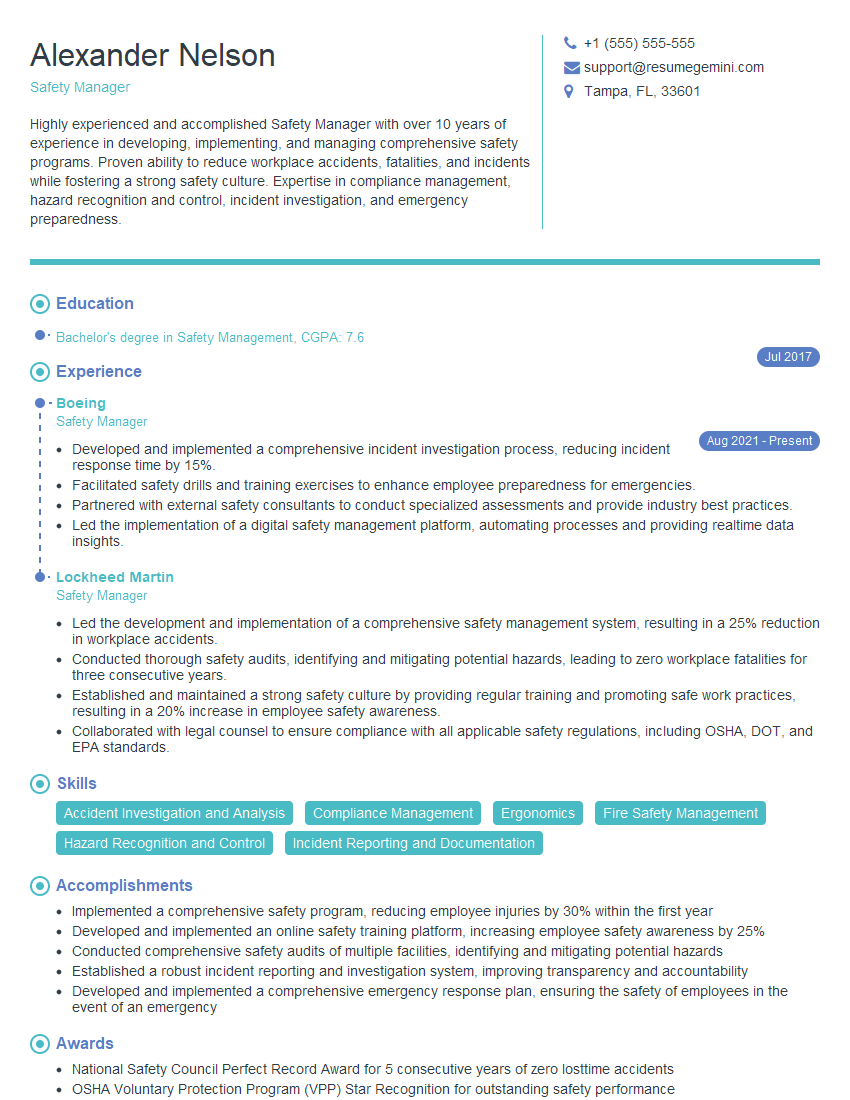
Safety Manager Resume Sample
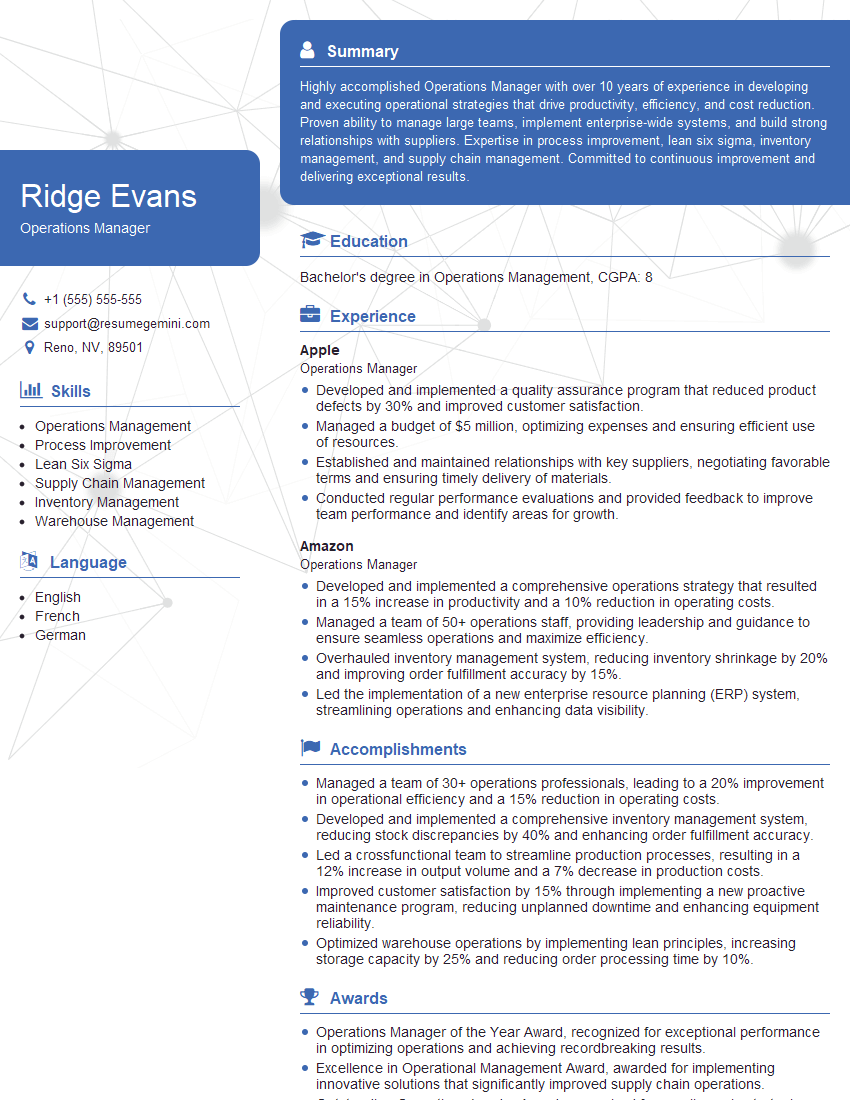
Operations Manager Resume Sample
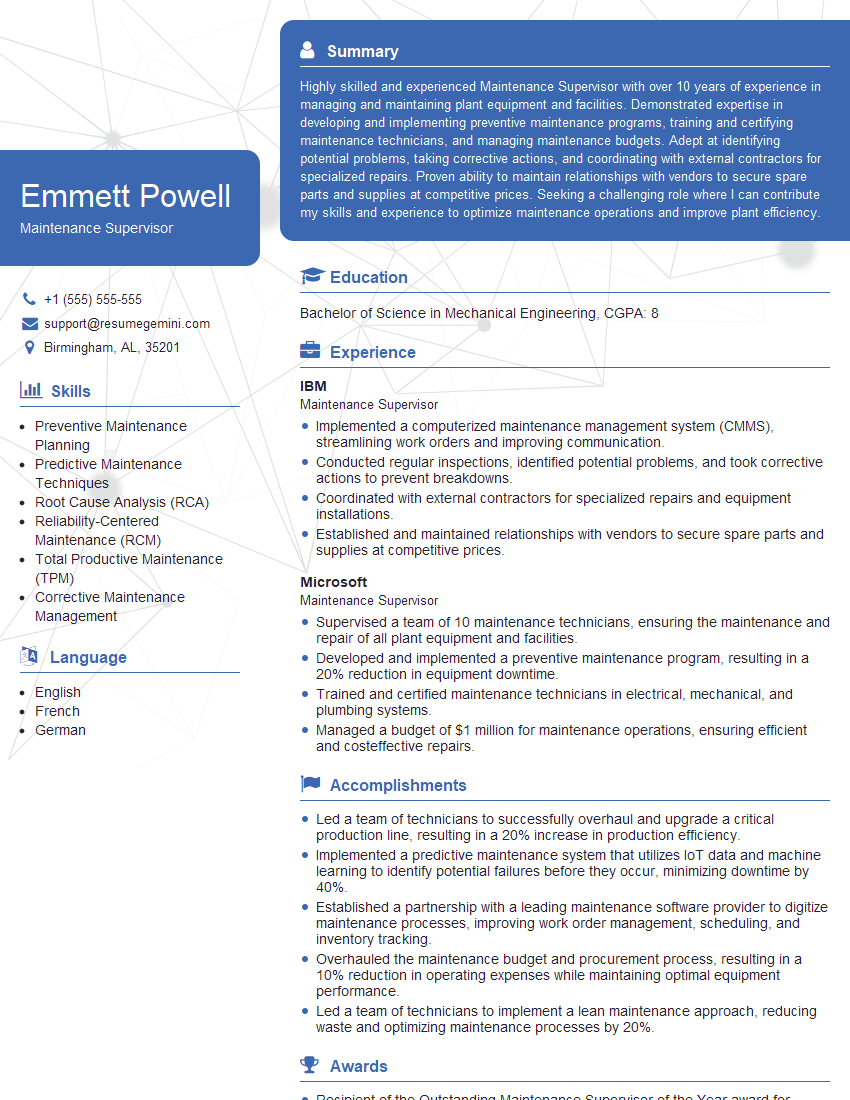
Maintenance Supervisor Resume Sample
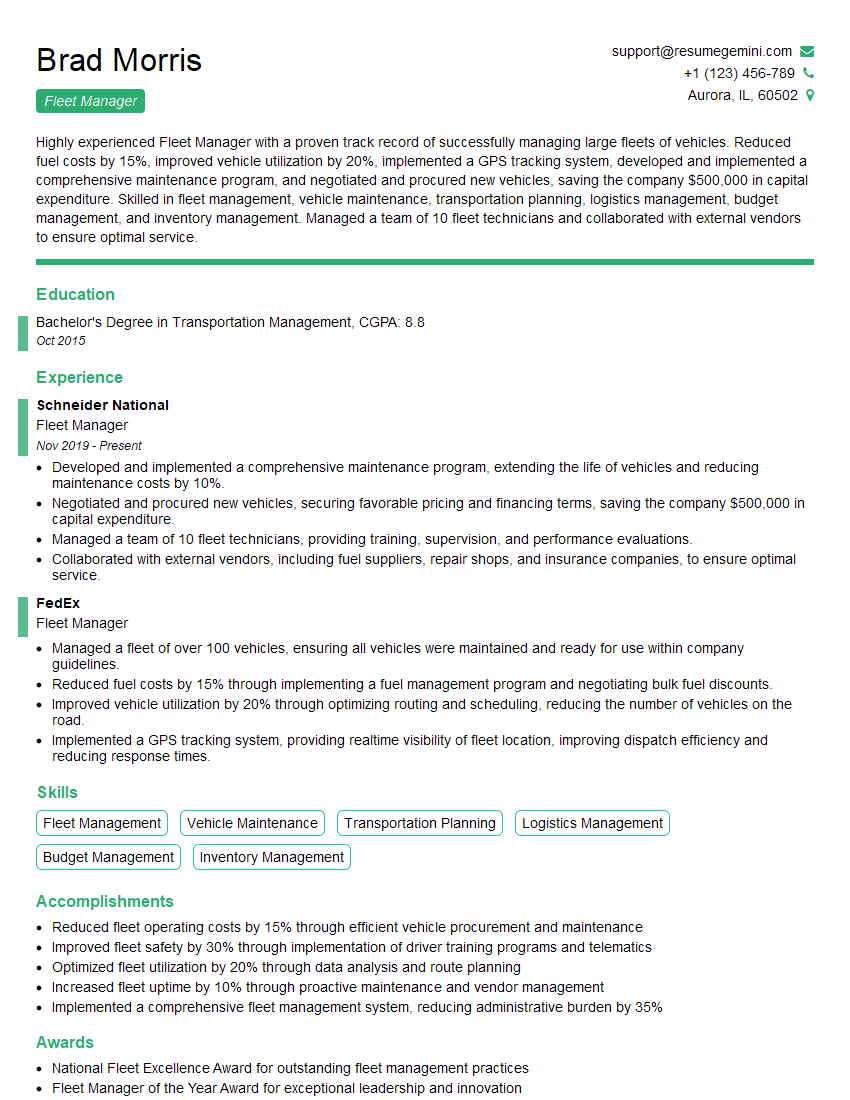
Fleet Manager Resume Sample
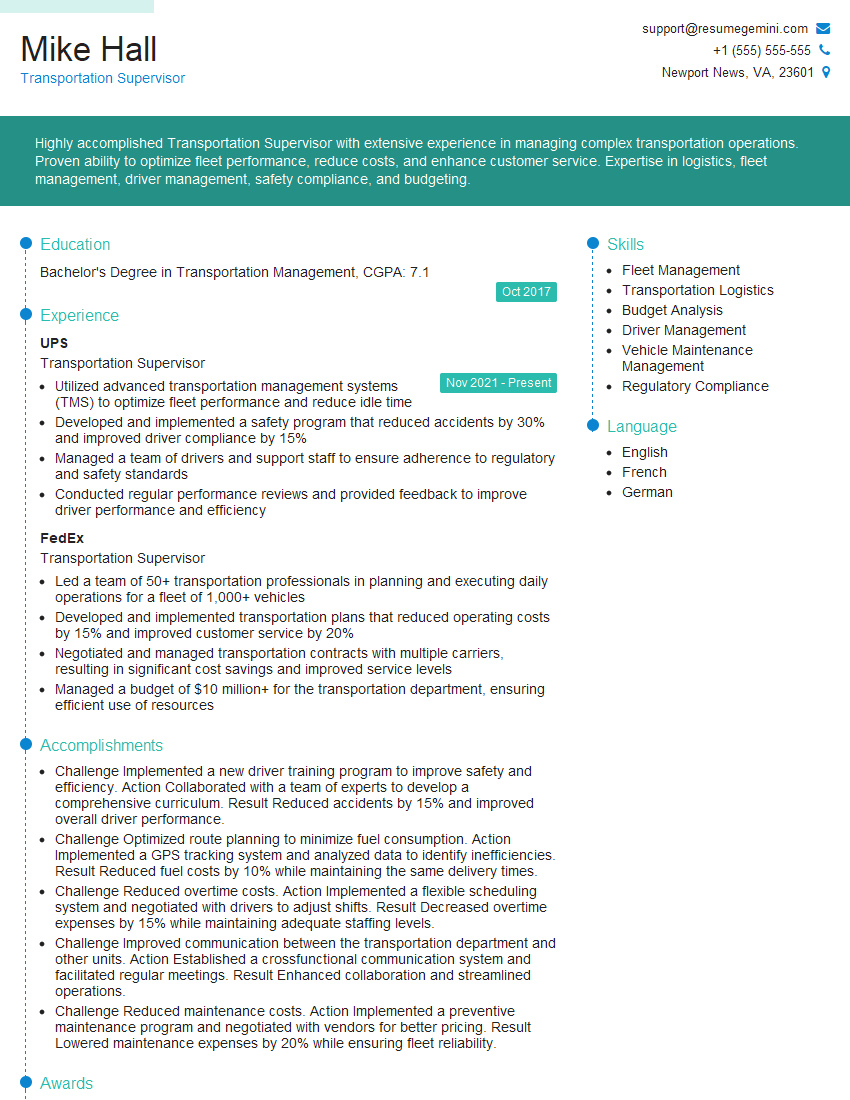
Transportation Supervisor Resume Sample
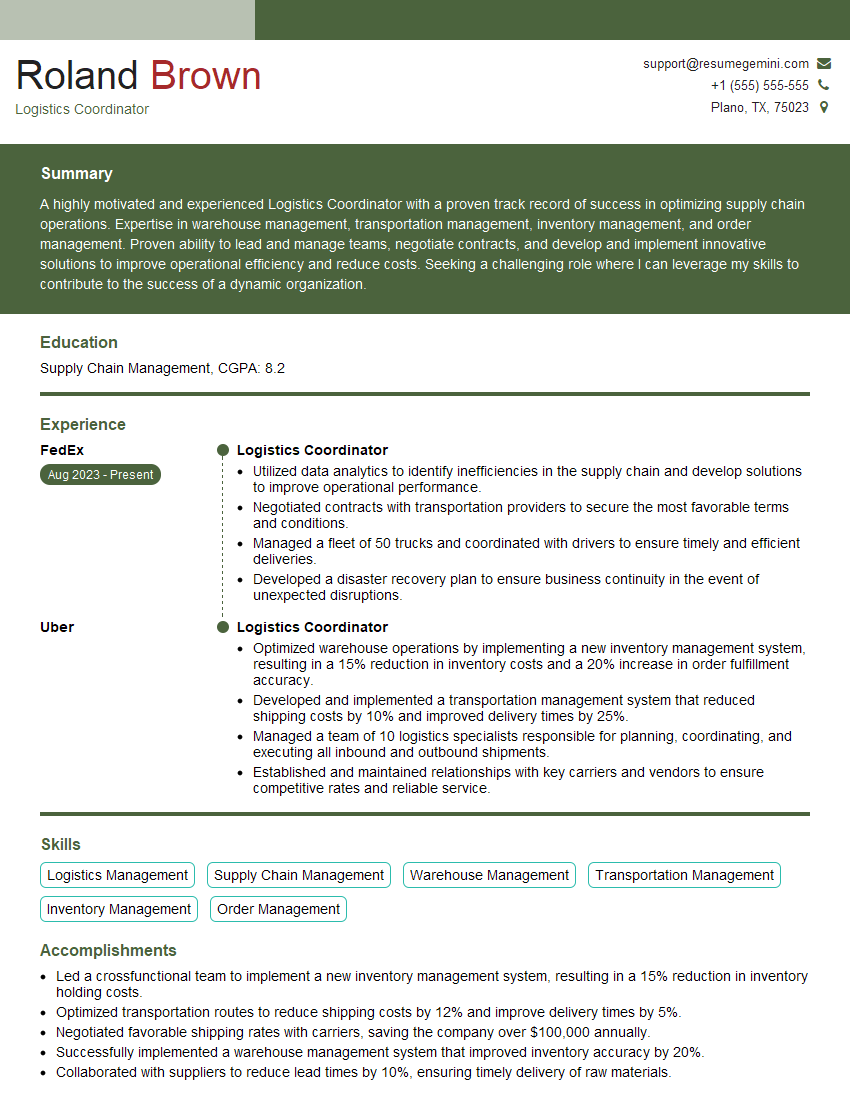
Logistics Coordinator Resume Sample
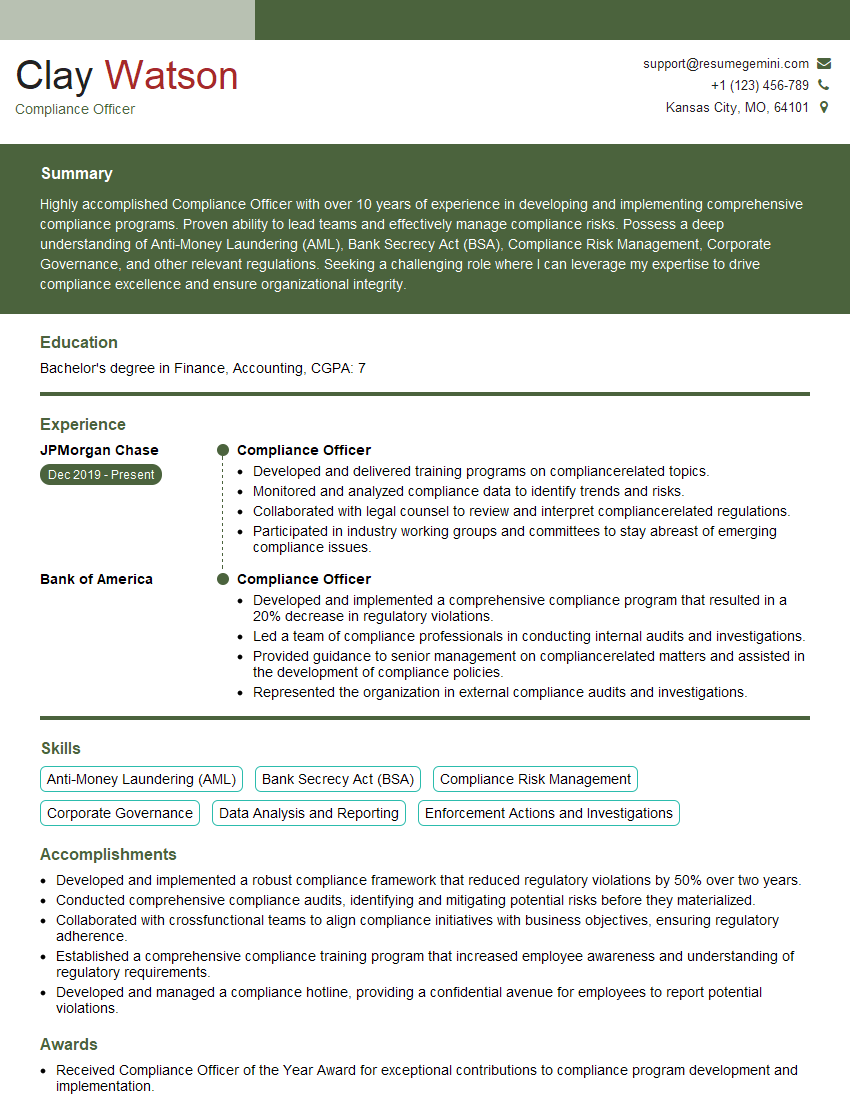
Compliance Officer Resume Sample
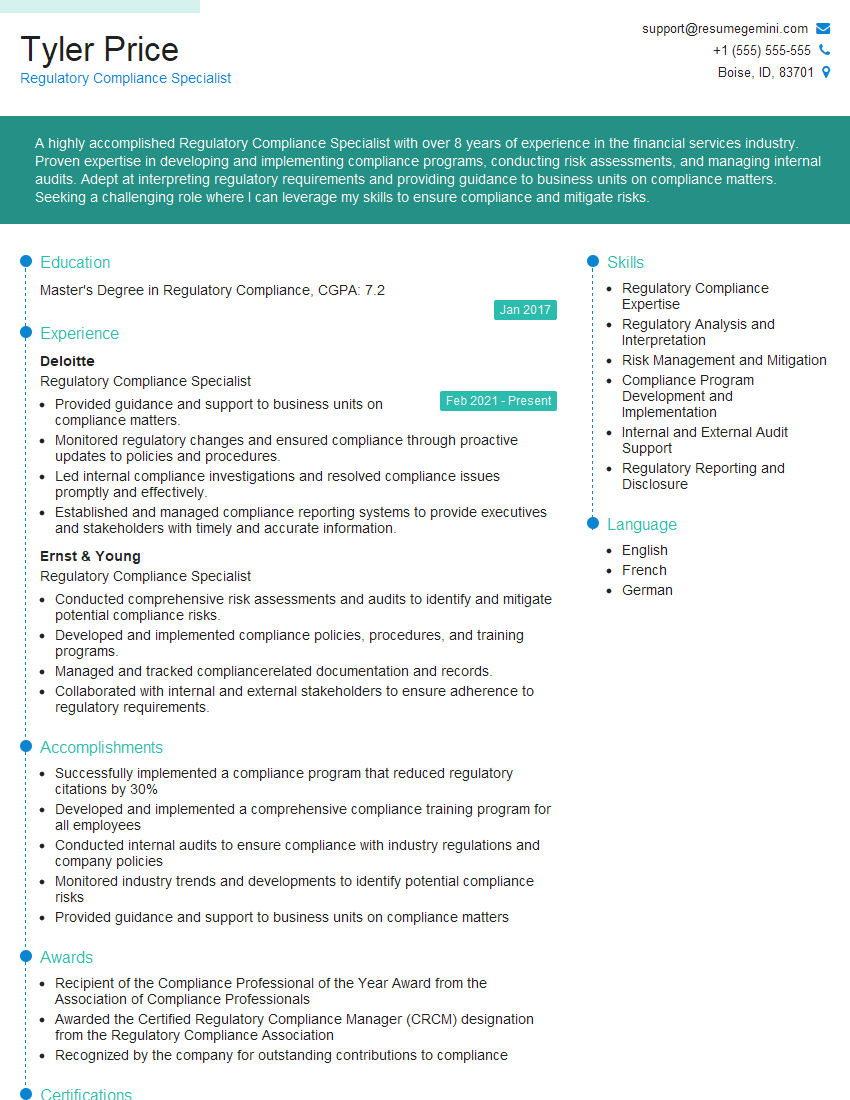
Regulatory Compliance Specialist Resume Sample
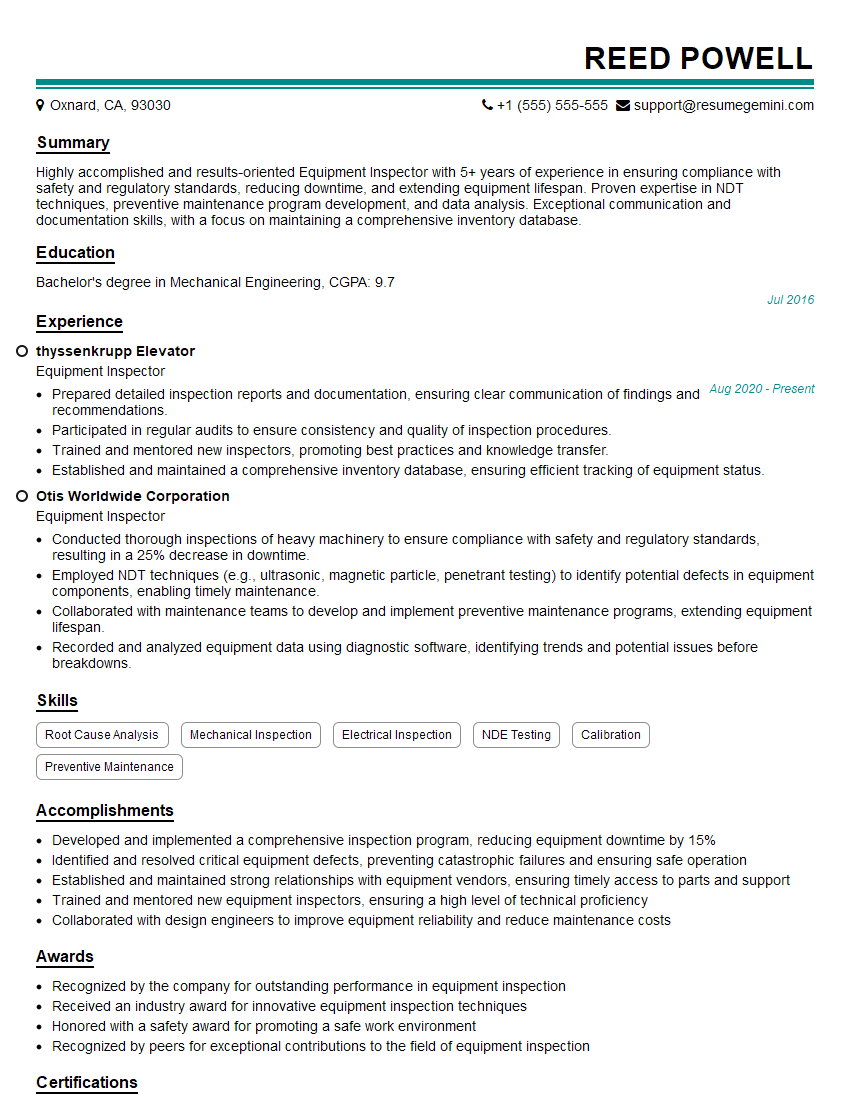
Equipment Inspector Resume Sample
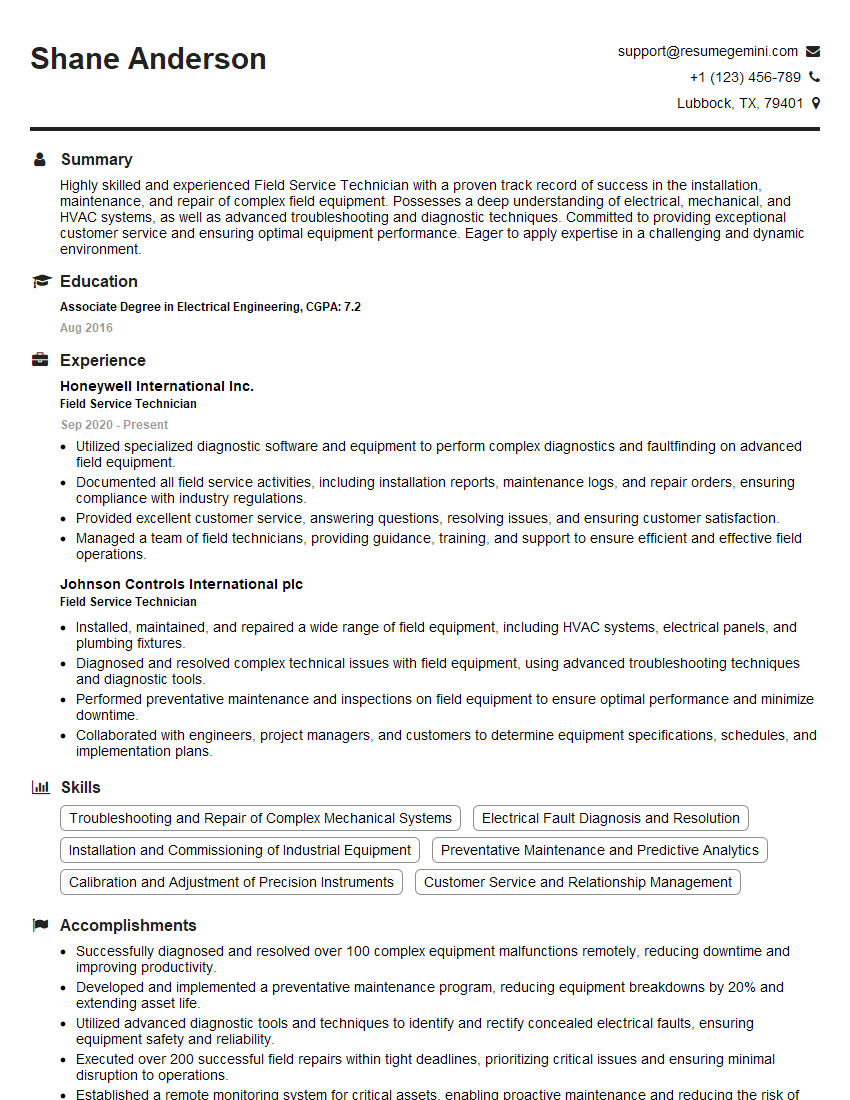
Field Service Technician Resume Sample
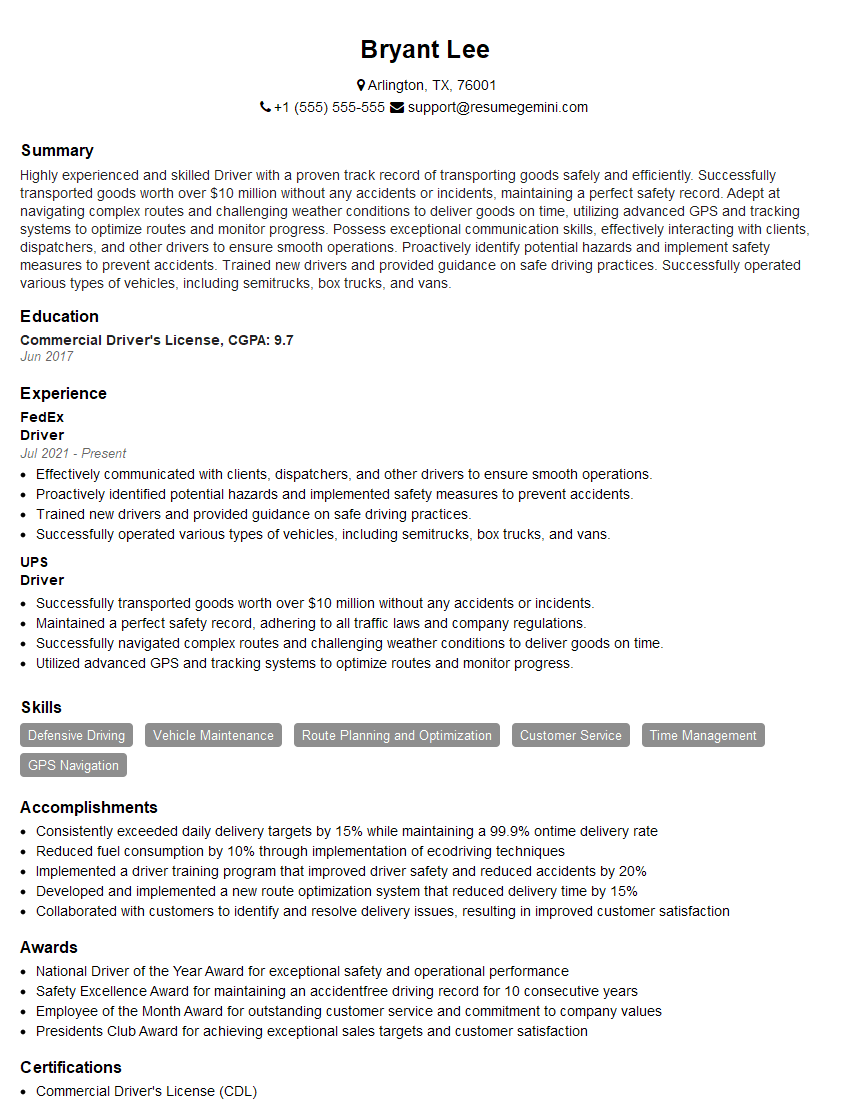
Driver Resume Sample
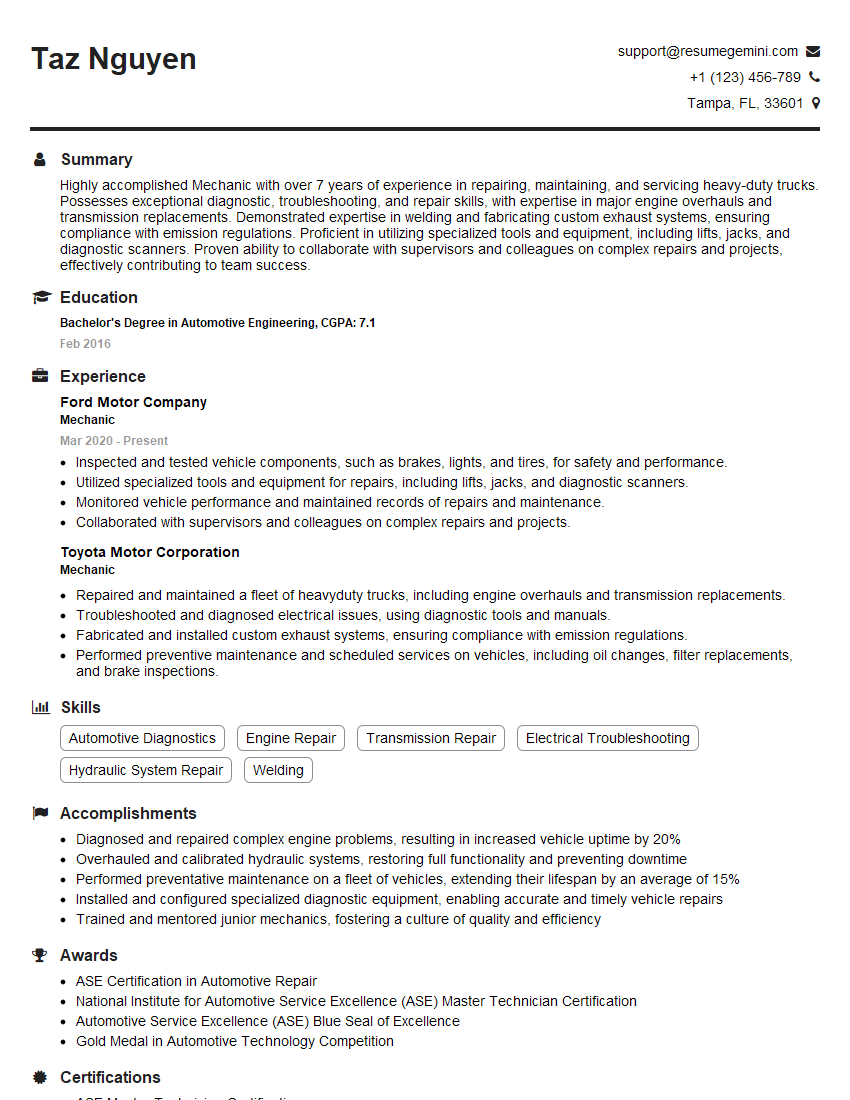
Mechanic Resume Sample
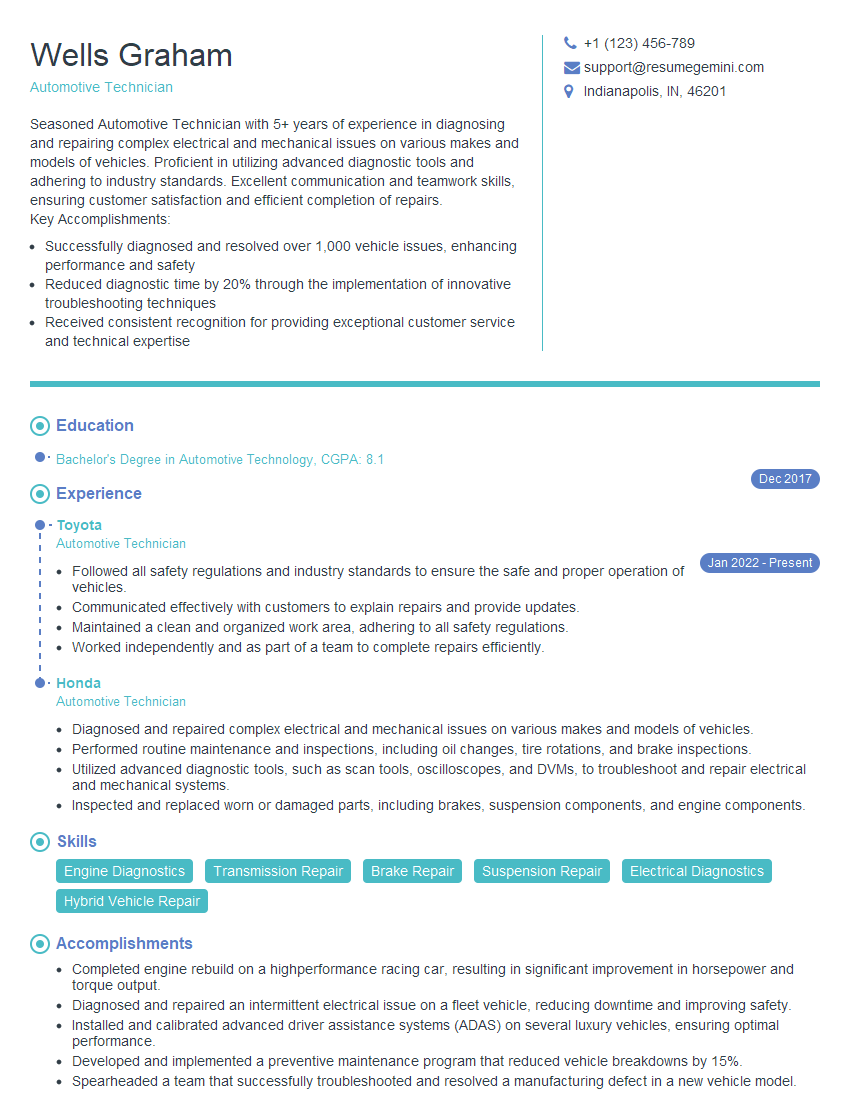
Automotive Technician Resume Sample
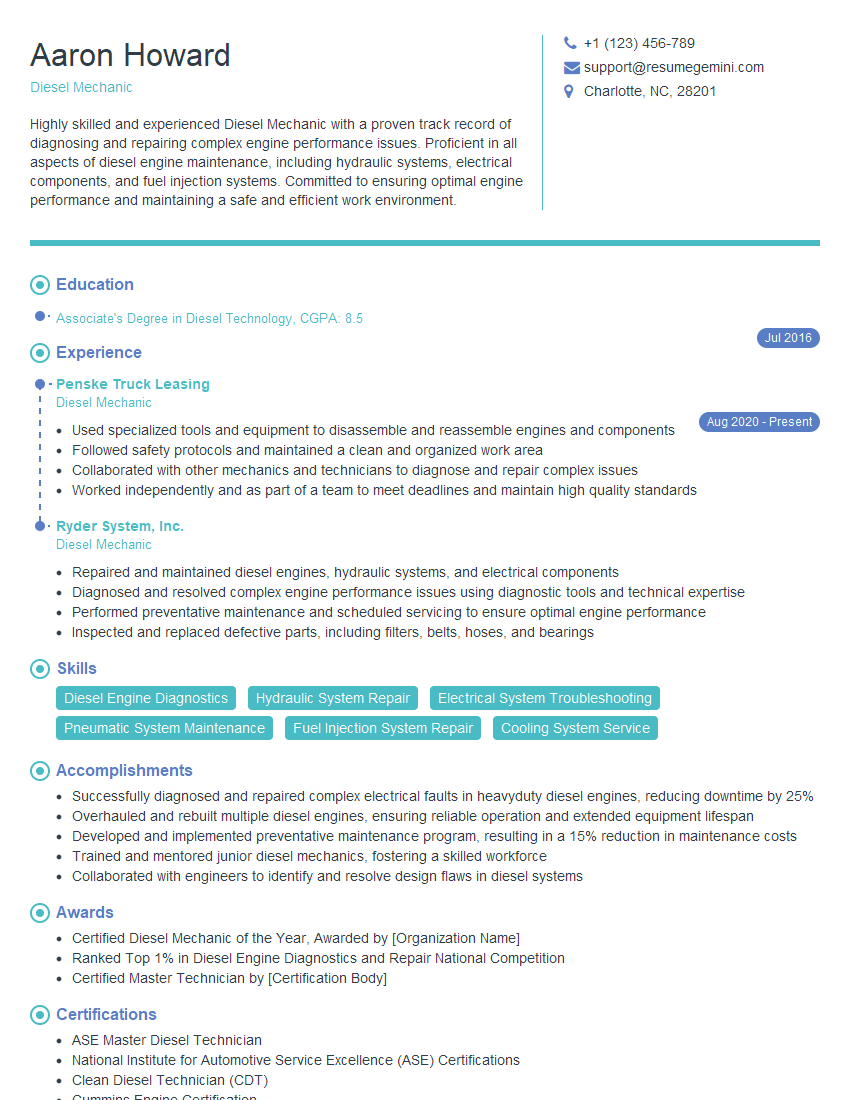
Diesel Mechanic Resume Sample
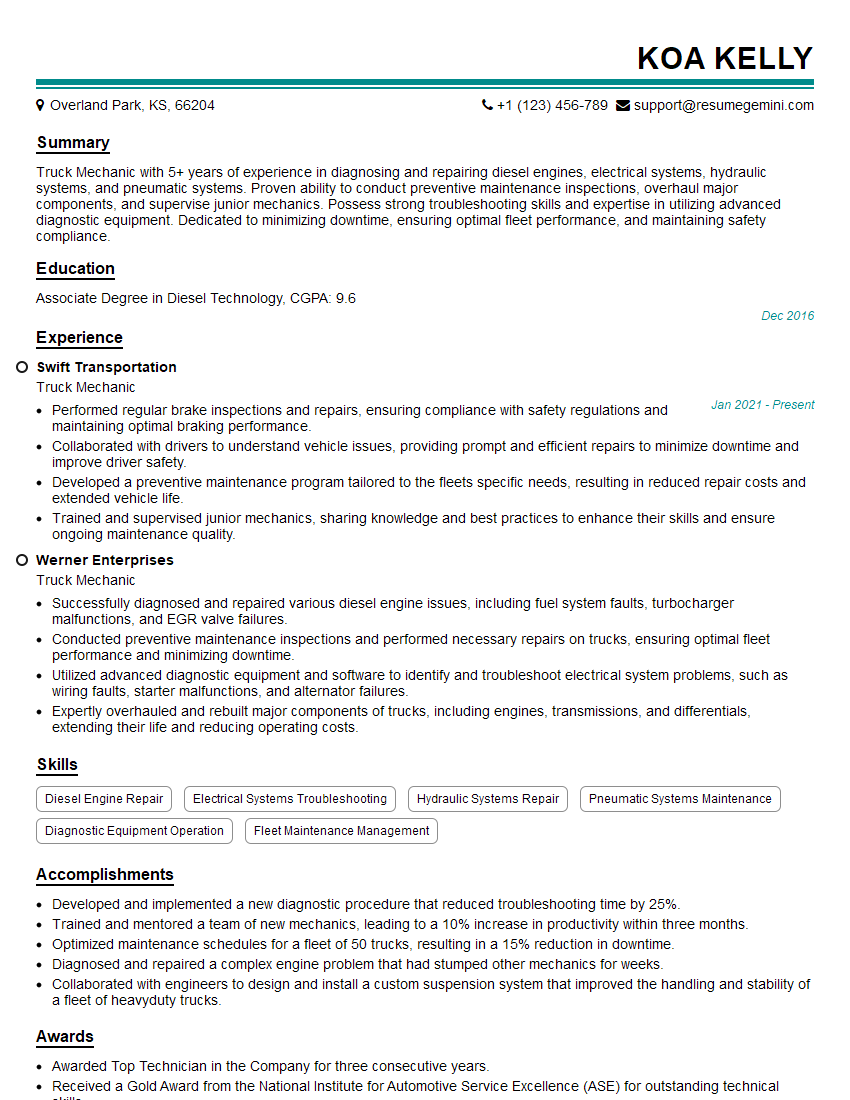
Truck Mechanic Resume Sample
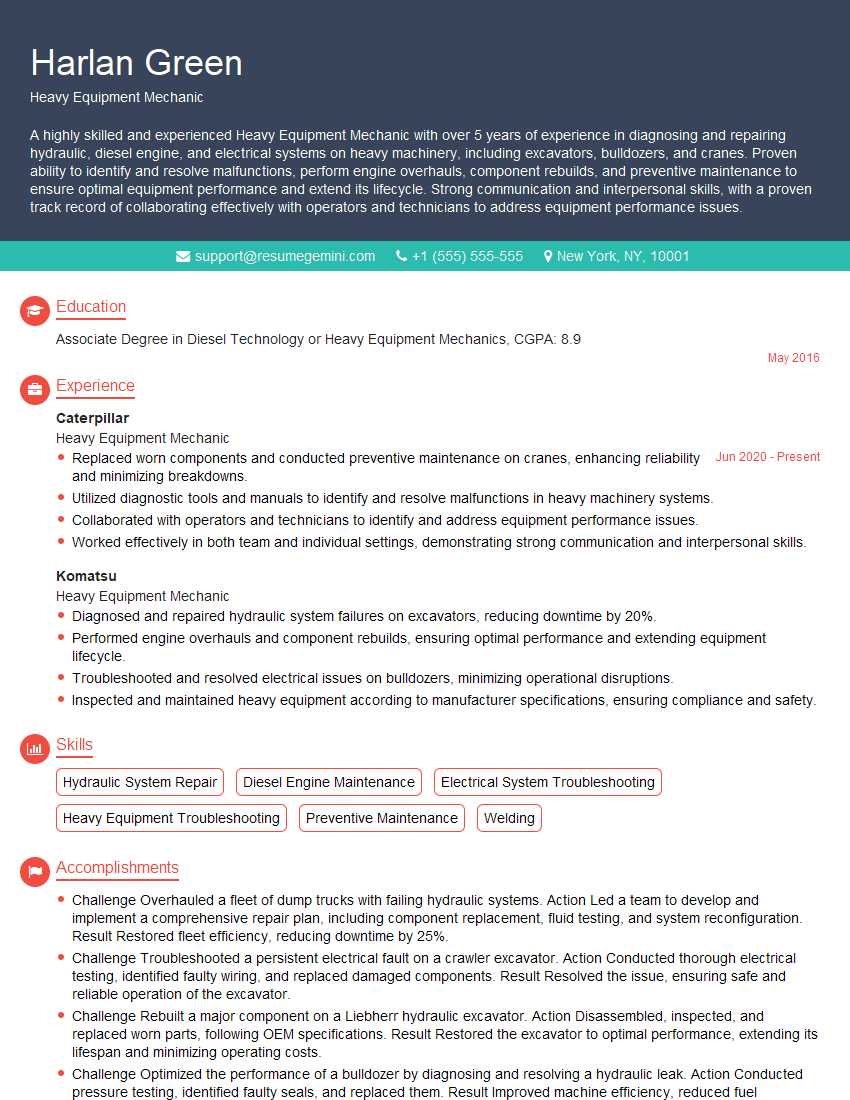
Heavy Equipment Mechanic Resume Sample
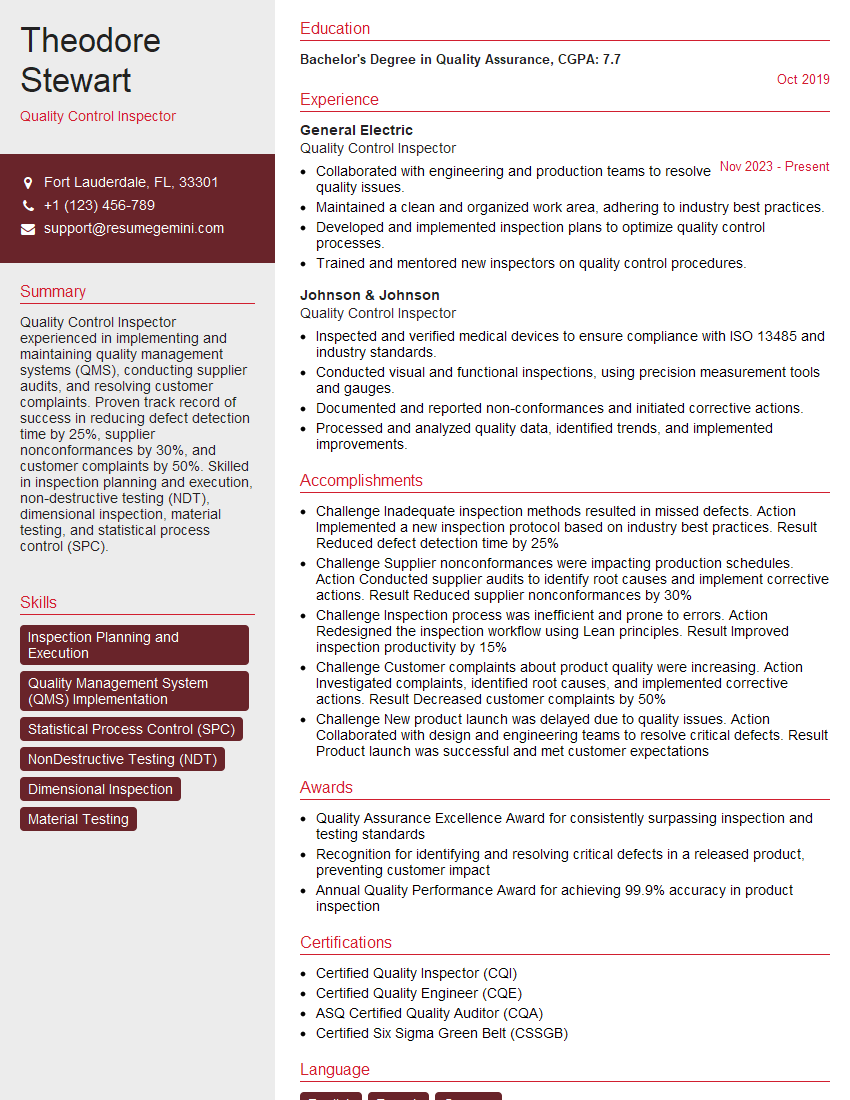
Quality Control Inspector Resume Sample
- Safety Manager
- Operations Manager
- Maintenance Supervisor
- Fleet Manager
- Transportation Supervisor
- Logistics Coordinator
- Compliance Officer
- Regulatory Compliance Specialist
- Equipment Inspector
- Field Service Technician
- Driver
- Mechanic
- Automotive Technician
- Diesel Mechanic
- Truck Mechanic
- Heavy Equipment Mechanic
- Quality Control Inspector
Explore more articles
Users Rating of Our Blogs
Share Your Experience
We value your feedback! Please rate our content and share your thoughts (optional).
What Readers Say About Our Blog
Very informative content, great job.
good