Interviews are opportunities to demonstrate your expertise, and this guide is here to help you shine. Explore the essential Preventive and Predictive Maintenance Techniques interview questions that employers frequently ask, paired with strategies for crafting responses that set you apart from the competition.
Questions Asked in Preventive and Predictive Maintenance Techniques Interview
Q 1. Explain the difference between preventive and predictive maintenance.
Preventive maintenance (PM) and predictive maintenance (PdM) are both crucial for maximizing equipment lifespan and minimizing downtime, but they differ significantly in their approach. Preventive maintenance focuses on scheduled maintenance tasks performed at predetermined intervals to prevent failures. Think of it like regular car servicing – you change the oil and check the tires at specific mileage intervals, regardless of their current condition. Predictive maintenance, on the other hand, uses data analysis and sensor technologies to predict when equipment is likely to fail and schedules maintenance only when necessary. It’s like having a car with advanced sensors that alert you to potential problems before they become major issues.
In short: PM is proactive but can be wasteful if performed unnecessarily, while PdM is proactive and efficient, optimizing maintenance efforts by focusing on actual needs.
Q 2. What are the key performance indicators (KPIs) you would use to measure the effectiveness of a preventive maintenance program?
Measuring the success of a preventive maintenance program requires tracking several key performance indicators (KPIs). These KPIs should provide a holistic view of equipment reliability and maintenance costs. Some essential KPIs include:
- Mean Time Between Failures (MTBF): This measures the average time between equipment failures. A higher MTBF indicates improved reliability.
- Mean Time To Repair (MTTR): This reflects the average time taken to repair failed equipment. Lower MTTR signifies faster response times and less downtime.
- Overall Equipment Effectiveness (OEE): OEE combines availability, performance, and quality rates to provide a comprehensive measure of equipment effectiveness. A higher OEE demonstrates greater productivity and efficiency.
- Maintenance Costs: Tracking maintenance costs helps identify areas for optimization and cost savings.
- Number of unplanned maintenance events: A reduction in unplanned events suggests the preventive program is working effectively.
- Safety Incidents related to equipment failures: A successful PM program reduces the risk of accidents caused by failing equipment.
By monitoring these KPIs, we can evaluate the effectiveness of our PM program and identify areas for improvement. For example, if MTBF is decreasing despite consistent PM, it might indicate a need for changes to the PM schedule or procedures.
Q 3. Describe your experience with Computerized Maintenance Management Systems (CMMS).
I have extensive experience using Computerized Maintenance Management Systems (CMMS). In previous roles, I utilized CMMS software to manage work orders, track inventory, schedule maintenance activities, and analyze maintenance data. I’m proficient in several leading CMMS platforms, including [mention specific CMMS software used, e.g., IBM Maximo, SAP PM, UpKeep]. My experience includes:
- Developing and implementing PM schedules based on manufacturer recommendations and historical data.
- Managing work orders, assigning tasks to technicians, and tracking progress.
- Generating reports on maintenance KPIs to monitor program effectiveness and identify areas for improvement.
- Using the CMMS to optimize inventory management, reducing costs associated with spare parts.
- Integrating CMMS data with other enterprise systems for improved data analysis and decision-making.
I understand that effective CMMS implementation goes beyond simply using the software; it requires a deep understanding of maintenance processes and the ability to tailor the system to meet the specific needs of the organization. I have a proven track record of successfully implementing and optimizing CMMS solutions to improve maintenance efficiency and reduce costs.
Q 4. What are some common preventive maintenance tasks for rotating equipment?
Preventive maintenance tasks for rotating equipment are critical to avoid catastrophic failures and costly downtime. These tasks generally involve regular inspections, lubrication, and adjustments. Some common tasks include:
- Visual Inspections: Checking for leaks, wear and tear, misalignment, and loose connections.
- Lubrication: Applying appropriate lubricants to bearings, gears, and other moving parts according to the manufacturer’s recommendations.
- Vibration Analysis: Measuring vibration levels to detect imbalances, misalignment, or bearing defects.
- Thermal Imaging: Using infrared cameras to identify overheating components, which can indicate impending failures.
- Balancing: Ensuring that rotating components are properly balanced to minimize vibration.
- Alignment: Checking and adjusting the alignment of shafts and couplings to prevent excessive wear and tear.
- Cleaning: Removing dirt and debris from equipment to prevent premature wear.
The specific tasks and their frequency will vary based on the type of equipment, its operating conditions, and the manufacturer’s recommendations. A well-defined PM schedule should consider these factors to maximize effectiveness.
Q 5. How do you identify potential equipment failures using predictive maintenance techniques?
Identifying potential equipment failures using predictive maintenance techniques involves continuous monitoring of equipment health and analyzing the collected data to predict future failures. This typically involves using sensors to collect data on various parameters, such as:
- Vibration: Increased vibration levels can indicate bearing wear, imbalance, or misalignment.
- Temperature: High temperatures can indicate overheating, which can lead to component failure.
- Oil Analysis: Analyzing oil samples can reveal the presence of contaminants or degradation, indicating wear or impending failure.
- Current and Power Consumption: Changes in current or power consumption can be indicative of issues within the equipment.
- Acoustic Emissions: Unusual sounds can point to issues such as cracks or friction.
The collected data is then analyzed using various techniques, such as statistical process control, machine learning, or expert systems, to identify patterns and anomalies that indicate potential failures. Early warning signs allow for scheduled maintenance before a complete breakdown, reducing downtime and maintenance costs. For example, an increase in vibration amplitude beyond a pre-defined threshold can trigger an alert, prompting an inspection and potential corrective action.
Q 6. What are some common predictive maintenance techniques?
Several predictive maintenance techniques are used to forecast equipment failure. The choice of technique depends on the type of equipment, the available data, and the budget. Some common techniques include:
- Vibration Analysis: Uses sensors to measure vibration levels and identify anomalies that indicate bearing wear, imbalance, or misalignment.
- Oil Analysis: Analyzing oil samples for contaminants and degradation products helps predict the remaining useful life of components.
- Thermography (Infrared Imaging): Detects overheating components using infrared cameras, which can indicate impending failures.
- Ultrasonic Testing: Detects leaks and cracks by analyzing ultrasonic waves.
- Motor Current Signature Analysis (MCSA): Analyzes motor current to identify anomalies such as bearing defects or rotor imbalance.
- Acoustic Emission Testing: Detects cracks and other defects by listening to the sounds produced by the equipment.
- Machine Learning/Artificial Intelligence: These advanced techniques can analyze large amounts of data from multiple sensors to predict failures with higher accuracy than traditional methods.
Often, a combination of these techniques is used to get a comprehensive picture of equipment health and accurately predict potential failures.
Q 7. Explain the concept of Root Cause Analysis (RCA) and its application in maintenance.
Root Cause Analysis (RCA) is a systematic process used to identify the underlying cause of a problem, rather than just addressing the symptoms. In maintenance, RCA is crucial for preventing recurring failures and improving equipment reliability. When a failure occurs, instead of simply repairing the immediate issue, RCA helps us understand why it occurred.
Several RCA methodologies exist, including the ‘5 Whys’, fault tree analysis, and fishbone diagrams. The ‘5 Whys’ involves repeatedly asking ‘why’ to progressively drill down to the root cause. For example: ‘The pump failed (problem). Why? Because the bearings seized. Why? Because insufficient lubrication. Why? Because the lubrication system malfunctioned. Why? Because a sensor failed. Why? Because the sensor wasn’t properly calibrated’. This approach helps to identify the root cause—the improperly calibrated sensor—and allows for effective corrective action.
Applying RCA in maintenance enhances reliability by preventing recurrence. By systematically investigating failures, we can identify and address underlying systemic issues, such as inadequate training, poor maintenance practices, design flaws, or environmental factors. This proactive approach leads to more effective PM and PdM programs, resulting in reduced downtime and increased operational efficiency.
Q 8. How do you prioritize maintenance tasks based on risk and criticality?
Prioritizing maintenance tasks involves a risk-based approach, balancing the criticality of equipment with the potential consequences of failure. We use a system that combines Failure Modes and Effects Analysis (FMEA) with a risk matrix. FMEA identifies potential failure modes, their effects, and their severity. The risk matrix then considers the likelihood of each failure and its severity to assign a risk priority number (RPN).
For example, a critical pump in a chemical processing plant with a high probability of failure and catastrophic consequences would receive a much higher RPN than a less critical component with a lower probability of failure and minor consequences. Tasks are then prioritized based on their RPN, tackling the highest-risk items first. This ensures that resources are focused on the areas posing the greatest threat to safety and operations.
- Severity: How bad is the consequence of failure? (Catastrophic, Critical, Marginal, Minor)
- Occurrence: How likely is the failure to occur? (Frequent, Occasional, Rare, Remote)
- Detection: How easy is it to detect the failure before it causes damage? (Easy, Moderate, Difficult, Impossible)
This methodical approach allows for effective allocation of resources and proactive risk mitigation.
Q 9. What is the importance of data analysis in predictive maintenance?
Data analysis is the backbone of predictive maintenance. It allows us to move beyond reactive maintenance (fixing things after they break) to proactive maintenance (preventing failures before they occur). We use sensor data from various sources – vibration sensors, temperature sensors, oil analysis data, etc. – to build predictive models. These models analyze historical data to identify patterns and anomalies that indicate potential equipment failure.
For example, an increase in vibration frequency in a motor might indicate impending bearing failure. By analyzing this data, we can predict the remaining useful life (RUL) of the component and schedule maintenance before a breakdown occurs. Machine learning algorithms, such as regression and classification models, are employed to analyze the massive datasets and identify subtle trends that human observation might miss. This allows for optimized maintenance schedules, reduced downtime, and extended equipment lifespan.
Q 10. Describe your experience with vibration analysis.
I have extensive experience with vibration analysis, utilizing both handheld and permanently mounted vibration sensors. We use this technique to detect imbalances, misalignment, looseness, and bearing defects in rotating machinery. The data is collected and analyzed using spectral analysis techniques to identify characteristic frequencies associated with specific faults.
For instance, a high amplitude at a specific frequency might indicate a bearing defect, while a gradual increase in overall vibration level could signal an imbalance. We use software that converts raw vibration data into easily interpretable spectra, which are compared against baseline data to identify anomalies and predict potential failures. This helps us prioritize maintenance activities and prevent catastrophic failures.
In one particular project, we were able to predict an impending bearing failure in a critical compressor several weeks in advance. This allowed for a planned shutdown and replacement, preventing a costly and disruptive emergency shutdown.
Q 11. What is your experience with oil analysis and its application in predictive maintenance?
Oil analysis is a crucial non-destructive testing method in predictive maintenance. By analyzing oil samples from machinery, we can identify wear particles, contaminants, and changes in oil properties that indicate potential problems. These properties include viscosity, acidity, and the presence of specific metals. For instance, high levels of iron might indicate excessive wear in bearings or gears.
We use sophisticated laboratory analysis to determine the condition of the lubricant and the health of the machine. The results provide valuable insights into the internal workings of the machine without the need for disassembly. This allows for timely interventions and prevents larger, more expensive repairs down the line. For example, detecting the presence of excessive wear particles allows for the proactive replacement of components before major failures occur.
Q 12. How do you use thermal imaging for predictive maintenance?
Thermal imaging, or infrared thermography, is an excellent tool for detecting overheating components. Overheating can be a symptom of various problems, including loose connections, insulation failure, or bearing wear. By capturing infrared images, we can pinpoint areas of elevated temperatures which might not be detectable by other methods. These hotspots often precede visible signs of damage, offering valuable early warning signs.
I’ve used thermal imaging to identify overheating motors, electrical connections, and mechanical components. The images provide clear visual evidence of potential issues, enabling prioritized repairs and preventing more severe damage. For example, a motor with a localized hot spot might indicate a winding problem that, if left unchecked, could lead to motor failure.
Q 13. Describe your experience with ultrasonic testing.
Ultrasonic testing is a non-destructive method that uses high-frequency sound waves to detect internal flaws and leaks in components. It’s particularly useful for detecting cracks, corrosion, and voids in materials. The ultrasonic waves are reflected by discontinuities, and the pattern of reflections is analyzed to determine the location and size of defects.
My experience involves using ultrasonic testing on a variety of components, including pressure vessels, pipes, and welds. We use specialized equipment to transmit and receive the sound waves, interpreting the results to assess structural integrity. This technique helps us identify potential failures before they cause significant damage or lead to catastrophic events, ensuring safety and reliability.
Q 14. Explain the concept of Mean Time Between Failures (MTBF) and Mean Time To Repair (MTTR).
Mean Time Between Failures (MTBF) is a measure of a system’s reliability, indicating the average time between successive failures. A high MTBF suggests high reliability. Mean Time To Repair (MTTR) represents the average time it takes to restore a failed system to operational status. A low MTTR is desirable because it minimizes downtime.
These metrics are crucial for understanding and improving equipment reliability. By tracking MTBF and MTTR, we can identify trends, pinpoint problem areas, and implement improvements to reduce failures and shorten repair times. For example, consistently low MTBF for a specific piece of equipment might indicate a design flaw or inadequate maintenance procedures.
Imagine a manufacturing plant: A high MTBF for a key machine indicates fewer production disruptions and lower costs. A low MTTR means quicker repairs and minimized loss of productivity following a failure. Optimizing both MTBF and MTTR is a key goal in preventive and predictive maintenance.
Q 15. How do you handle unexpected equipment failures?
Unexpected equipment failures are a reality in any operation. My approach involves a multi-pronged strategy focusing on immediate response, root cause analysis, and preventative measures. First, a rapid response team is activated to address the immediate issue, ensuring safety and minimizing downtime. This might involve isolating the failed equipment, implementing temporary solutions, or bringing in backup systems. Next, a thorough root cause analysis (RCA) is performed using techniques like the 5 Whys or Fishbone diagrams to identify the underlying reason for the failure. This investigation goes beyond simply fixing the immediate problem; it seeks to understand the systemic issues that contributed to the failure. Finally, preventative actions are implemented to prevent similar failures in the future. This might involve modifying maintenance schedules, upgrading components, improving operator training, or even redesigning the process. For example, if a pump fails due to insufficient lubrication, the RCA would highlight this deficiency, leading to improved lubrication schedules and operator training on proper lubrication procedures. The goal is to learn from each failure and build a more robust and resilient system.
Career Expert Tips:
- Ace those interviews! Prepare effectively by reviewing the Top 50 Most Common Interview Questions on ResumeGemini.
- Navigate your job search with confidence! Explore a wide range of Career Tips on ResumeGemini. Learn about common challenges and recommendations to overcome them.
- Craft the perfect resume! Master the Art of Resume Writing with ResumeGemini’s guide. Showcase your unique qualifications and achievements effectively.
- Don’t miss out on holiday savings! Build your dream resume with ResumeGemini’s ATS optimized templates.
Q 16. Describe your experience with developing and implementing a preventive maintenance plan.
In my previous role, I was responsible for developing and implementing a preventive maintenance plan for a large manufacturing facility. The process began with a comprehensive assessment of all equipment, identifying critical components and potential failure points. This involved reviewing historical maintenance data, consulting with equipment operators and engineers, and conducting physical inspections. Based on this assessment, I created a customized preventive maintenance schedule, specifying tasks, frequencies, and required resources. The schedule incorporated both time-based (e.g., oil changes every 1000 hours) and condition-based (e.g., vibration analysis every month) maintenance tasks. Critical equipment received more frequent attention. We used a Computerized Maintenance Management System (CMMS) to manage the schedule, track completed tasks, and generate reports. The system enabled us to monitor maintenance performance, identify trends, and optimize the schedule over time. For example, if a specific task consistently resulted in equipment failures, the frequency of that task was adjusted, or the procedure was reviewed to ensure effectiveness. This iterative approach continuously improved the effectiveness of our preventive maintenance program, reducing downtime and improving overall equipment effectiveness (OEE).
Q 17. How do you ensure compliance with safety regulations during maintenance activities?
Ensuring compliance with safety regulations is paramount during any maintenance activity. My approach involves a layered safety system. Firstly, thorough risk assessments are conducted before any work begins, identifying potential hazards and developing control measures. These assessments consider factors such as hazardous energy sources, working at heights, and confined space entry. Based on the risk assessment, appropriate safety procedures and Personal Protective Equipment (PPE) are specified and made available. Secondly, comprehensive safety training is provided to all maintenance personnel, covering topics such as lockout/tagout procedures, hazard communication, and emergency response. Regular toolbox talks are conducted to reinforce safe work practices and address emerging safety concerns. Thirdly, work permits are utilized for high-risk tasks, ensuring proper authorization and supervision. Finally, regular audits and inspections are conducted to verify compliance with safety regulations and identify areas for improvement. We meticulously document all safety procedures and training records. For instance, before working on energized electrical equipment, we strictly adhere to lockout/tagout procedures, ensuring the power is completely isolated before any work commences. This multi-layered approach proactively mitigates risk and ensures the safety of all personnel involved.
Q 18. What is your experience with different types of lubrication techniques?
My experience with lubrication techniques is extensive, covering various methods tailored to different equipment and operating conditions. I’m proficient in both manual and automated lubrication systems. Manual lubrication techniques include grease gun applications, oil cans, and wick feed systems. These are typically used for simpler equipment requiring infrequent lubrication. For more complex machinery, automated systems such as centralized lubrication systems (CLS) and individual lubricators offer better control and efficiency. CLS systems provide automated delivery of lubricants to multiple points, reducing labor and improving consistency. Individual lubricators, on the other hand, provide timed delivery to specific components. The choice of lubricant itself is critical and depends on factors like operating temperature, speed, load, and the type of bearing. I have experience selecting appropriate lubricants based on these factors and ensuring compatibility with existing equipment. For instance, selecting a high-temperature grease for a high-speed bearing is crucial to preventing premature wear and failure. Regular lubricant analysis, including oil analysis and grease sampling, is used to monitor lubricant condition and identify potential problems before they lead to equipment failures. Data from lubricant analysis informs maintenance schedules and improves lubricant selection over time.
Q 19. Explain the importance of proper documentation in maintenance operations.
Proper documentation is the backbone of effective maintenance operations. It provides a historical record of equipment performance, maintenance activities, and repairs. This information is invaluable for planning future maintenance, identifying trends, and improving maintenance strategies. Documentation includes maintenance schedules, work orders, inspection reports, repair records, and spare parts inventory. A robust documentation system ensures traceability and accountability, allowing us to easily track the history of each piece of equipment and the effectiveness of various maintenance procedures. For instance, if a piece of equipment frequently malfunctions, we can review past maintenance and repair records to identify recurring problems and implement corrective actions. This data-driven approach is crucial for continuous improvement and reduces downtime caused by recurring issues. Moreover, good documentation assists in regulatory compliance, risk management, and in justifying maintenance budgets by providing evidence of the value and effectiveness of maintenance efforts. A well-maintained CMMS plays a crucial role in centralizing and managing this documentation effectively.
Q 20. How do you manage spare parts inventory effectively?
Effective spare parts inventory management is critical for minimizing downtime and maintaining operational efficiency. My approach involves a combination of techniques. Firstly, accurate demand forecasting is essential. This involves analyzing historical usage data, considering future production plans, and accounting for equipment age and reliability. Secondly, ABC analysis is used to categorize spare parts based on their criticality and consumption value. A-items, representing a small percentage of items but a significant portion of the cost, receive close attention and are often kept in larger quantities. C-items, numerous but low-cost, require less stringent control. Thirdly, just-in-time (JIT) inventory management principles are applied whenever possible, reducing storage costs and minimizing obsolescence. However, for critical parts, safety stock levels are maintained to address unexpected failures. Finally, a CMMS is essential for tracking inventory levels, managing orders, and generating reports. Regular stock audits are performed to verify inventory accuracy and identify any discrepancies. For example, by closely monitoring the consumption of a specific bearing and predicting its future demand based on historical data, we can optimize ordering cycles and ensure the availability of that critical part while minimizing storage costs.
Q 21. How do you communicate effectively with different stakeholders during maintenance operations?
Effective communication is crucial for successful maintenance operations. I employ a multi-faceted communication strategy tailored to the needs of different stakeholders. Regular meetings with operations personnel ensure that maintenance schedules align with production needs and that any operational issues are promptly addressed. Clear and concise communication with maintenance technicians is essential for ensuring tasks are correctly understood and performed. This includes providing detailed work instructions, necessary tools and parts, and establishing clear communication channels for any issues or questions. Reporting to management involves providing regular updates on maintenance performance, including key metrics such as downtime, maintenance costs, and equipment availability. Transparent communication regarding unexpected issues and their impact is crucial for maintaining trust and collaboration. Finally, using a CMMS enables easy access to information and facilitates communication amongst different parties, improving transparency and reducing misunderstandings. For example, a daily briefing with maintenance technicians provides an opportunity to discuss planned tasks, highlight potential safety concerns, and address any issues that arose during the previous shift. This keeps everyone informed and ensures a coordinated approach to maintenance activities.
Q 22. Describe a situation where you had to troubleshoot a complex equipment failure.
One challenging situation involved a critical compressor failure in a large manufacturing plant. The compressor, essential for the production line, experienced a sudden and complete shutdown. Initial troubleshooting pointed towards a potential motor winding failure, but after several hours of investigation, we discovered the root cause to be a subtle, yet significant, imbalance in the rotating components, resulting in excessive vibration and ultimately, catastrophic failure. This wasn’t immediately apparent through standard vibration analysis alone; we had to delve into a more in-depth analysis of the compressor’s operational data, including pressure readings and flow rates, coupled with a thorough visual inspection to identify a loose coupling bolt. Addressing the seemingly minor bolt issue prevented a far more extensive and costly overhaul.
The solution involved a multi-step process: First, a thorough visual inspection of all components, paying close attention to connections. Second, a detailed analysis of operational data for anomalies preceding the failure. Finally, we implemented stricter preventive maintenance protocols for regular coupling checks, incorporating them into our existing CMMS (Computerized Maintenance Management System). This experience highlighted the importance of a systematic approach to troubleshooting, combining both visual inspection and data analysis for a complete understanding of the problem.
Q 23. What are some common challenges faced in implementing predictive maintenance programs?
Implementing predictive maintenance programs presents several challenges. One significant hurdle is the initial investment in technology and training. Sensors, data analytics software, and skilled personnel capable of interpreting the collected data can be costly. Another challenge is the integration of predictive maintenance with existing maintenance practices and systems. Successfully merging predictive strategies with preventive and corrective measures requires careful planning and potentially significant organizational changes. Data analysis itself presents a challenge; large datasets can be difficult to interpret and require expertise in statistical modeling and machine learning techniques. Finally, securing buy-in from all stakeholders, from management to maintenance personnel, is critical for the program’s success. Resistance to change or a lack of understanding of the benefits can hinder adoption.
Q 24. How do you improve efficiency in the maintenance process?
Improving efficiency in the maintenance process hinges on several key strategies. Firstly, optimizing maintenance schedules based on equipment usage and predicted failure rates using predictive models is crucial. This shifts from fixed-interval preventive maintenance to condition-based maintenance, reducing unnecessary interventions. Secondly, implementing a robust CMMS (Computerized Maintenance Management System) streamlines work order management, spare parts inventory, and overall maintenance documentation. A well-designed CMMS provides a centralized platform for tracking maintenance activities, reducing administrative overhead. Thirdly, focusing on root cause analysis for equipment failures helps prevent recurring problems and promotes more effective long-term maintenance strategies. Finally, investing in technician training for advanced diagnostic techniques, including vibration analysis and thermal imaging, equips them to address issues more quickly and effectively. This combination of technological advancements and focused training delivers substantial efficiency gains.
Q 25. What are the benefits of implementing a robust maintenance management system?
A robust maintenance management system offers numerous benefits. It enhances equipment reliability and availability by enabling proactive maintenance rather than reactive repairs, leading to increased uptime and reduced production downtime. This translates to significant cost savings by preventing catastrophic failures and reducing repair costs. Further, a well-managed system improves safety by identifying potential hazards before they escalate into incidents. Optimized inventory management, achieved through accurate tracking of spare parts, minimizes storage costs and ensures timely availability of necessary components. Improved data analysis through the system allows for better decision-making regarding maintenance strategies, optimizing resource allocation and maximizing return on investment. Finally, better documentation leads to improved compliance with industry regulations and standards.
Q 26. Describe your experience with different maintenance strategies (e.g., run-to-failure, preventive, predictive).
My experience encompasses all three maintenance strategies: run-to-failure, preventive, and predictive. Run-to-failure is the most reactive approach, waiting for equipment to fail before intervention. While cost-effective in the short term, it can lead to significant production losses, safety hazards, and costly repairs. Preventive maintenance involves scheduled maintenance tasks at fixed intervals. This approach is proactive but can lead to over-maintenance, wasting resources on unnecessary interventions. Predictive maintenance, the most advanced approach, uses data analysis and sensor technology to predict equipment failures before they occur. This approach allows for optimized maintenance scheduling, maximizing equipment uptime while minimizing unnecessary maintenance activities. I’ve successfully implemented predictive maintenance programs using vibration analysis, oil analysis, and thermal imaging, resulting in a significant reduction in unplanned downtime and maintenance costs.
Q 27. How do you balance the cost of maintenance with the risk of equipment failure?
Balancing the cost of maintenance with the risk of equipment failure requires a risk-based approach. This involves assessing the potential consequences of failure for each piece of equipment, considering factors like safety risks, production downtime costs, and potential environmental damage. A risk matrix can be used to prioritize equipment based on the severity of potential failures and their likelihood. This allows for the allocation of maintenance resources to the most critical equipment, ensuring that preventative and predictive measures are targeted effectively. By using predictive techniques, we can optimize maintenance schedules, minimizing unnecessary interventions while ensuring that critical maintenance is performed before failures occur. This approach finds the optimal balance between cost-effectiveness and risk mitigation, ensuring maximum return on investment and minimizing potential disruptions.
Q 28. What software or tools are you familiar with for preventive and predictive maintenance?
I am proficient in several software and tools for preventive and predictive maintenance. These include CMMS (Computerized Maintenance Management System) software such as SAP PM, IBM Maximo, and Fiix. These systems allow for efficient scheduling, work order management, and tracking of maintenance activities. For data analysis and predictive modeling, I have experience with tools like MATLAB, Python (with libraries such as Scikit-learn and Pandas), and specialized vibration analysis software such as (mentioning specific software is not possible due to potential bias). These tools enable the analysis of sensor data to identify potential equipment failures and predict their timing. Furthermore, I am experienced with utilizing mobile applications to collect and input data for direct CMMS interaction. My proficiency extends to using various sensor technologies, including accelerometers, thermocouples, and oil particle counters, to acquire the necessary data for predictive analysis.
Key Topics to Learn for Preventive and Predictive Maintenance Techniques Interview
- Preventive Maintenance Strategies: Understanding different scheduling methods (time-based, condition-based), spare parts management, and the development of effective preventive maintenance plans. Consider the trade-offs between frequency and cost.
- Predictive Maintenance Technologies: Explore various techniques like vibration analysis, oil analysis, thermography, and ultrasonic testing. Understand the data interpretation involved in each method and how to apply the findings to schedule maintenance proactively.
- Data Analysis and Interpretation: Mastering data analysis skills is crucial. Learn how to identify trends, anomalies, and potential failures from collected sensor data. Practice interpreting reports and making informed maintenance decisions.
- Root Cause Analysis (RCA): Develop strong RCA skills to effectively pinpoint the underlying causes of equipment failures, preventing recurrence and improving overall maintenance effectiveness. Familiarize yourself with common RCA methodologies (e.g., 5 Whys, Fishbone diagram).
- Maintenance Management Systems (CMMS): Learn about CMMS software and their role in scheduling, tracking, and managing maintenance activities. Understanding how to effectively utilize a CMMS for improved efficiency is essential.
- Cost Optimization and ROI: Demonstrate your understanding of how to calculate the return on investment (ROI) for different maintenance strategies. Be prepared to discuss how to optimize maintenance costs while ensuring equipment reliability.
- Safety Procedures and Regulations: Highlight your knowledge of relevant safety regulations and procedures related to maintenance activities. Emphasize safe work practices and risk mitigation strategies.
- Communication and Teamwork: Discuss your ability to communicate effectively with various stakeholders (engineers, technicians, management) and work collaboratively within a team environment.
Next Steps
Mastering Preventive and Predictive Maintenance Techniques is key to a successful and rewarding career in a highly sought-after field. It demonstrates a commitment to efficiency, cost savings, and operational excellence. To enhance your job prospects, create a strong, ATS-friendly resume that showcases your skills and experience effectively. ResumeGemini is a trusted resource that can help you build a professional and impactful resume tailored to the specific demands of this industry. Examples of resumes specifically crafted for candidates specializing in Preventive and Predictive Maintenance Techniques are available to help guide you.
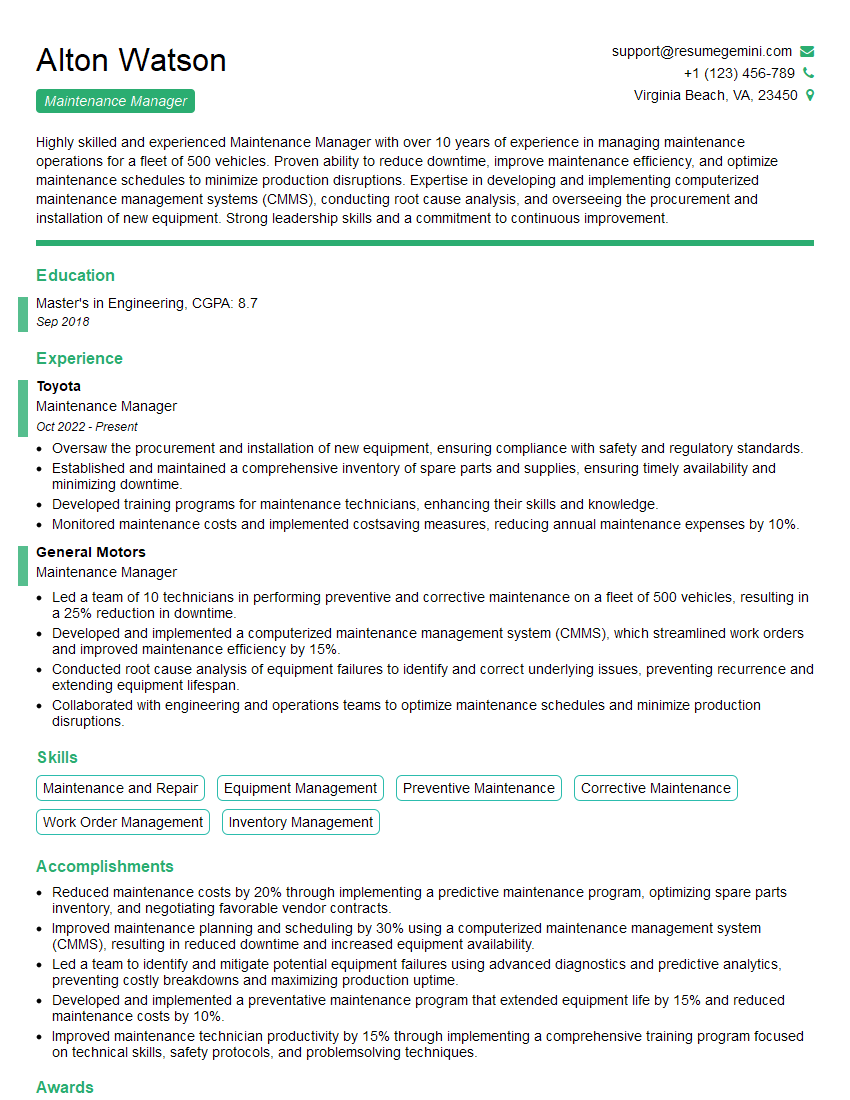
Maintenance Manager Resume Sample
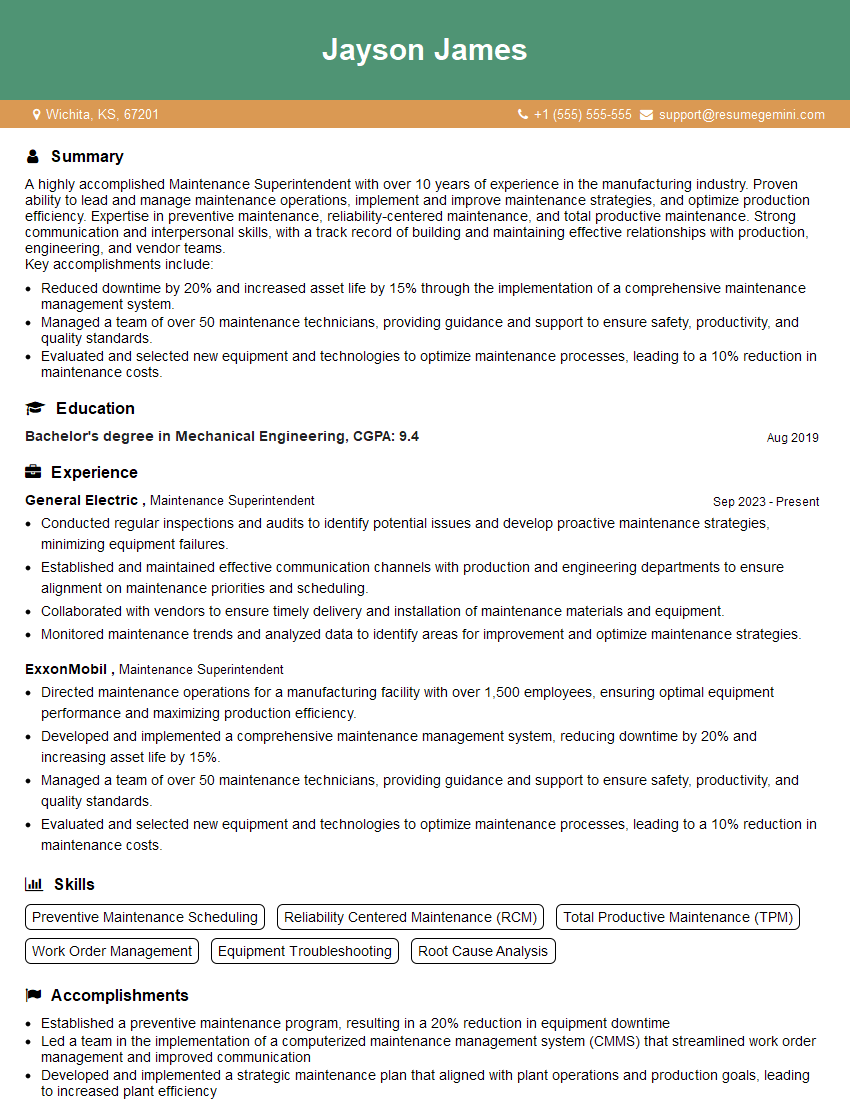
Maintenance Superintendent Resume Sample
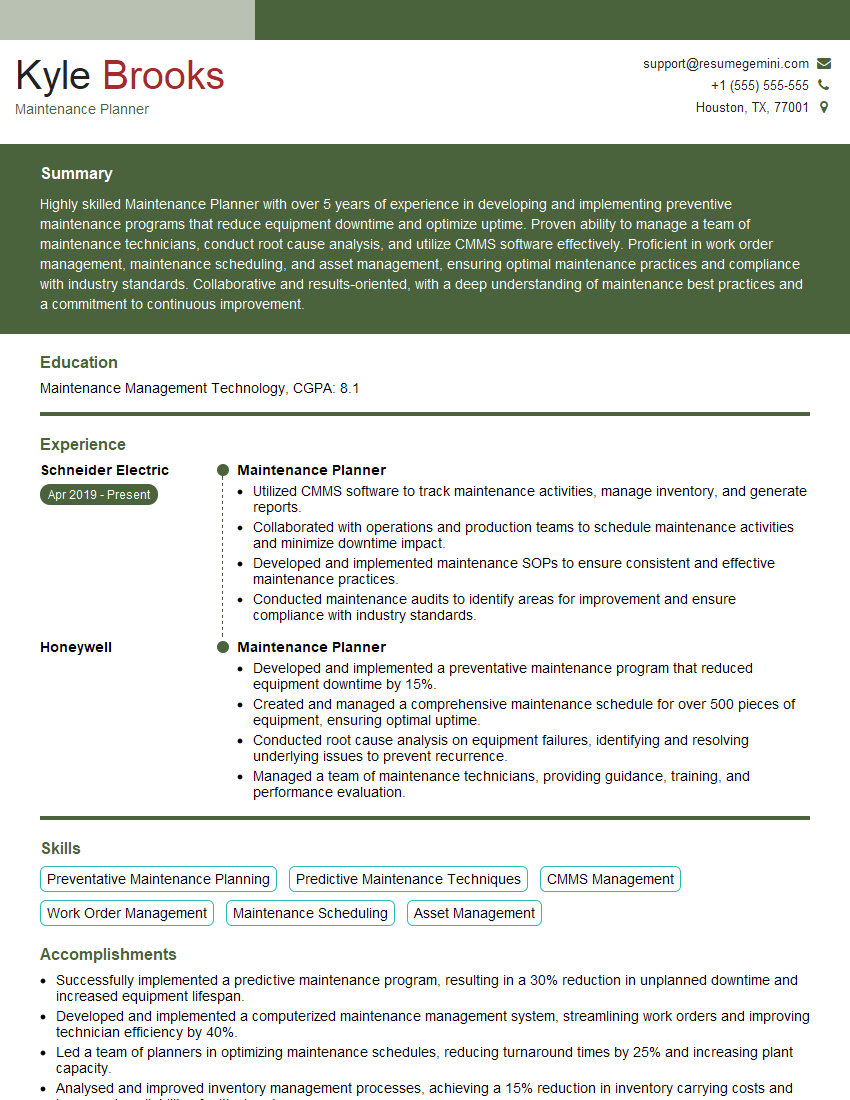
Maintenance Planner Resume Sample
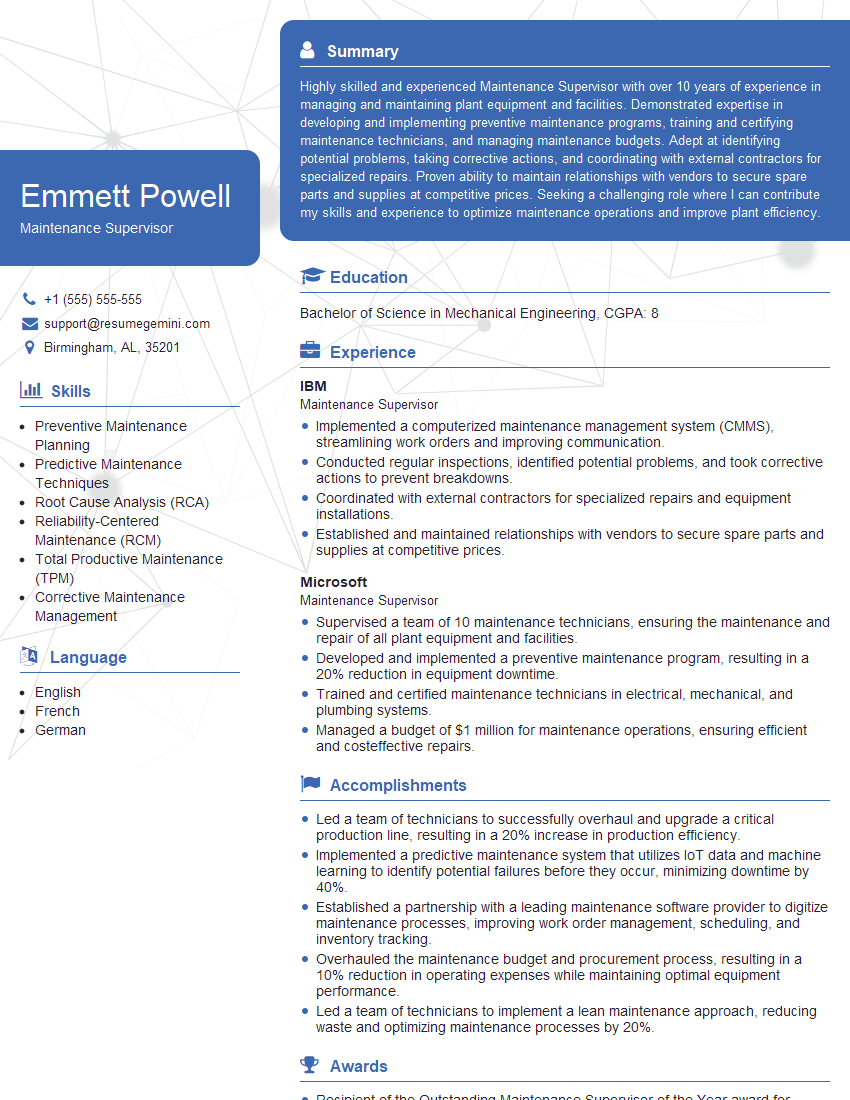
Maintenance Supervisor Resume Sample
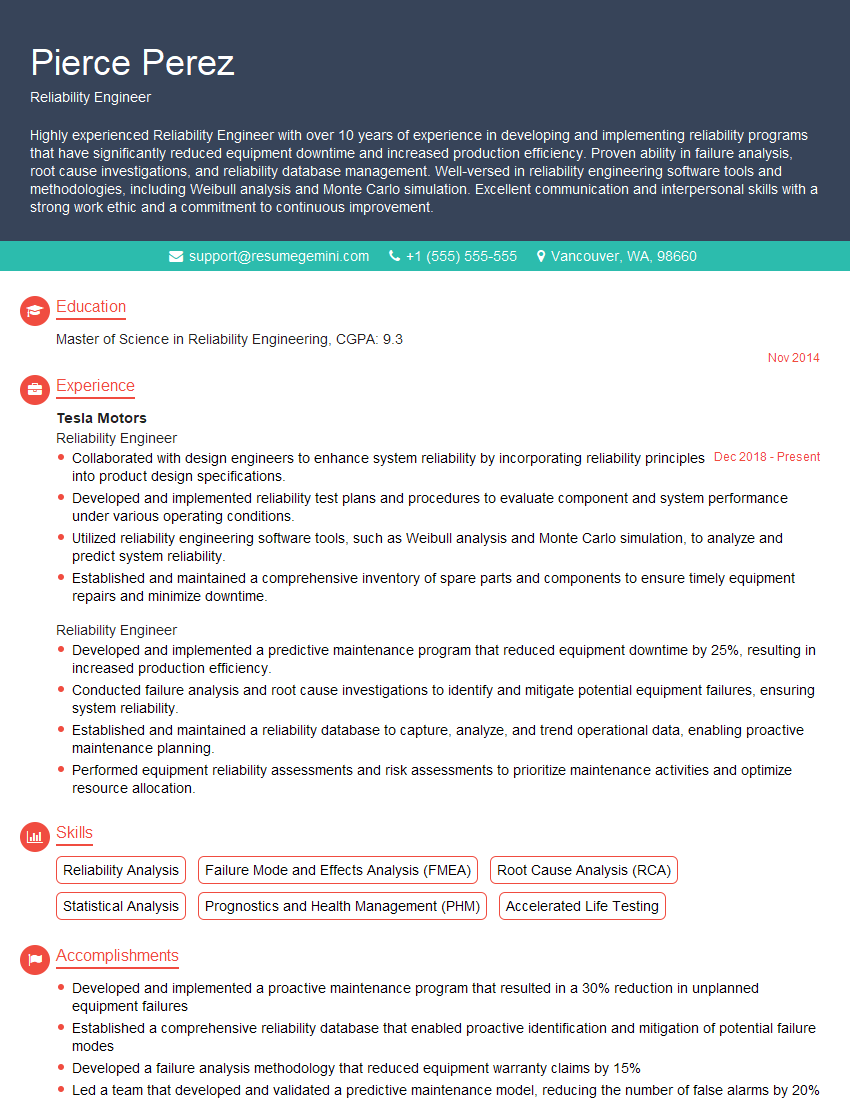
Reliability Engineer Resume Sample
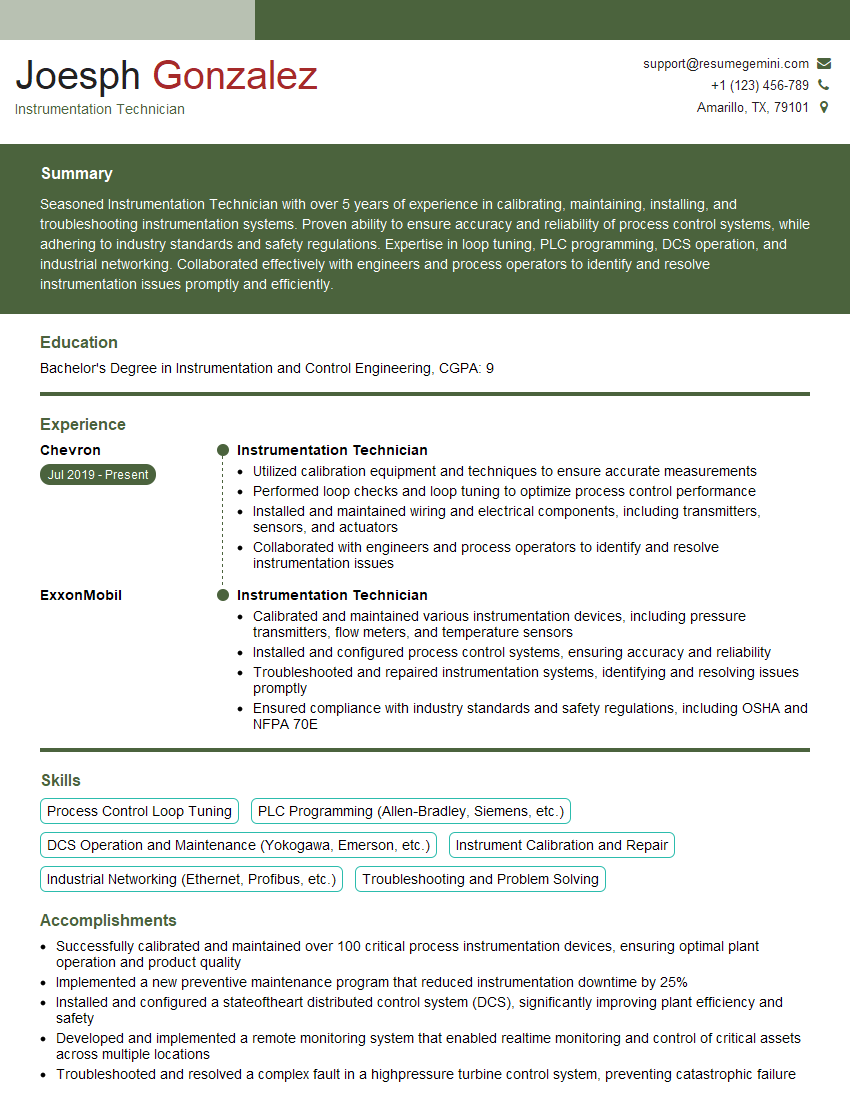
Instrumentation Technician Resume Sample
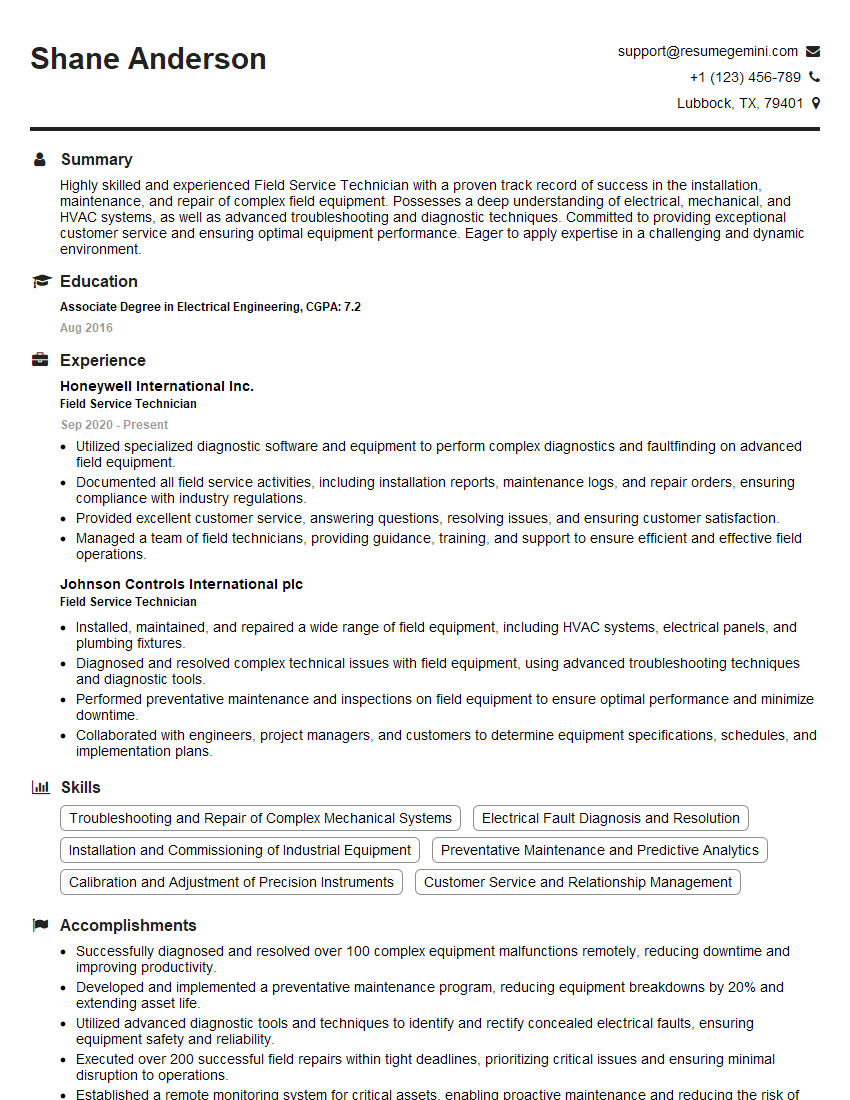
Field Service Technician Resume Sample
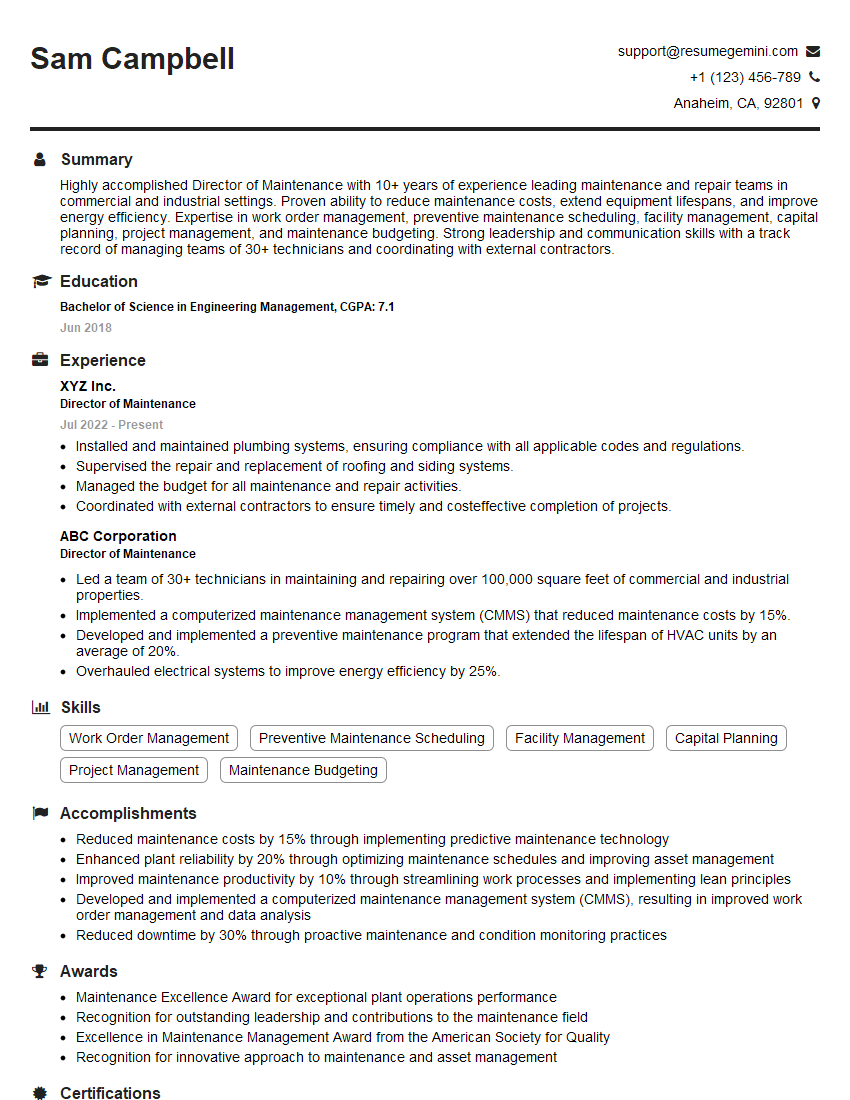
Director of Maintenance Resume Sample

Electrical Maintenance Technician Resume Sample
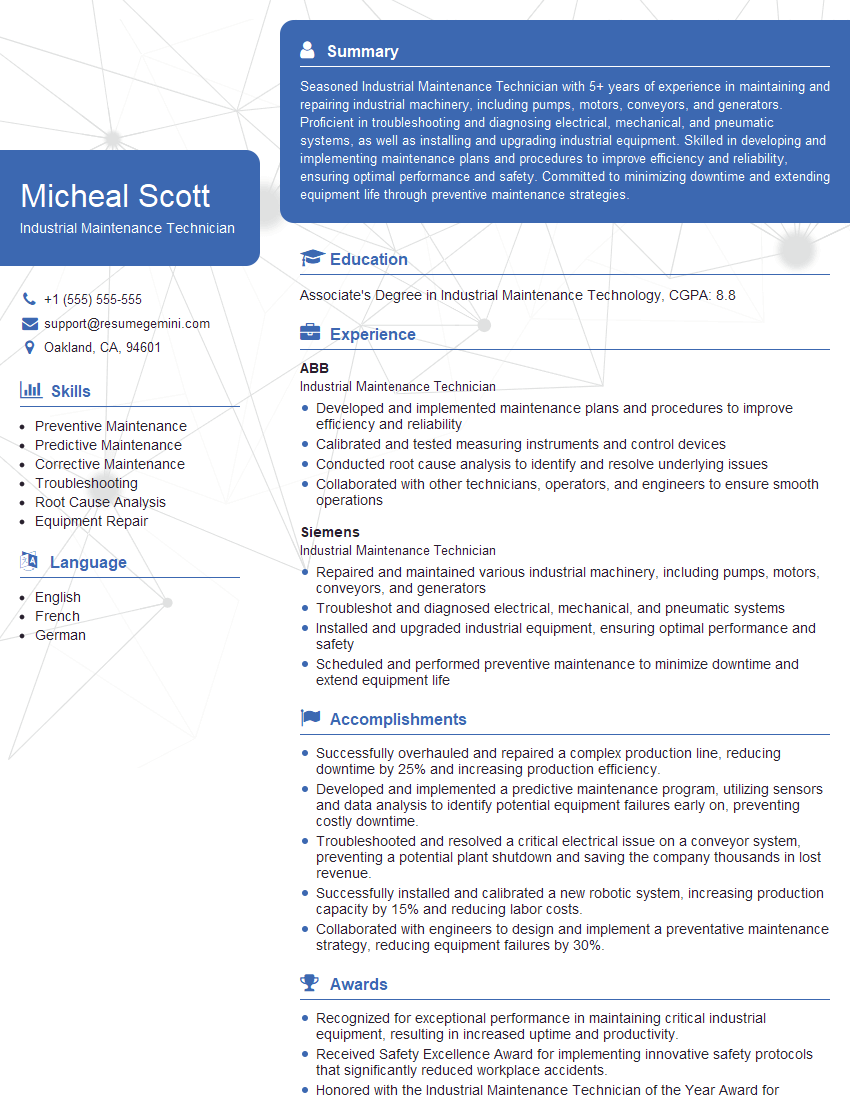
Industrial Maintenance Technician Resume Sample
Explore more articles
Users Rating of Our Blogs
Share Your Experience
We value your feedback! Please rate our content and share your thoughts (optional).
What Readers Say About Our Blog
Very informative content, great job.
good