Unlock your full potential by mastering the most common Private and Group Lesson Instruction interview questions. This blog offers a deep dive into the critical topics, ensuring you’re not only prepared to answer but to excel. With these insights, you’ll approach your interview with clarity and confidence.
Questions Asked in Private and Group Lesson Instruction Interview
Q 1. Describe your experience adapting teaching methods for different learning styles.
Adapting teaching methods to different learning styles is crucial for effective instruction. I believe in a multifaceted approach that acknowledges visual, auditory, and kinesthetic learners. For visual learners, I incorporate plenty of diagrams, charts, and demonstrations. For example, when teaching a musical concept, I might use a color-coded chart to illustrate the relationships between notes. Auditory learners benefit from lectures, discussions, and musical examples. I’ll often use analogies and storytelling to explain complex ideas. With kinesthetic learners, I emphasize hands-on activities, group projects, and interactive exercises. For instance, in a music lesson, this might involve physically enacting rhythms or improvising melodies together.
I also assess individual learning preferences through observation and informal questioning. I might ask students how they best learn new information or what kind of activities they find most engaging. This personalized approach ensures that all students feel seen and understood, and that the learning materials resonate with their individual strengths.
Q 2. How do you assess student learning and provide effective feedback?
Assessing student learning is an ongoing process, not a one-time event. I use a variety of methods to gain a comprehensive understanding of each student’s progress. These include:
- Formal Assessments: Tests, quizzes, and performance evaluations (e.g., recitals, presentations) provide a structured assessment of knowledge and skills.
- Informal Assessments: Observation during lessons, questioning techniques, and review of student work (e.g., practice logs, compositions) offer insights into their understanding and progress.
- Self-Assessment: Encouraging students to reflect on their learning and identify areas for improvement promotes self-awareness and active participation in their learning journey.
Feedback is given both verbally and in writing, focusing on specific areas for improvement rather than general comments. I strive to provide constructive criticism, highlighting strengths and offering actionable suggestions for improvement. For instance, instead of saying ‘your playing needs improvement,’ I might say, ‘Your rhythm was excellent, but focusing on finger placement in the transition between chords will improve your accuracy and sound.’ This approach encourages continued effort and growth.
Q 3. Explain your approach to managing a diverse group of students with varying skill levels.
Managing a diverse group of students requires careful planning and flexibility. I address varying skill levels by:
- Differentiated Instruction: Providing varied activities and learning materials caters to different skill levels. For example, I might offer different levels of challenge within a single assignment, allowing students to work at their own pace and choose assignments that suit their skills.
- Small Group Work: Grouping students based on similar skill levels allows for focused instruction and targeted support. This approach provides opportunities for peer learning and collaboration.
- Individualized Support: Providing one-on-one attention to students who need extra help ensures that no one falls behind. This could involve extra practice time, customized exercises, or adapting the pace of instruction.
- Clear Expectations and Communication: Establishing clear expectations from the beginning creates a supportive and structured learning environment for all students, regardless of skill level.
For example, in a group piano class, I might have some students working on basic scales while others tackle more complex pieces, while providing individual support and guidance to each learner as needed.
Q 4. What strategies do you use to maintain student engagement during lessons?
Maintaining student engagement is essential for effective learning. I use a variety of strategies to keep students motivated and actively involved:
- Variety in Activities: Incorporating a mix of activities like games, discussions, and hands-on exercises keeps lessons dynamic and stimulating.
- Real-World Applications: Relating concepts to real-world situations or student interests helps make learning more relevant and meaningful. For example, when teaching music theory, I might connect it to the students’ favorite songs.
- Collaborative Learning: Encouraging teamwork and peer interaction fosters a sense of community and enhances learning. Group projects and ensemble playing are great examples.
- Positive Reinforcement: Regularly acknowledging and praising students’ efforts and accomplishments encourages continued participation and builds confidence.
- Technology Integration: Using interactive software, online resources, or multimedia presentations can enhance engagement and cater to different learning styles.
Think of it like a good story – you need twists, turns, and a compelling narrative to keep the audience captivated! Lessons should have the same kind of energy and excitement.
Q 5. How do you handle disruptive behavior in a group setting?
Handling disruptive behavior requires a proactive and consistent approach. My strategy focuses on:
- Prevention: Creating a positive and engaging learning environment reduces the likelihood of disruptive behavior. This includes establishing clear expectations and routines from the start.
- Early Intervention: Addressing minor disruptions promptly and calmly helps prevent them from escalating. This might involve a gentle reminder or a quiet word with the student.
- Positive Reinforcement: Focusing on positive behaviors and rewarding appropriate conduct encourages students to maintain good classroom behavior.
- Consequences: Establishing clear consequences for disruptive behavior ensures that students understand the expectations and the repercussions of not meeting them. Consequences should be fair and consistently enforced.
- Communication: Maintaining open communication with students and parents helps identify underlying issues that might be contributing to disruptive behavior.
It’s crucial to be firm but fair. A calm and consistent approach is far more effective than reacting emotionally. Addressing the root cause of the disruption, rather than simply punishing the behavior, leads to lasting positive changes.
Q 6. Describe your experience creating and implementing lesson plans.
Creating and implementing lesson plans is a fundamental part of effective teaching. My approach involves:
- Clear Learning Objectives: Defining specific, measurable, achievable, relevant, and time-bound (SMART) learning objectives ensures that lessons are focused and purposeful. For example, a lesson objective might be: ‘Students will be able to play a C major scale accurately at 60 bpm by the end of the lesson.’
- Engaging Activities: Designing lessons with a variety of activities keeps students engaged and promotes active learning. This involves a balance of direct instruction, practice, and performance.
- Assessment Strategies: Incorporating formative and summative assessments allows for ongoing monitoring of student progress and provides feedback for improvement. This includes observations, quizzes, and performance checks.
- Differentiation: Planning for various skill levels ensures that all students have opportunities to learn and succeed. This involves providing multiple levels of challenge within each lesson.
- Flexibility: Being adaptable and willing to adjust lesson plans as needed ensures that lessons remain engaging and relevant to student needs.
Lesson plans are living documents. They need to be revisited and refined based on student feedback and progress. I constantly adapt and improve based on the needs of the class.
Q 7. How do you differentiate instruction to meet the needs of individual students?
Differentiation is key to meeting individual student needs. It’s about providing customized learning experiences tailored to each student’s unique learning style, pace, and abilities. I use a variety of strategies for this:
- Content Differentiation: Adjusting the complexity or amount of material presented, providing different reading levels, or tailoring assignments to student interests.
- Process Differentiation: Offering a variety of learning activities, such as individual work, group projects, or independent study, to suit different learning preferences.
- Product Differentiation: Allowing students to choose how they demonstrate their learning, such as through written reports, presentations, artwork, or musical performance.
- Learning Environment Differentiation: Adjusting the classroom environment to accommodate different learning styles and needs, such as providing quiet spaces for focused work or using collaborative learning spaces for group activities.
For example, in a music lesson, I might provide a simpler piece for a less-advanced student while challenging a more advanced student with a more complex composition, perhaps involving improvisation or advanced techniques. I also offer differentiated assignments to ensure everyone is challenged appropriately, regardless of skill level. This individualized approach ensures that each student feels successful and engaged.
Q 8. How do you incorporate technology into your teaching?
Technology plays a crucial role in enhancing both private and group lessons. I use technology to personalize learning, increase engagement, and provide immediate feedback. For example, in music lessons, I use music notation software like Sibelius or MuseScore to create customized exercises and share materials with students. For language instruction, interactive online platforms like Duolingo or Babbel supplement classroom learning, offering personalized practice and progress tracking. Video conferencing tools like Zoom or Google Meet are essential for online lessons, allowing for real-time interaction and screen sharing. I also utilize educational apps and websites tailored to specific subjects to provide engaging activities and differentiated instruction based on individual student needs.
Beyond specific software, I use technology to create engaging visual aids like presentations (PowerPoint, Google Slides) and videos explaining complex concepts, making learning more accessible and memorable. Moreover, I incorporate online resources like educational videos and interactive simulations to broaden the scope of my teaching beyond traditional methods.
Q 9. Explain your classroom management techniques.
Effective classroom management is key to a productive learning environment, regardless of whether it’s a private or group setting. My approach is proactive, focusing on creating a positive and respectful atmosphere from the outset. This starts with clearly established rules and expectations communicated early and consistently. In group settings, I encourage student collaboration and peer learning while maintaining a structured environment. I utilize various techniques such as positive reinforcement, verbal cues, and proximity control to guide behavior. For instance, praising a student for focused participation encourages others to follow suit. I am equally adept at redirecting disruptive behavior with calm, clear instructions. In private lessons, the focus is on building a strong rapport and tailoring my approach to the individual student’s learning style and personality, which allows for more flexibility.
I believe in fostering a sense of community, where students feel comfortable contributing and asking questions. This reduces the potential for disruptive behaviors because students feel valued and heard. I constantly adapt my strategies depending on the age and learning styles of my students and the lesson’s content. For younger learners, I often use gamification and reward systems to encourage positive behaviors, whereas with older students, a more collaborative and self-directed approach often works best.
Q 10. How do you assess student progress and track their learning?
Assessing student progress is an ongoing process that informs my teaching and helps students track their own learning. I use a combination of formative and summative assessments to gain a comprehensive understanding of student understanding. Formative assessments, like quizzes, in-class activities, and observation of student work during practice sessions, are integral to identify areas needing attention. For instance, in a music lesson, I’d observe a student’s finger placement and posture to identify areas needing improvement. In a language class, quick quizzes or short dialogues reveal immediate comprehension levels.
Summative assessments, such as formal tests, projects, or final performances, provide a broader view of overall progress and mastery of concepts. I use a variety of tools to track progress; grade books, spreadsheets, and online platforms that allow students to view their progress and track their own achievements. Providing regular feedback, both on formative and summative assessments, is crucial. I provide constructive criticism and guidance focused on growth and improvement rather than simply assigning grades. The goal is always to provide students with a clear picture of their strengths and areas for development, enabling them to set achievable goals.
Q 11. What is your experience with different teaching methodologies (e.g., project-based learning, inquiry-based learning)?
I have extensive experience implementing various teaching methodologies, adapting my approach to the subject matter and student needs. Project-based learning, for instance, is highly effective in fostering creativity, problem-solving skills, and deeper understanding. In a music class, students might compose a piece based on a specific theme, applying their musical knowledge to a creative project. In a language class, a project could involve creating a presentation about a chosen country, practicing both linguistic skills and research.
Inquiry-based learning, where students drive the learning process through questioning and investigation, promotes critical thinking and active learning. For example, in a history lesson, students might research a historical event, formulating their own questions and seeking answers through various sources. I also incorporate elements of collaborative learning, where students work together to solve problems and learn from each other, strengthening communication and teamwork skills. My teaching style is flexible and adaptable, incorporating the best elements of different methodologies to maximize student engagement and learning outcomes.
Q 12. How do you build rapport with students?
Building rapport with students is essential for creating a positive and effective learning environment. It’s about creating a connection based on trust, respect, and genuine interest in the student’s learning journey. I start by getting to know my students on a personal level, understanding their interests, learning styles, and goals. This could involve informal conversations before lessons, asking about their hobbies, or discussing their aspirations.
In private lessons, this is relatively straightforward, as the focus is on a one-on-one relationship. In group lessons, I actively involve students in discussions, creating a sense of community where they feel comfortable sharing ideas and asking questions. I listen actively to their concerns, addressing them with empathy and understanding. Positive reinforcement, celebrating their successes, and offering encouragement in times of challenge further strengthens the bond. By showing genuine care and support, I create an atmosphere of mutual respect where students feel safe and empowered to learn. This is crucial for effective teaching and helps students feel more confident in their learning process.
Q 13. How do you address student misconceptions or misunderstandings?
Addressing student misconceptions is a critical aspect of effective teaching. It’s not simply about correcting errors, but about guiding students to understand the underlying concepts. When I identify a misconception, I don’t directly tell them they’re wrong. Instead, I use open-ended questions to help them identify the flaw in their reasoning themselves. This approach encourages critical thinking and helps students internalize the correct understanding.
For example, if a student in a math class incorrectly solves an equation, I might ask them to explain their steps, prompting them to identify their own error. I’ll then offer guidance, using visuals, analogies, or real-world examples to clarify the concept. Similarly, in a language class, if a student misuses a grammatical structure, I’ll provide specific examples demonstrating the correct usage and possibly use a visual aid to illustrate the rule. I encourage students to ask questions and engage in discussions to resolve misunderstandings collaboratively. This process promotes deeper understanding and fosters a growth mindset where errors are seen as opportunities for learning.
Q 14. How do you incorporate formative and summative assessments into your teaching?
Formative and summative assessments are both crucial components of my teaching strategy. Formative assessments, conducted throughout the learning process, offer continuous feedback and guide instruction. Examples include short quizzes, informal observations of student work during class exercises, and student self-assessments. This allows me to adjust my teaching approach in real-time, addressing any misconceptions or areas where students are struggling.
Summative assessments, on the other hand, provide a comprehensive evaluation of student learning at the end of a unit or course. These might include formal tests, projects, presentations, or performances. I use a variety of assessment methods to get a well-rounded picture of each student’s understanding, including written exams, practical demonstrations (like playing a musical piece or delivering a speech), and creative projects. This approach allows students to demonstrate their understanding in multiple ways, catering to diverse learning styles. By using a combination of formative and summative assessments, I can better understand individual student progress and tailor my instruction accordingly, maximizing learning outcomes.
Q 15. Describe a time you had to adapt your lesson plan due to unforeseen circumstances.
Adaptability is crucial in teaching. A planned lesson might need adjustment due to student understanding, time constraints, or unexpected events. For instance, during a private violin lesson, I had planned a challenging piece that my student, a young, enthusiastic learner, found frustrating. Instead of pushing through, I observed their increasing frustration and adapted. We shifted focus to a simpler piece, focusing on technique and musicality. This allowed them to retain confidence and mastery of the fundamentals before reintroducing the original challenge. The following week, they played the challenging piece with significantly improved skill and enthusiasm. This showed me the importance of recognizing when a change in approach is necessary for optimal learning.
Another example involved a group guitar class where a sudden power outage occurred mid-lesson. Instead of panicking, I transitioned seamlessly to an acoustic-only session, improvising a lesson on rhythm and strumming patterns that didn’t require amplification. The students engaged creatively, and the unexpected change fostered a sense of shared experience and resilience.
Career Expert Tips:
- Ace those interviews! Prepare effectively by reviewing the Top 50 Most Common Interview Questions on ResumeGemini.
- Navigate your job search with confidence! Explore a wide range of Career Tips on ResumeGemini. Learn about common challenges and recommendations to overcome them.
- Craft the perfect resume! Master the Art of Resume Writing with ResumeGemini’s guide. Showcase your unique qualifications and achievements effectively.
- Don’t miss out on holiday savings! Build your dream resume with ResumeGemini’s ATS optimized templates.
Q 16. How do you handle parent/guardian communication?
Open and consistent communication with parents/guardians is paramount. I establish this early on through regular updates – a quick email or text message after each lesson summarizing progress, highlighting achievements and areas for improvement, and outlining practice goals for the week. I also utilize a parent-teacher communication app for scheduling, quick updates, and easy access to materials. I hold parent-teacher conferences at least twice a term to discuss the student’s overall progress in more detail and respond to any concerns. I always strive to maintain a welcoming and approachable tone, ensuring parents feel heard and valued as partners in the learning process. My goal is to create a collaborative environment where we work together to support the student’s musical journey.
Q 17. How do you deal with challenging students or parents?
Addressing challenging situations requires a calm and understanding approach. With challenging students, I identify the root cause of the behavior. Is it frustration with the material? A lack of motivation? I then adapt my teaching strategies. This might involve breaking down complex concepts into smaller, manageable steps, providing more positive reinforcement, or adjusting the learning environment. I always try to build a positive rapport, finding common ground and demonstrating empathy. A calm, patient demeanor can go a long way in de-escalating tension and refocusing the student.
With challenging parents, I maintain open communication, actively listening to their concerns and validating their feelings. I present my perspective clearly and professionally, providing examples and evidence to support my approach. If necessary, I involve a supervisor or administrator to mediate and assist in finding a mutually acceptable solution. The key is to be respectful, proactive, and solutions-oriented. It’s about finding common ground to support the child’s learning.
Q 18. What are your strengths and weaknesses as a teacher?
My strengths lie in my patience, creativity, and ability to connect with students. I enjoy tailoring my teaching to individual needs, fostering a positive and encouraging learning environment. I’m also adept at creating engaging lesson plans that cater to different learning styles. For example, I use games and interactive activities to keep students engaged during group lessons, while I tailor private lessons to address specific goals and challenges of the individual student.
An area I’m always working on is time management, particularly in juggling multiple students and administrative tasks. I’m actively implementing better organizational strategies to improve my efficiency and ensure I dedicate adequate time to both teaching and preparation.
Q 19. How do you stay current with best practices in education?
Staying current is essential. I regularly attend workshops and conferences focusing on music education pedagogy and best practices in teaching. I subscribe to professional journals and online resources relevant to music instruction. I also actively engage in professional learning communities, collaborating with other music teachers to share ideas, resources, and experiences. This continuous learning keeps my teaching fresh, effective, and aligned with current research and trends. It’s also a great way to remain inspired and energized as an educator.
Q 20. What are your salary expectations?
My salary expectations are commensurate with my experience, qualifications, and the demands of this role. I’m happy to discuss my specific salary expectations further after learning more about the position’s details, benefits, and responsibilities.
Q 21. What are your long-term career goals?
My long-term career goal is to become a highly respected and influential music educator. I aspire to develop and lead innovative music programs that engage students of all ages and abilities, fostering a deep appreciation for music and its transformative power. This could involve continuing to build my expertise in private and group instruction, pursuing advanced degrees in music education, or possibly transitioning into a leadership role such as department head or curriculum coordinator. Ultimately, I want to make a lasting contribution to the field of music education.
Q 22. Why are you interested in this position?
I’m deeply interested in this position because it perfectly aligns with my passion for fostering individual growth and collaborative learning within both private and group settings. My extensive experience in tailoring instruction to diverse learning styles, coupled with my proven ability to create engaging and supportive learning environments, makes me confident in my ability to excel in this role and significantly contribute to your institution’s success. I’m particularly drawn to [mention something specific about the institution or position that excites you, e.g., the school’s innovative curriculum, its commitment to inclusive education, or a specific aspect of the role].
Q 23. What is your experience with [specific software/technology relevant to the role]?
While I haven’t used a specific software package named [mention the specific software/technology], my experience encompasses a wide range of educational technologies. I’m proficient in utilizing learning management systems (LMS) such as Moodle and Canvas, creating engaging content using presentation software like PowerPoint and Google Slides, and leveraging various online collaboration tools like Google Workspace. My adaptability and quick learning curve ensure I can effectively integrate any new technology required for this role. For example, in my previous role, I rapidly mastered a new assessment platform within a week, allowing me to efficiently track student progress and provide timely feedback.
Q 24. Describe a time you successfully resolved a conflict in the classroom.
In a group lesson on [subject], two students, Sarah and David, had a disagreement about the correct approach to solving a problem. Instead of immediately intervening, I facilitated a discussion, encouraging both students to articulate their reasoning. I used open-ended questions like, “Sarah, can you explain your method again?” and “David, what part of Sarah’s approach do you disagree with?” This allowed them to identify the source of their misunderstanding, and collaboratively arrive at the correct solution. This experience reinforced the importance of creating a classroom environment where students feel safe to express their thoughts and respectfully challenge each other’s ideas.
Q 25. How do you ensure inclusivity in your teaching?
Inclusivity is paramount in my teaching philosophy. I ensure inclusivity through differentiated instruction, catering to diverse learning styles and needs. This includes providing multiple learning materials (visual, auditory, kinesthetic), adjusting the complexity of tasks based on individual student abilities, and creating opportunities for collaborative learning that encourages peer support and diverse perspectives. I also actively seek input from my students regarding their learning preferences and incorporate their feedback into lesson planning. For example, I recently incorporated a project-based learning activity that allowed students to choose their preferred methods of presentation, fostering creativity and self-expression.
Q 26. What is your experience with special needs students?
I have significant experience working with students with diverse learning needs, including [mention specific needs e.g., students with IEPs, 504 plans, ADHD, autism]. My approach is based on individualized instruction, collaboration with support staff (such as special education teachers or therapists), and the utilization of adaptive teaching strategies. For instance, I collaborated with a special education teacher to develop a modified curriculum for a student with dyslexia, incorporating assistive technology and alternative assessment methods. The student showed remarkable progress, demonstrating the effectiveness of a tailored, supportive approach.
Q 27. How do you promote a positive and supportive learning environment?
I foster a positive and supportive learning environment by creating a classroom culture built on respect, trust, and open communication. This involves establishing clear expectations and routines, providing regular positive feedback, and celebrating student achievements. I also incorporate strategies such as cooperative learning activities, encouraging peer support and teamwork. Creating a safe space for students to take risks, make mistakes, and learn from them is crucial. For example, I often use icebreaker activities at the beginning of a course to encourage students to interact with each other and get to know each other better. This helps foster a sense of community and belonging, making students more comfortable to participate and learn.
Q 28. Describe your experience working collaboratively with colleagues.
Collaboration is essential in education. In my previous roles, I’ve worked effectively with colleagues to develop and implement curriculum, co-teach lessons, and share best practices. For example, I collaborated with a colleague to design a new unit on [subject], combining her expertise in [area of expertise] with mine in [area of expertise]. This collaborative approach resulted in a richer and more engaging learning experience for our students. We also regularly held professional development sessions where we shared strategies for classroom management and differentiated instruction. This ongoing communication and collaboration improved our teaching skills and fostered a supportive working environment.
Key Topics to Learn for Private and Group Lesson Instruction Interview
- Understanding Diverse Learning Styles: Explore various learning styles (visual, auditory, kinesthetic) and how to adapt your teaching methods to cater to individual needs in both private and group settings.
- Curriculum Design & Adaptability: Discuss creating engaging lesson plans tailored to specific skill levels and learning objectives, and the ability to adjust plans based on student progress and feedback in both private and group scenarios.
- Effective Communication & Feedback: Explain techniques for clear and concise communication, providing constructive feedback to students, and managing classroom dynamics in group settings, while maintaining personalized attention in private lessons.
- Classroom Management & Discipline: Detail strategies for maintaining a positive and productive learning environment, addressing disruptive behavior effectively in group settings, and fostering a respectful learning atmosphere in private sessions.
- Assessment & Evaluation: Describe methods for assessing student progress accurately, providing meaningful feedback, and using assessment data to inform future lesson planning for both private and group instruction.
- Technology Integration: Discuss the effective use of technology to enhance learning, including online platforms, educational software, and other tools relevant to the subject matter you teach. Consider both private and group applications.
- Differentiation & Inclusion: Explain your strategies for meeting the diverse needs of students, including those with learning differences or disabilities, in both individual and group settings.
- Professional Development & Continuing Education: Demonstrate a commitment to ongoing professional growth and a willingness to stay updated on best practices in education.
Next Steps
Mastering Private and Group Lesson Instruction opens doors to rewarding career opportunities with increased earning potential and professional fulfillment. A strong resume is crucial for showcasing your skills and experience to potential employers. Building an ATS-friendly resume is essential to maximizing your job prospects. ResumeGemini is a trusted resource that can help you create a compelling and effective resume. Examples of resumes tailored to Private and Group Lesson Instruction are available to guide you through the process, ensuring your application stands out.
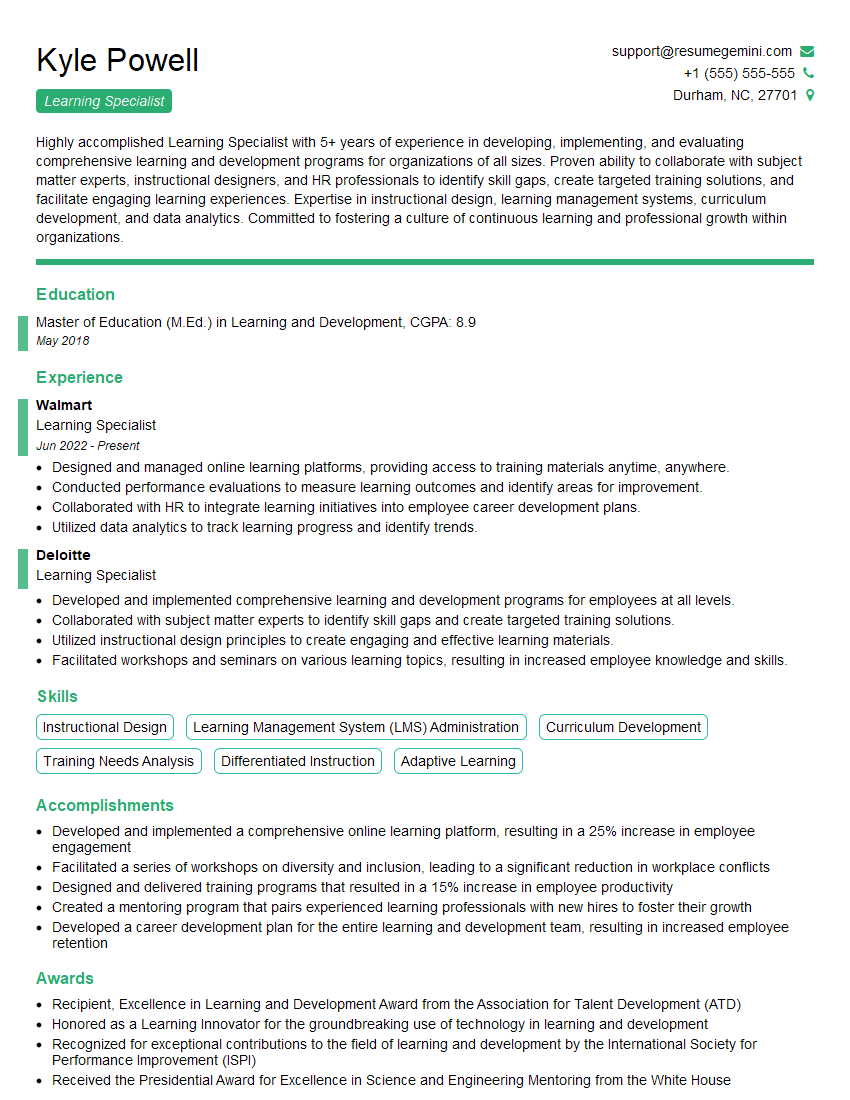
Learning Specialist Resume Sample
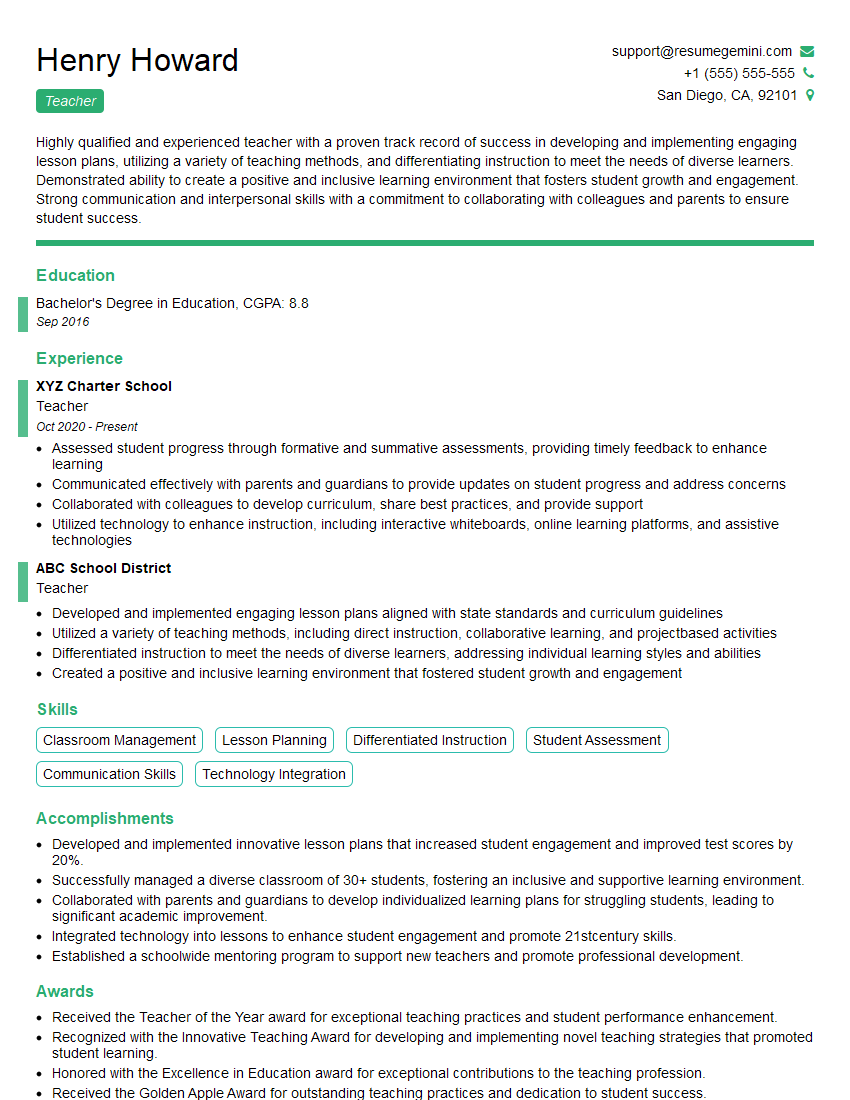
Teacher Resume Sample

Instructor Resume Sample

Professor Resume Sample

Curriculum Developer Resume Sample
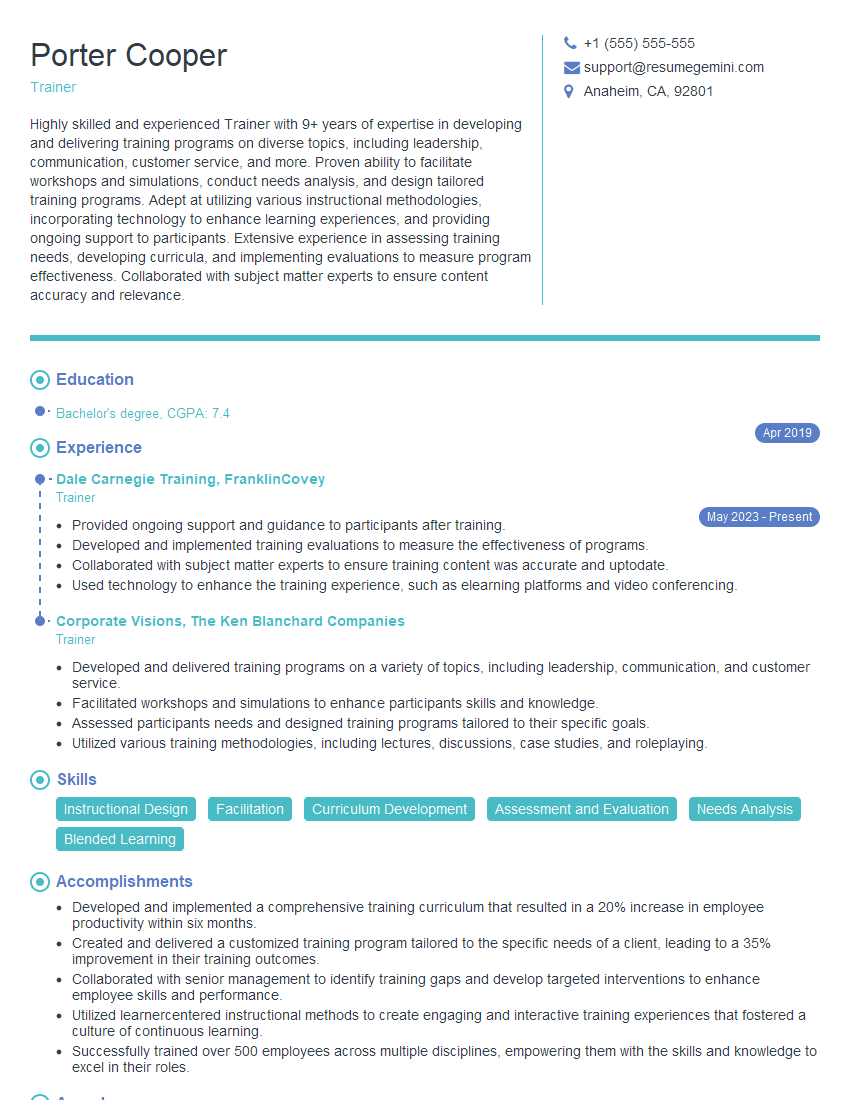
Trainer Resume Sample
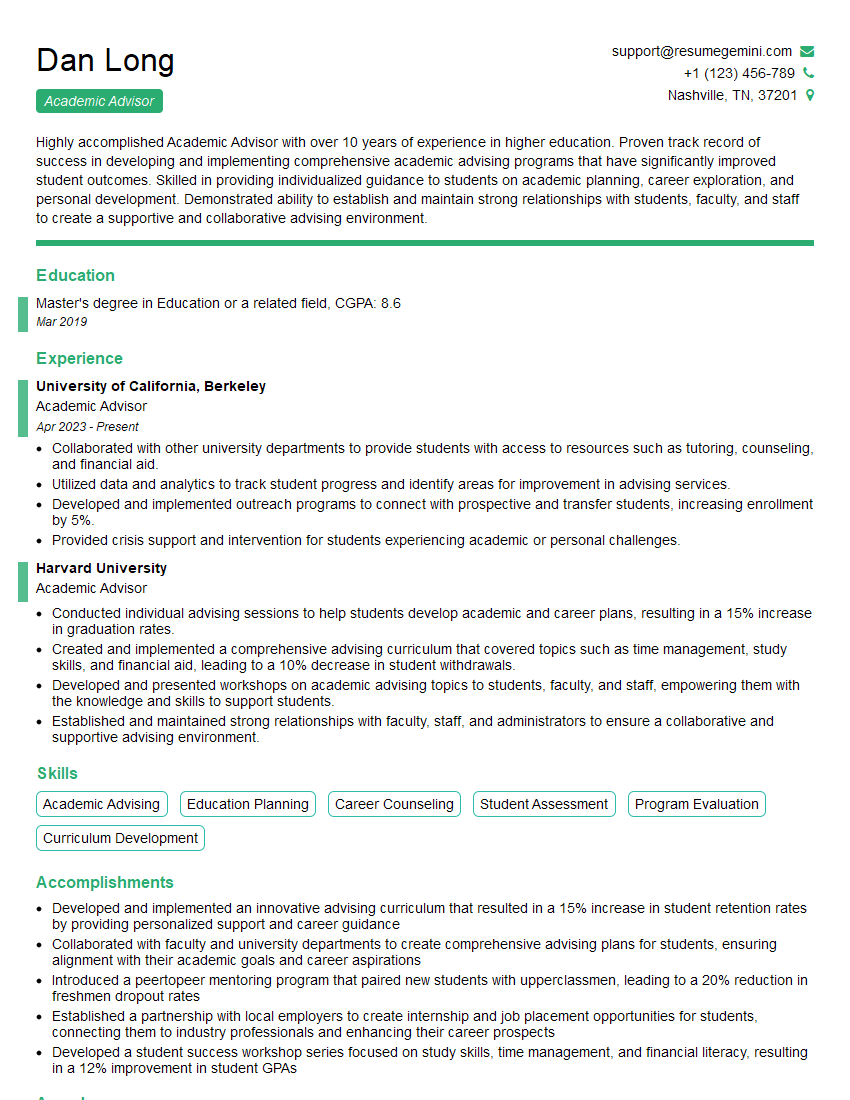
Academic Advisor Resume Sample
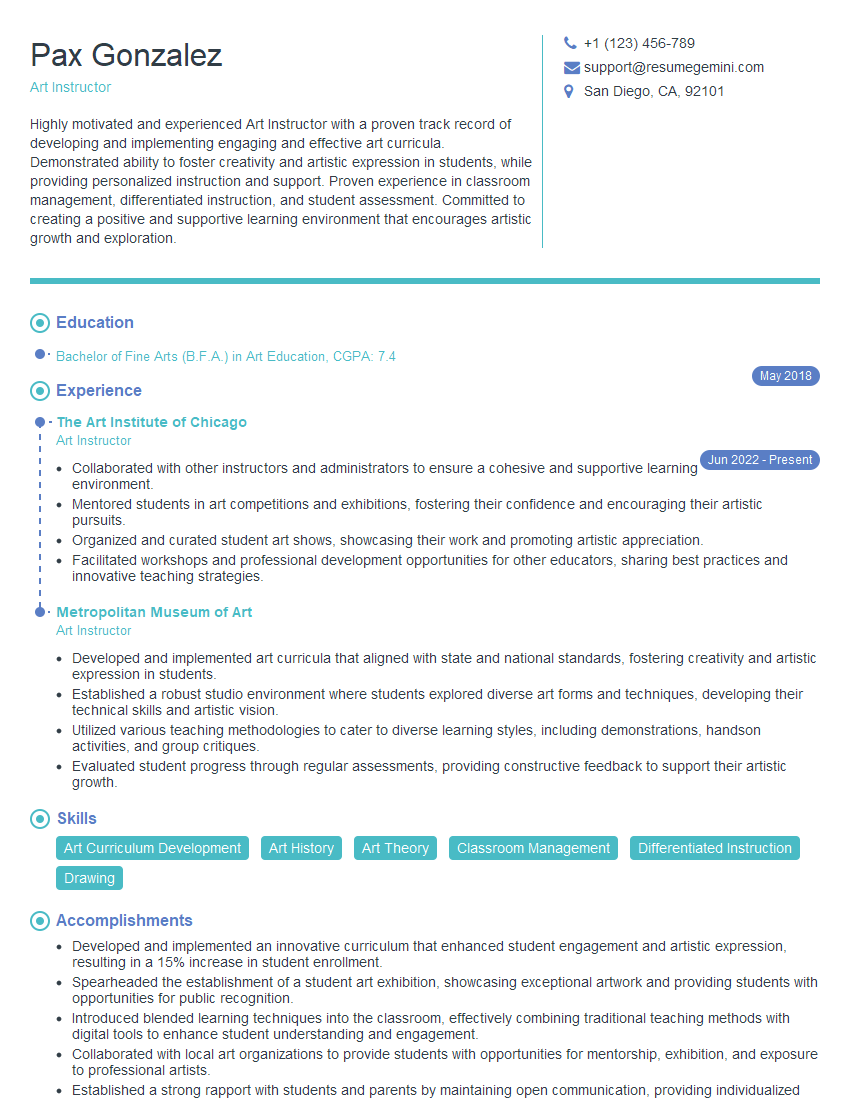
Art Instructor Resume Sample
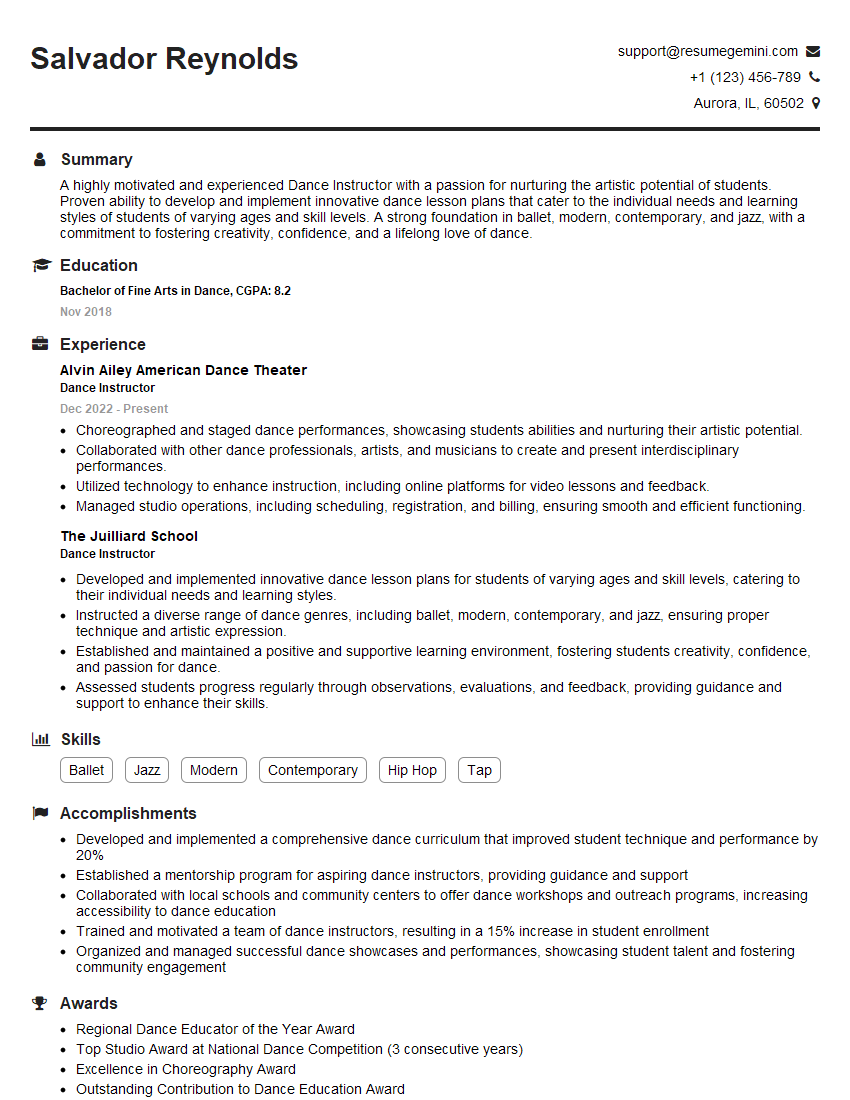
Dance Instructor Resume Sample
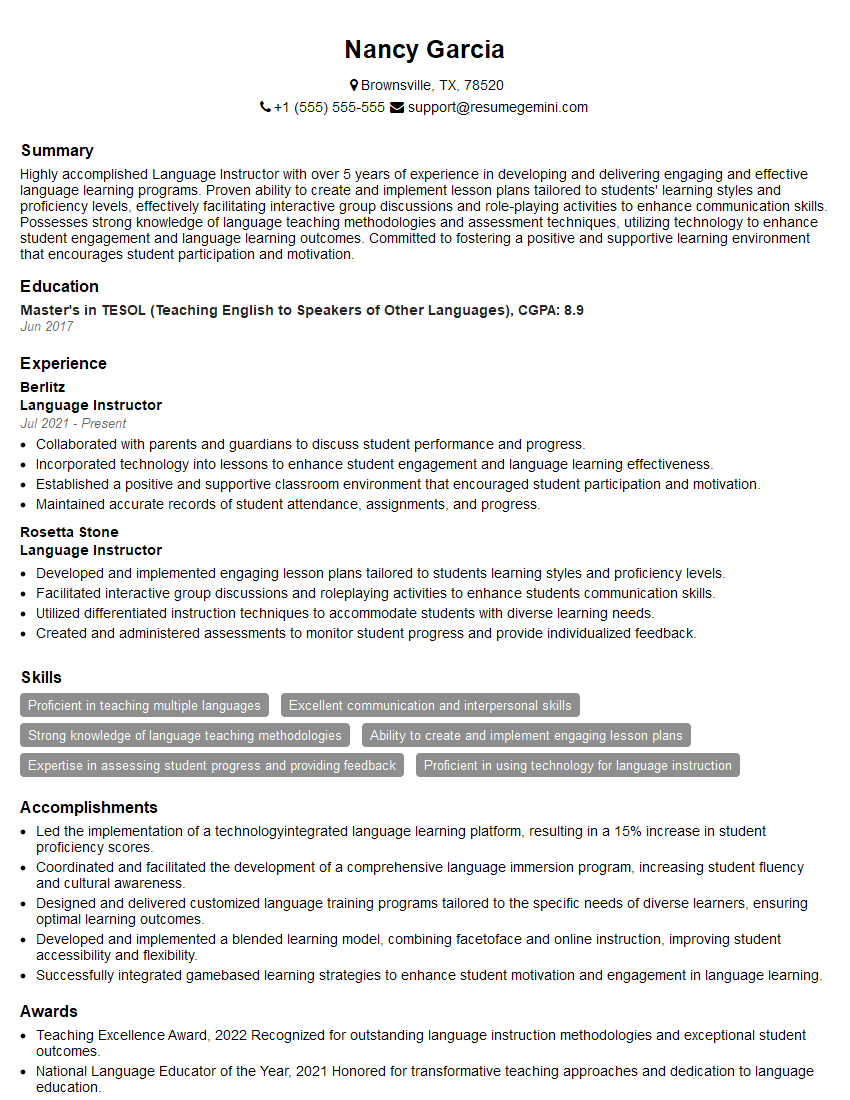
Language Instructor Resume Sample
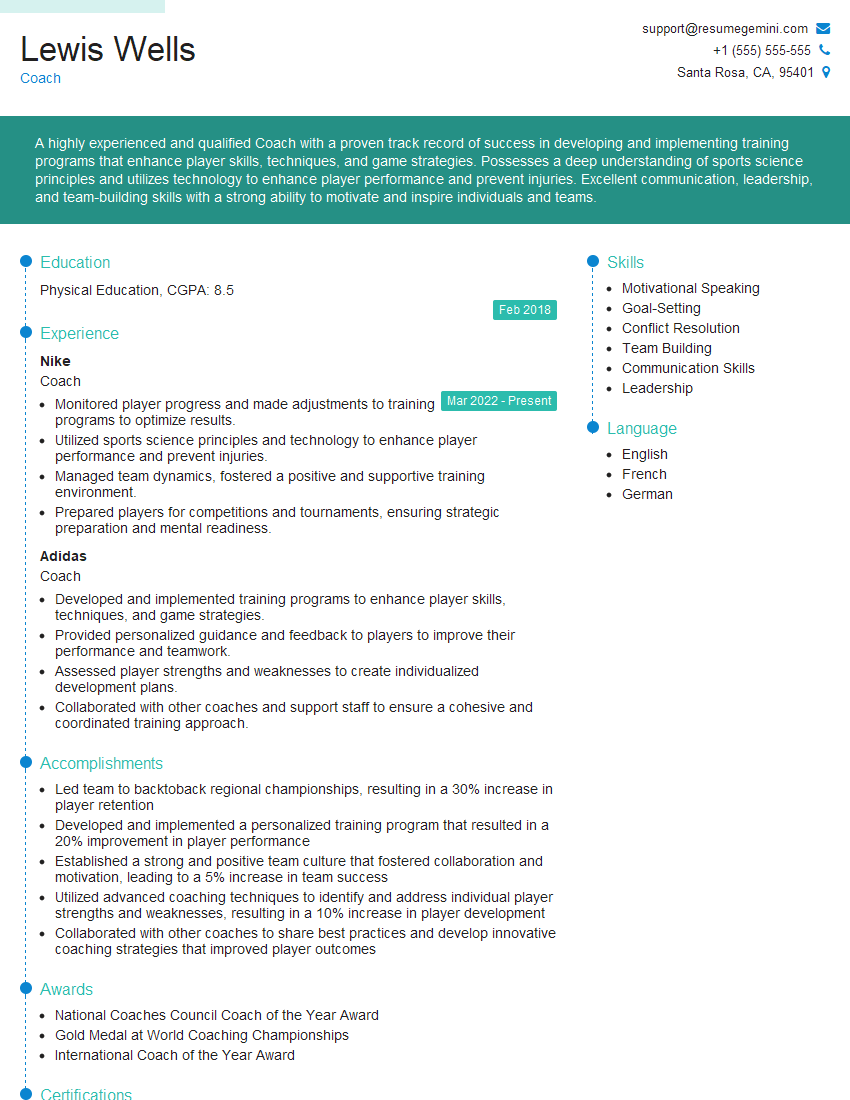
Coach Resume Sample
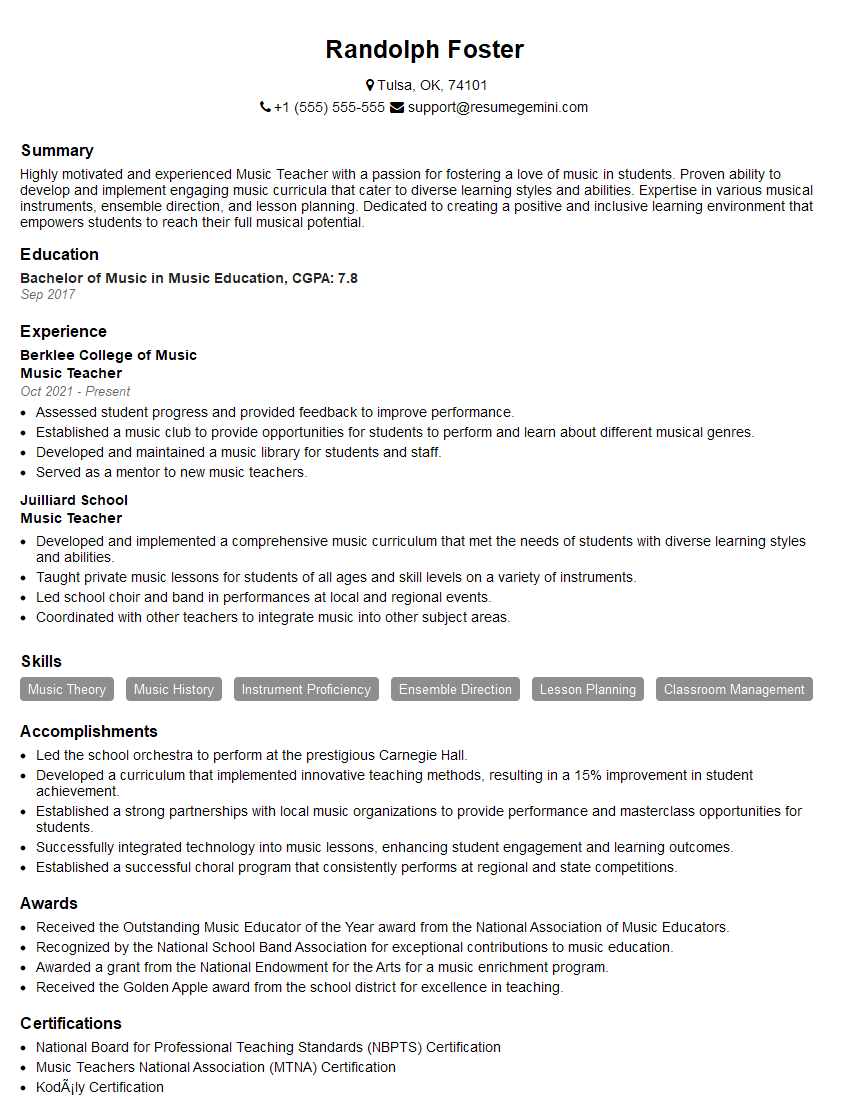
Music Teacher Resume Sample
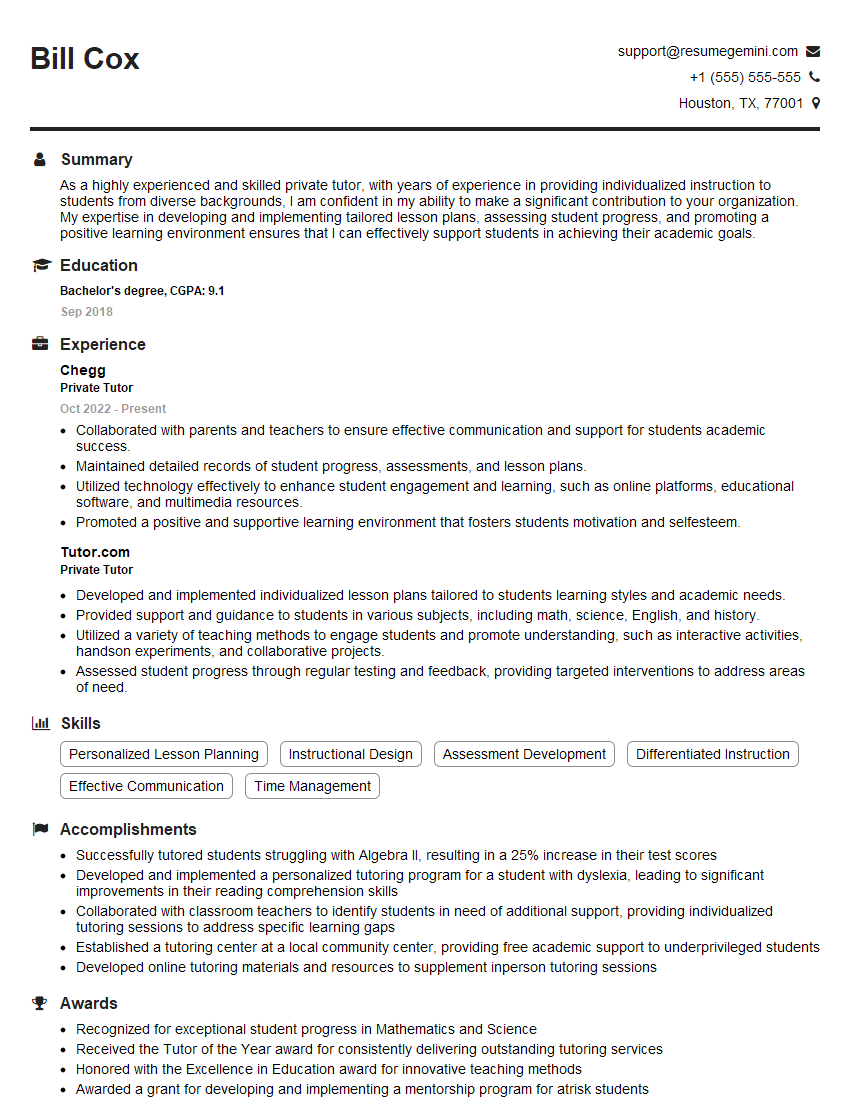
Private Tutor Resume Sample
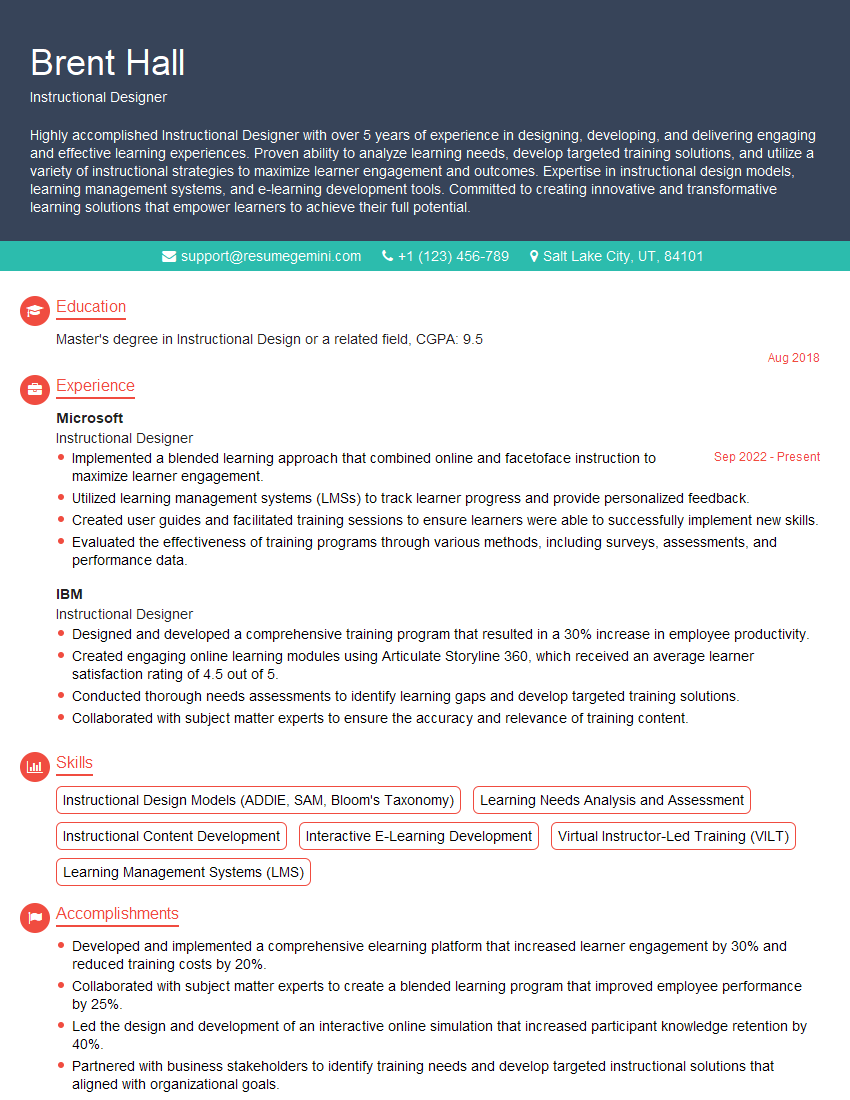
Instructional Designer Resume Sample

Educational Technologist Resume Sample
Explore more articles
Users Rating of Our Blogs
Share Your Experience
We value your feedback! Please rate our content and share your thoughts (optional).
What Readers Say About Our Blog
Very informative content, great job.
good