Feeling uncertain about what to expect in your upcoming interview? We’ve got you covered! This blog highlights the most important Problem anticipation and resolution interview questions and provides actionable advice to help you stand out as the ideal candidate. Let’s pave the way for your success.
Questions Asked in Problem anticipation and resolution Interview
Q 1. Describe your process for identifying potential problems before they occur.
Identifying potential problems proactively is crucial for preventing disruptions and ensuring smooth operations. My process involves a multi-faceted approach combining data analysis, experience, and collaboration.
- Data Analysis: I meticulously examine historical data, identifying trends and patterns that might indicate emerging problems. For example, analyzing website server logs might reveal increasing error rates before a complete crash.
- Scenario Planning: I engage in ‘what-if’ scenarios, considering potential disruptions from various sources like natural disasters, cyberattacks, or changes in market conditions. This involves brainstorming potential issues and their cascading effects.
- Stakeholder Engagement: I actively communicate with colleagues across different departments to gather diverse perspectives and insights. Frontline staff often have valuable knowledge about potential problems that might be missed by management.
- Industry Benchmarking: Staying updated on industry trends and best practices helps anticipate emerging issues before they impact my area of responsibility. For example, knowing about a new virus strain allows us to proactively strengthen cybersecurity defenses.
This combined approach enables a holistic view of potential problems, leading to effective preventative measures.
Q 2. Explain a time you successfully anticipated a problem and mitigated its impact.
During a large-scale software launch, I noticed an unusual spike in database queries during our pre-launch load testing. While the system appeared stable, my experience told me this indicated a potential bottleneck. We investigated further and discovered a poorly optimized database query that would have significantly slowed down the application under real-world load, potentially resulting in a service outage.
I immediately alerted the development team, and we were able to optimize the query before the launch. This prevented a significant service disruption and ensured a smooth rollout. This experience highlighted the importance of attention to detail and proactive identification of performance issues even when the immediate signs are not alarming.
Q 3. How do you prioritize potential problems based on their likelihood and impact?
Prioritizing potential problems requires a structured approach that considers both likelihood and impact. I often use a risk matrix, which visually represents the probability of a problem occurring against its potential consequences.
A simple risk matrix uses a scale of 1-5 for both likelihood and impact. Problems with a high likelihood and high impact (e.g., a major system failure) are prioritized first. Problems with low likelihood and low impact are addressed later or delegated. Problems falling in the medium range might require further investigation to better assess their true risk.
Likelihood (1-5) | Impact (1-5) | Risk Level | Priority-----------------|-----------------|-------------|----------High (4-5) | High (4-5) | High | ImmediateHigh (4-5) | Medium (2-3) | Medium | HighMedium (2-3) | Medium (2-3) | Medium | MediumLow (1) | Low (1) | Low | Low
This method allows for a data-driven approach to prioritization, ensuring that resources are allocated effectively.
Q 4. What tools or techniques do you use to assess risks and vulnerabilities?
Several tools and techniques help me assess risks and vulnerabilities. These include:
- Risk Assessment Frameworks: I use established frameworks like FMEA (Failure Mode and Effects Analysis) and HAZOP (Hazard and Operability Study) to systematically identify potential failures and their consequences. These often involve checklists and structured brainstorming sessions.
- Vulnerability Scanning Tools: For cybersecurity, I utilize automated tools that scan systems for known vulnerabilities and report potential weaknesses. This helps proactively identify and address security flaws.
- Data Analytics and Predictive Modeling: Analyzing large datasets helps identify trends and anomalies that may signal emerging risks. Predictive modeling can forecast potential issues based on historical data and various factors.
- SWOT Analysis: This simple yet effective framework helps to understand the Strengths, Weaknesses, Opportunities, and Threats related to a project or system. This provides a comprehensive overview of potential risks and areas for improvement.
The choice of tools depends on the context, but a combination of these methods provides a thorough risk assessment.
Q 5. Describe your approach to root cause analysis when addressing a problem.
My approach to root cause analysis follows a structured methodology, often employing the ‘5 Whys’ technique.
This involves repeatedly asking ‘why’ to understand the underlying reasons behind a problem. For example:
- Problem: System crashed.
- Why? Database overloaded.
- Why? Unexpected surge in user requests.
- Why? New marketing campaign launched without sufficient infrastructure scaling.
- Why? Inadequate planning and resource allocation for the campaign.
This iterative process helps to peel back the layers of symptoms to identify the root cause—in this case, insufficient planning. Once identified, I focus on addressing the root cause to prevent recurrence, rather than just treating symptoms. Other methods such as Fishbone diagrams are also helpful, offering a visual representation of potential root causes.
Q 6. How do you balance proactive problem anticipation with reactive problem-solving?
Balancing proactive and reactive problem-solving is a key skill. It’s not an either/or situation, but a dynamic interplay. Proactive measures prevent problems before they occur, saving time and resources in the long run. Reactive problem-solving addresses immediate issues to minimize disruption. Think of it as a fire prevention system (proactive) and a fire extinguisher (reactive).
The ideal approach involves a strong emphasis on proactive measures, but also the ability to quickly adapt and react when problems arise. This requires a structured approach to risk management, robust monitoring systems, and a flexible team that can swiftly shift between proactive and reactive modes as needed. Regular reviews and evaluations of our proactive measures help us improve and adapt the balance.
Q 7. Give an example of a time you had to adapt your problem-solving approach due to unexpected challenges.
During a project involving the integration of two legacy systems, we encountered unexpected challenges related to data incompatibility. Our initial approach, based on a straightforward data mapping strategy, proved ineffective due to inconsistencies in data formats and structures. This required a significant shift in our strategy.
We adapted by implementing a custom data transformation process, involving the development of scripts and algorithms to clean, standardize, and convert the data before integration. This was far more time-consuming than initially planned, but it proved essential for successful integration. This experience reinforced the importance of adaptability and flexibility when facing unforeseen technical issues; a rigid approach often fails in complex scenarios.
Q 8. How do you communicate potential problems and proposed solutions to different stakeholders?
Communicating potential problems and solutions effectively requires tailoring your message to the audience. I employ a tiered approach. For technical teams, I use precise language and data to illustrate the problem’s technical impact and the proposed solution’s feasibility. For executive stakeholders, I focus on the high-level business implications, risks, and the anticipated return on investment (ROI) of the proposed solution. I always ensure clear, concise communication, avoiding jargon whenever possible. Visual aids like charts, diagrams, and risk matrices are often invaluable in conveying complex information quickly and efficiently.
Example: When addressing a potential software bug impacting user experience, I’d explain the technical details (e.g., the specific code error, affected modules) to the development team. To management, I’d highlight the impact on customer satisfaction, potential revenue loss, and the proposed mitigation strategy’s cost and timeline.
- For technical teams: Detailed reports, code snippets, technical documentation.
- For management: Executive summaries, high-level reports, presentations focused on impact and ROI.
- For clients: Simple, straightforward explanations, focusing on the impact on them and the benefits of the solution.
Q 9. How do you measure the effectiveness of your problem anticipation and resolution strategies?
Measuring the effectiveness of problem anticipation and resolution requires a multi-faceted approach. Key metrics include the frequency and severity of problems encountered, the time taken to resolve issues, the cost associated with problem resolution, and the overall impact on key performance indicators (KPIs). I use a combination of quantitative and qualitative data. Quantitative data might include the number of incidents averted, the reduction in downtime, or the improvement in customer satisfaction scores. Qualitative data might involve feedback from stakeholders on the effectiveness of the strategies and processes.
Example: If our goal is to reduce server downtime by 50%, we can track the number of downtime incidents before and after implementing our new monitoring system. We can also gather feedback through surveys to understand user perception of system reliability. A reduction in downtime incidents coupled with positive user feedback demonstrates the strategy’s success.
Q 10. How do you stay informed about potential risks and emerging challenges in your field?
Staying informed about potential risks and emerging challenges is critical. I actively engage in several practices: I subscribe to industry newsletters and journals, attend conferences and webinars, actively participate in professional communities and online forums, network with peers and experts, and regularly monitor relevant news sources and regulatory updates. This proactive approach enables me to identify trends and potential issues before they escalate into major problems. This includes following emerging technologies and their potential impact, as well as changes in regulations or market conditions that could affect our operations.
Example: By following cybersecurity news, I can anticipate potential vulnerabilities in our systems and proactively implement security patches or other mitigation strategies. This prevents potential breaches and data loss before they happen.
Q 11. Describe a situation where you failed to anticipate a problem. What did you learn?
In a previous role, we underestimated the impact of a third-party vendor’s system failure on our own services. We hadn’t fully assessed the dependencies and lacked a robust disaster recovery plan. The failure resulted in significant downtime and reputational damage. The key lesson learned was the critical need for thorough dependency mapping and the development of comprehensive contingency plans for critical third-party services. We now conduct regular risk assessments, including worst-case scenario analysis, and regularly test our backup and recovery systems.
Q 12. How do you build consensus and collaboration when addressing complex problems?
Building consensus and collaboration requires transparent communication, active listening, and a willingness to compromise. I facilitate collaborative problem-solving sessions, involving all relevant stakeholders. I encourage open discussion, value diverse perspectives, and actively seek out areas of agreement. I use techniques like brainstorming and root cause analysis to identify shared goals and work towards mutually agreeable solutions. Documenting the process and decisions helps maintain transparency and accountability.
Example: When facing a complex project delay, I’d organize a meeting with all involved parties – project managers, developers, clients – to discuss the issues openly, identify the root causes, and collaboratively develop a revised project plan that addresses everyone’s concerns.
Q 13. What are some common pitfalls to avoid when anticipating and resolving problems?
Common pitfalls to avoid include:
- Underestimating risks: Always conduct thorough risk assessments, considering both known and unknown factors.
- Ignoring early warning signs: Develop robust monitoring systems to detect early signs of potential problems.
- Lack of communication: Ensure clear and consistent communication among all stakeholders.
- Failing to involve key stakeholders: Include all relevant parties in problem-solving efforts.
- Implementing quick fixes without addressing root causes: Focus on identifying and addressing the underlying causes of problems to prevent recurrence.
- Lack of documentation: Maintain detailed records of problems, solutions, and lessons learned.
Q 14. How do you ensure that problem resolutions are sustainable and prevent recurrence?
Ensuring sustainable problem resolutions requires a focus on root cause analysis and implementing preventive measures. After solving a problem, I conduct a post-mortem review to understand the underlying causes. This involves analyzing the sequence of events leading to the problem and identifying systemic weaknesses. Based on this analysis, I develop and implement corrective and preventive actions to mitigate the risk of recurrence. This might involve process improvements, training programs, system upgrades, or policy changes. Regular monitoring and auditing help to ensure the effectiveness of these measures.
Example: If a recurring software bug is caused by inadequate testing procedures, we’d implement stricter testing protocols and provide additional training to developers. We would then monitor bug reports to ensure the new procedures are effective and the issue doesn’t reappear.
Q 15. Describe your experience with using data analysis to anticipate problems.
Data analysis is fundamental to proactive problem anticipation. I leverage various analytical techniques to identify trends, patterns, and anomalies that might indicate impending issues. This involves collecting relevant data from diverse sources, cleaning and transforming it, and then applying statistical methods or machine learning algorithms to extract meaningful insights.
For example, in a previous role managing a customer service call center, I analyzed call volume, customer sentiment scores, and common complaint themes. By identifying a sudden spike in calls related to a specific product feature and a concurrent drop in customer satisfaction, I anticipated a potential product failure and alerted the engineering team. This allowed them to proactively investigate and release a patch before the issue escalated significantly, saving the company considerable time, resources, and reputational damage.
Another example involved using predictive modeling to forecast equipment failures. Analyzing historical maintenance data, operational parameters, and environmental factors, I built a model that accurately predicted equipment downtime with a high degree of accuracy. This allowed us to schedule preventative maintenance, minimizing production disruptions and extending the lifespan of our assets.
Career Expert Tips:
- Ace those interviews! Prepare effectively by reviewing the Top 50 Most Common Interview Questions on ResumeGemini.
- Navigate your job search with confidence! Explore a wide range of Career Tips on ResumeGemini. Learn about common challenges and recommendations to overcome them.
- Craft the perfect resume! Master the Art of Resume Writing with ResumeGemini’s guide. Showcase your unique qualifications and achievements effectively.
- Don’t miss out on holiday savings! Build your dream resume with ResumeGemini’s ATS optimized templates.
Q 16. How do you handle conflicting priorities when addressing multiple potential problems?
Handling conflicting priorities requires a structured approach. I utilize prioritization frameworks like MoSCoW (Must have, Should have, Could have, Won’t have) or Eisenhower Matrix (Urgent/Important) to categorize potential problems based on their impact and urgency. This helps me allocate resources effectively and focus on the most critical issues first.
For instance, if facing a simultaneous critical security breach and a less urgent product bug, the security breach demands immediate attention due to its potentially catastrophic impact. I’d allocate the necessary resources to resolve the security issue while creating a separate, prioritized task list for addressing the product bug after the immediate threat is mitigated. Transparent communication with stakeholders throughout the process is key to managing expectations and securing necessary buy-in for these prioritization decisions.
Q 17. How do you delegate tasks effectively when addressing complex problems?
Effective delegation for complex problems requires careful planning and clear communication. I start by breaking down the larger problem into smaller, manageable tasks, assigning each to team members based on their expertise and capacity. I provide clear instructions, timelines, and expected outcomes for each task, ensuring everyone understands their role and responsibilities. Regular check-ins and open communication channels are crucial to ensure progress and address any emerging roadblocks.
For example, when troubleshooting a major system outage, I would delegate tasks as follows: one team member focuses on restoring primary system functionality; another investigates the root cause; another manages communication to affected users; and yet another focuses on preventing future similar incidents. Each task has clear deliverables and assigned responsibilities, fostering a collaborative and efficient problem-solving approach.
Q 18. How do you manage stress and pressure when dealing with multiple simultaneous issues?
Managing stress and pressure under multiple simultaneous issues involves adopting effective coping mechanisms and stress management techniques. This includes prioritizing self-care, such as sufficient sleep, regular exercise, and healthy eating. I also employ time management strategies, such as the Pomodoro Technique, to maintain focus and prevent burnout. Moreover, I foster strong teamwork and open communication, leveraging the support of colleagues and sharing the workload to avoid feeling overwhelmed.
Creating realistic expectations and regularly assessing progress is essential. Recognizing that it’s impossible to solve everything at once, I focus on tackling problems systematically and celebrating small victories along the way. This helps maintain morale and motivation during challenging times. If stress becomes unmanageable, seeking professional help is vital.
Q 19. Explain your experience with risk assessment methodologies (e.g., FMEA, SWOT).
I have extensive experience using various risk assessment methodologies, including FMEA (Failure Mode and Effects Analysis) and SWOT (Strengths, Weaknesses, Opportunities, Threats). FMEA involves systematically identifying potential failure modes in a system, analyzing their effects, and implementing preventative measures. SWOT analysis helps assess the overall situation by evaluating internal strengths and weaknesses, as well as external opportunities and threats. These techniques are complementary; FMEA provides a granular view of specific risks, while SWOT provides a broader strategic perspective.
For example, in a software development project, we utilized FMEA to identify potential failure points in the system architecture, such as database crashes or API failures. We then assessed the severity, probability, and detectability of each failure, prioritizing mitigation efforts based on their risk scores. Concurrently, we used SWOT analysis to identify market opportunities and potential competitive threats, which informed our overall development strategy and resource allocation.
Q 20. How do you leverage technology to improve your problem anticipation and resolution capabilities?
Technology plays a crucial role in enhancing problem anticipation and resolution. I leverage various tools and platforms, including monitoring dashboards, automated alerts, and data analytics software, to proactively identify potential issues. For example, I use monitoring tools to track system performance metrics in real-time, allowing for immediate detection of anomalies that could indicate an impending problem. Automated alerts notify me of critical events, enabling swift intervention and minimizing downtime.
Furthermore, I utilize collaborative platforms for effective communication and task management, streamlining workflows and ensuring everyone is aligned on problem-solving efforts. Machine learning models further augment my capabilities by predicting future problems based on historical data, allowing for proactive preventative measures. The integration of these technologies enables a more efficient, data-driven approach to problem management.
Q 21. Describe your experience with implementing preventative measures to avoid problems.
Implementing preventative measures is key to avoiding problems altogether. This involves a proactive approach, anticipating potential issues and taking steps to mitigate them before they arise. This can involve regular system maintenance, rigorous testing, robust security protocols, and proactive training for personnel. For example, in a manufacturing environment, implementing preventative maintenance schedules based on equipment usage and historical data helps minimize unexpected breakdowns and production disruptions.
Another example would be implementing thorough code reviews and automated testing in software development to catch bugs early in the development lifecycle, reducing the likelihood of costly and time-consuming fixes later. Proactive measures not only minimize disruption but also improve overall efficiency and reduce costs associated with reactive problem-solving.
Q 22. How do you effectively document the problem-solving process and its outcomes?
Effective documentation is crucial for problem-solving. It ensures accountability, facilitates knowledge sharing, and allows for continuous improvement. My approach involves a multi-faceted system. I start with a clear problem statement, detailing the issue, its impact, and initial observations. Then, I meticulously document each step of the investigative process: the data gathered, the analysis performed, the hypotheses considered, and the rationale behind each decision. This is typically done using a combination of project management software (like Jira or Asana) and a detailed written report. The report includes the final solution implemented, its effectiveness (quantified whenever possible), and any lessons learned. For example, if we were troubleshooting a network outage, the documentation would include the initial symptoms, the diagnostic steps taken (ping tests, traceroutes), the identified root cause (e.g., faulty router), the solution implemented (router replacement), and post-implementation monitoring data to confirm resolution. Finally, I ensure this documentation is easily accessible to the relevant team members and stored in a centralized, version-controlled system for future reference.
Q 23. How do you ensure that your problem-solving approach is aligned with organizational goals?
Aligning problem-solving with organizational goals is paramount. Before even beginning the problem-solving process, I ensure a thorough understanding of the overarching strategic objectives and key performance indicators (KPIs) of the organization. This might involve reviewing the company’s strategic plan, discussing goals with senior management, or analyzing relevant performance dashboards. I then frame the problem within this context, ensuring that the proposed solutions directly contribute to, or at least don’t negatively impact, these goals. For instance, if the organization’s primary goal is to increase customer satisfaction, I’d prioritize solutions that improve customer experience, even if other solutions might be technically more efficient. Regular check-ins and progress reports help to maintain alignment throughout the process, allowing for course correction if necessary. This approach ensures that our efforts are focused on problems that genuinely matter to the organization’s success.
Q 24. Explain your experience with using project management methodologies to solve problems.
I’ve extensively used Agile and Scrum methodologies in problem-solving. These frameworks provide a structured and iterative approach, enabling flexibility and adaptability. For example, when tackling a complex software bug, I’d employ a Scrum approach: defining user stories (representing the problem from the user’s perspective), breaking down the problem into smaller, manageable tasks (sprints), holding daily stand-up meetings to track progress and address roadblocks, and regularly reviewing the progress against the defined goals. The iterative nature of Agile allows us to quickly adapt to unexpected challenges or changing requirements. Waterfall methodologies have their place too, especially for well-defined, predictable problems; however, in the face of uncertainty, Agile’s adaptability is significantly more beneficial. The key is to select the methodology best suited to the specific context of the problem.
Q 25. Describe a time you had to make a critical decision under pressure related to problem resolution.
During a major system upgrade, we encountered a critical failure just hours before the go-live deadline. The system was unresponsive, and the initial diagnostics pointed to a potential data corruption issue – a catastrophic scenario. Under immense pressure, I had to quickly evaluate several options, each with significant risks and trade-offs. We could attempt a risky emergency fix, which might exacerbate the issue, delay the launch indefinitely, or roll back to the previous system, losing the benefits of the upgrade. After consulting with the team, weighing the pros and cons of each option, and assessing the potential impact of each decision, I decided to implement a phased rollout. We launched the upgrade to a small subset of users, closely monitoring for errors before expanding the rollout gradually. This approach minimized the risk of widespread failure while ensuring the project could proceed. Though stressful, the experience reinforced the importance of thorough risk assessment, clear communication, and decisive action under pressure.
Q 26. How do you balance short-term solutions with long-term strategic planning in problem-solving?
Balancing short-term and long-term considerations is vital for effective problem-solving. Imagine a leaky roof: a short-term solution might be to place buckets to catch the water, but the long-term solution is to repair the roof itself. My approach involves a two-pronged strategy: First, I address the immediate symptoms to prevent further damage or disruption using a quick fix. Simultaneously, I initiate a parallel process to address the root cause and develop a sustainable, long-term solution. This often requires prioritizing tasks based on their impact and urgency using a prioritization matrix (like Eisenhower Matrix), ensuring that both immediate needs and strategic goals are met. Regular reviews and adjustments ensure the plan remains aligned with organizational objectives. Thorough documentation of both short-term and long-term actions helps to avoid repeating past mistakes and facilitates knowledge transfer.
Q 27. How do you involve your team in the problem anticipation and resolution process?
Team involvement is fundamental to effective problem anticipation and resolution. I believe in fostering a collaborative environment where everyone feels empowered to contribute. I actively involve my team through brainstorming sessions, where we collectively identify potential problems and explore creative solutions. I utilize various collaborative tools to facilitate open communication and knowledge sharing. For example, using online whiteboards (like Miro) to visually map the problem and its potential solutions encourages active participation and fosters a sense of shared ownership. I also delegate tasks based on team members’ strengths and expertise, ensuring that everyone has a meaningful role to play. Regular feedback sessions and open discussions provide avenues for addressing concerns and refining the approach. By empowering the team, we benefit from diverse perspectives and a higher level of commitment to the solution.
Q 28. What is your preferred method for documenting and tracking the progress of problem resolution?
My preferred method for documenting and tracking progress involves a combination of tools and techniques. I use project management software (such as Jira or Asana) to create tasks, assign responsibilities, set deadlines, and track progress visually through Kanban boards or Gantt charts. This provides a centralized repository for all project-related information. I supplement this with detailed written reports for complex problems, capturing the problem statement, analysis, solution, and lessons learned. These reports are version-controlled to maintain a clear history of the problem-solving process. Furthermore, I use regular status meetings and progress reports to keep stakeholders informed and identify potential roadblocks early on. The specific tools and techniques may vary depending on the project’s complexity and the team’s preferences, but the core principle remains: maintaining transparent, accessible, and comprehensive documentation.
Key Topics to Learn for Problem Anticipation and Resolution Interviews
- Proactive Problem Identification: Learn to identify potential issues before they arise. Consider techniques like risk assessment, trend analysis, and stakeholder engagement.
- Root Cause Analysis: Master methods for digging deep into problems to uncover their underlying causes. Explore techniques like the “5 Whys,” fishbone diagrams, and fault tree analysis. Practical application: Demonstrate how you’ve used these methods in past projects to effectively resolve complex issues.
- Preventive Measures and Mitigation Strategies: Develop a strong understanding of how to implement solutions that prevent future occurrences of similar problems. Consider examples from your experience where you designed preventative measures or improved existing processes.
- Problem-Solving Frameworks: Familiarize yourself with structured approaches to problem-solving, such as the DMAIC (Define, Measure, Analyze, Improve, Control) methodology or similar frameworks. Practice applying these to hypothetical scenarios.
- Communication and Collaboration: Understand the importance of effectively communicating anticipated problems and proposed solutions to stakeholders. Practice explaining complex technical issues clearly and concisely.
- Decision-Making under Pressure: Develop strategies for making sound judgments under stress and time constraints. Consider how you handle conflicting priorities and high-pressure situations.
- Adaptability and Continuous Learning: Highlight your ability to adapt to changing circumstances and your commitment to continuous professional development in this crucial area.
Next Steps
Mastering problem anticipation and resolution is crucial for career advancement. It demonstrates a proactive mindset, critical thinking skills, and the ability to contribute significantly to any organization. To significantly boost your job prospects, create an ATS-friendly resume that showcases these vital skills. We highly recommend using ResumeGemini to craft a professional and impactful resume that highlights your problem-solving abilities. ResumeGemini provides examples of resumes tailored to problem anticipation and resolution to help guide you. Take the next step towards your dream career today!
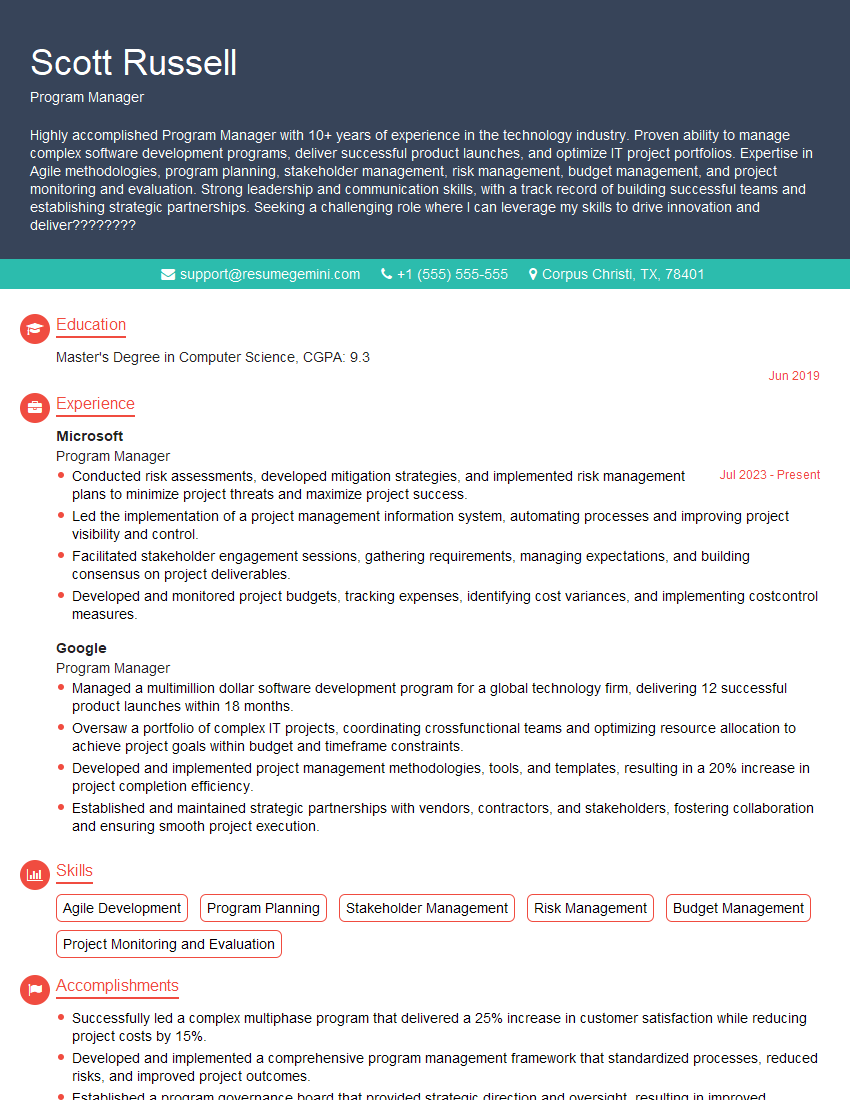
Program Manager Resume Sample

Operations Manager Resume Sample
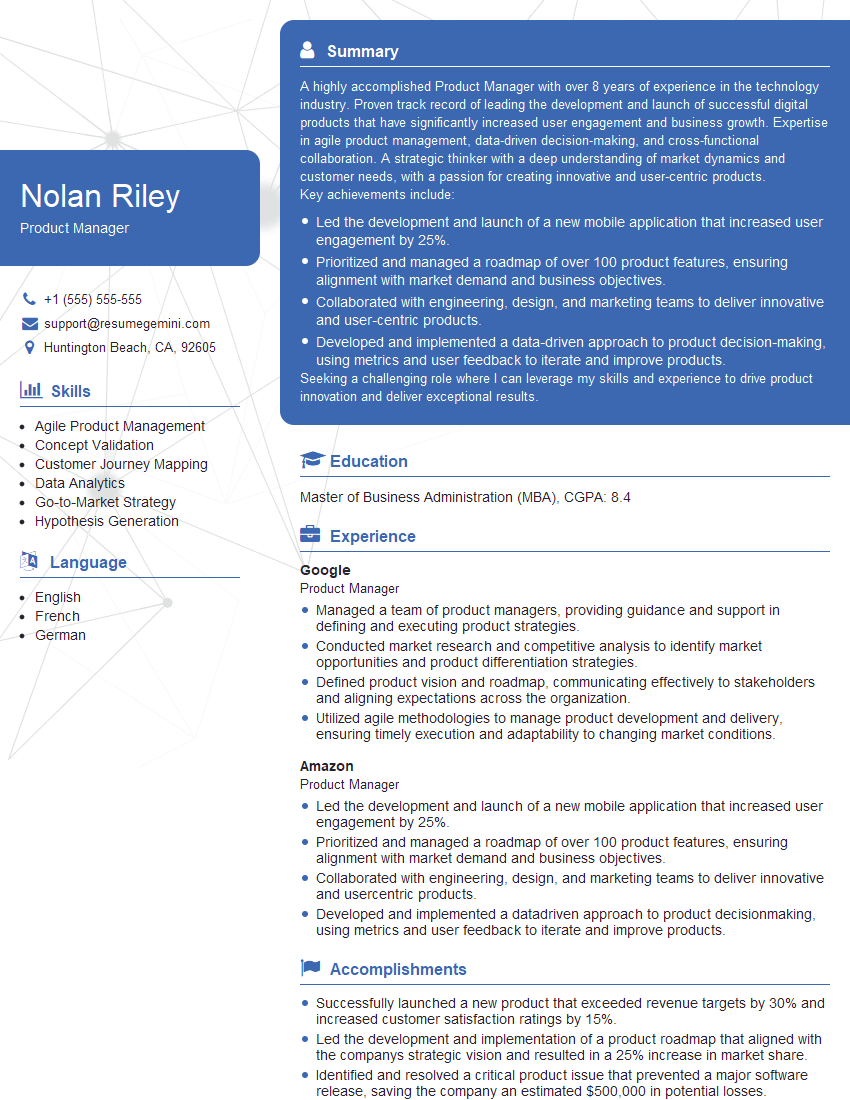
Product Manager Resume Sample
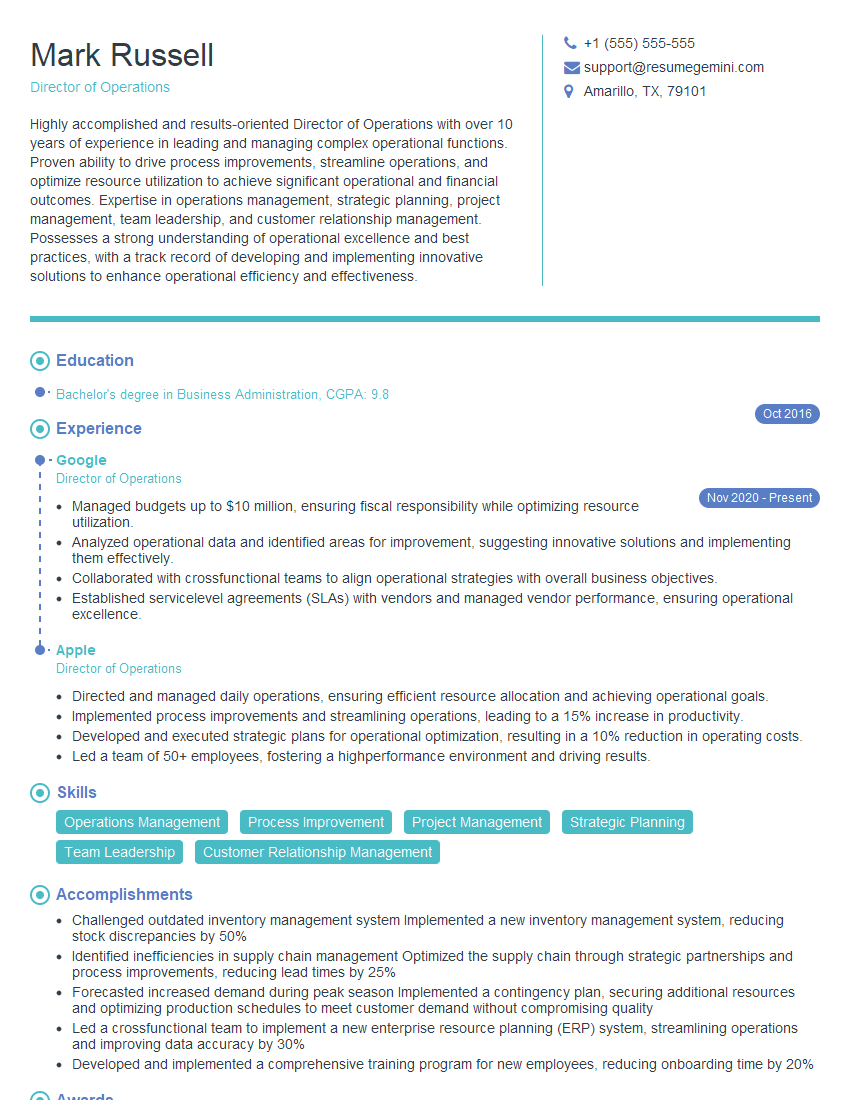
Director of Operations Resume Sample
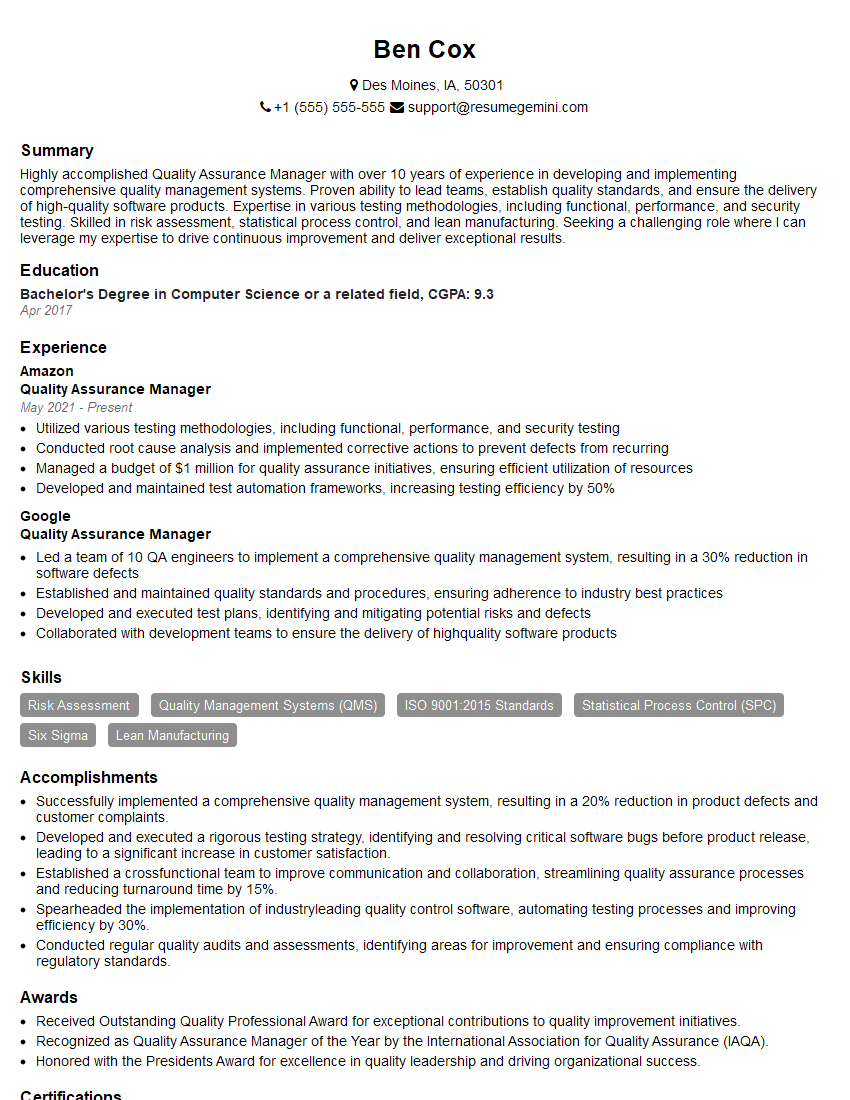
Quality Assurance Manager Resume Sample
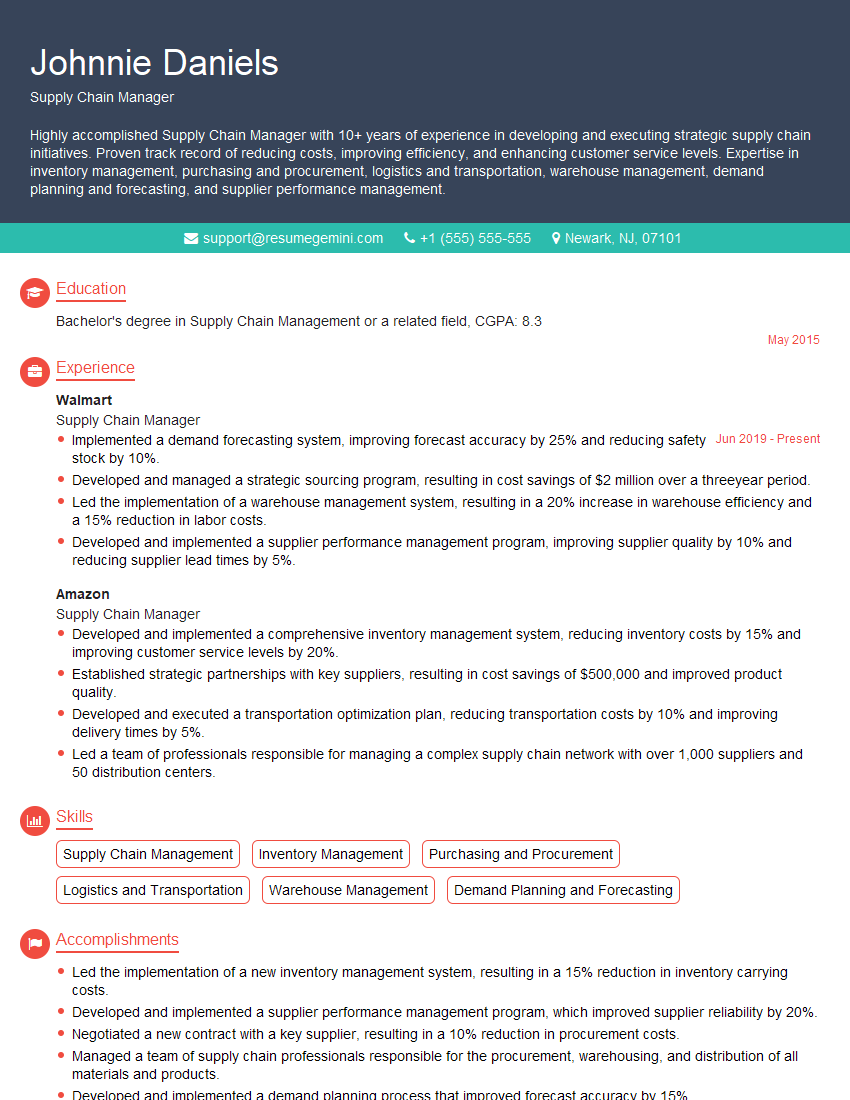
Supply Chain Manager Resume Sample
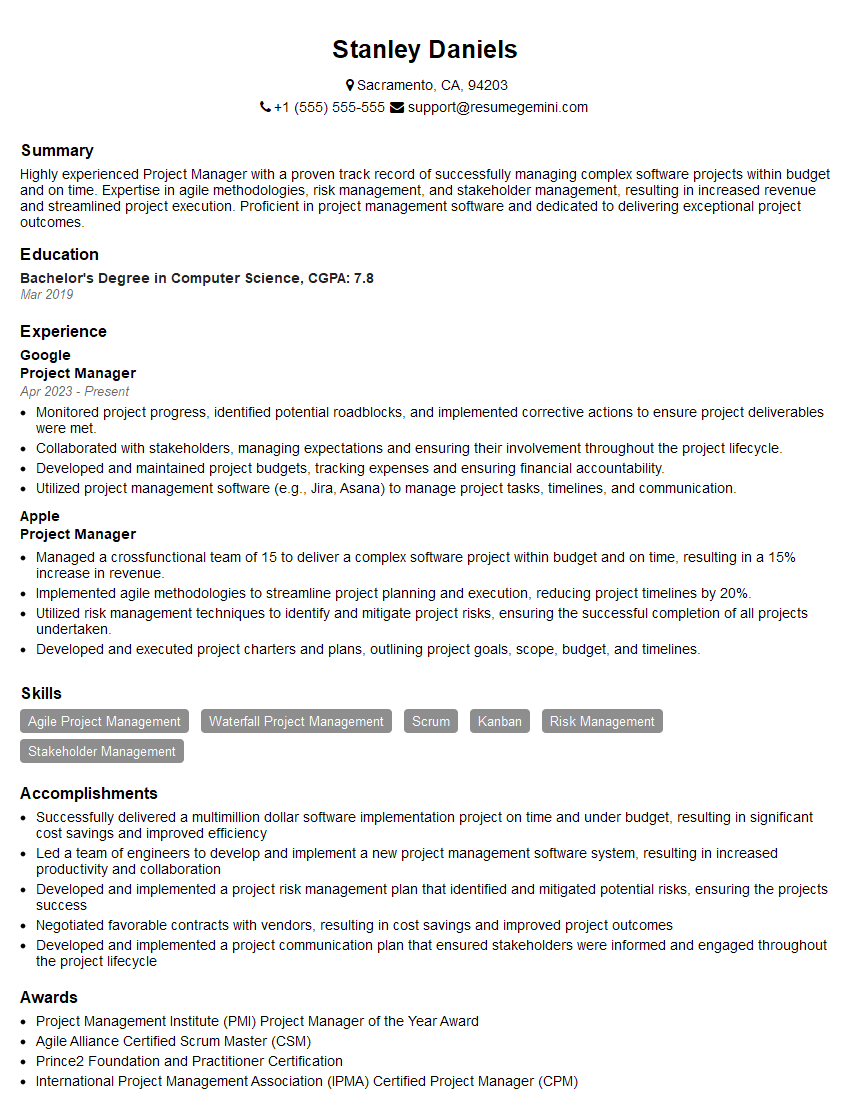
Project Manager Resume Sample
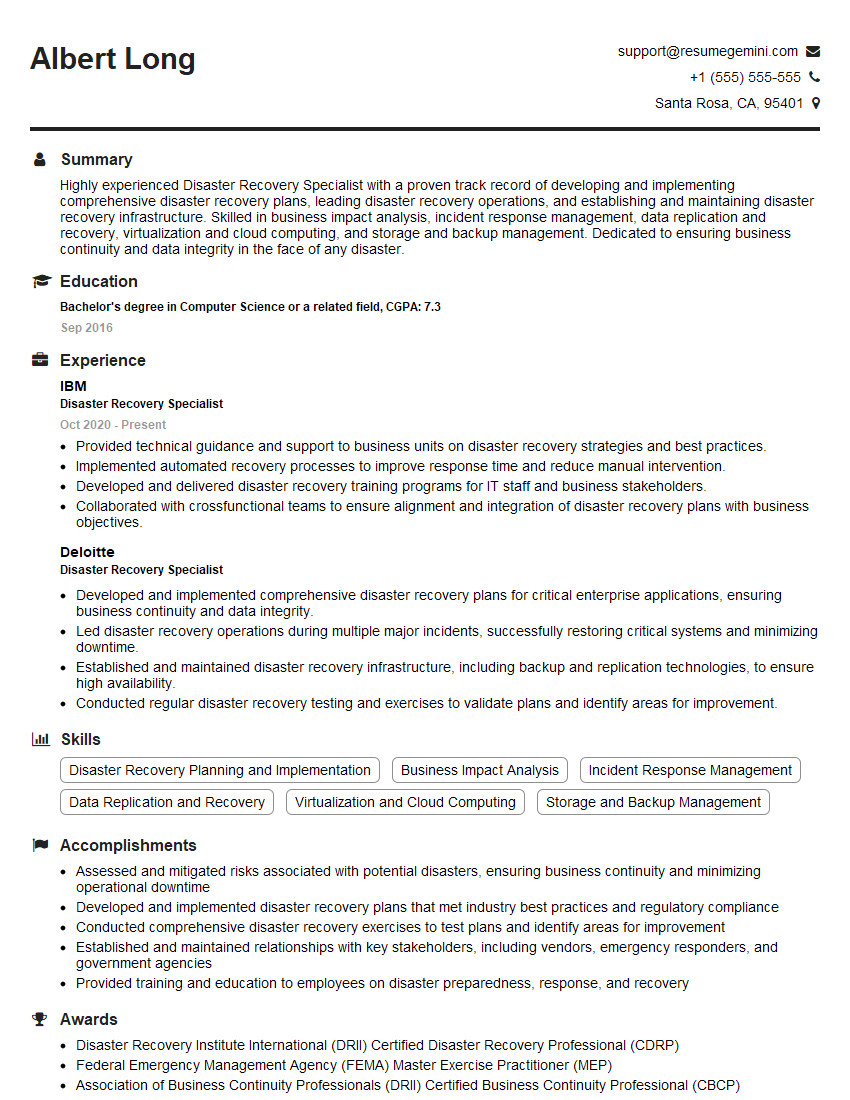
Disaster Recovery Specialist Resume Sample
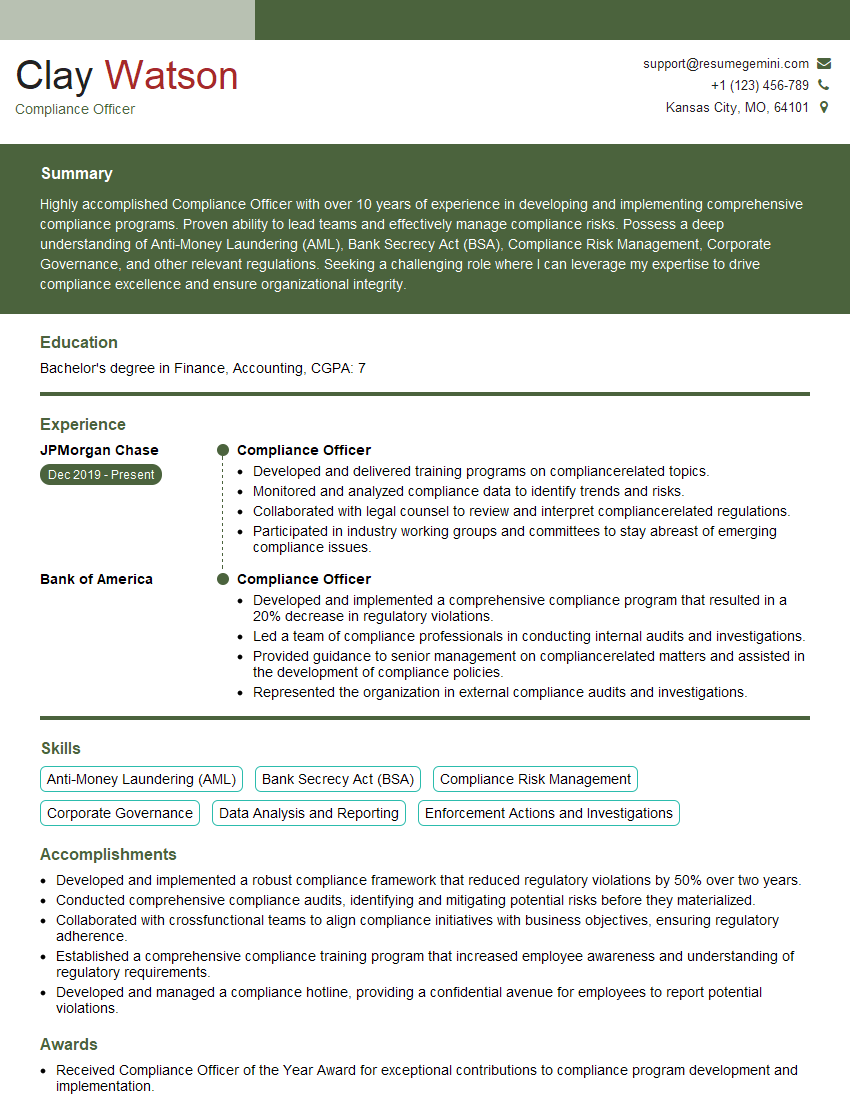
Compliance Officer Resume Sample
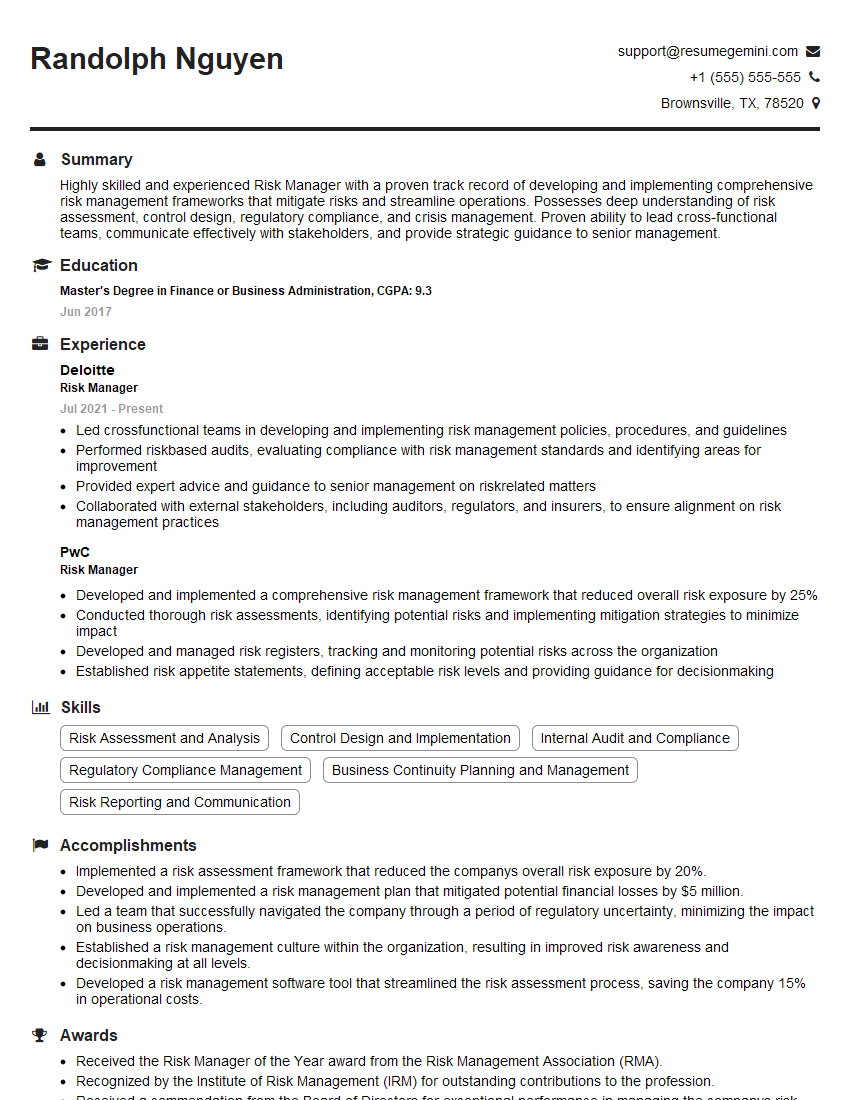
Risk Manager Resume Sample
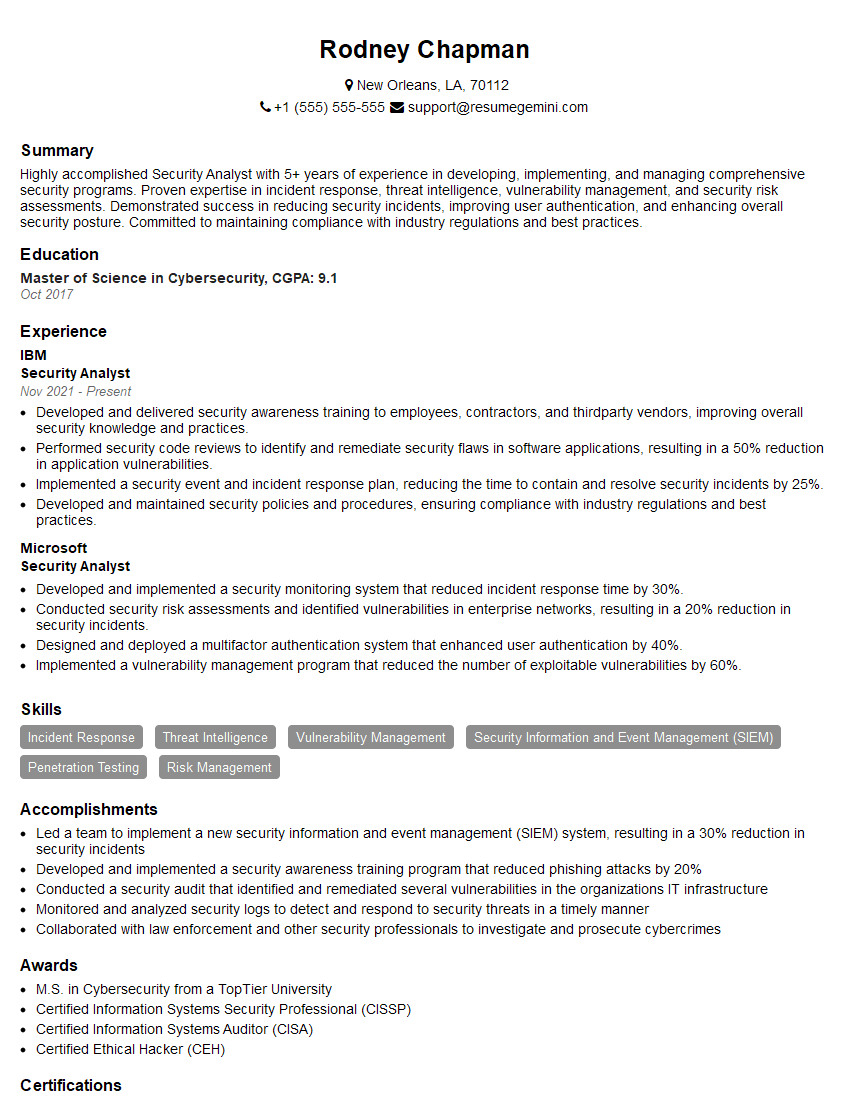
Security Analyst Resume Sample
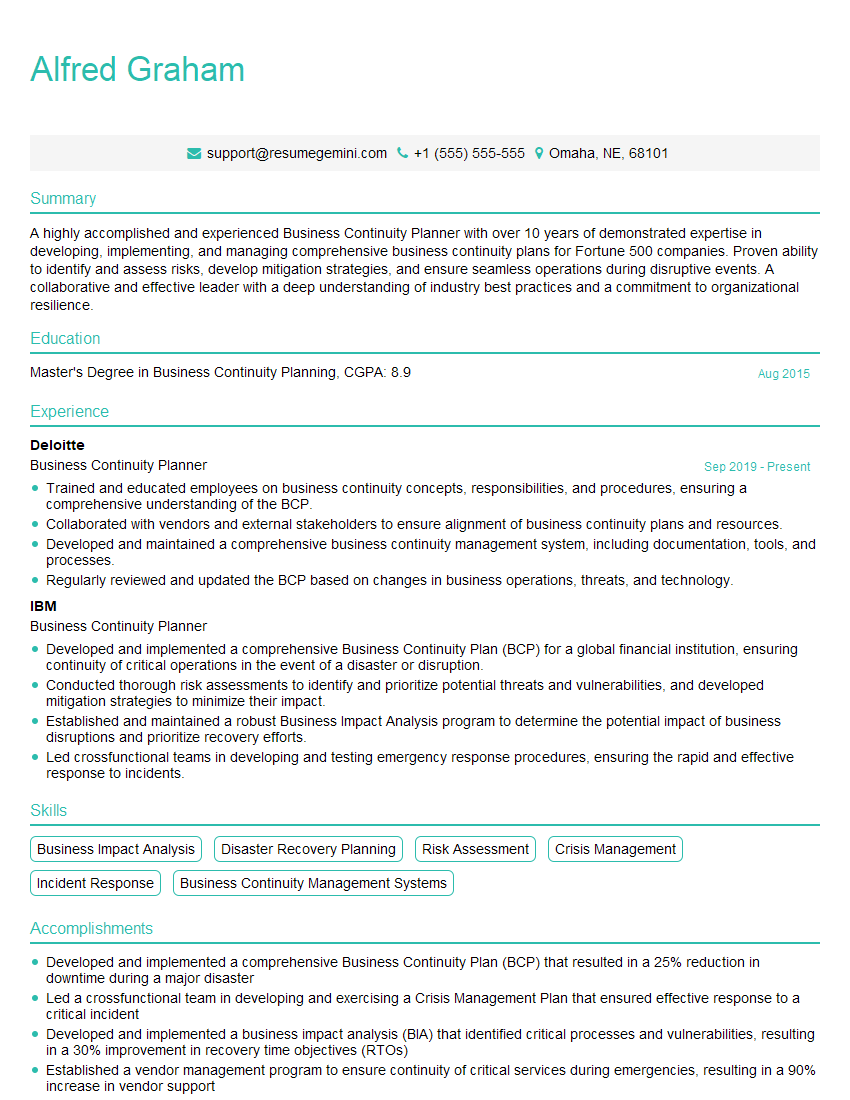
Business Continuity Planner Resume Sample
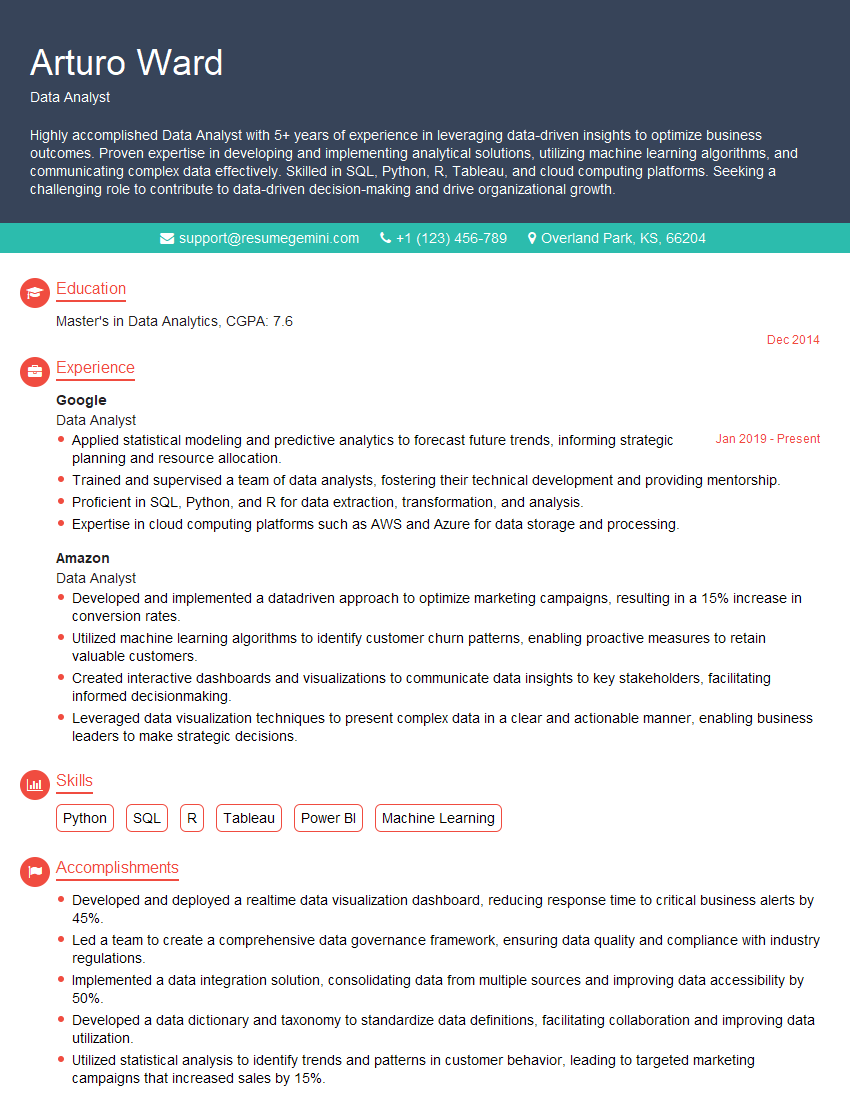
Data Analyst Resume Sample
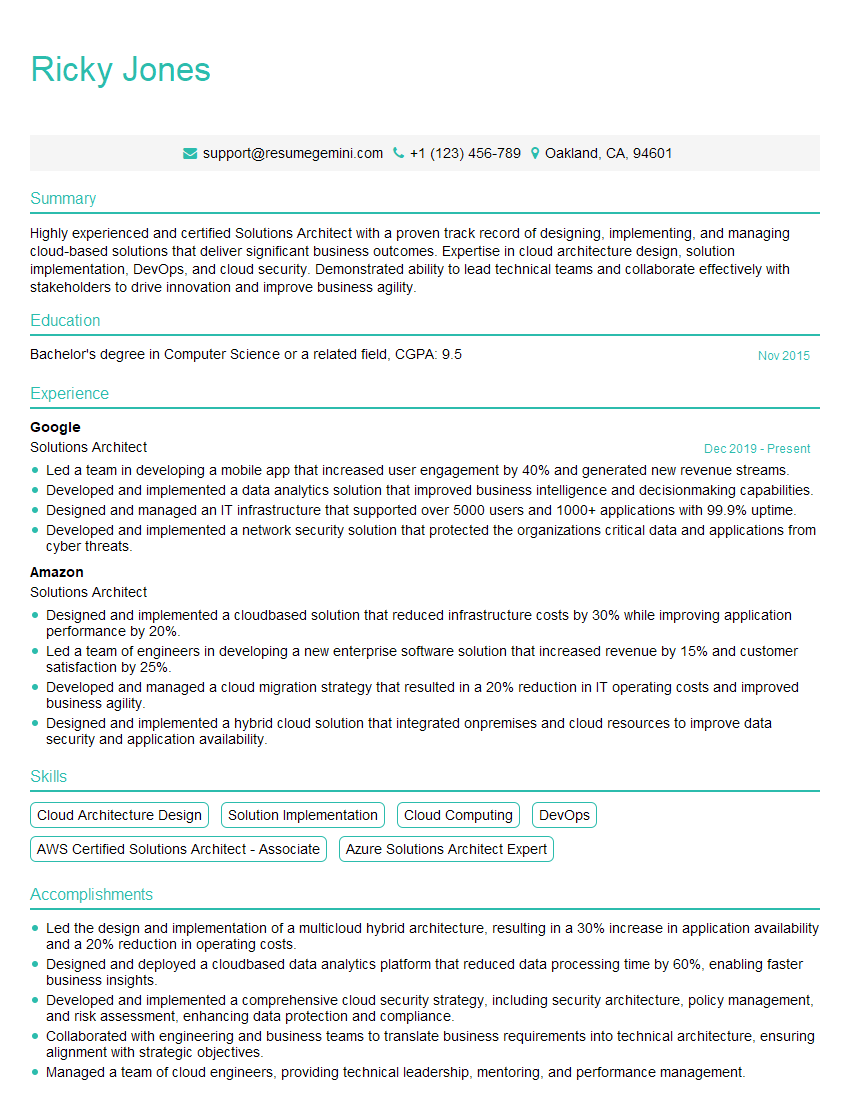
Solutions Architect Resume Sample
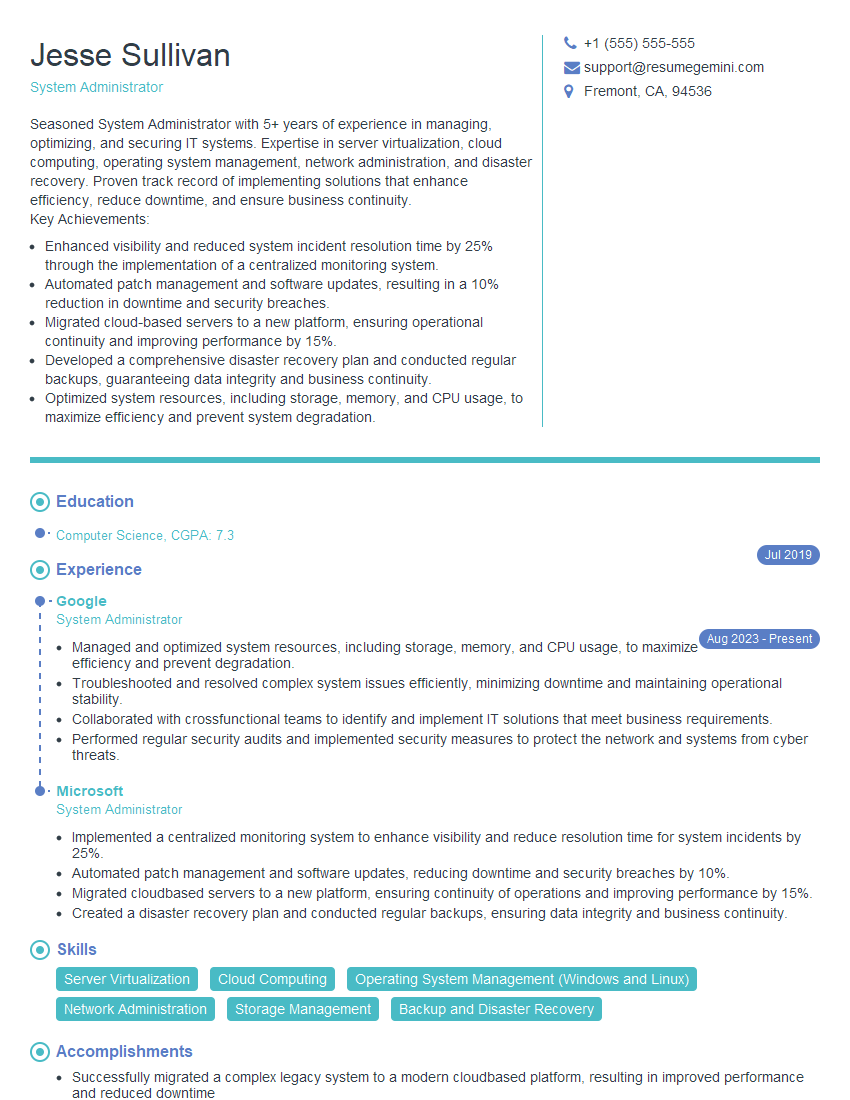
System Administrator Resume Sample
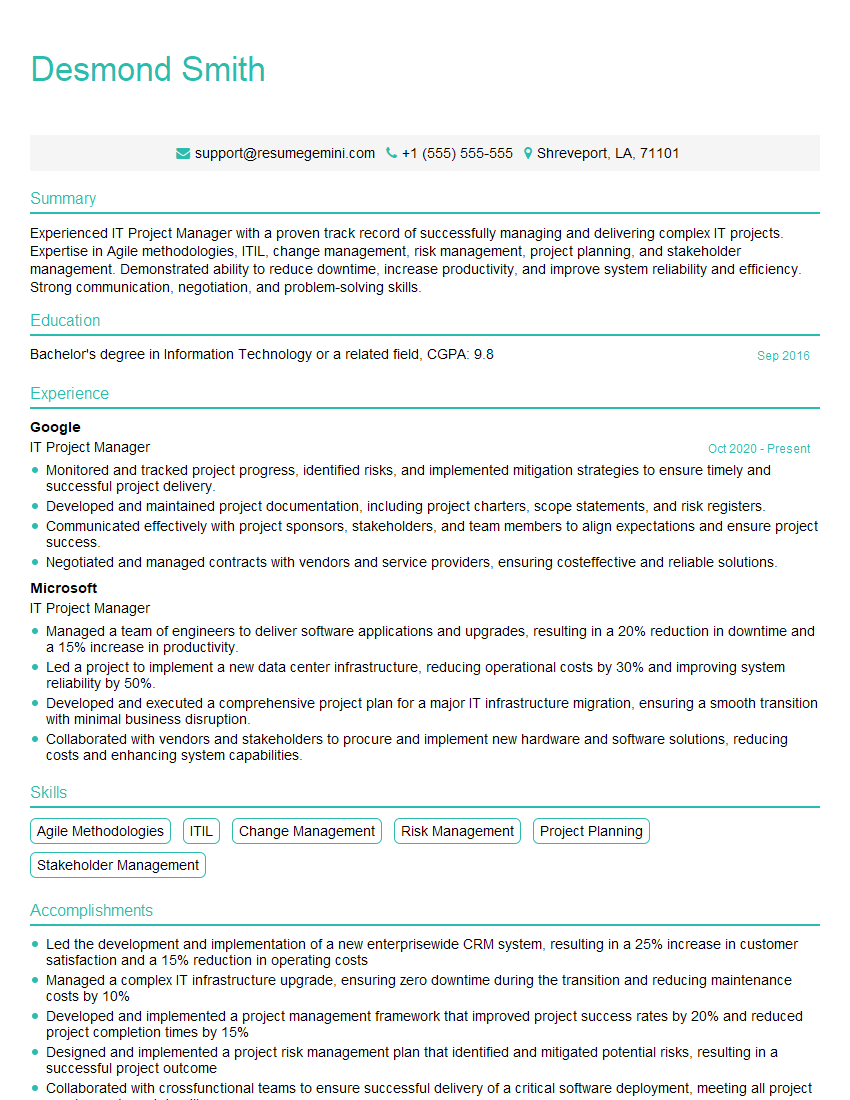
IT Project Manager Resume Sample
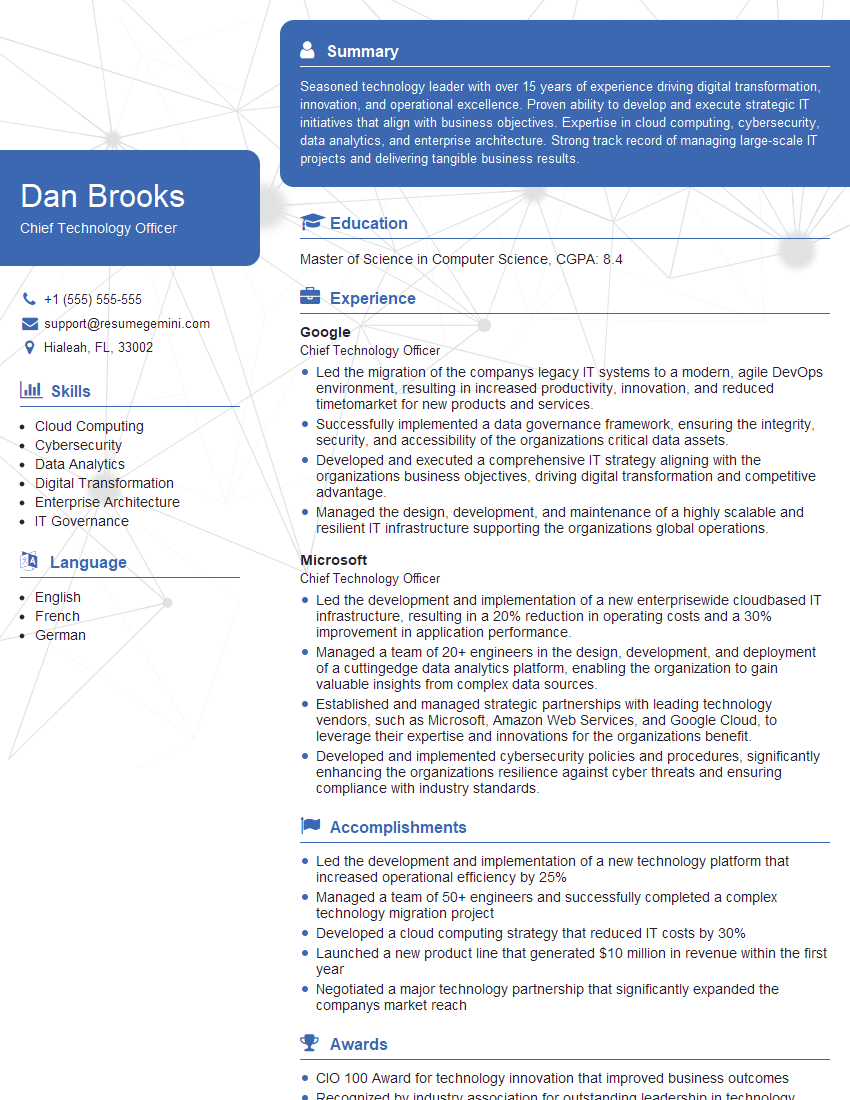
Chief Technology Officer Resume Sample
- Program Manager
- Operations Manager
- Product Manager
- Director of Operations
- Quality Assurance Manager
- Supply Chain Manager
- Project Manager
- Disaster Recovery Specialist
- Compliance Officer
- Risk Manager
- Security Analyst
- Business Continuity Planner
- Data Analyst
- Solutions Architect
- System Administrator
- IT Project Manager
- Chief Technology Officer
Explore more articles
Users Rating of Our Blogs
Share Your Experience
We value your feedback! Please rate our content and share your thoughts (optional).
What Readers Say About Our Blog
Very informative content, great job.
good