Cracking a skill-specific interview, like one for Process Documentation and Standard Operating Procedures, requires understanding the nuances of the role. In this blog, we present the questions you’re most likely to encounter, along with insights into how to answer them effectively. Let’s ensure you’re ready to make a strong impression.
Questions Asked in Process Documentation and Standard Operating Procedures Interview
Q 1. Explain the importance of well-documented Standard Operating Procedures (SOPs).
Well-documented Standard Operating Procedures (SOPs) are the backbone of any efficient and consistent operation. They act as a single source of truth, ensuring everyone performs tasks the same way, every time. This consistency leads to improved quality, reduced errors, and enhanced safety. Think of an SOP as a recipe – following it precisely guarantees a predictable and desirable outcome, whether you’re baking a cake or manufacturing a product.
The importance stems from several key benefits:
- Improved Quality and Consistency: By standardizing processes, SOPs minimize variations and ensure consistent output, leading to higher quality products or services.
- Reduced Errors and Risks: Clear instructions minimize the chances of mistakes, improving safety and reducing potential hazards, especially in critical operations.
- Increased Efficiency: Streamlined processes, detailed in SOPs, lead to faster task completion and optimized workflows.
- Better Training and Onboarding: SOPs serve as excellent training materials for new employees, ensuring they quickly become proficient in their roles.
- Improved Compliance: In regulated industries, well-defined SOPs are crucial for demonstrating compliance with industry standards and regulations.
- Enhanced Communication and Collaboration: A common understanding of processes fostered by SOPs improves teamwork and reduces misunderstandings.
Q 2. Describe your experience in creating and maintaining SOPs.
Throughout my career, I’ve been heavily involved in the entire lifecycle of SOP creation and maintenance. My experience ranges from developing SOPs for complex manufacturing processes to simpler administrative tasks. I typically start by thoroughly understanding the process through observation, interviews with subject matter experts, and analysis of existing documentation.
My approach includes:
- Process Analysis: I utilize various process mapping techniques like flowcharts and swim lane diagrams to visually represent the process steps and identify potential bottlenecks or inefficiencies.
- SOP Development: I write clear, concise, and step-by-step instructions using plain language, avoiding jargon whenever possible. I ensure that the SOP includes all necessary information, such as required equipment, materials, safety precautions, and quality control checks.
- Review and Approval: The drafted SOP undergoes rigorous review and approval by relevant stakeholders, including subject matter experts and management, to ensure accuracy and completeness.
- Version Control: I use a version control system to track changes and ensure that everyone is working with the most up-to-date version of the SOP. This is often done using a document management system.
- Training and Implementation: I play a vital role in training staff on the new or revised SOPs and addressing any questions or concerns they may have.
For example, in my previous role at a pharmaceutical company, I spearheaded the creation of a new SOP for handling hazardous materials. This involved extensive research on safety regulations, consultations with safety officers, and meticulous documentation of each step in the process, from receiving to disposal.
Q 3. How do you ensure SOPs are current and accurate?
Keeping SOPs current and accurate is paramount. Outdated or inaccurate SOPs can lead to errors, inefficiencies, and even safety hazards. My strategy involves a multi-pronged approach:
- Regular Reviews: SOPs should be reviewed at least annually, or more frequently if significant changes occur in the process, technology, or regulations. This review process may include a formal audit.
- Feedback Mechanisms: Establishing a system for collecting feedback from employees who use the SOPs is crucial. This could be through regular feedback sessions, suggestion boxes, or online forms. This ensures that any practical issues or areas for improvement are identified promptly.
- Change Management Process: A formal process for managing changes to SOPs ensures that all updates are documented, approved, and communicated effectively. This typically involves version control and notification to all relevant personnel.
- Training and Communication: Whenever an SOP is updated, employees need to be retrained on the changes. Effective communication is key to ensuring that everyone is aware of and understands the updated procedures.
For instance, in a previous project, we implemented a system where users could directly suggest edits to an SOP through a dedicated online platform. These suggestions were reviewed, and approved changes were then rolled out with clear communication and retraining of the affected staff.
Q 4. What methods do you use to identify areas for process improvement?
Identifying areas for process improvement is an ongoing effort. I use a combination of methods to proactively pinpoint opportunities for optimization:
- Process Mapping and Analysis: Reviewing process maps (flowcharts, swim lane diagrams) often reveals bottlenecks, redundant steps, or inefficiencies. Analyzing the flow helps visualize and target improvement areas.
- Data Analysis: Examining key performance indicators (KPIs) such as cycle times, error rates, and production output can highlight areas needing improvement.
- Employee Feedback: Gathering feedback from employees who perform the tasks provides valuable insights into practical challenges and potential solutions.
- Benchmarking: Comparing our processes to best practices in the industry can help identify areas where we can improve our efficiency and effectiveness.
- Root Cause Analysis (RCA): When errors or problems occur, performing RCA helps identify the underlying causes and implement corrective actions to prevent recurrence. Techniques like the 5 Whys can be employed.
- Kaizen Events: Organizing focused workshops to systematically analyze a specific process and generate improvement ideas.
For example, during a Kaizen event, we identified a significant delay in a production process by analyzing the workflow. By streamlining some steps and implementing new equipment, we reduced the cycle time by 20%.
Q 5. Explain your experience with process mapping techniques (e.g., flowcharting, swim lane diagrams).
Process mapping is a cornerstone of my approach to process documentation. I’m proficient in several techniques, including flowcharting and swim lane diagrams. These visual tools are essential for understanding the flow of a process, identifying bottlenecks, and improving efficiency.
- Flowcharts: I use flowcharts to represent the sequence of steps in a process, using standard symbols to denote different actions and decision points. This provides a clear and concise overview of the entire process.
- Swim Lane Diagrams: These diagrams are particularly useful for processes involving multiple stakeholders or departments. Each ‘lane’ represents a different participant, showing their responsibilities and interactions within the process.
Example Flowchart Snippet (Simplified):[Start] --> [Task 1] --> [Decision Point] --> [Task 2 or Task 3] --> [End]
In a recent project, I used a swim lane diagram to visualize the approval process for new product launches. This helped to clearly define the roles and responsibilities of each department, identifying potential delays and areas for improved collaboration.
Q 6. How do you ensure consistency and clarity in your process documentation?
Consistency and clarity are vital for effective process documentation. My approach focuses on:
- Standardized Templates: Using consistent templates for all SOPs ensures uniformity in formatting, structure, and terminology. This makes the documents easy to navigate and understand.
- Plain Language: I avoid technical jargon and complex sentence structures, ensuring the SOPs are easily understood by all personnel, regardless of their technical background. Using visuals such as diagrams and tables complements the written instructions.
- Consistent Terminology: Maintaining a consistent glossary of terms throughout all SOPs minimizes confusion and ensures everyone understands the same concepts in the same way.
- Visual Aids: I incorporate diagrams, flowcharts, images, and tables to make the SOPs more engaging and easier to understand. A picture is often worth a thousand words.
- Regular Reviews and Updates: Regular review and updates ensure that the language and terminology remain current and aligned with organizational standards.
For example, I created a style guide for our SOPs that defined standard formatting, terminology, and visual elements, ensuring consistency across all documents.
Q 7. Describe a time you had to revise an existing SOP. What was the process?
In a previous role, we had an SOP for handling customer complaints that proved inefficient and led to inconsistencies in response times. The process for revising it involved:
- Problem Identification: We identified issues with the existing SOP through analyzing complaint handling data, employee feedback, and customer surveys. We noticed inconsistent response times and a lack of clear escalation procedures.
- Process Mapping: We mapped the current complaint handling process using a flowchart and identified bottlenecks and areas for improvement. The visualization highlighted the inefficiencies.
- Revision and Redrafting: We redrafted the SOP to include clearer instructions, streamlined steps, and a defined escalation path. We implemented a system for tracking complaint resolution times.
- Stakeholder Review: The revised SOP was reviewed by various stakeholders, including customer service representatives, supervisors, and management, to ensure its accuracy and effectiveness. Feedback was integrated.
- Testing and Implementation: A pilot test of the revised SOP was conducted to identify any remaining issues before full implementation. The feedback was gathered and incorporated before widespread deployment.
- Training and Communication: All customer service representatives received training on the revised SOP to ensure they understood the new procedures. Clear communication was maintained throughout the process.
- Monitoring and Evaluation: After implementation, we continued to monitor the effectiveness of the revised SOP, tracking complaint resolution times and customer satisfaction. Further improvements were implemented as needed.
The revised SOP significantly improved our complaint handling process, resulting in faster response times, higher customer satisfaction, and a more efficient workflow.
Q 8. How do you handle conflicting information or outdated procedures?
Conflicting or outdated information in SOPs is a serious issue that can lead to errors and inefficiencies. My approach involves a multi-step process. First, I meticulously identify the conflicting information, comparing different versions of the SOP, consulting with subject matter experts (SMEs), and reviewing relevant documentation. Then, I analyze the discrepancies, determining the source of the conflict and the accuracy of each piece of information. This often involves checking data sources, comparing results with actual practices, and potentially conducting small-scale experiments to verify procedures. Once the discrepancies are resolved, I update the SOP to reflect the most accurate and current information, ensuring all stakeholders are aware of the changes. Finally, I implement a robust version control system, clearly documenting all revisions and their rationale. For example, in a previous role, I discovered two conflicting steps in a laboratory procedure for sample preparation. By interviewing the technicians and referencing the original research paper, we determined one step was a typographical error and corrected it, logging the change in our version control system.
Q 9. How do you incorporate feedback into the SOP creation and revision process?
Feedback is crucial for improving the effectiveness of SOPs. I actively solicit feedback throughout the entire SOP lifecycle, from initial drafting to ongoing revisions. This typically involves incorporating input from a range of sources, including frontline staff who execute the procedures, management who oversee their implementation, and quality control teams who assess their effectiveness. I use a variety of methods such as surveys, interviews, focus groups, and regular review meetings. I then analyze the collected feedback, prioritizing suggestions based on their impact and feasibility. Changes are incorporated into the SOP, with clear documentation of the feedback received and the resulting revisions. For instance, in a previous project involving a customer service SOP, feedback from agents revealed a cumbersome step in the escalation process. By simplifying this step, we significantly improved efficiency and reduced customer wait times. This change was meticulously documented and implemented across the organization.
Q 10. What software or tools are you familiar with for creating and managing SOPs?
I’m proficient in several software tools for creating and managing SOPs. These include document management systems like SharePoint and Google Workspace, which are excellent for collaboration and version control. I’m also experienced with dedicated SOP software such as Archibus, which offers more advanced features for workflows and approvals. For visual representations of processes, I frequently utilize Lucidchart or draw.io for creating flowcharts and diagrams which can be seamlessly integrated into the SOPs. Finally, my experience includes using Microsoft Word and Adobe Acrobat for the creation and distribution of the finished SOP documents. The choice of software depends heavily on the organizational needs and budget constraints, with the key consideration being the ease of access, collaboration features, and version control capabilities.
Q 11. Describe your experience with version control for SOPs.
Version control is paramount when managing SOPs. Without it, tracking changes and ensuring everyone is working with the latest version becomes extremely difficult and error-prone. I utilize a system that combines both a document management system (like SharePoint) and a clear version-naming convention. The naming convention typically includes a date and revision number (e.g., SOP-XYZ-2024-03-15-v1.0). Each revision includes a detailed changelog outlining the modifications made and the rationale behind them. This system ensures transparency and traceability, allowing us to easily revert to previous versions if necessary. For example, in a past project, a minor error was introduced in version 2.0 of a manufacturing SOP. By using the version control system, we were able to quickly identify the error, revert to version 1.0, and subsequently release a corrected version 2.1 with clear documentation of the fix.
Q 12. How do you ensure SOPs are accessible to all relevant personnel?
Accessibility is crucial for ensuring SOPs are effective. I utilize a multi-pronged approach. First, the SOPs are stored in a centralized, easily accessible location such as a shared network drive or a cloud-based document management system. This location is clearly communicated to all relevant personnel through email, internal memos, and training sessions. Second, the SOPs are formatted for easy readability, utilizing clear language, consistent formatting, and visual aids like flowcharts and diagrams. Third, for employees with limited computer access, I ensure printed copies are available. Finally, regular audits are conducted to confirm that all employees have access to the necessary SOPs and are familiar with the required procedures. For example, in my previous company, we used a combination of SharePoint and a company intranet to store and share SOPs. This allowed for both online and offline access, ensuring everyone had access to the information they needed, regardless of their location or technical proficiency.
Q 13. How do you measure the effectiveness of SOPs?
Measuring the effectiveness of SOPs requires a combination of quantitative and qualitative methods. Quantitative metrics might include error rates (how many mistakes are made during the process), efficiency (how long does it take to complete the process), compliance rate (how often are the SOPs followed correctly), and output quality (how good is the final product or service). These metrics can be tracked through data collection systems, performance management tools, and quality control audits. Qualitative data is equally important, obtained through surveys, interviews, and observation to assess employee satisfaction, ease of use, and clarity of the SOPs. Regular analysis of these metrics allows for continuous improvement and identification of areas where revisions might be necessary. For example, by tracking error rates in a particular manufacturing process, we identified a bottleneck in a specific step of the SOP, allowing us to refine the procedure and reduce errors significantly.
Q 14. Describe your experience in training employees on new or revised SOPs.
Training employees on new or revised SOPs is a critical part of successful implementation. My approach is to develop a comprehensive training plan that includes a mix of methods to cater to different learning styles. This may include instructor-led training sessions, online modules, video tutorials, and hands-on practice. The training should be engaging and interactive, emphasizing practical application rather than simply reading through the SOP. I also assess the employee understanding after the training through quizzes, observations, or practical exercises, providing additional support where needed. For example, when introducing a new software system, we created a series of short video tutorials supplemented by hands-on workshops, resulting in rapid adoption and high employee competency. This multifaceted approach ensures that employees not only understand the procedures but also feel confident in their ability to apply them effectively.
Q 15. What are the key elements of a well-written SOP?
A well-written Standard Operating Procedure (SOP) acts as a blueprint for consistent and reliable task execution. Its key elements ensure clarity, accuracy, and ease of understanding for everyone involved. These elements include:
- Clear Title and Purpose: The SOP should have a concise title reflecting its objective and a brief introductory paragraph stating its purpose and scope.
- Step-by-Step Instructions: Instructions must be detailed, numbered sequentially, and unambiguous. Using action verbs makes them clear and actionable. For instance, instead of ‘Check the machine,’ use ‘Inspect the machine for any visible damage and record findings in the logbook’.
- Visual Aids: Diagrams, flowcharts, or images can significantly enhance understanding, especially for complex procedures.
- Defined Roles and Responsibilities: Clearly specify who is responsible for each step, including approvals needed.
- Safety Precautions: Thoroughly outline safety procedures and any potential hazards associated with the process. For example, an SOP for handling chemicals would include specific PPE (Personal Protective Equipment) requirements and emergency protocols.
- Quality Control Checks: Integrate checkpoints to verify the quality of each step. This helps in early detection of errors.
- Record-Keeping Requirements: Specify what data needs to be documented, how it should be recorded (e.g., in a logbook, digitally), and how long it needs to be retained.
- Revision Control: A version number and date of the last revision are crucial to ensure everyone is working with the most up-to-date version. It’s also important to clearly document any changes made.
- Approval Signatures: Including spaces for relevant personnel to sign off on completion or review, signifying their understanding and acceptance.
Example: An SOP for ‘Preparing a Sterile Field’ in a hospital would include detailed steps on handwashing, gowning, gloving, and arranging sterile instruments, along with specific safety precautions like maintaining a sterile field.
Career Expert Tips:
- Ace those interviews! Prepare effectively by reviewing the Top 50 Most Common Interview Questions on ResumeGemini.
- Navigate your job search with confidence! Explore a wide range of Career Tips on ResumeGemini. Learn about common challenges and recommendations to overcome them.
- Craft the perfect resume! Master the Art of Resume Writing with ResumeGemini’s guide. Showcase your unique qualifications and achievements effectively.
- Don’t miss out on holiday savings! Build your dream resume with ResumeGemini’s ATS optimized templates.
Q 16. How do you ensure compliance with regulatory requirements in your SOPs?
Ensuring compliance with regulatory requirements is paramount. This involves a multi-faceted approach starting with a thorough understanding of all applicable regulations, such as GMP (Good Manufacturing Practices), ISO standards, or industry-specific guidelines. The process includes:
- Regulatory Gap Analysis: We identify all relevant regulations and compare them to existing SOPs to pinpoint any compliance gaps.
- SOP Development and Review: SOPs are drafted or revised to address identified gaps, ensuring alignment with regulatory requirements. This often involves using standardized templates and incorporating specific phrases or clauses mandated by regulations.
- Training and Communication: All personnel involved in the process must receive comprehensive training on the updated SOPs and regulatory requirements. Regular updates and communication are crucial.
- Documentation and Audit Trails: Maintaining meticulous records of all activities and changes, ensuring full traceability. A robust audit trail is vital for demonstrating compliance.
- Regular Audits and Inspections: Internal audits and external inspections serve as crucial checkpoints to validate adherence to both SOPs and regulations. Corrective actions are implemented immediately if any non-compliance is discovered.
Example: In the pharmaceutical industry, SOPs related to drug manufacturing must comply with stringent GMP regulations, including documentation of batch records, cleaning procedures, and quality control tests, all meticulously detailed in the SOPs.
Q 17. How do you handle exceptions or deviations from SOPs?
Exceptions and deviations from SOPs require a formal and documented process to ensure quality, safety, and traceability. The handling process should involve:
- Clear Definition of Exceptions: Clearly define what constitutes an exception or deviation from the standard procedure.
- Deviation Reporting Process: A formal process must be in place for reporting deviations, including a detailed description of the event, the reasons for deviation, and any corrective actions taken.
- Root Cause Analysis: Investigate the underlying cause of the deviation to prevent recurrence. This might involve using techniques like the ‘5 Whys’ analysis.
- Corrective and Preventive Actions (CAPA): Implement appropriate corrective actions to address the immediate issue and preventive actions to avoid future deviations. This might include SOP revisions, employee retraining, or equipment upgrades.
- Documentation and Approval: All exceptions and deviations must be thoroughly documented, including the approval of the relevant authorities. The documentation must clearly justify the deviation and outline the actions taken.
Example: If a critical piece of equipment malfunctions during a manufacturing process, deviating from the SOP, a detailed report needs to be filed. The root cause is investigated (perhaps a lack of preventative maintenance), corrective action is taken (repairing the equipment), and preventive action is implemented (scheduling regular maintenance) before the process can continue according to the revised SOP.
Q 18. Explain your understanding of different process documentation methodologies.
Several methodologies exist for process documentation, each with strengths and weaknesses depending on the context. Some prominent ones include:
- Flowcharts: These visually represent the process flow using symbols to denote various steps, decisions, and inputs/outputs. Excellent for providing a high-level overview and identifying bottlenecks.
- Swimlane Diagrams: Extensions of flowcharts, these show different roles or departments involved in the process, making responsibilities clearer.
- Business Process Modeling Notation (BPMN): A standardized notation for modeling business processes, often used in larger organizations for complex processes. It provides a formal and rigorous approach.
- Data Flow Diagrams (DFD): These focus on the flow of data within a process, which is essential for understanding information systems and data integrity.
- Value Stream Mapping: A lean methodology that visually maps the entire process, from customer demand to delivery, identifying non-value-added steps that can be eliminated.
The choice of methodology depends on the complexity of the process, the audience, and the intended use of the documentation. A simple process might only require a flowchart, while a highly complex process might need a combination of BPMN and value stream mapping.
Q 19. How do you prioritize process improvement projects?
Prioritizing process improvement projects requires a structured approach that balances potential benefits with resource constraints. A common framework involves:
- Identify Potential Projects: Gather input from various stakeholders, including employees, management, and customers, to identify areas for improvement. Look for bottlenecks, recurring errors, or areas with high costs.
- Assess Impact and Feasibility: Analyze the potential impact of each project on efficiency, cost, quality, and customer satisfaction. Assess feasibility in terms of resources, time, and expertise.
- Prioritization Matrix: Use a prioritization matrix to rank projects based on their impact and feasibility. This might involve assigning scores to each criterion and calculating a weighted average.
- Resource Allocation: Allocate resources (budget, personnel, time) to the highest-priority projects. Ensure that the resources align with the project’s scope and complexity.
- Regular Monitoring and Evaluation: Monitor progress regularly, evaluating the effectiveness of implemented improvements. This feedback loop informs future prioritization decisions.
Example: A prioritization matrix could rank projects based on factors like ‘Impact on Customer Satisfaction’ and ‘Ease of Implementation’. A project that scores high on both would be a top priority.
Q 20. Describe your experience with process audits.
I have extensive experience conducting process audits, both internal and external. These audits are systematic assessments designed to verify whether processes are compliant with regulations, standards, and internal policies. My role in these audits typically includes:
- Planning and Scoping: Defining the scope of the audit, identifying relevant documentation, and establishing the audit criteria.
- Document Review: Analyzing relevant SOPs, process maps, and other documentation to identify potential gaps or inconsistencies.
- On-site Observations: Observing the process in action, interviewing personnel, and gathering evidence through direct observation.
- Data Analysis: Analyzing data from various sources, such as quality control records, to identify trends and patterns.
- Reporting and Recommendations: Preparing a comprehensive audit report highlighting findings, including areas of compliance and non-compliance. Making recommendations for improvements and corrective actions.
- Follow-up: Monitoring the implementation of corrective actions and verifying their effectiveness.
Example: During an audit of a manufacturing process, I discovered a lack of proper calibration checks for critical equipment, leading to potential deviations from product specifications. This was documented in the audit report, along with recommendations for establishing a regular calibration schedule and training employees on proper calibration procedures.
Q 21. How do you identify and mitigate risks associated with poorly documented processes?
Poorly documented processes introduce significant risks, impacting efficiency, compliance, and even safety. Identifying and mitigating these risks requires a proactive approach that includes:
- Risk Assessment: Identify potential risks associated with poorly documented processes. This might include errors, inconsistencies, non-compliance, delays, safety hazards, and reputational damage.
- Gap Analysis: Compare current documentation against best practices and regulatory requirements, identifying gaps in coverage and clarity.
- Process Mapping: Create visual representations of the processes to clearly identify steps, decision points, and potential areas of weakness.
- SOP Development and Improvement: Develop or improve SOPs to address identified risks, ensuring they are comprehensive, clear, and easy to follow.
- Training and Communication: Train personnel on the updated SOPs and emphasize the importance of adhering to them. Communicate any changes promptly and effectively.
- Regular Reviews and Updates: Regularly review and update SOPs based on feedback, process changes, or new regulatory requirements.
- Monitoring and Measurement: Monitor key performance indicators (KPIs) to track the effectiveness of the implemented improvements.
Example: A lack of clarity in an SOP for handling hazardous materials could lead to accidents. A revised SOP with detailed safety precautions, PPE requirements, and emergency protocols would mitigate the risks significantly.
Q 22. How do you ensure SOPs are user-friendly and easily understood?
Creating user-friendly SOPs is crucial for their effectiveness. It’s about translating complex procedures into clear, concise instructions anyone can follow. I achieve this through several key strategies:
- Simple Language and Structure: I avoid jargon and technical terms whenever possible. Instructions are broken down into short, numbered steps, using action verbs. Think of it like a recipe – each step is easy to understand and follow.
- Visual Aids: Flowcharts, diagrams, screenshots, and even videos can significantly enhance understanding, especially for complex processes. A picture is worth a thousand words, and visual aids make the SOP less intimidating.
- Consistent Formatting: Maintaining a consistent format throughout the document, with clear headings, subheadings, and fonts improves readability and navigation. Think of it like a well-organized website – easy to find what you need.
- User Testing: Before finalizing an SOP, I always conduct user testing with individuals from the target audience to identify any areas of confusion or ambiguity. This feedback is invaluable for refining the document and ensuring its practicality.
- Regular Reviews and Updates: SOPs are living documents; they need to be reviewed and updated regularly to reflect changes in processes or technology. This ensures they remain accurate and relevant.
For example, instead of writing ‘Initiate the XYZ protocol via the Alpha-Beta interface,’ I would write ‘Click the ‘Start’ button on the XYZ program, located on the desktop.’ The difference is night and day in terms of user-friendliness.
Q 23. Describe your experience working with cross-functional teams on process improvement initiatives.
I have extensive experience collaborating with cross-functional teams on process improvement initiatives. My approach centers around open communication, active listening, and a collaborative problem-solving methodology. I’ve worked on projects involving teams from Operations, IT, Marketing, and Sales, streamlining processes such as order fulfillment, customer onboarding, and product development.
A successful example involved a project to optimize the customer onboarding process. The team included representatives from Sales, Marketing, and Customer Support. We used a combination of brainstorming sessions, process mapping, and data analysis to identify bottlenecks and inefficiencies. By leveraging each team member’s unique expertise and perspectives, we collaboratively developed and implemented a revised process that reduced onboarding time by 30% and improved customer satisfaction scores.
My role in these cross-functional projects typically involves facilitating discussions, documenting processes, analyzing data to identify areas for improvement, and ensuring the implementation and monitoring of new procedures.
Q 24. How do you measure the impact of process improvements?
Measuring the impact of process improvements is crucial to demonstrate ROI and justify continued investment in process optimization efforts. My approach involves a combination of quantitative and qualitative metrics.
- Quantitative Metrics: These include measurable data points such as cycle time reduction, cost savings, error rates, throughput increase, and customer satisfaction scores (CSAT). For example, we might track the average time to process an order before and after a process improvement. A reduction in processing time directly reflects the success of the changes.
- Qualitative Metrics: These involve gathering feedback through surveys, interviews, and observations to gauge employee satisfaction, customer feedback, and overall process efficiency. For instance, after implementing a new system, we might survey employees to see how much easier their workflow has become, and we might look at customer feedback related to the area improved.
Combining quantitative and qualitative data provides a holistic view of the impact of process improvements. For instance, a 20% reduction in cycle time (quantitative) might be accompanied by improved employee morale and reduced error rates (qualitative), strengthening the case for the implemented changes.
Q 25. What are the challenges you have faced in process documentation, and how did you overcome them?
Challenges in process documentation are common, but addressable. One major hurdle is resistance to change; teams may be resistant to documenting existing processes, especially if they are ingrained habits. I overcome this by demonstrating the value of clear documentation for consistency, training, and continuous improvement, emphasizing how it benefits the team in the long run, reducing rework and improving efficiency.
Another challenge is the complexity of processes themselves. Processes may evolve organically, making it difficult to capture the ‘as-is’ state accurately. To overcome this, I utilize process mapping techniques like swimlane diagrams to visualize the flow of work and identify areas for simplification or standardization. I often conduct multiple interviews with individuals involved in the process to gain a comprehensive understanding before documenting it.
Finally, keeping documentation updated can be a struggle, especially in dynamic environments. I address this using version control systems, regular reviews, and assigning clear ownership of SOPs to ensure that updates are made promptly and consistently.
Q 26. How do you stay current with best practices in process documentation and SOP development?
Staying current with best practices in process documentation and SOP development is an ongoing commitment. I actively participate in relevant professional organizations, such as the Association for Process Improvement (API), and attend industry conferences and webinars to learn about the latest trends and techniques.
I also leverage online resources, such as industry publications, blogs, and white papers, to stay informed about advancements in process automation tools and best practices in SOP writing and design. Additionally, I regularly review and update my own templates and methodologies to ensure they reflect current standards and best practices. Continuous learning is vital in this constantly evolving field.
Q 27. Describe your experience with process automation tools.
I have significant experience with various process automation tools, including Robotic Process Automation (RPA) software such as UiPath and Automation Anywhere, as well as workflow management systems such as SharePoint and Monday.com. My experience involves not only using these tools but also assessing their suitability for specific processes and integrating them effectively into existing workflows.
For example, in a previous role, we utilized RPA to automate repetitive data entry tasks, resulting in a significant reduction in processing time and human error. This involved mapping the existing process, identifying the tasks suitable for automation, and then configuring the RPA software to execute those tasks. Successful implementation required close collaboration with IT and the end-users to ensure smooth integration and minimize disruption.
My approach includes evaluating the ROI of automation, considering factors like cost, complexity, and potential risks before recommending any particular tool or solution. It is about finding the right tools to solve the problem, not forcing a solution onto a process.
Q 28. How would you approach documenting a complex, multi-step process?
Documenting a complex, multi-step process requires a structured and phased approach. I typically begin by breaking down the process into smaller, more manageable subprocesses. This makes the overall task less daunting and allows for clearer documentation. Each subprocess is then documented individually using clear and concise language, step-by-step instructions, and visual aids such as flowcharts, diagrams, or tables.
Next, I focus on defining clear inputs, outputs, and responsibilities for each step. This ensures everyone understands their roles and the expected outcomes. I also incorporate decision points and conditional logic within the documentation to cater to varying scenarios. For example, using decision trees or conditional statements to show alternative actions based on specific conditions.
Finally, I integrate all subprocesses into a comprehensive document, using a hierarchical structure and cross-referencing to create a navigable and easily understandable guide. The final document should include a summary, glossary of terms, and contact information for support. This phased approach, combined with user testing, guarantees the final SOP is both comprehensive and user-friendly.
Key Topics to Learn for Process Documentation and Standard Operating Procedures Interview
- Understanding Process Documentation Fundamentals: Defining processes, identifying key stakeholders, and choosing appropriate documentation methods (flowcharts, diagrams, narratives).
- Standard Operating Procedure (SOP) Creation and Implementation: Developing clear, concise, and actionable SOPs; incorporating visuals for improved understanding; ensuring SOPs align with overall business goals and regulatory requirements.
- Process Improvement Methodologies: Familiarity with Lean, Six Sigma, or other process improvement methodologies and their application in documenting and optimizing processes.
- Documentation Software and Tools: Experience with various documentation software (e.g., Visio, Lucidchart) and platforms for version control and collaboration.
- Practical Application: Demonstrate how you’ve used process documentation to solve real-world problems, improve efficiency, reduce errors, or enhance compliance. Be prepared to discuss specific examples from your experience.
- Communication and Collaboration: Highlight your skills in effectively communicating complex technical information to both technical and non-technical audiences. Explain how you collaborate with cross-functional teams to develop and maintain accurate documentation.
- Continuous Improvement and Maintenance: Discuss strategies for regularly reviewing and updating process documentation to ensure accuracy and relevance. Explain your approach to managing changes and version control.
- Risk Assessment and Mitigation within Processes: Show how process documentation can identify and mitigate potential risks and ensure compliance with relevant regulations.
Next Steps
Mastering Process Documentation and Standard Operating Procedures is crucial for career advancement in many fields, demonstrating your ability to streamline workflows, improve efficiency, and ensure consistent quality. A strong understanding of these concepts will significantly enhance your marketability and open doors to exciting opportunities.
To maximize your job prospects, create an ATS-friendly resume that showcases your skills and experience effectively. ResumeGemini is a trusted resource that can help you build a professional and impactful resume, ensuring your qualifications are clearly presented to potential employers. Examples of resumes tailored to Process Documentation and Standard Operating Procedures are available to guide you through the process.
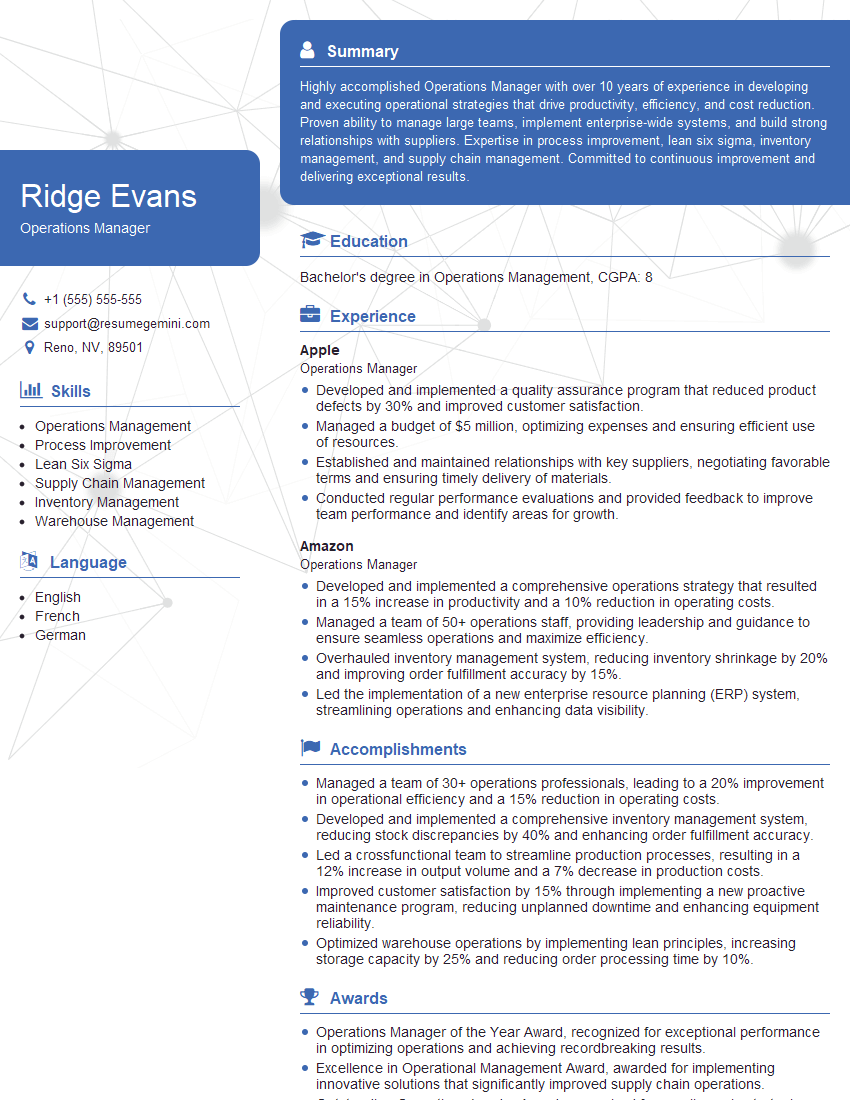
Operations Manager Resume Sample

Knowledge Manager Resume Sample

Project Manager Resume Sample
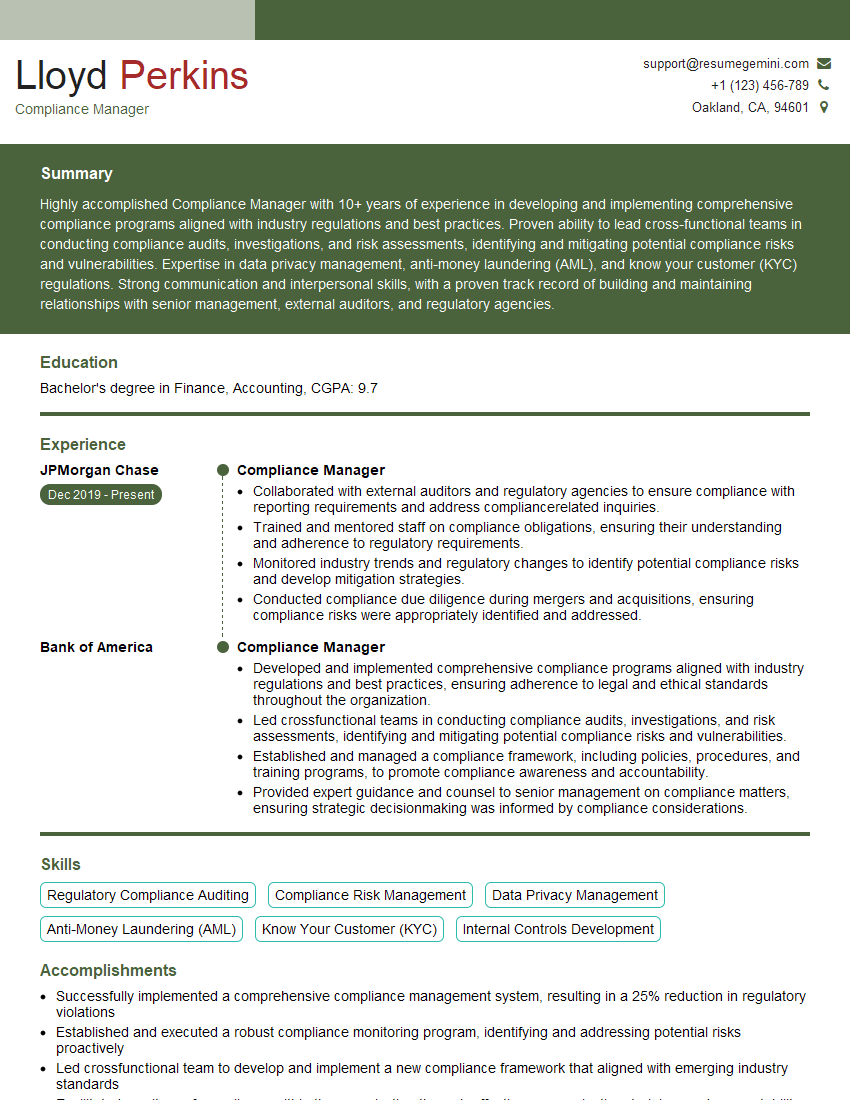
Compliance Manager Resume Sample

Compliance Officer Resume Sample
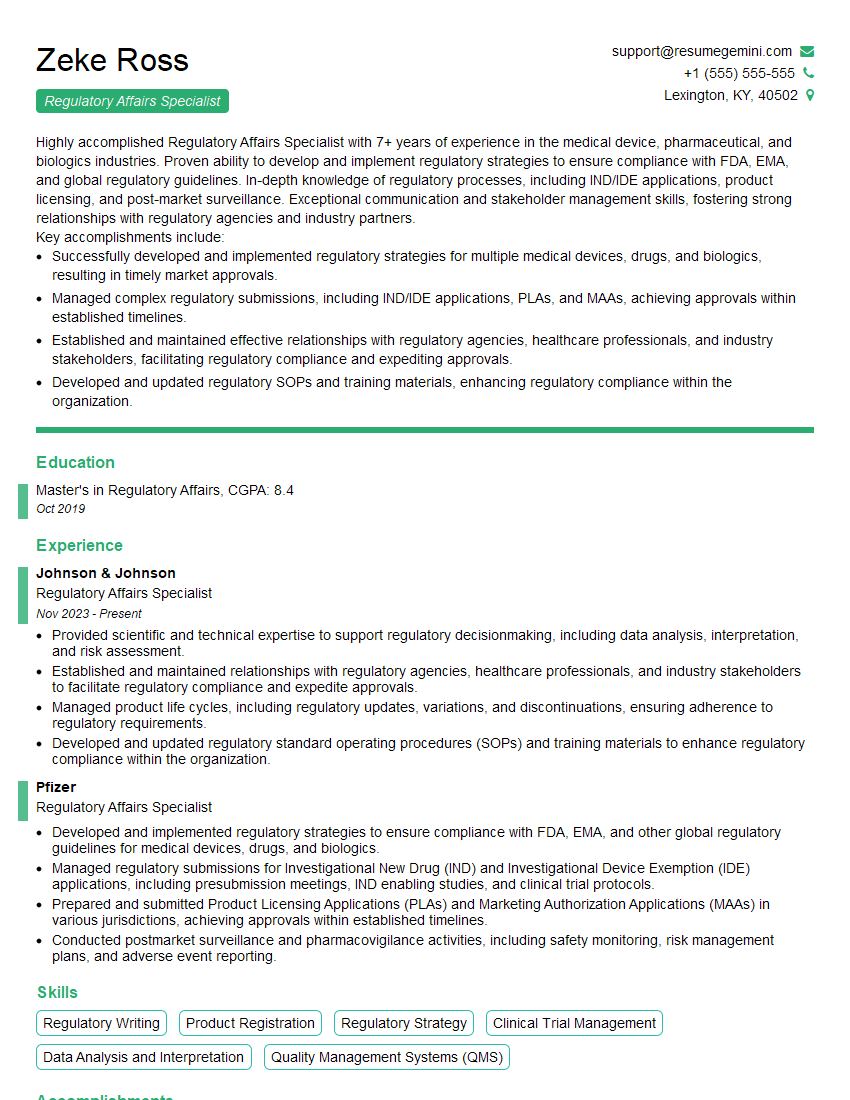
Regulatory Affairs Specialist Resume Sample
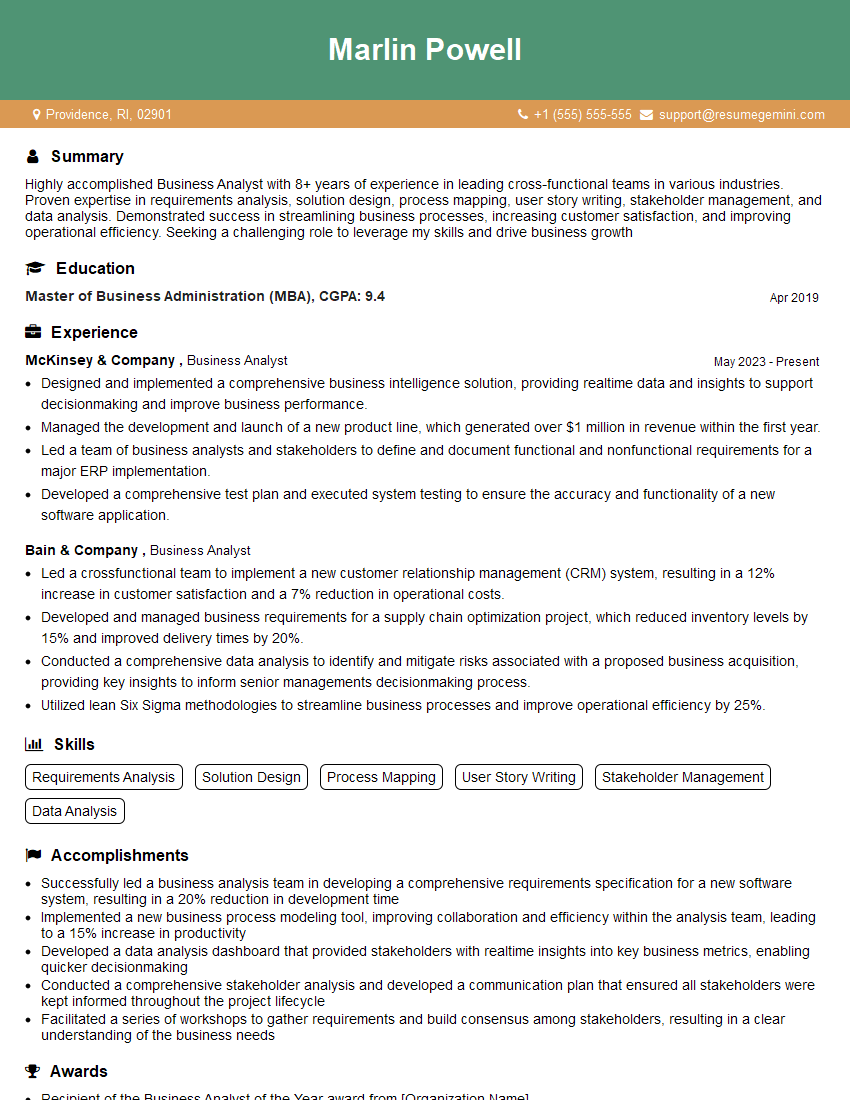
Business Analyst Resume Sample

Training Specialist Resume Sample
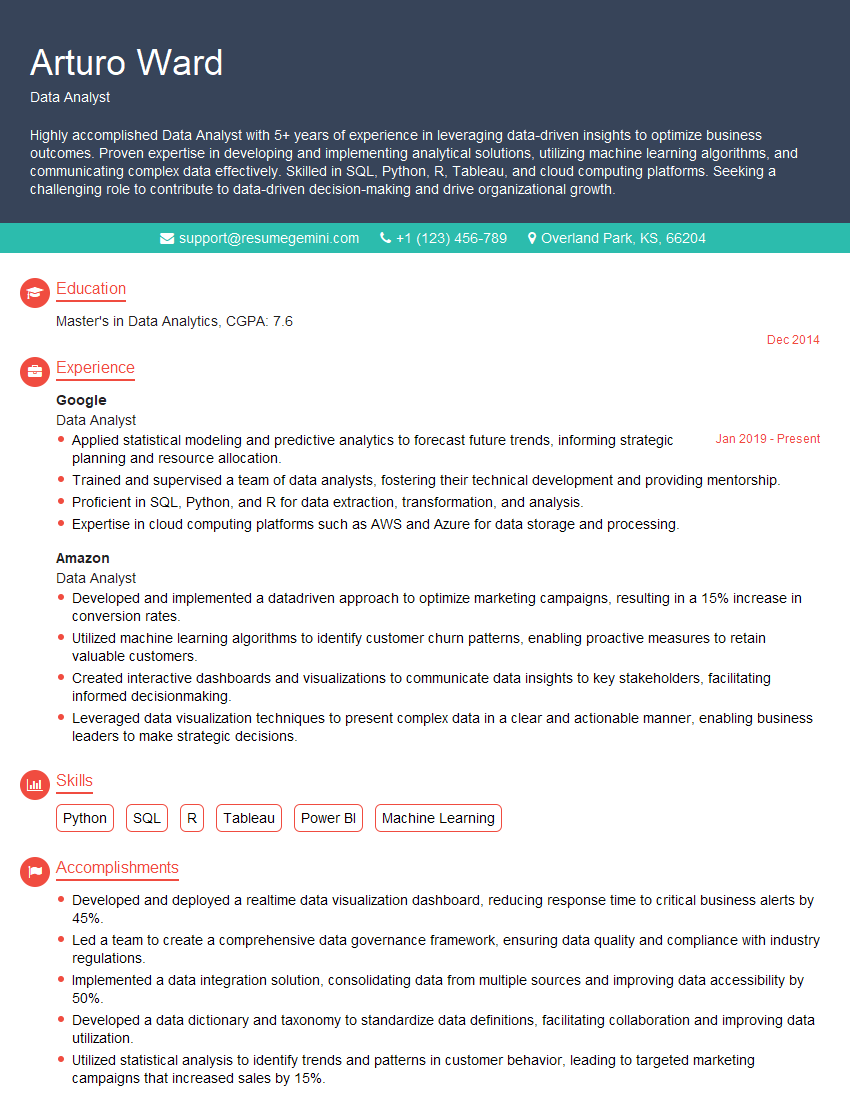
Data Analyst Resume Sample
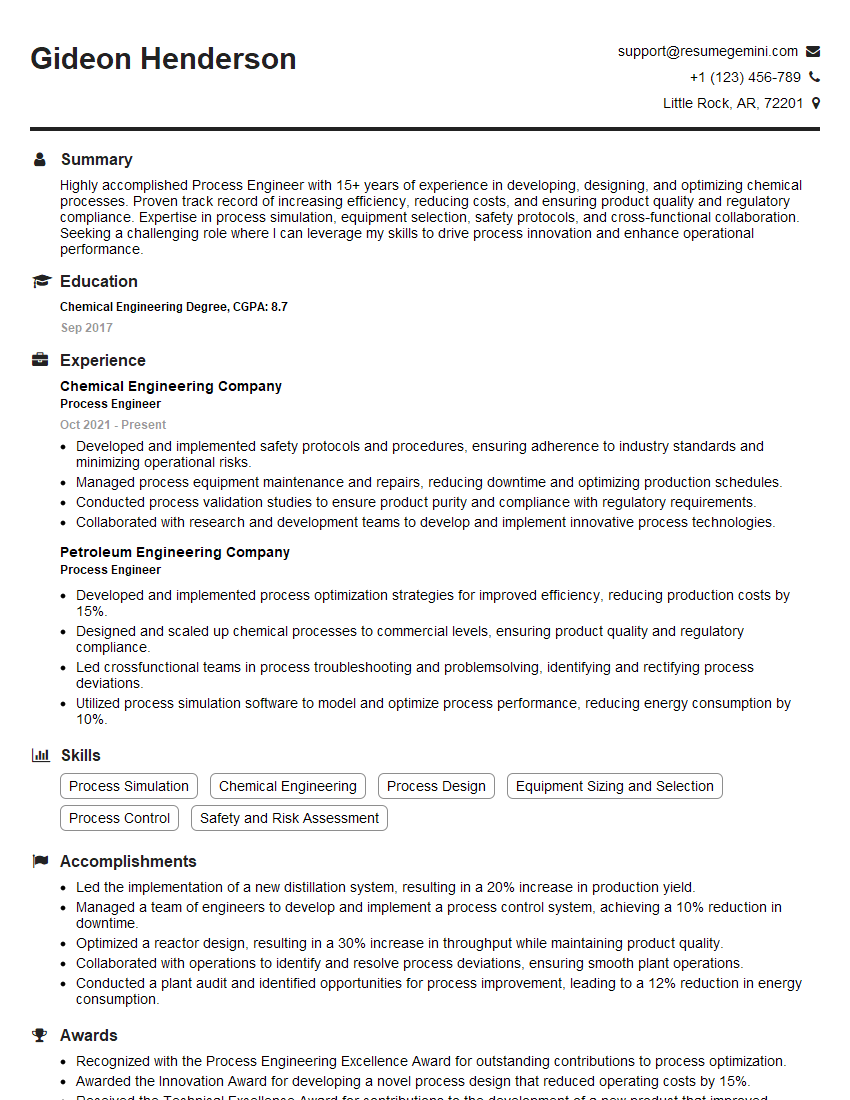
Process Engineer Resume Sample
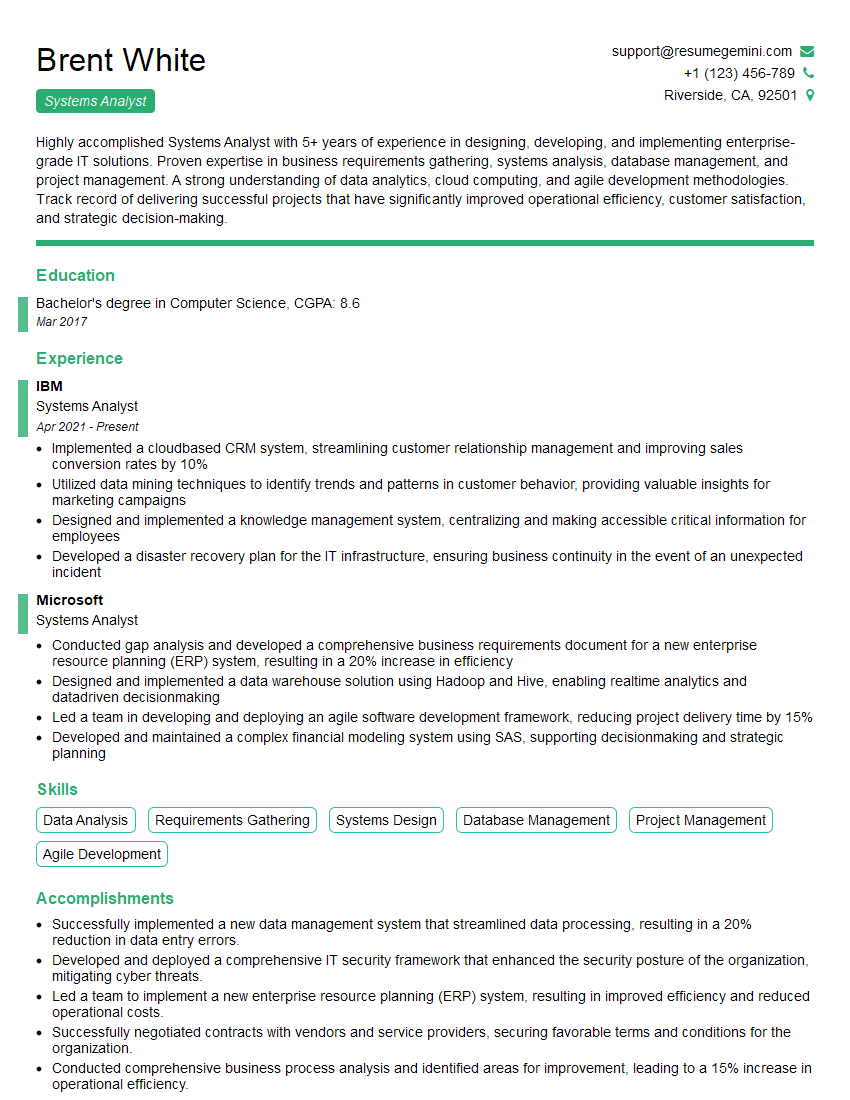
Systems Analyst Resume Sample

Information Architect Resume Sample
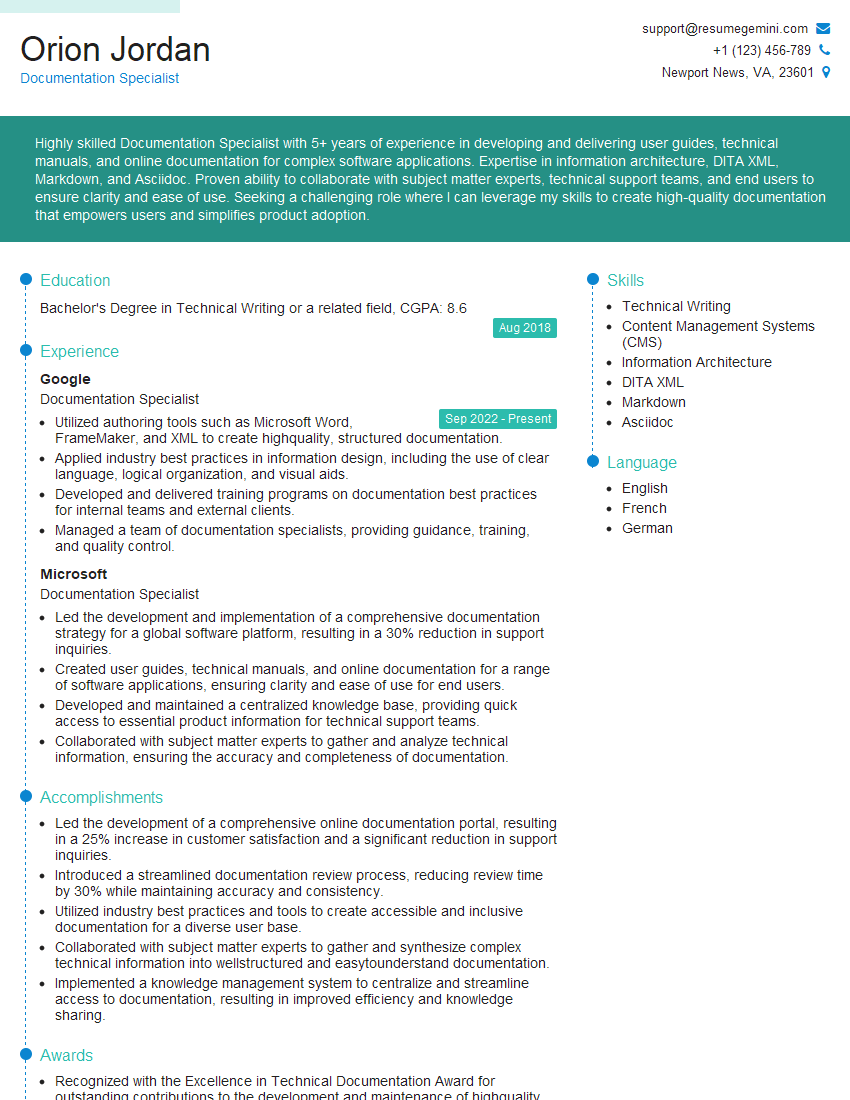
Documentation Specialist Resume Sample
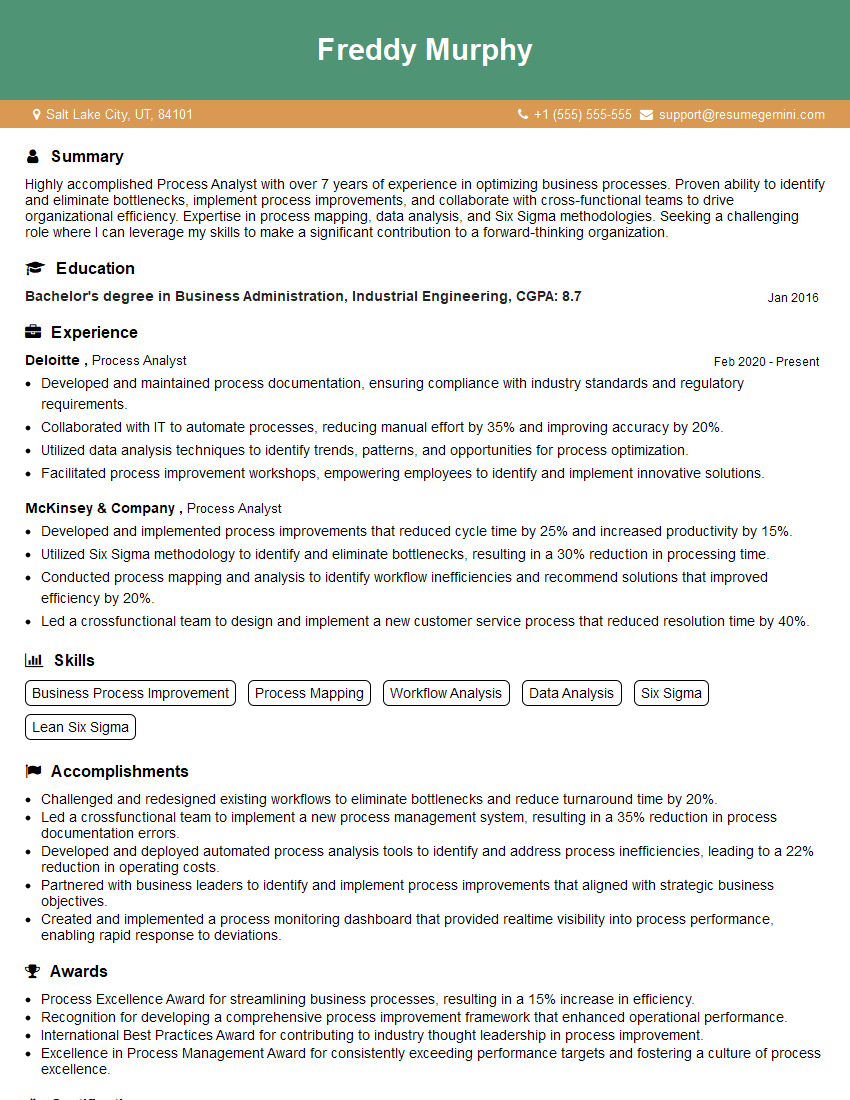
Process Analyst Resume Sample
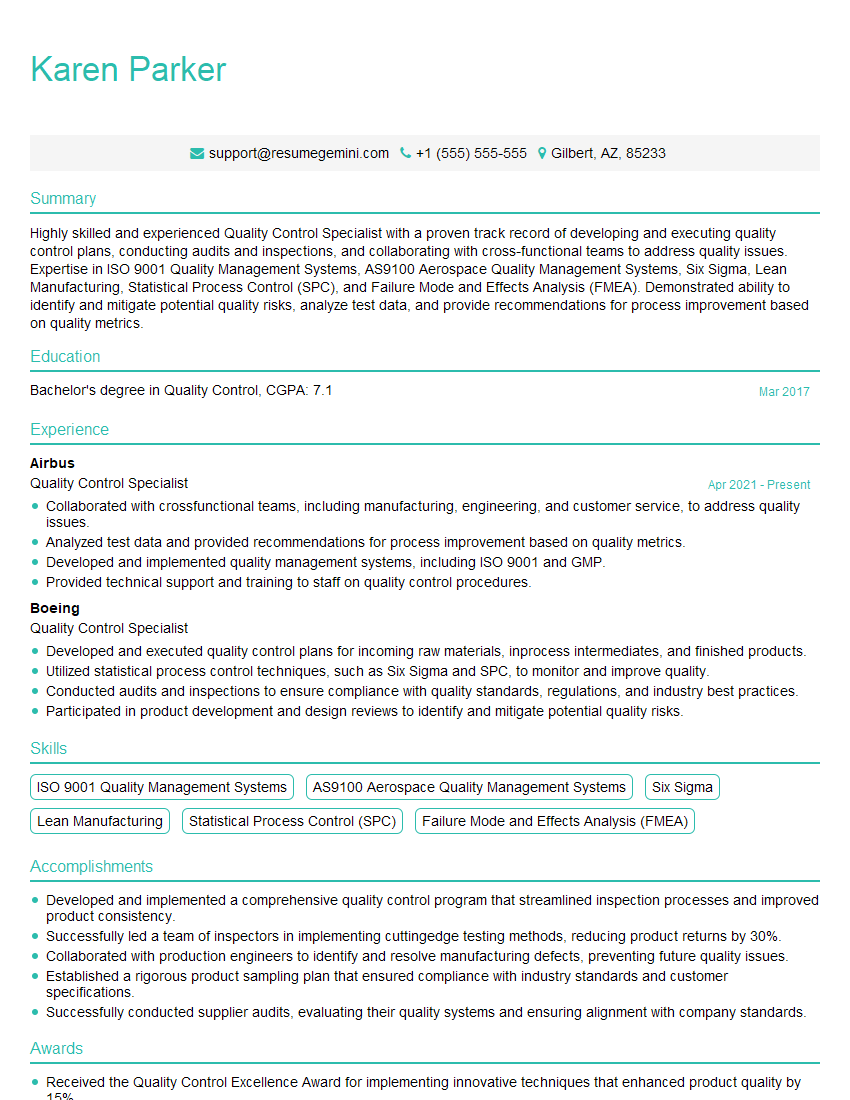
Quality Control Specialist Resume Sample
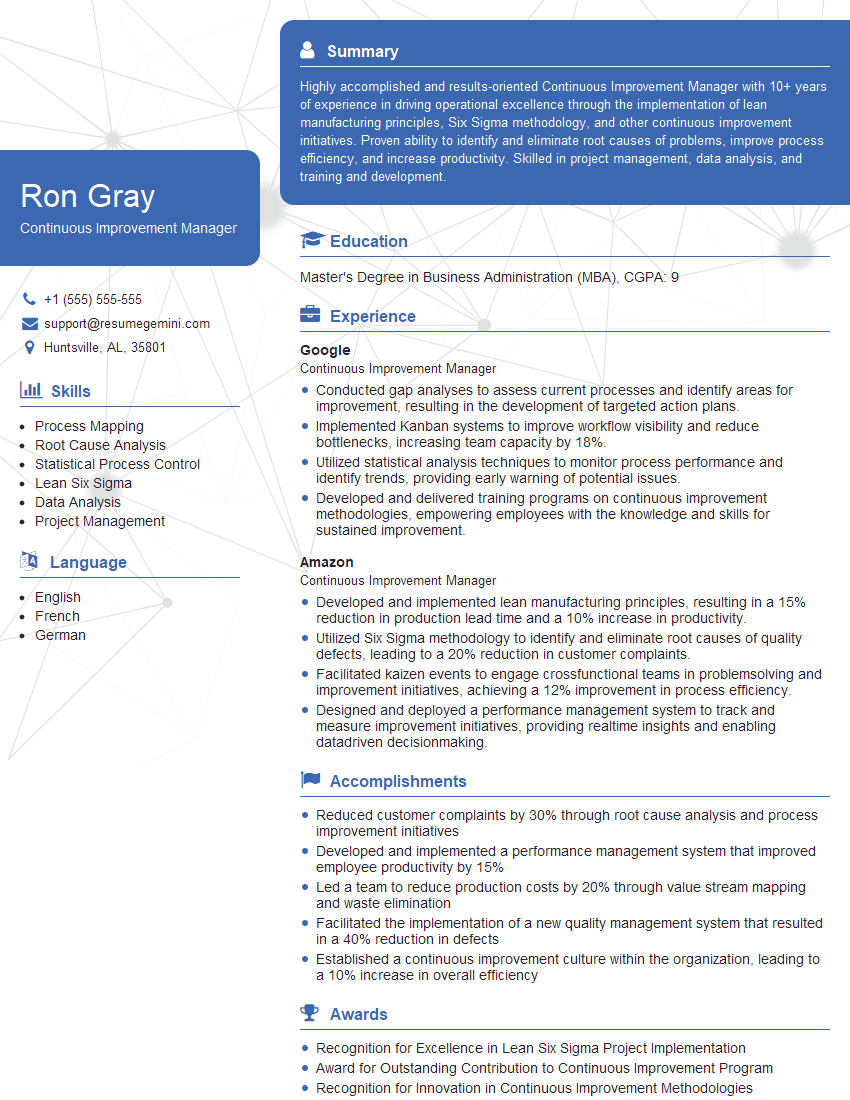
Continuous Improvement Manager Resume Sample
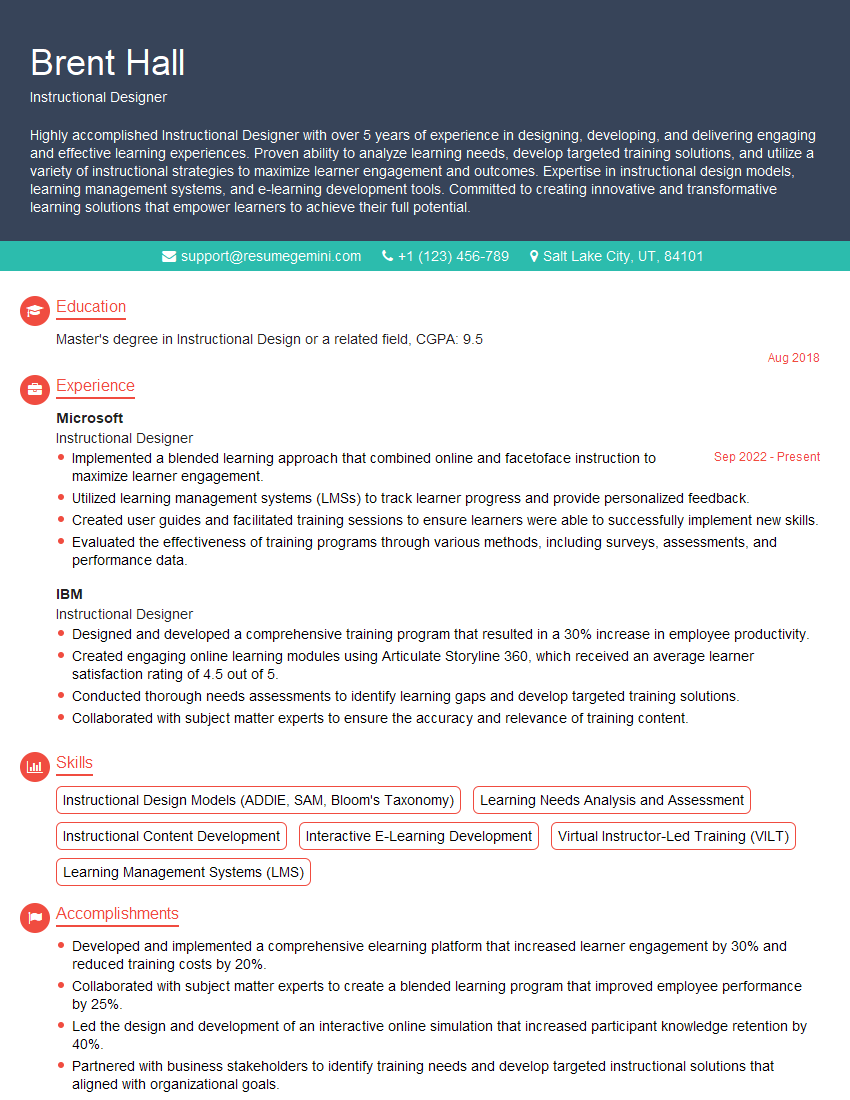
Instructional Designer Resume Sample

Technical Writer Resume Sample
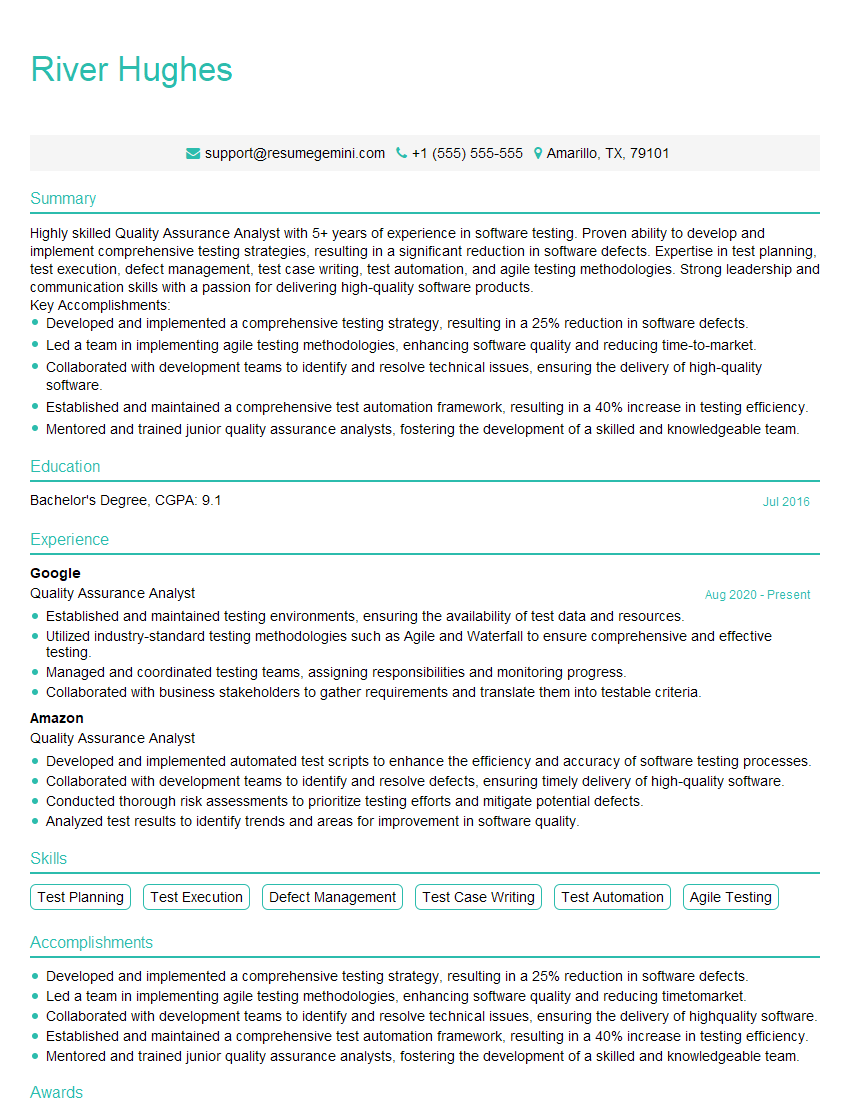
Quality Assurance Analyst Resume Sample
- Operations Manager
- Knowledge Manager
- Project Manager
- Compliance Manager
- Compliance Officer
- Regulatory Affairs Specialist
- Business Analyst
- Training Specialist
- Data Analyst
- Process Engineer
- Systems Analyst
- Information Architect
- Documentation Specialist
- Process Analyst
- Quality Control Specialist
- Continuous Improvement Manager
- Instructional Designer
- Technical Writer
- Quality Assurance Analyst
Explore more articles
Users Rating of Our Blogs
Share Your Experience
We value your feedback! Please rate our content and share your thoughts (optional).
What Readers Say About Our Blog
Very informative content, great job.
good