Every successful interview starts with knowing what to expect. In this blog, we’ll take you through the top Product Liability and Insurance interview questions, breaking them down with expert tips to help you deliver impactful answers. Step into your next interview fully prepared and ready to succeed.
Questions Asked in Product Liability and Insurance Interview
Q 1. Explain the difference between strict liability and negligence in product liability.
The core difference between strict liability and negligence in product liability lies in the proof required to establish liability. Negligence focuses on the manufacturer’s conduct – did they act reasonably? Did they breach a duty of care? Strict liability, on the other hand, focuses on the product itself – was it defective? Did that defect cause harm? You don’t need to prove negligence under strict liability; proving a defective product that caused harm is sufficient.
Think of it like this: Negligence is like a car accident where you need to show the driver was speeding (breach of duty) and caused the accident (causation). Strict liability is more like a faulty product: if a ladder collapses because of a manufacturing flaw causing injury, the manufacturer is liable regardless of whether they exercised reasonable care in manufacturing.
Q 2. Describe the elements required to prove a product liability claim.
To successfully bring a product liability claim, a plaintiff must generally prove the following elements:
- A defect existed in the product: This defect could be in design, manufacturing, or warnings. We’ll discuss these in more detail later.
- The defect existed when the product left the manufacturer’s control: This means the defect wasn’t introduced later by the consumer or someone else.
- The defect caused the plaintiff’s injuries: A direct causal link must be established between the defect and the harm suffered.
- The plaintiff suffered damages: This could include medical expenses, lost wages, pain and suffering, and property damage.
For example, if a child is injured by a toy with sharp edges (defect), those edges were sharp when it left the factory (existence when leaving control), the sharp edges caused the injury (causation), and the child incurred medical bills (damages), all elements are met.
Q 3. What are the common defenses used in product liability lawsuits?
Defendants in product liability cases utilize several common defenses, aiming to disprove one or more elements of the plaintiff’s claim. These include:
- Assumption of Risk: The plaintiff knew of the danger posed by the product and voluntarily used it anyway. For example, using a chainsaw without safety gear.
- Comparative Negligence/Fault: The plaintiff’s own negligence contributed to their injuries. This can reduce the defendant’s liability, even if a product defect existed. Imagine a driver ignoring a traffic signal while using a defective brake system. Both parties share responsibility.
- Misuse or Modification of Product: The product was used in an unintended or improper manner, or significantly altered, leading to the injury, thereby breaking the causal chain. For instance, using a hammer as a screwdriver.
- State of the Art Defense: The manufacturer acted reasonably based on the scientific and technological knowledge available at the time the product was manufactured. This is relevant especially when dealing with novel technologies.
- Compliance with Government Regulations: The product complied with all applicable government safety standards at the time of manufacture.
It’s crucial to note that the success of these defenses depends greatly on the specific facts of each case.
Q 4. How does the concept of ‘defect’ apply in product liability cases?
The concept of ‘defect’ is central to product liability. A defect is any condition making a product unreasonably dangerous to the user or consumer. It’s not enough to simply show the product malfunctioned; the plaintiff must show the malfunction stemmed from a defect present when the product left the manufacturer’s control. This ‘unreasonably dangerous’ standard varies across jurisdictions but essentially means the product fails to meet reasonable consumer expectations of safety.
A simple example: a seemingly safe toy with a small, easily detachable part that a child could swallow is defective because it’s unreasonably dangerous despite not being inherently dangerous in the typical use case.
Q 5. Explain the different types of product defects (design, manufacturing, warning).
Product defects are categorized into three main types:
- Manufacturing Defects: These occur when a product deviates from its intended design during the manufacturing process. For example, a car’s brake system might fail due to a flaw in assembly, despite the design being sound.
- Design Defects: These are inherent flaws in the product’s design, making it inherently dangerous even when manufactured as intended. A classic example: a poorly designed children’s toy that easily breaks into sharp fragments.
- Warning Defects: These arise when a product lacks adequate warnings or instructions about its potential hazards. For instance, a powerful chemical cleaner might be defective if it doesn’t clearly warn users of its corrosive nature.
Identifying the type of defect is crucial in determining liability as it influences the evidence needed to prove the case.
Q 6. Discuss the role of causation in product liability claims.
Causation is the essential link between the product defect and the plaintiff’s injuries. The plaintiff must prove that the defect actually caused their harm. This is often a complex process involving expert testimony, accident reconstruction, and medical evidence. It’s not enough to show a defect existed; the plaintiff needs to demonstrate a direct causal relationship between the defect and the injuries sustained. The ‘but-for’ test is frequently used: ‘But for the defect, the injury would not have occurred’.
For instance, if a defective component in a washing machine causes a fire, the plaintiff must prove that the fire wouldn’t have happened but for that defect, ruling out other possible causes.
Q 7. What are the key differences between various types of insurance policies relevant to product liability?
Several insurance policies address product liability risks, each with distinct coverage features and limitations:
- Commercial General Liability (CGL) Insurance: This is a common policy that often includes product liability coverage, but it’s usually subject to exclusions and sub-limits. It covers bodily injury or property damage caused by a product sold by the insured.
- Product Liability Insurance: This policy specifically addresses product liability risks, offering broader coverage and higher limits than the typical CGL policy. It often includes coverage for recalls and defense costs.
- Umbrella Liability Insurance: This provides excess liability coverage above the limits of the underlying CGL or product liability policy, offering increased protection against significant claims.
The key differences lie in the breadth of coverage, policy limits, specific exclusions, and the overall cost. A manufacturer of complex machinery, for example, will likely require a comprehensive product liability policy with high limits, while a small bakery might find adequate coverage under a CGL policy. Careful selection based on the specific business and risk profile is paramount.
Q 8. Explain the process of handling a product liability insurance claim from inception to resolution.
Handling a product liability insurance claim is a multi-stage process requiring meticulous attention to detail. It begins with the notification of a claim, where the insurer receives notice of an alleged product defect causing injury or damage. This is often followed by a thorough investigation, including reviewing the claim details, the product’s design and manufacturing history, and gathering evidence such as incident reports, medical records, and expert opinions.
Next comes the evaluation of liability. This crucial step involves analyzing the claim’s merits, assessing the strength of the plaintiff’s case, and determining if the product defect is genuinely attributable to the insured. This might involve legal research, reviewing relevant case law and statutes pertaining to product liability, and assessing the potential for settlement or trial.
The subsequent stage involves negotiation and settlement. If liability is deemed likely, we work to negotiate a fair settlement with the claimant’s attorney. This involves a cost-benefit analysis considering the potential costs of litigation versus the likely settlement amount. If a settlement can’t be reached, the case proceeds to litigation, encompassing discovery, depositions, expert witness testimony, and potentially a trial.
Finally, the claim is resolved either through a court judgment or a settlement agreement. Even after resolution, post-judgment monitoring might be required to ensure compliance with any agreement and to manage any ongoing effects of the claim.
Example: Imagine a claim involving a faulty coffee maker that caused a fire. The investigation would involve examining the coffee maker, interviewing the claimant, and reviewing electrical safety reports to determine if a design or manufacturing defect led to the fire. If a defect was found, settlement negotiations would begin, weighing the potential costs of defending the case against the risk of a larger judgment.
Q 9. How do you assess the risk associated with a particular product?
Assessing product risk involves a multifaceted approach combining qualitative and quantitative methods. We utilize a hazard analysis, identifying potential hazards associated with the product’s use, misuse, and foreseeable failures. This often involves Failure Mode and Effects Analysis (FMEA) or similar techniques to determine the probability and severity of potential incidents. We then conduct a risk assessment, considering factors such as the product’s intended use, target market, and manufacturing processes. This might include analyzing data on previous incidents with similar products or related technologies.
Further, a regulatory analysis is critical to assess compliance with relevant safety standards, labeling requirements, and other legal mandates. We also examine the product design and manufacturing processes, ensuring adequate quality control measures and robust safety protocols are in place. Finally, we conduct a market analysis to understand the product’s potential exposure and the likelihood of claims arising from its use.
Example: Assessing the risk of a children’s toy might involve identifying potential choking hazards, testing the toy’s durability, and ensuring the product meets applicable safety regulations. A high probability of a choking hazard and severe consequences would indicate a high-risk product requiring more robust safety measures and a higher insurance premium.
Q 10. What are the key factors considered when setting insurance premiums for product liability?
Insurance premiums for product liability are determined by a complex interplay of factors. Loss history is a primary driver. A company with a history of many claims will face higher premiums than one with a clean record. Product characteristics play a significant role, with inherently riskier products – like pharmaceuticals or medical devices – demanding higher premiums due to the potential for serious injury or death.
Sales volume is another key factor. Higher sales mean a greater potential for exposure, thus increasing the premium. The manufacturer’s financial strength and risk management practices are considered as well. A company with strong financial resources and robust safety protocols will likely receive more favorable rates. Coverage limits also impact premiums. Higher coverage limits naturally result in higher premiums.
Geographical factors can also affect premiums. Some regions have more stringent legal environments or higher litigation rates, making insurance more expensive. Finally, claims history of similar products in the industry as a whole can impact premium setting, providing a baseline risk measure for comparison and benchmark setting.
Example: A pharmaceutical company with a history of successful products but also a recent high-profile recall will likely see its premiums increase significantly due to a blend of increased claim probability and the potential severity of such claims.
Q 11. Describe your experience with different types of product liability litigation.
My experience encompasses a wide spectrum of product liability litigation, including cases involving manufacturing defects (e.g., a faulty component leading to equipment failure), design defects (e.g., a product inherently dangerous due to its design), and failure to warn (e.g., inadequate warnings or instructions causing injury). I’ve handled cases involving various industries, from consumer goods (e.g., toys, appliances) to medical devices and pharmaceuticals.
I’ve worked on both large-scale class-action lawsuits and individual claims. My experience involves all phases of litigation, from discovery and depositions to trial preparation and settlement negotiations. I’ve also been involved in cases with varying degrees of complexity and liability, including instances where multiple defendants were involved.
Example: One case involved a defective medical device that resulted in multiple injuries. The litigation was complex, requiring thorough expert witness testimony on the device’s design and manufacturing, and involved protracted negotiations to reach a settlement that was fair to all parties while protecting the insurer’s interests.
Q 12. How do you prioritize claims based on severity and urgency?
Prioritizing claims involves a multi-faceted approach that weighs both severity and urgency. We use a claims triage system that categorizes claims based on factors such as potential liability exposure, the severity of injury or damage, and the potential for negative publicity. Claims involving significant injuries, high potential payouts, or substantial media attention are prioritized over less serious claims.
Urgency is assessed based on factors such as deadlines for responding to legal actions, the potential for further harm, and the need to preserve evidence. Time-sensitive claims, such as those involving imminent danger or substantial ongoing losses, are given priority. We also consider the claimant’s circumstances, such as their financial hardship or need for immediate medical care, in prioritizing claims.
Example: A claim involving a fatal injury would be prioritized over a claim involving minor property damage, even if the potential liability in the latter were higher. A claim with a fast-approaching statute of limitations would also receive higher priority to ensure adequate response time.
Q 13. Explain your understanding of comparative and contributory negligence.
Comparative negligence and contributory negligence are legal doctrines that address the plaintiff’s role in causing their injuries. Contributory negligence, a stricter doctrine, holds that if the plaintiff is even slightly responsible for their own injuries, they are barred from recovering any damages. This is a less frequently used doctrine.
Comparative negligence is more lenient. It allows for recovery of damages even if the plaintiff was partially at fault. Different jurisdictions use different versions of comparative negligence. Some use a “pure” comparative negligence system where the plaintiff can recover damages even if they are more at fault than the defendant; their recovery is simply reduced proportionally to their degree of fault. Others use a “modified” comparative negligence system, where the plaintiff can recover only if their fault is less than (e.g., 50%) that of the defendant.
Example: In a pure comparative negligence state, if a plaintiff is 30% at fault for a car accident caused by a defective car part (70% defendant’s fault), they could recover 70% of their damages. In a modified comparative negligence state (50% rule), if the plaintiff is 60% at fault, they would recover nothing.
Q 14. What is the role of expert witnesses in product liability cases?
Expert witnesses play a critical role in product liability cases. They provide specialized knowledge and opinions to assist the court in understanding complex technical or scientific issues. Their testimony can be crucial in establishing the existence of a defect, proving causation, or assessing damages.
Expert witnesses can be engineers, medical professionals, economists, or other specialists depending on the nature of the case. They often review evidence, conduct testing, and prepare detailed reports that support their opinions. Their testimony can be persuasive, influencing the outcome of the case significantly. A thorough and credible expert witness can bolster a strong case, while a weak or flawed expert can undermine it.
Example: In a case involving a defective medical implant, a biomedical engineer might be called as an expert witness to testify on the implant’s design flaws, the likelihood of failure, and the causal link between the defect and the plaintiff’s injuries. Their detailed analysis and clear testimony are crucial for proving liability.
Q 15. Describe your experience with claims involving bodily injury versus property damage.
My experience encompasses a wide range of product liability claims, both those involving bodily injury and those limited to property damage. Bodily injury claims, naturally, are far more complex and often involve significantly higher damages. They require a more in-depth investigation into the extent of the injuries, medical treatments, and future care needs. Think of a case involving a defective power tool causing a severe hand injury – this would necessitate detailed medical records review, expert witness testimony from medical professionals, and potentially, lengthy litigation concerning lost wages and pain and suffering. Property damage claims, while still demanding thorough investigation, tend to focus on the cost of repair or replacement of the damaged property. For example, a defective appliance causing a fire might involve assessing the damage to the home and its contents, using professional appraisals and contractor estimates. The difference lies primarily in the scope and complexity of the damages and the types of experts needed.
In both types of claims, however, a critical element is proving a causal link between the product defect and the harm suffered. This involves meticulous documentation, analysis of the product, and often, expert testimony to demonstrate that the defect was the proximate cause of the injury or damage.
Career Expert Tips:
- Ace those interviews! Prepare effectively by reviewing the Top 50 Most Common Interview Questions on ResumeGemini.
- Navigate your job search with confidence! Explore a wide range of Career Tips on ResumeGemini. Learn about common challenges and recommendations to overcome them.
- Craft the perfect resume! Master the Art of Resume Writing with ResumeGemini’s guide. Showcase your unique qualifications and achievements effectively.
- Don’t miss out on holiday savings! Build your dream resume with ResumeGemini’s ATS optimized templates.
Q 16. How do you handle claims where liability is unclear or disputed?
Claims with unclear or disputed liability present unique challenges. My approach involves a thorough and unbiased investigation to gather all available evidence. This includes examining the product itself, reviewing the product’s design and manufacturing processes, interviewing witnesses (including the claimant and any relevant third parties), and analyzing any available documentation, such as user manuals, maintenance records, and sales receipts. Thorough investigation is paramount. I look for inconsistencies in narratives, discrepancies in evidence, and any contributing factors that may lessen the responsibility of the manufacturer.
If liability remains unclear, I might consider alternative dispute resolution methods like mediation or arbitration before proceeding to litigation. These methods allow for a more efficient and cost-effective resolution while exploring all avenues to a fair outcome. Negotiations must account for the risks and potential outcomes of a trial, including the possibility of a verdict adverse to my client. The goal is always to identify the most practical and defensible position based on the facts.
Q 17. What methods do you use to investigate product liability claims?
Investigating product liability claims is a systematic process. I begin by gathering all available information related to the product in question, including design specifications, manufacturing records, testing data, and sales figures. I thoroughly examine the allegedly defective product itself, often engaging experts in engineering, materials science, or other relevant fields to perform detailed analyses. This might involve metallurgical testing, chemical analysis, or failure mode analysis, depending on the nature of the alleged defect.
Next, I interview key individuals involved, including the claimant, witnesses, and employees of the manufacturer or distributor. I meticulously document their statements and carefully consider their credibility and potential biases. Finally, I review all relevant documentation, including incident reports, medical records, police reports, and any communications related to the product. The goal is to reconstruct the events leading up to the incident and to determine the cause of the alleged defect and resulting harm. This approach allows for a comprehensive understanding of the situation and the creation of a robust defense strategy.
Q 18. Explain your understanding of statutes of limitations in product liability cases.
Statutes of limitations in product liability cases dictate the timeframe within which a lawsuit must be filed. These vary significantly by jurisdiction and may depend on the type of claim (e.g., negligence, strict liability, breach of warranty) and the nature of the injury.
It is crucial to understand the specific statute of limitations applicable to each case, as missing the deadline can permanently bar the claimant from pursuing legal action. Factors like the date of injury, the date of product discovery, and the date of the accrual of the cause of action are crucial for determining the statute of limitation’s commencement. My practice meticulously tracks deadlines and employs a proactive approach to ensure that all actions are taken well within the allowed timeframes. Ignoring statutes of limitations can result in significant financial and legal consequences for both claimants and defendants.
Q 19. How do you manage your caseload and maintain organization?
Managing a substantial caseload requires a disciplined and organized approach. I use a combination of case management software and detailed filing systems to track cases efficiently. This software allows for tracking key deadlines, managing documents, and monitoring communication with clients and opposing counsel.
I prioritize cases based on urgency and complexity, focusing on those with imminent deadlines or those requiring immediate attention. Regular review of the caseload helps to identify potential bottlenecks or emerging issues. Furthermore, delegation of tasks to support staff ensures efficient workload distribution and a smooth operation. This systematic approach ensures that all cases receive the necessary attention while maintaining an organized and efficient workflow.
Q 20. Describe your experience with mediation and settlement negotiations in product liability cases.
Mediation and settlement negotiations are integral parts of resolving product liability claims. My experience shows that a significant percentage of cases are resolved outside of court through these methods.
In mediation, a neutral third party facilitates communication between the parties to help them reach a mutually agreeable settlement. I prepare extensively for mediation by thoroughly reviewing the facts, evidence, and potential risks of litigation. Settlement negotiations involve strategic discussions to reach a fair resolution that considers the strengths and weaknesses of each party’s case. I carefully assess the potential cost of trial, including legal fees and the risk of an adverse verdict. The goal is always to reach a settlement that is both cost-effective and protects my client’s interests. Successful negotiation requires strong communication skills, a deep understanding of the law, and the ability to persuasively present a client’s position.
Q 21. What are the ethical considerations in handling product liability claims?
Ethical considerations are paramount in handling product liability claims. Maintaining client confidentiality, ensuring honest and accurate representation of facts, and avoiding conflicts of interest are crucial.
It’s essential to fully disclose all relevant information to the client and to obtain informed consent before taking any actions on their behalf. I also have a duty to uphold the integrity of the legal process by acting with fairness and honesty toward opposing counsel and the court. Furthermore, I must adhere to all applicable rules of professional conduct and ethical guidelines. Failing to uphold these ethical standards can lead to disciplinary action, reputational damage, and legal repercussions.
Q 22. How do you stay updated on changes in product liability laws and regulations?
Staying current in the dynamic field of product liability law requires a multi-pronged approach. It’s not enough to rely on a single source; a comprehensive strategy is crucial.
Continuous Legal Education: I regularly attend seminars, webinars, and conferences hosted by organizations like the American Bar Association and the Product Liability Advisory Council. These events offer insights into recent case law, legislative changes, and emerging trends.
Subscription to Legal Databases: Access to updated legal databases like Westlaw and LexisNexis is essential. These resources provide access to the latest court decisions, statutes, and regulatory updates, allowing me to track changes in relevant jurisdictions.
Professional Journals and Publications: I subscribe to key legal journals and publications specializing in product liability, tort law, and insurance. These publications offer in-depth analysis and commentary on significant legal developments.
Networking: Regular networking with colleagues and experts in the field, through professional organizations and industry events, provides invaluable insights and allows me to learn about emerging issues from different perspectives.
Monitoring Regulatory Agencies: I actively monitor the websites and publications of relevant regulatory agencies like the Consumer Product Safety Commission (CPSC) and the Food and Drug Administration (FDA) for any new rules, warnings, or recalls that could impact product liability exposure.
Q 23. How do you utilize technology to improve the efficiency of claims handling?
Technology plays a vital role in streamlining claims handling. We leverage various software and platforms to improve efficiency and accuracy throughout the entire process.
Claims Management Systems (CMS): Our CMS allows for centralized case management, automated workflows, and real-time tracking of claims. This reduces manual work and ensures consistent handling across all cases.
Data Analytics: We use data analytics to identify trends and patterns in claims data, allowing us to proactively address potential issues and improve preventative measures. For example, we can identify product defects that are recurring to inform product redesign or recall strategies.
Document Management Systems: Secure document management systems ensure efficient storage, retrieval, and sharing of claim-related documents. This reduces administrative burdens and improves collaboration among team members and external stakeholders.
Predictive Modeling: In some cases, we utilize predictive modeling to assess the potential cost and outcome of claims, enabling more informed decision-making and efficient resource allocation.
Artificial Intelligence (AI): AI-powered tools are increasingly being used to automate tasks such as document review and initial claim assessment, freeing up time for more complex tasks that require human expertise.
Q 24. Describe your experience with complex product liability cases involving multiple parties.
I have extensive experience managing complex product liability cases with multiple parties, often involving manufacturers, distributors, suppliers, and injured parties. These cases often require intricate investigation and careful coordination.
For example, I was involved in a case where a faulty component in a medical device resulted in several patient injuries. This involved coordinating with multiple expert witnesses (engineers, medical professionals, etc.), managing discovery across several jurisdictions, and negotiating settlements with numerous parties. Success in these situations hinges on clear communication, meticulous organization, and a deep understanding of comparative negligence principles and the allocation of responsibility among the involved parties. A crucial element was developing a robust timeline and meticulously documenting all interactions and evidence discovered.
Q 25. How do you assess the potential for future claims related to a product?
Assessing the potential for future claims involves a thorough risk assessment process that combines quantitative and qualitative factors.
Product Design and Manufacturing: We carefully analyze the product’s design, manufacturing process, and materials to identify any potential weaknesses or defects that could lead to future incidents.
Testing and Quality Control: A review of the product’s testing and quality control procedures is crucial to assess the effectiveness of these measures in mitigating risks.
Field Data and Incident Reports: Analysis of field data, including customer feedback, warranty claims, and incident reports, helps to identify potential patterns or emerging issues.
Regulatory Compliance: Ensuring compliance with all relevant safety standards and regulations is essential in minimizing liability exposure.
Market Trends and Competitive Landscape: Understanding market trends and the competitive landscape helps to identify potential emerging risks related to product imitation or technological advancements.
Legal Precedent: We review relevant legal precedent and case law to gauge the likelihood of successful claims based on similar products or incidents.
This multi-faceted assessment allows us to develop strategies for risk mitigation, such as product improvements, enhanced warnings, or changes to marketing materials, thereby reducing the likelihood of future claims.
Q 26. Explain your understanding of insurance policy exclusions and limitations.
Insurance policy exclusions and limitations are crucial aspects of understanding coverage. Exclusions specify events or circumstances that are not covered by the policy, while limitations restrict the amount or scope of coverage.
Examples of common exclusions include intentional acts, pre-existing conditions (in certain types of policies), and damage caused by wear and tear. Limitations can involve caps on the maximum amount of coverage, deductibles, or specific time limits for filing claims.
Understanding these nuances is essential for accurately assessing the potential coverage for a particular claim. For instance, a product liability policy might exclude coverage for damage caused by misuse of the product, even if the product itself was defective. It’s vital to carefully review the specific wording of the policy to determine the exact extent of coverage. This often requires consulting with legal counsel specializing in insurance law to interpret ambiguous language.
Q 27. Describe your experience working with different insurance carriers and their claims processes.
My experience encompasses working with a wide range of insurance carriers, each with its unique claims process and procedures. This involves navigating different reporting requirements, documentation needs, and settlement approaches.
Understanding each carrier’s specific guidelines and priorities is vital for efficient claims handling. Some carriers may prioritize quick settlements, while others might opt for more thorough investigations. Adaptability and a strong understanding of the insurance industry’s best practices are essential to navigate these diverse processes effectively and represent my clients’ interests appropriately.
For example, working with a major national carrier often entails using their specific online portals and following rigid protocols, whereas working with a smaller, regional carrier might involve more direct communication and more flexibility in the process. This experience has provided me with a valuable understanding of the intricacies and variations within the insurance claims landscape.
Q 28. How do you handle customer complaints and concerns related to product safety?
Handling customer complaints related to product safety requires a sensitive and systematic approach. It’s about more than just resolving the immediate issue; it’s about preserving the company’s reputation and building trust.
Prompt Acknowledgment: Customers should receive a prompt acknowledgment of their complaint, indicating that it’s being taken seriously.
Thorough Investigation: A detailed investigation is essential to determine the nature of the problem and its cause. This may involve reviewing product specifications, examining the product itself, and interviewing the customer.
Effective Communication: Maintain open and honest communication with the customer throughout the investigation and resolution process. Provide updates and explanations in a clear and concise manner.
Appropriate Remedy: Depending on the nature of the complaint, an appropriate remedy should be provided, such as a product repair, replacement, refund, or other compensation.
Documentation: Maintain thorough documentation of all communications and actions taken throughout the process.
By handling complaints effectively, we not only address immediate concerns but also identify potential product defects or design flaws that can be addressed to prevent future incidents. This proactive approach minimizes risks, safeguards customer safety, and protects the company’s long-term interests.
Key Topics to Learn for Product Liability and Insurance Interview
- Fundamentals of Product Liability Law: Understanding the legal principles governing manufacturer and seller liability for defective products. This includes exploring different types of defects (manufacturing, design, and warning defects).
- Insurance Coverage for Product Liability: Analyzing various types of insurance policies that cover product liability claims, including Commercial General Liability (CGL) and Product Liability policies. Understanding policy exclusions and limits is crucial.
- Claims Handling Process: Familiarizing yourself with the steps involved in handling a product liability claim, from initial notification to settlement or trial. This includes investigating claims, assessing liability, and negotiating settlements.
- Risk Management Strategies: Exploring proactive measures businesses take to minimize product liability risks, such as implementing quality control procedures, designing safe products, and providing clear warnings.
- Economic Damages in Product Liability Cases: Understanding how economic damages (e.g., medical expenses, lost wages) are assessed and calculated in product liability litigation.
- Non-Economic Damages in Product Liability Cases: Understanding how non-economic damages (e.g., pain and suffering, emotional distress) are assessed and calculated, and the variations between jurisdictions.
- Case Law and Precedent: Reviewing significant case law and legal precedents relevant to product liability and insurance. This will demonstrate your understanding of legal principles and their practical application.
- Regulatory Compliance: Understanding relevant regulations and compliance requirements related to product safety and liability.
Next Steps
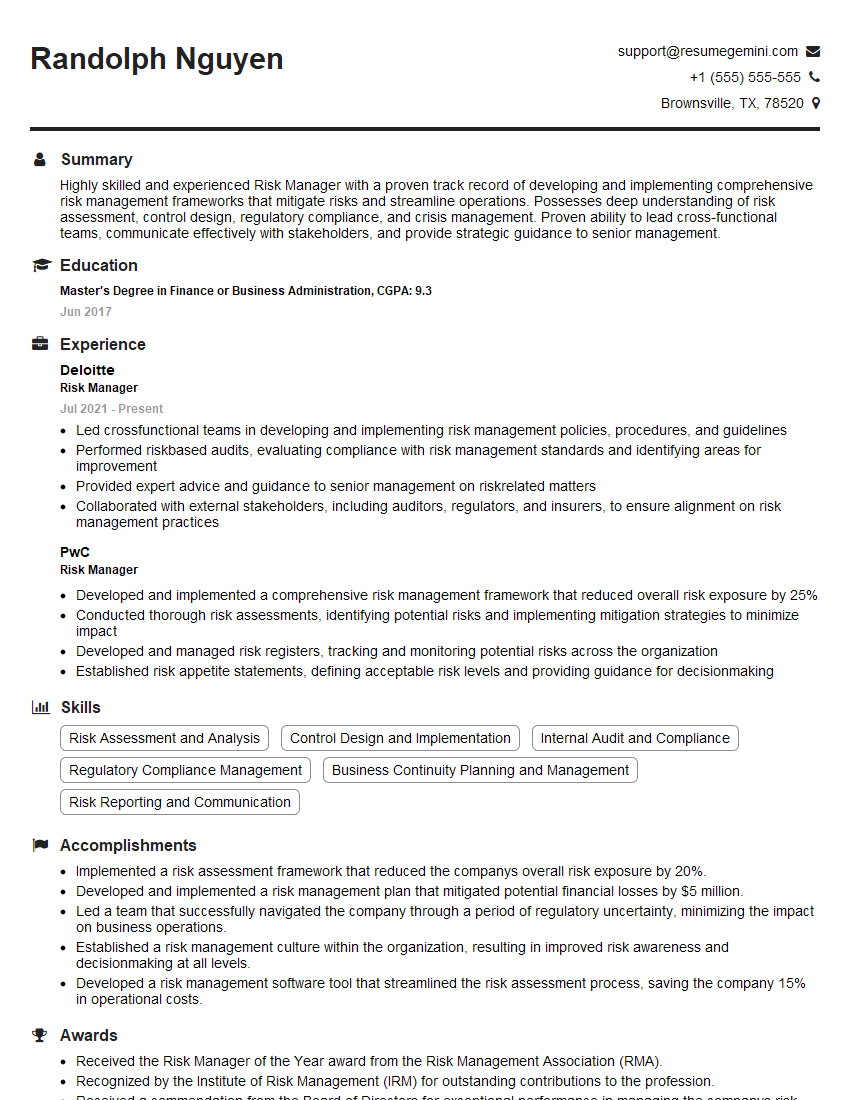
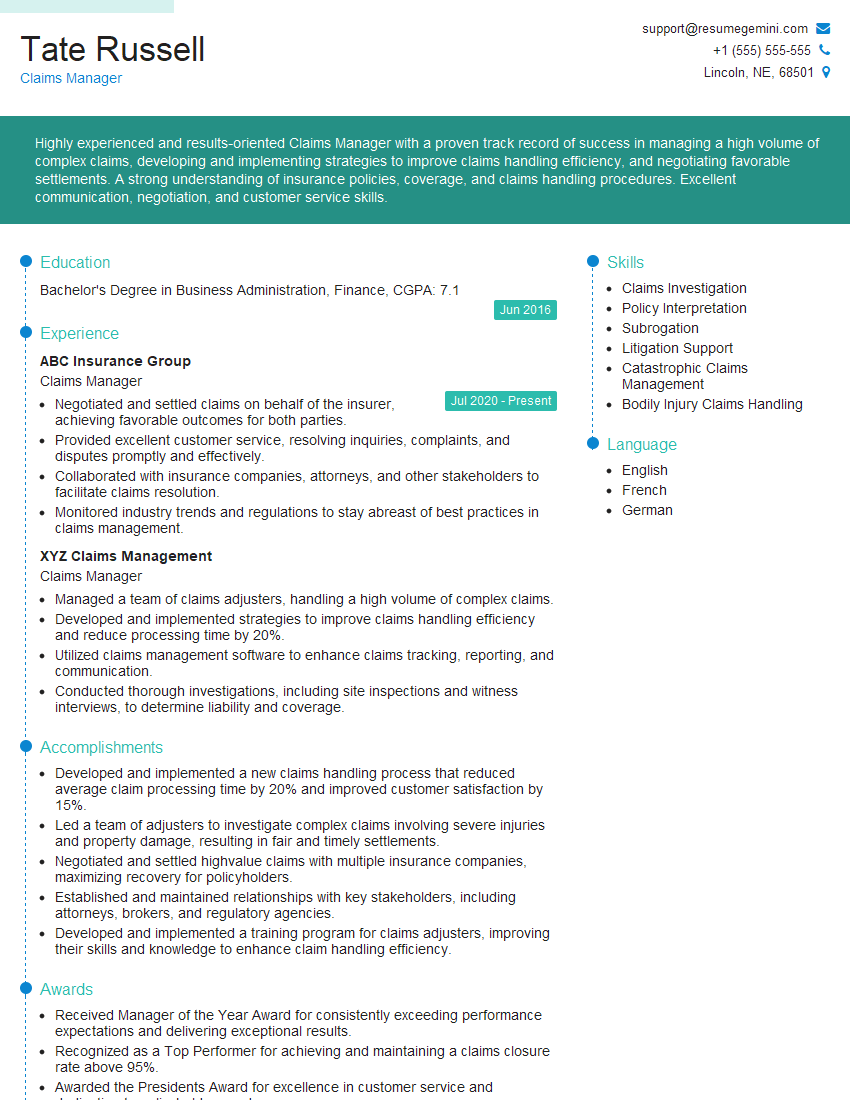
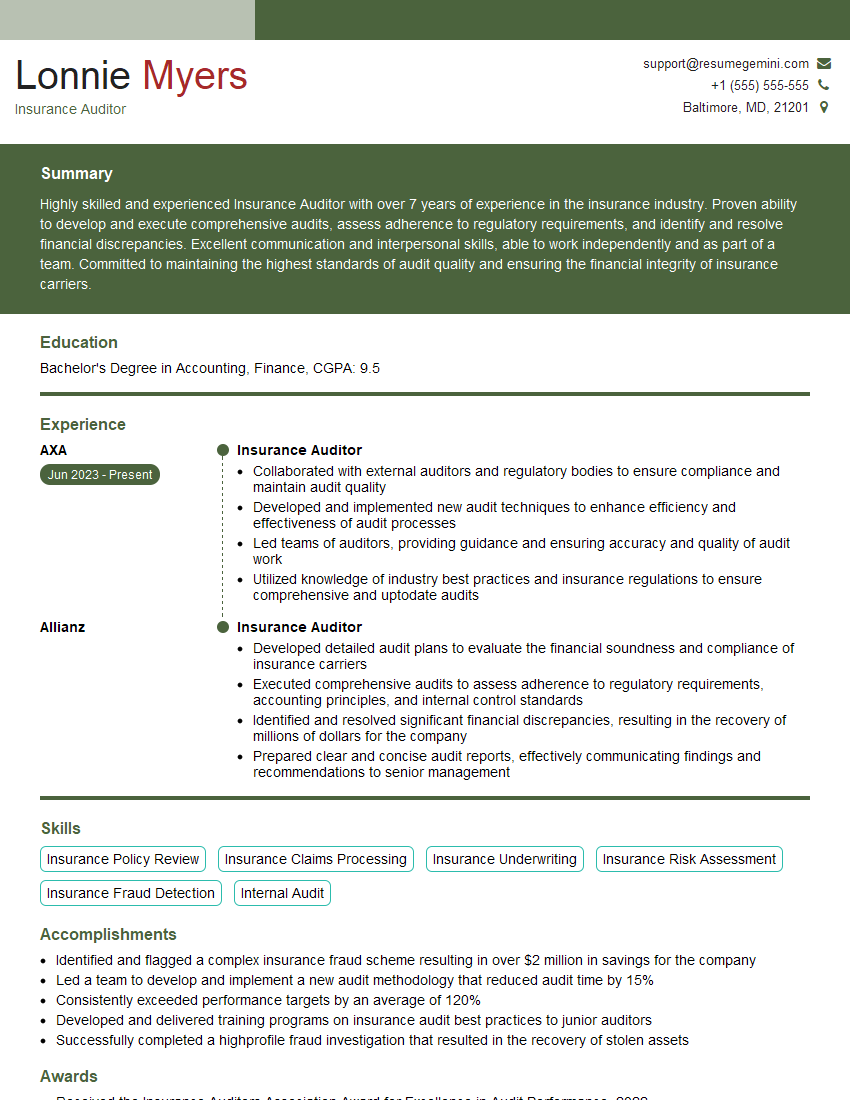
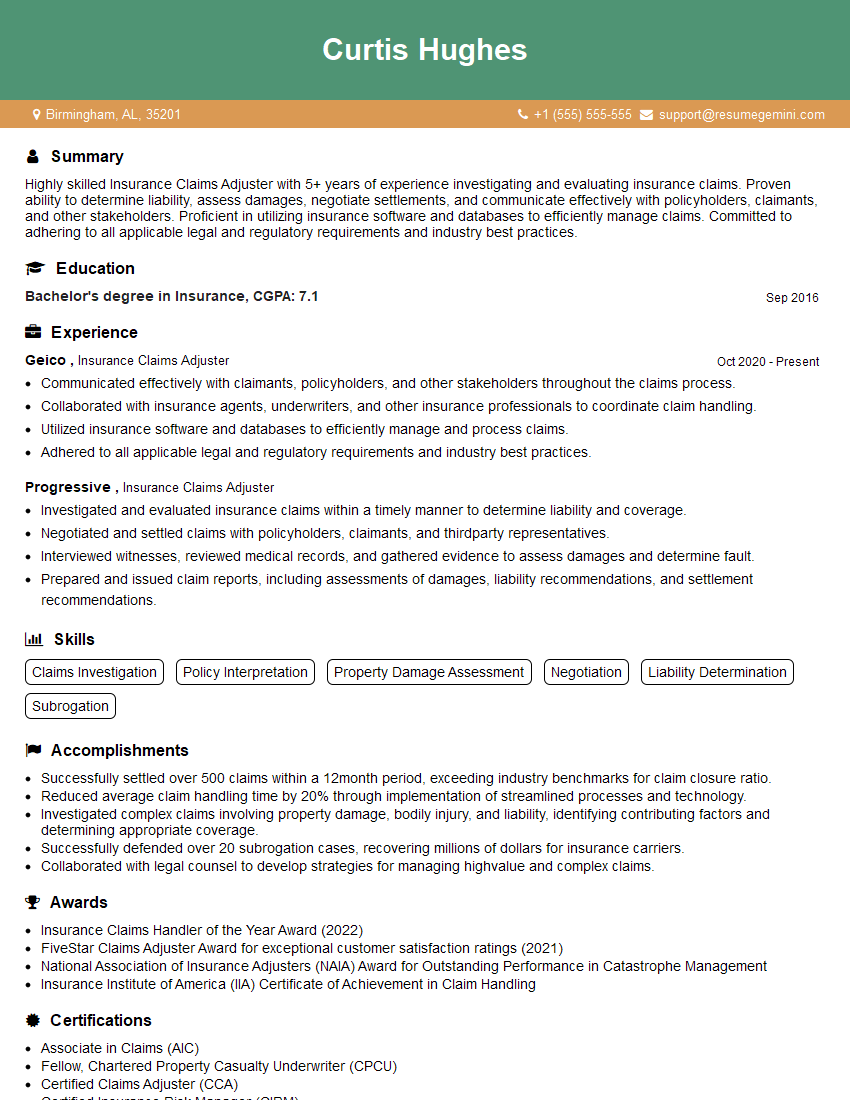
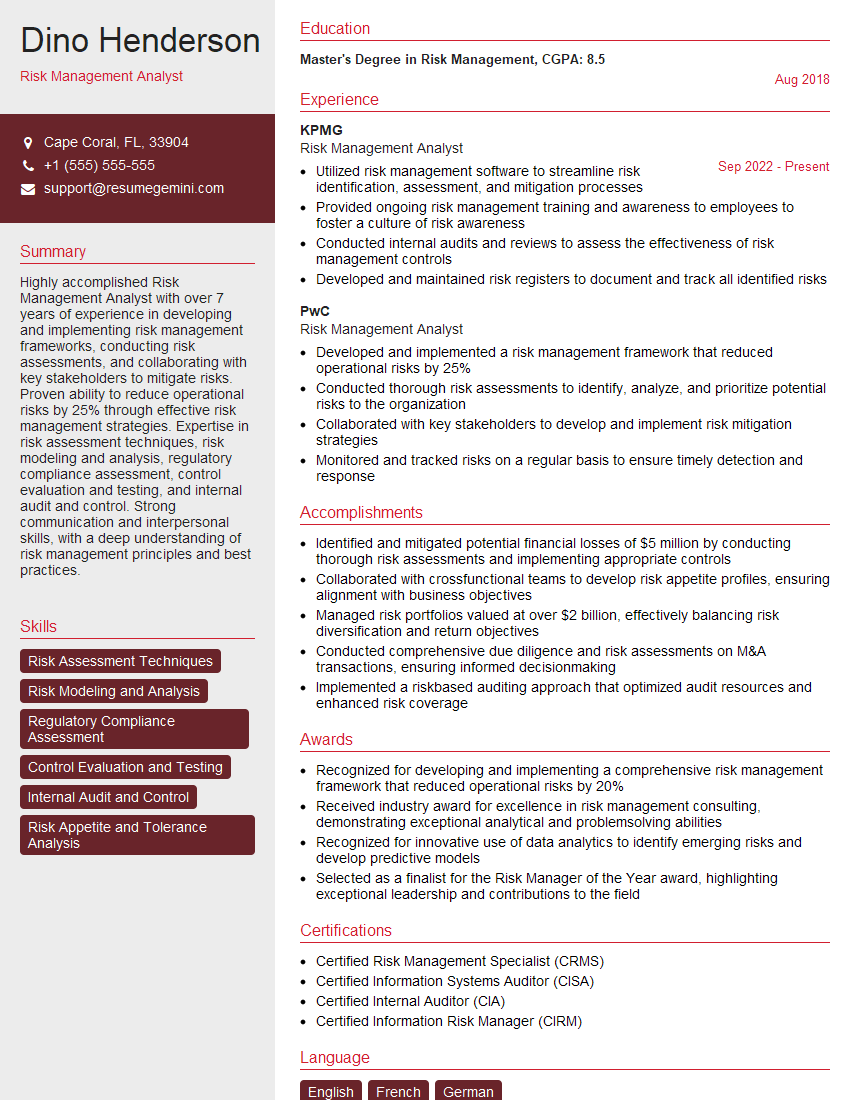
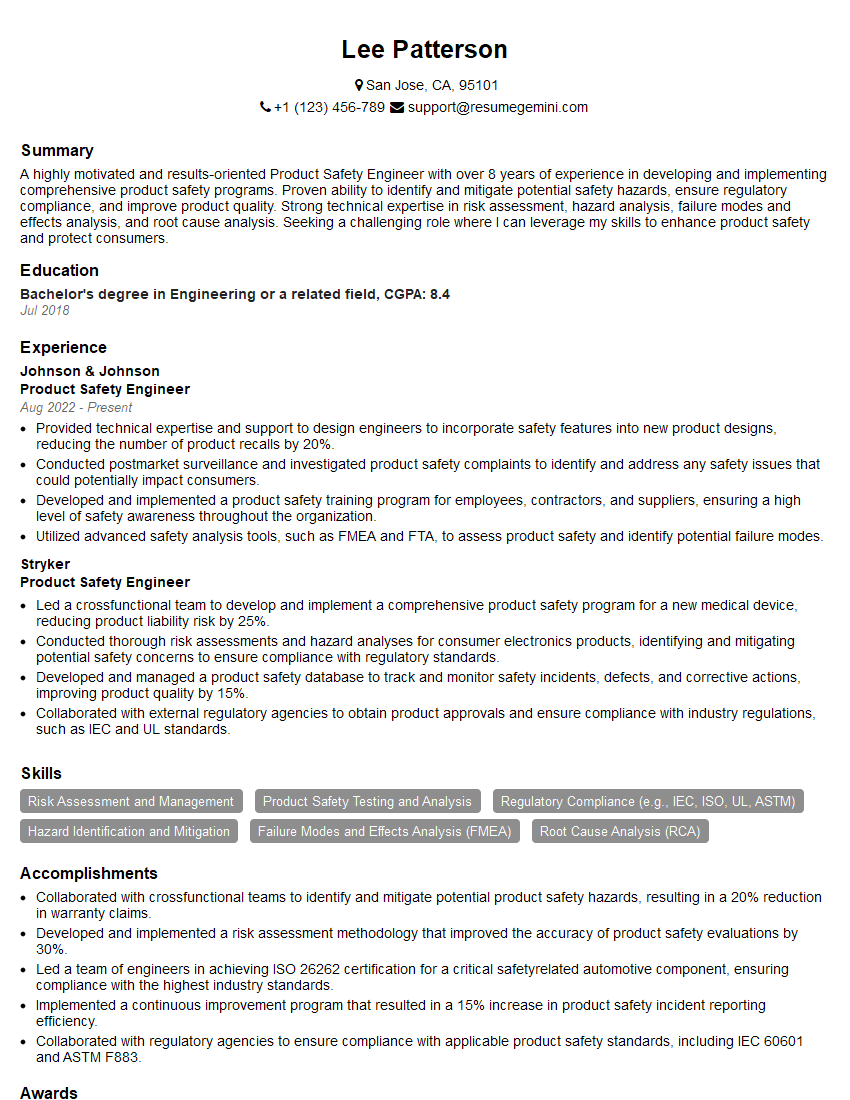
Mastering Product Liability and Insurance opens doors to rewarding careers in law, insurance, risk management, and related fields. A strong understanding of these concepts is highly valued by employers. To maximize your job prospects, crafting an ATS-friendly resume is essential. ResumeGemini is a trusted resource that can help you build a professional and effective resume that highlights your skills and experience. Examples of resumes tailored to Product Liability and Insurance are available through ResumeGemini, enabling you to create a compelling application that showcases your expertise in this specialized field.
Explore more articles
Users Rating of Our Blogs
Share Your Experience
We value your feedback! Please rate our content and share your thoughts (optional).
What Readers Say About Our Blog
Very informative content, great job.
good