Unlock your full potential by mastering the most common Product Styling interview questions. This blog offers a deep dive into the critical topics, ensuring you’re not only prepared to answer but to excel. With these insights, you’ll approach your interview with clarity and confidence.
Questions Asked in Product Styling Interview
Q 1. Describe your experience with different styling techniques for product photography.
My experience encompasses a wide range of styling techniques for product photography, from classic studio setups to more contemporary lifestyle shots. I’m proficient in various approaches, including:
- Minimalist Styling: Focusing on clean lines and negative space to highlight the product’s form and features. For example, I’ve styled minimalist jewelry photography using only a simple white backdrop and subtle lighting.
- Lifestyle Styling: Creating scenes that depict the product in a realistic, relatable setting. For instance, I’ve styled images of coffee mugs nestled amongst books and plants in a cozy home environment to evoke a feeling of warmth and relaxation.
- Flat Lay Styling: Arranging products and props from a bird’s-eye view, creating visually appealing compositions. This technique is perfect for showcasing texture and color palettes. I’ve used this to photograph a range of artisanal soaps and bath bombs, arranging them to emphasize their vibrant colors and textures.
- Glamour Styling: Employing techniques like reflective surfaces and dramatic lighting to create a luxurious feel. This is particularly effective for high-end products like cosmetics or watches, to highlight their quality and sophistication.
I adapt my technique based on the product, target audience, and overall brand aesthetic, always prioritizing visual storytelling and brand consistency.
Q 2. How do you ensure product consistency across multiple photoshoots?
Maintaining product consistency across multiple photoshoots is paramount. I achieve this through meticulous planning and execution:
- Detailed Style Guides: I create comprehensive style guides for each product, specifying lighting, angles, props, and even color palettes. This ensures everyone involved understands the desired look and feel.
- Color Calibration: Maintaining consistent color throughout the photography process is critical. We use color targets and calibrate monitors to guarantee accuracy across different equipment and environments.
- Reference Images: Providing reference images showcasing the desired styling and aesthetic acts as a visual guide for the photographer and the rest of the team. This allows them to quickly understand the expectations.
- Regular Quality Checks: During and after each shoot, we conduct rigorous quality checks to ensure that the images align with the style guide and maintain consistency. This includes reviewing the images for lighting, color balance, and overall aesthetic.
By implementing these measures, I can guarantee a unified brand presentation, regardless of the number of shoots or time elapsed between them.
Q 3. Explain your process for selecting props and backgrounds to complement products.
Selecting the right props and backgrounds is crucial for effective product styling. My process involves:
- Understanding the Product: I begin by thoroughly understanding the product’s features, target audience, and brand identity. This informs the choice of props and backgrounds.
- Mood Board Creation: I create mood boards using images and color palettes that reflect the desired aesthetic. This helps visualize the final look and feel.
- Prop Selection: Props should complement, not compete with, the product. I choose props that evoke the desired emotion or tell a story. For example, rustic props might be ideal for a handcrafted product, while modern and sleek props would be suitable for a technological product.
- Background Selection: The background should enhance the product’s visual appeal. I consider the product’s color and texture when selecting a background. A simple neutral background might work well for showcasing detailed textures, while a more textured background might add visual interest to a plain-colored product.
Essentially, I aim for a harmonious balance between the product and its surroundings, creating a visually cohesive and engaging image.
Q 4. How do you handle tight deadlines and unexpected challenges during a photoshoot?
Tight deadlines and unexpected challenges are part of the reality of product photography. My approach focuses on proactive planning and adaptability:
- Detailed Pre-Production: Thorough planning before the shoot minimizes on-set surprises. This includes confirming all equipment, securing locations, and having backup plans in place.
- Efficient Workflow: I organize the shoot meticulously to ensure we stay on schedule. This includes detailed shot lists, efficient team communication, and a well-defined workflow.
- Problem-Solving Skills: Unexpected issues, such as broken props or equipment malfunctions, are addressed quickly and creatively. For instance, if a prop breaks, I immediately have alternatives ready. If the lighting isn’t right, I adjust accordingly.
- Communication: Open and transparent communication with the team and clients is vital for managing pressure and ensuring everyone is on the same page.
My experience has taught me that a calm and organized approach, combined with adaptability and a problem-solving mindset, is key to navigating unexpected challenges and delivering results even under tight deadlines.
Q 5. Describe your experience working with various photography styles (e.g., lifestyle, flat lay).
I’m experienced in various photography styles, each requiring a different approach to styling:
- Lifestyle Photography: This style focuses on portraying the product in a real-life context. I create scenes that are relatable and aspirational, using props and backgrounds that tell a story. For example, showcasing a new laptop in a coffee shop setting with a busy background.
- Flat Lay Photography: This style involves arranging products and props on a flat surface and shooting from above. I pay close attention to composition, color palettes, and textures to create visually appealing images. For instance, arranging skincare products in a way that complements their colors and packaging.
- Studio Photography: This often involves a more controlled environment, using studio lighting and backdrops to highlight the product’s features. I pay particular attention to details and create clean, precise images.
My versatility allows me to adapt seamlessly to different styles, ensuring each project receives the appropriate treatment.
Q 6. How do you adapt your styling approach to different product categories?
My styling approach varies significantly based on the product category. For example:
- Fashion: Styling focuses on showcasing the garment’s fit, texture, and overall aesthetic. This might involve using mannequins, models, or hanging the clothing on stylish racks.
- Beauty: Styling emphasizes texture, color, and the overall look and feel of the product. This might involve using sleek props, elegant backdrops, and focusing on highlighting specific product features.
- Food: Styling requires attention to detail and creating visually appealing arrangements of food. This includes careful consideration of food styling techniques to ensure the food appears fresh and appetizing.
- Technology: Styling emphasizes a clean, modern look. This might involve using minimalist backdrops and props that enhance the technology’s sleek and sophisticated design.
I tailor my approach to the specific needs of each product category, ensuring the visual presentation accurately reflects its characteristics and appeals to its target audience.
Q 7. How familiar are you with various lighting techniques and their impact on product presentation?
I have a strong understanding of lighting techniques and their impact on product presentation. Different lighting techniques create drastically different moods and highlight different aspects of the product:
- Hard Light: Creates strong shadows and highlights, ideal for showcasing texture and three-dimensionality. It can also create a dramatic or edgy feel.
- Soft Light: Produces minimal shadows and a softer, more diffused look, perfect for emphasizing delicate details and creating a gentle or elegant aesthetic.
- Backlighting: Highlights the product’s silhouette and creates a sense of depth, often used to produce a more dramatic image. It can showcase translucent materials quite well.
- Front Lighting: Provides even illumination, ideal for showcasing product details and preventing harsh shadows. It can offer a clean and sophisticated look.
- Side Lighting: Creates subtle shadows and highlights, offering a three-dimensional look without being overly dramatic.
I select the lighting technique based on the product, the desired aesthetic, and the overall message I want to convey. My familiarity with various lighting setups enables me to create visually stunning and effective product imagery.
Q 8. Explain your approach to creating a mood board for a product photoshoot.
Creating a mood board is the cornerstone of any successful product photoshoot. It’s a visual representation of the desired aesthetic, guiding the entire process from styling to photography. My approach is methodical and collaborative. First, I thoroughly analyze the product and the brand’s identity, considering its target audience and marketing objectives. Then, I gather inspiration from various sources – magazines, websites, Pinterest, even nature – looking for textures, colors, and lighting that align with the brand’s voice and the product’s unique qualities. This research phase informs the mood board’s core elements. I then organize these elements – images, fabric swatches, color palettes, typography samples – digitally or physically, creating a cohesive visual narrative. The final mood board is presented to the client and photography team, serving as a shared vision for the shoot. For instance, if styling a luxury skincare line, my mood board might feature soft lighting, natural materials like marble and wood, and a muted color palette emphasizing elegance and sophistication. Conversely, a mood board for a playful children’s toy might incorporate bright, bold colors, whimsical patterns, and fun props.
Q 9. How do you ensure brand consistency in your styling choices?
Brand consistency is paramount in product styling. Maintaining it requires a deep understanding of the brand’s visual language and its core values. I achieve this through meticulous research, creating detailed style guides that outline the brand’s approved color palettes, fonts, textures, and even the overall mood or feeling associated with the brand. These style guides serve as a reference point throughout the styling process. For example, if a brand is known for its minimalist aesthetic, I’d ensure that every element in the photoshoot, from the background to the props, reflects that simplicity. I also ensure that the styling choices remain consistent across various product lines and marketing campaigns. To further ensure consistency, I might use a designated color palette from the brand’s style guide – even selecting digital color pickers to ensure consistent hues across all imagery. This ensures a unified brand identity that resonates with the target audience and strengthens brand recognition.
Q 10. Describe your experience with post-production edits and retouching.
Post-production is an integral part of the product styling process, allowing for enhancements that refine the final images. My experience encompasses a range of techniques, from basic color correction and retouching to more advanced manipulations like background removal and image compositing. I’m proficient in software like Photoshop and Lightroom, using them to enhance the product’s appearance, remove blemishes, adjust lighting, and optimize overall image quality. I believe in a balanced approach, prioritizing subtle enhancements that enhance the product’s natural beauty while maintaining realism. For example, I might subtly retouch minor imperfections on a product’s surface to make it look more presentable without altering its authentic characteristics. I understand that over-retouching can damage the product’s credibility and brand image so a natural look is always a key consideration.
Q 11. How do you communicate effectively with photographers, designers, and clients?
Effective communication is crucial in collaborative projects. I foster clear and open communication through regular meetings, detailed briefs, and visual aids like mood boards and style guides. With photographers, I discuss lighting techniques, shot composition, and the overall visual direction to ensure we share a common vision. With designers, I collaborate on set design and prop selection to create a cohesive aesthetic. For clients, I maintain regular updates, providing progress reports and addressing their concerns promptly. I encourage feedback throughout the process and use tools like shared online platforms to make communication easier and more transparent. For instance, I might use a project management software to share files, updates, and feedback with all team members, ensuring everyone remains informed and aligned. This collaborative approach ensures that the final product aligns perfectly with the client’s vision and the brand’s identity.
Q 12. What software and tools are you proficient in for product styling?
Proficiency in relevant software is essential for efficient and effective product styling. I’m highly skilled in Adobe Photoshop and Lightroom for image editing and retouching. I also utilize Adobe Illustrator for creating vector graphics and assets for mood boards. My knowledge extends to other applications like Capture One for RAW image processing and various 3D modeling software, depending on the project’s complexity. Additionally, I’m comfortable using various graphic design software, like Canva, to create quick mood boards or marketing materials. Beyond software, I’m proficient in using professional-grade lighting equipment and various styling tools, such as fabrics, props, and set design elements.
Q 13. How do you handle feedback and revisions from clients?
Handling client feedback is a crucial aspect of the job. I approach revisions constructively, viewing them as an opportunity for improvement and collaboration. I always listen attentively to the client’s concerns, clarifying any misunderstandings and ensuring that I fully grasp their feedback. Then, I translate their feedback into actionable steps. I make changes and always present updated visuals to ensure that both parties are satisfied. Documenting these changes is also crucial, as it assures clarity and avoids future issues. If the requested changes compromise the overall aesthetic or brand consistency, I will proactively discuss the potential implications with the client, suggesting alternative solutions that balance their requirements with the project’s integrity.
Q 14. How do you stay updated on current trends and best practices in product styling?
Staying ahead of the curve in product styling requires continuous learning and exploration. I regularly browse industry publications, attend workshops and conferences, and follow influential stylists and photographers on social media. I also explore design blogs and magazines to monitor emerging trends in photography and design, staying informed about new techniques, and software updates. Regular engagement with online communities and participation in industry events allows me to network and learn from other professionals. This proactive approach enables me to adapt my skills and approach to meet ever-evolving client demands and stay at the forefront of this dynamic field.
Q 15. What are some common challenges you face in product styling, and how do you overcome them?
Product styling, while creatively fulfilling, presents several challenges. One common hurdle is working with limited resources – be it budget constraints impacting prop selection or time limitations for a photoshoot. Another is balancing the client’s vision with the product’s inherent qualities. Sometimes, a client’s initial concept might not fully showcase the product’s best features, requiring a delicate negotiation and creative compromise. Finally, achieving consistency across multiple shots or product variations can be tricky, demanding meticulous planning and execution.
To overcome these, I employ a multi-pronged approach. For resource limitations, I prioritize clever styling solutions, focusing on highlighting the product through strategic use of lighting, angles, and a few well-chosen props. For conflicting visions, I initiate open discussions, presenting mood boards and mockups to visually communicate different styling approaches and their impact, eventually reaching a consensus. Maintaining consistency involves meticulous planning, utilizing shot lists and style guides, and employing post-production techniques to ensure visual harmony across all deliverables.
Career Expert Tips:
- Ace those interviews! Prepare effectively by reviewing the Top 50 Most Common Interview Questions on ResumeGemini.
- Navigate your job search with confidence! Explore a wide range of Career Tips on ResumeGemini. Learn about common challenges and recommendations to overcome them.
- Craft the perfect resume! Master the Art of Resume Writing with ResumeGemini’s guide. Showcase your unique qualifications and achievements effectively.
- Don’t miss out on holiday savings! Build your dream resume with ResumeGemini’s ATS optimized templates.
Q 16. Describe a time when you had to solve a styling problem creatively.
I once faced a styling challenge with a rather clunky, industrial-looking water filter. The client wanted it to appear sleek and modern, a stark contrast to its actual design. Directly attempting to mask the filter’s bulk would have felt disingenuous. Instead, I decided to embrace its industrial aesthetic but elevate it. We shot the filter against a clean, minimalist backdrop, using dramatic lighting to accentuate its metallic finish. We also incorporated minimal, high-end props – a glass of perfectly filtered water, a sleek carafe, some fresh herbs – to visually communicate purity, health, and an elevated lifestyle. The contrast between the raw industrial feel of the filter and the refined elegance of the supporting elements created a surprising yet successful visual narrative.
Q 17. How do you manage your time effectively when working on multiple projects simultaneously?
Managing multiple projects demands a structured approach. I utilize project management tools to track deadlines, tasks, and resources across all active projects. This allows for a bird’s-eye view of workload and potential conflicts. I prioritize tasks based on urgency and importance, often employing the Eisenhower Matrix (urgent/important) to allocate my time effectively. Effective communication with clients and team members is crucial, ensuring everyone is aligned and aware of progress and any potential delays. I also prioritize setting realistic deadlines and breaking down large projects into smaller, manageable chunks, promoting a sense of accomplishment and preventing feeling overwhelmed.
Q 18. What is your experience with e-commerce product styling and its unique requirements?
E-commerce product styling demands a different approach than traditional print or catalog work. The primary objective is to translate the physical product experience into an engaging online visual. High-resolution photography is paramount, allowing for detailed zoom functionality. Consistent lighting and accurate color representation are crucial to avoid discrepancies between online visuals and the actual product. Contextualizing the product within a lifestyle setting, creating aspirational scenarios, is key to enhancing customer engagement and conversions. Furthermore, adhering to the platform’s specifications – in terms of image dimensions and file formats – is non-negotiable.
Q 19. How do you ensure the products are styled to highlight their key features and benefits?
Highlighting key features and benefits involves a strategic combination of visual elements. This starts with meticulous planning, understanding the product’s USP (Unique Selling Proposition) and identifying its most appealing attributes. For example, showcasing a water-resistant watch, I’d include shots highlighting its seals and use it in an outdoor setting. For a non-stick pan, shots of food effortlessly sliding off would effectively convey its key feature. I use lighting, angles, and props to strategically focus the viewer’s attention on these specific areas, guiding their eyes and effectively communicating the product’s value proposition. Close-up shots are critical for detailed features, while wider shots help place it within a relevant context.
Q 20. How do you balance aesthetic appeal with the need to accurately represent the product?
Balancing aesthetic appeal with accurate representation is a delicate act. Overly stylized shots can sometimes misrepresent the product, leading to customer dissatisfaction. My approach is to create visually appealing images without sacrificing realism. This means using high-quality props and backdrops that complement, not overshadow, the product. Natural lighting and subtle styling choices often resonate better than overly dramatic or unrealistic presentations. I always prioritize showing the product from multiple angles, including minor imperfections if necessary, ensuring customers have a comprehensive and truthful understanding of what they are purchasing.
Q 21. Explain your understanding of color theory and its role in product styling.
Color theory is fundamental to product styling. Understanding color psychology, harmonies, and contrasts allows me to create visually compelling and effective imagery. For instance, understanding the psychology of different colors – blue often representing trust and tranquility, while red stimulates energy and excitement – influences my choices in background and prop selection. Color harmonies (analogous, complementary, etc.) impact the overall mood and visual cohesion. Contrast is crucial for highlighting specific features; using a bold color against a neutral backdrop can dramatically draw attention. Mastering color theory allows me to create visually appealing and emotionally resonant images that communicate the product’s message effectively.
Q 22. How familiar are you with different styling techniques for videos?
My familiarity with video styling techniques is extensive. I understand that effective video styling goes beyond simply placing a product in front of a camera. It’s about crafting a visual narrative that engages the viewer and effectively communicates the product’s value proposition. This involves a range of techniques, including:
- Set Design and Lighting: Creating the right atmosphere and highlighting key product features through strategic lighting choices and set design. For example, a sleek, minimalist background might suit a modern tech product, while a rustic setting could complement handcrafted items.
- Camera Angles and Movement: Utilizing dynamic camera angles and movement to create visual interest and showcase the product from different perspectives. A slow, deliberate pan across a product can highlight its craftsmanship, while fast cuts might be suitable for a more energetic, youthful brand.
- Color Grading and Post-Production: Applying color grading and other post-production effects to enhance the mood and visual appeal of the video. A warm, inviting palette might be ideal for a home goods product, while a cool, sophisticated tone might suit luxury goods.
- Product Placement and Composition: Strategically placing the product within the frame to maximize its visual impact and ensure it’s the clear focus of the shot, while adhering to the rules of composition (e.g., rule of thirds).
- Style Guides and Brand Consistency: Ensuring the video styling aligns with the brand’s existing visual identity and style guide to maintain a consistent brand image across all platforms.
I’ve worked on various video projects, from short social media ads to longer product demonstration videos, adapting my styling approach to suit each project’s unique goals and target audience.
Q 23. Describe your experience with creating lifestyle imagery for products.
Creating lifestyle imagery for products is one of my specialties. It’s about showcasing the product within a relatable and aspirational context. Instead of just showing the product in isolation, lifestyle photography places it within a scene that evokes emotion and tells a story. This involves careful consideration of several key elements:
- Setting: Choosing a location that complements the product’s aesthetic and target audience. A luxurious hotel room might be suitable for high-end jewelry, while a bustling city street might be appropriate for streetwear apparel.
- Props and Accessories: Selecting props and accessories that enhance the product’s features and create a cohesive scene. For example, showing a new coffee maker with a steaming cup of coffee and a freshly baked pastry creates a sense of warmth and inviting ambiance.
- People: Including people (models) interacting naturally with the product helps to demonstrate its functionality and appeal. Their expression and interaction should evoke a specific feeling.
- Lighting and Composition: Using natural and/or artificial lighting to create a visually pleasing image, paying careful attention to composition rules to guide the viewer’s eye towards the product. The lighting should align with the feeling of the lifestyle story you are trying to create.
- Post-Processing: Enhancing the image through post-processing techniques to ensure the product looks its best without appearing overly edited or artificial.
For instance, I recently styled a series of lifestyle shots for a new line of sustainable yoga wear. We shot the images in a tranquil outdoor setting, using natural light and incorporating elements like yoga mats, plants, and serene backgrounds to create a feeling of peace and rejuvenation.
Q 24. How do you use props to tell a story and enhance the product’s appeal?
Props are crucial in storytelling and enhancing product appeal. They act as visual cues, adding depth, context, and personality to the product presentation. I use props strategically to:
- Create a Narrative: Props can tell a story around the product. For example, showing a cookbook next to a new blender suggests its use for making healthy smoothies.
- Highlight Key Features: Props can emphasize specific features. A measuring tape next to a new sewing machine highlights its precision.
- Evoke Emotions: Props can elicit desired feelings. Soft blankets and candles can create a cozy atmosphere for a home décor product.
- Establish Context: Props can show the product in its intended environment. A laptop on a desk suggests productivity, while a surfboard next to sunglasses implies beach relaxation.
- Add Visual Interest: Props add variety and visual texture. Using a range of colors, textures, and shapes keeps the visual interest high without distracting from the product.
It’s important to choose props carefully to ensure they complement, not clash with, the product’s style and brand identity. The goal is to create a harmonious and visually appealing scene that enhances the product’s overall message.
Q 25. Explain your understanding of the importance of visual hierarchy in product styling.
Visual hierarchy is fundamental in product styling. It’s about guiding the viewer’s eye through the image in a controlled manner, leading them to the product and emphasizing its most important aspects. A well-structured visual hierarchy ensures the product doesn’t get lost in the surrounding elements and maximizes its impact. Key principles include:
- Size and Scale: Making the product larger than other elements draws attention to it.
- Color and Contrast: Using contrasting colors makes the product stand out from the background.
- Placement: Positioning the product at the focal point (often adhering to the rule of thirds) directs the viewer’s gaze.
- Sharpness and Focus: Ensuring the product is in sharp focus, while the background might be slightly softer, helps to highlight it.
- Space and Negative Space: Using negative space around the product allows it to breathe and prevents visual clutter.
Ignoring visual hierarchy can result in a cluttered image where the viewer’s eye is drawn to irrelevant elements, reducing the impact of the product. A well-designed visual hierarchy ensures that the product is the clear star of the show.
Q 26. What are your preferred resources for finding inspiration and staying current with trends?
Staying current with trends and finding inspiration is an ongoing process. My preferred resources include:
- Trend Forecasting Websites and Publications: Websites and publications dedicated to design, fashion, and marketing trends, providing insights into upcoming styles and color palettes.
- Social Media Platforms: Platforms like Pinterest, Instagram, and Behance showcase a vast array of visual work from various designers, photographers, and stylists.
- Design Blogs and Magazines: Blogs and magazines focusing on design and visual culture offer articles, interviews, and case studies that provide insights into current trends and styles.
- Museums and Galleries: Visiting museums and galleries provides exposure to a wide range of art and design, fostering creativity and inspiring new ideas.
- Competitor Analysis: Analyzing competitors’ marketing materials helps identify successful visual strategies and stay aware of the latest trends in the industry.
I actively engage with these resources to stay abreast of the latest visual trends and ensure my styling remains fresh and relevant. Inspiration can strike from unexpected sources, so keeping an open mind and a keen eye is crucial.
Q 27. How do you ensure your styling decisions support the overall marketing strategy?
My styling decisions always support the overall marketing strategy. Before starting any styling project, I thoroughly understand the brand’s marketing objectives, target audience, and key messages. This ensures that the visual presentation aligns seamlessly with the brand’s overall goals.
- Target Audience: The styling choices reflect the target audience’s preferences and aesthetic sensibilities. Styling for a younger audience might involve brighter colors and bolder choices, while a more mature audience might prefer a sophisticated, minimalist approach.
- Brand Identity: The visual style consistently reinforces the brand’s identity and values, maintaining consistency across different marketing materials.
- Marketing Campaign Goals: Styling is tailored to support specific campaign goals, whether it’s increasing brand awareness, driving sales, or launching a new product.
- Call to Action: The styling subtly guides the viewer toward a desired action, such as visiting a website or making a purchase.
For example, if the marketing goal is to position a product as luxurious and exclusive, the styling would incorporate high-end materials, sophisticated settings, and a refined color palette. By aligning styling choices with the overall marketing strategy, the product presentation becomes a powerful tool for achieving marketing objectives.
Q 28. Describe your experience working within a specific budget for a product styling project.
Working within a budget is a crucial aspect of product styling. My experience managing budgets involves careful planning and resource allocation. I approach budget constraints strategically:
- Detailed Planning: I create a detailed budget breakdown before starting the project, identifying all costs associated with location, props, talent, post-production, etc.
- Creative Problem-Solving: I find creative ways to achieve desired visual outcomes within budgetary limitations. This might involve sourcing props from thrift stores, utilizing natural lighting instead of expensive studio lighting, or collaborating with freelance talent instead of hiring expensive agencies.
- Prioritization: I prioritize the most impactful elements to ensure the greatest return on investment. This often means focusing on core elements that directly support the marketing message.
- Negotiation and Sourcing: I effectively negotiate prices with vendors and actively seek cost-effective resources without compromising the quality of the final product.
- Open Communication: I maintain open communication with clients about budgetary constraints and explore alternative options to ensure their expectations are met without exceeding the budget.
Recently, I successfully styled a photoshoot for a mid-range clothing brand on a tight budget by using readily available props, shooting at a cost-effective location, and collaborating with a talented but less expensive photographer. The final results exceeded expectations, demonstrating that impactful styling can be achieved even with limited resources.
Key Topics to Learn for Your Product Styling Interview
- Understanding Brand Identity and Aesthetics: Explore how a product’s visual identity aligns with the brand’s overall message and target audience. Consider how to translate brand guidelines into tangible styling choices.
- Material Selection and its Impact: Discuss the practical applications of different materials in relation to product functionality, aesthetics, and cost. Analyze the interplay between material choice and overall product design.
- Color Theory and its Application in Product Styling: Understand the psychology of color and how it influences consumer perception. Practice applying color palettes effectively to enhance product appeal and brand consistency.
- Lighting and Photography for Product Showcase: Learn how lighting techniques and photography styles can dramatically impact a product’s perceived value and desirability. Explore different approaches and their effects.
- Trend Analysis and Forecasting in Product Styling: Discuss the importance of staying current with design trends and anticipating future aesthetic preferences to inform product styling decisions.
- Collaboration and Communication: Emphasize the importance of effectively communicating your styling vision and collaborating with designers, marketers, and other stakeholders.
- Problem-Solving in Styling: Prepare examples of how you’ve overcome challenges in product styling, such as budget limitations or conflicting design briefs. Highlight your creative problem-solving skills.
- Sustainability and Ethical Considerations: Discuss the increasing importance of sustainable and ethical practices in product styling, encompassing material sourcing and production processes.
Next Steps: Elevate Your Career with Expert Product Styling
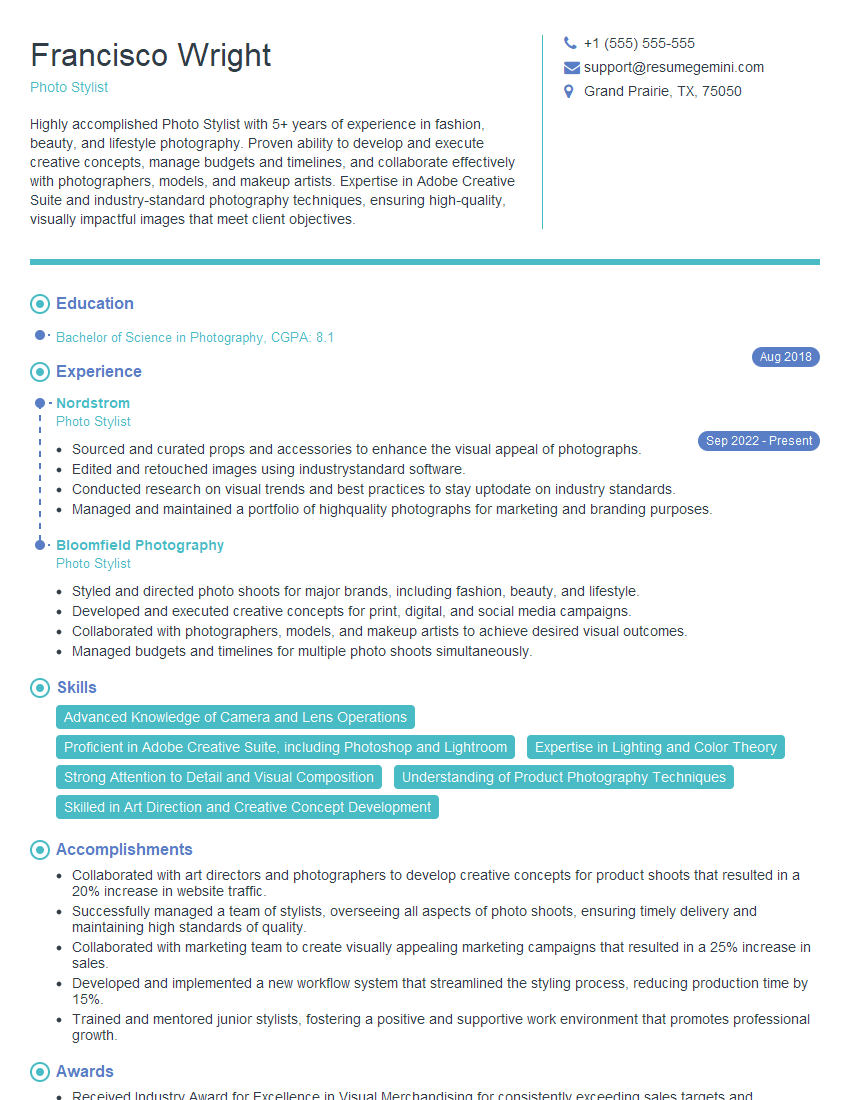
Mastering product styling opens doors to exciting career opportunities and allows you to significantly impact a brand’s success. A strong, ATS-friendly resume is crucial for showcasing your skills and experience to potential employers. To make sure your resume stands out, we highly recommend using ResumeGemini to build a professional and effective document. ResumeGemini provides a streamlined process and offers examples of resumes tailored specifically for Product Styling professionals, giving you a head start in your job search.
Explore more articles
Users Rating of Our Blogs
Share Your Experience
We value your feedback! Please rate our content and share your thoughts (optional).
What Readers Say About Our Blog
Hello,
we currently offer a complimentary backlink and URL indexing test for search engine optimization professionals.
You can get complimentary indexing credits to test how link discovery works in practice.
No credit card is required and there is no recurring fee.
You can find details here:
https://wikipedia-backlinks.com/indexing/
Regards
NICE RESPONSE TO Q & A
hi
The aim of this message is regarding an unclaimed deposit of a deceased nationale that bears the same name as you. You are not relate to him as there are millions of people answering the names across around the world. But i will use my position to influence the release of the deposit to you for our mutual benefit.
Respond for full details and how to claim the deposit. This is 100% risk free. Send hello to my email id: [email protected]
Luka Chachibaialuka
Hey interviewgemini.com, just wanted to follow up on my last email.
We just launched Call the Monster, an parenting app that lets you summon friendly ‘monsters’ kids actually listen to.
We’re also running a giveaway for everyone who downloads the app. Since it’s brand new, there aren’t many users yet, which means you’ve got a much better chance of winning some great prizes.
You can check it out here: https://bit.ly/callamonsterapp
Or follow us on Instagram: https://www.instagram.com/callamonsterapp
Thanks,
Ryan
CEO – Call the Monster App
Hey interviewgemini.com, I saw your website and love your approach.
I just want this to look like spam email, but want to share something important to you. We just launched Call the Monster, a parenting app that lets you summon friendly ‘monsters’ kids actually listen to.
Parents are loving it for calming chaos before bedtime. Thought you might want to try it: https://bit.ly/callamonsterapp or just follow our fun monster lore on Instagram: https://www.instagram.com/callamonsterapp
Thanks,
Ryan
CEO – Call A Monster APP
To the interviewgemini.com Owner.
Dear interviewgemini.com Webmaster!
Hi interviewgemini.com Webmaster!
Dear interviewgemini.com Webmaster!
excellent
Hello,
We found issues with your domain’s email setup that may be sending your messages to spam or blocking them completely. InboxShield Mini shows you how to fix it in minutes — no tech skills required.
Scan your domain now for details: https://inboxshield-mini.com/
— Adam @ InboxShield Mini
Reply STOP to unsubscribe
Hi, are you owner of interviewgemini.com? What if I told you I could help you find extra time in your schedule, reconnect with leads you didn’t even realize you missed, and bring in more “I want to work with you” conversations, without increasing your ad spend or hiring a full-time employee?
All with a flexible, budget-friendly service that could easily pay for itself. Sounds good?
Would it be nice to jump on a quick 10-minute call so I can show you exactly how we make this work?
Best,
Hapei
Marketing Director
Hey, I know you’re the owner of interviewgemini.com. I’ll be quick.
Fundraising for your business is tough and time-consuming. We make it easier by guaranteeing two private investor meetings each month, for six months. No demos, no pitch events – just direct introductions to active investors matched to your startup.
If youR17;re raising, this could help you build real momentum. Want me to send more info?
Hi, I represent an SEO company that specialises in getting you AI citations and higher rankings on Google. I’d like to offer you a 100% free SEO audit for your website. Would you be interested?
Hi, I represent an SEO company that specialises in getting you AI citations and higher rankings on Google. I’d like to offer you a 100% free SEO audit for your website. Would you be interested?
good