Every successful interview starts with knowing what to expect. In this blog, we’ll take you through the top Product Verification and Validation interview questions, breaking them down with expert tips to help you deliver impactful answers. Step into your next interview fully prepared and ready to succeed.
Questions Asked in Product Verification and Validation Interview
Q 1. Explain the difference between Verification and Validation.
Verification and validation are crucial processes in product development, often confused but fundamentally different. Think of it like this: verification is about building the product right, while validation is about building the right product.
- Verification: This process confirms that the product meets its specified requirements. It’s all about internal consistency. Are we building the software according to the design specifications? Are the code modules working as intended? We use techniques like code reviews, static analysis, and unit testing to verify.
- Validation: This process determines if the product meets the user needs and expectations. Does it solve the problem it’s designed to solve? Are users satisfied with the product? We use techniques like user acceptance testing (UAT), usability testing, and beta testing to validate.
Example: Imagine developing a mobile app for ordering food. Verification would ensure that the app correctly connects to the restaurant’s database, processes orders without errors, and handles payment securely according to the defined specifications. Validation would involve observing users interacting with the app to see if it’s intuitive, easy to use, and meets their needs for ordering food efficiently and conveniently. A verified app might be flawless in its coding, but a failed validation means it’s useless to the intended users.
Q 2. Describe your experience with various testing methodologies (e.g., Waterfall, Agile).
My experience spans both Waterfall and Agile methodologies. In Waterfall projects, testing often occurs as a distinct phase at the end, which can lead to late detection of significant issues. This is why I emphasize rigorous requirements gathering and robust upfront planning in Waterfall.
In Agile, however, testing is integrated throughout the development process, fostering continuous feedback and iterative improvement. I’ve successfully employed Agile testing techniques like Test-Driven Development (TDD) and Behavior-Driven Development (BDD), where tests are written before the code, ensuring functionality aligns with defined behaviors. This proactive approach minimizes risks and allows for quick adjustments based on frequent testing cycles.
Example: In one Agile project, we used Scrum and daily stand-ups to continuously track testing progress and address roadblocks. The iterative nature allowed us to quickly adapt to evolving requirements and ensure a high-quality product increment in each sprint.
Ultimately, my approach is adaptable. I tailor the testing methodology to the specific project needs and constraints, always prioritizing effective communication and collaboration among team members.
Q 3. How do you develop a test plan for a new product?
Developing a comprehensive test plan is crucial for successful product verification and validation. It’s a roadmap for testing, ensuring systematic coverage and efficient resource allocation. My approach involves these steps:
- Scope Definition: Clearly define the product’s features and functionalities to be tested.
- Requirement Analysis: Analyze the requirements document to identify testable requirements and potential risks.
- Test Strategy: Choose the appropriate testing methodologies (e.g., Waterfall, Agile, iterative) and testing levels (unit, integration, system, acceptance).
- Test Case Design: Create detailed test cases, including test inputs, expected outputs, and pass/fail criteria. Use techniques like equivalence partitioning and boundary value analysis to optimize test case coverage.
- Test Environment Setup: Establish the testing environment, including hardware, software, and network configurations.
- Test Data Creation: Prepare realistic and representative test data that covers different scenarios.
- Risk Assessment: Identify potential risks and develop mitigation strategies.
- Test Schedule: Create a realistic timeline for test execution, defect reporting, and resolution.
- Resource Allocation: Assign resources, roles, and responsibilities for testing activities.
- Test Execution and Reporting: Execute tests, track progress, record results, and generate reports.
Example: For a web application, the test plan might include functional tests (verifying features work as specified), performance tests (evaluating response times and scalability), security tests (identifying vulnerabilities), and usability tests (assessing user-friendliness).
Q 4. What are your preferred test case management tools?
My preferred test case management tools depend on the project context, but I have extensive experience with several popular options. These include:
- Jira: Excellent for Agile projects, integrating seamlessly with Scrum and Kanban workflows.
- TestRail: Provides a robust centralized platform for test case creation, execution, and reporting, suited for larger teams and complex projects.
- Zephyr: Another powerful tool with similar capabilities to TestRail, offering good integration with other Atlassian products.
The choice ultimately depends on factors such as team size, project complexity, budget, and existing infrastructure. A key aspect is integration with other tools in the development lifecycle, such as defect tracking systems and requirements management tools. I am proficient at adapting to new tools as needed.
Q 5. How do you handle conflicting priorities in testing?
Conflicting priorities in testing are common, often involving limited time and resources. My approach to handling these situations involves:
- Prioritization Matrix: I use a risk-based prioritization matrix to rank tests according to their criticality and potential impact. Tests with higher risk and impact are prioritized.
- Risk Assessment: A detailed risk assessment helps identify potential issues and allows for proactive planning and mitigation strategies. This helps determine where testing efforts are most needed.
- Communication and Collaboration: Open communication with stakeholders (developers, project managers, clients) is essential to negotiate priorities and make informed decisions. Transparency is key.
- Negotiation and Compromise: Sometimes, compromises are necessary. This might involve reducing the scope of testing or adjusting deadlines. I always aim to find the optimal balance between thorough testing and project timelines.
- Scope Management: If necessary, I suggest adjusting the scope of the project to fit available testing resources. This might involve deferring less critical features to later releases.
Example: If time is short, I might focus first on critical functionalities and postpone less critical ones. This ensures the most important aspects of the product are thoroughly tested.
Q 6. Describe your experience with risk assessment and mitigation in testing.
Risk assessment and mitigation are integral to my testing approach. I utilize a systematic process that includes:
- Risk Identification: Identifying potential risks throughout the software development lifecycle, including requirements ambiguity, technical challenges, and external dependencies.
- Risk Analysis: Assessing the likelihood and potential impact of each identified risk.
- Risk Prioritization: Prioritizing risks based on their severity and probability of occurrence.
- Risk Mitigation Planning: Developing strategies to reduce the likelihood and impact of identified risks. This often involves adjusting the test strategy, increasing testing efforts, or implementing preventive measures.
- Risk Monitoring and Control: Continuously monitoring risks throughout the project and implementing corrective actions as needed.
Example: In a project involving a third-party API, a key risk was API downtime. My mitigation strategy included creating comprehensive test cases that simulate API failure scenarios and implementing fallback mechanisms in the application.
I document all risk assessments and mitigation plans, making them readily available to the project team for reference and proactive management.
Q 7. What is your experience with different testing levels (unit, integration, system, acceptance)?
I possess extensive experience across all levels of software testing:
- Unit Testing: Testing individual components or modules of the software in isolation. I frequently use unit testing frameworks like JUnit or pytest to ensure that individual parts function correctly before integration.
- Integration Testing: Verifying the interaction between different modules or components of the software. This is crucial for identifying issues related to data exchange and communication between modules.
- System Testing: Testing the entire software system as a whole to ensure that all components work together as expected. This involves end-to-end testing, performance testing, and security testing.
- Acceptance Testing: Verifying that the software meets the user’s requirements and expectations. This often involves user acceptance testing (UAT) with real users to gain feedback and ensure the software is fit for its intended purpose.
Example: In a recent project, we used a combination of unit tests (using JUnit), integration tests (using mock objects), system tests (testing the entire application), and UAT (involving a group of end-users) to ensure the quality of the product.
My understanding of each testing level allows me to strategically plan and execute tests to thoroughly validate all aspects of a product, from individual components to the entire system.
Q 8. Explain your experience with test automation frameworks.
Test automation frameworks are the backbone of efficient and repeatable testing. My experience spans several popular frameworks, including Selenium (for web applications), Appium (for mobile), and RestAssured (for APIs). I’m proficient in selecting the right framework based on project needs, considering factors like technology stack, team expertise, and the complexity of the application under test. For instance, in a recent project involving a complex e-commerce platform with both web and mobile interfaces, we leveraged a hybrid approach using Selenium for web testing and Appium for mobile, integrating both with a robust reporting framework like TestNG or JUnit. This allowed for comprehensive test coverage and streamlined reporting.
Beyond simply using the frameworks, I understand the importance of best practices like using the Page Object Model (POM) to maintain code organization and readability, implementing data-driven testing for enhanced efficiency, and leveraging CI/CD pipelines to automate the execution of test suites. I’m also experienced in integrating testing into the DevOps lifecycle, ensuring that testing is a continuous and integral part of the software development process.
Q 9. How do you ensure test coverage?
Ensuring adequate test coverage is crucial to preventing defects and delivering high-quality software. My approach is multi-faceted. First, I start with requirement analysis to identify all functional and non-functional requirements. Then, I develop a comprehensive test plan that meticulously outlines the scope of testing and the various test levels (unit, integration, system, acceptance).
I use a combination of techniques to achieve high test coverage, including requirement traceability matrices to ensure that every requirement has associated test cases, code coverage tools to measure the percentage of code executed during testing, and risk-based testing to prioritize testing efforts on critical functionalities. For example, in a recent project involving a payment gateway, we focused heavily on testing security and transaction processing aspects given their critical nature. We used tools that provided both code and functional coverage reports, allowing us to identify and address any gaps in our test suite.
Q 10. Describe your experience with defect tracking and reporting.
Defect tracking and reporting are paramount for effective quality assurance. My experience includes using various defect tracking systems such as Jira, Bugzilla, and Azure DevOps. I’m adept at clearly and concisely documenting defects, including steps to reproduce, screenshots or screen recordings, expected versus actual results, and severity levels. I believe in a collaborative approach to defect management; I actively work with developers to ensure that bugs are understood, prioritized, and resolved efficiently.
I emphasize clear communication and regular reporting to stakeholders on defect trends and progress. This includes generating reports that showcase key metrics such as defect density, defect resolution time, and open defect counts. Visualizations like graphs and charts are essential for quick comprehension and effective communication of the software’s quality status.
Q 11. How do you prioritize test cases?
Prioritizing test cases is a critical skill for maximizing testing efficiency within time constraints. My approach involves a combination of techniques, including risk-based prioritization (addressing high-risk areas first), business value prioritization (focusing on features that provide the most value to the business), and dependency-based prioritization (testing critical components that other modules depend on).
I use a combination of MoSCoW method (Must have, Should have, Could have, Won’t have) and a risk matrix to assign priority levels to test cases. This allows for a systematic approach that ensures that the most important test cases are executed first. For instance, in a project with a tight deadline, we prioritized test cases covering core functionalities and high-risk areas, such as security vulnerabilities and payment processing, ensuring the most critical aspects were validated first.
Q 12. What metrics do you use to measure test effectiveness?
Measuring test effectiveness is vital to demonstrate the value of testing and identify areas for improvement. Key metrics I frequently utilize include:
- Defect Density: The number of defects found per lines of code or per functional point, indicating the overall quality of the software.
- Defect Severity: Categorizes defects based on their impact on the system, helping prioritize bug fixes.
- Test Coverage: Measures the percentage of code or requirements covered by test cases.
- Test Execution Time: Tracks the time taken to execute test cases, identifying potential bottlenecks.
- Defect Leakage Rate: The percentage of defects that escape testing and are discovered in production.
By tracking these metrics over time, we can identify trends, assess the effectiveness of testing strategies, and make data-driven improvements to our processes.
Q 13. How do you handle test environment setup and maintenance?
Test environment setup and maintenance are critical for reliable and repeatable testing. My approach involves establishing a well-defined environment configuration management plan. This includes detailed documentation of hardware and software specifications, network configurations, and data requirements. We often utilize virtualization technologies like VMware or VirtualBox to create consistent and easily reproducible test environments.
To maintain the environments, we implement processes for regular backups, updates, and patching. We also have procedures for managing test data, ensuring that it’s consistent across tests and doesn’t affect the results. Furthermore, we actively monitor the test environment’s health and performance, and address issues promptly to prevent disruption to testing activities. This proactive approach reduces downtime and allows for efficient and reliable test execution.
Q 14. Describe your experience with performance testing.
Performance testing is essential to ensure that an application meets the required performance benchmarks and can handle expected load. My experience encompasses various performance testing techniques, including load testing, stress testing, and endurance testing. I’ve utilized tools like JMeter, LoadRunner, and Gatling to simulate user traffic and analyze application performance under different load conditions.
My approach involves defining performance requirements based on business needs, designing realistic test scenarios that reflect real-world user behavior, and analyzing the results to identify performance bottlenecks. I understand the importance of correlating performance issues with code defects, and communicating findings to development teams for remediation. A recent project involved a social media platform where performance testing helped identify and resolve scalability issues prior to launch, ensuring a smooth user experience under high traffic loads.
Q 15. What is your experience with security testing?
My experience with security testing is extensive, encompassing both black-box and white-box techniques. I’ve performed penetration testing, vulnerability assessments, and security audits on a variety of software systems, from web applications to embedded systems. This includes identifying and reporting on vulnerabilities such as SQL injection, cross-site scripting (XSS), and cross-site request forgery (CSRF). I am proficient in using various security testing tools such as Burp Suite, OWASP ZAP, and Nessus. In one project, I uncovered a critical SQL injection vulnerability in a customer-facing web application, preventing potential data breaches. My approach always involves a risk-based assessment, prioritizing vulnerabilities that pose the highest threat to the system.
Beyond simply identifying vulnerabilities, I focus on understanding the root cause and collaborating with developers to implement effective remediation strategies. I believe in a proactive approach, incorporating security testing throughout the software development lifecycle (SDLC), rather than treating it as an afterthought. This includes conducting security reviews of design documents and code, as well as participating in security code reviews.
Career Expert Tips:
- Ace those interviews! Prepare effectively by reviewing the Top 50 Most Common Interview Questions on ResumeGemini.
- Navigate your job search with confidence! Explore a wide range of Career Tips on ResumeGemini. Learn about common challenges and recommendations to overcome them.
- Craft the perfect resume! Master the Art of Resume Writing with ResumeGemini’s guide. Showcase your unique qualifications and achievements effectively.
- Don’t miss out on holiday savings! Build your dream resume with ResumeGemini’s ATS optimized templates.
Q 16. How do you document test results and findings?
Thorough documentation of test results and findings is crucial for ensuring transparency and traceability. I typically use a combination of formal test reports and defect tracking systems. My test reports include a detailed summary of the testing performed, the test environment, the test cases executed, the results obtained, and any identified defects. I use clear and concise language, avoiding technical jargon whenever possible. For each defect, I provide a comprehensive description, including steps to reproduce, the actual result, the expected result, severity level, and priority.
I utilize defect tracking systems such as Jira or Bugzilla to manage and track defects throughout their lifecycle, from reporting to resolution. These systems allow for efficient communication between testers and developers, providing a centralized repository for all defect-related information. I also ensure that all test results and defect reports are properly version-controlled, ensuring easy access to historical data for audits or future reference. Visual aids, like screenshots or screen recordings, are often included to support the findings and enhance clarity.
Q 17. What is your experience with using statistical methods in testing?
Statistical methods play a critical role in ensuring the reliability and validity of testing results, particularly in situations where testing the entire system is impractical. I am experienced in applying statistical techniques such as hypothesis testing, confidence intervals, and regression analysis to analyze test data and draw meaningful conclusions. For example, when assessing the reliability of a system, I might use statistical process control (SPC) charts to monitor the system’s performance over time and identify trends.
In a recent project involving performance testing, I used statistical analysis to determine the optimal number of concurrent users the system could handle without performance degradation. By analyzing response times, I determined confidence intervals for key performance metrics, giving stakeholders a clear understanding of the system’s capacity and its variability. Understanding statistics allows me to design efficient test strategies, minimizing testing time while maximizing the information gained. I can also demonstrate statistically significant results, leading to better decision-making and increased confidence in product quality.
Q 18. How do you ensure traceability between requirements and test cases?
Traceability between requirements and test cases is fundamental for ensuring complete test coverage and identifying gaps. I employ various techniques to achieve this. First, I ensure that each requirement is clearly documented and uniquely identified. Then, I create test cases that directly address each requirement, clearly linking them using a traceability matrix. This matrix typically lists each requirement and the corresponding test cases designed to verify that requirement. This matrix serves as a valuable tool for managing test coverage and identifying any missing test cases.
Tools like test management software (e.g., TestRail, Zephyr) can greatly assist in maintaining this traceability. These tools often offer features for linking requirements and test cases directly within the system, automatically generating traceability matrices and reports. For example, a requirement stating “The system shall allow users to log in within 3 seconds” would be linked to specific performance test cases that measure login times. The traceability matrix helps us to verify all requirements are tested and that we haven’t missed any aspect of the product’s functionality.
Q 19. How do you manage test data?
Effective test data management is crucial for reliable testing. My approach involves creating a separate test environment that mirrors the production environment as closely as possible, but with controlled data. This prevents unintended changes to production data and ensures consistency across tests. I often use techniques like data masking to protect sensitive information, while still maintaining the structural integrity of the data needed for testing.
For specific test cases, I might create synthetic test data using tools or scripts to generate realistic yet controlled data sets. This ensures adequate data for testing without relying on potentially sensitive or incomplete production data. A good test data management strategy includes considering data volume, data variety, data validity, and data security. Data management also needs proper storage and version control, making sure that we can retrieve or reuse test data for regression testing or other future test iterations.
Q 20. How do you collaborate with development teams during the testing process?
Collaboration with development teams is key to successful testing. I advocate for early and continuous involvement with developers, starting from the requirements gathering phase. This allows for early identification of potential issues and reduces the likelihood of costly rework later in the development cycle. I actively participate in daily stand-up meetings, sprint planning, and sprint reviews, keeping developers informed of test progress and any identified defects.
I strive to maintain clear and open communication channels, making it easy for developers to report back on defect fixes or clarify any ambiguities. I provide detailed and constructive feedback on defects, including steps to reproduce and root cause analysis, to aid developers in resolving them effectively. I also participate in code reviews when appropriate to identify potential defects early in the development process. A collaborative approach ensures that we have a shared understanding of the product’s goals and a unified commitment to delivering high-quality software.
Q 21. How do you deal with ambiguous requirements during testing?
Dealing with ambiguous requirements is a common challenge in software testing. My approach involves actively clarifying any ambiguities with the stakeholders (Product Owners, Business Analysts, etc.) as early as possible. I do this by asking probing questions and seeking clarification on the intent behind the requirement. I avoid making assumptions and instead focus on understanding the specific goals and expectations.
I document any ambiguities and the agreed-upon interpretation in the requirements documentation, ensuring all parties are on the same page. I then design test cases based on the clarified requirements, highlighting any assumptions or potential limitations imposed by the ambiguity. If a requirement remains unclear despite efforts to clarify, I document the ambiguity and its potential impact on testing, escalating the issue to the appropriate stakeholders for resolution. This approach minimizes the risk of misunderstandings and ensures that the testing accurately reflects the intended functionality.
Q 22. How do you handle unexpected bugs or issues during testing?
Unexpected bugs are inevitable in software and product development. My approach involves a systematic process to handle them effectively. First, I prioritize the bug based on its severity and impact on the overall product functionality. A critical bug that crashes the system will be addressed immediately, while a minor cosmetic issue might be deferred to a later release.
Next, I meticulously reproduce the bug. This involves carefully documenting the steps to replicate the issue, including the environment, inputs, and expected versus actual outputs. This detailed documentation is crucial for developers to understand and fix the problem. I use tools like Jira or similar bug tracking systems to manage and track these reports, assigning them to the appropriate development team and setting priorities.
Once the bug is fixed, I perform regression testing to ensure the fix hasn’t introduced new problems or broken existing functionality. Finally, I update the test cases to include the scenario that caused the bug, preventing similar issues in the future. For example, if a null pointer exception was found, I would add a test specifically designed to handle null input values.
Q 23. What is your experience with different types of testing tools?
My experience encompasses a wide range of testing tools, catering to various aspects of the software development lifecycle. For automated testing, I’m proficient in Selenium for UI testing, JUnit and pytest for unit testing, and REST-assured for API testing. I also have experience with performance testing tools like JMeter and LoadRunner, and security testing tools like OWASP ZAP.
Beyond automated tools, I’m adept at using manual testing techniques and documenting test results using tools like TestRail. My experience extends to different types of testing, including functional testing, integration testing, system testing, user acceptance testing (UAT), and performance and security testing. The choice of tools depends heavily on the project’s specific requirements and the technology stack employed. For instance, if the application has a strong REST API layer, REST-assured would be a critical tool in my arsenal. Similarly, Selenium will become my go-to tool for UI verification.
Q 24. Describe your experience with regulatory compliance testing (e.g., FDA, ISO).
I have extensive experience conducting regulatory compliance testing, specifically for medical devices adhering to FDA guidelines and software systems following ISO standards. This involves understanding the specific requirements and regulations for each domain and tailoring the testing strategy accordingly. For FDA compliance, this often includes rigorous verification and validation activities, ensuring the device performs as intended and meets all safety and performance requirements. Documentation plays a crucial role, meticulously recording all testing procedures, results, and deviations.
With ISO standards, I ensure the system meets the specified quality management system requirements. This includes meticulous testing of functionalities, security aspects, and performance. I’m familiar with preparing and maintaining documentation such as risk assessments, test plans, and test reports that align with the chosen ISO standard, such as ISO 9001 or ISO 27001. My experience includes working with external auditors to ensure compliance and address any identified gaps. For example, I’ve worked on projects where we needed to demonstrate traceability from requirements to test cases, which is critical for both FDA and ISO compliance.
Q 25. How do you define and measure the success of a testing project?
The success of a testing project is defined by several key factors. Firstly, it’s about achieving a high level of product quality, minimizing defects, and ensuring the product meets its specified requirements. This is measured through metrics like defect density (number of defects per lines of code), defect leakage (defects found after release), and test coverage (percentage of requirements tested).
Secondly, the project’s success is judged by its adherence to the planned timeline and budget. We track progress against milestones and identify potential issues early on to prevent delays or cost overruns. Lastly, successful testing results in increased customer satisfaction. A high-quality product with fewer defects translates directly into improved user experience and positive feedback. For instance, if a project’s goal was to reduce defect density by 20%, and we achieved a 25% reduction, that’s a clear indicator of success. Similarly, if we completed testing within the allocated budget and timeline, it indicates successful project management.
Q 26. Explain your experience with different types of testing environments.
I’ve worked with a variety of testing environments, from simple development environments to complex, distributed systems. This includes working with different operating systems (Windows, Linux, macOS), databases (SQL, NoSQL), and cloud platforms (AWS, Azure, GCP). I’m adept at setting up and configuring test environments that accurately reflect the production environment, minimizing discrepancies and ensuring reliable test results.
For example, I’ve set up virtualized environments using VMware or VirtualBox to simulate different hardware configurations and operating systems. I’ve also worked with containerization technologies like Docker to create consistent and reproducible test environments. In cloud environments, I leverage cloud-based testing services to run tests in parallel and scale the testing infrastructure as needed. My experience also includes working with staging environments that mirror production as closely as possible, ensuring that testing conditions accurately reflect real-world usage.
Q 27. How familiar are you with design of experiments (DOE)?
Design of Experiments (DOE) is a powerful statistical technique I use to optimize testing processes and improve efficiency. DOE helps determine the most effective set of test cases to achieve maximum coverage with minimal effort. Instead of testing every possible combination of inputs, DOE uses statistical methods to select a representative subset that yields significant results.
I’ve utilized DOE to reduce the number of test cases required while maintaining high confidence in the results. For instance, if we were testing a software application with multiple input parameters, a full factorial design would require an overwhelming number of test cases. By employing DOE, I can select a smaller, optimized set of test cases that still provide statistically significant insights. This allows for quicker testing cycles and effective resource allocation. Specifically, I’m familiar with techniques like factorial designs, fractional factorial designs, and Taguchi methods.
Q 28. Explain your approach to root cause analysis of test failures.
My approach to root cause analysis (RCA) of test failures follows a structured methodology. I begin by gathering all relevant information, including error logs, system logs, test results, and any other data that might provide clues. I use a systematic approach, often employing the ‘5 Whys’ technique to drill down to the root cause. This involves repeatedly asking ‘why’ until the underlying cause is identified, preventing surface-level problem solving.
Beyond the 5 Whys, I also use fault tree analysis (FTA) to visually represent the potential causes of failure and their relationships. FTA helps identify multiple contributing factors and helps visualize complex scenarios. Once the root cause is identified, I work with the development team to implement a corrective action plan. This includes not just fixing the immediate problem but also implementing preventative measures to avoid similar failures in the future. Effective documentation is key throughout this process, ensuring that learnings are captured and shared to prevent recurrence. For example, if a test failure was caused by a database connection issue, the RCA might reveal an underlying problem with the database configuration, prompting a review of the configuration management process and potentially implementing additional monitoring.
Key Topics to Learn for Product Verification and Validation Interview
- Verification Methods: Understand the various techniques used to verify product design meets specifications, including reviews, inspections, and simulations. Consider the strengths and weaknesses of each approach.
- Validation Methods: Explore different methods for validating that the product meets user needs and intended use. This includes user testing, field trials, and beta testing. Discuss the importance of robust test planning.
- Risk Management in PV&V: Learn how to identify, analyze, and mitigate risks throughout the product lifecycle. Familiarize yourself with risk assessment methodologies and documentation.
- Design of Experiments (DOE): Understand the principles of DOE and how it’s used to efficiently evaluate product performance and identify critical factors influencing outcomes. Prepare to discuss practical applications.
- Statistical Analysis: Develop a solid understanding of statistical methods relevant to PV&V, such as hypothesis testing, regression analysis, and capability analysis. Be ready to discuss data interpretation.
- Documentation and Reporting: Master the creation of clear, concise, and comprehensive documentation for verification and validation activities, including test plans, reports, and traceability matrices.
- Regulatory Compliance: Familiarize yourself with relevant industry regulations and standards impacting PV&V processes. This will depend on your industry and product.
- Problem-Solving & Troubleshooting: Practice applying your knowledge to hypothetical scenarios requiring troubleshooting of failures or deviations from expectations. Demonstrate your analytical and problem-solving skills.
Next Steps
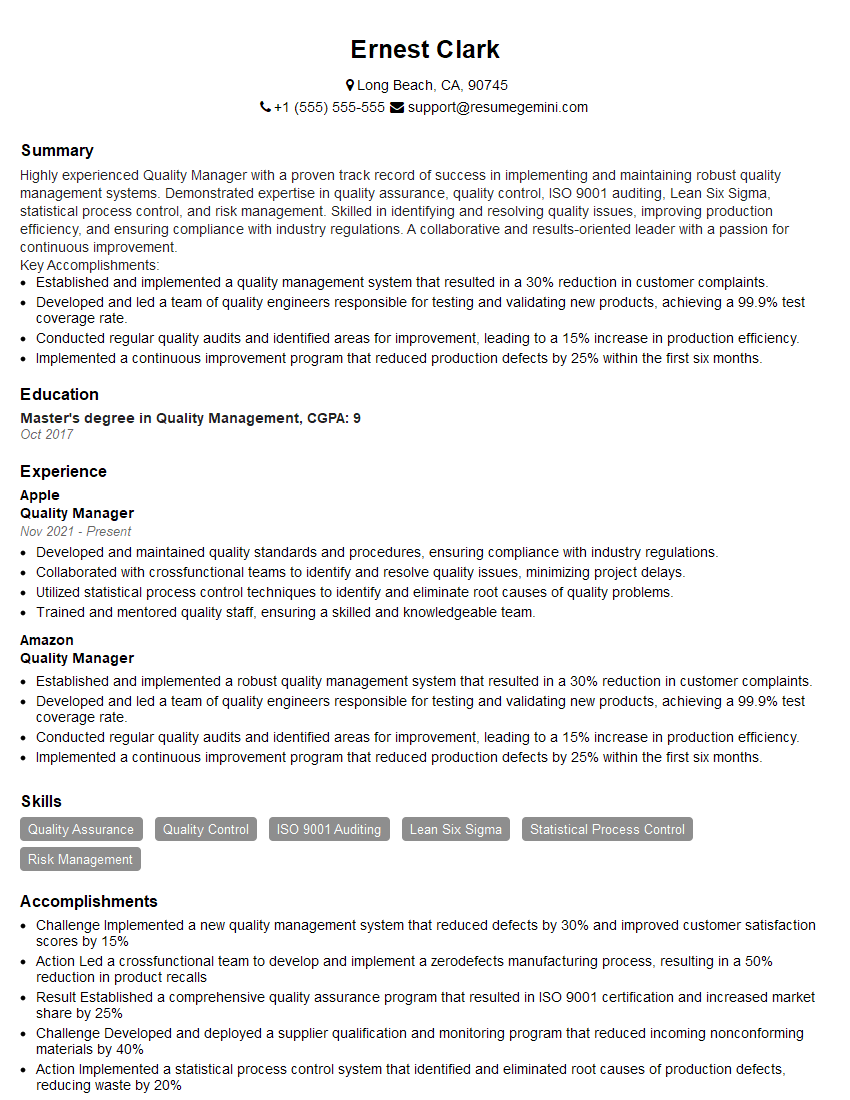
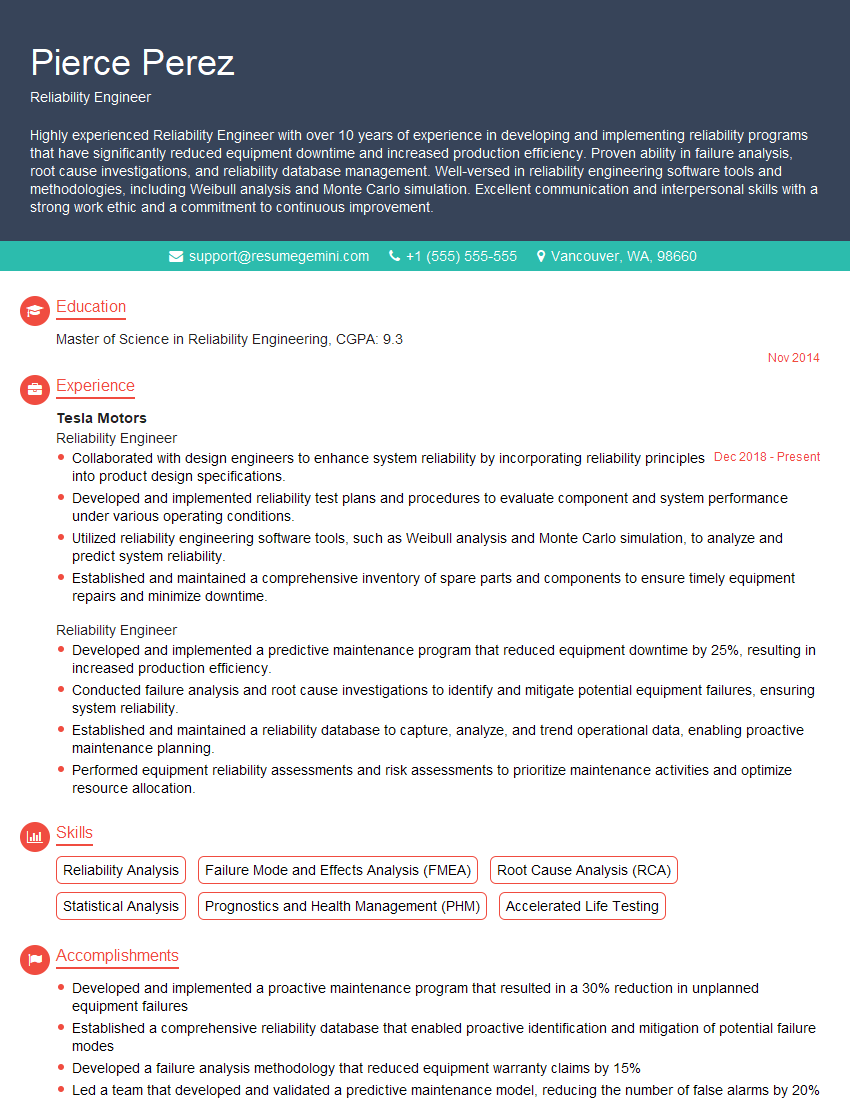
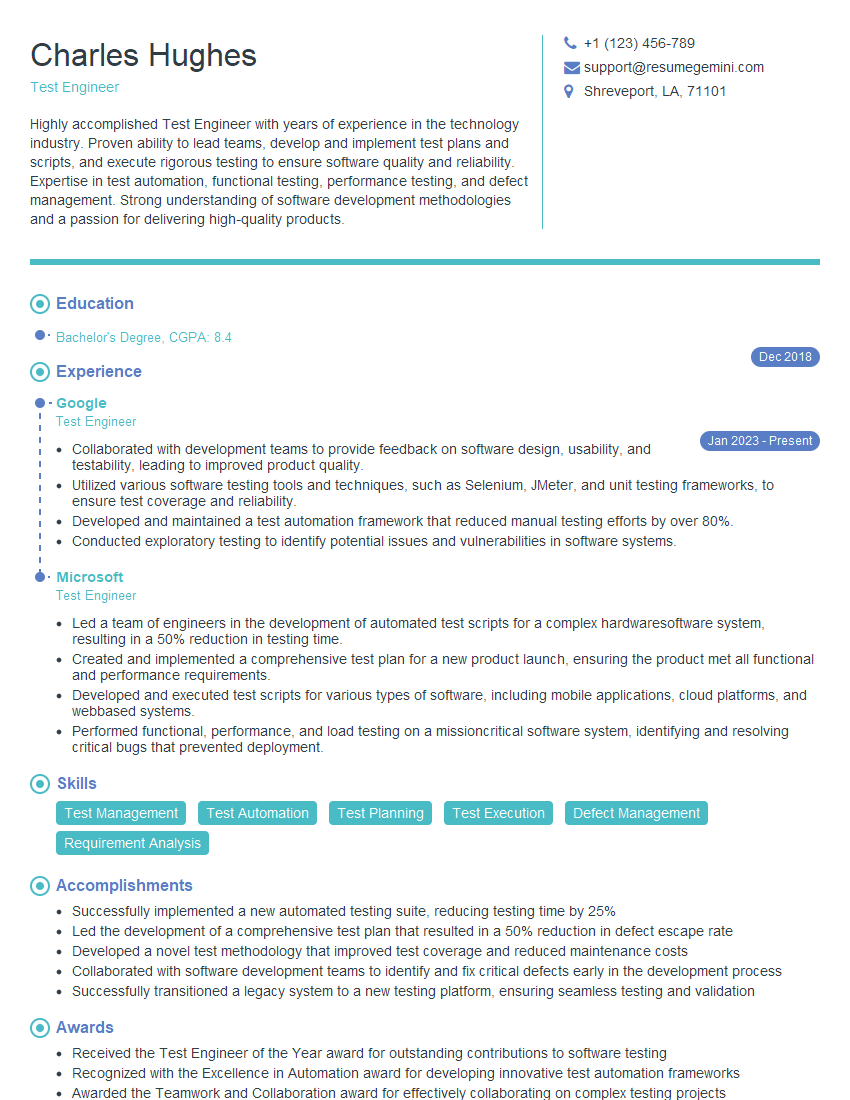
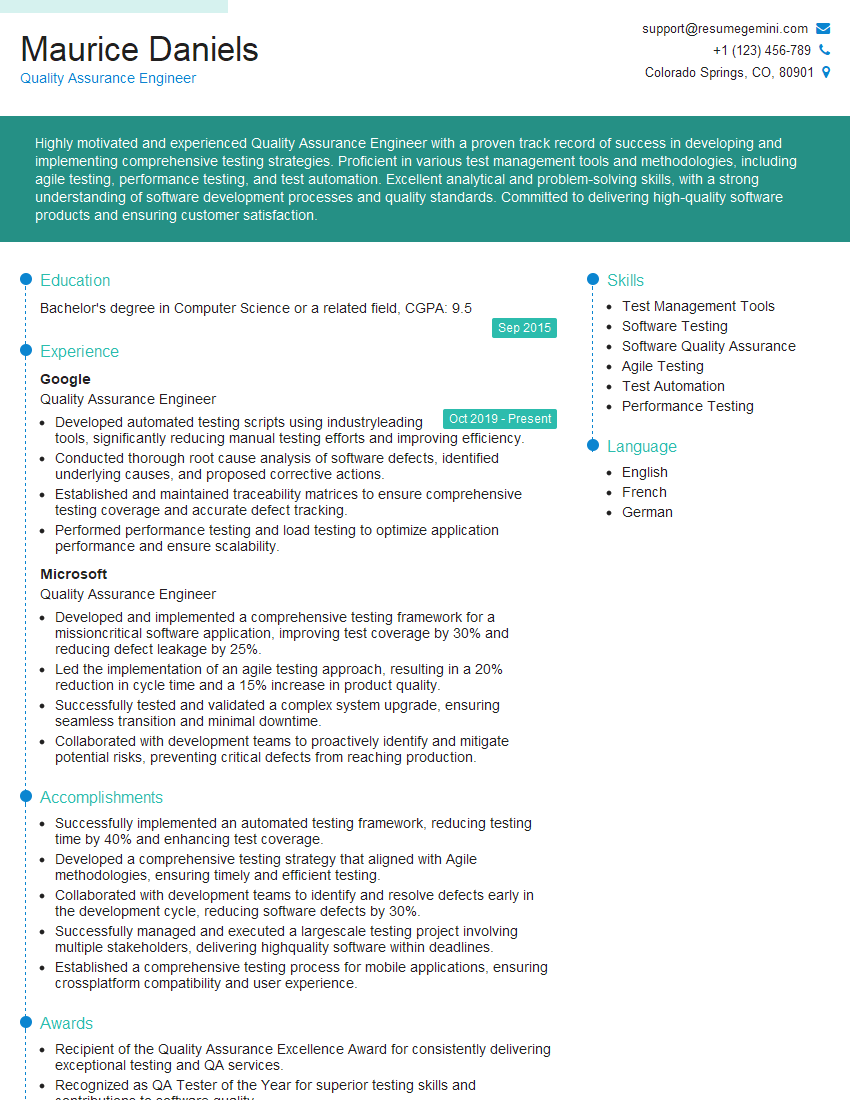
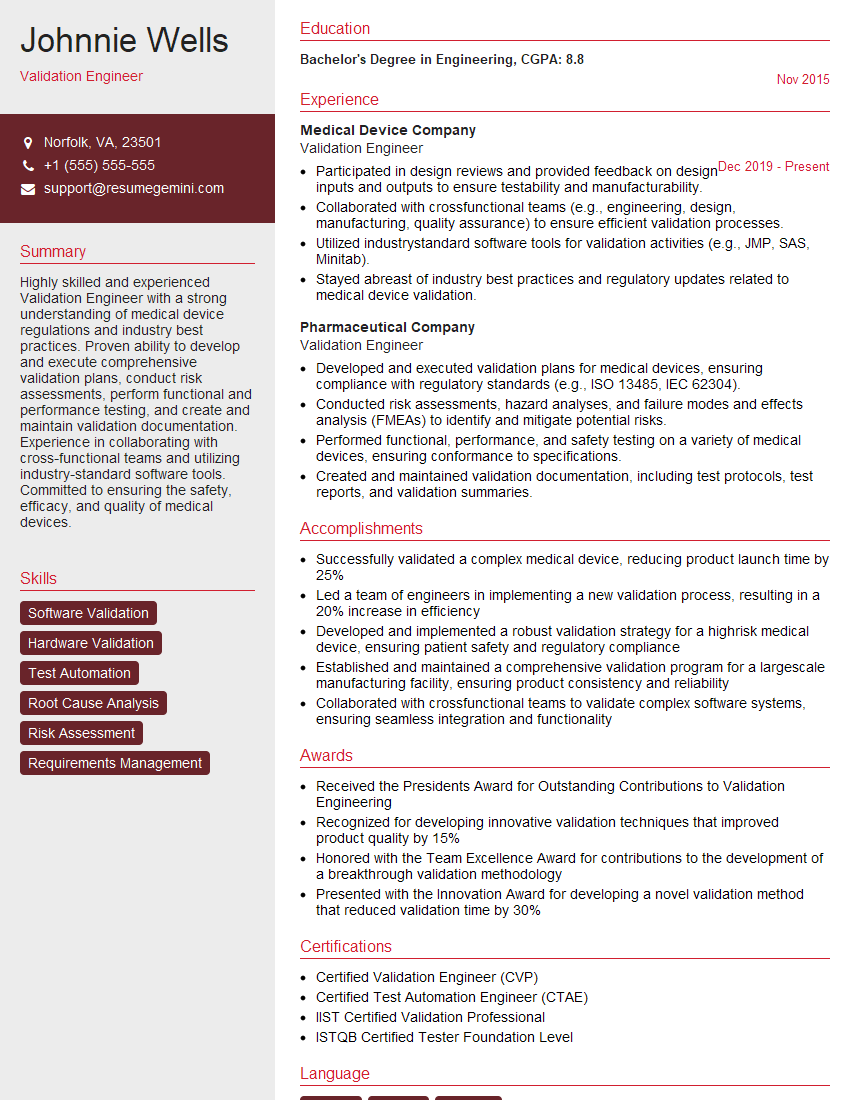
Mastering Product Verification and Validation is crucial for career advancement in engineering and product development. It demonstrates a commitment to quality, reliability, and customer satisfaction – highly valued attributes in any organization. To maximize your job prospects, invest time in crafting an ATS-friendly resume that highlights your relevant skills and experience. ResumeGemini is a trusted resource that can significantly enhance your resume-building experience, ensuring your qualifications shine. Examples of resumes tailored specifically to Product Verification and Validation roles are available to help you build a compelling application.
Explore more articles
Users Rating of Our Blogs
Share Your Experience
We value your feedback! Please rate our content and share your thoughts (optional).
What Readers Say About Our Blog
Very informative content, great job.
good