Every successful interview starts with knowing what to expect. In this blog, we’ll take you through the top Production Efficiency and Quality Control interview questions, breaking them down with expert tips to help you deliver impactful answers. Step into your next interview fully prepared and ready to succeed.
Questions Asked in Production Efficiency and Quality Control Interview
Q 1. Describe your experience implementing Lean manufacturing principles.
Lean manufacturing focuses on eliminating waste and maximizing efficiency. My experience includes leading the implementation of Lean principles in a high-volume production environment. This involved a multi-phased approach starting with value stream mapping to identify areas of waste, such as excess inventory, unnecessary movement, and defects. We then implemented techniques like 5S (Sort, Set in Order, Shine, Standardize, Sustain) to improve workplace organization and reduce search time. We also employed Kanban systems for inventory management, promoting a ‘pull’ system instead of a ‘push’ system, reducing overproduction. Further, we introduced Kaizen events – short, focused improvement projects – to tackle specific bottlenecks and implement continuous improvement. For example, one Kaizen event focused on optimizing the assembly line layout, reducing cycle time by 15%.
Q 2. Explain your understanding of Six Sigma methodologies.
Six Sigma is a data-driven methodology aimed at minimizing variation and defects in processes. My understanding encompasses both DMAIC (Define, Measure, Analyze, Improve, Control) and DMADV (Define, Measure, Analyze, Design, Verify) methodologies. DMAIC is used for improving existing processes, while DMADV is used for developing new processes. I’m proficient in using statistical tools such as control charts (e.g., X-bar and R charts, p-charts, c-charts) to monitor process capability and identify potential problems. For instance, in a previous role, we used DMAIC to reduce the defect rate in a packaging process from 3% to less than 0.5% by identifying and eliminating the root cause of misaligned labels through a detailed analysis of process data and operator feedback. The project resulted in significant cost savings and improved customer satisfaction.
Q 3. How would you measure and improve production efficiency?
Measuring and improving production efficiency requires a multi-faceted approach. Key metrics include Overall Equipment Effectiveness (OEE), which considers availability, performance, and quality rate; throughput; cycle time; and defect rate. To improve efficiency, I would first analyze these metrics to identify areas for improvement. This often involves using data visualization techniques to pinpoint bottlenecks or areas of low performance. Then, I would implement solutions based on the root cause analysis. These could include process optimization, improved equipment maintenance, operator training, or implementing automation where appropriate. For example, by analyzing OEE data, we identified that a specific machine was frequently down due to unplanned maintenance. Implementing a preventative maintenance schedule drastically improved its availability, leading to a significant increase in overall production efficiency.
Q 4. What quality control tools are you familiar with (e.g., SPC, DMAIC)?
I’m familiar with a range of quality control tools, including Statistical Process Control (SPC), DMAIC (as discussed earlier), Pareto charts (identifying vital few causes), check sheets (for data collection), flowcharts (to visualize processes), fishbone diagrams (for root cause analysis), and histograms (for data distribution analysis). SPC charts are crucial for monitoring process stability and detecting deviations from expected performance. For example, using control charts, we were able to quickly detect a shift in the diameter of a manufactured part, preventing a large batch of defective products and saving considerable cost and time.
Q 5. How do you identify and address bottlenecks in a production process?
Identifying bottlenecks involves analyzing the entire production process, often starting with a value stream map. This visual representation helps pinpoint areas where work-in-progress (WIP) inventory builds up, cycle times are excessively long, or resources are constrained. Once bottlenecks are identified, I employ root cause analysis techniques such as the 5 Whys or fishbone diagrams to understand the underlying causes. Solutions can vary widely, from process redesign to equipment upgrades or improved worker training. For instance, in one project, we identified a bottleneck at a specific inspection station due to slow inspection rates. By implementing a more efficient inspection process and providing additional training to the inspectors, we were able to significantly reduce the bottleneck and improve overall throughput.
Q 6. Describe a time you improved a production process. What was the result?
In a previous role, we were experiencing high scrap rates in a plastic injection molding process. By applying DMAIC, we first defined the problem (high scrap rate), measured the current performance (scrap rate of 8%), analyzed the root cause using control charts and process capability studies (identified inconsistencies in material temperature), improved the process by implementing a more precise temperature control system, and finally controlled the process using SPC charts to monitor the ongoing performance. This resulted in a reduction in the scrap rate to below 2%, representing a significant cost saving and improvement in production efficiency and quality.
Q 7. What is your experience with root cause analysis techniques?
I have extensive experience with various root cause analysis techniques, including the 5 Whys, fishbone diagrams (Ishikawa diagrams), Pareto analysis, and fault tree analysis. The 5 Whys involves repeatedly asking “Why?” to drill down to the root cause of a problem. Fishbone diagrams provide a structured approach to brainstorming potential causes, categorized by different factors (e.g., materials, methods, manpower, machinery). Pareto analysis helps identify the vital few causes that contribute to the majority of the problems. Fault tree analysis is particularly useful for complex systems to systematically identify potential failure points. The choice of technique depends on the complexity of the problem and the available data. For example, using the 5 Whys, we traced a recurring machine malfunction to a faulty sensor, leading to prompt replacement and elimination of the problem.
Q 8. How do you ensure quality control throughout the entire production cycle?
Ensuring quality control throughout the production cycle requires a multi-faceted approach, starting from the initial design phase and extending to the final product delivery. It’s not just about catching defects at the end; it’s about preventing them in the first place.
Design and Development Stage: Thoroughly testing designs and prototypes to identify potential flaws before mass production. This could involve simulations, stress tests, and material analysis.
Procurement and Materials: Implementing robust supplier selection and management processes to ensure the quality of raw materials. This includes regular inspections and audits of suppliers.
Production Process: Employing statistical process control (SPC) methods like control charts (e.g., X-bar and R charts) to monitor production parameters and identify deviations early on. Regular in-process inspections are crucial.
Quality Assurance Testing: Implementing a multi-stage testing procedure, including in-line inspections during manufacturing, and final product inspections before packaging and shipping. This might involve destructive and non-destructive testing methods.
Continuous Improvement: Regularly analyzing data from inspections and tests to identify trends and areas for improvement. This feeds directly into implementing Kaizen principles (discussed further in question 3).
For example, in a food manufacturing plant, quality control might involve temperature monitoring at every stage of the process, regular microbiological testing of ingredients and finished goods, and visual inspection of products for defects like discoloration or damage.
Q 9. How do you handle customer complaints related to product quality?
Handling customer complaints about product quality is crucial for maintaining brand reputation and customer loyalty. My approach is centered around prompt response, thorough investigation, and a commitment to resolution.
Acknowledge and empathize: Immediately acknowledge the complaint and express sincere concern for the customer’s experience. This sets a positive tone and shows that their feedback is valued.
Gather information: Thoroughly collect details about the complaint, including the product specifics (batch number, date of purchase, etc.), the nature of the defect, and the customer’s contact information.
Investigate the root cause: Conduct a thorough investigation to determine the cause of the defect. This might involve inspecting the product, reviewing production records, and even conducting a root cause analysis (RCA) to identify systematic issues.
Implement corrective actions: Once the root cause is identified, implement corrective actions to prevent similar issues from happening again. This may include process improvements, equipment maintenance, or supplier changes.
Resolve the complaint: Offer a resolution that is fair and satisfactory to the customer. This may involve a refund, replacement, or other compensation.
Follow up: Follow up with the customer after the issue is resolved to ensure their satisfaction and to gather additional feedback.
For instance, if a customer complains about a faulty electronic device, we would investigate the specific failure mode, analyze production data for that batch, potentially analyze the device itself, and implement corrective actions, including possible software or hardware updates for future production runs, before offering a replacement or refund.
Q 10. Explain your understanding of Kaizen and its practical application.
Kaizen, meaning ‘continuous improvement’ in Japanese, is a philosophy that emphasizes incremental changes to improve processes and efficiency over time. It’s not about revolutionary changes, but rather a series of small, ongoing improvements.
Practical Application: Kaizen is implemented through various tools and techniques, including:
5S methodology: Sort, Set in Order, Shine, Standardize, Sustain – a systematic approach to organizing the workplace to improve efficiency and reduce waste.
Value Stream Mapping: Identifying and eliminating waste in the production process. This involves mapping the entire flow of materials and information to pinpoint bottlenecks and inefficiencies.
Gemba Walks: Going to the actual production floor to observe processes firsthand, identify problems, and engage with workers to find solutions.
Kanban: A visual system for managing workflow and inventory, minimizing waste and maximizing efficiency.
Example: In a manufacturing setting, Kaizen might involve workers identifying a small improvement to a workstation layout that reduces the time it takes to complete a task. The cumulative effect of many such small improvements can significantly improve overall efficiency and reduce production costs.
The key to successful Kaizen implementation is employee involvement. It fosters a culture of continuous learning and improvement, where everyone is empowered to identify and implement changes.
Q 11. What metrics do you use to track production efficiency and quality?
Tracking production efficiency and quality involves a combination of key performance indicators (KPIs) that provide a comprehensive overview of the production process.
Production Efficiency Metrics:
Overall Equipment Effectiveness (OEE): Measures the effectiveness of equipment utilization, considering availability, performance, and quality.
Throughput: The rate at which products are produced.
Cycle Time: The time it takes to complete a single production cycle.
Production Lead Time: The total time from order placement to product delivery.
Quality Metrics:
Defect Rate: The percentage of defective products produced.
Yield: The percentage of good products produced relative to the total number of products started.
Customer Returns: The number of products returned due to quality issues.
Customer Complaints: The number of customer complaints related to product quality.
By regularly monitoring these metrics, we can identify areas for improvement and track the effectiveness of implemented changes. Data visualization tools are essential for understanding trends and identifying patterns.
Q 12. How do you manage and resolve conflicts within a production team?
Managing and resolving conflicts within a production team requires a proactive and fair approach. My strategy focuses on open communication, clear expectations, and a collaborative problem-solving process.
Identify the conflict: Clearly identify the nature and source of the conflict. Is it a personality clash, a disagreement about work processes, or something else?
Facilitate open communication: Create a safe space for team members to express their concerns and perspectives without interruption or judgment.
Active listening: Listen carefully to all sides of the conflict, seeking to understand each individual’s perspective.
Focus on solutions: Shift the focus from blame to finding solutions. Encourage collaboration and brainstorming to identify mutually acceptable outcomes.
Mediate if necessary: If the team is unable to resolve the conflict independently, I would mediate the discussion, guiding them towards a solution.
Document the resolution: Document the agreed-upon resolution, ensuring clarity and accountability.
Follow up: Follow up with the team to ensure the conflict has been resolved and to prevent recurrence.
For instance, if a conflict arises between two team members over responsibility for a particular task, I would facilitate a discussion where both individuals can explain their perspectives, identify the root cause of the misunderstanding, and agree on a clear division of labor for future tasks.
Q 13. Describe your experience with implementing preventative maintenance programs.
Implementing preventative maintenance programs is crucial for maximizing equipment uptime, preventing costly breakdowns, and ensuring consistent product quality. My experience encompasses developing and managing such programs, integrating them with production schedules, and measuring their effectiveness.
Developing a maintenance plan: This involves creating a schedule of regular inspections, lubrication, cleaning, and repairs for all equipment. The frequency of maintenance is determined by equipment type, usage, and manufacturer recommendations.
Training personnel: Providing training to maintenance personnel on proper procedures and safety protocols is vital. This ensures that maintenance is carried out correctly and safely.
Implementing a Computerized Maintenance Management System (CMMS): A CMMS software helps manage maintenance tasks, track equipment history, and generate reports. This software is essential for managing preventative maintenance programs effectively.
Monitoring equipment performance: Regular monitoring of equipment performance using sensors, data loggers, and other tools helps identify potential problems before they become major issues.
Analyzing maintenance data: Analyzing maintenance data helps identify patterns and trends, allowing for proactive adjustments to the maintenance plan.
In one project, I implemented a CMMS for a packaging line, reducing downtime by 15% within six months. This was achieved by using predictive maintenance techniques based on sensor data to anticipate and address potential problems before they caused a production stoppage.
Q 14. How familiar are you with different types of quality control charts?
I am very familiar with various types of quality control charts, which are essential tools for monitoring process variation and identifying potential problems. Different charts are used depending on the type of data being collected.
Control Charts for Variables: These charts are used to monitor continuous data, such as weight, temperature, or dimension.
X-bar and R chart: Monitors the average (X-bar) and range (R) of a sample of measurements.
X-bar and s chart: Monitors the average (X-bar) and standard deviation (s) of a sample of measurements.
Control Charts for Attributes: These charts are used to monitor discrete data, such as the number of defects or non-conformances.
p-chart: Monitors the proportion of non-conforming units in a sample.
c-chart: Monitors the number of defects per unit.
u-chart: Monitors the average number of defects per unit.
Understanding how to interpret these charts is critical for identifying whether a process is in statistical control or if corrective action is needed. Out-of-control points indicate potential problems requiring immediate attention. The ability to interpret these charts accurately is a key part of my skill set.
Q 15. What is your experience with ISO 9001 or other quality management systems?
Throughout my career, I’ve worked extensively with ISO 9001 and other quality management systems. Understanding and implementing these systems isn’t just about ticking boxes; it’s about building a culture of quality throughout the entire production process. My experience includes leading the implementation of ISO 9001 in a previous role, where we successfully transitioned from a reactive to a proactive approach to quality control. This involved a complete overhaul of our documentation, training programs, and internal audit processes. We also implemented a robust corrective and preventive action (CAPA) system to address non-conformances effectively. For example, we used a 5-Why analysis to delve into the root causes of recurring defects, leading to significant improvements in our defect rate. I’m also familiar with other quality standards, such as IATF 16949 for automotive manufacturing and GMP for pharmaceutical production, adapting my approach based on the specific industry requirements.
Beyond formal certifications, I’ve found that a successful quality management system relies heavily on employee buy-in and continuous improvement initiatives. It’s about empowering employees at all levels to identify and resolve quality issues, fostering a shared responsibility for quality assurance. This proactive approach not only reduces defects but also improves overall efficiency and morale.
Career Expert Tips:
- Ace those interviews! Prepare effectively by reviewing the Top 50 Most Common Interview Questions on ResumeGemini.
- Navigate your job search with confidence! Explore a wide range of Career Tips on ResumeGemini. Learn about common challenges and recommendations to overcome them.
- Craft the perfect resume! Master the Art of Resume Writing with ResumeGemini’s guide. Showcase your unique qualifications and achievements effectively.
- Don’t miss out on holiday savings! Build your dream resume with ResumeGemini’s ATS optimized templates.
Q 16. How do you prioritize tasks and manage multiple projects simultaneously?
Prioritizing tasks and managing multiple projects is a skill honed over years of experience in fast-paced production environments. I typically employ a combination of techniques. First, I use a project management methodology, like Agile or Kanban, to visualize workflows and track progress. These methods allow for flexibility and adaptability, which are crucial when dealing with unexpected challenges. I also leverage project management software to track deadlines, allocate resources, and monitor progress against milestones. For example, I recently managed three concurrent projects with overlapping deadlines. By breaking down each project into manageable tasks, assigning clear responsibilities, and using daily stand-up meetings for communication and issue resolution, we completed all projects successfully and on time. Secondly, I prioritize tasks based on urgency and impact, using tools like a prioritized task list or a risk assessment matrix. This ensures that the most critical tasks get the necessary attention first.
Furthermore, effective communication is key. Regular updates and clear expectations are crucial in ensuring that all team members are on the same page and can contribute effectively to multiple projects simultaneously. Transparent communication and collaboration are fundamental to avoid conflicts and delays.
Q 17. Describe your experience with data analysis and reporting in a production environment.
Data analysis and reporting are integral to my approach to production efficiency and quality control. I’m proficient in using various data analysis tools, including spreadsheets (Excel), statistical software (e.g., Minitab), and database management systems (e.g., SQL). I leverage these tools to analyze production data such as output rates, defect rates, downtime, and resource utilization. For instance, I once used statistical process control (SPC) charts to identify a pattern of defects in a specific stage of the production process. By analyzing the data, we were able to pinpoint the root cause of the defects—a malfunctioning machine—and implement a timely solution. This saved the company significant costs and prevented further production delays.
I create regular reports summarizing key performance indicators (KPIs) and highlighting trends and areas for improvement. These reports are vital for informing decision-making, tracking progress, and communicating performance to stakeholders. Effective data visualization is essential, ensuring that complex data is presented in a clear and understandable manner. I often use charts, graphs, and dashboards to communicate key findings effectively.
Q 18. How do you motivate and train your team to meet production goals and quality standards?
Motivating and training a team to achieve production goals and quality standards requires a multi-faceted approach. I believe in creating a positive and collaborative work environment where employees feel valued and empowered. This starts with clear communication of expectations, goals, and the team’s contribution to the overall success of the organization. I use various motivational techniques, including regular feedback, recognition of achievements (both individual and team), and creating opportunities for professional development. For instance, I’ve implemented a system of peer-to-peer recognition where team members acknowledge each other’s contributions, fostering a sense of team spirit and boosting morale.
Training is another critical aspect. I develop and deliver tailored training programs based on identified skill gaps. This includes both theoretical knowledge and practical application of techniques, making use of on-the-job training, workshops, and simulations. I also encourage continuous learning and skill development through access to online resources, mentoring programs, and external training opportunities. A well-trained and motivated team is far more likely to achieve and exceed production goals while adhering to the highest quality standards.
Q 19. How do you handle unexpected production issues or delays?
Handling unexpected production issues or delays requires a systematic and proactive approach. My first step is to quickly assess the situation, identify the root cause of the problem, and determine its impact on the production schedule and quality standards. I assemble a cross-functional team including relevant personnel from engineering, maintenance, and quality control to collaboratively brainstorm solutions. We utilize problem-solving techniques such as the 5 Whys analysis to get to the root cause of the issue and develop effective solutions.
For example, during a recent power outage that halted production, we immediately implemented our emergency power backup system and simultaneously initiated a thorough investigation to prevent future outages. We also implemented a revised production schedule to mitigate the impact of the delay. Open communication with stakeholders about the situation and potential impact is crucial to manage expectations and minimize disruptions. Effective risk management and contingency planning are essential to mitigate the impact of future unforeseen events.
Q 20. What is your approach to continuous improvement in a production setting?
Continuous improvement is at the heart of any successful production operation. My approach is grounded in the principles of Lean Manufacturing and Six Sigma methodologies. I utilize tools such as Kaizen events (focused improvement workshops), Value Stream Mapping (to identify and eliminate waste), and process capability analysis (to assess process performance) to drive improvements. For instance, during a Kaizen event, we were able to reduce the cycle time of a specific production step by 20% by streamlining the workflow and eliminating unnecessary steps. We also use data analysis to monitor the effectiveness of implemented changes and identify areas for further improvement. This iterative approach to improvement is crucial to continuously enhance efficiency, quality, and overall performance.
Importantly, continuous improvement is not solely a management responsibility; it’s a collective effort. I actively encourage employees to identify and suggest improvements, fostering a culture of continuous learning and innovation within the team. This collaborative approach leads to more sustainable and impactful changes.
Q 21. Describe your experience with inventory management and control.
Effective inventory management is critical to ensuring smooth production flow and avoiding costly stockouts or excess inventory. My experience involves utilizing various inventory control techniques, such as Just-in-Time (JIT) inventory, Kanban systems, and Material Requirements Planning (MRP). The choice of method depends largely on the specific characteristics of the production process and the type of materials involved. For example, in a high-volume production environment with predictable demand, a JIT system can be highly efficient in minimizing inventory holding costs. However, for products with unpredictable demand or long lead times, a more robust inventory buffer may be necessary.
I utilize inventory management software to track inventory levels, monitor stock movements, and generate reports on inventory performance. This ensures accurate tracking of materials and helps to prevent stockouts, reduce waste, and optimize inventory costs. Regular inventory audits are crucial to maintain the accuracy of inventory records and identify any discrepancies. By implementing effective inventory control strategies, we can reduce waste, free up capital, and improve overall production efficiency.
Q 22. How do you ensure compliance with safety regulations in a production environment?
Ensuring compliance with safety regulations in a production environment is paramount. It’s not just about avoiding fines; it’s about creating a culture of safety that protects our workforce and fosters a positive work environment. My approach is multifaceted:
- Proactive Risk Assessment: We regularly conduct thorough risk assessments, identifying potential hazards and implementing preventative measures. This might include things like regular machinery inspections, proper safety training, and the establishment of clear safety protocols for specific tasks.
- Comprehensive Training Programs: All employees receive comprehensive safety training upon hire and ongoing refresher courses. This isn’t just about ticking boxes; it’s about ensuring everyone understands the risks associated with their roles and how to mitigate them. We use interactive training methods and simulations to increase engagement and retention.
- Regular Audits and Inspections: We perform regular safety audits and inspections, both internally and by third-party experts. This allows us to identify areas for improvement and ensure consistent adherence to regulations. Any issues discovered are addressed promptly and effectively.
- Emergency Response Planning: We have detailed emergency response plans in place, regularly practiced and updated. This includes procedures for fire, chemical spills, and other potential emergencies. Employees are trained on their roles in these plans.
- Open Communication and Reporting: We encourage employees to report any safety concerns without fear of reprisal. We have a system in place to promptly investigate these reports and take corrective action.
For example, in a previous role, we implemented a new safety protocol for operating a specific piece of machinery, resulting in a significant reduction in near-miss incidents. This involved redesigning the workstation and implementing a new lockout/tagout procedure.
Q 23. What is your understanding of Total Quality Management (TQM)?
Total Quality Management (TQM) is a holistic management approach dedicated to achieving continuous improvement in all aspects of an organization. It’s not just about producing high-quality products; it’s about embedding quality into every process and aspect of the business. The key elements are:
- Customer Focus: Understanding and exceeding customer expectations is at the heart of TQM. This requires continuous feedback mechanisms and a dedication to meeting and exceeding those needs.
- Process Improvement: TQM emphasizes identifying and improving processes to eliminate waste and inefficiency. Lean methodologies, Six Sigma, and other quality improvement tools are often employed.
- Employee Empowerment: TQM empowers employees at all levels to contribute to quality improvement. This involves providing training, encouraging participation in problem-solving, and fostering a culture of continuous learning.
- Continuous Improvement (Kaizen): TQM embraces a culture of continuous improvement, constantly seeking ways to enhance processes and products. This is often achieved through regular reviews, data analysis, and the implementation of corrective actions.
- Data-Driven Decision Making: Decisions are made based on data analysis and objective measurements. Key performance indicators (KPIs) track progress and identify areas needing attention.
In practice, I’ve successfully implemented TQM principles by creating cross-functional teams to address quality issues, leveraging data analytics to pinpoint bottlenecks, and training employees in problem-solving methodologies such as the Plan-Do-Check-Act (PDCA) cycle. For example, by analyzing defect rates, we identified a flaw in a specific assembly process, leading to improvements that decreased defects by 20%.
Q 24. How do you use technology to improve production efficiency and quality?
Technology plays a crucial role in enhancing both production efficiency and quality. I’ve utilized various technologies to achieve significant improvements. Examples include:
- Automated Production Systems: Implementing robotic process automation (RPA) and other automation technologies can significantly increase production speed and accuracy, while reducing human error. This can range from simple automated assembly lines to complex robotic systems for handling delicate components.
- Data Analytics and Predictive Maintenance: Using sensors and data analytics to monitor equipment performance allows for predictive maintenance, preventing costly downtime and ensuring smooth operations. This reduces unexpected delays and improves resource utilization.
- Quality Control Systems: Automated inspection systems, computer vision, and machine learning can enhance quality control processes by detecting defects early and ensuring consistency in product quality. This leads to reduced waste and improved customer satisfaction.
- Enterprise Resource Planning (ERP) Systems: ERP systems integrate various aspects of the production process, from planning and scheduling to inventory management and quality control. This provides real-time visibility into the entire process, enabling better decision-making and optimization.
- Supply Chain Management Software: Streamlining supply chain processes through advanced software improves inventory management, reduces lead times, and ensures timely procurement of materials, all contributing to higher efficiency.
For example, in a prior role, we integrated a computer vision system into our quality control process, resulting in a 15% reduction in defective products and a significant improvement in overall quality.
Q 25. Explain your experience with capacity planning and resource allocation.
Capacity planning and resource allocation are crucial for maximizing production efficiency and avoiding bottlenecks. My approach involves:
- Demand Forecasting: Accurate forecasting of future demand is essential for effective capacity planning. This involves analyzing historical data, market trends, and other relevant factors to predict future production needs.
- Capacity Analysis: This involves evaluating the current production capacity of the facility, identifying potential bottlenecks, and determining the resources required to meet projected demand.
- Resource Allocation: Once capacity needs are determined, resources (personnel, equipment, materials) are allocated efficiently. This involves balancing resource utilization and minimizing idle time.
- Scenario Planning: Developing various scenarios to anticipate potential disruptions and develop contingency plans. This involves considering factors such as equipment failures, supply chain disruptions, and fluctuations in demand.
- Continuous Monitoring and Adjustment: Regularly monitoring production capacity and resource allocation, making adjustments as needed to maintain efficiency and meet changing demands.
In a past project, we implemented a new capacity planning model that incorporated machine learning algorithms to predict demand more accurately. This resulted in a 10% reduction in inventory holding costs and a significant improvement in on-time delivery.
Q 26. How do you balance the need for high quality with the demands for high production volume?
Balancing high quality with high production volume requires a strategic approach that focuses on efficiency and process optimization. It’s not a trade-off, but rather a synergistic relationship. My strategy incorporates:
- Process Optimization: Streamlining production processes to minimize waste and maximize efficiency. This often involves Lean manufacturing principles, Six Sigma methodologies, and the elimination of bottlenecks.
- Automation: Automating repetitive tasks to increase throughput and reduce human error, improving both speed and consistency.
- Preventive Maintenance: Regular maintenance of equipment prevents downtime and ensures consistent production.
- Quality Control at Every Stage: Implementing quality checks at each stage of the production process, allowing for early detection and correction of defects, preventing major issues later.
- Employee Training: Investing in employee training to ensure they have the skills and knowledge to maintain both high quality and productivity.
For example, by implementing a Kanban system, we achieved a 15% increase in production volume while simultaneously reducing defect rates by 8%. This demonstrates that increased efficiency can directly lead to both increased volume and higher quality.
Q 27. How do you communicate effectively with various stakeholders (e.g., management, employees, customers) regarding production efficiency and quality?
Effective communication is essential for maintaining high production efficiency and quality. My approach involves:
- Regular Meetings and Reports: Holding regular meetings with different stakeholder groups (management, employees, customers) to discuss progress, challenges, and improvements. Providing clear and concise reports on key performance indicators (KPIs) to ensure transparency.
- Visual Management Tools: Using visual management tools, such as Kanban boards, dashboards, and charts, to provide a clear and easy-to-understand overview of production status and progress.
- Open Communication Channels: Establishing clear and open communication channels, such as suggestion boxes, regular feedback sessions, and readily available communication platforms.
- Active Listening and Feedback: Actively listening to feedback from all stakeholders and incorporating this into decision-making processes.
- Conflict Resolution: Developing strategies to effectively resolve conflicts that may arise, maintaining a positive and collaborative work environment.
For instance, I successfully implemented a daily stand-up meeting for the production team, enabling rapid issue resolution and fostering a more collaborative work environment, which resulted in increased efficiency and improved morale.
Key Topics to Learn for Production Efficiency and Quality Control Interview
- Lean Manufacturing Principles: Understand and apply concepts like Kaizen, 5S, Value Stream Mapping, and Kanban to optimize production processes and eliminate waste.
- Statistical Process Control (SPC): Learn to interpret control charts (e.g., X-bar and R charts), understand process capability indices (Cp, Cpk), and apply these tools to monitor and improve product quality.
- Quality Management Systems (QMS): Familiarize yourself with ISO 9001 principles and the implementation of quality management systems, including documentation, audits, and continuous improvement.
- Root Cause Analysis (RCA): Master techniques like the 5 Whys, Fishbone diagrams, and Pareto analysis to effectively identify and address the underlying causes of production inefficiencies and quality defects.
- Six Sigma Methodology: Understand the DMAIC (Define, Measure, Analyze, Improve, Control) cycle and its application in reducing variation and improving process performance.
- Production Planning and Scheduling: Explore different scheduling techniques (e.g., MRP, JIT) and their impact on production efficiency and on-time delivery.
- Total Productive Maintenance (TPM): Learn about proactive maintenance strategies to minimize downtime and maximize equipment effectiveness.
- Problem-Solving and Decision-Making: Practice structured problem-solving approaches and develop strong analytical skills to address challenges effectively in a production environment.
- Data Analysis and Reporting: Develop skills in data collection, analysis, and presentation to effectively communicate production efficiency and quality metrics.
- Safety and Compliance: Understand relevant safety regulations and compliance requirements within a production setting.
Next Steps
Mastering Production Efficiency and Quality Control is crucial for career advancement in manufacturing and related industries. It demonstrates your ability to optimize processes, improve product quality, and contribute to a company’s bottom line. To significantly enhance your job prospects, focus on creating an ATS-friendly resume that highlights your skills and accomplishments effectively. ResumeGemini is a trusted resource that can help you build a professional and impactful resume. We provide examples of resumes tailored to Production Efficiency and Quality Control to guide you through the process. Invest in your future and create a resume that makes you stand out.

Operations Manager Resume Sample
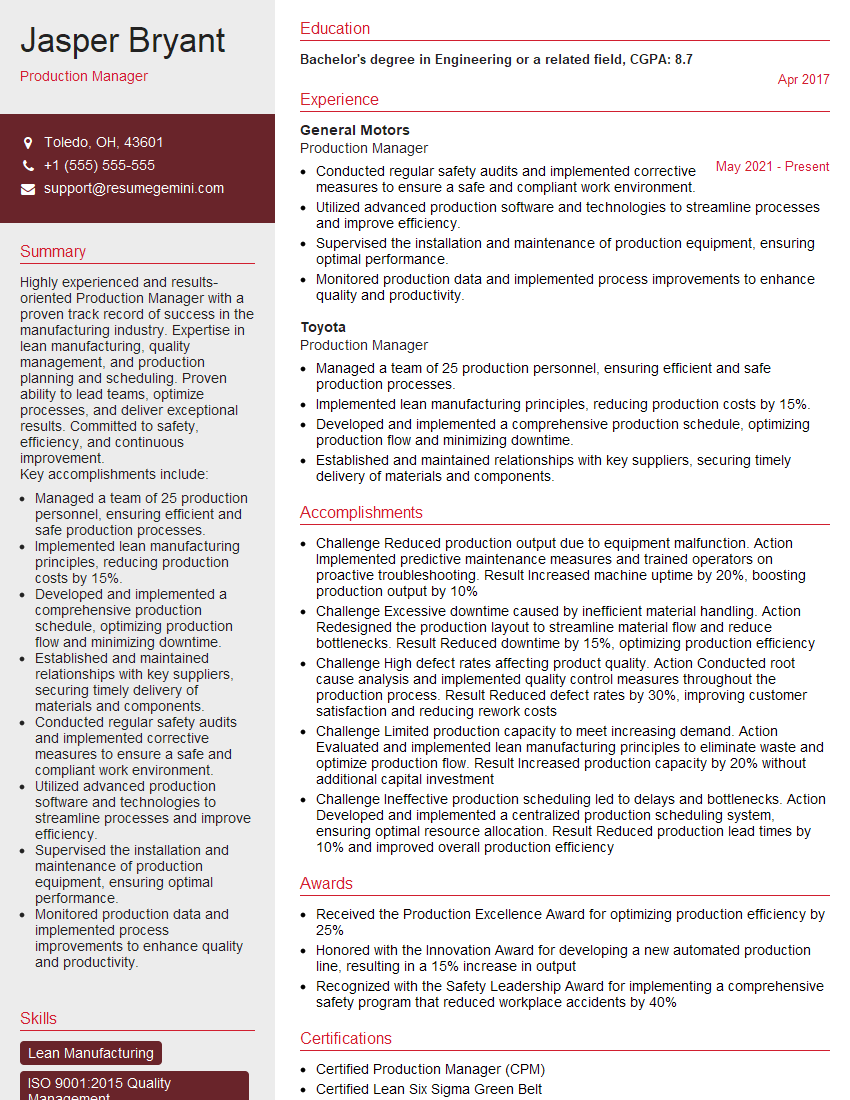
Production Manager Resume Sample
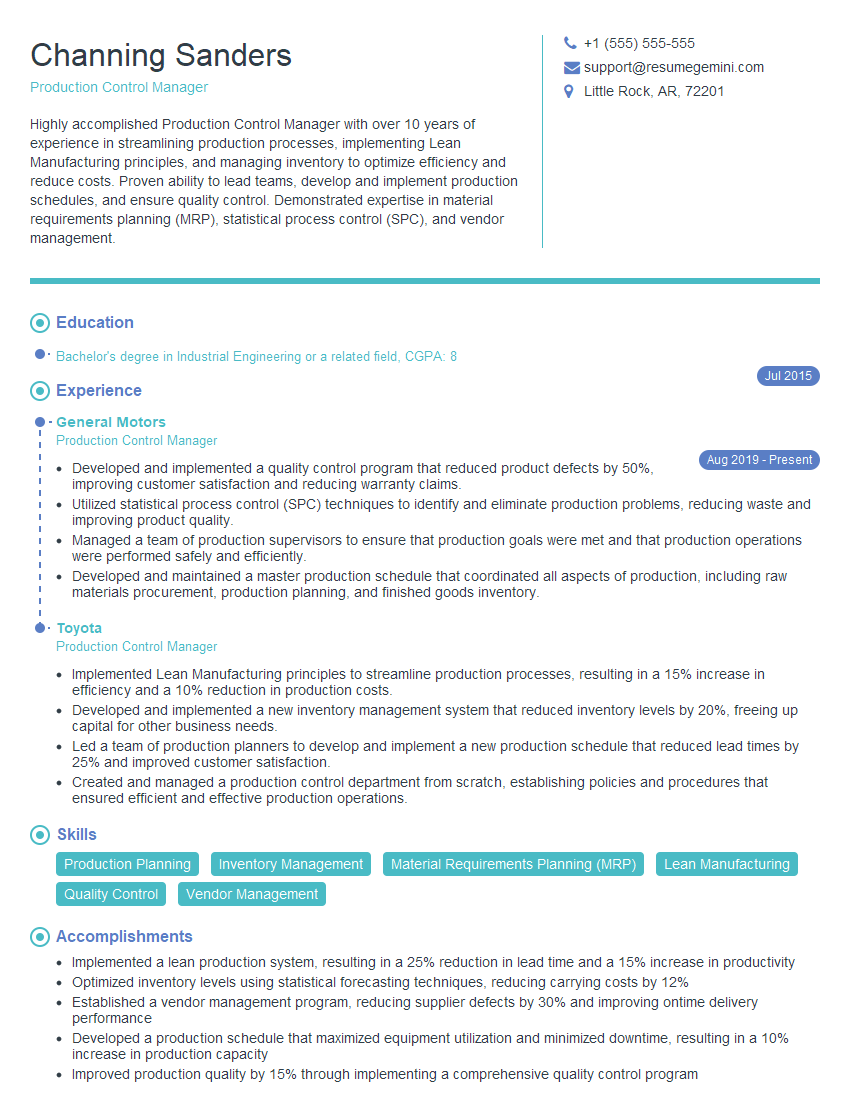
Production Control Manager Resume Sample
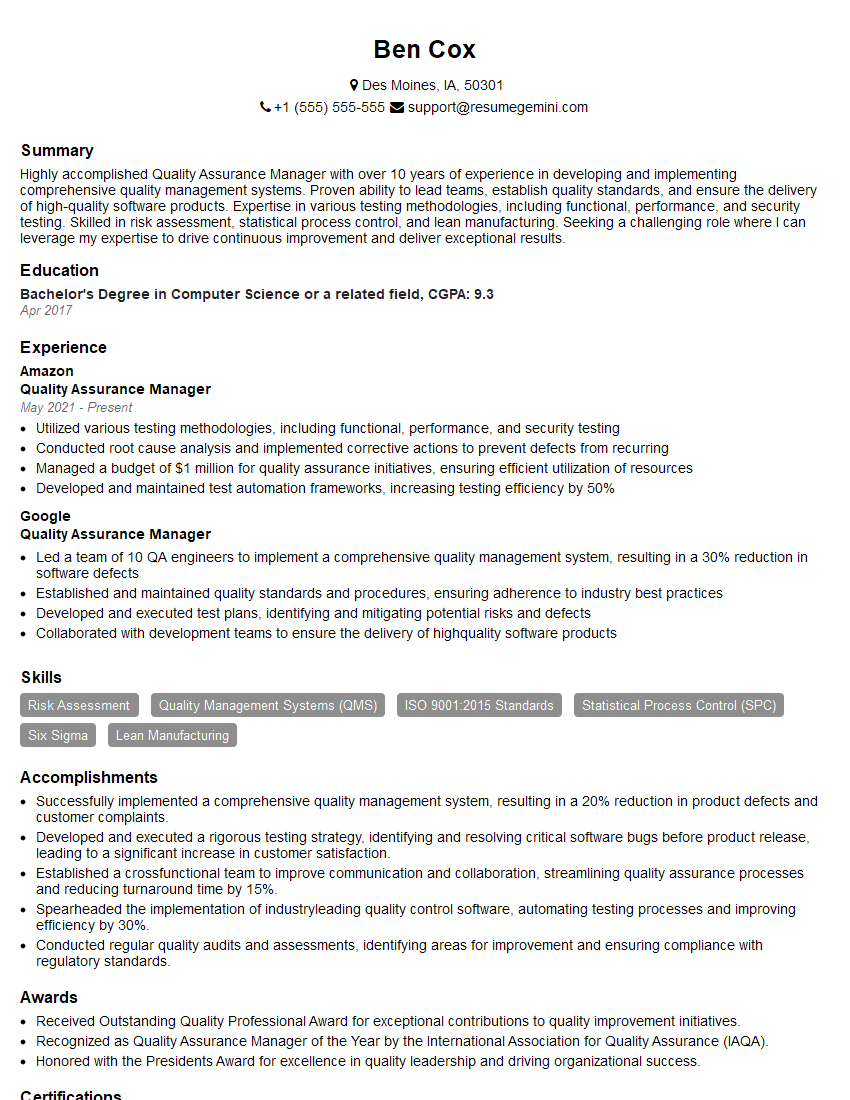
Quality Assurance Manager Resume Sample
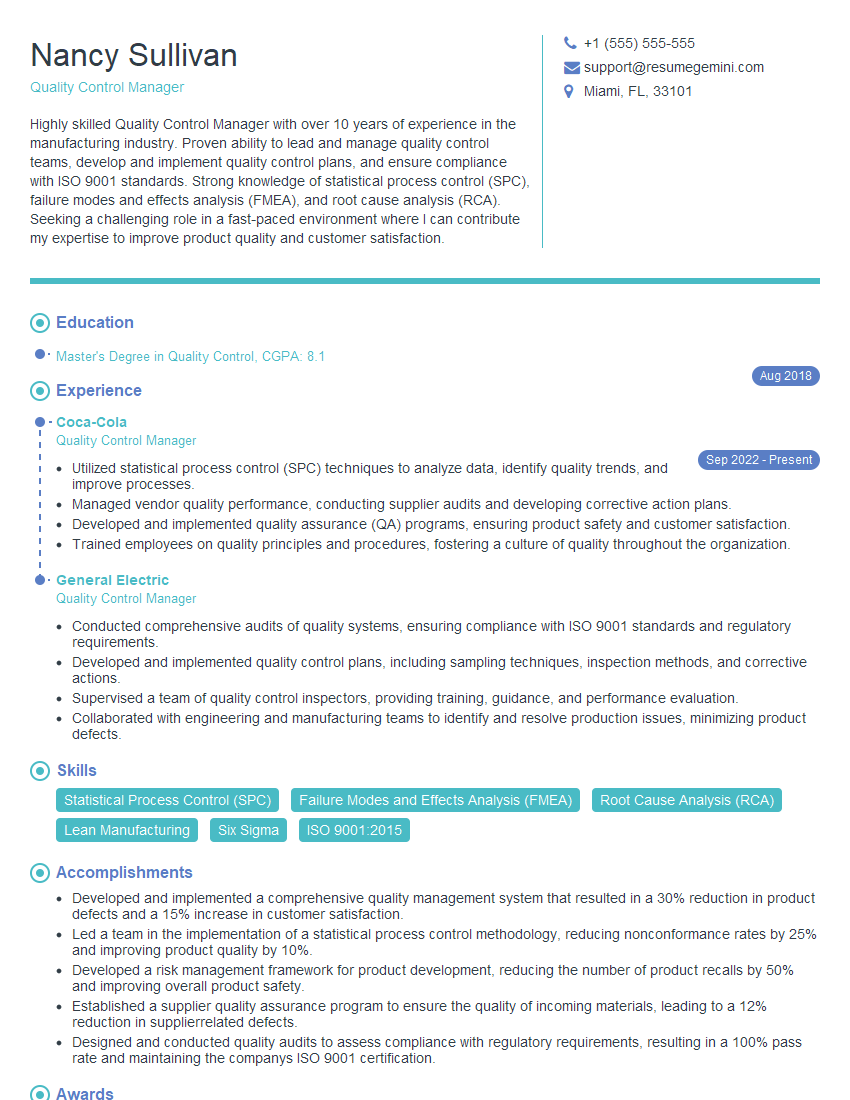
Quality Control Manager Resume Sample
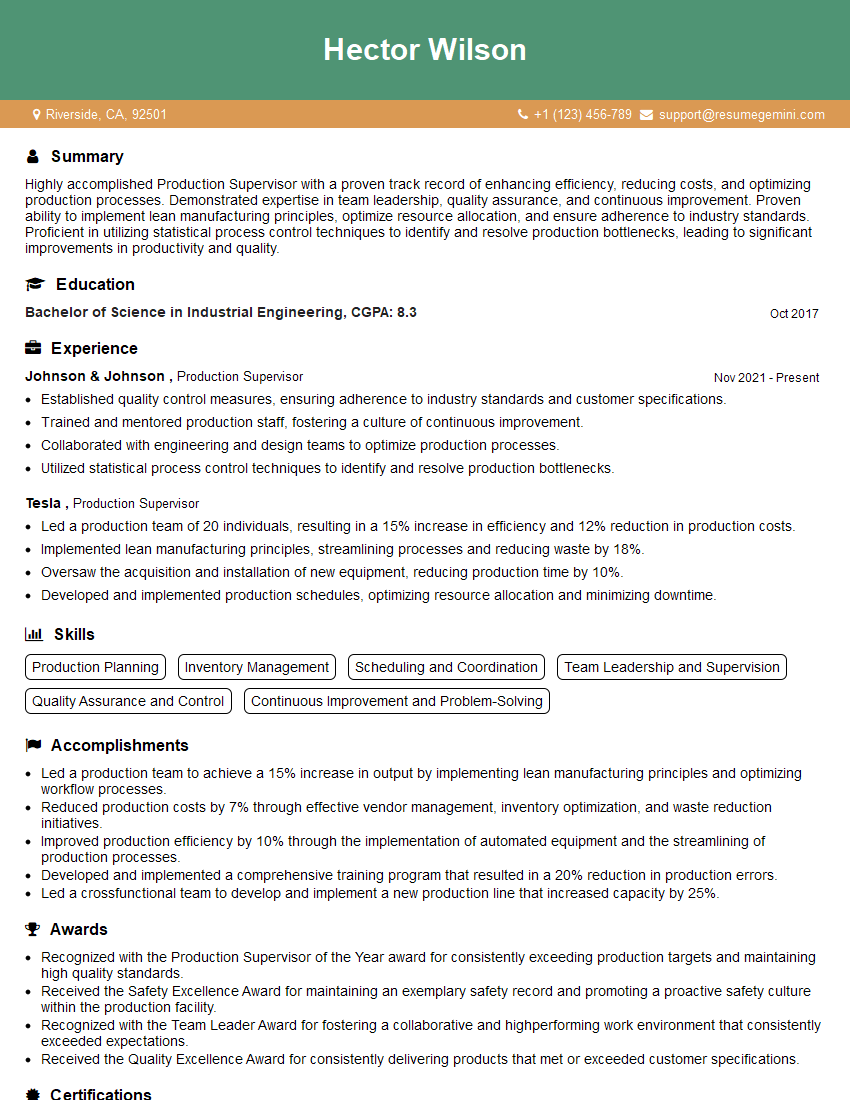
Production Supervisor Resume Sample
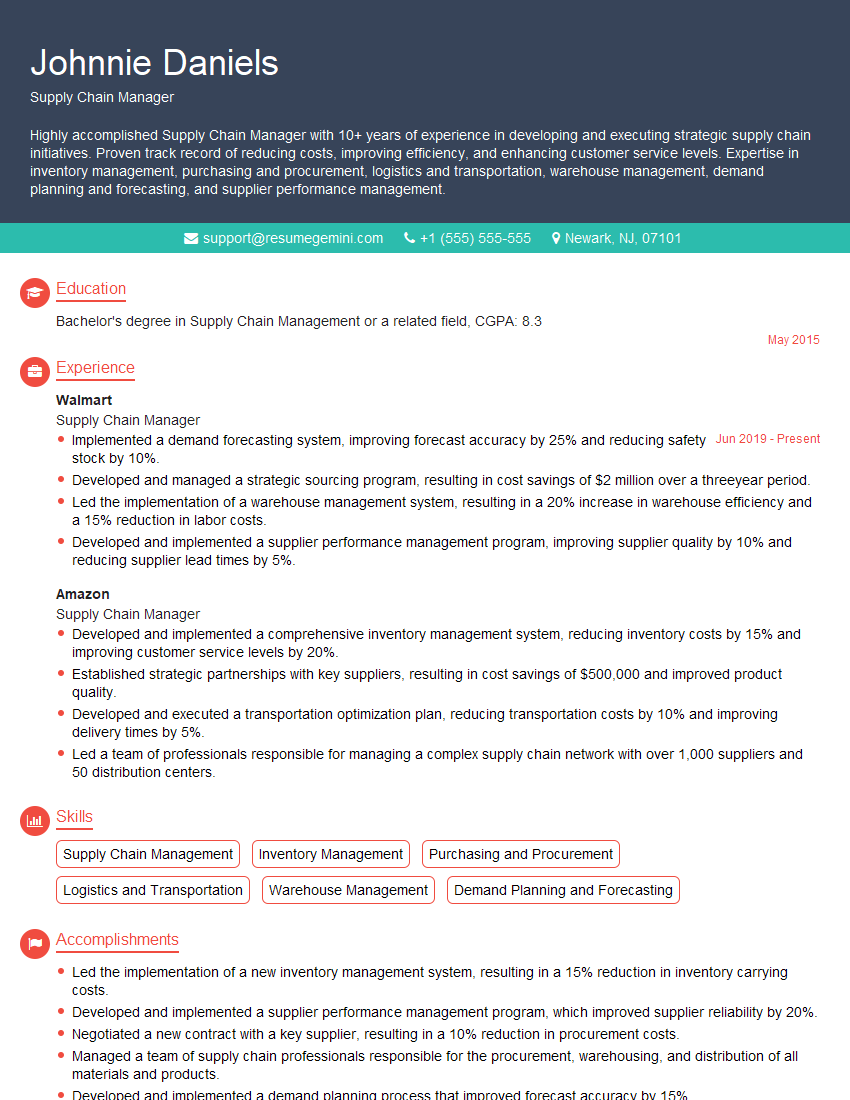
Supply Chain Manager Resume Sample
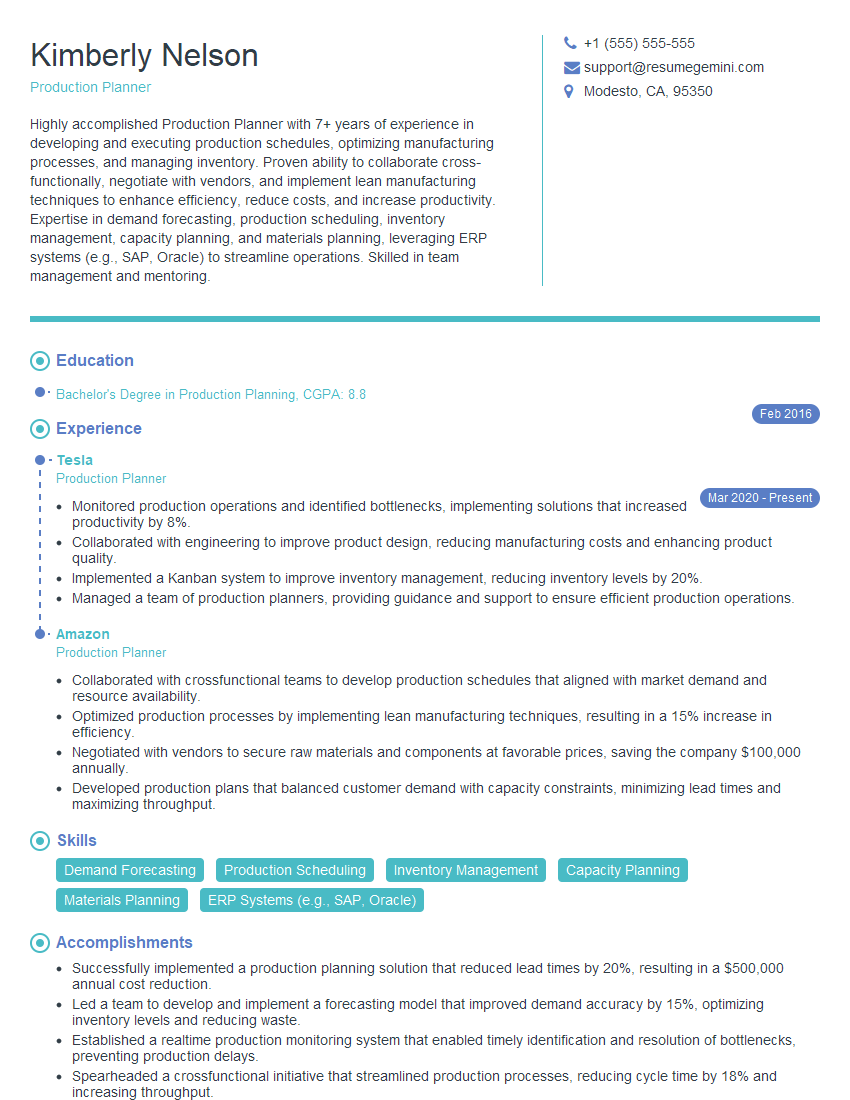
Production Planner Resume Sample
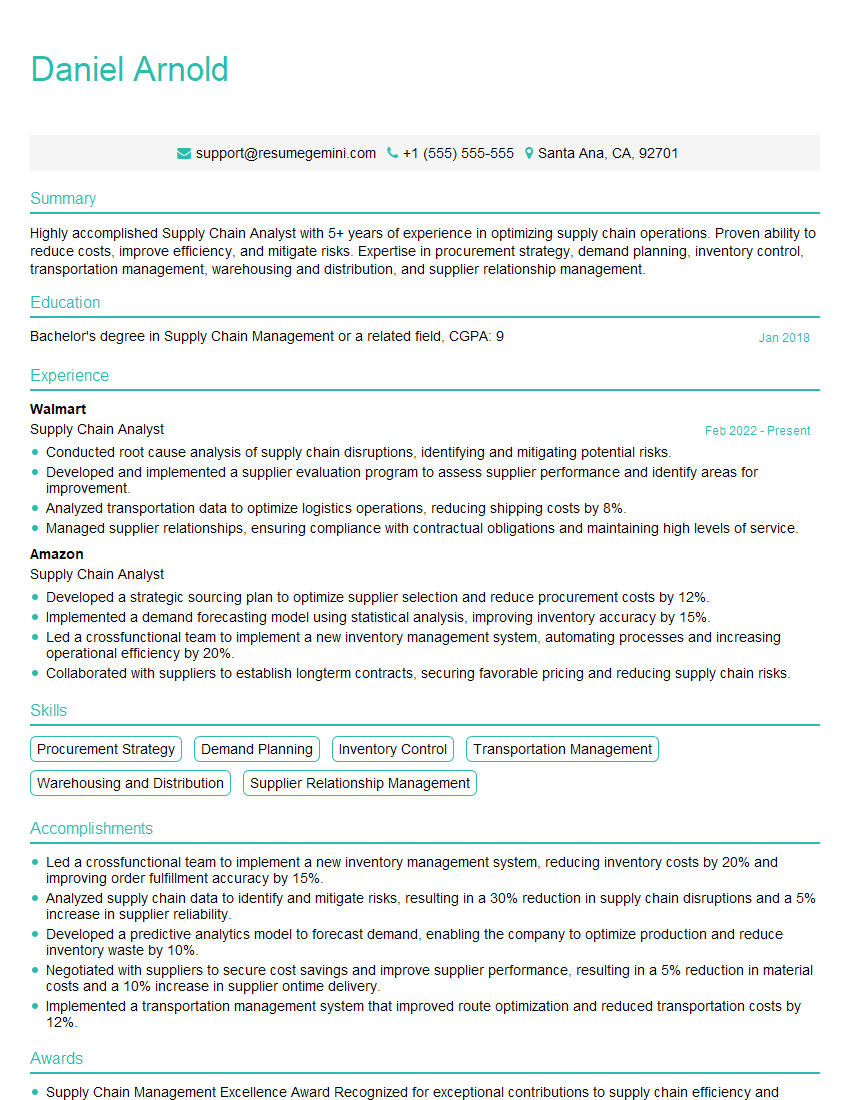
Supply Chain Analyst Resume Sample
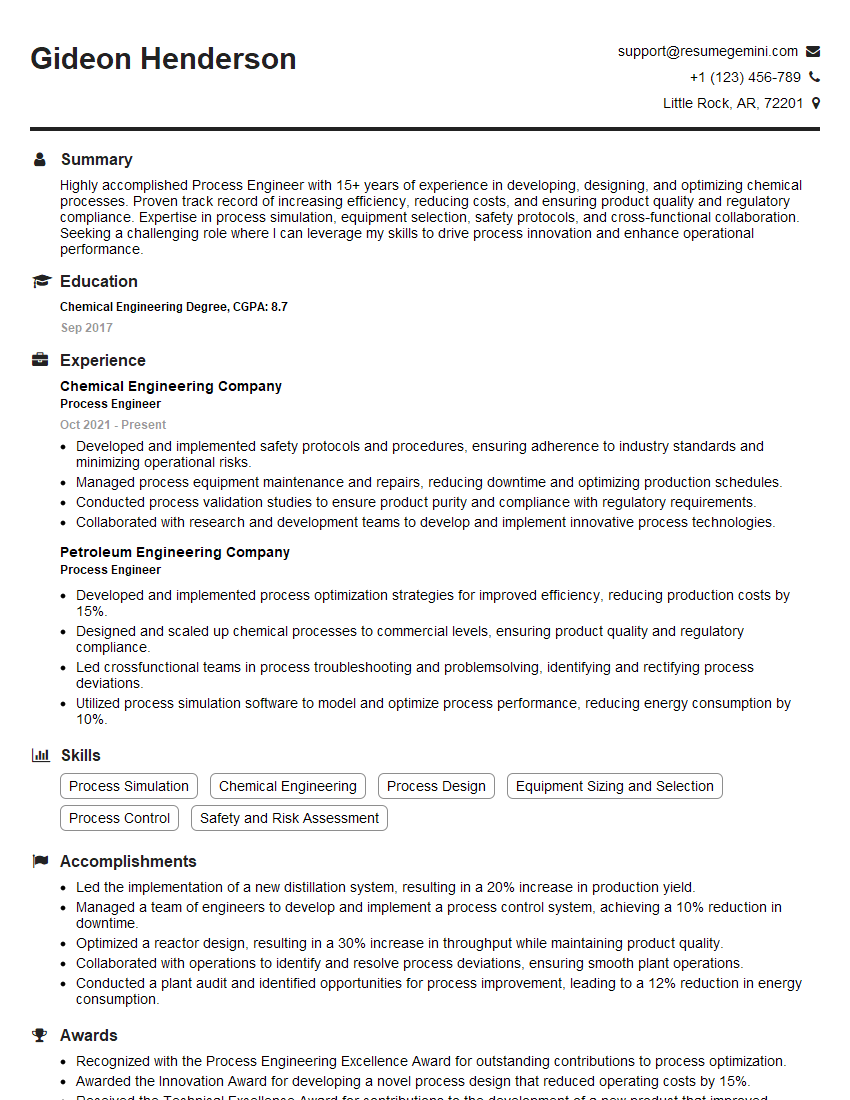
Process Engineer Resume Sample
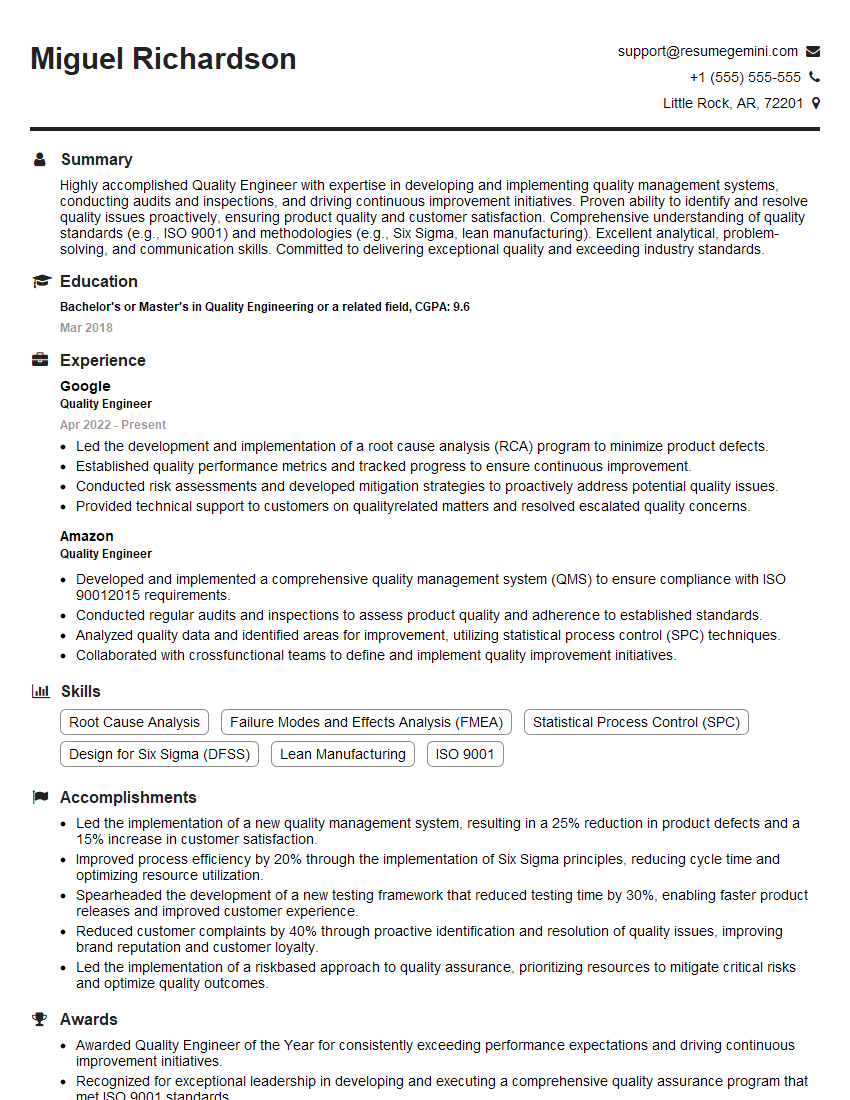
Quality Engineer Resume Sample
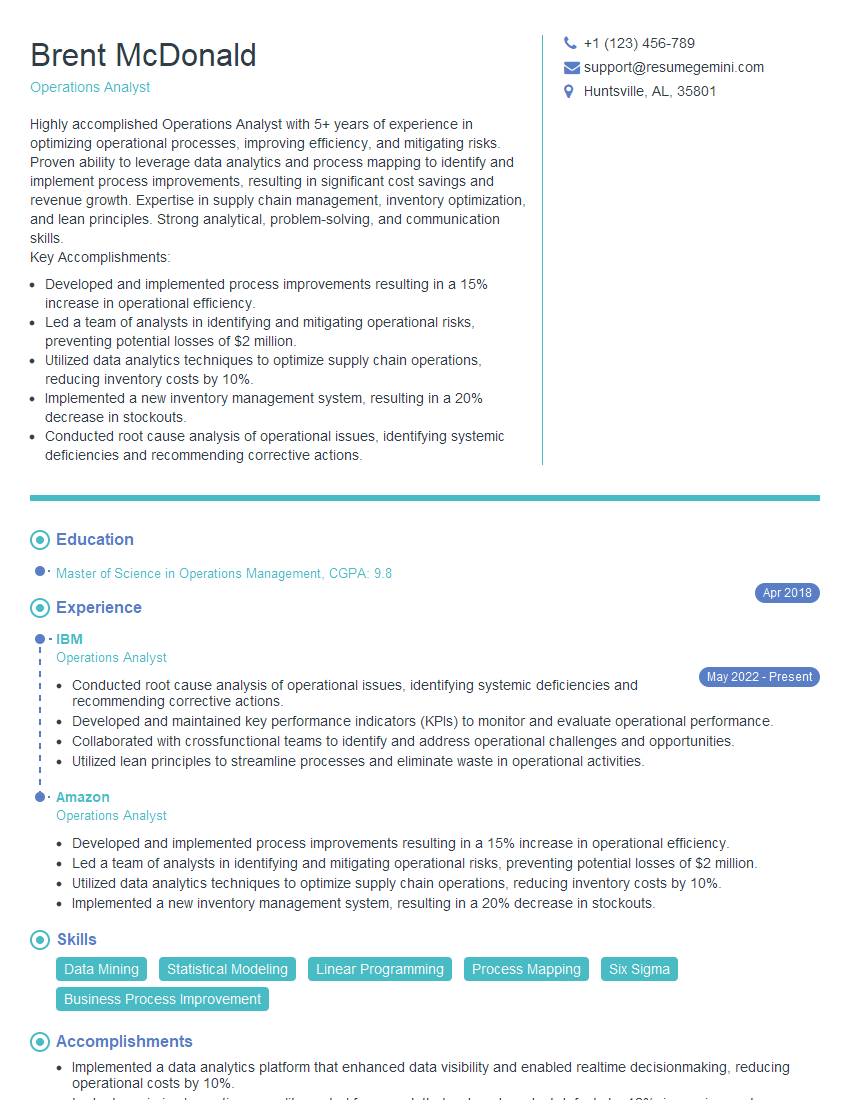
Operations Analyst Resume Sample
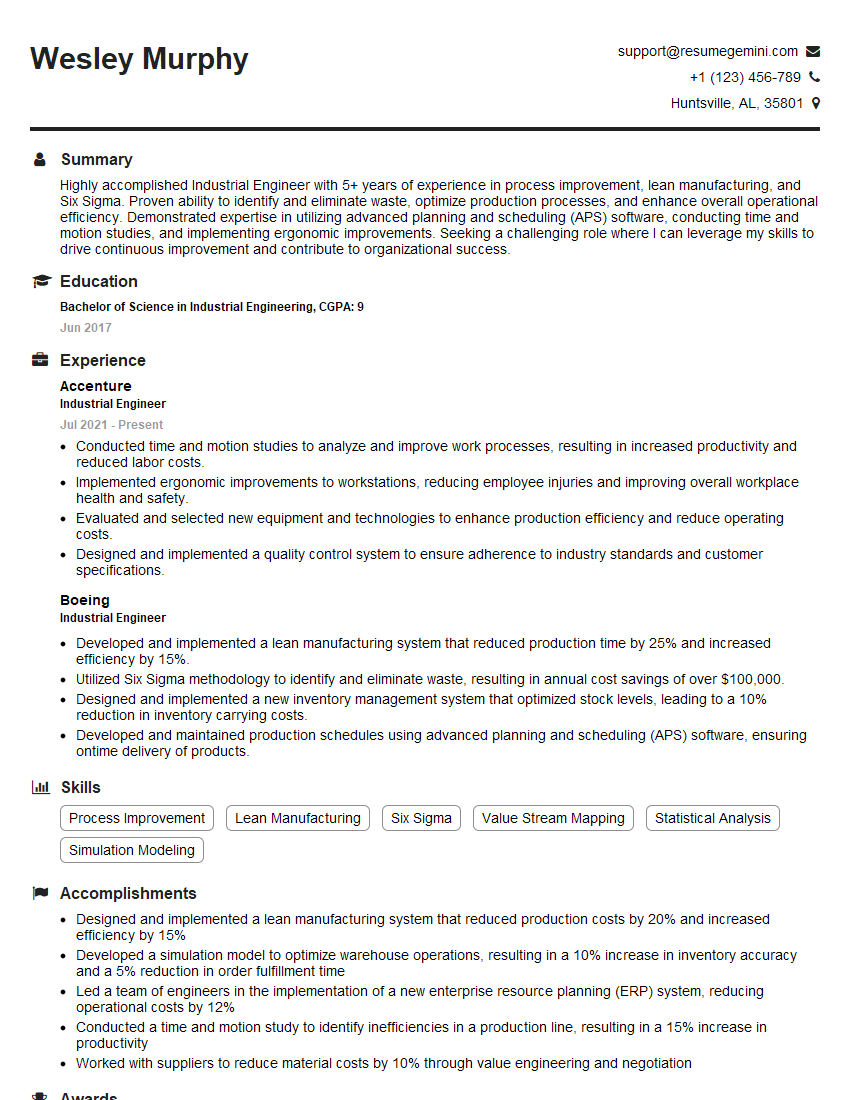
Industrial Engineer Resume Sample
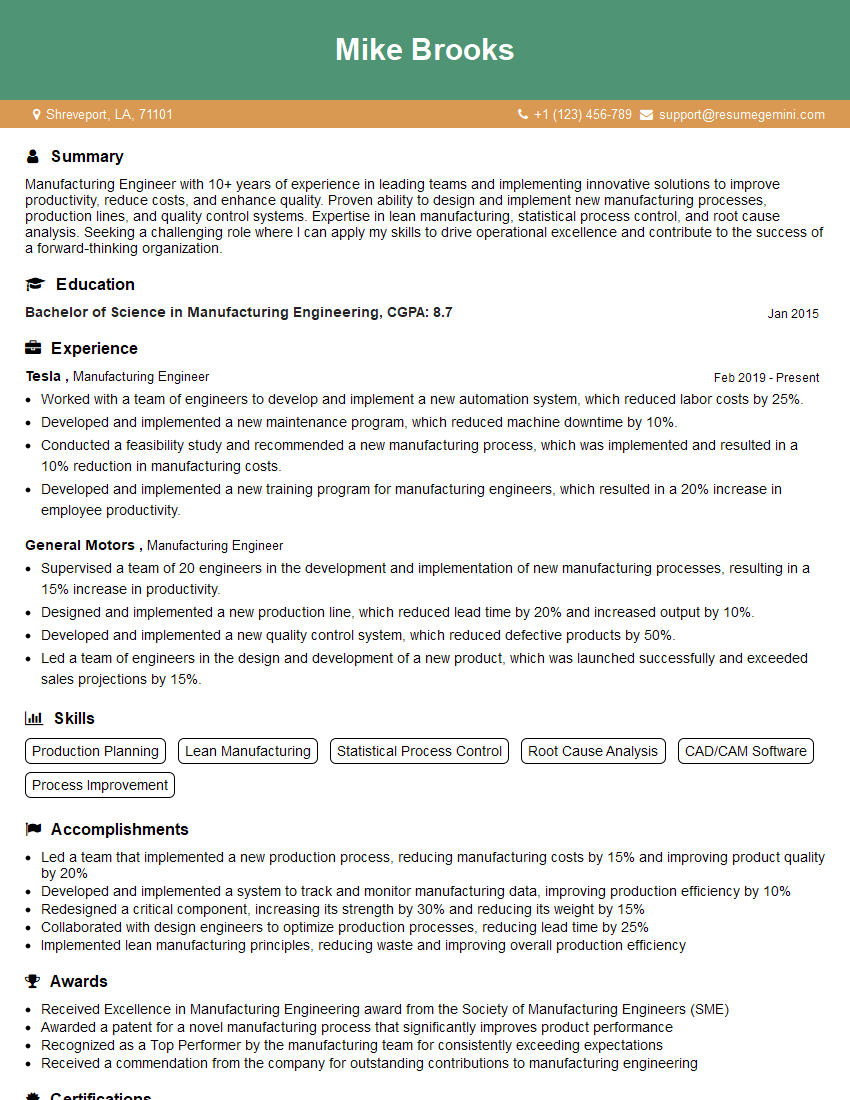
Manufacturing Engineer Resume Sample
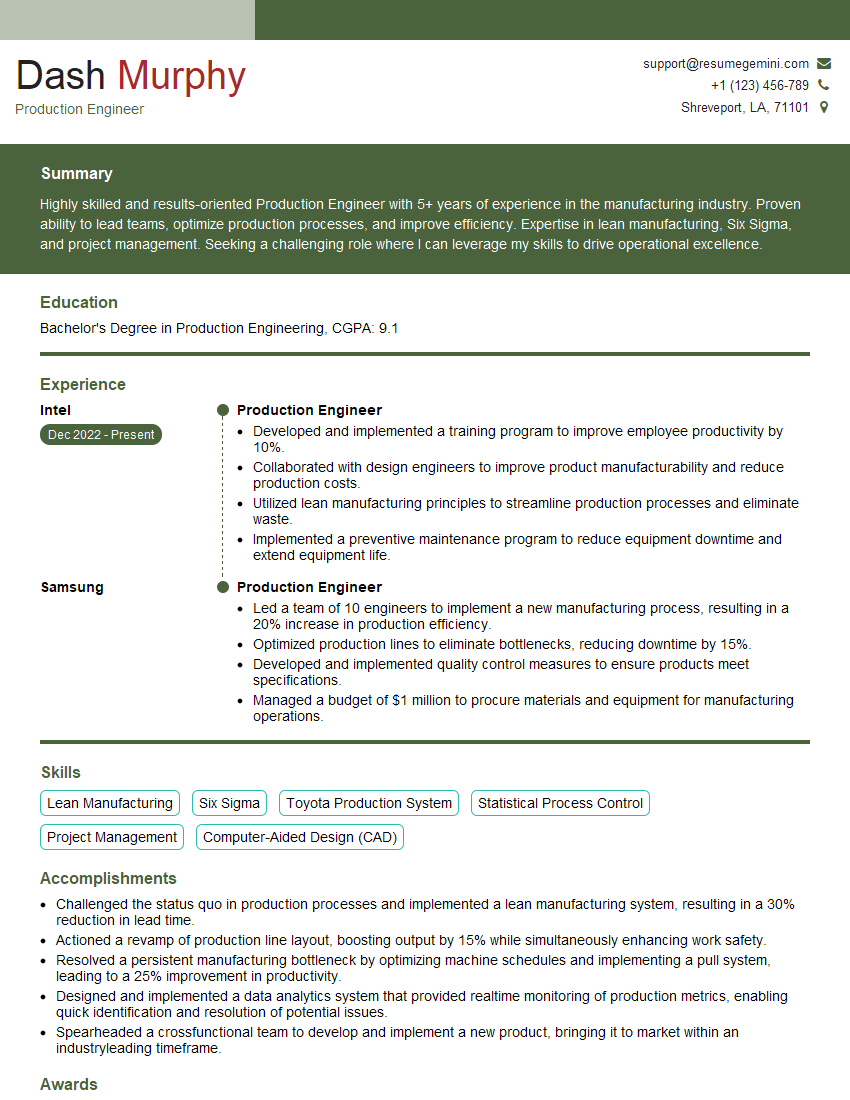
Production Engineer Resume Sample
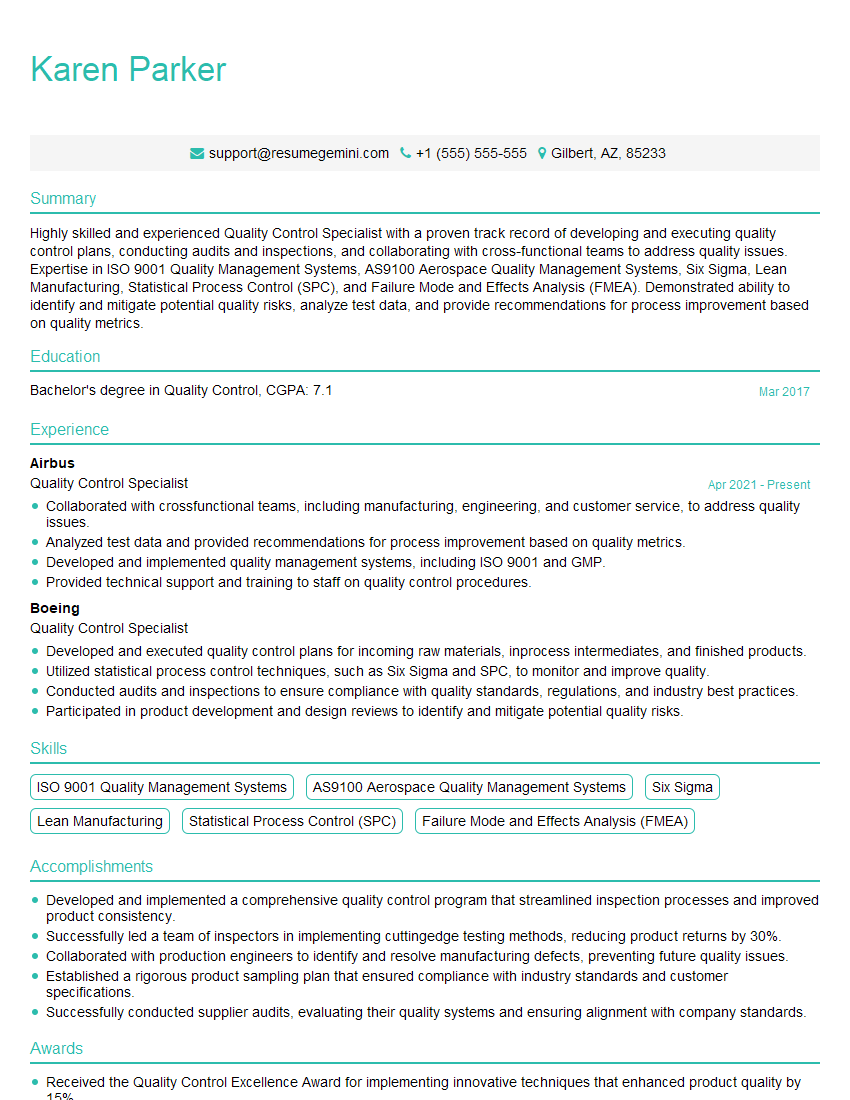
Quality Control Specialist Resume Sample
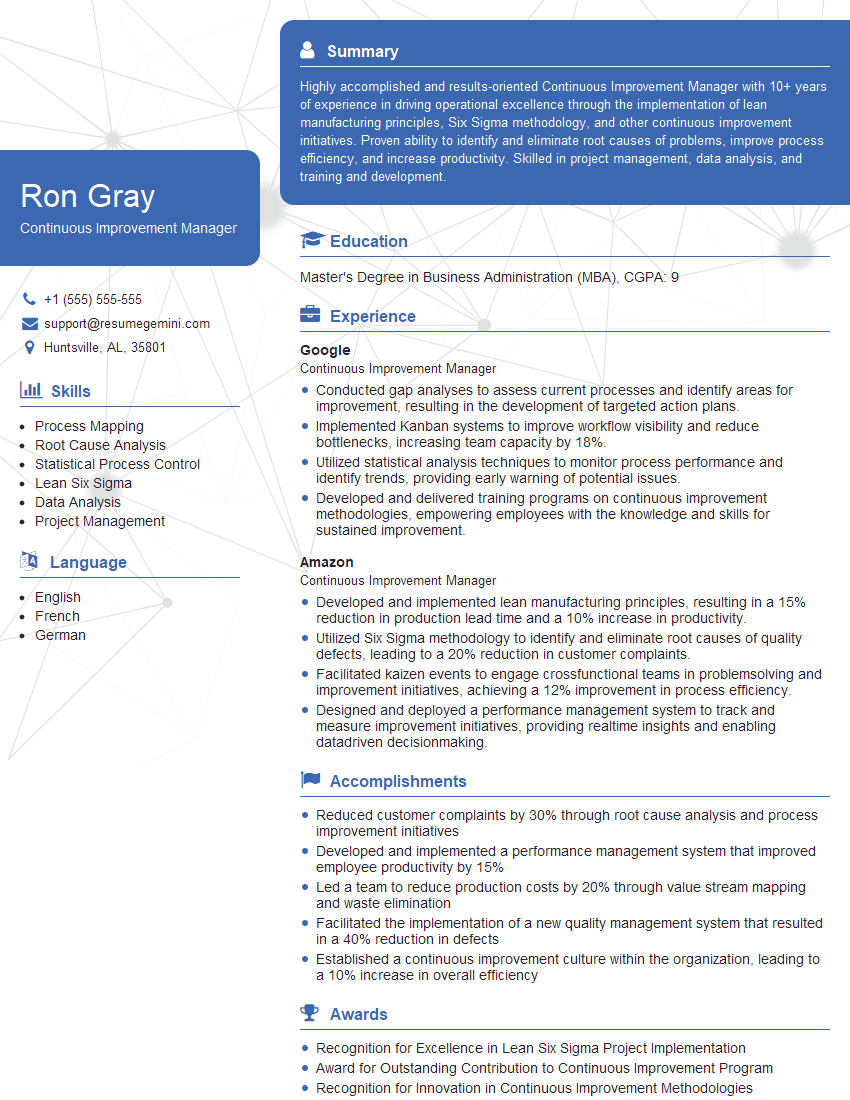
Continuous Improvement Manager Resume Sample
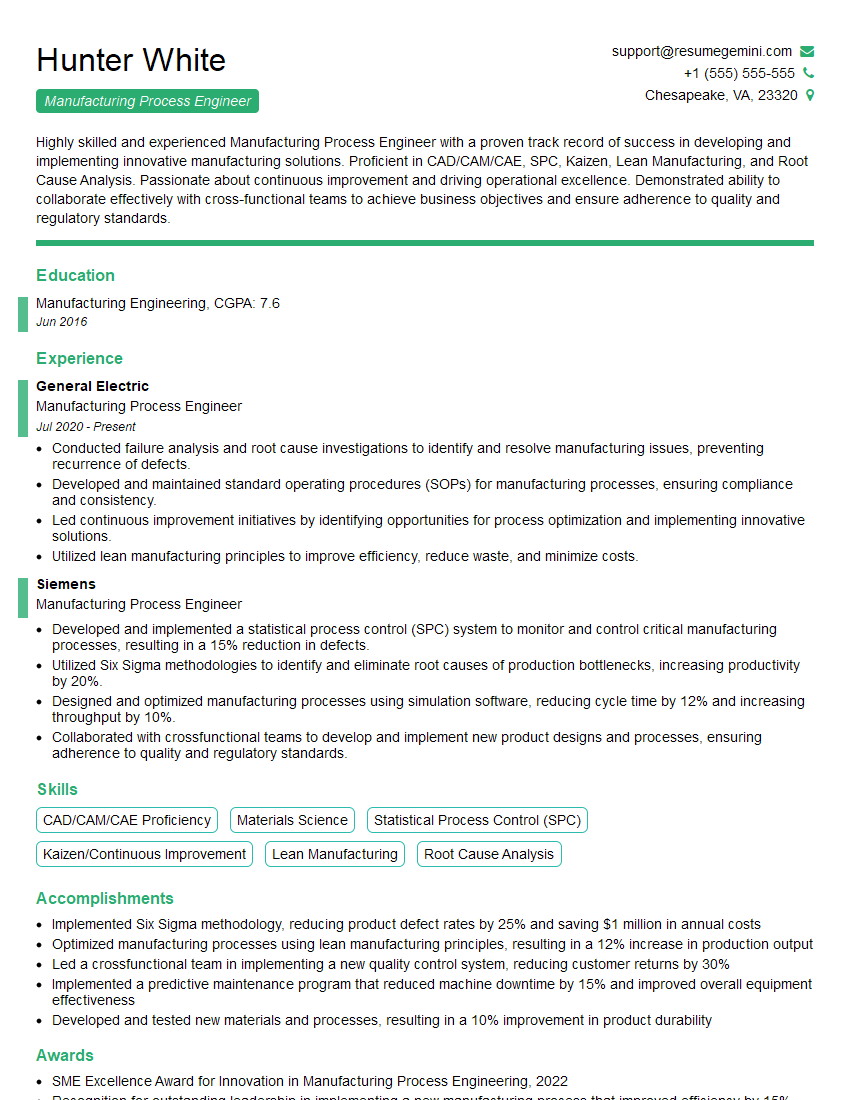
Manufacturing Process Engineer Resume Sample
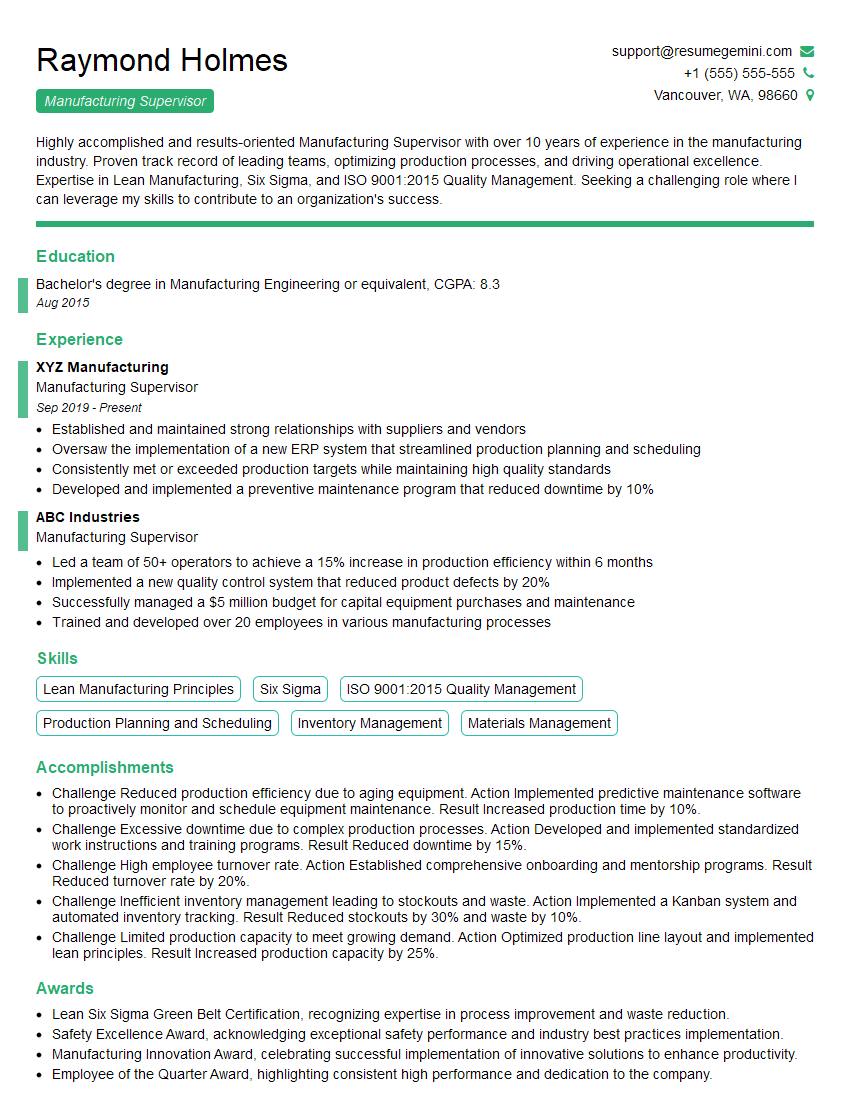
Manufacturing Supervisor Resume Sample
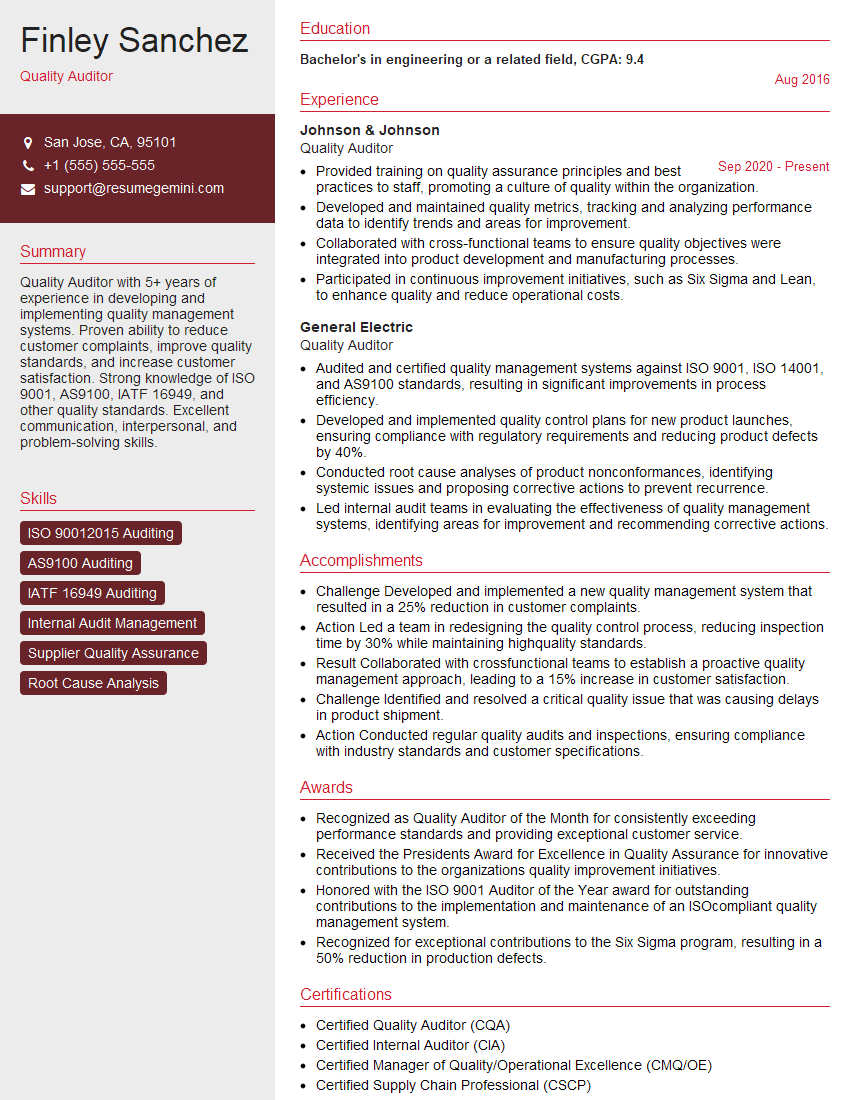
Quality Auditor Resume Sample
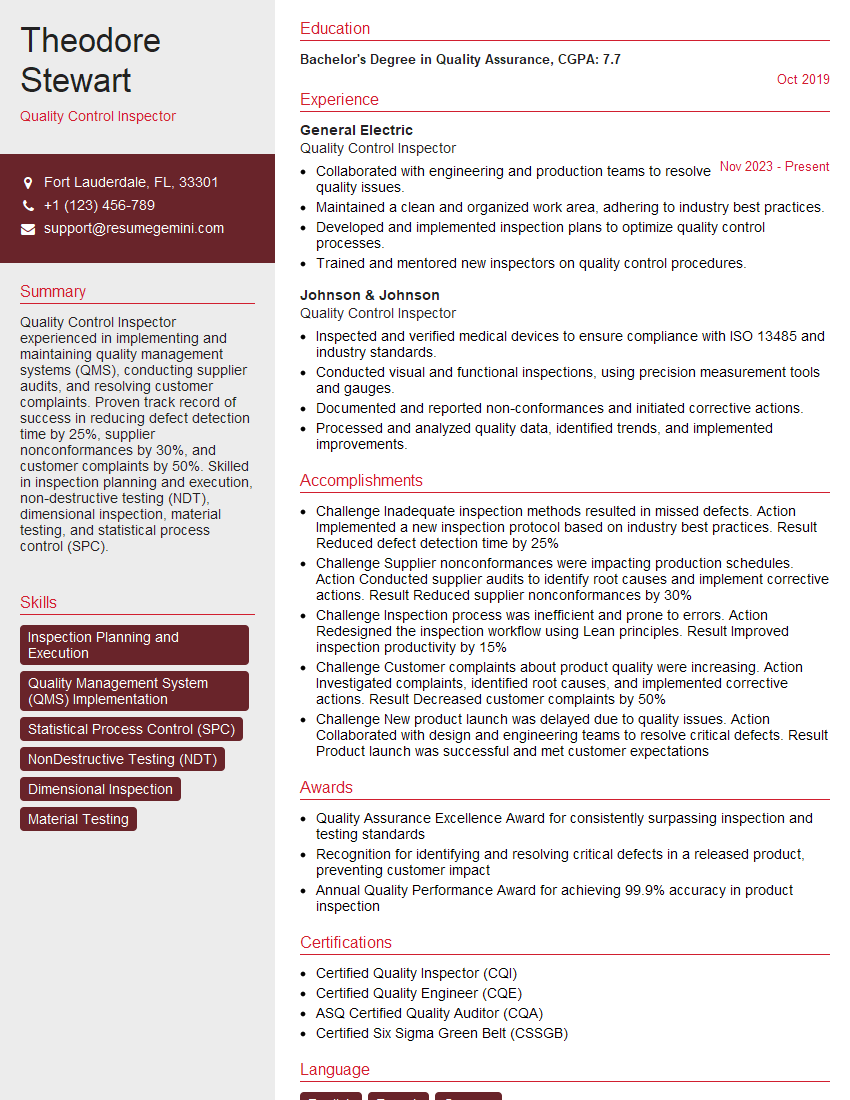
Quality Control Inspector Resume Sample
- Operations Manager
- Production Manager
- Production Control Manager
- Quality Assurance Manager
- Quality Control Manager
- Production Supervisor
- Supply Chain Manager
- Production Planner
- Supply Chain Analyst
- Process Engineer
- Quality Engineer
- Operations Analyst
- Industrial Engineer
- Manufacturing Engineer
- Production Engineer
- Quality Control Specialist
- Continuous Improvement Manager
- Manufacturing Process Engineer
- Manufacturing Supervisor
- Quality Auditor
- Quality Control Inspector
Explore more articles
Users Rating of Our Blogs
Share Your Experience
We value your feedback! Please rate our content and share your thoughts (optional).
What Readers Say About Our Blog
Very informative content, great job.
good