Interviews are more than just a Q&A session—they’re a chance to prove your worth. This blog dives into essential Production Machine Operation interview questions and expert tips to help you align your answers with what hiring managers are looking for. Start preparing to shine!
Questions Asked in Production Machine Operation Interview
Q 1. Describe your experience with different types of production machinery.
Throughout my career, I’ve operated a wide range of production machinery, encompassing both traditional and advanced technologies. My experience includes working with:
- CNC (Computer Numerical Control) machines: I’m proficient in operating various CNC mills and lathes, programming G-code, and troubleshooting machining processes. I’ve worked with machines from different manufacturers, adapting to their specific interfaces and functionalities.
- Injection molding machines: I have extensive experience setting up, operating, and maintaining injection molding machines for various plastics, from prototyping to high-volume production. This includes understanding and adjusting parameters like injection pressure, melt temperature, and cycle time.
- Robotic arms and automated systems: I’m comfortable working alongside robotic systems, understanding their programming and integration into production lines. This includes experience with both collaborative robots (cobots) and more traditional industrial robots.
- Conventional machining equipment: My experience also extends to traditional machines such as lathes, milling machines, and grinders. Understanding these fundamental machines provides a strong foundation for working with more advanced equipment.
Each machine type requires a unique skill set, but the core principles of safety, precision, and efficiency remain constant. I find the diversity of these machines challenging and rewarding, constantly expanding my knowledge and problem-solving abilities.
Q 2. Explain the process of setting up and operating a specific machine (e.g., CNC machine).
Setting up and operating a CNC machine involves a multi-step process. Let’s take a CNC milling machine as an example:
- Program verification: First, I carefully review the G-code program, ensuring it matches the design specifications and that there are no errors or inconsistencies. Simulators can be used to check for potential collisions or unexpected behavior.
- Tooling and workholding: The correct tooling—mills, drills, etc.—must be selected and securely mounted in the spindle. The workpiece is then clamped in place, ensuring its stability and accurate positioning.
- Machine setup: This involves setting the machine’s coordinate system, zeroing the machine axes, and verifying the workpiece is precisely located according to the program. This ensures the final product’s accuracy.
- Test run and adjustment: A test run is conducted using a trial piece, and adjustments are made as needed to achieve the desired tolerances and surface finish. This is crucial for ensuring the accuracy of the final product.
- Production run: Once the settings are optimized, the full production run can begin. Regular monitoring is necessary to ensure the quality of the parts and that no errors occur during the process.
- Post-production cleanup: After the production run, all tools are removed and the machine is cleaned.
This procedure ensures the machine functions efficiently and produces parts that meet the required specifications. Proper documentation at each stage is critical for traceability and maintenance purposes.
Q 3. How do you ensure the quality of your work on a production line?
Quality assurance is paramount in any production line. My approach involves a combination of proactive measures and reactive adjustments:
- Regular inspection: I conduct frequent inspections of parts during the production run, using precision measuring instruments like calipers and micrometers to ensure dimensions meet specifications. This early detection helps catch any deviations before a large number of faulty parts are produced.
- Statistical Process Control (SPC): I’m proficient in using SPC charts to monitor key process parameters and identify trends that may indicate developing issues. This data-driven approach allows for proactive adjustments.
- Machine maintenance: Regular preventative maintenance minimizes the chance of machine malfunctions that could affect product quality. A well-maintained machine consistently produces high-quality work.
- Calibration: Ensuring that the production machines are regularly calibrated ensures that the measuring devices and machines are delivering accurate results.
- Documentation: Detailed records of all inspections, adjustments, and maintenance are kept, providing a complete history of the production process and facilitating continuous improvement.
Essentially, it’s a combination of vigilance, proactive maintenance, and data analysis that guarantees consistently high-quality output.
Q 4. What are the common safety procedures you follow while operating production machinery?
Safety is my utmost priority. I strictly adhere to established safety procedures, including:
- Lockout/Tagout (LOTO): Before performing any maintenance or repair, I always use LOTO procedures to prevent accidental machine start-up. This is a crucial safety procedure to prevent serious injuries.
- Personal Protective Equipment (PPE): I consistently wear appropriate PPE, such as safety glasses, hearing protection, and steel-toed boots, depending on the specific machine and task.
- Machine guarding: I ensure all machine guards are in place and functioning correctly before starting any operation, preventing accidental contact with moving parts. Never operate a machine with damaged safety guards.
- Emergency shut-off awareness: I’m familiar with the location and operation of all emergency stop buttons and safety switches. Knowing where these are can be crucial in an emergency.
- Safe lifting techniques: When handling heavy materials, I utilize appropriate lifting techniques to prevent injuries. It’s important to avoid back injuries.
Following these safety rules is not just a policy; it’s a commitment to ensuring a safe work environment for myself and my colleagues.
Q 5. How do you troubleshoot common machine malfunctions?
Troubleshooting machine malfunctions requires a systematic approach. My process typically involves:
- Identify the problem: First, I precisely define the malfunction. Is it a power issue? A mechanical failure? An error message on the control panel?
- Check safety: Before any troubleshooting, I ensure the machine is properly locked out and tagged out.
- Review machine logs and error messages: Many machines provide error logs or diagnostic messages. Examining these can pinpoint the cause of the problem.
- Visual inspection: I perform a visual inspection of the machine, checking for loose connections, damaged parts, or unusual wear.
- Systematic elimination: I systematically check the various components, one by one, to isolate the source of the malfunction. This is similar to debugging a computer program.
- Consult manuals and documentation: If I can’t find the cause, I consult the machine’s manuals or online resources for troubleshooting guides. This step is particularly useful for less common problems.
- Seek expert assistance: If the problem persists, I seek help from a maintenance technician or other experienced personnel.
This systematic approach ensures that I solve problems efficiently and effectively while maintaining a safe work environment.
Q 6. Describe your experience with preventative maintenance on production equipment.
Preventative maintenance is critical for maximizing machine uptime and ensuring consistent product quality. My experience includes:
- Regular lubrication: I routinely lubricate moving parts according to the manufacturer’s recommendations, reducing friction and wear. This simple step significantly extends machine lifespan.
- Cleaning and inspection: Regular cleaning of the machine removes debris that can interfere with operation. During cleaning, I also check for any signs of wear or damage.
- Scheduled replacements: I follow schedules for replacing worn-out components, such as belts, filters, and cutting tools. This is crucial for ensuring consistent performance.
- Calibration checks: I regularly verify the accuracy of measuring devices and ensure the machine’s calibration is within the required tolerances.
- Documentation: I meticulously document all preventative maintenance activities, creating a detailed history of the machine’s condition. This data is invaluable for future maintenance and repair.
Proactive preventative maintenance significantly reduces downtime and the risk of unexpected breakdowns, ultimately resulting in higher productivity and better quality.
Q 7. How familiar are you with different types of production processes (e.g., batch, continuous)?
I’m familiar with various production processes, each with its own advantages and challenges:
- Batch production: In batch production, identical products are manufactured in groups (batches). This method is suited for products with moderate demand and allows for flexibility in production scheduling. I have experience optimizing batch sizes for efficiency and minimizing waste.
- Continuous production: Continuous production involves the uninterrupted flow of materials through the production process, typically used for high-volume products with consistent demand. This requires highly automated systems and precise control of the process parameters. I’ve worked with systems ensuring seamless material flow and optimized processes.
- Lean manufacturing: I’m familiar with lean principles, focusing on eliminating waste and maximizing efficiency. This includes techniques like Kanban systems (visual signaling for material flow) and Kaizen (continuous improvement). This philosophy streamlines production lines for maximum output and minimum waste.
- Just-in-time (JIT) manufacturing: JIT aims to produce goods only when needed, minimizing inventory and waste. I have experience with systems that ensure materials arrive precisely when needed for production.
Understanding these diverse processes allows me to adapt to different production environments and optimize output, regardless of the scale or complexity of the operation.
Q 8. Explain your understanding of production efficiency and optimization.
Production efficiency and optimization are about maximizing output while minimizing waste and resource consumption. It’s like baking a cake – you want the tastiest, most perfect cake with the least amount of ingredients and effort. In a manufacturing setting, this involves analyzing every step of the production process to identify bottlenecks, inefficiencies, and areas for improvement.
- Identifying Bottlenecks: This involves pinpointing stages in the production line where work slows down or stops, causing delays. For example, a slow-running machine or insufficient raw material supply can create a bottleneck.
- Reducing Waste: This encompasses various types of waste, including material waste (scrap), time waste (idle machine time), and motion waste (unnecessary movements). Lean manufacturing principles (which I’ll discuss later) are highly effective in addressing this.
- Optimizing Processes: This involves streamlining workflows, improving machine utilization, and implementing better quality control measures. This could involve automating repetitive tasks, improving machine maintenance schedules, or implementing just-in-time inventory management.
- Data Analysis: Using data from production monitoring systems to track key performance indicators (KPIs) such as output, downtime, and defect rates is crucial for identifying areas for improvement.
For instance, in a previous role, we identified a bottleneck in the packaging process. By analyzing the data, we realized that the packaging machine was underperforming due to regular jams. We implemented a preventative maintenance schedule and operator training, resulting in a 15% increase in packaging efficiency.
Q 9. How do you handle production quotas and deadlines?
Meeting production quotas and deadlines requires meticulous planning, effective communication, and proactive problem-solving. It’s like managing a complex orchestra – each section (team) needs to play their part perfectly in time with the others to achieve a harmonious outcome (meeting deadlines and quotas).
- Detailed Scheduling: Creating a realistic production schedule that accounts for potential delays and unforeseen circumstances is essential. This often involves using software to optimize scheduling based on resource availability and order priorities.
- Resource Allocation: Ensuring the right resources (materials, equipment, personnel) are available at the right time is critical. This includes proactively ordering materials and training staff to handle any unexpected issues.
- Real-time Monitoring: Continuously monitoring progress against the schedule and identifying any potential deviations is vital. This allows for timely corrective actions to prevent delays.
- Communication: Maintaining open and effective communication with all team members and stakeholders is key to ensuring everyone is aware of progress, challenges, and necessary adjustments.
In a past project, we faced a tight deadline for a large order. By utilizing a Kanban system to visualize workflow and proactively addressing potential bottlenecks, we successfully completed the order on time and within budget.
Q 10. Describe a time you had to work under pressure in a production environment.
During a major product launch, we experienced a significant equipment malfunction just three days before the deadline. The primary production line was completely down, and the pressure was immense. We immediately assembled a cross-functional team involving engineers, technicians, and production supervisors.
Our approach was systematic:
- Problem Diagnosis: The team quickly diagnosed the problem – a critical component failure in the main assembly line.
- Solution Exploration: We explored several solutions, including emergency repairs and sourcing replacement parts from alternative suppliers.
- Action Plan: We opted for a combination – emergency repairs by our in-house team while concurrently expediting the delivery of the replacement component. We also re-routed some production to a secondary, less efficient line to minimize delays.
- Execution: The team worked around the clock to execute the plan. We utilized overtime and optimized the secondary line’s operations.
Though challenging, we managed to minimize the impact on the launch, shipping 90% of the order on time. This experience reinforced the value of teamwork, rapid problem-solving, and having contingency plans in place.
Q 11. How do you prioritize tasks in a fast-paced production setting?
Prioritizing tasks in a fast-paced production setting requires a structured approach. I use a combination of methods:
- Urgency and Importance Matrix: Categorizing tasks based on their urgency and importance helps to focus on high-priority items first. Urgent and important tasks take precedence.
- Production Schedule: The production schedule itself dictates the priority of tasks. Tasks required for completing scheduled orders come first.
- Due Dates: Tasks with the closest deadlines are prioritized to prevent delays.
- Bottleneck Identification: Addressing bottlenecks takes precedence as they often impact the entire production process.
- Dependency Analysis: Understanding task dependencies helps determine the optimal sequence for completing tasks without creating delays.
For example, if we have an urgent order for a product requiring a specific component that is running low, replenishing that component becomes the top priority, even if it means delaying other less urgent tasks.
Q 12. How do you maintain accurate production records?
Maintaining accurate production records is crucial for tracking efficiency, identifying areas for improvement, and meeting compliance requirements. Think of it as keeping a meticulous recipe book for your production process. Every ingredient (material) and step (process) must be documented precisely.
- Real-time Data Capture: Utilizing computerized systems (MES, ERP) to automatically capture production data is the most efficient approach. This eliminates manual entry errors.
- Regular Audits: Regularly auditing production records to ensure accuracy and identify any discrepancies is vital. This can involve comparing recorded data with physical inventory checks.
- Standardized Procedures: Implementing standardized procedures for data entry and record-keeping ensures consistency and reduces errors.
- Data Backup and Security: Regularly backing up production data and implementing robust security measures is crucial to protect this valuable information.
In my experience, using barcodes and RFID tags to track materials and products throughout the production process significantly improved the accuracy and efficiency of record-keeping.
Q 13. What is your experience with using computerized systems in production?
I have extensive experience using computerized systems in production, including Manufacturing Execution Systems (MES), Enterprise Resource Planning (ERP) software, and SCADA (Supervisory Control and Data Acquisition) systems.
- MES: I’ve utilized MES systems for real-time monitoring of production parameters, tracking production output, and managing work orders. This includes systems like Siemens Opcenter and Rockwell Automation FactoryTalk.
- ERP: My experience with ERP systems, such as SAP and Oracle, involves managing inventory, tracking materials, and planning production schedules.
- SCADA: I’m familiar with SCADA systems for monitoring and controlling automated production processes, particularly in environments with complex machinery and control systems.
- Data Analysis: I’m proficient in extracting data from these systems and using it for performance analysis, identifying areas for improvement, and creating reports.
In a previous role, we implemented an MES system that integrated with our existing ERP system, enabling real-time visibility into production performance and significantly reducing production planning cycle time.
Q 14. Explain your understanding of lean manufacturing principles.
Lean manufacturing principles focus on eliminating waste and maximizing efficiency throughout the entire production process. Think of it as continuously refining your recipe to make the best cake with the fewest ingredients and steps.
- Value Stream Mapping: Identifying and analyzing all steps involved in a production process to determine which steps add value and which are wasteful.
- 5S Methodology: Organizing the workplace to improve efficiency and safety. (Sort, Set in Order, Shine, Standardize, Sustain)
- Kaizen (Continuous Improvement): Implementing small, incremental improvements continuously to enhance efficiency and reduce waste.
- Just-in-Time (JIT) Inventory: Receiving materials only when needed to minimize storage costs and reduce waste.
- Total Quality Management (TQM): Focusing on continuous improvement of quality throughout the production process.
In a past project, we implemented a Kanban system (a visual workflow management system), which is a core component of lean manufacturing, to reduce lead times and improve the flow of work. This resulted in a significant reduction in inventory costs and improved customer satisfaction.
Q 15. Describe your experience working with different types of materials.
Throughout my career, I’ve worked extensively with a diverse range of materials, from the highly malleable aluminum alloys used in aerospace components to the rigid, high-strength steels employed in automotive manufacturing. My experience also includes working with plastics, composites, and various types of wood. Understanding the unique properties of each material – its machinability, strength, heat resistance, and potential for deformation – is crucial for effective production. For instance, while aluminum is relatively easy to machine, it requires specific tooling to prevent tearing. Conversely, high-strength steel demands robust tooling and precise cutting parameters to avoid breakage. I’ve adapted my techniques and machine settings consistently to accommodate these differences, ensuring optimal performance and minimal waste.
Working with composites presented a different set of challenges, requiring a deep understanding of their layered structure and the need for specialized cutting techniques to prevent delamination. My proficiency extends to recognizing material defects, such as surface imperfections, internal voids, or inconsistencies in composition, which can impact product quality. I can effectively identify these issues and implement corrective actions or notify the appropriate team members.
Career Expert Tips:
- Ace those interviews! Prepare effectively by reviewing the Top 50 Most Common Interview Questions on ResumeGemini.
- Navigate your job search with confidence! Explore a wide range of Career Tips on ResumeGemini. Learn about common challenges and recommendations to overcome them.
- Craft the perfect resume! Master the Art of Resume Writing with ResumeGemini’s guide. Showcase your unique qualifications and achievements effectively.
- Don’t miss out on holiday savings! Build your dream resume with ResumeGemini’s ATS optimized templates.
Q 16. How do you ensure the safe handling of materials and equipment?
Safe handling of materials and equipment is paramount in my approach to production. I strictly adhere to all safety regulations and company policies, including the proper use of personal protective equipment (PPE) such as safety glasses, gloves, and hearing protection. Before operating any machinery, I conduct thorough pre-operational checks, ensuring that all guards are in place, emergency stops are functional, and the machine is properly lubricated and free from any obstructions.
My experience includes working with heavy machinery, which requires additional safety precautions like using lifting equipment properly and following lockout/tagout procedures for maintenance. I actively participate in safety training and am always vigilant about identifying and mitigating potential hazards. For example, during a recent project involving the handling of hazardous chemicals, I ensured the workspace was properly ventilated and all personnel were equipped with appropriate respiratory protection. My commitment to safety extends beyond personal precautions; I consistently remind and assist my colleagues in adhering to safety protocols to create a safer work environment for everyone.
Q 17. What is your experience with quality control procedures and documentation?
Quality control is an integral part of my work process. I am proficient in using various quality control tools and techniques, including dimensional inspections using calipers, micrometers, and height gauges. I am familiar with statistical process control (SPC) charts and their use in monitoring production processes and identifying trends. My experience also includes visual inspection techniques for detecting surface defects and other imperfections. I understand and follow ISO 9001 standards, maintaining meticulous records of all quality checks and inspections.
All measurements and observations are meticulously documented using standardized forms and digital systems, ensuring complete traceability. I actively participate in quality audits and contribute to continuous improvement initiatives. For example, I was instrumental in identifying a recurring issue in a machining process that was leading to minor dimensional inaccuracies. By analyzing SPC data and collaborating with the engineering team, we implemented a process adjustment that significantly improved accuracy and reduced waste. Accurate documentation is key to efficient problem-solving and preventing future defects.
Q 18. How do you identify and report production issues or defects?
Identifying and reporting production issues is crucial for maintaining efficient and high-quality production. My approach is proactive; I regularly monitor the machines and production process, looking for any deviations from the expected output or any indications of malfunction. This includes closely observing the quality of the finished products, listening for unusual sounds from the machinery, and checking for any unusual vibrations.
When an issue arises, I follow a structured reporting procedure. I first try to isolate the root cause of the problem. Is it a machine malfunction, a material defect, or a problem with the process parameters? Once I’ve identified the cause, I document the issue thoroughly, including timestamps, machine settings, material batch numbers, and a detailed description of the problem. This information is then reported to my supervisor through the appropriate channels, often using a computerized maintenance management system (CMMS). Following this structured reporting method ensures a rapid and efficient response to the issue, minimizing downtime and preventing further defects.
Q 19. Describe your experience with working in a team environment.
I thrive in team environments and value the collaborative nature of manufacturing. My experience includes working in diverse teams, ranging from small, specialized units to larger cross-functional teams. I’m a strong believer in open communication and actively contribute to team discussions, sharing my expertise and actively listening to the input of others. I’m adept at coordinating tasks and working efficiently alongside colleagues to meet shared goals.
In one particular project, we faced a tight deadline for a large order. By working collaboratively with the team, delegating tasks effectively, and leveraging each team member’s strengths, we successfully completed the order on time and without compromising quality. This experience demonstrated the value of strong teamwork and clear communication in achieving production targets. I also assist colleagues whenever possible, sharing my knowledge and skills to foster a supportive team environment.
Q 20. How do you communicate effectively with supervisors and colleagues?
Effective communication is essential in a production setting. I believe in clear, concise communication, both written and verbal. I tailor my communication style to the audience, using technical terminology when appropriate with engineers and colleagues, and employing simpler language when communicating with supervisors or those less familiar with the technical aspects of the production process.
I regularly provide updates to my supervisors on production progress, highlighting any potential challenges or delays. I use a variety of communication methods, including face-to-face conversations, email, and online communication platforms to ensure timely and efficient information exchange. When communicating about complex technical issues, I use visual aids like diagrams or charts to facilitate understanding. Active listening is also crucial; I make sure to fully understand the instructions and requests before responding or taking action.
Q 21. Describe your experience with following standard operating procedures (SOPs).
Adhering to Standard Operating Procedures (SOPs) is fundamental to maintaining consistent quality and safety in production. I’m highly experienced in following SOPs, understanding that they are designed to streamline workflows, prevent errors, and ensure safety. I treat them not as rigid rules, but as guidelines for best practices, and I always follow them carefully.
Before operating any machinery or performing any tasks, I always review the relevant SOPs to ensure that I understand the process and can execute it safely and effectively. If I encounter a situation where the SOP might not be entirely applicable, I immediately consult with my supervisor to seek clarification or propose any necessary revisions. I consider the adherence to SOPs a crucial element in ensuring consistent product quality, minimizing safety risks, and maintaining efficiency in the production process. Regularly reviewing and updating SOPs is critical for continuous improvement, and I’m actively involved in this process when the need arises.
Q 22. How do you adapt to changes in production schedules or processes?
Adapting to production schedule and process changes requires a flexible and proactive approach. It’s about understanding the big picture and being able to quickly adjust my work to meet new demands. This involves several key steps:
- Clear Communication: First and foremost, I need clear and concise communication from my supervisors about the changes – what’s altered, why, and what the new expectations are.
- Prioritization and Planning: Once I understand the changes, I prioritize tasks based on urgency and importance. This may involve re-sequencing jobs, adjusting machine settings, or coordinating with other team members.
- Flexibility and Problem-Solving: I anticipate potential challenges that may arise from the changes and develop contingency plans. For instance, if a new material requires different processing parameters, I’ll research and test those parameters to ensure optimal results.
- Continuous Learning: I’m constantly seeking ways to improve my skills and knowledge. This allows me to readily adapt to new processes or technologies introduced in production.
For example, in my previous role, we experienced a sudden increase in demand for a specific product. We had to quickly re-allocate resources and adjust the production line to meet this demand. By working collaboratively with the team and effectively prioritizing tasks, we successfully met the increased demand within the required timeframe.
Q 23. What are some common causes of machine downtime and how do you address them?
Machine downtime is a significant concern in any production environment, leading to lost productivity and increased costs. Common causes range from planned maintenance to unexpected failures. Here are some of them, along with how I’d address them:
- Mechanical Issues: Worn parts, broken belts, or lubrication problems are common culprits. Addressing these requires scheduled preventative maintenance (PM), regular inspections, and prompt repairs when problems arise. I always carefully document PM activities.
- Electrical Faults: Short circuits, blown fuses, or malfunctioning sensors can lead to downtime. Troubleshooting electrical issues requires a systematic approach, often involving checking wiring, circuit breakers, and testing components with appropriate instruments (multimeters, etc.).
- Software Glitches: Programmable Logic Controllers (PLCs) control many machines. Software bugs or programming errors can cause malfunctions. I’m comfortable troubleshooting PLC programs with the help of documentation and if necessary, involving more expert colleagues.
- Material Handling Problems: Issues with raw material supply, inadequate storage, or jammed parts can bring production to a halt. Proper material handling procedures and well-organized storage areas are vital to prevent these issues.
- Human Error: Incorrect machine operation, improper setup, or failure to follow safety protocols can also cause downtime. Training, clear operating instructions, and regular safety reviews are essential.
My approach to addressing downtime starts with identifying the root cause, then implementing the correct solution. I believe in preventing future occurrences through thorough documentation and improved processes.
Q 24. How familiar are you with various types of measuring tools (e.g., calipers, micrometers)?
I am very familiar with various measuring tools, including calipers, micrometers, dial indicators, and height gauges. These are essential for ensuring precision and quality in manufacturing.
- Calipers: I use these frequently to measure the dimensions of parts, ensuring they meet specifications. I’m proficient in using both vernier and digital calipers.
- Micrometers: These provide greater precision than calipers, and I utilize them for critical dimensions and tolerances. I understand how to adjust the thimble and properly read the scale.
- Dial Indicators: These help in measuring small changes in dimension or surface irregularities. I often use them for checking alignment and runout.
- Height Gauges: These are important for precision measurements, particularly for establishing reference points or measuring the height of objects.
My experience includes using these tools to measure a wide range of materials and part geometries, ensuring that every piece meets quality standards. Accuracy and attention to detail are paramount when using these tools.
Q 25. Explain your understanding of production metrics and key performance indicators (KPIs).
Production metrics and Key Performance Indicators (KPIs) are crucial for evaluating the efficiency and effectiveness of a production process. They provide data-driven insights for improvement.
- Overall Equipment Effectiveness (OEE): This measures the percentage of planned production time that is actually used for producing good parts. It considers availability, performance, and quality.
- Throughput: This measures the amount of product produced within a specific time frame.
- Defect Rate: This indicates the percentage of defective units produced. A low defect rate shows high quality.
- Lead Time: The time it takes from ordering raw materials to delivering the finished product. Short lead times are desirable.
- Cycle Time: The time it takes to complete one cycle of production for a single unit. Reducing cycle time improves efficiency.
- Utilization Rate: The percentage of a machine’s capacity that is actually used.
By tracking these KPIs, we can identify bottlenecks, improve processes, and ultimately increase productivity and profitability. For instance, a high defect rate might indicate a problem with a specific machine or process step, which can then be targeted for improvement.
Q 26. Describe a time you improved a production process or solved a production problem.
In my previous role, we were experiencing frequent jams on a particular packaging machine, resulting in significant downtime. The initial troubleshooting focused on the machine itself, but this proved ineffective. I took a different approach, analyzing the entire process.
I observed that the way the finished product was being fed into the packaging machine was causing the jams. The product wasn’t consistently aligned, leading to bunching. I proposed a simple solution: installing a small guide rail to better align the product before it reached the packaging machine. This seemingly minor change eliminated almost all the jams, drastically reducing downtime and boosting productivity. The implementation cost was negligible compared to the savings in downtime and improved efficiency.
Q 27. How would you approach training a new employee on operating a specific machine?
Training a new employee on operating a specific machine requires a structured approach that combines theoretical knowledge with hands-on experience. My training strategy would be:
- Safety First: Begin by emphasizing safety procedures and the use of personal protective equipment (PPE). A thorough understanding of safety regulations is paramount.
- Machine Overview: Provide a comprehensive overview of the machine’s function, components, and operational principles.
- Hands-on Demonstration: Demonstrate the correct operation of the machine, highlighting key steps and controls.
- Guided Practice: Allow the trainee to operate the machine under supervision, providing feedback and guidance. This builds confidence and proficiency.
- Documentation and Procedures: Ensure the trainee understands and can follow all relevant documentation and operating procedures.
- Performance Evaluation: Assess the trainee’s understanding and proficiency through practical exercises and observation.
- Ongoing Support: Provide ongoing support and answer questions as needed. Encourage the trainee to ask questions and seek clarification.
My goal is to empower the trainee to operate the machine safely and efficiently, while also fostering a culture of continuous learning and improvement.
Q 28. What are your salary expectations for this position?
My salary expectations are in line with the industry standard for a Production Machine Operator with my experience and skillset. I’m open to discussing a competitive compensation package that reflects the value I bring to the company. I would prefer to discuss this further after learning more about the specific responsibilities and benefits of the position.
Key Topics to Learn for Production Machine Operation Interview
- Machine Safety and Maintenance: Understanding lockout/tagout procedures, preventative maintenance schedules, and basic troubleshooting of common machine malfunctions. Practical application: Describe your experience performing routine maintenance or troubleshooting a specific machine issue.
- Production Processes and Quality Control: Knowledge of the entire production process, from raw materials to finished goods, including quality control checks and documentation. Practical application: Explain how you ensure consistent product quality and identify potential defects.
- Machine Operation and Efficiency: Proficiency in operating various production machines, understanding their capabilities and limitations, and optimizing their performance for maximum efficiency. Practical application: Detail your experience maximizing output while maintaining quality standards.
- Technical Specifications and Troubleshooting: Ability to interpret technical manuals, diagrams, and specifications. Practical application: Describe a situation where you used technical documentation to solve a machine problem.
- Data Collection and Analysis: Understanding and using data from machine sensors and production monitoring systems to identify areas for improvement. Practical application: Explain how you’ve used data to improve efficiency or identify bottlenecks.
- Teamwork and Communication: Effective collaboration with team members and supervisors, clear communication of issues and progress. Practical application: Describe a time you successfully collaborated to solve a production challenge.
- Continuous Improvement (Lean Manufacturing): Familiarity with Lean principles and methodologies for optimizing production processes. Practical application: Explain your understanding of Kaizen or other continuous improvement strategies.
Next Steps
Mastering Production Machine Operation opens doors to rewarding and diverse career paths within manufacturing and related industries, offering opportunities for advancement and specialization. To significantly enhance your job prospects, create an ATS-friendly resume that highlights your skills and experience effectively. ResumeGemini is a trusted resource to help you build a professional and impactful resume that gets noticed. We provide examples of resumes tailored to Production Machine Operation to guide you in crafting your own.
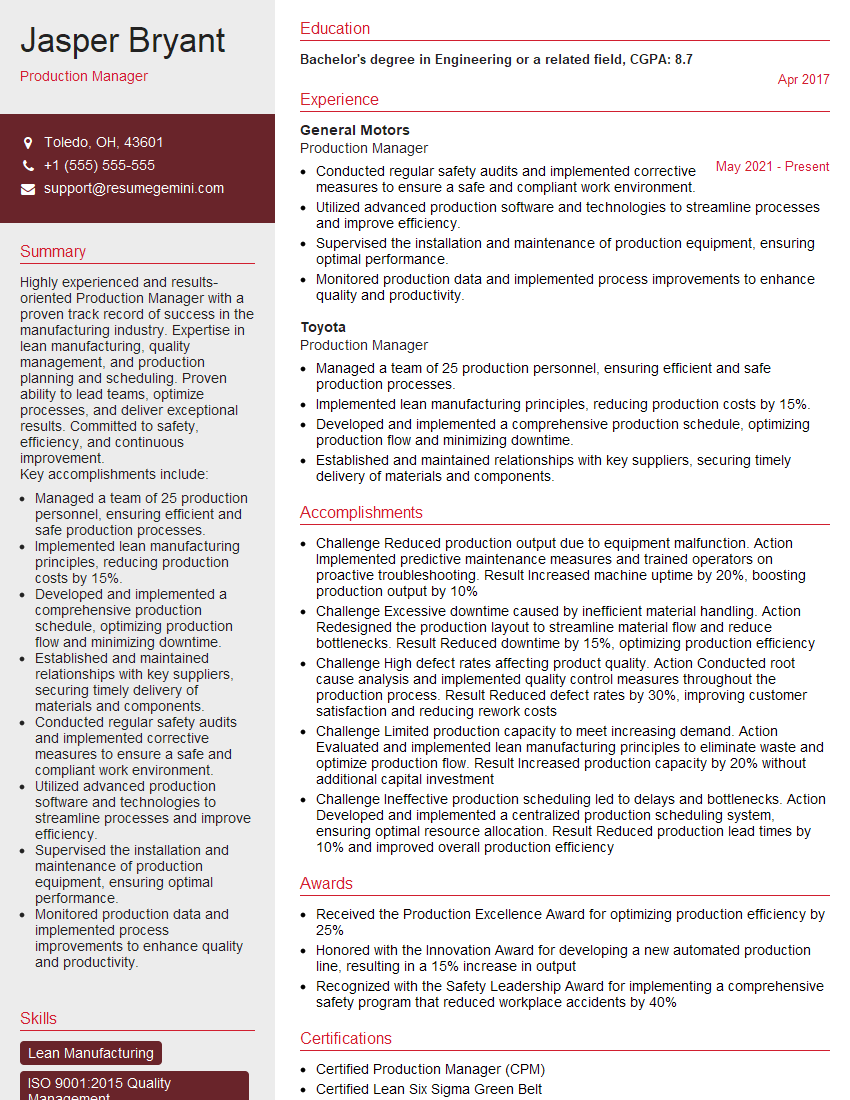
Production Manager Resume Sample
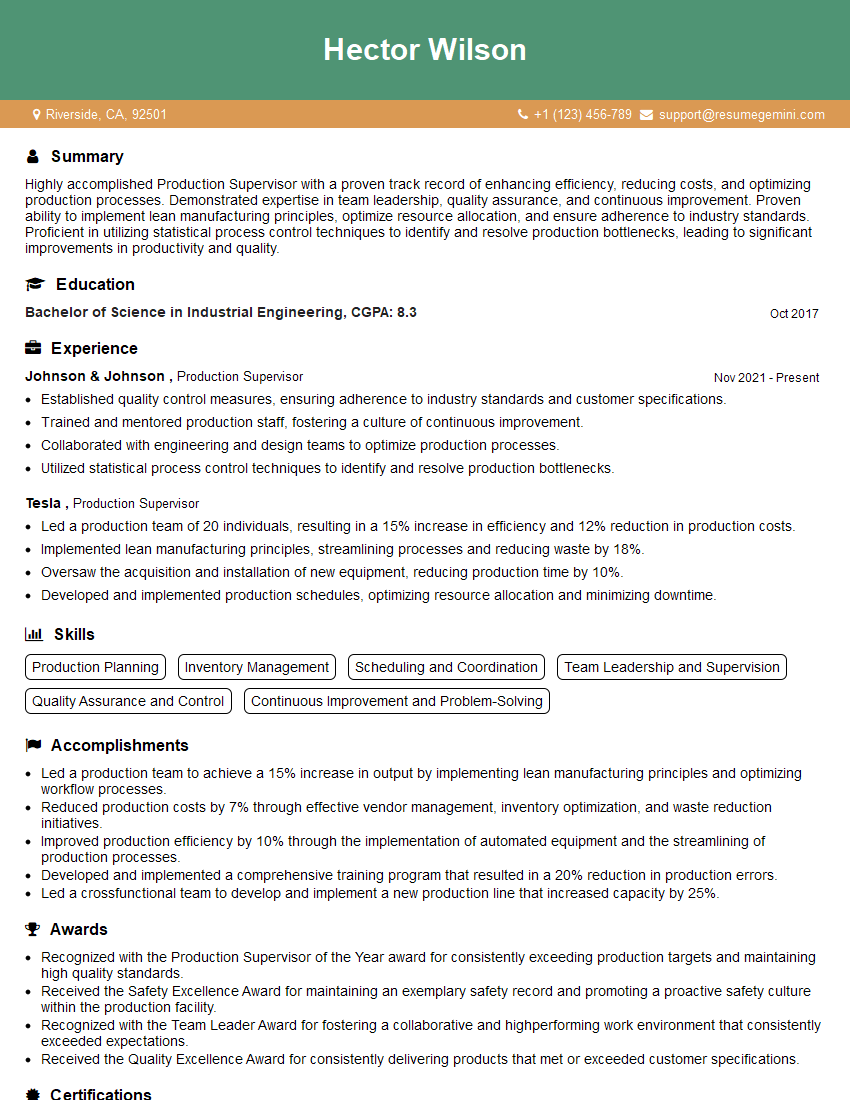
Production Supervisor Resume Sample
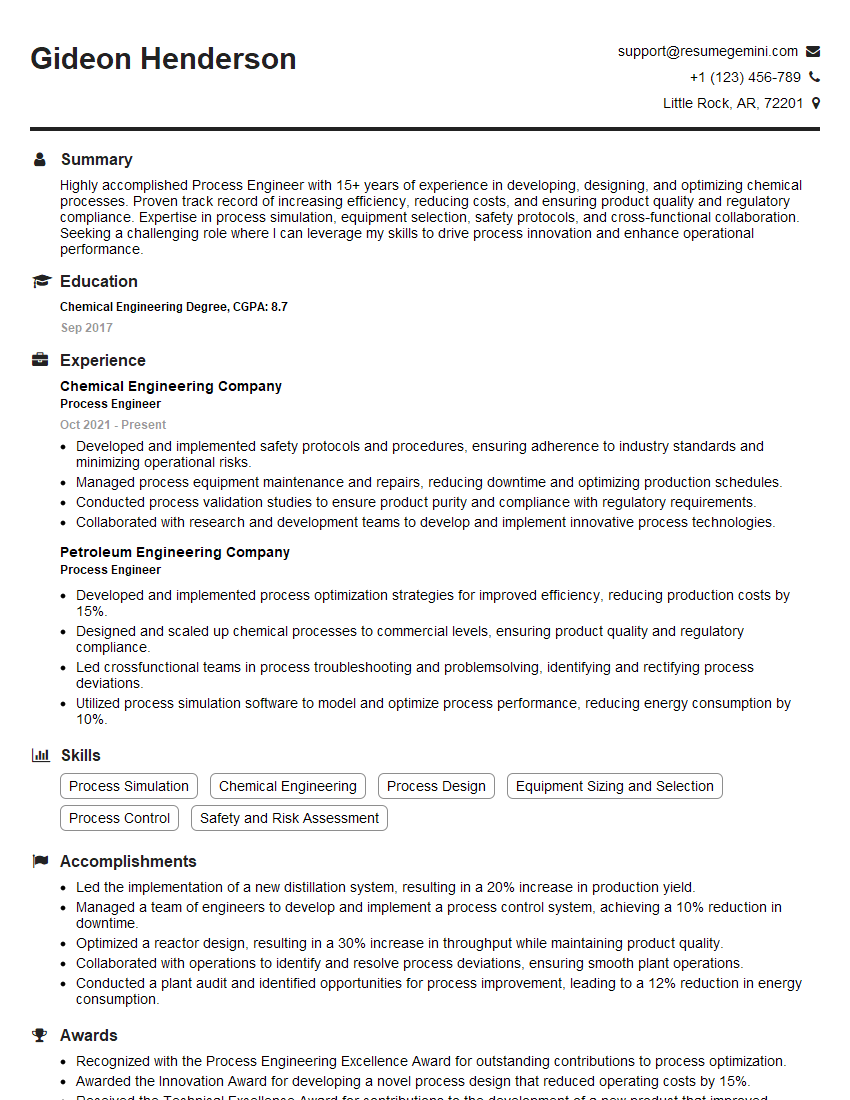
Process Engineer Resume Sample
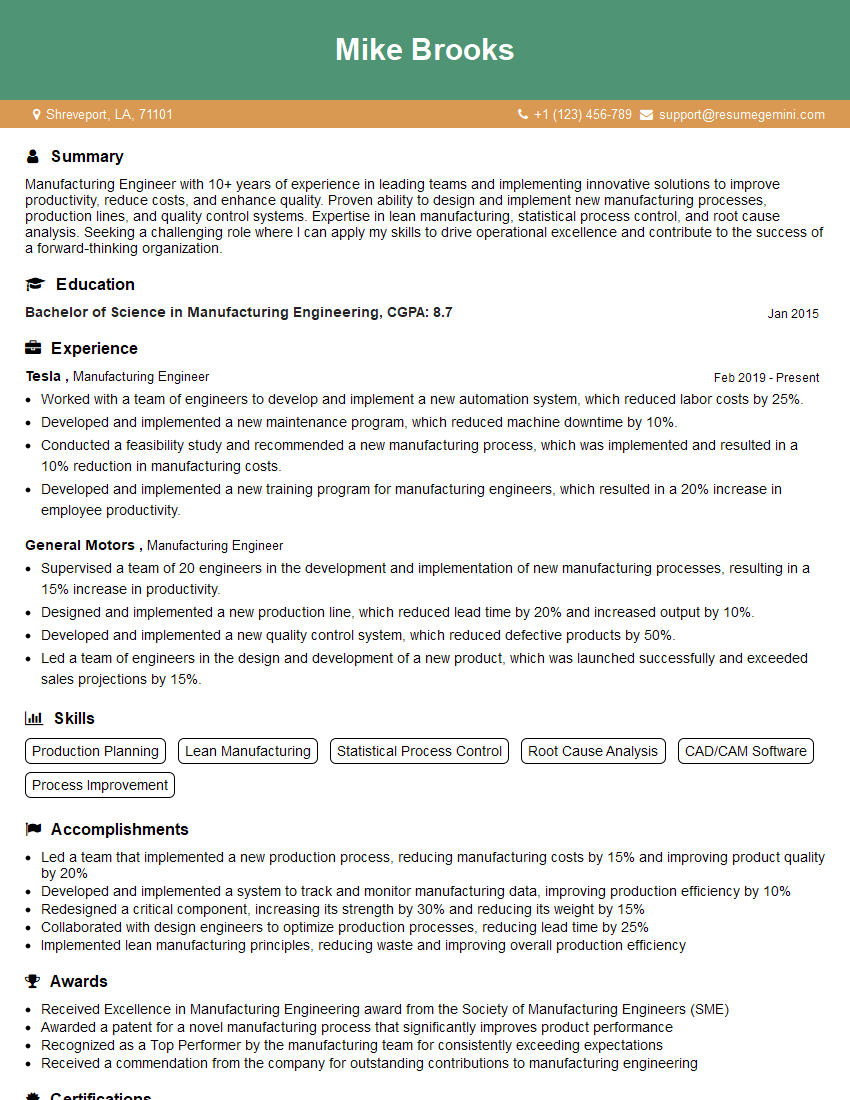
Manufacturing Engineer Resume Sample
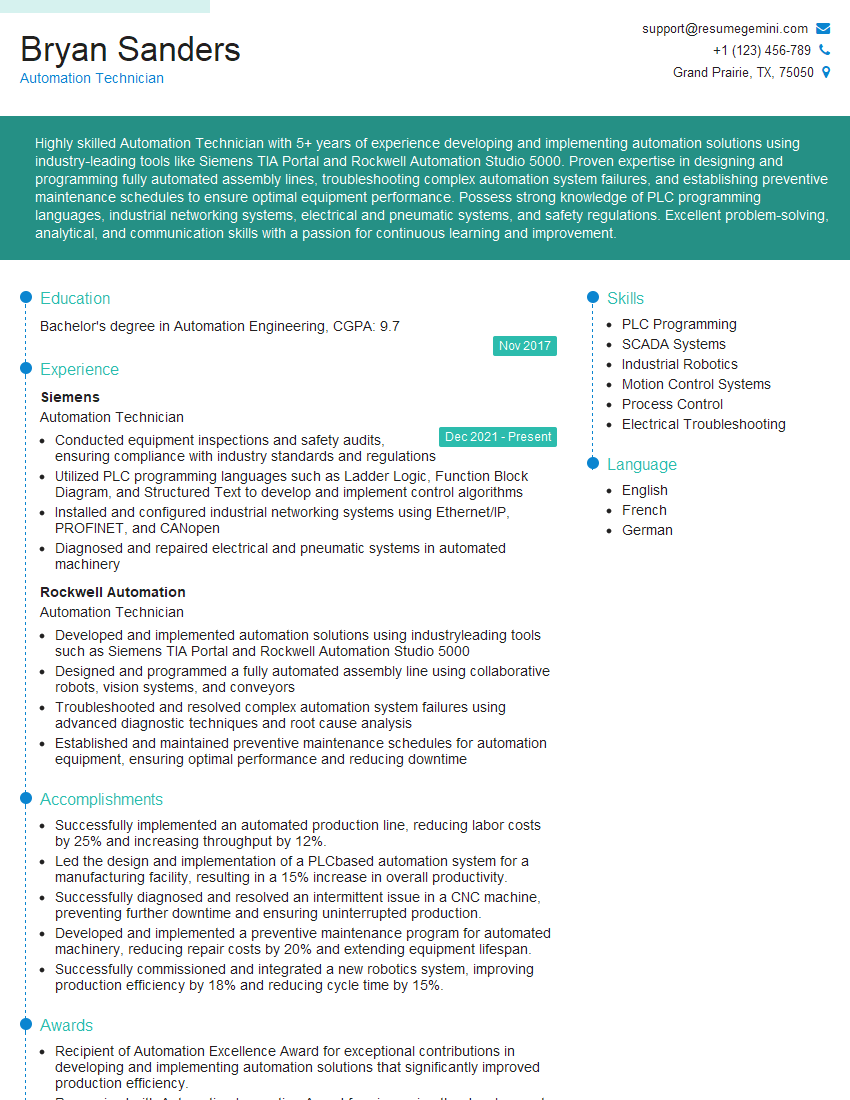
Automation Technician Resume Sample
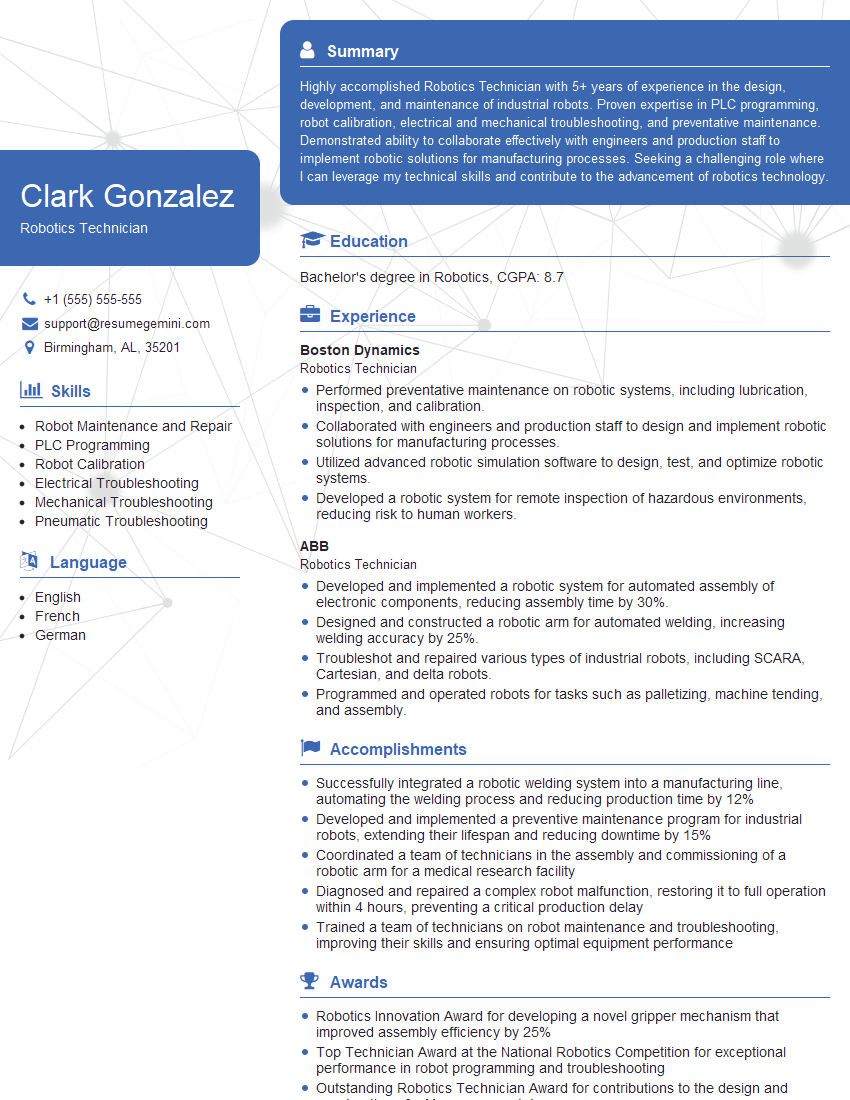
Robotics Technician Resume Sample
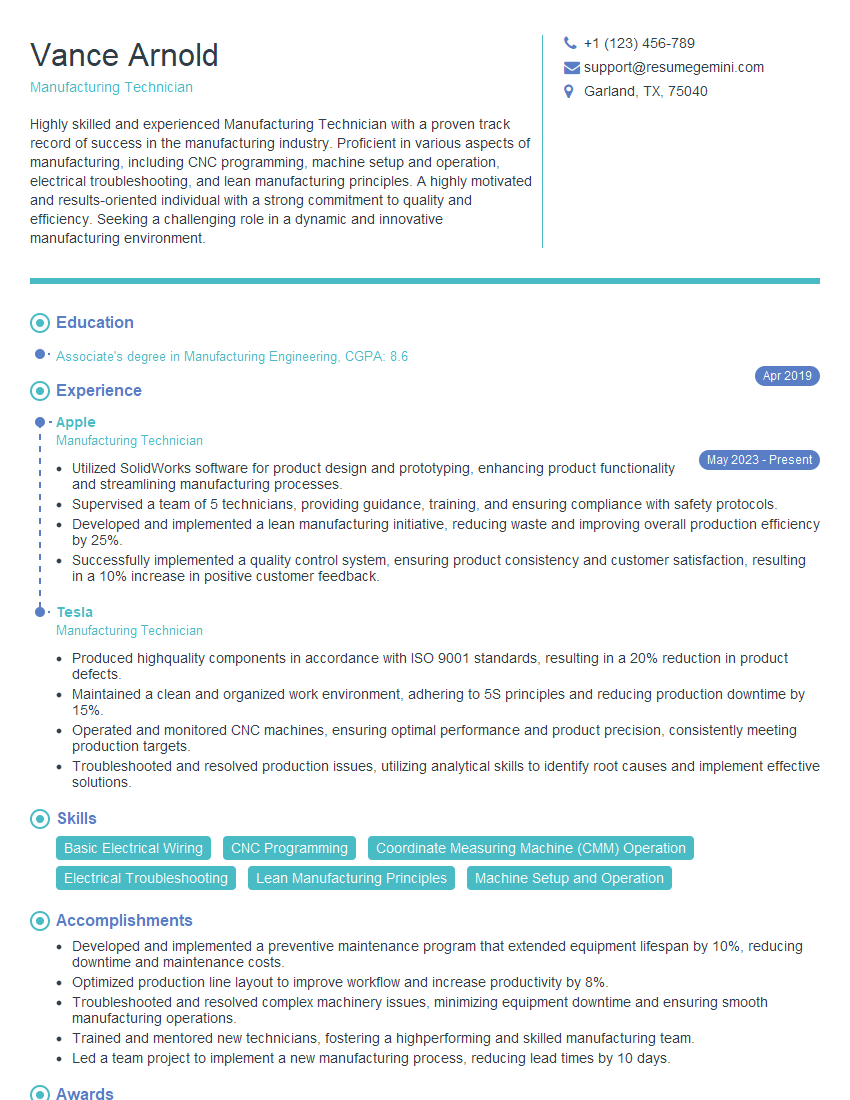
Manufacturing Technician Resume Sample
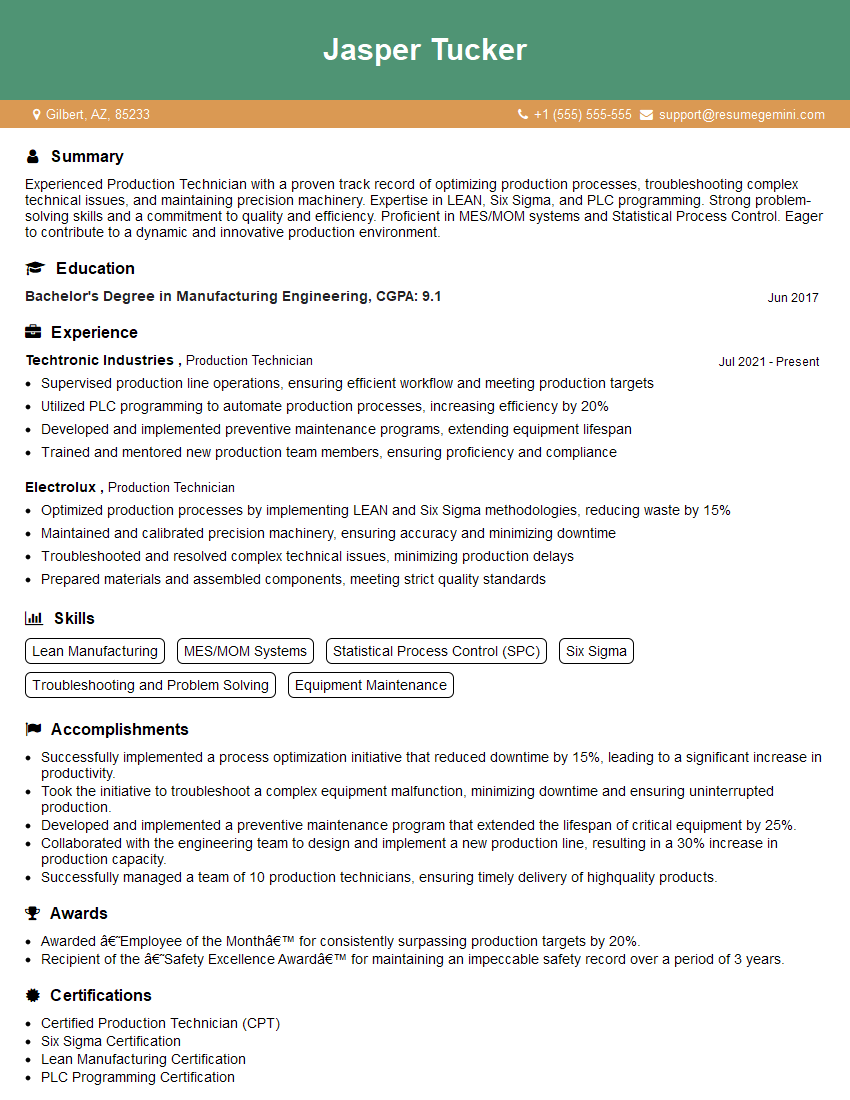
Production Technician Resume Sample
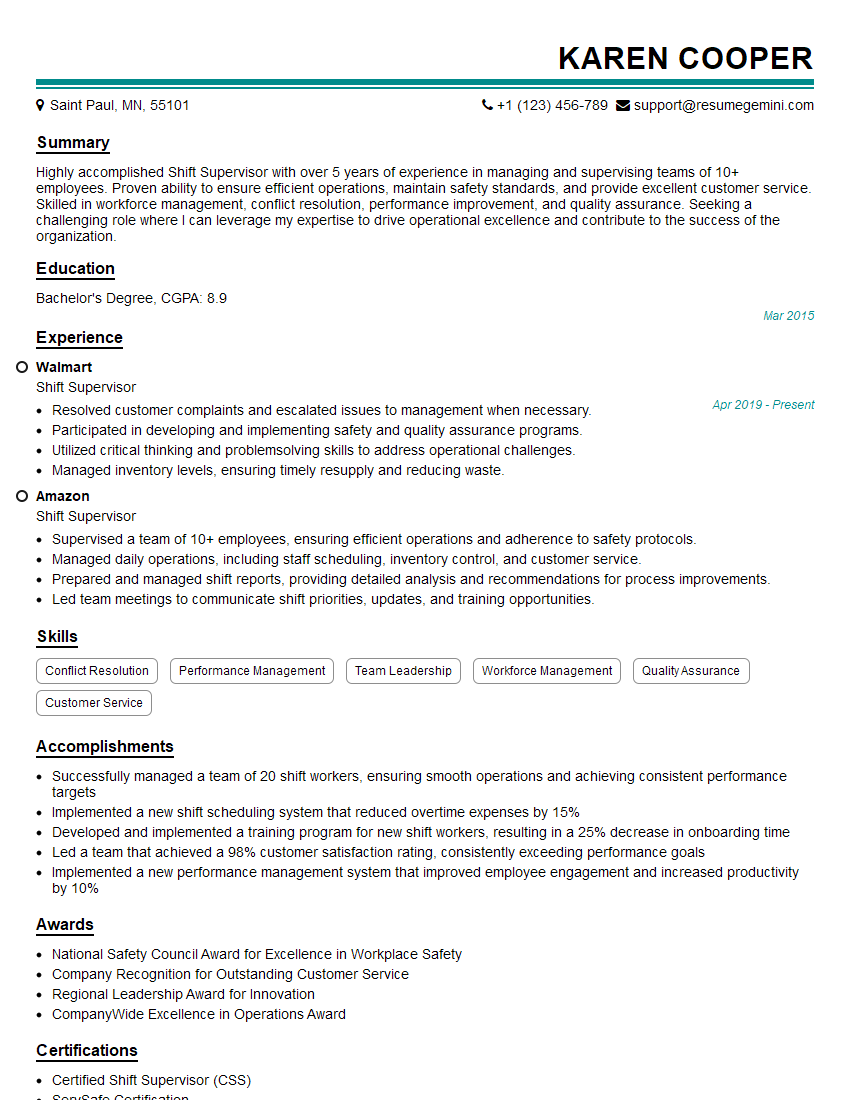
Shift Supervisor Resume Sample
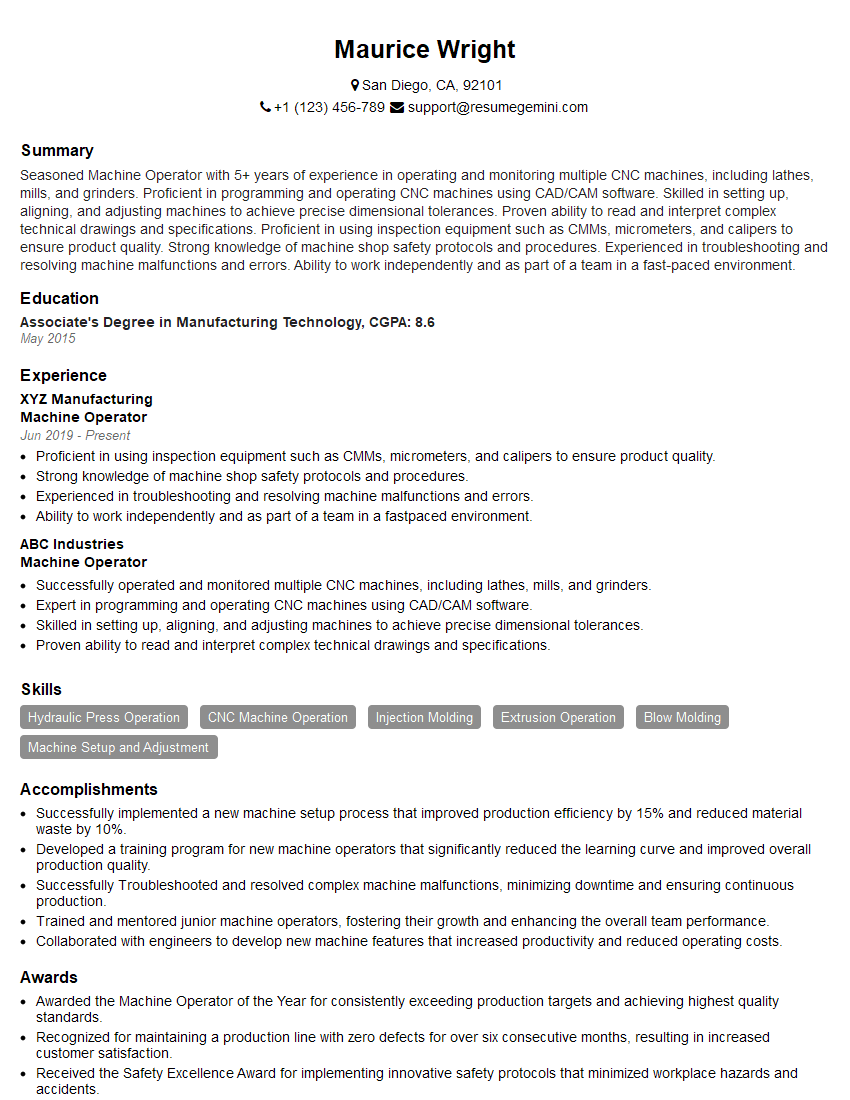
Machine Operator Resume Sample
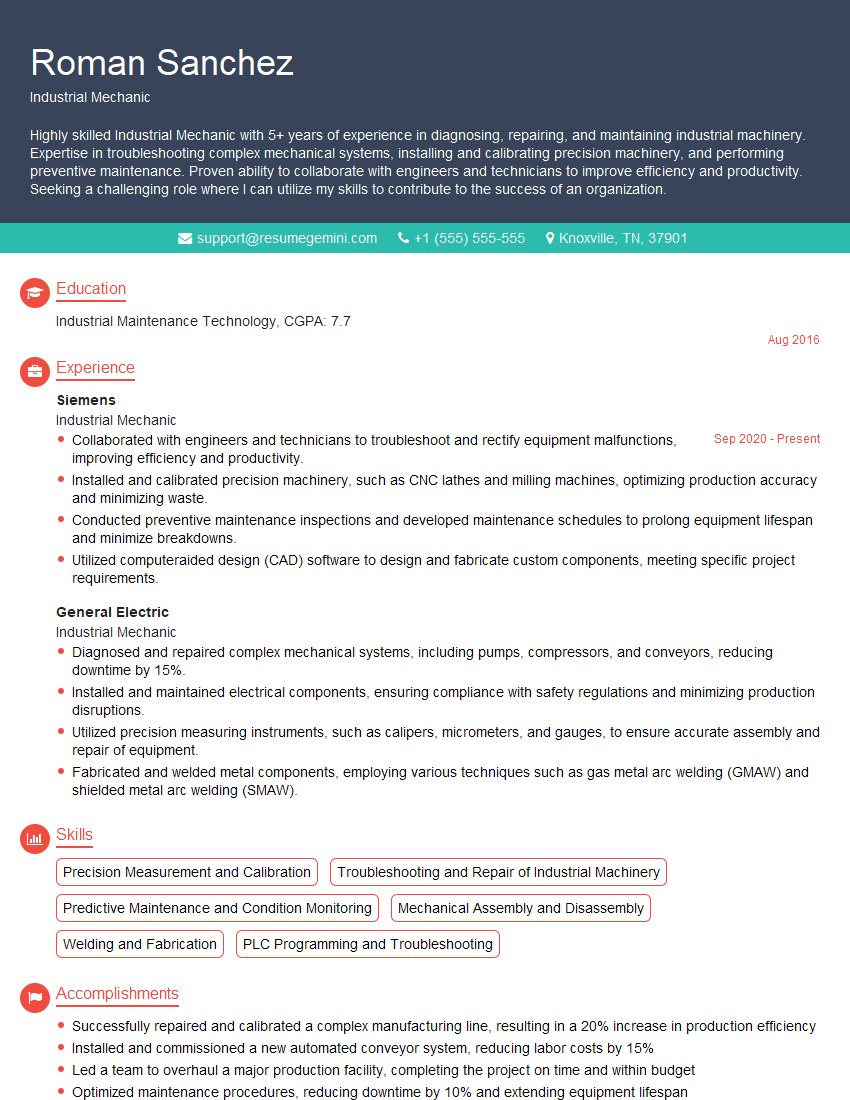
Industrial Mechanic Resume Sample
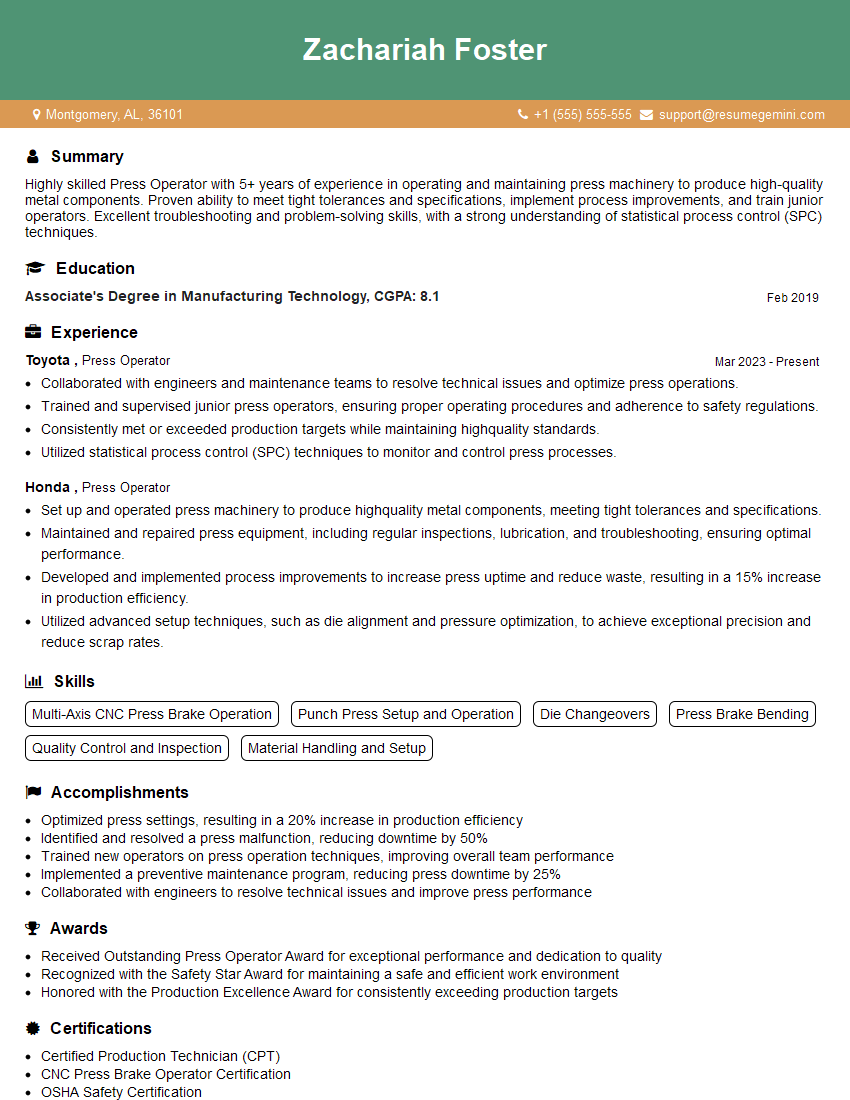
Press Operator Resume Sample
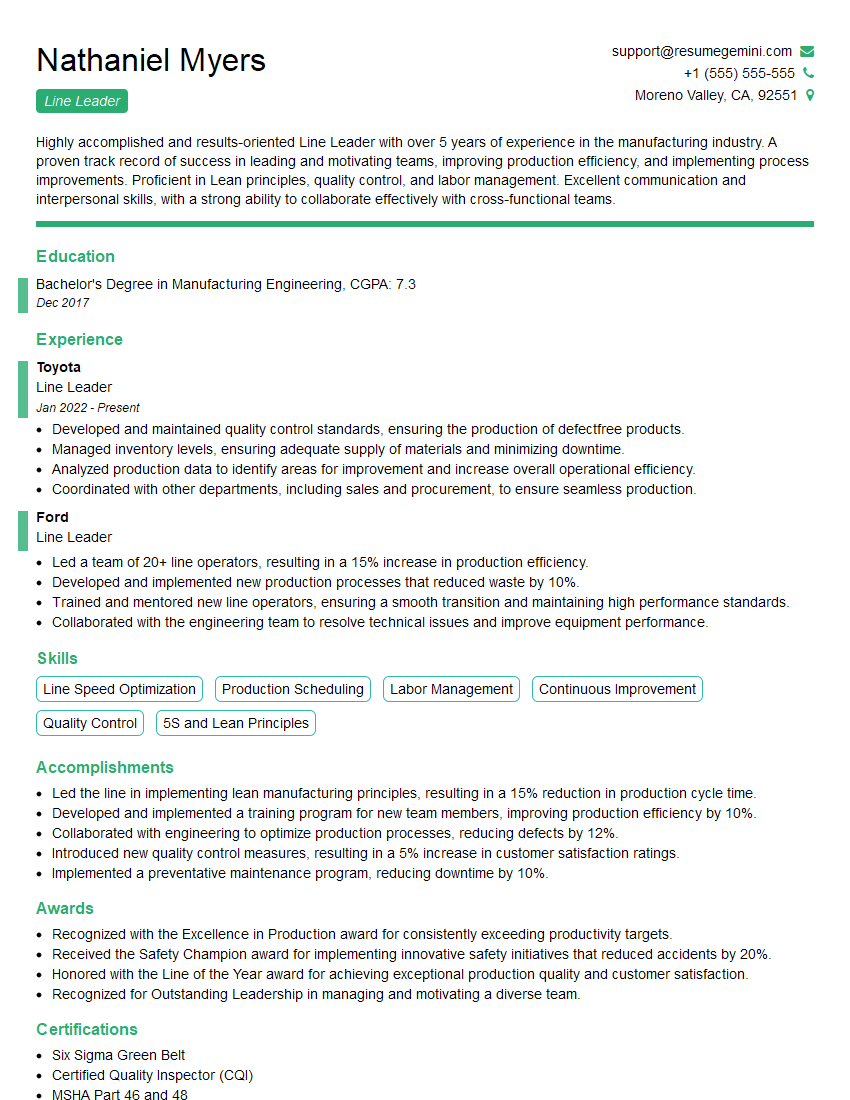
Line Leader Resume Sample
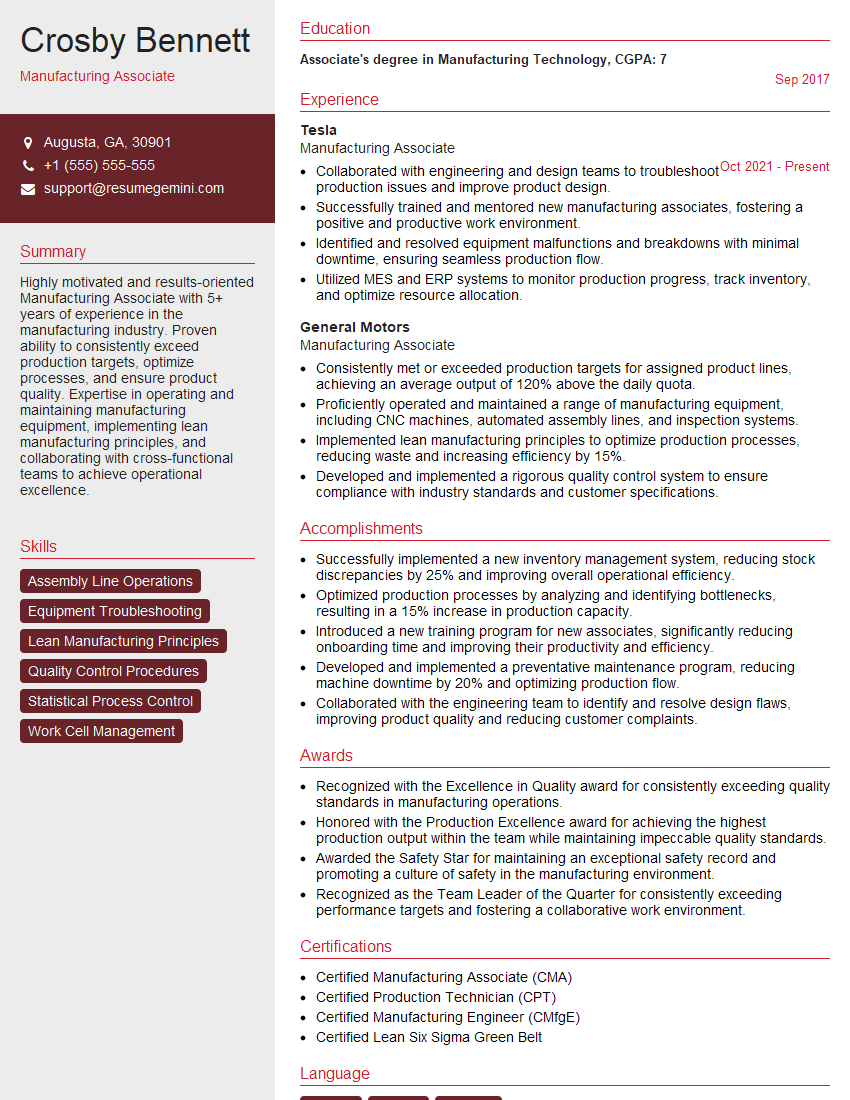
Manufacturing Associate Resume Sample
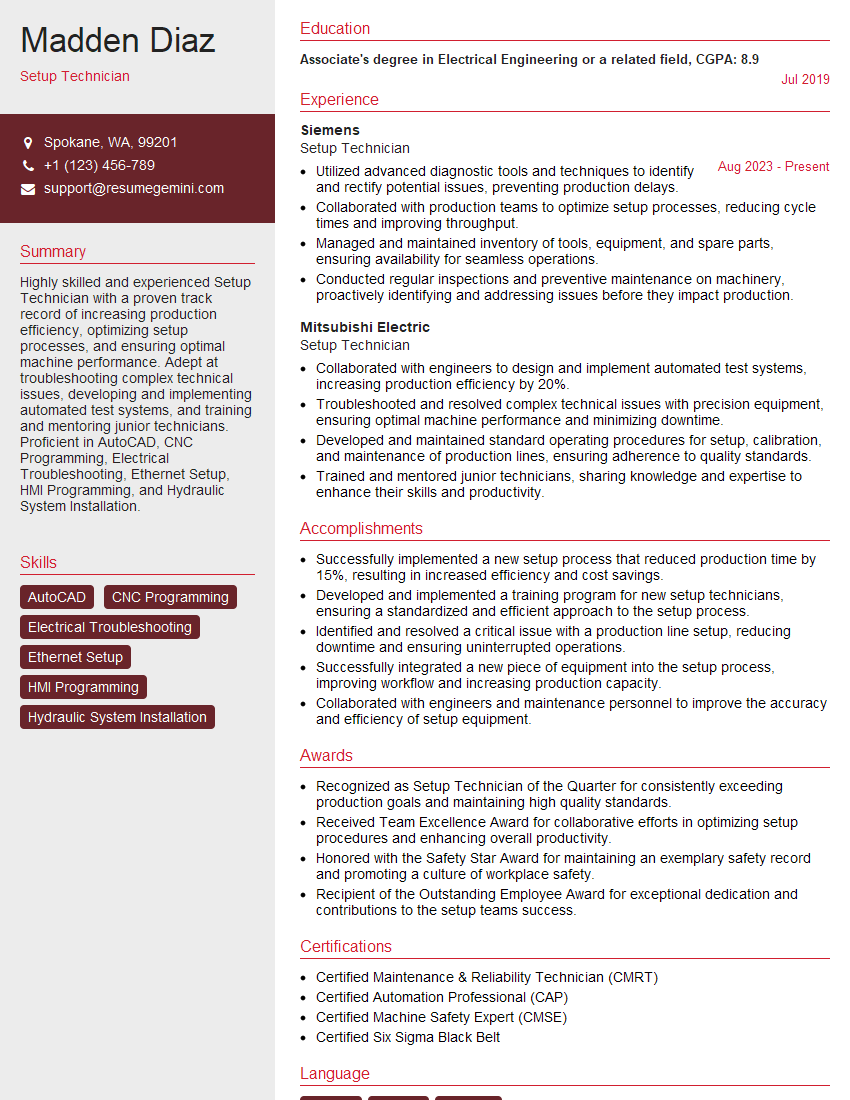
Setup Technician Resume Sample
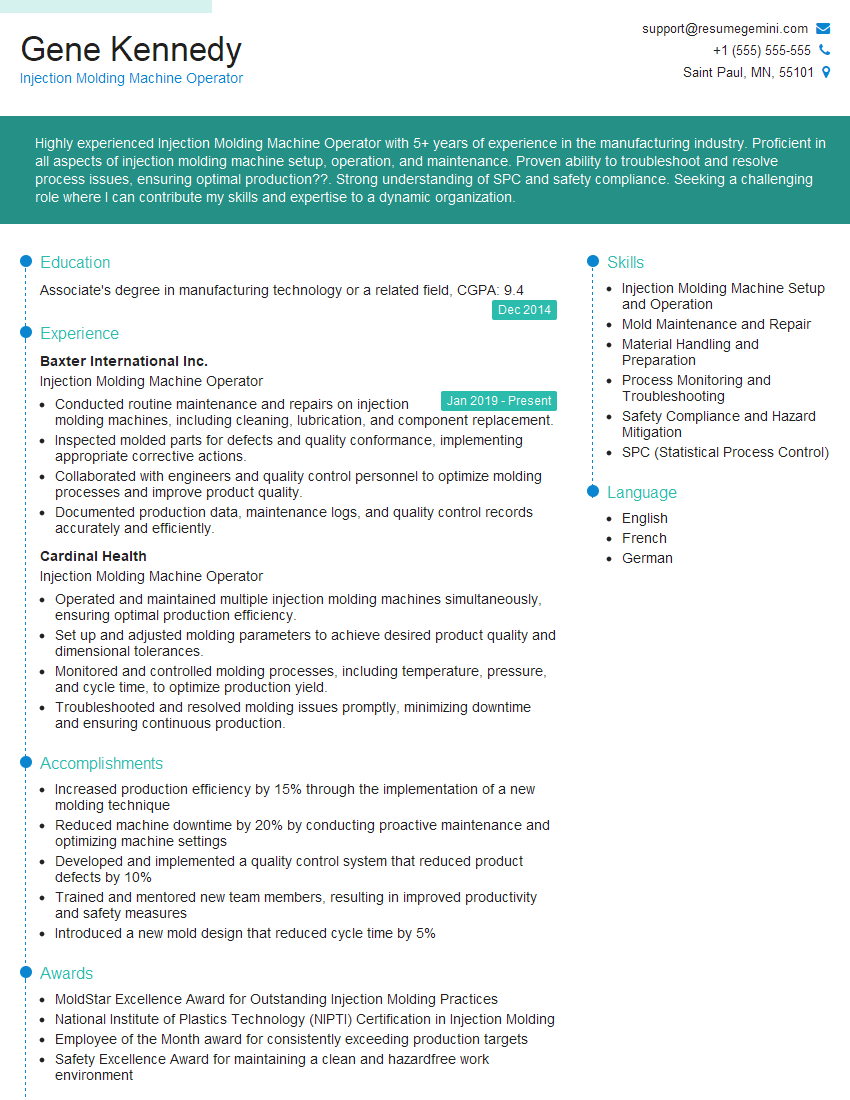
Injection Molding Machine Operator Resume Sample
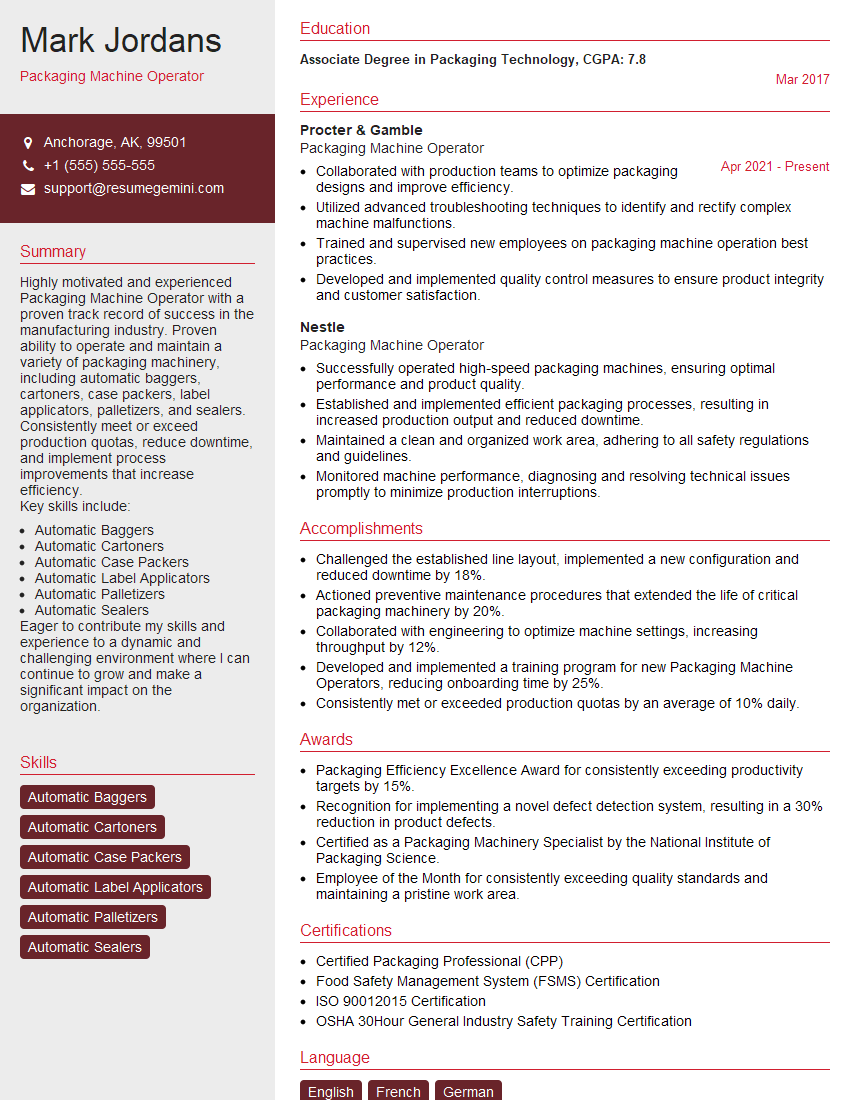
Packaging Machine Operator Resume Sample
- Production Manager
- Production Supervisor
- Process Engineer
- Manufacturing Engineer
- Automation Technician
- Robotics Technician
- Manufacturing Technician
- Production Technician
- Shift Supervisor
- Machine Operator
- Industrial Mechanic
- Press Operator
- Line Leader
- Manufacturing Associate
- Setup Technician
- Injection Molding Machine Operator
- Packaging Machine Operator
Explore more articles
Users Rating of Our Blogs
Share Your Experience
We value your feedback! Please rate our content and share your thoughts (optional).
What Readers Say About Our Blog
Very informative content, great job.
good