The thought of an interview can be nerve-wracking, but the right preparation can make all the difference. Explore this comprehensive guide to Production Management and Scheduling interview questions and gain the confidence you need to showcase your abilities and secure the role.
Questions Asked in Production Management and Scheduling Interview
Q 1. Explain your experience with different scheduling methodologies (e.g., Kanban, Lean, Gantt charts).
Throughout my career, I’ve successfully implemented and managed various scheduling methodologies, tailoring them to specific project needs. Let’s look at three prominent examples:
- Gantt Charts: These are visual representations of a project schedule, illustrating tasks, durations, and dependencies. I’ve used Gantt charts extensively for projects requiring detailed task sequencing and resource allocation. For instance, in a recent manufacturing project involving the assembly of complex machinery, a Gantt chart proved crucial in coordinating the delivery of components, the scheduling of specialized technicians, and ensuring timely completion of each assembly stage. Any delays were immediately visible, allowing for proactive intervention.
- Kanban: This visual system emphasizes workflow management, focusing on limiting work in progress (WIP) and continuous improvement. I’ve implemented Kanban in agile production environments, where it helped to improve team collaboration and reduce bottlenecks. For example, in a fast-paced electronics assembly line, using a Kanban board to manage component supply, assembly stages, and quality control checks dramatically reduced lead times and improved overall throughput. The visual representation of WIP allowed for quicker identification of bottlenecks and more efficient resource allocation.
- Lean Scheduling: Lean focuses on eliminating waste and maximizing value. I’ve integrated Lean principles into scheduling by emphasizing just-in-time inventory management, value stream mapping, and continuous improvement processes. In one project, applying Lean principles to a food processing plant resulted in a 15% reduction in production time and a 10% decrease in waste, ultimately improving efficiency and profitability.
Q 2. How do you prioritize tasks in a high-pressure production environment?
Prioritizing tasks in a high-pressure environment requires a structured approach. My strategy involves a combination of techniques:
- Prioritization Matrix: I use a matrix (like Eisenhower’s Urgent/Important matrix) to categorize tasks based on urgency and importance. This helps me focus on high-impact, time-sensitive tasks first.
- Dependency Analysis: I carefully analyze task dependencies to ensure that critical path tasks are completed on time. Delaying a critical task can impact the entire project, so it receives the highest priority.
- Risk Assessment: I assess the risks associated with each task. Tasks with higher risks, such as those with a higher probability of failure or significant consequences, are prioritized to mitigate potential disruptions.
- Communication and Collaboration: Open communication with the team is crucial. Regular meetings, updates, and task assignment clarity ensure everyone is on the same page and working toward shared goals. This approach minimizes misunderstandings and avoids duplicated efforts.
Think of it like a firefighter: you tackle the most dangerous fire first, then move on to others based on severity and risk.
Q 3. Describe your experience with production planning software (mention specific software if possible).
I have extensive experience with various production planning software, including SAP ERP, Oracle NetSuite, and Microsoft Dynamics 365. These systems offer features such as material requirements planning (MRP), capacity planning, and shop floor control.
For example, using SAP ERP, I was able to optimize inventory levels, reducing storage costs and minimizing stockouts. The software’s MRP functionality helped accurately predict material needs, ensuring timely procurement and minimizing production downtime. Furthermore, the system’s integrated reporting features provided real-time visibility into production progress, allowing for proactive intervention when needed.
The choice of software depends on the specific needs of the organization, but the key is leveraging the software’s capabilities to enhance efficiency, transparency, and decision-making.
Q 4. How do you handle unexpected production delays or disruptions?
Unexpected delays and disruptions are inevitable in production. My approach to handling them involves a structured process:
- Immediate Assessment: The first step is to quickly assess the nature and extent of the disruption, identifying its root cause. This may involve checking equipment, supply chains, or personnel availability.
- Contingency Planning: Having pre-defined contingency plans for common disruptions is crucial. This includes having backup suppliers, alternative production methods, and cross-trained personnel.
- Communication: Immediately communicate the disruption to relevant stakeholders – team members, clients, and management – to manage expectations and secure necessary support.
- Problem-Solving: Employ problem-solving techniques, such as brainstorming and root cause analysis (RCA), to find a solution that minimizes disruption. RCA helps to identify the underlying cause of the delay and prevents similar issues in the future.
- Reprioritization: Reprioritize remaining tasks based on the impact of the delay and available resources.
For instance, during a machine malfunction, immediate assessment revealed a broken part. Because we had a backup part and a cross-trained technician, we minimized downtime and promptly resumed production.
Q 5. Explain your approach to inventory management and control.
My approach to inventory management and control is built on the principles of optimizing stock levels to meet demand while minimizing storage costs and waste. I use a combination of techniques:
- Just-in-Time (JIT) Inventory: For many components, I utilize JIT, receiving materials only when needed for production. This reduces storage costs and minimizes the risk of obsolescence.
- Economic Order Quantity (EOQ): EOQ helps determine the optimal order size to balance ordering costs and holding costs.
- ABC Analysis: Classifying inventory items into A, B, and C categories based on their value and usage helps prioritize inventory control efforts. A-items (high-value, high-usage) receive the most attention.
- Inventory Tracking System: Implementing a robust inventory tracking system (manual or automated) provides real-time visibility into inventory levels, enabling timely replenishment and preventing stockouts.
Imagine a restaurant: they don’t keep weeks’ worth of ingredients; they order fresh ingredients frequently to minimize spoilage and ensure quality.
Q 6. Describe your experience with capacity planning and resource allocation.
Capacity planning and resource allocation are crucial for efficient production. My approach involves:
- Demand Forecasting: Accurately forecasting future demand is the foundation of capacity planning. This allows for proactive resource allocation and avoids bottlenecks.
- Capacity Analysis: Evaluating the available capacity of resources (machines, personnel, space) is essential to identify potential constraints. This might involve analyzing machine run times, employee availability, and production area layouts.
- Resource Allocation: Optimally allocating resources to different tasks based on their priority and resource requirements ensures efficient utilization of available resources.
- Simulation and Modeling: Using simulation software or models can help predict the impact of different resource allocation strategies and identify optimal solutions.
For instance, in a manufacturing setting, we projected an increase in demand for a specific product. By analyzing machine capacity and employee skills, we determined the need for additional resources – either overtime or new machinery – to meet the forecasted demand.
Q 7. How do you measure and improve production efficiency?
Measuring and improving production efficiency is an ongoing process. Key metrics and improvement strategies include:
- Overall Equipment Effectiveness (OEE): OEE measures the percentage of time a machine is producing good parts. Improving OEE involves reducing downtime, scrap rates, and speed losses.
- Throughput Time: The time it takes for a product to move from raw materials to finished goods. Reducing throughput time improves efficiency and reduces lead times.
- Defect Rate: The percentage of defective products produced. Reducing defect rates saves costs associated with rework, scrap, and customer dissatisfaction.
- Process Improvement Techniques: Utilizing Lean methodologies (like Kaizen, 5S), Six Sigma, or other process improvement techniques helps identify and eliminate waste, improving overall efficiency.
Data-driven analysis is critical. By tracking these metrics, we identify areas for improvement and implement corrective actions. For example, a high defect rate might indicate a need for better training, improved equipment maintenance, or adjustments to the production process itself.
Q 8. How do you ensure compliance with safety regulations in a production setting?
Ensuring safety compliance in a production setting is paramount. It’s not just about ticking boxes; it’s about fostering a safety-first culture. This involves a multi-pronged approach:
- Proactive Risk Assessment: Regularly identifying and evaluating potential hazards. This might involve using methods like Job Safety Analysis (JSA) or HAZOP (Hazard and Operability Study) to systematically analyze tasks and processes. For example, in a food production facility, a JSA might identify the risk of slips and falls near washing stations, leading to the implementation of non-slip mats and improved drainage.
- Implementing and Enforcing Safety Procedures: Developing clear, concise, and easily understandable safety procedures for every task. These procedures should be communicated effectively through training, regular reminders, and visual aids like posters and checklists. For instance, lock-out/tag-out procedures are critical for maintaining safety during equipment maintenance.
- Employee Training and Empowerment: Providing comprehensive safety training to all employees, including new hires and ongoing refreshers. Empowering employees to stop unsafe work practices and report near misses is crucial. A culture of open communication is essential here.
- Regular Safety Inspections and Audits: Conducting routine inspections to ensure compliance with safety regulations and identify potential hazards. These inspections should be documented, and corrective actions should be implemented promptly. We might use a checklist system and schedule regular audits by internal or external safety professionals.
- Emergency Preparedness: Developing and practicing emergency response plans, including fire drills, evacuation procedures, and handling of specific hazards. Regular drills ensure everyone knows what to do in an emergency.
- Personal Protective Equipment (PPE): Ensuring appropriate PPE is available and used correctly. This might include safety glasses, gloves, hard hats, or hearing protection, depending on the job.
Ultimately, safety compliance isn’t just a checklist; it’s a continuous process requiring vigilance, proactive measures, and a strong commitment from everyone in the organization.
Q 9. Describe your experience with quality control processes in production.
Quality control is interwoven into every stage of production. My experience emphasizes a holistic approach, from raw material inspection to final product verification. I’ve utilized several techniques:
- Incoming Material Inspection: Checking the quality of raw materials upon arrival to ensure they meet specifications. This might involve visual inspection, dimensional checks, and testing for chemical properties, depending on the material. Rejecting substandard materials prevents defects from propagating through the production process.
- In-Process Quality Control: Monitoring the quality of the product during manufacturing. This often involves statistical process control (SPC) techniques to track key process parameters and identify potential deviations early. Control charts, for example, are essential to monitor variations in measurements to identify trends and take timely actions.
- Final Product Inspection: Thoroughly examining the finished product to ensure it meets quality standards before it is shipped. This might involve visual inspection, functional testing, and performance evaluation. 100% inspection might be necessary for certain critical components or products.
- Statistical Process Control (SPC): Using statistical methods to monitor and control the production process and reduce variation. Control charts, process capability studies, and other SPC tools are invaluable for identifying and addressing quality issues proactively.
- Root Cause Analysis: When quality defects occur, using techniques like the 5 Whys or fishbone diagrams to identify the root cause of the problem and implement corrective actions. This prevents recurrence.
In one project, I implemented a new SPC system that reduced our defect rate by 15% within three months by identifying and addressing small variations in a critical machining process. This significantly improved product quality and customer satisfaction.
Q 10. How do you communicate effectively with different teams involved in production (e.g., engineering, procurement)?
Effective communication is the backbone of successful production. It involves tailoring communication styles to different teams and using various methods to ensure everyone is informed and aligned. Here’s how I approach it:
- Regular Meetings: Conducting regular cross-functional meetings with engineering, procurement, and other relevant teams. These meetings are crucial for sharing updates, addressing roadblocks, and collaboratively solving problems. Using agendas and clear minutes is essential for keeping track of decisions and actions.
- Clear and Concise Communication: Using clear and concise language in all communications, whether it’s through email, reports, or presentations. Avoiding jargon and technical terms when speaking with non-technical individuals is important. Visual aids, such as charts and graphs, can enhance understanding.
- Active Listening: Actively listening to the perspectives of each team. This ensures that everyone feels heard and that their concerns are addressed. This involves not only hearing what others say but understanding their perspective.
- Constructive Feedback: Providing constructive feedback to different teams. This should be specific, actionable, and focused on improvement. It’s important to balance positive feedback with areas for growth.
- Collaborative Problem-Solving: Encouraging collaborative problem-solving across teams. Brainstorming sessions and workshops can be effective for generating creative solutions. A collaborative environment encourages a sense of shared ownership of problems and solutions.
For instance, in a past project where we faced supply chain disruptions, I facilitated regular meetings between procurement and production, ensuring transparent communication about material availability and enabling proactive adjustments to the production schedule.
Q 11. Explain your understanding of Lean manufacturing principles.
Lean manufacturing focuses on eliminating waste and maximizing efficiency in the production process. Its core principles revolve around understanding and reducing Muda (waste).
- Value Stream Mapping: Identifying all steps in the production process and determining which add value and which are wasteful. This visual representation helps pinpoint areas for improvement.
- Just-in-Time (JIT) Inventory: Minimizing inventory by receiving materials only when needed. This reduces storage costs and the risk of obsolescence.
- Kaizen (Continuous Improvement): Continuously seeking small, incremental improvements in processes. This involves employee involvement and a commitment to ongoing optimization.
- 5S Methodology: Implementing a system for workplace organization (Sort, Set in Order, Shine, Standardize, Sustain). This creates a more efficient and safer work environment.
- Pull System: Producing only what is needed, based on customer demand. This prevents overproduction, a major source of waste.
In a previous role, we implemented a Kanban system (a visual signaling system for workflow management) to manage work in progress, which drastically reduced lead times and improved workflow visibility, aligning well with Lean principles.
Q 12. Describe your experience with Six Sigma methodologies in a production context.
Six Sigma is a data-driven methodology aimed at reducing variation and improving quality. It utilizes statistical tools and a structured approach to achieve near-zero defects.
- DMAIC Cycle: A five-phase improvement cycle (Define, Measure, Analyze, Improve, Control) used to systematically address quality problems. Each phase involves specific tools and techniques.
- Statistical Analysis: Utilizing statistical methods like hypothesis testing, regression analysis, and control charts to identify sources of variation and measure improvement.
- Process Capability Analysis: Assessing the ability of a process to meet customer requirements. This helps determine if improvements are needed.
- Design of Experiments (DOE): A structured approach to experimenting with process parameters to optimize performance. This helps understand which factors have the biggest impact.
I’ve used Six Sigma in a production environment to reduce the defect rate in a complex assembly process. By applying the DMAIC methodology, we identified the root cause of the defects (a poorly calibrated machine) and implemented corrective actions, leading to a significant reduction in defects and improved customer satisfaction.
Q 13. How do you handle conflict resolution within a production team?
Conflict resolution in a production team requires a fair, timely, and constructive approach. My approach involves:
- Active Listening: Understanding the perspectives of all involved parties. This involves creating a safe space for everyone to express their concerns without interruption.
- Identifying the Root Cause: Focusing on the issue at hand, not personalities. This often involves asking clarifying questions to understand the source of the conflict.
- Finding Common Ground: Seeking areas of agreement and shared goals. This helps establish a foundation for a collaborative solution.
- Mediation and Facilitation: Guiding the discussion towards a mutually acceptable solution. This may involve brainstorming solutions together.
- Documentation: Keeping records of the conflict and the resolution reached. This ensures accountability and helps prevent similar issues in the future.
In one situation, a conflict arose between two team members regarding work allocation. By actively listening to their concerns and facilitating a discussion, we reached a compromise that satisfied both parties and improved team collaboration.
Q 14. How do you track key performance indicators (KPIs) in production?
Tracking KPIs is crucial for monitoring production efficiency and identifying areas for improvement. The specific KPIs will depend on the industry and the production process, but some common ones include:
- Overall Equipment Effectiveness (OEE): A measure of how effectively equipment is used. It considers availability, performance, and quality rate.
- Production Output: The total number of units produced within a specific timeframe.
- Defect Rate: The percentage of defective products produced.
- Lead Time: The time it takes to complete a production cycle.
- Inventory Turnover: How quickly inventory is used and replenished.
- Cost per Unit: The cost of producing a single unit.
I typically use a combination of automated data collection systems, spreadsheets, and specialized production management software to track KPIs. Data is then analyzed regularly to identify trends, and improvements are implemented. Dashboards are useful for visualizing key metrics and providing a clear overview of production performance.
Q 15. What are your strategies for optimizing production workflows?
Optimizing production workflows involves streamlining processes to maximize efficiency and minimize waste. My approach is multifaceted, focusing on lean manufacturing principles, data-driven analysis, and continuous improvement.
- Lean Manufacturing: I employ techniques like 5S (Sort, Set in Order, Shine, Standardize, Sustain) to create a more organized and efficient workspace. Value stream mapping helps identify and eliminate non-value-added activities. This could be as simple as reorganizing a workstation to reduce movement or implementing Kanban to manage inventory flow more efficiently.
- Data-Driven Optimization: I leverage production data—cycle times, defect rates, machine utilization—to pinpoint areas for improvement. Tools like process capability analysis help assess current performance and identify opportunities for improvement. For instance, analyzing machine downtime data can reveal patterns indicating maintenance needs or process adjustments.
- Continuous Improvement (Kaizen): I foster a culture of continuous improvement, encouraging employees to identify and suggest process enhancements. Regularly scheduled meetings, Kaizen events, and employee feedback mechanisms are crucial. A small change like adjusting a machine setting based on employee feedback can lead to significant production gains.
For example, in a previous role, we implemented a Kanban system for managing work orders. This resulted in a 15% reduction in lead times and a 10% decrease in work-in-progress inventory.
Career Expert Tips:
- Ace those interviews! Prepare effectively by reviewing the Top 50 Most Common Interview Questions on ResumeGemini.
- Navigate your job search with confidence! Explore a wide range of Career Tips on ResumeGemini. Learn about common challenges and recommendations to overcome them.
- Craft the perfect resume! Master the Art of Resume Writing with ResumeGemini’s guide. Showcase your unique qualifications and achievements effectively.
- Don’t miss out on holiday savings! Build your dream resume with ResumeGemini’s ATS optimized templates.
Q 16. Describe your experience with budget management and cost control in production.
Budget management and cost control are critical in production. My experience encompasses developing detailed budgets, tracking expenditures, and implementing cost-saving measures. I approach this through proactive planning, real-time monitoring, and performance analysis.
- Budget Development: I collaborate with various departments to create comprehensive budgets, forecasting material costs, labor costs, overhead, and other expenses. This includes considering factors like inflation, seasonal demand, and potential risks.
- Cost Tracking and Monitoring: I use appropriate software and reporting mechanisms to track actual costs against the budget in real-time. Regular variance analysis helps identify areas of overspending or underspending, allowing for timely corrective actions.
- Cost-Saving Initiatives: I continuously look for opportunities to reduce costs without compromising quality or production schedules. This can include negotiating better deals with suppliers, optimizing energy consumption, and implementing more efficient production processes. Examples include negotiating bulk discounts on raw materials or identifying areas for energy savings through process optimization.
In a past project, implementing a new material sourcing strategy reduced material costs by 8%, exceeding our initial budget targets.
Q 17. How do you identify and mitigate production bottlenecks?
Identifying and mitigating production bottlenecks requires a systematic approach. My strategy involves data analysis, process mapping, and proactive problem-solving.
- Identify Bottlenecks: I use various techniques, such as process mapping and analyzing production data (cycle times, machine utilization, defect rates), to pinpoint bottlenecks. A bottleneck is often a point in the production process where work accumulates, slowing down the overall production rate.
- Analyze the Root Cause: Once a bottleneck is identified, I delve into the root cause. Is it due to insufficient machine capacity, material shortages, inefficient processes, or skill gaps within the team? Root cause analysis techniques, like the ‘5 Whys,’ can help uncover the underlying issues.
- Implement Solutions: Solutions vary depending on the root cause. This could involve investing in additional equipment, improving process efficiency, providing additional training, or adjusting production schedules. A simple solution might be re-allocating resources to the bottleneck or improving the flow of materials.
For example, in one case, a bottleneck was identified in the assembly line due to a slow-performing machine. By implementing preventative maintenance and operator training, we increased the machine’s efficiency, resolving the bottleneck and increasing overall production by 12%.
Q 18. Explain your experience with production forecasting and demand planning.
Production forecasting and demand planning are crucial for optimizing production and avoiding stockouts or overstocking. My experience involves using various forecasting methods and collaborating with sales and marketing teams.
- Data Collection and Analysis: I gather historical sales data, market trends, economic indicators, and other relevant information to develop accurate forecasts. This includes considering seasonality, promotions, and external factors.
- Forecasting Methods: I employ various forecasting techniques, such as moving averages, exponential smoothing, and ARIMA models, depending on the data characteristics and forecasting horizon. Selecting the right method depends on data patterns and the forecast’s accuracy requirements.
- Demand Planning: I work closely with sales and marketing to understand anticipated demand. This involves incorporating their insights into the forecasting process, ensuring the production plan aligns with market expectations. Regular review and adjustment are key, as the forecast needs to adapt to changing conditions.
In a past role, we implemented a more sophisticated forecasting model that significantly improved forecast accuracy, leading to a 5% reduction in inventory holding costs and a 10% decrease in stockouts.
Q 19. How do you manage supplier relationships to ensure timely delivery of materials?
Managing supplier relationships is crucial for ensuring timely delivery of materials. My strategy focuses on building strong partnerships, establishing clear communication channels, and implementing robust supply chain management practices.
- Supplier Selection: I carefully select suppliers based on factors such as reliability, quality, cost, and lead times. This may involve evaluating multiple suppliers and conducting thorough due diligence.
- Communication and Collaboration: I maintain open and transparent communication with suppliers, ensuring clear expectations regarding delivery schedules, quality standards, and potential risks. Regular meetings and performance reviews help maintain close relationships.
- Supply Chain Management: I use various supply chain management tools and techniques to track materials, manage inventory, and mitigate potential disruptions. This includes implementing systems for purchase order management, inventory control, and risk assessment. Examples include using ERP systems or specialized supply chain software.
In one instance, by proactively engaging with key suppliers during a period of potential material shortages, we were able to secure alternative supply channels, preventing production delays.
Q 20. Describe your experience with implementing new technologies or processes in production.
Implementing new technologies and processes requires careful planning and execution. My experience includes evaluating new technologies, managing the implementation process, and ensuring successful integration into existing systems.
- Technology Evaluation: I thoroughly evaluate new technologies and processes, considering their potential benefits, costs, and risks. This often involves conducting proof-of-concept projects and feasibility studies.
- Implementation Planning: I develop detailed implementation plans, including timelines, resource allocation, and training programs for employees. A well-structured plan helps to manage risks and ensure the smooth transition to the new technology.
- Change Management: I address the human element of change, ensuring employee buy-in and providing adequate training and support. This is crucial for ensuring the success of any new technology or process implementation.
For example, I led the implementation of a new automated manufacturing system in a previous role. This resulted in a 20% increase in production efficiency and a significant reduction in labor costs.
Q 21. How do you handle production issues related to material shortages?
Material shortages can severely disrupt production. My approach is proactive, involving contingency planning, efficient inventory management, and strong supplier relationships.
- Inventory Management: Implementing robust inventory management systems with accurate demand forecasting and safety stock levels is crucial to mitigate the impact of unexpected shortages.
- Contingency Planning: Having contingency plans in place, such as alternative sourcing options or substitute materials, is essential for responding to material shortages quickly and effectively.
- Communication and Collaboration: Maintaining open communication with suppliers and internal teams is vital. This ensures that everyone is aware of potential shortages and can work together to find solutions. This might involve expediting orders or re-prioritizing production schedules.
- Problem Solving: Identifying the root cause of the shortage is vital. This might involve re-negotiating contracts, finding alternative suppliers, or reviewing forecasting accuracy.
Once, we faced a critical shortage of a key component. Our contingency plan, which included pre-negotiated agreements with alternative suppliers and a readily available substitute material, allowed us to avoid significant production downtime.
Q 22. Explain your understanding of different production scheduling algorithms.
Production scheduling algorithms are the backbone of efficient manufacturing. They dictate the sequence in which tasks are performed to optimize resource utilization, minimize lead times, and maximize throughput. Different algorithms cater to various production environments and objectives.
First-Come, First-Served (FCFS): This simple algorithm prioritizes tasks based on their arrival time. It’s easy to implement but can lead to inefficient scheduling if shorter tasks are delayed by longer ones.
Shortest Processing Time (SPT): This algorithm prioritizes tasks with the shortest processing time, minimizing the average completion time. It’s particularly effective when dealing with a variety of task durations.
Earliest Due Date (EDD): This algorithm prioritizes tasks with the earliest due dates, minimizing the number of late jobs. It’s crucial when meeting deadlines is paramount.
Critical Ratio (CR): This algorithm considers both the remaining processing time and the remaining time until the due date. Tasks with the highest critical ratio (remaining time until due date / remaining processing time) are prioritized. It strikes a balance between meeting deadlines and efficient resource utilization.
Priority Scheduling: This algorithm assigns priorities to tasks based on various factors like urgency, importance, or resource requirements. The scheduler then processes tasks in order of their priority.
The choice of algorithm depends heavily on the specific production context. For instance, a just-in-time (JIT) manufacturing environment might favor SPT or EDD, while a make-to-stock environment might use FCFS or a more complex algorithm incorporating inventory levels and demand forecasts.
Q 23. How do you use data analytics to improve production processes?
Data analytics plays a crucial role in enhancing production processes. By analyzing historical production data, we can identify bottlenecks, optimize resource allocation, and predict potential issues before they arise.
For example, by analyzing machine downtime data, we can identify recurring issues and implement preventative maintenance strategies. Similarly, analyzing production output and defect rates can reveal patterns that highlight areas for improvement in the manufacturing process. Real-time data dashboards provide immediate insights into production progress, enabling proactive adjustments to ensure targets are met.
Specific analytical techniques include:
- Predictive analytics: Forecasting demand and anticipating potential supply chain disruptions.
- Descriptive analytics: Summarizing historical data to identify trends and patterns in production efficiency, machine utilization, and defect rates.
- Prescriptive analytics: Recommending optimal production schedules and resource allocations based on predicted outcomes.
Tools like statistical process control (SPC) charts help monitor production variations and identify areas needing attention. Implementing these analytical approaches leads to data-driven decision-making, resulting in improved efficiency, reduced costs, and higher product quality.
Q 24. Describe a time you had to make a difficult decision regarding production scheduling.
In a previous role, we faced a critical situation where a key machine malfunctioned just before a major customer order deadline. This threatened not only to delay the order but also damage our reputation. We had two options: either expedite repairs, which would incur significant overtime costs, or re-allocate the workload to other less efficient machines, which would increase production time and potentially compromise quality.
After carefully weighing the options and considering the potential financial and reputational risks, I chose to expedite repairs. While it was more expensive in the short term, I reasoned that maintaining our commitment to the customer and preventing a potential quality issue were more important than minimizing short-term costs. The decision was successfully executed, the order was completed on time and to the customer’s satisfaction, reinforcing the importance of prioritizing client relationships and overall reputation management.
Q 25. How do you ensure the timely completion of projects within budget and scope?
Ensuring timely project completion within budget and scope requires a structured approach. This involves meticulous planning, proactive monitoring, and effective risk management.
Detailed Project Planning: This includes defining clear objectives, creating a detailed work breakdown structure (WBS), establishing realistic timelines, and allocating resources effectively. A well-defined project scope statement is essential to avoid scope creep.
Regular Monitoring and Reporting: This involves tracking progress against the established plan, identifying potential deviations early on, and making timely adjustments as needed. Regular status reports help keep stakeholders informed.
Effective Risk Management: Identifying potential risks and developing mitigation strategies is crucial. This includes factors like machine downtime, material shortages, and unforeseen technical challenges.
Resource Allocation: Optimizing the allocation of human resources, equipment, and materials is critical to efficient project execution. This often involves employing resource leveling techniques to smooth out resource demands over time.
Change Management: Establishing a formal process for managing changes to the project scope, schedule, or budget ensures that changes are properly evaluated and approved before implementation.
Utilizing project management software and techniques like Earned Value Management (EVM) can significantly enhance monitoring and control over budget and schedule adherence.
Q 26. What is your experience with managing multiple concurrent production projects?
Managing multiple concurrent production projects requires strong organizational skills and the ability to prioritize effectively. I have extensive experience in this area, utilizing tools and techniques to manage competing demands and ensure optimal resource allocation.
My approach involves:
Prioritization Matrix: Ranking projects based on urgency, importance, and resource requirements.
Resource Pooling: Efficiently allocating resources across multiple projects based on their criticality and resource needs.
Regular Cross-Project Communication: Ensuring seamless information flow and coordination between different project teams.
Centralized Project Tracking: Utilizing project management software to monitor progress, identify potential conflicts, and track resource utilization across all projects.
For example, in a past role, I successfully managed three concurrent projects, each with distinct deadlines and resource requirements. By leveraging a prioritized approach and effective communication, all projects were completed successfully, on time, and within budget.
Q 27. How do you stay up-to-date with industry best practices in production management?
Staying abreast of industry best practices is vital in production management. I actively engage in several strategies to ensure my knowledge remains current.
Professional Organizations: Active membership in organizations like APICS (Association for Operations Management) and PMI (Project Management Institute) provides access to industry insights, conferences, and networking opportunities.
Industry Publications and Journals: Regularly reading industry-leading publications keeps me informed about emerging technologies and best practices.
Online Courses and Webinars: I consistently participate in online courses and webinars offered by reputable organizations to enhance my skills in areas like lean manufacturing, Six Sigma, and advanced scheduling techniques.
Conferences and Workshops: Attending industry conferences and workshops provides valuable opportunities to learn from leading experts and network with professionals in the field.
Mentorship and Networking: Engaging with experienced professionals through mentoring relationships and networking events helps stay informed on real-world challenges and successful approaches.
Continuous learning ensures I adapt to changes in the industry and leverage the latest advancements to optimize production processes.
Q 28. Explain your experience with root cause analysis in production problem-solving.
Root cause analysis is crucial for effective problem-solving in production. It’s a systematic approach to identifying the underlying cause of a problem rather than just addressing its symptoms. My experience involves employing various techniques to uncover root causes.
I frequently utilize the ‘5 Whys’ technique, a simple yet powerful iterative questioning process. For example, if a machine keeps malfunctioning, I wouldn’t just fix it; I’d repeatedly ask ‘why’ until I uncover the root cause. ‘Why did the machine malfunction? Because of a worn-out bearing. Why was the bearing worn out? Because of insufficient lubrication. Why was there insufficient lubrication? Because the lubrication system wasn’t properly maintained.’ This iterative process helps uncover the underlying issue.
I also use tools like Fishbone diagrams (Ishikawa diagrams) to systematically brainstorm potential causes categorized by factors like manpower, machinery, materials, methods, measurements, and environment. These techniques, along with data analysis, help identify the core reason for recurring problems, enabling the implementation of effective and lasting solutions.
By addressing the root cause, rather than just the symptoms, we can prevent similar issues from recurring and improve the overall reliability and efficiency of our production processes.
Key Topics to Learn for Production Management and Scheduling Interview
- Production Planning & Control: Understanding demand forecasting, capacity planning, material requirements planning (MRP), and developing realistic production schedules.
- Scheduling Techniques: Mastering various scheduling methods like Gantt charts, critical path method (CPM), and prioritizing tasks based on urgency and dependencies. Practical application: Explain how you would handle a sudden increase in demand while maintaining on-time delivery.
- Inventory Management: Balancing inventory levels to minimize storage costs while ensuring sufficient materials are available for production. Explore different inventory control systems like JIT and Kanban.
- Lean Manufacturing Principles: Understanding and applying lean methodologies to optimize production processes, reduce waste, and improve efficiency. Consider real-world examples of implementing Kaizen or 5S.
- Supply Chain Management: Understanding the flow of materials and information from suppliers to customers and how to manage potential disruptions. Discuss strategies for risk mitigation and supplier relationship management.
- Quality Control & Assurance: Implementing procedures to ensure that products meet quality standards and identifying potential issues early in the production process. Explore statistical process control (SPC) and quality control charts.
- Resource Allocation & Optimization: Efficiently allocating resources like labor, equipment, and materials to maximize productivity and minimize costs. Consider different optimization techniques and their applications.
- Problem-Solving & Decision-Making: Demonstrating the ability to identify and solve production-related problems efficiently and effectively, using data-driven approaches and critical thinking skills. Prepare examples of past challenges you’ve overcome.
- Performance Measurement & Reporting: Understanding key performance indicators (KPIs) relevant to production management and scheduling, and the ability to track, analyze, and report on performance effectively.
Next Steps
Mastering Production Management and Scheduling opens doors to exciting career advancements, offering increased responsibility, higher earning potential, and greater influence on organizational success. To significantly boost your job prospects, it’s crucial to present your skills effectively. Creating an Applicant Tracking System (ATS)-friendly resume is paramount. ResumeGemini is a trusted resource to help you build a professional and impactful resume that highlights your achievements and skills. They provide examples of resumes tailored to Production Management and Scheduling to help guide you through this process. Invest the time to craft a compelling resume—it’s your first impression and a key to unlocking your career aspirations.

Operations Manager Resume Sample
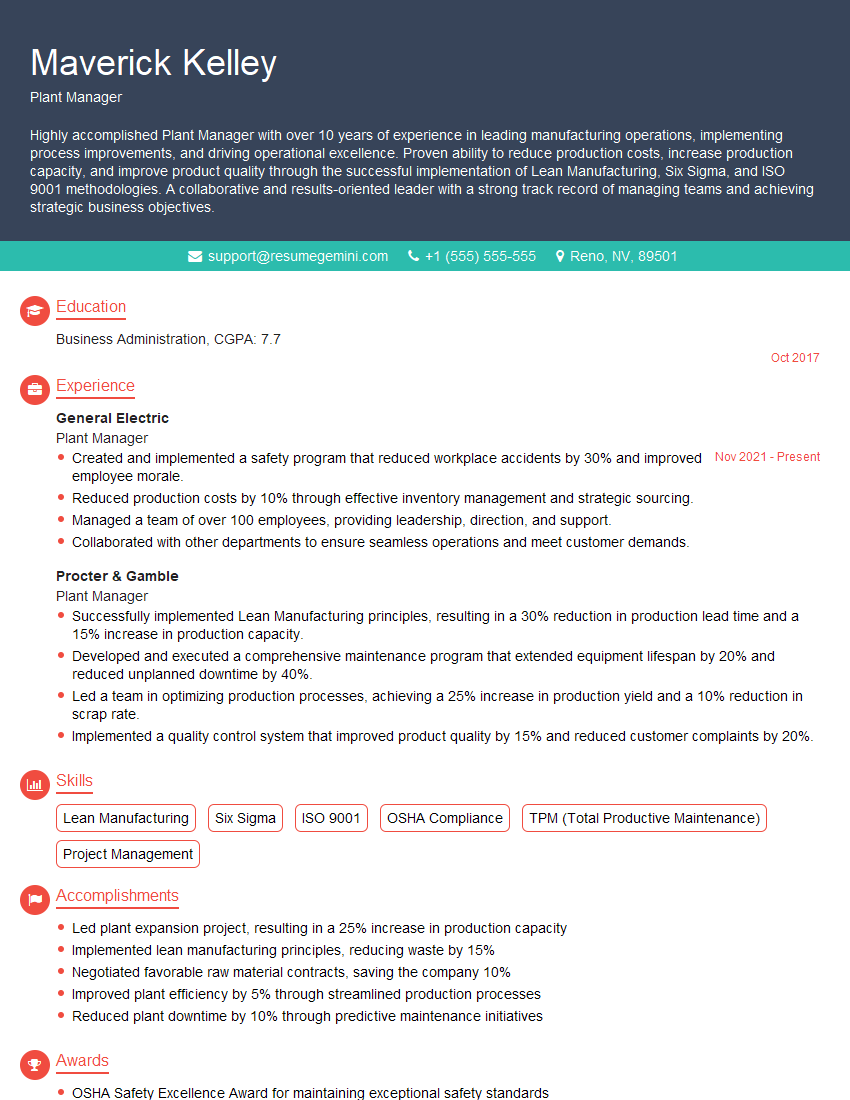
Plant Manager Resume Sample
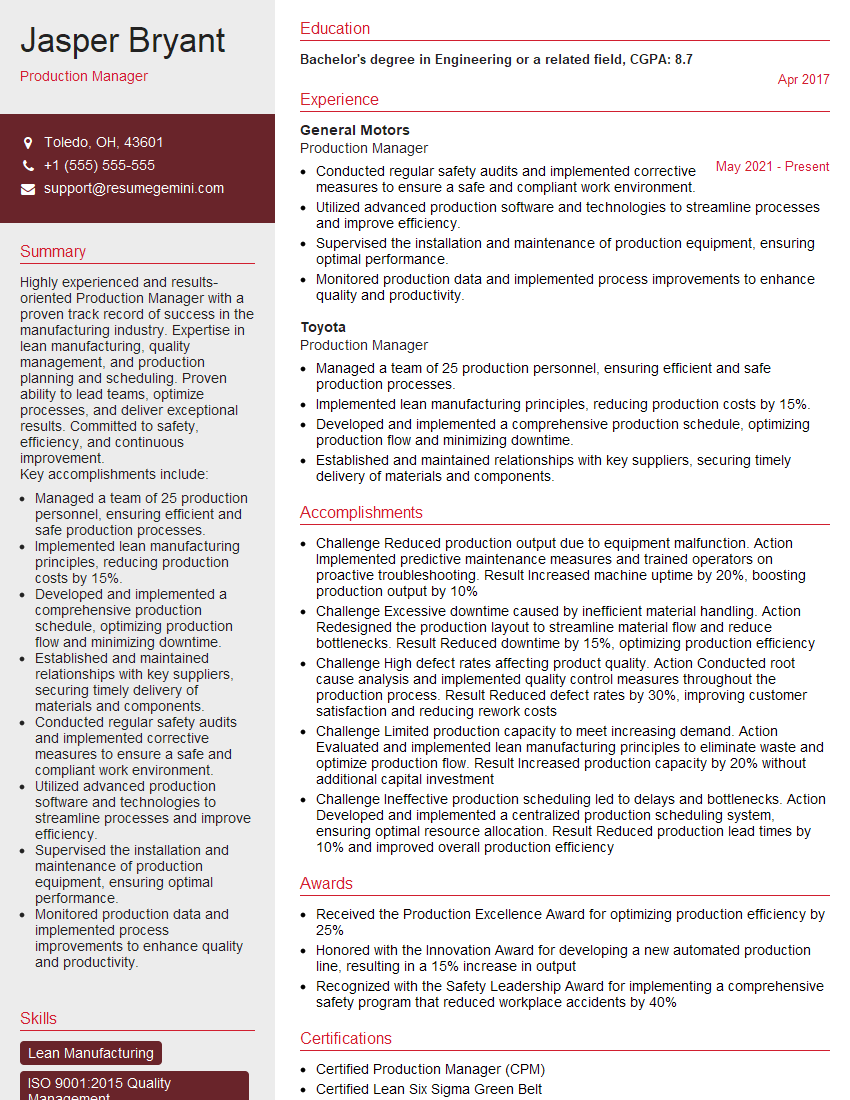
Production Manager Resume Sample
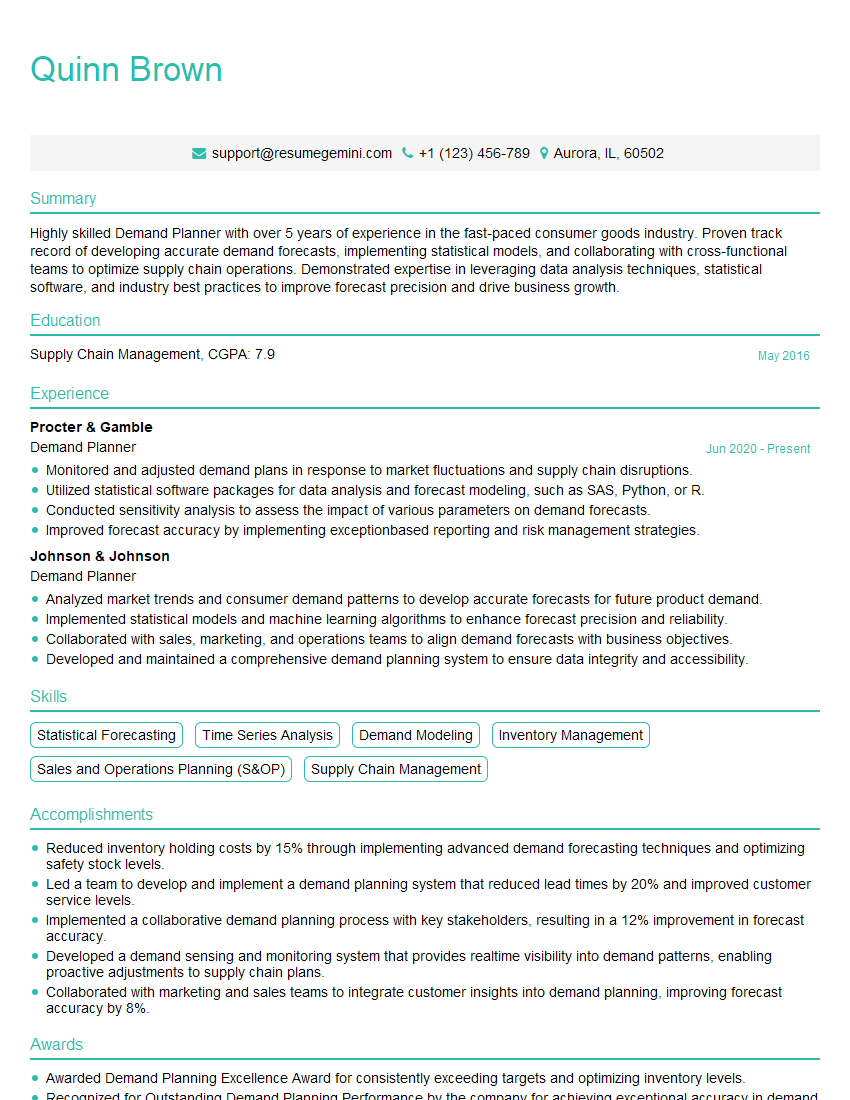
Demand Planner Resume Sample
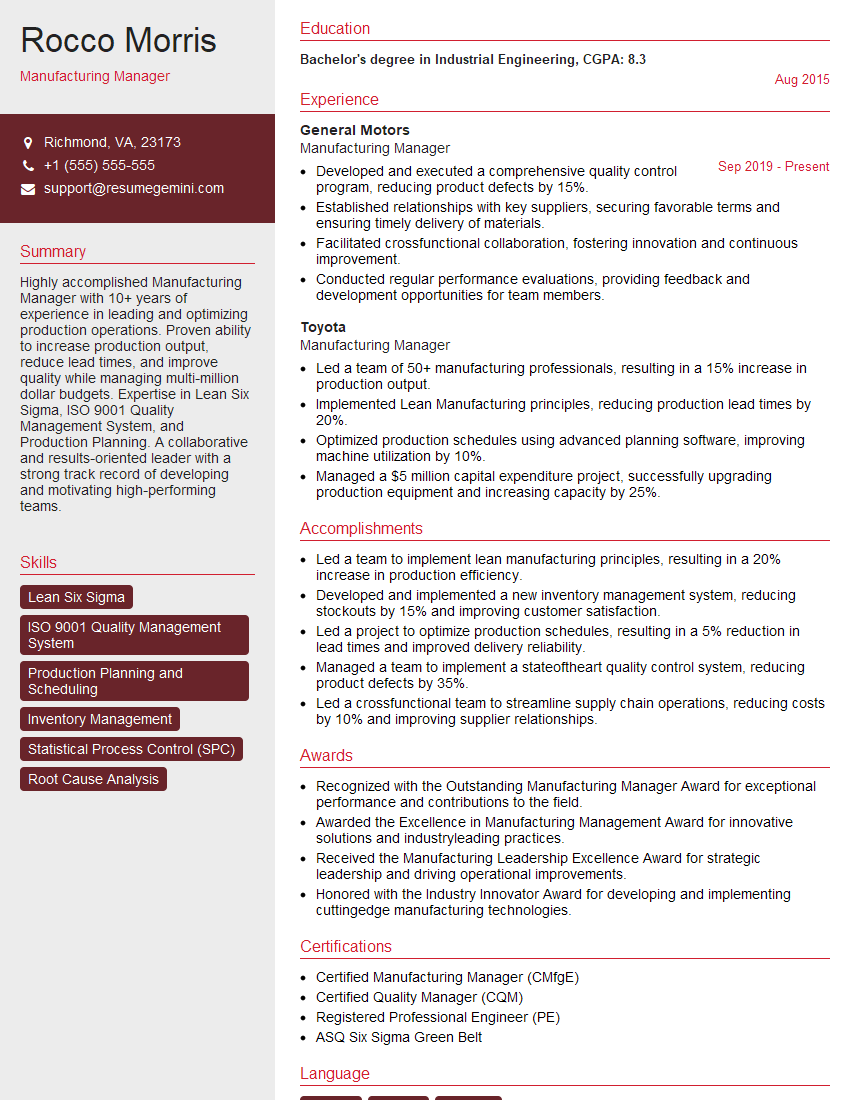
Manufacturing Manager Resume Sample
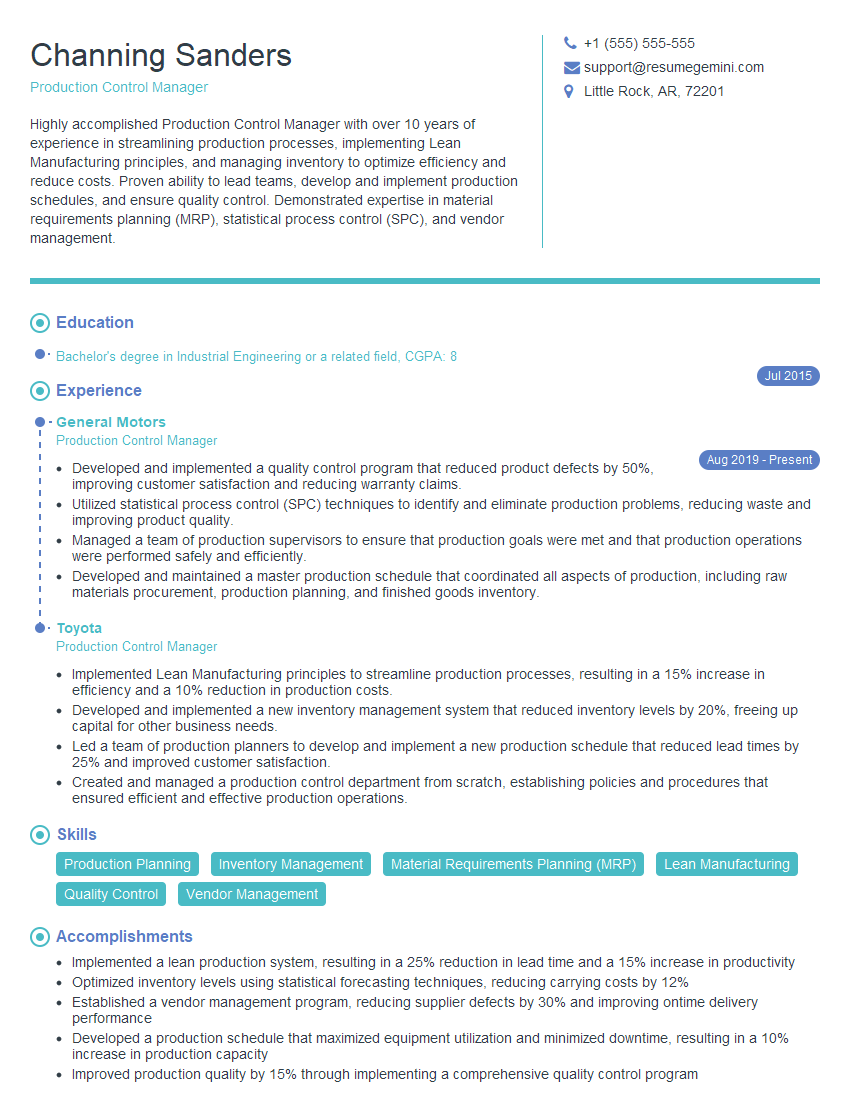
Production Control Manager Resume Sample
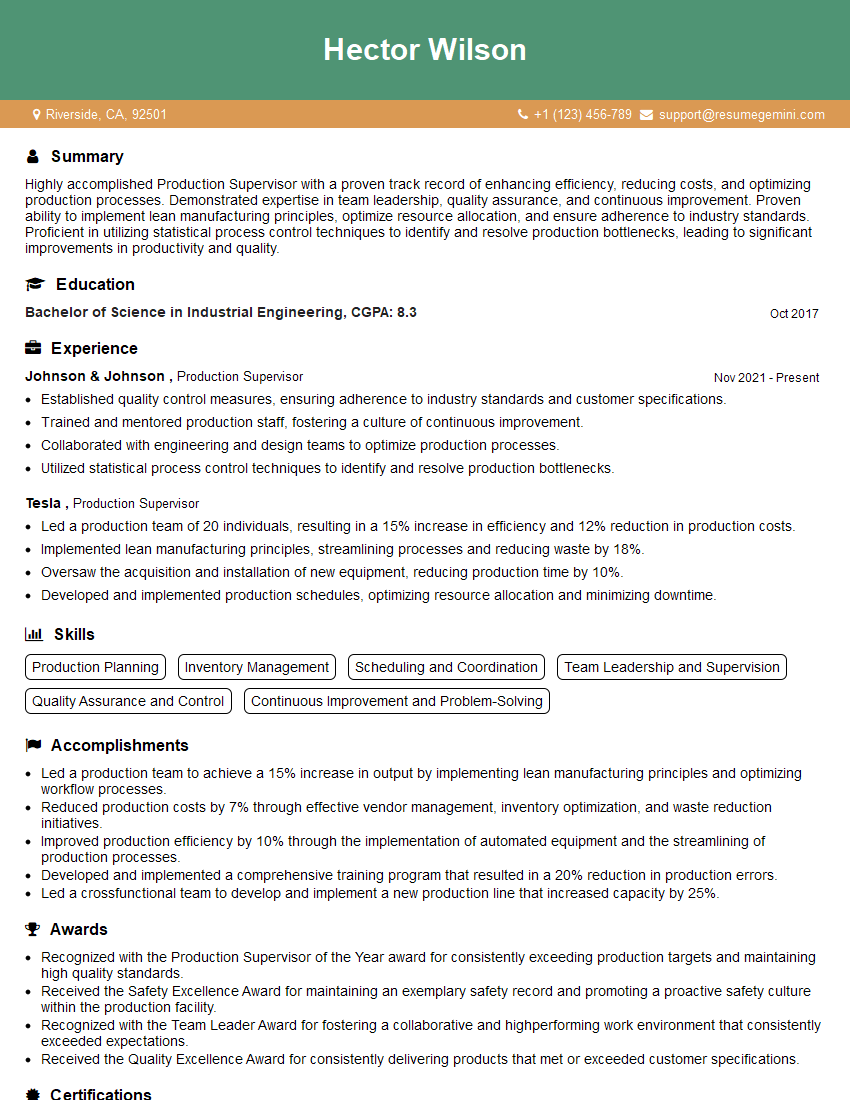
Production Supervisor Resume Sample
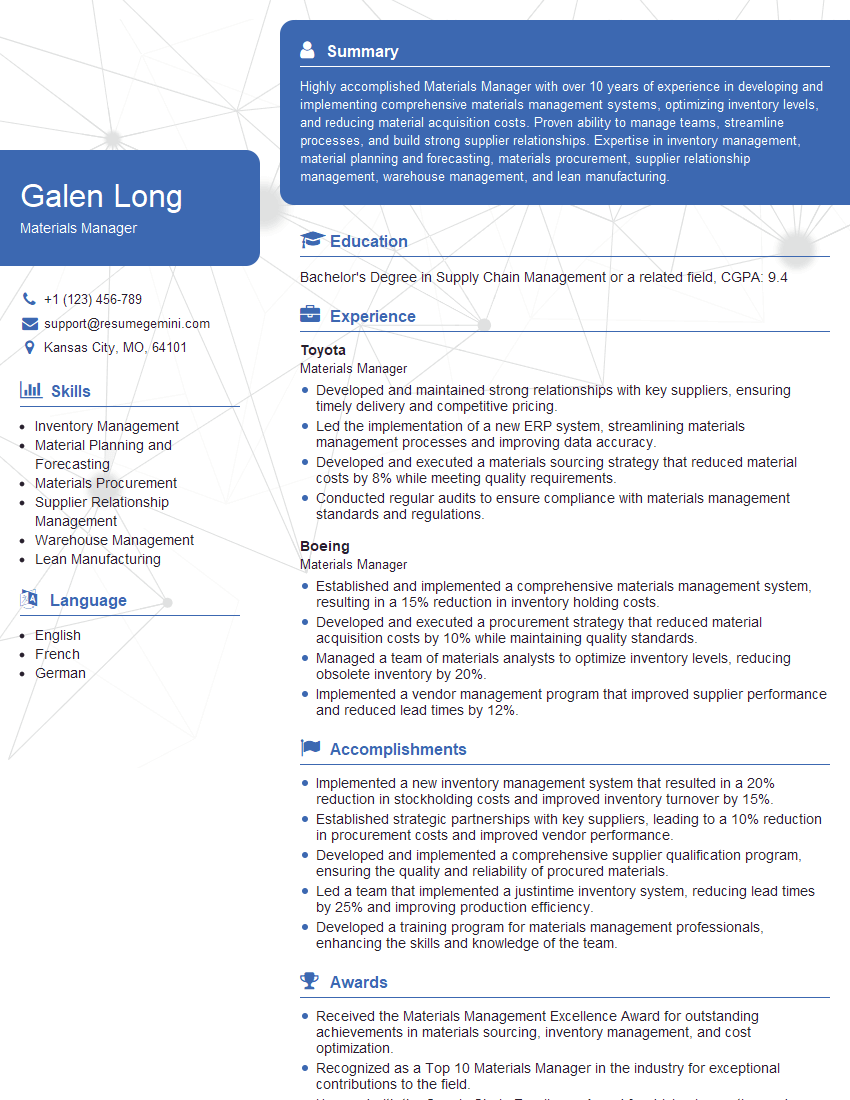
Materials Manager Resume Sample

Supply Chain Manager Resume Sample
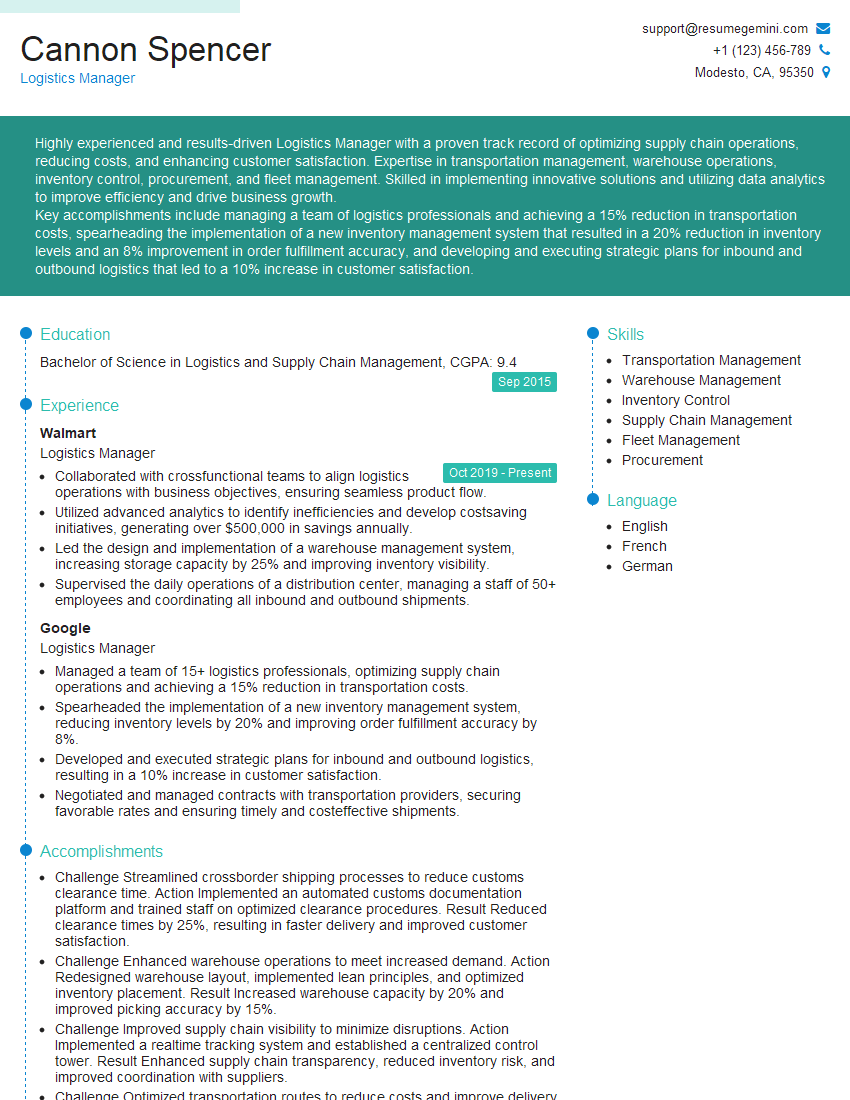
Logistics Manager Resume Sample
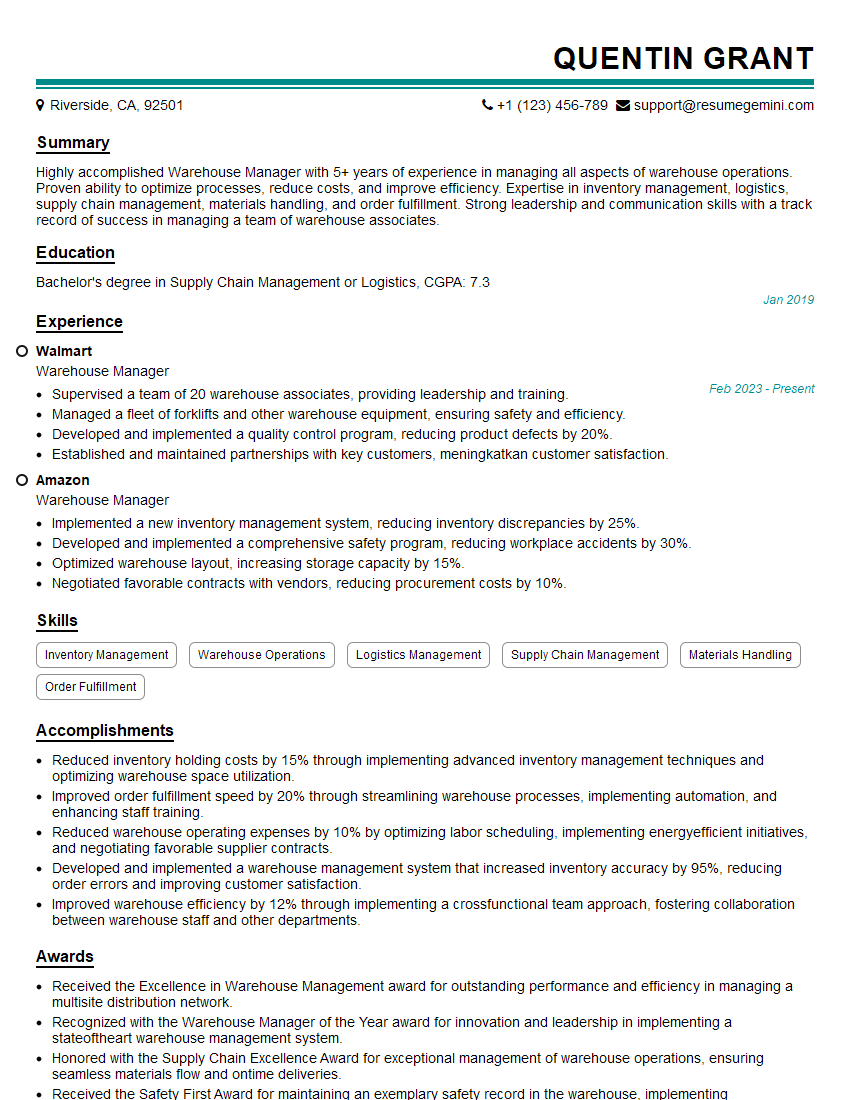
Warehouse Manager Resume Sample
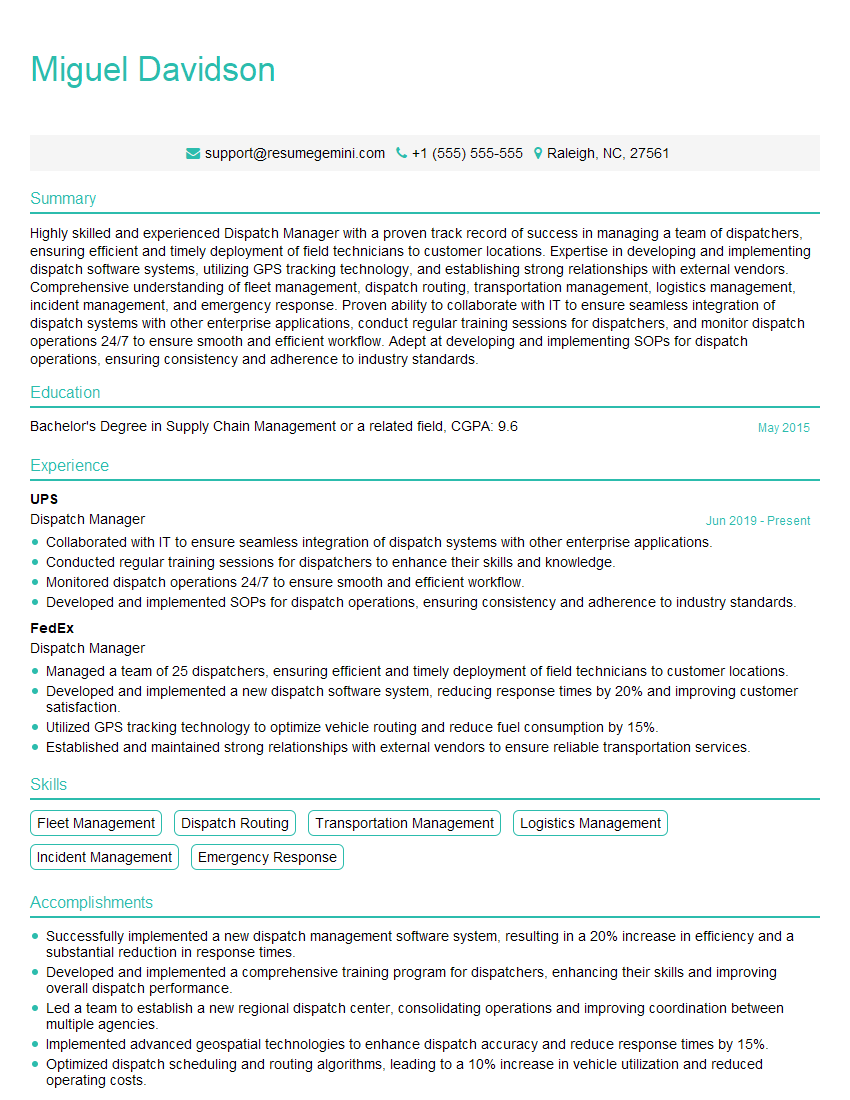
Dispatch Manager Resume Sample
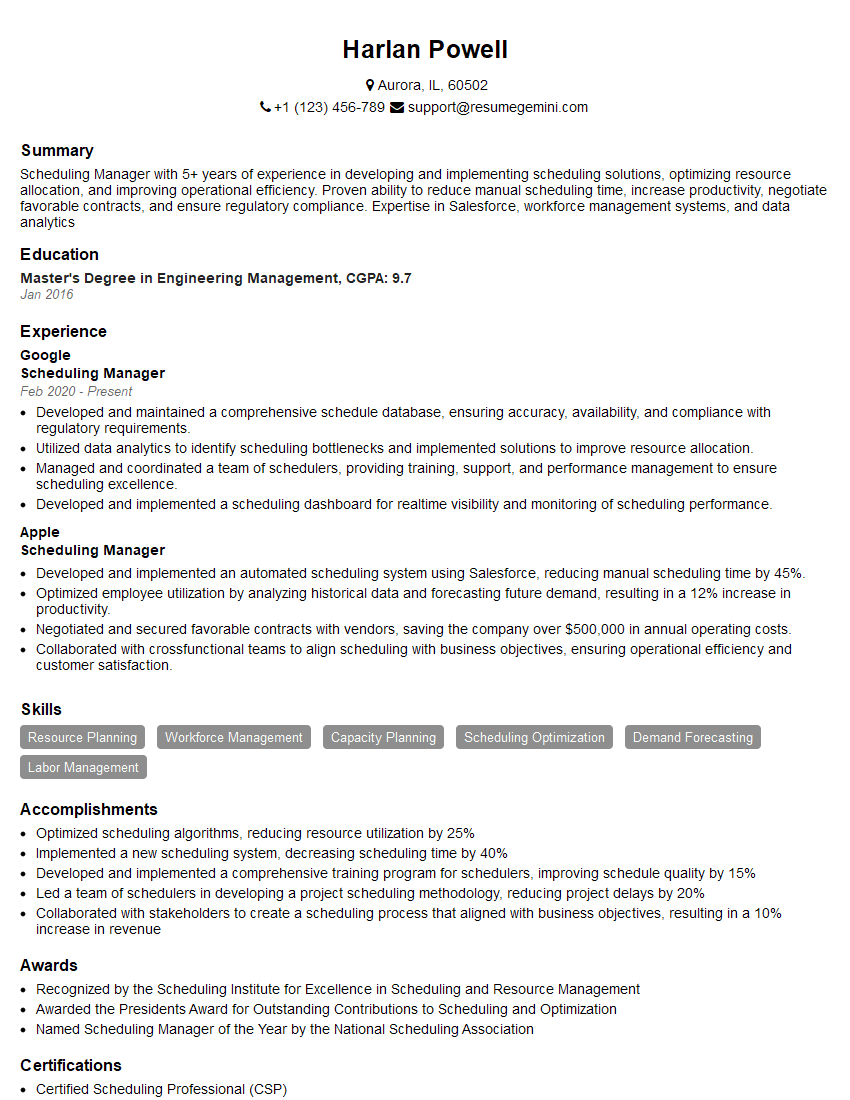
Scheduling Manager Resume Sample
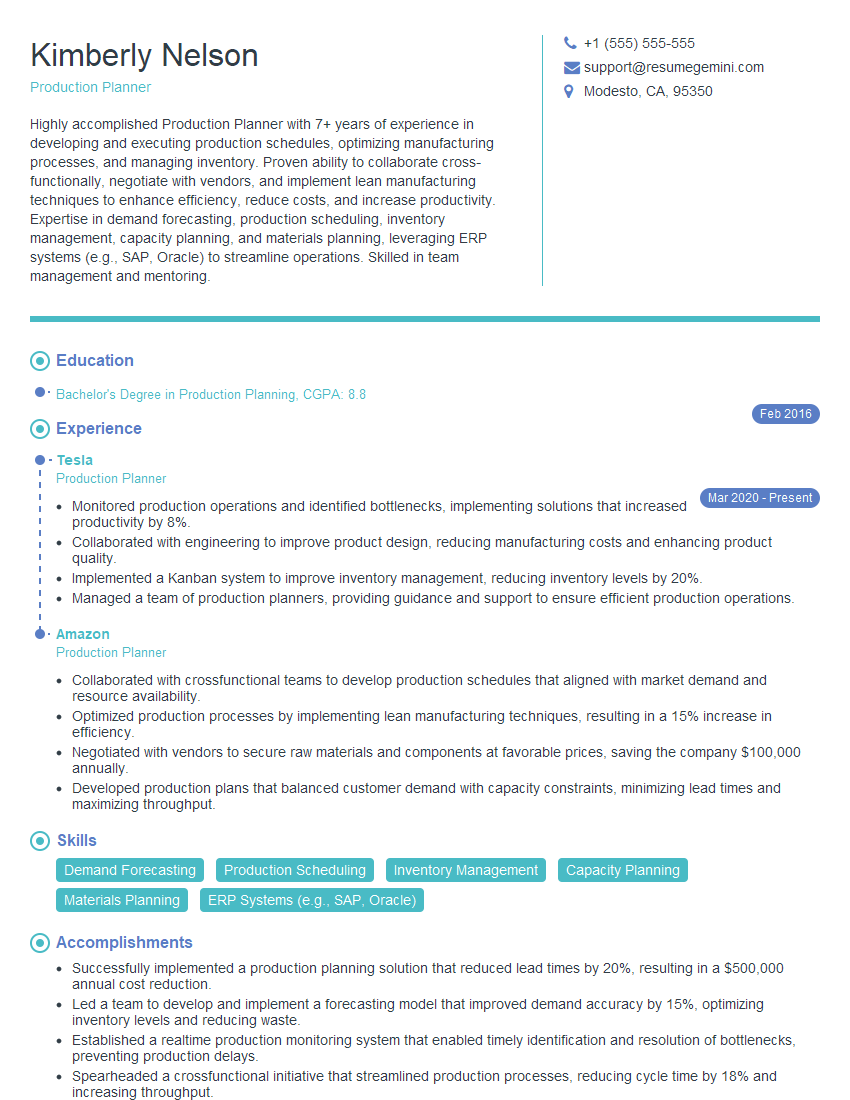
Production Planner Resume Sample
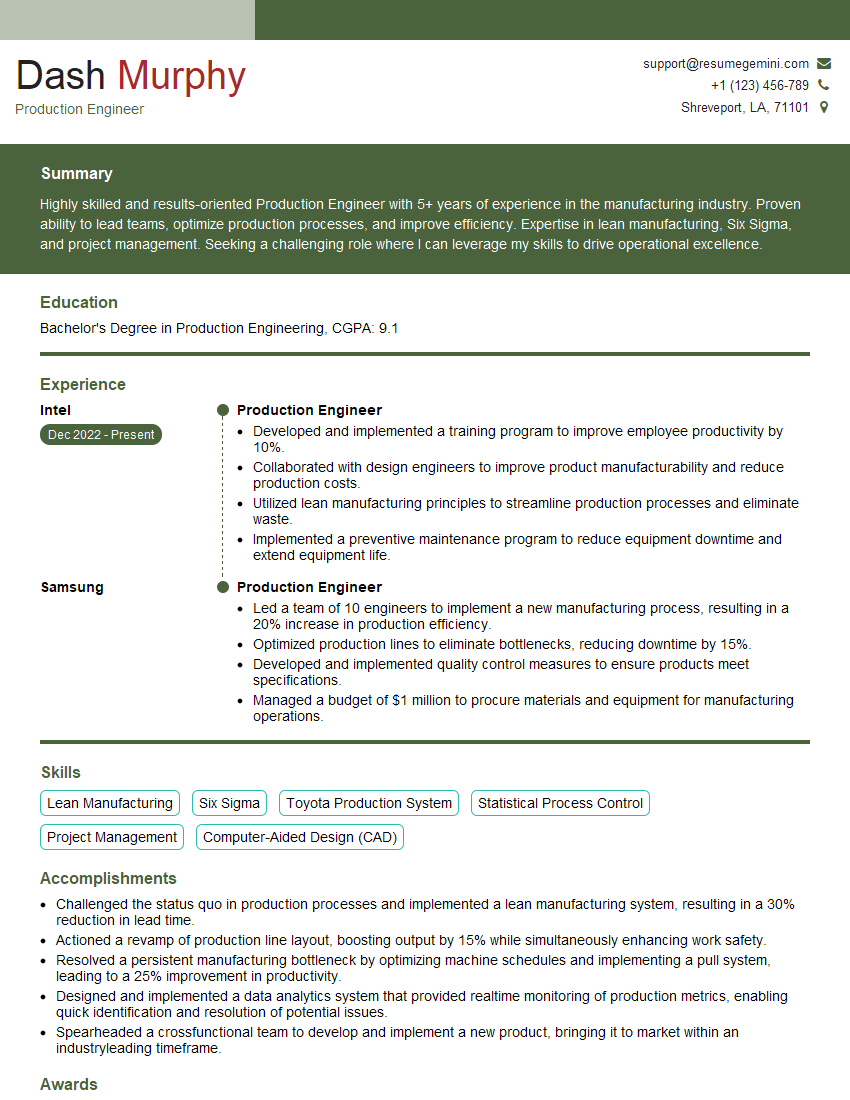
Production Engineer Resume Sample
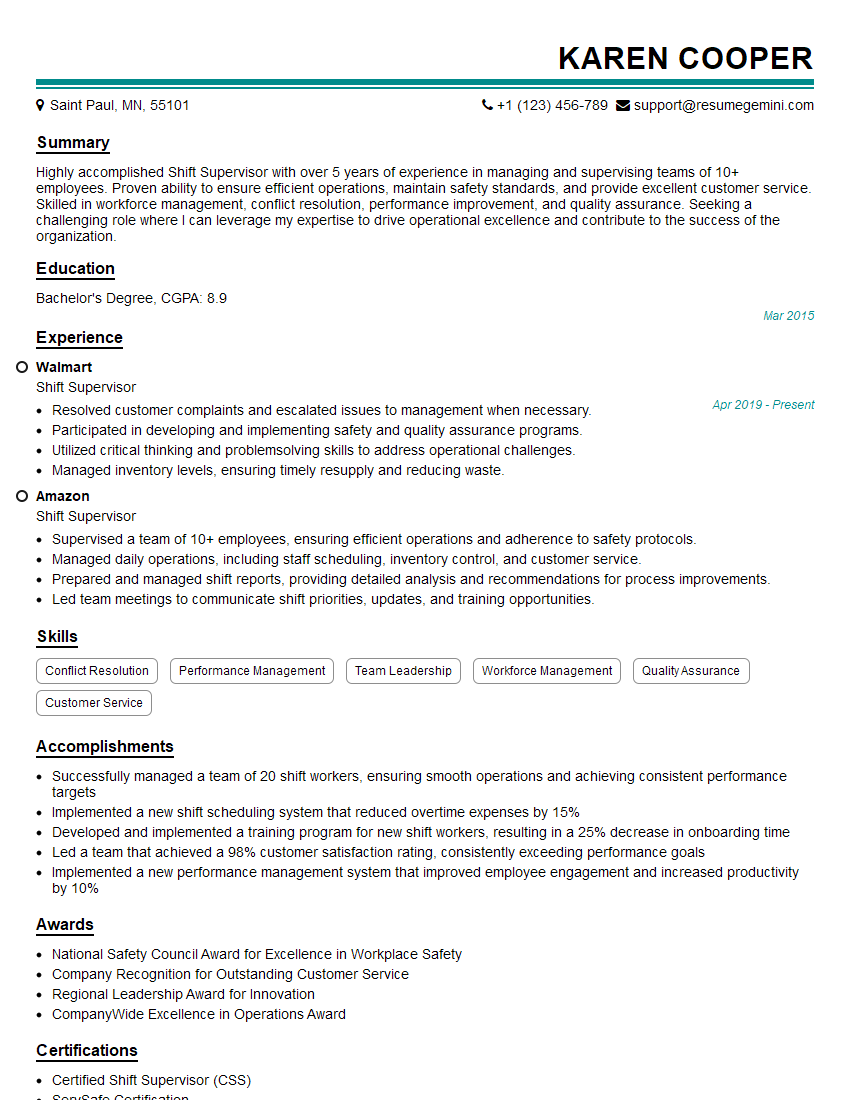
Shift Supervisor Resume Sample
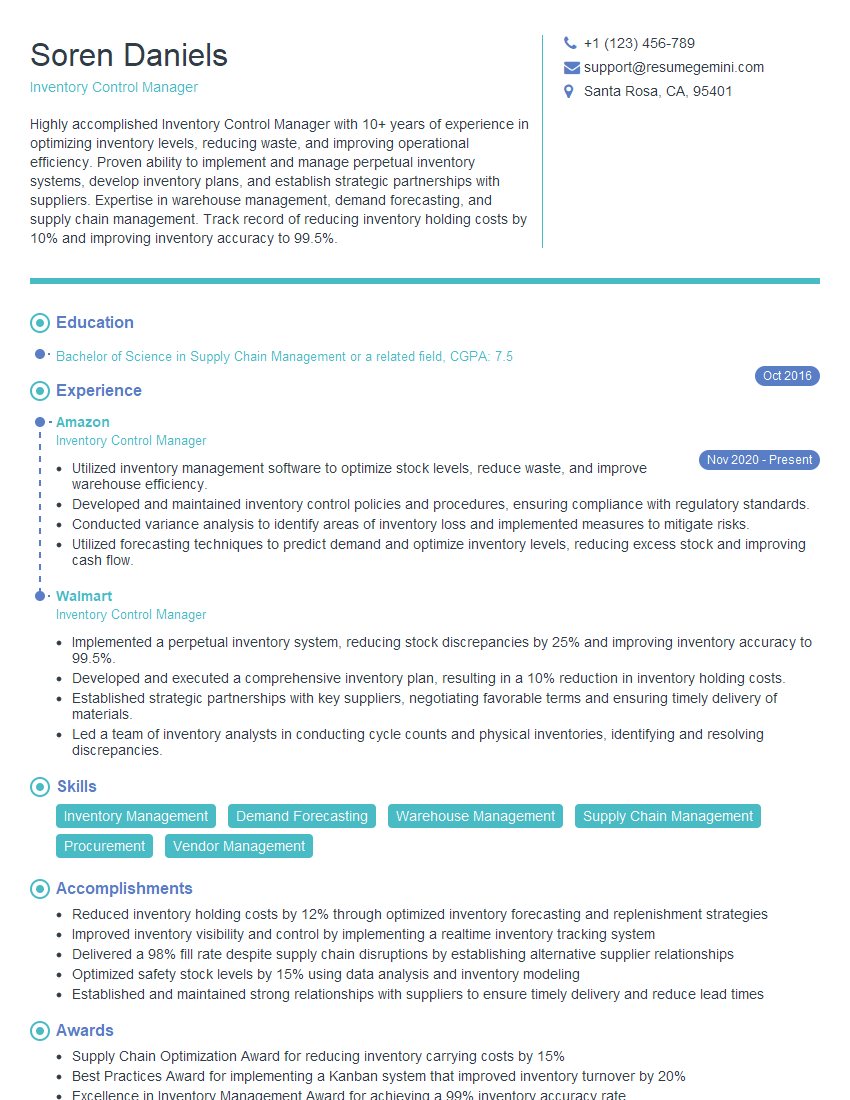
Inventory Control Manager Resume Sample
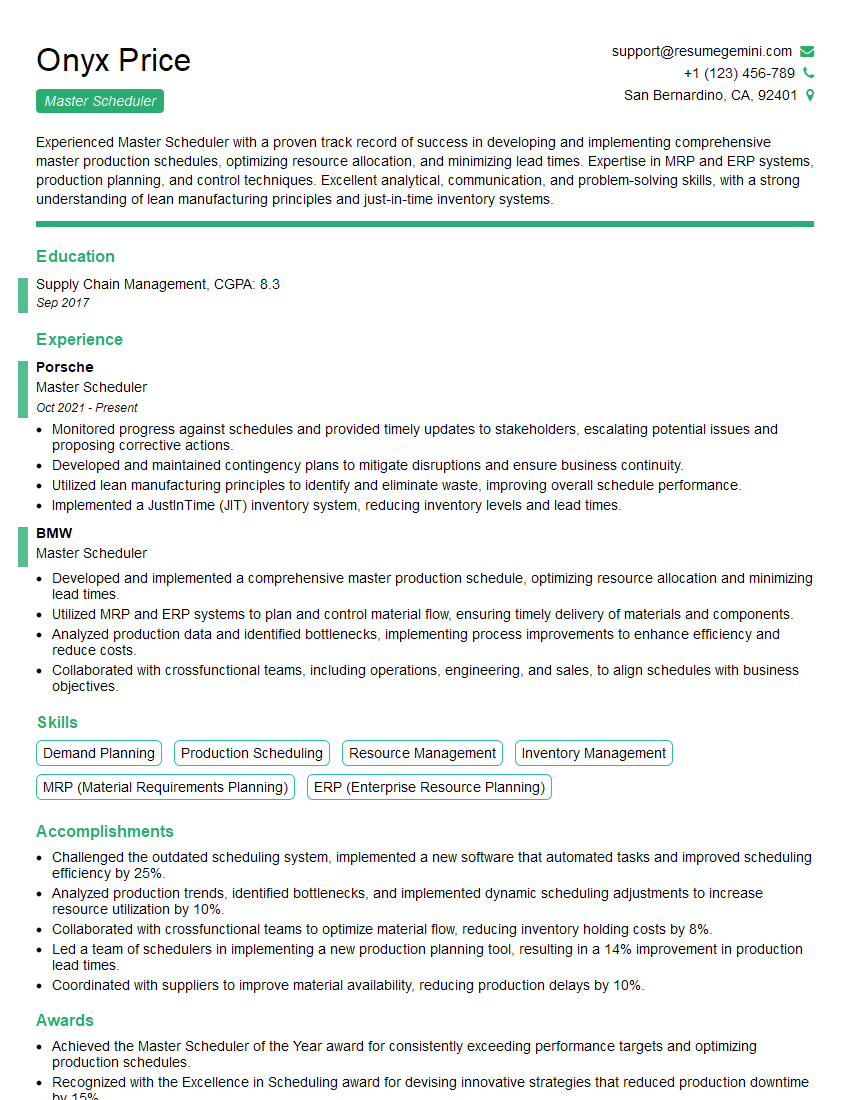
Master Scheduler Resume Sample
- Operations Manager
- Plant Manager
- Production Manager
- Demand Planner
- Manufacturing Manager
- Production Control Manager
- Production Supervisor
- Materials Manager
- Supply Chain Manager
- Logistics Manager
- Warehouse Manager
- Dispatch Manager
- Scheduling Manager
- Production Planner
- Production Engineer
- Shift Supervisor
- Inventory Control Manager
- Master Scheduler
Explore more articles
Users Rating of Our Blogs
Share Your Experience
We value your feedback! Please rate our content and share your thoughts (optional).
What Readers Say About Our Blog
Very informative content, great job.
good