Interviews are opportunities to demonstrate your expertise, and this guide is here to help you shine. Explore the essential Production Planning and Management interview questions that employers frequently ask, paired with strategies for crafting responses that set you apart from the competition.
Questions Asked in Production Planning and Management Interview
Q 1. Explain the difference between MRP (Material Requirements Planning) and MPS (Master Production Schedule).
MRP (Material Requirements Planning) and MPS (Master Production Schedule) are both crucial components of production planning, but they operate at different levels. Think of MPS as the high-level roadmap and MRP as the detailed driving directions.
The MPS defines what products will be produced, in what quantities, and when. It’s the top-down plan, typically driven by sales forecasts and customer orders. It’s a schedule of *finished goods*. For example, an MPS might state that we need to produce 1000 widgets in week 10, 500 in week 11, and 1200 in week 12.
MRP, on the other hand, takes the MPS as input and explodes it into a detailed list of all the raw materials, components, and sub-assemblies required to meet the MPS. It calculates the precise quantities needed and the exact timing for each item, considering lead times, inventory levels, and planned orders. It’s essentially a bill of materials (BOM) that’s dynamically adjusted based on the production schedule. For instance, if a widget requires 2 screws and 1 spring, MRP will calculate that we need 2000 screws and 1000 springs for the 1000 widgets scheduled for week 10.
In short: MPS plans *what* to produce, MRP plans *how* to produce it by determining the needed materials.
Q 2. Describe your experience with capacity planning and resource allocation.
Capacity planning and resource allocation are cornerstones of efficient production. My experience involves utilizing various techniques to optimize resource utilization and ensure production targets are met. I’ve worked extensively with both short-term and long-term capacity planning, considering factors such as machine availability, labor hours, and facility limitations.
In one project, we used a simulation model to analyze the impact of different production schedules on our bottleneck processes. This allowed us to identify and address potential capacity constraints before they impacted production. We also employed a resource leveling technique to distribute workloads evenly among our employees, reducing overtime costs and improving employee morale. For resource allocation, I’ve utilized linear programming techniques, ensuring that materials and human resources were optimally assigned to various tasks, maximizing output and minimizing costs.
My approach always involves considering the trade-offs between different resource allocation strategies. For example, while adding overtime might seem like a quick solution to a capacity shortfall, it’s crucial to weigh the increased costs against the potential benefits. A more strategic approach could involve improving workflow efficiency, investing in additional machinery, or better forecasting demand.
Q 3. How do you handle unexpected production delays or material shortages?
Unexpected delays and shortages are inevitable in production. My approach to handling these situations involves a combination of proactive measures and reactive problem-solving. The key is a robust communication network and a willingness to adapt quickly.
Proactive measures include maintaining a safety stock of critical materials, diversifying suppliers to mitigate risks, and having contingency plans in place. For example, we might have a backup supplier for a key component or a secondary production line that can handle certain tasks in case of a delay.
When a delay or shortage occurs, I follow a structured approach:
- Identify the root cause: Is it a machine malfunction, a supplier issue, or a process bottleneck?
- Assess the impact: How will this delay affect the production schedule and customer deliveries?
- Develop mitigation strategies: This could involve expediting materials, re-prioritizing tasks, or negotiating with customers to adjust delivery dates.
- Communicate the situation: Keep all stakeholders informed, including suppliers, customers, and internal teams.
- Implement the chosen strategy and monitor its effectiveness: This involves tracking progress and making adjustments as needed.
Documentation is also critical. By carefully recording the events and the solutions implemented, we learn from each incident and improve our responsiveness in the future.
Q 4. What are your preferred methods for inventory control and management?
Effective inventory control is essential for maintaining profitability and meeting customer demands. My preferred methods combine techniques from both lean and traditional inventory management.
I advocate for a Just-in-Time (JIT) approach where materials arrive only when needed, minimizing storage costs and reducing waste. However, I recognize that a completely JIT system isn’t always feasible, especially for items with long lead times or unpredictable demand. Therefore, I also use safety stock levels to buffer against unexpected fluctuations. The safety stock level is calculated based on demand variability, lead times, and service level requirements.
ABC analysis is another crucial tool I use to classify inventory items based on their value and importance. High-value items (A) receive closer monitoring and control, while low-value items (C) might be managed with simpler techniques. Regular inventory audits and cycle counting help to ensure accuracy and identify discrepancies promptly.
Software plays a critical role. I have experience using inventory management systems that provide real-time visibility into stock levels, enabling proactive identification of potential shortages or excesses.
Q 5. Explain your understanding of Lean Manufacturing principles and how you’ve applied them.
Lean manufacturing principles focus on eliminating waste and maximizing value for the customer. I’ve applied these principles in several projects, achieving significant improvements in efficiency and cost reduction.
My experience includes implementing 5S methodology (Sort, Set in Order, Shine, Standardize, Sustain) to improve workplace organization and efficiency. We also used Kaizen events to identify and eliminate bottlenecks in our production processes. In one instance, we used Value Stream Mapping to visualize the entire production process, identifying non-value-added steps that could be eliminated. This resulted in a 15% reduction in lead time.
Kanban systems have also proven effective in controlling work-in-progress (WIP) and reducing lead times. By limiting the number of items in each stage of production, we improved workflow and reduced the risk of overproduction. Finally, continuous improvement is central to lean manufacturing. We regularly conduct Gemba walks to observe the production floor, identify problems, and implement improvements.
Q 6. How do you prioritize tasks and projects in a high-pressure production environment?
Prioritization in a high-pressure environment requires a structured approach. I utilize a combination of techniques, including:
- Prioritization Matrices: Using tools like Eisenhower Matrix (Urgent/Important) helps categorize tasks based on urgency and importance. This allows focusing on high-impact activities first.
- Dependency Analysis: Identifying task dependencies ensures that critical tasks are completed before those that rely on them. This prevents bottlenecks and delays.
- Project Management Software: Using software like Jira or MS Project to track progress, manage deadlines, and allocate resources effectively. This provides a centralized view of all ongoing tasks and projects.
- Regular Meetings & Communication: Daily stand-up meetings help keep everyone informed about progress and identify any potential roadblocks. Open communication is key to ensuring effective collaboration and timely problem-solving.
- Risk Management: Proactive identification and assessment of potential risks allows for contingency planning, minimizing disruptions.
Ultimately, effective prioritization requires a balance between urgency and importance, a clear understanding of dependencies, and proactive communication.
Q 7. Describe your experience with production scheduling software (e.g., SAP, Oracle).
I have extensive experience with various production scheduling software packages, including SAP PP and Oracle’s production planning modules. My expertise extends beyond simple data entry; I understand how to configure and utilize these systems to optimize production planning and control. I’ve used these systems to:
- Develop and maintain detailed production schedules: Generating realistic schedules that account for machine capacity, material availability, and labor constraints.
- Manage materials requirements: Utilizing MRP functionalities to plan and schedule material procurement, ensuring timely availability.
- Monitor production progress: Tracking key performance indicators (KPIs) like on-time delivery, production efficiency, and inventory levels.
- Generate reports and dashboards: Providing management with real-time visibility into production performance and identifying areas for improvement.
- Integrate with other enterprise systems: Linking production planning systems with other modules like sales and finance to enable seamless data flow and improved decision-making.
I’m proficient in configuring these systems to meet specific business requirements and am comfortable working with both standard functionalities and customized solutions.
Q 8. How do you measure and track key performance indicators (KPIs) in production?
Measuring and tracking KPIs in production is crucial for optimizing efficiency and identifying areas for improvement. We use a balanced scorecard approach, considering both operational and financial metrics. This ensures a holistic view of performance.
- Operational KPIs: These focus on the production process itself. Examples include:
- Overall Equipment Effectiveness (OEE): Measures the percentage of planned production time that is actually used effectively. We track this daily using our MES (Manufacturing Execution System) and investigate any drops below our target of 85%.
- Throughput: The rate at which we produce finished goods. We monitor this against our production schedule and adjust staffing or equipment as needed.
- Defect Rate: The percentage of defective products produced. Tracking this helps identify bottlenecks or flaws in our processes. We utilize control charts to identify trends and implement corrective actions.
- Lead Time: The time it takes from order placement to product delivery. Reducing lead time is key to customer satisfaction; we use lean methodologies to streamline this.
- Financial KPIs: These metrics reflect the financial impact of our production efforts.
- Cost per Unit: Tracking this allows us to identify areas where we can reduce production costs without compromising quality.
- Production Yield: The ratio of good units to total units produced, reflecting efficiency and waste reduction. Regular analysis helps us pinpoint loss points.
- Inventory Turnover: Measures how efficiently we manage inventory, reducing storage costs and waste.
We utilize dashboards and reporting tools to visualize these KPIs, making it easy to identify trends and take proactive measures. Regular review meetings ensure everyone is aligned and understands the performance status.
Q 9. Explain your experience with demand forecasting and its impact on production planning.
Demand forecasting is the cornerstone of effective production planning. Inaccurate forecasting leads to overstocking, lost sales, or production delays. My experience involves using a combination of quantitative and qualitative methods.
- Quantitative Methods: These include time series analysis (e.g., moving average, exponential smoothing), regression analysis, and ARIMA models. I’ve used software like SAS and R to build and refine these models, taking into account seasonality, trends, and external factors like economic conditions.
- Qualitative Methods: These incorporate expert opinions, market research, and customer surveys. I’ve found incorporating sales team insights crucial for capturing market nuances.
The impact on production planning is significant. Accurate forecasts enable us to:
- Optimize production capacity: Avoiding over- or underproduction leading to increased efficiency and reduced waste.
- Efficiently manage inventory: Minimizing storage costs and reducing the risk of obsolescence.
- Meet customer demand: Ensuring timely delivery and enhancing customer satisfaction.
- Improve resource allocation: Optimizing the use of materials, labor, and equipment.
For example, during a period of increased demand, our accurate forecasting allowed us to proactively scale up production, secure additional resources, and avoid delays. This resulted in a 15% increase in sales without compromising quality or delivery times.
Q 10. How do you ensure efficient communication and collaboration within the production team?
Efficient communication and collaboration are paramount in a production environment. I believe in fostering an open and transparent culture where information flows freely and everyone feels empowered to contribute.
- Daily Stand-up Meetings: Brief, focused meetings to review progress, identify roadblocks, and coordinate efforts. This keeps everyone informed and allows for quick problem-solving.
- Visual Management Systems: Kanban boards, progress charts, and real-time dashboards provide visual updates on production status, ensuring transparency and accountability.
- Regular Team Meetings: More in-depth meetings to discuss performance, address concerns, and brainstorm improvements. These meetings encourage feedback and collaborative problem-solving.
- Communication Technology: Utilizing collaborative platforms like Slack or Microsoft Teams for instant communication and file sharing. This ensures information is readily accessible and facilitates quick decision-making.
- Cross-functional Collaboration: Encouraging collaboration between production, engineering, quality control, and other departments to promote a holistic approach to problem-solving. This helps us break down silos.
By emphasizing open communication and using appropriate tools, we build a strong team culture, leading to improved efficiency and productivity.
Q 11. Describe a time you had to resolve a production bottleneck. What was your approach?
In a previous role, we experienced a significant bottleneck in our assembly line due to a faulty component supplier. This resulted in production delays and threatened to impact customer deliveries.
My approach involved a systematic problem-solving process:
- Identify the Root Cause: We immediately investigated the problem, confirming the faulty components were the bottleneck. We analyzed the supplier’s quality control processes to pinpoint the root cause of the defect.
- Develop a Contingency Plan: We explored several solutions: finding a substitute supplier, implementing a rework process, or adjusting the assembly line to bypass the faulty component (partially).
- Implement Short-Term Solutions: While sourcing a new supplier, we implemented a rework process to salvage some of the affected units. This minimized immediate losses.
- Long-Term Solution: We worked closely with the supplier to address the root cause of the defects. This involved conducting joint audits, establishing clear quality standards, and implementing corrective actions on their end.
- Monitor and Evaluate: We closely monitored the new supplier and the reworked components to ensure the issue was resolved and didn’t recur.
This multi-pronged approach enabled us to quickly resolve the bottleneck, minimize production losses, and maintain customer satisfaction. The experience also highlighted the importance of robust supplier management and having a flexible, adaptable production plan.
Q 12. How do you handle production changes or revisions mid-cycle?
Handling production changes mid-cycle requires a structured approach to minimize disruption and ensure quality. We utilize a change management process that involves:
- Impact Assessment: Carefully evaluate the impact of the change on the production schedule, resources, and cost. This involves reviewing the engineering change order and assessing its downstream effects.
- Communication: Clearly communicate the change to all affected teams, including production, engineering, and quality control. This ensures everyone is informed and prepared for the necessary adjustments.
- Resource Allocation: Allocate the necessary resources (materials, labor, equipment) to implement the change efficiently. This may involve rescheduling tasks or reallocating personnel.
- Training and Documentation: Provide training to operators on the new procedures or modified processes. Update documentation to reflect the changes accurately.
- Testing and Validation: Before full-scale implementation, thoroughly test the changes to ensure they meet quality standards and don’t introduce new issues. This might involve pilot runs or simulations.
- Monitoring and Adjustment: Closely monitor the impact of the change on production and make necessary adjustments as needed. This ensures the change is successfully implemented.
Using this method, we minimize disruption and maintain a high level of quality even when facing unplanned changes mid-cycle. This approach allows for smoother transitions and reduced risk.
Q 13. What is your experience with Kanban or other visual management systems?
I have extensive experience with Kanban and other visual management systems. Kanban, in particular, is a powerful tool for managing workflow and improving efficiency. It focuses on visualizing work, limiting work in progress (WIP), and improving flow.
- Implementation: We’ve successfully implemented Kanban in several production areas, using physical Kanban boards and digital equivalents. These boards visualize the workflow, showing tasks, their status, and bottlenecks.
- Benefits: Kanban has helped us improve lead times, reduce inventory, and improve overall throughput. The visual nature of the system promotes transparency and accountability across the team.
- Metrics: We track key metrics, such as cycle time (time to complete a task), lead time (time from order to delivery), and WIP levels, to monitor the effectiveness of the Kanban system. Regular reviews and adjustments ensure continuous improvement.
- Other Visual Management Systems: Beyond Kanban, I’ve worked with value stream mapping to identify waste and improve flow, 5S for workplace organization, and Andon systems for immediate alert and response to production issues.
Visual management helps to make processes transparent, enabling proactive problem-solving and continuous improvement. The use of these visual tools helps everyone understand the current state of the production process, leading to increased efficiency and teamwork.
Q 14. Describe your understanding of Six Sigma methodologies in a production setting.
Six Sigma is a data-driven methodology aimed at reducing defects and improving process capability. In a production setting, it involves using statistical tools and techniques to identify and eliminate variations that lead to defects or inefficiencies.
- DMAIC Methodology: This is the core of Six Sigma, a five-phase process:
- Define: Clearly define the project goals, scope, and critical-to-quality (CTQ) characteristics.
- Measure: Collect data to measure the current performance of the process and identify key metrics.
- Analyze: Analyze the data to identify the root causes of defects or variations using tools like Pareto charts, fishbone diagrams, and statistical process control (SPC) charts.
- Improve: Develop and implement solutions to address the root causes identified in the analysis phase.
- Control: Establish control mechanisms to maintain the improvements and prevent regression. This often includes establishing standard operating procedures (SOPs) and monitoring key metrics.
- Tools and Techniques: Six Sigma utilizes a range of statistical tools, including control charts, process capability analysis, design of experiments (DOE), and hypothesis testing.
- Benefits: Implementing Six Sigma methodologies can lead to significant improvements in quality, reduced costs, increased efficiency, and improved customer satisfaction.
For example, in one project, we used Six Sigma to reduce the defect rate in a specific assembly process by 80%. This was achieved by identifying and eliminating the root causes of the defects, implementing improved process controls, and retraining personnel. The resulting cost savings were substantial, and customer satisfaction increased due to improved product quality.
Q 15. How do you manage and mitigate production risks?
Production risk management involves proactively identifying, assessing, and mitigating potential issues that could disrupt the production process. It’s like being a captain navigating a ship – you need to anticipate storms (risks) and have plans to weather them.
- Risk Identification: This involves brainstorming potential problems using techniques like Failure Mode and Effects Analysis (FMEA). For example, a risk might be a supplier failing to deliver raw materials on time.
- Risk Assessment: We evaluate the likelihood and potential impact of each identified risk. A low likelihood, low impact risk might need minimal attention, whereas a high likelihood, high impact risk requires immediate action.
- Risk Mitigation: This is where we develop strategies to reduce the probability or impact of the risks. For the supplier delay, mitigation strategies could include: diversifying suppliers, building safety stock, or negotiating stricter delivery contracts.
- Monitoring and Review: Regularly monitoring the effectiveness of mitigation strategies and adapting them as needed is crucial. Risk management is an ongoing process, not a one-time event.
In my experience, a robust risk management plan significantly reduces production downtime and cost overruns, ensuring smoother operations.
Career Expert Tips:
- Ace those interviews! Prepare effectively by reviewing the Top 50 Most Common Interview Questions on ResumeGemini.
- Navigate your job search with confidence! Explore a wide range of Career Tips on ResumeGemini. Learn about common challenges and recommendations to overcome them.
- Craft the perfect resume! Master the Art of Resume Writing with ResumeGemini’s guide. Showcase your unique qualifications and achievements effectively.
- Don’t miss out on holiday savings! Build your dream resume with ResumeGemini’s ATS optimized templates.
Q 16. How do you ensure compliance with safety regulations and standards in production?
Ensuring compliance with safety regulations is paramount. It’s not just about following rules; it’s about creating a culture of safety where every employee feels responsible and empowered to contribute to a safe working environment. This involves a multi-faceted approach:
- Regular Safety Audits: Conducting thorough and frequent safety audits to identify potential hazards and ensure adherence to regulations (OSHA, ISO 45001, etc.).
- Employee Training: Comprehensive training programs for all employees on safe operating procedures, hazard recognition, and emergency response. Regular refresher courses are essential.
- Hazard Control Measures: Implementing engineering controls (e.g., machine guards), administrative controls (e.g., work permits), and personal protective equipment (PPE) to eliminate or minimize hazards.
- Incident Reporting and Investigation: Establishing a system for promptly reporting and thoroughly investigating all safety incidents to identify root causes and prevent recurrence. This often involves root cause analysis, which I’ll discuss further.
- Emergency Response Plan: Having a well-defined emergency response plan that outlines procedures for various scenarios, including fire, chemical spills, and medical emergencies.
My experience includes leading safety audits, developing and delivering safety training programs, and implementing safety management systems, resulting in a demonstrably safer and more productive work environment.
Q 17. What is your experience with root cause analysis in a production environment?
Root cause analysis (RCA) is a systematic approach to identifying the underlying causes of problems, not just the symptoms. It’s like peeling an onion – you keep peeling back the layers until you find the core issue. In a production environment, this could involve a machine malfunction, a quality defect, or a safety incident.
I have extensive experience using various RCA methodologies, including the ‘5 Whys’, Fishbone diagrams (Ishikawa diagrams), and Fault Tree Analysis (FTA). For example, if a machine repeatedly malfunctions, the ‘5 Whys’ would guide us through a series of questions (Why did the machine malfunction? Why did that component fail? And so on) to uncover the root cause, which might be a lack of preventative maintenance.
By using these techniques, I’ve helped identify and rectify production issues, resulting in improved efficiency, reduced downtime, and enhanced product quality. The key is to be objective, gather data from multiple sources, and involve people directly involved in the process.
Q 18. How do you balance production efficiency with product quality?
Balancing production efficiency and product quality is a crucial aspect of production planning and management. It’s not a zero-sum game; both are essential for long-term success. Think of it as aiming for the ‘sweet spot’ – maximizing output without compromising quality.
- Process Optimization: Streamlining production processes to eliminate waste and bottlenecks. Lean manufacturing principles, such as Kaizen and Six Sigma, are highly effective in achieving this.
- Quality Control Measures: Implementing robust quality control procedures at various stages of production – from raw material inspection to final product testing. Statistical Process Control (SPC) helps monitor process variations and identify potential quality issues early on.
- Employee Empowerment: Equipping employees with the skills and authority to identify and address quality issues promptly. This fosters a culture of quality and continuous improvement.
- Technology Integration: Utilizing technology such as automated inspection systems and real-time data monitoring to enhance both efficiency and quality.
In my experience, a balanced approach leads to increased productivity, higher quality products, reduced waste, and improved customer satisfaction.
Q 19. Explain your understanding of total quality management (TQM) in production.
Total Quality Management (TQM) is a holistic approach to managing quality throughout an organization. It’s not just about producing quality products; it’s about embedding quality into every aspect of the business, from product design to customer service. It’s a philosophy, a culture, and a set of principles that permeate the entire organization.
- Customer Focus: Understanding and meeting customer needs and expectations is central to TQM.
- Continuous Improvement: Embracing a culture of continuous improvement through methodologies like Kaizen and Six Sigma.
- Employee Empowerment: Empowering employees at all levels to identify and solve quality issues.
- Process Management: Improving and standardizing processes to ensure consistency and efficiency.
- Data-Driven Decision Making: Using data to monitor performance, identify areas for improvement, and track progress.
My understanding of TQM is based on practical experience in implementing TQM principles in various production environments. I’ve witnessed firsthand how a TQM approach can lead to significant improvements in product quality, customer satisfaction, and overall organizational performance.
Q 20. What is your experience with production cost analysis and control?
Production cost analysis and control involves systematically tracking, analyzing, and managing all costs associated with production. This is vital for profitability and competitiveness. It’s like managing a household budget – you need to know where your money is going and how to control spending.
- Cost Accounting: Implementing a robust cost accounting system to track direct and indirect costs accurately.
- Cost Breakdown: Analyzing the cost structure to identify major cost drivers (e.g., raw materials, labor, energy).
- Variance Analysis: Comparing actual costs against budgeted costs to identify and investigate any significant variances.
- Cost Reduction Strategies: Implementing strategies to reduce costs without compromising quality, such as negotiating better prices with suppliers, improving process efficiency, and reducing waste.
- Activity-Based Costing (ABC): Using ABC to allocate costs more accurately, particularly in complex manufacturing environments.
My experience includes developing and managing cost accounting systems, conducting cost analysis, and implementing cost reduction initiatives, resulting in significant cost savings and improved profitability.
Q 21. How do you utilize data analytics to improve production efficiency?
Data analytics plays a vital role in improving production efficiency. It allows us to move beyond gut feeling and make data-driven decisions to optimize operations. Think of it as having a powerful microscope to examine the production process in detail.
- Real-time Monitoring: Utilizing sensors and data acquisition systems to collect real-time data on key production parameters (e.g., machine uptime, output rates, quality metrics).
- Predictive Maintenance: Using data analytics to predict equipment failures and schedule maintenance proactively, minimizing downtime.
- Process Optimization: Analyzing production data to identify bottlenecks, inefficiencies, and areas for improvement.
- Quality Control: Using data analytics to monitor product quality, identify defects, and trace them back to their root causes.
- Inventory Management: Optimizing inventory levels using data-driven forecasting and demand planning.
I have experience using various data analytics tools and techniques, including statistical software packages (like R or Python) and specialized manufacturing execution systems (MES), to analyze production data, identify trends, and implement data-driven improvements. This has led to significant gains in efficiency and reduced operational costs.
Q 22. Describe your experience with continuous improvement initiatives in production.
Continuous improvement in production is a philosophy focused on consistently enhancing processes and efficiency. It’s not a one-time project, but an ongoing effort. My experience spans several methodologies, including Lean Manufacturing, Six Sigma, and Kaizen.
In a previous role, we implemented a Lean initiative to reduce lead times in our assembly line. We utilized Value Stream Mapping to identify bottlenecks. We discovered that a particular quality check was unnecessarily time-consuming. By streamlining the process and implementing a more efficient quality control system, we reduced lead time by 15%, directly impacting our production capacity and customer satisfaction. Another example involved using Six Sigma’s DMAIC (Define, Measure, Analyze, Improve, Control) methodology to address a high defect rate in a specific product component. Through data analysis, we pinpointed the root cause – a faulty machine setting. Correcting this led to a significant drop in defects, saving the company considerable rework costs.
I find that continuous improvement requires a culture of open communication, data-driven decision-making, and a commitment from all levels of the organization. Regular progress reviews, team involvement in problem-solving, and celebrating successes are critical for maintaining momentum.
Q 23. How do you handle conflict resolution within the production team?
Conflict resolution within a production team requires a proactive and fair approach. My strategy focuses on early intervention and open communication. I encourage team members to voice their concerns openly and respectfully, creating a safe space for discussion.
I believe in understanding the root cause of the conflict, not just addressing the symptoms. This often involves active listening, empathizing with each individual’s perspective, and clarifying misunderstandings. In situations where individual perspectives clash significantly, I facilitate collaborative problem-solving sessions, aiming to find a mutually acceptable solution. Sometimes, this involves compromise, and other times it involves establishing clear guidelines and responsibilities. For example, in one instance, a disagreement between two team leaders about resource allocation escalated. By having a structured meeting where both parties could present their arguments and evidence, we identified a flaw in our scheduling system. Addressing that system flaw removed the underlying tension and fostered a more collaborative working relationship.
Ultimately, fostering a culture of respect and collaboration is key to preventing and resolving conflicts effectively.
Q 24. Describe your experience working with cross-functional teams in a production setting.
Cross-functional collaboration is essential in production. I have extensive experience working with teams across various departments, including engineering, quality control, procurement, and sales & marketing.
In my previous role, we launched a new product. This involved close collaboration with the engineering team to ensure the manufacturing process was efficient and cost-effective. We also worked with the procurement team to secure materials at competitive prices and with the quality control team to establish stringent quality standards. Effective communication, clear goals, and regularly scheduled meetings were crucial for the project’s success. We utilized project management tools to track progress, manage tasks, and ensure everyone was aligned on objectives. This project highlighted the importance of a shared vision and open channels of communication in cross-functional teams.
I find that understanding each department’s roles, challenges, and perspectives is critical for successful collaboration. Building strong relationships and fostering trust among team members facilitates efficient problem-solving and a more cohesive working environment.
Q 25. What are your strategies for improving employee morale and productivity in production?
Improving employee morale and productivity is a continuous process requiring a multi-faceted approach. It starts with creating a positive and supportive work environment. This involves recognizing and appreciating individual contributions, fostering a sense of team spirit, and providing opportunities for growth and development.
I focus on clear communication, providing regular feedback, and ensuring employees understand their roles and how their contributions contribute to the overall success of the company. I also believe in empowering employees by giving them autonomy in their work and involving them in decision-making processes whenever appropriate. For instance, I’ve initiated suggestion boxes and regular team brainstorming sessions to encourage employee input on process improvements. In addition to this, providing adequate training and development opportunities demonstrates a commitment to their professional growth, which can significantly boost morale and productivity. Offering incentives, such as performance-based bonuses or recognition programs, further motivates the team and strengthens their commitment to achieving company goals.
Regularly assessing employee satisfaction through surveys or feedback sessions allows for proactive identification of potential issues and facilitates timely interventions to address them before they escalate.
Q 26. How do you stay updated on the latest trends and technologies in production planning and management?
Staying updated on the latest trends and technologies in production planning and management requires a proactive and continuous learning approach. I utilize several methods to achieve this.
I regularly read industry publications like journals and magazines dedicated to manufacturing and production management, attend industry conferences and webinars, and participate in professional development programs. I actively seek out online courses and certifications to deepen my knowledge in specific areas such as data analytics, automation technologies, and supply chain management. Networking with other professionals through industry events and online forums allows me to share experiences and learn from others’ successes and challenges. Staying abreast of emerging technologies such as AI, machine learning, and the Internet of Things (IoT) is crucial in my field, as these tools are revolutionizing production planning and management. This commitment to continuous learning helps me to remain at the forefront of my industry and to effectively implement the latest advancements in my work.
Q 27. Describe your experience with implementing new production technologies or processes.
Implementing new production technologies and processes requires careful planning and execution. My experience includes the successful implementation of a new automated assembly line and the integration of a new ERP system.
In the case of the automated assembly line, the process involved thorough needs assessment, vendor selection, system design, installation, employee training, and change management. We started by analyzing our current processes to identify areas where automation would bring the most significant improvement. This was followed by careful evaluation of different automation solutions to determine the best fit for our needs. The change management aspect was crucial; we ensured that the employees were well-trained on operating the new machinery and integrated into the new work processes. We also addressed any concerns they had to ensure a smooth transition and minimize disruption to production. The implementation of the new ERP system followed a similar phased approach involving requirements gathering, system configuration, data migration, employee training, and ongoing support. Regular monitoring and evaluation of the new systems are essential to ensuring their long-term effectiveness and making any necessary adjustments along the way.
These implementations resulted in significant improvements in production efficiency, quality, and cost-effectiveness.
Key Topics to Learn for Production Planning and Management Interview
- Demand Forecasting & Sales and Operations Planning (S&OP): Understanding different forecasting methods (e.g., moving average, exponential smoothing) and their application in predicting future demand. Learn how S&OP integrates sales, production, and supply chain planning to align with business objectives.
- Production Scheduling & Sequencing: Mastering techniques like MRP (Material Requirements Planning), JIT (Just-in-Time) inventory management, and various scheduling algorithms (e.g., Gantt charts, critical path method) to optimize production flow and minimize lead times. Be prepared to discuss real-world scenarios involving scheduling challenges and their solutions.
- Inventory Management & Control: Explore different inventory control models (e.g., EOQ – Economic Order Quantity, ABC analysis) and their impact on inventory costs and service levels. Understand how to balance inventory holding costs with the risk of stockouts.
- Capacity Planning & Resource Allocation: Learn how to analyze production capacity, identify bottlenecks, and optimize resource allocation to meet demand efficiently. Discuss techniques for improving capacity utilization and mitigating risks associated with capacity constraints.
- Quality Control & Continuous Improvement: Understand the importance of quality control in production planning and management. Familiarize yourself with Lean Manufacturing principles, Six Sigma methodologies, and other continuous improvement approaches to enhance efficiency and reduce waste.
- Supply Chain Management Integration: Discuss the relationship between production planning and the broader supply chain. Understand how effective production planning contributes to overall supply chain efficiency and responsiveness.
- Project Management Fundamentals: Many production planning roles involve project management elements. Review key concepts like project planning, scheduling, risk management, and resource allocation in a production context.
Next Steps
Mastering Production Planning and Management opens doors to exciting career advancements, offering opportunities for increased responsibility, higher earning potential, and greater influence within your organization. To maximize your job prospects, focus on creating an ATS-friendly resume that highlights your skills and experience effectively. ResumeGemini is a trusted resource that can help you build a professional and impactful resume tailored to the specific demands of the Production Planning and Management field. We provide examples of resumes specifically designed for this area to guide you in creating a standout application. Invest in your future – craft a compelling resume that showcases your abilities and secures your dream role.

Operations Manager Resume Sample
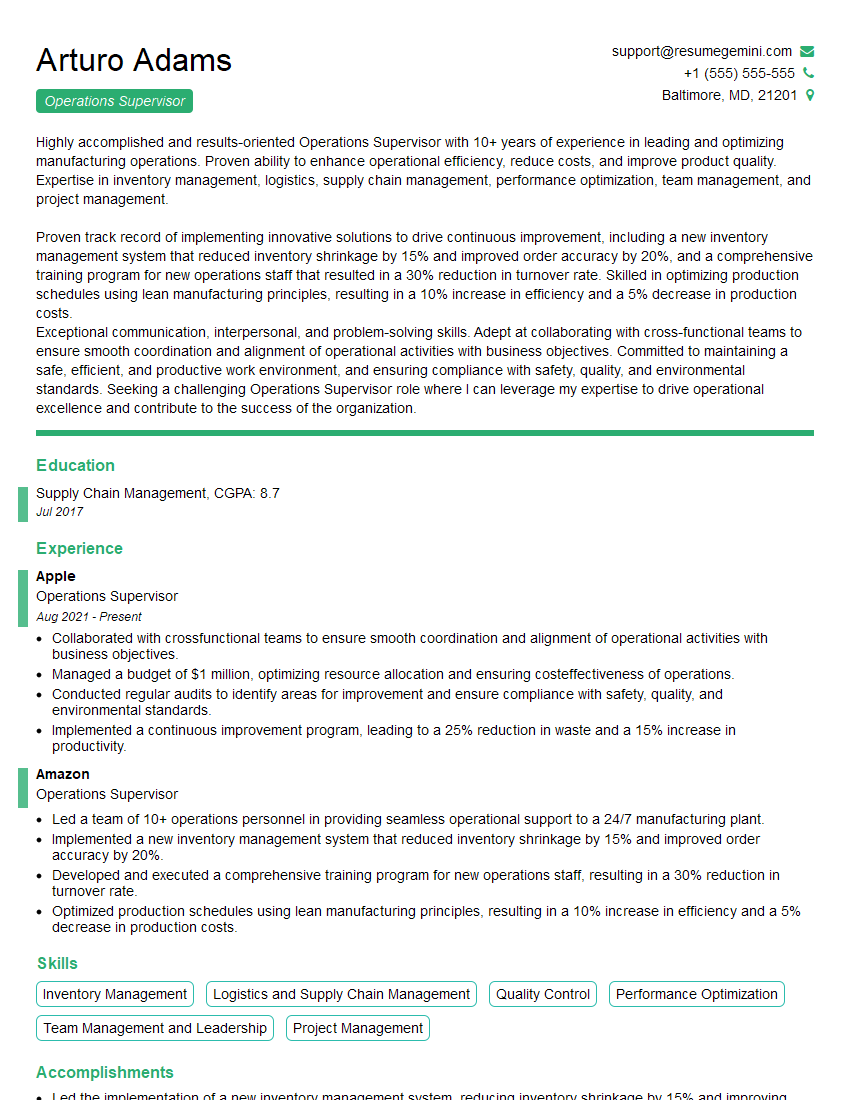
Operations Supervisor Resume Sample
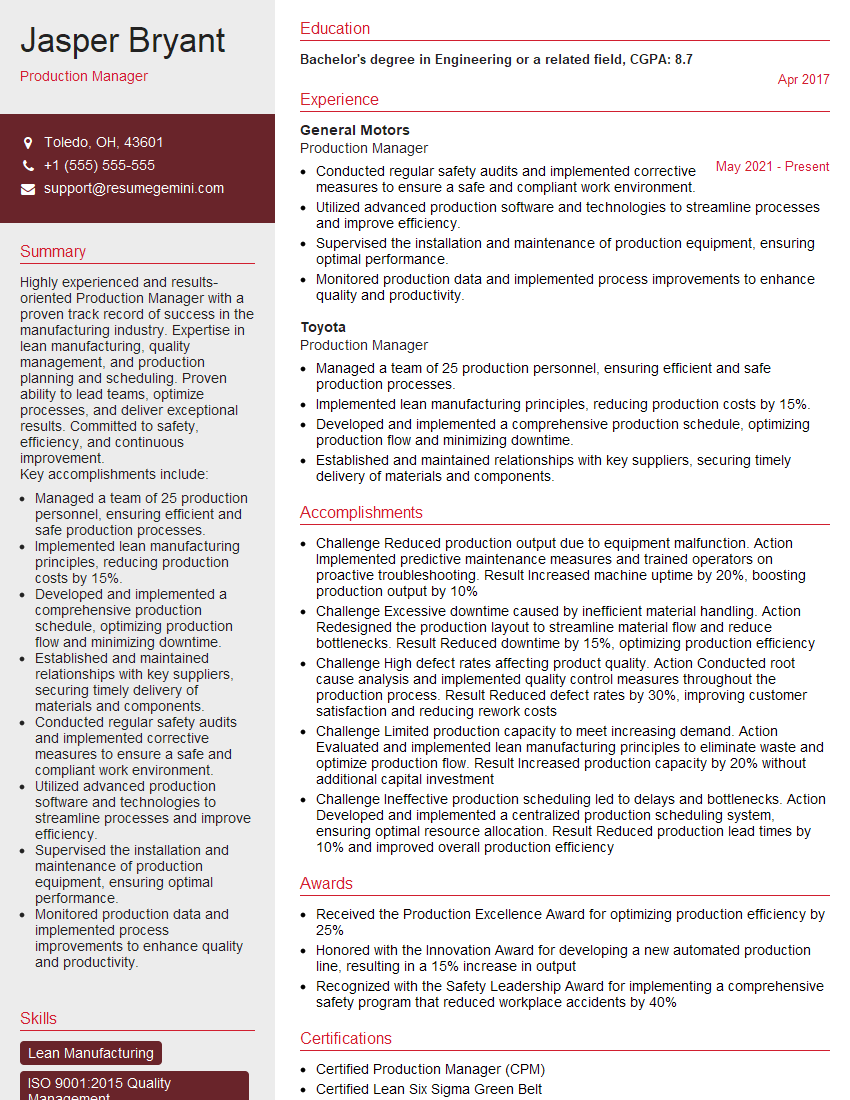
Production Manager Resume Sample
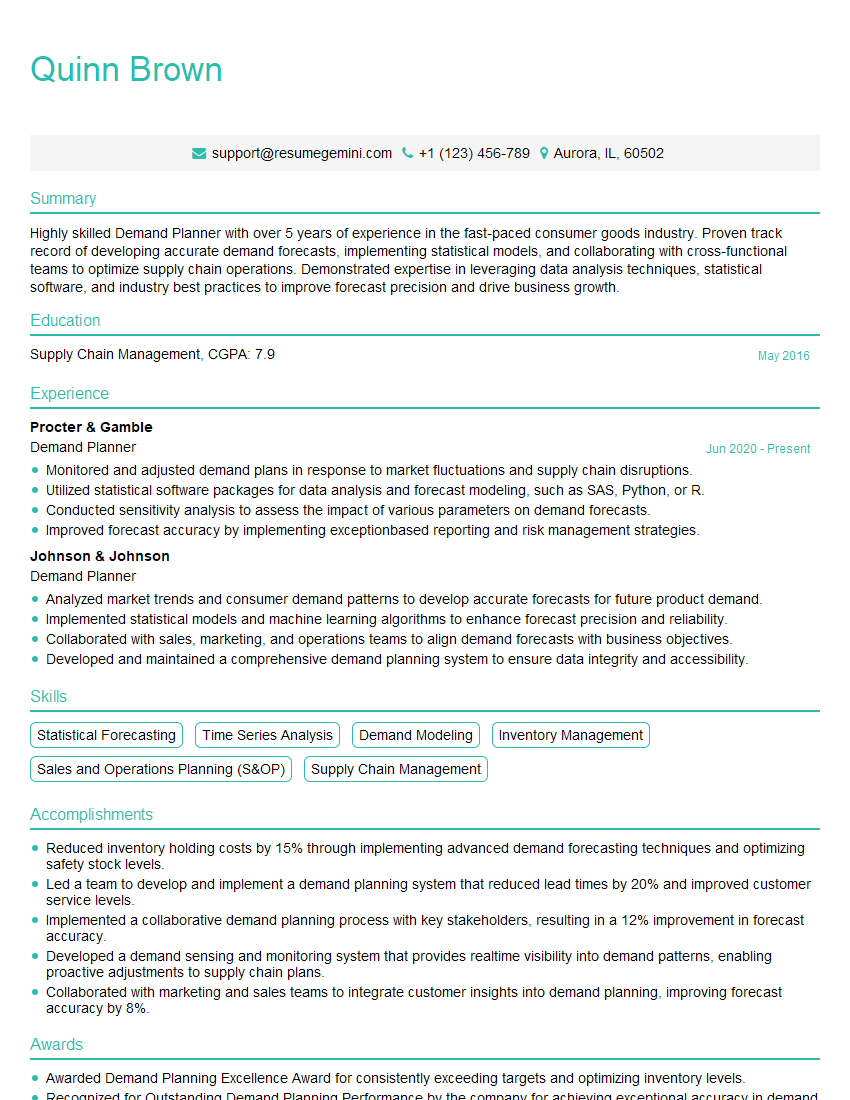
Demand Planner Resume Sample

Manufacturing Planner Resume Sample
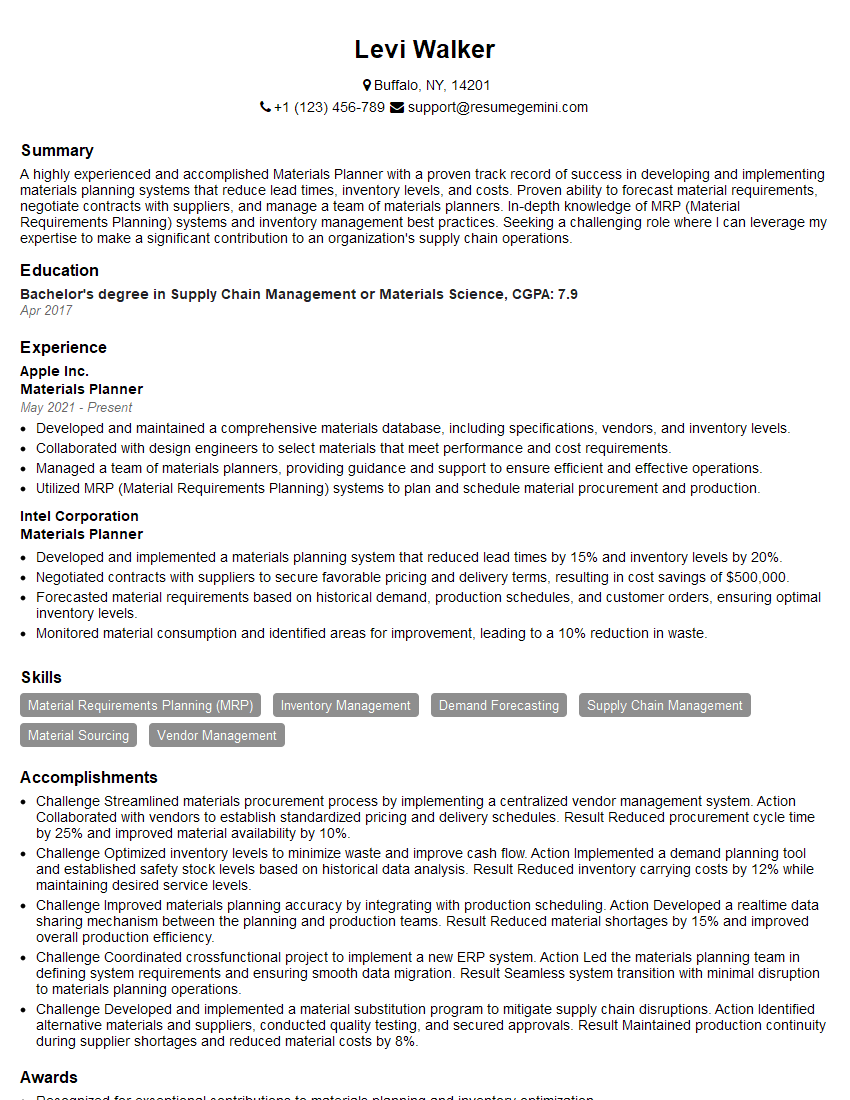
Materials Planner Resume Sample
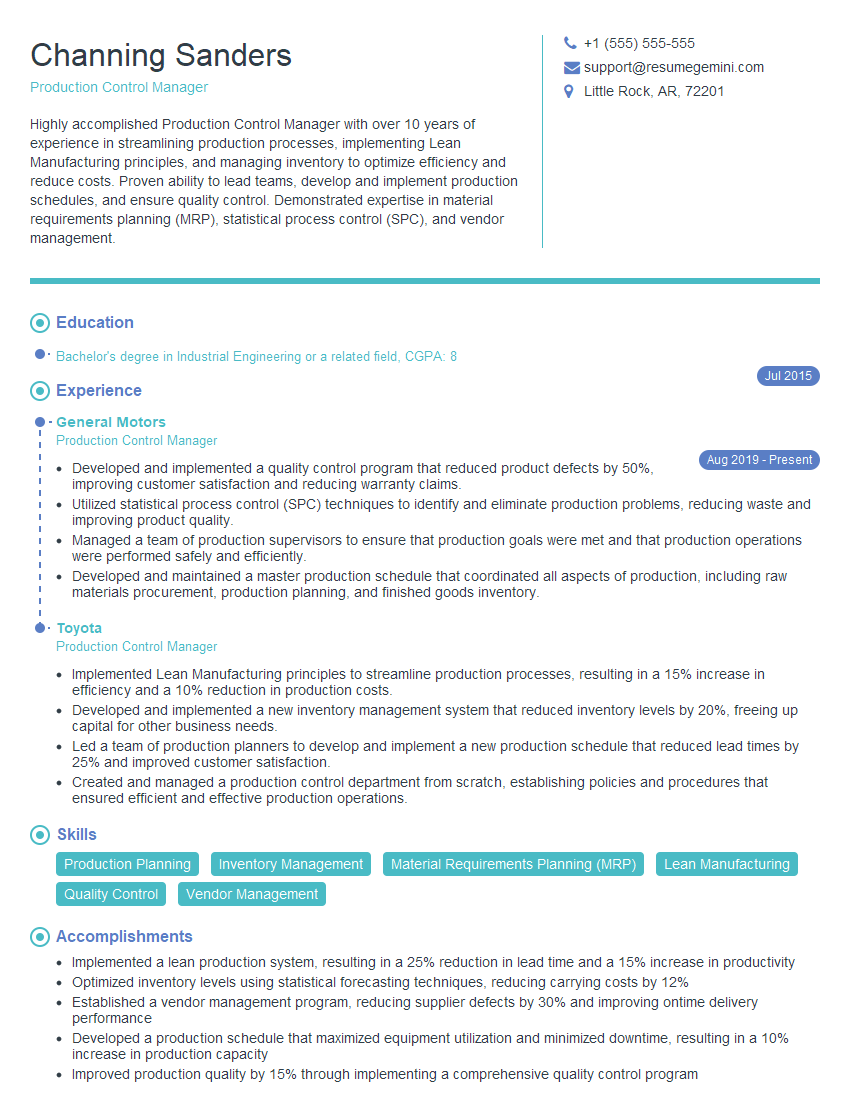
Production Control Manager Resume Sample
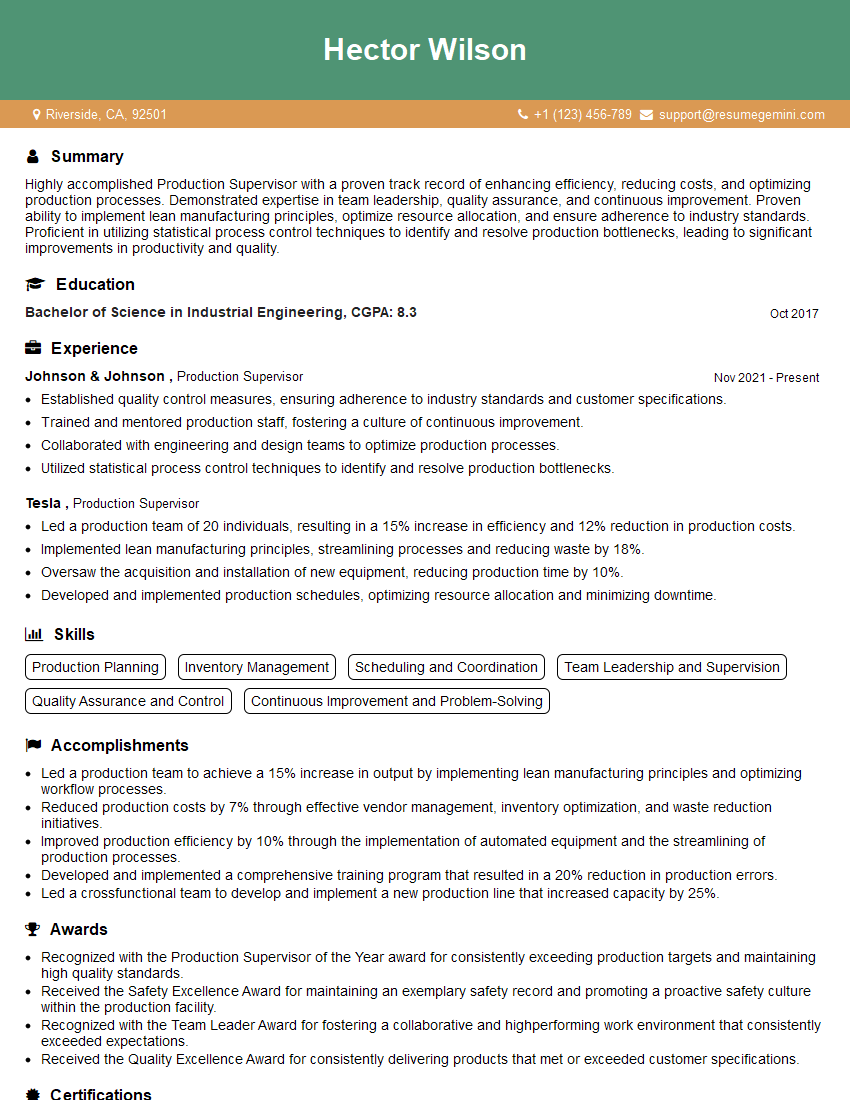
Production Supervisor Resume Sample
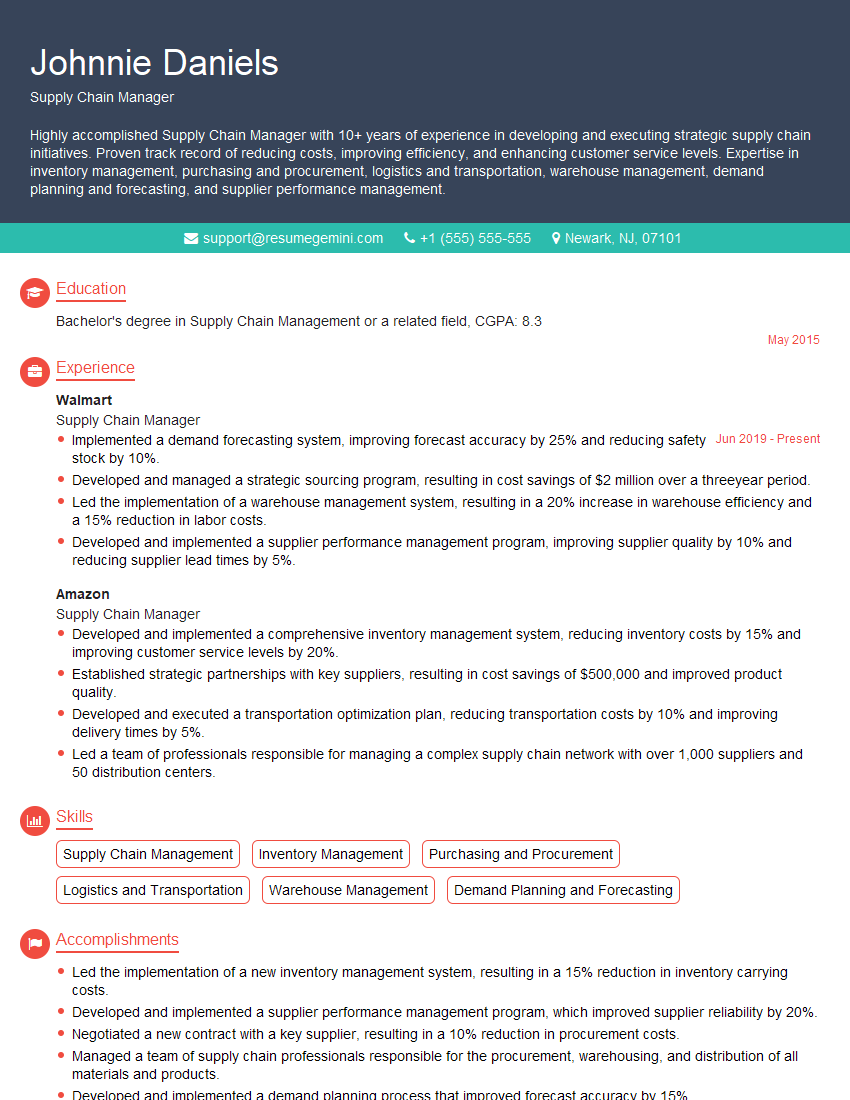
Supply Chain Manager Resume Sample
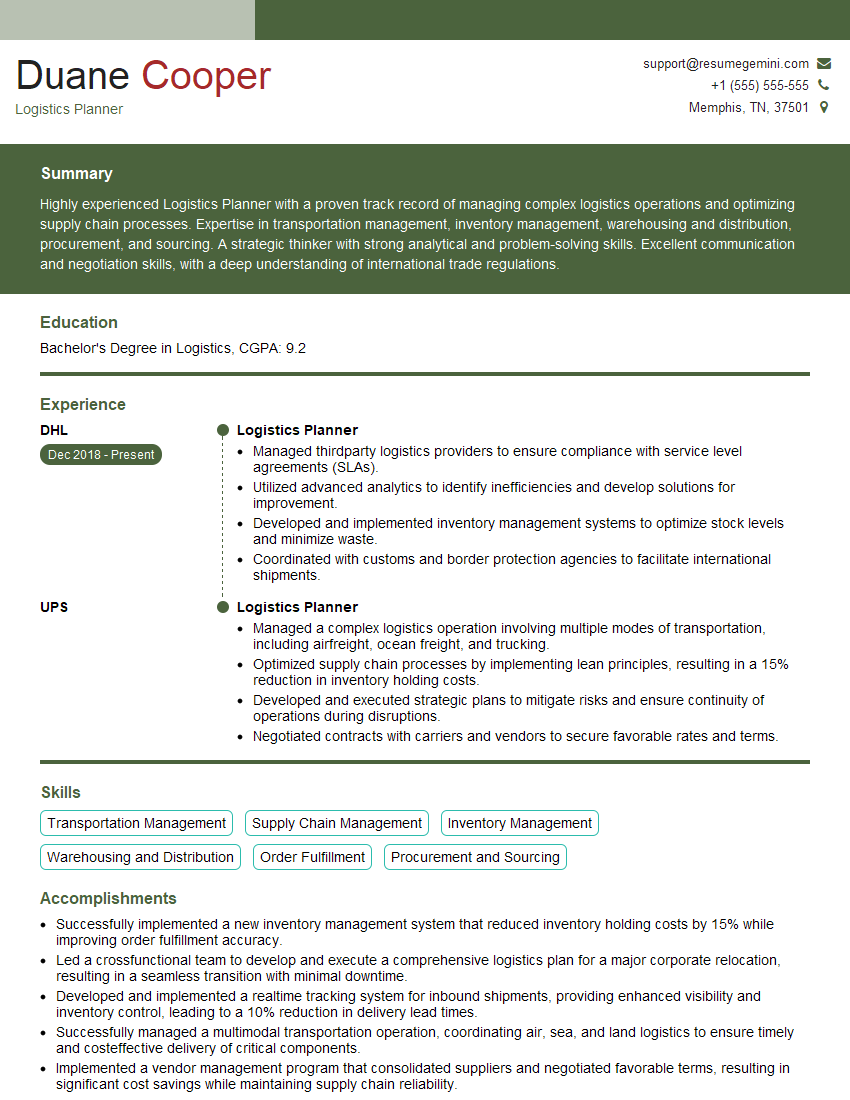
Logistics Planner Resume Sample
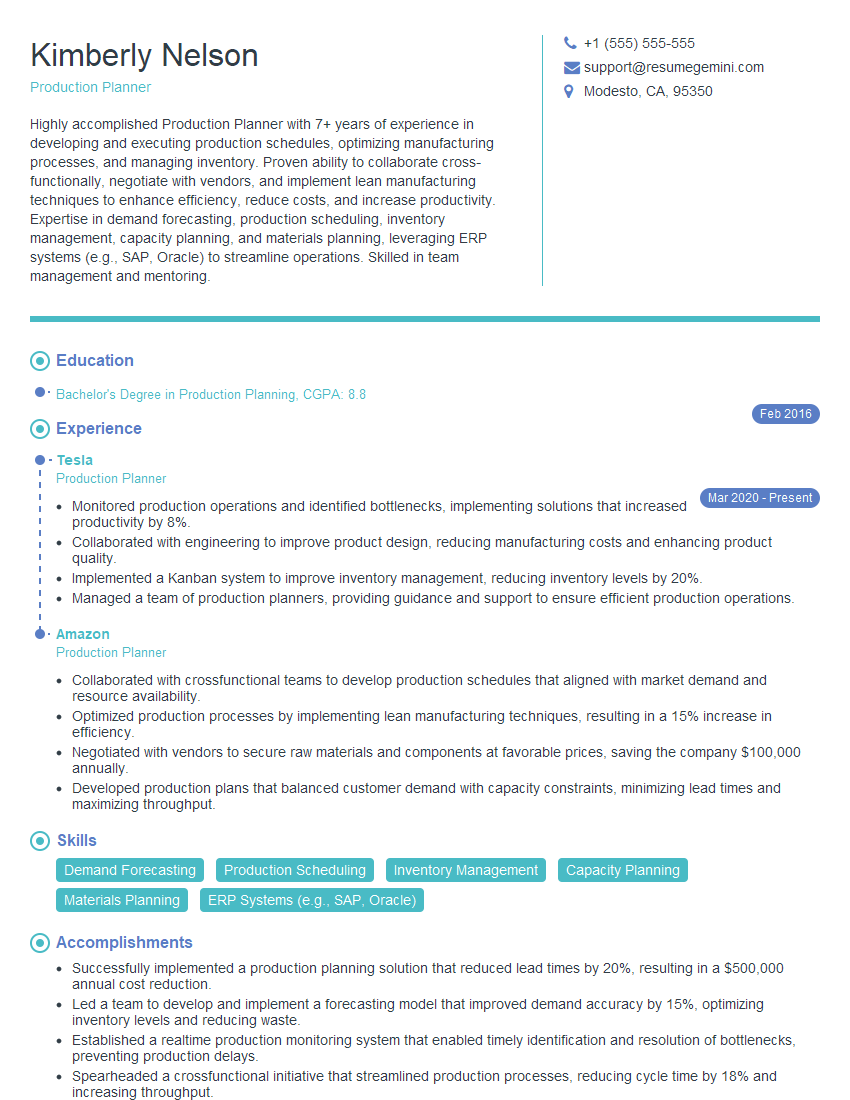
Production Planner Resume Sample
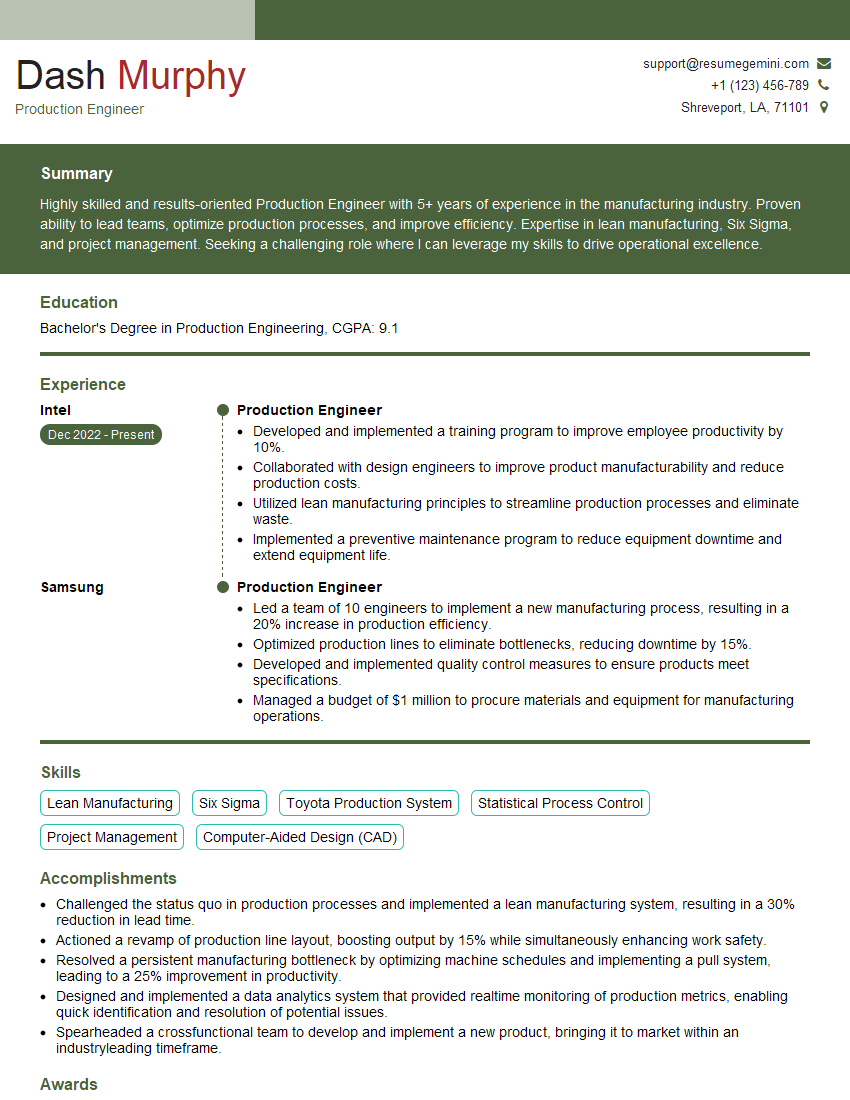
Production Engineer Resume Sample

Planning Manager Resume Sample
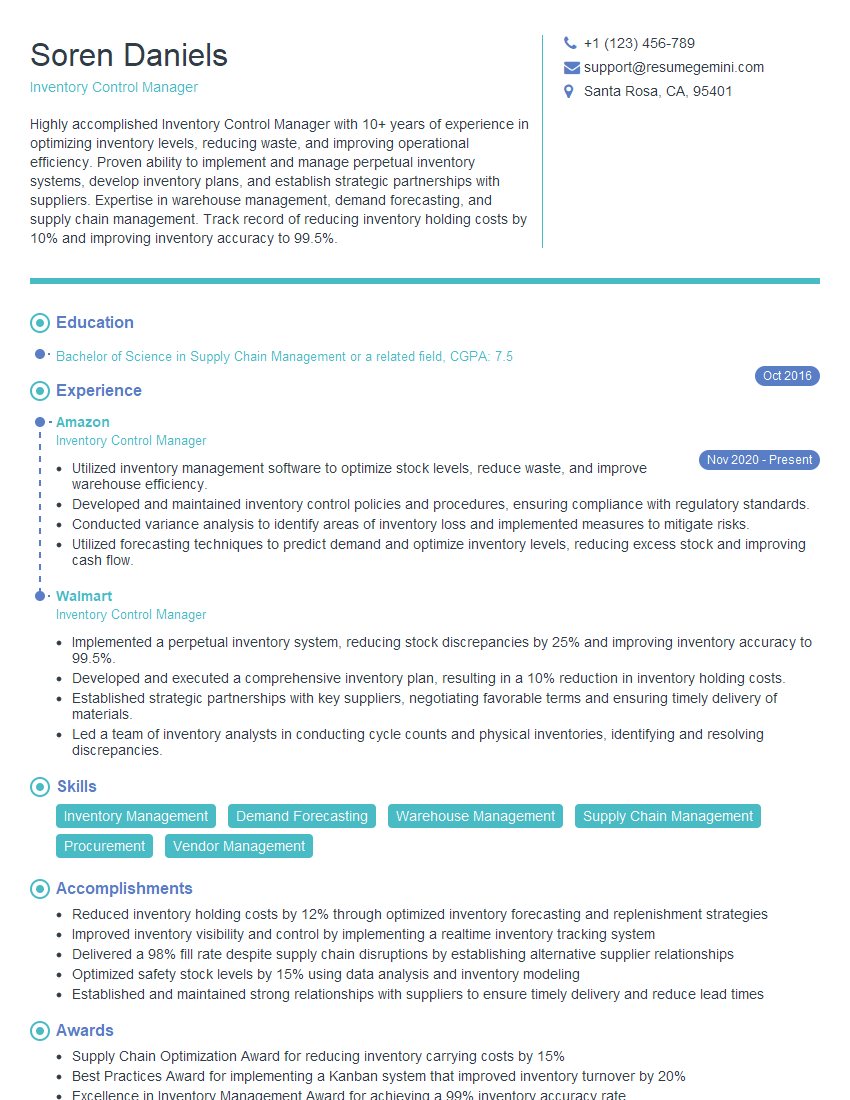
Inventory Control Manager Resume Sample
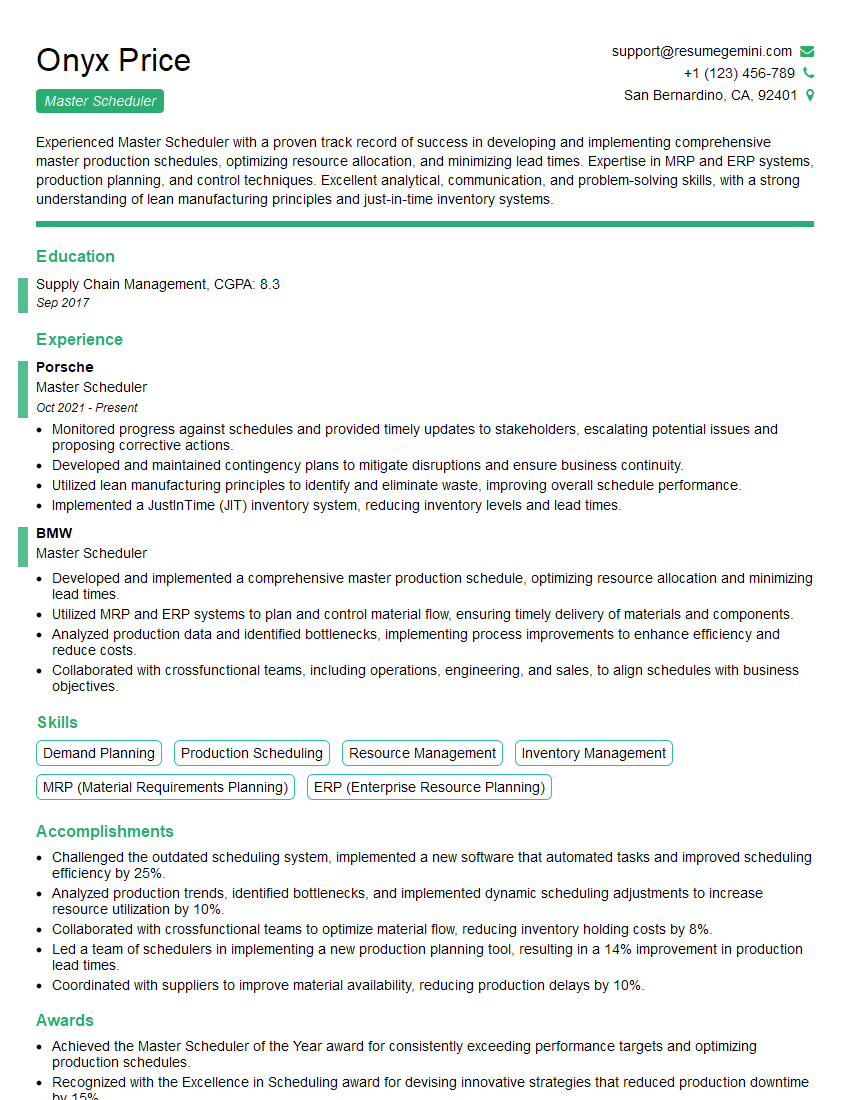
Master Scheduler Resume Sample
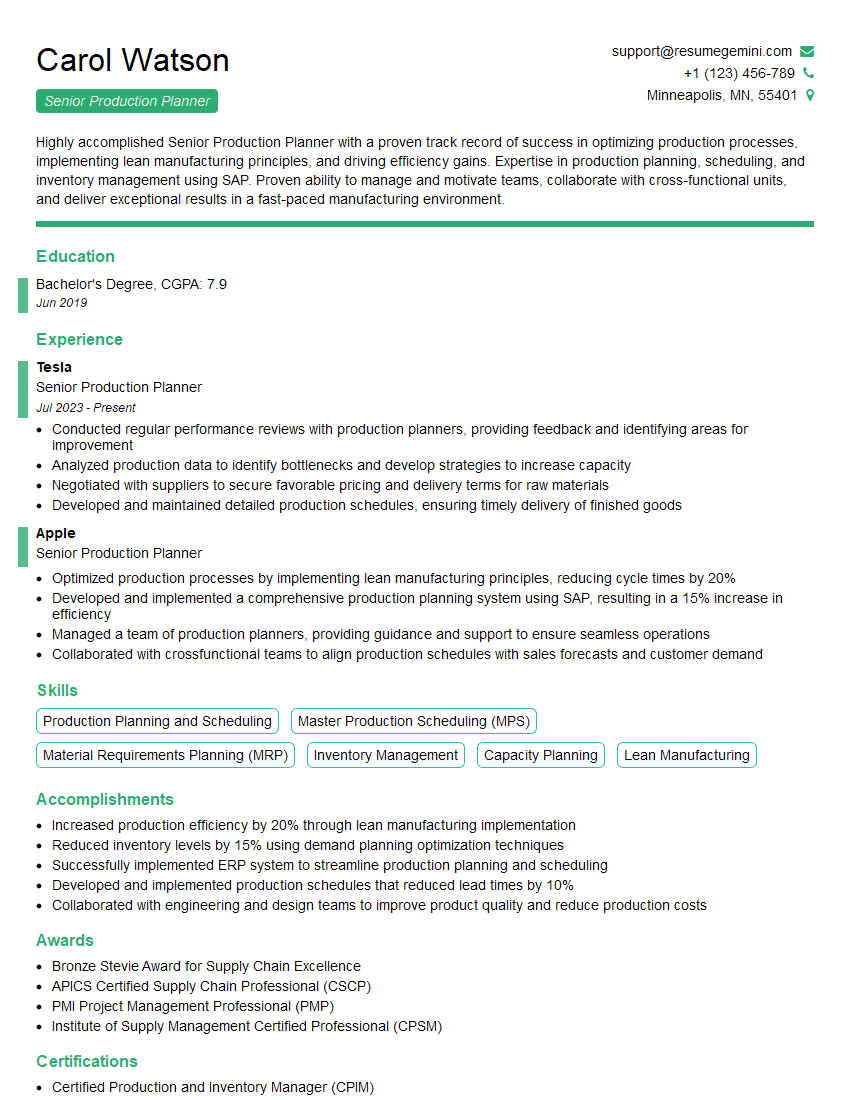
Senior Production Planner Resume Sample
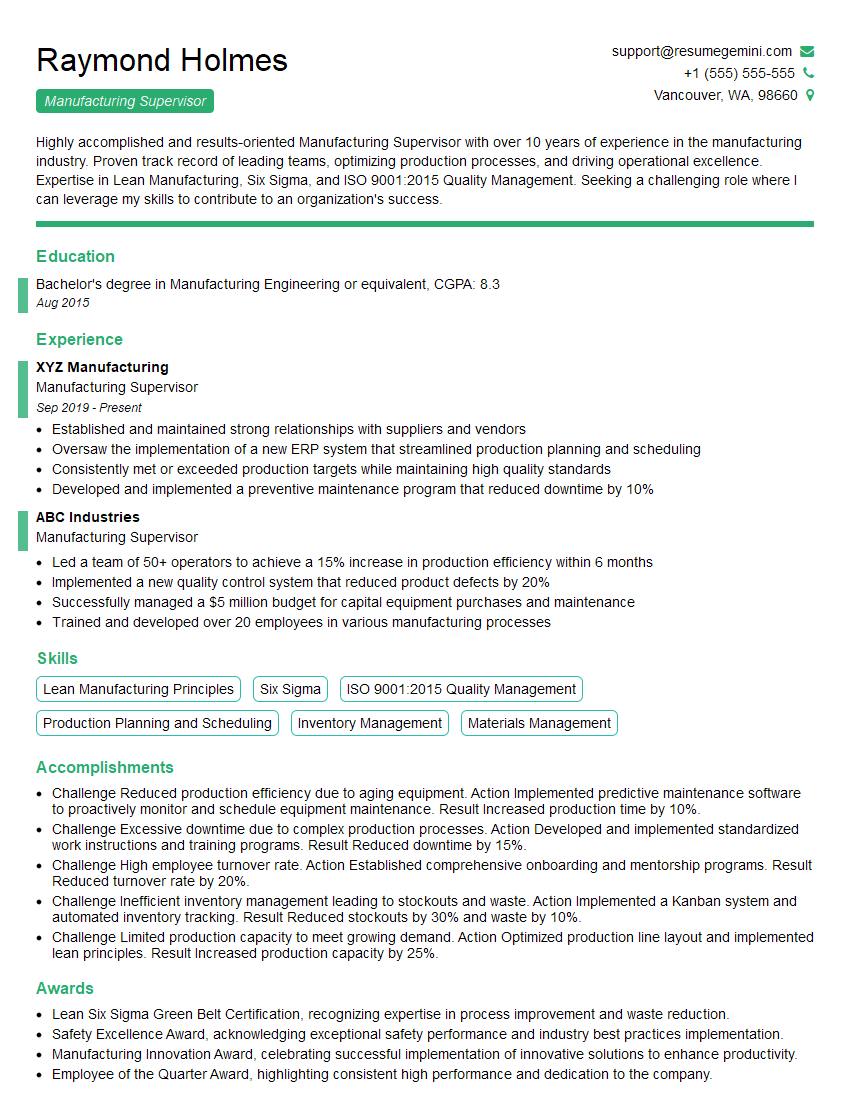
Manufacturing Supervisor Resume Sample
- Operations Manager
- Operations Supervisor
- Production Manager
- Demand Planner
- Manufacturing Planner
- Materials Planner
- Production Control Manager
- Production Supervisor
- Supply Chain Manager
- Logistics Planner
- Production Planner
- Production Engineer
- Planning Manager
- Inventory Control Manager
- Master Scheduler
- Senior Production Planner
- Manufacturing Supervisor
Explore more articles
Users Rating of Our Blogs
Share Your Experience
We value your feedback! Please rate our content and share your thoughts (optional).
What Readers Say About Our Blog
Very informative content, great job.
good