The right preparation can turn an interview into an opportunity to showcase your expertise. This guide to Production Standards Knowledge interview questions is your ultimate resource, providing key insights and tips to help you ace your responses and stand out as a top candidate.
Questions Asked in Production Standards Knowledge Interview
Q 1. Explain your understanding of ISO 9001 standards.
ISO 9001 is an internationally recognized standard that outlines requirements for a quality management system (QMS). It’s not a specific set of procedures but a framework that helps organizations consistently meet customer and regulatory requirements. Think of it as a blueprint for ensuring your processes are efficient, effective, and produce high-quality outputs. At its core, it focuses on continuous improvement, customer satisfaction, and the prevention of defects.
A successful ISO 9001 implementation involves several key elements:
- Documentation: Maintaining comprehensive documented procedures for all processes.
- Management Responsibility: Top management commitment and accountability for the QMS.
- Resource Management: Providing the necessary resources (personnel, equipment, etc.) for the QMS to function effectively.
- Product Realization: Ensuring the product or service meets requirements through design, procurement, production, and delivery.
- Measurement, Analysis, and Improvement: Regularly monitoring, analyzing, and improving the QMS through data analysis and corrective actions.
In my previous role, we implemented ISO 9001 across our manufacturing facility. This involved extensive training for staff, documenting all processes, and implementing a robust internal audit system. The result was a significant reduction in errors and improved customer satisfaction, as evidenced by increased on-time delivery and fewer customer complaints.
Q 2. Describe your experience with implementing quality control procedures.
My experience with implementing quality control procedures spans various industries, from manufacturing to software development. I approach quality control as a proactive, rather than reactive, process. It’s about building quality into the product from the beginning, not just inspecting for defects at the end.
A typical approach involves:
- Defining quality standards: Clearly specifying acceptable quality levels for each stage of production, based on customer requirements and industry best practices.
- Implementing inspection points: Strategically placing checkpoints throughout the production process to identify potential problems early on. For example, in a manufacturing setting, this might involve visual inspections of raw materials, in-process checks of partially completed products, and final product testing.
- Using statistical process control (SPC): Employing statistical methods to monitor and control the variation in production processes, such as control charts to identify trends and prevent deviations.
- Corrective and preventative actions (CAPA): Establishing a robust system for investigating and correcting defects, and implementing preventive measures to avoid similar issues in the future. This often involves root cause analysis (RCA), which I’ll discuss in more detail later.
For example, in a previous project, we implemented a visual inspection system with checklists at multiple stages of the production line for a medical device manufacturer. This led to a significant reduction in defective products and improved efficiency.
Q 3. How do you ensure production processes meet regulatory compliance?
Ensuring regulatory compliance is paramount in any production environment. This involves a multi-faceted approach that combines understanding the specific regulations, implementing processes to meet them, and consistently monitoring compliance.
My approach typically involves:
- Identifying applicable regulations: Thoroughly researching and understanding all relevant regulations, such as FDA regulations for medical devices or industry-specific safety standards.
- Developing compliance procedures: Creating detailed procedures that outline how the production process will meet each regulatory requirement. This could include documentation control, traceability systems, and validation protocols.
- Regular audits and inspections: Conducting regular internal audits and preparing for external audits to verify compliance and identify areas for improvement. This helps to ensure continuous compliance and proactively identify any potential issues.
- Record-keeping: Maintaining meticulous records to demonstrate compliance with all regulations. This might include batch records, test results, and training documentation.
For instance, in a pharmaceutical manufacturing setting, I’ve been involved in ensuring compliance with GMP (Good Manufacturing Practices) regulations, which involves stringent procedures for documentation, hygiene, and quality control throughout the production process. Non-compliance can lead to severe consequences, including product recalls and regulatory fines.
Q 4. What are the key performance indicators (KPIs) you monitor in production?
The key performance indicators (KPIs) I monitor in production depend on the specific industry and product, but some common ones include:
- Production output: Units produced per hour, day, or week, to measure efficiency and capacity.
- Defect rate: The percentage of defective products produced, indicating the effectiveness of quality control measures.
- On-time delivery: The percentage of orders delivered on or before the scheduled delivery date, reflecting production planning and execution.
- Overall equipment effectiveness (OEE): A measure of how effectively equipment is utilized, considering availability, performance, and quality.
- Production cost: The cost per unit produced, considering materials, labor, and overhead, crucial for profitability.
- Safety incidents: The number and severity of safety incidents, reflecting the effectiveness of safety procedures.
By tracking these KPIs, we can identify trends, areas for improvement, and potential bottlenecks in the production process. For example, a sudden increase in the defect rate might signal a problem in a specific stage of production, prompting a closer investigation and corrective actions.
Q 5. Explain your experience with root cause analysis in a production setting.
Root cause analysis (RCA) is a crucial tool for identifying the underlying causes of problems in production. It’s not enough to just address the symptom; we need to find the root cause to prevent recurrence.
I’ve used various RCA methodologies, including the “5 Whys” technique (repeatedly asking “why” to drill down to the root cause) and Fishbone diagrams (cause-and-effect diagrams). The process typically involves:
- Defining the problem: Clearly stating the problem that needs to be addressed.
- Gathering data: Collecting relevant data from various sources, such as production records, operator logs, and equipment maintenance records.
- Identifying potential causes: Brainstorming potential causes using a chosen methodology like the 5 Whys or Fishbone diagram.
- Verifying the root cause: Analyzing the data to confirm the identified root cause.
- Developing corrective actions: Implementing corrective actions to address the root cause and prevent recurrence.
For example, in a previous incident involving a significant increase in product defects, we used the 5 Whys technique to uncover that the root cause was inadequate training for new operators on a specific piece of equipment. Addressing this with comprehensive training resolved the issue and prevented future recurrence.
Q 6. How do you manage production deviations and non-conformances?
Managing production deviations and non-conformances requires a systematic approach that ensures timely identification, investigation, and correction.
My process typically involves:
- Immediate containment: Taking immediate actions to prevent further production of non-conforming products.
- Investigation: Conducting a thorough investigation to determine the root cause of the deviation or non-conformance, often using RCA.
- Corrective action: Implementing corrective actions to address the root cause and prevent recurrence. This may involve process adjustments, equipment repairs, or operator retraining.
- Preventive action: Implementing preventive actions to prevent similar issues from occurring in the future.
- Documentation: Maintaining thorough documentation of the entire process, including the deviation, investigation, corrective actions, and preventive actions.
For instance, if a batch of products fails a quality inspection, we immediately isolate the batch, investigate the cause (perhaps a faulty component), replace the faulty component, re-inspect the batch, and implement preventive measures to ensure this doesn’t happen again, such as stricter incoming inspection procedures for that component.
Q 7. Describe your experience with implementing continuous improvement methodologies.
Implementing continuous improvement methodologies is vital for maintaining competitiveness and ensuring ongoing efficiency and quality. Lean manufacturing and Six Sigma are two widely used methodologies I have experience with.
Lean Manufacturing focuses on eliminating waste (muda) in all aspects of production. This involves streamlining processes, reducing inventory, and improving workflow. Tools like Value Stream Mapping help visualize and analyze the flow of materials and information to identify waste.
Six Sigma is a data-driven approach that aims to reduce variability and defects in processes. It uses statistical methods to identify and eliminate the root causes of defects, ultimately improving process capability. DMAIC (Define, Measure, Analyze, Improve, Control) is a common framework used in Six Sigma projects.
In my previous role, we implemented a Lean manufacturing initiative, using Kaizen events (short-term improvement projects) to address specific bottlenecks in the production line. This resulted in a significant reduction in lead times and improved overall efficiency. We also utilized Six Sigma methodologies to reduce the defect rate in a critical production process, resulting in substantial cost savings.
Q 8. What is your experience with lean manufacturing principles?
Lean manufacturing principles are all about maximizing customer value while minimizing waste. My experience encompasses implementing various lean tools and techniques across several production environments. This includes:
- Value Stream Mapping: I’ve led multiple value stream mapping exercises to identify and eliminate non-value-added steps in our production processes. For instance, in a previous role, we mapped the entire assembly process for a key product, identifying a bottleneck in the painting stage. By streamlining the process and implementing a Kanban system, we reduced lead time by 20%.
- 5S Methodology: I’ve actively implemented 5S (Sort, Set in Order, Shine, Standardize, Sustain) to improve workplace organization and efficiency. This resulted in reduced search times for tools and materials, minimizing downtime and improving overall productivity.
- Kaizen Events: I’ve participated in and facilitated numerous Kaizen events, focusing on continuous improvement through small, incremental changes. One successful event involved improving the ergonomic design of a workstation, leading to a reduction in employee fatigue and improved quality.
- Just-in-Time (JIT) Inventory: I have experience optimizing inventory levels using JIT principles, minimizing storage costs and reducing waste associated with obsolete or damaged stock. This involved close collaboration with suppliers and implementing a robust inventory management system.
My understanding of lean principles extends beyond just implementing tools; it’s about fostering a culture of continuous improvement and empowering employees to identify and solve problems.
Q 9. How do you prioritize tasks in a high-pressure production environment?
Prioritizing tasks in a high-pressure production environment requires a structured approach. I typically use a combination of methods:
- Urgency and Importance Matrix (Eisenhower Matrix): This helps categorize tasks based on urgency and importance, allowing me to focus on the most critical items first. This avoids getting bogged down in less important tasks that may seem urgent.
- Production Schedule Alignment: I always align my tasks with the overall production schedule. Tasks that directly impact meeting deadlines or fulfilling customer orders get top priority.
- Risk Assessment: I assess the potential risks associated with each task. Tasks with higher risk of impacting production (e.g., machine malfunction) are prioritized over lower-risk tasks.
- Collaboration and Communication: Open communication with the team is key. I regularly update the team on priorities and solicit input to ensure everyone is working towards the same goals.
Imagine a scenario where a critical machine breaks down. Even if other tasks are due, addressing the machine breakdown immediately is paramount to avoid further production delays and potential quality issues. This approach ensures efficiency and minimizes disruption.
Q 10. Explain your experience with production scheduling and planning.
My experience with production scheduling and planning involves utilizing various techniques to optimize resource allocation and meet production targets. This includes:
- Master Production Schedule (MPS): I’ve developed and managed MPSs, considering factors like demand forecasts, production capacity, and material availability. This involves using software like MRP (Material Requirements Planning) to generate detailed schedules.
- Capacity Planning: I have experience analyzing production capacity to ensure we have the necessary resources (machines, labor, materials) to meet the MPS. This includes identifying potential bottlenecks and developing strategies to mitigate them.
- Production Sequencing: I’ve implemented various sequencing techniques (e.g., shortest processing time, earliest due date) to optimize the order of jobs, minimizing idle time and maximizing throughput.
- Inventory Management: Effective scheduling requires careful inventory management. I’ve worked to maintain optimal stock levels, balancing the need for materials with storage costs and minimizing the risk of stockouts.
For example, in a previous role, I implemented a new scheduling system that reduced lead times by 15% and improved on-time delivery by 10%.
Q 11. How do you handle conflict resolution within a production team?
Conflict resolution within a production team requires a proactive and collaborative approach. My strategy focuses on:
- Active Listening: I make sure to understand each person’s perspective before jumping to conclusions. This helps identify the root cause of the conflict.
- Facilitation: I create a safe space for open communication and encourage team members to express their concerns respectfully.
- Mediation: If necessary, I act as a mediator, helping team members find common ground and reach a mutually acceptable solution. This often involves identifying compromise and focusing on shared goals.
- Follow-up: After resolving a conflict, I follow up to ensure that the issue doesn’t reoccur and that team relationships remain positive.
For instance, I once resolved a conflict between two team members regarding a work assignment by clarifying expectations and ensuring both individuals understood their roles and responsibilities.
Q 12. Describe a time you had to troubleshoot a production issue.
In a previous role, we experienced a significant drop in product quality due to a malfunctioning component in our automated assembly line. My troubleshooting process involved:
- Problem Definition: Clearly identifying the issue: A significant increase in defective units from the assembly line.
- Data Collection: Gathering data on the defective units, including the specific component at fault and the time of occurrence.
- Hypothesis Generation: Forming a hypothesis about the possible causes, such as a faulty component, machine malfunction, or operator error.
- Testing and Verification: Testing our hypotheses through various methods, including visual inspection of the components, analysis of machine logs, and interviewing operators. This isolated the faulty component.
- Solution Implementation: Replacing the faulty component and implementing preventative measures such as regular maintenance checks and quality control procedures.
- Verification and Monitoring: Monitoring the production line after the solution was implemented to ensure that the problem was resolved and to prevent future occurrences.
This systematic approach allowed us to quickly identify and resolve the problem, minimizing production downtime and preventing further quality issues.
Q 13. What are your methods for preventing production errors?
Preventing production errors is paramount. My approach involves a multi-layered strategy:
- Standard Operating Procedures (SOPs): Clearly defined SOPs for each process step reduce ambiguity and ensure consistency. These are regularly reviewed and updated.
- Quality Control Checks: Implementing rigorous quality control checks at various stages of production helps identify and correct errors early on. This often involves using statistical process control (SPC) techniques.
- Employee Training: Providing thorough training to employees on proper procedures and safety regulations minimizes errors caused by lack of knowledge or skill.
- Preventive Maintenance: Regular preventive maintenance on equipment reduces the likelihood of breakdowns and unexpected downtime, which can lead to errors.
- Root Cause Analysis (RCA): Performing RCA on any errors that do occur helps identify the underlying cause and implement corrective actions to prevent recurrence.
Think of it like building a house – you wouldn’t start without a blueprint (SOPs), inspections during construction (quality checks), and skilled workers (training). This proactive approach ensures a higher quality end product.
Q 14. How do you maintain accurate production records and documentation?
Maintaining accurate production records and documentation is crucial for traceability, analysis, and continuous improvement. My approach involves:
- Real-time Data Capture: Using automated systems to capture production data in real-time, minimizing manual data entry errors. This could involve integrating sensors into the production line or using specialized software.
- Data Validation: Implementing validation checks to ensure data accuracy and consistency. This includes cross-checking data from multiple sources.
- Secure Storage: Storing production records in a secure and accessible database, protecting against data loss and unauthorized access. This may involve cloud-based solutions or on-premise servers.
- Regular Audits: Conducting regular audits of production records to ensure accuracy and compliance with company policies and regulations.
- Version Control: Implementing version control for documents to track changes and ensure that everyone is working with the most up-to-date information.
In essence, it’s about creating a system that is not only accurate but also auditable and readily accessible for analysis and decision-making.
Q 15. How do you ensure employee safety in a production environment?
Ensuring employee safety in a production environment is paramount. It’s not just an ethical obligation but also crucial for maintaining productivity and avoiding costly legal repercussions. My approach is multi-faceted and relies on a proactive, preventative strategy, rather than a reactive one.
- Comprehensive Risk Assessment: Regular, thorough risk assessments identify potential hazards – from machine operation to chemical handling and ergonomic issues. This involves walking the production floor, observing processes, and consulting with employees. For example, in a previous role, we identified a blind spot in a conveyor belt system that led to near-miss incidents. We implemented a simple mirror solution to eliminate the hazard completely.
- Safety Training Programs: Employees receive comprehensive training on safe operating procedures (SOPs), hazard recognition, and emergency response. Training is tailored to specific job roles and updated regularly to reflect changes in equipment or processes. Refresher courses and simulations are also employed to ensure ongoing competence.
- Personal Protective Equipment (PPE): Providing and enforcing the use of appropriate PPE is non-negotiable. This includes everything from safety glasses and hearing protection to specialized suits and respirators, based on the specific risks in each area. We’d regularly inspect PPE and replace it as needed, ensuring everything is in top working condition.
- Emergency Response Plan: A robust emergency response plan must be in place, encompassing evacuation procedures, first aid protocols, and communication strategies. Regular drills help employees familiarize themselves with these procedures, ensuring everyone knows how to respond effectively in case of an emergency.
- Continuous Improvement: Safety isn’t a one-time fix; it’s an ongoing process. We regularly review accident reports, near-miss incidents, and employee feedback to identify areas for improvement. This could involve implementing new safety measures, updating existing procedures, or enhancing employee training programs.
Ultimately, a strong safety culture is built on open communication, employee empowerment, and a commitment from leadership to prioritize safety above all else.
Career Expert Tips:
- Ace those interviews! Prepare effectively by reviewing the Top 50 Most Common Interview Questions on ResumeGemini.
- Navigate your job search with confidence! Explore a wide range of Career Tips on ResumeGemini. Learn about common challenges and recommendations to overcome them.
- Craft the perfect resume! Master the Art of Resume Writing with ResumeGemini’s guide. Showcase your unique qualifications and achievements effectively.
- Don’t miss out on holiday savings! Build your dream resume with ResumeGemini’s ATS optimized templates.
Q 16. What is your experience with Six Sigma methodologies?
I have extensive experience with Six Sigma methodologies, having led several successful projects using DMAIC (Define, Measure, Analyze, Improve, Control) to optimize production processes. For example, in a previous role, we used Six Sigma to reduce defects in a packaging line.
- Define: We clearly defined the problem – high defect rates in sealed packages – and set a specific, measurable goal, such as reducing defects by 90%.
- Measure: We meticulously collected data on defect types, frequencies, and root causes using various statistical tools. This involved creating control charts to monitor the process variability over time.
- Analyze: We used various analytical techniques (e.g., Pareto charts, fishbone diagrams) to identify the key factors contributing to the high defect rates. It turned out that a faulty sealing machine was the primary culprit.
- Improve: We implemented several solutions, including repairing the faulty machine, upgrading the sealing mechanism, and retraining operators on proper machine operation. We then tested different solutions and selected the most effective one based on data.
- Control: Once improvements were implemented, we continued monitoring the process using control charts to ensure that the defect rate remained low and that the gains were sustained.
Beyond DMAIC, I’m familiar with other Six Sigma tools like FMEA (Failure Mode and Effects Analysis) and Design of Experiments (DOE), and I’m proficient in using statistical software for data analysis.
Q 17. How do you measure and improve production efficiency?
Measuring and improving production efficiency involves a holistic approach that combines quantitative data analysis with qualitative observations and process optimization strategies.
- Key Performance Indicators (KPIs): We track several KPIs, including overall equipment effectiveness (OEE), cycle time, throughput, defect rate, and labor costs. These metrics provide a quantifiable measure of production efficiency.
- Data Collection and Analysis: We utilize various data collection methods, such as real-time monitoring systems, production logs, and quality control checks. This data is then analyzed to identify bottlenecks, inefficiencies, and areas for improvement. For example, we might use time studies to pinpoint where workers are spending excessive time on tasks.
- Process Optimization Techniques: We leverage various process optimization techniques like value stream mapping, to identify and eliminate waste in the production process. Lean principles, such as 5S (Sort, Set in Order, Shine, Standardize, Sustain), are also implemented to improve workflow organization.
- Capacity Planning and Resource Allocation: Optimizing resource allocation is crucial. This involves using capacity planning tools to determine the optimal number of machines, workers, and materials needed to meet production demands while minimizing idle time and waste.
- Continuous Improvement Initiatives: We adopt a continuous improvement philosophy, regularly reviewing our KPIs and making adjustments to processes and procedures based on data and insights gained. Kaizen events (short, focused improvement projects) are a great example of this.
By combining careful measurement with strategic process improvement strategies, we can continuously enhance production efficiency and reduce costs.
Q 18. Describe your experience with different production methods (e.g., lean, Agile).
My experience encompasses various production methods, including Lean manufacturing, Agile methodologies, and traditional batch processing. Understanding the strengths and limitations of each method allows me to tailor the production approach to the specific needs of the product and the company.
- Lean Manufacturing: Lean focuses on eliminating waste (muda) in all forms – be it excess inventory, unnecessary movement, or defects. My experience with Lean includes implementing Kanban systems, value stream mapping, and 5S methodologies to streamline production flows, reduce lead times, and improve overall efficiency. In one project, we reduced inventory holding costs by 30% by implementing a Kanban system.
- Agile Methodologies: While traditionally applied to software development, Agile’s principles of iterative development, collaboration, and rapid feedback loops are increasingly relevant in manufacturing. We’ve used Agile principles to shorten product development cycles and increase responsiveness to customer needs, adapting to shifting market demands.
- Traditional Batch Processing: I’m well-versed in traditional batch processing methods, understanding their strengths (e.g., economies of scale for large production runs) and limitations (e.g., high inventory levels, longer lead times). I’m skilled at optimizing batch sizes, scheduling, and material handling to maximize efficiency within a batch-oriented system.
The choice of production method often depends on several factors including product complexity, production volume, market demand, and organizational culture. My ability to leverage aspects of these different approaches is a key asset.
Q 19. Explain your understanding of statistical process control (SPC).
Statistical Process Control (SPC) is a powerful tool for monitoring and controlling production processes to maintain quality and consistency. It uses statistical methods to analyze data and identify trends that indicate process instability or out-of-control conditions.
- Control Charts: Control charts are the cornerstone of SPC. They visually display process data over time, with control limits indicating the expected range of variation. Different types of control charts (e.g., X-bar and R charts, p-charts, c-charts) are used depending on the type of data being collected. For instance, an X-bar and R chart would be used for continuous data (like dimensions), while a p-chart is suitable for attribute data (like the proportion of defects).
- Process Capability Analysis: This assesses whether a process is capable of consistently meeting specified quality requirements. It determines if the process variation is within acceptable limits, often expressed using Cp and Cpk indices. This helps determine if a process requires improvement or if it is capable of consistently producing quality products within specified tolerances.
- Process Variation Reduction: By identifying sources of variation using SPC, we can implement corrective actions to reduce variability and improve process stability. This might involve adjusting machine settings, improving operator training, or implementing better quality control measures.
SPC is not just about detecting problems; it’s about proactively identifying and preventing them before they impact product quality or customer satisfaction. Think of it as a proactive health check for your production process.
Q 20. How do you utilize data analytics to improve production processes?
Data analytics plays a pivotal role in improving production processes by providing insights into performance, identifying areas for improvement, and supporting data-driven decision-making. My approach combines data acquisition, analysis, and visualization to transform raw data into actionable intelligence.
- Data Acquisition: We collect data from various sources, including manufacturing execution systems (MES), sensors on production equipment, quality control databases, and enterprise resource planning (ERP) systems. This often involves integrating data from multiple systems to create a comprehensive view of production performance.
- Data Analysis: We employ various statistical techniques and machine learning algorithms to analyze data, identifying patterns, trends, and anomalies. This could include predictive modeling to forecast production output, anomaly detection to flag potential problems early, or root cause analysis to identify the underlying causes of defects or inefficiencies.
- Data Visualization: Effective data visualization is crucial for communicating findings and making them accessible to a wider audience. Dashboards and interactive reports are used to present key metrics and trends in a clear, concise, and actionable manner. This facilitates better understanding and communication throughout the production team.
- Predictive Maintenance: By analyzing sensor data from equipment, we can predict potential equipment failures before they occur. This allows for proactive maintenance, preventing costly downtime and reducing the risk of production disruptions.
Data analytics empowers us to move beyond reactive problem-solving to a more proactive, data-driven approach to optimizing production processes and ensuring consistent quality.
Q 21. Describe your experience with production automation and robotics.
I possess significant experience with production automation and robotics, having been involved in the implementation and optimization of automated systems in various manufacturing settings. My expertise covers various aspects, from selecting appropriate automation technologies to integrating them into existing production lines and managing their ongoing operation.
- Robotics Integration: I’ve worked on integrating robotic systems into assembly lines, welding processes, and material handling operations. This involves understanding the capabilities and limitations of different types of robots, selecting the most appropriate models for specific tasks, and designing efficient robot workcells. We carefully consider factors like cycle times, payload capacity, and reach when selecting robots.
- Automated Guided Vehicles (AGVs): Experience with AGVs for material handling within the factory. This includes planning optimal routing, coordinating AGV movements with other production activities, and ensuring the safety and efficiency of the AGV system.
- PLC Programming and Control Systems: Familiarity with PLC programming (Programmable Logic Controllers) and other control systems used to automate manufacturing processes. This allows for customizing automated systems and integrating them seamlessly with existing factory infrastructure.
- Process Optimization after Automation: Implementing automation doesn’t guarantee immediate efficiency gains. We’d carefully monitor the automated processes, analyze performance data, and make adjustments to optimize cycle times, throughput, and overall efficiency. This may involve fine-tuning robot programs, optimizing material flow, or adjusting other parameters to ensure smooth and efficient operation.
My focus is always on ensuring that automation solutions are safe, reliable, cost-effective, and aligned with the overall production goals. Automation is not just about technology; it’s about integrating technology effectively to enhance efficiency, quality, and productivity.
Q 22. How do you handle production bottlenecks?
Handling production bottlenecks requires a systematic approach combining immediate action with long-term preventative measures. Think of a bottleneck as a narrow section in a pipe – it restricts the overall flow. My approach involves a three-pronged strategy: Identify, Analyze, and Solve.
- Identify: I utilize real-time data monitoring tools like Manufacturing Execution Systems (MES) to pinpoint the exact location and nature of the bottleneck. This could be a machine malfunction, insufficient raw materials, inadequate staffing, or even a poorly designed workflow. For example, in a previous role, we noticed a significant slowdown in our packaging line.
- Analyze: Once identified, I perform a root cause analysis (RCA) using techniques like the 5 Whys to understand the underlying issues. In the packaging line example, the 5 Whys revealed that the slowdown stemmed from a faulty labeling machine, which was due to worn-out parts, caused by infrequent maintenance, ultimately resulting in production delays.
- Solve: Solutions range from immediate fixes (e.g., repairing a machine, expediting material delivery) to long-term solutions (e.g., process re-engineering, investing in new equipment). In our case, we implemented a preventative maintenance schedule for the labeling machine, trained operators on efficient troubleshooting, and explored alternatives for faster packaging materials. This three-step process allows for both immediate recovery and long-term prevention of similar issues.
Q 23. What is your experience with capacity planning?
Capacity planning is crucial for ensuring a production facility operates efficiently and meets demand. It’s about forecasting future needs and aligning resources accordingly. My experience encompasses all stages of capacity planning, from data gathering and analysis to resource allocation and implementation.
- Demand Forecasting: I use various forecasting techniques, including statistical models and market analysis, to predict future product demand. This helps determine the required production capacity.
- Capacity Assessment: I thoroughly assess existing production capacity, considering factors like machine throughput, labor availability, and facility limitations.
- Gap Analysis: This step involves comparing forecasted demand with existing capacity to identify potential shortfalls or overcapacities.
- Capacity Enhancement: Based on the gap analysis, I develop strategies to increase capacity, which could involve optimizing existing equipment, investing in new technology, or expanding the facility. For example, if we project a 20% increase in demand next year, and our current capacity is only sufficient for a 10% increase, I would work on solutions including overtime, lean manufacturing techniques, or new machinery.
- Resource Allocation: Efficiently allocating resources such as machinery, manpower, and materials is vital for maximizing capacity utilization. This often includes scheduling and workflow optimization.
Q 24. How do you manage inventory levels to optimize production flow?
Managing inventory levels is a delicate balance. Too much inventory ties up capital and risks obsolescence, while too little can lead to production stoppages. I use a combination of techniques to achieve optimal inventory levels that support smooth production flow.
- Just-in-Time (JIT) Inventory: This approach minimizes inventory by receiving materials only when needed. It reduces storage costs and waste but requires precise demand forecasting and strong supplier relationships.
- Economic Order Quantity (EOQ): EOQ calculations help determine the optimal order quantity to minimize the total cost of inventory, considering ordering costs and holding costs. This requires considering factors like storage space, lead times, and demand variability.
- Kanban Systems: These visual signaling systems help manage inventory flow within the production process. They provide a real-time overview of material needs and prevent overstocking.
- Inventory Tracking and Management Software: Utilizing software provides real-time visibility into inventory levels, allowing for proactive adjustments and preventing stockouts or excess inventory.
In practice, I use a combination of these methods depending on the specific product and production environment.
Q 25. Explain your approach to supplier quality management.
Supplier quality management is critical for ensuring consistent product quality and preventing disruptions. My approach involves a proactive and collaborative strategy with suppliers, built on trust and transparency.
- Supplier Selection: I rigorously evaluate potential suppliers based on factors such as quality certifications (ISO 9001), production capabilities, financial stability, and ethical practices.
- Quality Agreements: Formal agreements clearly define quality standards, inspection procedures, and accountability. These agreements usually incorporate key performance indicators (KPIs) like defect rates and on-time delivery.
- Regular Audits: I conduct regular audits of supplier facilities to verify their compliance with agreed-upon quality standards. These audits can be first-party, second-party, or third-party depending on the required rigor and independence.
- Continuous Improvement: Collaboration with suppliers is key to identifying and resolving quality issues. This involves regular communication, data sharing, and joint problem-solving. We may implement corrective and preventative actions (CAPA) as needed.
- Supplier Performance Monitoring: I continuously monitor supplier performance against KPIs and use this data to identify trends and areas for improvement. Poor-performing suppliers may be subject to performance improvement plans or even replacement.
Q 26. Describe your experience with implementing new production technologies.
Implementing new production technologies requires careful planning and execution. My approach is methodical and considers the impact on all aspects of the production process.
- Needs Assessment: Before implementing any new technology, I conduct a thorough assessment to identify the specific needs and objectives. What problem is the technology solving? What are the anticipated benefits?
- Technology Selection: I evaluate various technologies based on their capabilities, cost, integration requirements, and long-term maintenance needs. This often involves thorough testing and piloting before full-scale deployment.
- Training and Development: Adequate training for employees is crucial for successful technology implementation. This ensures operators are proficient in using the new equipment and understand its capabilities.
- Integration and Implementation: The technology must be seamlessly integrated into the existing production system. This often involves modifications to existing processes, workflows, and data systems.
- Monitoring and Evaluation: Post-implementation, I closely monitor the performance of the new technology, evaluating its effectiveness in meeting the initial objectives. Continuous improvement is integral to maximize the return on investment.
For example, in a previous role, we implemented a new Computer Numerical Control (CNC) machine. This involved extensive training for operators, reconfiguring the workflow to accommodate the machine’s capabilities, and integrating its data into our existing MES.
Q 27. How do you ensure consistency in production quality across different shifts?
Maintaining consistent production quality across different shifts requires a structured approach focused on standardization, training, and continuous monitoring. Think of it like baking a cake: every baker needs the same recipe and tools to create the same product.
- Standardized Operating Procedures (SOPs): Clear and detailed SOPs for all production processes are essential. These SOPs should be easily accessible to all operators, regardless of the shift. Any deviations from SOPs must be documented and investigated.
- Regular Training and Cross-Training: Operators from all shifts should receive consistent training on the SOPs and proper use of equipment. Cross-training enables operators to cover for each other and ensures consistent knowledge across shifts.
- Quality Control Checks: Regular quality control checks and inspections at various stages of production are necessary. These checks should be consistent across all shifts, utilizing the same inspection methods and acceptance criteria.
- Data Monitoring and Analysis: Tracking key quality metrics (e.g., defect rates, yield) across shifts helps identify inconsistencies and pinpoint areas requiring attention. This allows for proactive adjustments and continuous improvement.
- Effective Communication: Open communication channels between shifts and management are crucial. Shift handovers, meetings, and reporting systems help to maintain consistency and address potential issues promptly.
Q 28. How do you balance production speed and quality?
Balancing production speed and quality is a constant challenge, often described as the speed-quality trade-off. The goal is to achieve high production rates without compromising quality. This involves a strategic approach that prioritizes both aspects.
- Process Optimization: Improving efficiency throughout the production process often improves both speed and quality. This might involve streamlining workflows, eliminating waste, and improving equipment utilization. Lean manufacturing principles are particularly effective here.
- Automation: Automating repetitive tasks reduces human error, increases speed, and often improves consistency. This increases productivity while maintaining quality standards.
- Quality Control at Every Stage: Implementing robust quality control checks at each stage of production helps to catch defects early, preventing them from propagating through the system. This ensures high-quality output, even at increased speed.
- Employee Empowerment: Empowering employees to stop the line and address quality issues proactively can dramatically improve quality without sacrificing speed in the long term. This requires training and a culture of quality.
- Data-Driven Decision Making: Using data to monitor both speed and quality metrics provides valuable insights into potential bottlenecks and areas for improvement. This helps in maintaining the balance between the two.
Essentially, it’s about finding the optimal operating point where both speed and quality are maximized, often requiring continuous improvement and adjustments.
Key Topics to Learn for Production Standards Knowledge Interview
- Quality Control and Assurance: Understanding methodologies like Six Sigma, ISO standards, and other relevant frameworks. Practical application includes explaining how you’ve implemented quality checks in past projects and identified areas for improvement.
- Production Processes and Efficiency: Deep understanding of Lean manufacturing principles, process optimization techniques, and bottleneck identification. Consider examples showcasing your ability to streamline workflows and increase productivity.
- Safety Regulations and Compliance: Knowledge of relevant health and safety regulations, risk assessment methodologies, and incident reporting procedures. Be prepared to discuss your experience in maintaining a safe work environment.
- Production Planning and Scheduling: Familiarity with different scheduling techniques (e.g., Gantt charts, Kanban), capacity planning, and resource allocation. Highlight your experience in coordinating production schedules and managing resources effectively.
- Data Analysis and Reporting: Ability to collect, analyze, and interpret production data to identify trends, measure performance, and make data-driven decisions. Prepare to discuss your experience using data analysis tools and presenting findings.
- Troubleshooting and Problem-Solving: Demonstrate your ability to identify and resolve production issues efficiently and effectively. Use the STAR method (Situation, Task, Action, Result) to articulate your problem-solving skills.
- Technological Proficiency: Depending on the specific role, demonstrate familiarity with relevant software, machinery, and technologies used in production processes. Be prepared to discuss your experience with specific systems.
Next Steps
Mastering Production Standards Knowledge is crucial for advancing your career in manufacturing and related fields. It demonstrates your commitment to efficiency, quality, and safety – highly valued attributes in today’s competitive job market. To significantly boost your job prospects, creating an ATS-friendly resume is essential. ResumeGemini is a trusted resource that can help you build a professional and impactful resume, highlighting your skills and experience in a way that catches the eye of recruiters. Examples of resumes tailored to Production Standards Knowledge are available through ResumeGemini to help guide your creation process.

Operations Manager Resume Sample
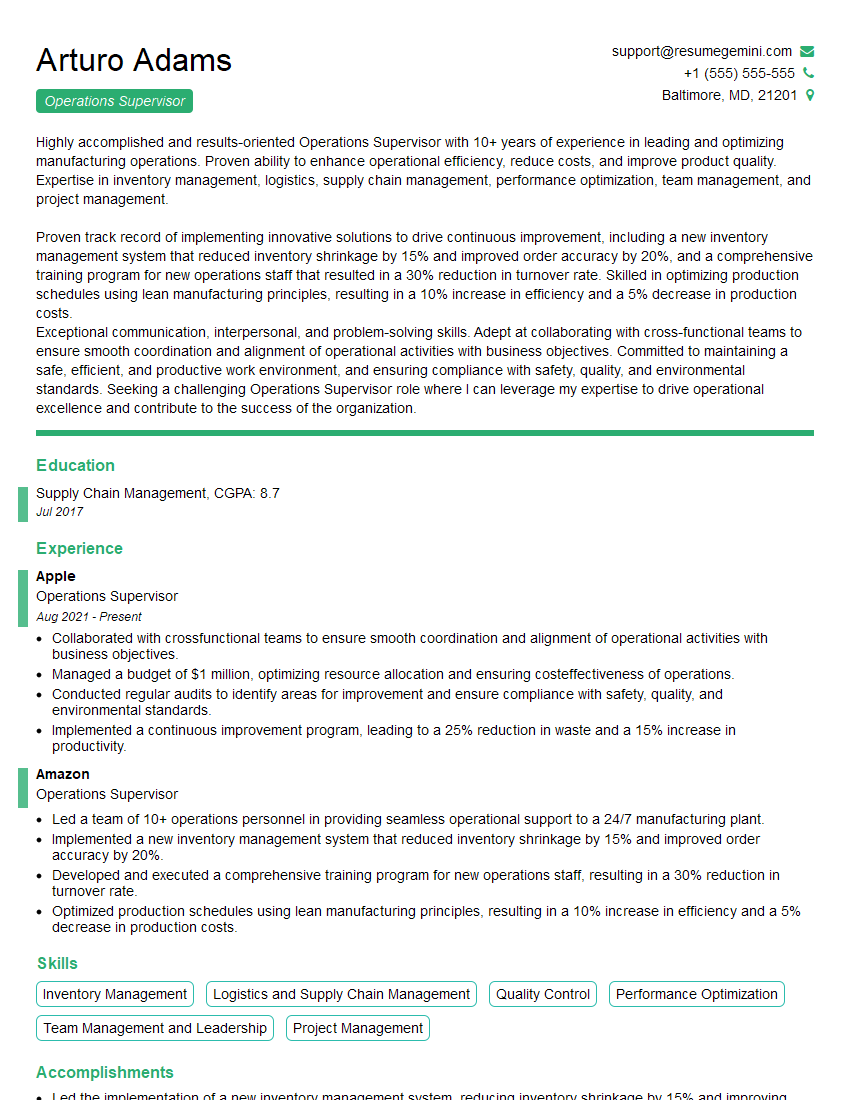
Operations Supervisor Resume Sample
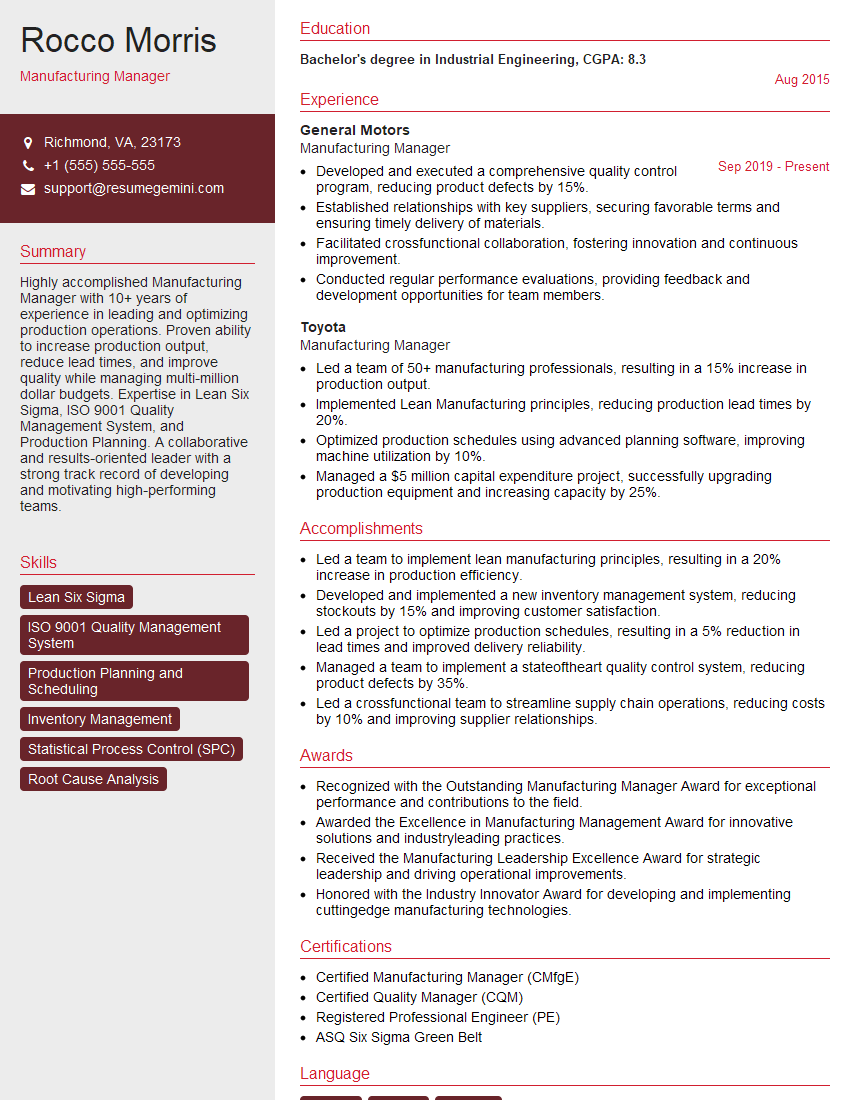
Manufacturing Manager Resume Sample
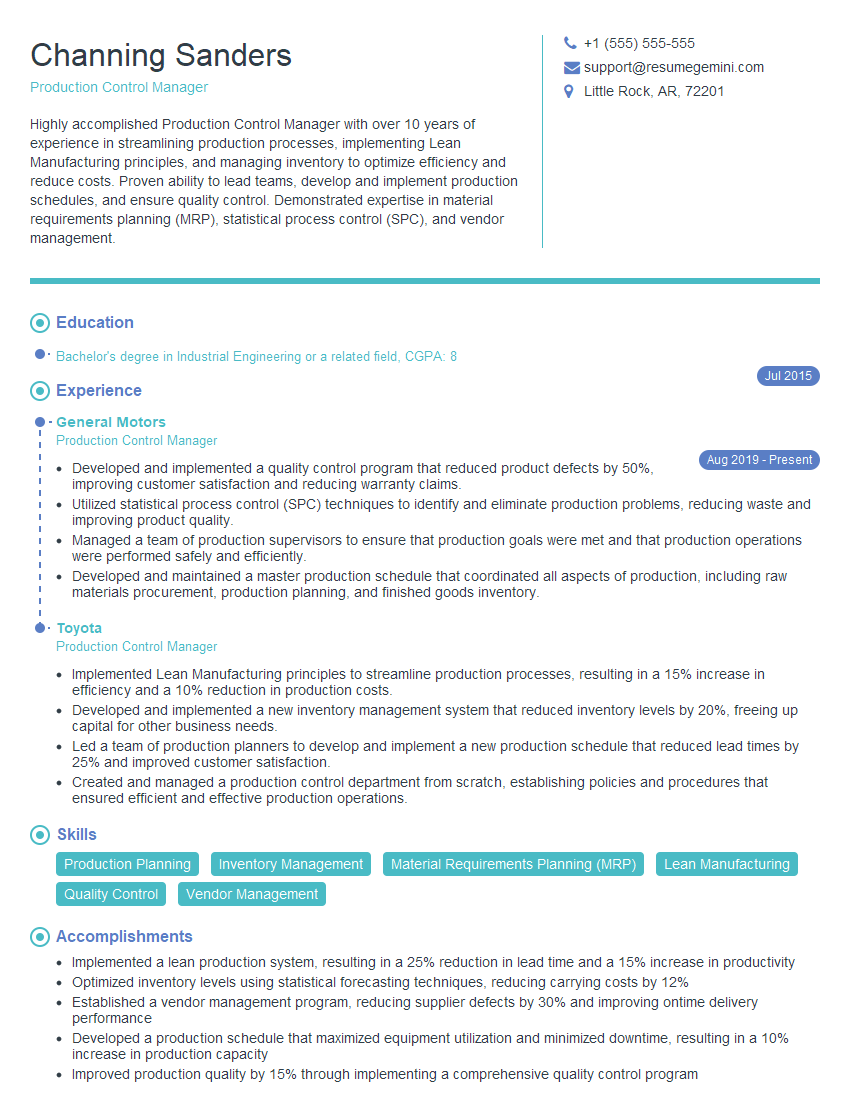
Production Control Manager Resume Sample
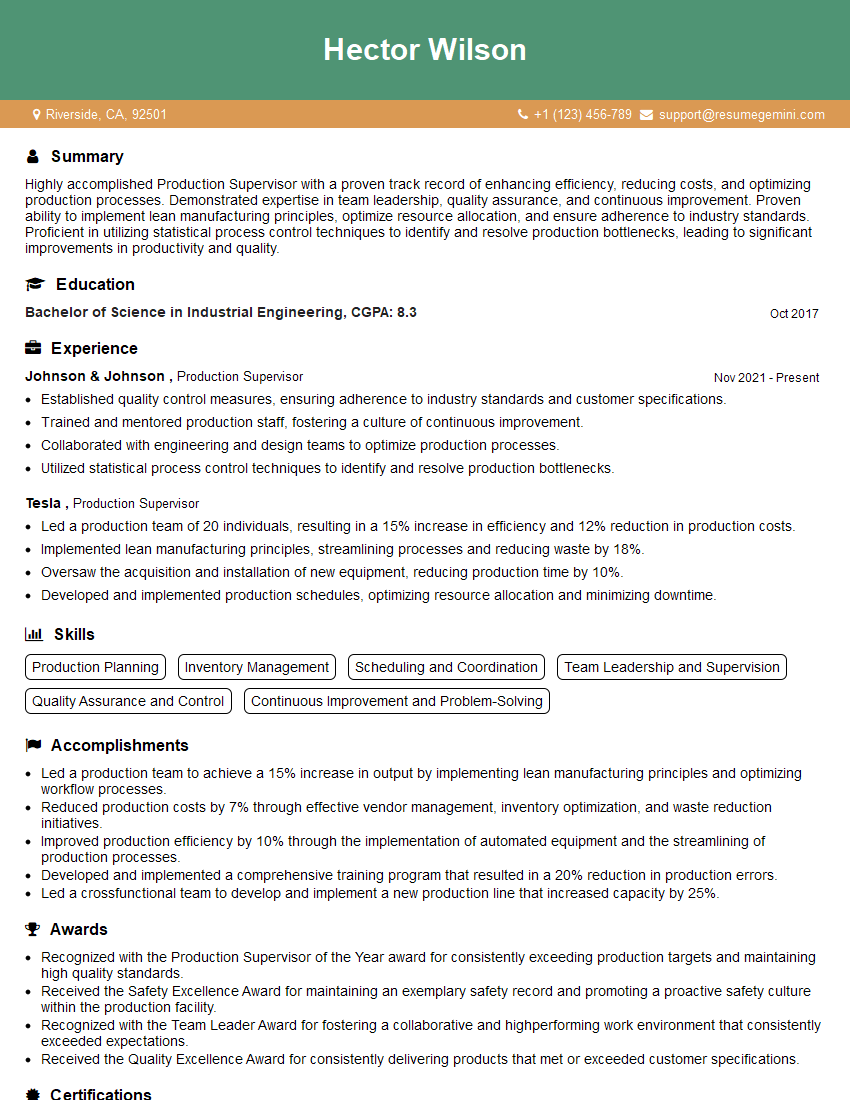
Production Supervisor Resume Sample
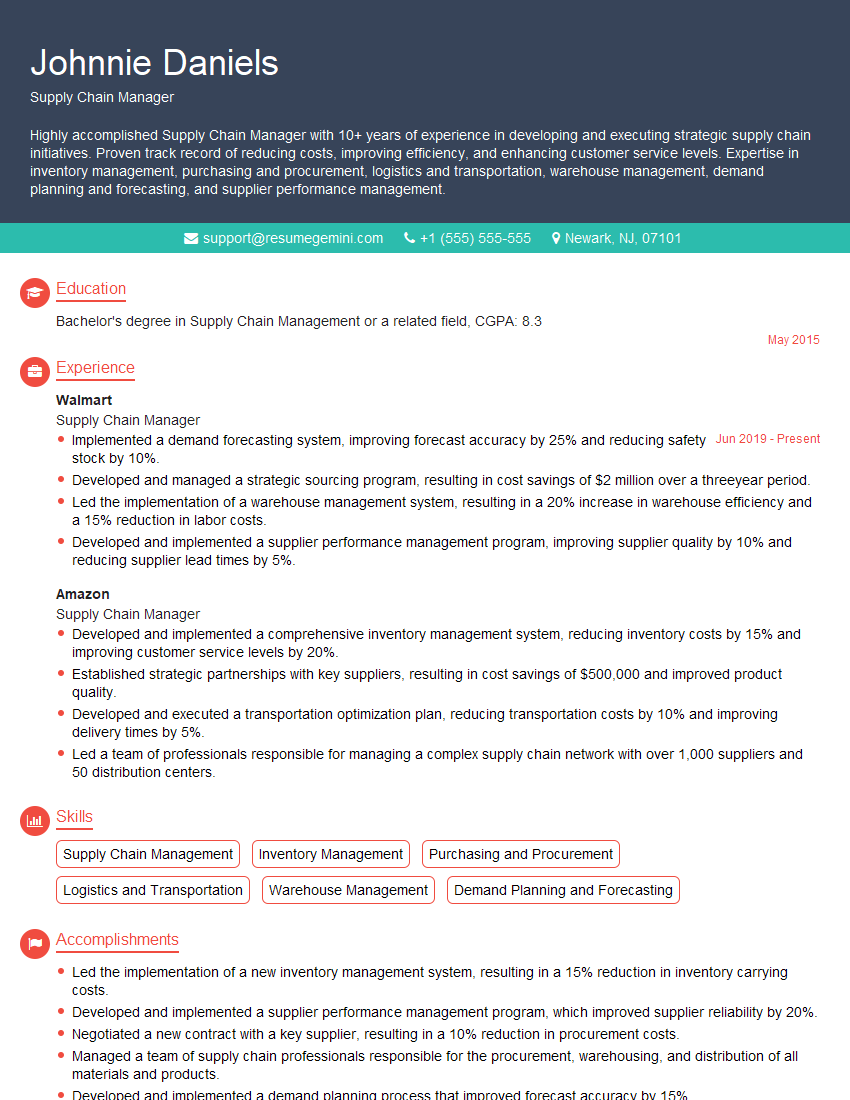
Supply Chain Manager Resume Sample
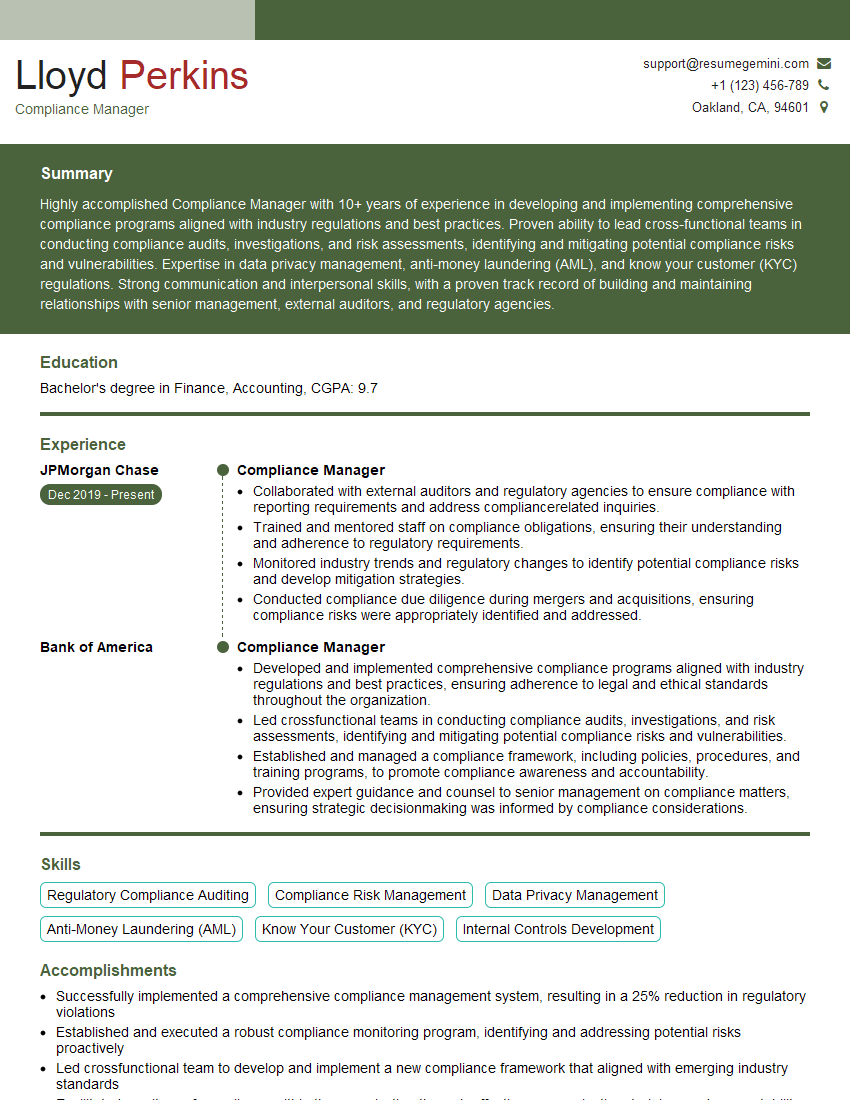
Compliance Manager Resume Sample
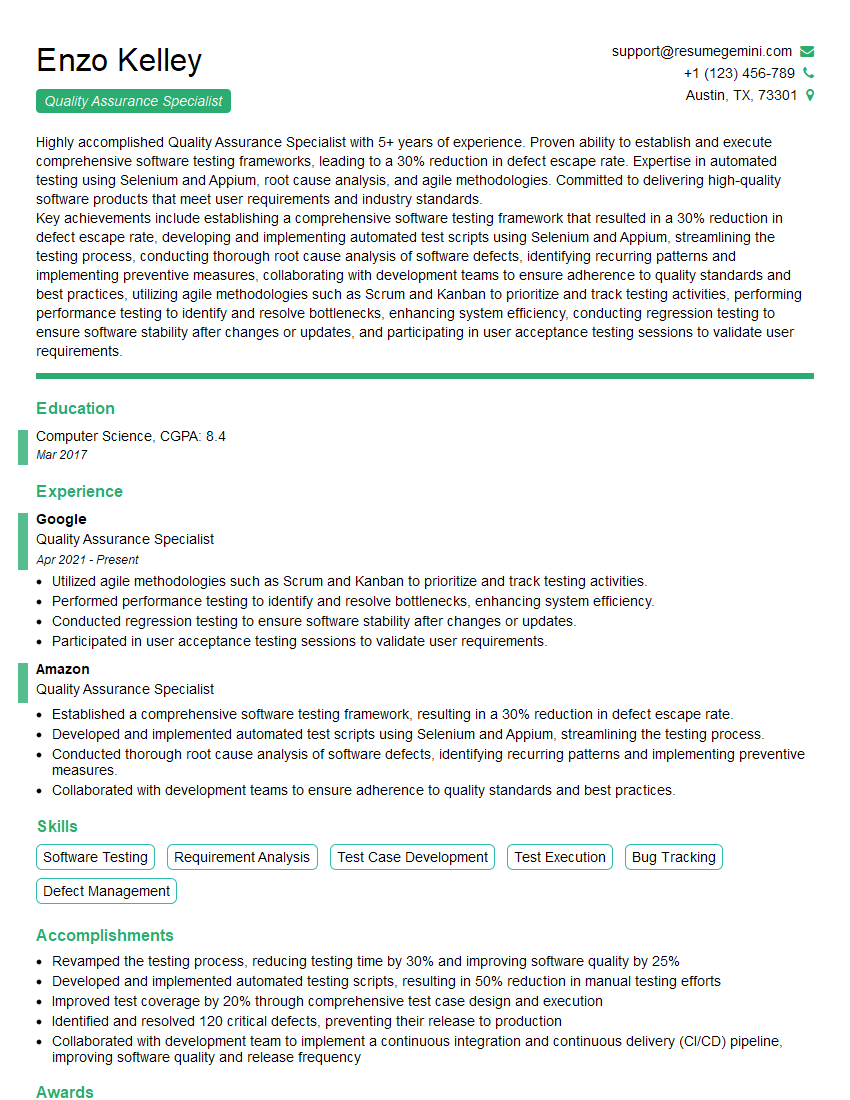
Quality Assurance Specialist Resume Sample
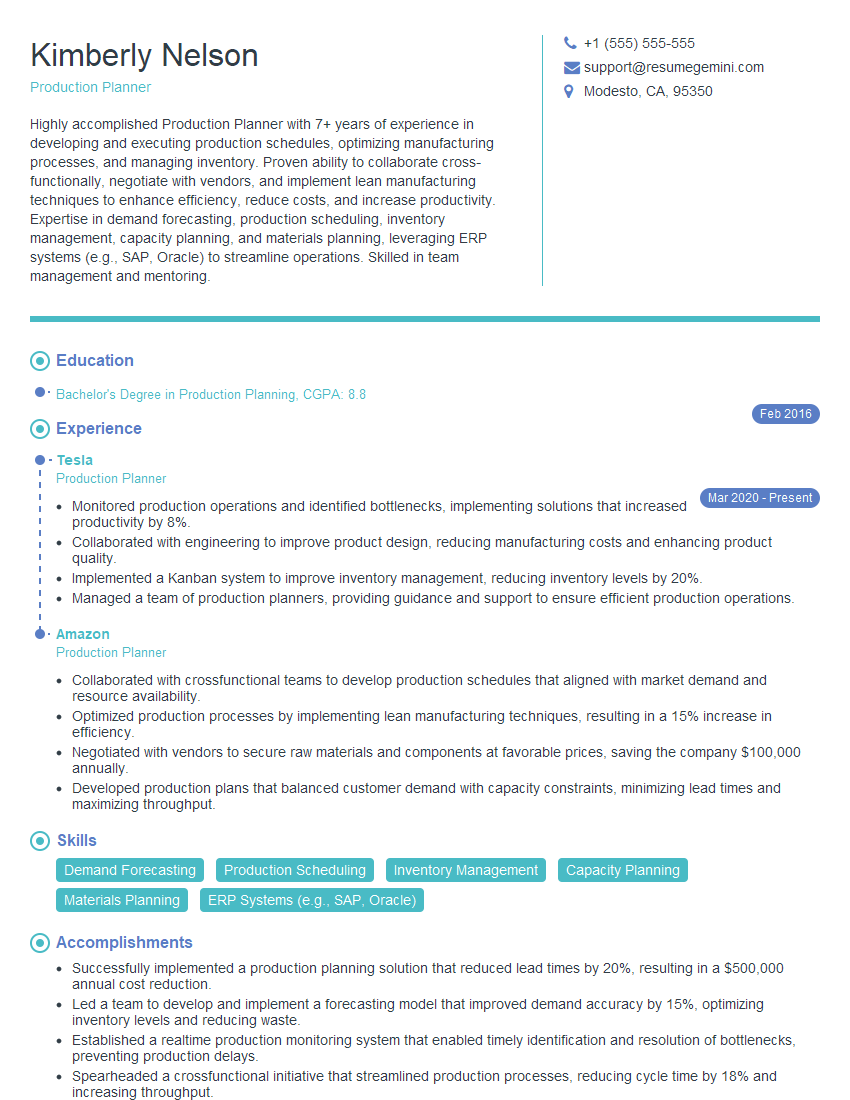
Production Planner Resume Sample
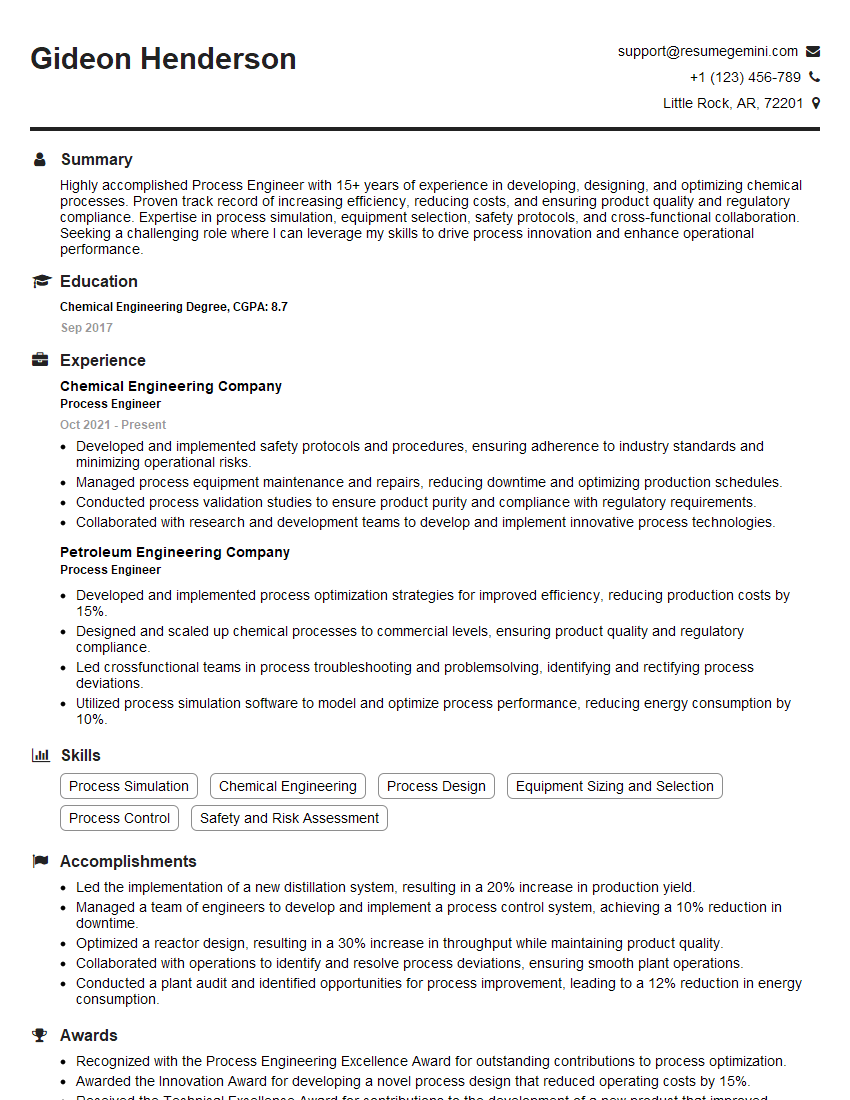
Process Engineer Resume Sample
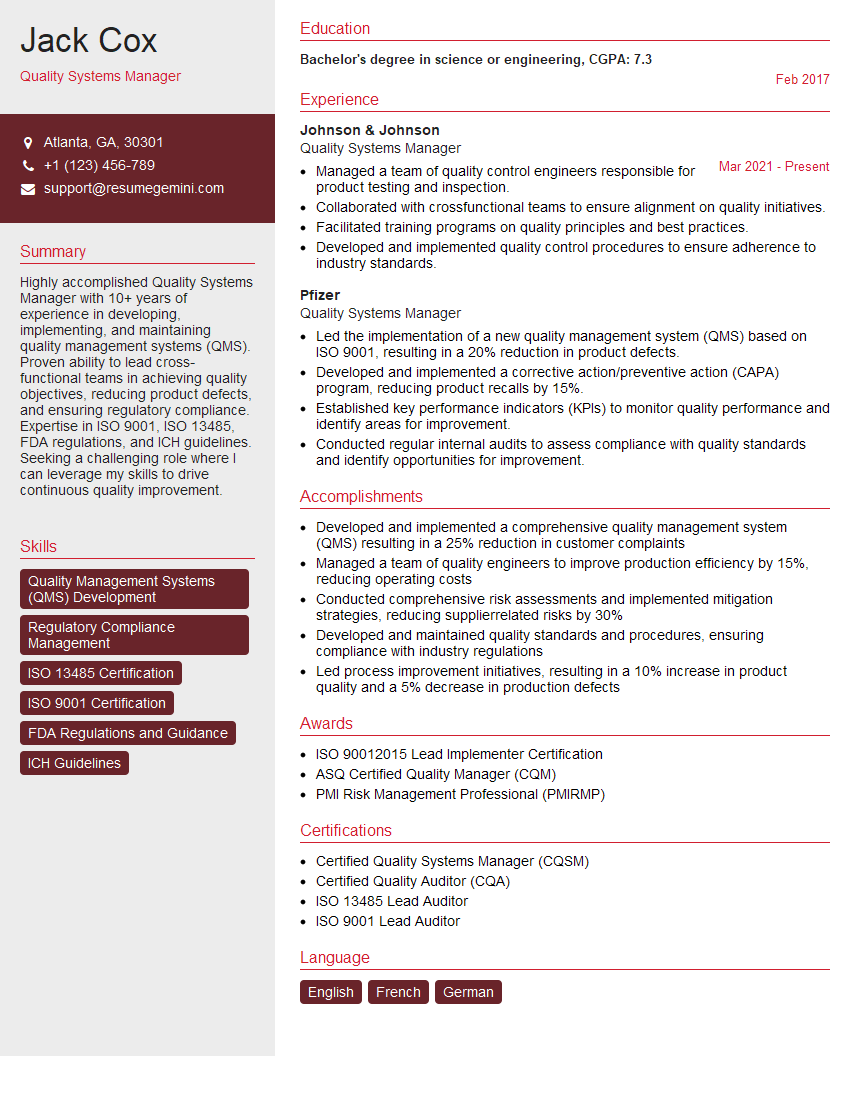
Quality Systems Manager Resume Sample
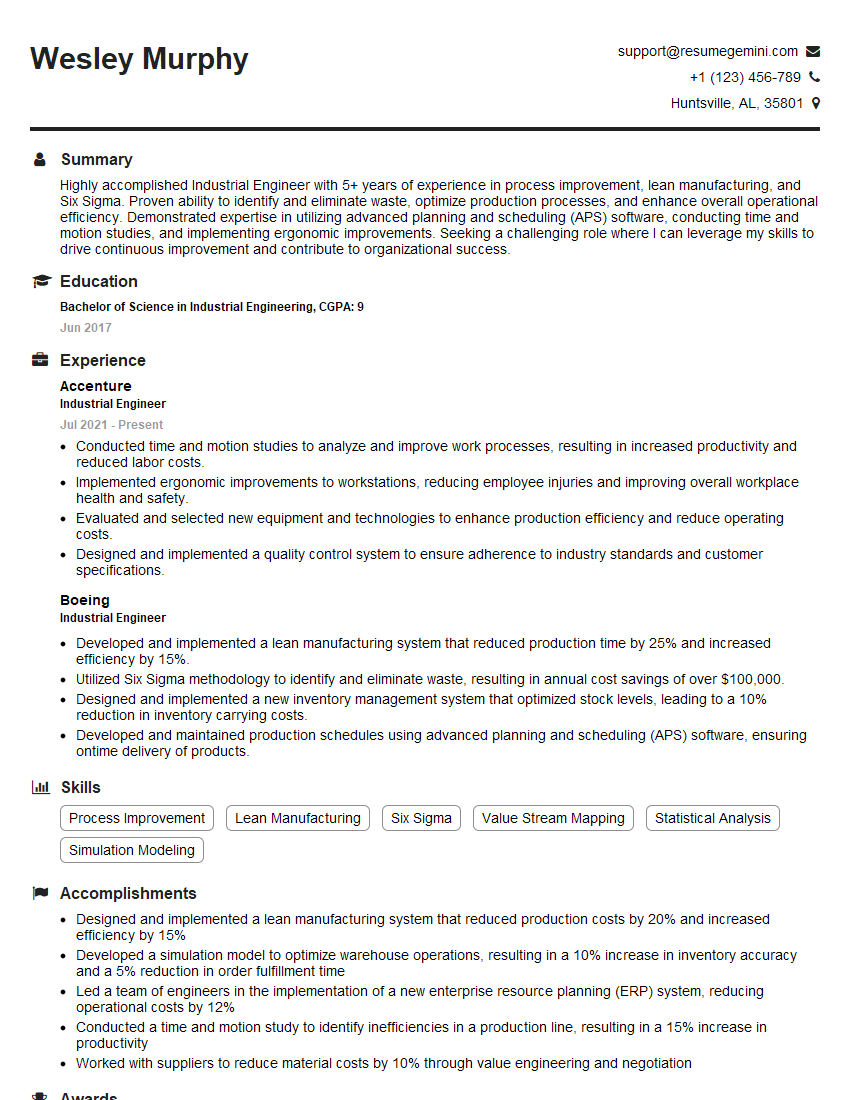
Industrial Engineer Resume Sample
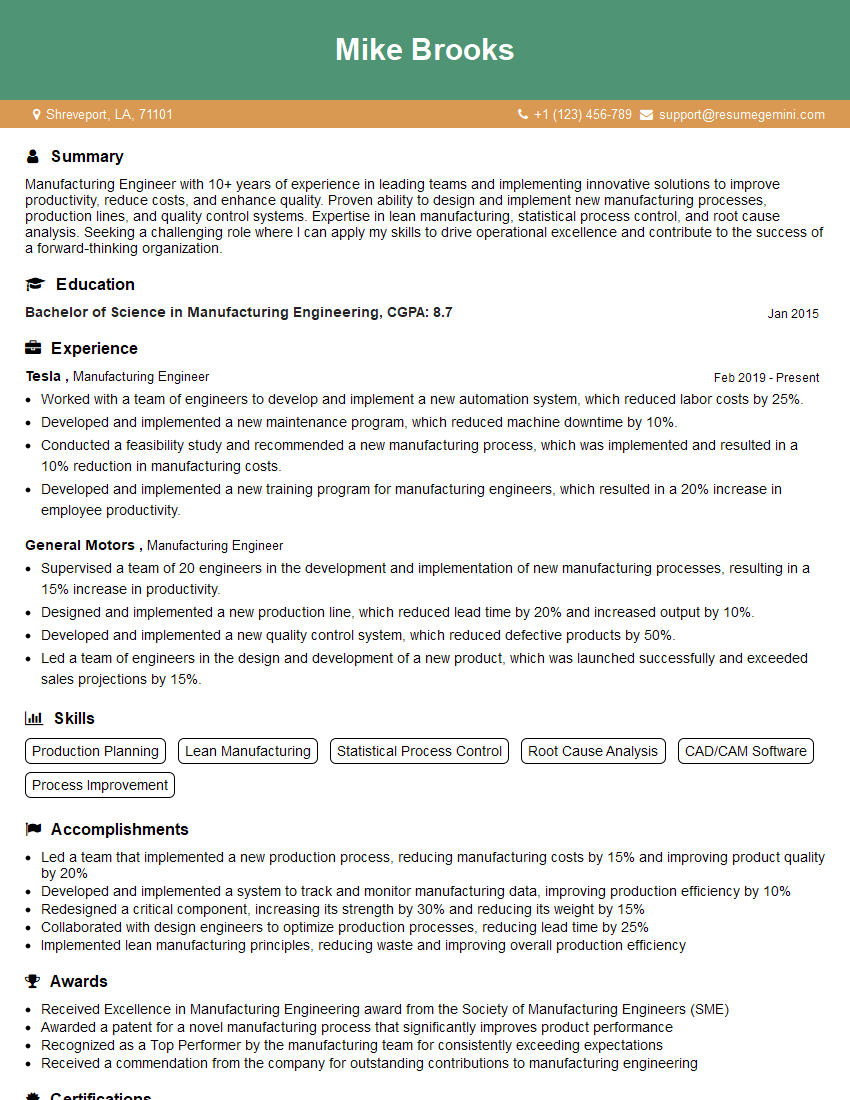
Manufacturing Engineer Resume Sample
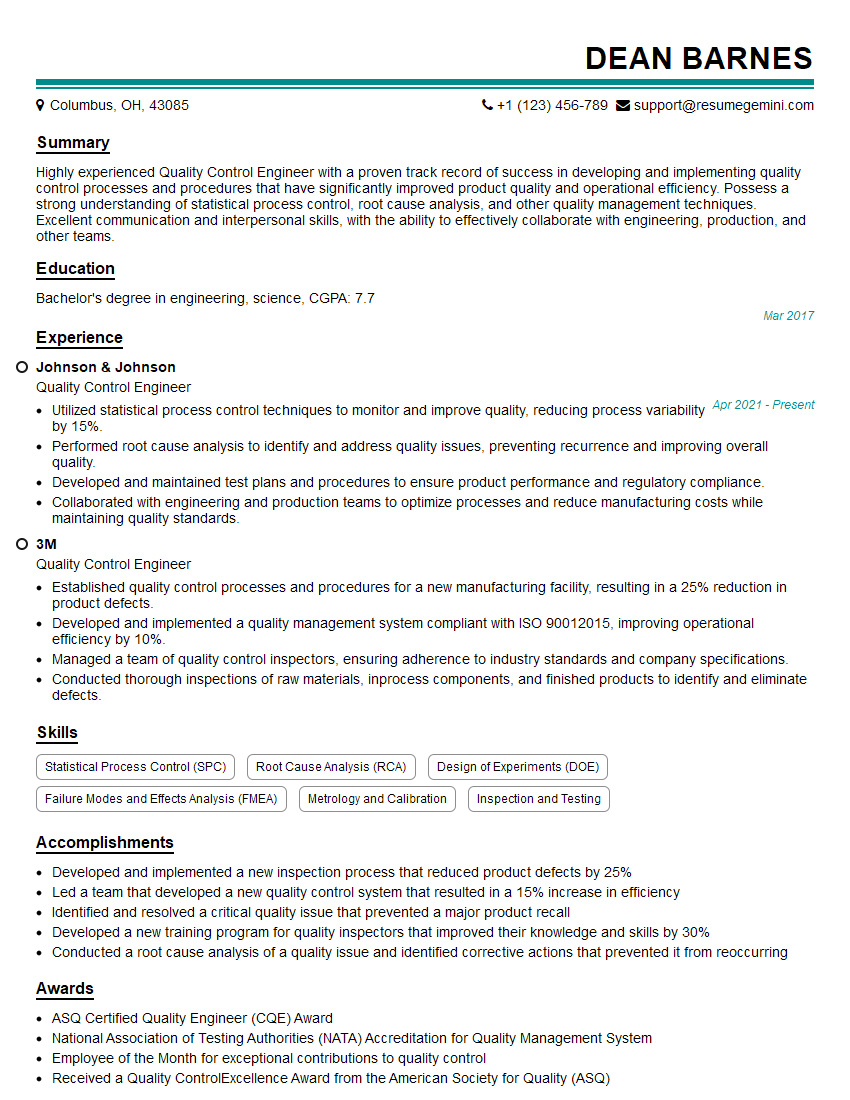
Quality Control Engineer Resume Sample
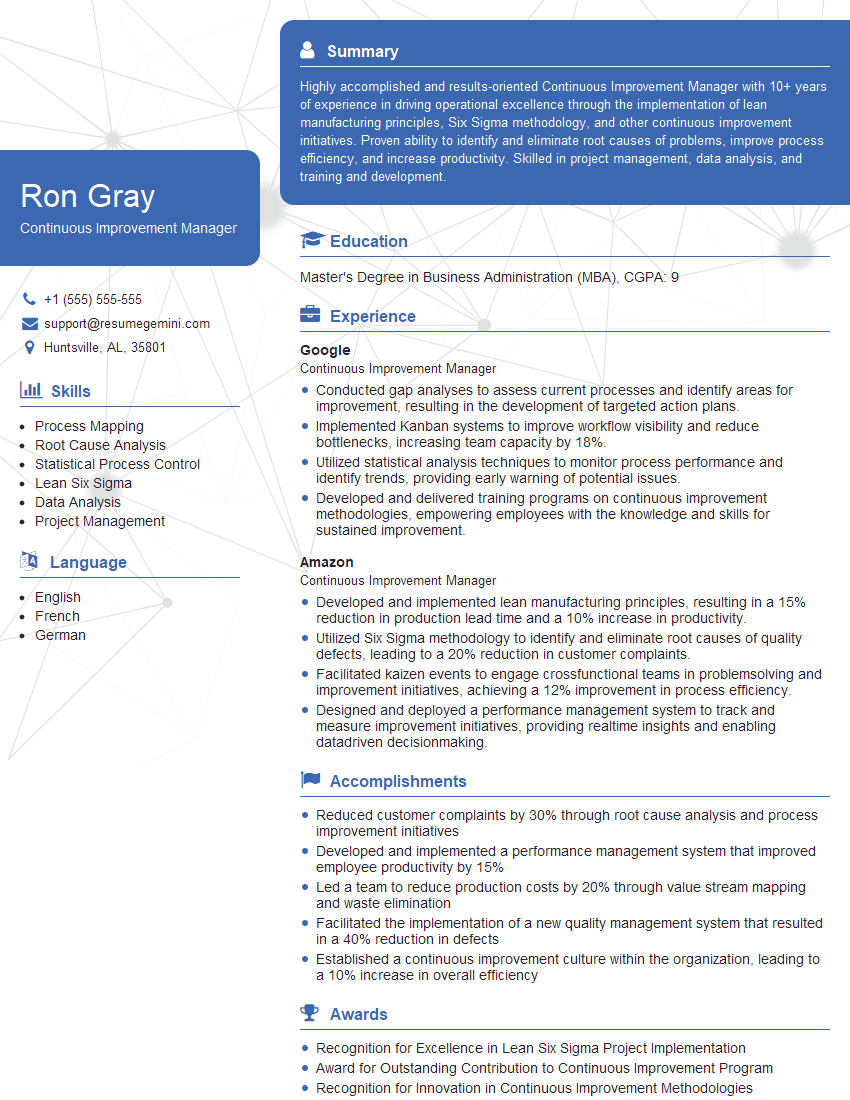
Continuous Improvement Manager Resume Sample
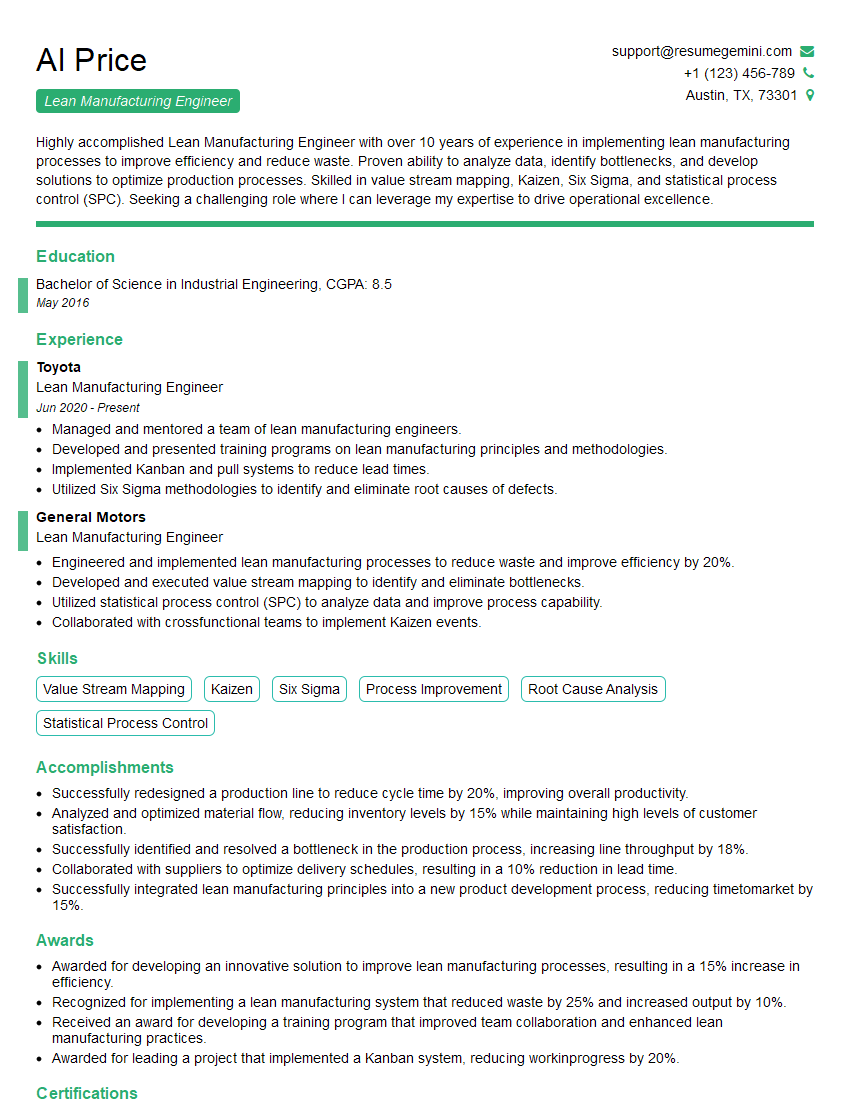
Lean Manufacturing Engineer Resume Sample
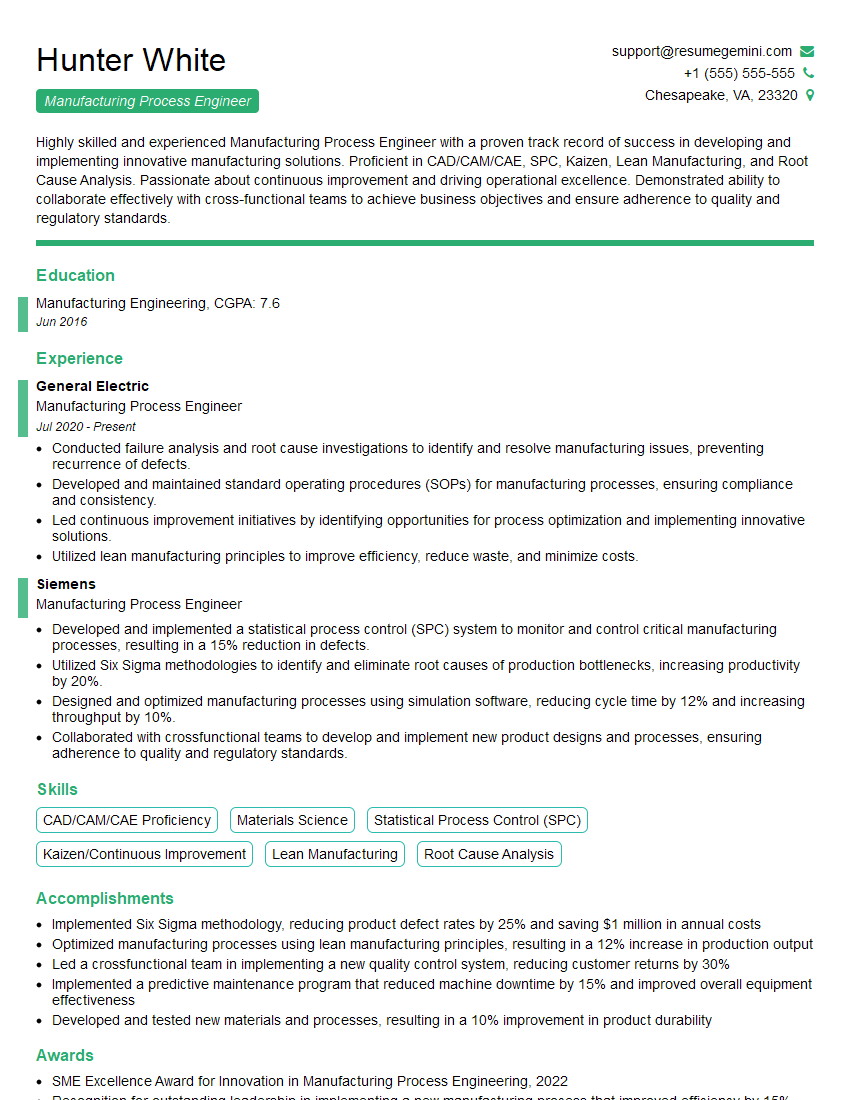
Manufacturing Process Engineer Resume Sample
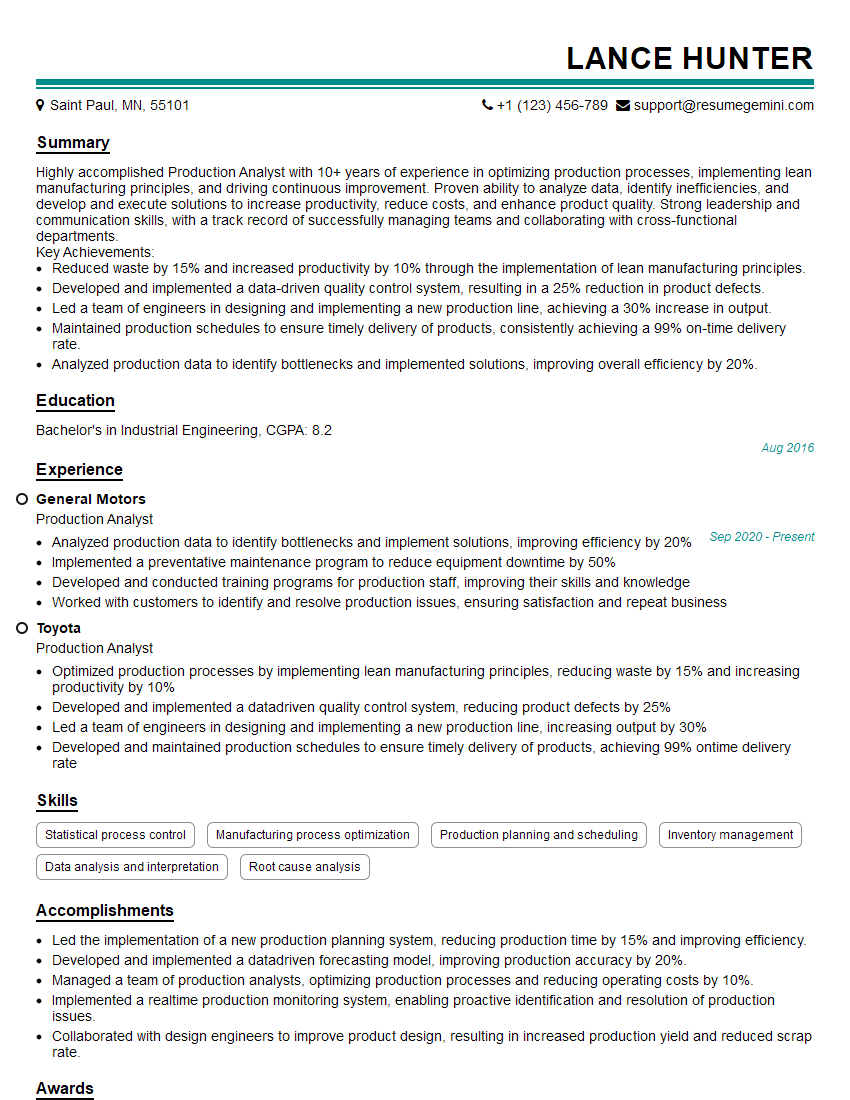
Production Analyst Resume Sample
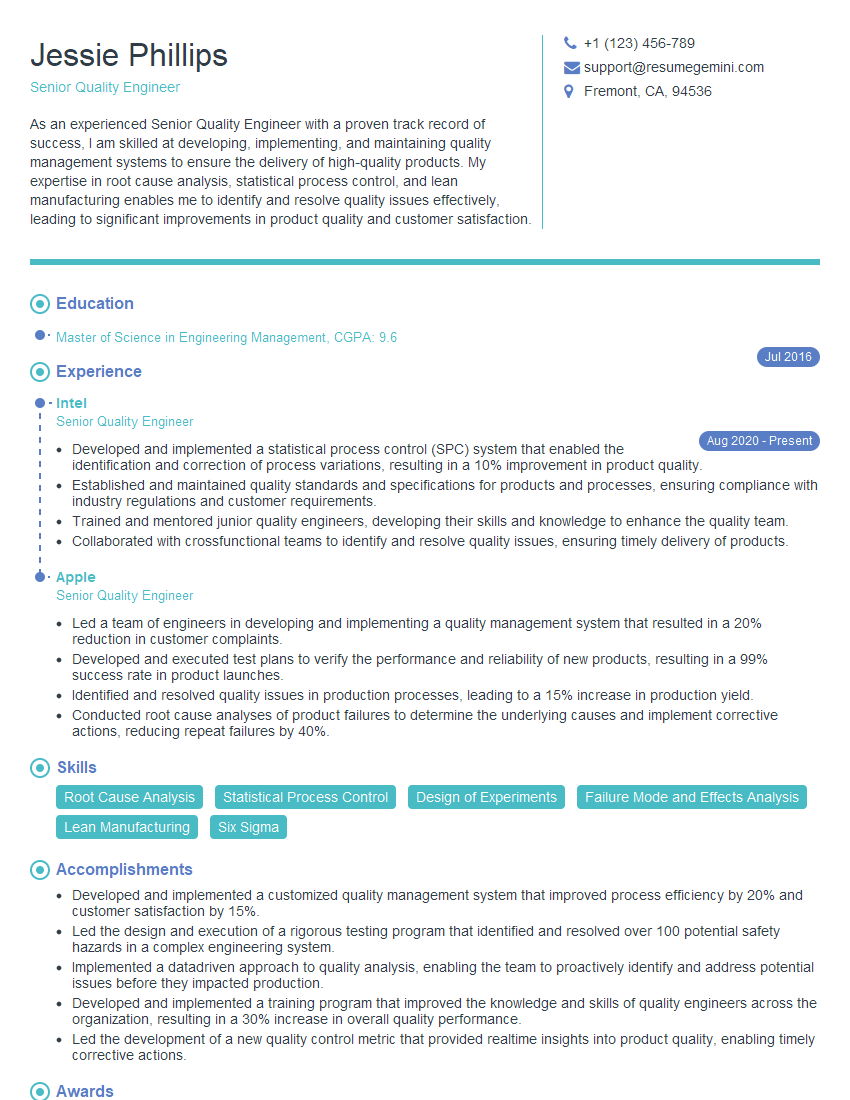
Senior Quality Engineer Resume Sample
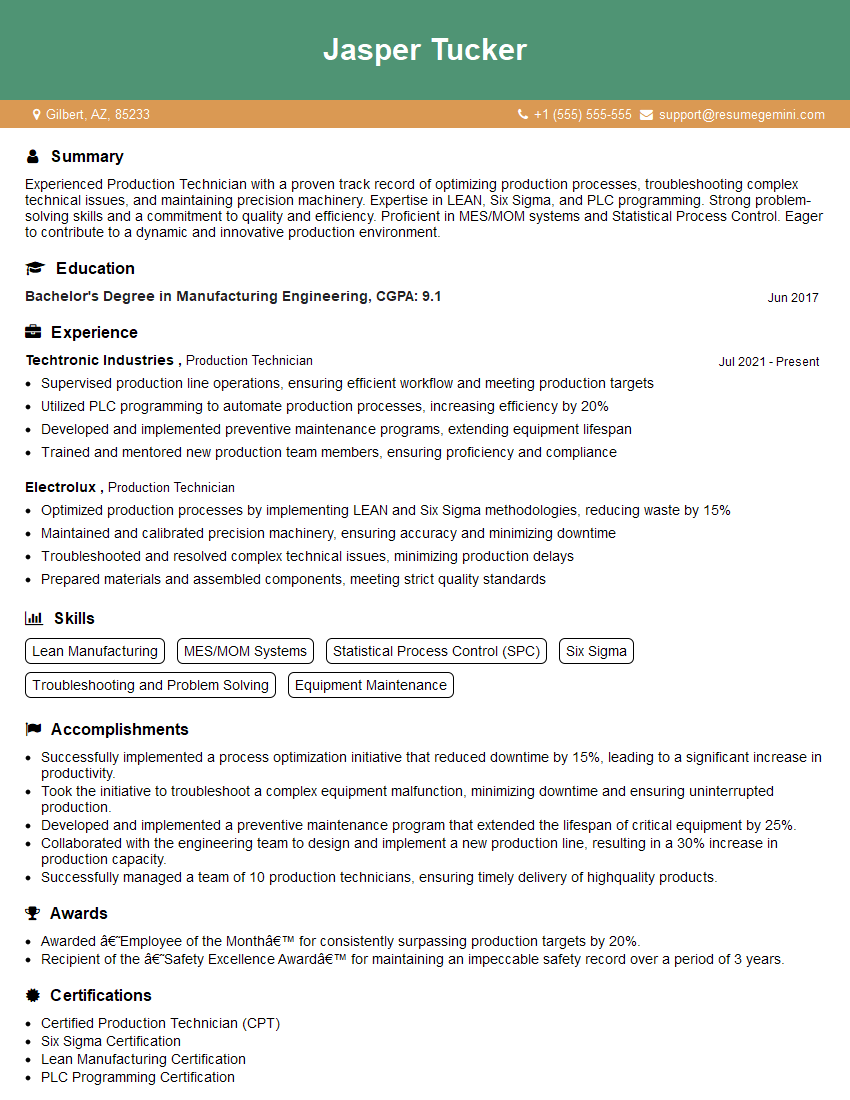
Production Technician Resume Sample
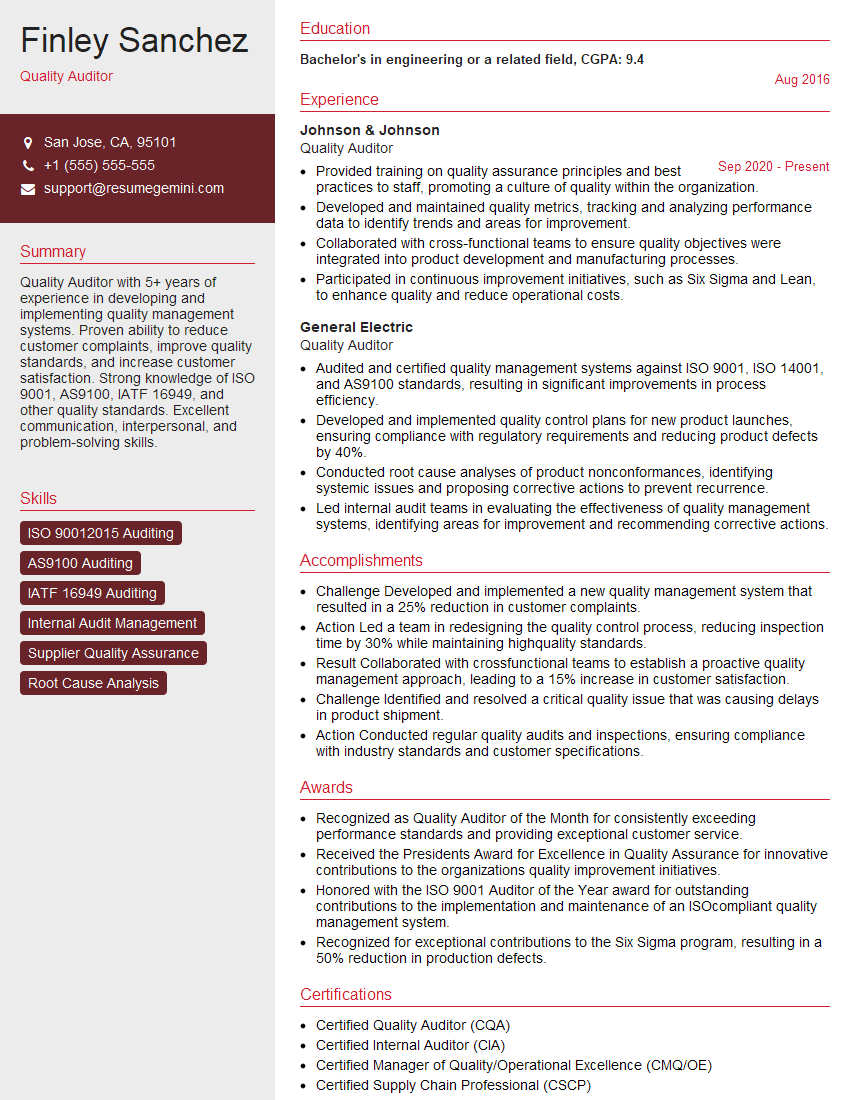
Quality Auditor Resume Sample
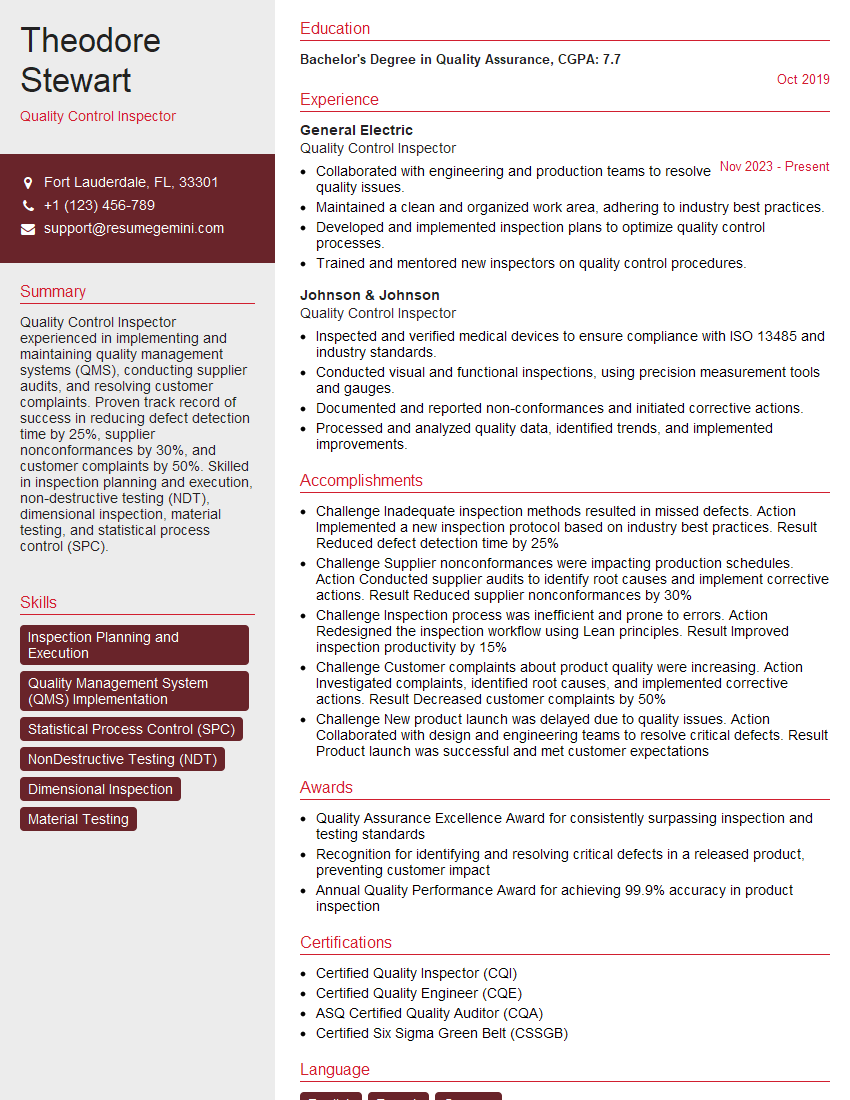
Quality Control Inspector Resume Sample
- Operations Manager
- Operations Supervisor
- Manufacturing Manager
- Production Control Manager
- Production Supervisor
- Supply Chain Manager
- Compliance Manager
- Quality Assurance Specialist
- Production Planner
- Process Engineer
- Quality Systems Manager
- Industrial Engineer
- Manufacturing Engineer
- Quality Control Engineer
- Continuous Improvement Manager
- Lean Manufacturing Engineer
- Manufacturing Process Engineer
- Production Analyst
- Senior Quality Engineer
- Production Technician
- Quality Auditor
- Quality Control Inspector
Explore more articles
Users Rating of Our Blogs
Share Your Experience
We value your feedback! Please rate our content and share your thoughts (optional).
What Readers Say About Our Blog
Very informative content, great job.
good