Unlock your full potential by mastering the most common Professionalism and Diplomacy interview questions. This blog offers a deep dive into the critical topics, ensuring you’re not only prepared to answer but to excel. With these insights, you’ll approach your interview with clarity and confidence.
Questions Asked in Professionalism and Diplomacy Interview
Q 1. Describe your understanding of professional etiquette in an international context.
Professional etiquette in an international context goes beyond basic politeness; it’s about understanding and respecting diverse cultural norms. This involves being mindful of communication styles, greetings, business practices, and social customs that may differ significantly from your own. It’s crucial to research the cultural background of your counterparts before any interaction. For instance, some cultures prioritize direct communication while others favor indirect approaches. Similarly, concepts of time and punctuality, personal space, and even appropriate attire vary greatly.
A key aspect is demonstrating cultural sensitivity. This means actively listening, observing, and adapting your behavior to show respect for different perspectives. This might involve adjusting your communication style to be more or less direct, depending on the context, and being mindful of potentially sensitive topics such as religion or politics. Ultimately, exhibiting genuine interest in understanding other cultures, and demonstrating a willingness to learn, is paramount to successful professional interactions globally.
Q 2. How would you handle a disagreement with a colleague from a different cultural background?
Handling disagreements with colleagues from different cultural backgrounds requires a delicate approach, combining assertive communication with cultural sensitivity. The first step is to actively listen to their perspective, attempting to understand their viewpoint within their cultural context. Avoid interrupting, and make sure to show that you value their input, even if you disagree. Then, I would clearly state my own perspective, but in a non-confrontational manner, focusing on the issues at hand, rather than resorting to personal attacks.
It’s helpful to find common ground. Instead of highlighting differences, I’d emphasize shared goals and objectives. For instance, if we’re both aiming to meet a project deadline, I’d focus on solutions that help us both achieve that goal. Finally, if the disagreement persists, involving a neutral mediator or a higher authority who understands cultural dynamics can be beneficial in resolving the conflict constructively. Remember, preserving the working relationship is as important as resolving the immediate disagreement.
Q 3. Explain your approach to conflict resolution in a high-stakes negotiation.
My approach to conflict resolution in high-stakes negotiations involves a principled negotiation strategy, focusing on interests rather than positions. This means understanding the underlying needs and motivations driving each party’s position, not just their stated demands. I’d start by actively listening to understand the other party’s perspective and concerns. Then, I’d clearly articulate my own interests, ensuring to maintain a respectful and professional tone, even if the discussion gets heated.
I believe in employing collaborative problem-solving. This includes brainstorming solutions that meet the needs of all parties involved. Compromise is often necessary, but it should be mutually beneficial, not a concession made solely by one side. Throughout the process, I would maintain a calm demeanor and focus on finding a win-win outcome. If necessary, I might suggest using objective criteria, such as market rates or industry standards, to guide the decision-making process, removing emotional biases.
Q 4. How do you maintain composure and professionalism under pressure?
Maintaining composure and professionalism under pressure is crucial. My strategy involves deep breathing exercises to manage stress and anxiety, allowing me to think clearly and respond rationally instead of reacting emotionally. I also consciously practice mindfulness and self-awareness, acknowledging the pressure but focusing on the task at hand. Preparing thoroughly beforehand is also key; the more confident I am in my knowledge and preparedness, the less likely I am to become flustered under pressure.
Furthermore, I find it helpful to maintain a positive internal dialogue. Instead of focusing on the negative aspects of a stressful situation, I concentrate on my strengths and capabilities. Visualizing success can also boost confidence and help me maintain control. Finally, I try to break down large tasks into smaller, more manageable steps, making the situation less overwhelming and allowing me to focus on making progress.
Q 5. Describe a situation where you had to navigate complex cultural sensitivities.
During a business trip to Japan, I was involved in negotiations with a potential client. Initially, the discussions were formal and business-oriented, as expected. However, I noticed the client was hesitant to commit to a long-term agreement. After some research, I discovered that building a personal relationship is often a crucial precursor to business in Japanese culture. Therefore, I shifted my approach, taking time to build rapport through informal conversations about shared interests beyond the business discussion.
This involved engaging in small talk during meals, showing interest in their culture and traditions, and offering genuine compliments. Gradually, the client became more open and receptive to the business proposal. The change in approach was successful because it demonstrated respect for their cultural values and priorities. The deal was eventually finalized, underscoring the importance of adapting to cultural nuances in international business settings. This experience highlighted that success in intercultural interactions requires more than just understanding cultural differences; it necessitates actively applying that understanding to modify one’s approach.
Q 6. How would you build rapport with someone who holds opposing views?
Building rapport with someone who holds opposing views starts with active listening and empathy. I’d try to understand their perspective, asking clarifying questions without interrupting or judgment. This shows respect for their viewpoint, even if I disagree. Then, I’d focus on finding common ground, highlighting areas of agreement, however small. This establishes a foundation for further discussion and avoids a confrontational atmosphere.
Next, I would articulate my own views respectfully, focusing on explaining my reasoning and rationale without being accusatory or dismissive. I would emphasize that the goal is to understand each other’s positions, not to win an argument. Using collaborative language, such as “let’s explore,” “how can we find a solution,” or “what are your thoughts?” helps foster a more constructive dialogue. Respecting the other person’s beliefs and values, even when differing, can significantly help in building a relationship despite differing opinions.
Q 7. Explain your strategy for effective communication in a multilingual environment.
Effective communication in a multilingual environment requires a multi-pronged strategy. First, it’s essential to identify the languages spoken by all participants. If possible, engaging a professional interpreter is the most reliable method to ensure accurate and nuanced communication. When interpreters aren’t available, using a translation tool can be helpful, but it’s crucial to be aware of its limitations, especially with idiomatic expressions or culturally specific nuances.
In addition to language considerations, I would use clear and concise language, avoiding jargon or complex sentence structures. Visual aids, such as diagrams or presentations, can enhance understanding, particularly if there are language barriers. It is also important to be patient and allow extra time for communication. Confirming understanding throughout the conversation by asking clarifying questions and summarizing key points helps to avoid misunderstandings and ensures everyone is on the same page.
Finally, recognizing and respecting non-verbal communication is also critical. Body language, tone of voice, and facial expressions can significantly impact the interpretation of messages, irrespective of language. Being mindful of these factors and adapting one’s communication style to accommodate diverse cultural norms ensures greater clarity and understanding.
Q 8. Describe your experience in mediating disputes between different parties.
Mediating disputes requires a nuanced understanding of conflict resolution principles, active listening, and impartial facilitation. My experience involves guiding diverse parties – from colleagues with differing project approaches to stakeholders with conflicting interests – towards mutually acceptable solutions. I employ a structured approach:
- Establishing a Safe Space: Creating an environment of trust and respect where all parties feel comfortable expressing their perspectives without fear of judgment.
- Active Listening & Clarification: I carefully listen to each party, seeking clarification on their positions and underlying needs. This involves paraphrasing to ensure understanding and identifying common ground or areas of misunderstanding.
- Identifying Interests, Not Just Positions: Often, disputes center on stated positions (e.g., ‘I want this deadline’), rather than underlying interests (e.g., ‘I need time to ensure quality’). Uncovering these deeper interests is crucial for finding creative solutions.
- Brainstorming & Generating Options: Working collaboratively to generate a range of potential solutions, ensuring all parties contribute. This stage emphasizes creativity and openness to explore various possibilities.
- Negotiation & Agreement: Facilitating a negotiation process to reach a mutually acceptable agreement, focusing on fairness and practicality. This often involves compromise and trade-offs.
- Documentation & Follow-up: Documenting the agreed-upon solution and establishing a follow-up mechanism to ensure implementation and address any emerging issues.
For example, I once mediated a dispute between the marketing and sales teams over conflicting campaign strategies. By actively listening to each team’s concerns – marketing’s desire for brand consistency and sales’ need for immediate lead generation – I facilitated a compromise that integrated both approaches, resulting in a successful campaign.
Q 9. How do you prioritize tasks and manage your time effectively in a demanding environment?
Prioritization and time management are essential in demanding environments. I utilize a combination of techniques to ensure efficiency and effectiveness:
- Prioritization Matrices: I employ methods like Eisenhower Matrix (urgent/important) to categorize tasks, focusing on high-impact activities first. This helps avoid getting bogged down in less critical tasks.
- Time Blocking: I allocate specific time slots for particular tasks, reducing context switching and improving focus. This is particularly useful for complex projects or meetings.
- Delegation: Where appropriate, I delegate tasks to others, leveraging their skills and freeing up my time for higher-priority responsibilities. This requires clear communication and trust.
- Regular Review & Adjustment: I regularly review my schedule and priorities, adjusting them as needed based on changing circumstances or unexpected events. Flexibility is key.
- Technology & Tools: I utilize project management software and calendars to track progress, set deadlines, and manage workflows efficiently.
In a recent project with tight deadlines, I used a time-blocking approach, allocating specific hours for research, writing, and review, which allowed me to deliver the project on time and to a high standard.
Q 10. How do you adapt your communication style to different audiences and contexts?
Adapting communication style is crucial for effective interaction. I tailor my approach based on audience and context, considering factors like:
- Audience Knowledge & Expertise: I adjust the technicality of my language to match the audience’s understanding. For example, I would use simpler language when communicating with a non-technical audience compared to colleagues with technical expertise.
- Communication Channel: The chosen channel (e.g., email, meeting, phone call) dictates the style and tone. A formal email differs from a casual team chat.
- Purpose & Objective: The goal of the communication influences my style. A persuasive presentation differs from a factual report.
- Cultural Sensitivity: I am mindful of cultural nuances and adapt my communication accordingly, ensuring clarity and avoiding potential misunderstandings.
For instance, when presenting complex data to senior management, I use concise visuals and summaries, while in a team brainstorming session, I encourage open discussion and informal language.
Q 11. Give an example of a time you had to compromise to achieve a desired outcome.
Compromise is essential for achieving desired outcomes in collaborative environments. In a recent project, our team had conflicting ideas on the best approach to software development. Some advocated for a more agile methodology, while others preferred a waterfall approach. Both methods had advantages and disadvantages. To reach a consensus, I facilitated a discussion outlining the pros and cons of each, leading to a hybrid approach that incorporated elements of both. This compromise satisfied the needs of both factions, leading to a more efficient and effective project execution.
Q 12. Describe a situation where you demonstrated strong ethical judgment.
Ethical judgment is paramount in professional settings. In a previous role, I discovered a colleague had inadvertently included confidential client data in a publicly accessible document. Instead of ignoring it, I privately informed my colleague and then reported the incident to the appropriate management channels, ensuring the data was immediately secured and the necessary steps were taken to prevent future occurrences. This decision, while uncomfortable, prioritized ethical conduct and client data protection above personal considerations.
Q 13. How do you handle criticism constructively?
Handling criticism constructively is vital for professional growth. I approach criticism as an opportunity for learning and improvement, using the following steps:
- Active Listening: I listen attentively to the criticism, avoiding interrupting or becoming defensive.
- Seeking Clarification: If needed, I ask clarifying questions to fully understand the feedback.
- Self-Reflection: I reflect on the criticism, assessing its validity and identifying areas for improvement.
- Open Communication: I communicate my understanding of the feedback and my willingness to address the concerns.
- Action Planning: I develop a plan to address the identified shortcomings and follow through on my commitments.
For example, when I received feedback on a presentation that it was too dense, I took that criticism, reworked the slides with more visuals and concise points, and delivered a significantly improved presentation next time.
Q 14. How do you maintain confidentiality in sensitive situations?
Maintaining confidentiality is crucial, especially when handling sensitive information. I adhere to strict confidentiality protocols, including:
- Data Security Practices: I follow all organizational guidelines for securing sensitive data, such as password protection, encryption, and secure data storage.
- Need-to-Know Basis: I limit access to confidential information only to those with a legitimate need to know.
- Strict Communication Protocols: I utilize secure communication channels when discussing confidential matters.
- Respecting Confidentiality Agreements: I always honor confidentiality agreements and non-disclosure agreements.
- Professional Boundaries: I maintain clear professional boundaries and avoid discussing confidential information outside of work or with unauthorized individuals.
I always ensure I am compliant with relevant regulations and company policies. I never share sensitive information unless authorized to do so and only in appropriate channels.
Q 15. Explain your understanding of the importance of active listening in diplomatic settings.
Active listening, in diplomatic settings or any professional context, is far more than simply hearing words; it’s about deeply understanding the speaker’s message, both verbal and nonverbal. It involves paying close attention to their tone, body language, and the underlying emotions they convey. In diplomacy, misinterpretations can have severe consequences, so active listening is crucial for preventing misunderstandings and fostering trust.
- Empathy and Understanding: Active listeners strive to understand the speaker’s perspective, even if they don’t agree with it. This empathetic approach builds rapport and encourages open communication.
- Clarification and Confirmation: To ensure accurate understanding, active listeners frequently ask clarifying questions like, “If I understand correctly, you’re saying…” or summarize the speaker’s points to confirm their comprehension. This prevents assumptions and misunderstandings.
- Nonverbal Cues: Maintaining eye contact, nodding appropriately, and using open body language signals engagement and encourages the speaker to continue. Avoiding distractions like phones or interrupting is paramount.
For example, during a tense negotiation about trade tariffs, actively listening to the other party’s concerns, even if their arguments seem unreasonable at first glance, might reveal underlying anxieties about economic stability. Addressing these anxieties can pave the way for a mutually beneficial agreement. Ignoring these subtleties could lead to a stalemate or a complete breakdown of negotiations.
Career Expert Tips:
- Ace those interviews! Prepare effectively by reviewing the Top 50 Most Common Interview Questions on ResumeGemini.
- Navigate your job search with confidence! Explore a wide range of Career Tips on ResumeGemini. Learn about common challenges and recommendations to overcome them.
- Craft the perfect resume! Master the Art of Resume Writing with ResumeGemini’s guide. Showcase your unique qualifications and achievements effectively.
- Don’t miss out on holiday savings! Build your dream resume with ResumeGemini’s ATS optimized templates.
Q 16. Describe your experience in representing an organization or individual in a formal setting.
During my time at the [Organization Name], I represented the organization at several high-profile conferences and stakeholder meetings. One notable occasion involved presenting our company’s sustainability initiative to a panel of investors and environmental advocates. The preparation was meticulous, requiring detailed research on the audience’s interests and concerns, tailoring the presentation to resonate with their diverse perspectives. I ensured the information presented was accurate, transparent, and supported by strong data. My presentation was well-received, leading to productive discussions and ultimately, securing further investment in our sustainability projects.
In this formal setting, maintaining composure under pressure, responding effectively to challenging questions, and engaging in respectful dialogue were essential. Successful representation involved not only showcasing my organization’s accomplishments but also effectively addressing criticisms and concerns with professionalism and diplomacy.
Q 17. How do you assess the credibility of different sources of information?
Assessing the credibility of information sources is a critical skill, particularly in diplomacy where information is often incomplete or biased. My approach involves a multi-faceted assessment, considering several factors:
- Source Expertise: Does the source possess the necessary knowledge and experience to speak authoritatively on the subject? What are their credentials and track record?
- Source Bias: Is the source likely to have a vested interest in promoting a particular viewpoint? Is there evidence of political, financial, or ideological biases that might influence the information’s objectivity?
- Evidence and Corroboration: Does the source provide evidence to support its claims? Can the information be verified by other reputable sources? The more corroborating evidence, the stronger the credibility.
- Context and Date: Is the information current and relevant? How has the context changed since the information was gathered? Older information may no longer be accurate or relevant.
- Methodology: For research reports or studies, scrutinizing the methodology employed is crucial. Were the methods rigorous, transparent, and unbiased?
For instance, if I receive conflicting reports about a political situation, I would cross-reference them with multiple reputable news outlets, academic journals, and government reports. Triangulating the information in this way helps to determine which sources are more reliable and potentially uncover any disinformation.
Q 18. How do you manage expectations in uncertain situations?
Managing expectations in uncertain situations requires transparency, clear communication, and a proactive approach. It’s about setting realistic expectations from the outset while also acknowledging the inherent uncertainties involved.
- Transparency: Openly communicate the limitations of knowledge and potential risks involved. This honesty builds trust and manages unrealistic optimism.
- Regular Updates: Provide consistent updates, even if there’s no significant progress. This demonstrates commitment and keeps stakeholders informed, mitigating anxieties related to a lack of information.
- Contingency Planning: Develop alternative plans to address potential setbacks or unexpected developments. This demonstrates preparedness and reduces the impact of unforeseen circumstances.
- Realistic Goals: Set achievable goals, acknowledging limitations. Avoid overpromising and focus on clear, manageable milestones.
- Collaborative Approach: Involve stakeholders in the process, seeking their input and adapting plans based on their feedback. This fosters shared ownership and a sense of collaboration in the face of uncertainty.
Imagine negotiating a complex trade deal. Instead of making overly optimistic promises, it’s essential to clearly outline potential obstacles, possible delays, and alternative scenarios. By proactively addressing potential issues, you can build trust and manage expectations effectively, resulting in a more successful outcome.
Q 19. Describe a time you had to make a difficult decision with limited information.
During a critical project, we faced a sudden technical failure with no immediate solution. We needed to decide whether to delay the launch, risk a flawed product release, or pursue a drastic, untested workaround. The information available was incomplete—we couldn’t fully assess the workaround’s reliability, and delaying would impact our deadlines and budget significantly.
My approach was methodical. I prioritized gathering as much information as possible, consulting our technical team for their risk assessment, and exploring the consequences of each option. I also considered the potential reputational damage of each decision. Ultimately, we chose a measured approach: implementing the workaround with extensive testing and clear communication to stakeholders outlining the potential risks. Although stressful, it taught me the importance of decisive action under pressure, emphasizing thorough risk assessment and transparent communication.
Q 20. How do you build and maintain professional networks?
Building and maintaining a strong professional network is an ongoing process requiring consistent effort. It’s about nurturing genuine relationships rather than just collecting contacts.
- Strategic Networking: Focus on building connections with individuals relevant to your field or interests. Attend industry events, conferences, and workshops to expand your network.
- Meaningful Interactions: Engage in meaningful conversations, demonstrating genuine interest in others’ work and experiences. Avoid purely transactional interactions.
- Online Platforms: Utilize professional networking platforms like LinkedIn to connect with colleagues and industry leaders. However, don’t neglect in-person interactions.
- Mentorship and Reciprocity: Seek out mentors who can guide your career and be open to mentoring others. Reciprocity is key to building lasting relationships.
- Consistent Engagement: Stay in touch with your contacts regularly. A simple email or phone call expressing interest in their work can strengthen your relationship.
For instance, I regularly attend international relations conferences, actively participating in discussions and exchanging contact information. I then follow up with these contacts, engaging in email conversations, attending their presentations if possible, and contributing to their work where I can.
Q 21. How do you ensure effective follow-up after a negotiation or meeting?
Effective follow-up is crucial for solidifying agreements, maintaining relationships, and ensuring that actions are taken as decided. My approach incorporates these elements:
- Timely Communication: Send a prompt thank-you email summarizing key points discussed, confirming next steps, and deadlines.
- Actionable Items: Clearly define any tasks or responsibilities assigned to each party, including deadlines and accountability measures.
- Documentation: Create detailed minutes or summaries of the meeting or negotiation to ensure clear records and prevent misunderstandings.
- Progress Tracking: Regularly check in on the progress of agreed-upon actions, and offer support if needed. This ensures accountability and allows for timely adjustments.
- Relationship Building: Use follow-up communication not only to address business matters but also to maintain professional relationships. Demonstrate that you value the relationship beyond the immediate negotiation or meeting.
For example, after a successful negotiation, I send a personalized email to each participant, thanking them for their contribution and re-iterating the key agreements. I also create a shared document outlining the next steps and assigning clear responsibilities. This ensures everyone is on the same page, preventing misunderstandings and potentially streamlining the implementation of the agreement.
Q 22. Describe your experience working in a multicultural team.
Working in multicultural teams is incredibly enriching, demanding a high degree of cultural sensitivity and adaptability. My experience has shown me that successful collaboration hinges on understanding and respecting diverse perspectives, communication styles, and work ethics.
For instance, in a previous project involving colleagues from Japan, the US, and Brazil, I learned the importance of direct, yet respectful, communication. The Japanese team valued formality and indirectness, while the US team favoured direct and transparent communication. The Brazilians, meanwhile, emphasized building rapport before diving into business. To navigate this, I proactively initiated informal meetings to build relationships, ensuring all communication was clear, respectful, and considerate of cultural nuances. We established clear communication protocols, including specifying preferred methods of contact and response times. This proactive approach allowed us to leverage each team member’s strengths and avoid misunderstandings based on differing cultural norms.
- Active Listening: I prioritized listening to understand each perspective before forming opinions.
- Clear Communication: I ensured messages were concise and unambiguous, using clear and simple language.
- Respectful Interactions: I maintained a respectful and inclusive environment where everyone felt comfortable sharing their ideas.
Q 23. How would you prepare for a meeting with high-level officials?
Preparing for a meeting with high-level officials requires meticulous planning and thorough research. It’s not just about knowing the agenda; it’s about understanding the context, the individuals involved, and the broader political and organizational landscape.
My preparation involves several key steps:
- Research: I thoroughly research the officials, their backgrounds, their positions on relevant issues, and the organization they represent. This includes reviewing their previous statements, publications, and any news articles or reports mentioning them.
- Agenda Review: I carefully review the meeting agenda and identify potential points of contention or areas requiring in-depth knowledge.
- Develop Talking Points: I create concise, clear talking points, anticipating potential questions and crafting persuasive responses. I focus on value-adding contributions, tailoring my message to the audience’s priorities.
- Protocol and Etiquette: I research the appropriate protocol and etiquette, considering any cultural or organizational norms. This may involve understanding appropriate dress codes, addressing conventions, and gift-giving customs.
- Rehearse: I conduct a thorough rehearsal of my presentation or talking points to ensure fluency and confidence.
For example, before a meeting with government ministers, I would research their policy stances on the specific topic of the meeting and anticipate potential challenges or points of disagreement, preparing counterarguments and collaborative solutions. I would also ensure my attire adheres to formal standards expected in that context.
Q 24. How do you handle sensitive information and maintain confidentiality?
Handling sensitive information and maintaining confidentiality are paramount. My approach is rooted in a deep understanding of ethical responsibilities and legal obligations. I treat all confidential information with the utmost care, adhering to strict protocols and procedures.
My strategy involves:
- Need-to-Know Basis: I limit access to sensitive information to only those who require it for their work, utilizing access controls and permissions where available.
For example, when handling client financial data, I ensure all information is encrypted both in transit and at rest. I only access information when strictly necessary and never discuss it outside of secure, authorized channels.
Q 25. Explain your understanding of international protocols and etiquette.
International protocols and etiquette encompass a broad range of customs and practices that govern interactions across cultures. Understanding these protocols is crucial for building trust, fostering effective communication, and achieving positive outcomes in international engagements.
My understanding encompasses:
- Formal vs. Informal Settings: I adapt my communication style to the context, understanding the nuances between formal and informal settings.
- Addressing Conventions: I am familiar with appropriate titles and forms of address in different cultures, avoiding miscommunication due to incorrect use of titles or honorifics.
- Gift-Giving Customs: I am aware of cultural norms around gift-giving, avoiding inappropriate gestures or causing offense.
- Dining Etiquette: I understand different dining customs and practices, ensuring respectful behaviour in various settings.
- Body Language and Nonverbal Communication: I am mindful of my body language and nonverbal cues, ensuring they align with cultural expectations.
For instance, when meeting with business partners in a specific country, I would research and adhere to local customs relating to business cards, gift-giving, table manners, and respectful greetings. This demonstrated understanding builds trust and mutual respect.
Q 26. How do you identify potential biases in your own communication and decision-making?
Identifying potential biases in communication and decision-making is a crucial aspect of fostering fairness and objectivity. Self-awareness is key to mitigating bias.
My approach involves:
- Self-Reflection: I regularly engage in self-reflection, consciously examining my own beliefs, values, and experiences to identify potential sources of bias.
- Seek Diverse Perspectives: I actively seek out diverse perspectives from colleagues and stakeholders, challenging my own assumptions and interpretations.
- Data-Driven Decisions: I prioritize data-driven decisions, using objective data to inform my judgments and reduce the influence of personal biases.
- Awareness of Cognitive Biases: I am aware of common cognitive biases such as confirmation bias and anchoring bias, and I actively work to mitigate their influence.
- Feedback Mechanisms: I use feedback mechanisms to gain insights into how my communication is perceived by others, enabling me to adjust my approach where needed.
For example, when evaluating job applicants, I consciously look for criteria that are clearly related to the job and use standardized scoring methods to minimize the impact of personal preferences or unconscious biases.
Q 27. How would you respond to a direct challenge or confrontation in a professional context?
Responding to a direct challenge or confrontation in a professional setting requires composure, diplomacy, and strategic thinking. The goal is to de-escalate the situation and find a mutually agreeable solution.
My approach involves:
- Active Listening: I listen carefully to understand the other person’s perspective, avoiding interruption or becoming defensive.
- Empathy: I try to understand the other person’s position and motivations, acknowledging their feelings and concerns.
- Calm and Respectful Communication: I respond calmly and respectfully, using measured tones and clear language.
- Focus on Shared Goals: I redirect the conversation towards shared goals and mutual interests, focusing on finding common ground.
- Seek Clarification: If the challenge is unclear, I seek clarification to fully understand the issue.
- Mediation: If necessary, I seek the assistance of a neutral third party to mediate the disagreement.
For instance, if faced with a disagreement regarding a project deadline, I would first listen to the concerns, acknowledge the challenges, and collaboratively explore alternative solutions that meet both parties’ needs while maintaining project quality.
Q 28. Describe your approach to developing and maintaining strong working relationships.
Developing and maintaining strong working relationships is essential for effective collaboration and a positive work environment. My approach is grounded in mutual respect, trust, and open communication.
My strategy involves:
- Proactive Communication: I maintain regular and open communication with colleagues, providing updates and seeking feedback frequently.
- Collaboration: I actively collaborate on projects and initiatives, sharing expertise and working towards shared goals.
- Support and Assistance: I offer support and assistance to colleagues when needed, fostering a sense of teamwork and mutual respect.
- Building Trust: I build trust through transparency, honesty, and consistent reliability in my work.
- Active Listening and Empathy: I listen attentively to my colleagues’ concerns and ideas, demonstrating empathy and understanding.
- Appreciation and Recognition: I acknowledge and appreciate the contributions of my colleagues, recognising their efforts and achievements.
For example, I routinely take time to discuss work progress with colleagues, not just to report on tasks, but to share ideas, challenges, and concerns openly. This fosters a sense of shared ownership and builds stronger working relationships.
Key Topics to Learn for Professionalism and Diplomacy Interview
- Understanding Professional Boundaries: Defining appropriate workplace conduct, recognizing and addressing conflicts of interest, and maintaining confidentiality.
- Effective Communication Skills: Mastering active listening, clear articulation (both written and verbal), non-verbal communication cues, and adapting your communication style to diverse audiences.
- Negotiation and Conflict Resolution: Developing strategies for navigating disagreements, finding mutually beneficial solutions, and maintaining positive relationships during challenging interactions.
- Cross-Cultural Sensitivity and Awareness: Understanding and appreciating diverse perspectives, demonstrating respect for cultural differences, and adapting your behavior to different cultural contexts.
- Ethical Decision-Making: Applying ethical frameworks to professional situations, recognizing potential ethical dilemmas, and making responsible choices aligned with professional standards.
- Teamwork and Collaboration: Contributing effectively to team projects, fostering positive team dynamics, and demonstrating leadership when appropriate.
- Professional Image and Presentation: Understanding the importance of first impressions, projecting confidence and competence, and dressing appropriately for various professional settings.
- Handling Criticism and Feedback: Responding constructively to feedback, demonstrating self-awareness, and using criticism as an opportunity for professional growth.
- Problem-Solving and Decision-Making under Pressure: Applying analytical skills to complex situations, making informed decisions even under time constraints, and demonstrating resilience in challenging circumstances.
Next Steps
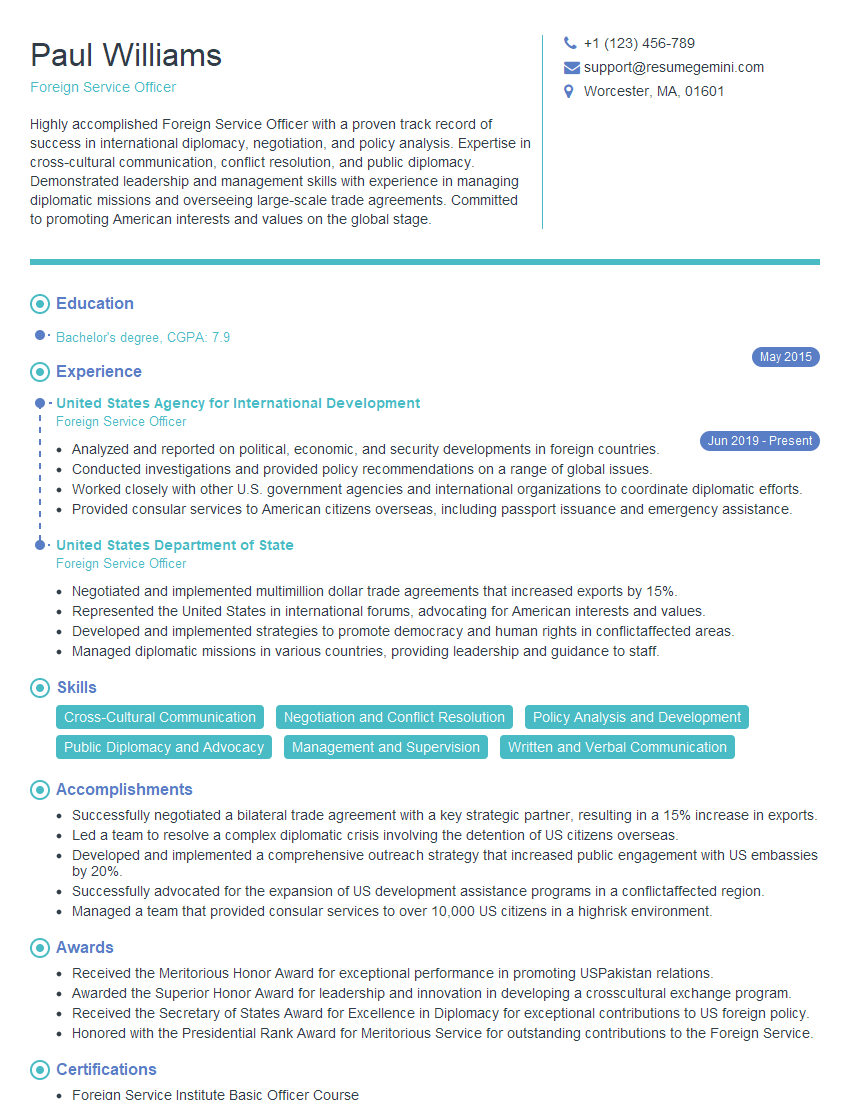
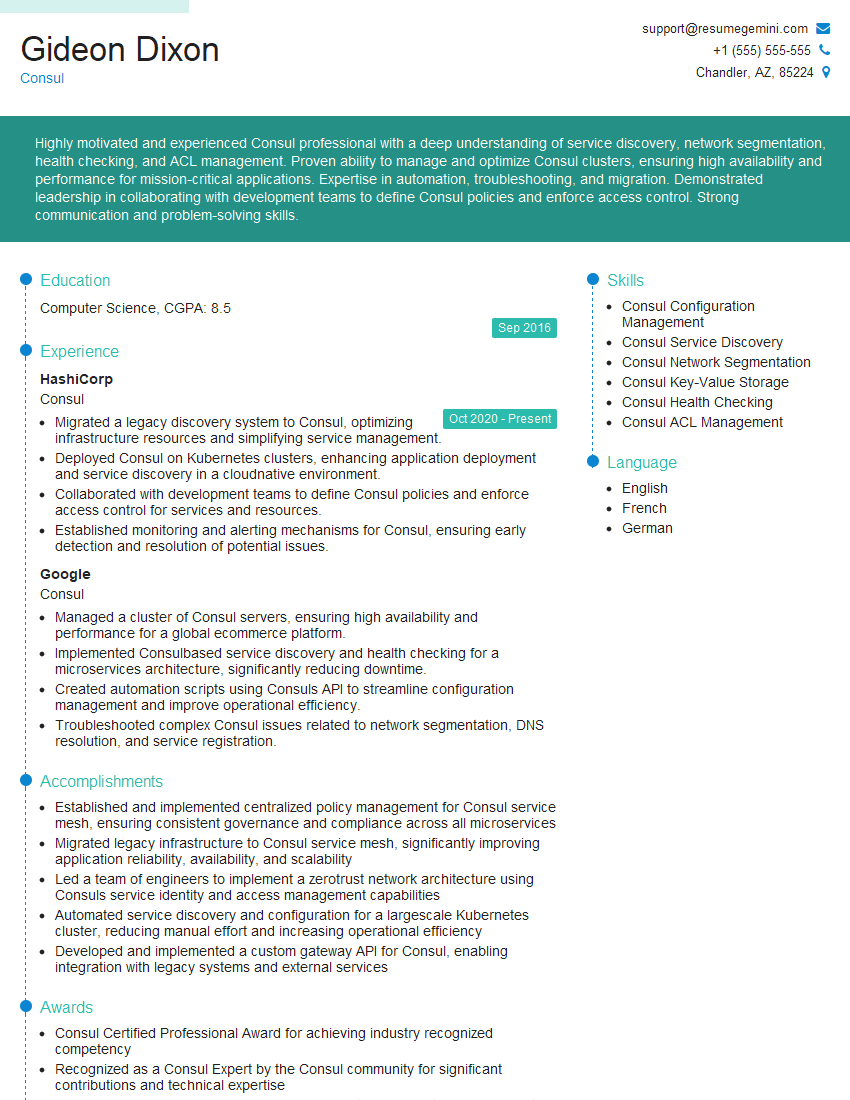
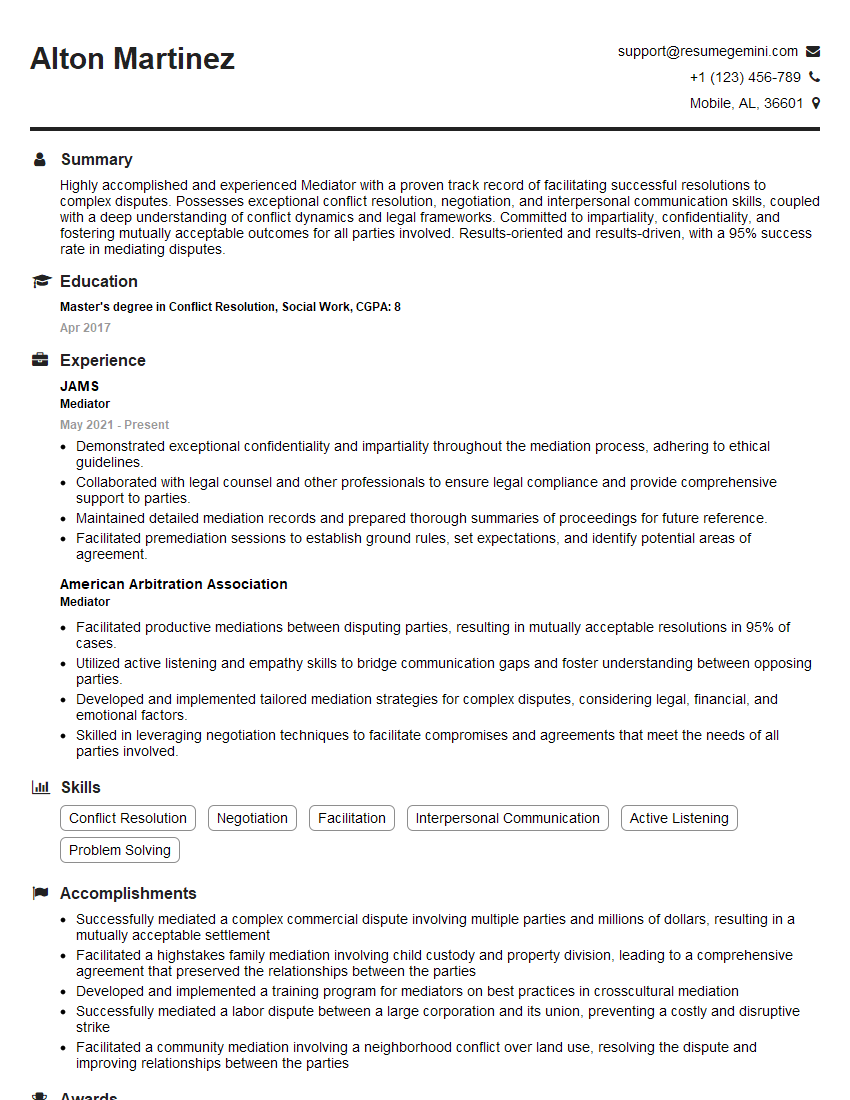
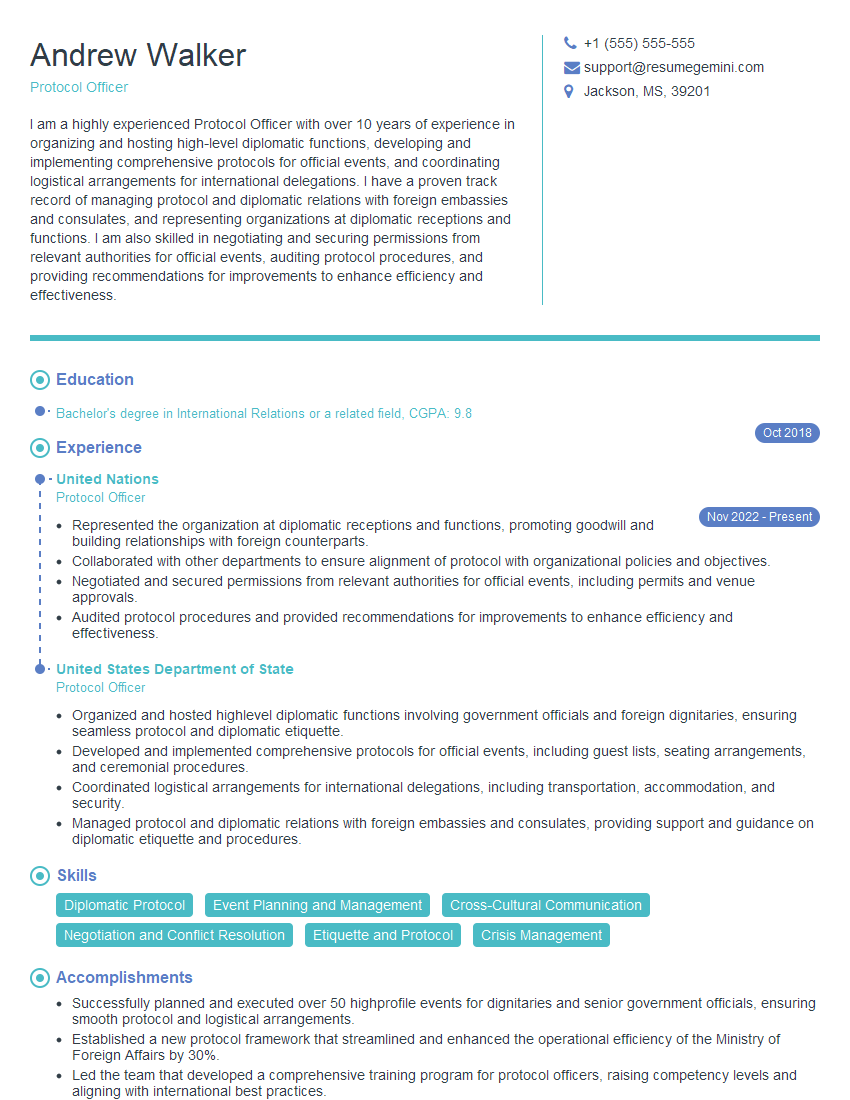
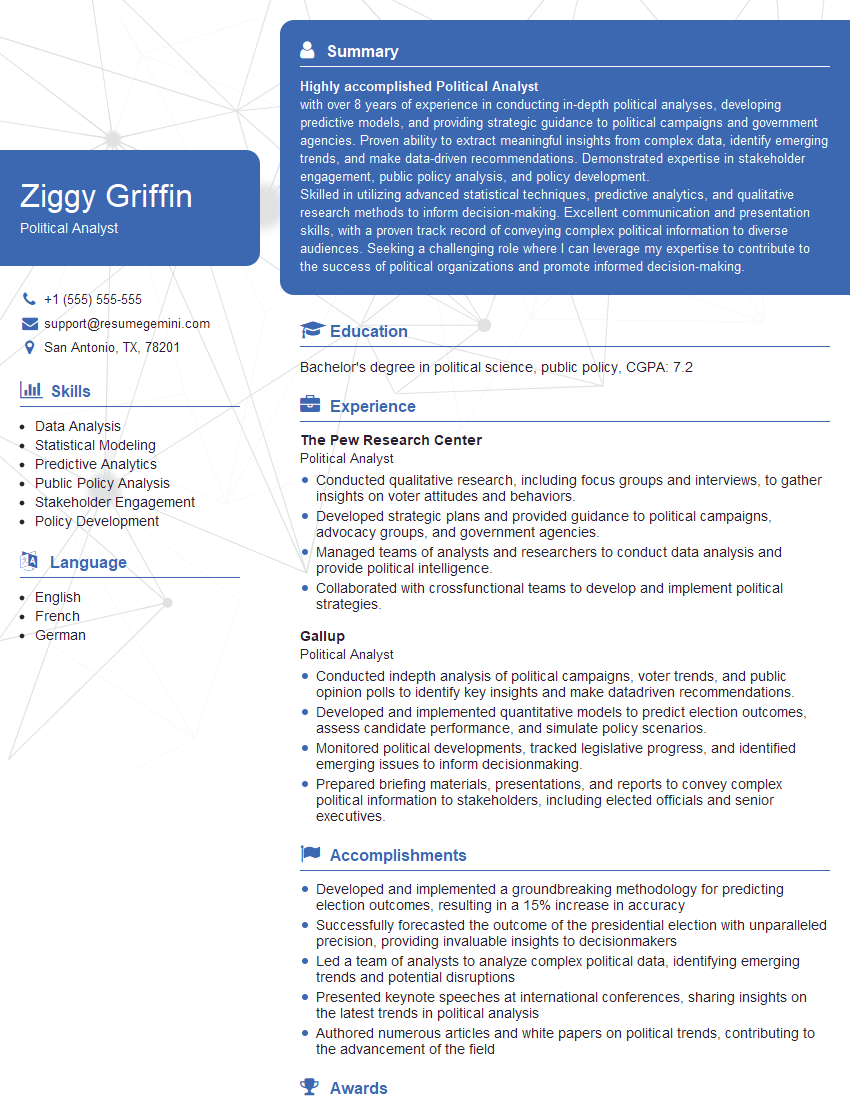
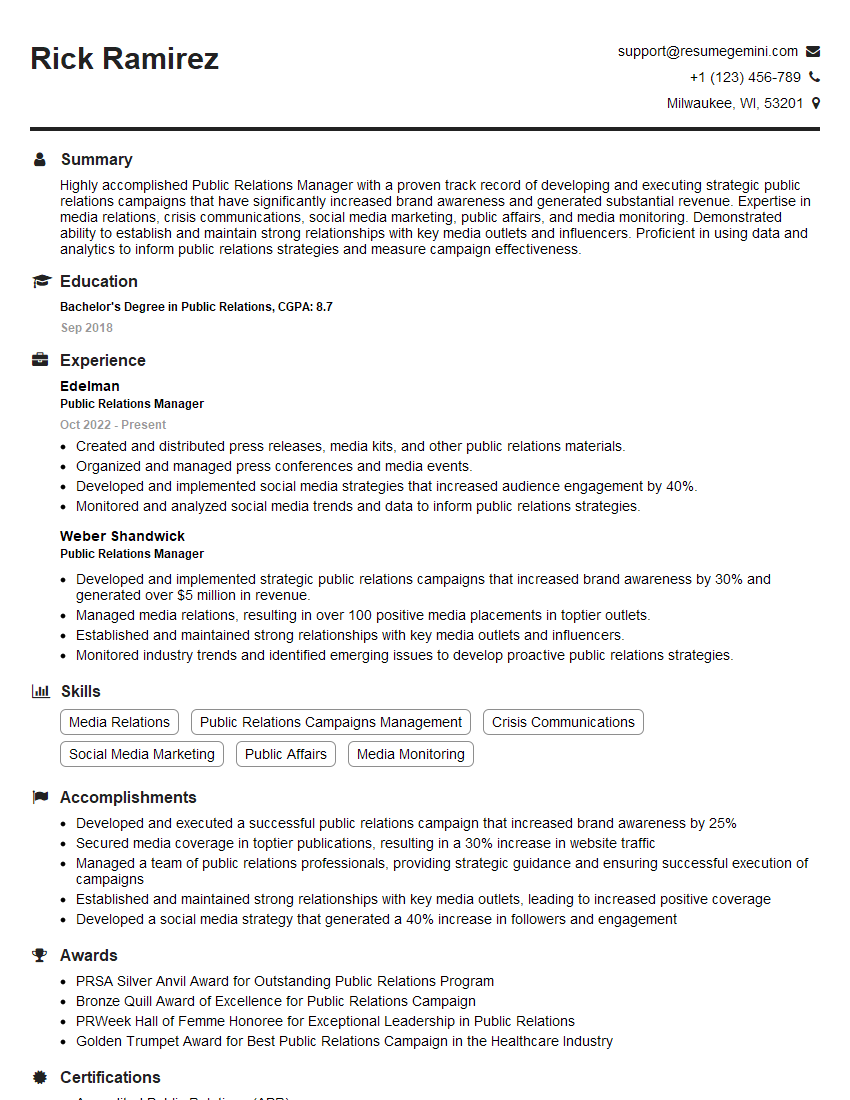
Mastering professionalism and diplomacy is crucial for career advancement. These skills are highly valued across industries and directly impact your ability to build strong relationships, navigate complex situations, and achieve your professional goals. To significantly increase your job prospects, it’s essential to create a strong, ATS-friendly resume that showcases these abilities. We highly recommend using ResumeGemini, a trusted resource, to build a compelling and effective resume. ResumeGemini provides examples of resumes tailored specifically to highlight skills in professionalism and diplomacy, giving you a head start in crafting your own impactful application materials.


Explore more articles
Users Rating of Our Blogs
Share Your Experience
We value your feedback! Please rate our content and share your thoughts (optional).
What Readers Say About Our Blog
Very informative content, great job.
good