Feeling uncertain about what to expect in your upcoming interview? We’ve got you covered! This blog highlights the most important Proficiency in Analytical Software interview questions and provides actionable advice to help you stand out as the ideal candidate. Let’s pave the way for your success.
Questions Asked in Proficiency in Analytical Software Interview
Q 1. Explain your experience with SQL and its applications in data analysis.
SQL, or Structured Query Language, is the cornerstone of relational database management. My experience with SQL spans several years and encompasses a wide range of applications in data analysis. I’ve used it extensively to extract, transform, and load (ETL) data from various sources, including large-scale enterprise databases and smaller, specialized datasets. For example, in a previous role, I used SQL to query a massive customer database, identifying high-value clients based on their purchase history and engagement metrics. This involved complex joins across multiple tables and the use of aggregate functions like SUM(), AVG(), and COUNT() to summarize the data effectively. I am proficient in writing efficient queries using subqueries, common table expressions (CTEs), and window functions to optimize performance and handle large datasets. Beyond simple data retrieval, I leverage SQL for data cleaning and manipulation, often employing CASE statements and string functions to refine the data before further analysis.
Furthermore, I’ve used SQL for creating and maintaining database schemas, ensuring data integrity and consistency. Understanding data structures is crucial for efficient querying and analysis. I’m adept at designing optimal table structures and identifying appropriate data types to manage information efficiently. My skills extend to utilizing stored procedures and functions to automate repetitive tasks, streamlining the data analysis process significantly.
Q 2. Describe your proficiency in R or Python for data manipulation and analysis.
Both R and Python are powerful tools in my data analysis arsenal, each with its strengths. I’m highly proficient in both. Python, with its extensive libraries like Pandas and NumPy, is my go-to language for data manipulation and preprocessing. Pandas provides efficient data structures (DataFrames) and tools for data cleaning, transformation, and analysis. For example, I frequently use Pandas’ groupby() function to aggregate data by specific categories, and its fillna() function to handle missing values. NumPy allows for fast numerical computations and array manipulations, which are invaluable for large datasets.
import pandas as pd
data = pd.read_csv('data.csv')
data['new_column'] = data['column1'] * 2 # Example data manipulation
print(data.head())
R, on the other hand, excels in statistical modeling and visualization. Its comprehensive statistical packages, including ggplot2 for visualization and various packages for specific statistical tests (like linear regression or time series analysis), make it ideal for generating insights and drawing conclusions from data. I often use R for exploratory data analysis, creating various plots to understand data distributions and relationships. My preference for a language depends heavily on the specific analytical task; often, I use both in a complementary fashion, leveraging Python for initial data cleaning and pre-processing and R for advanced statistical modeling and visualization.
Q 3. How familiar are you with data visualization tools like Tableau or Power BI?
I’m very familiar with both Tableau and Power BI, two leading data visualization tools. My experience includes building interactive dashboards, creating visualizations, and presenting data insights to both technical and non-technical audiences. I appreciate the ability of these tools to transform raw data into easily understandable and compelling visuals. Tableau’s drag-and-drop interface and intuitive features make it efficient for rapid prototyping and exploratory analysis, while Power BI offers strong integration with Microsoft’s ecosystem, making it a great option for organizations using Office 365 and other Microsoft products. I’ve used both tools to create dashboards for monitoring key performance indicators (KPIs), communicating data-driven findings, and ultimately supporting decision-making within organizations. Choosing between the two often comes down to the specific project requirements and the existing data infrastructure.
Q 4. What are your preferred methods for data cleaning and preprocessing?
Data cleaning and preprocessing are critical steps in any data analysis project. My preferred methods involve a systematic approach that combines automated techniques with manual inspection. I begin by assessing the data’s quality using summary statistics, looking for inconsistencies, missing values, and outliers. Automated techniques include using Python’s Pandas library to handle missing values (fillna()), removing duplicates (drop_duplicates()), and standardizing data types. I also use regular expressions for cleaning and standardizing text data. Manual inspection is equally important. I often visually examine the data using histograms, scatter plots, or other visualizations to identify potential anomalies that might be missed by automated methods. Finally, I create comprehensive documentation that explains all cleaning and preprocessing steps taken, ensuring reproducibility and transparency.
Q 5. Explain your approach to handling missing data in a dataset.
Handling missing data is crucial for maintaining the integrity of analysis. My approach depends on the nature of the missing data and the overall dataset. If missing values are Missing Completely at Random (MCAR), I might employ imputation techniques, such as mean, median, or mode imputation, or more sophisticated methods like k-Nearest Neighbors (KNN) imputation. For Missing at Random (MAR) data, I might consider multiple imputation, which creates multiple plausible datasets to account for the uncertainty associated with the missing values. However, for Missing Not at Random (MNAR) data, imputation might introduce bias. In such cases, I might use techniques like inverse probability weighting or model-based approaches that explicitly account for the non-random nature of the missing data. Throughout this process, I always carefully consider the potential impact of any imputation method on the downstream analysis and document my rationale clearly.
Q 6. How do you identify and address outliers in your data?
Outliers can significantly skew analytical results. I identify outliers using a combination of visual inspection (box plots, scatter plots) and statistical methods. Box plots immediately highlight data points outside the interquartile range (IQR), indicating potential outliers. Statistical methods include calculating Z-scores or using the modified Z-score, which is less sensitive to extreme values than the standard Z-score. Once identified, I investigate the cause of the outliers. They may represent genuine extreme values or errors in data collection or entry. If the outliers are due to errors, I may correct them or remove them. If they represent genuine extreme values and significantly impact the analysis, I might consider using robust statistical methods that are less sensitive to outliers, such as median-based statistics or non-parametric tests. Otherwise, I may choose to retain them if they are deemed meaningful and influential.
Q 7. Describe your experience with statistical analysis techniques.
My experience with statistical analysis techniques is extensive and encompasses a broad range of methods. I’m proficient in descriptive statistics (calculating means, medians, standard deviations, etc.), inferential statistics (hypothesis testing, confidence intervals), and regression analysis (linear, logistic, multiple). I’ve worked with various statistical distributions and applied appropriate tests based on data characteristics and research questions. For example, I’ve used t-tests to compare means between two groups, ANOVA to compare means across multiple groups, and chi-square tests to analyze categorical data. My experience also includes more advanced techniques such as time series analysis, principal component analysis (PCA) for dimensionality reduction, and clustering algorithms (k-means, hierarchical clustering) for identifying patterns and groupings within data. I am adept at interpreting statistical results, drawing meaningful conclusions, and communicating these findings effectively to both technical and non-technical stakeholders.
Q 8. How would you interpret the results of a regression analysis?
Interpreting regression analysis results involves understanding the model’s coefficients, R-squared, p-values, and residual plots. Let’s break it down:
Coefficients: These indicate the relationship between the independent and dependent variables. A positive coefficient suggests a positive relationship (as one variable increases, so does the other), while a negative coefficient indicates a negative relationship. The magnitude of the coefficient shows the strength of the effect. For example, a coefficient of 2 for ‘advertising spend’ on ‘sales’ means that for every $1 increase in advertising, sales increase by $2 (holding other variables constant).
R-squared: This value represents the proportion of variance in the dependent variable explained by the independent variables. A higher R-squared (closer to 1) indicates a better fit, meaning the model explains a larger portion of the variation in the data. However, a high R-squared doesn’t necessarily mean a good model; it’s crucial to also consider other metrics.
P-values: These indicate the statistical significance of each coefficient. A low p-value (typically below 0.05) suggests that the coefficient is statistically significant, meaning the relationship between the independent and dependent variable is unlikely due to chance. We can reject the null hypothesis (that there is no relationship).
Residual Plots: These plots show the difference between the observed and predicted values. They help assess the model’s assumptions, such as linearity and constant variance. Patterns in the residual plot suggest potential problems with the model, such as non-linear relationships or heteroscedasticity (unequal variance).
Example: In a model predicting house prices, a positive coefficient for ‘square footage’ indicates that larger houses tend to be more expensive. A low p-value confirms this relationship is statistically significant. A high R-squared shows the model explains a large portion of the variation in house prices. Examining residual plots helps us ensure the model assumptions are met.
Q 9. What are your preferred methods for feature selection and engineering?
My preferred feature selection and engineering methods depend heavily on the dataset and the modeling task. However, some of my go-to techniques include:
Feature Selection:
Filter Methods: These methods rank features based on statistical measures like correlation coefficients (for linear relationships) or chi-squared tests (for categorical variables). I often use this as a first step to quickly reduce the feature space.
Wrapper Methods: These methods use a machine learning algorithm to evaluate different feature subsets. Recursive Feature Elimination (RFE) is a common example, iteratively removing features based on their importance scores.
Embedded Methods: These methods incorporate feature selection into the model training process. Regularization techniques like L1 (LASSO) and L2 (Ridge) regression can shrink less important features’ coefficients towards zero, effectively performing feature selection.
Feature Engineering: This involves creating new features from existing ones to improve model performance. Examples include:
Creating interaction terms: Combining two or more features to capture non-linear relationships (e.g., multiplying ‘age’ and ‘income’).
Polynomial features: Adding polynomial terms to capture non-linear patterns (e.g., adding ‘age^2’ to a model with ‘age’).
Feature scaling/normalization: Standardizing features to a common scale (e.g., using z-score normalization or min-max scaling) improves algorithm performance.
One-hot encoding: Transforming categorical variables into numerical representations suitable for machine learning models.
I always prioritize understanding the business context and domain knowledge when selecting and engineering features. A well-engineered feature can significantly improve a model’s predictive power.
Q 10. Explain your understanding of different data mining techniques.
Data mining techniques involve discovering patterns and insights from large datasets. My experience spans several techniques, including:
Classification: Predicting a categorical outcome (e.g., predicting customer churn, classifying images). Algorithms include logistic regression, support vector machines (SVMs), decision trees, and random forests.
Regression: Predicting a continuous outcome (e.g., predicting house prices, forecasting sales). Algorithms include linear regression, polynomial regression, and support vector regression.
Clustering: Grouping similar data points together (e.g., customer segmentation, anomaly detection). Algorithms include k-means clustering, hierarchical clustering, and DBSCAN.
Association Rule Mining: Discovering relationships between variables (e.g., market basket analysis – finding products frequently bought together). Algorithms include Apriori and FP-Growth.
Sequential Pattern Mining: Discovering patterns in sequential data (e.g., predicting customer behavior based on past purchases). Algorithms include GSP and PrefixSpan.
The choice of technique depends on the specific problem and the nature of the data. I always consider the strengths and weaknesses of each technique before selecting the most appropriate one.
Q 11. Describe your experience with machine learning algorithms.
I have extensive experience with a wide range of machine learning algorithms, categorized broadly as:
Supervised Learning: Algorithms that learn from labeled data. Examples include:
Linear Regression: For predicting continuous variables.
Logistic Regression: For binary or multi-class classification.
Support Vector Machines (SVMs): Versatile algorithms for both classification and regression.
Decision Trees and Random Forests: Tree-based models that are easy to interpret and handle high dimensionality.
Neural Networks: Complex models capable of learning highly non-linear relationships.
Unsupervised Learning: Algorithms that learn from unlabeled data. Examples include:
K-means Clustering: For partitioning data into clusters.
Principal Component Analysis (PCA): For dimensionality reduction.
Reinforcement Learning: Algorithms that learn through trial and error by interacting with an environment. I have some experience with this, particularly in the context of recommendation systems.
My experience includes selecting the appropriate algorithm based on data characteristics, problem requirements, and computational resources. I am proficient in using libraries like scikit-learn and TensorFlow/Keras.
Q 12. How would you evaluate the performance of a predictive model?
Evaluating a predictive model’s performance involves several key metrics, chosen based on the problem type (classification or regression) and business objectives. Here’s a breakdown:
Classification Metrics:
Accuracy: The overall correctness of the model’s predictions.
Precision: The proportion of correctly predicted positive instances out of all predicted positive instances.
Recall (Sensitivity): The proportion of correctly predicted positive instances out of all actual positive instances.
F1-score: The harmonic mean of precision and recall, providing a balanced measure.
AUC-ROC curve: A graphical representation of the model’s ability to distinguish between classes at different thresholds.
Regression Metrics:
Mean Squared Error (MSE): The average squared difference between predicted and actual values.
Root Mean Squared Error (RMSE): The square root of MSE, easier to interpret as it’s in the same units as the dependent variable.
R-squared: The proportion of variance in the dependent variable explained by the model.
Beyond the Metrics: It’s crucial to consider the model’s interpretability, robustness, and generalizability. Techniques like cross-validation help assess how well the model generalizes to unseen data. Business context is paramount; a model with slightly lower accuracy but better interpretability might be preferred if it aids decision-making.
Example: In a fraud detection system (classification), high recall is crucial (we want to catch most fraudulent transactions), even if it means some false positives. In a sales forecasting model (regression), RMSE would be a relevant metric to measure the accuracy of sales predictions.
Q 13. What are your experiences with data warehousing and ETL processes?
My experience with data warehousing and ETL (Extract, Transform, Load) processes involves designing, implementing, and maintaining data warehouses for analytical purposes. I am familiar with:
Data Warehousing Concepts: I understand the various data warehouse architectures (star schema, snowflake schema), dimensional modeling, and data warehousing best practices.
ETL Processes: I have experience with designing and implementing ETL pipelines using tools like Informatica PowerCenter, Apache Kafka, and cloud-based ETL services.
Data Quality: I’m experienced in ensuring data quality throughout the ETL process, including data cleansing, transformation, and validation.
Data Modeling: I have skills in creating effective data models that support efficient querying and reporting.
In a previous role, I was instrumental in designing a data warehouse for a large e-commerce company. This involved extracting data from various sources (databases, APIs, log files), transforming it to conform to the data warehouse schema, and loading it into a cloud-based data warehouse (Snowflake). The result was a significantly improved analytical capability, enabling better decision-making across various departments.
Q 14. How familiar are you with cloud-based analytical platforms like AWS, Azure, or GCP?
I’m quite familiar with cloud-based analytical platforms like AWS, Azure, and GCP. My experience includes:
AWS: I’ve worked with services like Amazon Redshift (data warehousing), Amazon EMR (big data processing), and Amazon SageMaker (machine learning).
Azure: I’ve used Azure Synapse Analytics (data warehousing), Azure Databricks (big data processing), and Azure Machine Learning services.
GCP: My experience includes using Google BigQuery (data warehousing), Google Cloud Dataproc (big data processing), and Google Cloud AI Platform (machine learning).
My familiarity extends beyond just the core services. I understand how to leverage cloud-based services for tasks like data storage, data processing, model training, and deployment. I also understand the cost optimization strategies associated with each platform. For example, I know how to choose appropriate instance types and optimize query performance to minimize cloud spending. I am also familiar with managing access control and security considerations within these environments.
Q 15. Describe your experience with big data technologies like Hadoop or Spark.
My experience with big data technologies like Hadoop and Spark is extensive. I’ve worked extensively with Hadoop’s distributed file system (HDFS) for storing and managing massive datasets, leveraging its fault tolerance and scalability to handle petabytes of data. I’m proficient in using MapReduce for parallel processing of large datasets, writing custom mappers and reducers to solve complex analytical problems. For instance, in a project involving customer transaction data, I used MapReduce to efficiently aggregate sales figures across various geographical regions and product categories.
Furthermore, I’ve utilized Apache Spark for its significantly faster processing speeds compared to Hadoop MapReduce. Spark’s in-memory processing capabilities have proven invaluable in real-time analytics and iterative machine learning tasks. I’ve used Spark SQL for querying large datasets, PySpark for data manipulation and model building, and Spark Streaming for processing continuous data streams. For example, I built a real-time fraud detection system using Spark Streaming, processing credit card transactions and identifying potentially fraudulent activities in real-time.
My understanding extends beyond basic usage; I’m familiar with cluster management, performance tuning, and troubleshooting issues within these environments. I’ve worked with YARN (Yet Another Resource Negotiator) in Hadoop to efficiently manage cluster resources and optimize job scheduling.
Career Expert Tips:
- Ace those interviews! Prepare effectively by reviewing the Top 50 Most Common Interview Questions on ResumeGemini.
- Navigate your job search with confidence! Explore a wide range of Career Tips on ResumeGemini. Learn about common challenges and recommendations to overcome them.
- Craft the perfect resume! Master the Art of Resume Writing with ResumeGemini’s guide. Showcase your unique qualifications and achievements effectively.
- Don’t miss out on holiday savings! Build your dream resume with ResumeGemini’s ATS optimized templates.
Q 16. Explain your understanding of data governance and security.
Data governance and security are paramount to me. Data governance encompasses the policies, processes, and technologies that ensure the quality, consistency, and accessibility of data within an organization. This includes defining data ownership, establishing data quality standards, and implementing data access controls. For example, I’ve been instrumental in developing and implementing data governance frameworks for sensitive customer information, ensuring compliance with regulations like GDPR and CCPA.
Data security involves protecting data from unauthorized access, use, disclosure, disruption, modification, or destruction. This involves implementing robust security measures such as encryption, access controls, and regular security audits. I have experience with various security technologies, including encryption algorithms (AES, RSA), secure protocols (HTTPS), and access control lists (ACLs). In a previous role, I implemented a multi-layered security approach for a large database containing confidential financial data, preventing data breaches and ensuring compliance with industry best practices.
I see data governance and security not as separate entities, but rather as intertwined aspects of responsible data management. Effective governance greatly enhances the ability to maintain robust security.
Q 17. How do you ensure data quality and integrity?
Ensuring data quality and integrity is a continuous process that begins with data acquisition and extends throughout the entire data lifecycle. My approach involves several key steps:
- Data Profiling: I start by understanding the data – its structure, content, and potential issues – using profiling techniques. This helps identify missing values, outliers, inconsistencies, and data types that need correction.
- Data Cleaning: I use various methods to clean the data, such as handling missing values (imputation or removal), addressing outliers (removal or transformation), and resolving inconsistencies (standardization or normalization).
- Data Validation: I implement validation rules and checks at each stage of the data pipeline to ensure that data meets predefined quality standards. This involves using constraints, data type validation, and range checks.
- Data Transformation: I transform data into a usable format, using techniques like data aggregation, normalization, and feature engineering to improve data quality and prepare it for analysis.
- Monitoring and Auditing: After deployment, I continually monitor data quality and integrity, identifying and addressing potential issues proactively. This includes implementing data quality checks and using data lineage to track data changes.
For example, in a recent project involving customer survey data, I implemented data validation rules to ensure responses were within the expected ranges and handled missing data using appropriate imputation techniques. This allowed for a more reliable analysis of customer sentiment and preferences.
Q 18. Describe your experience with data storytelling and communication.
Data storytelling is crucial for communicating insights effectively. I believe that data should not just be presented but also narrated to create a compelling narrative. I utilize various techniques to effectively tell a story with data, including:
- Identifying the key narrative: Before creating any visualizations or reports, I identify the main message or story I want to convey.
- Selecting the right visualization: I choose appropriate charts and graphs to visually represent data and enhance understanding (e.g., bar charts for comparisons, line charts for trends, scatter plots for correlations).
- Creating a compelling narrative: I use clear and concise language to explain the data, providing context and insights that resonate with the audience. This involves structuring the narrative logically, emphasizing key findings, and providing clear takeaways.
- Using interactive dashboards: I often use interactive dashboards to allow the audience to explore the data at their own pace and discover insights.
In one project, I used interactive dashboards and compelling visualizations to communicate the results of a market research study to senior management. This allowed them to grasp the key findings quickly and make data-driven decisions. Using visuals instead of just tables greatly enhanced their understanding and acceptance of the recommendations.
Q 19. How do you effectively present your findings to both technical and non-technical audiences?
Communicating findings effectively to both technical and non-technical audiences requires tailoring the message and the medium to the audience’s understanding.
For technical audiences: I can focus on the detailed methodology, statistical significance, code implementation, and limitations of the analysis. I might use technical jargon and delve deeper into the algorithms used. I’ll present results with precision and provide detailed documentation.
For non-technical audiences: I prioritize clear and concise communication, using plain language and avoiding technical jargon. I rely heavily on visual aids like charts and graphs, focusing on the key findings and their implications. I’ll emphasize the story and the actionable insights. I’ll use analogies and real-world examples to make the information relatable.
Regardless of the audience, I always aim to make the presentation engaging and interactive, fostering questions and discussions. I often use a combination of presentations, reports, and dashboards to cater to different learning styles and communication preferences. For example, when presenting to a board of directors, I’d use a high-level presentation with key takeaways, while a detailed report with technical appendices would be provided for their technical staff.
Q 20. Describe a challenging data analysis project you’ve worked on and how you overcame the challenges.
One challenging project involved analyzing customer churn for a telecommunications company. The initial dataset was massive, containing millions of records with significant missing values and inconsistencies. The biggest challenge was the high dimensionality of the data and the inherent complexity in identifying the key drivers of churn.
To overcome these challenges, I followed a structured approach:
- Data Cleaning and Preprocessing: I addressed missing data using a combination of imputation and removal techniques, depending on the variable and the extent of missingness. I handled inconsistencies by standardizing data formats and values.
- Feature Engineering: I created new variables from existing ones to capture more insightful information related to customer behavior. For example, I aggregated call logs to create variables representing average call duration and call frequency.
- Dimensionality Reduction: I applied Principal Component Analysis (PCA) to reduce the dimensionality of the data while preserving most of the variance. This improved model performance and interpretability.
- Model Building: I experimented with several machine learning models, such as logistic regression, support vector machines, and gradient boosting machines, to predict customer churn. I used techniques like cross-validation to assess model performance and avoid overfitting.
- Model Interpretation: I used SHAP (SHapley Additive exPlanations) values to understand the feature importance in my chosen model, allowing us to identify the key drivers of churn, such as network issues, customer service interactions, and billing problems.
The outcome was a highly accurate churn prediction model that allowed the company to proactively target at-risk customers and reduce churn significantly. The success of this project highlighted the importance of robust data preprocessing, thoughtful feature engineering, appropriate model selection, and insightful model interpretation.
Q 21. What is your experience with A/B testing and experimental design?
I have significant experience with A/B testing and experimental design. A/B testing, also known as split testing, is a crucial method for evaluating the effectiveness of different versions of a website, app, or marketing campaign. It involves randomly assigning users to two or more groups (A and B), exposing each group to a different version, and comparing their outcomes.
My experience encompasses:
- Experimental Design: I understand the principles of experimental design, ensuring proper randomization, controlling confounding variables, and selecting appropriate sample sizes to achieve statistically significant results. I’m familiar with various testing methodologies, including multivariate testing.
- Metric Selection: I can define appropriate metrics to measure the success of the test, focusing on those that align with the business goals. This could include conversion rates, click-through rates, or engagement metrics.
- Statistical Analysis: I use statistical methods, including hypothesis testing (t-tests, chi-squared tests), to determine if the observed differences between groups are statistically significant or simply due to chance.
- Tools and Technologies: I have used various A/B testing tools, such as Optimizely and VWO, to implement and manage A/B tests.
For example, in a recent project, we used A/B testing to compare the effectiveness of two different website designs. We randomly assigned users to either the control group (A) or the experimental group (B). By analyzing the click-through rates and conversion rates for both groups, we determined that design B significantly improved user engagement and conversions, leading to a redesign of the website based on the test results.
Q 22. What are your preferred methods for time series analysis?
My preferred methods for time series analysis depend heavily on the specific characteristics of the data and the goals of the analysis. However, several techniques are frequently in my toolbox. For exploratory data analysis, I often start with visualizing the data using line plots, autocorrelation plots (ACF and PACF), and perhaps periodograms to identify trends, seasonality, and cyclical patterns.
Then, depending on the identified patterns and the objective, I might employ different modeling approaches. For example, if the series is stationary (meaning its statistical properties like mean and variance don’t change over time), I might use ARIMA (Autoregressive Integrated Moving Average) models, which are powerful and versatile. If the series shows clear seasonality, I’d incorporate seasonal components into the ARIMA model, such as SARIMA. For non-stationary data, I’d likely start by differencing the series to make it stationary before applying ARIMA.
Beyond ARIMA, other methods I utilize include exponential smoothing techniques (like Holt-Winters) which are particularly useful for forecasting when complex ARIMA models are difficult to estimate or interpret. For more complex scenarios with external factors influencing the time series, I might explore vector autoregression (VAR) models or even machine learning approaches like Recurrent Neural Networks (RNNs), particularly LSTMs, which are well-suited for capturing long-term dependencies in sequential data. The choice always depends on a thorough understanding of the data and the problem I’m trying to solve.
Q 23. Explain your understanding of different types of data (structured, semi-structured, unstructured).
Data comes in various forms, each posing unique challenges and requiring different processing techniques. Structured data is highly organized, typically residing in relational databases. Think of a neatly organized spreadsheet or a database table with clearly defined columns and rows, each representing specific attributes and records. Examples include customer information in a CRM system or financial transactions in a banking database.
Semi-structured data, on the other hand, doesn’t conform to a rigid table structure but does possess some organizational properties. JSON and XML files are good examples. They have tags or keys to identify data elements but lack the strict schema of a relational database. This type of data is common in web applications and log files.
Finally, unstructured data lacks any predefined format or organization. It’s the most challenging to work with but also potentially the richest in information. Examples include text documents, images, audio files, and videos. Processing unstructured data often involves techniques like natural language processing (NLP) for text, computer vision for images, and signal processing for audio and video.
Q 24. How familiar are you with database normalization techniques?
I’m very familiar with database normalization techniques. They are crucial for maintaining data integrity and efficiency. Normalization aims to organize data to reduce redundancy and improve data consistency. This is achieved by splitting larger tables into smaller ones and defining relationships between them.
I understand the different normal forms (1NF, 2NF, 3NF, BCNF, etc.) and how they progressively reduce data redundancy. For instance, 1NF eliminates repeating groups of data within a table, while 2NF addresses redundant data that depends on only part of the primary key. 3NF further reduces redundancy by eliminating transitive dependencies. Choosing the appropriate normal form depends on the specific application and the trade-off between data redundancy and query performance. Over-normalization can sometimes lead to performance issues, so finding the right balance is key.
In practice, I’ve applied normalization techniques numerous times when designing and optimizing databases, leading to significant improvements in data consistency and query efficiency. For example, in one project, normalizing a poorly designed database resulted in a 70% reduction in storage space and a 30% increase in query speed.
Q 25. Describe your experience with data modeling and database design.
My experience with data modeling and database design is extensive. I’ve been involved in designing various database systems for diverse applications, from simple relational databases to more complex NoSQL databases. The process typically starts with understanding the business requirements and identifying the key entities and their relationships. I use entity-relationship diagrams (ERDs) to visually represent this structure. These diagrams help to clarify the data model and serve as blueprints for the database implementation.
I consider various factors during database design such as scalability, performance, data integrity, and maintainability. For example, I choose appropriate data types for each attribute and carefully design indexes to optimize query performance. I also consider different database technologies, such as relational databases (like PostgreSQL, MySQL) and NoSQL databases (like MongoDB, Cassandra), selecting the best option based on the specific needs of the project. In one project, designing a scalable NoSQL database for handling high-volume, real-time data proved critical for meeting the application’s performance requirements.
Q 26. What are some common pitfalls to avoid in data analysis?
Data analysis, while powerful, is prone to several pitfalls. One major issue is confirmation bias – the tendency to seek out or interpret data that confirms pre-existing beliefs. This can lead to flawed conclusions and inaccurate insights. Another common pitfall is data dredging, or p-hacking, where analysts explore multiple statistical tests until they find a significant result, even if it’s not truly meaningful. This inflates the risk of false positives.
Incorrect data cleaning and preprocessing is another frequent problem. Failing to handle missing values properly, outliers, or inconsistencies can severely affect the accuracy of the analysis. Overfitting models is another major concern, especially with machine learning. A model that fits the training data perfectly may perform poorly on unseen data. Regularization techniques and cross-validation are crucial for mitigating overfitting. Finally, overlooking the context of the data and its limitations can lead to misinterpretations and wrong conclusions. A thorough understanding of data sources and limitations is essential for robust analysis.
Q 27. How do you stay up-to-date with the latest trends and technologies in data analysis?
Staying current in the rapidly evolving field of data analysis requires a multi-faceted approach. I regularly read industry publications like academic journals (e.g., Journal of the American Statistical Association, Data Mining and Knowledge Discovery), and reputable online resources (e.g., Towards Data Science, Analytics Vidhya). I also actively participate in online communities and forums to engage with other data professionals and learn from their experiences.
Attending conferences and workshops, both online and in-person, provides opportunities to hear directly from experts and network with peers. Furthermore, I dedicate time to experimenting with new tools and techniques. This hands-on experience allows me to assess the practical value of new technologies and deepen my understanding. Finally, taking online courses and following influential data scientists on platforms like Twitter and LinkedIn helps me stay informed about cutting-edge research and trends in data analysis.
Q 28. Describe your experience using version control systems for data projects.
I have extensive experience using version control systems, primarily Git, for data projects. I understand the importance of tracking changes, collaborating effectively with team members, and managing different versions of code and data. Using Git allows for easy rollback to previous versions if needed, reduces the risk of data loss, and facilitates seamless collaboration.
I’m proficient in using Git commands for branching, merging, committing, and pushing changes. I use platforms like GitHub and GitLab for hosting repositories and collaborating with team members. In collaborative projects, I use Git’s branching capabilities to work on features independently without affecting others’ work. This allows for parallel development and efficient integration of changes. Moreover, I always write detailed commit messages to document the purpose and impact of each change, facilitating the understanding of the project’s evolution.
Key Topics to Learn for Proficiency in Analytical Software Interview
- Data Wrangling & Preprocessing: Understanding data cleaning techniques, handling missing values, and data transformation methods crucial for accurate analysis. Practical application: Preparing real-world datasets for analysis using various software packages.
- Statistical Analysis & Modeling: Mastering descriptive and inferential statistics, regression analysis, hypothesis testing, and choosing appropriate statistical models based on data characteristics. Practical application: Building predictive models to forecast trends or make informed business decisions.
- Data Visualization & Communication: Creating clear and effective visualizations to communicate analytical findings to both technical and non-technical audiences. Practical application: Designing compelling dashboards and reports using industry-standard tools.
- Software Proficiency (Specific Software): Deep understanding of the functionalities and limitations of your chosen analytical software (e.g., R, Python with relevant libraries, SQL, SAS, Tableau). Practical application: Demonstrate fluency in data manipulation, analysis, and visualization using code examples and project showcases.
- Algorithmic Thinking & Problem Solving: Ability to break down complex problems into smaller, manageable components and apply appropriate analytical techniques to find solutions. Practical application: Formulating and testing hypotheses, interpreting results, and drawing meaningful conclusions.
- Data Integrity & Ethical Considerations: Understanding the importance of data quality, bias detection, and responsible data handling practices. Practical application: Identifying and mitigating potential biases in data and ensuring ethical data usage in analyses.
Next Steps
Mastering proficiency in analytical software is paramount for career advancement in today’s data-driven world. It opens doors to exciting roles with significant impact and high earning potential. To significantly boost your job prospects, crafting a compelling and ATS-friendly resume is essential. ResumeGemini is a trusted resource to help you build a professional resume that highlights your skills and experience effectively. Examples of resumes tailored to showcase Proficiency in Analytical Software are available, allowing you to create a document that truly reflects your capabilities and increases your chances of landing your dream job.
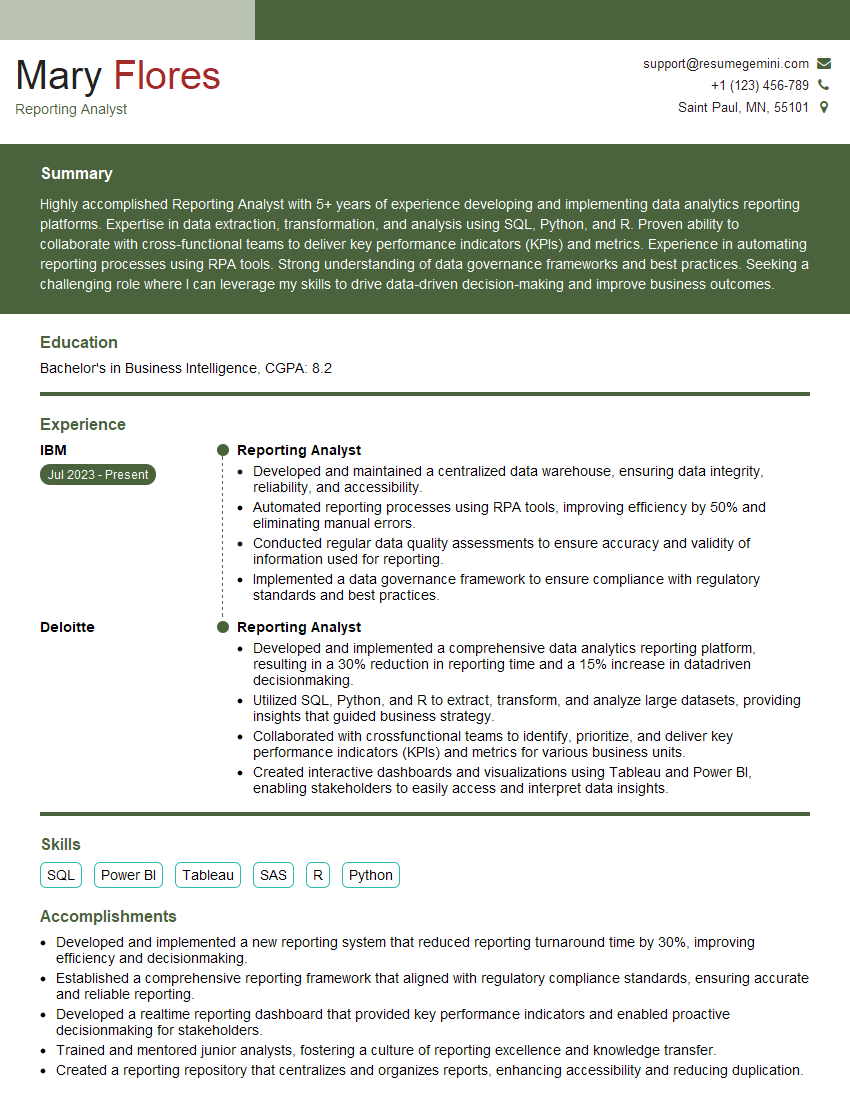
Reporting Analyst Resume Sample

Business Analyst Resume Sample
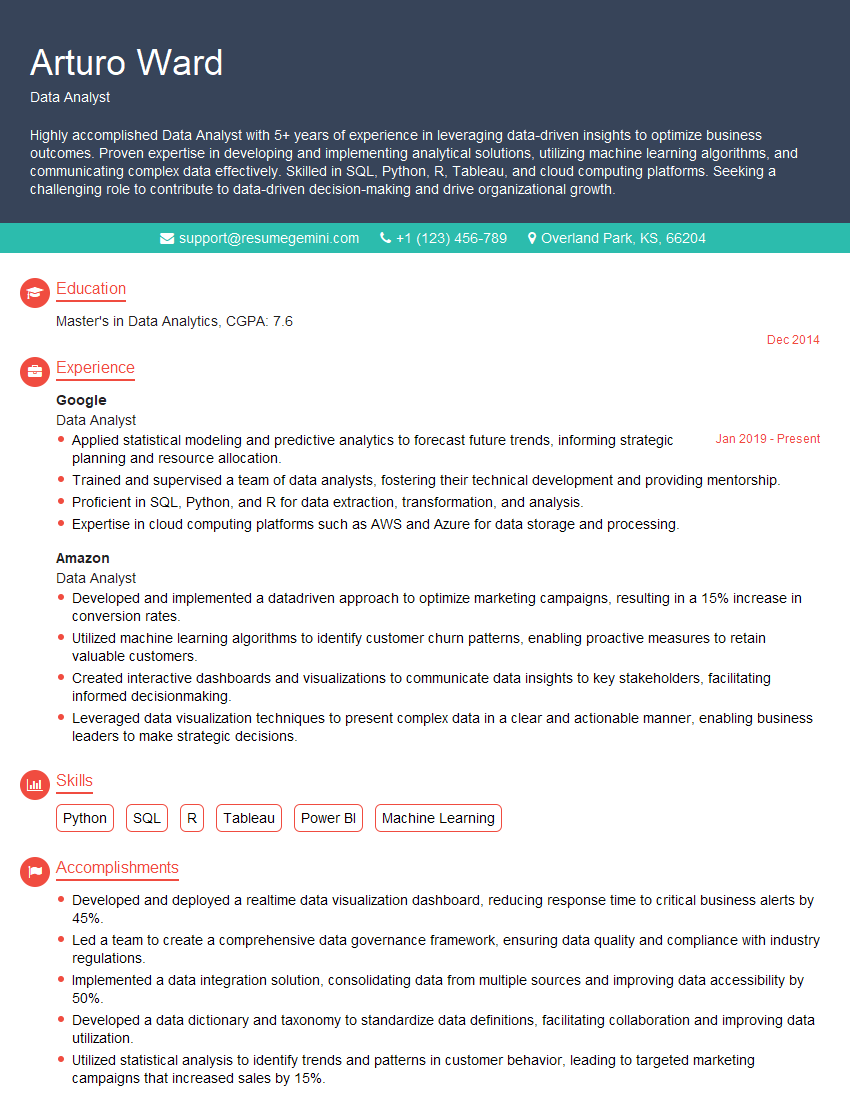
Data Analyst Resume Sample
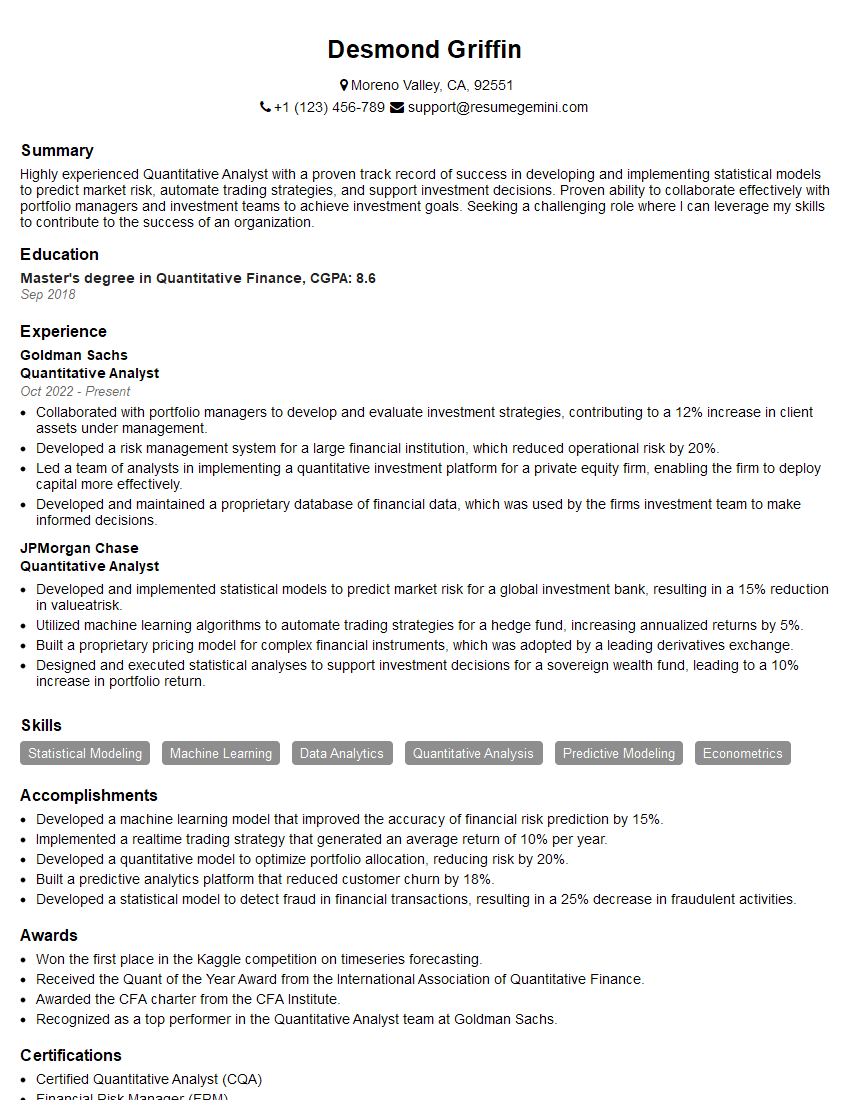
Quantitative Analyst Resume Sample
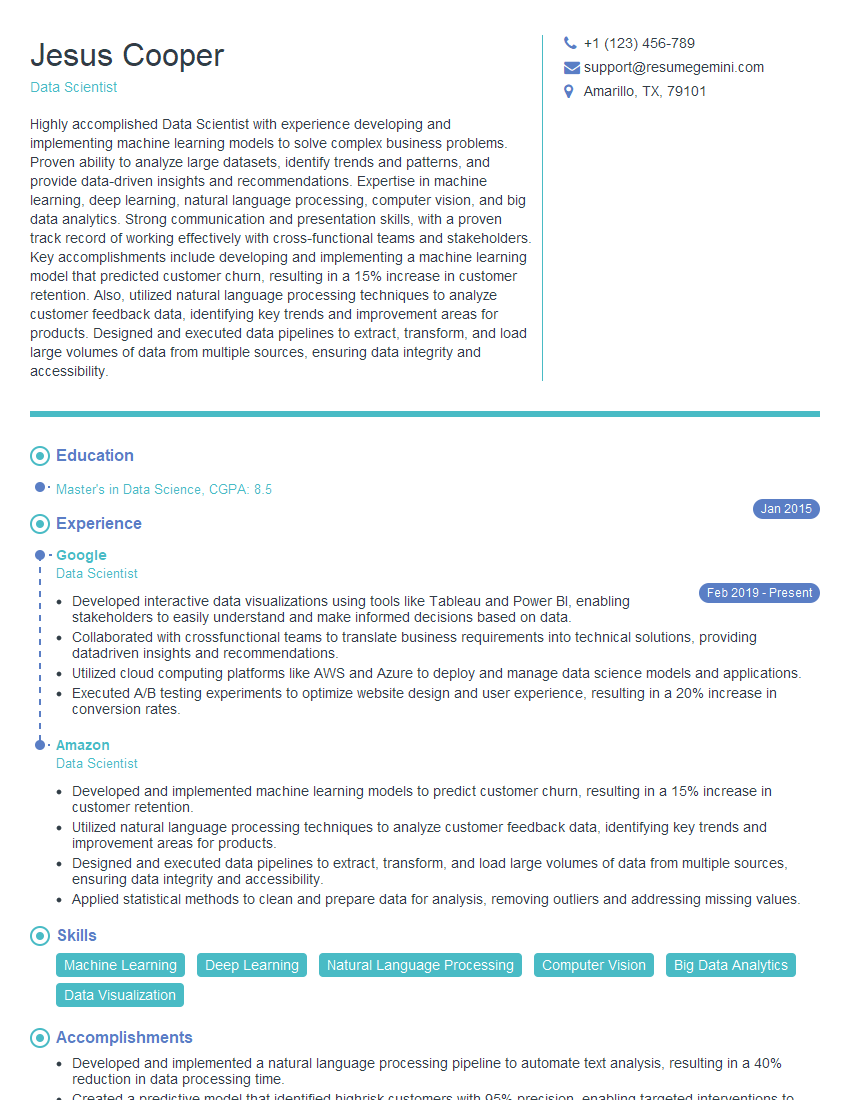
Data Scientist Resume Sample
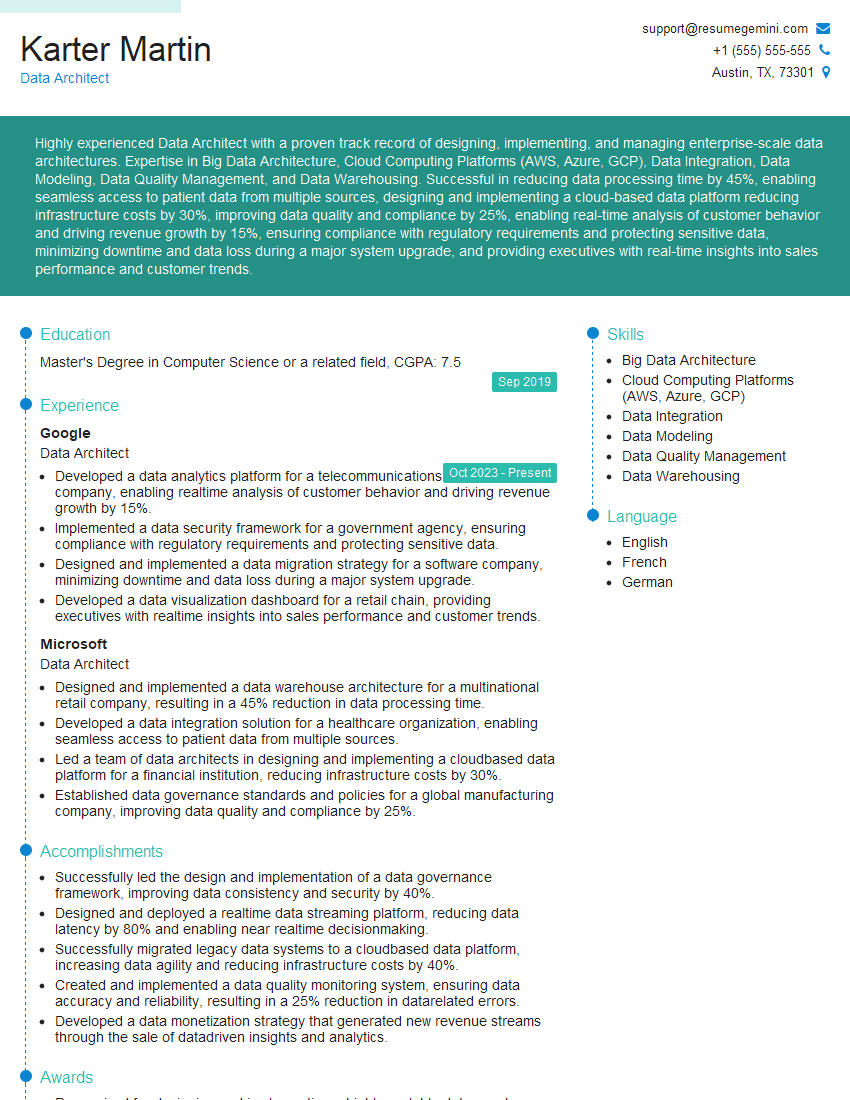
Data Architect Resume Sample
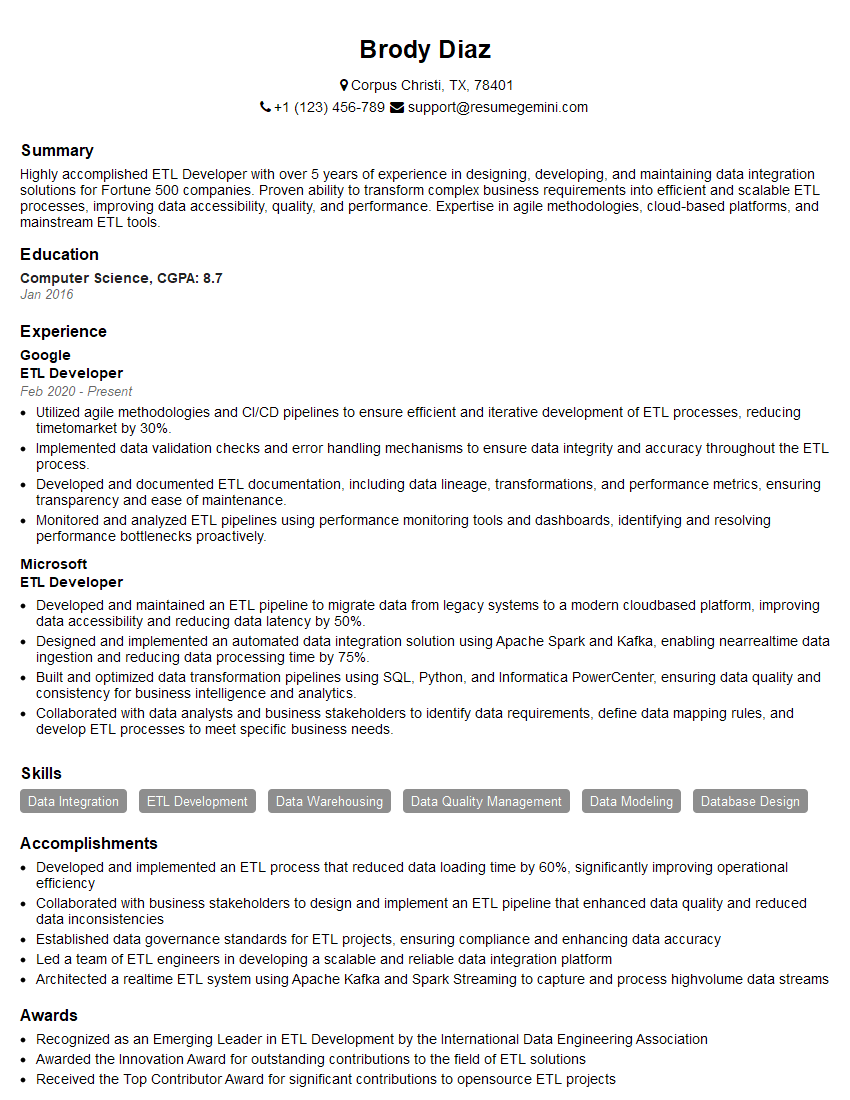
ETL Developer Resume Sample
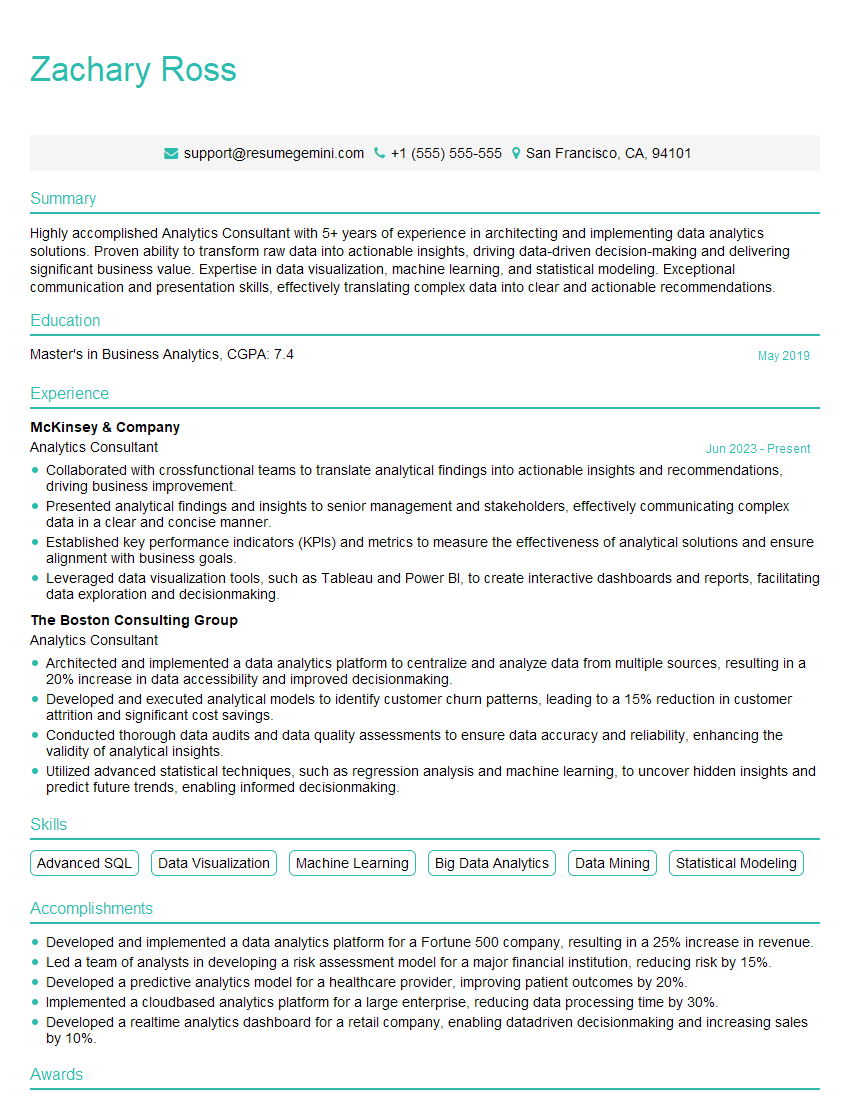
Analytics Consultant Resume Sample

Statistical Analyst Resume Sample
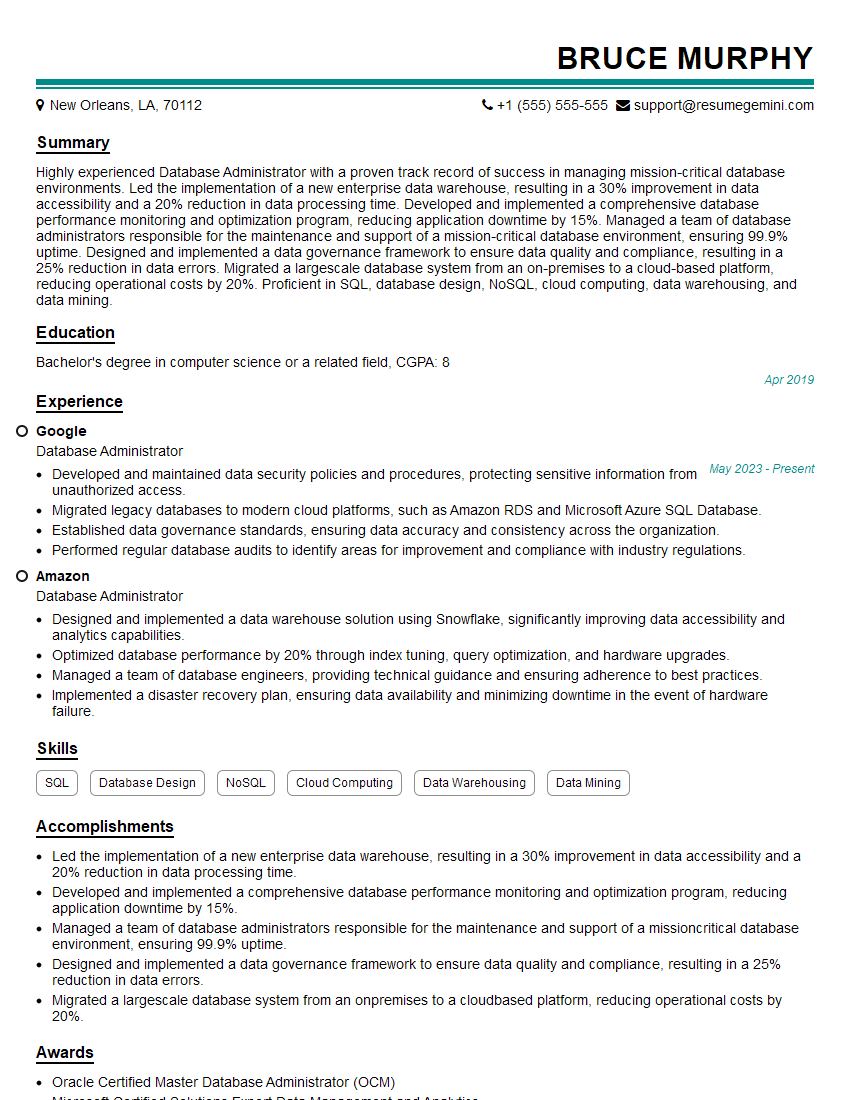
Database Administrator Resume Sample
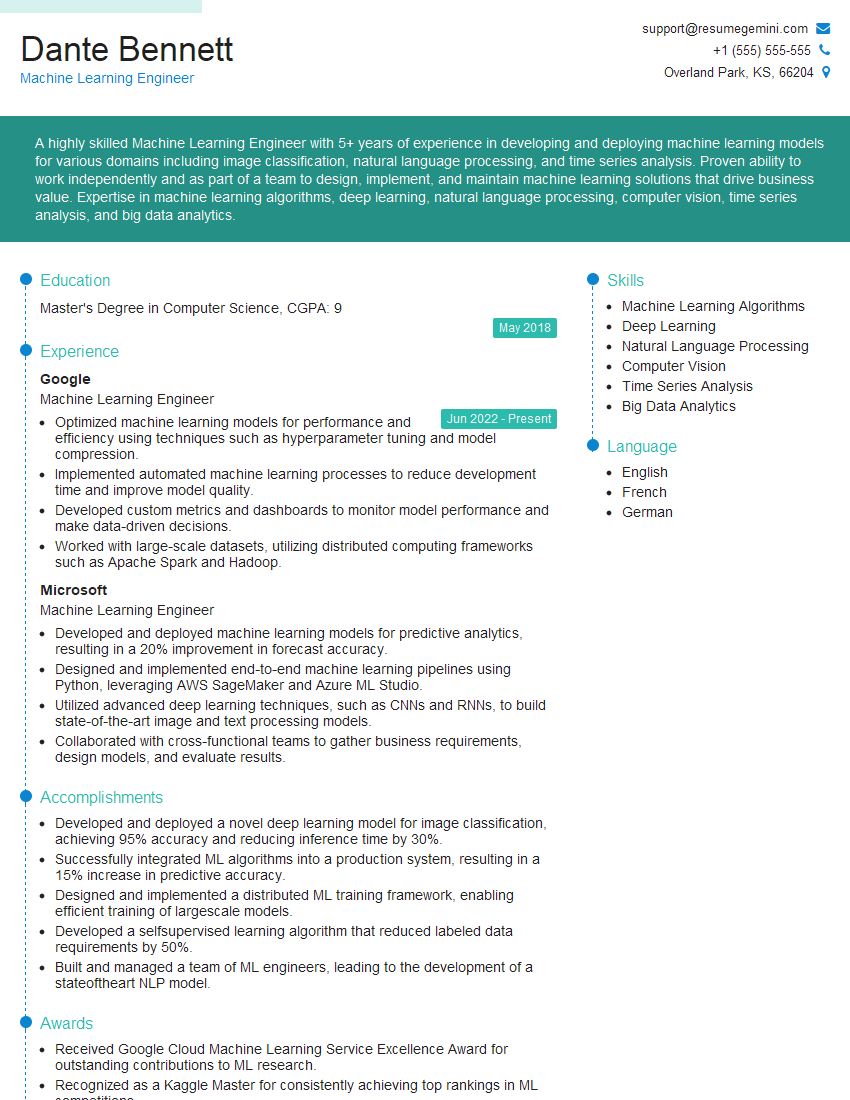
Machine Learning Engineer Resume Sample
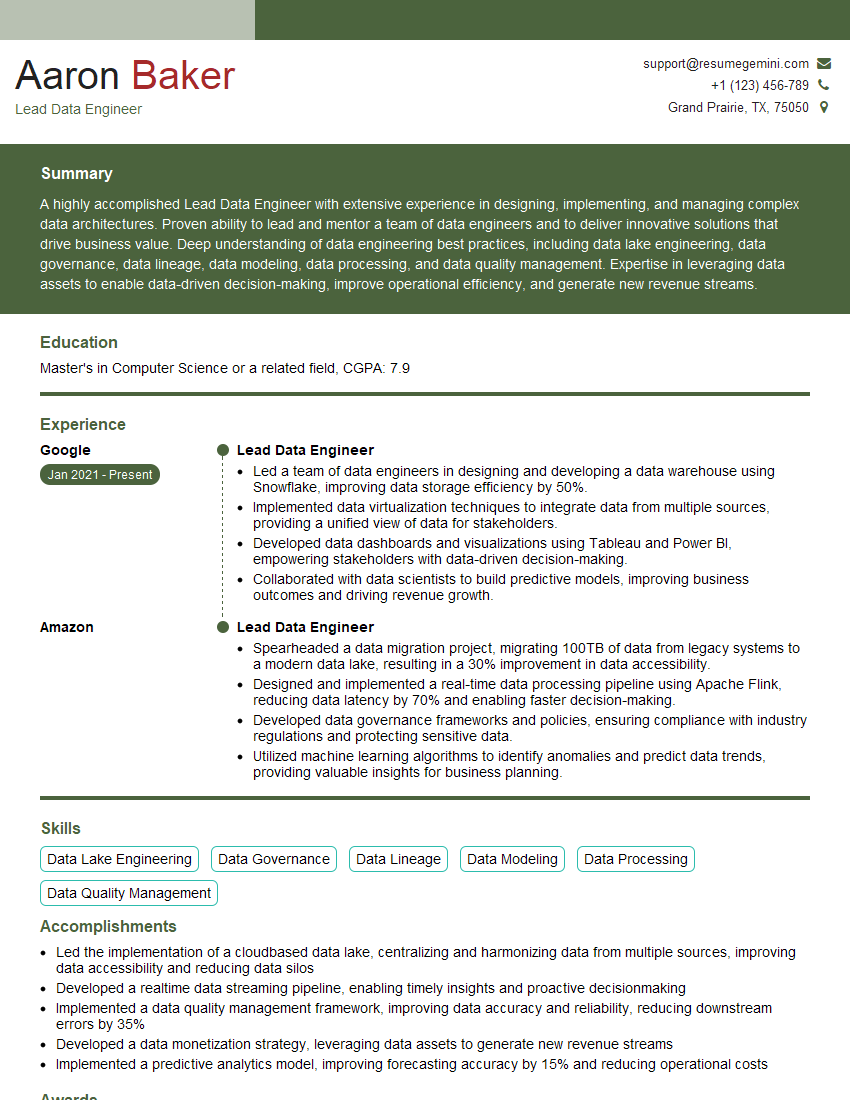
Lead Data Engineer Resume Sample
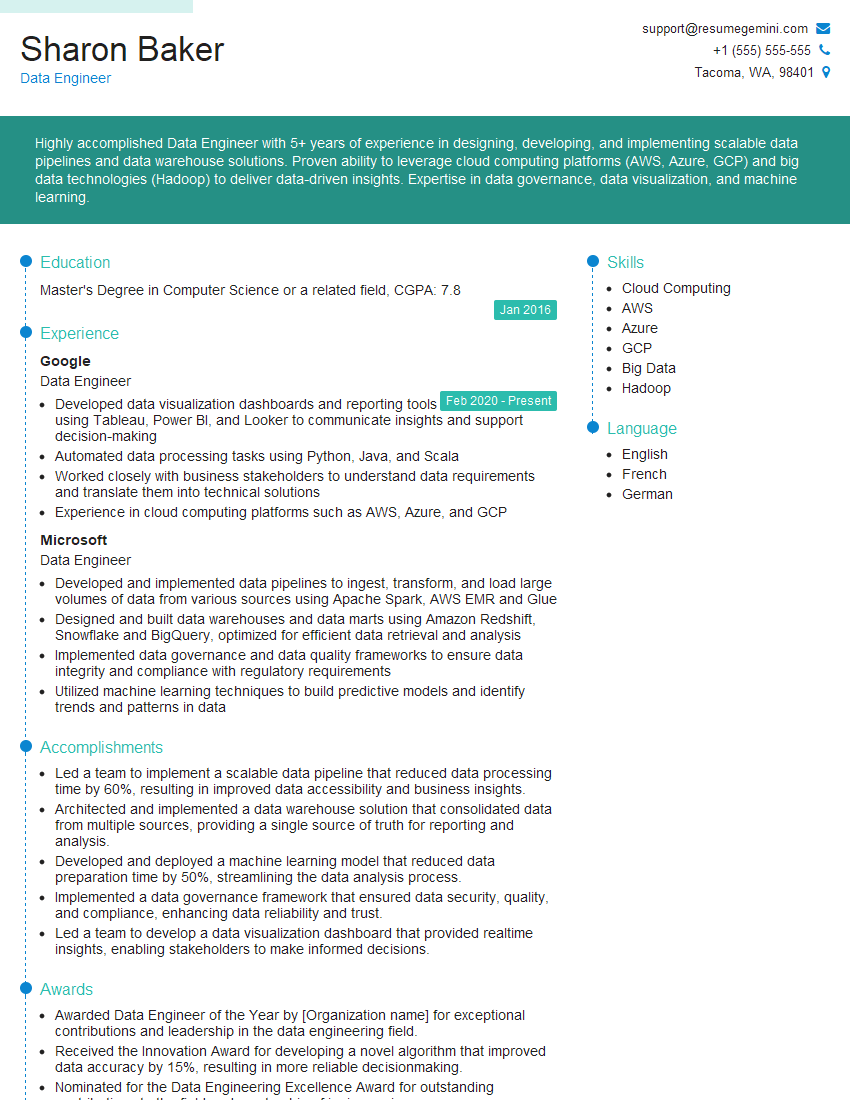
Data Engineer Resume Sample
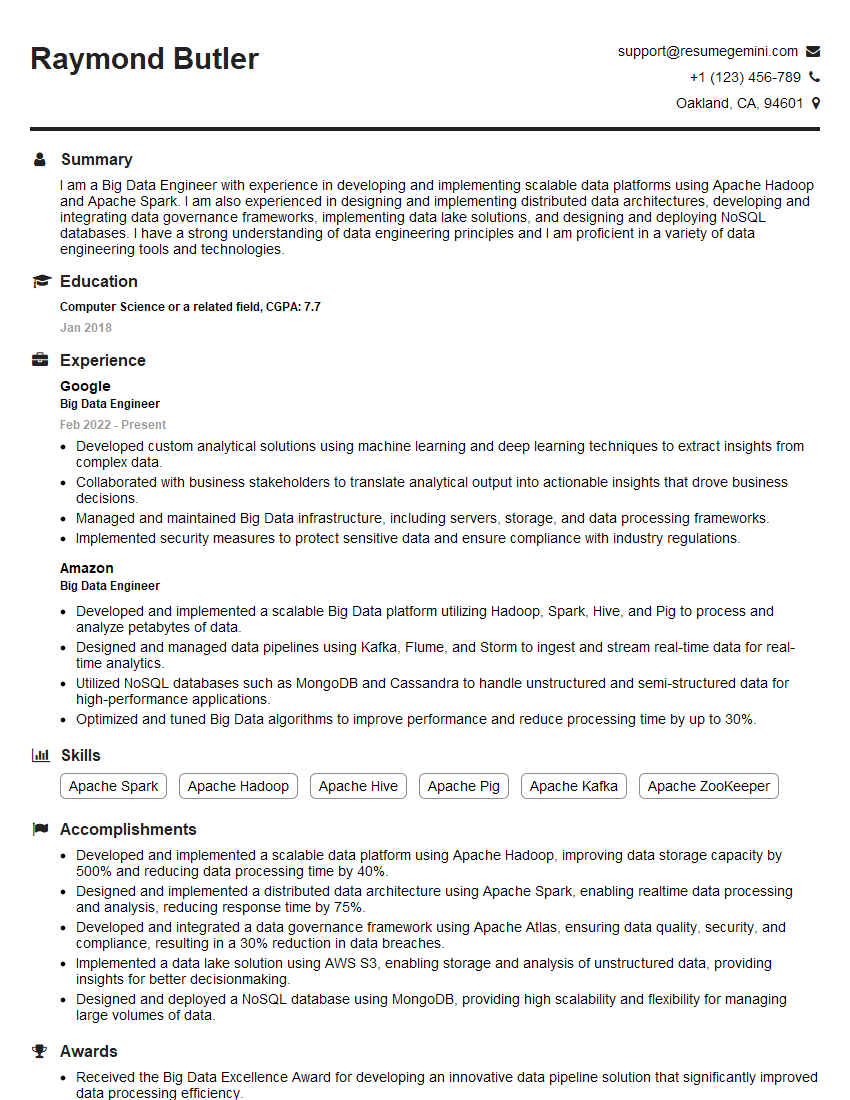
Big Data Engineer Resume Sample
Explore more articles
Users Rating of Our Blogs
Share Your Experience
We value your feedback! Please rate our content and share your thoughts (optional).
What Readers Say About Our Blog
Very informative content, great job.
good