Feeling uncertain about what to expect in your upcoming interview? We’ve got you covered! This blog highlights the most important Proficiency in Blueprint Reading and Interpretation interview questions and provides actionable advice to help you stand out as the ideal candidate. Let’s pave the way for your success.
Questions Asked in Proficiency in Blueprint Reading and Interpretation Interview
Q 1. What are the different types of lines used in blueprints and what do they represent?
Blueprints utilize a variety of lines to convey different information. Think of them as a visual language. Each line type has a specific meaning, crucial for accurate interpretation.
- Object Lines: These thick, solid lines define the visible edges of objects. Imagine tracing the outline of a wall – that’s an object line.
- Hidden Lines: Represented by dashed lines, these show features not directly visible from the chosen viewpoint. Think of a stud inside a wall – you wouldn’t see it from the outside, but the dashed lines on the blueprint reveal its presence.
- Center Lines: Thin lines with alternating long and short dashes, indicating the center of symmetrical objects. Useful for drilling holes, placing fixtures in the center of a doorway or window.
- Dimension Lines: Thin lines with arrowheads at each end, used to show the distance between two points. The dimension itself (e.g., ’10ft’) is usually placed above the dimension line.
- Section Lines: Hatching or cross-hatching lines used to indicate different materials or cut sections of objects.
- Break Lines: Short, wavy lines that show where a part of a drawing is intentionally omitted to save space or improve clarity.
- Cutting Plane Lines: Thick lines with arrows, illustrating the plane used to create a sectional view.
Understanding these line types is fundamental to interpreting blueprints accurately. Misinterpreting a line type can lead to costly errors during construction. For instance, mistaking a hidden line for an object line could result in a misplaced wall.
Q 2. Explain the purpose of a title block on a blueprint.
The title block is the cornerstone of any blueprint. It’s like the document’s identification card, providing all the essential information about the drawing. This section usually resides in the bottom right-hand corner and contains crucial details like:
- Project Name: Clearly identifies what the blueprint depicts (e.g., ‘Residential Renovation Project’).
- Drawing Number: A unique identifier within the project set of drawings. It’s critical for organization and referencing.
- Date: Indicates when the drawing was created or revised. Very important in tracking changes and project phases.
- Scale: The ratio between the drawing dimensions and actual dimensions (e.g., 1:50). This is essential to correctly understand the actual sizes.
- Designer/Drafter Name: Shows who is responsible for the drawing’s creation.
- Revision Number/Date: Indicates modifications and updates made over the life of the project.
- Client Name/Address: Identifies the owner or client of the project.
Without a complete title block, you are effectively working with an incomplete document; it makes accurate interpretations and proper construction virtually impossible.
Q 3. How do you identify different materials on a blueprint?
Materials are identified on blueprints using various methods, primarily through symbols, patterns, and annotations. Imagine a legend explaining the map’s symbols, this is what material identification on a blueprint is like.
- Fill Patterns (Hatching): Different materials are often represented by specific hatching patterns within the outline of the object. For instance, concrete might be represented by closely spaced diagonal lines, while wood could be shown with a different pattern. These patterns are explained in a materials legend or key provided on the blueprint.
- Symbols: Standardized symbols represent specific materials. For example, a brick wall might be represented by a stylized brick symbol.
- Material Notes/Specifications: The blueprint might include notes next to the objects clearly indicating the materials used. This is extremely helpful for clarifying any ambiguity caused by symbols or hatch patterns.
A thorough understanding of the material legend is critical to avoiding costly material procurement and construction errors. For example, incorrect identification of concrete type could significantly impact structural integrity.
Q 4. How are dimensions represented on a blueprint? Explain various notations.
Dimensions on blueprints are meticulously shown using various notations to ensure precision. Think of it as a highly accurate measuring system communicated visually.
- Dimension Lines: Thin lines with arrowheads at the ends, showing the distance between two points. The numerical value of the measurement is usually placed above the dimension line.
- Dimension Text: The actual measurement (e.g., 10ft, 2.5m) written clearly along the dimension line. Units are essential and should always be specified.
- Leader Lines: Used to link dimensions to specific features of the object. They’re typically used for indicating radius, diameters, or other details. They’re like directional pointers to specific features.
- Fractional and Decimal Notations: Measurements are usually expressed in fractions (e.g., 1/2”) or decimals (e.g., 1.25m) depending on the project’s standards and measurement system (Imperial or Metric). For accurate construction, it’s crucial that the units align with the specified standards.
Accurate dimensioning is paramount in construction. Inaccurate dimensions can result in misaligned walls, incorrectly sized doors and windows and significant structural problems. Always double-check dimensions before proceeding with any construction work.
Q 5. What are symbols and their importance in blueprint interpretation?
Symbols are a crucial element of blueprint interpretation, acting as visual shortcuts for common components and features. They act as a kind of shorthand for the blueprint designer and interpreter.
- Standard Symbols: Standardized symbols reduce clutter and improve readability. For example, a circle might represent a pipe, a square might represent a light fixture, or a specific symbol represents a specific kind of plumbing fixture.
- Importance in Interpretation: Symbols drastically simplify blueprint reading. They offer a standardized visual language, ensuring that the same symbols carry the same meaning across different blueprints and projects.
- Material Symbols: As mentioned earlier, symbols often indicate specific materials. This is essential for material selection and project costing.
- Component Symbols: Symbols represent components like doors, windows, electrical outlets, plumbing fixtures etc. This helps visualize the spatial arrangement of these crucial elements.
Failure to correctly interpret symbols can lead to significant construction errors. For instance, misinterpreting a plumbing fixture symbol can lead to incorrect pipe routing and installation.
Q 6. Describe different scaling conventions used in blueprints.
Blueprints are rarely drawn to actual size. Scaling conventions are essential for managing the size and clarity of the drawings. They’re like a map’s scale, which relates the map size to the real area it depicts. This is particularly important for large projects.
- Scale Ratio: The scale is expressed as a ratio (e.g., 1:100, 1:50, 1/4”=1′). This means that one unit on the blueprint represents 100, 50, or 1/4 inch of the actual object, respectively.
- Graphic Scale: Often shown on the blueprint itself, this is a visual representation of the scale, where you can directly measure distances on the scale and find the corresponding actual measurements.
- Common Scales: Different scales are used depending on the size and complexity of the project. Larger projects may use smaller scales for better manageability.
Incorrect scaling can cause catastrophic errors during construction. A wrongly scaled drawing can result in walls being too short or long, pipes not fitting correctly, and many other issues. It’s crucial to pay close attention to the stated scale before starting any measurements.
Q 7. How do you interpret sections and elevations on a blueprint?
Sections and elevations provide critical three-dimensional perspectives in blueprints, revealing internal structures and building features. Imagine slicing through a building to see its insides, and creating a side profile view. These are sections and elevations.
- Sections: Views created by cutting through the building along an imaginary plane. They show the interior structure at that cut plane. The cutting plane’s location is usually indicated on the plan view by a cutting plane line.
- Elevations: Views showing the external faces of a building, such as the front, rear, or side. They depict the overall height and external features of the building.
- Interpreting Sections: When interpreting sections, pay attention to the cutting plane’s location and direction. Understand how hidden lines are used to represent features not directly on the cutting plane.
- Interpreting Elevations: Elevations provide details on exterior wall heights, window and door placement, rooflines, and other external features. Pay close attention to the details shown in the elevation.
Sections and elevations are crucial for visualizing building layout, spatial arrangement and material usage. A construction worker must understand these drawings for accurate construction and prevent discrepancies between the design and the actual building structure.
Q 8. Explain the importance of orthographic projections in blueprints.
Orthographic projections are the foundation of blueprint reading. They’re a standardized way of representing a three-dimensional object on a two-dimensional plane using multiple views. Think of it like taking several photos of an object from different angles – front, top, and side. These views (plan, elevation, and section) are arranged to give a complete picture of the object’s shape, dimensions, and features. This is crucial because it allows anyone interpreting the blueprint to visualize the construction accurately.
For example, imagine designing a simple cabinet. The front elevation would show the door and handles; the plan view would show the top surface and internal shelves; and the side elevation would reveal the cabinet’s depth and back panel. Without these multiple views, accurately constructing the cabinet would be challenging and potentially lead to errors.
Q 9. How do you identify the north direction on a site plan?
The north direction on a site plan is usually indicated by a north arrow. This arrow is a simple graphic symbol, usually pointing upwards, but its orientation is critical. It establishes the relationship between the building and its surroundings. Often, you’ll find the north arrow in the title block or a legend of the site plan. It acts as a reference point for understanding the building’s orientation on the land—determining its position relative to roads, property lines, and other features. Knowing north is fundamental for navigating the site and understanding things like sun exposure for energy-efficient design.
Sometimes, the north arrow isn’t explicitly labeled as ‘North,’ so carefully review the plan’s legend or title block for clarification.
Q 10. What are the standard symbols for doors, windows, and plumbing fixtures?
Blueprint symbols are standardized to ensure consistency and clarity. While specific symbols might vary slightly depending on the drafting standards used, the core concepts remain the same.
- Doors: Often represented by a rectangle with a short line across the middle, potentially with additional lines indicating swing direction or type (e.g., sliding or folding). Specific details like dimensions and material are usually noted next to the symbol.
- Windows: Typically shown as a rectangle, sometimes with lines to indicate the number of panes. Just like doors, the dimensions are usually indicated near the symbol. A specific symbol might be used to show a particular window type, like a casement or awning window.
- Plumbing Fixtures: These use standardized symbols. For example, a toilet might be a circle with a short horizontal line; a sink might be represented by a semicircle; and a bathtub is often drawn as a rectangle with rounded ends. Specific plumbing fixture types, such as a shower or a double sink, have distinct symbols which can be found in the drawings’ legends.
Always check the drawing’s legend or details section for clarification as it provides a key which describes each symbol used on the blueprint.
Q 11. How do you interpret electrical schematics within a blueprint?
Electrical schematics are a crucial part of blueprints. They show the layout of the electrical system, including circuits, wiring, outlets, switches, and lighting fixtures. They usually use standardized symbols to represent these components, making them fairly easy to interpret once you understand the symbols.
For instance, a light fixture might be represented by a circle; an outlet is shown with a specific symbol; and switches have their own distinctive representations. The lines connecting these symbols represent the wiring. The schematics will often include numbers or letters that relate to the circuit diagrams, allowing the reader to trace the path of the wiring through the building. Understanding these schematics is key for electricians during installation and for troubleshooting any electrical issues later.
Often color-coding is used in electrical schematics to further aid interpretation, for example, black lines for hot wires, and a blue line for a neutral wire. It’s also helpful to refer to the legend for symbol clarification.
Q 12. How do you read and interpret plumbing and HVAC symbols on blueprints?
Plumbing and HVAC (Heating, Ventilation, and Air Conditioning) symbols are vital in understanding the building’s service systems. Similar to electrical schematics, they employ standardized symbols. For plumbing, you’ll see symbols for pipes, fittings, fixtures, and valves. For HVAC, the symbols represent ductwork, vents, registers, equipment (like furnaces and air handlers), and thermostats.
Plumbing symbols often use different line weights and types to distinguish between different pipe sizes or materials. Pipe sizes are often noted next to the symbols. HVAC schematics frequently involve the use of arrows to indicate the airflow direction. Always consult the legend included in the blueprints for a clear definition of all symbols used. This is crucial to interpret the layout of the systems and ensure correct construction and maintenance.
Q 13. What is a detail drawing, and how is it used?
A detail drawing is a zoomed-in view of a specific element of the building. It provides more detailed information on a particular component that can’t be clearly shown in the main drawings. Imagine you have a complex joint between two pieces of wood. The main floor plan might show the location of the joint, but the detail drawing will clarify the precise dimensions, cuts, and fastening methods. It’s like a high-resolution image focusing on a small area.
Detail drawings are especially helpful for complex construction techniques, providing all necessary information for accurate construction. For instance, a detail drawing might illustrate how a window is installed, clarifying flashing details, sealants, and connections to the framing. It is often referenced using a call-out on the main drawings, indicating its specific location.
Q 14. Explain the importance of understanding tolerances in a blueprint.
Tolerances are extremely important in blueprints because they define the acceptable range of variation for dimensions. No construction is perfectly precise, so tolerances define the acceptable margin of error. A tolerance might be specified as ±1/16 inch, meaning the actual dimension can vary by plus or minus 1/16 of an inch from the stated dimension. Ignoring tolerances can lead to parts that don’t fit together properly, causing significant problems and potentially costly rework.
Understanding tolerances is critical for both designers and constructors. Designers need to specify realistic tolerances, and builders must adhere to them to ensure accurate construction. For example, a tolerance might be specified on the size of a door frame to account for minor variations in the manufacturing process of the frame. This is vital for ensuring the door fits correctly and functions as intended.
Q 15. How do you identify revisions and changes on a blueprint?
Revisions and changes on blueprints are crucial for tracking modifications throughout the design process. They ensure everyone is working from the most up-to-date information. Blueprints typically use a revision cloud or a revision block to highlight changes. This is usually a circle or rectangle with a letter and/or number indicating the revision level (e.g., Rev. A, Rev. B, 1.0, 2.0). A revision schedule, often found on the sheet’s title block, will list the changes made in each revision. Within the cloud, the changed areas will be clearly marked. Sometimes, changes are indicated by using different colored pencils or ink, usually red for additions and blue for deletions, accompanied by a detailed description in the revision schedule.
Example: Imagine a plumbing drawing where a pipe needs to be relocated. A revision cloud would surround the original pipe location, the new location would be shown, and the revision schedule would state something like ‘Rev A: Relocated 2” drain pipe from location X to location Y to accommodate new electrical conduit’.
Career Expert Tips:
- Ace those interviews! Prepare effectively by reviewing the Top 50 Most Common Interview Questions on ResumeGemini.
- Navigate your job search with confidence! Explore a wide range of Career Tips on ResumeGemini. Learn about common challenges and recommendations to overcome them.
- Craft the perfect resume! Master the Art of Resume Writing with ResumeGemini’s guide. Showcase your unique qualifications and achievements effectively.
- Don’t miss out on holiday savings! Build your dream resume with ResumeGemini’s ATS optimized templates.
Q 16. How to interpret different types of views (plan, elevation, section)?
Different views on blueprints provide a comprehensive understanding of the building’s design. They represent the building from various perspectives.
- Plan View: This is a top-down view, like looking down from a helicopter. It shows the layout of rooms, walls, doors, windows, and other features as seen from above. Think of a floor plan – that’s a plan view.
- Elevation View: This shows the building’s exterior from a single side (front, rear, or sides). It depicts the height, shape, and features of the walls, windows, doors, and roofline. Imagine taking a photograph of one side of the house – that’s an elevation view.
- Section View: This shows an imaginary vertical cut through the building, revealing the internal structure and arrangement of components. It’s like slicing a cake to see the layers. Section views are especially useful for understanding the relationships between different parts of a building, like floor heights, wall thicknesses, and the positioning of mechanical, electrical, and plumbing (MEP) systems.
Each view complements the others, providing a complete picture of the design. For example, the plan view shows the room locations, the elevation shows the exterior wall details, and the section shows the wall construction details.
Q 17. Explain the concept of building codes and how they relate to blueprints.
Building codes are sets of rules and regulations that govern the design and construction of buildings to ensure safety, accessibility, and structural integrity. They are essential for protecting the lives and well-being of occupants and the public. Blueprints must adhere to these codes. The architect and engineer are responsible for designing the building to meet these requirements. These codes dictate everything from minimum wall thicknesses to fire protection systems and accessibility standards. The blueprint must demonstrate compliance with the applicable building codes, usually documented through detailed calculations, specifications, and materials used.
Example: Building codes might specify a minimum fire rating for walls between apartments, which would be reflected in the specifications of the wall’s construction details on the architectural and structural blueprints. The plans would include the necessary materials and configurations to meet this code requirement. Failure to comply with building codes can result in delays, fines, and even demolition.
Q 18. Describe how you would identify potential conflicts or errors in a set of blueprints.
Identifying potential conflicts or errors in blueprints requires a systematic approach. I would start by thoroughly reviewing each sheet individually, checking for consistency within the sheet and then comparing it with other related drawings.
- Dimensional Conflicts: Verify that dimensions are consistent across different views and sheets. Discrepancies in measurements can lead to construction issues.
- Coordination Conflicts: Check for clashes between different disciplines (architectural, structural, MEP). For example, ensure that ductwork doesn’t intersect with structural beams or that plumbing pipes don’t conflict with electrical conduits.
- Code Compliance Conflicts: Verify compliance with relevant building codes. This includes checking for proper clearances, fire-rated separations, and accessibility requirements.
- Missing Information: Check for any missing details or unclear specifications that could cause confusion during construction.
- Symbology and Notation: Ensure that all symbols and notations used on the plans are consistent and easily understood.
A 3D model, if available, is extremely helpful in identifying these clashes visually before construction begins.
Q 19. How would you approach interpreting a complex or ambiguous blueprint?
Interpreting complex or ambiguous blueprints requires a methodical and investigative approach. I would:
- Review the Title Block: Identify the project name, sheet number, revision date, and any contact information for clarification.
- Check the Index: Obtain a complete set of drawings and review the index to identify related sheets to get a holistic view of the project.
- Look for Legend and Notes: Understanding the symbols, abbreviations, and notes on the drawings is key to interpretation. If any ambiguous symbols exist, consult relevant standards or contact the designers.
- Break Down the Drawing: Analyze the drawing section by section, focusing on individual components before attempting to grasp the whole design.
- Seek Clarification: If ambiguities remain despite thorough analysis, contact the architect or engineer responsible for the blueprint for clarification. It’s always better to ask questions than proceed with assumptions that could lead to errors during construction.
Working through the drawings systematically, from the general arrangement to the specifics, makes the process less daunting.
Q 20. Explain the difference between architectural, structural, and MEP blueprints.
Architectural, structural, and MEP blueprints represent different aspects of the building’s design, all essential for a complete picture:
- Architectural Blueprints: These drawings focus on the building’s aesthetic and functional aspects. They detail the layout of spaces (rooms, corridors, etc.), the placement of doors and windows, the exterior design, finishes, and overall arrangement of the building. It’s the ‘look and feel’ of the building.
- Structural Blueprints: These focus on the structural integrity of the building. They show the foundations, columns, beams, walls, and other structural elements that support the building’s weight and resist loads. It shows how the building stands up and is resistant to external forces.
- MEP Blueprints: These drawings cover Mechanical, Electrical, and Plumbing systems. Mechanical systems might include HVAC (heating, ventilation, and air conditioning), plumbing systems show water supply and drainage, and electrical drawings show lighting, power distribution, and other electrical components. It’s the ‘behind-the-scenes’ systems that make the building function.
Each discipline’s drawings need to be coordinated to ensure a fully functional and structurally sound building. Inconsistent information between these drawings will create conflicts during construction.
Q 21. How familiar are you with CAD software and its use in blueprint creation and review?
I am highly familiar with CAD (Computer-Aided Design) software, including AutoCAD, Revit, and other industry-standard programs. I have extensive experience in using CAD for both creating and reviewing blueprints. CAD software allows for precise drafting, detailed annotations, efficient revision management, and easy collaboration among design teams. I can use CAD to create detailed drawings, perform clash detection analysis, generate quantities and schedules, and effectively collaborate with architects, engineers, and contractors. The ability to use 3D modeling in CAD software adds another layer to my blueprint interpretation and analysis skills, allowing for easier visualization and detection of conflicts and errors.
Example: In Revit, I can use clash detection tools to identify conflicts between MEP systems and structural elements before construction starts, avoiding costly rework on site.
Q 22. Describe your experience using different types of blueprint formats (e.g., digital, paper).
My experience encompasses both traditional paper blueprints and modern digital formats. Paper blueprints, while offering a tactile feel and immediate overview, can be cumbersome for large projects and prone to damage. I’m proficient in navigating various scales, understanding the symbology and annotations, and effectively utilizing cross-referencing between sheets. Digital blueprints, using software like AutoCAD and Bluebeam Revu, offer advantages such as easy zooming, annotation tools, and collaborative features. I’m adept at using these digital tools to measure distances, identify specific components, and track changes throughout the project lifecycle. For example, on a recent renovation project, I utilized Bluebeam to markup digital plans, highlighting potential conflicts with existing infrastructure and streamlining communication with the construction team. This contrasted with my experience on a previous project where relying on paper blueprints led to minor delays in discovering a conflict between plumbing and electrical runs.
Q 23. How would you communicate your interpretation of a blueprint to a non-technical audience?
Communicating blueprint interpretations to a non-technical audience requires clear, concise, and visual explanations. I avoid technical jargon, instead using plain language and analogies. For instance, if explaining a complex HVAC system layout, I might compare it to a simple network of pipes and vents carrying air, much like a human circulatory system. I rely heavily on visuals – I might create simplified diagrams, highlight key sections on a printout, or use a 3D model to demonstrate the spatial relationships. I also focus on conveying the functional aspects – what each component does and how it contributes to the overall functionality of the building. In one instance, I used a simple model built with LEGO bricks to demonstrate the overall building layout and the placement of key structural elements to a group of investors who weren’t familiar with architectural drawings.
Q 24. Describe your experience working with large-scale construction blueprints.
Working with large-scale construction blueprints requires a systematic approach. I’m experienced in managing multiple sets of drawings—architectural, structural, mechanical, electrical, and plumbing—understanding their interrelationship and identifying potential conflicts. I utilize organization strategies, such as creating a master index and color-coding various disciplines’ drawings for quick reference. My experience includes projects involving large industrial complexes and high-rise buildings where coordinating various disciplines is paramount. For instance, on a recent high-rise project, I was responsible for reviewing the structural and MEP (Mechanical, Electrical, Plumbing) drawings to ensure proper coordination and prevent clashes during construction. This involved meticulously comparing drawings, identifying potential conflicts, and flagging them for early resolution, thereby significantly reducing the risk of delays and cost overruns.
Q 25. Explain a time you had to troubleshoot a problem using only blueprint information.
During the construction of a multi-story building, a discrepancy arose between the placement of a load-bearing column indicated on the structural drawings and the actual location on the site. Using the blueprints, I systematically reviewed multiple sheets, focusing on the foundation plans, structural framing, and elevation drawings. I compared the column’s dimensions and identified a minor revision in a later sheet that had been overlooked. By meticulously cross-referencing these documents, I identified the error – an outdated sheet was being used. This meticulous review prevented potential structural issues and highlighted the importance of thoroughly checking all relevant revisions before commencing any construction work.
Q 26. How do you ensure accuracy when interpreting blueprints for critical construction tasks?
Ensuring accuracy in blueprint interpretation for critical tasks involves a multi-pronged approach. First, I always verify the revision number and date of the drawings to ensure I’m working with the most current version. I then perform thorough cross-checking across various drawing sets to identify potential conflicts or inconsistencies. For critical tasks, I’ll independently verify measurements using multiple methods, including scaling measurements and utilizing digital measuring tools. I also double-check my interpretations with other team members to get a second opinion and further eliminate the potential for errors. Finally, I document all my findings and interpretations meticulously, creating a clear audit trail. This systematic approach minimizes the risk of misinterpretations and ensures that construction tasks are executed accurately and safely.
Q 27. What resources do you utilize to improve your understanding of new or complex blueprint conventions?
To stay abreast of new or complex blueprint conventions, I utilize various resources. This includes industry-specific publications and journals, online forums and discussion groups, and professional development courses focusing on blueprint reading and CAD software. I also leverage manufacturer’s specifications and details that often accompany specialized equipment or materials, ensuring I understand their representation on blueprints. Finally, collaborative discussions with experienced colleagues and mentors are invaluable for clarifying ambiguous conventions or gaining insight into best practices. Keeping my skills up-to-date is critical in a constantly evolving industry, and these resources are instrumental in achieving this goal.
Key Topics to Learn for Proficiency in Blueprint Reading and Interpretation Interview
- Understanding Blueprint Scales and Dimensions: Mastering the ability to accurately interpret scales and translate them into real-world measurements is fundamental. Practice converting measurements and identifying different scaling notations.
- Identifying and Interpreting Symbols and Conventions: Familiarize yourself with the standard symbols used in blueprints across various disciplines (e.g., architectural, mechanical, electrical). Understand how these symbols represent different components and their relationships.
- Reading and Interpreting Views (Plans, Elevations, Sections): Develop proficiency in understanding the information conveyed in different blueprint views. Practice identifying objects and spatial relationships from multiple perspectives.
- Working with Detail Drawings and Specifications: Learn to extract detailed information from supplementary drawings and specifications, connecting them to the main blueprint for a holistic understanding.
- Understanding Material Specifications and Tolerances: Develop the skill to identify materials used and understand the acceptable tolerances within the design. This is crucial for understanding construction and manufacturing processes.
- Applying Blueprint Reading to Problem-Solving: Practice applying your knowledge to solve practical problems, such as identifying potential conflicts in design or calculating material quantities. Consider working through sample problems or case studies.
- Orthographic Projection and Isometric Views: Gain a strong understanding of how 2D drawings represent 3D objects. Practice visualizing objects from different projections and converting between them.
Next Steps
Mastering proficiency in blueprint reading and interpretation is crucial for career advancement in many technical fields, opening doors to higher-paying positions and more challenging projects. A strong understanding of blueprints demonstrates your attention to detail, problem-solving skills, and technical aptitude – highly valued attributes by employers. To maximize your job prospects, it’s vital to create an ATS-friendly resume that effectively highlights your skills and experience. ResumeGemini is a trusted resource that can help you build a professional and impactful resume, ensuring your qualifications stand out. Examples of resumes tailored to Proficiency in Blueprint Reading and Interpretation are available through ResumeGemini to provide you with a template for success.
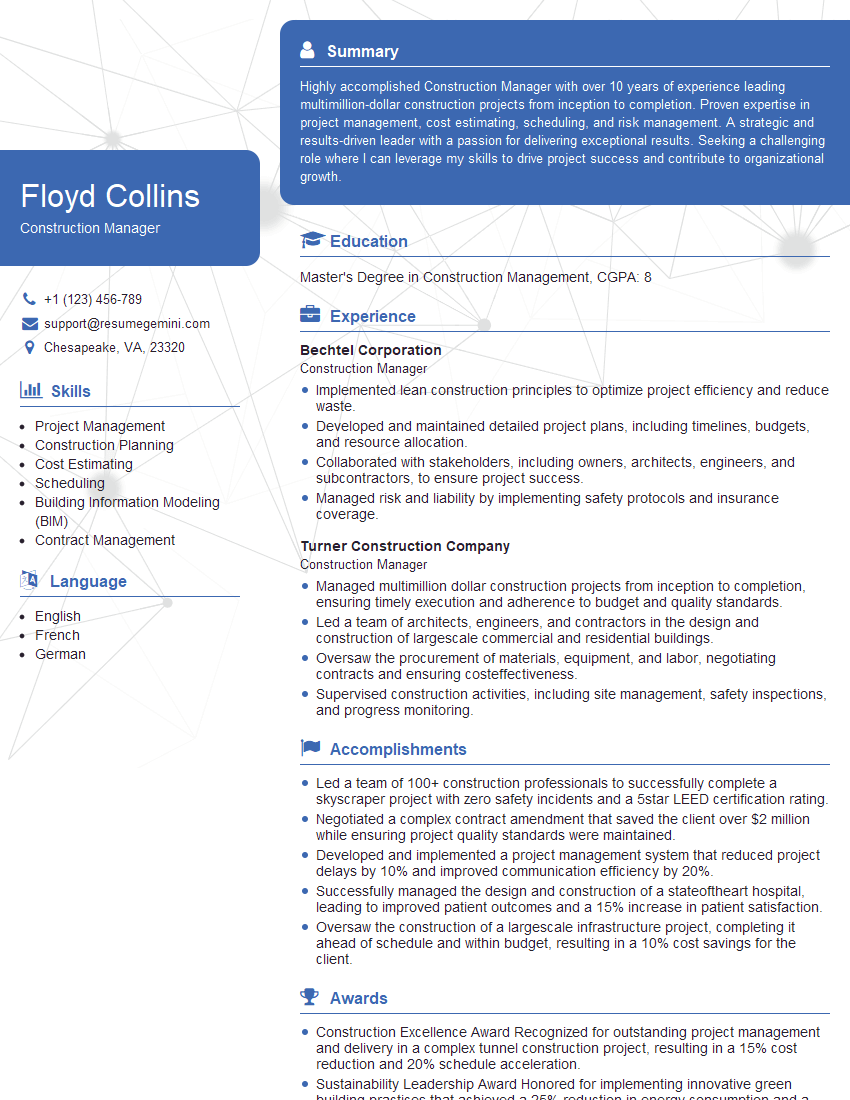
Construction Manager Resume Sample

Project Superintendent Resume Sample

Project Engineer Resume Sample
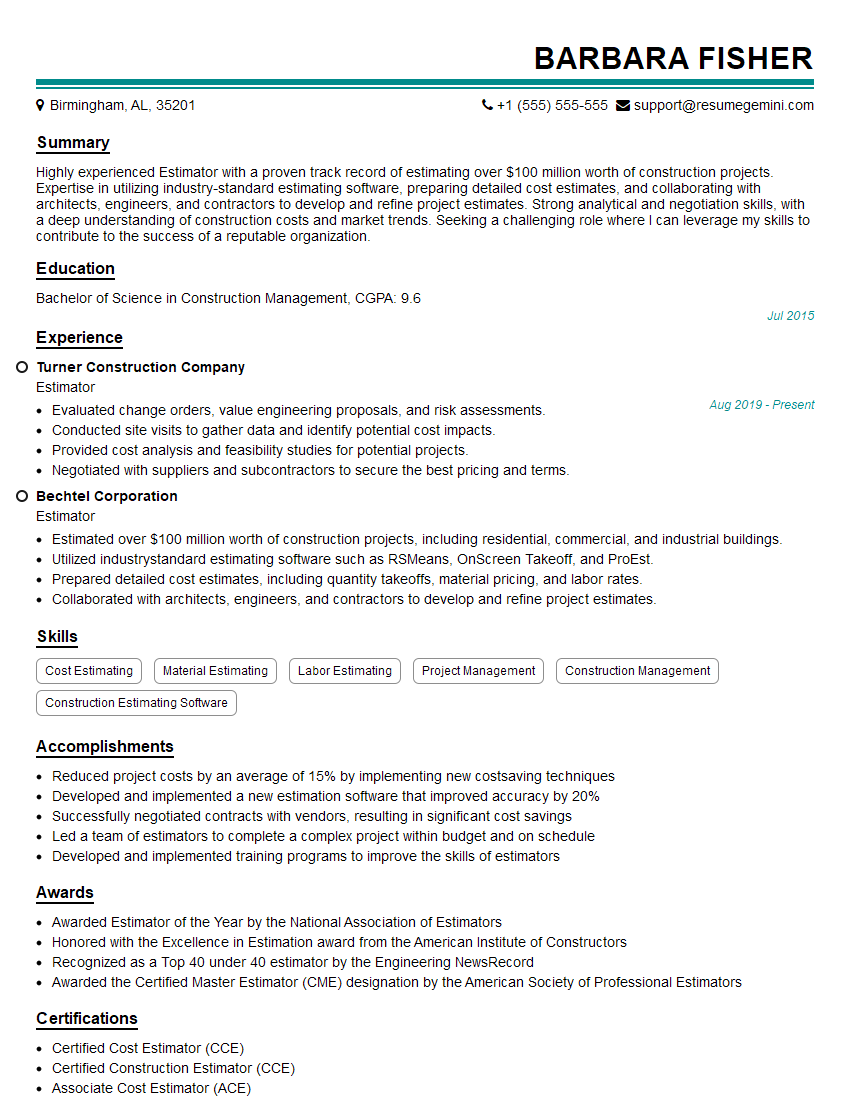
Estimator Resume Sample
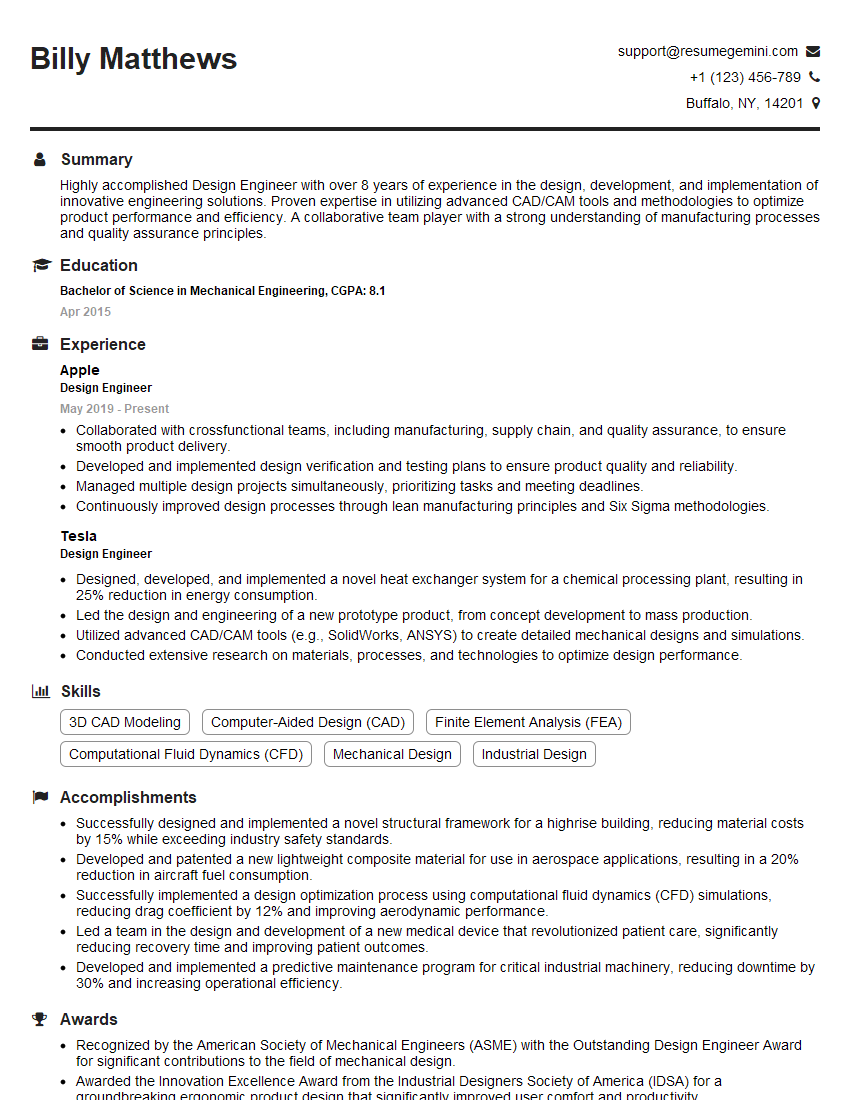
Design Engineer Resume Sample
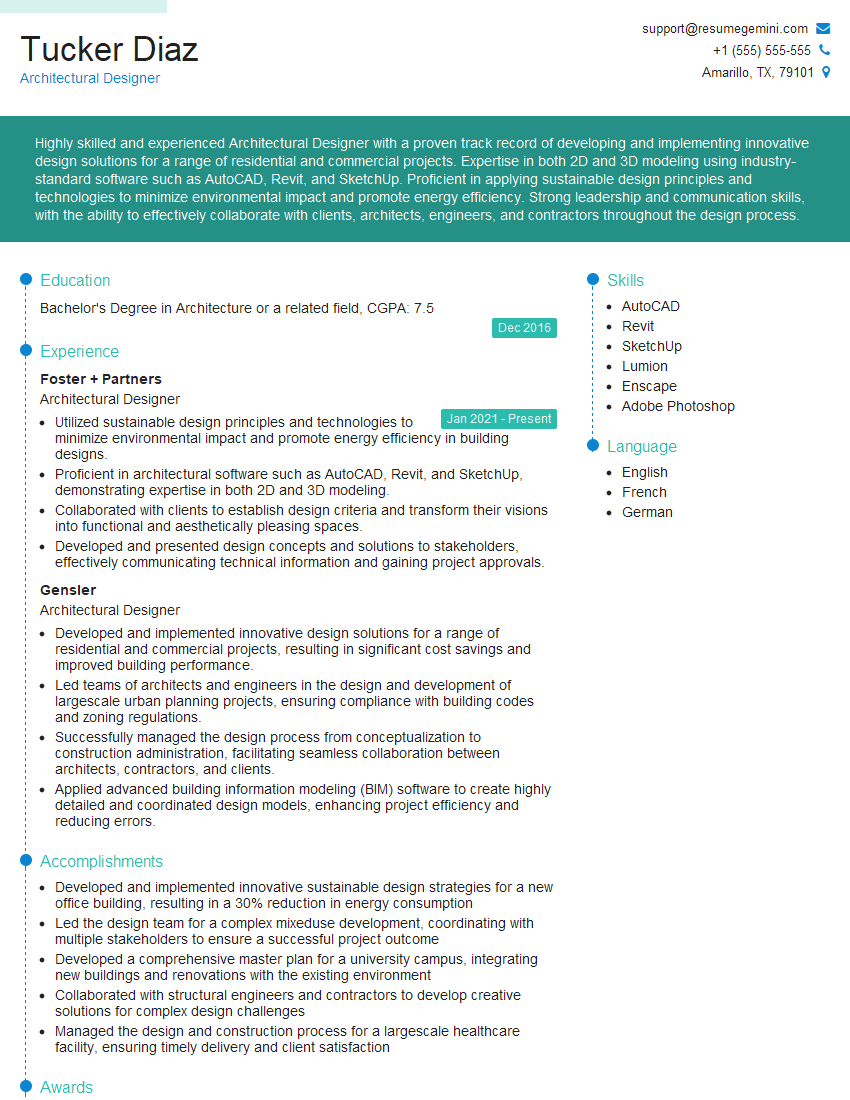
Architectural Designer Resume Sample
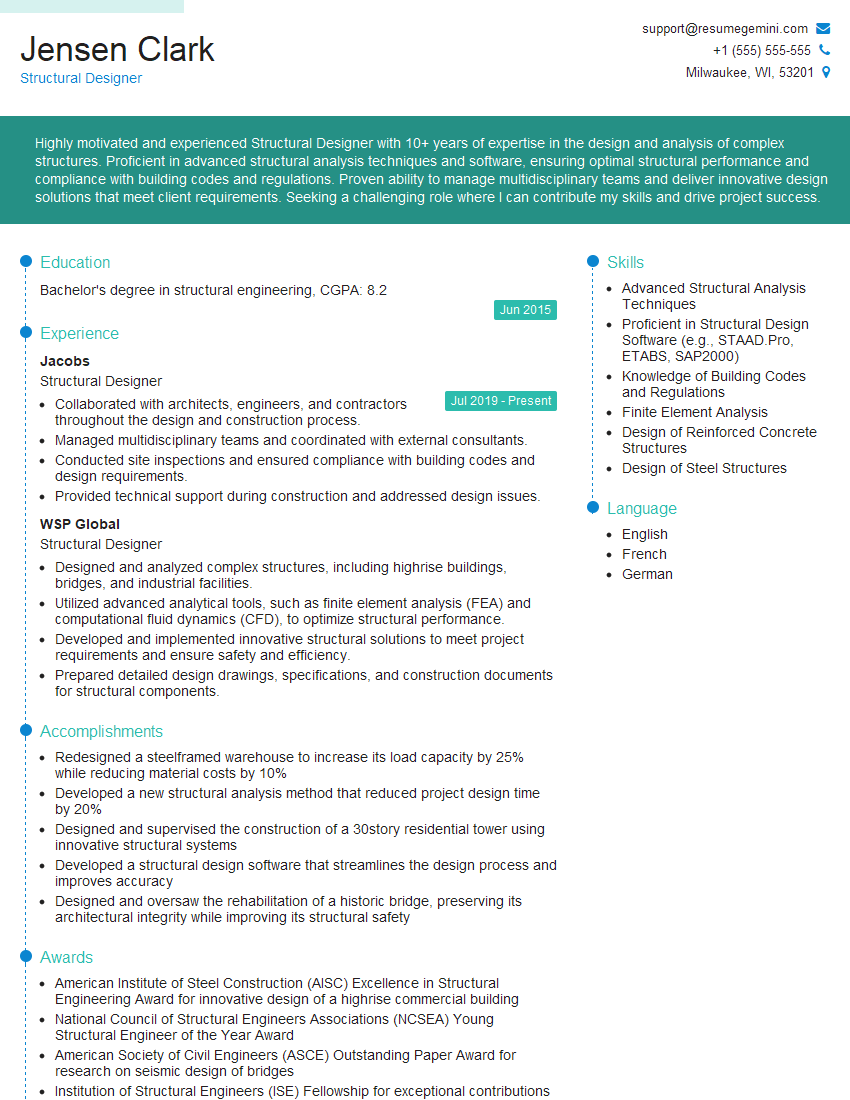
Structural Designer Resume Sample
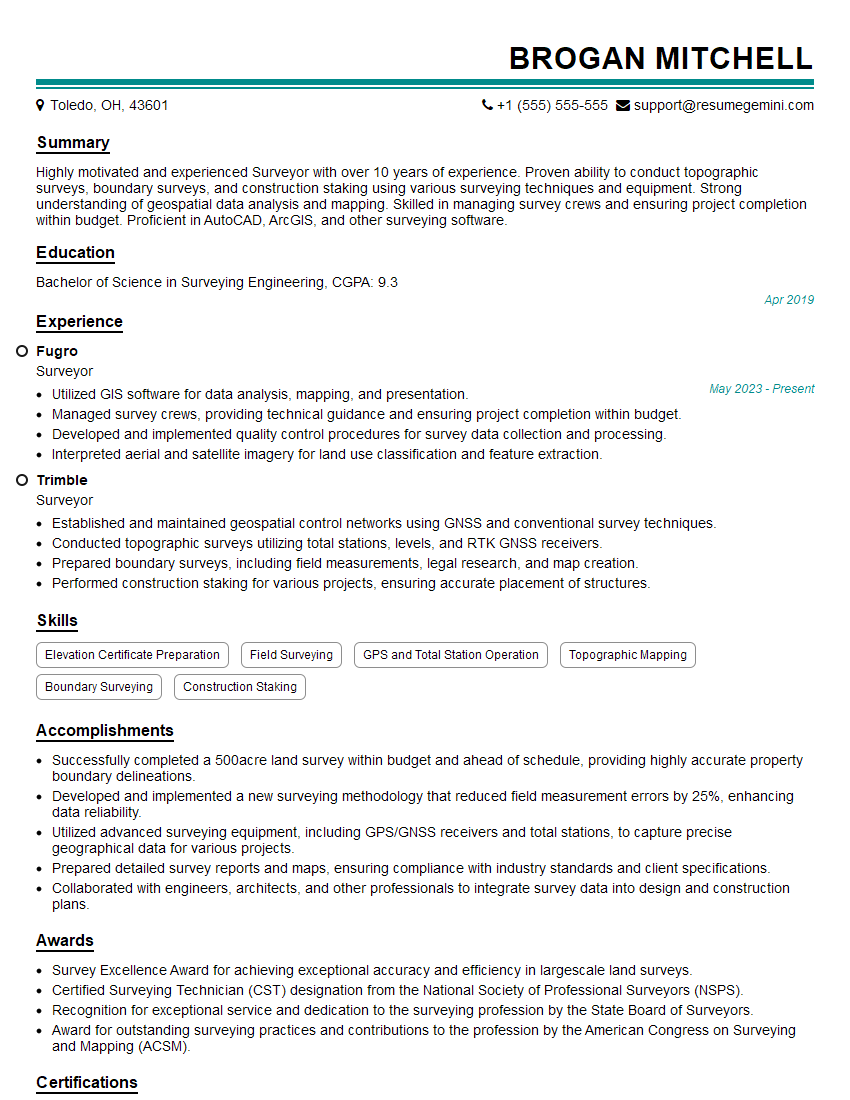
Surveyor Resume Sample
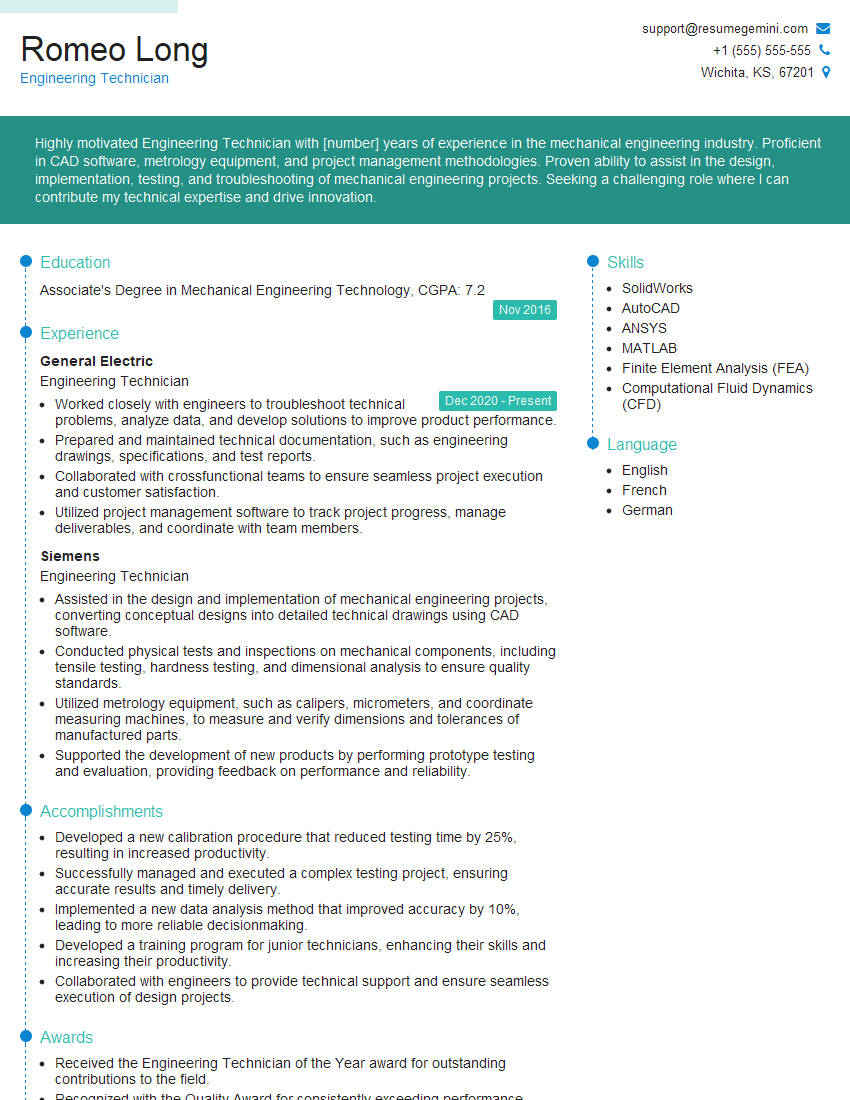
Engineering Technician Resume Sample
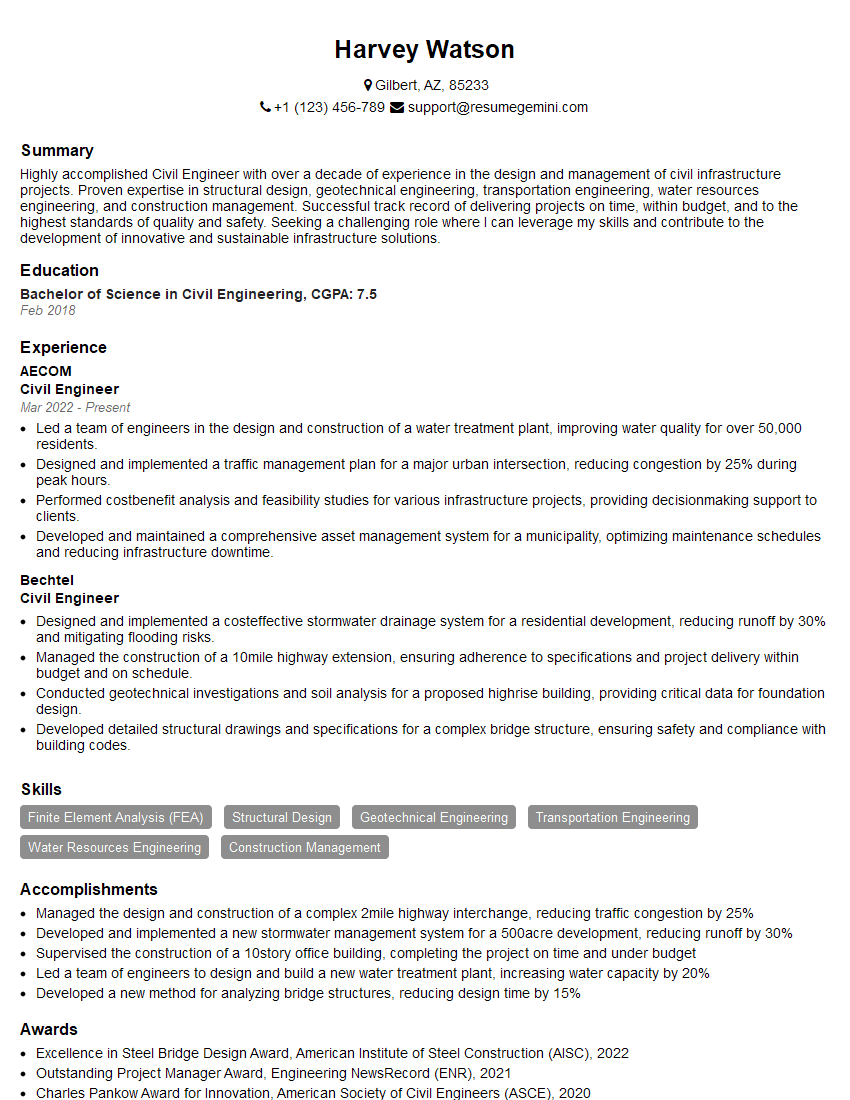
Civil Engineer Resume Sample
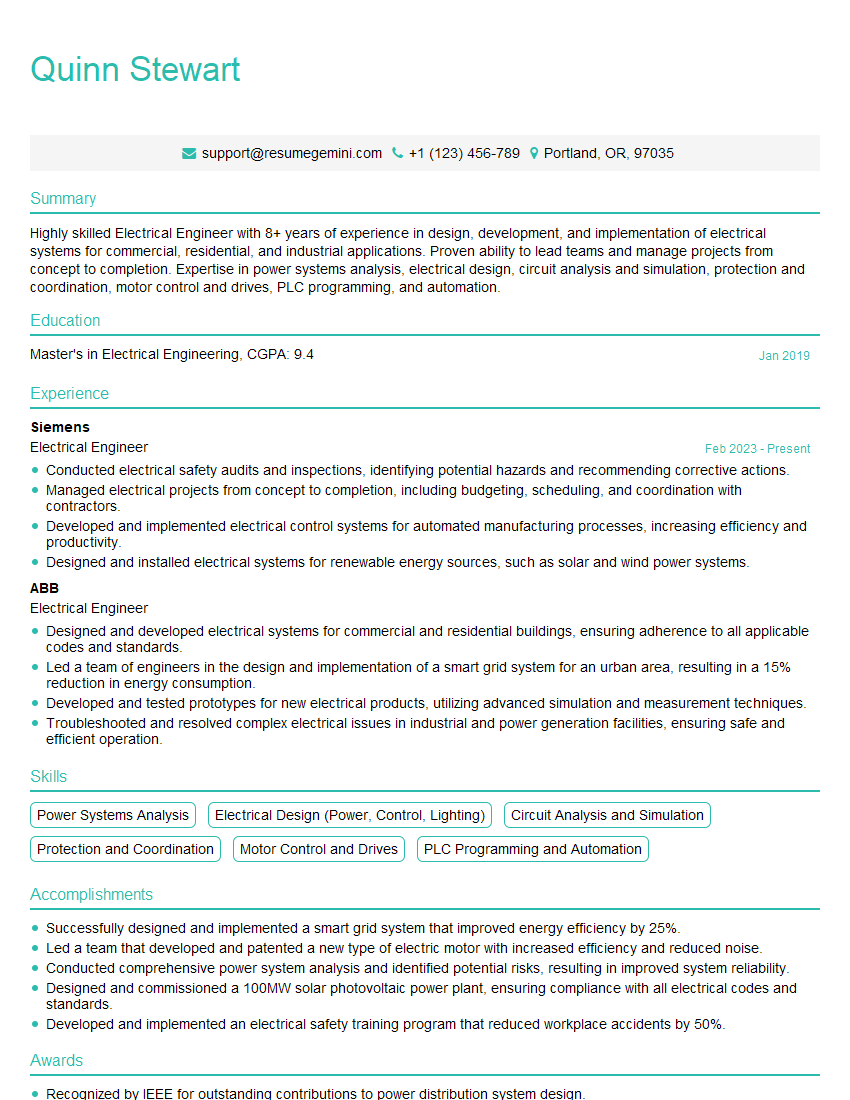
Electrical Engineer Resume Sample
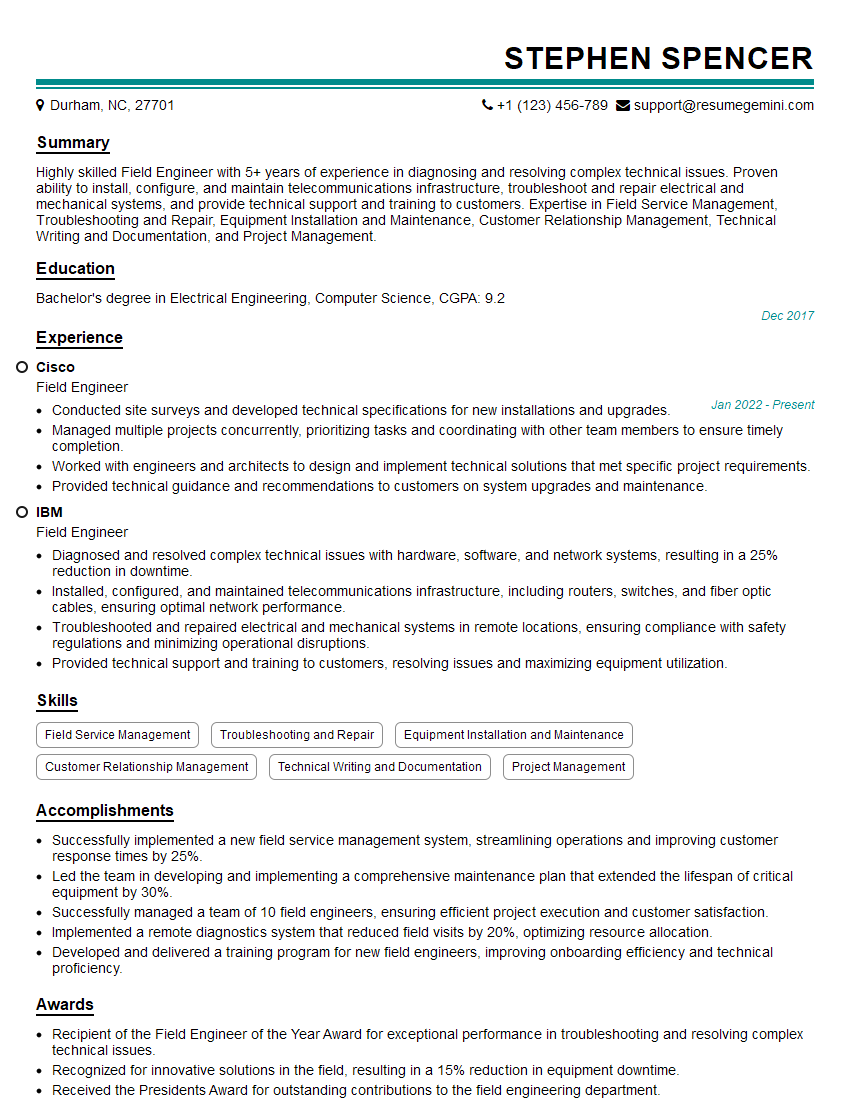
Field Engineer Resume Sample
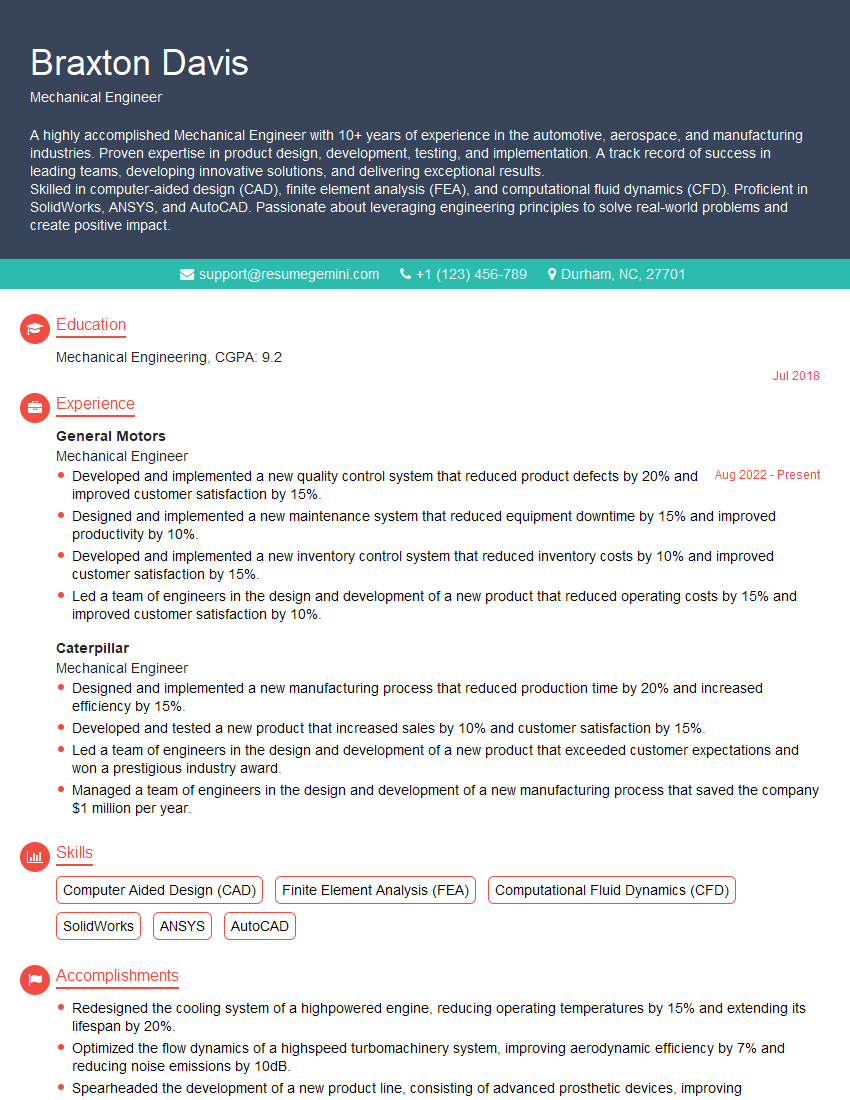
Mechanical Engineer Resume Sample
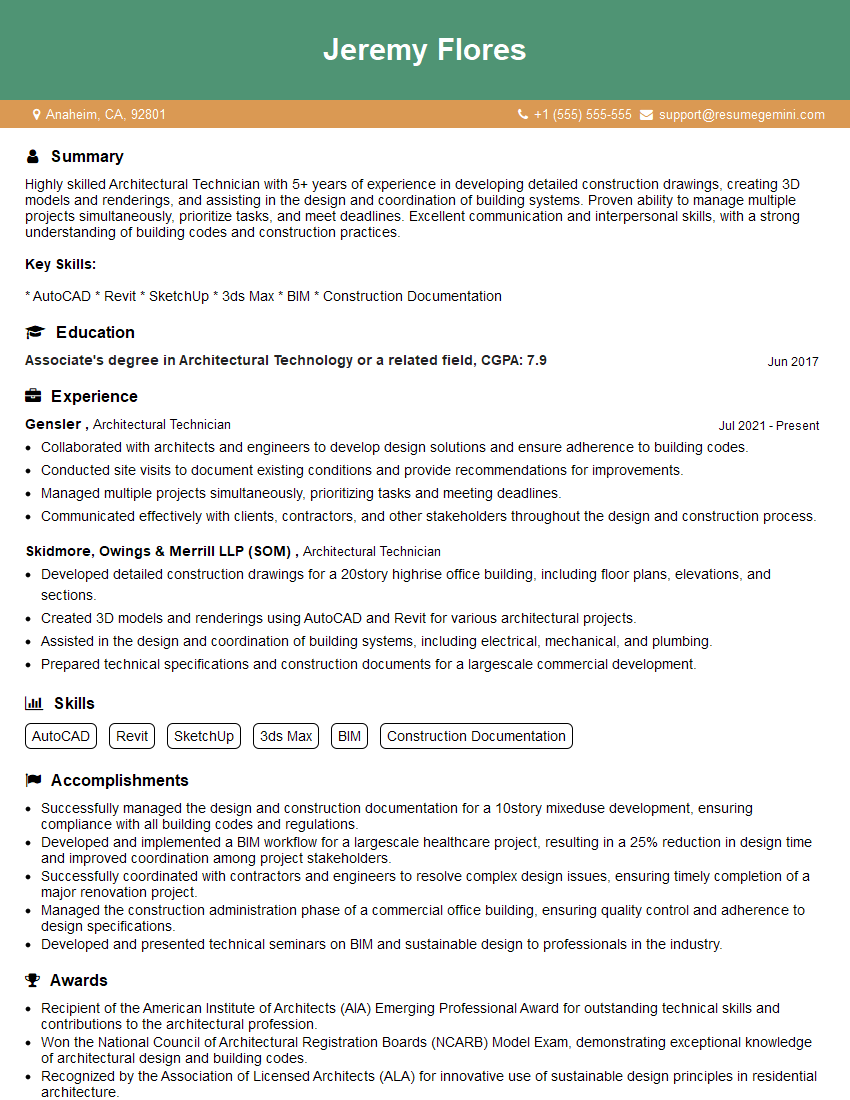
Architectural Technician Resume Sample
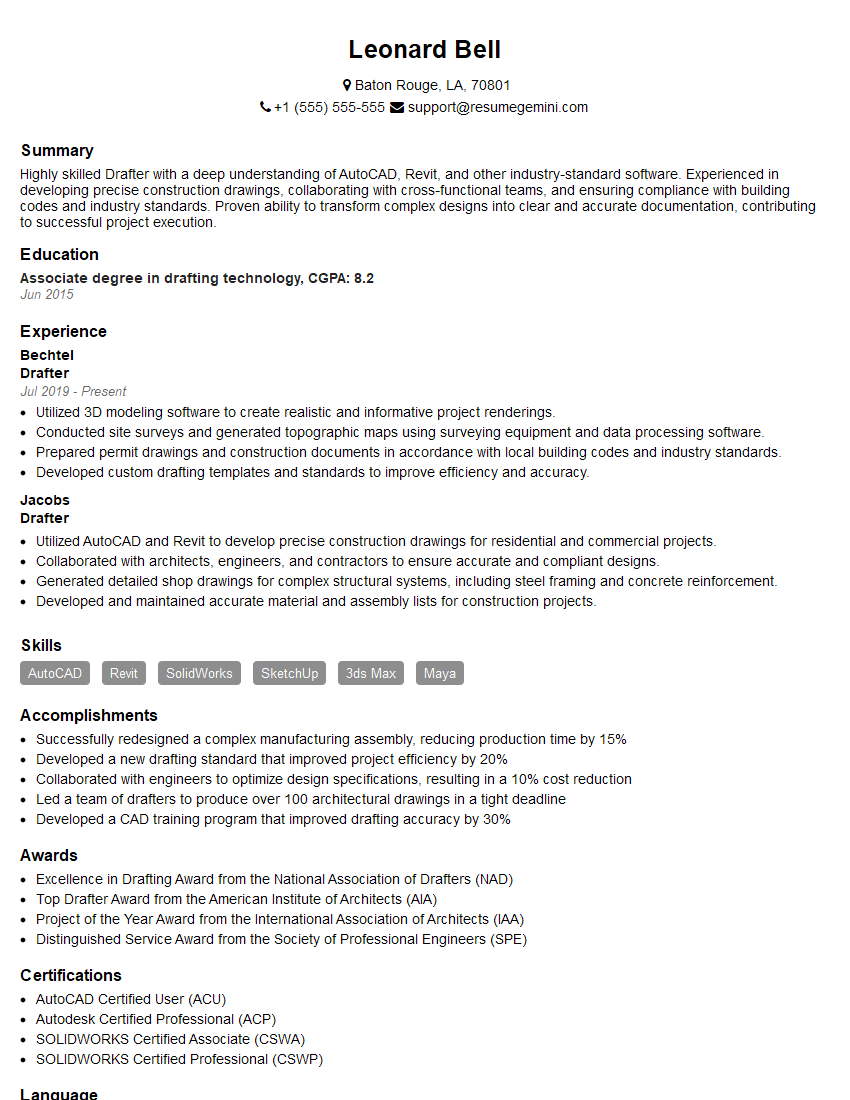
Drafter Resume Sample
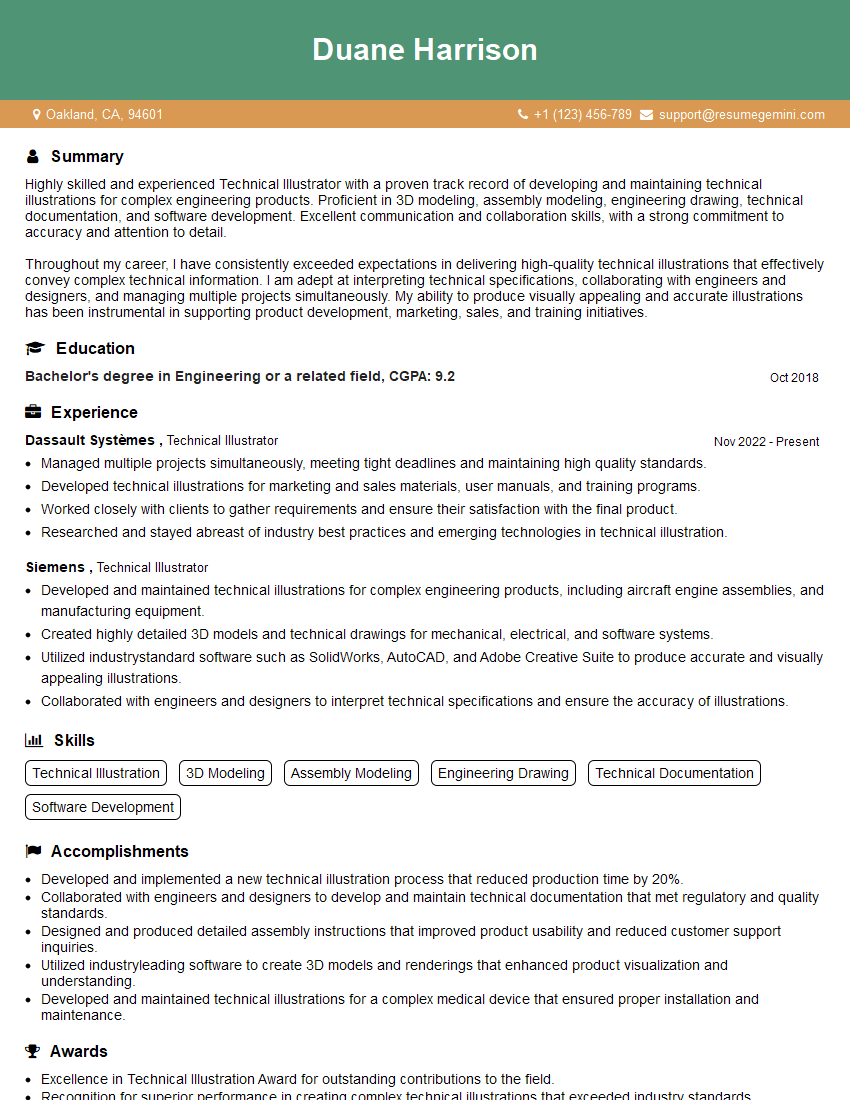
Technical Illustrator Resume Sample
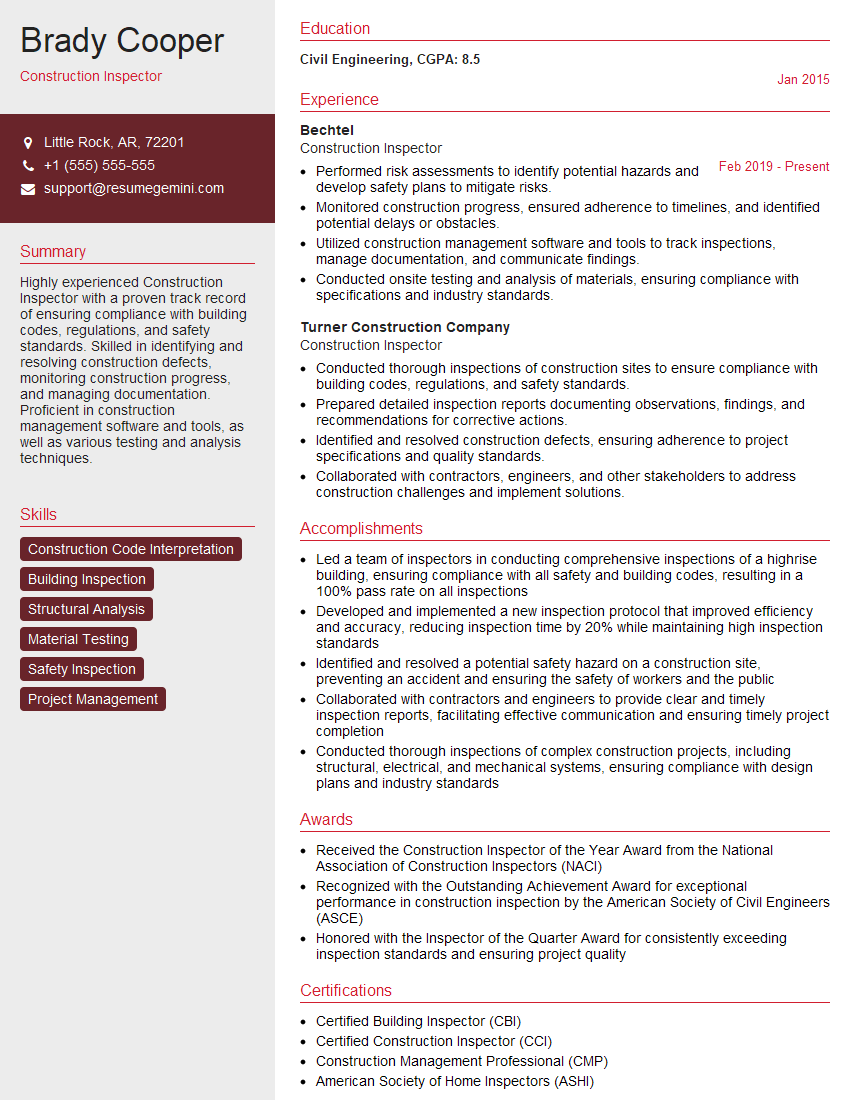
Construction Inspector Resume Sample
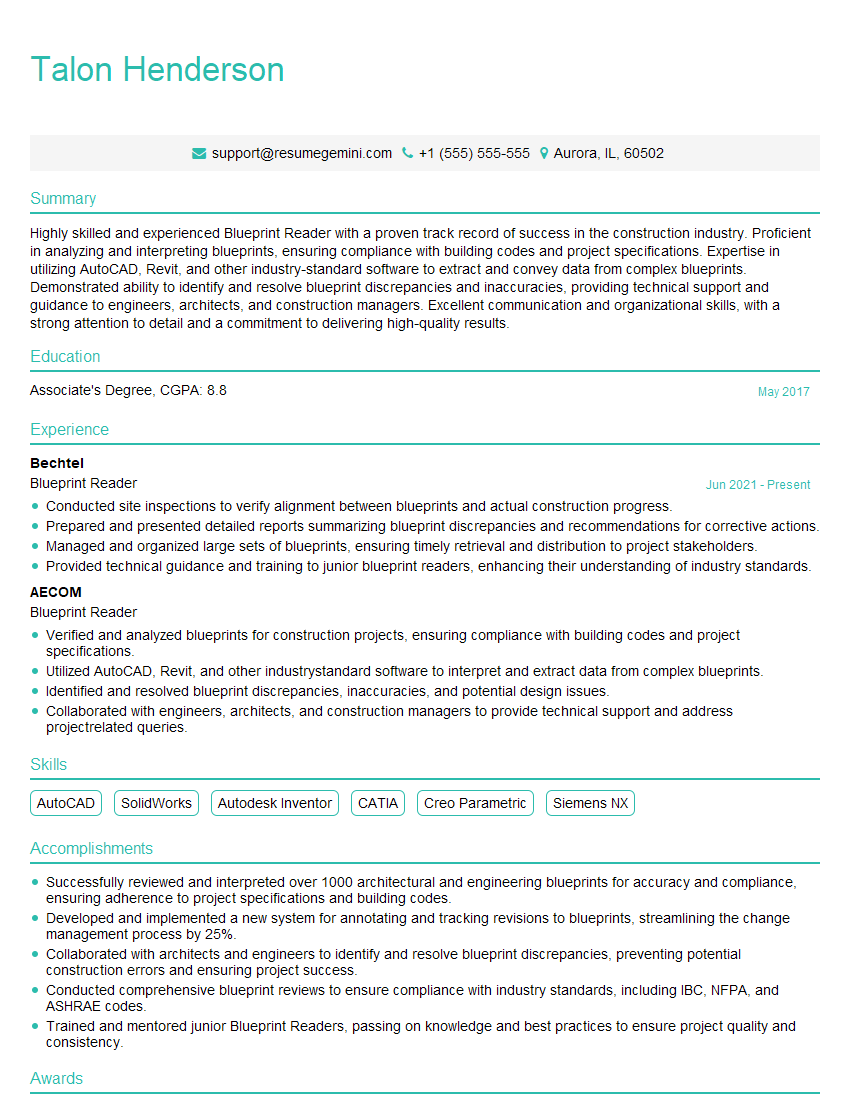
Blueprint Reader Resume Sample

Quality Control Inspector Resume Sample
- Construction Manager
- Project Superintendent
- Project Engineer
- Estimator
- Design Engineer
- Architectural Designer
- Structural Designer
- Surveyor
- Engineering Technician
- Civil Engineer
- Electrical Engineer
- Field Engineer
- Mechanical Engineer
- Architectural Technician
- Drafter
- Technical Illustrator
- Construction Inspector
- Blueprint Reader
- Quality Control Inspector
Explore more articles
Users Rating of Our Blogs
Share Your Experience
We value your feedback! Please rate our content and share your thoughts (optional).