Interviews are opportunities to demonstrate your expertise, and this guide is here to help you shine. Explore the essential Proficiency in Electrical Wiring and Circuit Troubleshooting interview questions that employers frequently ask, paired with strategies for crafting responses that set you apart from the competition.
Questions Asked in Proficiency in Electrical Wiring and Circuit Troubleshooting Interview
Q 1. Explain the difference between series and parallel circuits.
The key difference between series and parallel circuits lies in how the components are connected and how the current flows. In a series circuit, components are connected end-to-end, forming a single path for current. Imagine a single-lane road – all the traffic (current) must travel the same path. If one component fails, the entire circuit breaks, like a traffic jam blocking the entire road. The total resistance in a series circuit is the sum of individual resistances (Rtotal = R1 + R2 + R3…). The voltage is divided across each component.
In a parallel circuit, components are connected across each other, providing multiple paths for current. Think of a multi-lane highway – traffic (current) can flow through multiple paths simultaneously. If one component fails, the others continue to function. The total resistance in a parallel circuit is less than the smallest individual resistance (1/Rtotal = 1/R1 + 1/R2 + 1/R3…). The voltage across each component is the same.
- Series Example: Christmas tree lights wired in series – if one bulb burns out, the entire string goes dark.
- Parallel Example: Household wiring – if one appliance malfunctions, others continue to function.
Q 2. Describe Ohm’s Law and its applications in circuit analysis.
Ohm’s Law is a fundamental principle in electrical circuits, stating the relationship between voltage (V), current (I), and resistance (R). It’s expressed as: V = I * R. This means voltage is directly proportional to current and resistance. Doubling the voltage will double the current if resistance remains constant, and doubling the resistance will halve the current if voltage remains constant.
Applications in Circuit Analysis: Ohm’s Law is crucial for various circuit analyses:
- Calculating unknown values: If you know two of the three variables (V, I, R), you can calculate the third. For example, if you measure the voltage across a resistor and the current flowing through it, you can determine its resistance.
- Designing circuits: Ohm’s Law helps engineers design circuits with specific current and voltage requirements by selecting appropriate resistors.
- Troubleshooting circuits: By measuring voltage and current, you can identify faulty components using Ohm’s Law to determine if their resistance is within the expected range.
Example: A circuit has a 12V battery and a 6Ω resistor. Using Ohm’s Law (I = V/R), we calculate the current: I = 12V / 6Ω = 2A. This tells us a 2 Ampere current flows through the circuit.
Q 3. How do you troubleshoot a short circuit?
A short circuit occurs when an unintended low-resistance path is created, allowing excessive current flow. This often leads to overheating, melting wires, and potential fire hazards. Troubleshooting involves:
- Safety First: Turn off power to the circuit before beginning any troubleshooting.
- Visual Inspection: Carefully examine wires, connections, and components for any visible damage, such as frayed wires, loose connections, or burnt marks. Look for signs of arcing (sparking).
- Multimeter Test: Use a multimeter to check for continuity (low resistance) between points that should be isolated. A low resistance reading indicates a short circuit.
- Isolate the Short: Once the short circuit is located, carefully trace the wiring to identify the faulty component or connection.
- Repair or Replace: Repair the damaged wire or connection, or replace the faulty component. Make sure all connections are secure.
- Test the Circuit: After repairs, turn the power back on and test the circuit to ensure the short is resolved and the circuit functions correctly.
Example: If a wire in an appliance chafes against the metal casing, it creates a short circuit to ground, resulting in excessive current flow and possibly a tripped breaker or blown fuse.
Q 4. What are the common causes of an open circuit?
An open circuit occurs when the electrical path is broken, preventing current flow. Common causes include:
- Burned-out components: Overheating or excessive current can damage resistors, capacitors, or other components, creating an open circuit.
- Loose connections: Poorly connected wires or terminals can create an interruption in the circuit.
- Broken wires: Physical damage to wires, often caused by wear, stress, or rodent damage, can break the circuit.
- Faulty switches or breakers: A switch or breaker that is not functioning correctly can interrupt the circuit.
- Blown fuses: A fuse designed to protect the circuit blows when it experiences excessive current, creating an open circuit.
Example: A light bulb that stops working often indicates a burned-out filament (open circuit) within the bulb.
Q 5. Explain the purpose of a ground wire.
The ground wire, usually green or bare copper, provides a low-resistance path for fault currents to flow back to the source. Its primary purpose is safety. If a short circuit occurs, or an appliance becomes live, the ground wire provides a path for the fault current to flow to the earth, tripping the breaker or blowing a fuse, protecting individuals from electrical shock.
It’s essentially a safety net, preventing dangerous voltage from appearing on the metal casing of appliances. Imagine it as a lightning rod for your electrical system – diverting dangerous current away from you.
Q 6. What safety precautions do you take when working with electricity?
Safety is paramount when working with electricity. My standard safety procedures include:
- Always de-energize the circuit: Before working on any electrical system, always disconnect the power source completely. Never rely on just turning off a switch.
- Lockout/Tagout procedures: Use lockout/tagout devices to prevent accidental re-energizing of the circuit while working.
- Use appropriate personal protective equipment (PPE): This includes insulated tools, safety glasses, rubber gloves, and safety shoes.
- Never work alone: Always have a partner present for safety and assistance.
- Understand the circuit: Before beginning work, thoroughly understand the circuit’s layout and potential hazards.
- Use a non-contact voltage tester: Verify that power is off before touching any wires or components.
- Follow all relevant codes and regulations: Adhere to local and national electrical codes and regulations to ensure safe working practices.
Q 7. How do you identify different types of wire?
Identifying different types of wire involves considering several factors:
- Color coding: Wires are often color-coded according to their purpose (e.g., black for hot, white for neutral, green for ground). This varies by region and application, so always consult local electrical codes.
- Insulation material: The type of insulation (e.g., PVC, Teflon, rubber) indicates the wire’s voltage rating and temperature resistance. Different materials offer varying levels of insulation.
- Wire gauge (AWG): The American Wire Gauge (AWG) number indicates the wire’s diameter and current-carrying capacity. Smaller AWG numbers represent thicker wires that can carry more current.
- Markings and labeling: Many wires have markings or labels that indicate their specifications (e.g., voltage rating, temperature rating, manufacturer).
- Physical characteristics: Observe the wire’s flexibility, texture, and overall condition. Damage or unusual characteristics might indicate a problem.
Example: A thicker, stranded wire with a high-temperature rating and specific markings would be used for high-power applications, unlike a thinner solid wire used for lower-current circuits.
Q 8. What is the difference between AC and DC current?
The core difference between AC (Alternating Current) and DC (Direct Current) lies in the direction of electron flow. In DC, electrons flow consistently in one direction, like water flowing downhill in a single stream. This is the type of current produced by batteries. AC, on the other hand, involves electrons that periodically change direction, oscillating back and forth like a wave on the ocean. This is the type of current supplied by power plants and found in most household outlets.
Think of it this way: DC is like a one-way street for electrons, while AC is a two-way street where electrons constantly switch directions. This cyclical change in direction in AC is what allows for efficient long-distance transmission of electricity with less energy loss compared to DC.
Practically, DC is often used in low-voltage applications like electronics, while AC powers most of our homes and industries. Different applications call for different characteristics of AC and DC.
Q 9. Explain the function of a circuit breaker and a fuse.
Circuit breakers and fuses are both safety devices designed to protect electrical circuits from overcurrents that could lead to overheating, fires, or equipment damage. They achieve this by interrupting the flow of current when it exceeds a predetermined limit.
However, they operate differently. A fuse is a one-time use device containing a thin wire that melts and breaks the circuit when excessive current flows through it. Once blown, a fuse needs to be replaced. Think of it as a sacrificial component protecting your circuit.
A circuit breaker, on the other hand, is a reusable device that uses a bimetallic strip or electromagnetic mechanism to trip and open the circuit when it detects an overcurrent. Once the fault is resolved, it can be reset, typically by flipping a switch, restoring power. Imagine it as a spring-loaded switch that automatically shuts off the power and can be reset easily.
In essence, both protect circuits from overloads, but fuses are expendable while circuit breakers are resettable.
Q 10. How do you use a multimeter to test voltage, current, and resistance?
A multimeter is a versatile tool used for measuring voltage, current, and resistance in electrical circuits. Before using a multimeter, always ensure it’s set to the appropriate range to avoid damage to the device or yourself.
- Voltage Measurement: To measure voltage, select the ‘DCV’ (direct current voltage) or ‘ACV’ (alternating current voltage) setting on the multimeter, ensuring the selected range is higher than the expected voltage. Then, carefully connect the probes (positive (red) and negative (black) leads) across the components where you want to measure the voltage. The display will show the measured voltage.
- Current Measurement: Measuring current requires placing the multimeter *in series* with the component. Select the ‘DCA’ (direct current amperage) or ‘ACA’ (alternating current amperage) function, ensuring you choose a range higher than the expected current. Turn off the power and carefully connect the multimeter probes to break the circuit. Then, turn the power back on and observe the current reading. Improper current measurement can cause damage to the multimeter if the range is not appropriately selected, so caution is vital.
- Resistance Measurement: To measure resistance, ensure the circuit is completely disconnected from the power source. Select the ‘Ω’ (ohm) function on the multimeter. Touch the probes to the component leads, and the display will show the resistance value. The lower the resistance, the better the conductivity of the component.
Remember: Always observe proper safety precautions like turning off power before making any measurements. Failure to do so can result in serious injury or damage.
Q 11. Describe your experience with different wiring methods (e.g., conduit, raceway).
My experience encompasses various wiring methods, including conduit, raceway, and surface mounting. Conduit wiring, involving metallic or non-metallic pipes to enclose and protect wires, offers excellent protection against physical damage and environmental factors, commonly used in industrial settings and hazardous locations. It provides superior mechanical protection and is highly versatile for various wire types and sizes. However, it’s more labor-intensive to install compared to other methods.
Raceway systems, such as surface metal raceways or cable trays, offer an organized way to route wires along walls or ceilings. They’re beneficial for aesthetic reasons, as they provide a neat appearance and allow for easy access and modification. They’re commonly seen in commercial and office settings.
Surface mounting methods, where wires are attached directly to surfaces, are suitable for less demanding applications. While simpler and faster to install, they offer less protection than conduit or raceway systems. I’ve chosen different methods depending on the specific requirements of each project, prioritizing safety and code compliance.
Q 12. Explain your troubleshooting process for a faulty electrical appliance.
Troubleshooting a faulty electrical appliance involves a systematic approach. First, I ensure personal safety by disconnecting the appliance from the power source. I then visually inspect for obvious issues like damaged cords, loose connections, or broken parts.
Next, I use a multimeter to check for voltage at the power outlet to eliminate the possibility of a power supply problem. If the outlet shows voltage, I can begin testing the appliance’s internal components. Checking the fuse (if applicable) is also an important early step.
If the problem persists, I might need to consult the appliance’s wiring diagram or service manual to trace the circuit and isolate the faulty component. Depending on the complexity of the fault, I may need specialized testing equipment or tools. In some cases, it may be more efficient to replace the appliance than spend time on extensive repairs.
Documenting each step and finding the root cause is crucial. A methodical approach, combined with the right tools and knowledge, leads to efficient and effective troubleshooting.
Q 13. How do you interpret electrical schematics and blueprints?
Interpreting electrical schematics and blueprints requires a solid understanding of electrical symbols and conventions. Schematics provide a simplified representation of a circuit’s components and their connections, whereas blueprints offer a visual layout of the electrical system within a building or structure.
I start by familiarizing myself with the symbols used in the diagram, noting the power source, load, protective devices, and control elements. Tracing the path of the current through the circuit helps to understand its functionality. Blueprints complement schematics by showing the physical location of wiring, outlets, and panels within a larger space. Combining both documents provides a comprehensive understanding of the entire system.
Experience and familiarity with different standards are key for accurate interpretation. I’ve worked with various schematics and blueprints from different manufacturers and projects over the years, building the skillset necessary for fast and accurate understanding.
Q 14. What are NEC codes and how do they apply to your work?
NEC (National Electrical Code) codes are a set of nationally recognized standards for safe electrical design, installation, and maintenance. They are essential for ensuring the safety of electrical systems and protecting people and property from electrical hazards. They address various aspects of electrical work, including wiring methods, grounding, overcurrent protection, and equipment installation.
In my work, I strictly adhere to the NEC codes to ensure all my projects comply with safety standards. I use the NEC as a guide in design, planning, and execution, ensuring all installations meet the required safety regulations. Non-compliance can lead to serious risks including fire hazards, electrocution, and equipment damage. Staying updated on the latest NEC revisions is crucial for maintaining the highest safety standards in my work.
Q 15. Describe your experience with different types of electrical motors.
My experience encompasses a wide range of electrical motors, from small fractional horsepower motors used in appliances to large industrial three-phase motors. I’m proficient in working with various motor types, including:
- AC Induction Motors: These are the workhorses of industry, known for their robustness and relatively low maintenance. I’ve extensively worked on diagnosing and repairing issues like bearing failure, winding faults, and capacitor problems in both single-phase and three-phase configurations. For instance, I once troubleshooted a three-phase motor in a conveyor system where one phase was intermittently dropping out, ultimately tracing the issue to a loose connection in the control panel.
- DC Motors: I have experience with both brushed and brushless DC motors, commonly used in robotics, automation, and specialized applications. Troubleshooting these motors often involves checking commutators (in brushed motors), examining windings for shorts, and verifying the functionality of electronic speed controllers. A recent project involved repairing a faulty DC motor in a CNC machine, requiring careful inspection and replacement of worn brushes.
- Servo Motors: These precision motors are crucial for applications demanding accurate positioning and speed control. My experience includes working with both AC and DC servo motors, understanding their control systems, and diagnosing problems related to encoders, amplifiers, and feedback loops. I remember a situation where a malfunctioning encoder in a robotic arm was causing erratic movements; replacing the encoder quickly resolved the issue.
- Stepper Motors: I’m familiar with the operation and maintenance of stepper motors, frequently used in printing machines and other automated systems. Troubleshooting typically involves checking for driver issues, loose connections, or mechanical binding.
My understanding extends beyond just repair; I can also select appropriate motors for specific applications based on factors such as power requirements, torque characteristics, and operating environment.
Career Expert Tips:
- Ace those interviews! Prepare effectively by reviewing the Top 50 Most Common Interview Questions on ResumeGemini.
- Navigate your job search with confidence! Explore a wide range of Career Tips on ResumeGemini. Learn about common challenges and recommendations to overcome them.
- Craft the perfect resume! Master the Art of Resume Writing with ResumeGemini’s guide. Showcase your unique qualifications and achievements effectively.
- Don’t miss out on holiday savings! Build your dream resume with ResumeGemini’s ATS optimized templates.
Q 16. How do you diagnose and repair faulty wiring in a building?
Diagnosing faulty wiring in a building is a systematic process. It begins with safety – always de-energize the circuit before working on it. I then follow these steps:
- Visual Inspection: I meticulously examine all visible wiring, looking for signs of damage, loose connections, burn marks, or exposed wires. This often involves checking junction boxes, panelboards, and outlets.
- Testing with Multimeter: Using a multimeter, I test voltage, current, and continuity to identify faulty circuits. This includes checking for shorts, opens, and grounds. For example, a reading of zero volts where voltage is expected indicates a break in the circuit.
- Tracing Circuits: I utilize wiring diagrams (blueprints) to trace the circuit path from the source to the affected component. This allows me to pinpoint the exact location of the fault.
- Specialized Testing Equipment: Depending on the complexity of the system, I might utilize more sophisticated tools like a cable fault locator to identify breaks or shorts in long cable runs. A clamp meter can help accurately measure current draw on specific circuits.
- Repair/Replacement: Once the faulty wiring is identified, it’s repaired or replaced according to electrical codes and safety regulations. This often involves splicing wires, using appropriate connectors, and ensuring proper grounding.
Throughout this process, accurate record-keeping is crucial. I meticulously document my findings and the steps taken to ensure future maintenance is straightforward.
Q 17. What experience do you have with PLC programming or troubleshooting?
I have significant experience with PLC programming and troubleshooting, primarily using Allen-Bradley and Siemens PLCs. My skills range from basic ladder logic programming to advanced functions like data logging and communication protocols.
- Programming: I can develop and modify PLC programs to control various industrial processes, including conveyor systems, robotic arms, and machine automation. I am familiar with different programming languages, including ladder logic, function block diagrams (FBD), and structured text.
- Troubleshooting: My experience in PLC troubleshooting extends to identifying and resolving both hardware and software issues. I’m adept at using diagnostic tools to pinpoint faults within the PLC itself, its input/output modules, and the connected field devices. For example, I recently helped a manufacturing plant resolve a production bottleneck by identifying a logic error in their PLC program that was causing a machine to malfunction.
- Networking: I’m proficient in configuring and troubleshooting PLC communication networks, including Ethernet/IP, Modbus TCP/IP, and Profibus. This includes configuring network settings, addressing, and data transfer protocols.
My approach to PLC troubleshooting is systematic. I start by gathering information about the problem, inspecting the system for visible issues, then using diagnostic tools and my programming knowledge to isolate and resolve the root cause. I always prioritize safety and adhere to strict lockout/tagout procedures when working with PLCs and associated equipment.
Q 18. How do you work safely at heights or in confined spaces?
Safety is paramount when working at heights or in confined spaces. My approach incorporates rigorous adherence to safety regulations and the use of appropriate equipment and procedures:
- Working at Heights: I always use appropriate fall protection equipment, such as harnesses, lanyards, and safety lines. I only work from properly secured scaffolding or platforms, and I regularly inspect the equipment before use. Before starting any work, I perform a thorough risk assessment.
- Confined Spaces: When entering a confined space, I follow a strict permit-to-work system, ensuring proper ventilation, atmospheric testing for hazardous gases, and the presence of a standby person. I use appropriate respiratory protection and always have a means of escape available.
- Training and Certifications: I hold relevant certifications in fall protection and confined space entry, demonstrating my commitment to safety. I regularly participate in refresher training to ensure my knowledge and skills are up-to-date.
I never compromise safety for speed or convenience. I always prioritize a safe working environment, even if it means taking extra time to complete a task.
Q 19. Describe your experience with low-voltage wiring systems.
I have extensive experience with low-voltage wiring systems, commonly found in data networks, security systems, and building automation. My work involves installing, troubleshooting, and maintaining these systems, adhering to industry standards and safety regulations.
- Data Networks: I’m proficient in installing and troubleshooting Cat5e, Cat6, and fiber optic cabling for data networks. This includes understanding network topologies, termination techniques, and testing protocols. A recent project involved installing a new fiber optic network in a large office building, ensuring high-speed data connectivity for all workstations.
- Security Systems: I have experience with installing and troubleshooting various security systems, including CCTV cameras, access control systems, and intrusion detection systems. This includes understanding low-voltage power requirements, signal transmission methods, and data integration with central monitoring systems.
- Building Automation Systems (BAS): I’m familiar with low-voltage wiring associated with BAS, including sensors, actuators, and control panels. Understanding the communication protocols (like BACnet or Modbus) is essential for troubleshooting and maintenance.
Working with low-voltage systems requires precision and attention to detail. Improperly installed or maintained low-voltage wiring can lead to system failures, data loss, or security vulnerabilities.
Q 20. What are your skills in using specialized tools (e.g., wire strippers, crimpers)?
Proficiency in using specialized tools is crucial for efficient and safe electrical work. I am highly skilled in using a range of tools, including:
- Wire Strippers: I can accurately strip insulation from wires of various gauges and types without damaging the conductors. I choose the appropriate stripper for the wire size and insulation material to prevent nicking or cutting the wire.
- Crimpers: I use crimpers to securely connect wires to terminals and connectors, ensuring a reliable and lasting connection. I ensure the crimp is properly formed to meet the required specifications, avoiding loose or damaged connections.
- Voltage Testers: I routinely use non-contact voltage testers and multimeters to check for the presence of voltage before working on any electrical system, ensuring my safety and preventing accidental shocks.
- Fish Tape and Cable Pullers: For running wires through conduit, I use fish tape and cable pullers to efficiently and safely pull wires through walls, ceilings, and floors.
- Other Tools: My toolbox also includes other essential tools such as wire cutters, cable ties, electrical tape, and various types of connectors.
My skill in using these tools efficiently and safely translates directly to the quality and reliability of my work. Proper tool use is critical for maintaining the integrity of electrical systems.
Q 21. How do you handle emergency electrical situations?
Handling emergency electrical situations requires a calm, methodical approach prioritizing safety above all else. My response follows these key steps:
- Assess the Situation: First, I carefully evaluate the nature and extent of the emergency, noting any immediate hazards (e.g., fire, downed power lines, injured persons).
- Prioritize Safety: My primary concern is ensuring the safety of myself and others. This includes securing the area, alerting emergency services, and following proper lockout/tagout procedures to de-energize the affected circuit if possible and safe to do so.
- Contain the Problem: I take steps to contain the spread of the problem, such as isolating faulty equipment or circuits to prevent further damage or injury. This may involve using appropriate safety equipment (fire extinguishers, PPE).
- Provide First Aid (if necessary): If there are injured individuals, I provide first aid to the best of my ability, waiting for professional medical assistance.
- Report and Document: After the emergency is over, I thoroughly document the incident, including the cause, the steps taken, and any injuries or damages sustained. This information is crucial for future preventative measures and investigations.
Regular training and familiarity with emergency procedures are vital for effectively handling such situations. My experience has prepared me to respond calmly and efficiently to a wide range of electrical emergencies.
Q 22. Explain your experience with different types of transformers.
My experience encompasses a wide range of transformer types, from the ubiquitous power transformers found in substations and distribution networks to smaller, specialized units used in electronic devices. I’m proficient with different core materials – silicon steel for high efficiency, ferrite for high-frequency applications – and winding configurations, including single-phase, three-phase, and autotransformers.
For instance, I’ve worked extensively with step-down transformers in industrial settings, reducing high-voltage power lines to safer levels for machinery operation. I’ve also troubleshooted issues with isolation transformers in sensitive electronics labs, ensuring equipment protection from ground faults. My understanding extends to different cooling methods, such as natural air cooling, forced-air cooling, and oil-immersed cooling, and I can assess the suitability of each based on application needs and power ratings.
I understand the importance of transformer efficiency and its impact on energy costs. I’ve used testing equipment to measure parameters like voltage ratio, winding resistance, insulation resistance, and no-load current, enabling identification of potential problems before they escalate into costly failures. I can also perform vector group tests to determine the phase relationship between primary and secondary windings, crucial for proper three-phase system operation.
Q 23. Describe your experience with electrical testing equipment.
My experience with electrical testing equipment is extensive and covers a variety of tools crucial for both preventative maintenance and troubleshooting. I’m adept at using multimeters (both analog and digital) to measure voltage, current, and resistance. I regularly employ clamp meters for non-invasive current measurements, particularly useful in high-current circuits. I’m also proficient with insulation resistance testers (meggers) to check the integrity of insulation in cables and equipment, and with continuity testers to identify open circuits or shorts.
Beyond these fundamental tools, I’ve used more specialized equipment such as power quality analyzers to diagnose power disturbances, oscilloscopes to visualize waveforms and identify transient events, and motor analyzers to test the performance of electric motors. Furthermore, I’m familiar with thermal imaging cameras, used for detecting hotspots indicative of overloaded circuits or faulty components – a powerful preventative maintenance tool. Safety is paramount, so I’m meticulous about following all safety protocols when using these instruments, including appropriate personal protective equipment (PPE).
Q 24. What is your experience with three-phase power systems?
My experience with three-phase power systems is comprehensive. I understand the principles of generation, transmission, and distribution of three-phase power, including the different types of connections (wye and delta) and their characteristics. I’m experienced in working with three-phase motors, both induction and synchronous, understanding their starting mechanisms and torque characteristics. I’ve wired and troubleshot three-phase circuits in industrial settings, including motor control centers (MCCs) and power distribution panels.
A significant part of my work has involved balancing three-phase loads, a critical aspect for efficient operation and preventing equipment damage. I’ve used various methods for load balancing, from simple adjustments to more complex techniques involving power factor correction. I can interpret three-phase power readings and identify imbalances using specialized meters. My understanding also extends to protective devices specific to three-phase systems, such as overcurrent relays and ground fault relays, and I’m proficient in their application and testing.
Q 25. How do you ensure the quality and safety of your electrical work?
Ensuring the quality and safety of my electrical work is paramount. I meticulously follow all relevant electrical codes and standards, including the National Electrical Code (NEC) and other applicable local regulations. Every project starts with a thorough risk assessment, identifying potential hazards and implementing appropriate safety measures. This includes using the correct PPE such as insulated gloves, safety glasses, and arc flash protective gear, and employing lockout/tagout procedures to de-energize circuits before working on them.
Quality control is integrated into every step of the process, from proper wire sizing and termination to accurate component selection and installation. I perform thorough testing at each stage to confirm compliance with specifications and to identify any potential problems early on. Documentation is also crucial; I maintain detailed records of all work performed, including diagrams, test results, and any necessary modifications. Regular professional development keeps me updated on the latest codes, best practices, and safety standards.
Q 26. Describe a time you had to troubleshoot a complex electrical problem.
During a recent project involving a large industrial facility, we experienced intermittent power outages affecting a specific section of the plant. Initial investigation pointed to a faulty circuit breaker, but replacing it didn’t resolve the issue. The problem persisted, causing significant production downtime.
This led me to systematically investigate every component within the affected circuit. Using a combination of multimeters, clamp meters, and thermal imaging, I discovered a significant voltage drop along a long cable run. Further examination revealed that the cable was internally damaged, resulting in increased resistance and intermittent short circuits. The damaged section was carefully located and replaced, resolving the power outage issue. The successful resolution highlighted the importance of thorough testing and systematic troubleshooting, going beyond initial assumptions to pinpoint the root cause.
Q 27. What are your skills in interpreting fault codes?
My skills in interpreting fault codes are highly developed. I understand that fault codes are specific to different types of equipment and systems, and my knowledge encompasses a range of devices, including PLCs, variable frequency drives (VFDs), and various industrial control systems. I’m skilled at using diagnostic tools and manuals to decipher these codes, identifying their meaning and potential causes.
For example, a repetitive fault code on a VFD might indicate a problem with the motor, wiring, or even the control logic. By cross-referencing the code with the VFD’s documentation, and using my knowledge of electrical principles, I can pinpoint the source of the problem, develop a testing strategy, and implement the necessary repairs or replacements. Effective fault code interpretation significantly reduces troubleshooting time and minimizes downtime, saving both time and money.
Key Topics to Learn for Proficiency in Electrical Wiring and Circuit Troubleshooting Interview
- Electrical Codes and Standards: Understanding and applying relevant national and local electrical codes (e.g., NEC) to ensure safe and compliant wiring practices. This includes understanding regulations around different voltage levels and wire gauges.
- Wiring Diagrams and Schematics: Interpreting and creating wiring diagrams, understanding symbols, and tracing circuits to identify components and their interconnections. Practical application includes troubleshooting malfunctions using these diagrams.
- Circuit Analysis Techniques: Applying Ohm’s Law, Kirchhoff’s Laws, and other fundamental circuit analysis techniques to predict circuit behavior and troubleshoot malfunctions. This includes analyzing series, parallel, and series-parallel circuits.
- Troubleshooting Methods: Mastering systematic troubleshooting methodologies, including using multimeters, oscilloscopes, and other diagnostic tools to identify and rectify faults in electrical circuits. Practical experience with different fault-finding approaches is crucial.
- Wiring Techniques and Practices: Demonstrating proficiency in various wiring methods, including splicing, terminating, and connecting wires using appropriate connectors and techniques. This involves understanding different wire types and their applications.
- Safety Procedures and Practices: Understanding and adhering to all relevant safety regulations and procedures when working with electrical systems. This includes lockout/tagout procedures and personal protective equipment (PPE) usage.
- Common Electrical Components: Demonstrating a thorough understanding of the function and application of common electrical components such as switches, breakers, relays, transformers, motors, and capacitors.
- AC and DC Circuits: Understanding the differences between AC and DC circuits and their respective applications. This includes being comfortable analyzing both types of circuits.
Next Steps
Mastering proficiency in electrical wiring and circuit troubleshooting is essential for career advancement in many high-demand fields. A strong understanding of these concepts opens doors to exciting opportunities and higher earning potential. To maximize your job prospects, create an ATS-friendly resume that highlights your skills and experience effectively. ResumeGemini is a trusted resource to help you build a professional and impactful resume that showcases your abilities. We provide examples of resumes tailored to Proficiency in Electrical Wiring and Circuit Troubleshooting to guide you in creating a compelling application that stands out from the competition. Take the next step towards your dream career today!
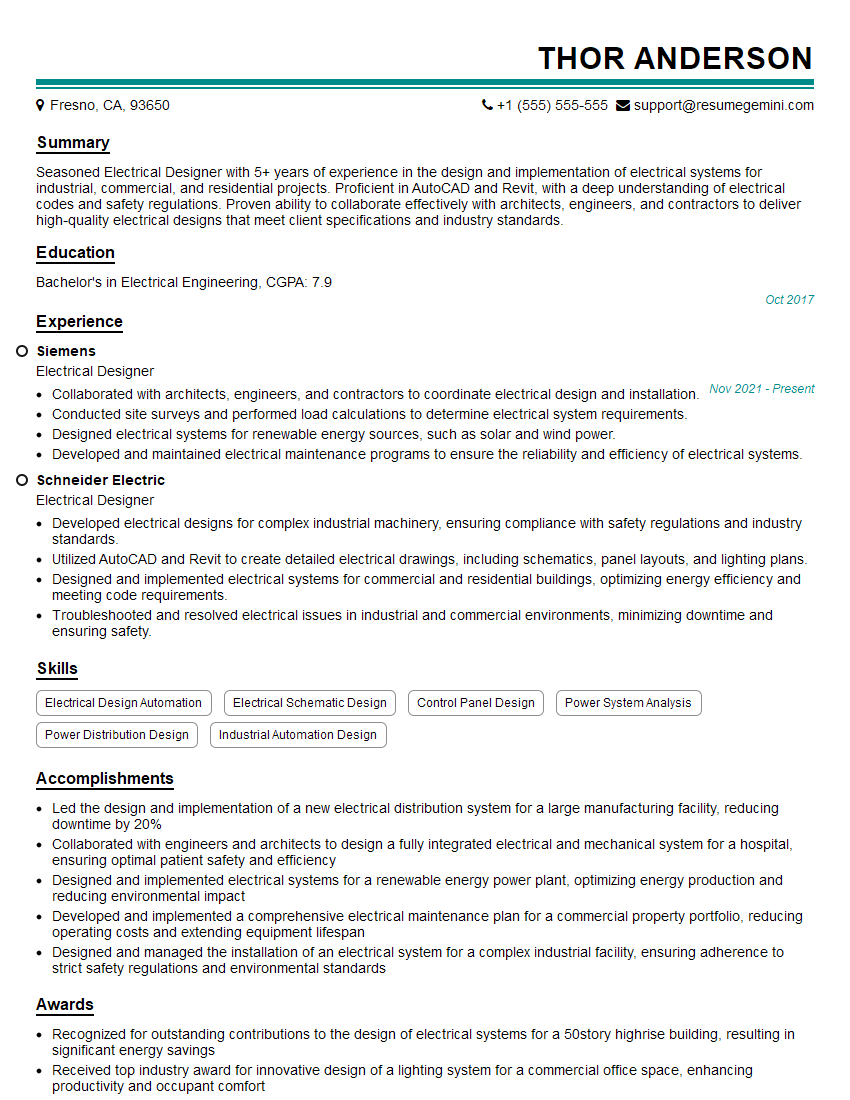
Electrical Designer Resume Sample
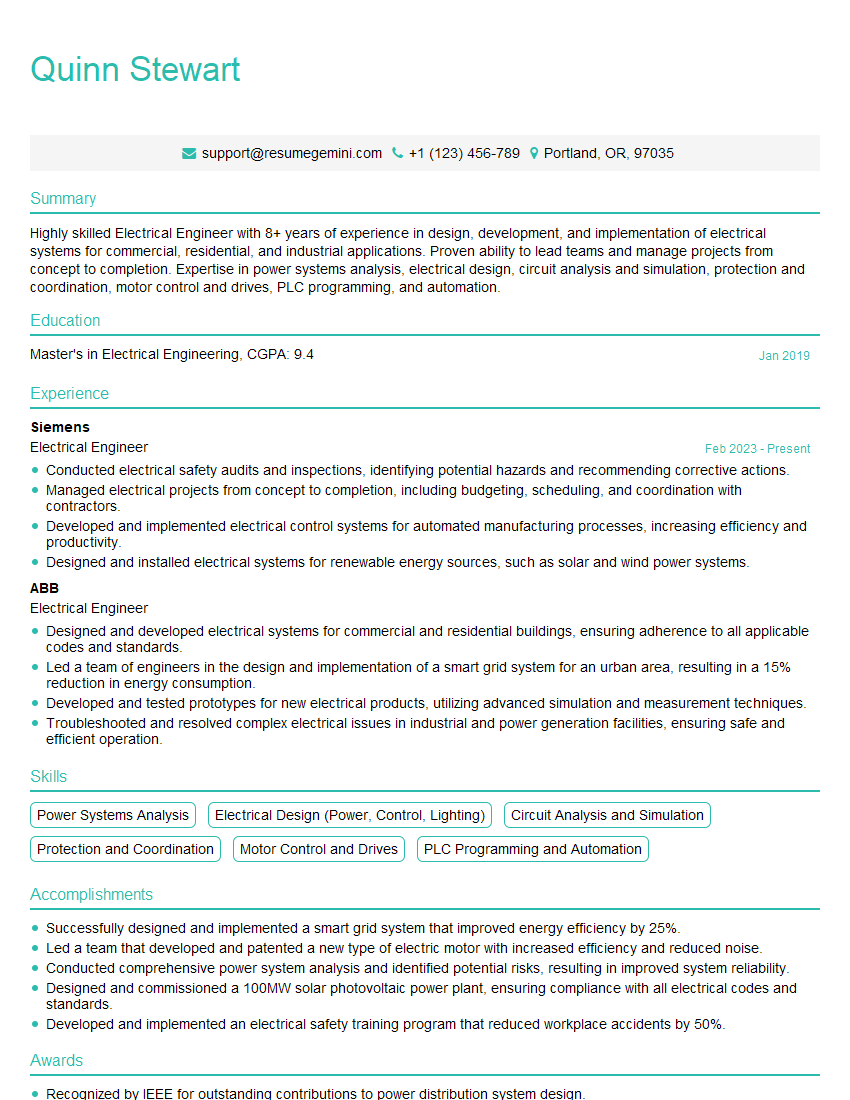
Electrical Engineer Resume Sample
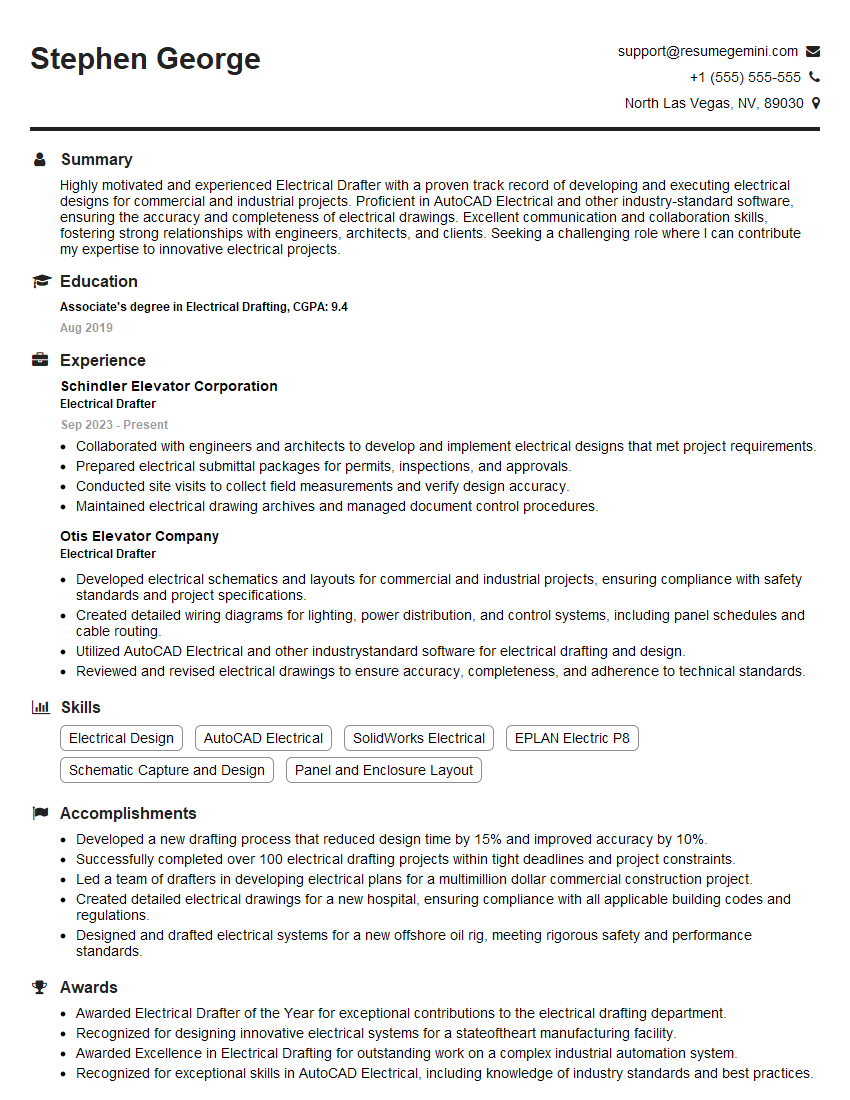
Electrical Drafter Resume Sample
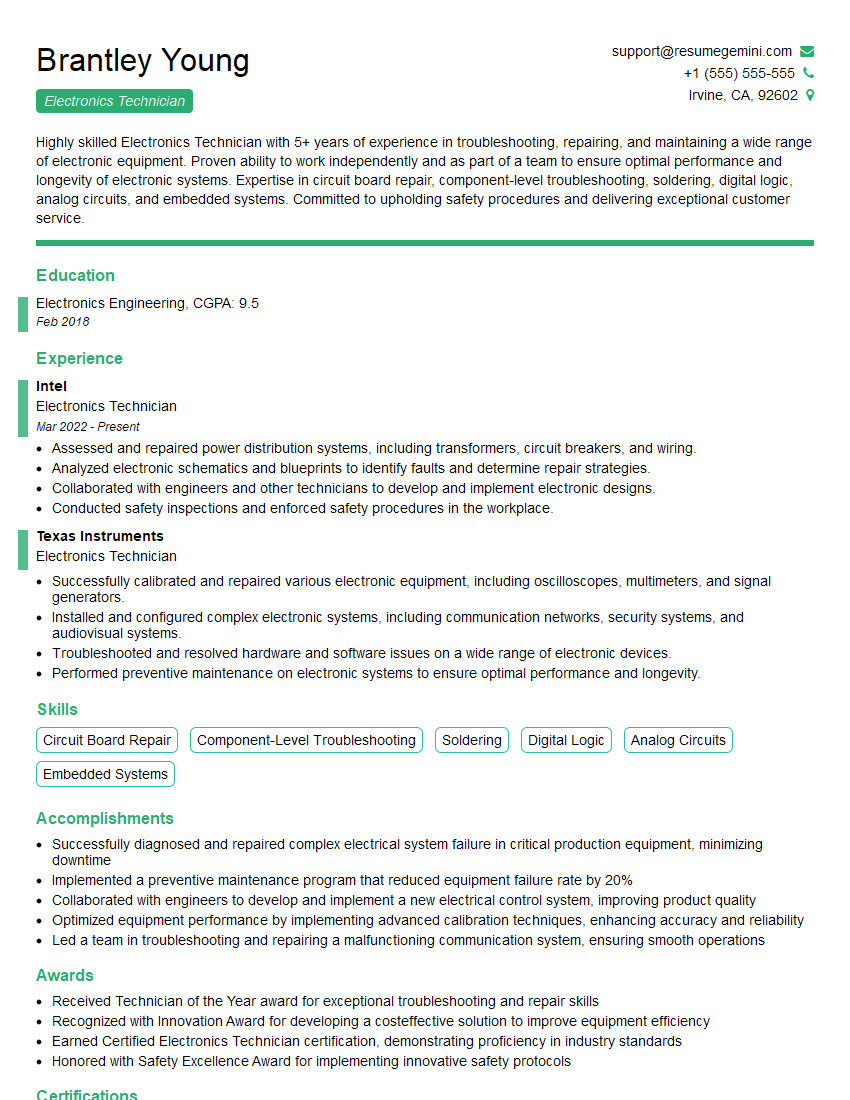
Electronics Technician Resume Sample
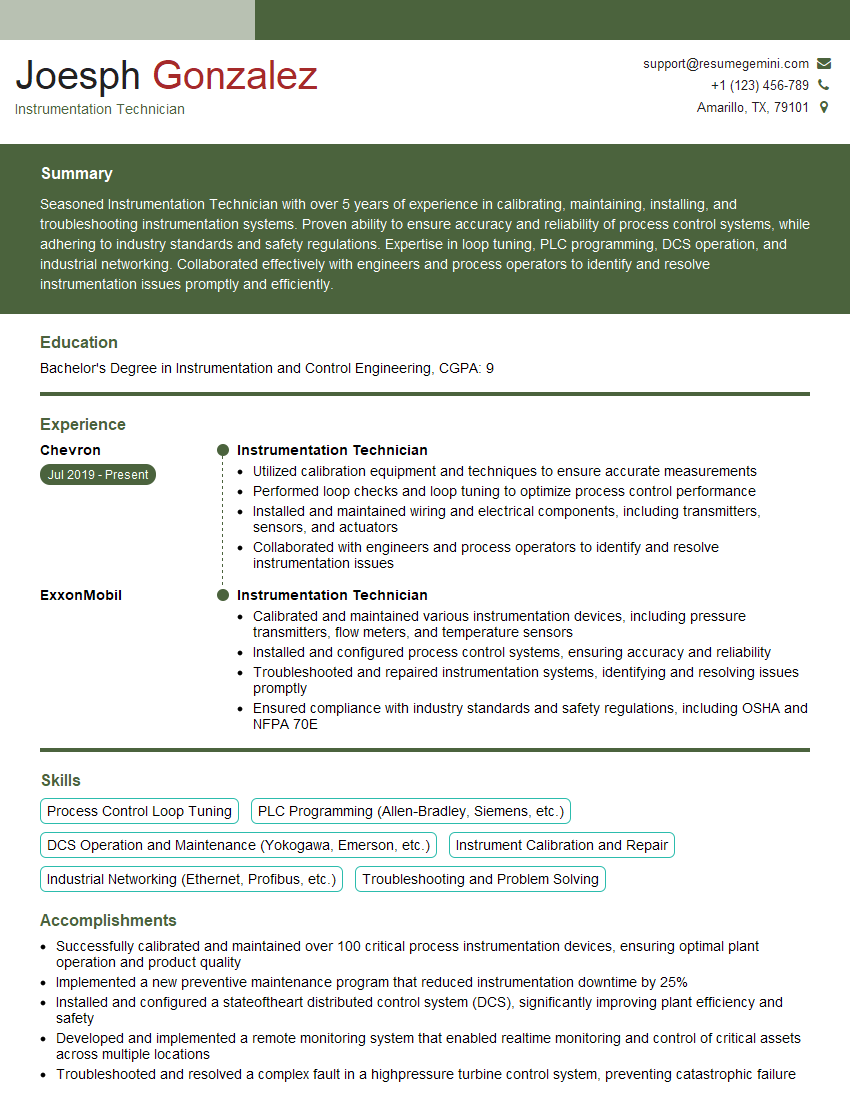
Instrumentation Technician Resume Sample
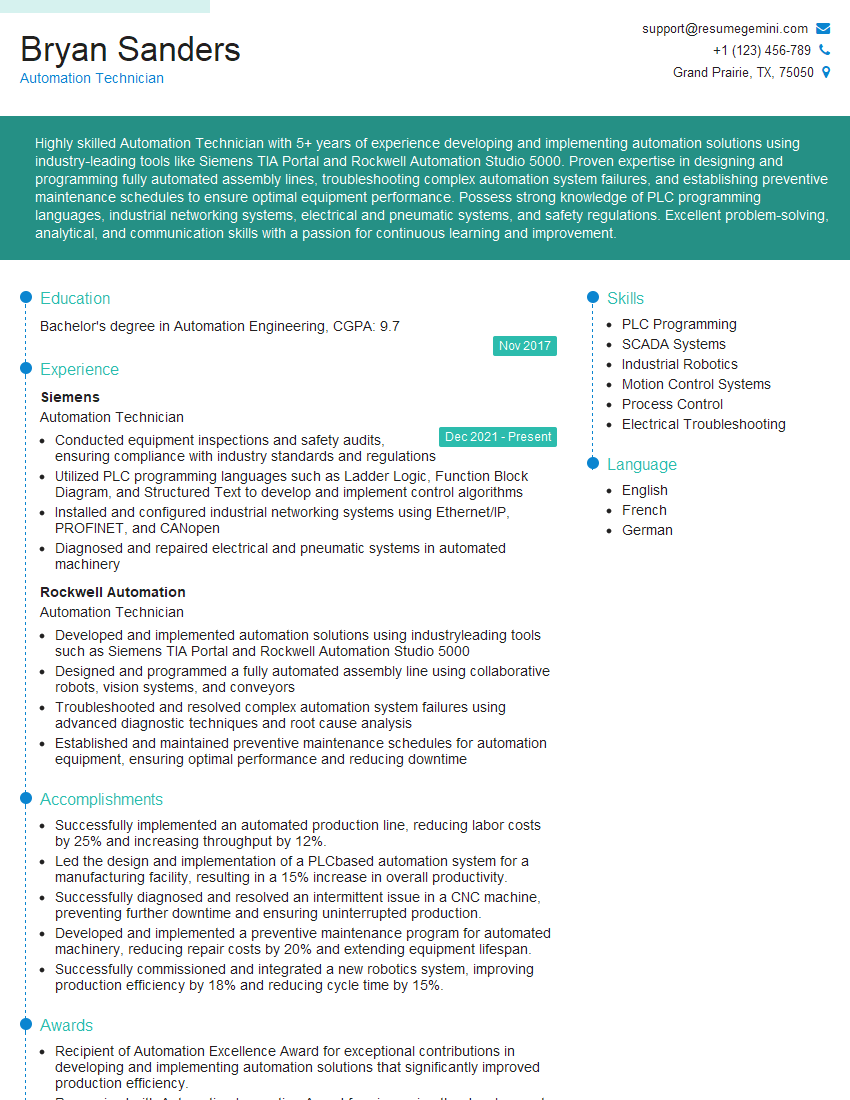
Automation Technician Resume Sample
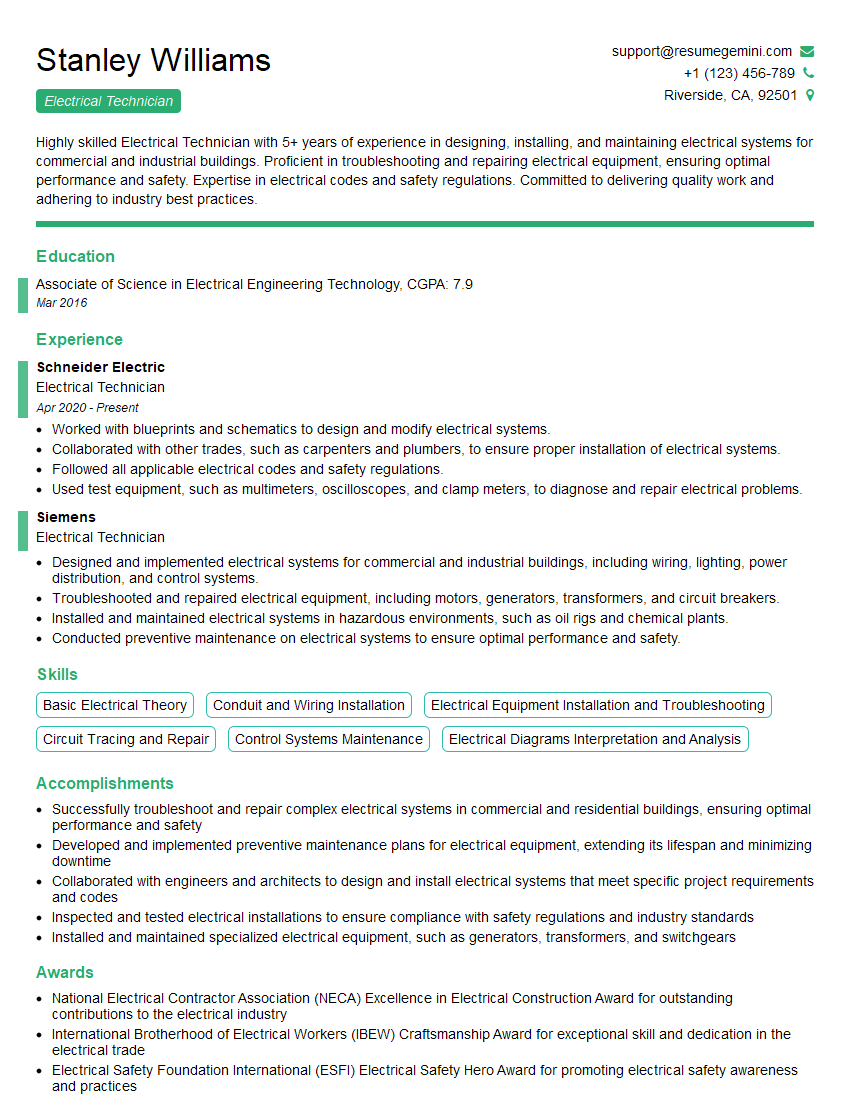
Electrical Technician Resume Sample
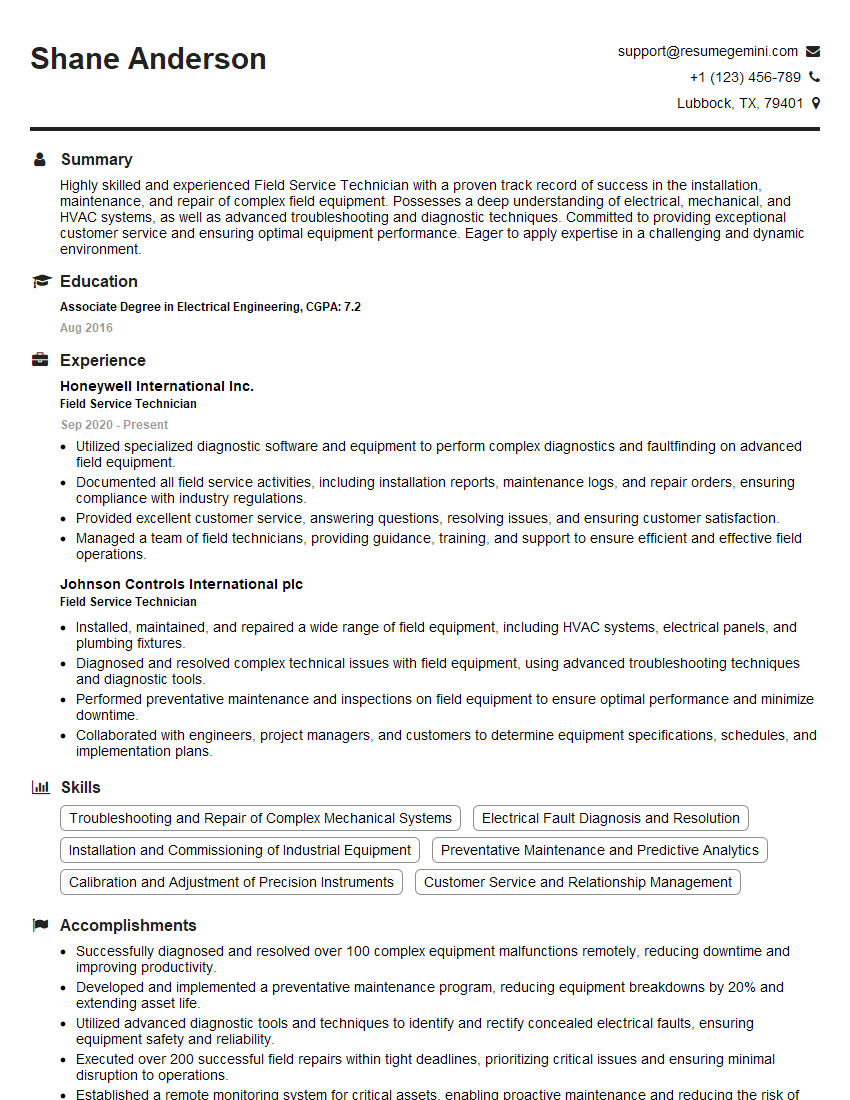
Field Service Technician Resume Sample
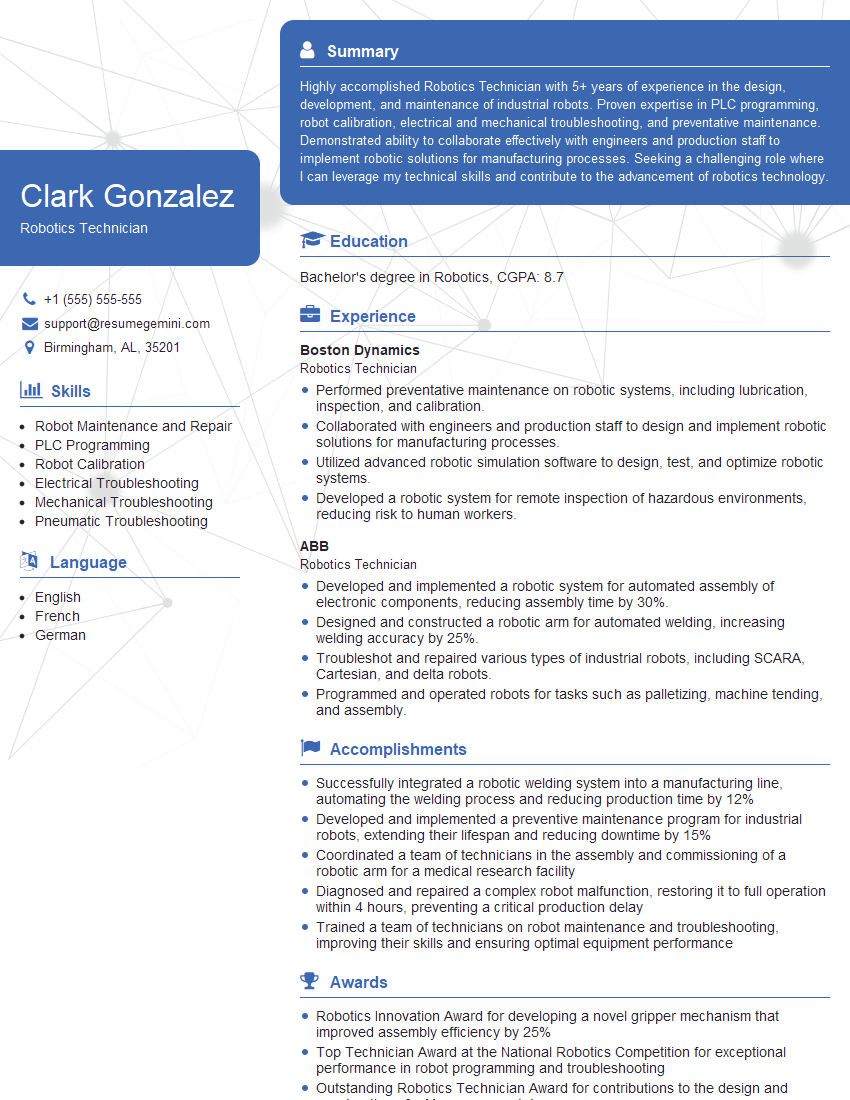
Robotics Technician Resume Sample
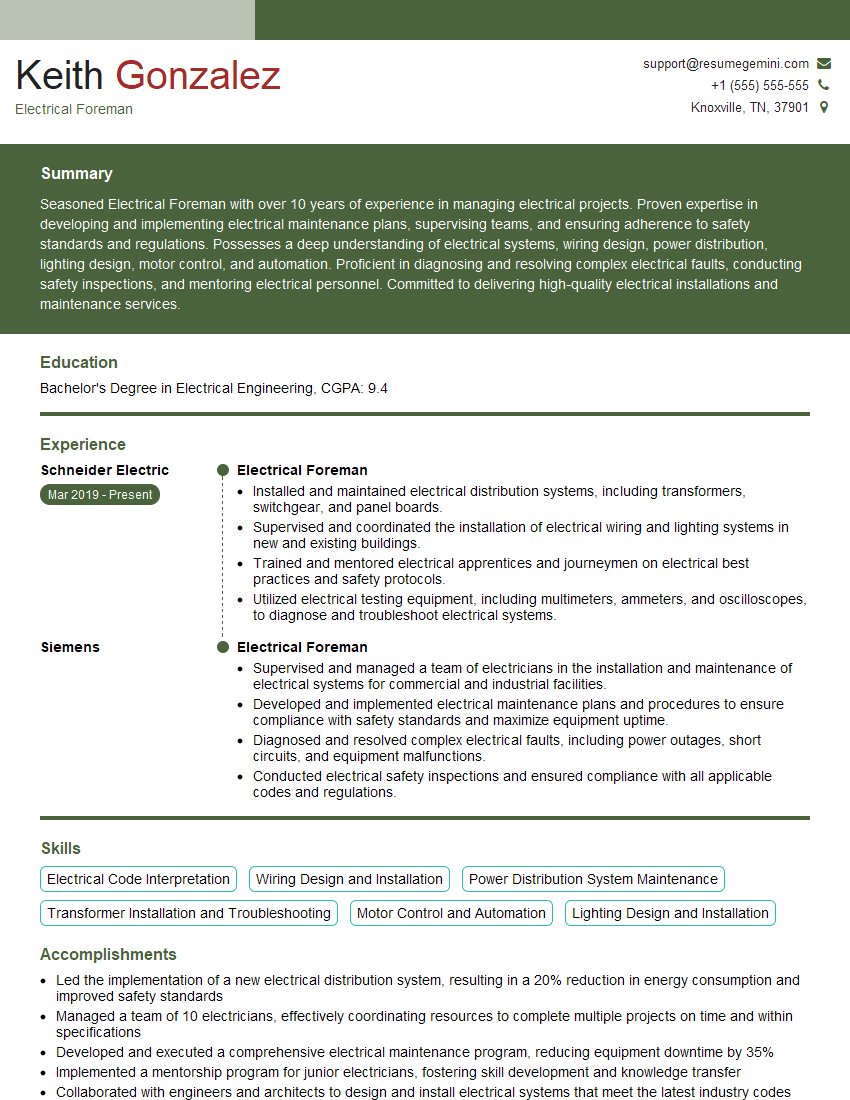
Electrical Foreman Resume Sample
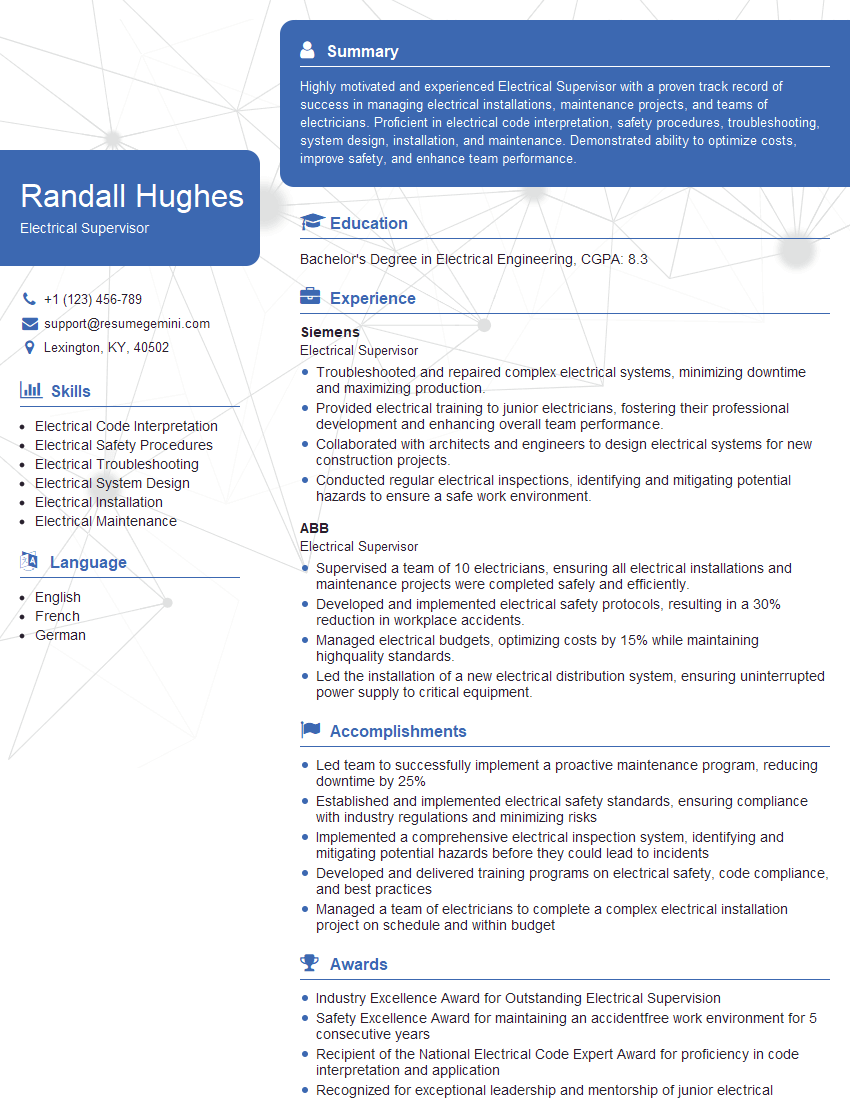
Electrical Supervisor Resume Sample
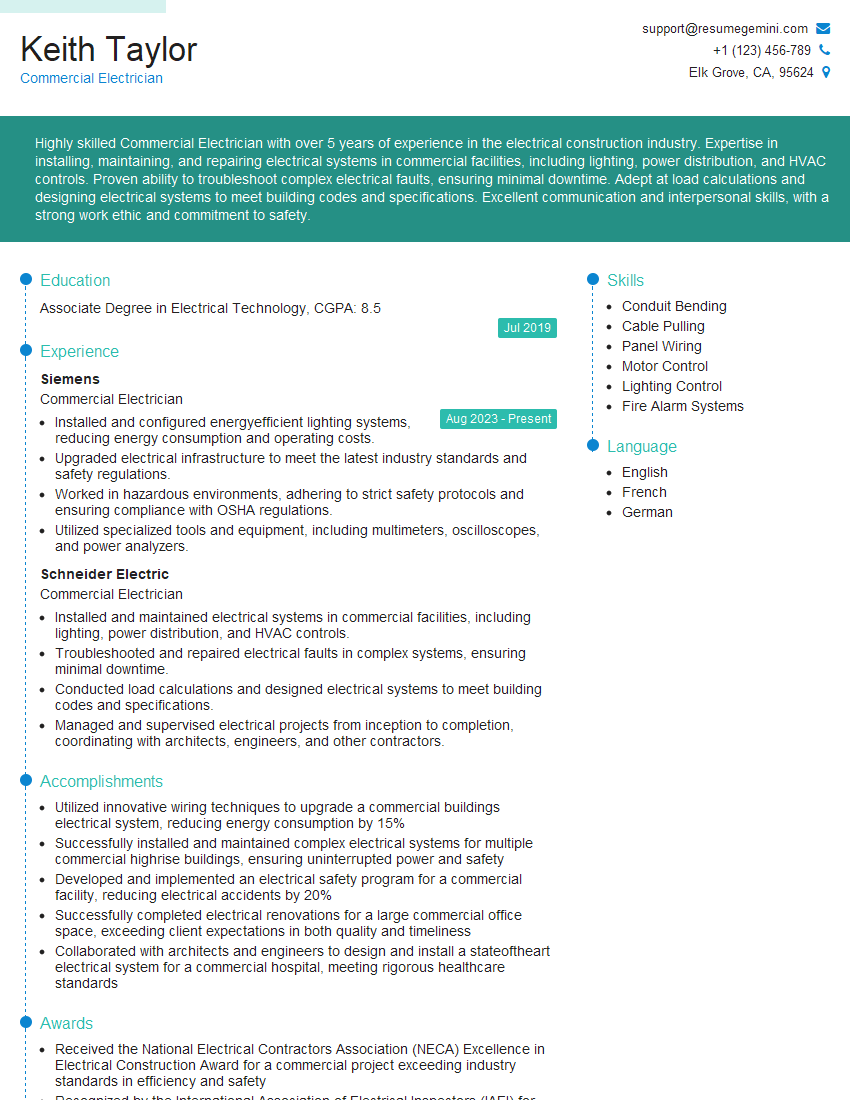
Commercial Electrician Resume Sample
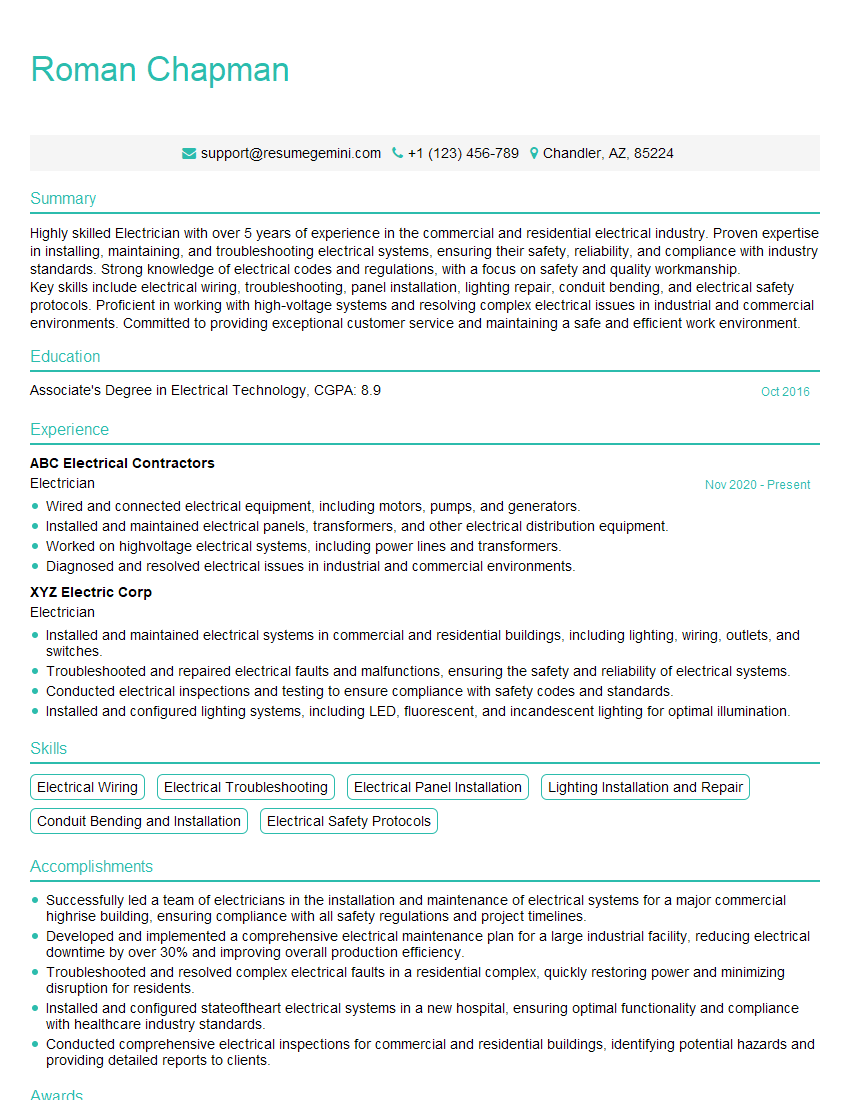
Electrician Resume Sample
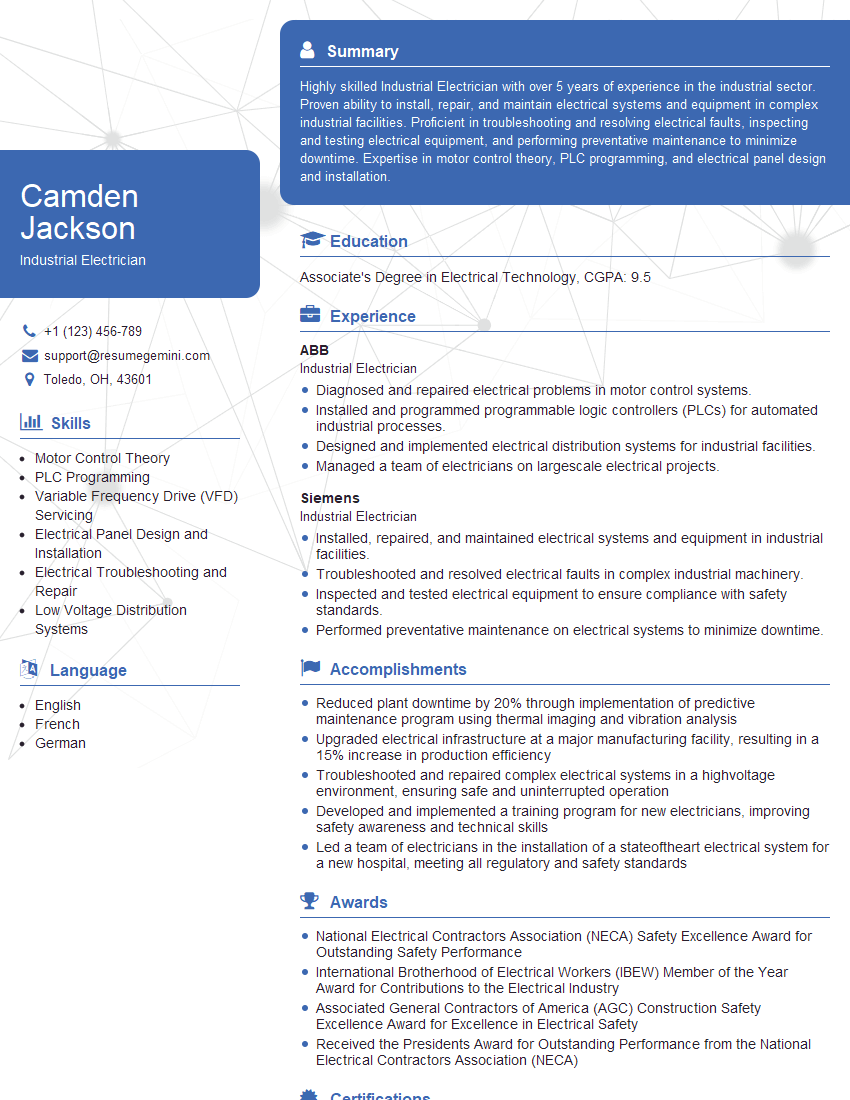
Industrial Electrician Resume Sample
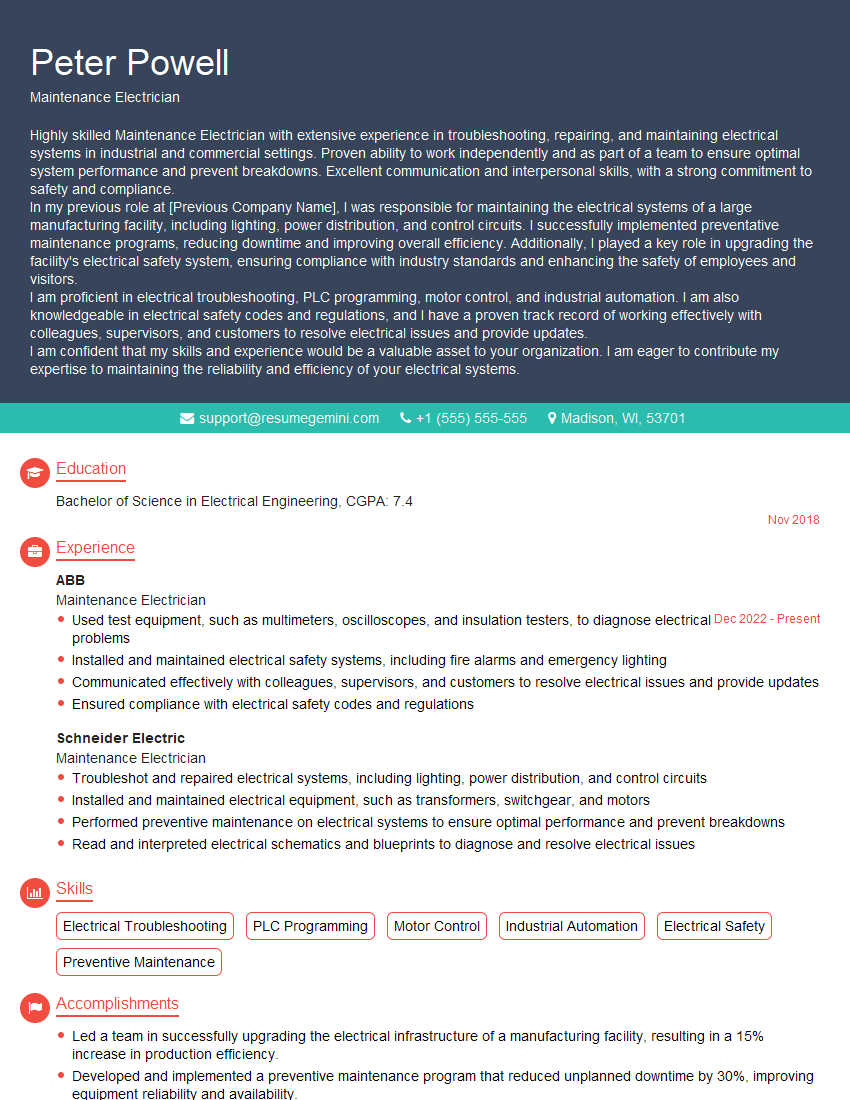
Maintenance Electrician Resume Sample
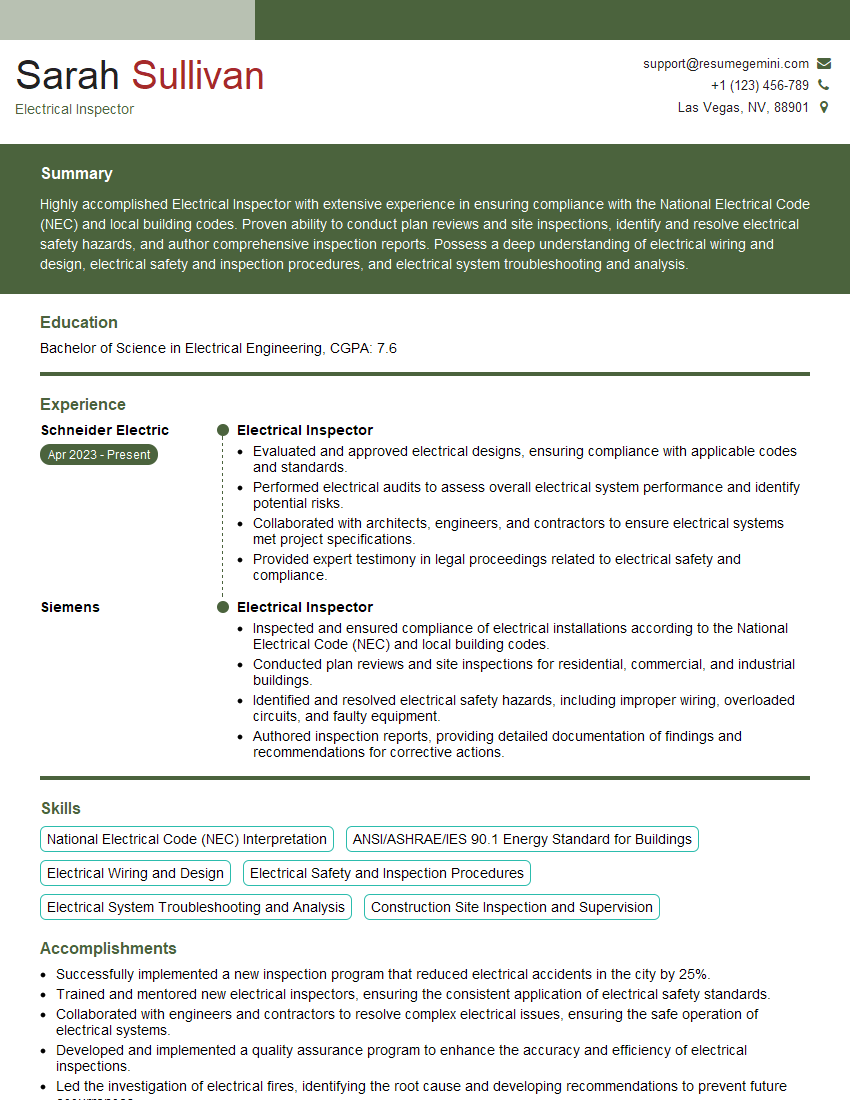
Electrical Inspector Resume Sample
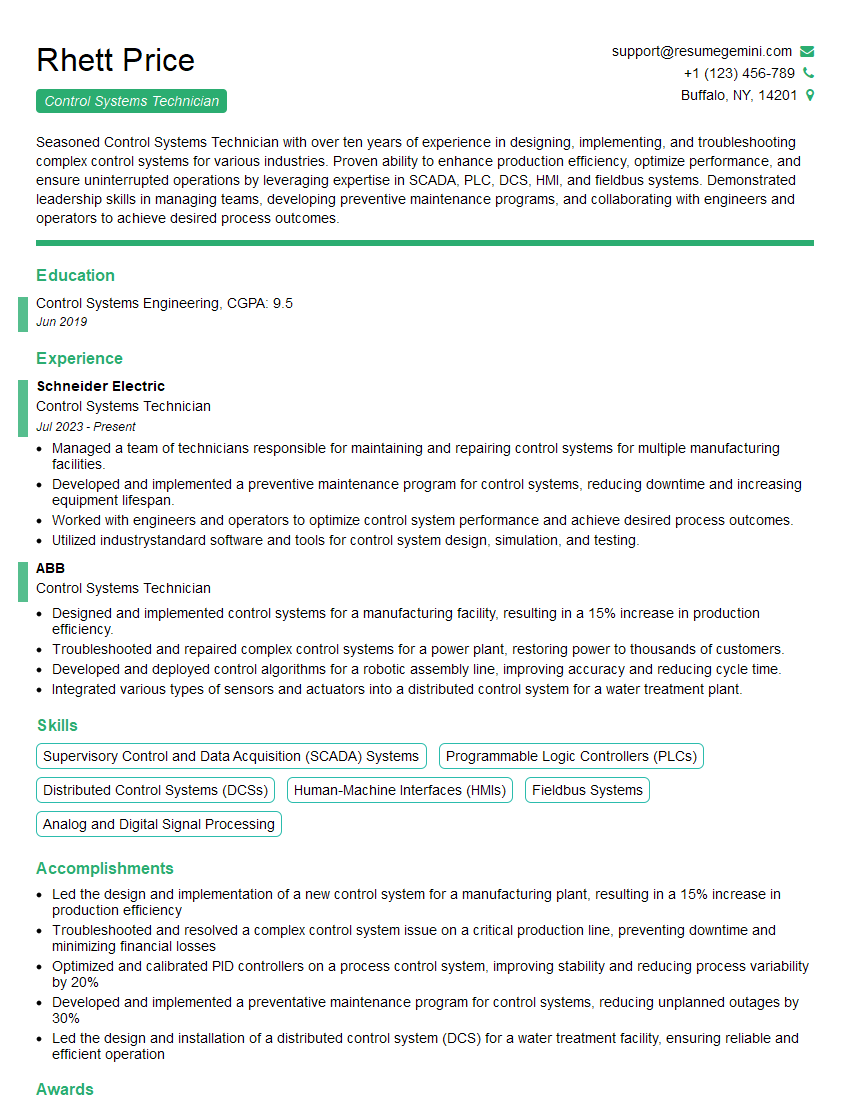
Control Systems Technician Resume Sample
- Electrical Designer
- Electrical Engineer
- Electrical Drafter
- Electronics Technician
- Instrumentation Technician
- Automation Technician
- Electrical Technician
- Field Service Technician
- Robotics Technician
- Electrical Foreman
- Electrical Supervisor
- Commercial Electrician
- Electrician
- Industrial Electrician
- Maintenance Electrician
- Electrical Inspector
- Control Systems Technician
Explore more articles
Users Rating of Our Blogs
Share Your Experience
We value your feedback! Please rate our content and share your thoughts (optional).
What Readers Say About Our Blog
Very informative content, great job.
good