Interviews are more than just a Q&A session—they’re a chance to prove your worth. This blog dives into essential proficiency in Heavy Equipment Operation interview questions and expert tips to help you align your answers with what hiring managers are looking for. Start preparing to shine!
Questions Asked in proficiency in Heavy Equipment Operation Interview
Q 1. Describe your experience operating excavators.
My excavator experience spans over 10 years, encompassing various models from Caterpillar, Komatsu, and Hitachi. I’ve operated excavators in diverse settings, from large-scale construction projects like highway expansions and building foundations to smaller projects such as utility trenching and site preparation. My proficiency extends to both hydraulic and cable-operated excavators, and I’m comfortable with both long and short reach models. For example, on a recent highway project, I was responsible for precisely excavating a large volume of earth for a bridge abutment, adhering to strict depth and angle specifications. This involved coordinating with surveyors and other equipment operators to ensure a smooth workflow and accurate results. Another example includes my work on a smaller project where the use of a mini excavator was essential to maneuver effectively within confined spaces. I’m adept at using various attachments like buckets, rippers, and demolition hammers, adapting my technique to the specific job requirements.
Q 2. Explain the pre-operational checks you perform on a bulldozer.
Pre-operational checks on a bulldozer are critical for safety and efficient operation. My routine begins with a visual inspection, checking for any visible damage, fluid leaks (hydraulic, engine oil, coolant), or loose components. I then check the tire pressure and condition, ensuring adequate tread depth and no punctures. Next, I verify the functionality of all the controls – steering, blade, and ripper – making sure they respond smoothly and precisely. I listen for unusual noises from the engine and hydraulic system, indicative of potential problems. I also inspect the lights and horn to ensure they work correctly for safe operation in various lighting conditions. Finally, I ensure that the fuel level is adequate for the scheduled work. Think of it like a thorough pre-flight check for an airplane – crucial for a safe and productive operation. If anything appears amiss, I report it immediately to the supervisor and refuse to operate the machine until repairs are completed. This prevents any potential accidents or equipment damage.
Q 3. What safety procedures do you follow when operating heavy equipment?
Safety is paramount in heavy equipment operation. My safety procedures include always conducting thorough pre-operational checks, wearing appropriate personal protective equipment (PPE) such as hard hats, safety glasses, steel-toed boots, and high-visibility clothing. Before starting any work, I ensure the area is clear of obstructions and personnel, using hand signals or radio communication to coordinate with others. I maintain a safe operating speed appropriate to the terrain and visibility conditions. I am always aware of my surroundings, including overhead power lines, trenches, and other potential hazards. I never operate equipment under the influence of drugs or alcohol. If I encounter an unsafe condition, I immediately stop work and report it to my supervisor. Furthermore, I strictly adhere to all company safety regulations and participate actively in regular safety training programs to remain updated on best practices. An example of this is using spotters when operating in areas with limited visibility.
Q 4. How do you handle unexpected equipment malfunctions?
Handling unexpected equipment malfunctions requires a calm and methodical approach. First, I immediately shut down the machine and activate the emergency brakes. Then, I assess the situation to determine the nature of the malfunction, whether it’s a hydraulic leak, engine trouble, or a control issue. If it’s a minor issue that I can safely troubleshoot, I might attempt a repair, but always prioritizing safety. For instance, if a hose bursts, I ensure the area is clear and then attempt to clamp the hose to control the leak, if safe to do so. However, if the problem is complex, beyond my expertise, or poses a safety risk, I immediately report it to my supervisor and await their guidance. In all cases, I ensure the machine is secured to prevent unauthorized operation until the issue is resolved. I always prioritize safety over attempting a quick fix. Documentation is also crucial. I take notes or photos of the malfunction, which are invaluable for troubleshooting and preventing future incidents.
Q 5. Describe your experience with different types of loaders.
My experience with loaders includes operating various types, such as wheel loaders (both front-end and skid-steer), and backhoes. With wheel loaders, I’m proficient in material handling tasks such as loading trucks and stockpiling materials. I’m familiar with the operation of different bucket types and attachments tailored for specific materials (e.g., light material buckets, heavy-duty buckets, forks). With skid-steer loaders, I’ve worked in confined spaces, executing tasks requiring precision and maneuverability, such as landscaping work. I’m experienced in selecting the correct loader for specific applications – for instance, a compact skid-steer for narrow spaces or a large wheel loader for heavy-duty applications like moving large amounts of aggregate. Each type requires a slightly different operating technique and safety procedure, which I’ve mastered through experience and ongoing training. I understand the limitations of each type of loader in terms of lift capacity and reach and always choose the appropriate machine for the task.
Q 6. What are the limitations of a backhoe?
Backhoes, while versatile, have limitations. Their primary limitation is their limited reach and lifting capacity compared to dedicated excavators or cranes. They can struggle with deep excavations or handling very heavy loads. Their maneuverability in confined spaces can be challenging, especially compared to skid-steer loaders. The digging depth is also restricted by the boom’s length, and working on uneven terrain can affect stability. Furthermore, backhoes are not suitable for all material types; very hard or rocky ground can strain the machine and require different excavation equipment. Understanding these limitations is crucial for choosing the right equipment and ensuring safe and efficient operation. For example, using a backhoe to excavate a deep trench in hard rock would be both inefficient and potentially dangerous.
Q 7. Explain your understanding of load capacity and stability.
Understanding load capacity and stability is fundamental to safe heavy equipment operation. Load capacity refers to the maximum weight a machine can lift or carry without exceeding its structural limits. Exceeding this limit can lead to structural failure, potentially causing serious injury or death. Stability refers to the machine’s ability to remain balanced and prevent tipping. This depends on factors such as the load’s weight, its location relative to the machine’s center of gravity, and the ground conditions. I always consult the machine’s operator’s manual to ascertain its load capacity and operational limits under various conditions. I ensure the load is distributed evenly and avoid uneven terrain or slopes that could compromise stability. When lifting heavy loads, I make slow, controlled movements to minimize the risk of tipping or sudden shifting of the load. Using proper counterweights and understanding the effects of terrain slopes are essential aspects of maintaining stability. For example, if operating on a slope, I would choose to position myself against the hill, keeping the weight of the machine towards the upward side, and avoid lifting the heaviest loads in these conditions.
Q 8. How do you maintain optimal fuel efficiency while operating heavy machinery?
Maintaining optimal fuel efficiency in heavy machinery is crucial for both economic and environmental reasons. It’s a multifaceted approach encompassing operator skill, machine maintenance, and operational planning.
Smooth Operation: Avoid jerky movements and sudden acceleration or deceleration. Think of it like driving a car – aggressive driving consumes more fuel. In heavy equipment, this translates to smoother use of the throttle and levers, minimizing unnecessary strain on the engine.
Proper Gear Selection: Selecting the appropriate gear for the task is critical. Using too low a gear unnecessarily increases engine RPM and fuel consumption. Conversely, using too high a gear can overload the engine, leading to reduced efficiency and potential damage.
Regular Maintenance: A well-maintained machine runs more efficiently. This includes checking and maintaining tire pressure (under-inflated tires increase rolling resistance), ensuring proper lubrication, and keeping the engine clean and well-tuned. I always make it a point to check these before starting any shift.
Load Management: Avoid overloading the machine. Overloading significantly impacts fuel efficiency and puts undue stress on the components. Knowing the machine’s capacity and adhering to it is essential. For instance, I once had to refuse a load on a site because it exceeded the safe operating weight of my excavator.
Engine Idle Time Minimization: Minimize idling, especially prolonged periods. Idling consumes fuel without doing any productive work. In my experience, I always shut down the engine during breaks unless the machine requires auxiliary power.
Q 9. Describe your experience working with GPS-guided equipment.
I have extensive experience operating GPS-guided equipment, primarily excavators and bulldozers. This technology significantly enhances accuracy and efficiency on projects requiring precise grading and earthmoving.
For example, on a recent highway construction project, the GPS system guided my excavator in creating precise cuts and fills for the roadbed. The system provided real-time positional data, allowing me to work within tolerances of millimeters, greatly reducing the need for rework and improving overall productivity. The system also generates comprehensive reports on the work completed, useful for project management.
Furthermore, I’m familiar with various GPS systems and their interfaces, including machine control systems that integrate with the equipment’s hydraulics to automatically adjust bucket position and implement the desired design.
Q 10. How do you ensure the safety of yourself and others on a worksite?
Safety is my paramount concern. I follow a strict protocol to ensure my safety and the safety of others on the worksite. This includes:
Pre-Operational Checks: Before operating any machinery, I conduct a thorough inspection, checking for any mechanical issues, leaks, or damage. This includes verifying all safety mechanisms, like emergency stops and seatbelts, are functioning correctly.
Personal Protective Equipment (PPE): I always wear the required PPE, which includes hard hats, safety glasses, gloves, high-visibility clothing, and steel-toed boots, regardless of the task.
Site Awareness: I maintain constant awareness of my surroundings, paying attention to other equipment, workers, and any potential hazards. I communicate effectively with other personnel on the site and follow all safety procedures and signaling protocols.
Safe Operating Practices: I adhere strictly to all safe operating procedures for the specific equipment, including speed limits, load limits, and proper maneuvering techniques.
Emergency Procedures: I am familiar with emergency procedures, including how to respond to equipment malfunctions, accidents, and hazardous situations, and I know where to find and utilize all the emergency equipment.
I believe proactive safety measures are essential to prevent accidents. A near miss is just as important as an incident; I always report and analyze near misses to identify and rectify potential future problems.
Q 11. Explain your experience with different types of terrain.
My experience encompasses a wide range of terrains, including:
Level Ground: Operating on level ground is generally straightforward, but even here, factors like soil composition and surface conditions need to be considered.
Slopes and Inclines: Operating on slopes requires extra caution and skill to prevent rollovers or slides. Understanding the machine’s limitations and the terrain’s characteristics is crucial. I always make sure the machine is properly balanced and avoid exceeding the safe operating angle.
Rough Terrain: Working in areas with rocks, uneven surfaces, or soft ground requires a different approach, adjusting speed and machine operation to avoid damage to the equipment or the environment.
Confined Spaces: Maneuvering in confined areas, such as urban settings or construction sites, calls for precision and control to avoid collisions or damage to property.
Adapting my operation to the specific terrain is second nature – I assess the situation before I start working and adjust my technique accordingly.
Q 12. How do you adapt your operation to varying weather conditions?
Weather conditions significantly impact heavy equipment operation, demanding adjustments to ensure safety and productivity.
Rain: Reduced visibility and slippery conditions require slower speeds and increased caution. I also need to be aware of potential ground instability.
Snow and Ice: Operating in snowy or icy conditions demands extra care and may require the use of specialized equipment or modifications like chains or tire studs. Safety is paramount in these conditions.
Extreme Heat: High temperatures can affect both the operator and the machinery. Regular breaks and hydration are critical for the operator, while ensuring proper engine cooling is crucial for the machine’s longevity. I always take extra water and stay aware of the potential for heat-related illnesses.
Strong Winds: Strong winds can make operating large equipment difficult and even dangerous. I need to be conscious of wind speeds and adjust operations accordingly.
I always assess the conditions before commencing any work and adjust my technique and safety measures to mitigate any risks associated with the prevailing weather. I also consult the weather forecast to plan my work schedule accordingly.
Q 13. What are the common causes of equipment breakdowns and how do you troubleshoot them?
Equipment breakdowns are a common occurrence, usually stemming from several key issues:
Lack of Preventative Maintenance: This is the most common cause. Neglecting regular checks and servicing leads to wear and tear, resulting in major failures.
Operator Error: Overloading, improper operation, and ignoring warning signs can cause significant damage.
Mechanical Failures: Components like hydraulic systems, engines, and transmissions can fail due to wear, fatigue, or defects.
Environmental Factors: Extreme temperatures, dust, and moisture can accelerate wear and cause breakdowns.
Troubleshooting involves a systematic approach: First, I identify the problem (e.g., engine won’t start, hydraulic leak). Then, I check the obvious – fuel, hydraulic fluid levels, etc. If the issue isn’t immediately apparent, I consult the equipment’s manual and potentially contact a mechanic. My approach is always to prioritize safety and only attempt repairs within my skillset, avoiding unnecessary risks.
Q 14. Describe your experience with preventative maintenance.
Preventative maintenance is integral to ensuring equipment reliability and longevity. My experience includes performing and overseeing a wide range of PM tasks, which are based on manufacturer recommendations and my own experience.
Daily Inspections: Every shift begins with a thorough inspection of the equipment, checking fluids, tires, safety mechanisms, and visual inspection for any wear or damage.
Regular Servicing: This involves scheduled maintenance based on operating hours, such as changing oil and filters, lubricating components, and inspecting belts and hoses.
Component Replacements: Replacing worn or damaged components before they fail completely is crucial, preventing major breakdowns and ensuring continued operational efficiency.
Record Keeping: Maintaining detailed records of all maintenance activities is essential for tracking performance and identifying potential issues early.
My approach to preventative maintenance is proactive. It saves time and money in the long run, minimizes downtime, and ensures the safe and efficient operation of the equipment. I firmly believe that regular, thorough maintenance is far cheaper and less disruptive than emergency repairs.
Q 15. How do you interpret blueprints and site plans?
Interpreting blueprints and site plans is fundamental to safe and efficient heavy equipment operation. It’s like reading a map for construction – understanding the terrain, the location of utilities, and the planned movements of the equipment is crucial.
I start by identifying key elements: the scale of the drawing, the north arrow, and the legend explaining symbols. Then, I focus on the specific tasks assigned, such as excavation, grading, or lifting. I carefully analyze dimensions, elevations, and any critical details like the location of underground pipes or existing structures. For example, a detail showing the exact depth and width of a trench helps me to precisely position the excavator and avoid damage to subsurface utilities. I also check for any notes or specifications from the engineers or site supervisors. After reviewing the plans thoroughly, I create a mental picture of the job site and plan my approach, ensuring safety and efficiency. Any ambiguities are always clarified with the project supervisor before beginning work.
Career Expert Tips:
- Ace those interviews! Prepare effectively by reviewing the Top 50 Most Common Interview Questions on ResumeGemini.
- Navigate your job search with confidence! Explore a wide range of Career Tips on ResumeGemini. Learn about common challenges and recommendations to overcome them.
- Craft the perfect resume! Master the Art of Resume Writing with ResumeGemini’s guide. Showcase your unique qualifications and achievements effectively.
- Don’t miss out on holiday savings! Build your dream resume with ResumeGemini’s ATS optimized templates.
Q 16. Explain your understanding of OSHA regulations related to heavy equipment operation.
OSHA regulations are paramount in heavy equipment operation, prioritizing safety above all else. My understanding encompasses a wide range of regulations, including but not limited to:
- Pre-operation inspections: Before starting any work, I meticulously inspect the machine for mechanical defects, fluid levels, and proper functioning of safety devices – a crucial step preventing accidents.
- Personal Protective Equipment (PPE): I always wear appropriate PPE, including hard hats, safety glasses, hearing protection, and high-visibility clothing, regardless of the task.
- Safe operating procedures: I strictly adhere to established operating procedures, including proper maneuvering techniques, load limits, and awareness of blind spots. For example, I always use spotters when visibility is limited.
- Environmental regulations: I am familiar with the environmental protection measures required, including spill prevention and proper disposal of hazardous materials.
- Emergency procedures: I’m trained in emergency response protocols, including knowing how to shut down the machine safely in an emergency and how to react to different scenarios.
Regular training and awareness of updated OSHA standards are fundamental to my work. I view compliance not just as a legal requirement, but as a personal responsibility to ensure my own safety and the safety of those around me.
Q 17. Describe a time you had to work under pressure to complete a task.
During a highway construction project, we faced a significant delay due to unexpected heavy rainfall. The deadline was rapidly approaching, and the section of the road we were working on needed to be completed before the next phase could begin. The pressure was immense as we were behind schedule, yet the muddy conditions made operation of the heavy equipment extremely challenging and risky.
My approach was to prioritize safety without compromising productivity. I communicated clearly with my team, outlining the specific challenges and suggesting solutions, such as using a different type of track for improved traction. I organized the team in a way that maximized efficiency, allocating tasks based on each operator’s skillset and the condition of the various machines. Through effective teamwork and adaptive strategies, we managed to complete the task on time, demonstrating my ability to remain calm and resourceful under pressure.
Q 18. How do you communicate effectively with your team and supervisors?
Effective communication is the backbone of a successful construction project. I prioritize clear, concise, and respectful communication with my team and supervisors. I use various methods to facilitate communication, depending on the situation:
- Face-to-face communication: This is particularly important for complex tasks or urgent situations, allowing for immediate feedback and clarification.
- Radio communication: On larger sites, radios are vital for coordinating tasks and addressing safety concerns promptly.
- Written reports: I provide comprehensive reports on daily progress, including any challenges encountered and solutions implemented.
Active listening is crucial; I ensure I fully understand instructions before beginning any task. If I encounter any uncertainties, I always ask for clarification. I also value open and honest feedback, viewing it as an opportunity for improvement.
Q 19. What is your experience with different types of attachments for heavy equipment?
My experience spans a variety of heavy equipment attachments, each designed for specific tasks. I’m proficient with attachments for excavators, loaders, and bulldozers. This includes:
- Excavator attachments: I’ve worked with various buckets (narrow, wide, ditch cleaning), hydraulic breakers (for demolition), grapple buckets (for handling scrap material), and augers (for drilling holes).
- Loader attachments: I have experience with pallet forks (for material handling), buckets (for loading and moving materials), and snow plows.
- Bulldozer attachments: My experience includes various blades for different grading applications (straight, angle, and U-blades).
Understanding the capabilities and limitations of each attachment, along with their proper maintenance and safe operating procedures, is critical for efficient and safe operation. Selecting the right attachment for a task significantly impacts productivity and project completion timelines.
Q 20. Describe your experience working with different types of materials.
My experience encompasses working with a diverse range of materials, including:
- Earthworks: I’m highly proficient in handling various soil types, from loose sandy soil to hard clay and rocky ground. This includes excavation, grading, and land clearing.
- Concrete: I have experience with moving and placing concrete, including demolition of existing concrete structures.
- Asphalt: I’m skilled in asphalt paving and road construction, understanding the proper techniques for compaction and finishing.
- Other materials: I’ve also worked with demolition debris, scrap metal, and other construction materials, adapting my approach and choosing appropriate attachments depending on the specific material being handled.
The properties of each material influence my operational strategy. For example, the moisture content of soil significantly affects its handling and the need for specific techniques to ensure stability and avoid collapses.
Q 21. What are your strengths and weaknesses as a heavy equipment operator?
My strengths include my meticulous attention to detail, problem-solving skills, and ability to work effectively under pressure. I am a highly reliable and productive team member, always striving for excellence in safety and efficiency. My experience in diverse projects has given me a broad skill set.
One area I’m continually working to improve is my proficiency with the latest technological advancements in heavy equipment. While I’m adept at operating traditional machines, I plan to further my training in GPS-guided systems and other advanced technologies to enhance my skills and efficiency further.
Q 22. How do you stay updated on the latest safety regulations and equipment technology?
Staying current in heavy equipment operation requires a multifaceted approach. Safety regulations change frequently, and technological advancements are constant. I employ several strategies to ensure I’m always up-to-date.
Professional Organizations: I’m an active member of the Association of Equipment Manufacturers (AEM) and similar organizations. These provide access to industry publications, webinars, and conferences that detail the latest safety protocols and technological innovations.
Manufacturer Websites and Training: I regularly check the websites of major equipment manufacturers like Caterpillar, Komatsu, and John Deere. They often post updates on safety alerts, software upgrades, and operator training materials. I also actively participate in their offered training programs to gain hands-on experience with new technologies.
Governmental Resources: I frequently consult OSHA (Occupational Safety and Health Administration) and other relevant governmental websites for updates on safety regulations and compliance requirements specific to my region and type of equipment operation. This ensures I am always aware of the legal and ethical aspects of my work.
Industry Publications and Journals: I subscribe to relevant industry publications and journals, keeping abreast of the latest research, best practices, and emerging trends in heavy equipment operation and safety. Reading case studies and analyzing accident reports helps me learn from others’ experiences and improve my own safety practices.
This proactive approach ensures I not only meet but exceed the expectations for safety and efficiency in my work.
Q 23. Describe your experience working on large-scale construction projects.
I have extensive experience on large-scale construction projects, including highway overpasses, high-rise building foundations, and large-scale earthmoving operations. One particularly memorable project involved the construction of a new section of interstate highway. This project required precise coordination and efficient execution due to its scale and the tight deadlines.
Coordination: I worked closely with other operators, surveyors, and engineers to ensure seamless operation of multiple pieces of equipment, such as excavators, bulldozers, and graders. This involved careful planning and communication to optimize workflow and minimize downtime.
Problem Solving: We faced several unexpected challenges including unanticipated subsurface conditions and severe weather. I played a critical role in identifying the problems, proposing solutions, and effectively implementing them in a safe and efficient manner. This included adapting equipment usage and collaborating with the team to find the best approach for each situation.
Safety: Safety was paramount on this project. I actively participated in daily safety briefings and ensured all my tasks were performed adhering to the highest safety standards. I regularly inspected equipment, reported any potential hazards, and followed all relevant safety protocols. My commitment to safety contributed to a project with a zero-incident record.
These experiences have honed my skills in project management, teamwork, problem-solving, and prioritizing safety on large-scale projects. I’m confident in my ability to handle the demands of similar projects in the future.
Q 24. How do you prioritize tasks and manage your time effectively?
Effective task prioritization and time management are crucial in heavy equipment operation, where efficiency directly impacts project timelines and budgets. My approach involves a combination of planning and flexibility.
Prioritization Matrix: I use a prioritization matrix that considers urgency and importance. Tasks are categorized as urgent/important, important/not urgent, urgent/not important, and neither urgent nor important. This helps me focus on the most critical tasks first.
Detailed Planning: Before starting a task, I carefully review the blueprints, specifications, and safety procedures. This meticulous planning helps me anticipate potential challenges and develop a realistic timeline.
Regular Check-ins: I regularly check in with supervisors and other team members to update them on my progress, identify any potential bottlenecks, and make necessary adjustments to my schedule. This ensures proactive problem solving and efficient use of resources.
Flexibility: Unexpected events are common in construction. I am flexible and adaptable, prioritizing tasks based on changing circumstances. For example, if an unexpected repair is needed on equipment, I will adjust my schedule accordingly to minimize project delays.
This structured yet adaptable approach allows me to manage my time effectively and consistently deliver high-quality work on time.
Q 25. What are your salary expectations?
My salary expectations are in line with my experience and qualifications, and competitive with the current market rate for experienced heavy equipment operators with my specific skill set in this region. I’m open to discussing this further based on the specific details of the position and the compensation package offered.
Q 26. What are your long-term career goals?
My long-term career goals involve progressing into a supervisory or management role within the construction industry. I am eager to use my experience and expertise to mentor and lead teams, optimizing projects for safety and efficiency. I’m also interested in further specializing my skills in a particular area of heavy equipment operation, such as sustainable construction practices or specialized earthmoving techniques. Ultimately, I aspire to contribute significantly to the success of large-scale construction projects.
Q 27. Why are you interested in this position?
I’m interested in this position because it aligns perfectly with my skills and career aspirations. Your company’s reputation for quality, safety, and innovation is highly respected in the industry, and I’m particularly excited about the opportunity to contribute to [mention a specific project or aspect of the company that interests you]. The challenges and opportunities presented by this role appeal directly to my desire to grow professionally and to work within a dedicated and successful team.
Q 28. Do you have any questions for me?
Yes, I have a few questions. First, could you elaborate on the company’s safety protocols and training programs? Secondly, what opportunities for professional development and advancement are available within the company? Finally, what is the typical project timeline for assignments in this role?
Key Topics to Learn for Proficiency in Heavy Equipment Operation Interview
- Safety Procedures and Regulations: Understanding and adhering to all relevant safety protocols, including pre-operation checks, emergency procedures, and hazard identification. This includes theoretical knowledge of OSHA regulations and practical application in real-world scenarios.
- Equipment Operation and Maintenance: Demonstrating proficiency in operating various types of heavy equipment (e.g., excavators, bulldozers, loaders) including starting, maneuvering, and performing basic maintenance tasks. Be prepared to discuss specific machine types and their applications.
- Technical Specifications and Troubleshooting: Knowledge of the technical specifications of different equipment models, understanding of common mechanical issues, and ability to troubleshoot basic problems. Practical experience with diagnosing and resolving equipment malfunctions will be highly valued.
- Site Assessment and Planning: Explaining your approach to assessing a job site, planning the optimal equipment usage, and ensuring efficient execution of tasks. This requires both theoretical knowledge of site surveying and practical experience in project planning.
- Material Handling and Transportation: Demonstrating proficiency in safe and efficient loading, transporting, and unloading of materials using heavy equipment. Discuss techniques for maximizing efficiency and minimizing risks.
- Environmental Awareness and Best Practices: Understanding environmental regulations related to heavy equipment operation, including minimizing soil erosion and waste management. This also includes responsible fuel usage and maintenance practices.
- Teamwork and Communication: Highlighting your ability to work effectively within a team, communicate clearly with colleagues and supervisors, and follow instructions accurately. Describe situations where collaboration was critical to successful project completion.
Next Steps
Mastering proficiency in heavy equipment operation opens doors to a rewarding and diverse career path, offering opportunities for advancement and specialization. To maximize your job prospects, it’s crucial to present your skills effectively. Creating an ATS-friendly resume is essential for getting your application noticed by potential employers. ResumeGemini is a trusted resource that can help you build a professional resume that highlights your unique qualifications and experience. Examples of resumes tailored to proficiency in heavy equipment operation are available to help you create a compelling application that truly reflects your expertise.

Crane Operator Resume Sample
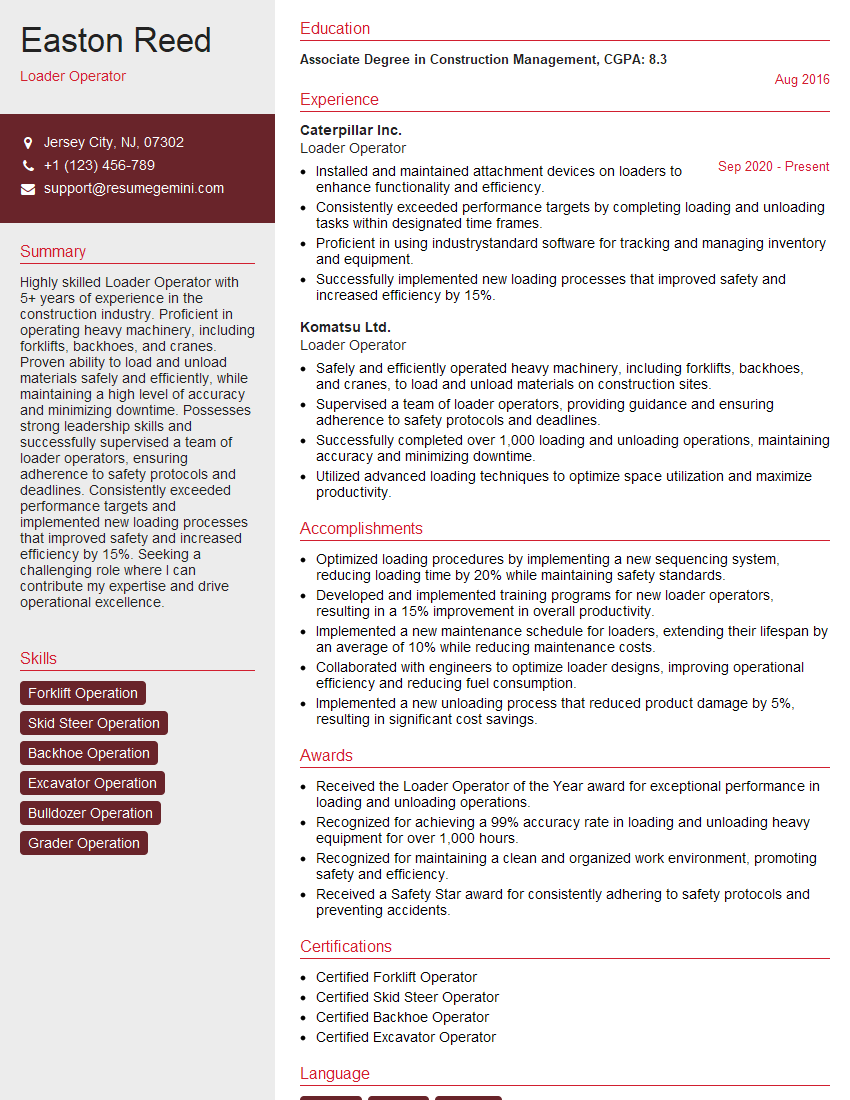
Loader Operator Resume Sample
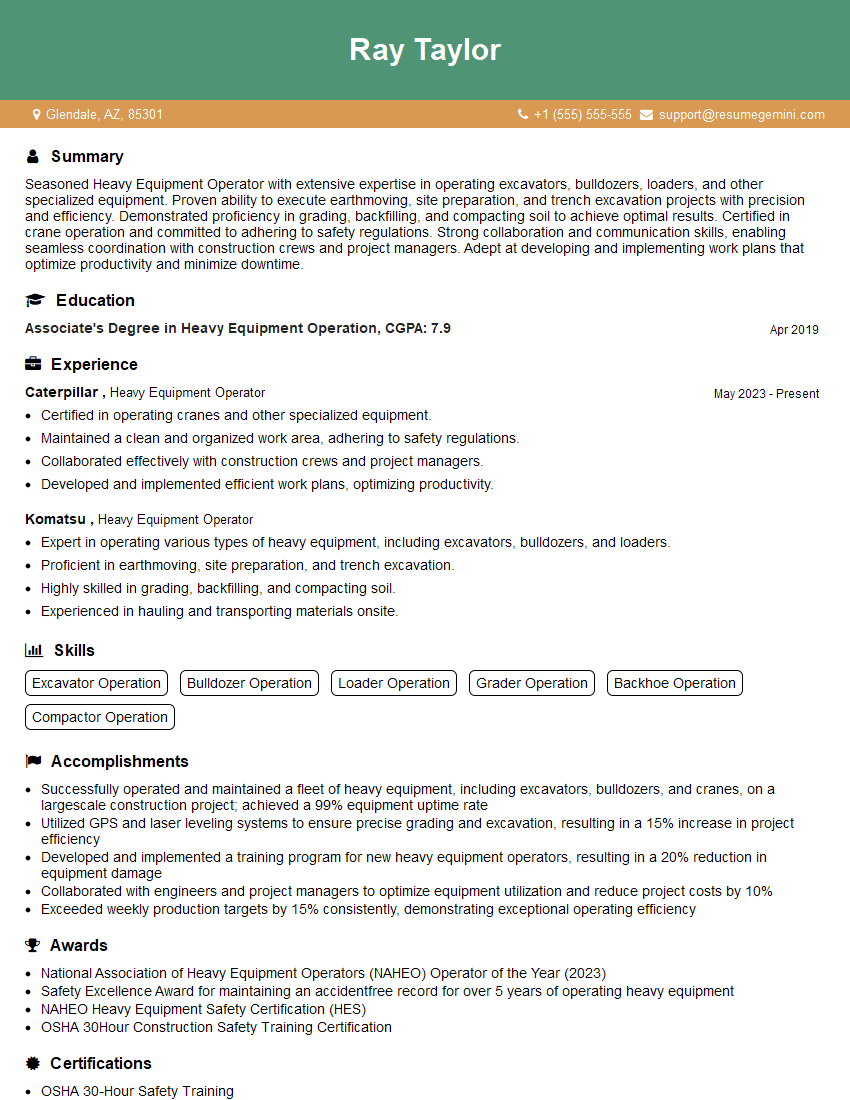
Heavy Equipment Operator Resume Sample
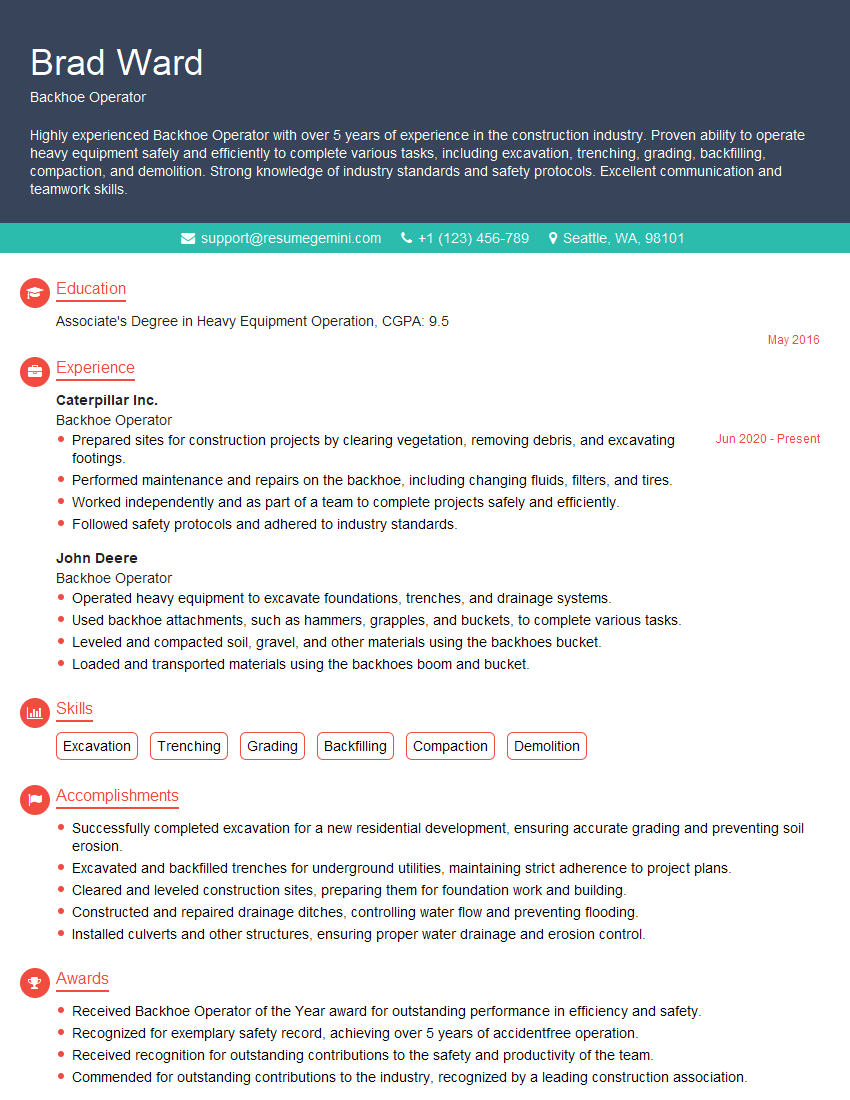
Backhoe Operator Resume Sample
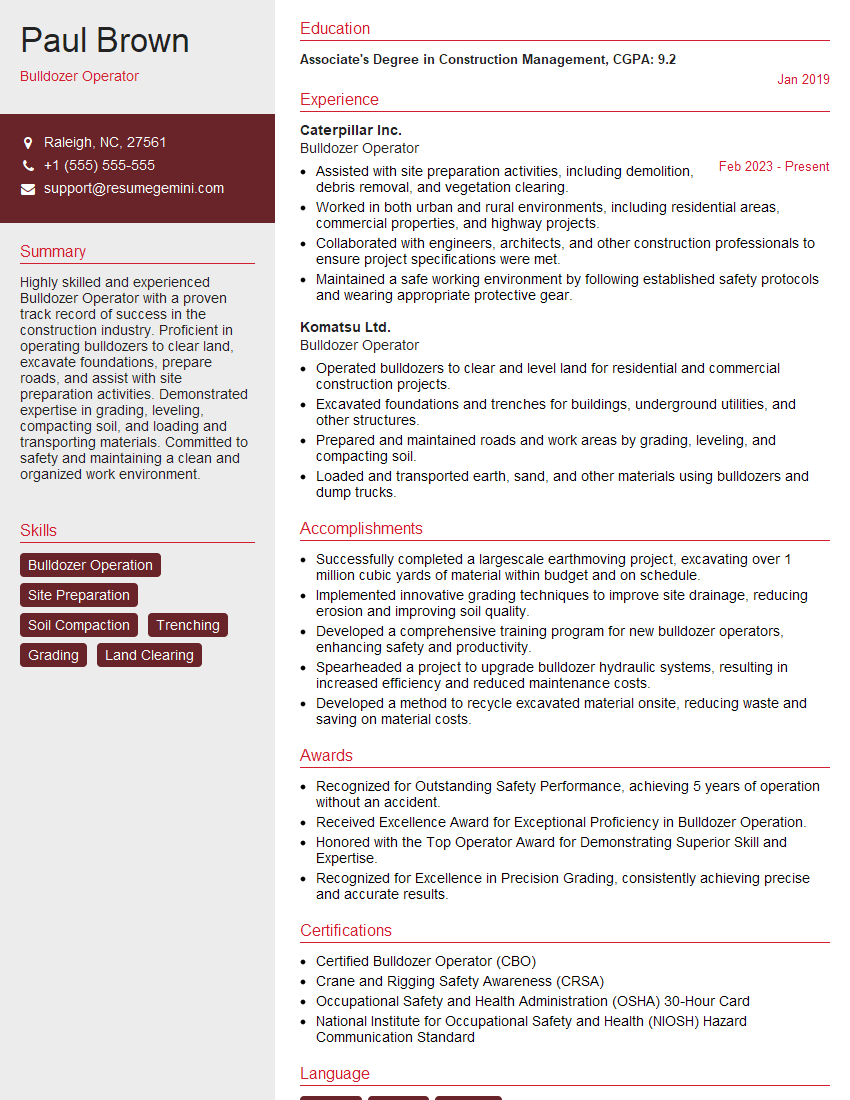
Bulldozer Operator Resume Sample
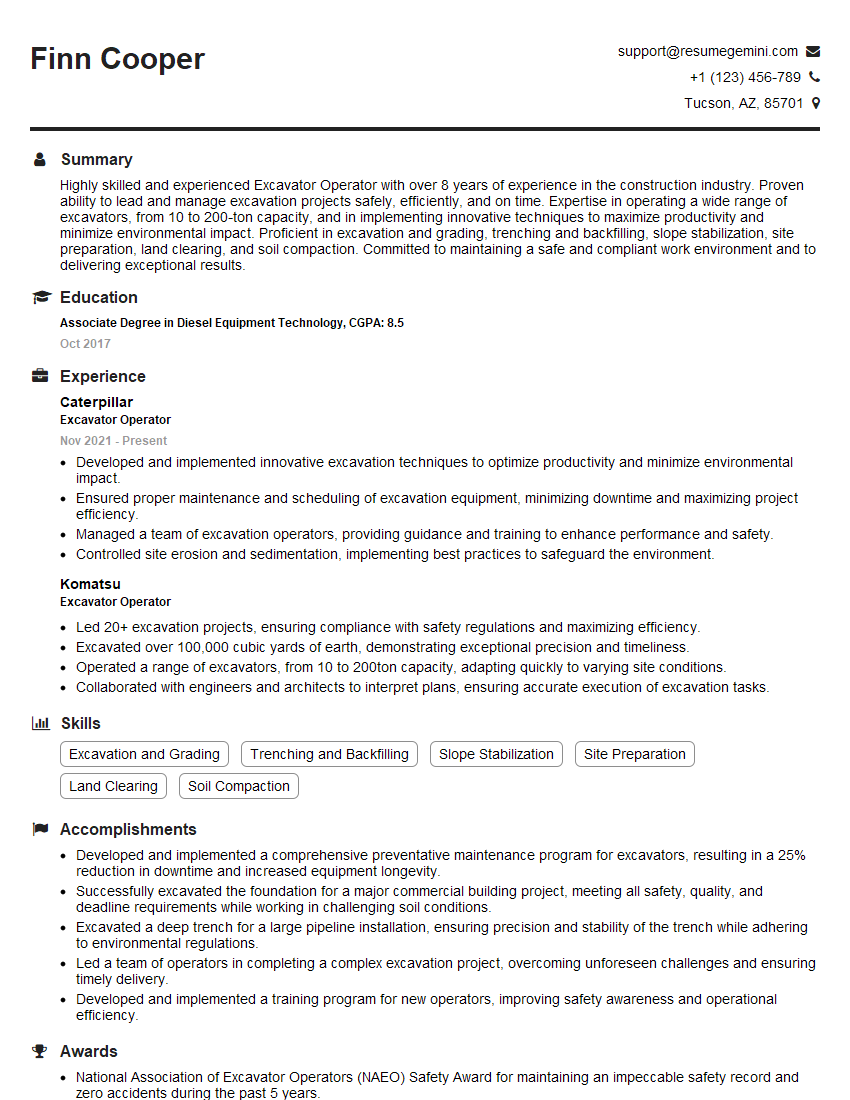
Excavator Operator Resume Sample
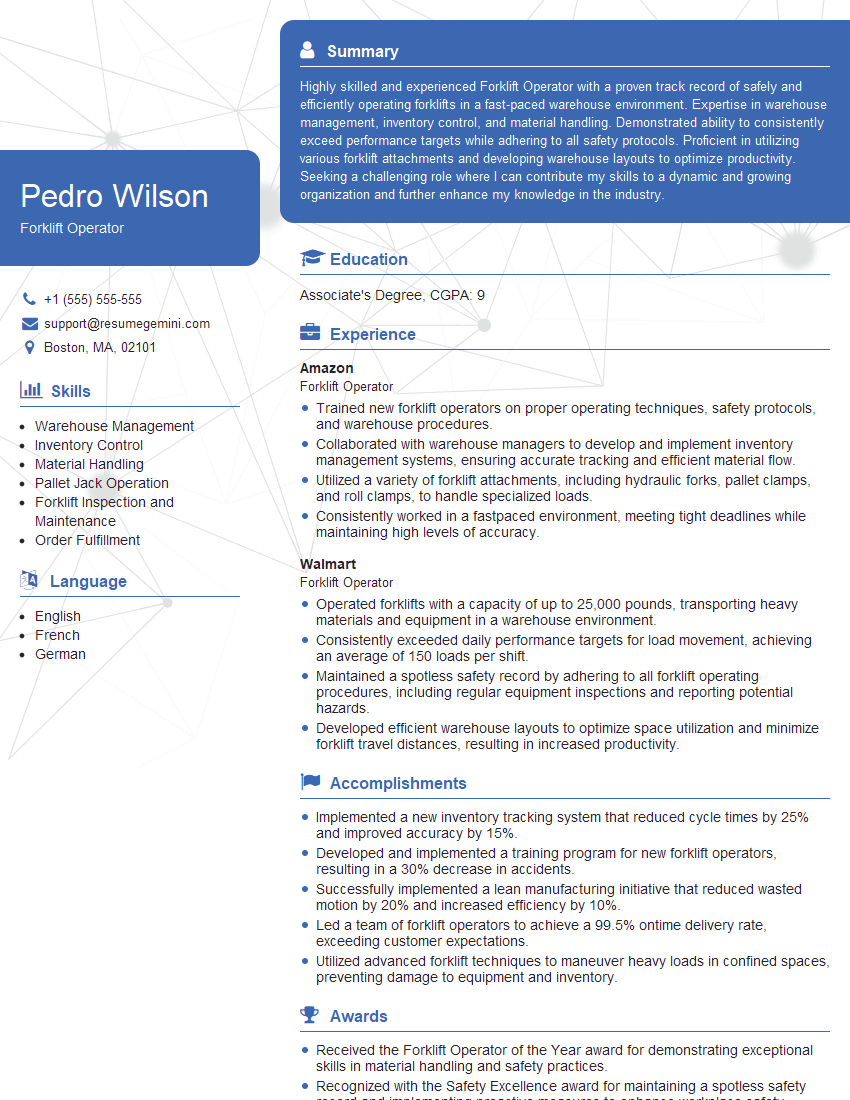
Forklift Operator Resume Sample
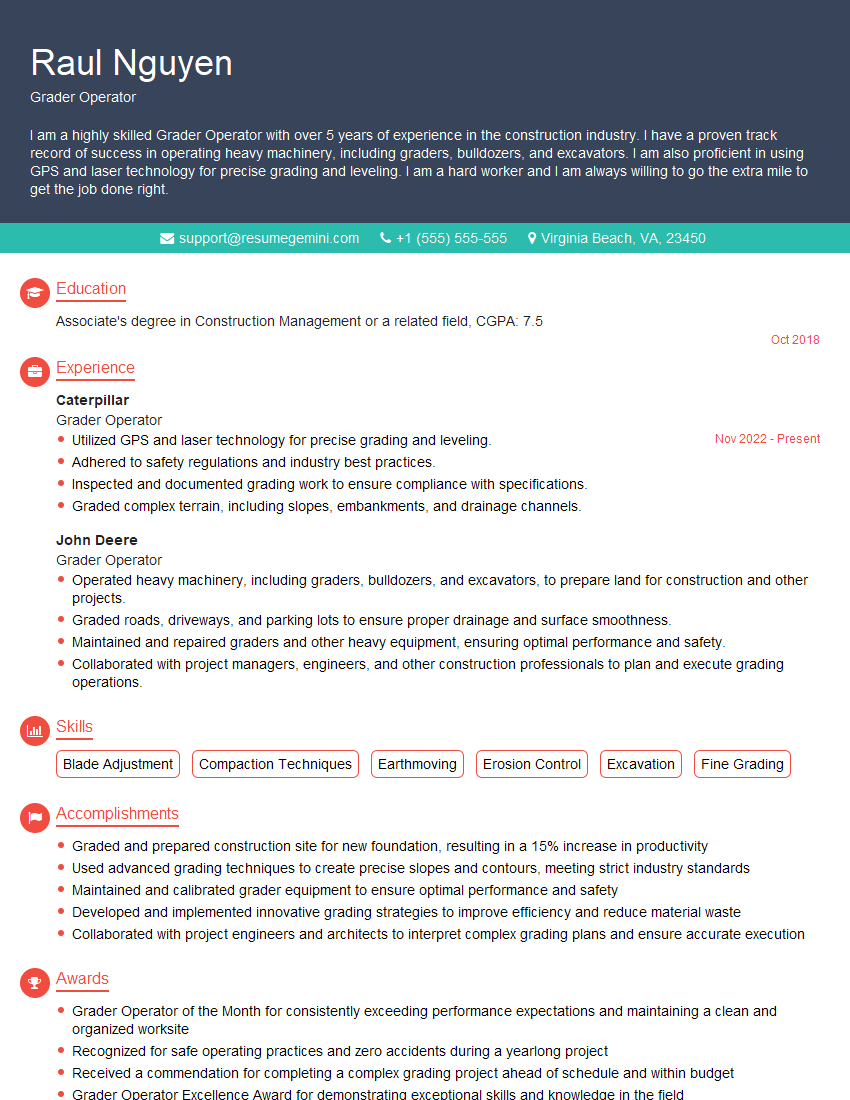
Grader Operator Resume Sample
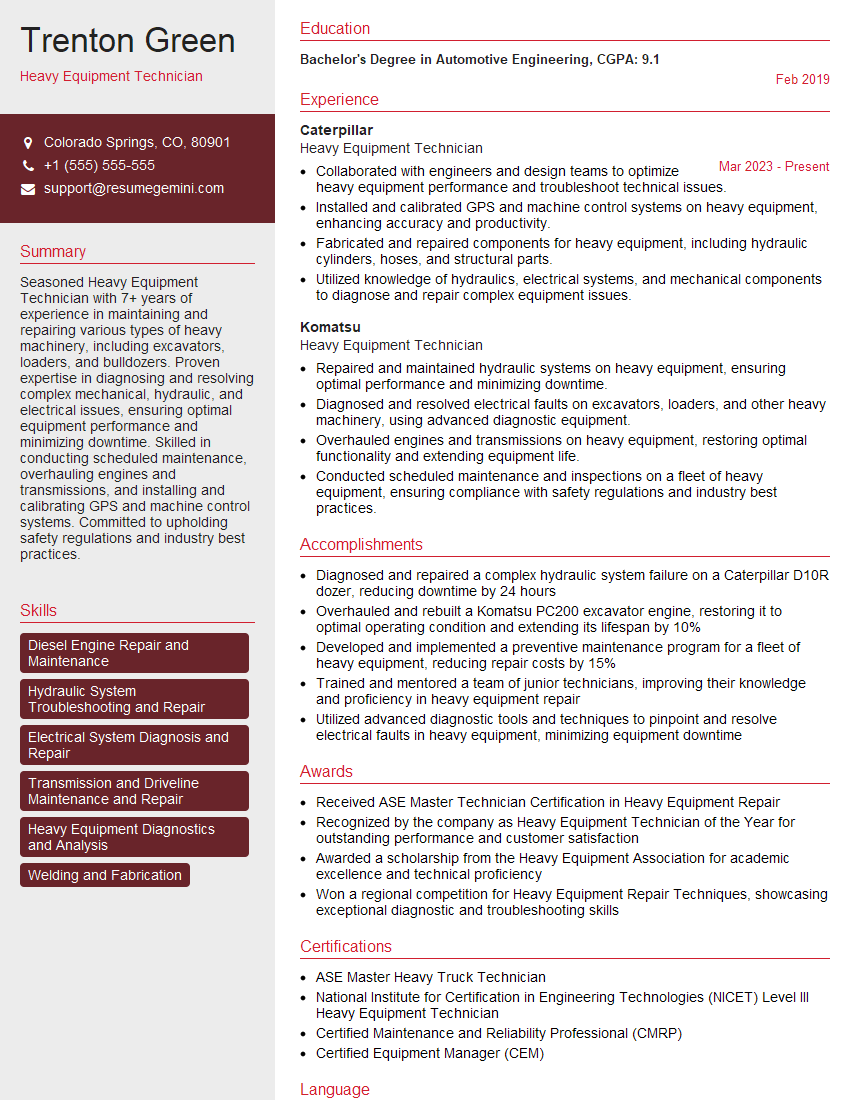
Heavy Equipment Technician Resume Sample
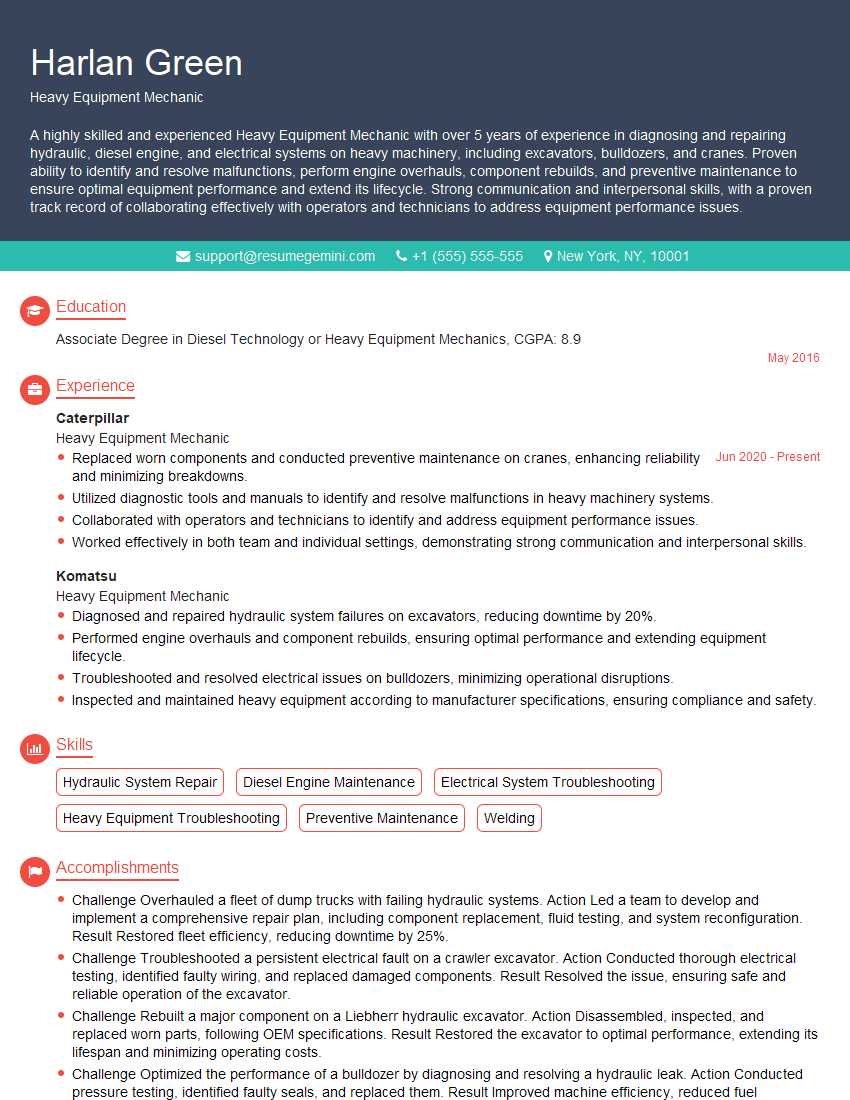
Heavy Equipment Mechanic Resume Sample
Explore more articles
Users Rating of Our Blogs
Share Your Experience
We value your feedback! Please rate our content and share your thoughts (optional).
What Readers Say About Our Blog
Very informative content, great job.
good