Every successful interview starts with knowing what to expect. In this blog, we’ll take you through the top Proficient in Presentation and Communication Tools interview questions, breaking them down with expert tips to help you deliver impactful answers. Step into your next interview fully prepared and ready to succeed.
Questions Asked in Proficient in Presentation and Communication Tools Interview
Q 1. What presentation software are you most proficient in? (e.g., PowerPoint, Google Slides, Keynote)
My primary proficiency lies in Microsoft PowerPoint, though I’m also highly competent with Google Slides and have experience using Keynote. PowerPoint’s extensive feature set, particularly its animation and transition capabilities, allows for a high degree of creative control and sophisticated presentation design. Google Slides excels in its collaborative features, ideal for team projects and real-time editing. Keynote, known for its elegant and intuitive interface, provides a streamlined workflow for visually stunning presentations. My choice often depends on the project’s specific needs and collaborative requirements.
Q 2. Describe your experience creating engaging presentations.
Creating engaging presentations is about more than just aesthetics; it’s about storytelling. I begin by identifying the core message and crafting a narrative that resonates with the audience. This involves utilizing a blend of visual aids, concise text, and compelling data visualization. For example, during a presentation on market trends for a new product launch, I incorporated interactive graphs that allowed the audience to explore data points, fostering a more engaging experience than simply presenting static charts. I also actively employ multimedia elements—short videos, relevant images—to break up the monotony and maintain audience interest. Ultimately, the goal is to not just deliver information but to create an experience that leaves a lasting impact.
Q 3. How do you tailor your presentation style to different audiences?
Adapting my presentation style to different audiences is crucial. I conduct thorough audience analysis to understand their background, knowledge level, and expectations. For instance, a technical presentation to engineers will involve more detailed data and jargon than a presentation to executive-level stakeholders who need a high-level overview. My language, visual aids, and the overall tone of the presentation are adjusted accordingly. I often incorporate interactive elements, such as Q&A sessions or polls, to tailor the presentation to the audience’s immediate interests and actively solicit feedback to gauge their understanding. This ensures the message is not only delivered but also effectively received and understood.
Q 4. What strategies do you use to overcome presentation anxiety?
Overcoming presentation anxiety involves preparation and practice. I thoroughly rehearse my presentations, not just memorizing the content but practicing the delivery and flow. This helps build confidence and reduces the element of surprise. I also utilize techniques like deep breathing exercises and positive self-talk before presentations. Visualizing a successful delivery can significantly reduce nervousness. Additionally, I find that connecting with the audience on a personal level, by sharing relatable anecdotes or examples, helps alleviate the pressure and creates a more conversational atmosphere. Remember, the audience wants you to succeed, and focusing on sharing valuable information helps to shift focus from anxiety to the presentation itself.
Q 5. Explain your process for designing visually appealing slides.
Visually appealing slides are essential for effective communication. My process begins with choosing a consistent and professional design template. I prioritize clarity and conciseness, using bullet points and short sentences rather than large blocks of text. I select high-quality images and graphics, ensuring they’re relevant and enhance the message, not distract from it. I pay close attention to color palettes, font choices, and overall layout, striving for visual harmony and readability. The use of whitespace is crucial; it prevents the slides from feeling cluttered and allows the information to breathe. Think of it like composing a well-designed magazine spread—the visuals and text work together to tell a story cohesively.
Q 6. How do you incorporate data visualization effectively in your presentations?
Data visualization is key to making complex information easily understandable. I utilize various chart types – bar graphs, line charts, pie charts – depending on the data and message. For example, a line chart effectively demonstrates trends over time, while a bar graph highlights comparisons between different categories. I avoid overwhelming the audience with too much data on a single slide. I ensure charts are clearly labeled, with a concise title and legend. I also use color strategically to highlight key data points and trends. Interactive dashboards, when appropriate, can provide a deeper, more engaging exploration of the data, allowing the audience to actively participate in the understanding of presented information.
Q 7. Describe your experience using collaboration tools for presentations (e.g., Google Docs, Microsoft Teams).
I have extensive experience collaborating on presentations using Google Docs and Microsoft Teams. Google Docs’ real-time collaborative editing features allow for seamless teamwork, with multiple individuals contributing simultaneously. This is particularly useful for large projects with multiple contributors. Microsoft Teams facilitates project organization and communication, enabling efficient sharing and feedback collection. We often use the chat function in Teams to discuss content changes and provide quick feedback on drafts. The version history in both platforms is invaluable, allowing us to track edits and revert to previous versions if needed, ensuring smooth and efficient collaborative workflow.
Q 8. How do you ensure your presentations are accessible to all audience members?
Ensuring accessibility in presentations means designing them so everyone can understand and engage with the content, regardless of their abilities. This involves considering visual, auditory, cognitive, and motor impairments.
- Visual Accessibility: Using sufficient color contrast between text and background, avoiding overly complex visuals, providing alt text for all images, and offering large font sizes.
- Auditory Accessibility: Providing transcripts or captions for audio and video content, speaking clearly and at a moderate pace, and using clear audio equipment.
- Cognitive Accessibility: Using simple language, structuring information logically (using headings, bullet points, etc.), and minimizing distractions.
- Motor Accessibility: Designing presentations that are navigable using keyboards and assistive technologies. For example, ensuring that interactive elements are accessible through keyboard commands.
For example, when presenting research findings, I’d use clear charts with labels that stand out against the background, avoid jargon, and provide a handout with larger text and simplified explanations. I would also ensure the presentation is available in alternative formats, such as a PDF document or audio recording, upon request.
Q 9. What are your preferred methods for gathering audience feedback on presentations?
Gathering audience feedback is crucial for improving future presentations. I employ a multi-faceted approach:
- Post-Presentation Surveys: I use online tools like SurveyMonkey or Google Forms to distribute short surveys with questions assessing clarity, engagement, and areas for improvement. These are often anonymous to encourage honest feedback.
- Informal Feedback Sessions: After in-person presentations, I dedicate a few minutes for informal Q&A, encouraging audience members to share their thoughts.
- Direct Observation: During the presentation, I pay close attention to audience engagement – body language, questions, and overall attentiveness. This provides immediate, qualitative feedback.
- Social Media Monitoring: For webinars or online presentations, I actively monitor social media channels for comments and conversations using relevant hashtags.
I always analyze this feedback to identify recurring themes or areas that need improvement. For example, if multiple surveys highlight a lack of clarity on a specific concept, I revise that section of the presentation for future use.
Q 10. How do you handle unexpected questions or technical difficulties during a presentation?
Handling unexpected situations requires a calm and professional approach. My strategy is based on preparedness and adaptability.
- Preparedness: I always have a backup plan, including a printed copy of the presentation and alternative methods for delivering content (e.g., a summarized version). I also test all technology beforehand to minimize technical glitches.
- Adaptability: If an unexpected question arises, I acknowledge it, and if I don’t know the answer, I admit it honestly and promise to follow up. I might also use the question to transition smoothly to a related topic.
- Problem-Solving: If technical difficulties occur, I remain calm, and communicate with the audience clearly about the issue and how long a resolution is expected to take. Depending on the situation, I might switch to a simpler method of delivery (e.g., switching to a printed handout if the projector fails).
For instance, during a live webinar, the internet connection briefly failed. I calmly explained the situation to the audience and shifted to a simplified presentation using the slides I had pre-printed. I reassured participants that the session recording would be available shortly. The unexpected interruption did not disrupt the overall impact of the presentation.
Q 11. Describe a time you had to adapt your presentation due to unforeseen circumstances.
I once had to adapt a presentation on a new software program due to a last-minute change in the software’s interface. The day before the presentation, a major update was released, altering key features I’d highlighted in my slides.
Instead of panicking, I immediately updated my slides to reflect the changes. This involved re-recording short video segments showcasing the updated features and editing my presentation script to include brief explanations of these modifications. I also communicated the changes directly to attendees via email. This ensured that my presentation remained accurate, relevant, and engaging, despite the unexpected software update.
Q 12. What communication tools do you use regularly for professional communication?
For professional communication, I regularly use a range of tools, each suited to a different purpose:
- Email: For formal communication and sharing documents.
- Microsoft Teams/Slack: For instant messaging, project collaboration, and virtual meetings.
- Zoom/Google Meet: For virtual presentations and video conferencing.
- Project Management Software (e.g., Asana, Trello): For task assignment, tracking progress, and team collaboration on presentations.
- Presentation Software (e.g., PowerPoint, Google Slides): For creating and delivering presentations.
My choice of tool depends on the context. For a quick update to a team, I’d use Slack. For formal communication with a client, I’d use email. For delivering a presentation, I’d use a platform like Zoom.
Q 13. How do you ensure clear and concise communication in your presentations?
Clear and concise communication in presentations is achieved through careful planning and execution:
- Structure: I organize my presentations logically, using a clear introduction, body, and conclusion. I employ headings, subheadings, and bullet points to break down complex information into digestible chunks.
- Language: I use simple, straightforward language, avoiding jargon and technical terms unless absolutely necessary. If I must use technical terms, I define them clearly.
- Visual Aids: I use visuals strategically to support and enhance my message, rather than overwhelming the audience. Charts, graphs, and images should be clear, concise, and easy to interpret.
- Practice: I rehearse my presentations thoroughly to ensure a smooth delivery and to refine my timing. Practice helps identify areas where simplification or clarification is needed.
For example, instead of saying “The algorithm exhibited a non-linear performance trend”, I would say “The software ran faster as the data input increased but then slowed down beyond a certain point.”
Q 14. What are your preferred methods for delivering a presentation (e.g., in-person, virtual)?
My preferred method of delivering a presentation depends on the context and audience. Both in-person and virtual presentations have their strengths.
- In-Person Presentations: These offer better opportunities for direct engagement with the audience, allowing for immediate feedback and fostering a stronger connection. They are ideal for situations requiring deep interaction, such as workshops or training sessions.
- Virtual Presentations: These are more convenient and cost-effective, particularly for geographically dispersed audiences. Tools like Zoom and Google Meet provide interactive features that mimic aspects of in-person interaction.
Ultimately, my focus is on maximizing audience engagement and understanding. Whether in-person or virtual, I adapt my delivery style to suit the specific needs of the audience and the nature of the presentation.
Q 15. How do you use storytelling to enhance your presentations?
Storytelling is a powerful tool to make presentations memorable and engaging. Instead of simply presenting facts and figures, I weave them into a narrative that resonates with the audience on an emotional level. This helps them connect with the message, understand its importance, and retain the information more effectively.
For example, when presenting a new marketing strategy, I might start with a compelling anecdote about a customer who benefited from a similar approach. This immediately grabs attention and sets the stage for the rest of the presentation. I then build upon this story, using data points to support the strategy and illustrating how it can lead to similar success stories for the company.
Another approach is to use case studies as mini-narratives. Each case study is a story of a challenge faced and overcome, demonstrating the effectiveness of the presented solution. I structure these stories with a clear beginning, middle, and end, highlighting the key takeaways and ensuring a cohesive narrative throughout the presentation.
Career Expert Tips:
- Ace those interviews! Prepare effectively by reviewing the Top 50 Most Common Interview Questions on ResumeGemini.
- Navigate your job search with confidence! Explore a wide range of Career Tips on ResumeGemini. Learn about common challenges and recommendations to overcome them.
- Craft the perfect resume! Master the Art of Resume Writing with ResumeGemini’s guide. Showcase your unique qualifications and achievements effectively.
- Don’t miss out on holiday savings! Build your dream resume with ResumeGemini’s ATS optimized templates.
Q 16. How do you manage your time effectively when preparing a presentation?
Effective time management during presentation preparation is crucial. I utilize a structured approach, breaking the process into manageable phases. This typically includes:
- Defining Objectives: Clearly outlining the presentation’s goals and target audience helps focus the content and stay on track.
- Content Creation: Researching and structuring the content, ensuring it’s concise and relevant. I allocate specific time slots for each section.
- Visual Design: Creating visually appealing slides with minimal text, using charts and graphs to present data effectively. I allocate significant time for visual design as this impacts audience engagement.
- Rehearsal & Refinement: Practicing the presentation multiple times, timing it precisely and refining the delivery based on the practice runs. This allows me to identify areas needing improvement.
Using project management tools like Trello or Asana to create checklists and set deadlines helps maintain this structure. I also prioritize tasks based on urgency and importance, ensuring I tackle the most critical aspects first.
Q 17. Describe your experience using video conferencing software for presentations.
I have extensive experience using various video conferencing software like Zoom, Microsoft Teams, and Google Meet for presentations. My approach focuses on ensuring a seamless and engaging experience for the remote audience. This includes:
- Technical Check: I always test my audio and video beforehand to avoid technical glitches during the presentation.
- Visual Aids: I use high-quality visuals optimized for screen sharing, avoiding cluttered slides and ensuring readability.
- Engagement Strategies: I actively encourage audience participation through polls, Q&A sessions, and interactive elements. This keeps the audience engaged despite the virtual environment.
- Adaptability: I am comfortable navigating unexpected technical issues and adapting the presentation flow to accommodate any challenges that might arise.
For example, during a recent Zoom presentation, the internet connection briefly dropped for a participant. I paused, acknowledged the issue, and briefly summarized the key points covered before continuing. This ensured everyone remained informed and didn’t feel left behind.
Q 18. How do you incorporate multimedia elements effectively into your presentations?
Multimedia elements can significantly enhance presentations, making them more engaging and memorable. However, effective incorporation is key. I use multimedia judiciously, focusing on elements that directly support and enhance the message, rather than distracting from it.
For example, I might use a short, high-quality video to illustrate a complex concept, or a well-designed infographic to present data in a visually appealing manner. I avoid using too many multimedia elements at once, as this can overwhelm the audience. I also ensure that all multimedia components are high-quality, relevant, and accessible.
Furthermore, I pay close attention to the timing and placement of multimedia elements. A video clip might be placed strategically after introducing a concept, to illustrate it further. Sound effects and music are only used sparingly to emphasize specific points, never as background filler.
Q 19. How familiar are you with presentation design best practices?
I am very familiar with presentation design best practices. My approach emphasizes clarity, consistency, and visual appeal. I adhere to principles like:
- KISS (Keep It Simple, Stupid): Avoiding cluttered slides and using minimal text, focusing on clear, concise messaging.
- Visual Hierarchy: Employing visual cues to guide the audience’s eye and emphasize key information.
- Color Palette & Typography: Using a consistent color scheme and legible fonts to create a cohesive and professional look.
- White Space: Utilizing white space effectively to improve readability and prevent visual overload.
- Accessibility: Designing slides with accessibility in mind, considering font sizes, color contrast, and alternative text for images.
I regularly stay updated on the latest design trends and best practices by attending webinars, reading design publications, and observing successful presentations.
Q 20. How do you use visuals to support your key messages in a presentation?
Visuals are indispensable for supporting key messages in a presentation. They transform data into easily digestible and memorable information. I use a variety of visual aids, tailoring them to the specific message and audience.
For quantitative data, I might use charts (bar graphs, line graphs, pie charts) to show trends and comparisons. For qualitative data, I might use images, icons, or infographics to illustrate concepts and build connections. For complex processes, flowcharts or diagrams can effectively convey information.
It’s crucial that the visuals are accurate, clear, and easy to understand. I always ensure that the visual aid complements the verbal message and reinforces the key takeaway, rather than contradicting or diluting it. I also carefully consider the color scheme and avoid using excessive animation or transitions that might distract the audience.
Q 21. Describe your process for creating and delivering effective presentations remotely.
Delivering effective remote presentations requires a different approach than in-person presentations. My process involves the following steps:
- Pre-Presentation Preparation: Thorough technical rehearsal, ensuring the software functions smoothly, the audio and video quality are excellent, and all necessary files are accessible.
- Engagement Strategies: Planning interactive elements such as polls, Q&A sessions, or breakout rooms to maintain audience participation. I also adjust my presentation style to be more concise and interactive.
- Content Adaptation: Simplifying the content to account for potential distractions in the remote setting, and ensuring clarity through effective visual aids and communication.
- Post-Presentation Follow-up: Sharing presentation slides and any relevant resources with the participants, and addressing any unanswered questions promptly.
For instance, in a recent remote presentation, I used breakout rooms to facilitate smaller group discussions on specific aspects of the presentation. This encouraged active participation and fostered a sense of community among remote participants. Following the presentation, I sent out a survey to gather feedback and assess the effectiveness of my delivery.
Q 22. How do you ensure that your communication is both persuasive and ethical?
Persuasive communication is powerful, but it must always be ethical. My approach centers on honesty, transparency, and respect for my audience. I ensure my claims are supported by credible evidence and avoid manipulating data or using emotionally charged language to mislead. Instead, I focus on building trust by being upfront about potential limitations or uncertainties. For example, if presenting sales figures, I’d clearly state any underlying assumptions or market conditions that might influence the results. Ethical persuasion involves presenting a balanced view, acknowledging opposing viewpoints where applicable, and refraining from making exaggerated or unsubstantiated claims. It’s about leading by example and demonstrating integrity in every aspect of my communication.
Q 23. What are some strategies you use to build rapport with your audience?
Building rapport involves connecting with my audience on a human level. I start by actively listening to understand their perspectives and needs. Before the presentation, I research my audience to tailor my message to their specific interests and knowledge level. During the presentation, I use inclusive language, maintain eye contact, and encourage audience participation through questions and interactive elements. I might start with a relevant anecdote or a personal story to create a connection. For instance, if presenting to a group of entrepreneurs, I’d likely share a relatable story about overcoming challenges in a startup environment. This helps establish a sense of shared experience and builds trust, making them more receptive to my message.
Q 24. How do you handle difficult questions or challenging audience members?
Handling difficult questions or challenging audience members requires tact and professionalism. I always listen attentively, acknowledge the question or comment, and avoid becoming defensive. If I don’t know the answer, I’ll admit it honestly, promising to follow up with the information later. For challenging individuals, I address their concerns directly but respectfully, focusing on the substance of their points rather than their tone. For instance, if someone is consistently interrupting, I might politely say something like, “I appreciate your enthusiasm, but let’s allow others the opportunity to ask their questions as well.” The goal is to defuse tension, maintain control, and address concerns constructively. If necessary, I might seek assistance from event organizers to manage disruptive behavior.
Q 25. How familiar are you with different presentation styles (e.g., informative, persuasive, entertaining)?
I am very familiar with various presentation styles. An informative presentation focuses on conveying facts and data clearly and concisely, often using visuals like graphs and charts. A persuasive presentation aims to convince the audience to adopt a particular viewpoint or take action, employing strong arguments and compelling evidence. An entertaining presentation aims to engage and delight the audience, often using humor, storytelling, and interactive elements. I adapt my style to the specific context, audience, and objective. For example, a technical presentation to engineers would be primarily informative, while a sales pitch to potential clients would be persuasive, incorporating elements of entertainment to maintain engagement.
Q 26. Describe your process for incorporating feedback into future presentations.
My feedback incorporation process involves actively soliciting and thoughtfully analyzing audience response. I utilize various methods, including formal surveys, informal feedback sessions, and observing audience reactions during the presentation. I meticulously document all feedback, categorizing comments by theme (e.g., content clarity, delivery style, visual aids). I then critically evaluate the feedback, considering its relevance and validity. For example, constructive criticism about pacing might lead me to streamline my content or add more visual breaks. I use this refined feedback to improve future presentations, tailoring the content, delivery, and visual aids to better resonate with my audience. This iterative process helps me continuously enhance my presentation skills.
Q 27. What are some of the common mistakes you see people make when preparing or delivering presentations?
Common presentation mistakes include poor organization (jumping between topics), ineffective visuals (too much text on slides), monotonous delivery (lack of vocal variety and engagement), insufficient practice (leading to rambling or nervousness), and a disconnect between the content and the audience. People often fail to tailor their presentation to their specific audience and neglect to incorporate storytelling or interactive elements to enhance engagement. Another frequent oversight is not adequately rehearsing and practicing the presentation, leading to delivery issues. These issues can be avoided with careful planning, thorough practice, and a focus on audience engagement and clear communication.
Key Topics to Learn for Proficient in Presentation and Communication Tools Interview
- Mastering Presentation Software: Understand the nuances of popular tools like PowerPoint, Google Slides, or Keynote. Focus on effective slide design principles, including visual hierarchy, storytelling techniques, and data visualization best practices.
- Effective Communication Strategies: Explore different communication styles and adapt your approach based on the audience and context. Practice clear and concise messaging, active listening, and handling questions confidently.
- Virtual Collaboration Tools: Gain proficiency in platforms like Zoom, Microsoft Teams, or Google Meet. Understand features for efficient meetings, presentations, and collaborative document editing. Practice navigating technical difficulties gracefully.
- Nonverbal Communication: Recognize the importance of body language, tone of voice, and eye contact in conveying your message effectively, both in-person and virtually. Practice projecting confidence and enthusiasm.
- Visual Aids and Storytelling: Learn how to create compelling visuals that support your message and enhance audience engagement. Practice structuring your presentations around a clear narrative arc.
- Handling Difficult Questions: Develop strategies for addressing challenging questions during presentations or meetings with poise and professionalism. Practice thoughtful responses and demonstrate problem-solving skills.
- Adaptability and Technology: Demonstrate your ability to adapt to different technologies and communication platforms. Highlight your experience troubleshooting technical issues and finding creative solutions.
Next Steps
Mastering proficient presentation and communication tools is crucial for career advancement. Strong communication skills are highly sought after in today’s competitive job market, opening doors to leadership roles and impactful contributions across various industries. To significantly improve your job prospects, focus on building an ATS-friendly resume that highlights your skills and experience effectively. ResumeGemini is a trusted resource to help you create a professional and impactful resume that showcases your abilities. We provide examples of resumes tailored to highlight proficiency in presentation and communication tools to guide your creation process.
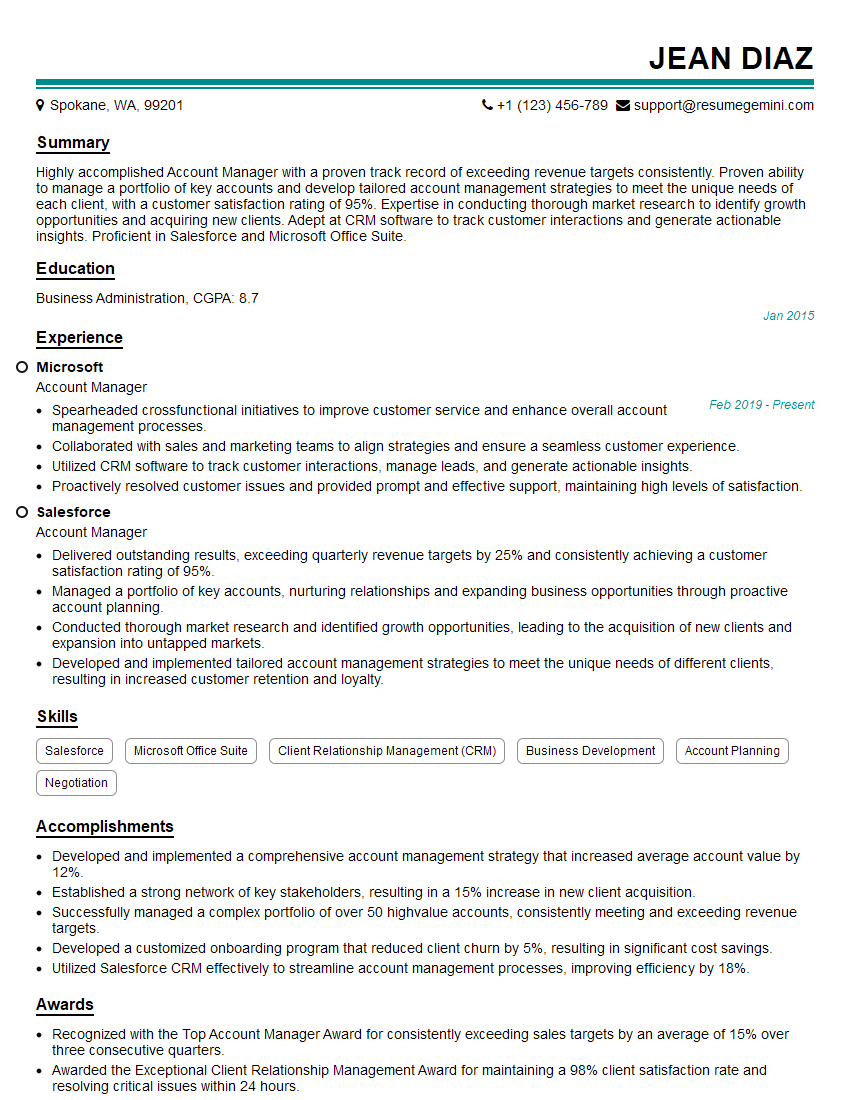
Account Manager Resume Sample
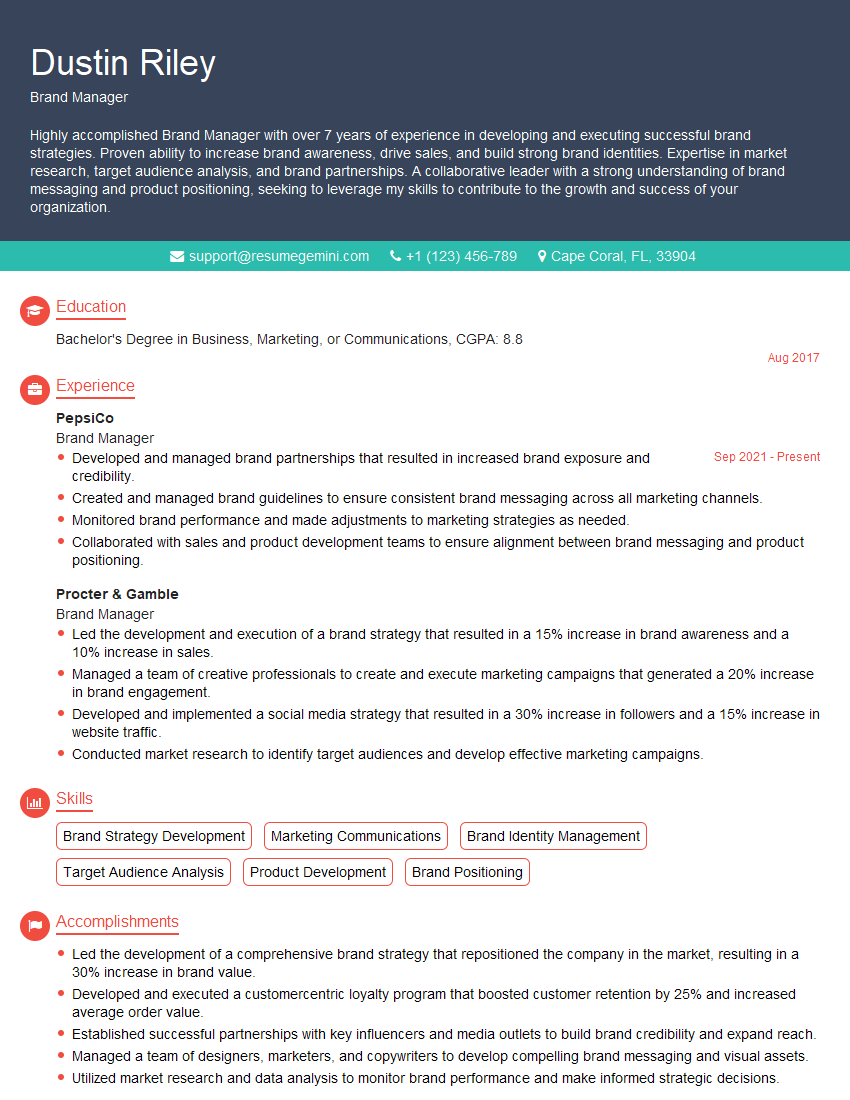
Brand Manager Resume Sample
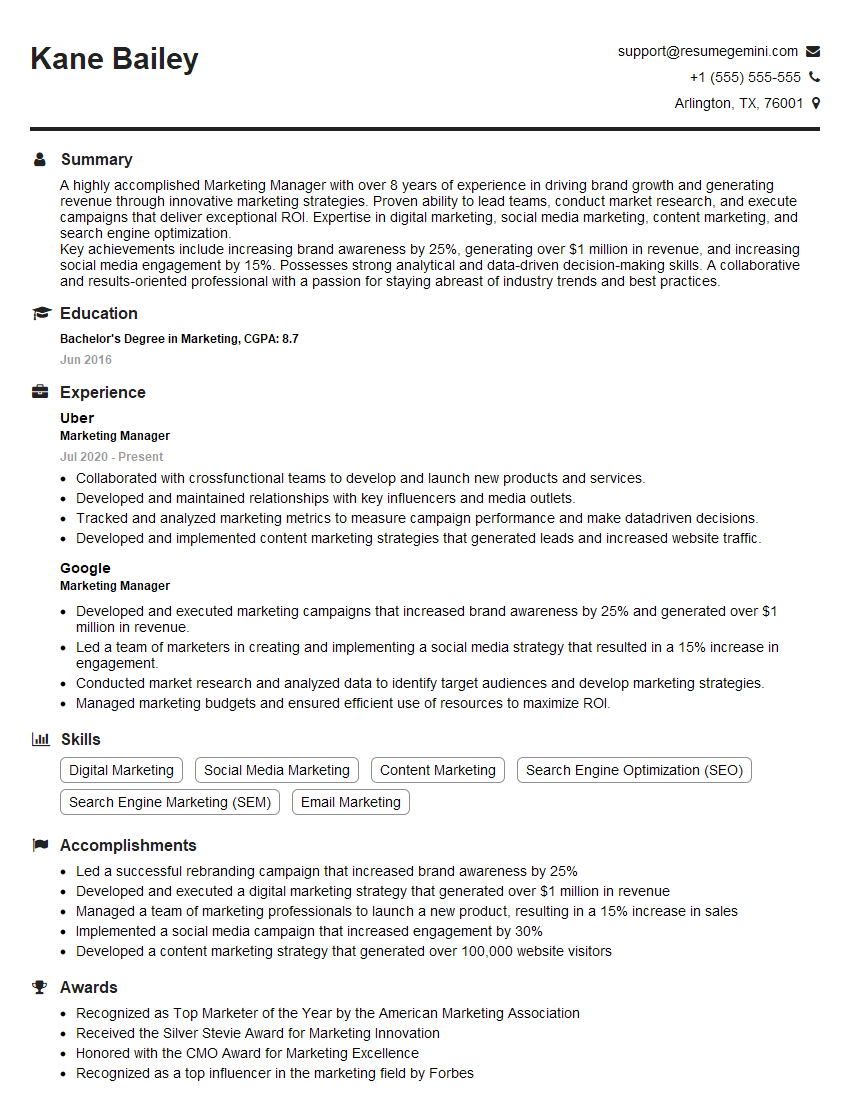
Marketing Manager Resume Sample
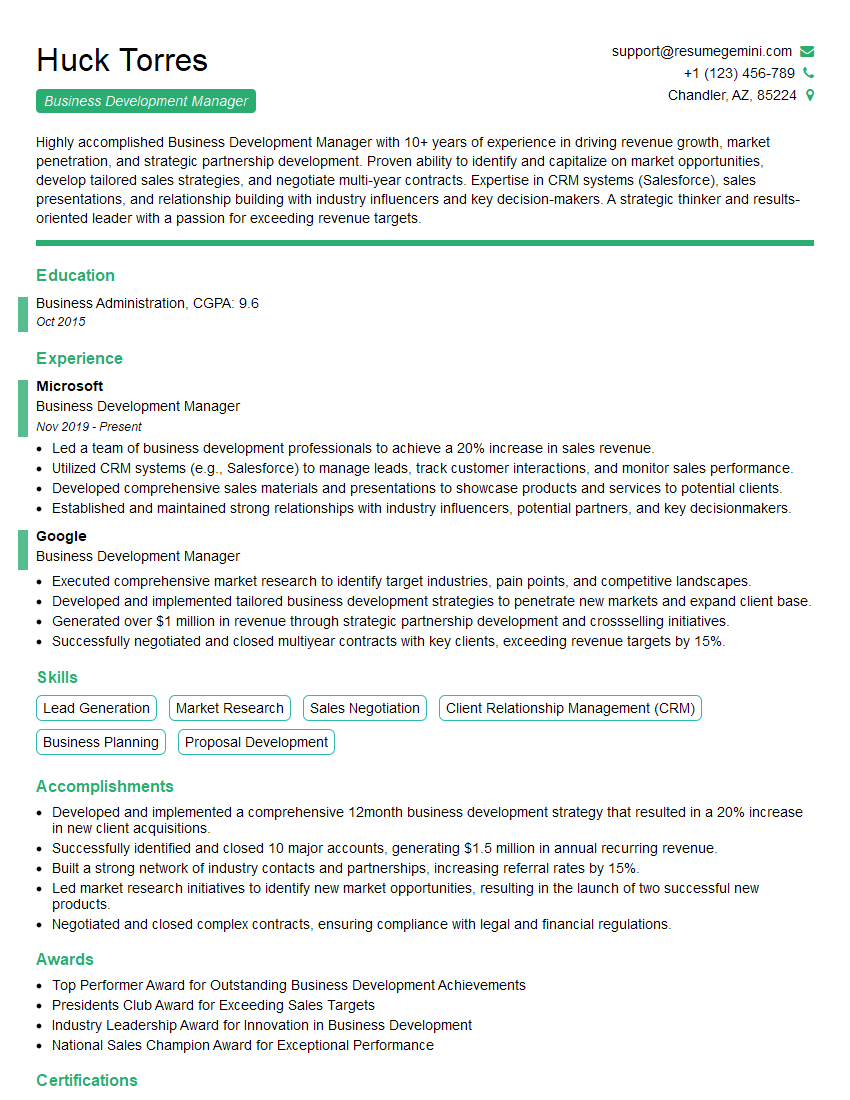
Business Development Manager Resume Sample
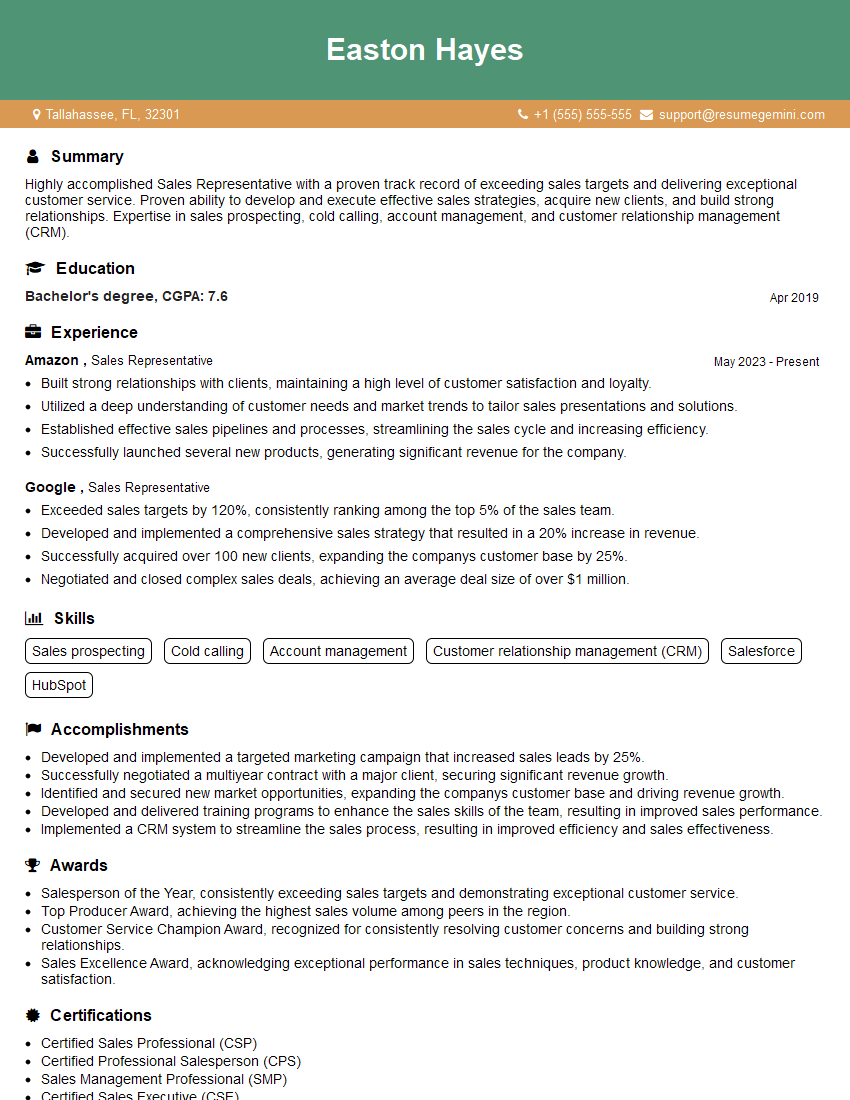
Sales Representative Resume Sample

Communications Manager Resume Sample
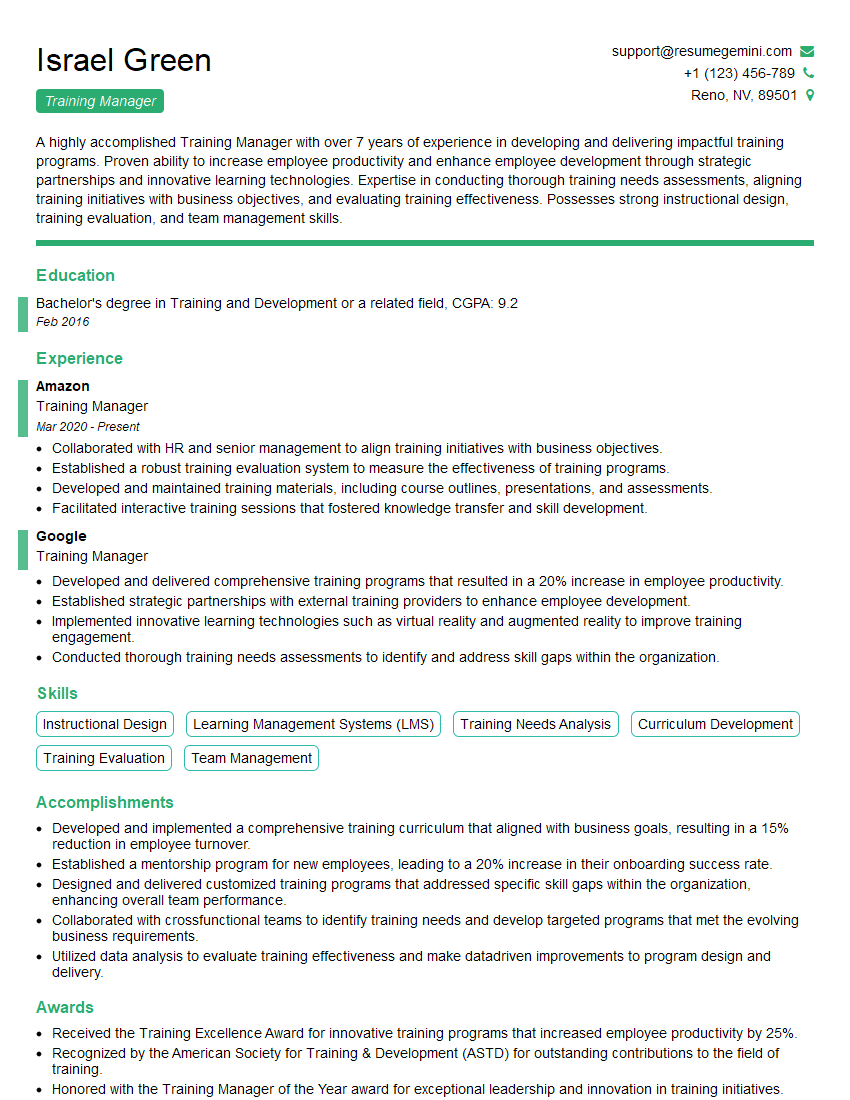
Training Manager Resume Sample
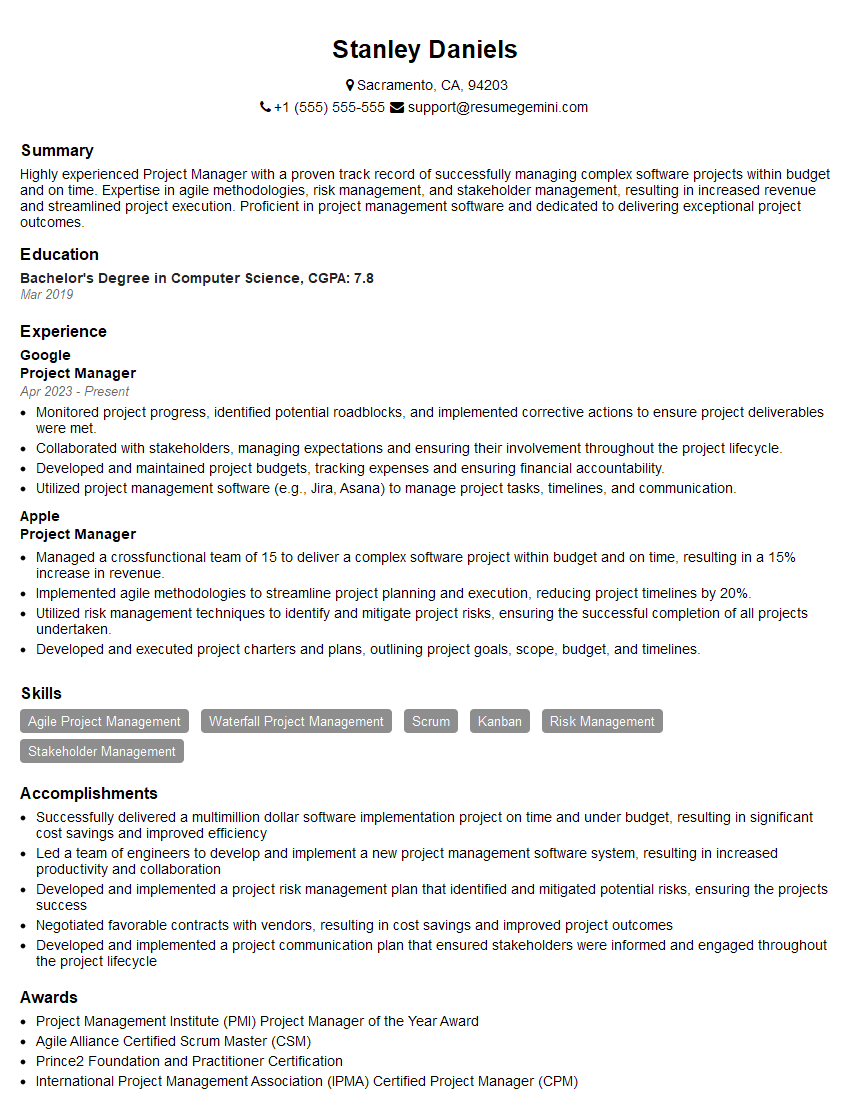
Project Manager Resume Sample
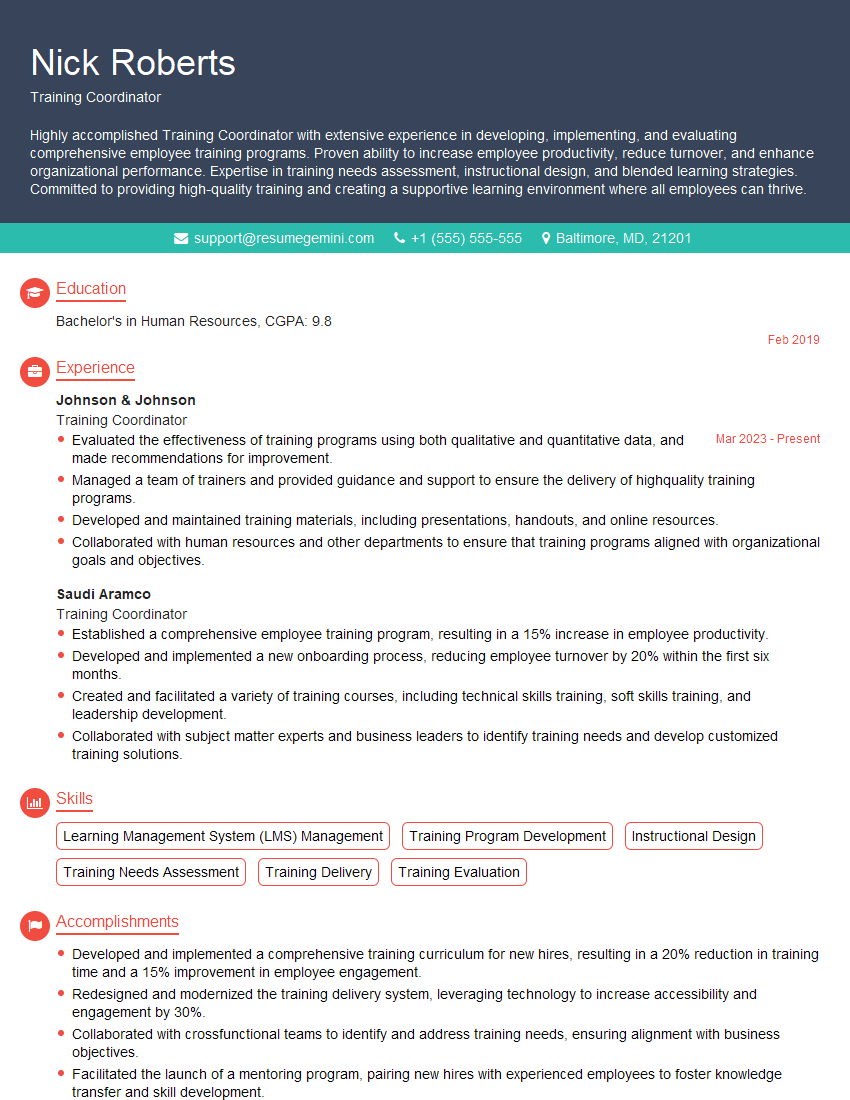
Training Coordinator Resume Sample
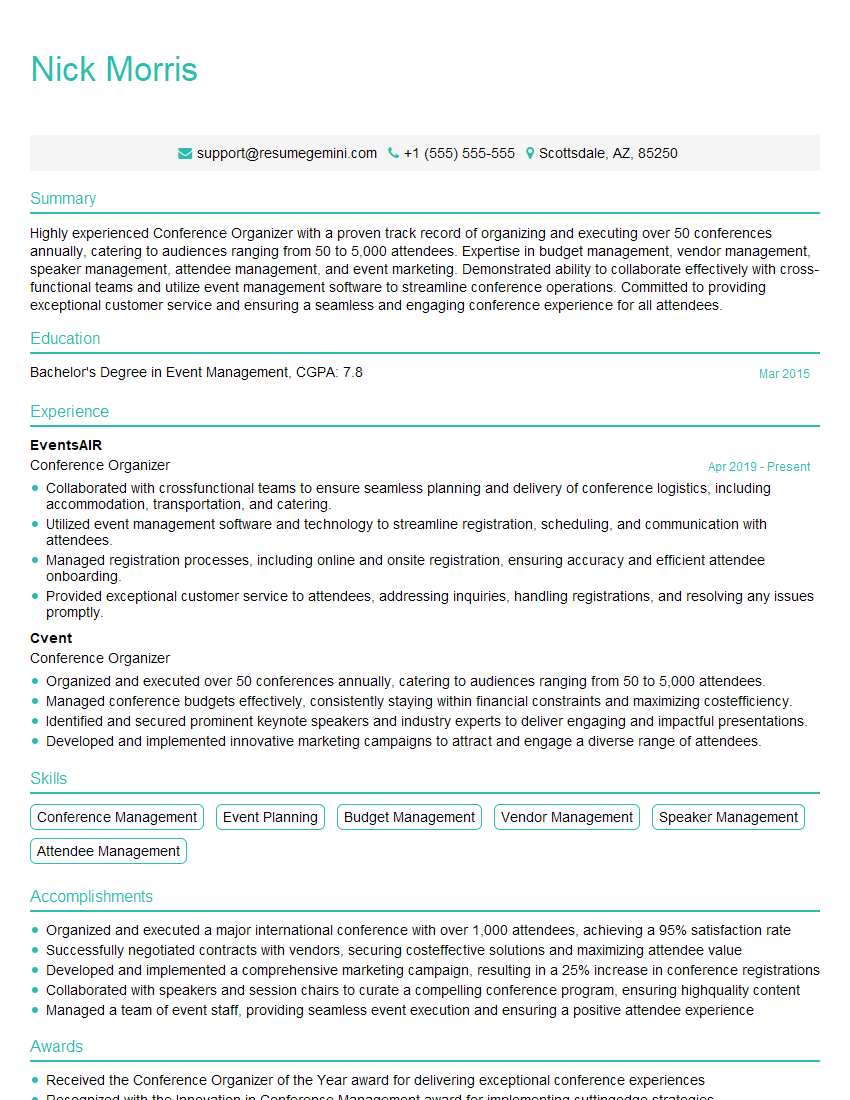
Conference Organizer Resume Sample
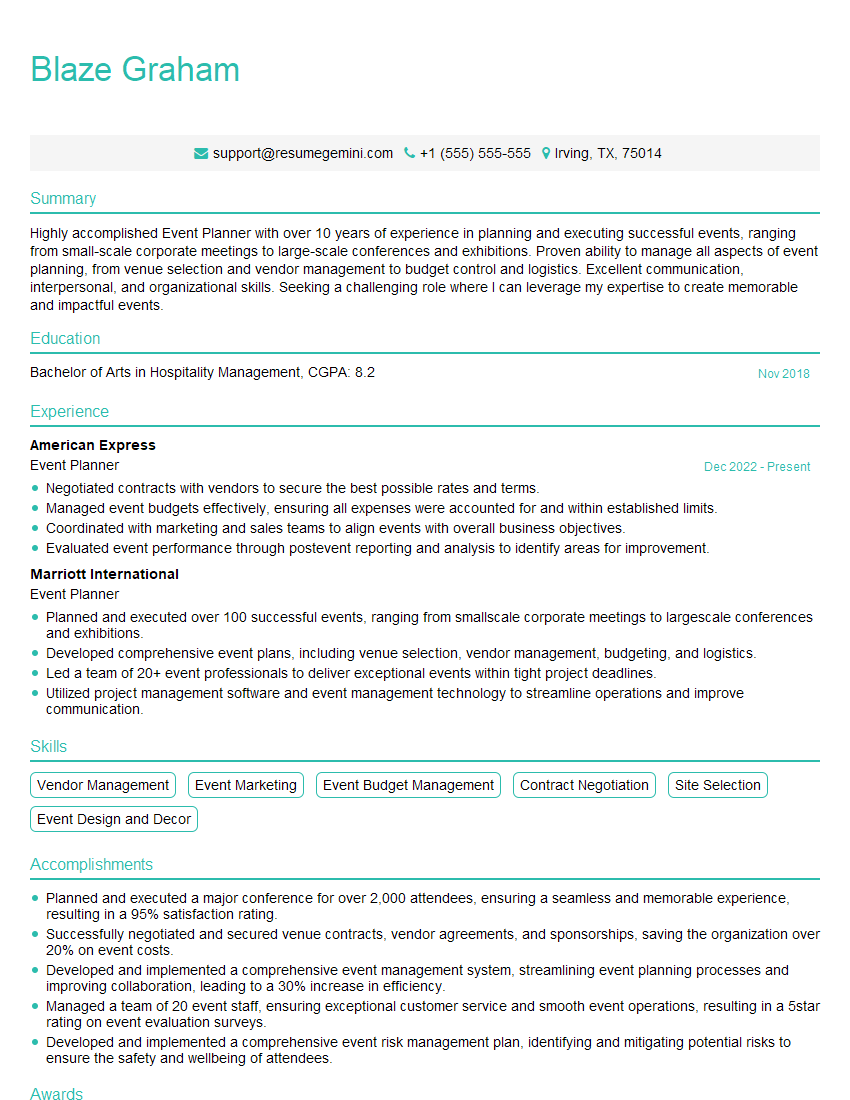
Event Planner Resume Sample

Social Media Manager Resume Sample
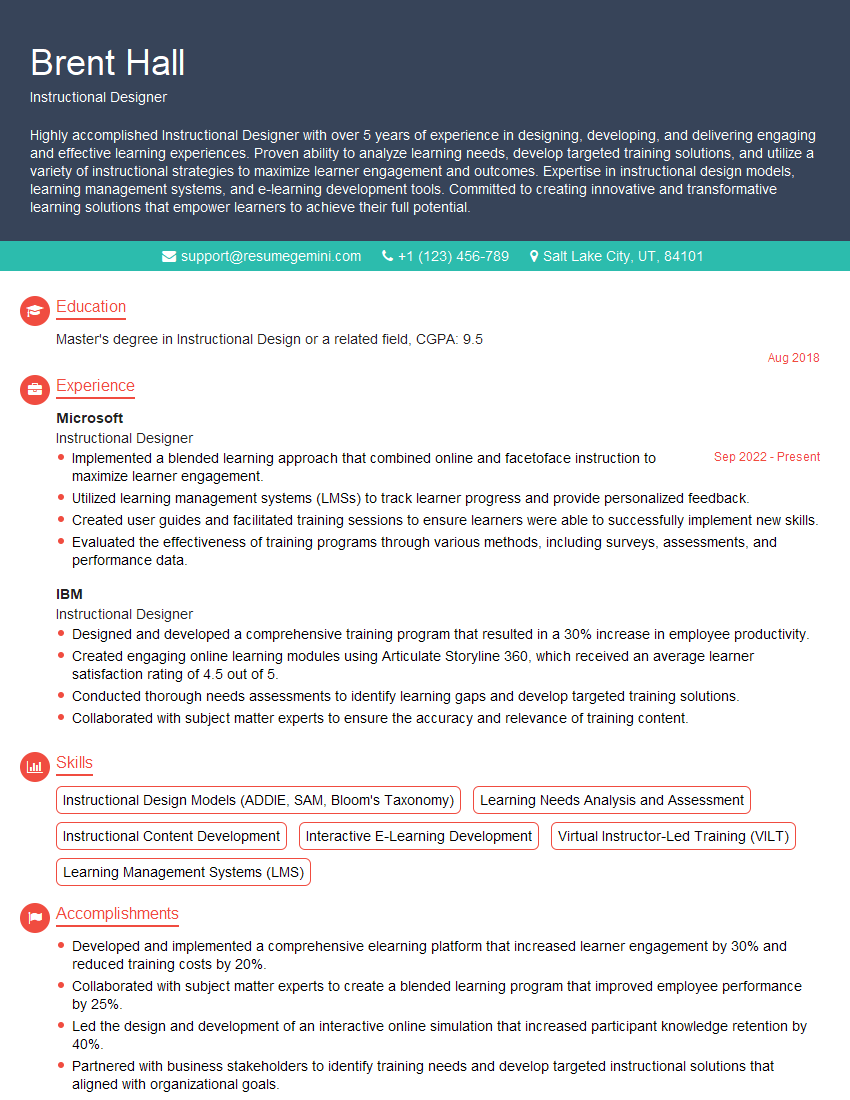
Instructional Designer Resume Sample
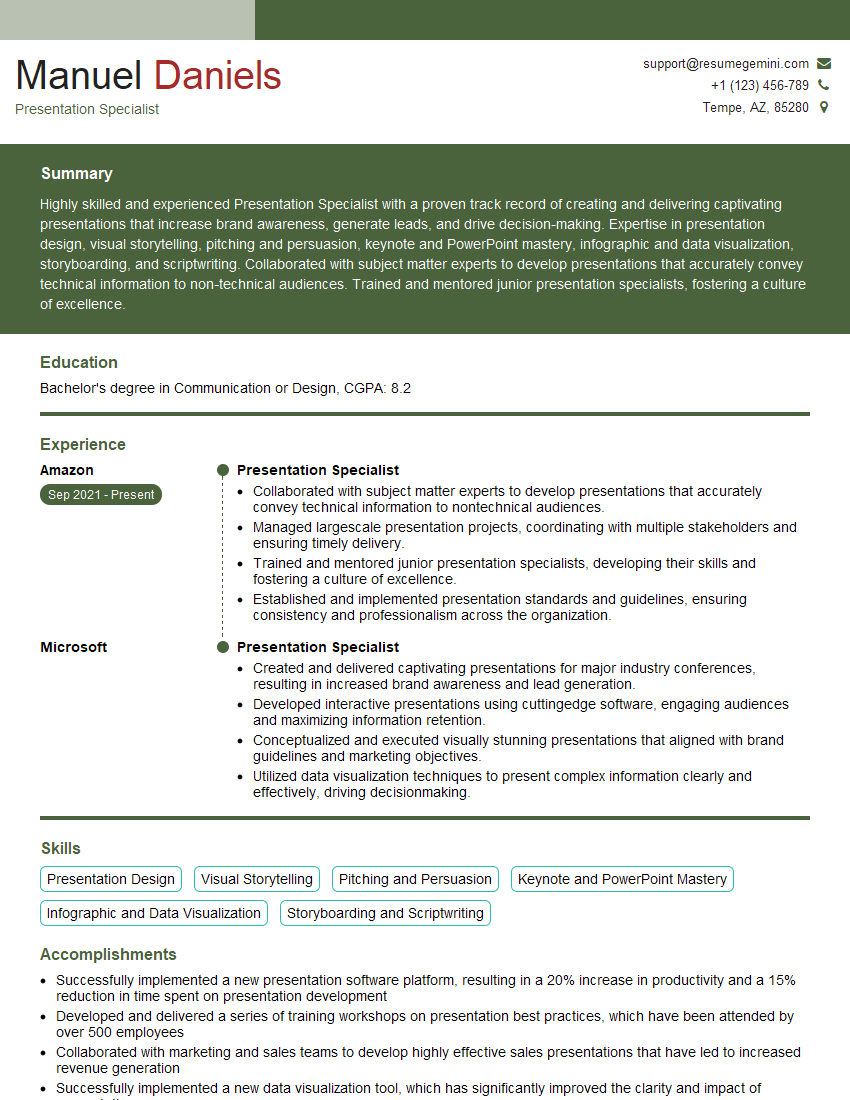
Presentation Specialist Resume Sample
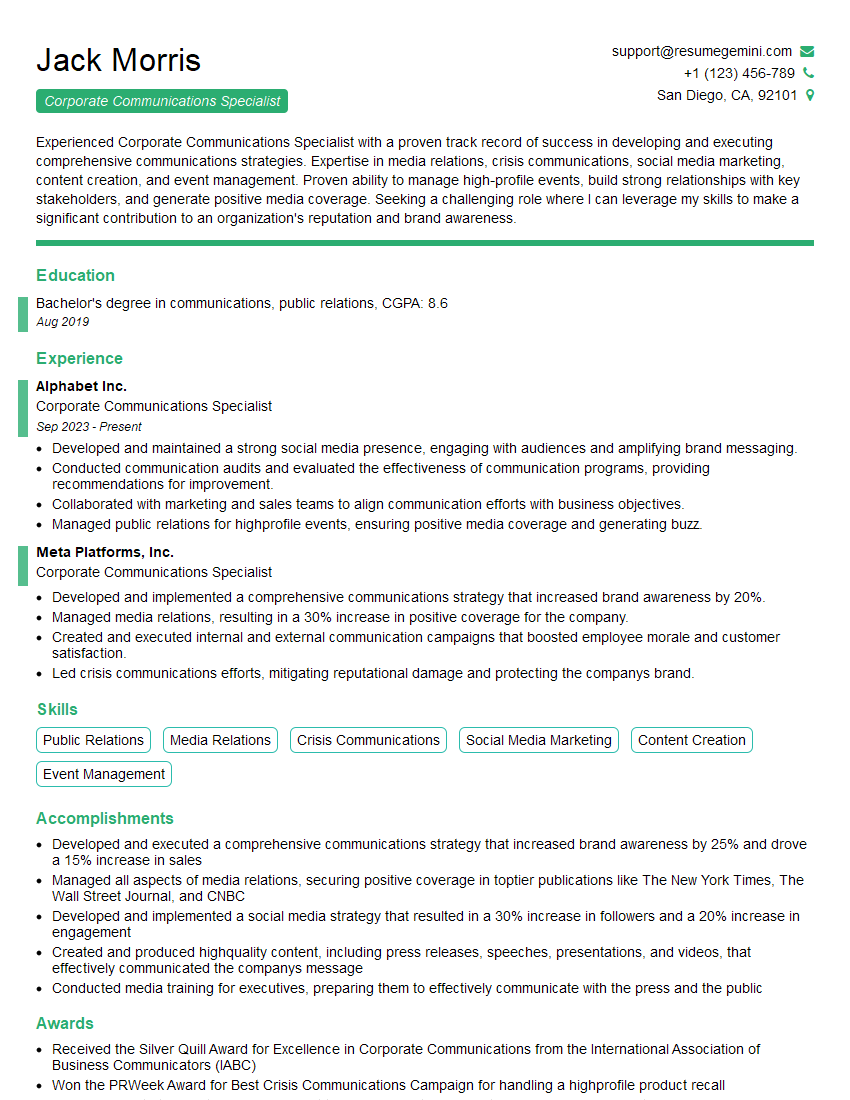
Corporate Communications Specialist Resume Sample
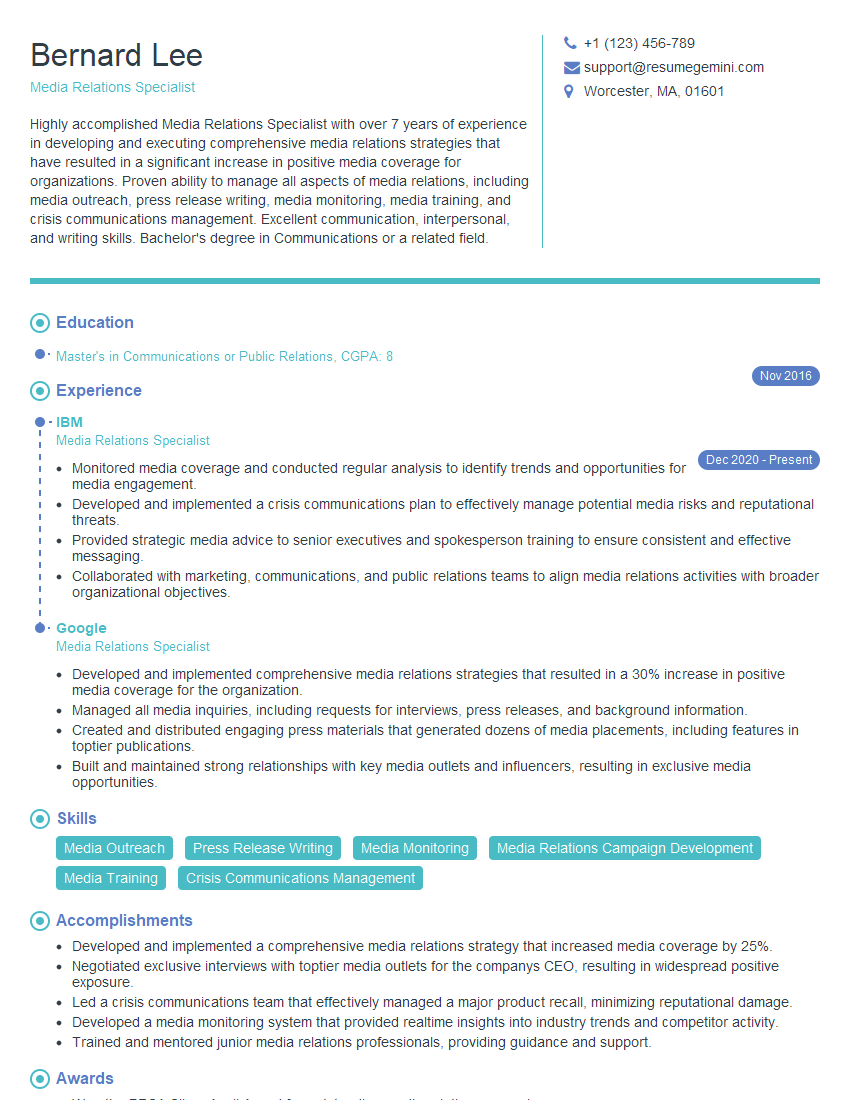
Media Relations Specialist Resume Sample
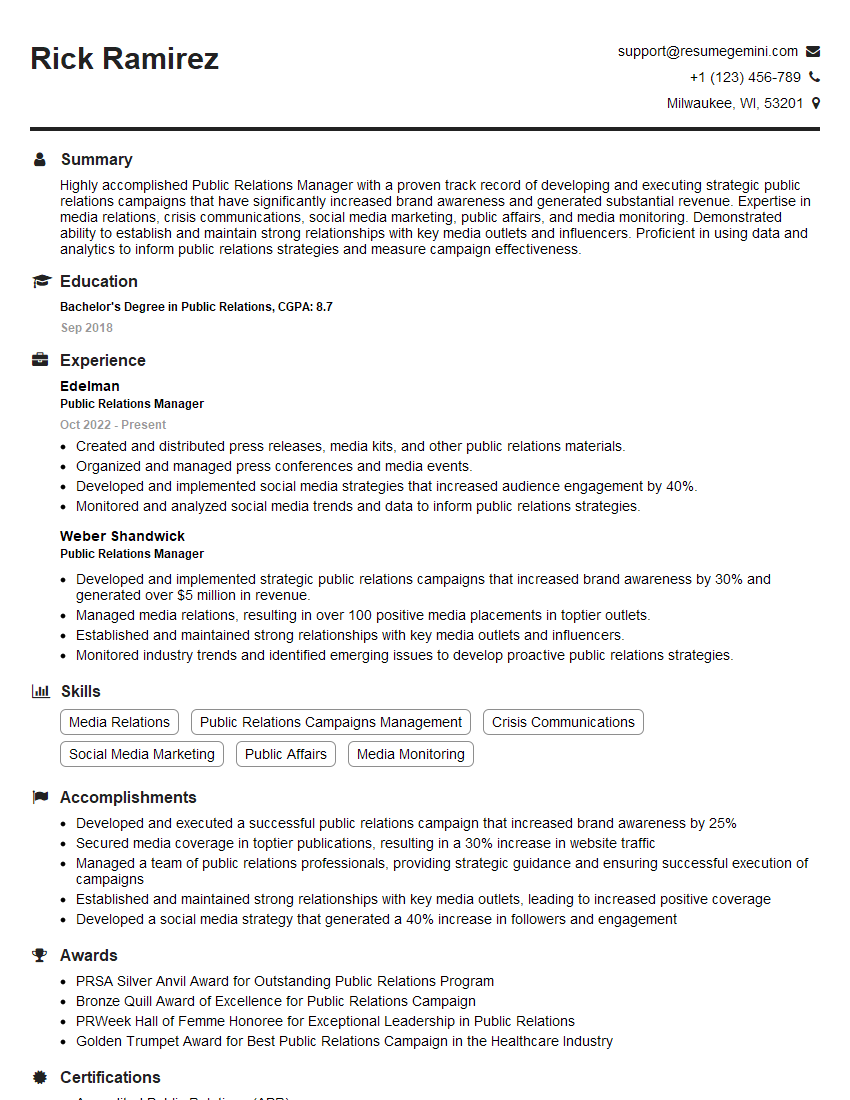
Public Relations Manager Resume Sample

Technical Writer Resume Sample
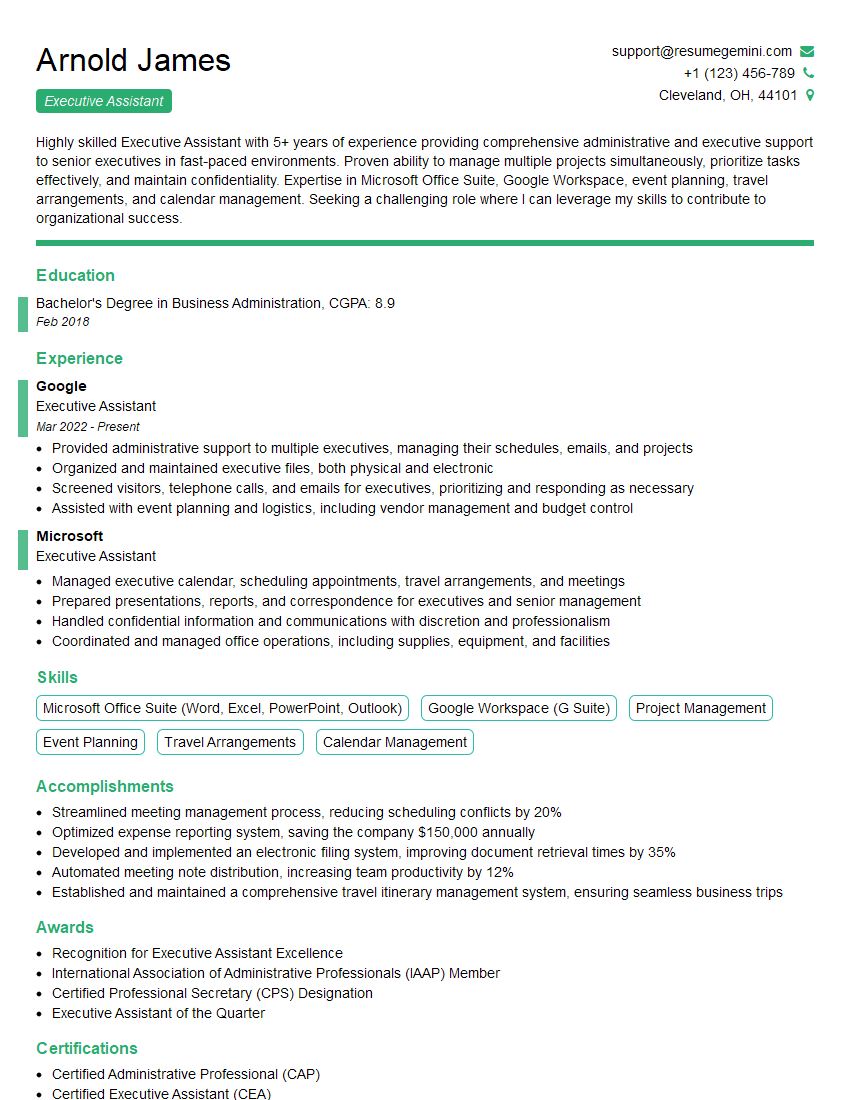
Executive Assistant Resume Sample
- Account Manager
- Brand Manager
- Marketing Manager
- Business Development Manager
- Sales Representative
- Communications Manager
- Training Manager
- Project Manager
- Training Coordinator
- Conference Organizer
- Event Planner
- Social Media Manager
- Instructional Designer
- Presentation Specialist
- Corporate Communications Specialist
- Media Relations Specialist
- Public Relations Manager
- Technical Writer
- Executive Assistant
Explore more articles
Users Rating of Our Blogs
Share Your Experience
We value your feedback! Please rate our content and share your thoughts (optional).
What Readers Say About Our Blog
Very informative content, great job.
good