Unlock your full potential by mastering the most common Proficient in Vessel Documentation and Logkeeping interview questions. This blog offers a deep dive into the critical topics, ensuring you’re not only prepared to answer but to excel. With these insights, you’ll approach your interview with clarity and confidence.
Questions Asked in Proficient in Vessel Documentation and Logkeeping Interview
Q 1. What are the key regulations governing vessel documentation in your area of expertise?
Vessel documentation is governed by a complex interplay of international and national regulations. The key players include the International Maritime Organization (IMO), which sets international standards, and individual flag states, which implement and enforce these standards within their own jurisdictions. For example, the International Convention for the Safety of Life at Sea (SOLAS) dictates many requirements for documentation related to safety and security. National regulations often mirror or expand upon these international standards, adding specific requirements depending on the type of vessel and its operations. These national regulations might cover topics such as registration, licensing, and maintenance records. Failure to comply with these regulations can lead to significant penalties, including fines, detention of the vessel, and even criminal charges.
- SOLAS (Safety of Life at Sea): Covers a wide range of safety aspects, including documentation related to life-saving appliances, fire safety, and stability.
- MARPOL (International Convention for the Prevention of Pollution from Ships): Dictates documentation related to waste management and pollution prevention. This includes logbooks for oil, garbage, and other discharge records.
- STCW (Standards of Training, Certification and Watchkeeping for Seafarers): Regulates crew certification and training, impacting the documentation required for crew lists and certificates.
- Port State Control: Governments conduct inspections to verify compliance with international and national regulations. Proper documentation is crucial to avoid detention and penalties.
The specific regulations applicable will vary depending on the flag state of the vessel, the type of vessel, and the nature of its operations.
Q 2. Explain the process for maintaining a vessel’s logbook, including entries required and frequency.
Maintaining a vessel’s logbook is a critical aspect of ensuring safe and compliant operations. Think of it as the vessel’s diary, recording every significant event. The logbook must be kept up-to-date and readily available for inspection. The frequency of entries depends on the event; some are required immediately, others daily or at specific intervals.
- Entries Required: Entries typically include details of the vessel’s position, speed, course, weather conditions, significant events (e.g., engine malfunctions, accidents, port entries/departures, cargo operations), maintenance activities, crew changes, and any other relevant information. Specific regulations dictate the mandatory information.
- Frequency: Routine entries, such as position and speed, are typically logged every four hours. However, any significant event must be recorded immediately. Daily entries may include fuel consumption, engine room checks, and other maintenance updates.
For example, a collision would need immediate entry, detailing time, location, other vessel’s details, and damage assessment. Daily entries might include the details of a routine maintenance task such as oil change with specific details about the quantity used, type of oil, and time of completion. Accurate and timely logbook maintenance is essential for demonstrating compliance with regulations and resolving any incidents or disputes.
Q 3. Describe your experience with different types of vessel documentation (e.g., cargo manifests, crew lists, maintenance logs).
My experience encompasses a wide range of vessel documentation types, crucial for efficient and compliant operation. Each document serves a specific purpose and is vital for tracking different aspects of the vessel’s activities and condition.
- Cargo Manifests: I’ve handled numerous cargo manifests detailing the type, quantity, and condition of cargo onboard, ensuring accuracy with bills of lading and confirming safe stowage. Any discrepancies necessitate thorough investigation and documentation. For example, identifying a damaged container needs immediate reporting and documentation to determine liability and initiate claims.
- Crew Lists: Maintaining accurate crew lists, including crew certifications and medical records, is critical for compliance with STCW standards. This includes tracking crew changes and ensuring all necessary documentation is current and available for inspection. I’ve managed crew changes for multiple ships, managing the paperwork seamlessly.
- Maintenance Logs: I have extensive experience maintaining comprehensive maintenance logs that detail repairs, inspections, and preventative maintenance procedures, crucial for demonstrating compliance with safety standards and predicting potential issues. This helps schedule maintenance proactively, minimizing downtime and preventing costly failures.
The effective management of these and other documentation types, such as stability data, certificates of registry, and port clearance documents, showcases an understanding of regulatory compliance and efficient vessel operation. This systematic approach is essential for smooth operations and to avoid problems during audits or inspections.
Q 4. How do you ensure the accuracy and completeness of vessel documentation?
Ensuring accuracy and completeness in vessel documentation requires a multifaceted approach involving diligent record-keeping, regular audits, and a commitment to best practices.
- Standardized Procedures: Implementing clear procedures for recording data, using pre-printed forms where possible, and employing electronic systems for data entry helps reduce errors.
- Cross-Referencing: Regularly cross-referencing information between different documents ensures consistency and helps identify potential discrepancies.
- Regular Audits: Conducting regular audits of the vessel’s documentation, both internally and by external auditors, verifies completeness and accuracy. This includes spot checks of logbook entries against other supporting evidence.
- Training: Training crew members in proper documentation procedures is crucial. This includes understanding the importance of accurate records and the consequences of errors.
Think of it like a financial audit – regular reviews, verification of records, and clear procedures ensure that everything is accurate and reflects the reality of the vessel’s activities. This proactive approach minimizes risks and ensures compliance.
Q 5. What is your experience with electronic logbook systems?
I possess significant experience with electronic logbook systems. These systems offer advantages over paper-based systems, such as improved accuracy, reduced paperwork, and enhanced data analysis capabilities. Transitioning to such a system involves careful planning and training.
- Data Integrity: Electronic systems offer better data integrity through automatic timestamping and preventing alterations. The ability to track who made what changes, when, and why is invaluable for accountability.
- Reporting and Analysis: Electronic systems make it easier to generate reports and analyze data, providing insights into vessel performance, maintenance needs, and fuel consumption patterns. This is highly advantageous for optimization.
- Integration: Some systems integrate with other vessel systems, improving overall efficiency. For example, an integrated system might automatically populate the logbook with engine data from the engine monitoring system.
However, issues such as system failures and data security need to be considered, necessitating regular system backups and robust security measures. While electronic systems improve efficiency and reduce errors, proper training and a thorough understanding of the system are crucial for effective use.
Q 6. How do you handle discrepancies or errors in vessel documentation?
Handling discrepancies or errors in vessel documentation requires a systematic approach, prioritizing transparency and accountability.
- Immediate Investigation: Discrepancies must be investigated immediately to determine the cause of the error. This investigation involves interviewing relevant crew members, reviewing related documents, and analyzing available data.
- Correction and Documentation: Once the cause is identified, the error must be corrected, and the correction process documented. This documentation should clearly explain the nature of the error, the steps taken to correct it, and any corrective actions taken to prevent future occurrences.
- Reporting: Depending on the severity of the error, a formal report may need to be filed with the relevant authorities (e.g., flag state, port state control). For example, a minor error such as a typo would require correction and internal documentation, while a more severe error, such as an omission of an important event, would necessitate a more detailed investigation and reporting to the relevant authorities.
Transparency and a commitment to accuracy are crucial in resolving such issues. Maintaining thorough records of the investigation, correction, and preventive measures will provide crucial documentation in the event of an audit or inquiry.
Q 7. What are the potential consequences of inaccurate or incomplete vessel documentation?
The consequences of inaccurate or incomplete vessel documentation can be severe, impacting safety, legal compliance, and financial stability.
- Safety Risks: Incomplete or inaccurate records can mask safety deficiencies, potentially leading to accidents and injuries. For example, inadequate maintenance records may conceal potential mechanical failures, increasing the risk of accidents.
- Legal and Regulatory Penalties: Non-compliance with regulatory requirements can result in significant fines, detention of the vessel, and even criminal charges. Port State Control inspections are designed to detect such inadequacies.
- Financial Losses: Inaccurate documentation can lead to delays, claims, and legal disputes, resulting in significant financial losses. For example, incorrect cargo manifests can lead to disputes about cargo ownership or damage liability.
- Reputational Damage: A history of non-compliance can damage a company’s reputation, impacting future business opportunities.
Maintaining accurate and complete vessel documentation is not merely a matter of compliance; it’s a critical factor in ensuring safe operations, protecting the company from legal and financial liabilities, and maintaining a positive reputation within the industry.
Q 8. How familiar are you with the International Maritime Organization (IMO) conventions related to documentation?
My familiarity with International Maritime Organization (IMO) conventions related to vessel documentation is extensive. I have a thorough understanding of key conventions such as the International Convention for the Safety of Life at Sea (SOLAS), the International Convention on Standards of Training, Certification and Watchkeeping for Seafarers (STCW), the International Convention for the Prevention of Pollution from Ships (MARPOL), and the International Ship and Port Facility Security (ISPS) Code. I understand how these conventions dictate the types of documentation required, the format of those documents, and the processes for maintaining and auditing them. For example, I know the specific certificates required under SOLAS for a cargo vessel, and I understand the nuances of the different MARPOL annexes and their associated documentation requirements. My experience includes interpreting these conventions’ provisions and ensuring compliance in diverse vessel types and operational contexts.
Q 9. Explain the importance of proper record-keeping for safety and compliance.
Proper record-keeping is paramount for both safety and compliance in the maritime industry. Think of vessel documentation as a vessel’s ‘medical record’ – it details its health, history, and operations. From a safety perspective, accurate logbooks and maintenance records are crucial for identifying potential hazards, tracking equipment performance, and preventing accidents. For example, meticulously maintained engine room logs can help identify patterns leading to engine failure, allowing for preventative maintenance. From a compliance standpoint, comprehensive documentation is vital for demonstrating adherence to international and national regulations, avoiding penalties, and ensuring smooth port state control inspections. Missing or inaccurate records can lead to detention, fines, and reputational damage. Furthermore, a robust documentation system allows for efficient investigation of incidents, providing critical information for accident analysis and prevention.
Q 10. Describe your experience with auditing vessel documentation.
I have extensive experience auditing vessel documentation, both on-board vessels and in onshore offices. My audits typically involve a systematic review of all key documents, including certificates of registry, safety certificates, crew licenses, cargo manifests, logbooks (engine, deck, etc.), maintenance records, and training records. I utilize a checklist-based approach, ensuring consistency and thoroughness. I’m proficient in identifying discrepancies, inconsistencies, and missing documentation. For example, I once identified a discrepancy in a vessel’s load line certificate during an audit, which prevented a potential safety hazard. My audit reports clearly outline findings, recommendations, and corrective actions. I also focus on understanding the root cause of any identified issues, not just surface-level corrections. This allows for long-term improvements in the vessel’s documentation management system.
Q 11. How do you manage the storage and retrieval of vessel documentation?
Managing the storage and retrieval of vessel documentation requires a structured and efficient system. I typically employ a combination of physical and digital storage methods. Physical documents are stored in fire-resistant cabinets, organized by document type and vessel. A detailed inventory is maintained for easy location. Digitally, I utilize dedicated document management systems (DMS) that allow for secure storage, version control, and easy retrieval using keywords or metadata. Access to the DMS is controlled using role-based permissions, ensuring only authorized personnel can access sensitive information. I’ve personally implemented DMS systems that improved document retrieval time from days to minutes. This ensures that critical information is accessible quickly in case of audits or emergencies.
Q 12. How do you ensure the confidentiality of sensitive vessel documentation?
Confidentiality of sensitive vessel documentation is paramount. I adhere to strict data protection protocols, including password-protected access to digital files and secure physical storage of paper documents. Access to sensitive data is granted on a need-to-know basis only. Regular security audits are conducted to identify and address vulnerabilities. The DMS we use often incorporates encryption at rest and in transit. For physical documents, we use secure storage facilities with restricted access. I also ensure compliance with relevant data privacy regulations, such as GDPR or similar jurisdictional equivalents. The importance of confidentiality is reinforced through regular training for all personnel handling vessel documents.
Q 13. How do you handle document requests from regulatory authorities?
Handling document requests from regulatory authorities requires promptness, accuracy, and complete transparency. I maintain a system for tracking all requests, ensuring timely responses. Requests are prioritized based on urgency and regulatory requirements. All documents are carefully reviewed for accuracy and completeness before submission. I am familiar with the various formats required by different authorities and ensure that documents are provided in the correct form. If there are any outstanding issues or missing information, I proactively communicate with the authorities to ensure a smooth process. I have a proven track record of responding efficiently and effectively to authority requests, maintaining a positive working relationship with regulatory bodies.
Q 14. What software or systems are you proficient in for vessel documentation?
I am proficient in several software and systems for vessel documentation. These include dedicated Document Management Systems (DMS) such as [mention specific DMS software], and also general office software like Microsoft Office Suite for document creation and management. My experience also includes using specialized maritime software for managing crew details, maintenance schedules, and voyage data. I’m comfortable using database systems (e.g., SQL) for data analysis and reporting. Furthermore, I have experience with cloud-based storage solutions for backup and disaster recovery purposes. The choice of software depends on the specific needs of the vessel and the company; I can adapt quickly to new systems and technologies.
Q 15. Describe your experience with port state control inspections and related documentation.
Port State Control (PSC) inspections are crucial for ensuring compliance with international maritime regulations. My experience encompasses numerous PSC inspections across various vessel types and flags. I’m proficient in preparing the vessel for inspection, ensuring all relevant documentation – such as the International Ship Security Certificate (ISSC), the Certificate of Registry, the Load Line Certificate, and the ISM (International Safety Management) Code documentation – is readily available and easily accessible. I’m also skilled in handling the inspector’s queries and addressing any deficiencies promptly and professionally. For instance, during a recent PSC inspection on a bulk carrier, a minor discrepancy was found in the oil record book. I was able to quickly locate the supporting documentation and explain the entry, successfully resolving the issue and preventing any detention. The key is proactive preparation, meticulous record-keeping, and clear communication with the inspection team.
Career Expert Tips:
- Ace those interviews! Prepare effectively by reviewing the Top 50 Most Common Interview Questions on ResumeGemini.
- Navigate your job search with confidence! Explore a wide range of Career Tips on ResumeGemini. Learn about common challenges and recommendations to overcome them.
- Craft the perfect resume! Master the Art of Resume Writing with ResumeGemini’s guide. Showcase your unique qualifications and achievements effectively.
- Don’t miss out on holiday savings! Build your dream resume with ResumeGemini’s ATS optimized templates.
Q 16. Explain your understanding of the different types of vessel certificates and their importance.
Vessel certificates are essentially the vessel’s passport, proving compliance with international and national regulations. Different certificates serve different purposes. Key certificates include:
- International Convention for the Safety of Life at Sea (SOLAS) certificates: These cover various aspects of safety, including fire safety, life-saving appliances, and radio communications. Think of them as the fundamental safety certifications for a ship.
- International Management Code for the Safe Operation of Ships and for Pollution Prevention (ISM Code) certificate: This proves the company’s commitment to a robust safety and environmental management system. It’s crucial for demonstrating responsible ship operation.
- Load Line Certificate: This certificate ensures the vessel is loaded safely within its operational limits, preventing overload and potential risks.
- Certificate of Registry: This is the vessel’s ‘birth certificate,’ officially registering it with a particular flag state and specifying its ownership details.
- Certificate of Class: Issued by a classification society, it demonstrates that the vessel meets certain structural and operational standards.
The importance of these certificates cannot be overstated. They are essential for vessel operation, port entry, cargo handling, and insurance purposes. Lack of valid certificates can lead to detention, fines, and operational disruptions.
Q 17. How would you handle a situation where vital documentation is lost or damaged?
Losing vital documentation is a serious event. My approach involves a multi-step process:
- Immediate Reporting: Immediately report the loss or damage to the relevant authorities (flag state, classification society, and the company). This is critical for mitigating potential risks.
- Inventory & Assessment: Conduct a thorough inventory to determine exactly what is missing or damaged. This helps identify the scope of the problem.
- Data Recovery: If possible, attempt to recover any data from backups or electronic copies. Nowadays, much documentation exists digitally, offering opportunities for recovery.
- Documentation Replacement: Initiate the process of obtaining replacement documents. This typically involves contacting the relevant authorities and submitting the necessary applications and supporting documents.
- Preventive Measures: Implement improved procedures to prevent future incidents. This could involve enhanced security measures, better record-keeping practices, or the implementation of a robust digital document management system.
For example, if a crucial certificate is damaged, I would immediately contact the classification society to initiate the reissue process while also ensuring a copy of the certificate (if available) is prepared for immediate use. The focus remains on maintaining operational continuity while resolving the issue.
Q 18. Describe your experience with cargo documentation and handling procedures.
My experience with cargo documentation involves handling a wide range of documents, including bills of lading, commercial invoices, packing lists, certificates of origin, and other relevant shipping documents. I ensure the accuracy and completeness of these documents, aligning them with the cargo manifest and other ship’s documents. I also understand the procedures for handling hazardous cargo, requiring specialized documentation and safety protocols. A key aspect is ensuring that all cargo documentation adheres to international trade regulations to avoid delays or penalties. For example, I’ve worked on several projects involving the shipment of temperature-sensitive goods, requiring meticulous documentation to track temperature fluctuations throughout the voyage and ensure the cargo arrives in optimal condition. Attention to detail is critical in avoiding potential issues during customs inspections or any claims regarding cargo damage or loss.
Q 19. How do you prioritize your workload to manage multiple vessels’ documentation efficiently?
Managing multiple vessels’ documentation requires a systematic approach. I utilize a combination of techniques, including:
- Prioritization Matrix: I use a matrix to categorize tasks based on urgency and importance, prioritizing tasks with impending deadlines or significant consequences.
- Dedicated Time Blocks: I allocate specific time slots for each vessel’s documentation, ensuring focused attention on each. This helps prevent work from being overwhelming.
- Digital Document Management System: Employing a well-organized digital system is key for efficient document retrieval and access across all vessels. A cloud-based system provides remote access as needed.
- Regular Audits: Performing regular audits of each vessel’s documents helps prevent document decay or loss, allowing for proactive identification and resolution of issues.
This layered approach enables me to efficiently manage the documentation needs of multiple vessels simultaneously without sacrificing accuracy or attention to detail.
Q 20. How do you stay updated with changes in maritime regulations and documentation requirements?
Staying updated on maritime regulations is crucial. My approach involves a multifaceted strategy:
- Subscriptions to Maritime Publications: I subscribe to reputable maritime publications and online resources that provide updates on regulatory changes.
- Industry Conferences and Webinars: I actively participate in industry conferences and webinars to network and receive updates directly from regulatory bodies and experts.
- Flag State Websites: I regularly monitor the websites of relevant flag states for changes to their regulations and documentation requirements.
- International Maritime Organization (IMO) website: The IMO website is the central source for international maritime regulations; I regularly check it for updates and announcements.
- Professional Networks: Maintaining a strong network of contacts within the industry provides valuable insights and information-sharing opportunities.
This proactive approach enables me to identify and adapt to changes swiftly, ensuring continued compliance.
Q 21. Describe your experience with creating and maintaining a document retention policy.
Creating and maintaining a document retention policy is critical for legal compliance and efficient record management. My experience includes developing comprehensive policies that outline retention periods for various document types, considering legal and regulatory requirements, and accounting for potential audits. I ensure the policy clearly defines what documents need to be retained, for how long, and the method of storage (digital, physical, or a hybrid approach). The policy also outlines procedures for document disposal, complying with relevant data protection regulations and ensuring secure destruction of sensitive information. For example, the policy might stipulate that certificates must be retained for 5 years after expiry, while voyage data logs need to be kept for at least 2 years and operational records potentially much longer. A well-defined retention policy is critical for risk management, simplifying audits, and providing a comprehensive record of all activities.
Q 22. How do you utilize vessel documentation to improve operational efficiency?
Efficient vessel operations hinge on readily accessible and accurate documentation. I utilize documentation to improve operational efficiency in several ways. Firstly, timely access to key documents, such as certificates of registry, cargo manifests, and crew lists, streamlines port calls and customs procedures, minimizing delays and associated costs. For example, having digital copies readily available on a secure network ensures immediate access for inspectors, reducing potential fines for late submissions. Secondly, well-maintained logs (engine room, navigation, etc.) provide crucial data for preventative maintenance scheduling. Analyzing this data allows for proactive repairs, preventing costly breakdowns and maximizing vessel uptime. Thirdly, efficient record-keeping improves compliance auditing, reducing the time and resources spent on compliance checks. I use a combination of electronic and paper-based systems, tailored to the specific needs of the vessel and regulatory requirements.
Think of it like this: a well-organized workshop versus a cluttered one. The organized workshop allows for quick access to tools, resulting in faster project completion. Similarly, well-maintained vessel documentation translates into smoother operations and reduced downtime.
Q 23. Describe a situation where your attention to detail in documentation prevented a problem.
During a recent voyage, a discrepancy was noted between the vessel’s load manifest and the actual cargo loaded. My meticulous review of the pre-loading documentation, which included weight certificates and cargo stowage plans, revealed an error in the initial manifest. This error, if left unchecked, could have led to instability during the voyage or potentially resulted in significant delays and penalties at the port of discharge. By identifying and correcting the discrepancy *before* departure, I prevented a potential safety hazard and costly delays.
This highlights the crucial role of detailed record-keeping in risk management. A thorough cross-check between various documents, coupled with attention to detail, prevented a potentially serious incident.
Q 24. What are your preferred methods for data backup and disaster recovery related to vessel documentation?
My preferred methods for data backup and disaster recovery encompass a multi-layered approach ensuring data redundancy and accessibility. For electronic documentation, I utilize cloud-based storage solutions with version control, such as Dropbox or Google Drive, coupled with regular local backups to external hard drives. This redundancy protects against both hardware failure and cybersecurity threats. Paper-based documentation is stored in fire-resistant safes onboard the vessel and maintained in a secure, offsite location. Furthermore, a robust disaster recovery plan is in place, outlining procedures for data restoration in the event of a total system failure. This includes a step-by-step guide for accessing and restoring data from backup locations, allocating roles and responsibilities, and testing this plan regularly to guarantee its effectiveness.
This layered approach is crucial because it ensures that even in the face of unexpected events, vital documentation remains accessible and the vessel’s operations are minimally disrupted.
Q 25. How do you collaborate with other departments to ensure accurate and timely documentation?
Collaboration is key to accurate and timely documentation. I actively work with various departments, including the engineering, deck, and navigation teams, to ensure consistent data input. This involves regular meetings to discuss documentation processes, providing training and clarification where necessary. For instance, I’ve created standardized templates for daily reports, simplifying data entry and reducing errors. I also utilize a shared electronic platform, ensuring all departments have access to up-to-date information and can contribute efficiently. This fosters transparency, identifies discrepancies early, and ensures a shared understanding of the vessel’s operational status.
This collaborative approach ensures that all documentation is a reflection of the vessel’s overall performance, not just isolated data points from individual departments.
Q 26. How do you ensure compliance with specific flag state requirements for documentation?
Compliance with flag state requirements is paramount. I maintain a detailed understanding of the specific regulations pertaining to the vessel’s flag state, utilizing official government websites and published guidelines. This knowledge guides the creation and maintenance of all documentation, ensuring all certificates, logs, and reports adhere to the standards. Regular audits of documentation are conducted to ensure ongoing compliance. Any discrepancies are addressed promptly and corrective actions are documented meticulously. A log of all compliance-related activities is kept, facilitating quick access during inspections. In essence, proactive compliance management minimizes risks and prevents potential penalties.
Imagine it as building a house to code: following building codes ensures a safe and legally sound structure. Similarly, adhering to flag state requirements ensures the legal and safe operation of the vessel.
Q 27. Describe your experience with resolving discrepancies between electronic and paper-based documentation.
Resolving discrepancies between electronic and paper-based documentation requires a methodical approach. I begin by carefully comparing both sets of records, identifying the point of divergence. Then, I investigate potential causes, such as data entry errors, missing information, or inconsistencies in data formats. To ensure accuracy, I cross-reference the information with other supporting documents, such as maintenance logs or voyage reports. Once the root cause is identified, corrections are made, and the updated information is reflected in both the electronic and paper-based systems. A detailed record of the discrepancy, its resolution, and any corrective actions taken is documented to prevent similar occurrences in the future.
This systematic approach is like a detective investigation: gathering evidence, identifying the culprit (the error), and solving the mystery (resolving the discrepancy) to maintain data integrity.
Q 28. How would you approach training new staff on vessel documentation procedures?
Training new staff on vessel documentation procedures involves a combination of theoretical and practical instruction. I begin with an overview of the importance of accurate documentation and its role in vessel safety and compliance. Then, I provide detailed instruction on the use of specific software and record-keeping systems, supplemented by hands-on exercises. I also use role-playing scenarios to simulate real-life situations, allowing trainees to practice their skills in a safe environment. Furthermore, I implement a mentorship program, pairing new staff with experienced colleagues for on-the-job training and ongoing support. Regular assessments and feedback sessions ensure that the training is effective and knowledge gaps are addressed promptly.
This structured and comprehensive approach ensures that new staff members are well-equipped to manage vessel documentation effectively and contribute to the smooth operation of the vessel.
Key Topics to Learn for Proficient in Vessel Documentation and Logkeeping Interview
- International Maritime Organization (IMO) Conventions and Regulations: Understanding key conventions like SOLAS, MARPOL, and STCW, and their impact on vessel documentation requirements.
- Vessel Logbook Maintenance: Practical application of maintaining accurate and timely entries in various logbooks (e.g., oil record book, engine room log, deck log), including proper formatting and adherence to regulations.
- Cargo Documentation and Procedures: Handling Bills of Lading, Cargo manifests, and other shipping documents; understanding procedures for cargo handling and stowage.
- Port State Control Inspections: Preparing for and understanding the implications of PSC inspections; knowing how to present accurate and compliant documentation.
- Electronic Logbooks and Documentation Systems: Familiarity with digital record-keeping systems and their integration with vessel operations.
- Safety Management Systems (SMS): Understanding the role of documentation within the framework of an SMS and how it contributes to overall safety and compliance.
- Incident Reporting and Investigation: Proper procedures for documenting and reporting accidents, near misses, and other incidents, including investigation methodologies.
- Data Analysis and Reporting: Interpreting data from vessel logs and reports to identify trends, potential issues, and areas for improvement.
- Record Retention and Archiving: Understanding legal requirements for document retention and proper archiving procedures.
- Troubleshooting Documentation Issues: Problem-solving skills related to addressing discrepancies, inconsistencies, or missing information in vessel documentation.
Next Steps
Mastering proficient vessel documentation and logkeeping is crucial for career advancement in the maritime industry, demonstrating your commitment to safety, compliance, and efficiency. A well-crafted resume is your key to unlocking opportunities. Make sure yours is ATS-friendly to maximize your chances of getting noticed by recruiters. ResumeGemini is a trusted resource to help you build a professional and impactful resume that highlights your skills and experience. Examples of resumes tailored to Proficient in Vessel Documentation and Logkeeping are available to guide you.
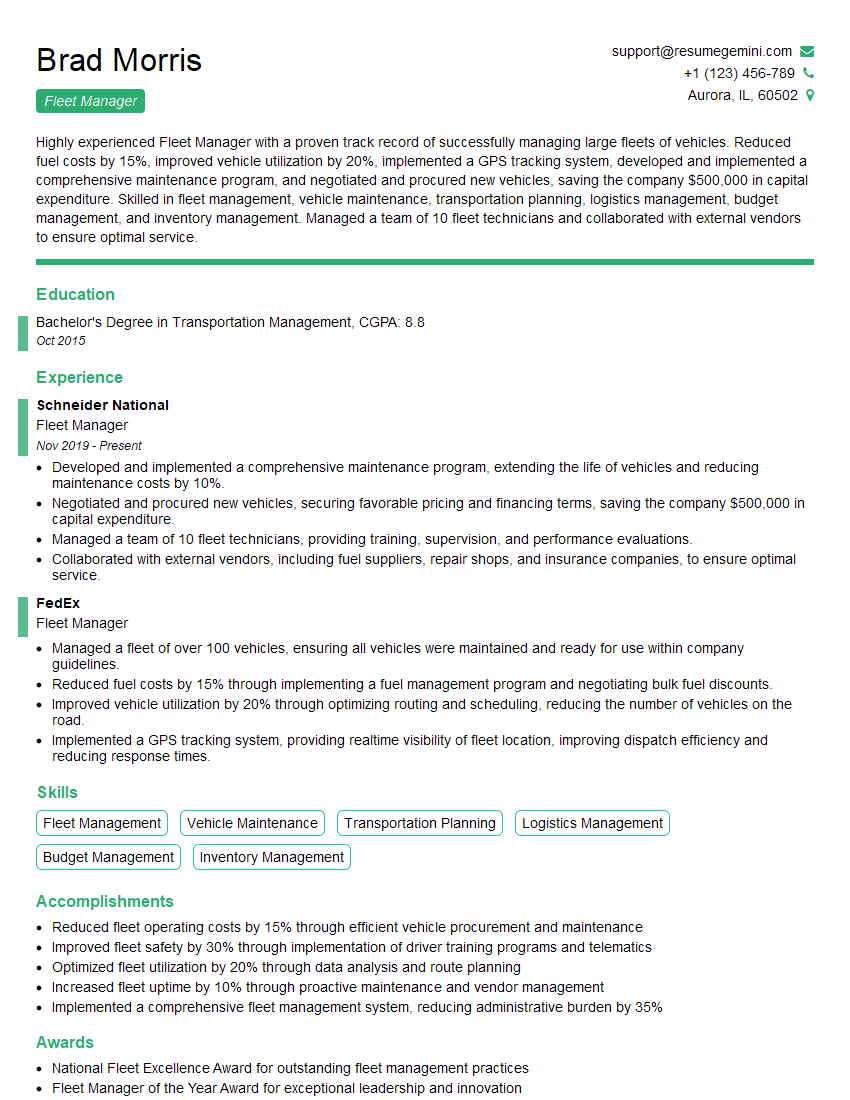
Fleet Manager Resume Sample
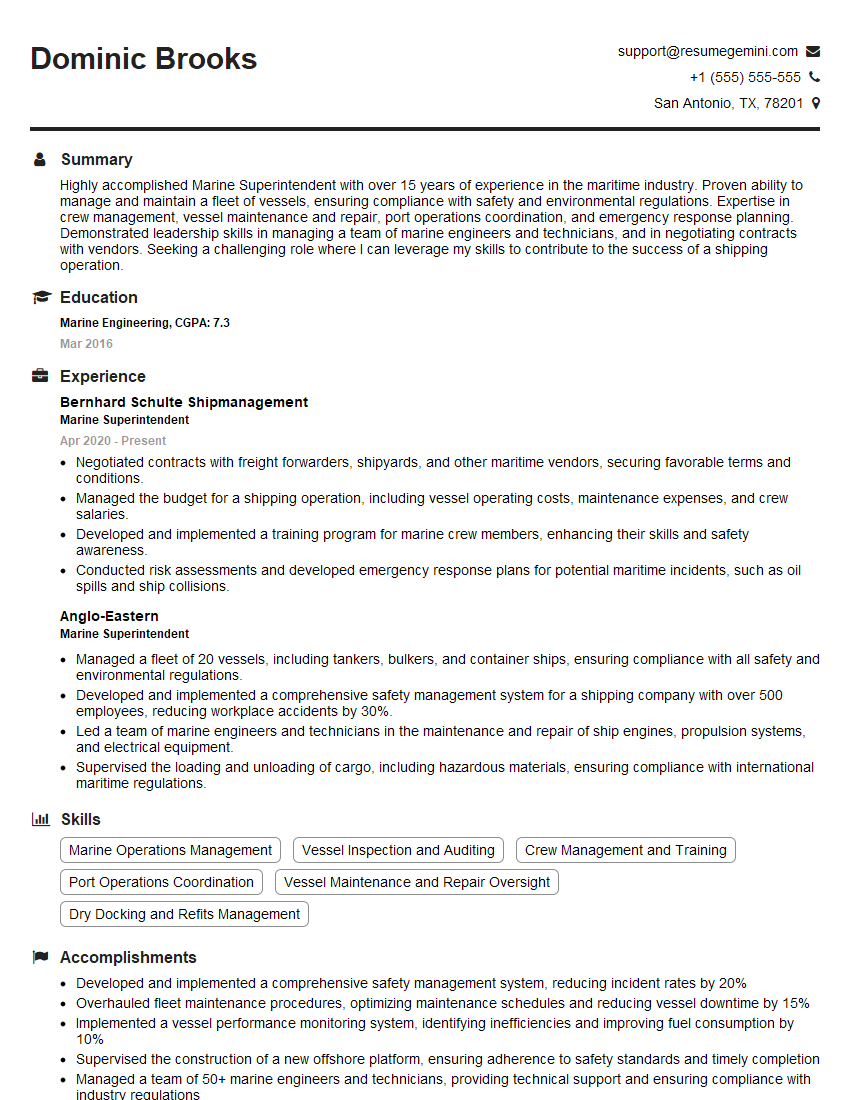
Marine Superintendent Resume Sample
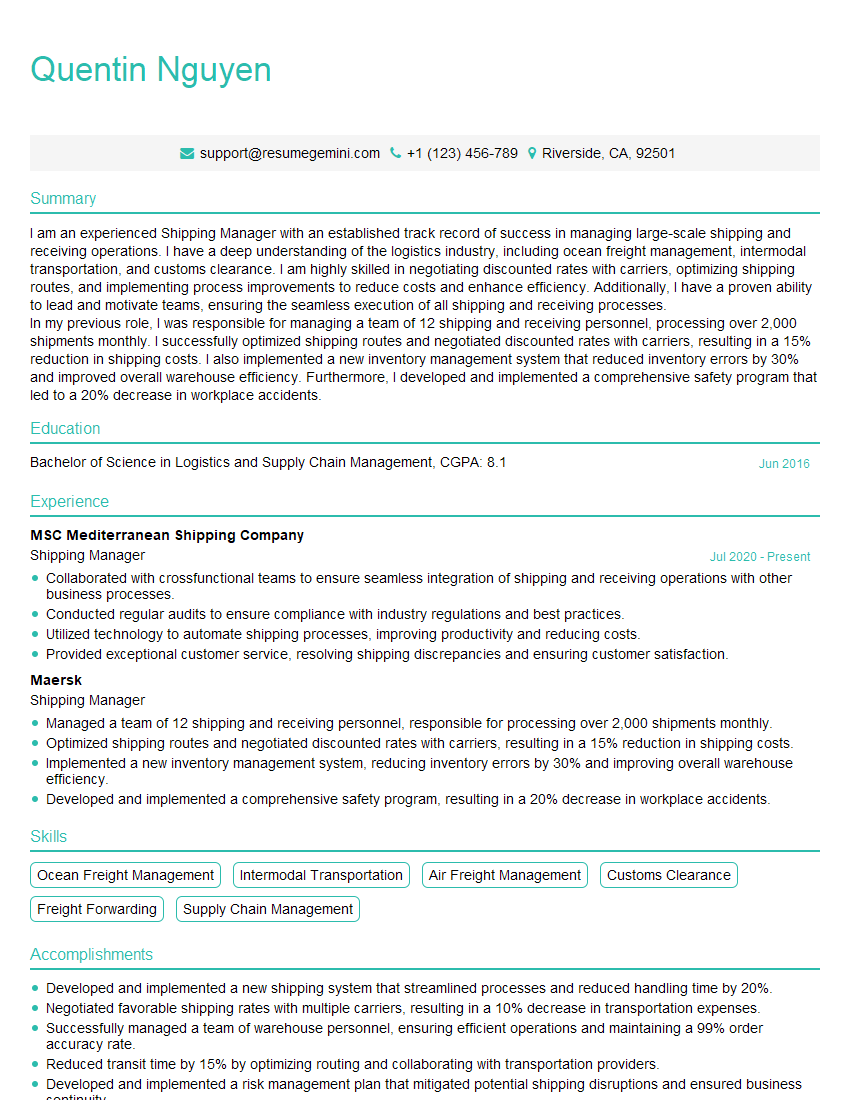
Shipping Manager Resume Sample
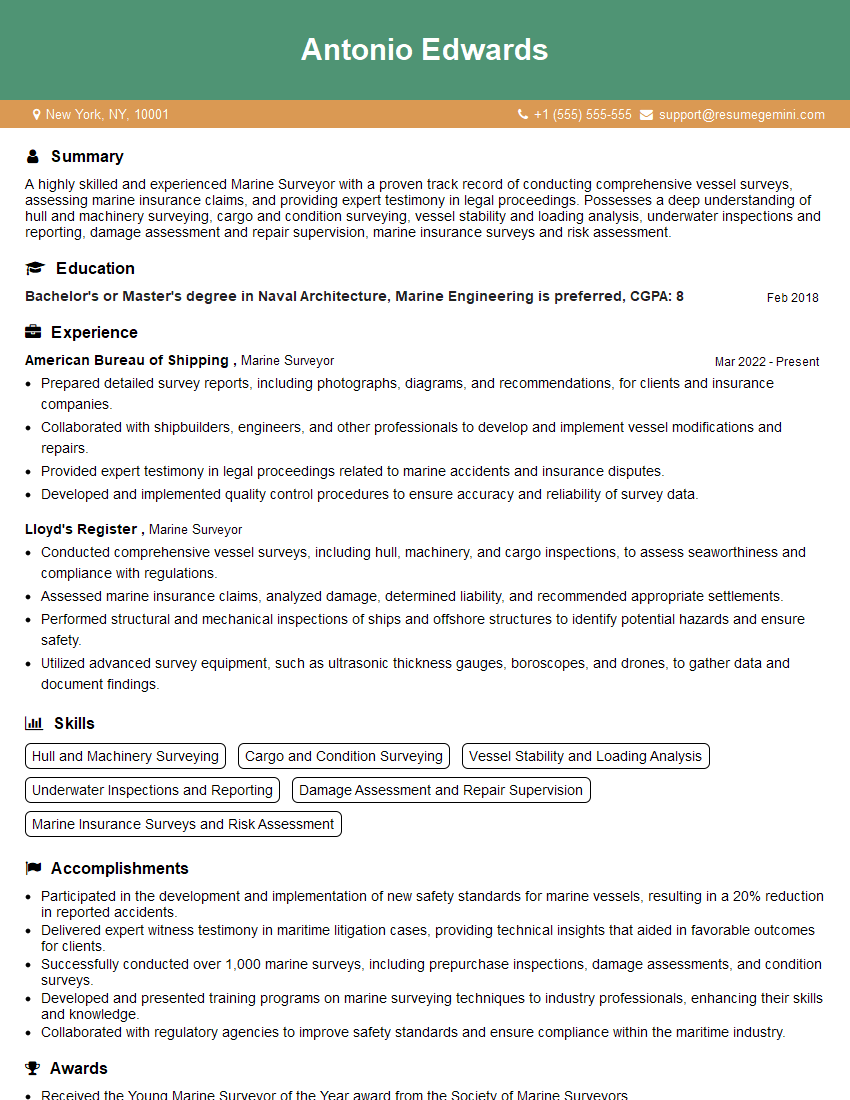
Marine Surveyor Resume Sample
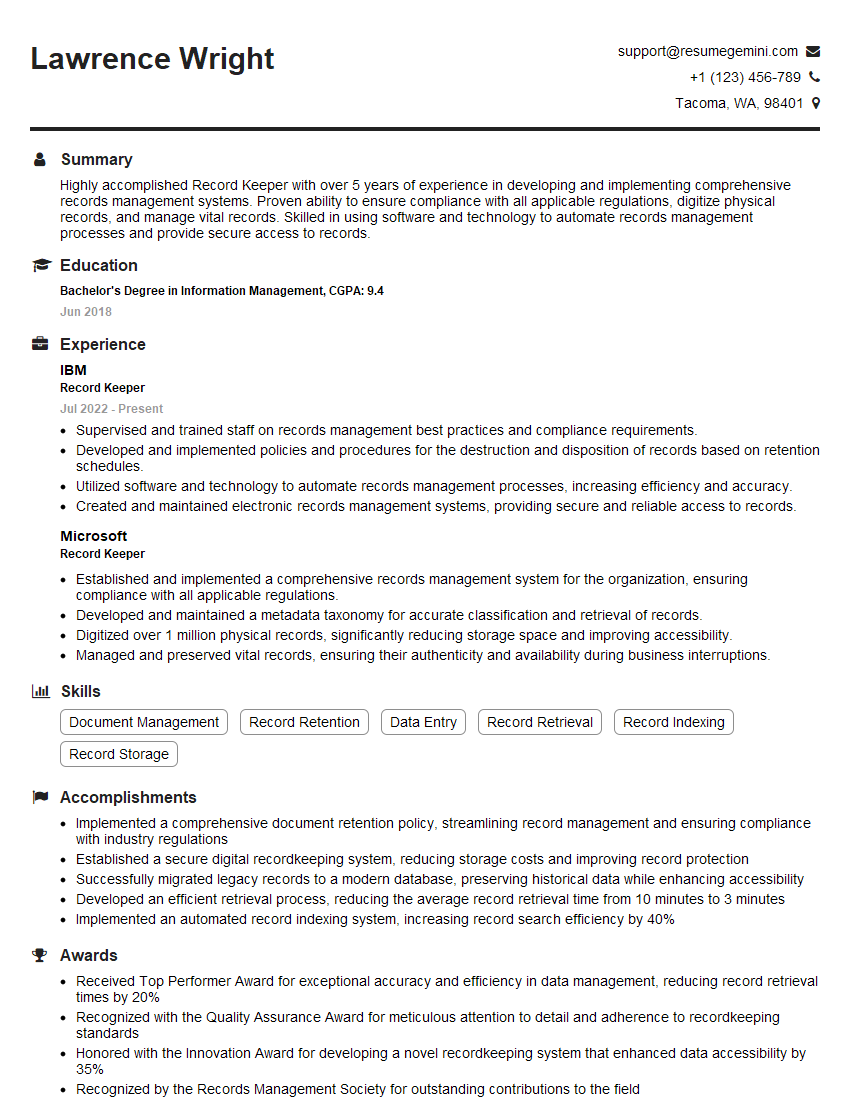
Record Keeper Resume Sample
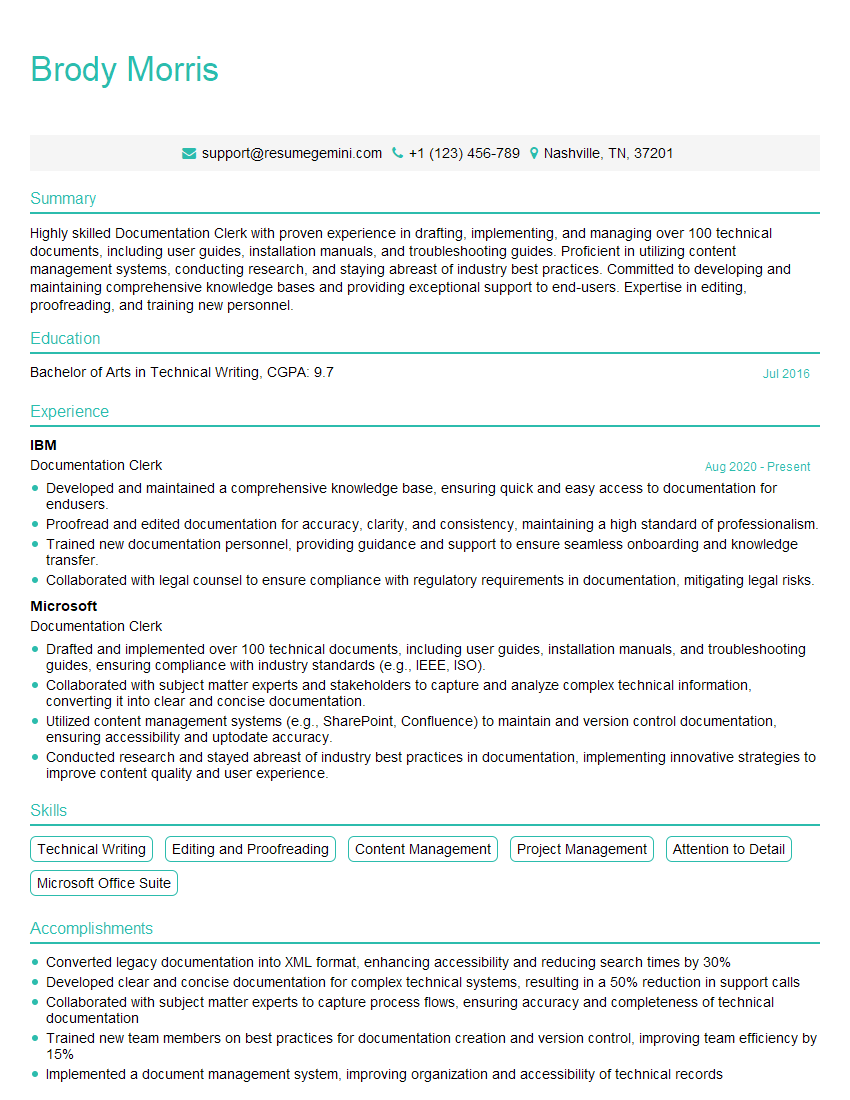
Documentation Clerk Resume Sample
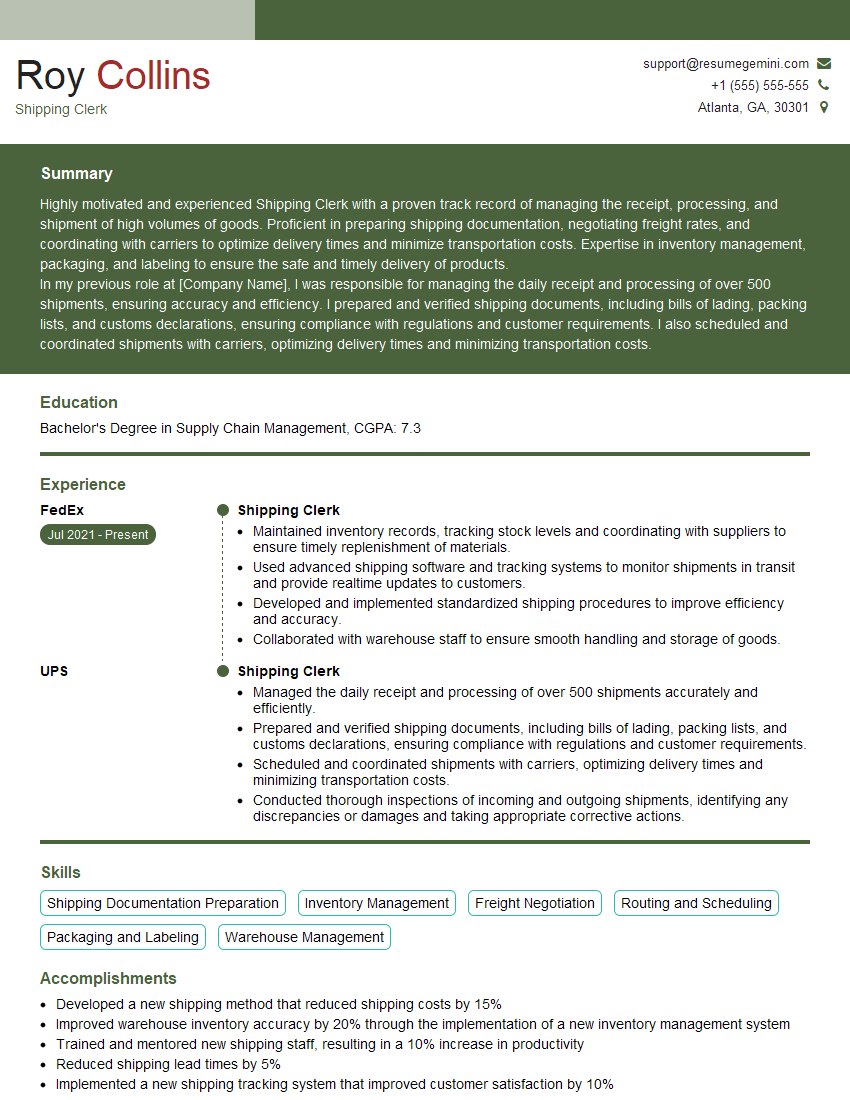
Shipping Clerk Resume Sample
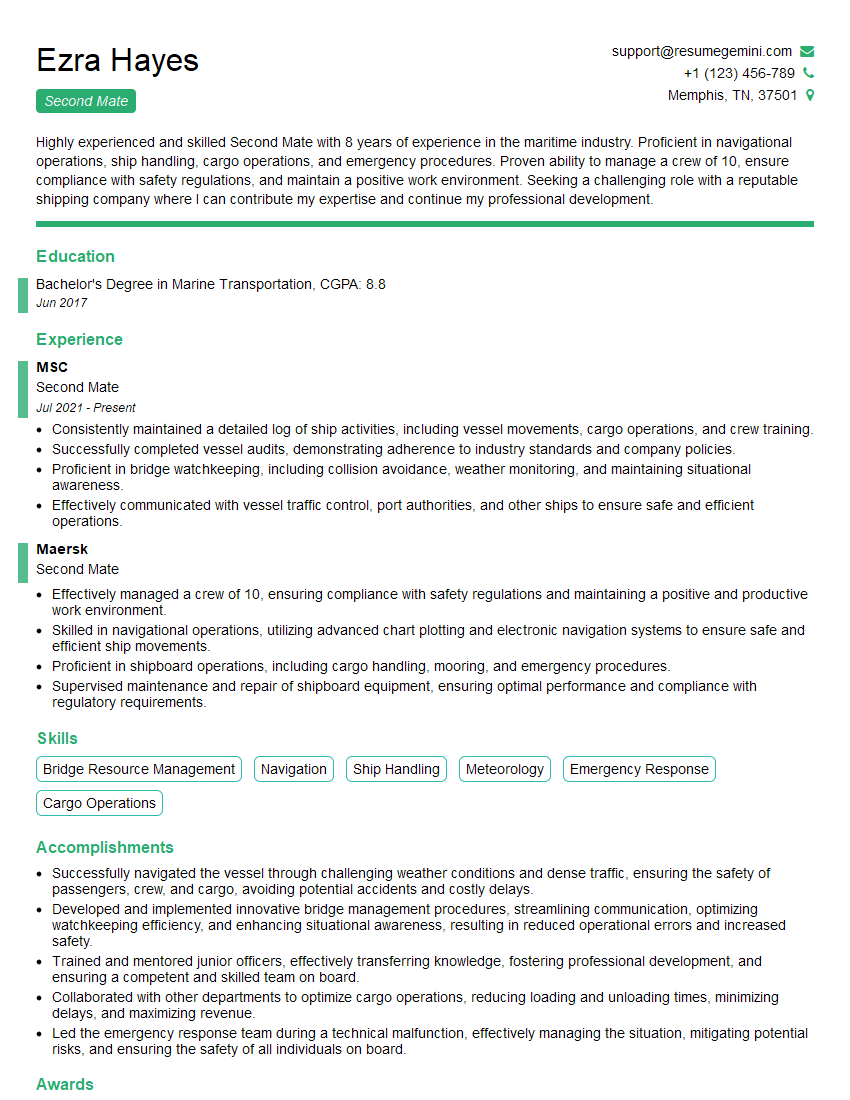
Second Mate Resume Sample
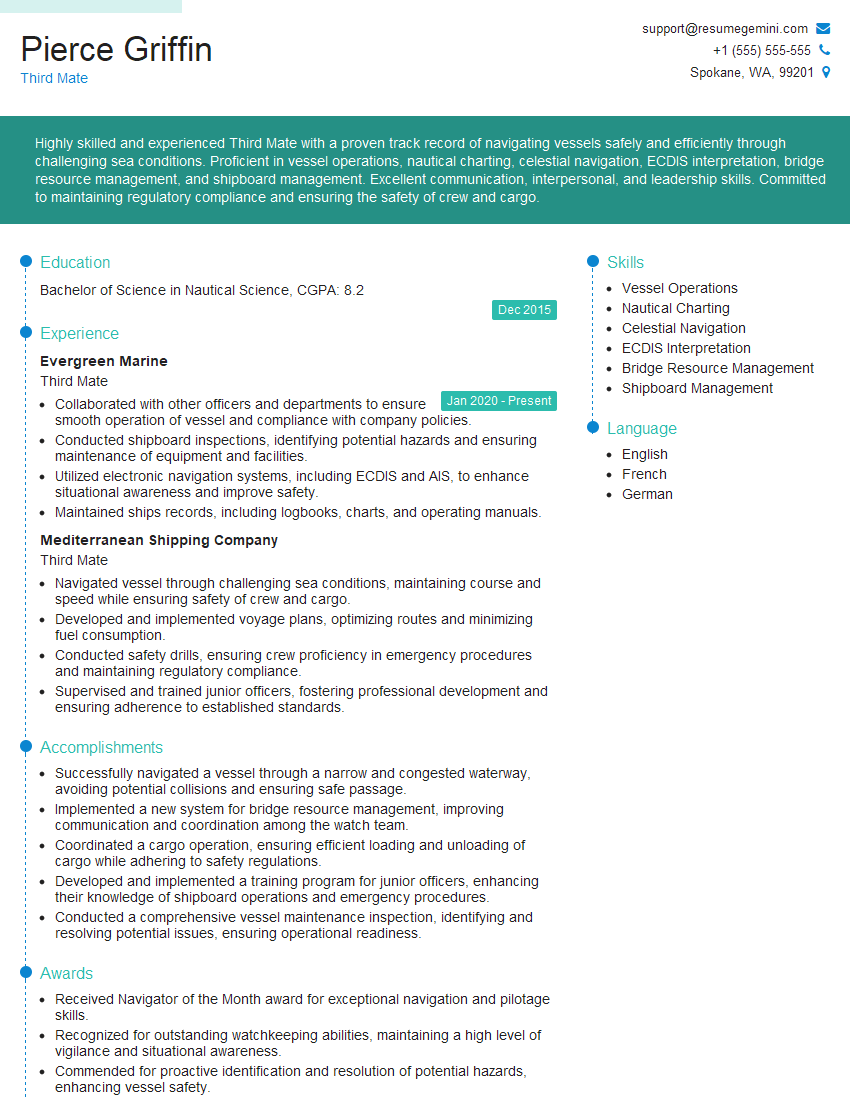
Third Mate Resume Sample
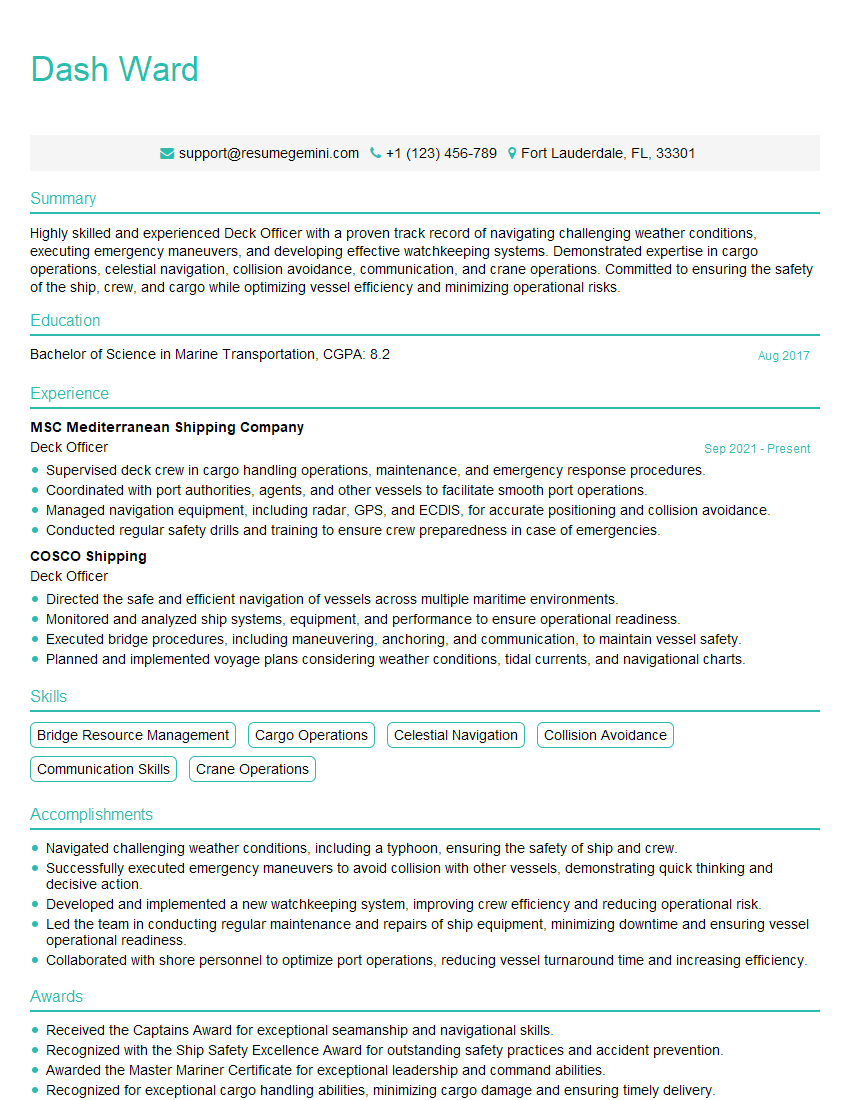
Deck Officer Resume Sample
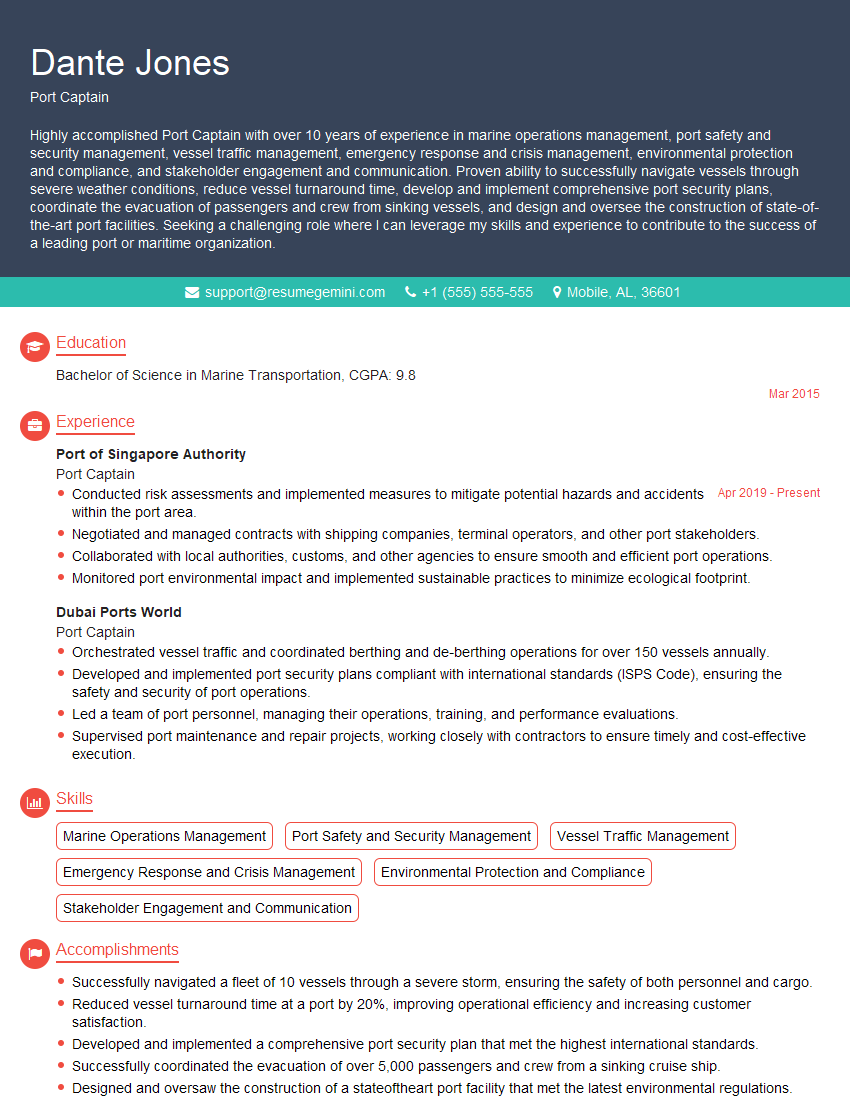
Port Captain Resume Sample
Explore more articles
Users Rating of Our Blogs
Share Your Experience
We value your feedback! Please rate our content and share your thoughts (optional).
What Readers Say About Our Blog
Very informative content, great job.
good